
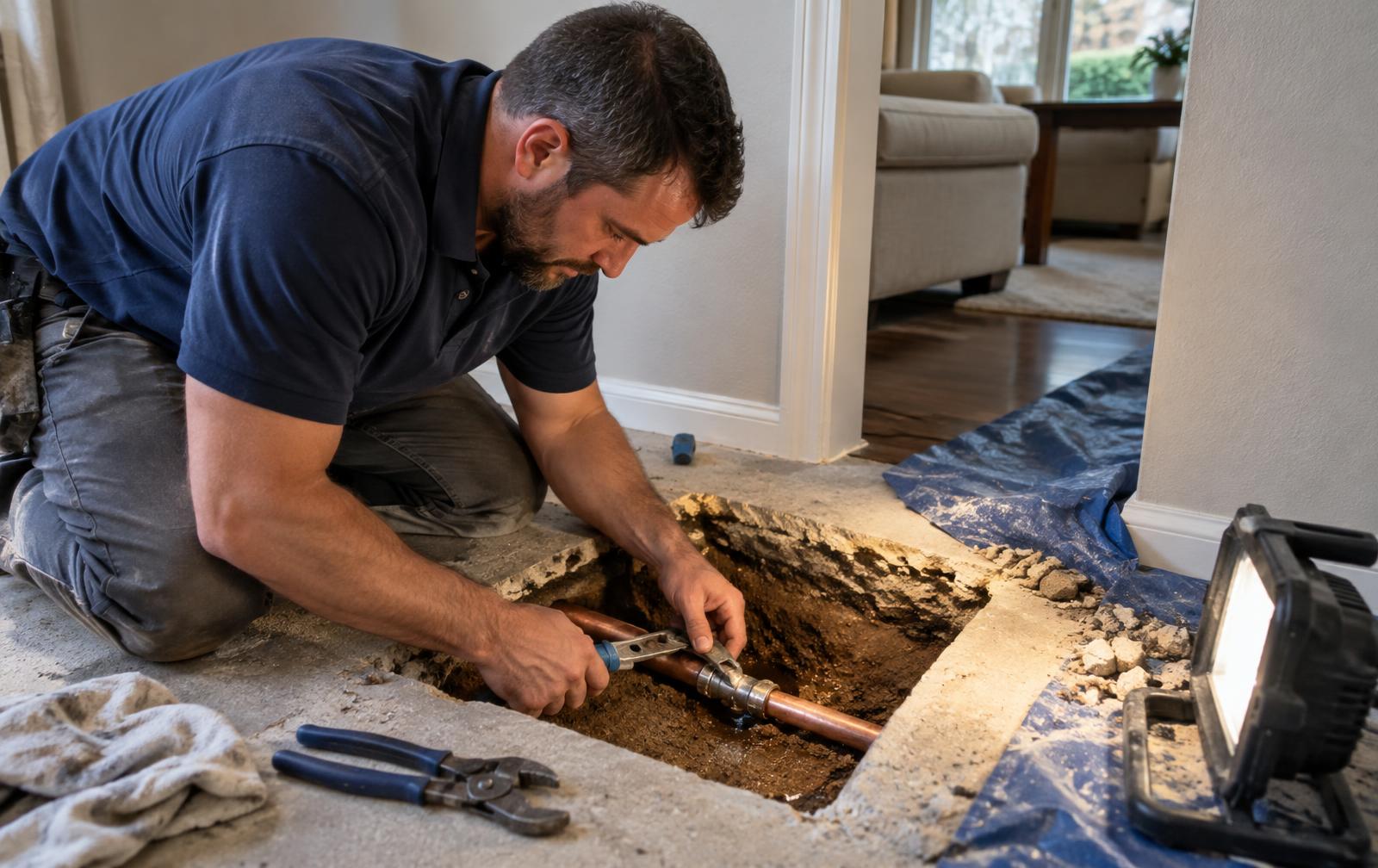
Slab Leak Repair in Plano, TX
Tile that stays damp for no reason anyone can point to. One corner of a bedroom that's noticeably warmer than the rest. A utility bill that climbed even though nothing new is running. We pinpoint what's happening under the concrete in Plano homes and condos before any demo starts, and we lay out the concrete-versus-overhead-line decision plainly instead of pushing one answer.
Concrete Doesn't Move Well When the Ground Underneath Won't Sit Still
Nearly every square mile of Plano sits on Blackland Prairie clay, and county soil surveys rate a lot of it highly expansive because of how much it swells and shrinks with the seasons. Foundations poured before post-tensioned slabs became standard weren't engineered to flex with that kind of movement, so a joint under an older Plano slab is doing double duty: holding pressure and absorbing ground shift at the same time. Eventually one of those jobs wins out.
The copper itself doesn't help. A lot of east and central Plano went in during the postwar decades using copper supply lines, and the city's day-to-day chloramine disinfection is mild but persistent on copper walls over that many years. Ground movement on one side of the pipe and mineral-laden water working the inside of it are two separate problems pointing at the same failure.
Around Legacy West the equation flips: newer PEX or copper, but finished concrete floors that are genuinely painful and costly to tear out and match again. A wrong guess there doesn't just cost a repair — it costs a flooring contractor too, which is exactly why locating the leak precisely matters as much as fixing it.

Signs of a Slab Leak in Your Plano Home
A slab leak runs quietly for weeks before it's obvious. Finding it early keeps the repair small.
A hot-water line failing under a slab heats whatever concrete sits above it. Homeowners usually find it barefoot, first thing in the morning, as one odd warm spot on tile or hardwood that the rest of the room doesn't share.
A small pinhole under a slab can lose a real volume of water a day without ever reaching a visible surface. If your account jumped and nobody added a sprinkler zone or a new appliance, this is worth ruling out early.
Constant water loss on the hot side means the tank keeps refiring to replace what's draining away underground. A closet that runs warmer than it used to, or a burner that seems to fire more often, is a real clue.
Moisture sitting under a slab for a long stretch eventually breaks down grout and pushes hardwood up at the joints. Both point to a leak that's already been running for a while, not a brand-new problem.
Turn off every fixture in the house and put an ear near the slab or a nearby wall. A faint hiss or trickle at that point is water traveling somewhere it has no business being.
When only the hot side loses pressure or runs out faster than it should, the problem usually sits specifically on that line under the floor, not somewhere upstream in the whole system.
Locate With Confidence First. Pick the Repair That Actually Fits Second.
Nothing gets cut into until we can show you, on a photo, where the problem sits and why that repair path makes sense.
- 1Start at the water heater, not the slab
Pressure testing both supply lines where they leave the tank tells us immediately which one is losing water. That single check decides where the rest of the detection effort goes.
- 2Corner the leak with sound and heat
A ground microphone walking the floor, a thermal camera sweeping the walls and slab, and a tracer gas check on the affected line together usually box the leak into an area small enough to mark with confidence.
- 3Explain the two ways forward, plainly
One option opens a small, targeted section of concrete right at the failure and splices in new material — often the lighter job if everything else on that line still looks sound. The other abandons the buried line altogether and runs a fresh overhead line through the attic instead — usually the smarter call when the rest of the copper is the same age and due for the same failure eventually.
- 4Do the work you actually chose
For a concrete opening, we cut cleanly, expose the bad section, splice it, and patch behind ourselves. For an overhead run, new PEX-A goes in through the attic, ties in above the fixtures it serves, and the old buried line gets capped off for good.
- 5Prove it holds before we leave
The finished line sits under pressure long enough for you to watch the gauge yourself. You keep photos from the detection, the repair itself, and the pressure test, so there's a real record of what happened and why.
A Small Concrete Opening or an Overhead Line — We Price Both
Neither option wins automatically. It comes down to how old your copper is, how many fixtures depend on that one line, and how much of your slab is already finished over.
We open just enough concrete to reach the failed section, splice in a new fitting, and patch the opening closed. This fits best when the rest of the supply line still tests sound and the failure looks like an isolated event.
- A sensible first move on younger copper with one clean failure
- Leaves the original pipe routing exactly as it was
- Flooring and concrete finish work is handled by your restoration crew
- A weaker choice if the rest of that copper run is the same age
We leave the failed buried section capped and dead, and run a new PEX-A supply line overhead instead, tying in above the fixtures it feeds. This tends to make more sense when today's failure looks like the first of several still coming.
- Removes that line from future concrete work entirely
- Sidesteps aging copper that can't be inspected once it's buried
- Condos or additions without attic space may route through soffits instead
- Higher cost up front, usually cheaper than repeat slab repairs over time
What Drives Slab Leaks in Different Parts of Plano
Construction era and copper age tell most of the story.
Around 15th Street and Ave K sit some of the oldest houses in the city, platted before 1940. Original piping still in service in a house that age has spent a very long time fighting both clay movement and mineral-heavy water, which is often reason enough to favor an overhead line over another concrete patch.
Custom homes off the Tollway near Parker Road, built from the late 1970s through the early 2000s, tend to carry long copper runs feeding sprawling floor plans — plenty of pipe for a single failure to hide a good distance from where the water actually shows up.
The large lots ringing the golf course, built mostly in the late 1980s and 1990s, come with more bathrooms and more line to feed them, which simply gives the clay underneath more joints and fittings to work against over the decades.
Development here runs mostly 2010s and later, built over finished concrete floors that are expensive to tear out and replace. Getting the location right the first time carries more weight here than in almost any other part of Plano.
The stretch of Plano that filled in once the Central Expressway opened, roughly the late 1950s through the mid-1980s, still holds some of the oldest copper supply lines under slab anywhere in the city.
Construction near this redevelopment skews recent, so the supply lines involved are younger, and a slab leak call here more often traces back to how a joint was installed than to decades of wear.
What Plano Homeowners Say

A Slab Leak Fixed With a Path You Actually Chose
Whichever path you pick, the labor behind it is warrantied, and any materials involved carry whatever coverage the manufacturer provides. If our workmanship is the reason a fix doesn't hold, we come back and correct it under that same warrantied labor. If a separate leak later shows up somewhere else on the same aging copper, that's the exact possibility we flagged honestly before you decided.
We're a family-owned shop, insured, and licensed through the Texas State Board of Plumbing Examiners, dispatching every truck out of The Colony. Scheduling runs same-day, seven days a week, from 8 AM to 6 PM, and an active slab leak in Plano usually gets a truck out the same day it's reported.
Straight Answers, No Sales Pitch
Our Other Plumbing Services in Plano, TX
A slab leak often signals that the rest of the supply system is the same vintage. Ask about the sewer line, the water heater, or a broader re-pipe while we're already on-site in Plano.
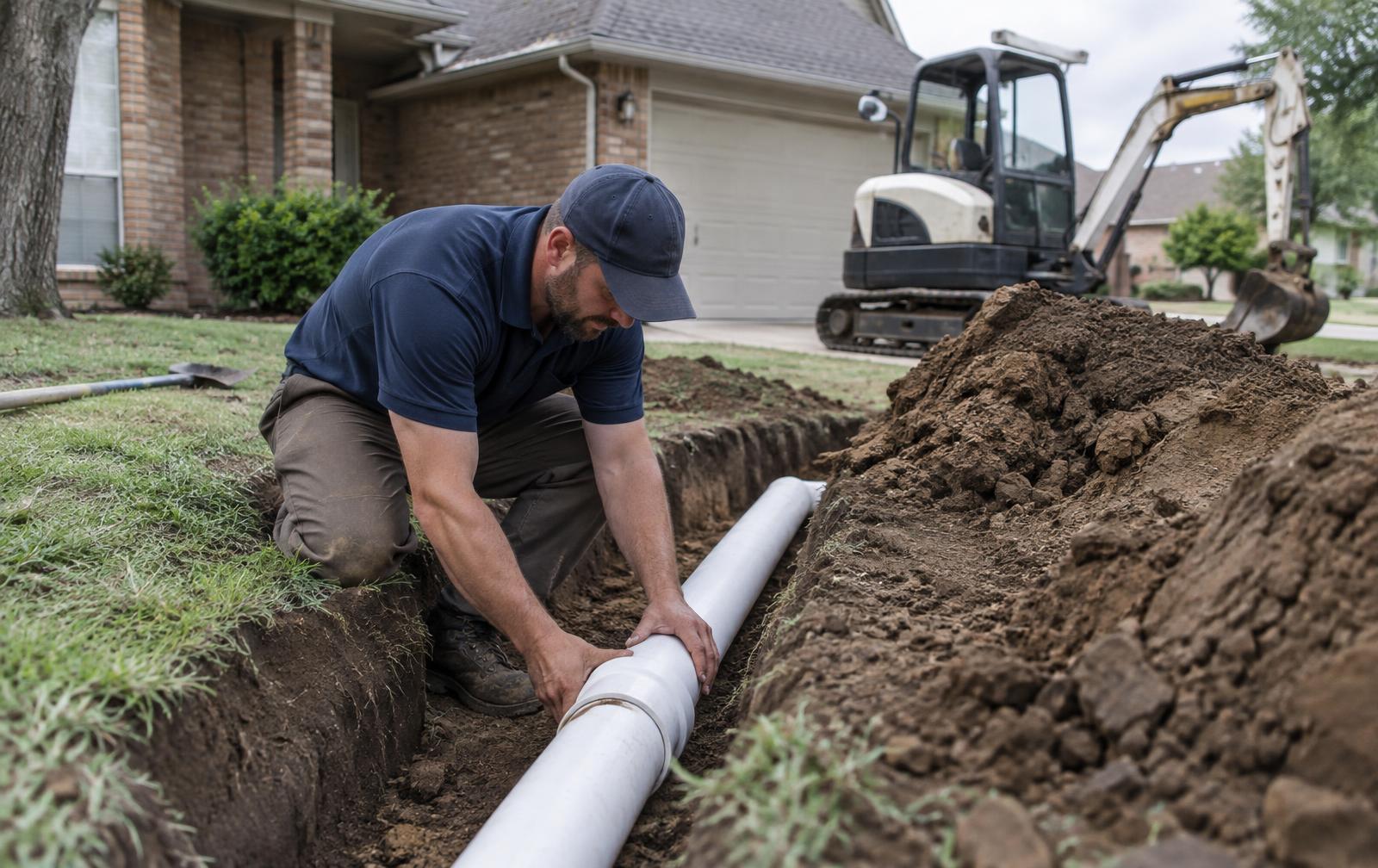
Trenchless replacement for the aging laterals across Plano's older runs — camera first, quote in writing, minimal yard damage.
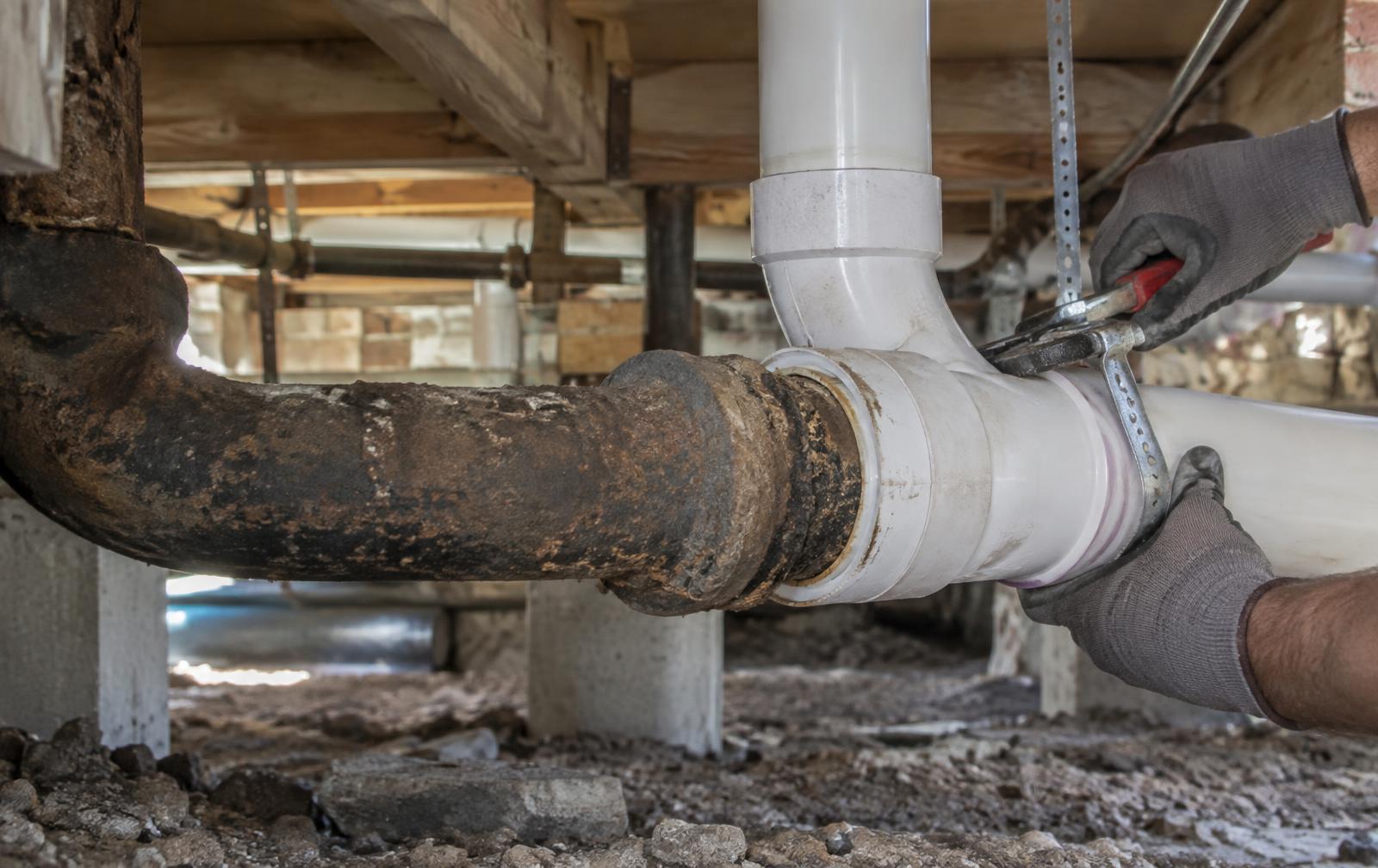
Camera inspection and PVC replacement for the aging cast iron drain lines in older Plano homes, with a written quote first.
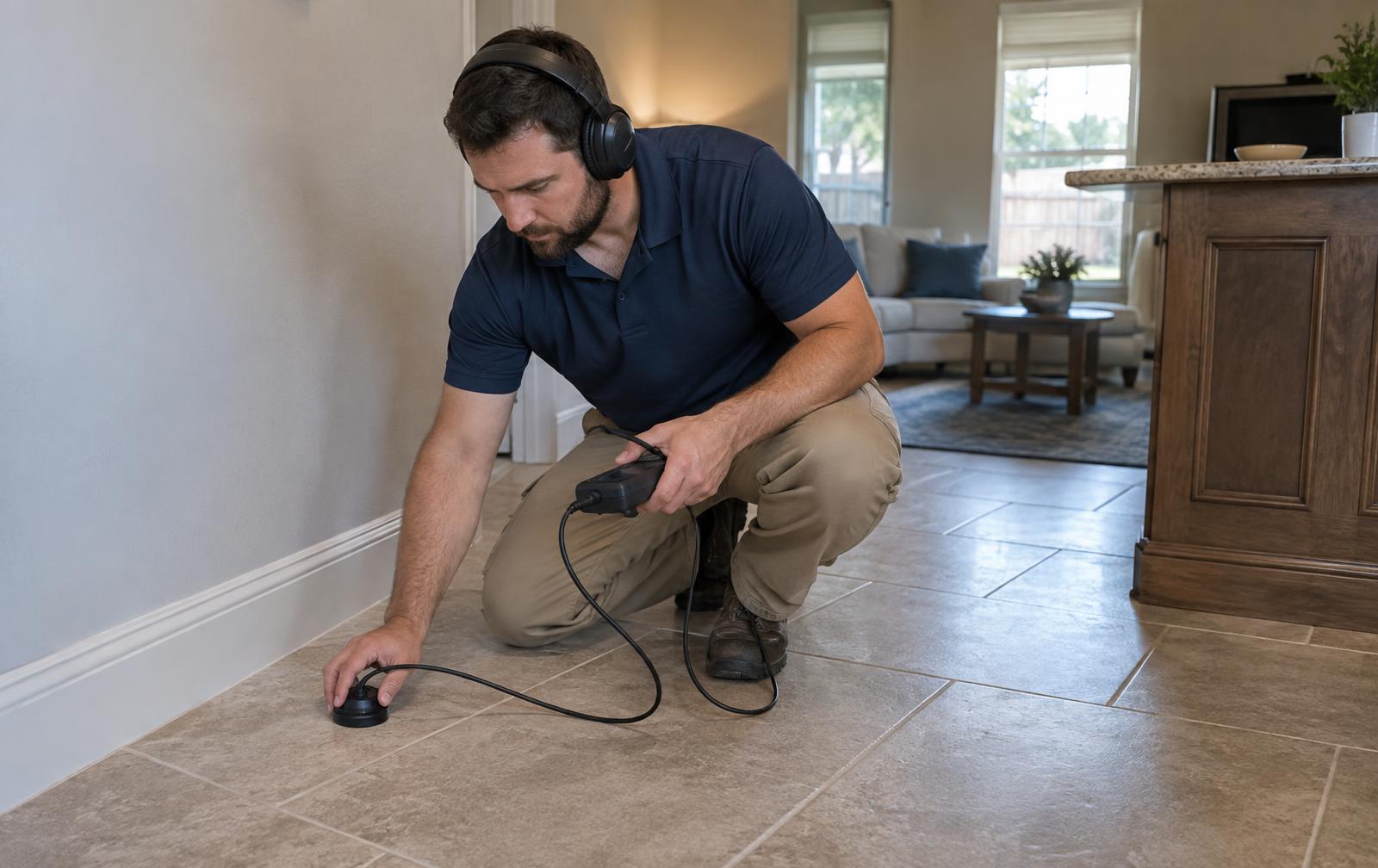
Acoustic, thermal, and pressure testing to pinpoint hidden leaks in Plano slab and wall lines without tearing into finishes.

Licensed install, repair, and pressure-testing for Plano homes — every line signed off to Texas code and Atmos requirements.

Full-clear service and camera confirmation for the drains under Plano's neighborhoods.

Repair, flush, and replacement of tank units — including attic and garage heaters common to Plano homes.
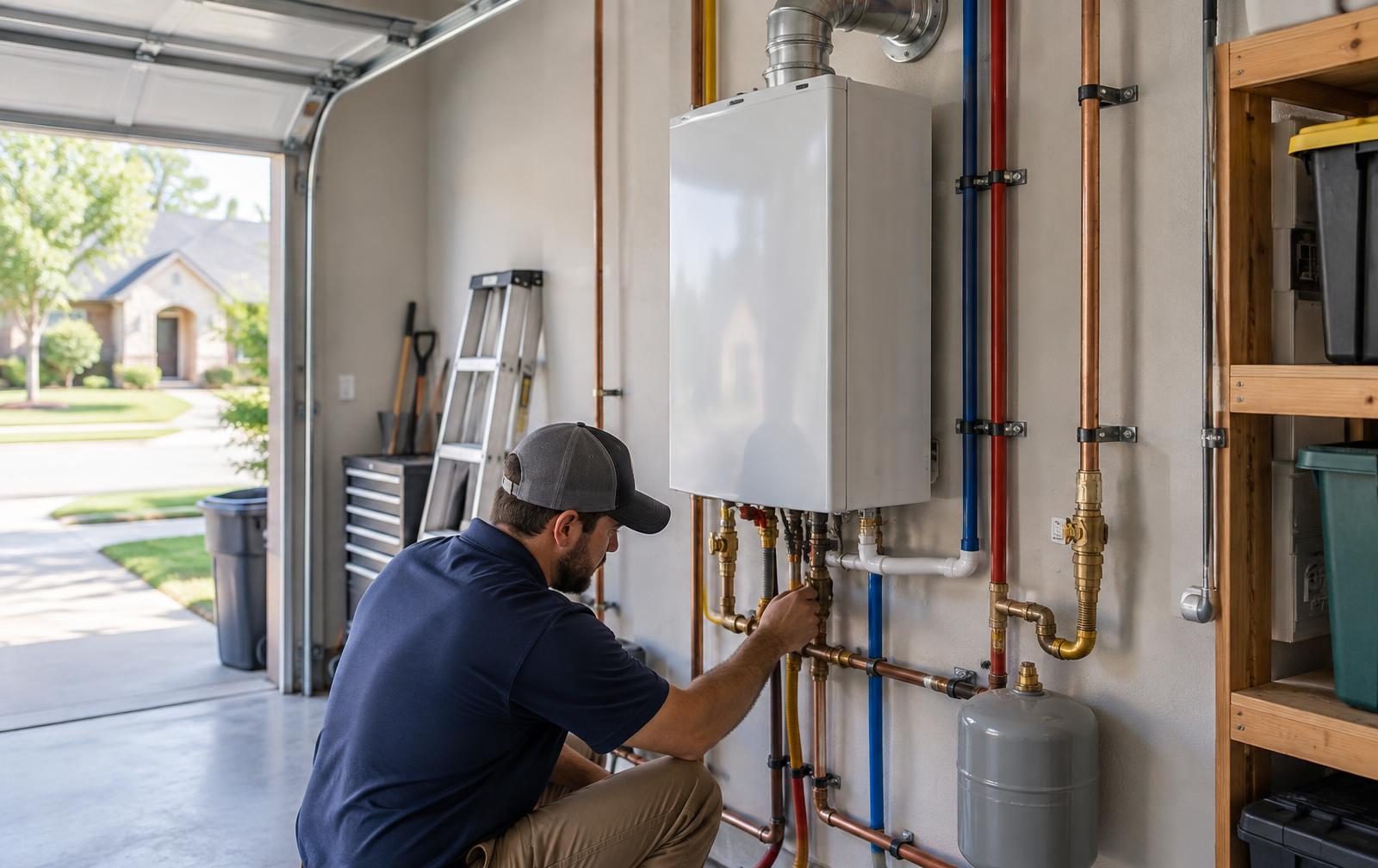
Install, service, and annual descaling — Plano's hard tap water eats tankless heat exchangers without it.
same-day, 7 days a week response across Plano for burst pipes, heater failures, and main-line backups.
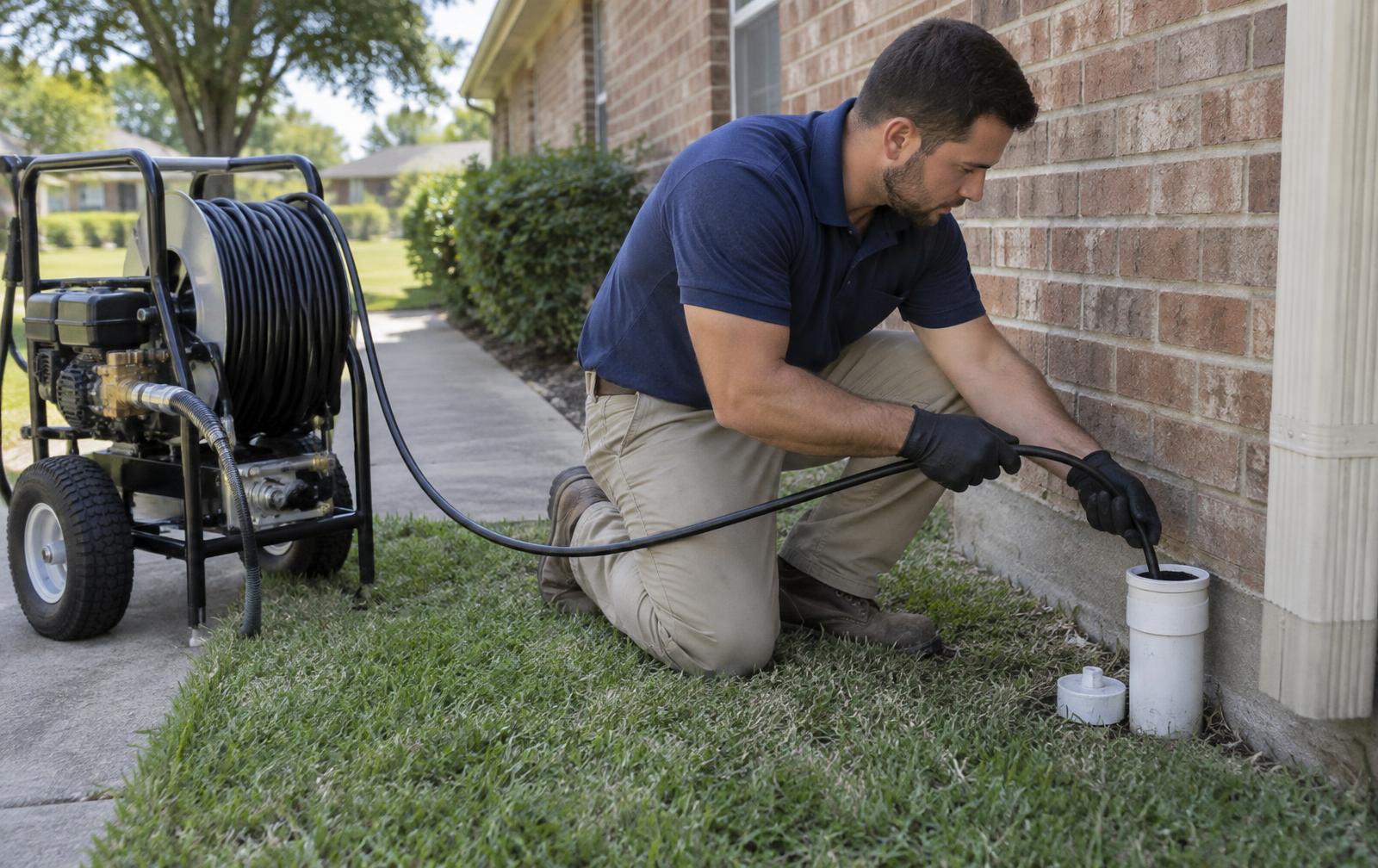
High-pressure cleaning that clears scale, grease, and roots from Plano's lateral runs — full-diameter, lasting clean.
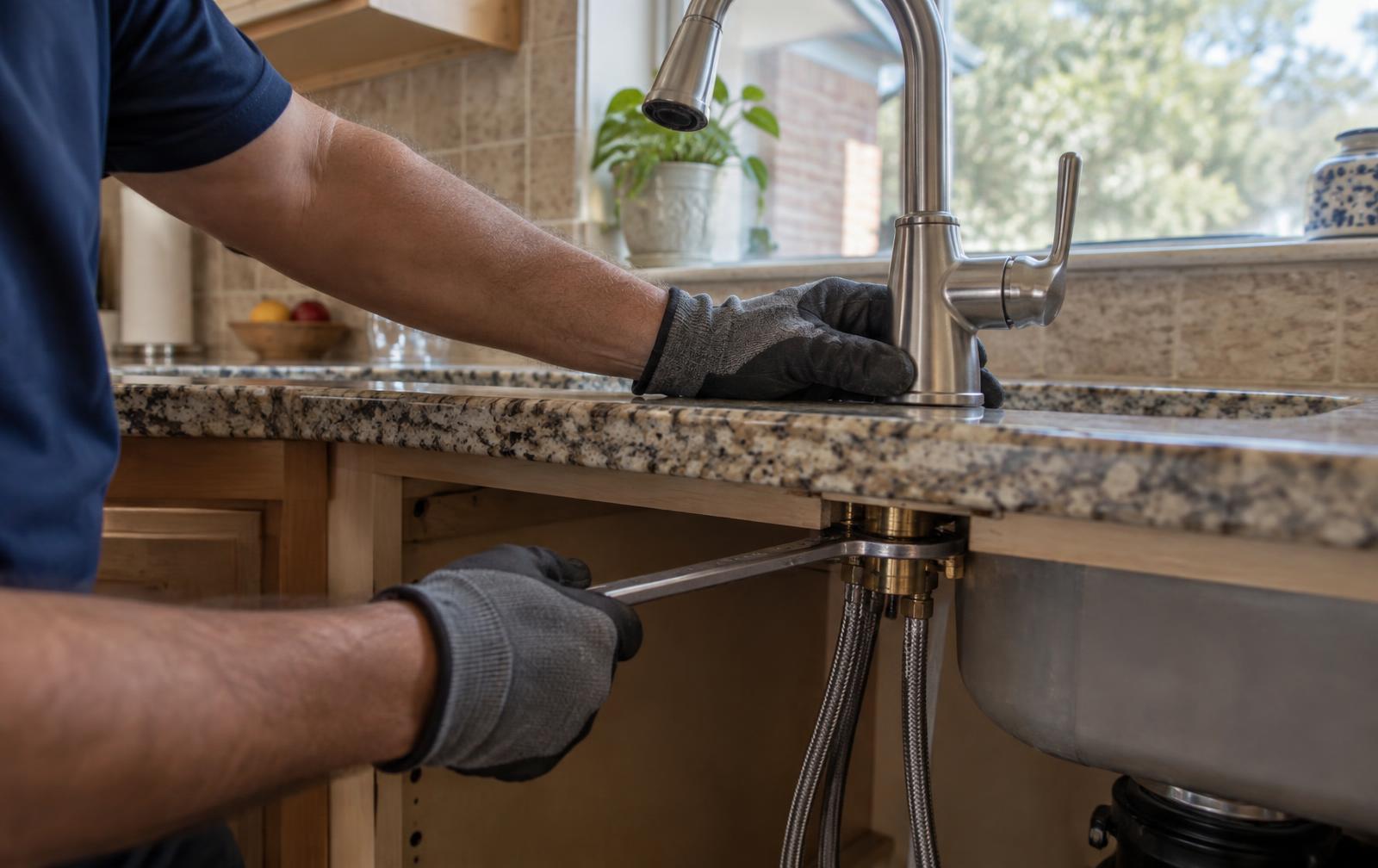
Cartridge, stem, and full-fixture replacement for Plano kitchens and bathrooms — hard-water-ready parts stocked on the truck.
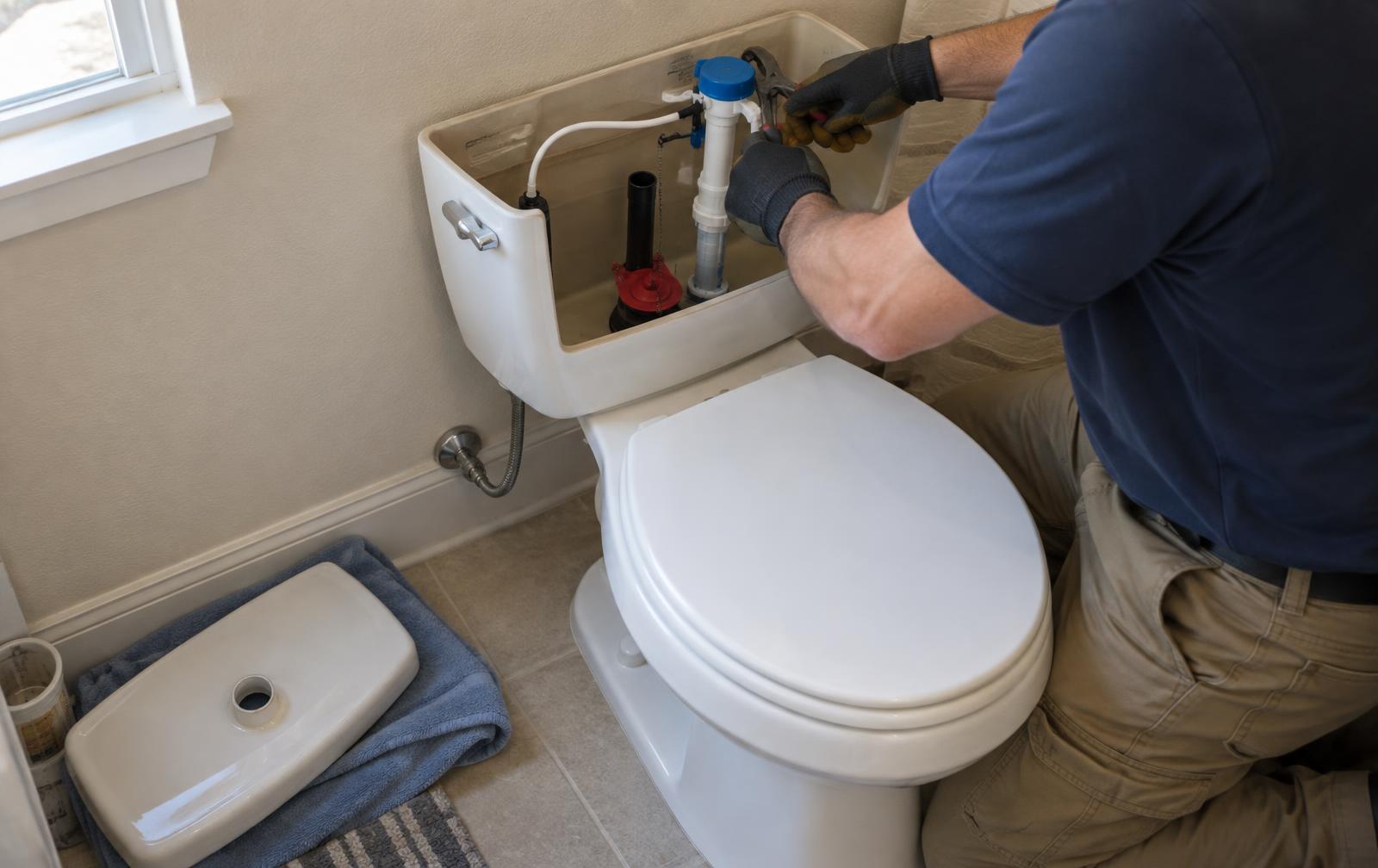
Rebuilds, wax-ring resets, flange repairs, and full replacements — the running toilets and rocking bowls in Plano homes.
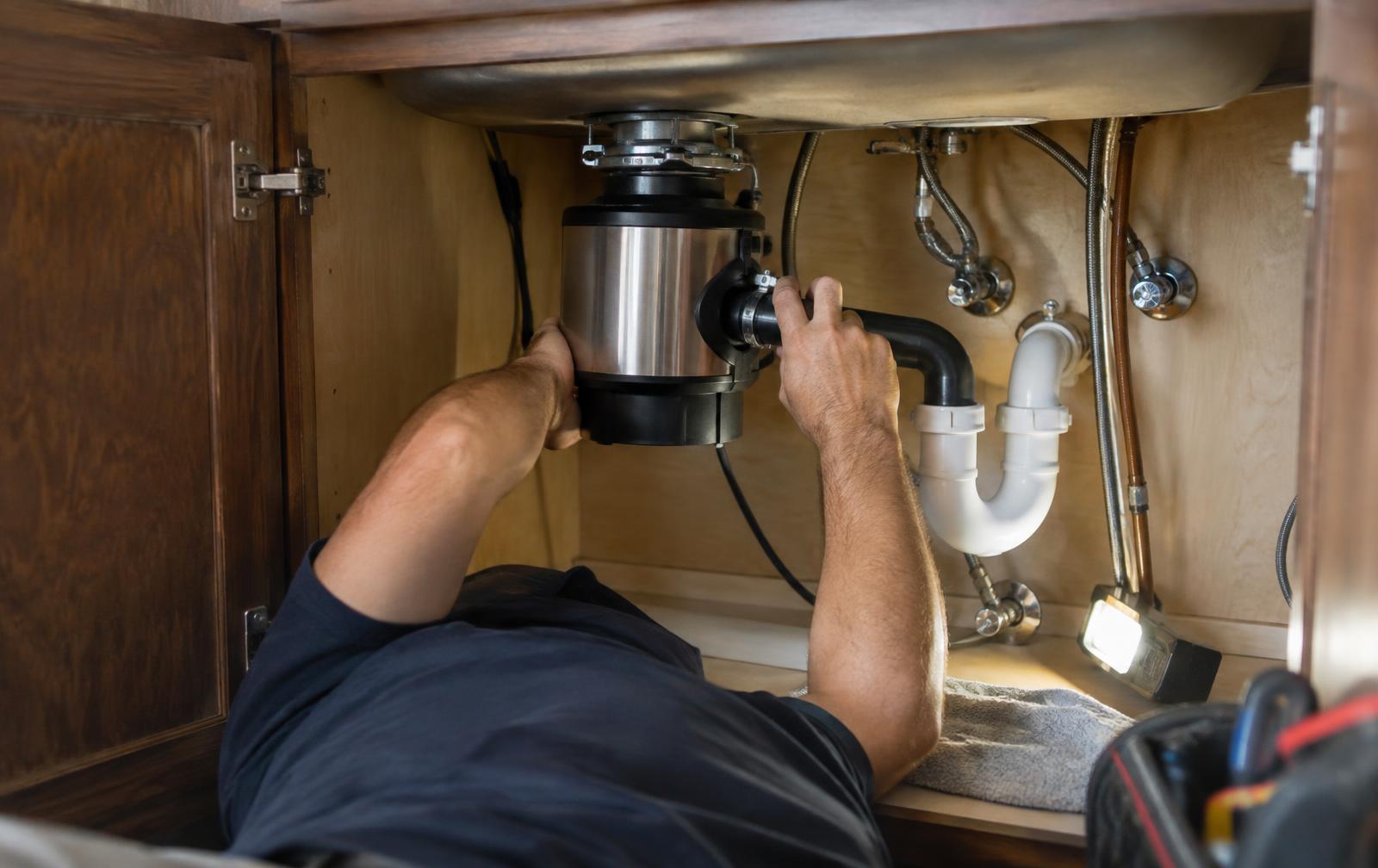
Jam clearing, leaking-unit swaps, and quiet 3/4 HP upgrades for Plano kitchens — same-visit install.
Dealing With a Slab Leak in Plano?
Electronic detection, a plain-language comparison of your two repair options, and nothing cut into until we know exactly where the problem is. Book now.