
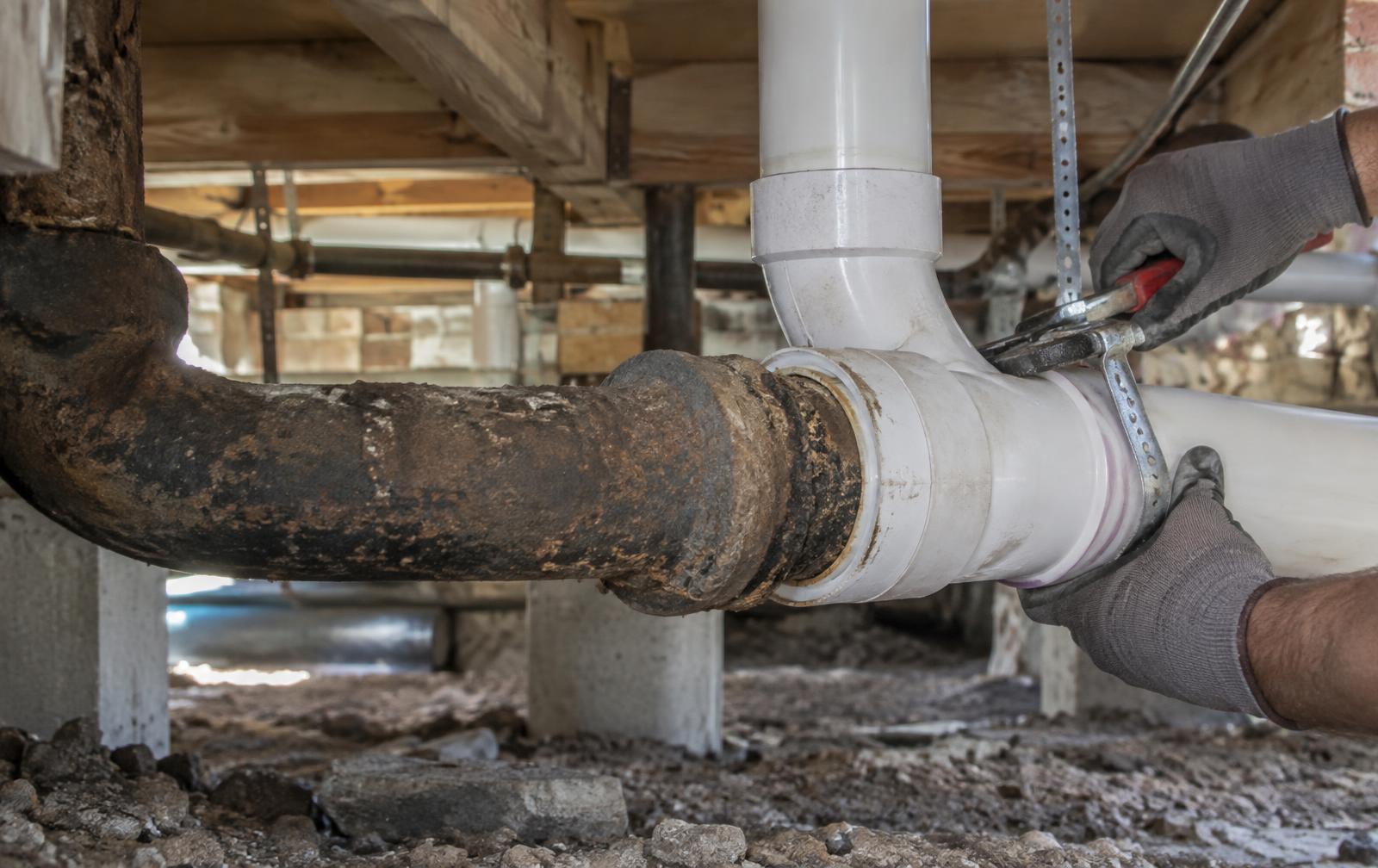
Cast Iron Pipe Replacement in Plano, TX
A lot of Plano was built during the suburban boom between the late 1950s and mid-1980s, and many of those homes still drain through their original cast iron. When the same drain keeps backing up or the camera shows scale and cracks, we replace the failing pipe with PVC and put the plan in writing first.
Decades-Old Cast Iron Is Still Draining Many Plano Homes
Plano grew fast once U.S. 75 opened, and the neighborhoods built from the late 1950s through the mid-1980s make up a big share of the city's older housing. Homes from that era commonly have cast iron drain stacks and drain lines, and after forty to sixty years many of them are scaled, thin along the bottom, or cracked at the joints.
The soil doesn't help. Plano sits on Blackland Prairie clay that swells and shrinks with the seasons, and that movement stresses the drain lines running under slab foundations. A pipe that is already weak from corrosion is the first to crack or pull apart at a joint.
We start with a camera inspection from a cleanout so you can see the inside of your pipe. If one section has failed, we fix that section. If the cast iron is worn out end to end, we lay out a replacement plan, swap it for PVC, and test the new line before anything is closed up.
Signs the Cast Iron Under Your Plano Home Is Failing
One of these is worth a camera look. Several together usually mean the cast iron itself is wearing out.
Rough scale inside cast iron snags grease and paper. If a drain needs clearing every few weeks, the pipe itself is often the problem.
When several fixtures drain slowly at once, the main drain under the house or the sewer line is usually involved, not a single branch.
Cracked cast iron and separated joints let sewer gas escape. Smells near floor drains, vanities, or the garage are worth a camera look.
A leaking drain under the slab can wash out soil and leave damp spots, odors, or fresh cracks in tile near bathrooms and the kitchen.
Much of east and central Plano was built from the late 1950s through the mid-1980s, the age range where original cast iron drains are common.
If a past inspection flagged heavy scale, a belly, or a cracked section, those problems only get worse with time.
Camera First. Then a Written Plan for the Pipe That Actually Failed.
Nobody gets a price over the phone. We inspect first, then match the fix to what the pipe shows us.
- 1Camera the line from a cleanout
We run a camera through the drain and record the footage. You can watch with us and keep a copy.
- 2Locate the damaged sections
A locator in the camera head shows where and how deep the bad sections are, so we know exactly where access is needed.
- 3Put the plan and price in writing
You get a written plan covering what gets replaced, where we need access, the new pipe material, and the cleanup involved.
- 4Pull the City of Plano permit
Replacing drain or sewer lines in Plano requires a permit through the city's Building Inspection Department. We pull it and schedule the inspection.
- 5Replace, test, and camera again
We replace the cast iron with PVC, test the new line, and run the camera once more so you can see the finished work.
Where We See Cast Iron Drains in Plano
The year a home was built tells us a lot about what is under the slab.
The homes around 15th Street and Avenue K are some of the oldest in the city. Where the drains haven't already been replaced, cast iron and clay are both common.
Neighborhoods along U.S. 75 that filled in from the late 1950s through the mid-1980s are the age group most likely to still have original cast iron drain lines.
Custom homes built here from the late 1970s into the early 2000s span the switch from cast iron to plastic drain pipe, so a camera inspection is the only way to know what you have.
Most homes here date from the late 1980s and 1990s, so plastic drain lines are more typical. When we do find cast iron, it is often a section that was tied in during an earlier repair.
What Plano Homeowners Say
Licensed, Local, and Clear About What You're Paying For
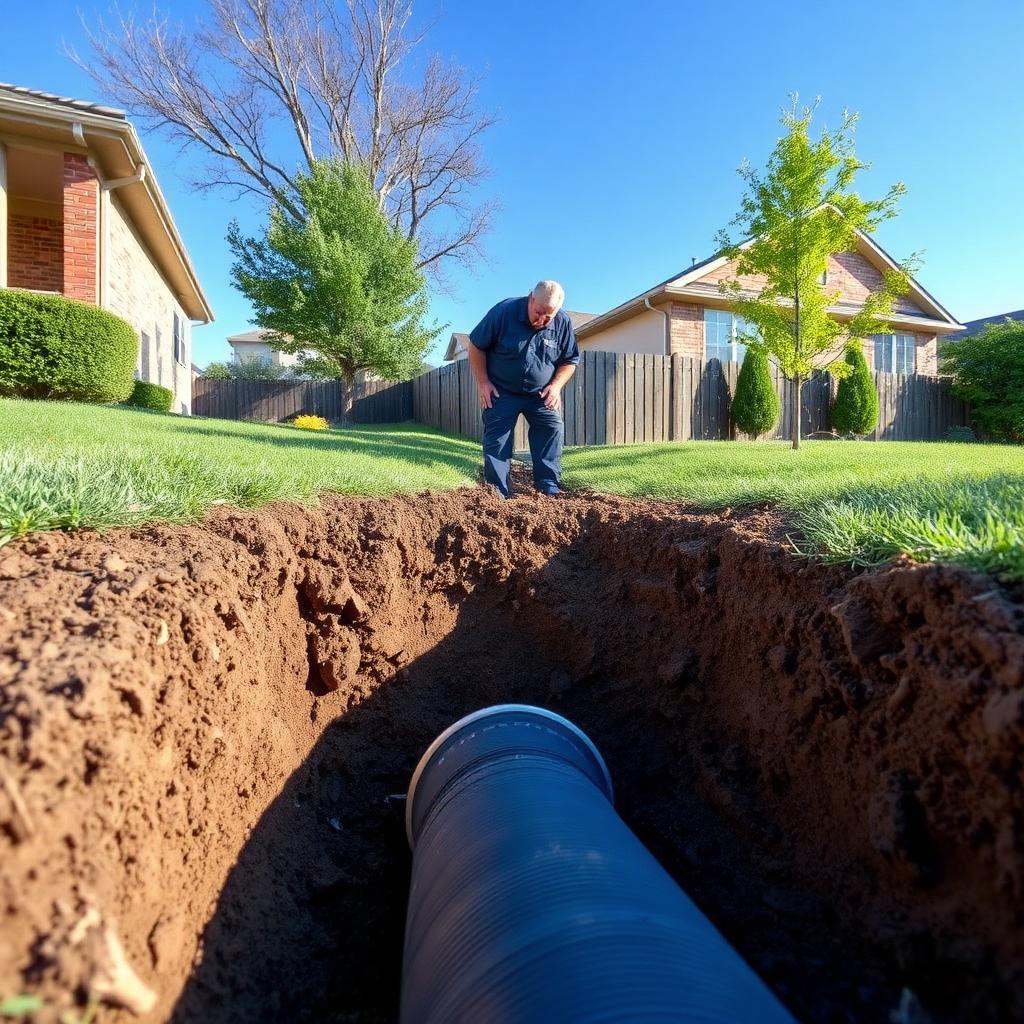
Every cast iron job starts with footage you can see, a written plan, and a quote before work begins. When the job is done, you get the after footage and the permit paperwork for your records.
We're licensed by the Texas State Board of Plumbing Examiners, insured, and family-owned. Every truck comes from our shop in The Colony, and we're on the schedule same-day, 7 days a week, 8 AM to 6 PM.
Straight Answers About Cast Iron Drains
Our Other Plumbing Services in Plano, TX
Old cast iron drains are often a sign that other original plumbing is aging too. Ask us to check the rest of the system while we're at your Plano home.
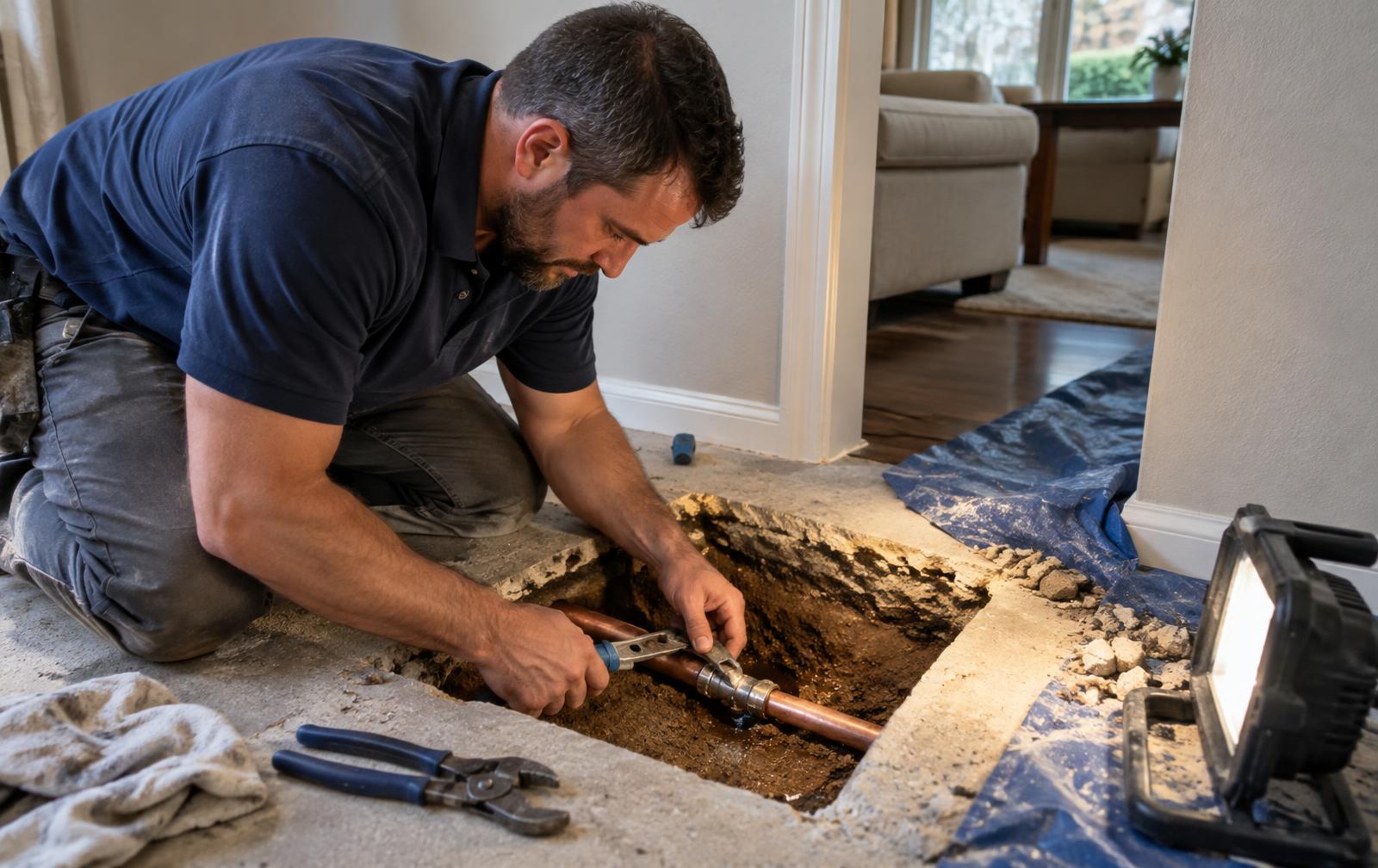
Electronic detection under Plano slabs — reroute options that save your finished floors when possible.
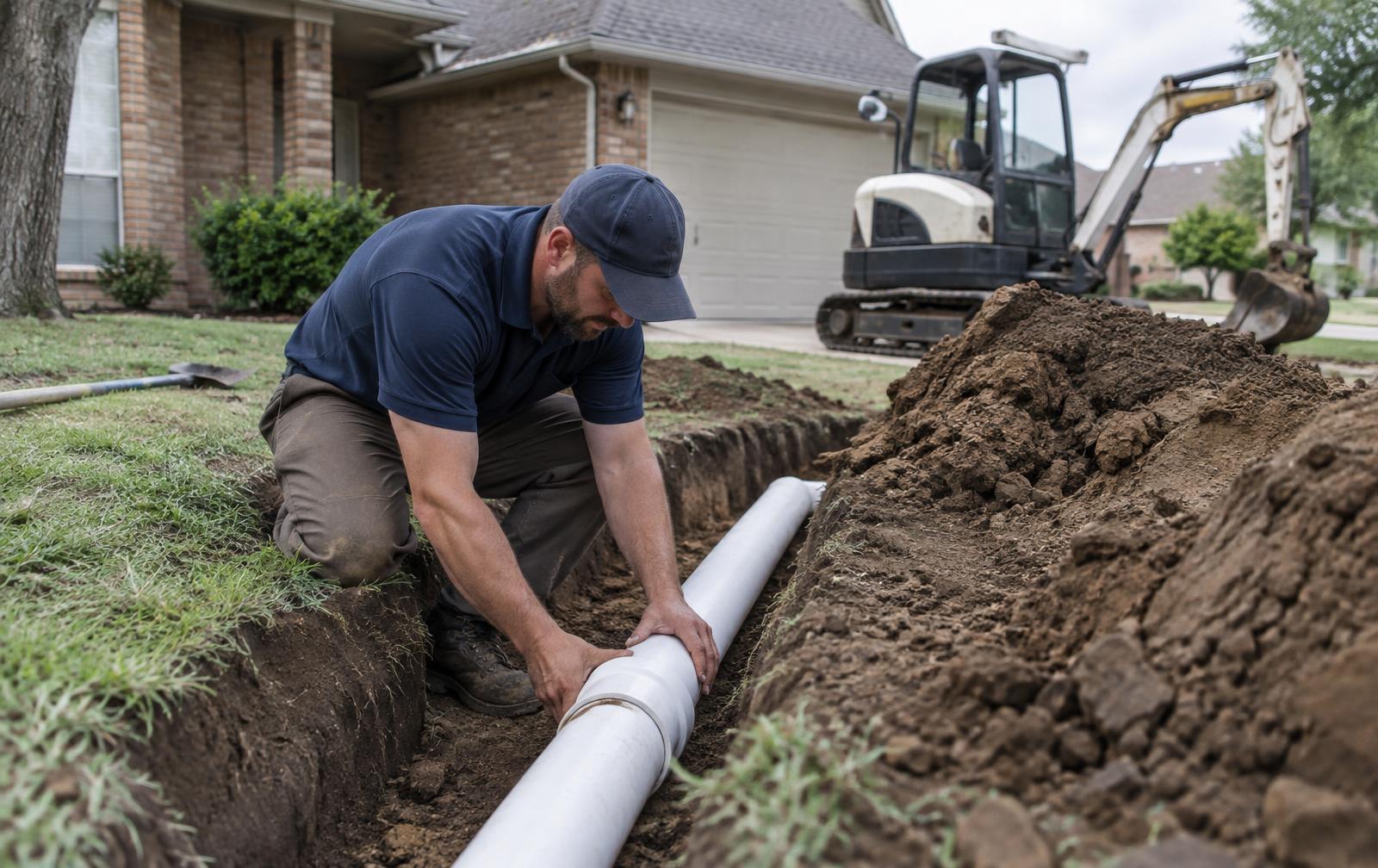
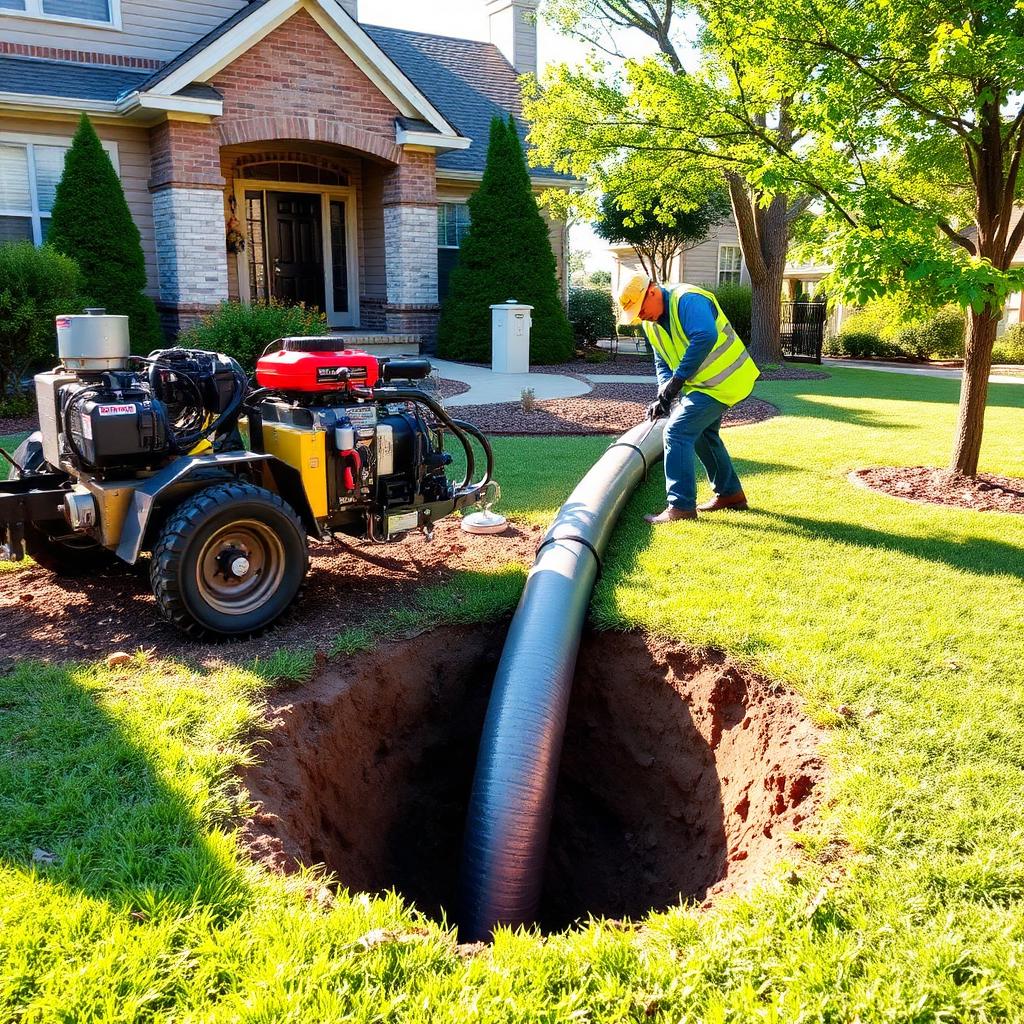
Trenchless replacement for the aging laterals across Plano's older runs — camera first, quote in writing, minimal yard damage.
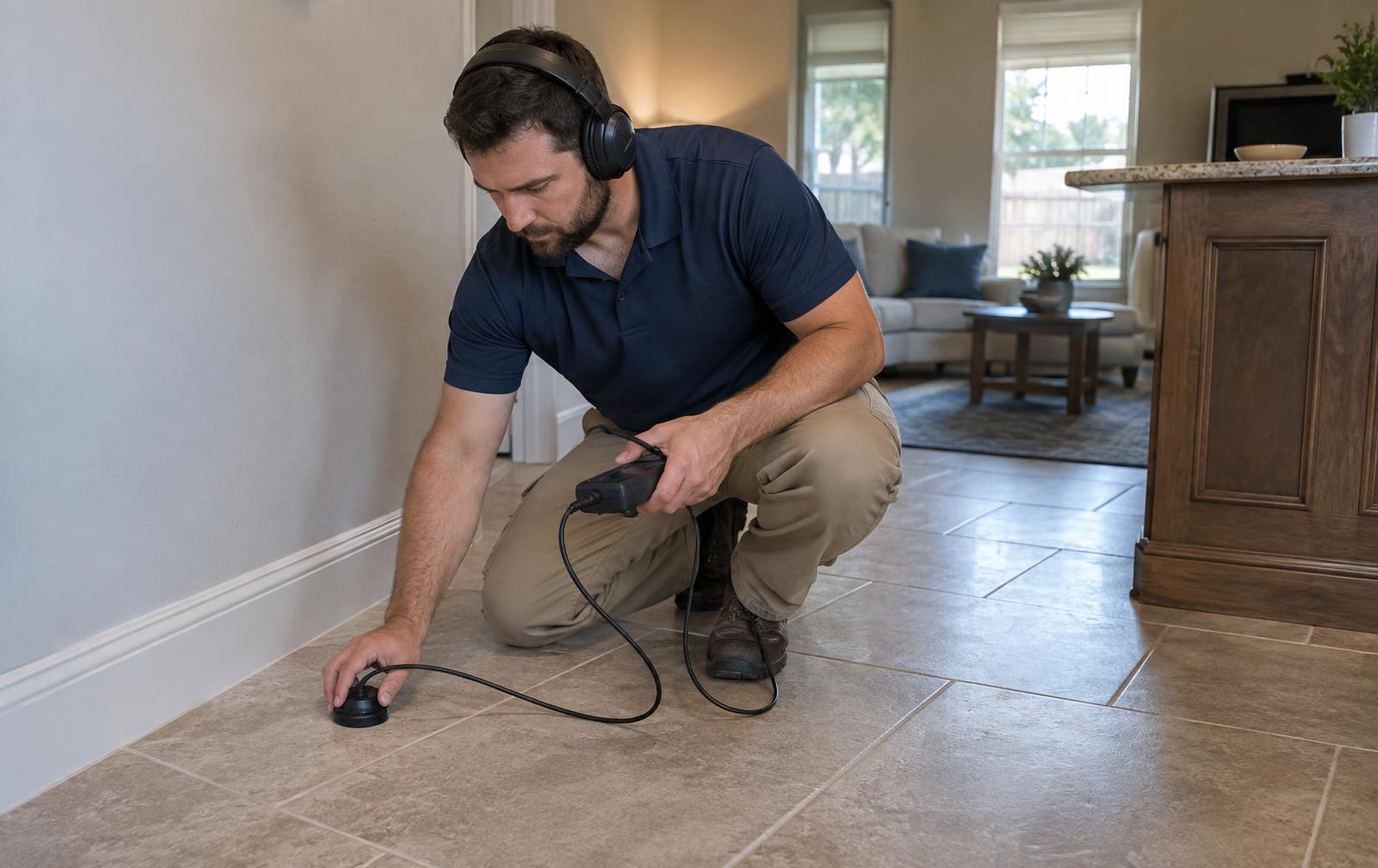
Acoustic, thermal, and pressure testing to pinpoint hidden leaks in Plano slab and wall lines without tearing into finishes.
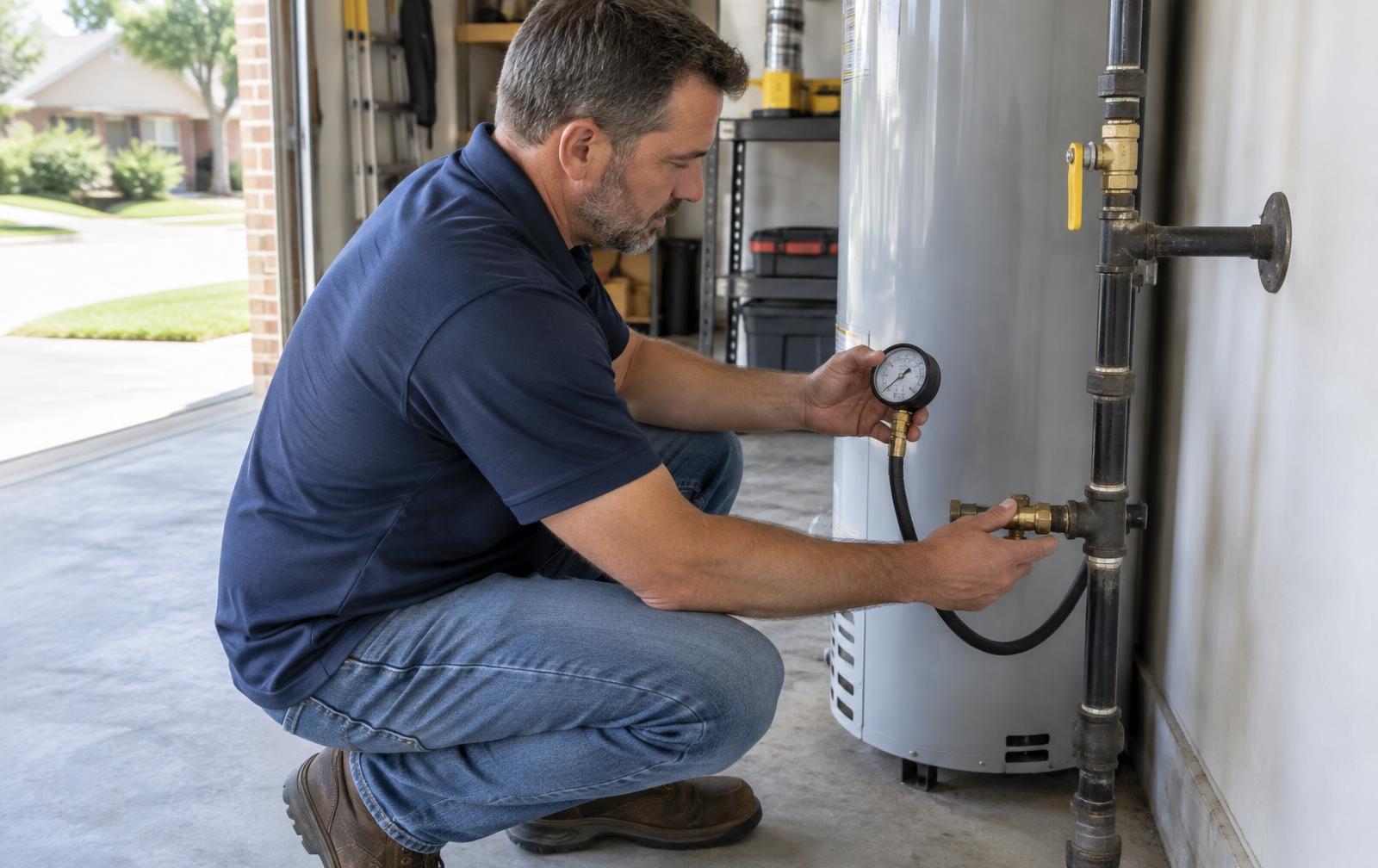
Licensed install, repair, and pressure-testing for Plano homes — every line signed off to Texas code and Atmos requirements.
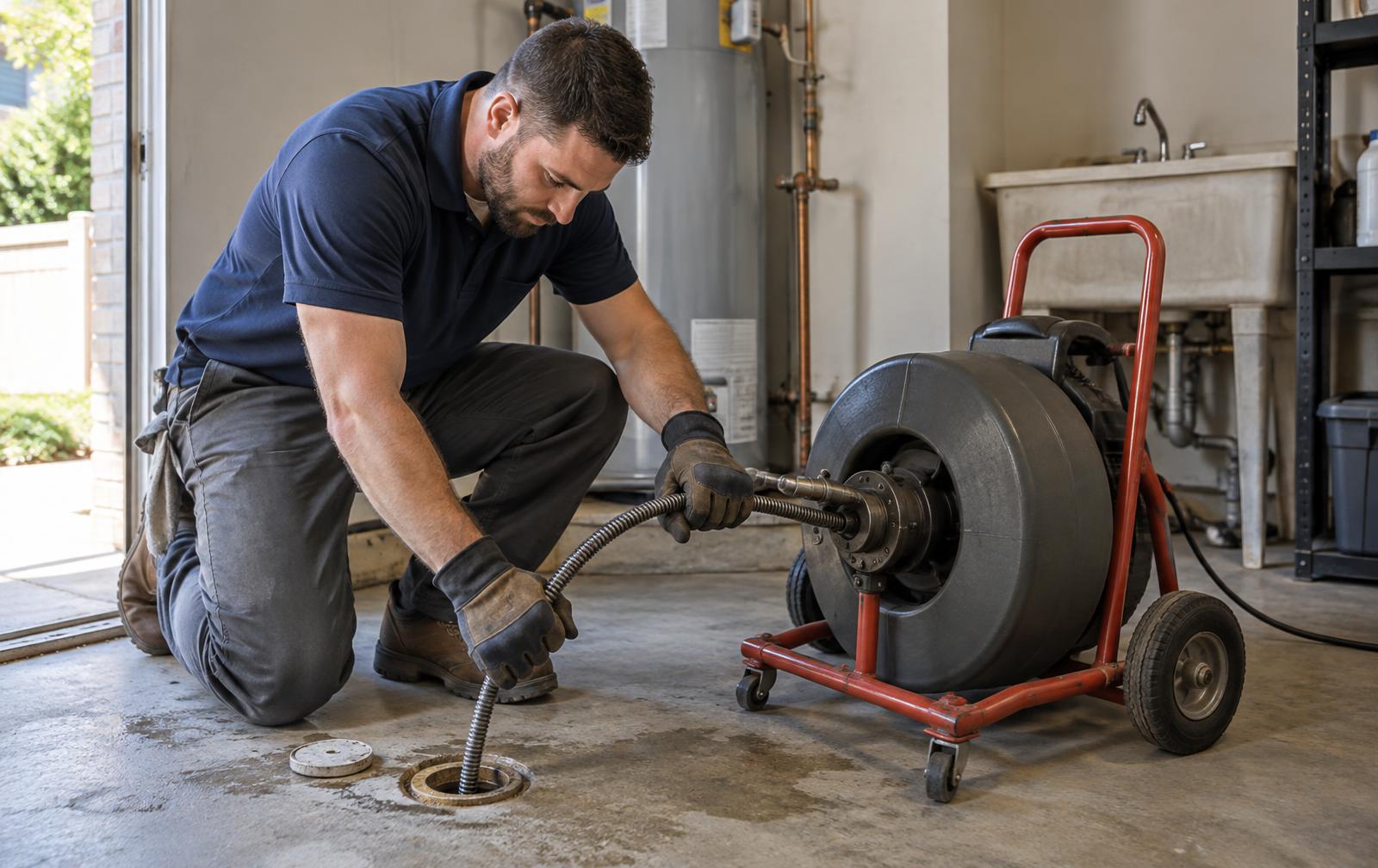
Full-clear service and camera confirmation for the drains under Plano's neighborhoods.
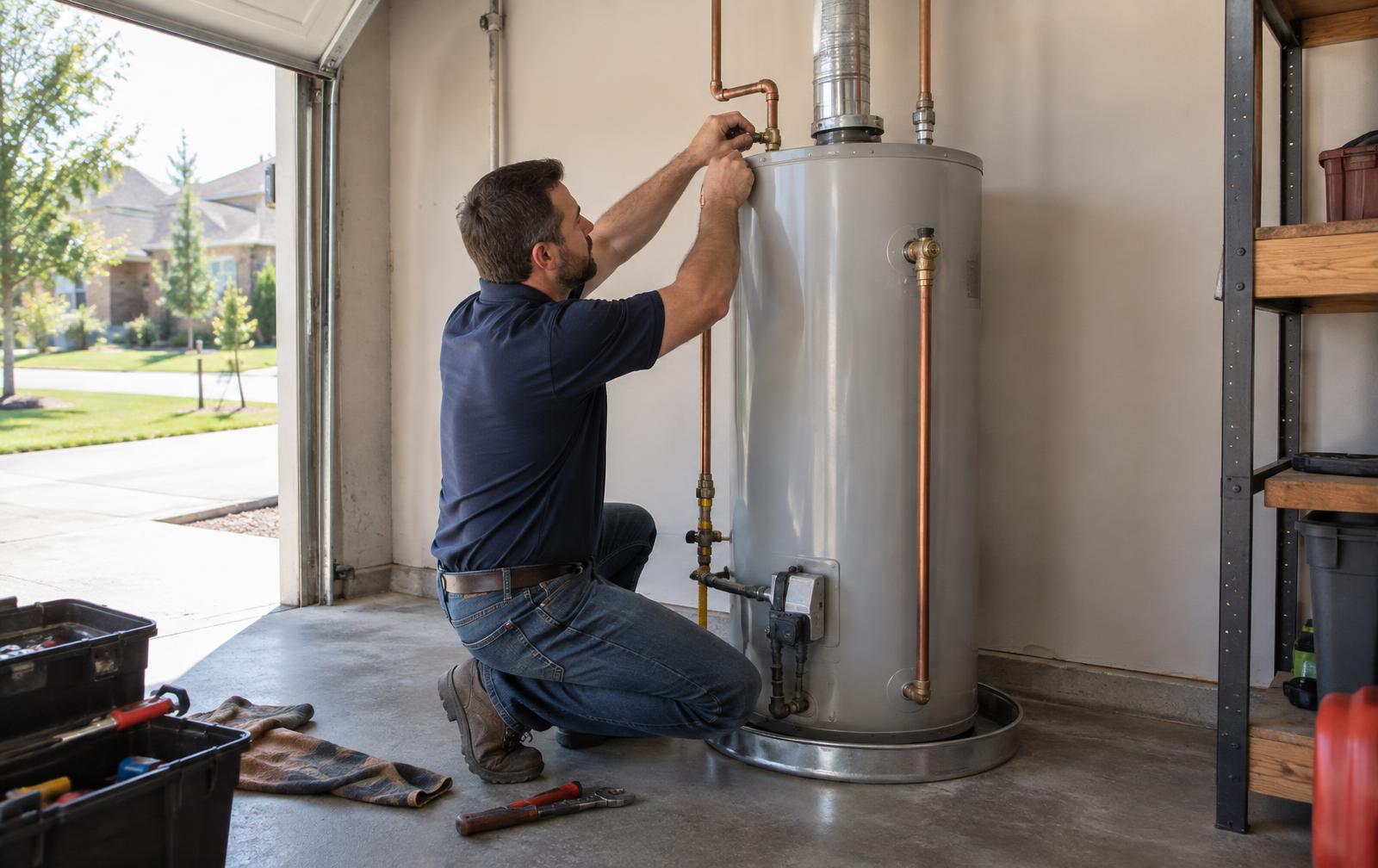
Repair, flush, and replacement of tank units — including attic and garage heaters common to Plano homes.
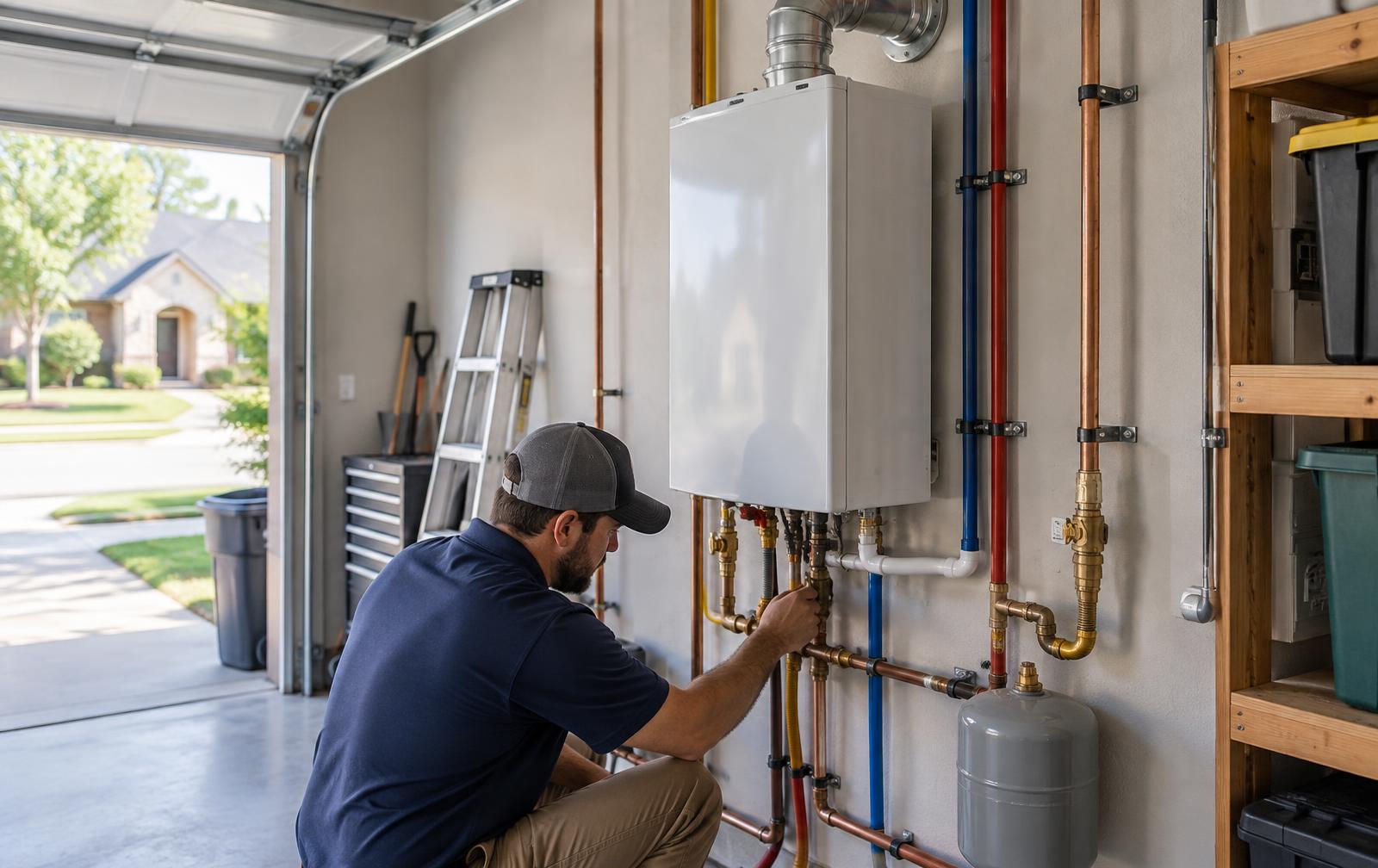
Install, service, and annual descaling — Plano's hard tap water eats tankless heat exchangers without it.
same-day, 7 days a week response across Plano for burst pipes, heater failures, and main-line backups.
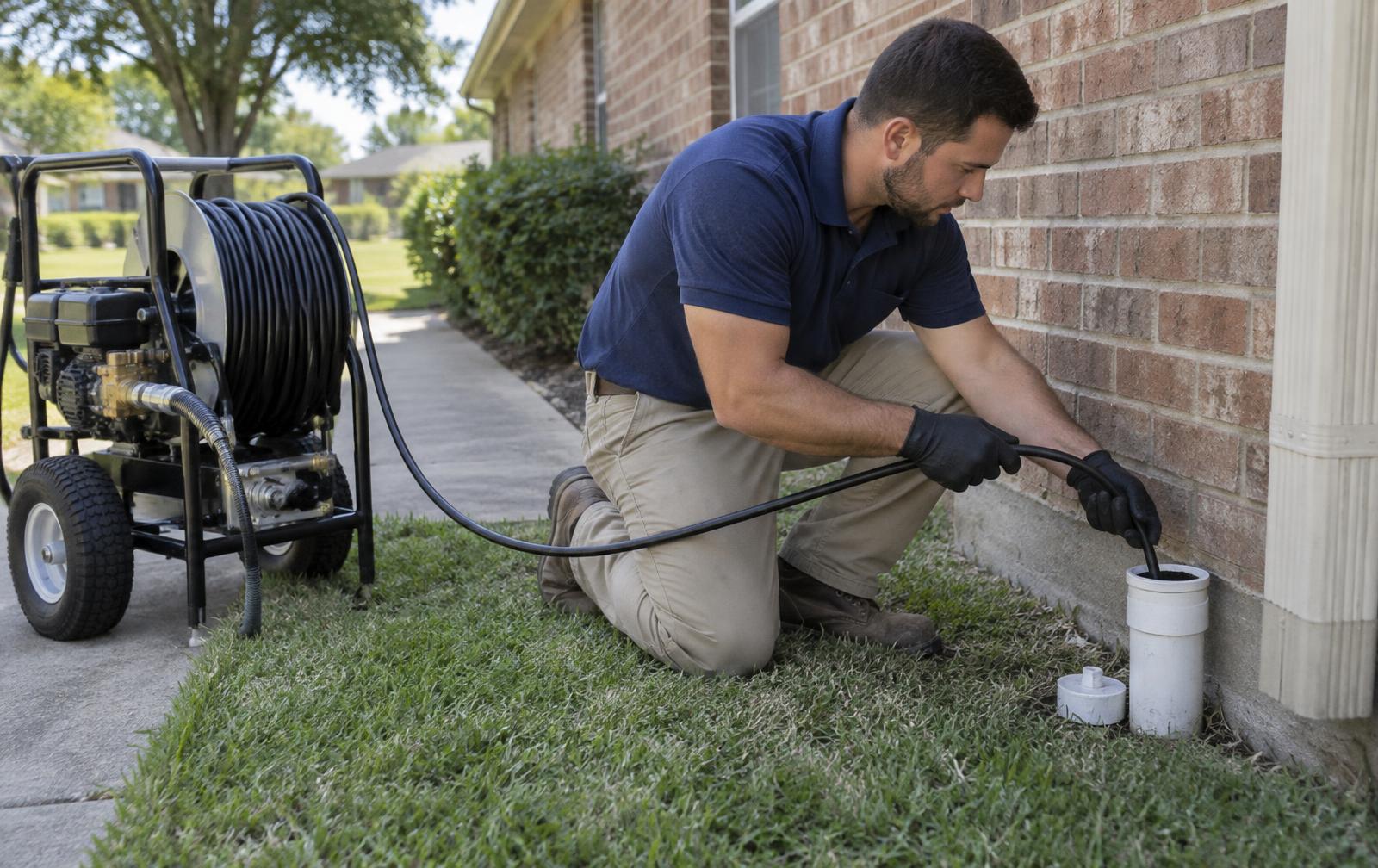
High-pressure cleaning that clears scale, grease, and roots from Plano's lateral runs — full-diameter, lasting clean.
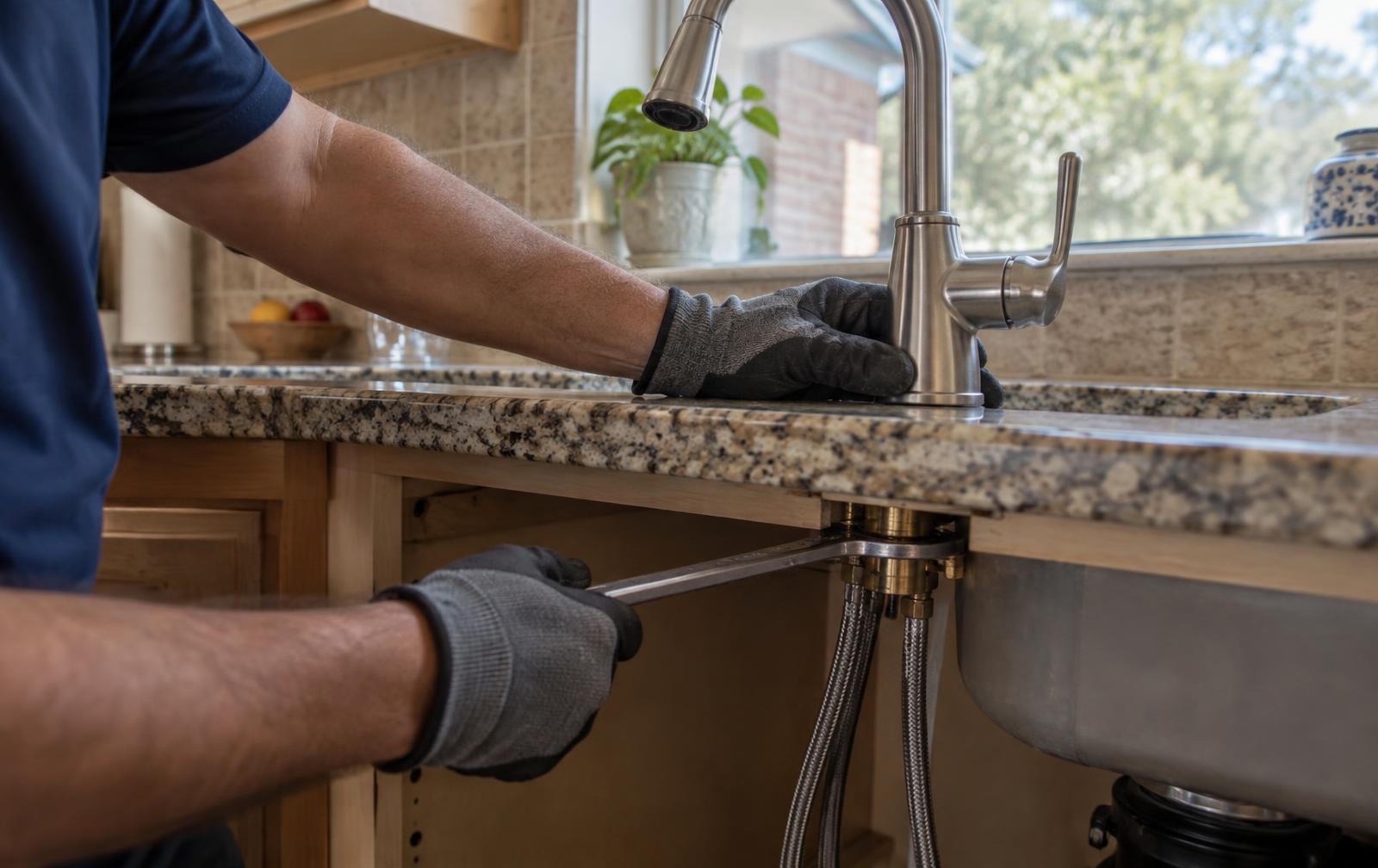
Cartridge, stem, and full-fixture replacement for Plano kitchens and bathrooms — hard-water-ready parts stocked on the truck.
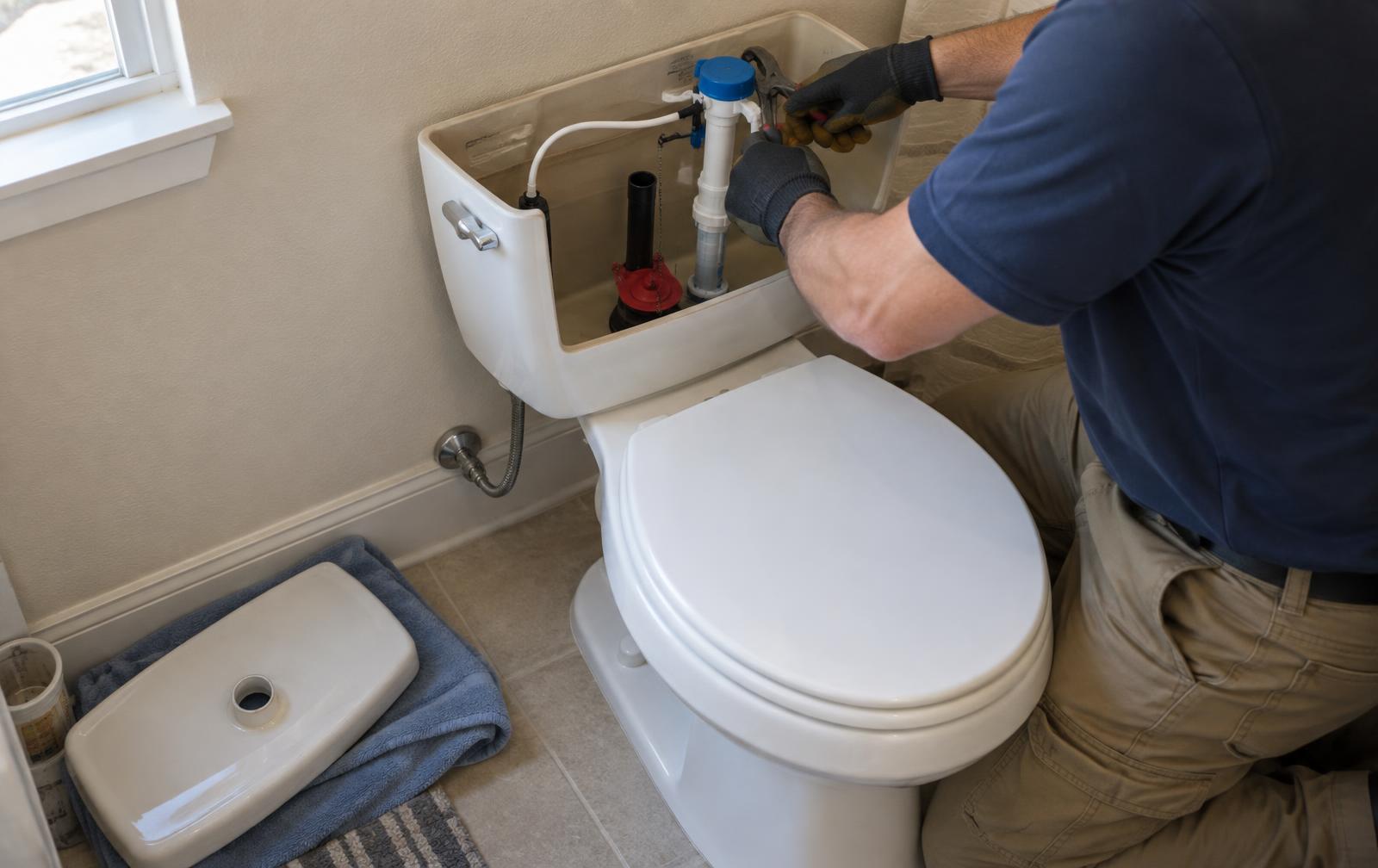
Rebuilds, wax-ring resets, flange repairs, and full replacements — the running toilets and rocking bowls in Plano homes.
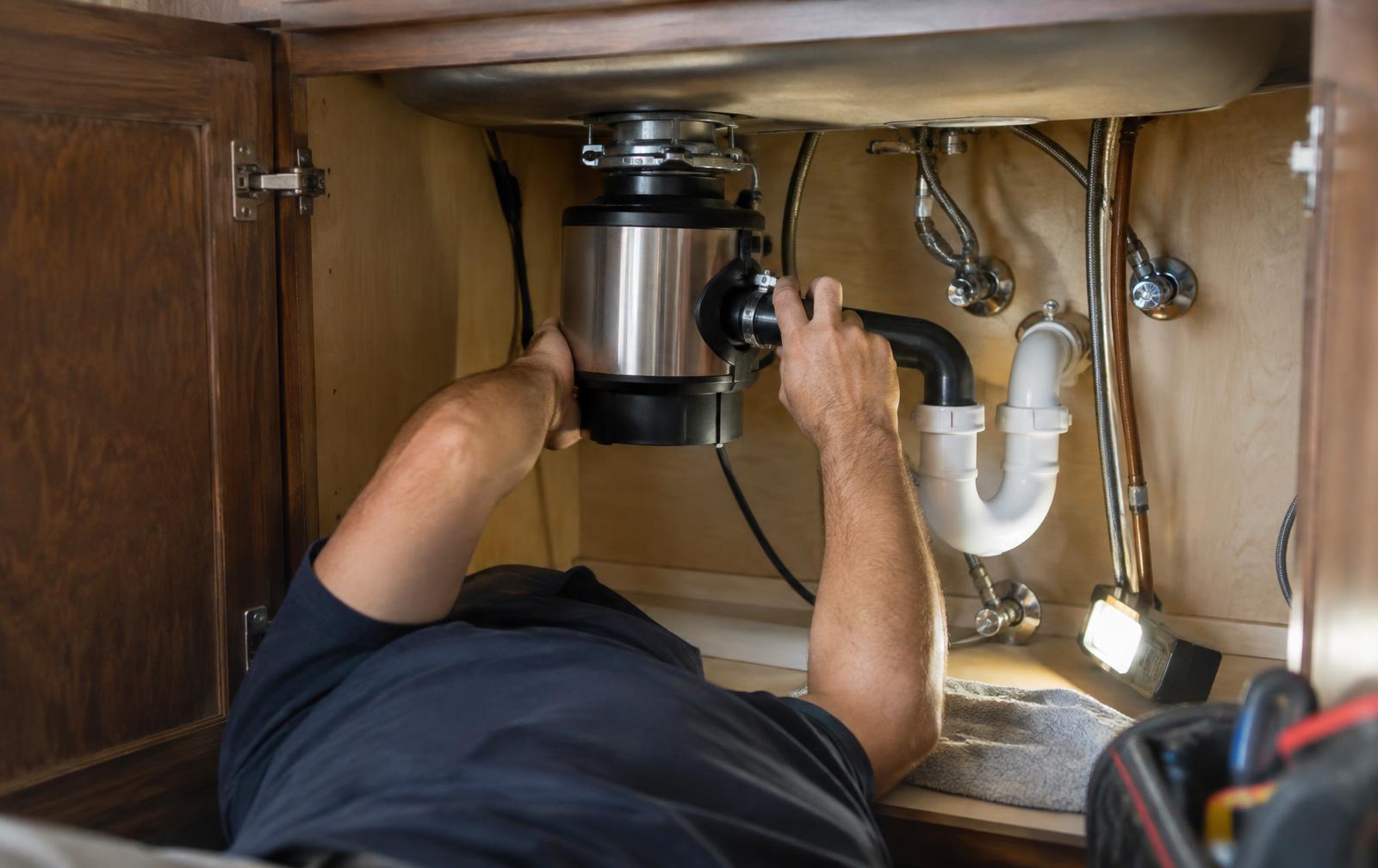
Jam clearing, leaking-unit swaps, and quiet 3/4 HP upgrades for Plano kitchens — same-visit install.
Drains Backing Up at Your Plano Home?
Get a camera inspection, a written plan, and a quote before any work starts. Call or book online today.