
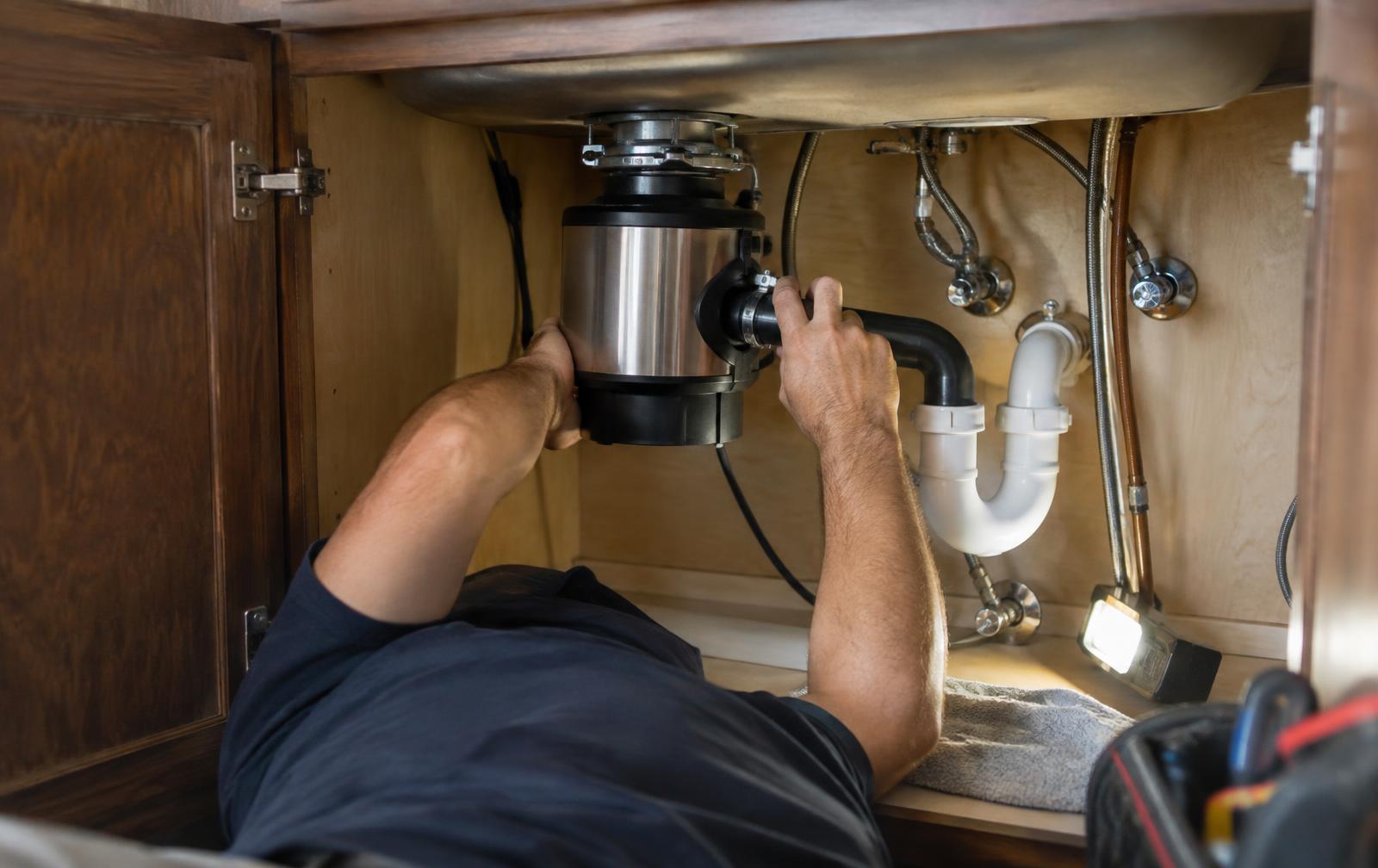
Garbage Disposal Repair & Installation in Plano, TX
A unit that buzzes but never spins up. Moisture collecting under the sink beneath the disposal body. A reset switch that pops right back out. We work on every disposal issue Plano kitchens throw at us and tell you plainly whether it needs clearing or replacing.
A Silent Disposal Isn't Always a Dead Disposal
A stuck impeller wheel accounts for a good share of the calls we take on a quiet disposal in Plano — a couple of turns with a hex wrench from below frees it, the overload switch resets, and the unit runs again. A second common pattern is moisture showing up underneath the unit itself rather than around the sink flange above it, which points to a corroded interior housing that has to be swapped rather than sealed. Occasionally the disposal is working fine and the real culprit is the branch drain beneath it, so we test before we say a word about price.
Plano's own water quality reporting shows a hardness reading around 202 parts per million, and that mineral load is part of why an aluminum disposal housing corrodes through from the inside over years of service, especially once a unit is a decade or more old. Once it's leaking from the housing itself, running it further risks water reaching the motor windings, so we do not recommend waiting. We keep several disposal models loaded on the truck so a failed unit does not mean a day without a working kitchen sink.
In Plano's older neighborhoods from the city's 1958-1985 growth years, the original units installed with the home are commonly the light-duty builder models, and by now most are well past a reasonable service life. For those households we usually suggest stepping up to a heavier unit, which runs quieter and shrugs off more of what goes down the drain before jamming. Every swap includes a new mounting flange, a new discharge tube, and a check of the trap underneath so we are not back next week for a leak at a joint we already handled.
Signs Your Plano Disposal Needs Service
Some of what follows clears in minutes. Other signs mean the unit is finished. We tell you which as soon as we look at it.
That is almost always a bound-up impeller with the overload switch tripped. Freeing it from underneath with a hex wrench is usually the quickest repair on our list.
Moisture rising from the body of the disposal, not the sink flange above it, means the internal housing has corroded through. That calls for a swap — sealing it back up is not an option.
This is typically a worn putty seal or a mounting ring that has loosened, not a failing unit. A reseal from the top handles it without opening anything below.
Either the chamber is jammed and pulling too much current, or the motor itself is wearing out and tripping on its own. We rule out a jam first before writing the unit off.
Usually something solid trapped inside — a bottle cap, a bit of silverware, a small bone. Shut it off and let us extract it rather than running it further.
More often the branch line under the disposal than the disposal itself, particularly where older cast iron branch drains are still in service. A trap check usually confirms it.
Test It, Repair What We Can, Replace Only What's Actually Failed
You get a real answer once we look underneath, not a reflex sales pitch for a new unit.
- 1Confirm what's actually wrong
A jam, a housing leak, and a slow branch drain each call for a different fix. A short check at the sink tells us which one applies before we quote anything.
- 2Loosen it up if that's all it needs
A hex-wrench turn from below, an overload reset, and a short test run with the water going. Most kitchens are back in business within a few minutes.
- 3Swap the unit if the housing is the problem
We carry a range of models on the truck, from standard-duty replacements to heavier units for households that want fewer jams going forward. Every swap includes a new flange, a fresh discharge tube, and an air-gap check on septic systems.
- 4Check the trap and the line below it
Every replacement includes testing the branch drain beneath the unit for slow flow. If that line needs clearing, we handle it in the same stop instead of scheduling a return trip.
- 5Run it and show you what changed
A cold-water test, a check of every connection for drips, a quick wipe-down of the cabinet floor, and a short walkthrough of the reset switch and the wrench opening before we leave.
What We See in Plano Kitchens
Kitchen age generally tells us what's loaded on the truck before we even open the cabinet.
Kitchens in this pre-1940 pocket near 15th Street and Avenue K were mostly retrofitted with disposals well after the original build, and the branch drains feeding them are the more common point of failure.
Custom homes from 1979 through 2001 tend to run higher-capacity units already, so an overload trip or a worn switch is a more frequent call here than an outright housing failure.
Large late-1980s and 1990s homes on wide golf-course lots sometimes have a secondary prep sink with its own smaller unit, and that second disposal is easy to overlook until it stops working.
Condos and apartments built from the 2010s forward often have compact units sized for shallow cabinetry, which limits which replacement models actually fit.
Homes surrounding the mall corridor mostly date to Plano's 1958-1985 growth surge, and original light-duty units from that era are now well past a reasonable working life.
This stretch of west Plano built out alongside the Dallas North Tollway through the late 1980s and 1990s, and builder-grade disposals from that period are common candidates for an upgrade rather than another repair.
What Plano Homeowners Say
One Visit Whether It's a Quick Fix or a Full Swap
The truck carries several disposal models along with flanges, discharge tubes, mounting hardware, sealant, and dishwasher inlet plugs, which is why most Plano disposal calls wrap up in a single stop, jam or replacement alike.
Labor on every install is warrantied, on top of whatever coverage the manufacturer provides on the unit. We are licensed through the Texas State Board of Plumbing Examiners, insured, and family-owned, running trucks from our shop in The Colony with same-day availability for a leaking or non-working unit.
Straight Answers, No Sales Pitch
Our Other Plumbing Services in Plano, TX
A disposal swap often turns up a slow branch drain or a corroded trap nearby. We handle both while we're already under the sink, on one invoice.
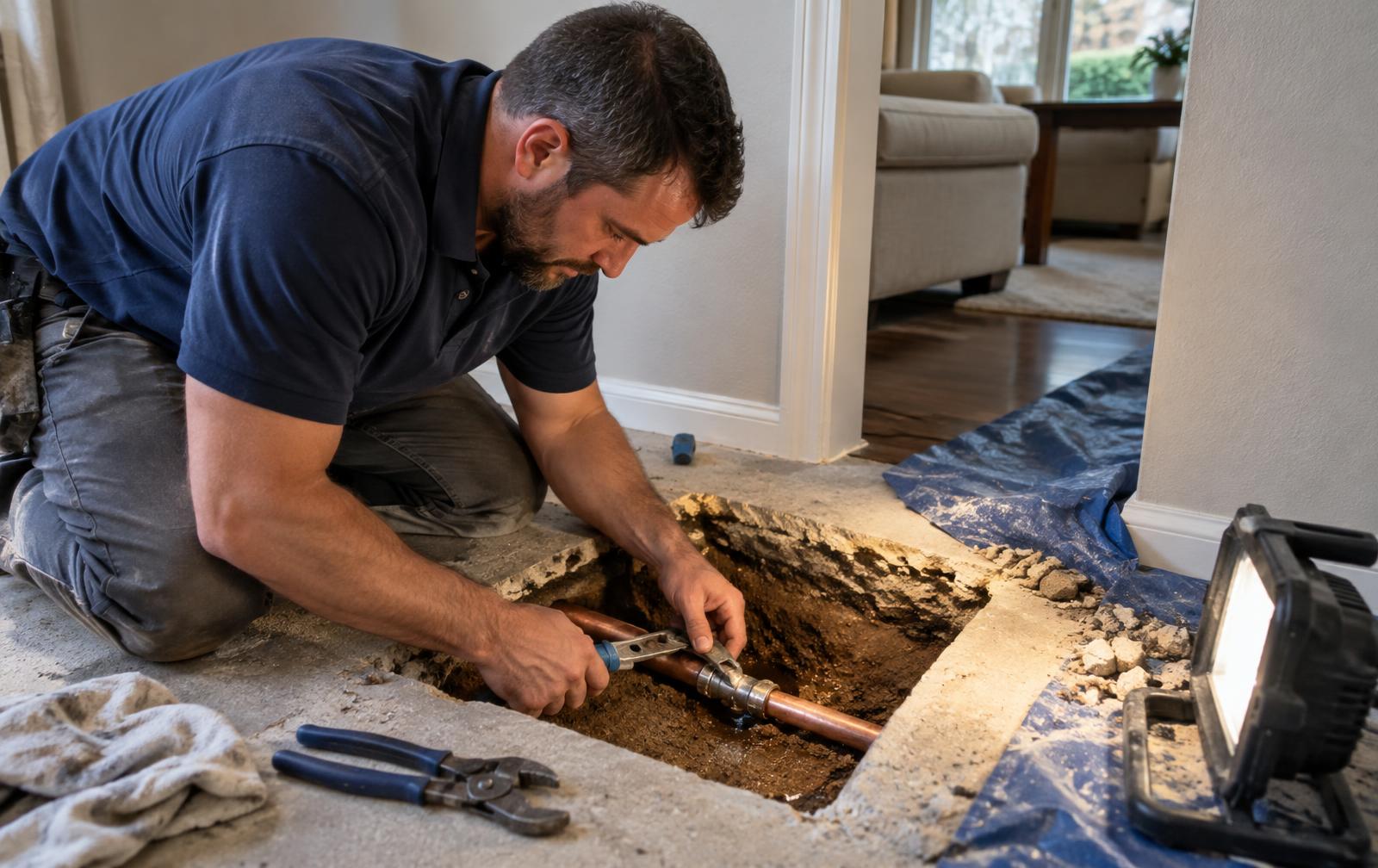
Electronic detection under Plano slabs — reroute options that save your finished floors when possible.
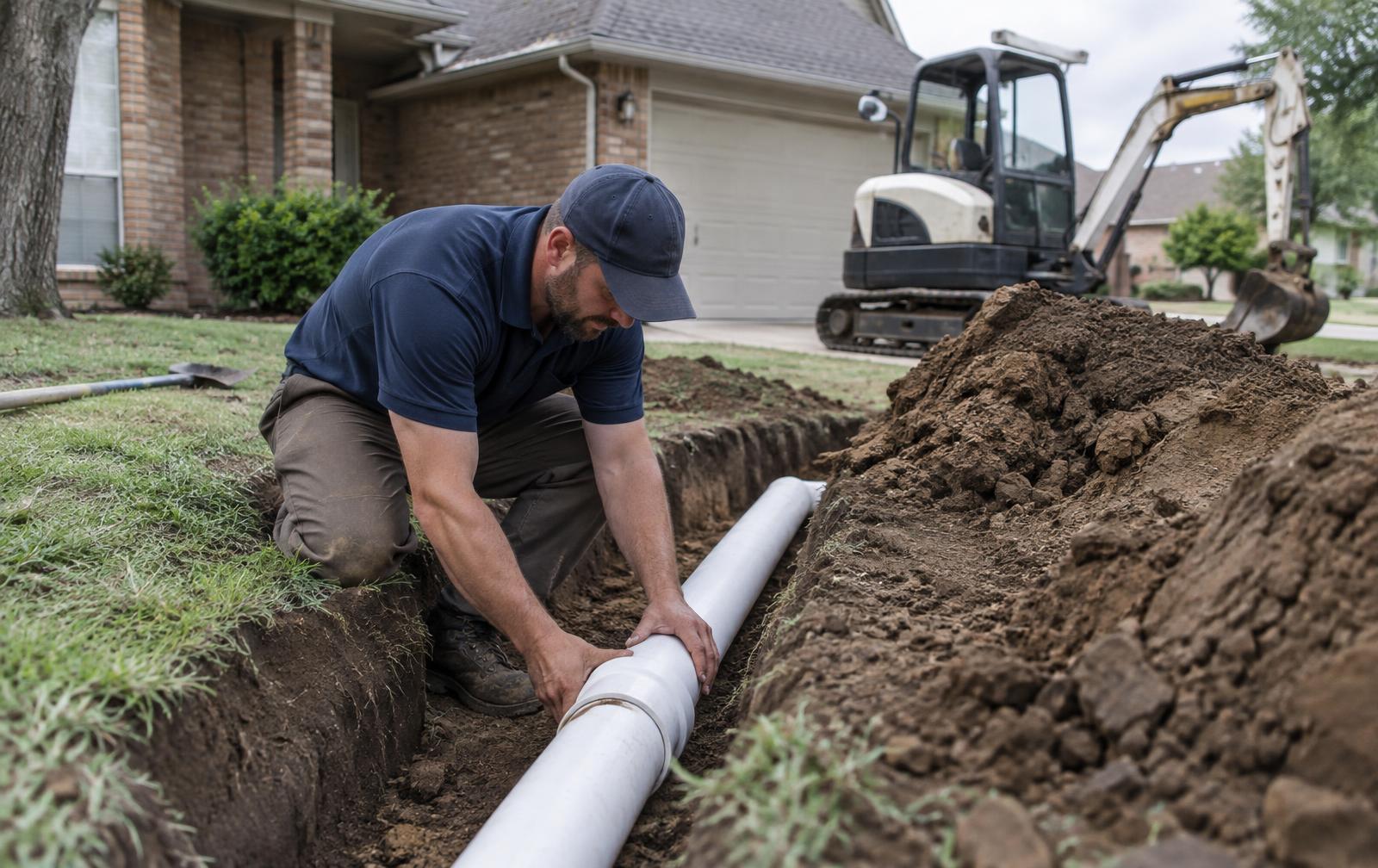
Trenchless replacement for the aging laterals across Plano's older runs — camera first, quote in writing, minimal yard damage.
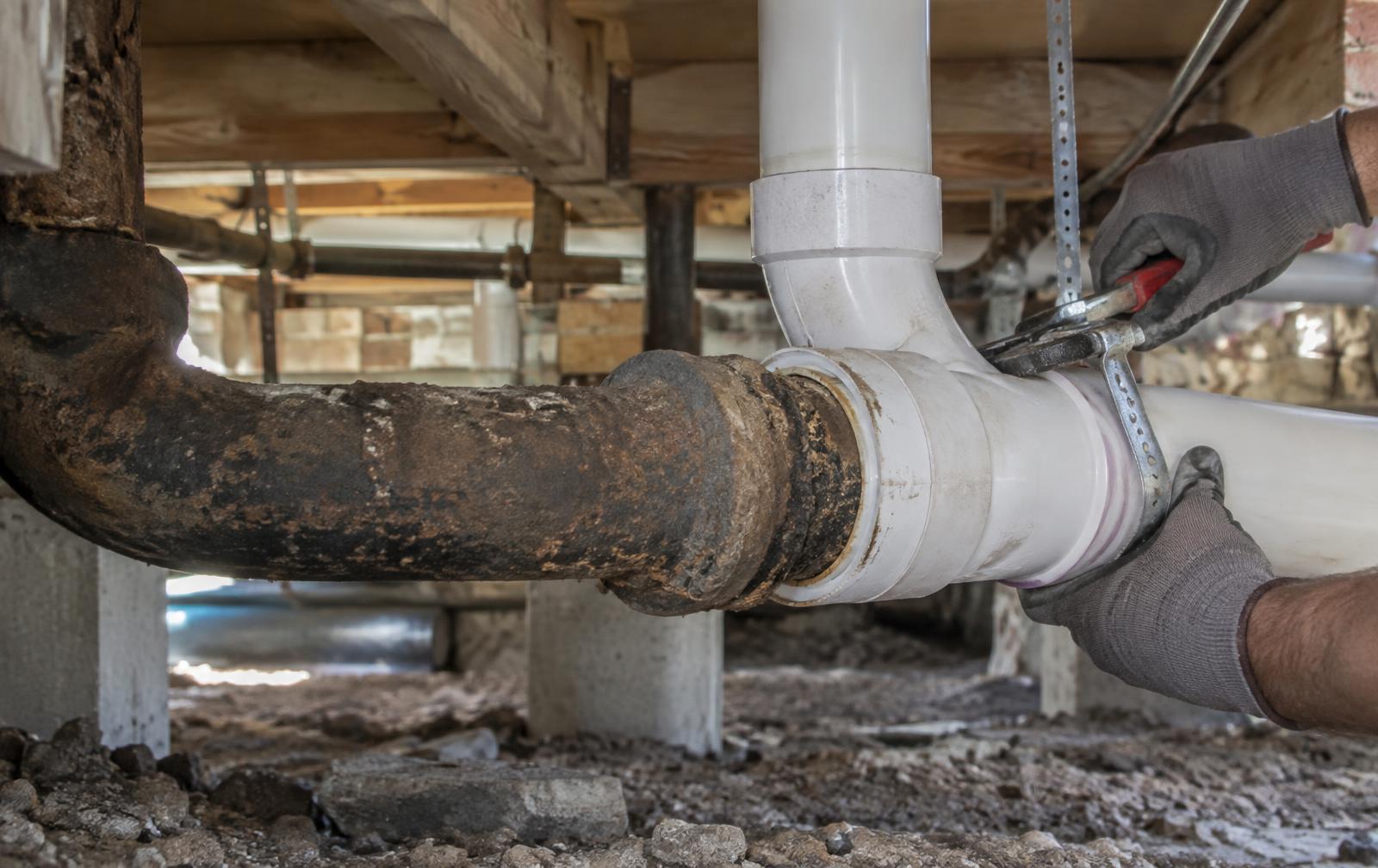
Camera inspection and PVC replacement for the aging cast iron drain lines in older Plano homes, with a written quote first.
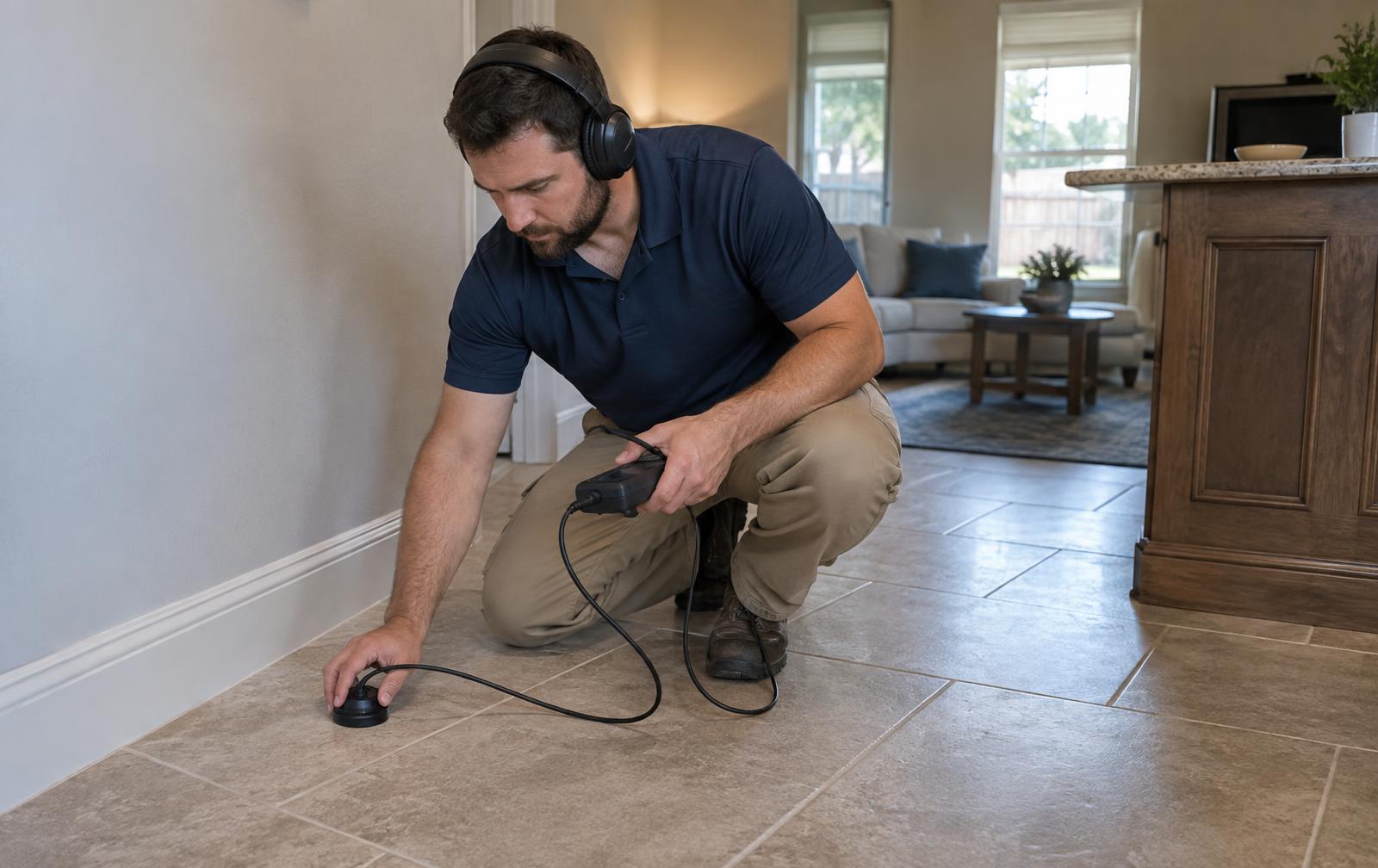
Acoustic, thermal, and pressure testing to pinpoint hidden leaks in Plano slab and wall lines without tearing into finishes.
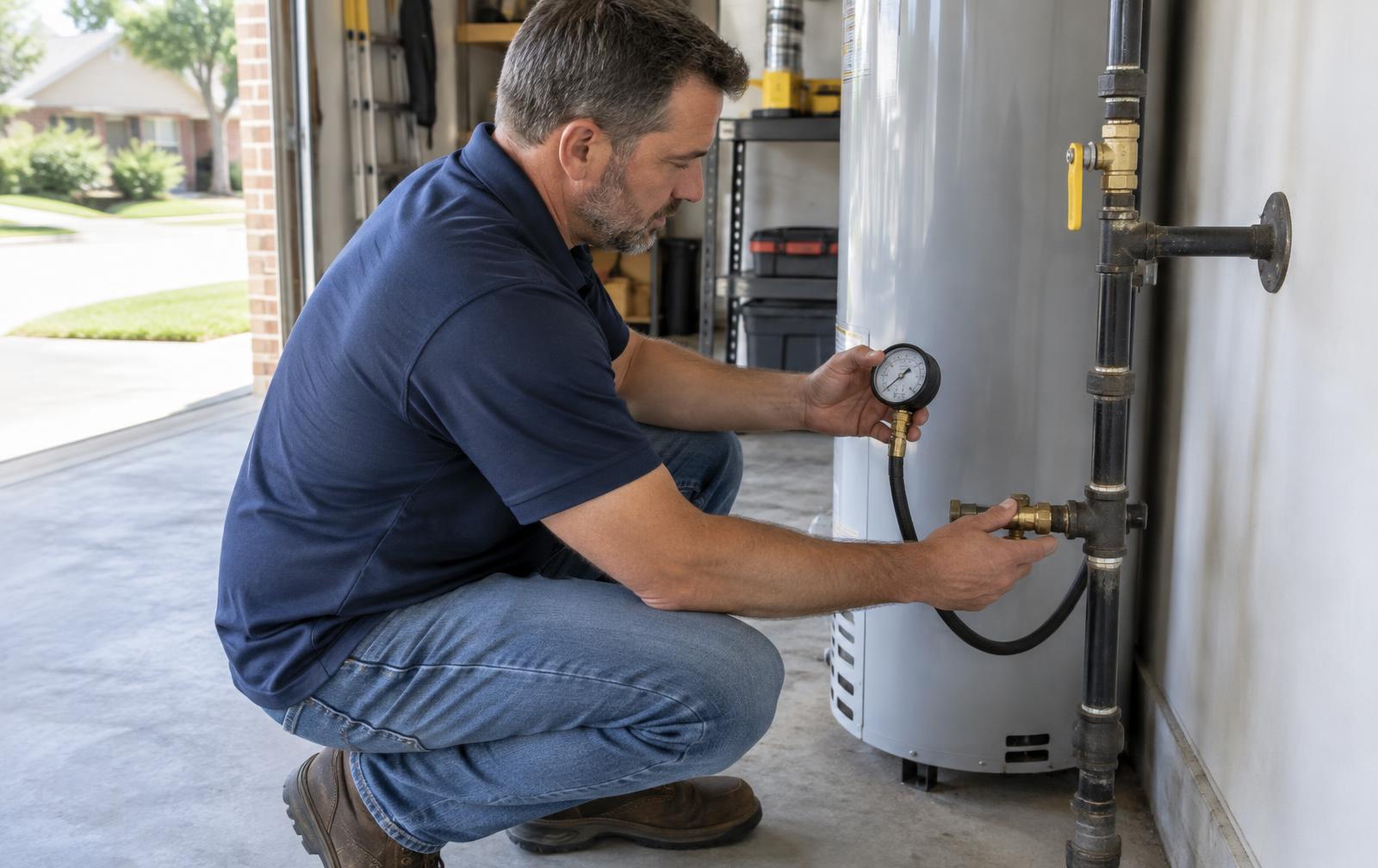
Licensed install, repair, and pressure-testing for Plano homes — every line signed off to Texas code and Atmos requirements.
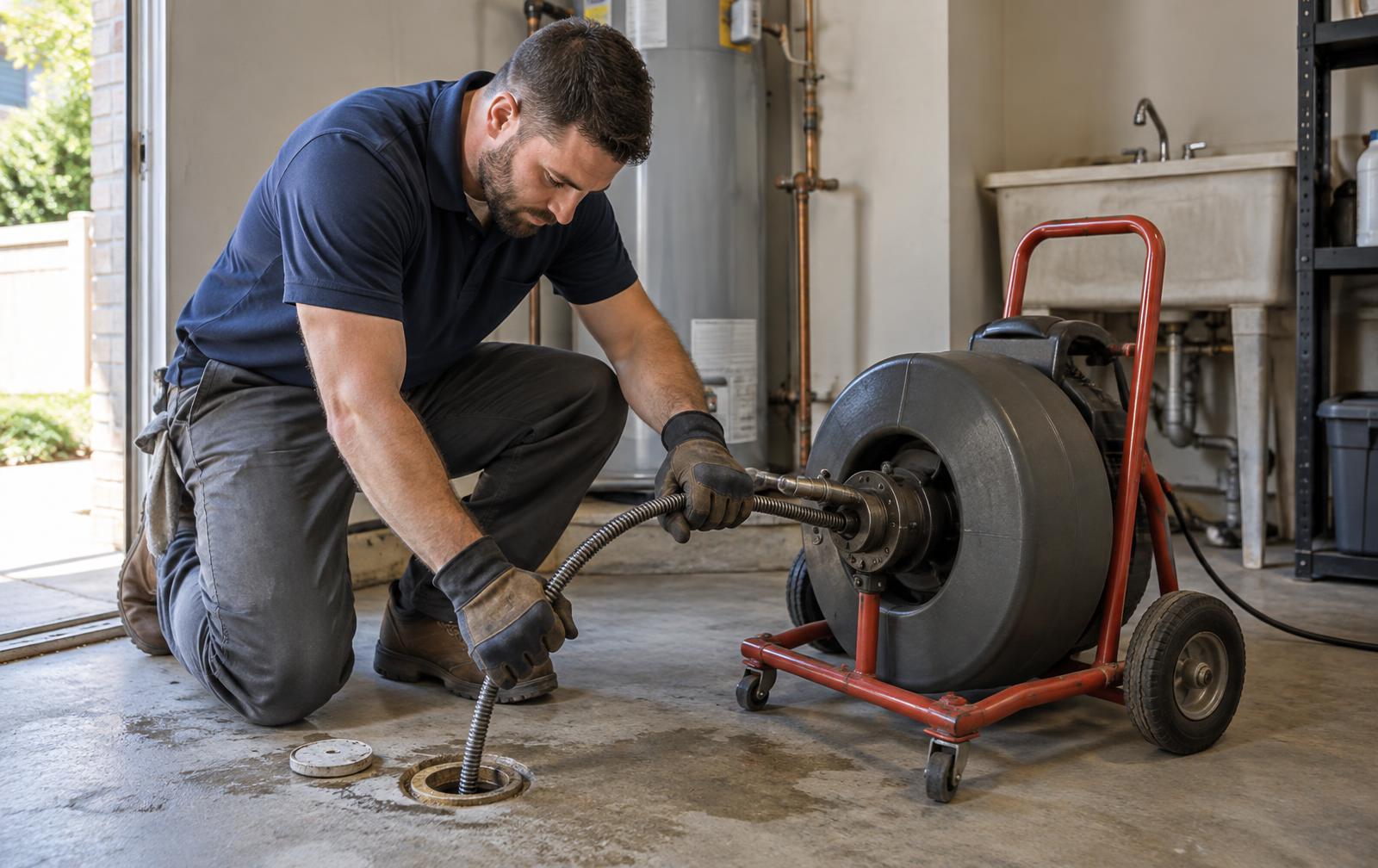
Full-clear service and camera confirmation for the drains under Plano's neighborhoods.
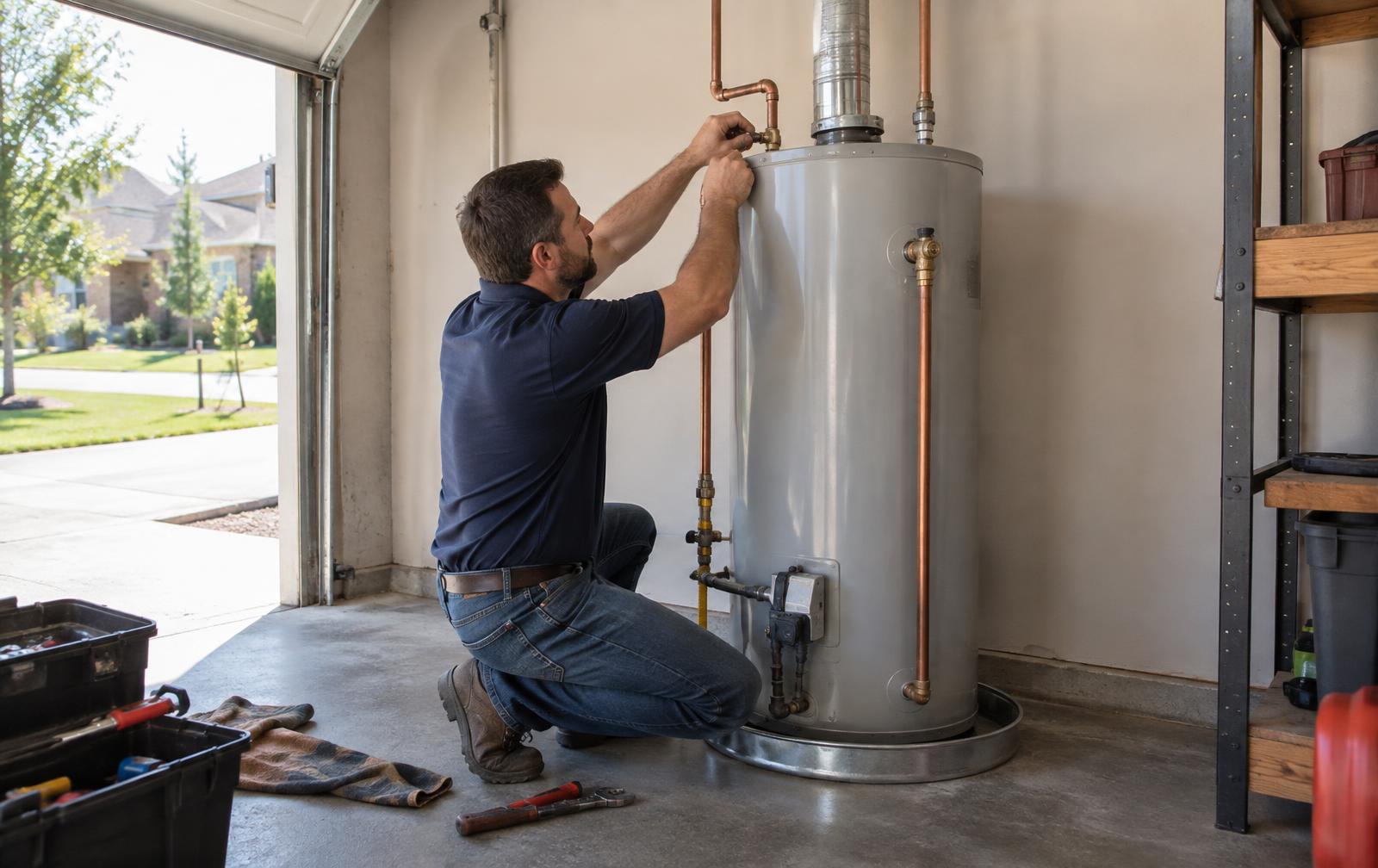
Repair, flush, and replacement of tank units — including attic and garage heaters common to Plano homes.
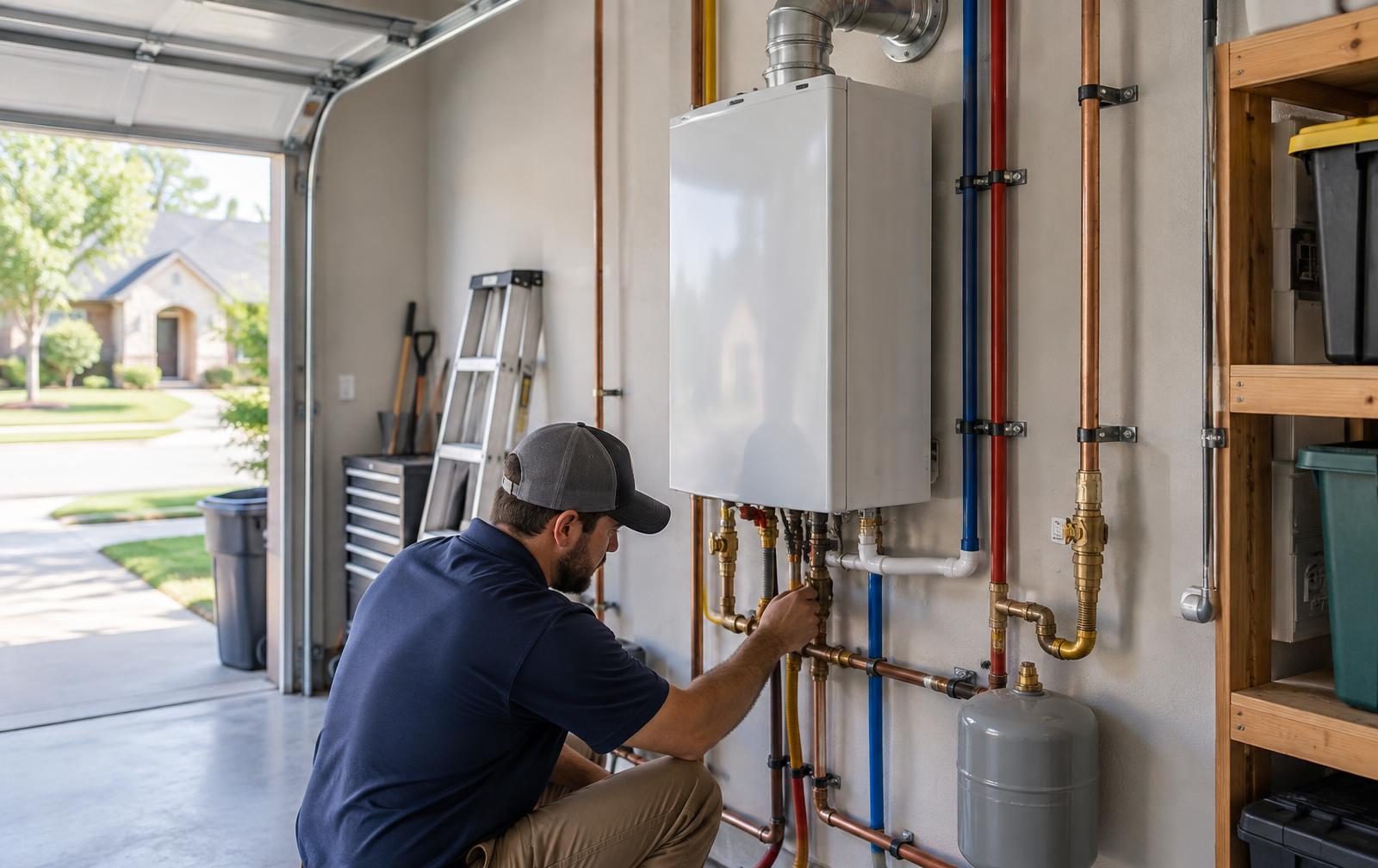
Install, service, and annual descaling — Plano's hard tap water eats tankless heat exchangers without it.
same-day, 7 days a week response across Plano for burst pipes, heater failures, and main-line backups.
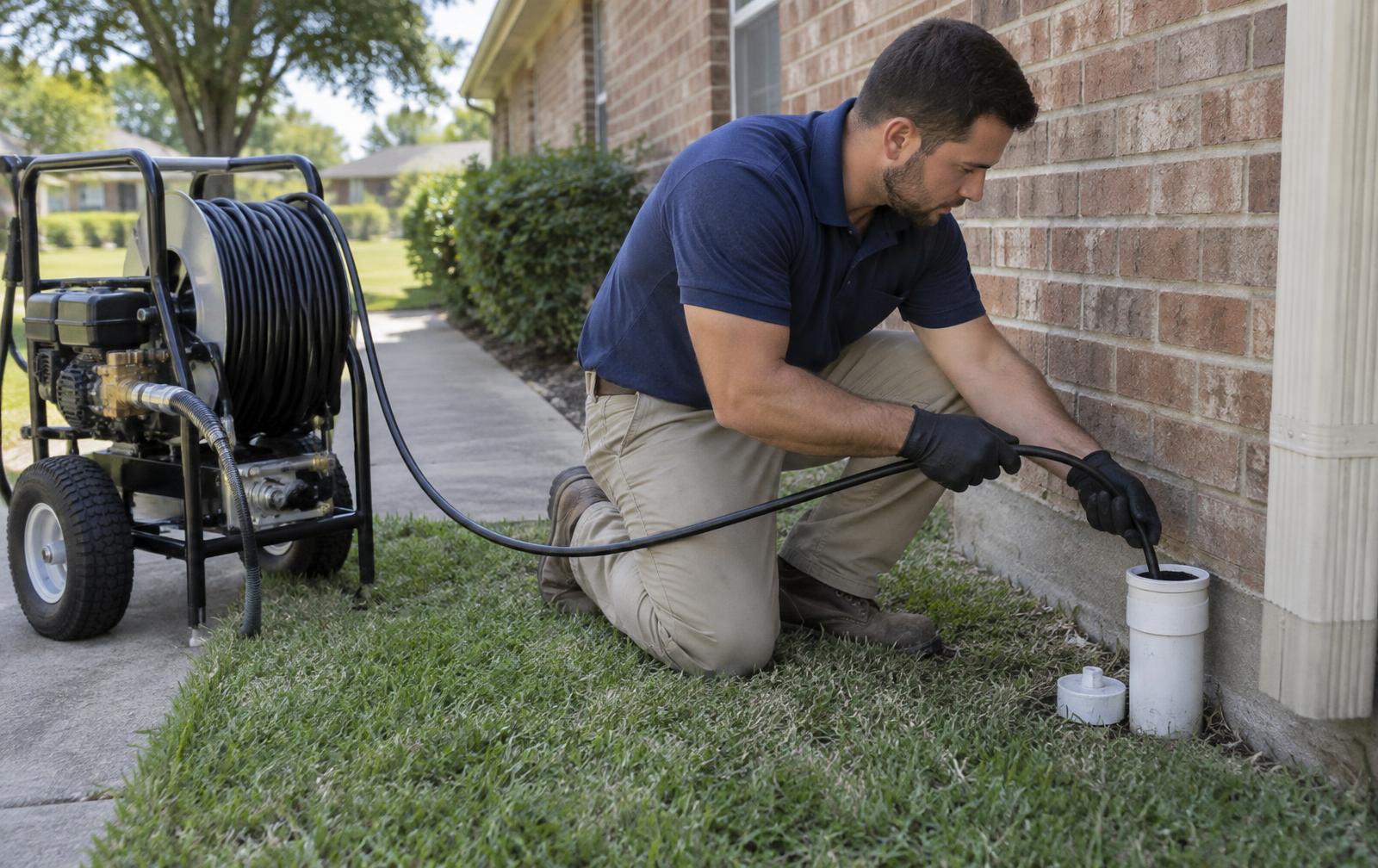
High-pressure cleaning that clears scale, grease, and roots from Plano's lateral runs — full-diameter, lasting clean.
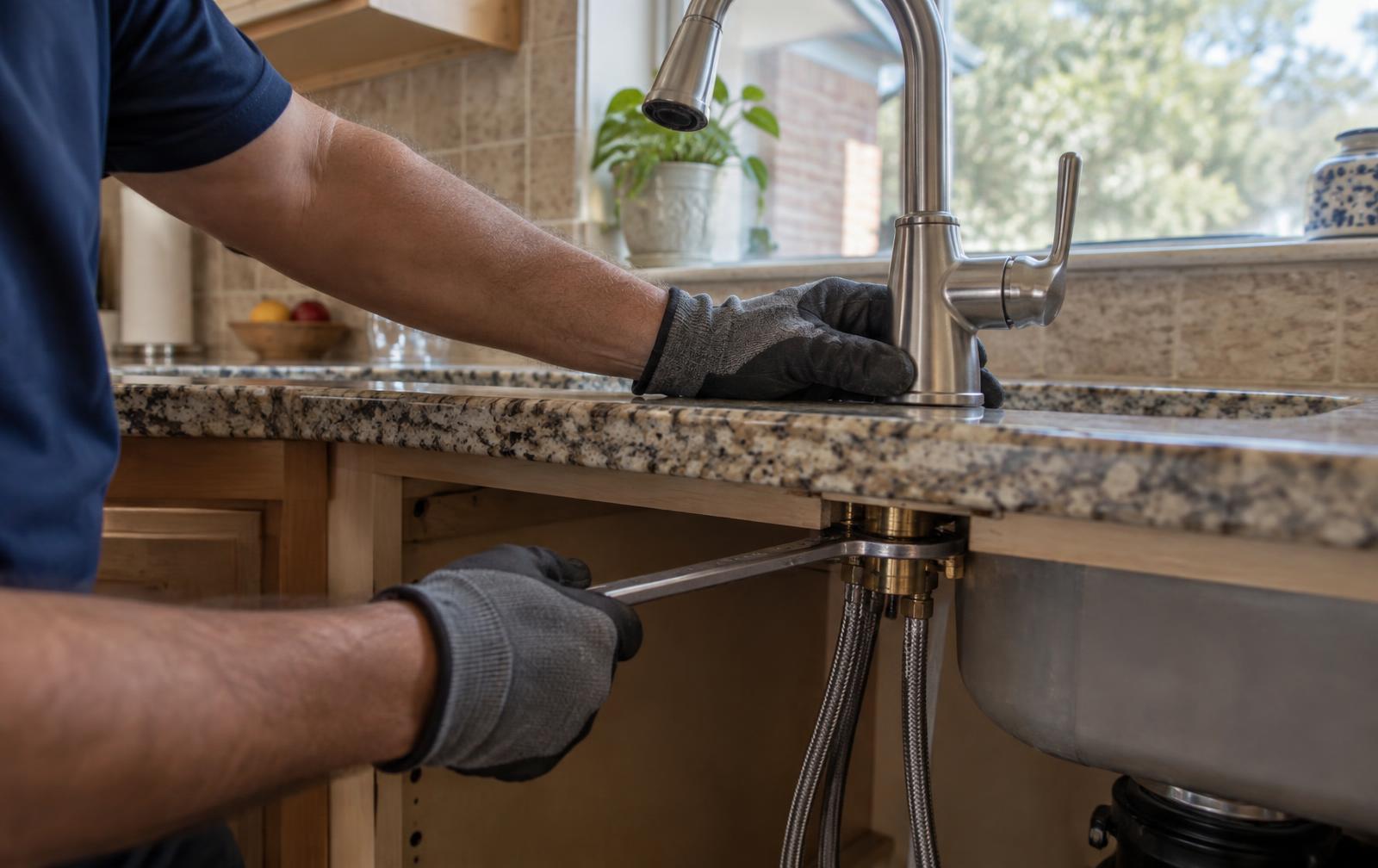
Cartridge, stem, and full-fixture replacement for Plano kitchens and bathrooms — hard-water-ready parts stocked on the truck.
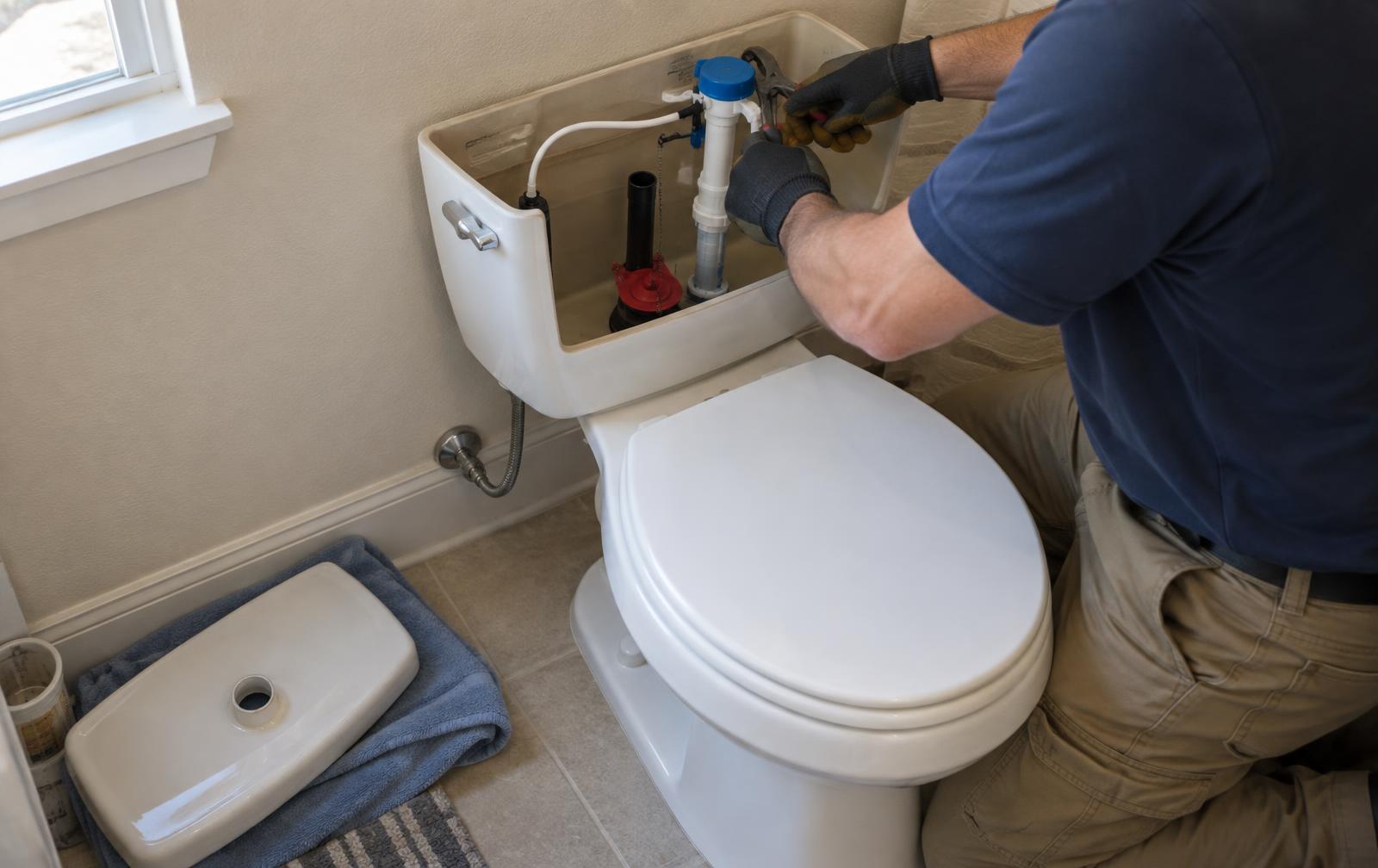
Rebuilds, wax-ring resets, flange repairs, and full replacements — the running toilets and rocking bowls in Plano homes.
Need Disposal Work in Plano?
Quick clear, leak repair, or a full upgrade — parts already on the truck, done in one visit.