
Drain Cleaning in Plano, TX
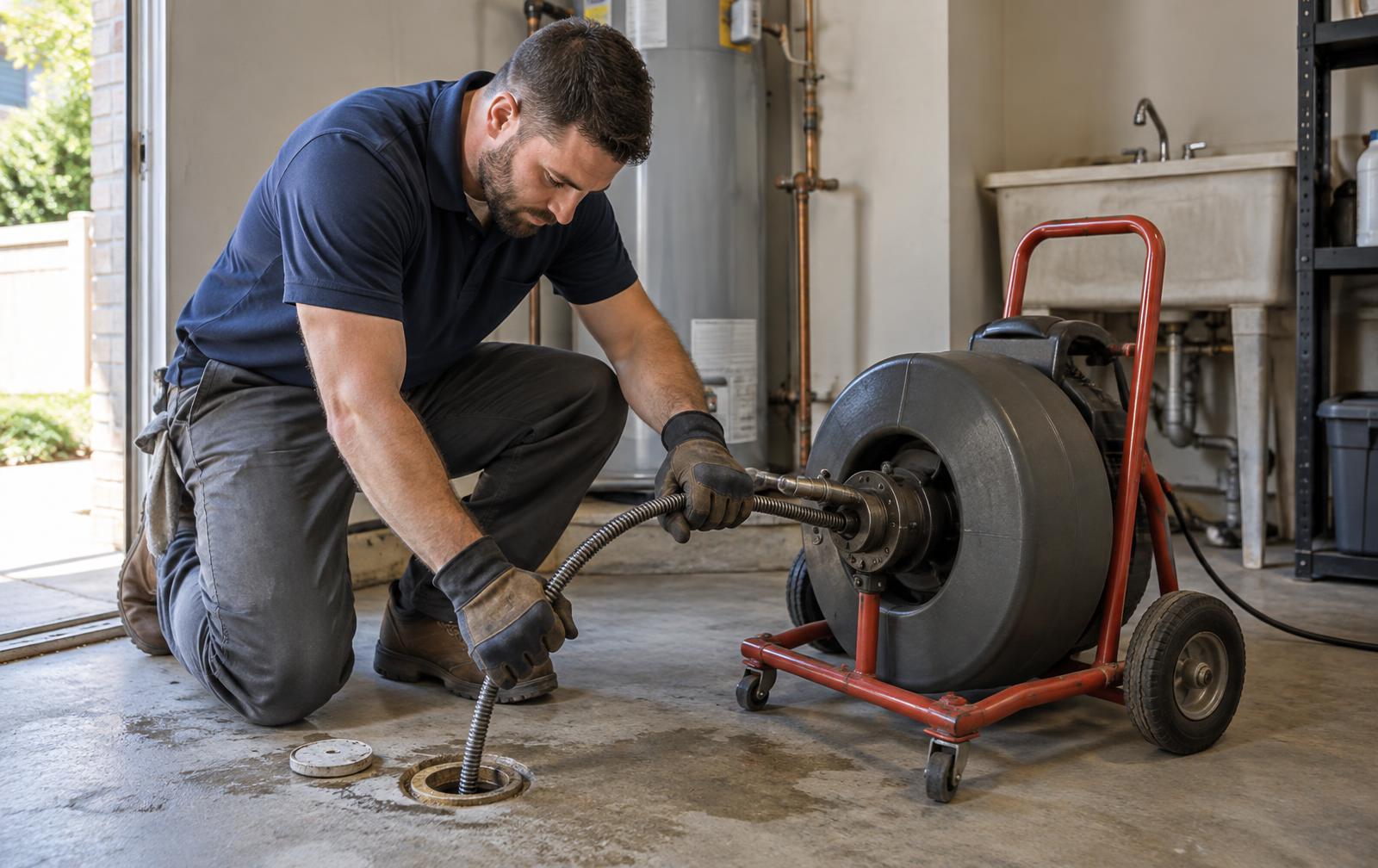
A toilet that gurgles when the shower runs. A kitchen sink that will not empty. A backup rising at the lowest fixture in the house. We clear the line wall to wall and confirm it with a camera pass, instead of stopping the moment water starts moving again.
Plano's Clay Ground Moves the Pipe, Not Just What's in It
Plano sits on Blackland Prairie clay that shrinks and swells with the season, and soil samples across the county commonly test in the highly expansive range. That movement does not stop at the foundation — it shifts and bellies the sewer lateral running out from the house, creating low spots where paper and grease settle even after a line has been cabled clean. A cable can cut through what is sitting in a belly, but it cannot fix the belly, which is why the same spot backs up again.
Age matters as much as soil. Plano's rapid postwar growth ran roughly from the late 1950s through the mid-1980s, and homes from that stretch commonly still carry their original cast iron drain stacks. Decades of mineral scale narrow that cast iron from the inside until a pipe that started at four inches is running closer to two, and a five-minute cable pass barely dents it. Newer PEX-plumbed builds do not have that scale problem in the supply lines, but their drain piping still ages the same way everywhere else in the city.
Because the City of Plano's sewer ordinance puts the lateral beyond the main tie-in on the homeowner, and because a replacement of that line requires a city permit, we tell you plainly when cleaning is a stopgap versus when the pipe itself needs to be addressed — and we pull the permit ourselves when a repair is the honest answer.

Signs Your Plano Drain Is Almost Done
A drain usually gives warning before it backs up onto the floor. Catch these early and it is a quick visit, not a cleanup job.
A single slow sink points to a branch clog near that fixture. Two or more slow drains at once usually means the blockage sits further downstream in the main line.
Flush the toilet and the tub gurgles, run the washer and the shower bubbles — that is trapped air finding the wrong path because the main line is partially blocked.
A rotten-egg odor near a bathroom often means a trap has been siphoned dry, usually because a partial blockage downstream is pulling air through it.
The shower fills when the toilet flushes, or the sink pushes water back through the dishwasher line. That is a main-line blockage backing up toward the lowest drain in the house.
A gradual, whole-house slowdown usually means scale or grease has narrowed the pipe wall over time, which is common in Plano's older cast iron. Jetting restores the original diameter rather than just cutting a channel through it.
A recurring wet or unusually green strip of lawn tracing the sewer run means the pipe is leaking underground. Cleaning will not touch that — it needs a repair, and the clay soil here is often part of why it moved.
Right Cable, Right Cutter, Camera to Confirm
A job is not finished until we have watched the pipe wall to wall on camera.
- 1Ask which fixtures are affected
One slow drain, several slow drains, or a full backup at the lowest fixture are three different jobs pointing at three different sections of pipe. We narrow that down before a machine ever comes off the truck.
- 2Get in through the cleanout, not a fixture
We access through a proper cleanout rather than pulling a toilet or opening a shower drain, which keeps debris out of the living space. Older Plano ranches usually have a ground-level cleanout in the yard; condos and townhomes near Legacy West typically route it to a utility closet instead.
- 3Match the cutter to what is actually clogging it
A knife blade for grease, a chain flail for roots, a wire brush or jetter head for scale. Sending the wrong cutter after the wrong material either misses the blockage or scores the inside of the pipe.
- 4Run the full diameter, not just a channel
We work the cable the entire width of the pipe from the cleanout to the tap, then retrieve it slowly so debris does not stay clinging to the wall waiting to catch the next thing that goes down the drain.
- 5Confirm it on camera
Every main-line cleaning ends with a camera pass so you can see the pipe is actually open. If we spot a crack, an offset joint, or a belly from ground movement that cleaning cannot fix, we show you the footage and quote the repair honestly.
What We Typically Find Across Plano
Housing era and soil conditions point to a different kind of drain call in each part of the city.
Around 15th Street and Avenue K, the core dates to the 1872–1920s railroad era, with many storefronts and small homes built before 1940. Drain runs from that period were often clay or early cast iron, and root intrusion at aged joints is a routine finding on camera.
Custom homes built between 1979 and 2001 on generous lots tend to have longer lateral runs out to the street, which gives Blackland Prairie clay more distance to shift and belly the line over the decades.
Large homes from the late 1980s and 1990s on quarter-acre-plus lots around the golf course typically have deeper, longer drain runs serving multiple bathrooms, so a branch clog in one wing does not always show up at the fixture nearest the problem.
Newer mixed-use condos and apartments built from the 2010s onward generally use PVC drain stacks rather than cast iron, so recurring clogs here point more often to shared-line grease buildup than to scaled pipe walls.
The subdivisions surrounding the mall corridor date largely to Plano's 1958–1985 suburban boom, the age bracket most likely to still be running original cast iron drain stacks that have narrowed with decades of mineral scale.
West Plano growth here tracked the Dallas North Tollway build-out through the late 1980s and 1990s, and homes from that stretch commonly have mature root systems nearby old enough to have reached a clay or cast iron lateral by now.
What Plano Homeowners Say

A Cleared Drain, Confirmed on Camera
If the same spot backs up again shortly after we clear it, we come back and take another look as part of our warrantied labor. If the camera showed the pipe itself was compromised at the first visit, we told you then and quoted the repair honestly rather than cabling it again and hoping.
We are licensed by the Texas State Board of Plumbing Examiners, insured, and family-owned, dispatching every truck from our shop in The Colony — about 25 to 35 minutes from most Plano addresses under normal traffic. When a repair means opening or replacing a section of sewer line, we pull the required City of Plano permit ourselves.
Straight Answers, No Sales Pitch
Our Other Plumbing Services in Plano, TX
A slow drain is often the first sign of a bigger issue underneath. We handle the rest of it too — one local call in Plano.
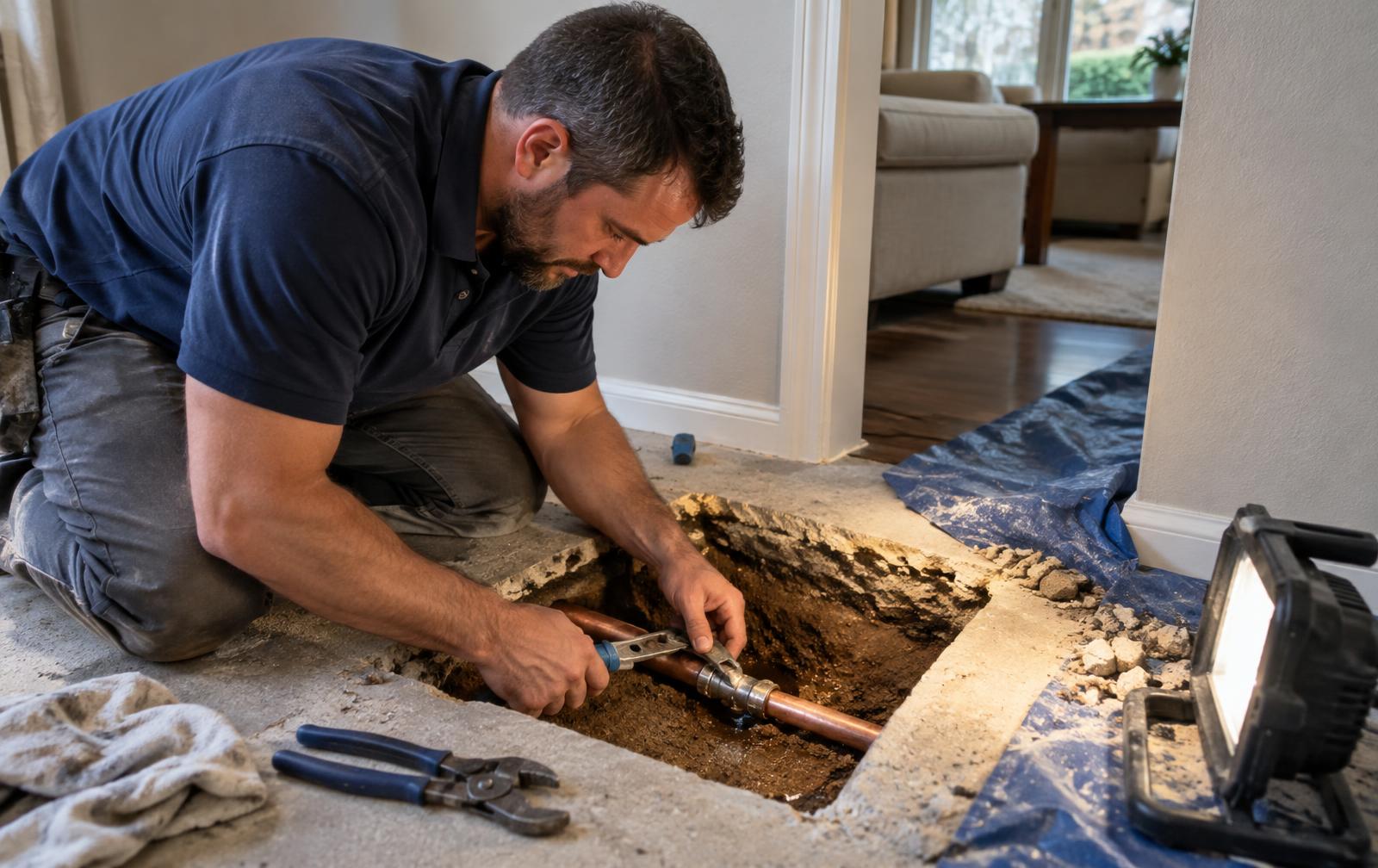
Electronic detection under Plano slabs — reroute options that save your finished floors when possible.
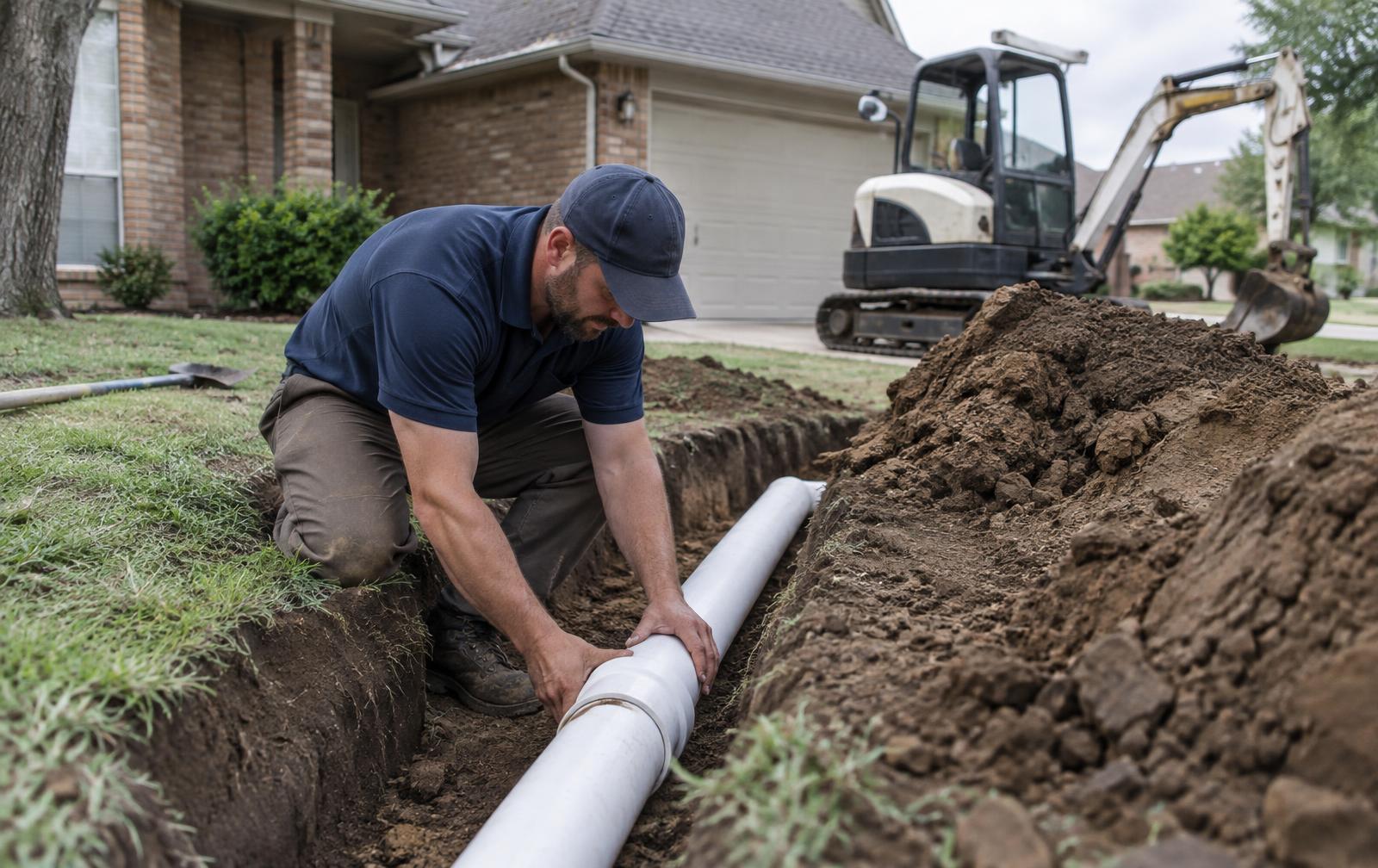
Trenchless replacement for the aging laterals across Plano's older runs — camera first, quote in writing, minimal yard damage.
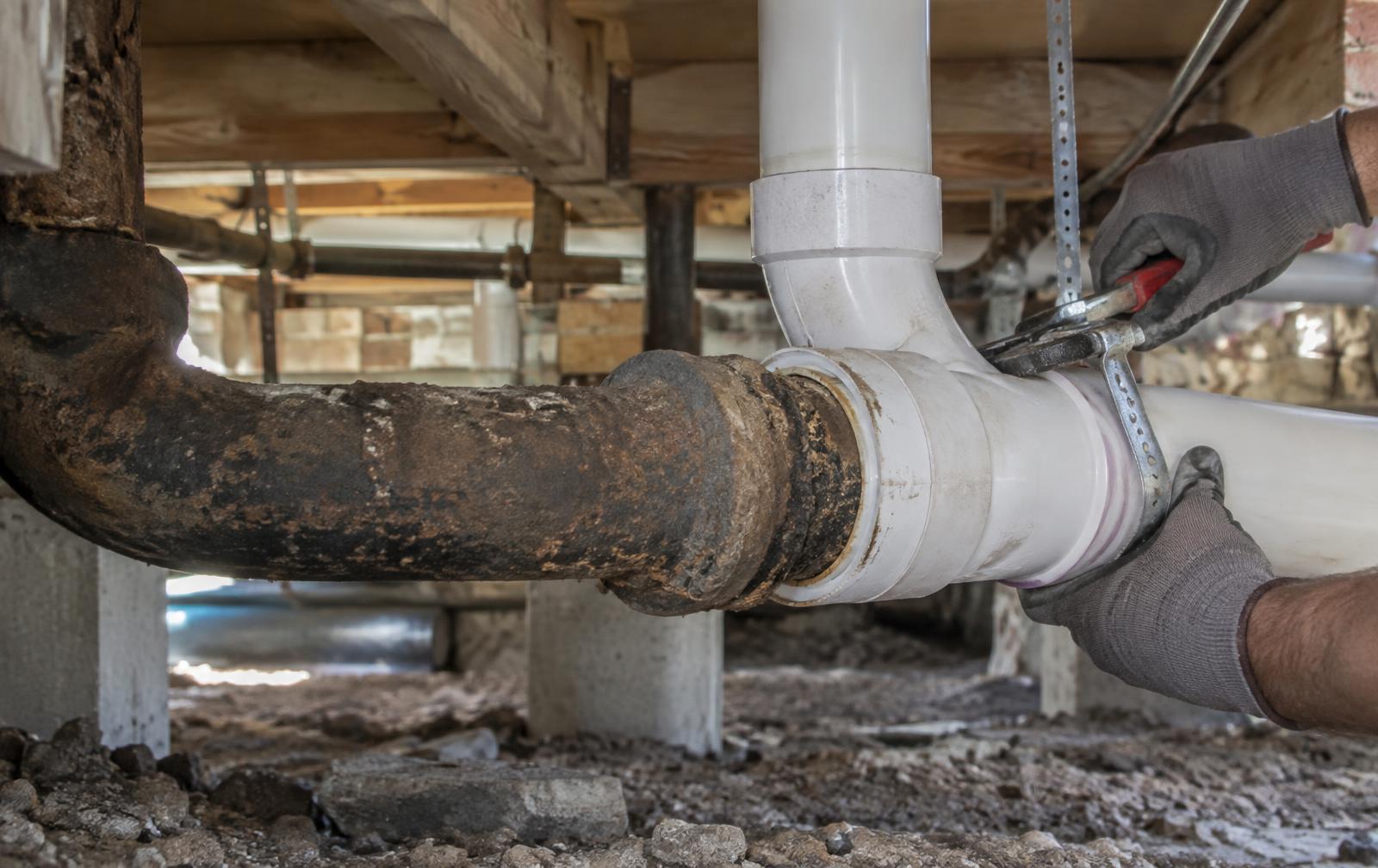
Camera inspection and PVC replacement for the aging cast iron drain lines in older Plano homes, with a written quote first.
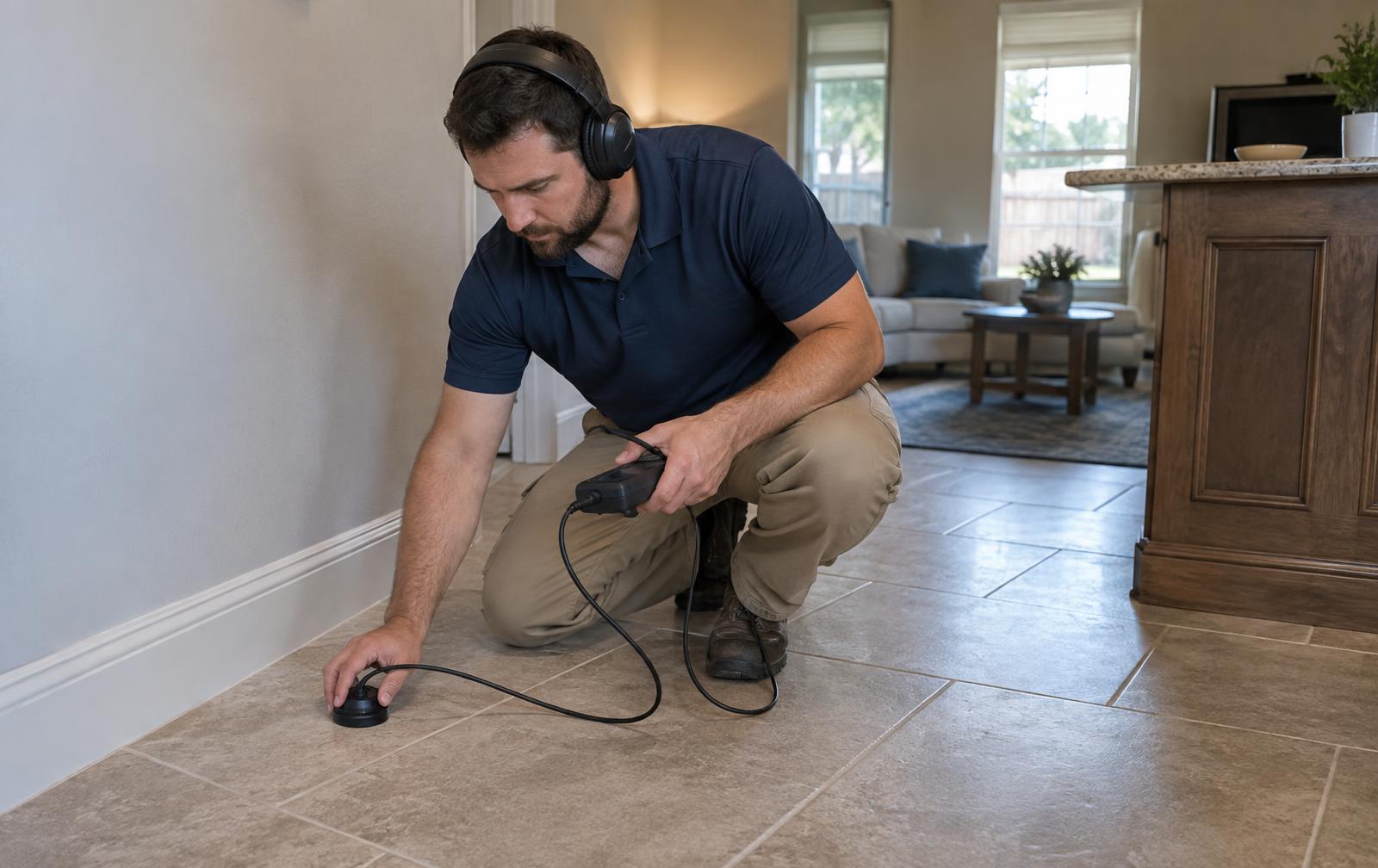
Acoustic, thermal, and pressure testing to pinpoint hidden leaks in Plano slab and wall lines without tearing into finishes.
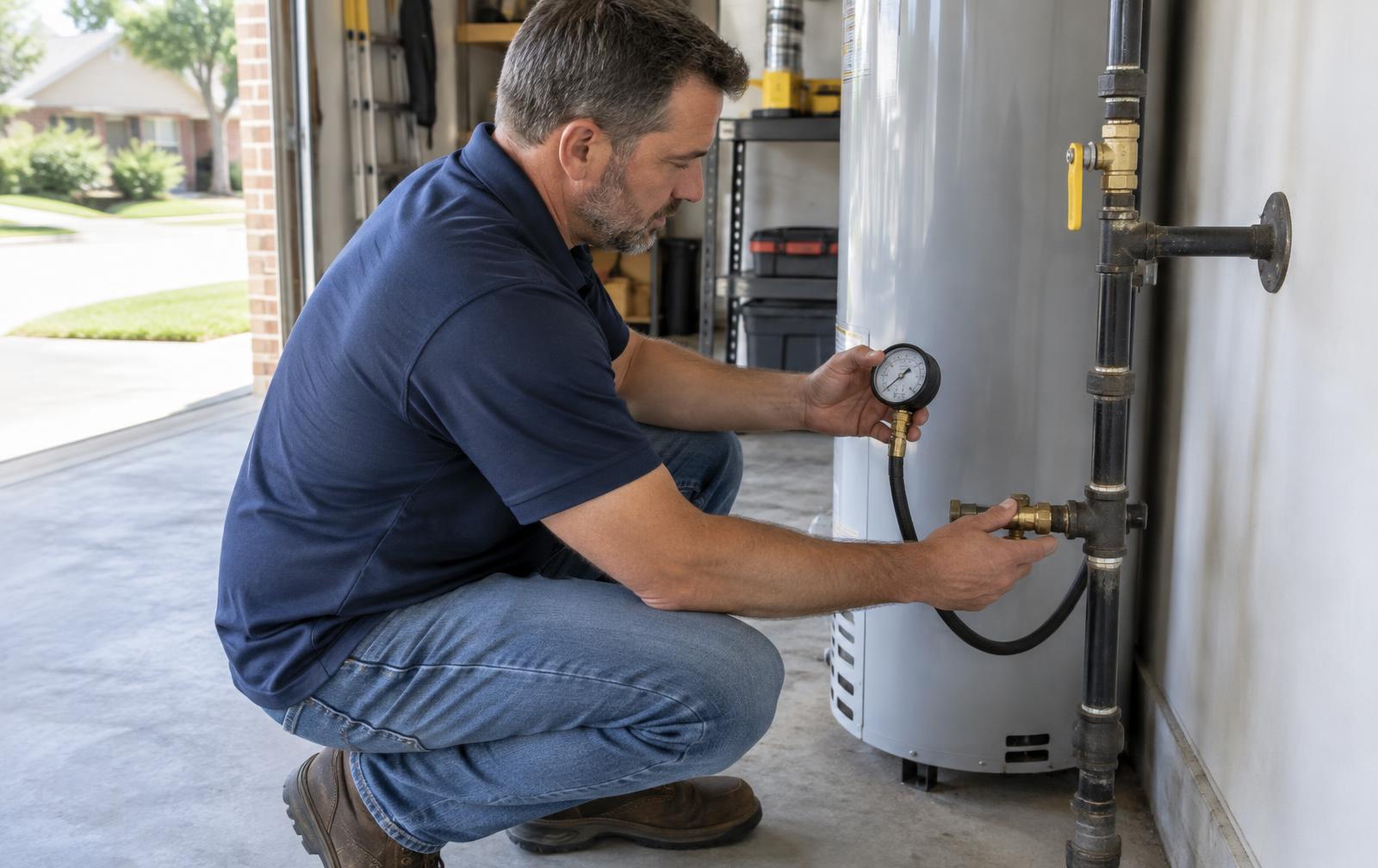
Licensed install, repair, and pressure-testing for Plano homes — every line signed off to Texas code and Atmos requirements.
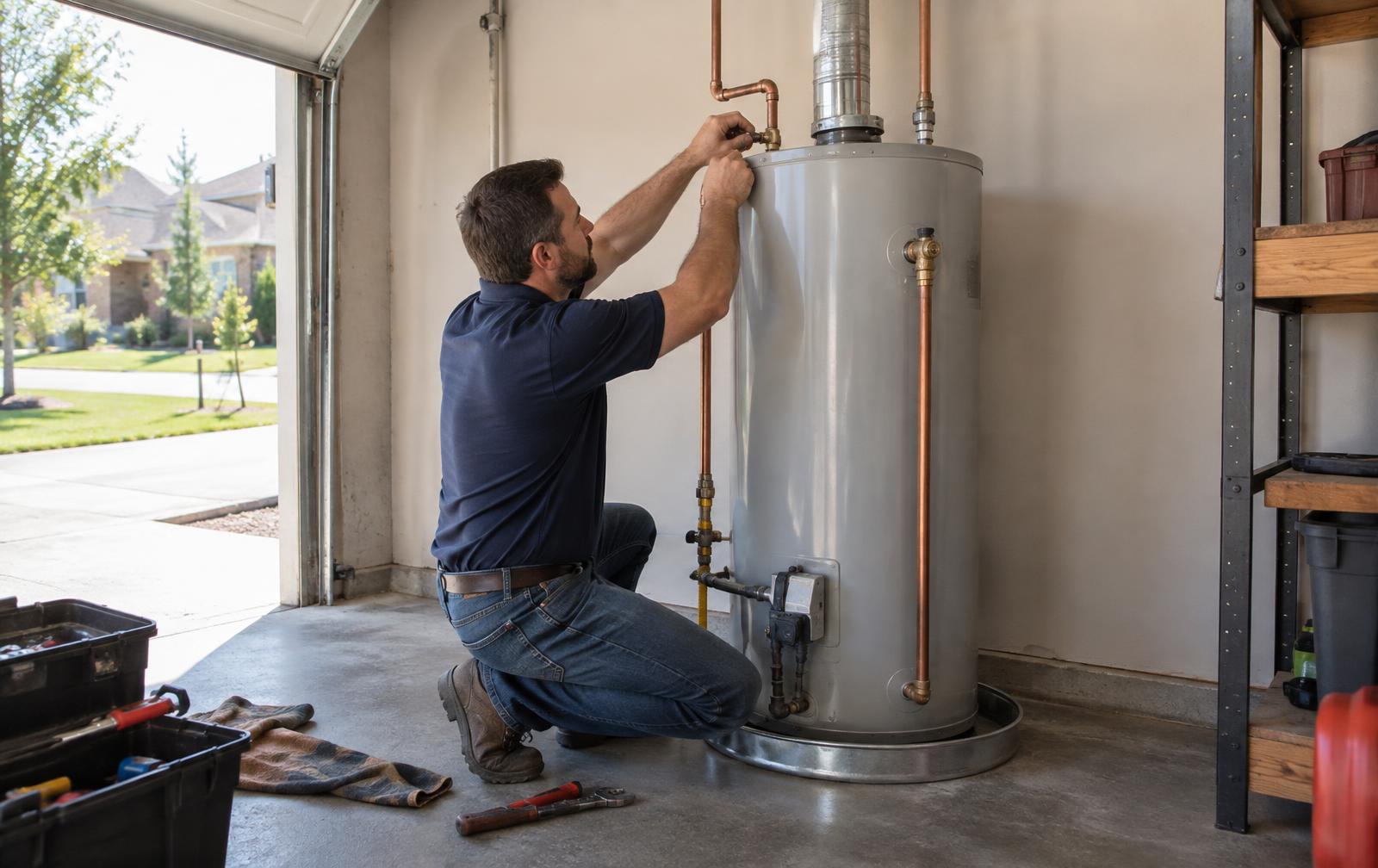
Repair, flush, and replacement of tank units — including attic and garage heaters common to Plano homes.
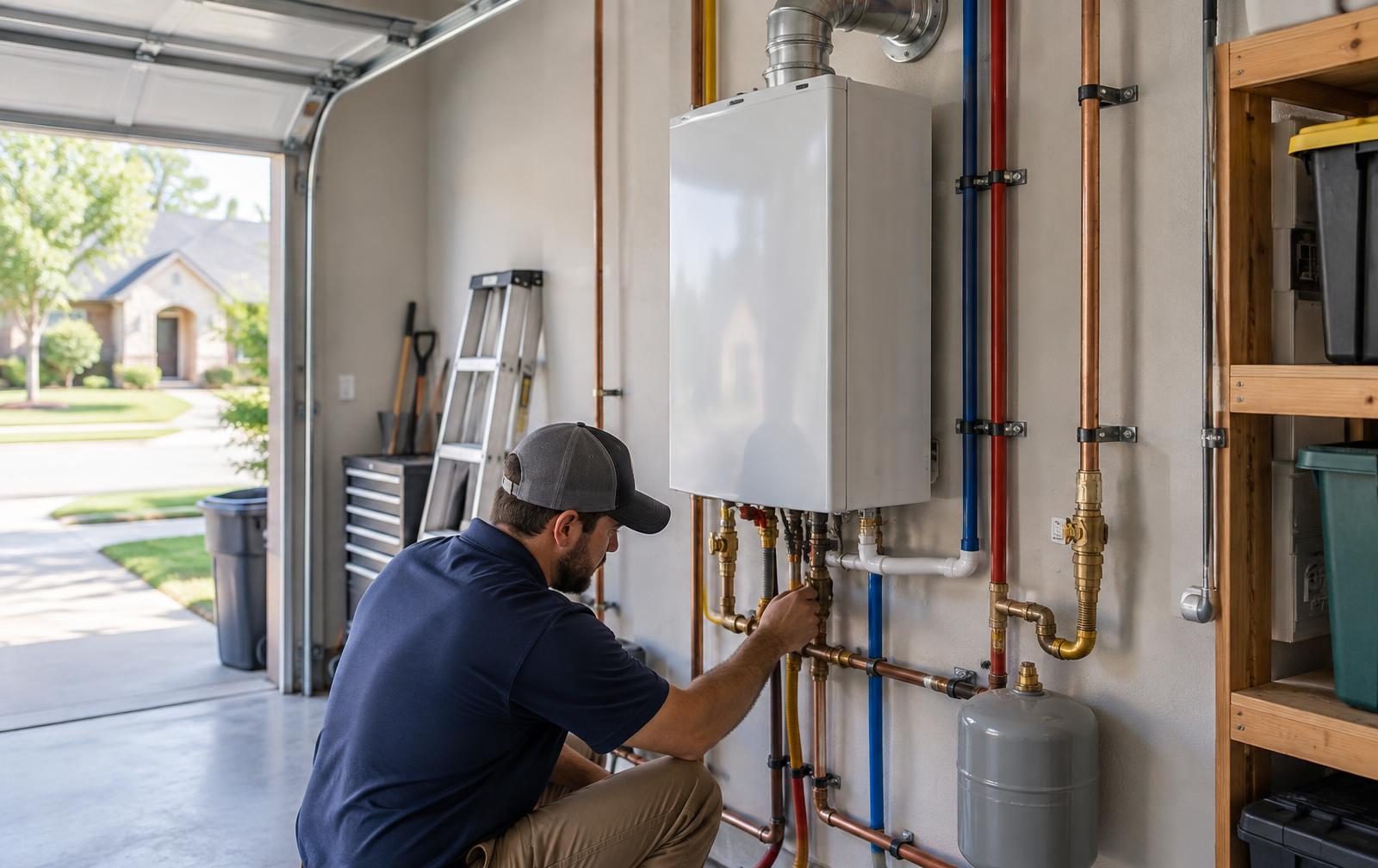
Install, service, and annual descaling — Plano's hard tap water eats tankless heat exchangers without it.
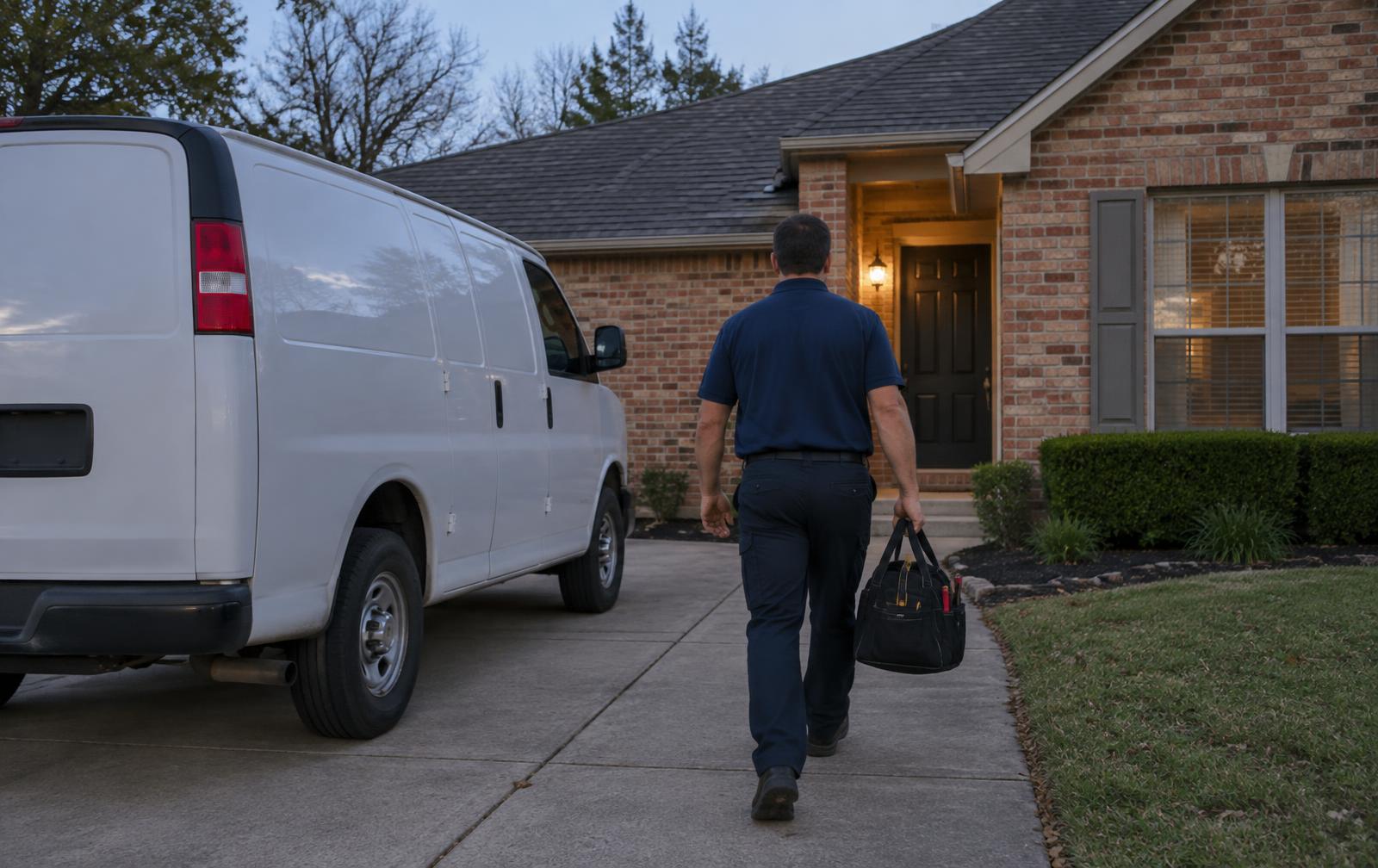
same-day, 7 days a week response across Plano for burst pipes, heater failures, and main-line backups.
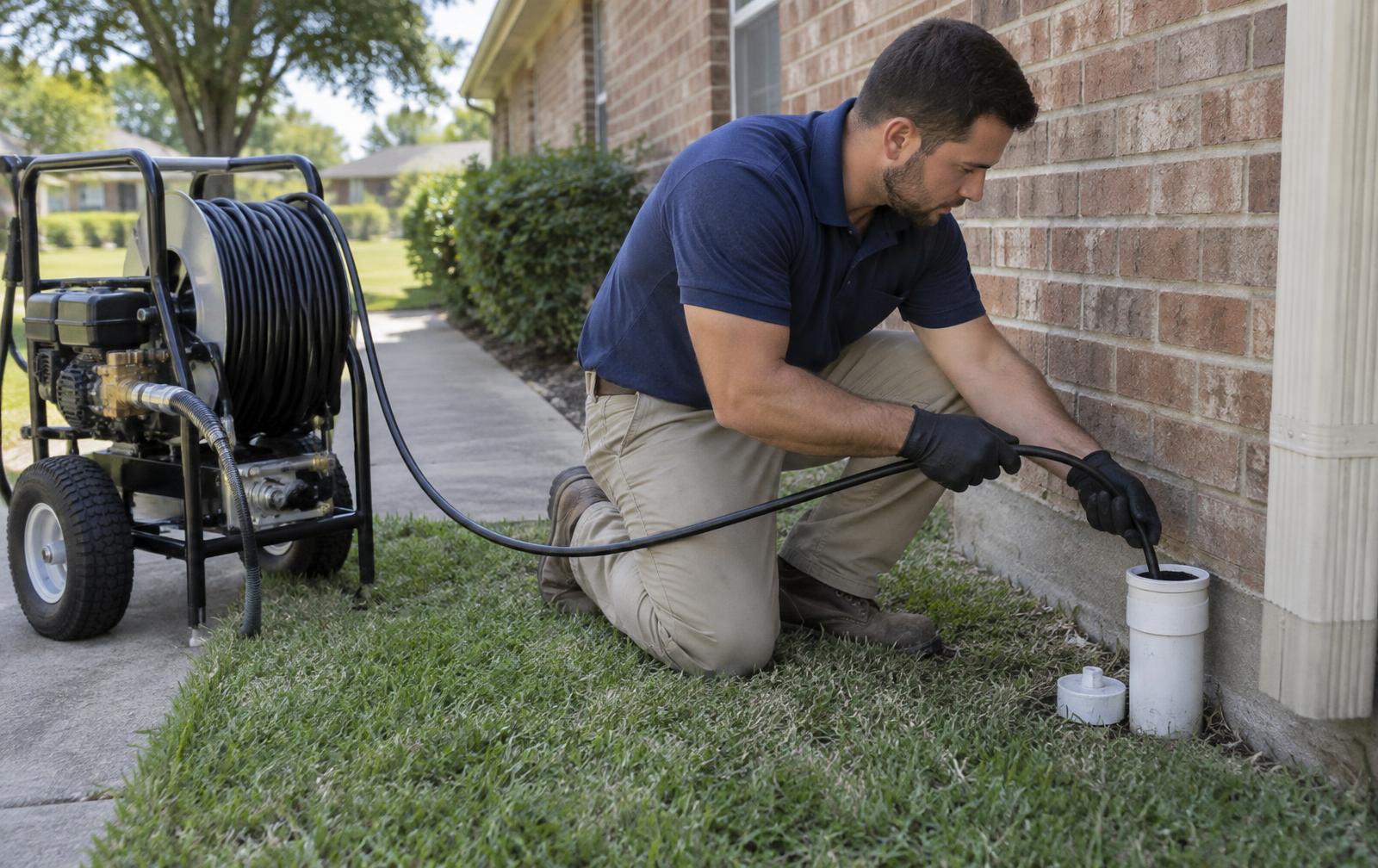
High-pressure cleaning that clears scale, grease, and roots from Plano's lateral runs — full-diameter, lasting clean.
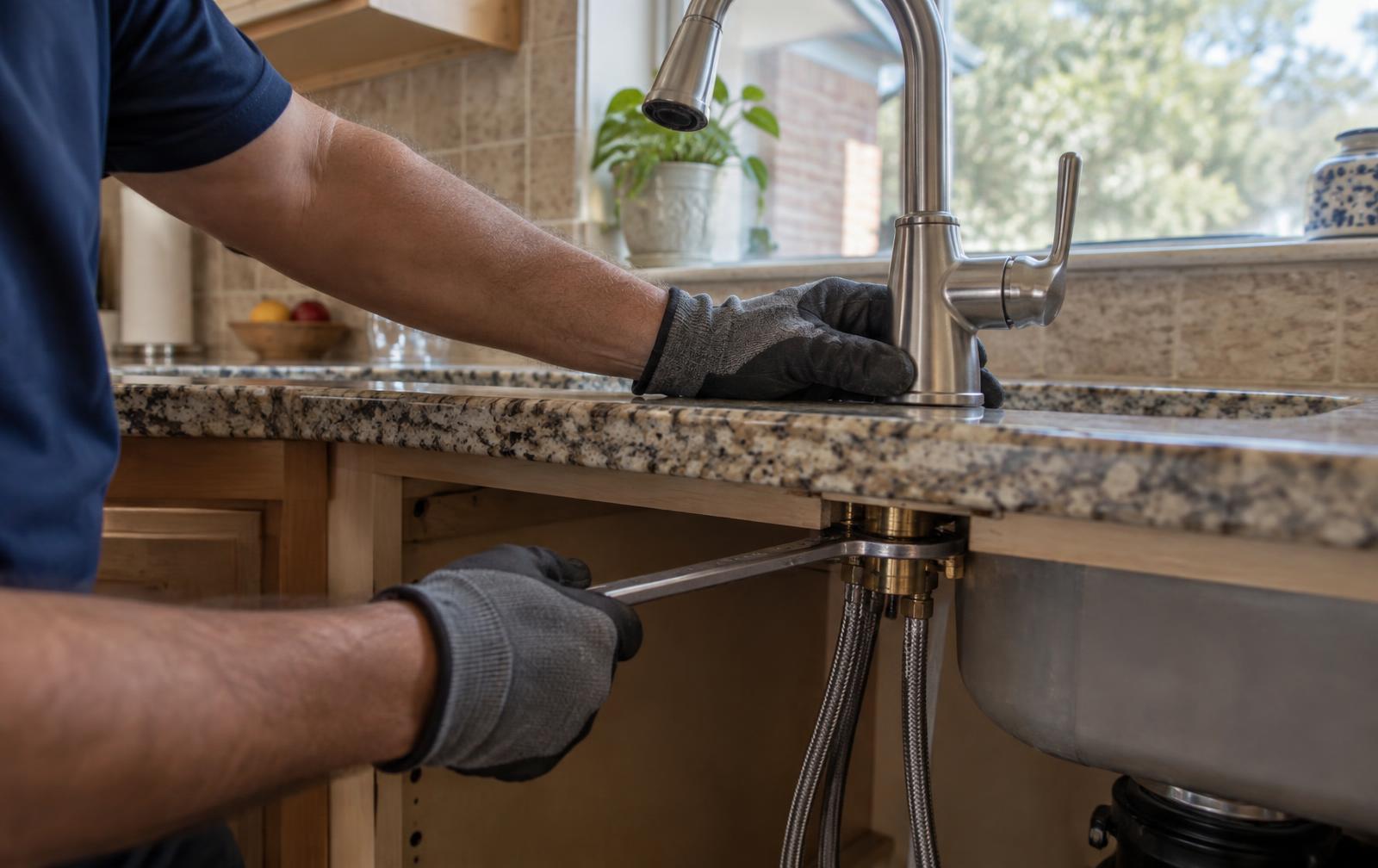
Cartridge, stem, and full-fixture replacement for Plano kitchens and bathrooms — hard-water-ready parts stocked on the truck.
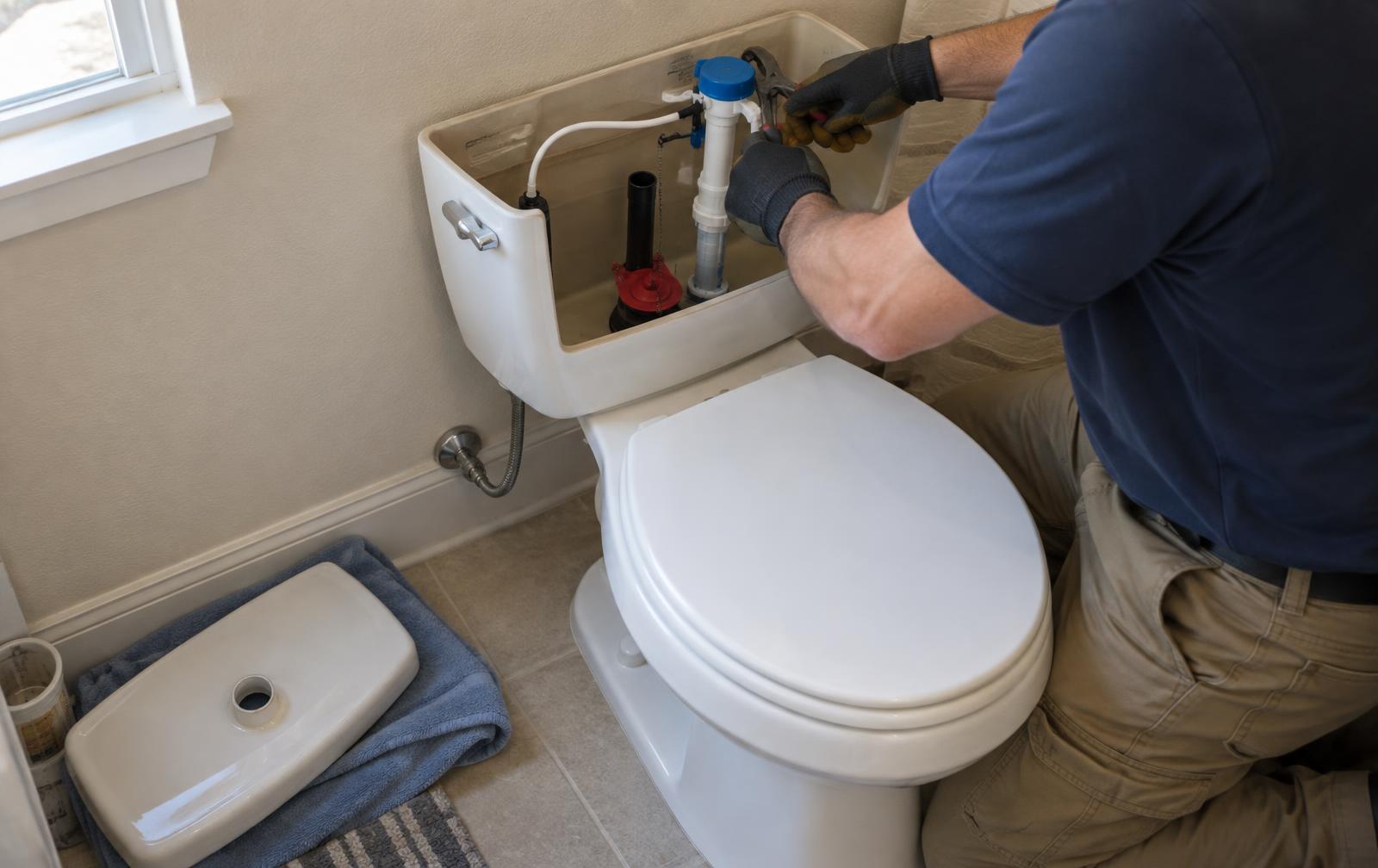
Rebuilds, wax-ring resets, flange repairs, and full replacements — the running toilets and rocking bowls in Plano homes.
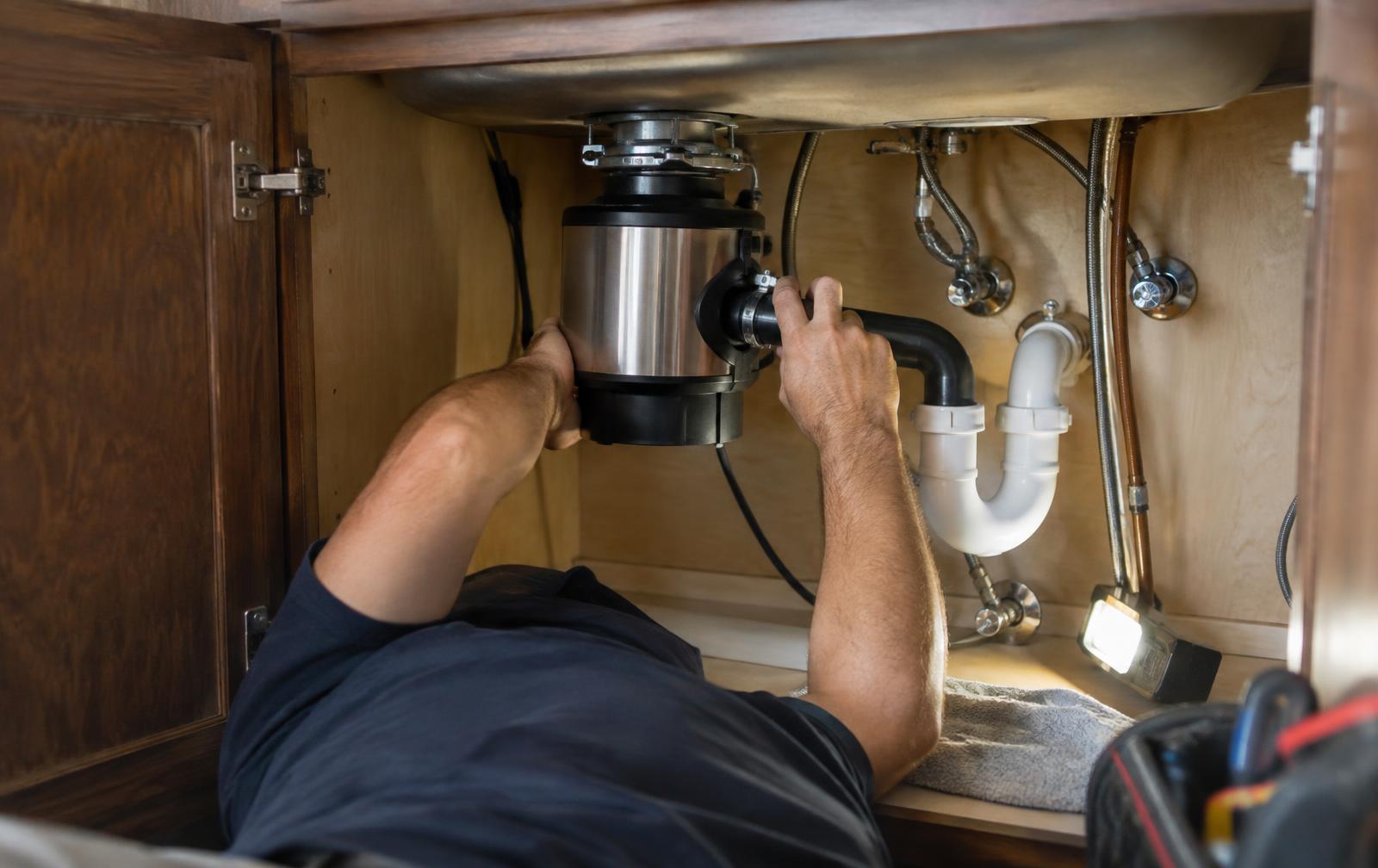
Jam clearing, leaking-unit swaps, and quiet 3/4 HP upgrades for Plano kitchens — same-visit install.
Drain Backing Up in Your Plano Home?
Same-day service, seven days a week, with camera confirmation on every main-line call. Book now and stop plunging.