
Leak Detection in Plano, TX
Your bill went up and you can't explain why. The meter's low-flow dial keeps spinning with every faucet shut. A spot on the ceiling won't stop growing. We track down hidden leaks in Plano homes and condos with acoustic, thermal, and pressure equipment, so nobody has to guess where to cut.
Know Exactly Where It Is Before Anyone Opens Anything
Plano grew fast through the postwar boom once U.S. 75 opened, and a lot of that housing stock is carrying original copper that has spent decades bathed in the city's moderately hard, chloraminated water. That combination is why pinhole leaks show up in walls and slabs that otherwise look fine from the outside — the pipe wears from the inside out, and nobody notices until the water bill or the ceiling gives it away.
The newer construction around Legacy West changes the puzzle rather than solving it. Those units share walls and vertical plumbing chases with the building next door, so a stain on your ceiling can just as easily be a line one floor up. Isolating whose plumbing is actually failing takes a pressure test at the unit's own shut-off, not a guess based on which ceiling got wet first.
Either way, our rule is the same: we don't open a wall or a slab until we can put an X on a photo and defend it. That's the difference between a real locate and a demo crew hoping to get lucky.

Signs You Have a Hidden Leak in Your Plano Home
Any two of these together are worth a call before the damage spreads.
A hidden supply leak can waste a large volume of water a day without ever reaching a visible surface. If nothing changed at the house but the bill did, a locate answers why before you guess.
Shut off every fixture in the house, wait about fifteen minutes, and watch the meter's low-flow indicator. Movement there means water is escaping somewhere between the meter and your fixtures.
Pressurized pinhole leaks make a distinct high-frequency sound. If one room seems to hum louder than the rest of the house when everything's off, that's usually where we start listening first.
Old water damage stops growing. A stain that keeps expanding a little more each time you look is being fed by something active, and the source is often higher up the wall than the stain itself.
A leaking hot-side line heats whatever surrounds it. Thermal imaging usually finds a hot-side leak within a couple of minutes of setup.
A supply leak large enough to feel will thin out pressure or shorten how long the hot water lasts. Paired with any sign above, it usually points at a specific line.
Acoustic, Thermal, and Pressure — In Whatever Order the House Needs
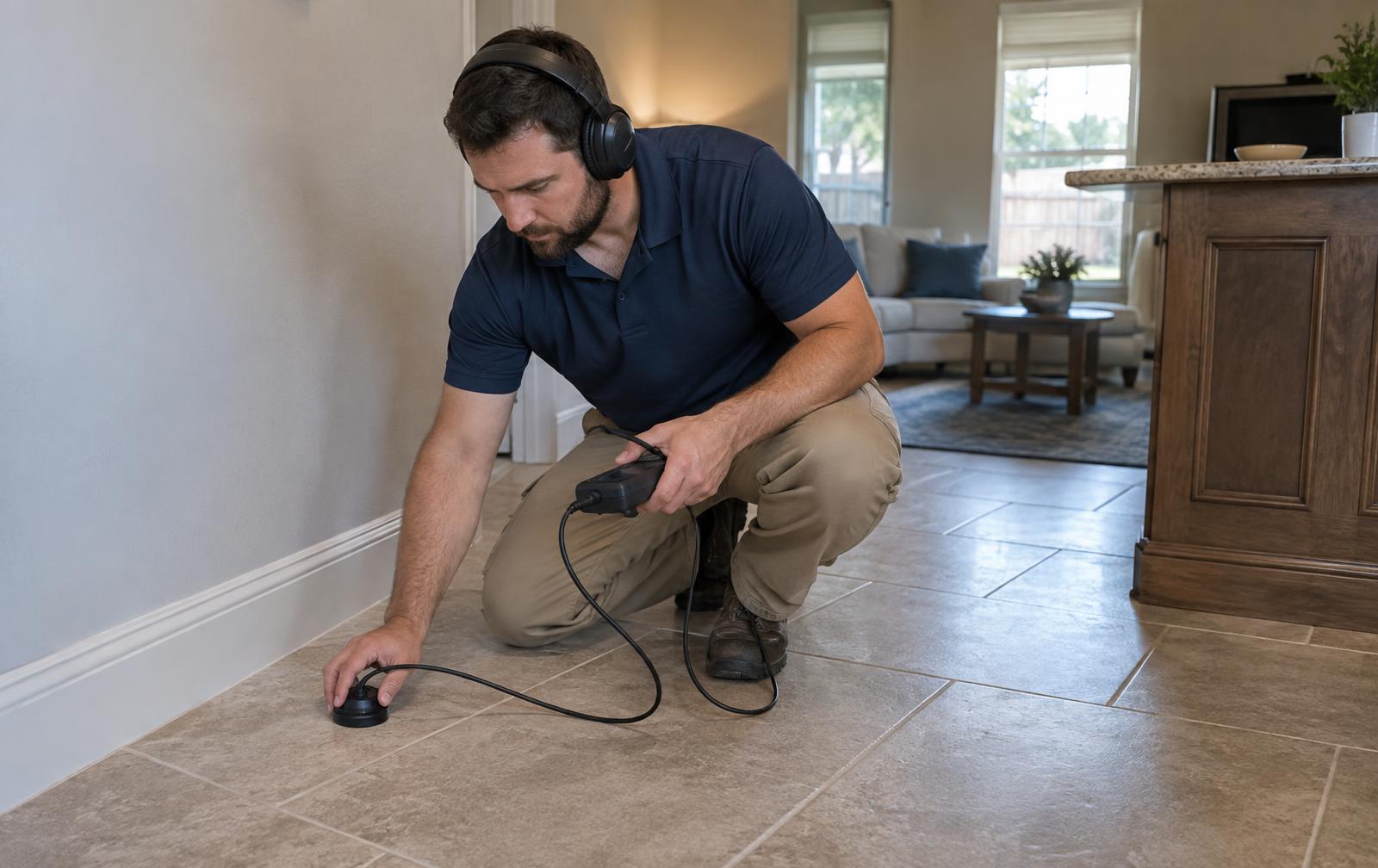
Every locate ends in a photo, not a guess.
- 1Rule out the easy answer first
We confirm supply versus drain and hot versus cold by isolating valves in sequence and watching the meter. A surprising number of calls turn out to be a drain or a fixture, not a wall leak at all — no reason to go hunting with acoustic gear if that's the answer.
- 2Pressurize the line and listen
On a live supply leak we hold pressure on the line and run ground microphones and wall probes along the route. A pinhole leak makes a sound distinctive enough to place within inches once we're close.
- 3Thermal image the surrounding surfaces
A hot-side leak warms the wall or slab around it, and a thermal camera makes that trail visible straight through drywall or tile. On a cold-side leak we run the hot side longer first to build contrast.
- 4Bring in tracer gas for the stubborn ones
When the meter reading, the acoustic pass, and the thermal image all come back ambiguous, we isolate the line, introduce an inert tracer gas, and sniff along the run. The gas surfaces exactly where the pipe has failed.
- 5Hand you a marked photo and a written quote
You get a photo with the leak marked, a plain description of what failed, and a written quote for the repair — ours, another plumber's, or your own contractor's, your choice.
Where Leaks Tend to Show Up Around Plano
Construction era predicts what kind of leak we're chasing.
Homes near 15th and Ave K date to the early platting of the city, many built before 1940. Original supply lines in houses this old have usually been replaced at least once, but where they haven't, the remaining runs are the first place we listen.
These custom homes went up between the late 1970s and early 2000s off the Tollway near Parker Road. Long copper runs feeding large floor plans mean a single pinhole leak can travel a long way through the framing before it ever reaches a wall you can see.
Large homes on wide lots built through the late 1980s and 1990s around the golf course tend to have more supply line, in the ground and in the walls, feeding irrigation and multiple bathrooms alike — more line means more places for a hidden leak to start.
This corridor's condos and mixed-use units date mostly from the 2010s onward and share walls and vertical chases between units. A ceiling stain here needs a pressure isolation at the unit shut-off before anyone can say whose plumbing actually failed.
The neighborhoods that filled in once the Central Expressway opened were built through the postwar boom of the late 1950s to the mid-1980s, and that generation of copper is now old enough that pinhole failures are a routine reason for a locate call.
Newer infill going up around this redevelopment is recent enough that leaks here are less about worn-out copper and more about a fitting or connection that wasn't sealed correctly the first time.
What Plano Homeowners Say

You Get the Photo Before You Get the Bill
Every detection visit ends the same way: an annotated photo, a plain-language description of the leak, and a written quote for the repair. If we can't put a confident mark on that photo, we say so instead of sending someone in with a hammer to find out the hard way.
We're licensed by the Texas State Board of Plumbing Examiners, insured, and family-owned, dispatching every truck from our shop in The Colony. We run same-day service seven days a week, 8 AM to 6 PM.
Straight Answers, No Sales Pitch
Our Other Plumbing Services in Plano, TX
A hidden leak is often the first symptom of an aging supply system. We handle the rest of that conversation too — slab repair, re-pipes, water heater work — with one local team in Plano.
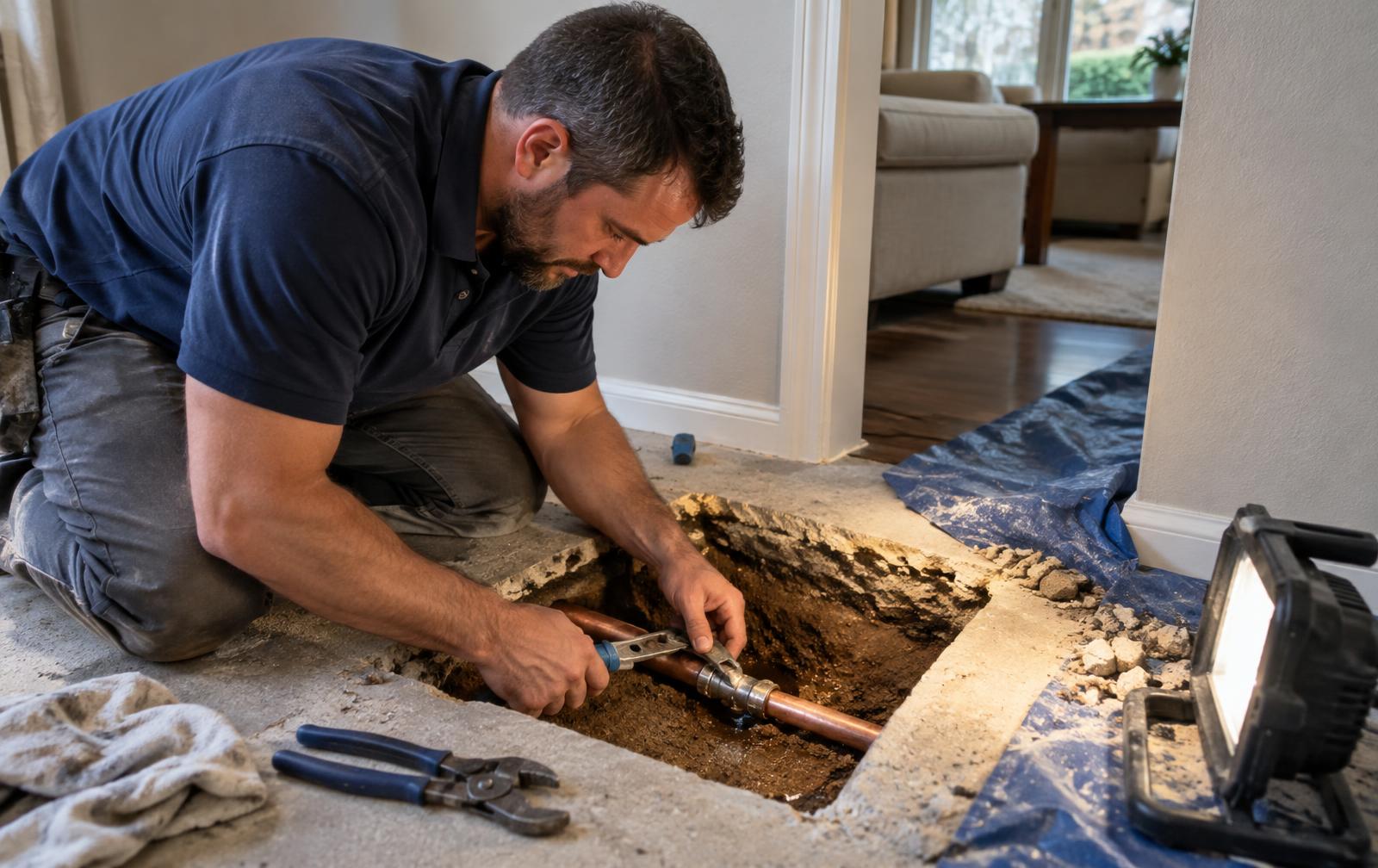
Electronic detection under Plano slabs — reroute options that save your finished floors when possible.
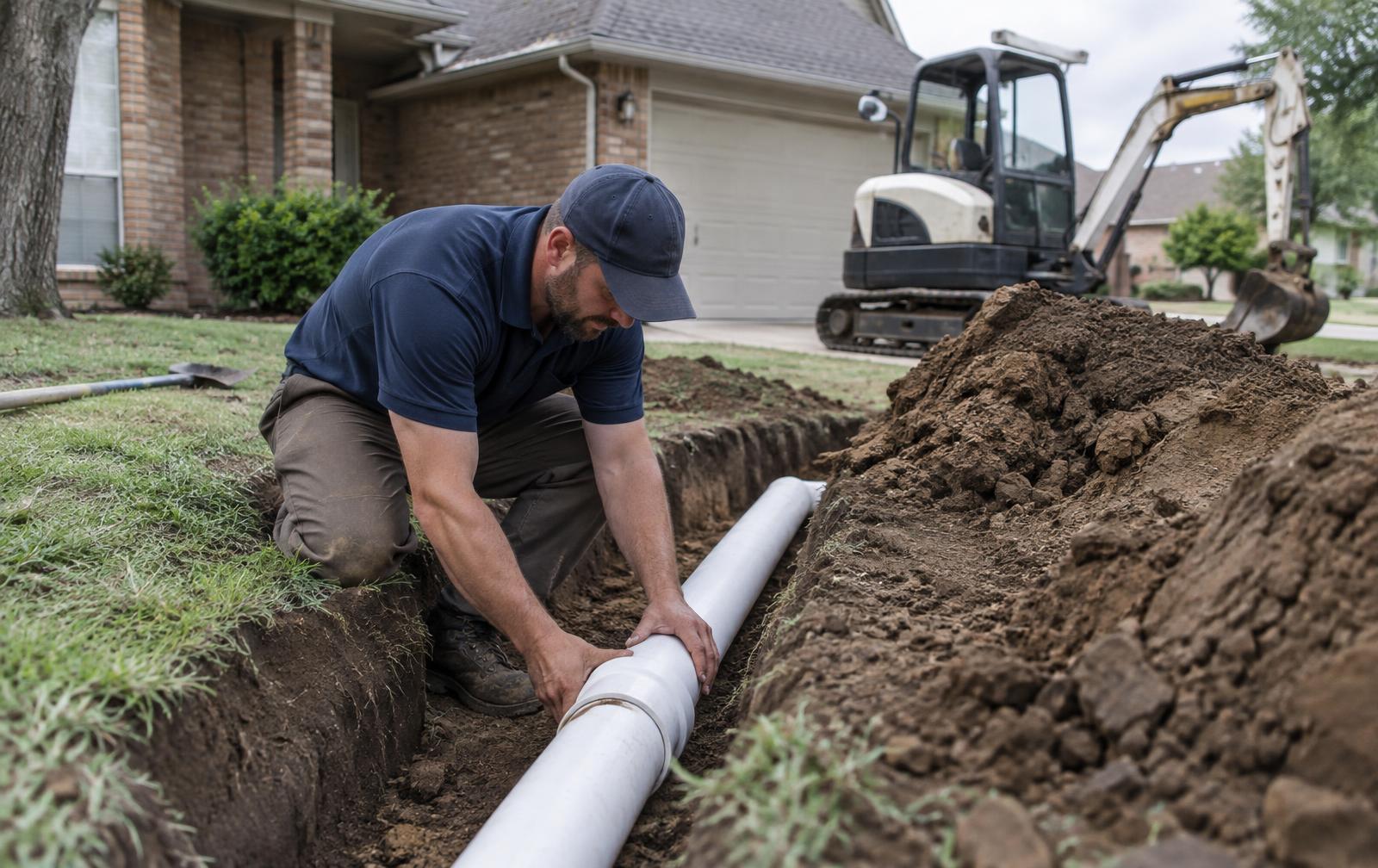
Trenchless replacement for the aging laterals across Plano's older runs — camera first, quote in writing, minimal yard damage.
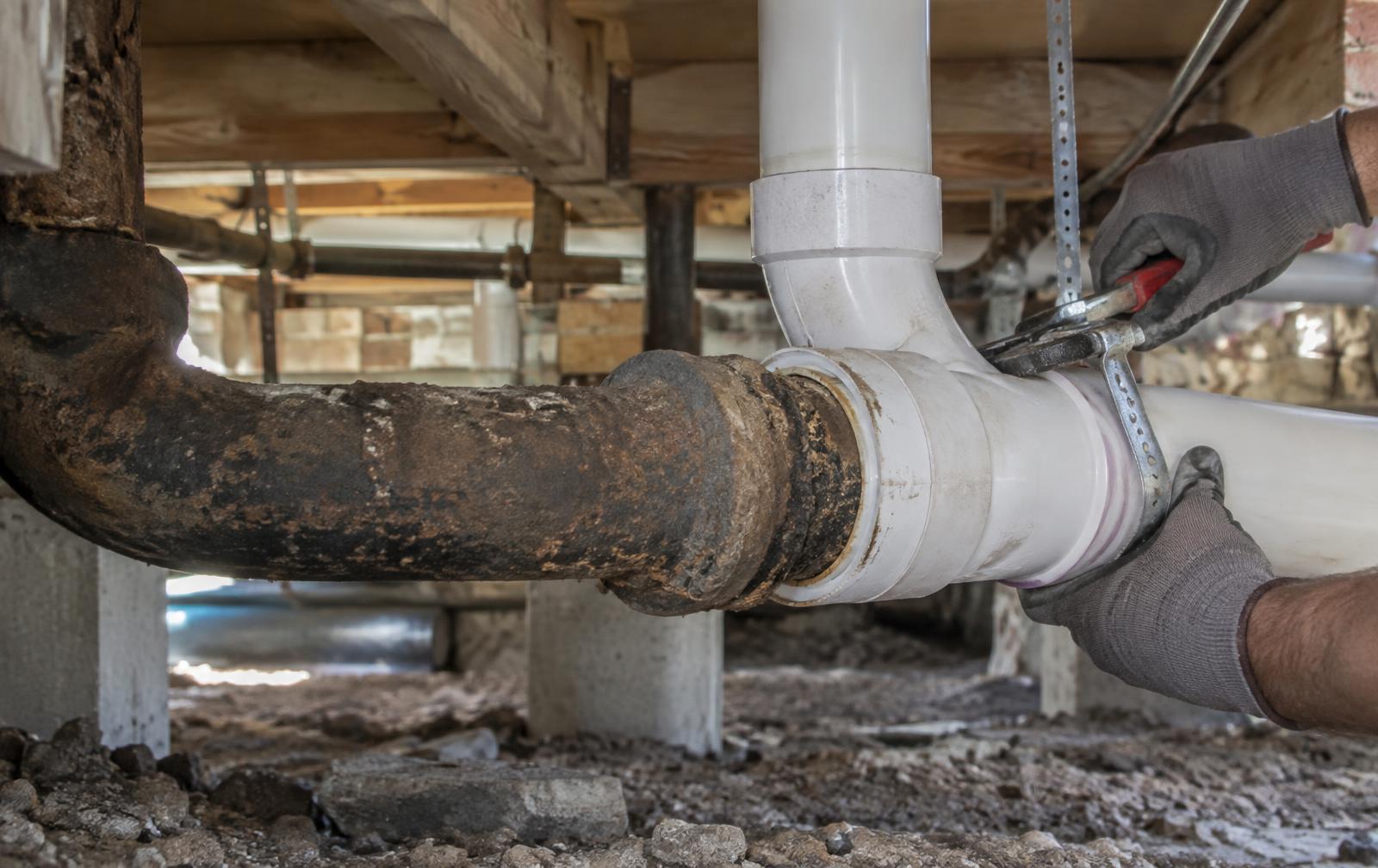
Camera inspection and PVC replacement for the aging cast iron drain lines in older Plano homes, with a written quote first.

Licensed install, repair, and pressure-testing for Plano homes — every line signed off to Texas code and Atmos requirements.

Full-clear service and camera confirmation for the drains under Plano's neighborhoods.
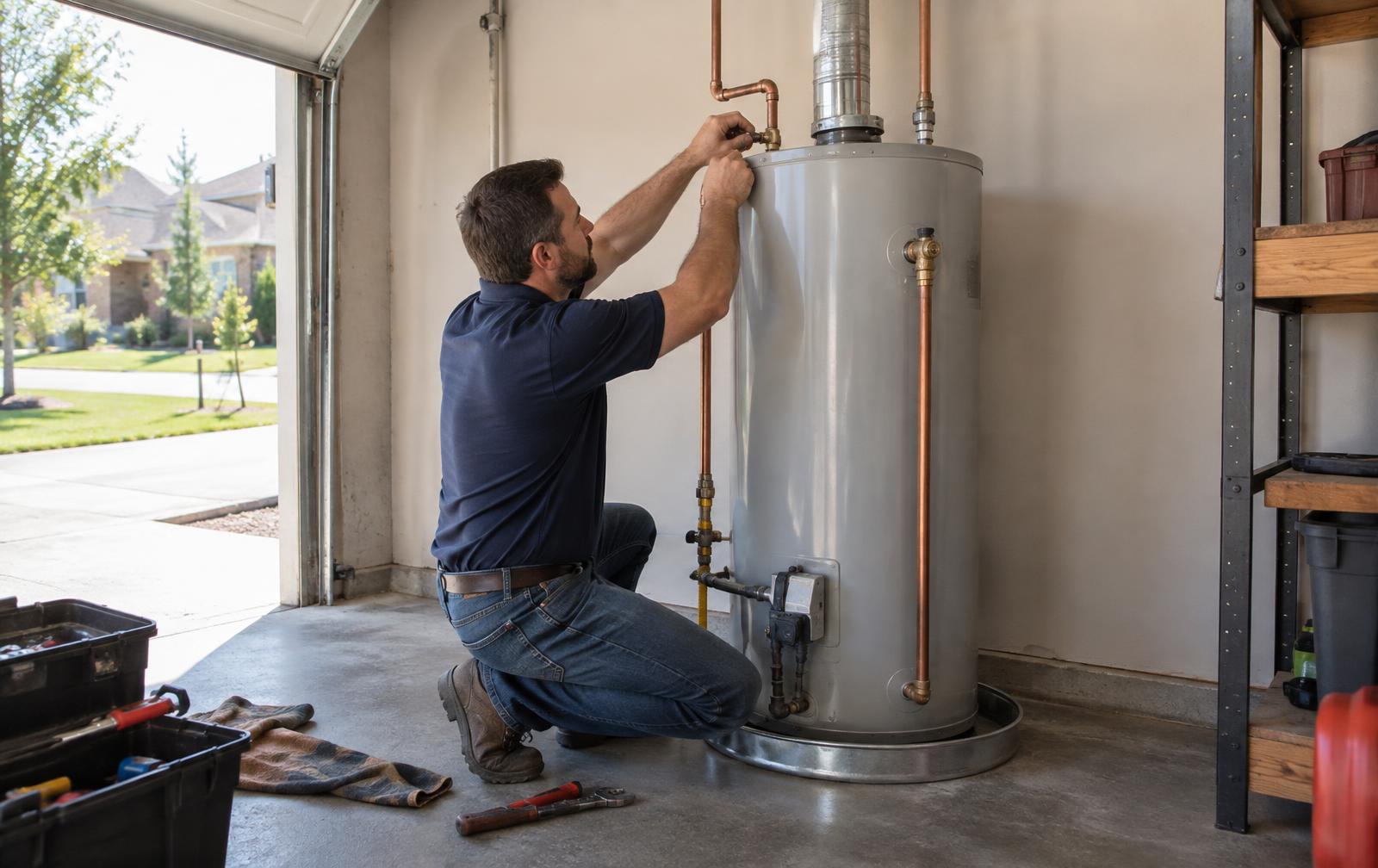
Repair, flush, and replacement of tank units — including attic and garage heaters common to Plano homes.
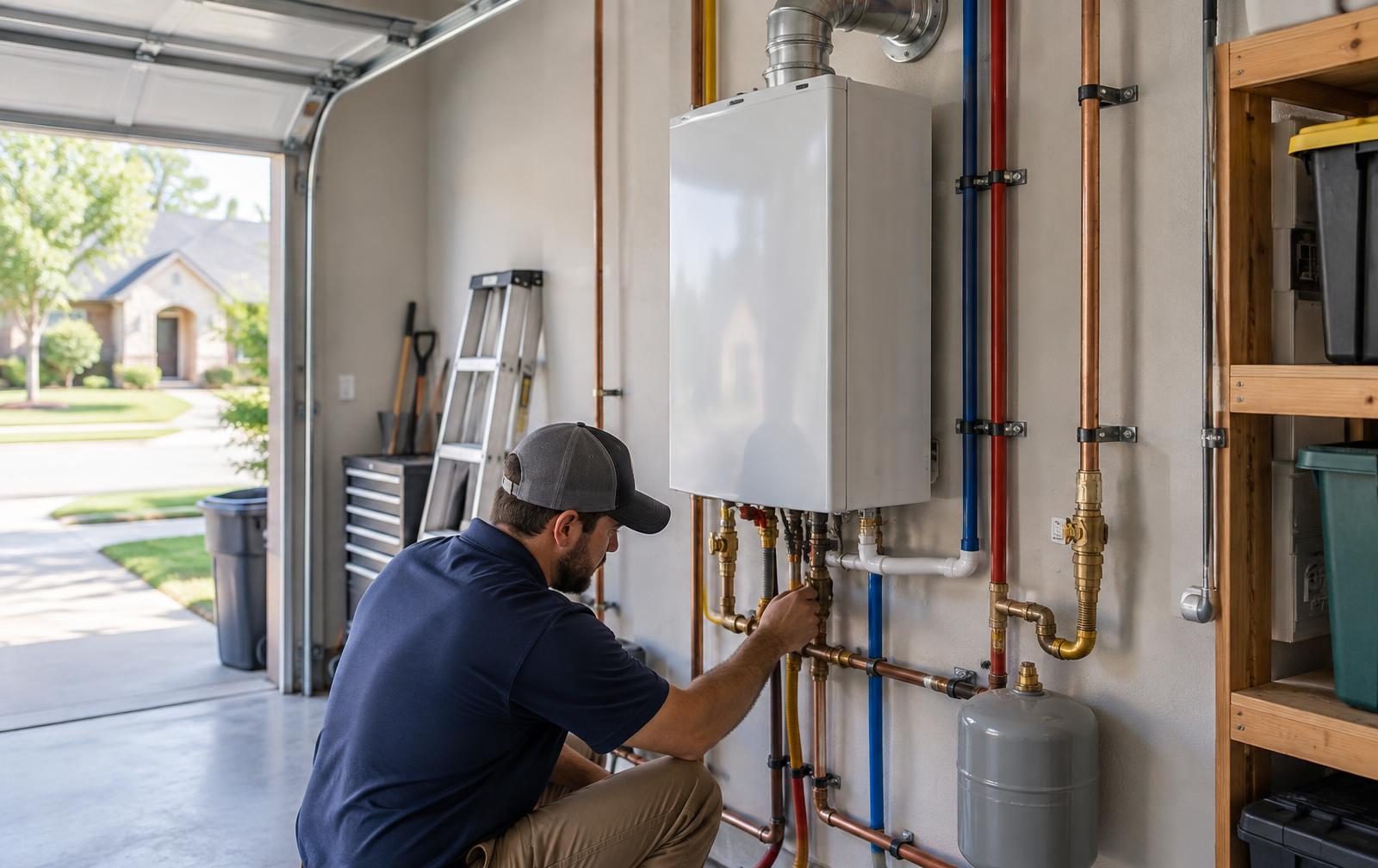
Install, service, and annual descaling — Plano's hard tap water eats tankless heat exchangers without it.
same-day, 7 days a week response across Plano for burst pipes, heater failures, and main-line backups.
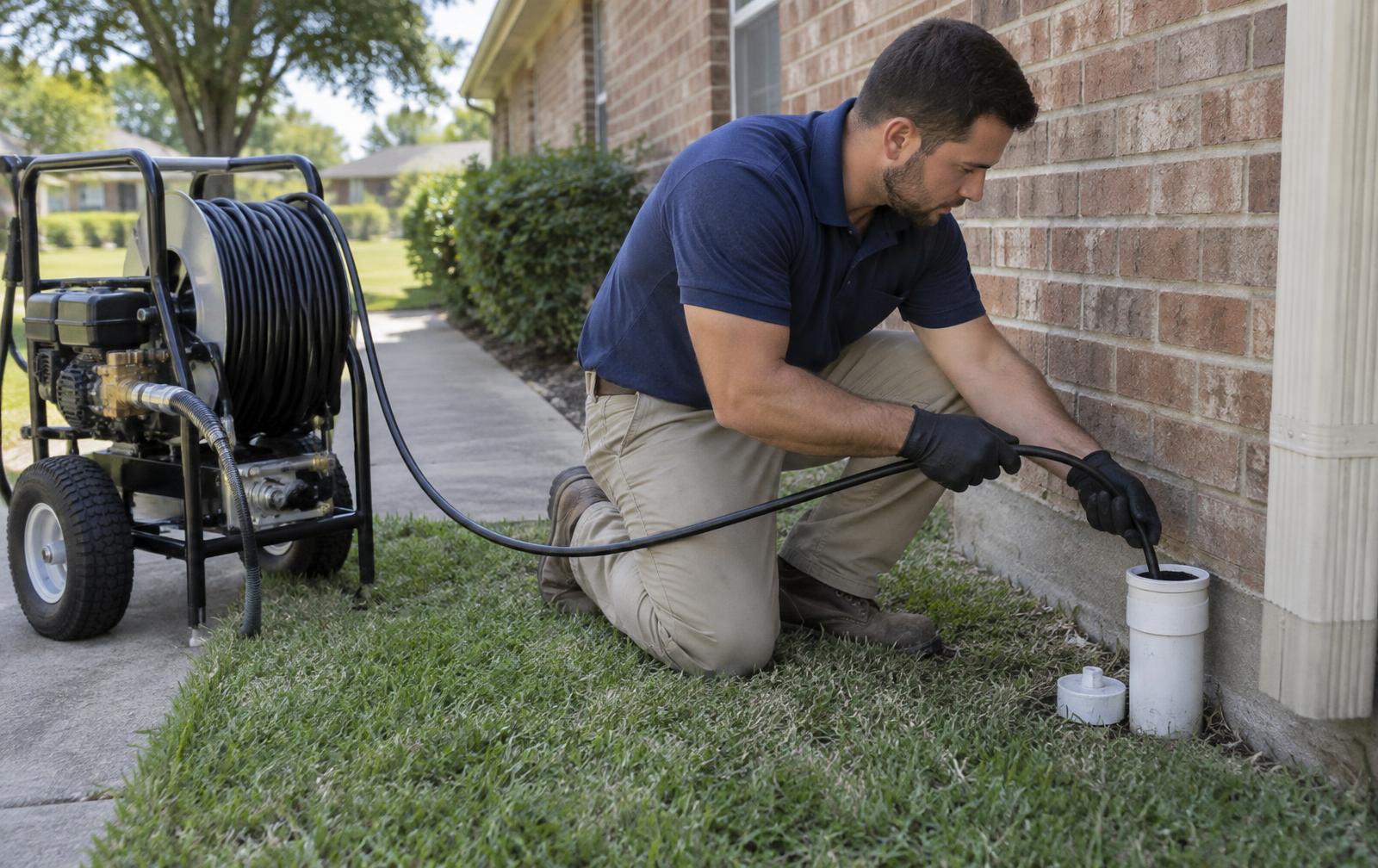
High-pressure cleaning that clears scale, grease, and roots from Plano's lateral runs — full-diameter, lasting clean.
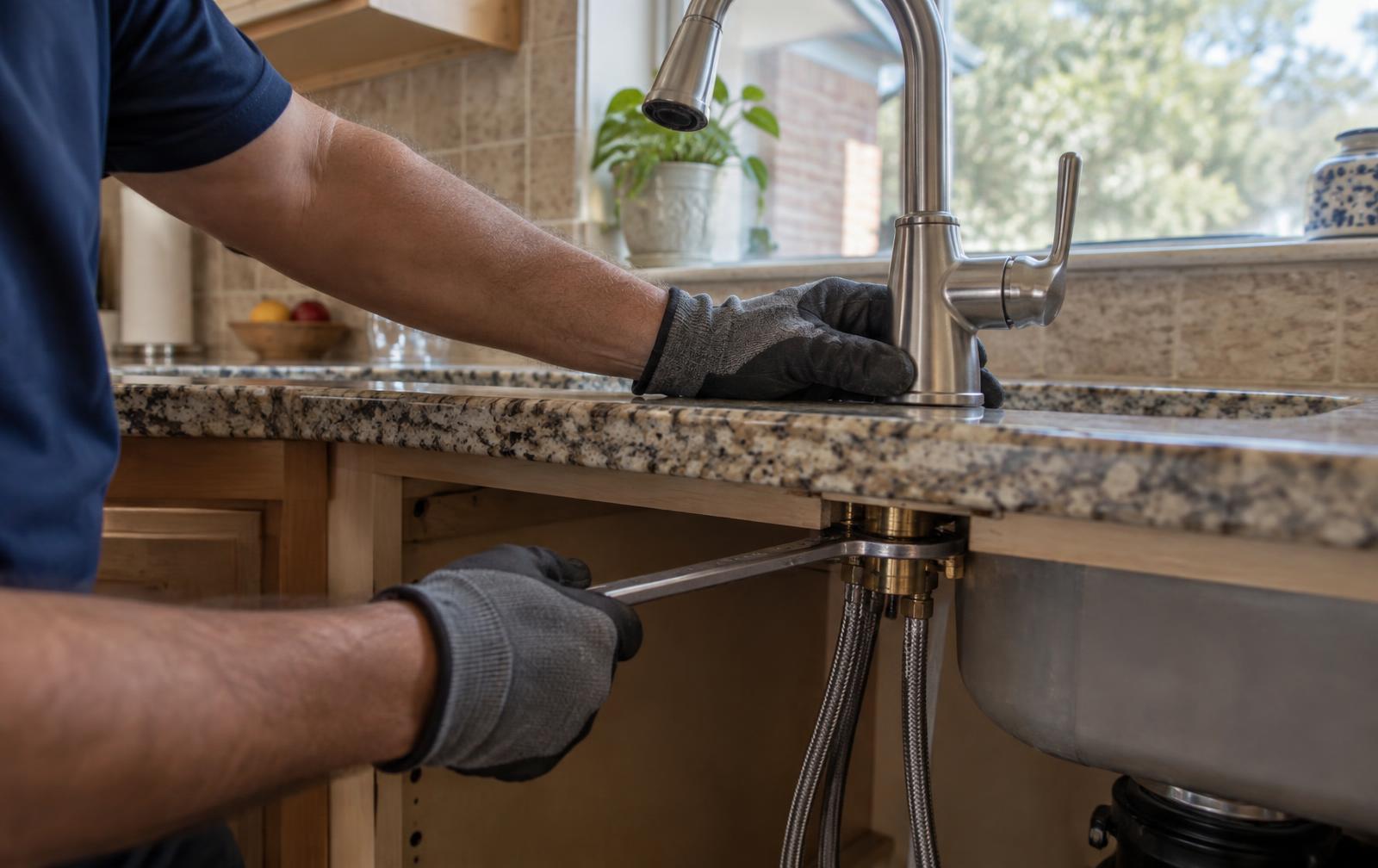
Cartridge, stem, and full-fixture replacement for Plano kitchens and bathrooms — hard-water-ready parts stocked on the truck.
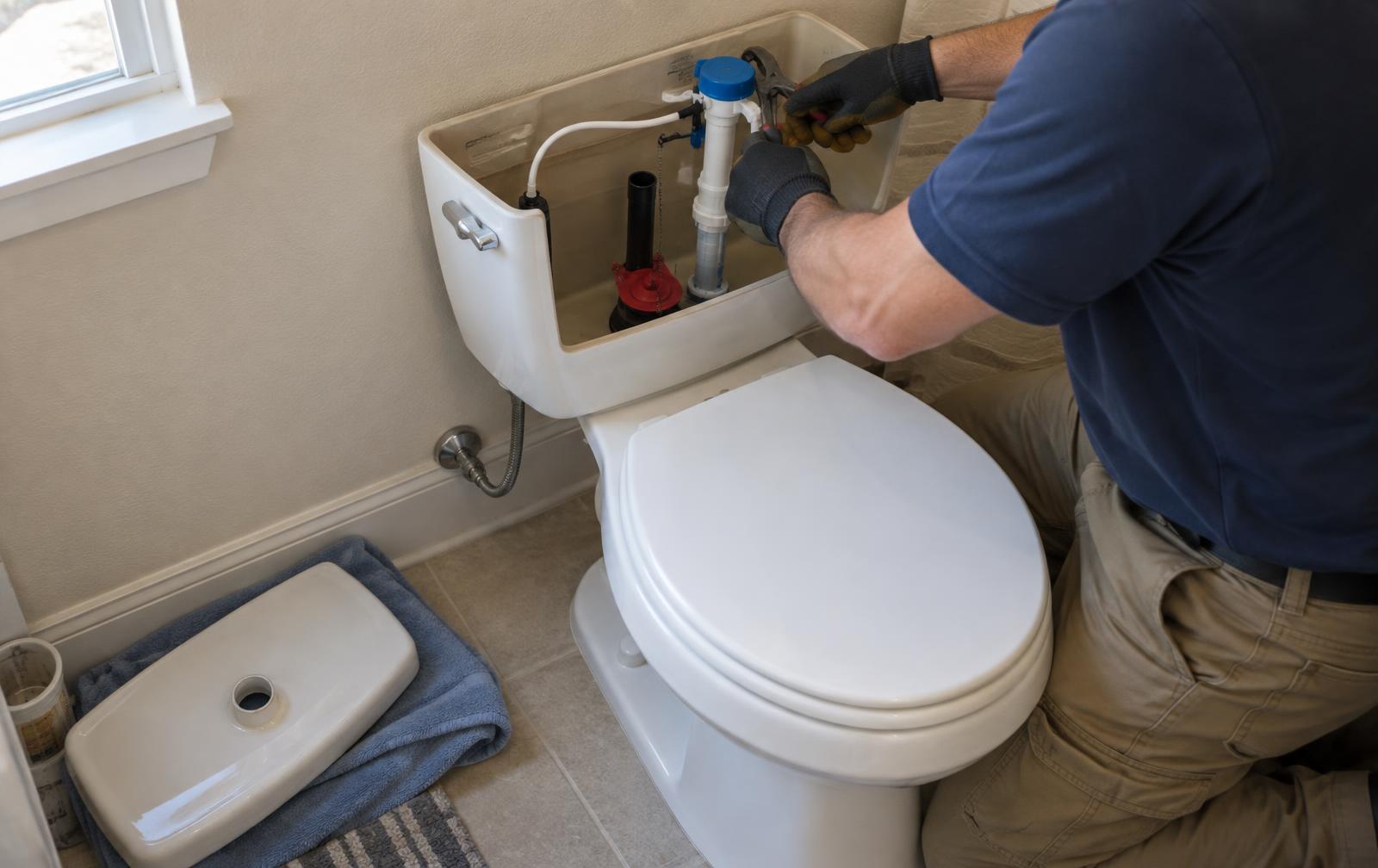
Rebuilds, wax-ring resets, flange repairs, and full replacements — the running toilets and rocking bowls in Plano homes.
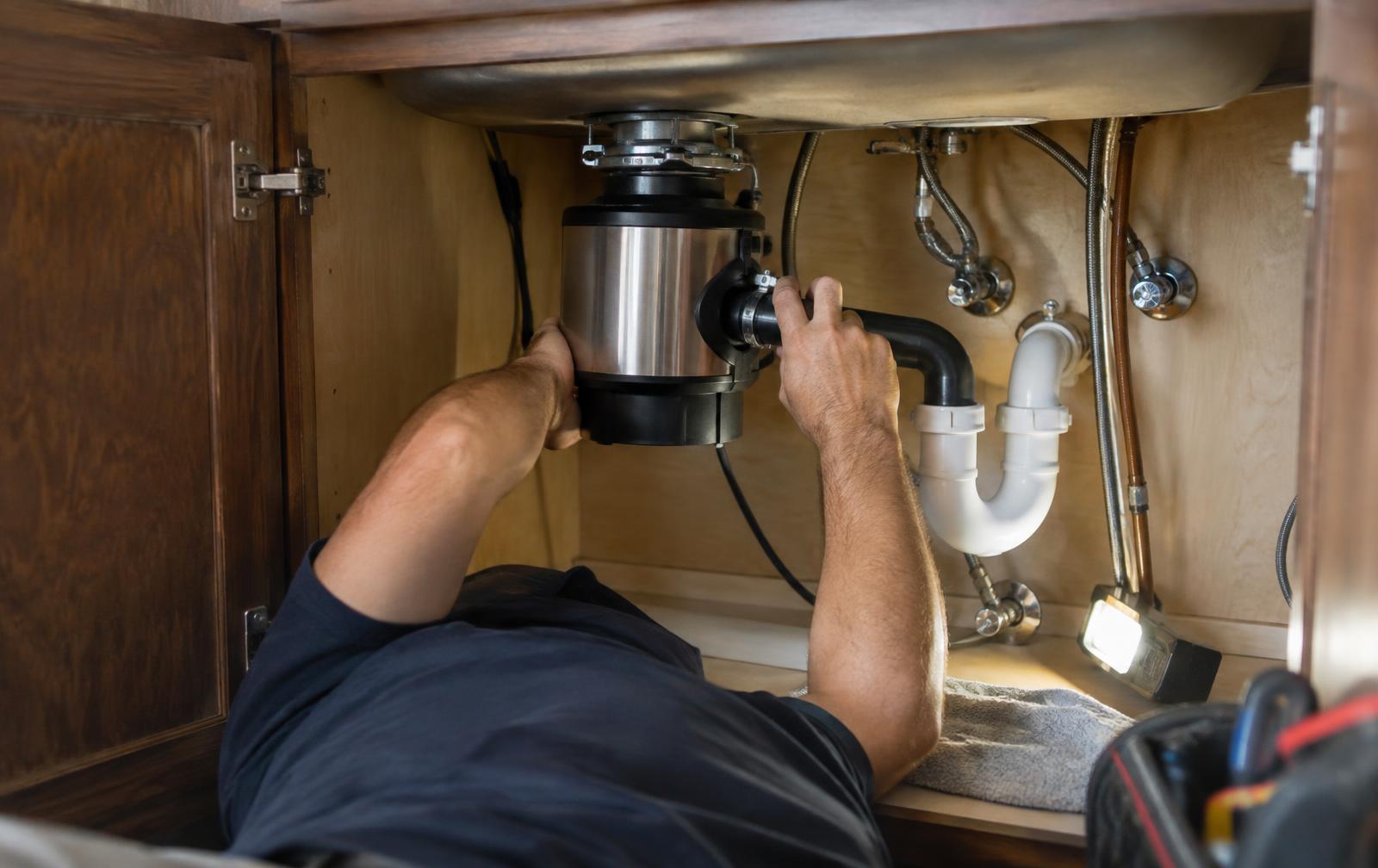
Jam clearing, leaking-unit swaps, and quiet 3/4 HP upgrades for Plano kitchens — same-visit install.
Think You Have a Hidden Leak in Plano?
Non-invasive detection, a documented locate, and an honest repair quote. Same-day scheduling, seven days a week.