
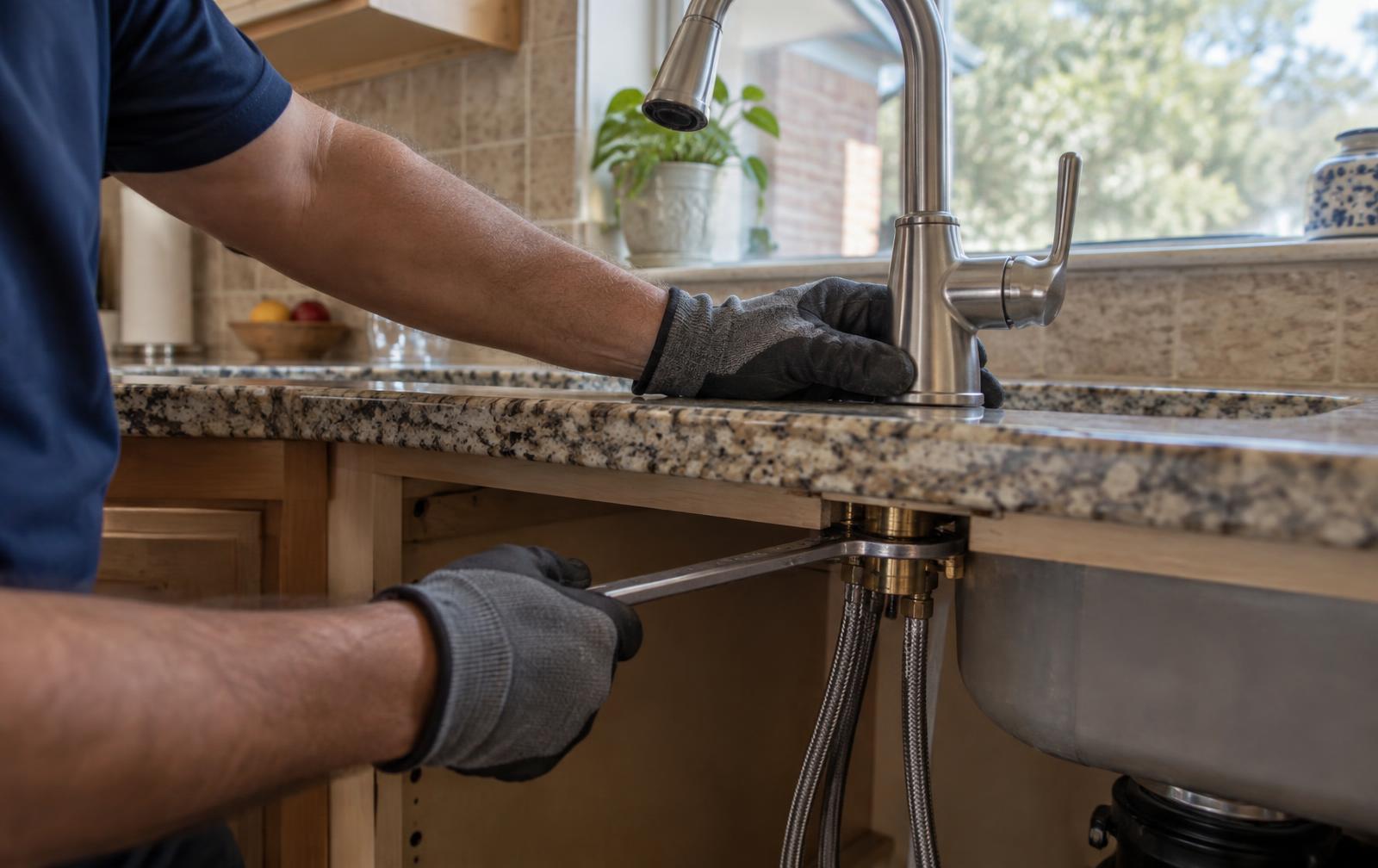
Faucet Repair & Installation in Plano, TX
Same drip returning a month after a new cartridge. A kitchen faucet that shifts when you lean on the counter. Shutoffs under the sink that will not budge. We handle it in Plano homes with a written number before anything gets disassembled.
What Plano's Water Chemistry Does to a Cartridge
The City of Plano's most recent water quality report lists total hardness around 202 milligrams per liter as calcium carbonate, close to 12 grains per gallon, which lands solidly in the moderately hard to hard bracket. That is dissolved mineral riding through every fixture in the house, and it is what pits the ceramic discs in a name-brand cartridge earlier than the manufacturer intends, chokes an aerator screen faster than most people expect, and locks a pop-up stopper assembly to its tailpiece under a bathroom sink. Swapping the cartridge often stops the drip, but we confirm that first, since a leak welling up at the base is not the same job as one dripping from the spout.
In the older pockets around Historic Downtown Plano, and in neighborhoods that grew during the city's rapid build-out between the late 1950s and mid-1980s, we still open up original compression-stem faucets. The internal parts are still made, but the valve seat inside usually needs to be re-machined rather than fitted with a fresh washer, and the multi-turn shutoff valves paired with faucets that age are commonly frozen solid right when a homeowner needs to close them. That is why every faucet visit includes a set of quarter-turn replacements on the truck.
One thing that keeps this simple: Plano's own permitting guidance treats a straightforward fixture swap, faucets included, as exempt from a city permit, unlike a water line replacement or a new water heater. If you have already purchased the faucet, bring it — we install customer-supplied fixtures and stand behind our labor the same way we would on a unit we supplied.
Signs Your Plano Faucet Needs Service
Below is what tends to show up before a fixture fails completely, and most of it clears up in one visit.
A steady trickle from the spout points to a cartridge that has worn through or a pitted valve seat underneath it. Plano's mineral content tends to age both together.
Excess wobble, or a handle that fights you, is almost never the screw holding it on. It is the cartridge or stem mechanism working loose or corroding inside.
Reduced flow limited to a single fixture usually traces to a blocked aerator screen, a shutoff valve not fully open, or scale narrowing that one supply line.
That imbalance is a telltale sign of a pressure-balancing valve giving out on the hot side, most often found in a tub or shower control.
Dampness gathering at the base, separate from the spout, generally means a worn seal at the swivel joint or a hairline crack in the deck plate.
A fixture that moves when you push on it has lost its mounting nut or worn through the backing washer, and that movement eventually strains the lines feeding it.
Confirm the Failure Before Any Price Is Given
The order below keeps a routine faucet call from turning into a guessing game.
- 1Pin down which part actually failed
A drip, a base leak, and a stubborn handle come from different components. We open it up and confirm the exact cause before saying a word about cost.
- 2Check whether the shutoffs still work
Part of every visit is trying the valves under the sink. On older Plano stock they are frequently seized, and if so we price a quarter-turn swap alongside the faucet work rather than leaving you without a shutoff.
- 3Put a number in front of you first
The rebuild, a full fixture, and any valve work each show up as their own line, so you know what you are agreeing to before a single part comes off.
- 4Pull from parts already on hand
Cartridges for the common brands ride on the truck, so a second trip is rarely needed. For a fixture you supply, we verify it fits your sink's hole pattern before disturbing the old one.
- 5Run water and walk the joints
Hot and cold at full flow, a dry-paper check at every connection below the sink, and a short explanation of what changed before we pack up.
What We See in Plano Kitchens and Baths
The decade a block was built tends to tell us what is likely still under the sink.
This pocket dates mostly to before 1940, from the original railroad-town platting near 15th Street and Avenue K. Faucet visits here frequently uncover original galvanized feed lines that get addressed in the same trip.
Custom homes from 1979 through 2001 tend to carry three-hole widespread bathroom sets, where the more common failure is a worn seal on the hot side rather than the cartridge itself.
Large late-1980s and 1990s homes on wide golf-course lots often have several full bathrooms, so a fixture failing in a guest wing can go unnoticed for a while before anyone mentions it.
Condos and apartments built from the 2010s forward share risers across units, which makes a functioning isolation valve at each faucet more important than it would be in a standalone house.
The subdivisions ringing the mall corridor mostly went up during Plano's 1958 to 1985 growth surge, the housing bracket most likely to still carry an original compression-stem faucet needing its seat re-machined.
This section of west Plano filled in alongside the Dallas North Tollway through the late 1980s and 1990s, and builder-grade fixtures from that period have generally reached the point where full replacement outlasts another rebuild.
What Plano Homeowners Say
Getting It Right Without a Second Visit
Cartridges for the common residential brands sit on the truck alongside quarter-turn shutoffs, flexible supply connectors, and drain stopper hardware, which is why a Plano faucet call rarely needs a follow-up trip for a missing part.
Labor on every faucet job is warrantied, in addition to whatever coverage the manufacturer provides on the part itself. We hold our license through the Texas State Board of Plumbing Examiners, carry insurance, and are a family-owned operation running trucks out of our shop in The Colony, with same-day availability for an active drip or a shutoff that will not turn.
Straight Answers, No Sales Pitch
Our Other Plumbing Services in Plano, TX
A faucet call often turns up a stuck shutoff, a corroding supply line, or a sluggish drain nearby. We take care of all of it in the same stop.
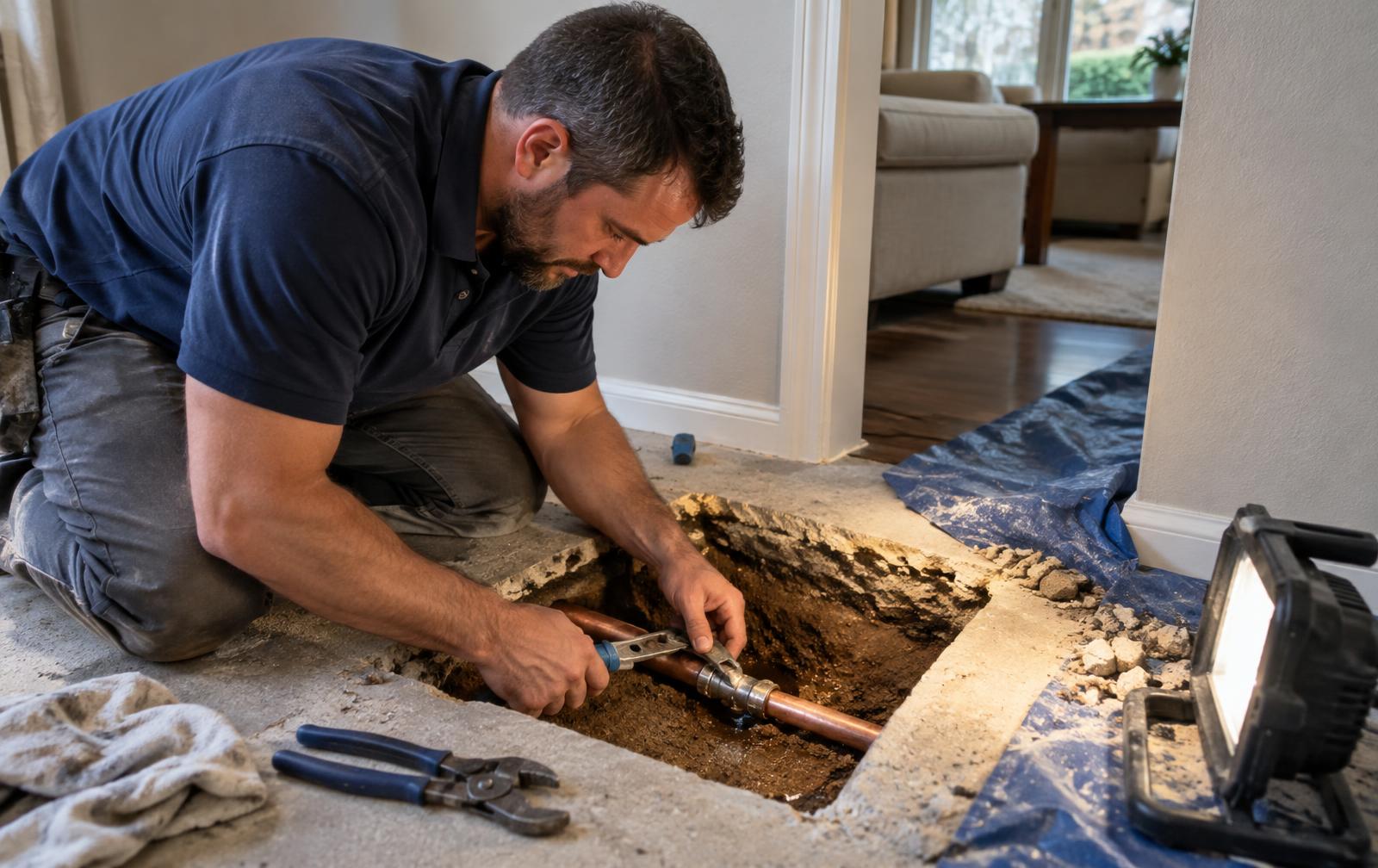
Electronic detection under Plano slabs — reroute options that save your finished floors when possible.
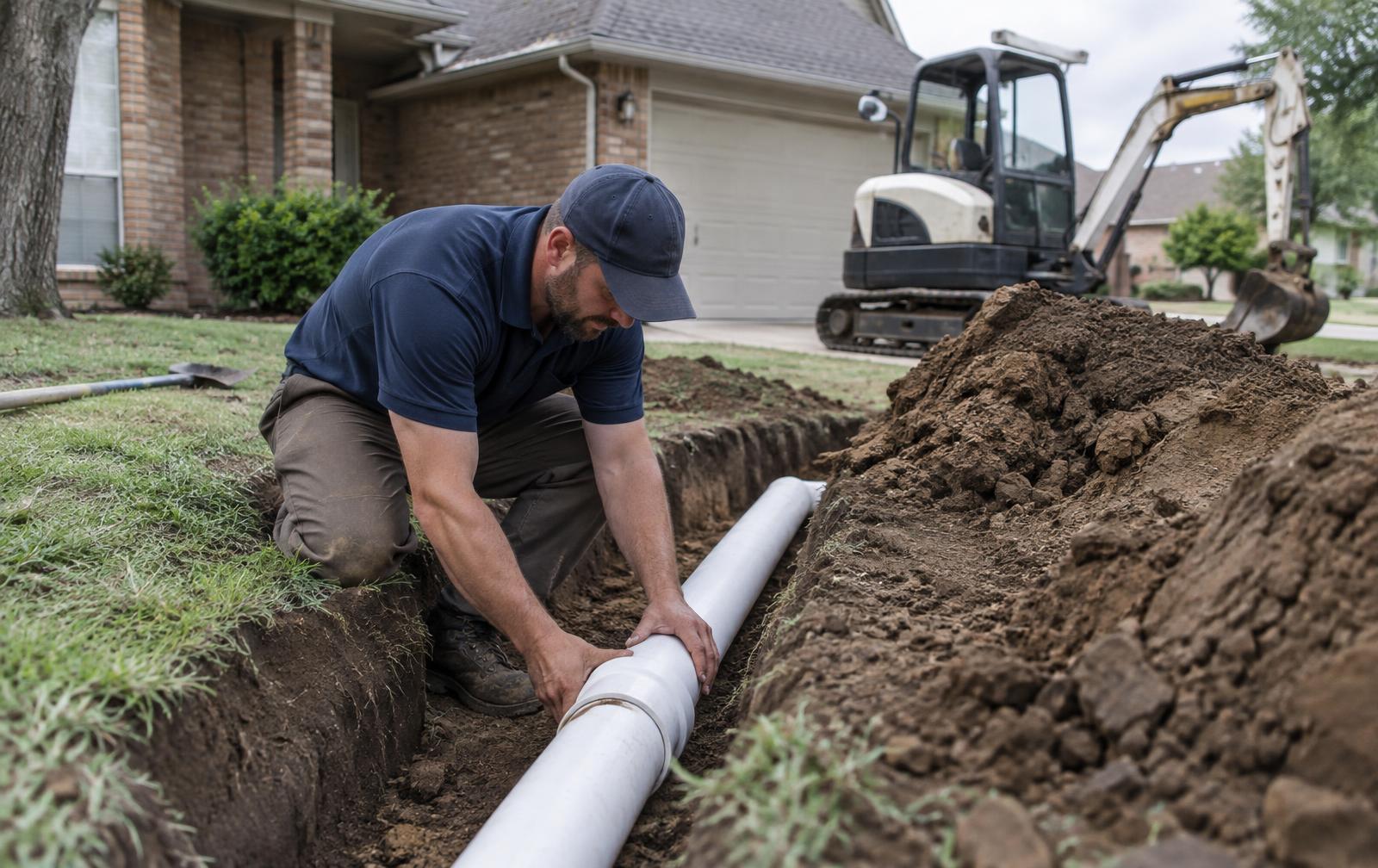
Trenchless replacement for the aging laterals across Plano's older runs — camera first, quote in writing, minimal yard damage.
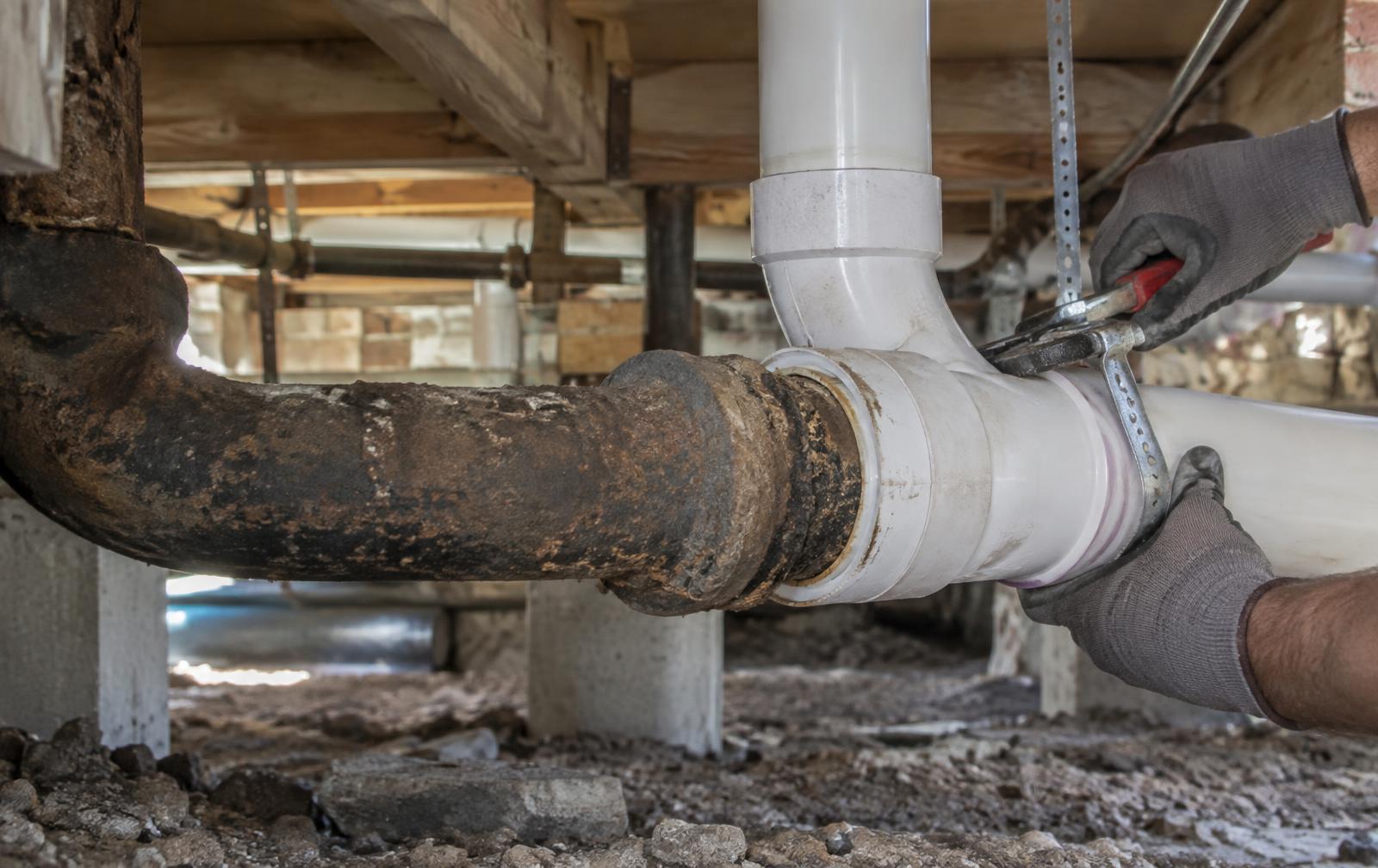
Camera inspection and PVC replacement for the aging cast iron drain lines in older Plano homes, with a written quote first.
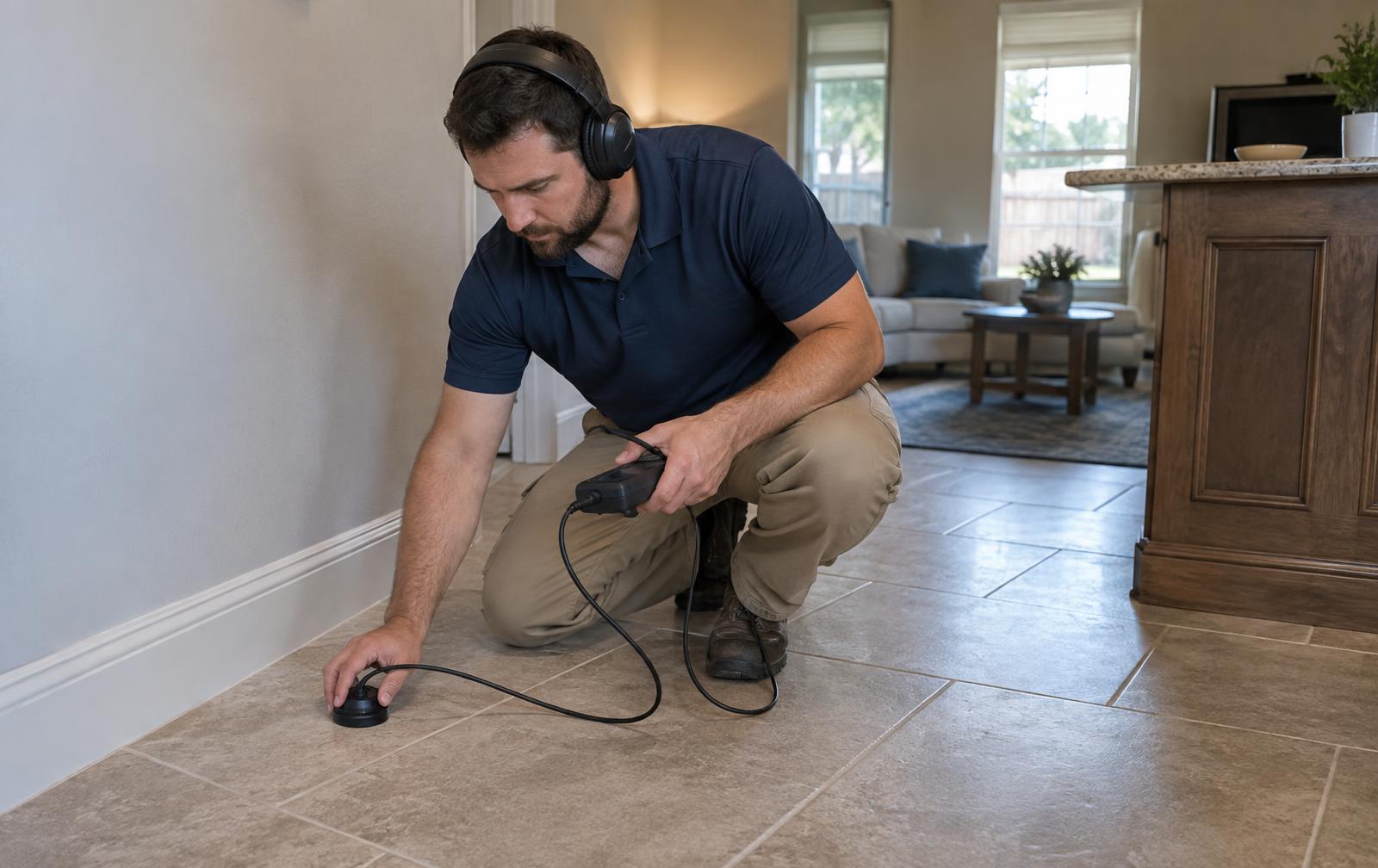
Acoustic, thermal, and pressure testing to pinpoint hidden leaks in Plano slab and wall lines without tearing into finishes.
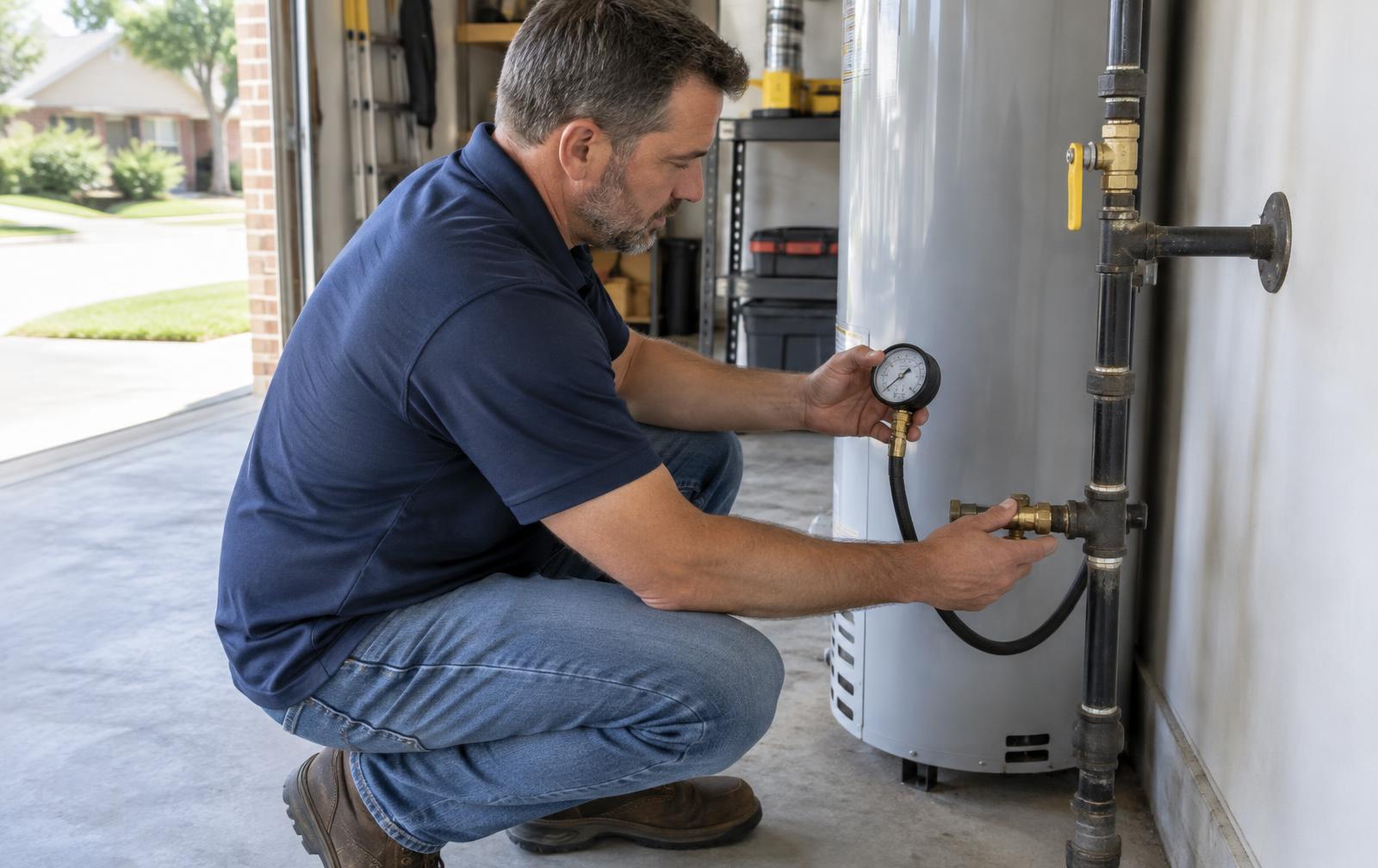
Licensed install, repair, and pressure-testing for Plano homes — every line signed off to Texas code and Atmos requirements.
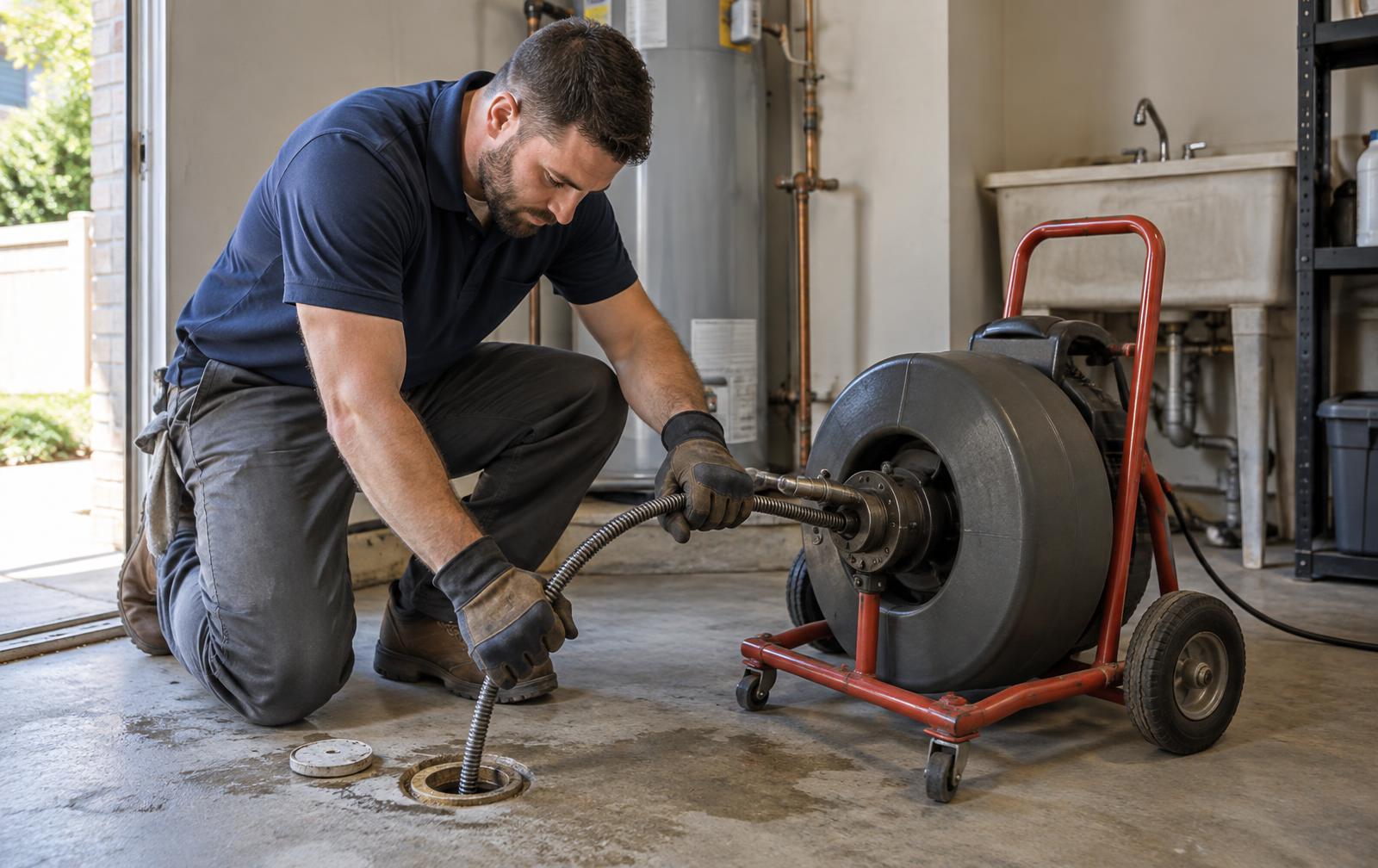
Full-clear service and camera confirmation for the drains under Plano's neighborhoods.
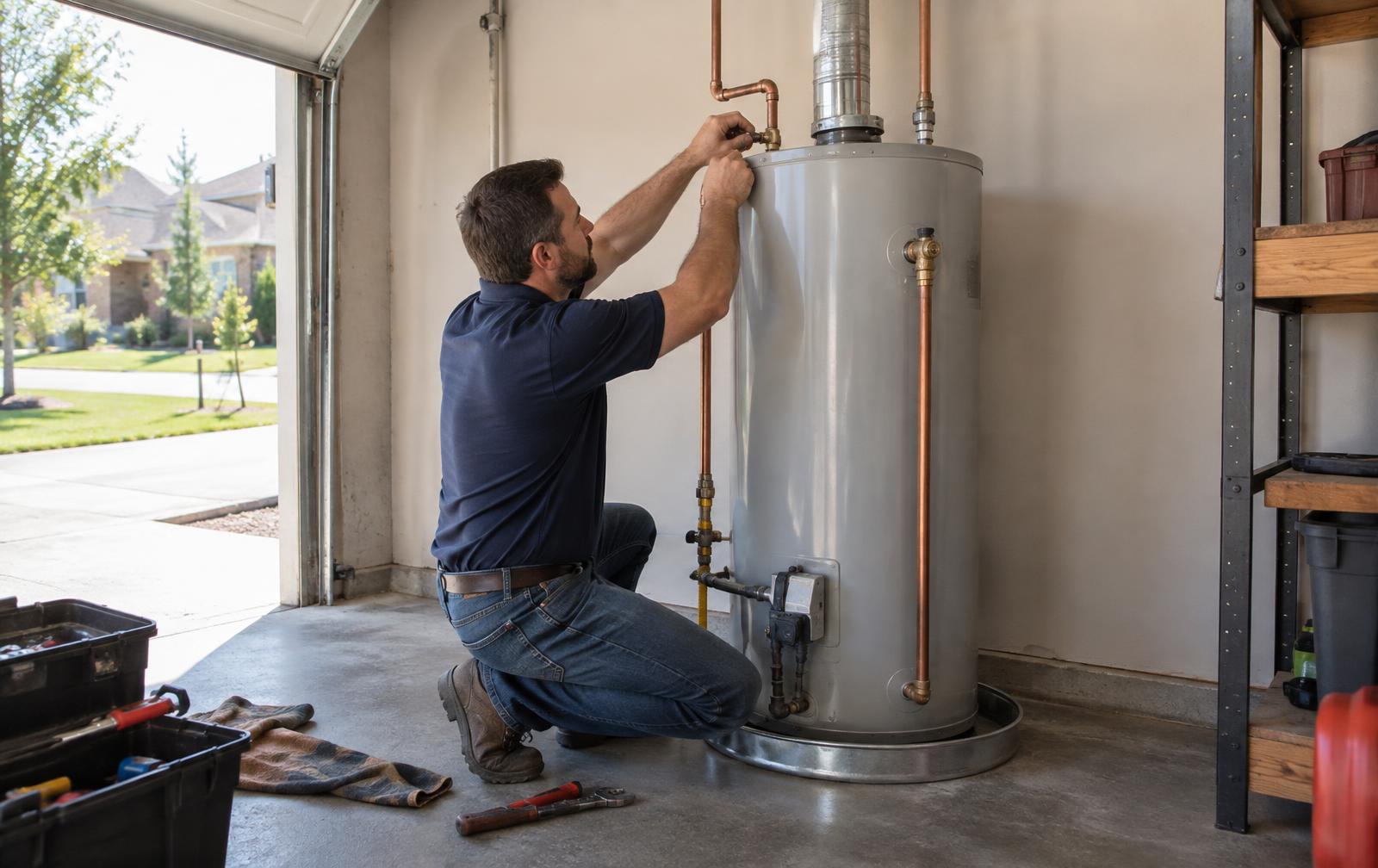
Repair, flush, and replacement of tank units — including attic and garage heaters common to Plano homes.
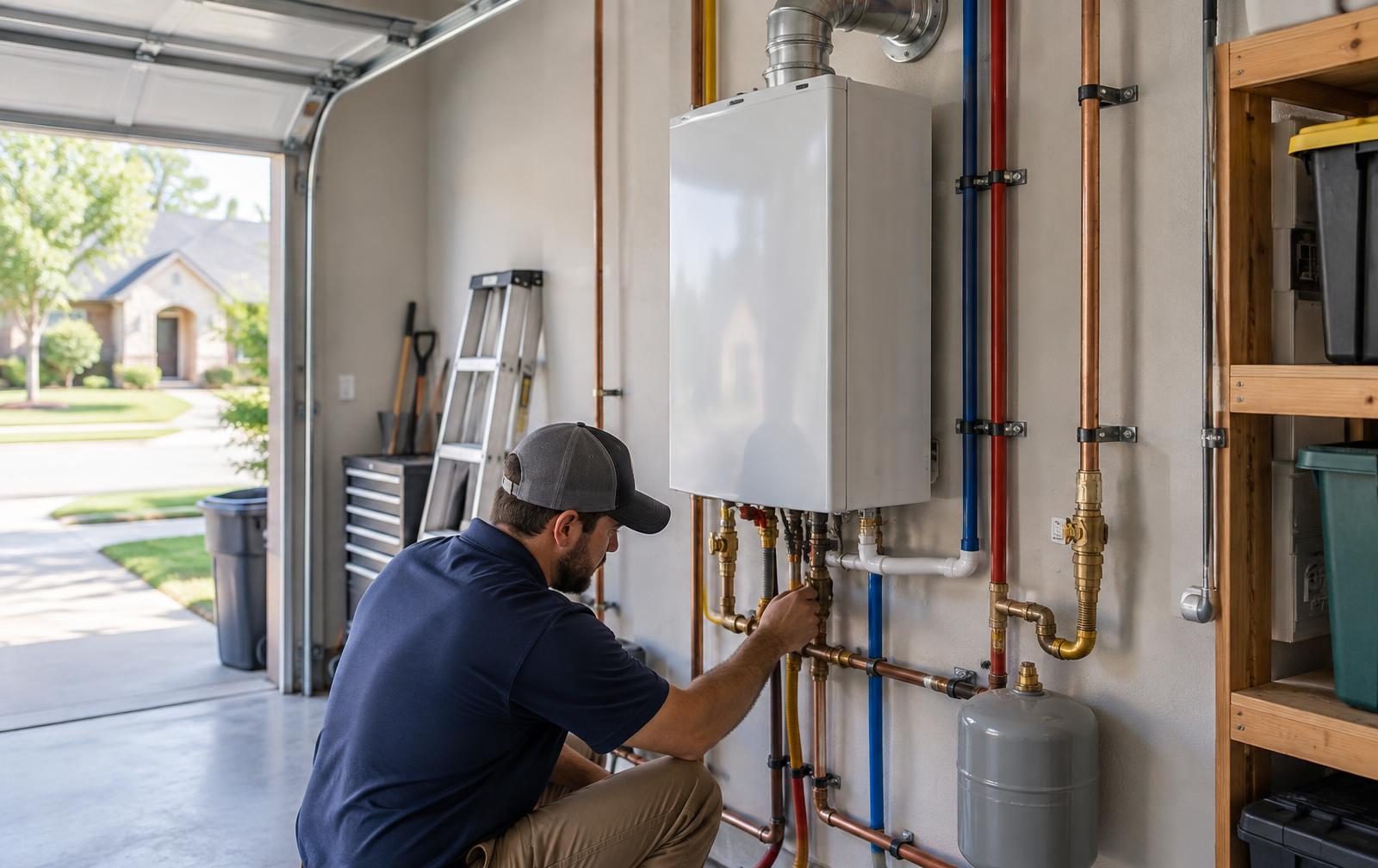
Install, service, and annual descaling — Plano's hard tap water eats tankless heat exchangers without it.
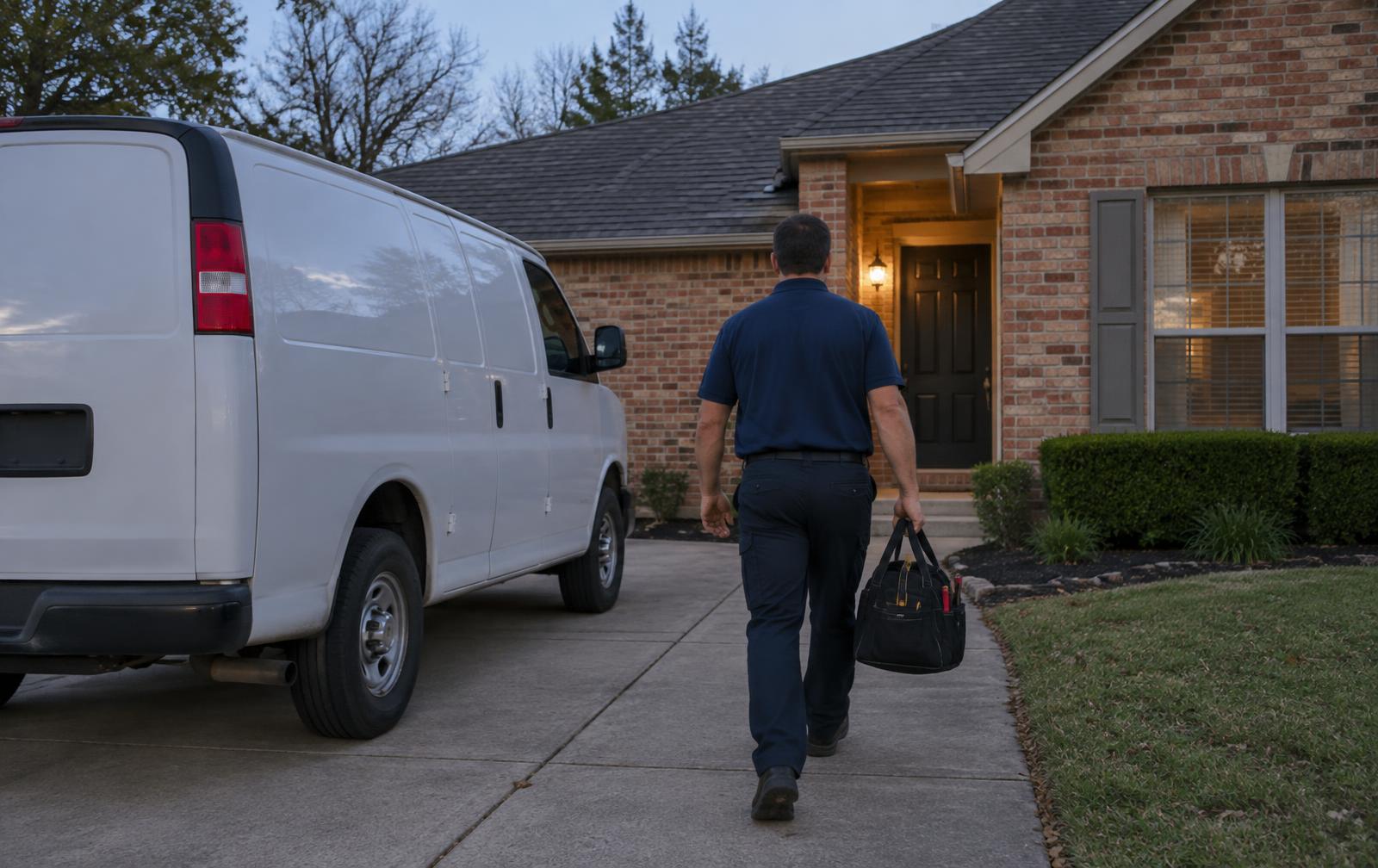
same-day, 7 days a week response across Plano for burst pipes, heater failures, and main-line backups.
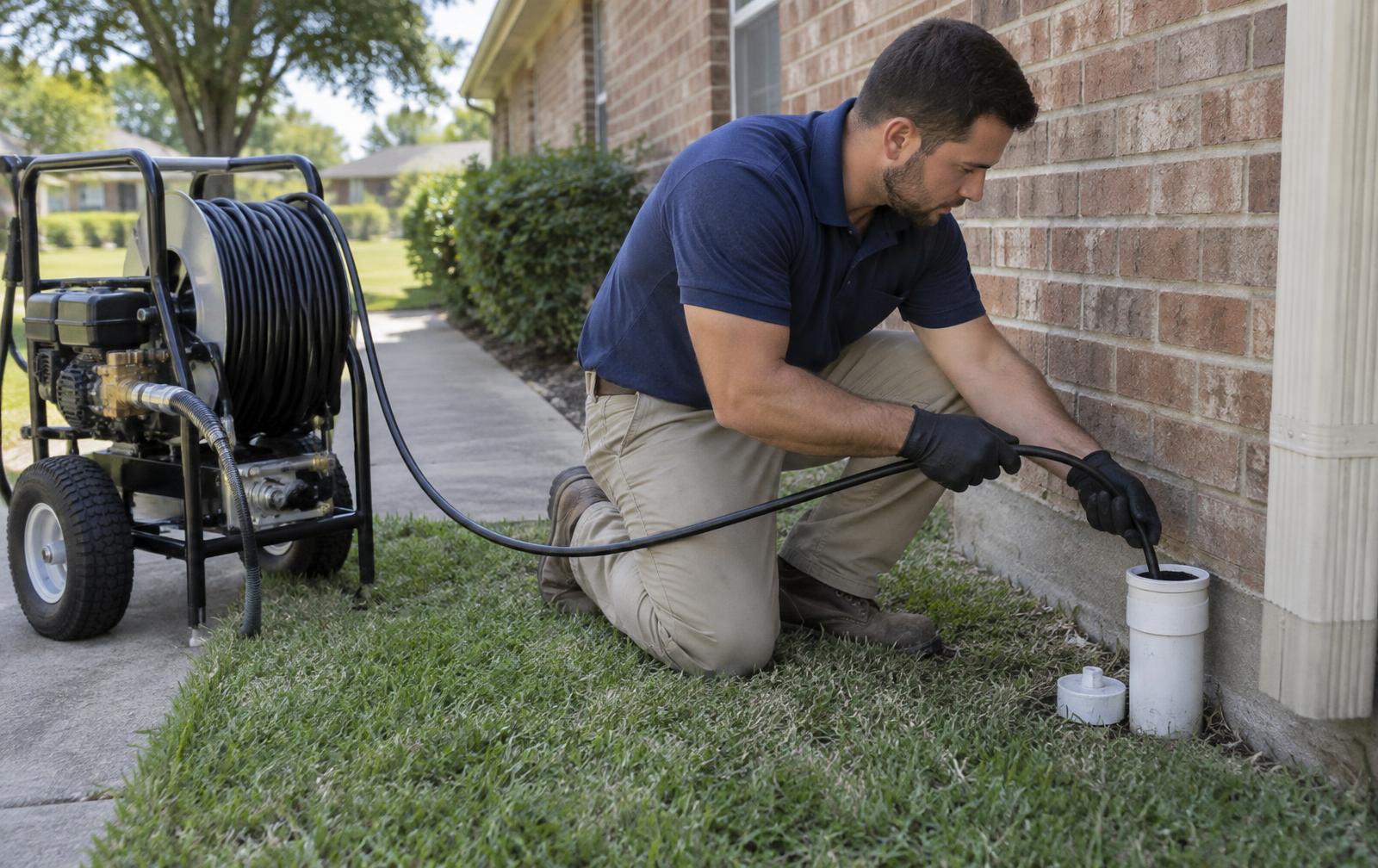
High-pressure cleaning that clears scale, grease, and roots from Plano's lateral runs — full-diameter, lasting clean.
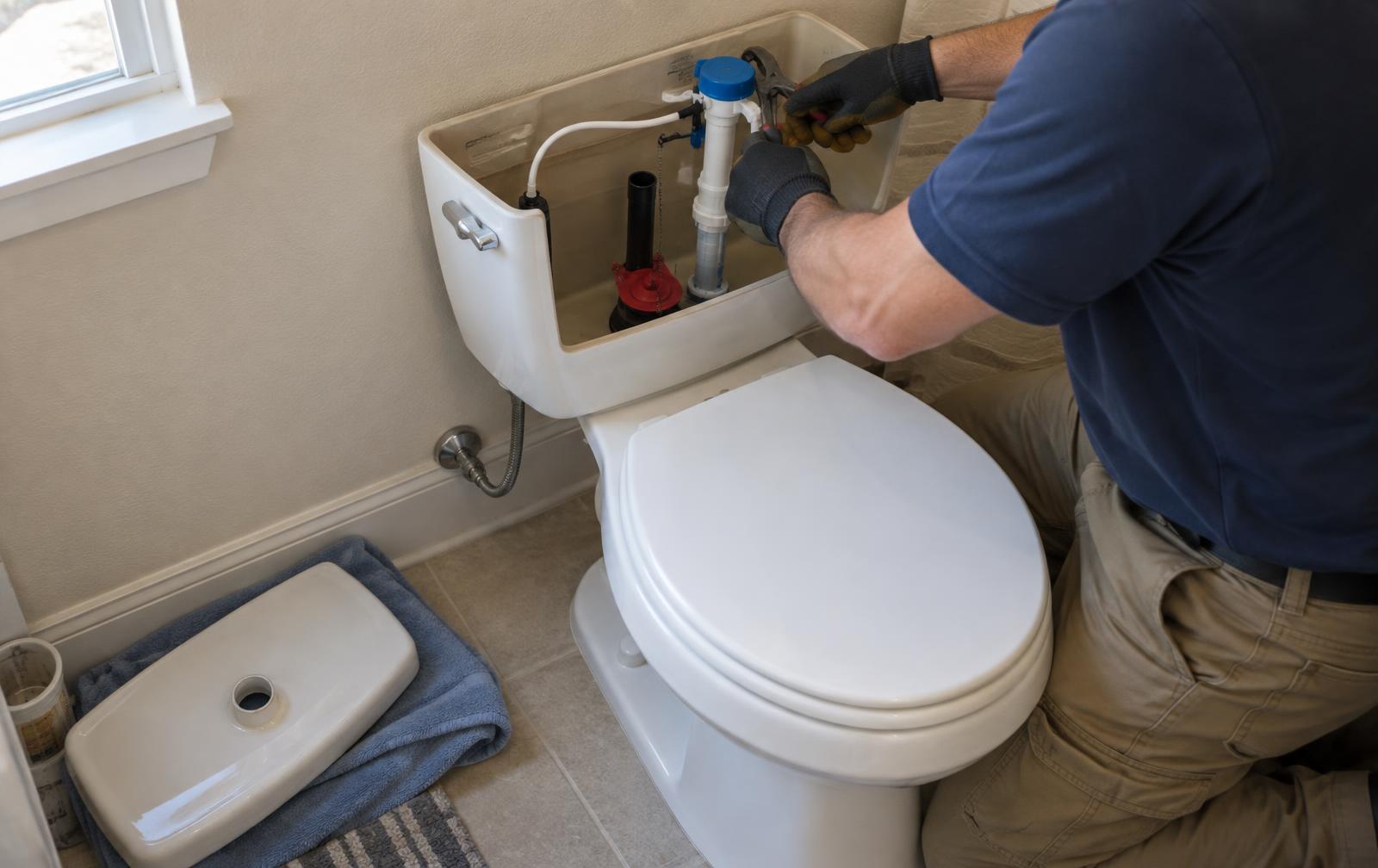
Rebuilds, wax-ring resets, flange repairs, and full replacements — the running toilets and rocking bowls in Plano homes.
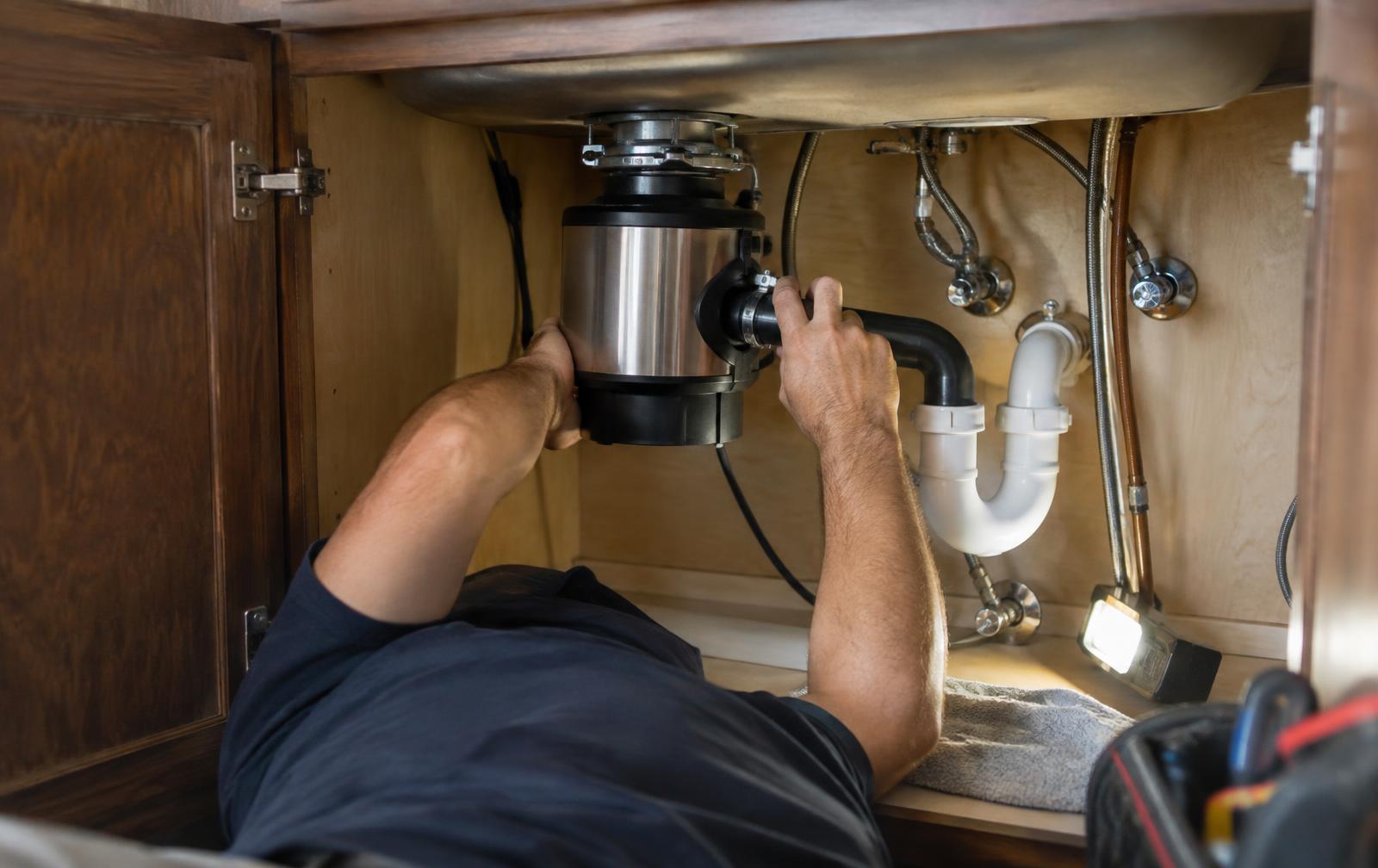
Jam clearing, leaking-unit swaps, and quiet 3/4 HP upgrades for Plano kitchens — same-visit install.
Need Faucet Work in Plano?
Rebuild, full swap, or a stuck shutoff — parts already loaded, and a number in writing before we start.