
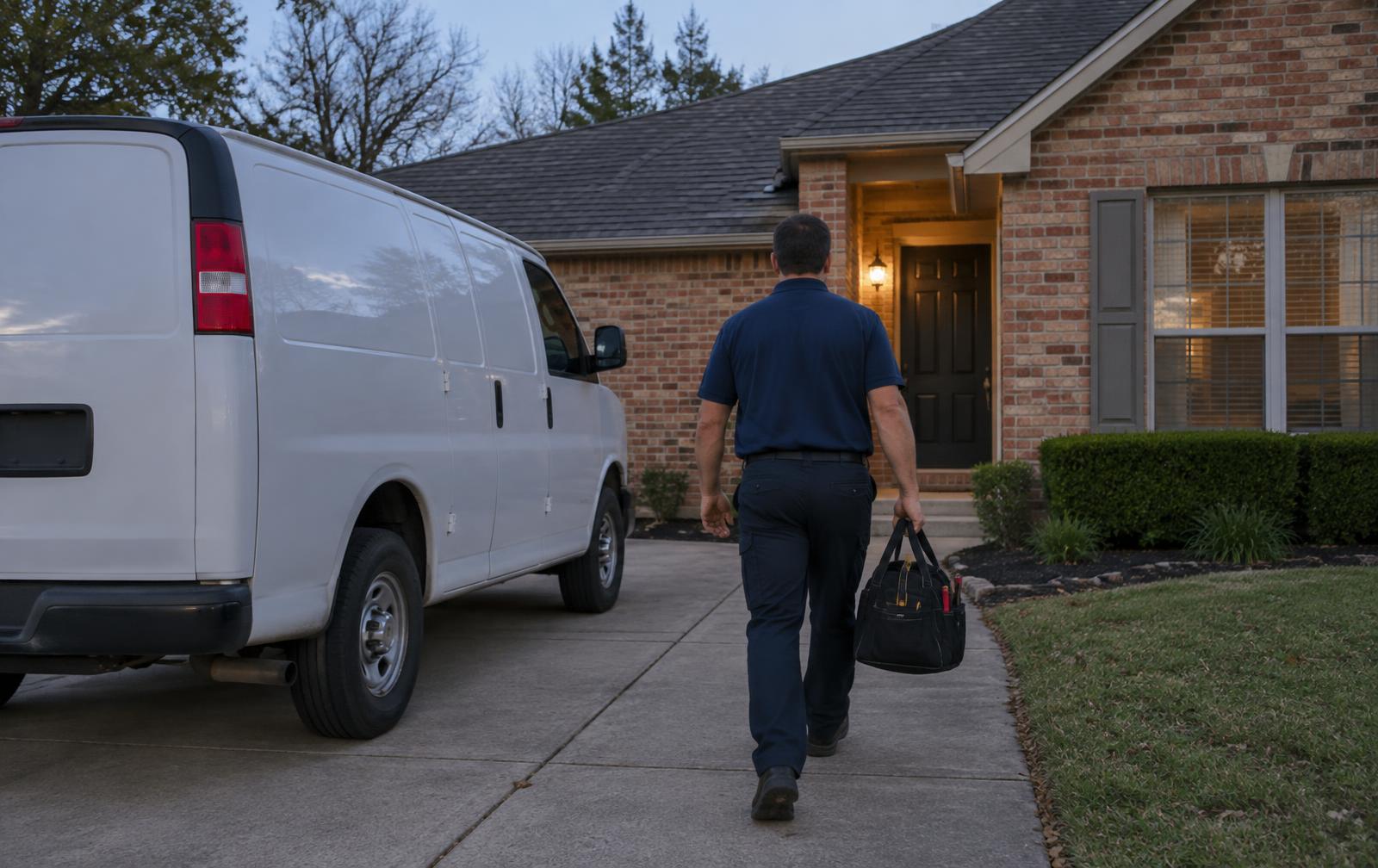
Emergency Plumbing in Plano, TX
Copper failing under the slab. Sewage climbing back up into the tub instead of draining. A tank dumping its contents onto a closet floor. Plano homeowners reach us the same day, every day of the week, from 8 AM to 6 PM, with a truck dispatched straight from The Colony.
A Real Distance Beats a Vague Promise
Plenty of emergency plumbing ads promise to rush right over without ever saying where the truck starts from. Ours all roll out of one location in The Colony, and under ordinary traffic that puts a typical Plano front door about 25 to 35 minutes away — a figure we can tell you before you hang up, not a guess meant to sound reassuring.
Which failure we see tends to track the decade a house went up. Plano grew fast between the late 1950s and the mid-1980s, and that generation of homes is the group most likely calling us about a supply line finally letting go, since the original galvanized steel or early copper in those walls has simply run out of service life.
Sewer backups follow their own logic entirely. Under the city's sanitary sewer rules, everything past the property line belongs to the homeowner, and the expansive Blackland Prairie clay sitting beneath the whole city can twist that buried run enough to create a low spot years down the road — one that eventually backs up hard, usually showing itself first at whichever fixture sits lowest in the house. Our first move is always stopping what's actively happening; explaining the cause comes second.

Plano Plumbing Emergencies — What Actually Counts
Everything listed here earns a same-day truck. A handful of things homeowners worry about don't rise to that level, and we'll say so plainly on the phone.
Regardless of where it started, moving water indoors is priority one. Close the main valve, then dial us — the truck is already moving once we hang up.
Once wastewater starts rising instead of draining, stop using every fixture in the house until we arrive. This gets a truck today, not a slot next week.
Ring Atmos Energy first for their emergency shutoff line, since it's their meter to secure. Once the home is confirmed safe, call us to line up the pressure test and repair.
That almost always signals a cracked tank. Kill the cold-water feed and the gas or electric supply to the unit, then reach out — every extra hour just means more water on the floor.
First confirm the meter is spinning and the main valve is opened all the way. If both check out and nothing flows anywhere, the service line feeding the home has likely given out.
A pinhole that has been a slow drip for weeks can turn into a running stream overnight. Isolate the water heater's cold side if you're able, then call us in.
Contain It, Then Understand It, Then Fix It
Stopping the water comes before anything else. Explaining why it happened comes second. The lasting repair comes last.
- 1You reach a licensed plumber, not a call center
Whoever answers walks you through the shutoff that fits your exact situation — the main, the water heater, the gas meter, or the sewer line — while the truck is still pulling out of The Colony.
- 2The truck already carries what the job needs
PEX and compression fittings for a burst line, a cable machine and jetter for a sewer backup, tank and valve stock for a failed heater — most calls close out without a second trip for parts.
- 3We dig into why it actually failed
Beyond the immediate fix, we camera the drain or pressure-test the supply to find the root cause. A burst line in a home from Plano's 1958-1985 growth years is frequently the first of several, and we tell you honestly if that looks likely.
- 4Water only goes back on once the fix holds
Leaving the system pressurized over an unresolved failure just relocates the damage somewhere you can't see it. We cap or repair the affected section before restoring flow.
- 5You leave with paperwork, not just a receipt
Photos of the damage, photos of the completed repair, and a written account of what happened — everything an insurance adjuster typically asks to see.
Where Emergencies Trend in Plano
Housing age and lot layout point toward different failure points across the city.
Most structures here predate 1940, dating to the original railroad-era platting around 15th Street and Avenue K. Original galvanized supply lines at that age tend to give out with little warning, making that the more frequent emergency call in this pocket.
Custom homes built between 1979 and 2001 on larger lots often run longer irrigation and supply lines, and a failed backflow assembly or a burst yard line can go unnoticed for a stretch before it surfaces.
Large homes from the late 1980s through the 1990s on golf-course lots sometimes serve separate wings with more than one water heater, so a tank failure on one side of the house isn't always obvious from the other.
Construction from the 2010s forward shares risers across condo and apartment units, so a supply failure on one line can surface in a neighboring unit, which makes isolating the correct shutoff more critical here than in a standalone house.
The subdivisions surrounding the mall corridor mostly date to Plano's 1958-1985 suburban boom, the bracket of homes most likely to still be running original supply lines old enough to fail suddenly.
This stretch of west Plano grew alongside the Dallas North Tollway through the late 1980s and 1990s, and mature landscaping from that period means a yard-line leak sometimes shows up as a soggy patch of lawn before it shows up as a wet floor indoors.
What Plano Homeowners Say

Being Close Is the Actual Advantage
Every truck starts from a single shop in The Colony, putting most Plano addresses roughly 25 to 35 minutes out under ordinary traffic. Freeze events and major storms stretch that window across the whole coverage area, and we would rather tell you that honestly than quote a number we can't keep.
Our license comes from the Texas State Board of Plumbing Examiners, we carry insurance, and the business is family-owned, with someone answering the phone live for same-day calls every day of the week, 8 AM to 6 PM. When a repair means opening a sewer or water line on the homeowner's side, we pull whatever City of Plano permit that requires.
Straight Answers, No Sales Pitch
Our Other Plumbing Services in Plano, TX
Most emergencies trace back to something worth addressing while we're already on-site — an aging supply line, a shifted sewer lateral, a system running under too much strain. We handle that follow-through for Plano homes.
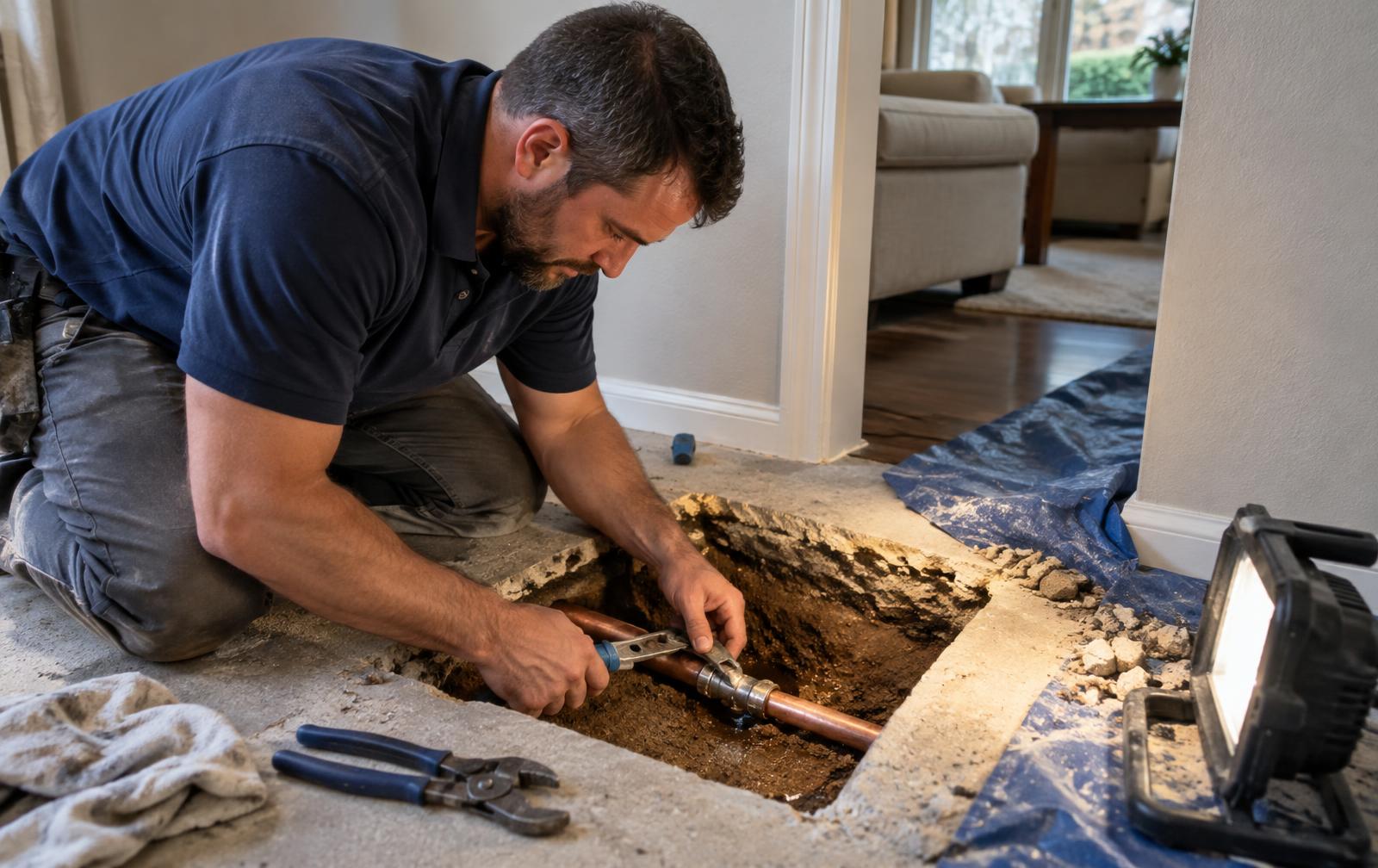
Electronic detection under Plano slabs — reroute options that save your finished floors when possible.
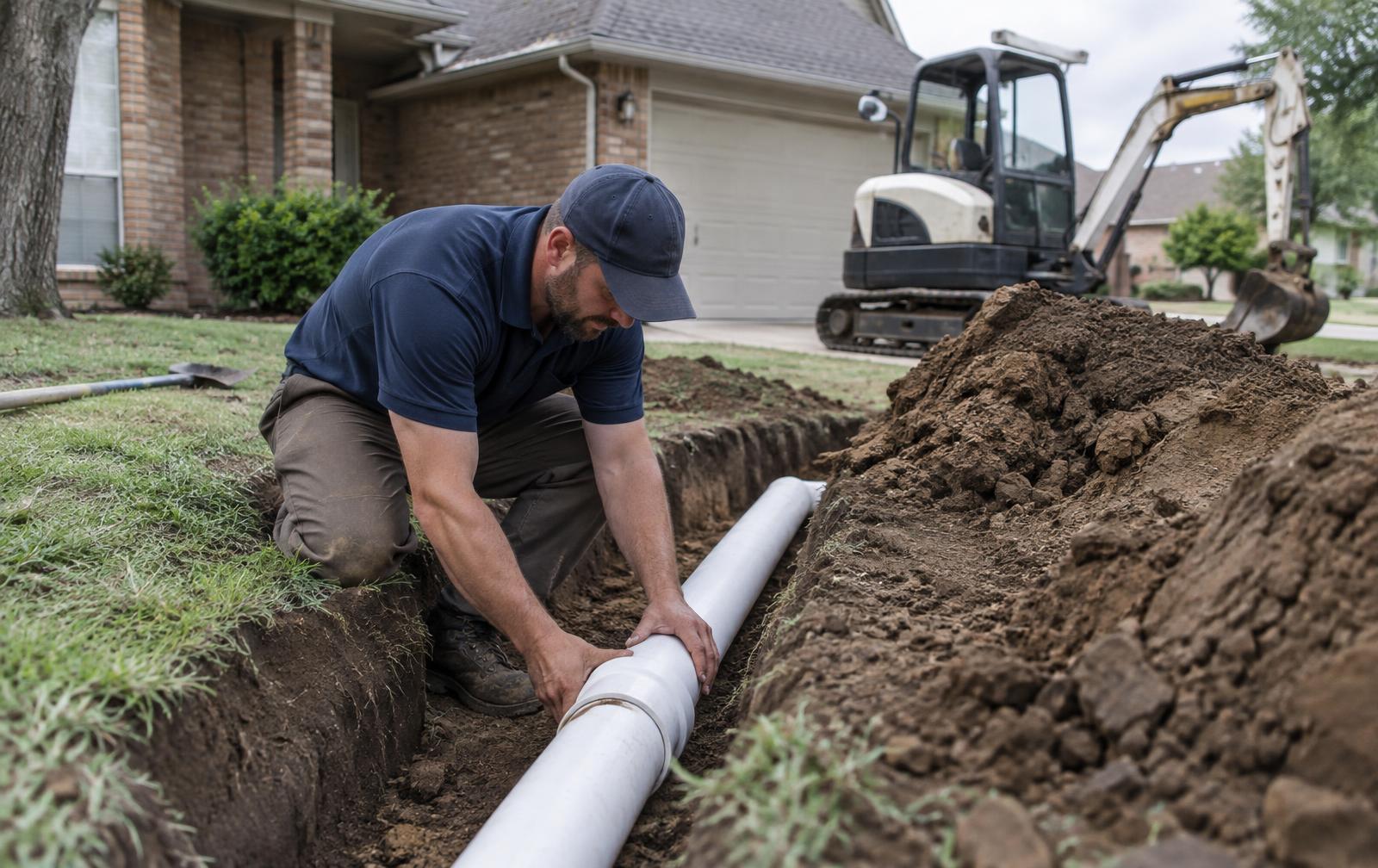
Trenchless replacement for the aging laterals across Plano's older runs — camera first, quote in writing, minimal yard damage.
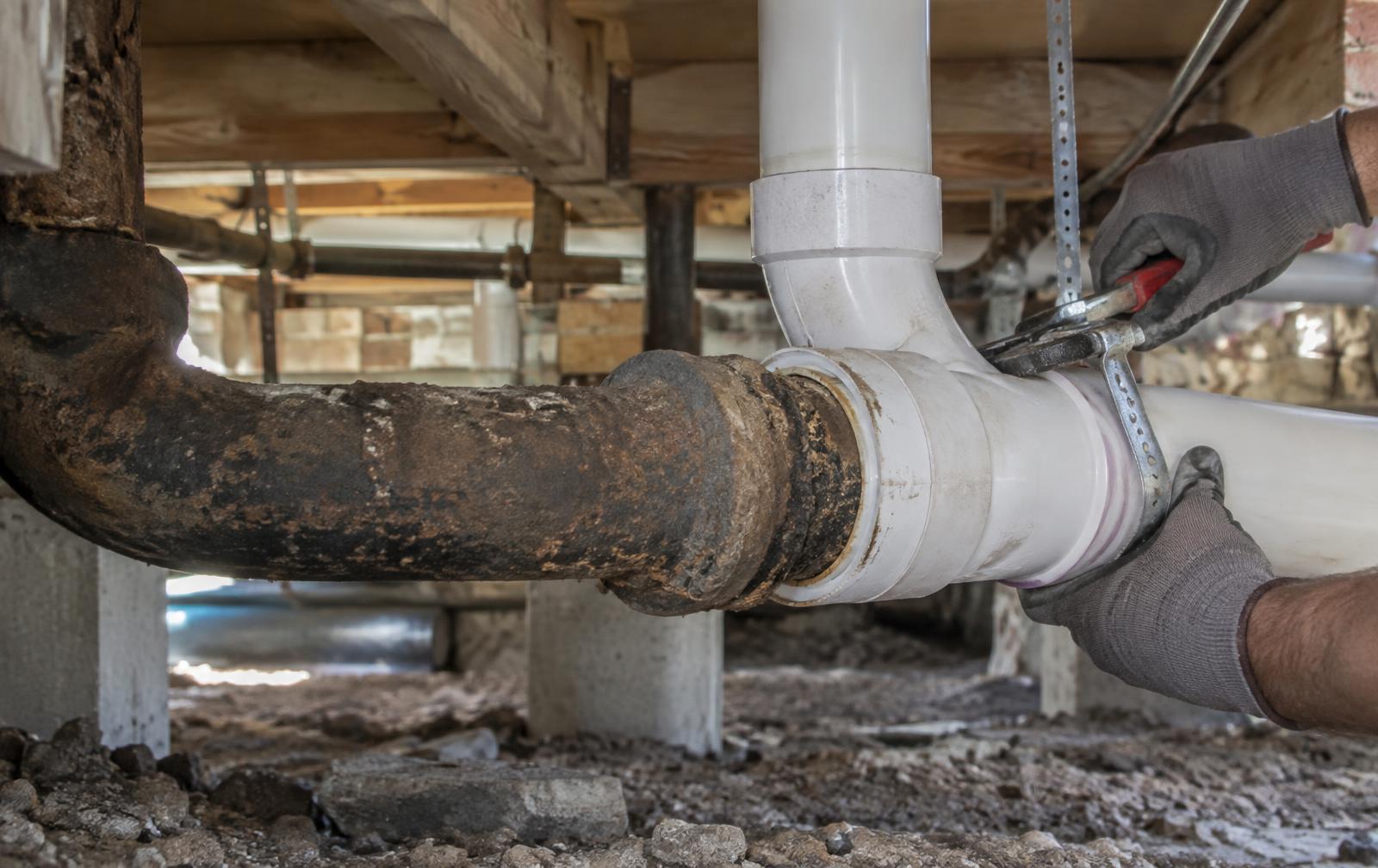
Camera inspection and PVC replacement for the aging cast iron drain lines in older Plano homes, with a written quote first.
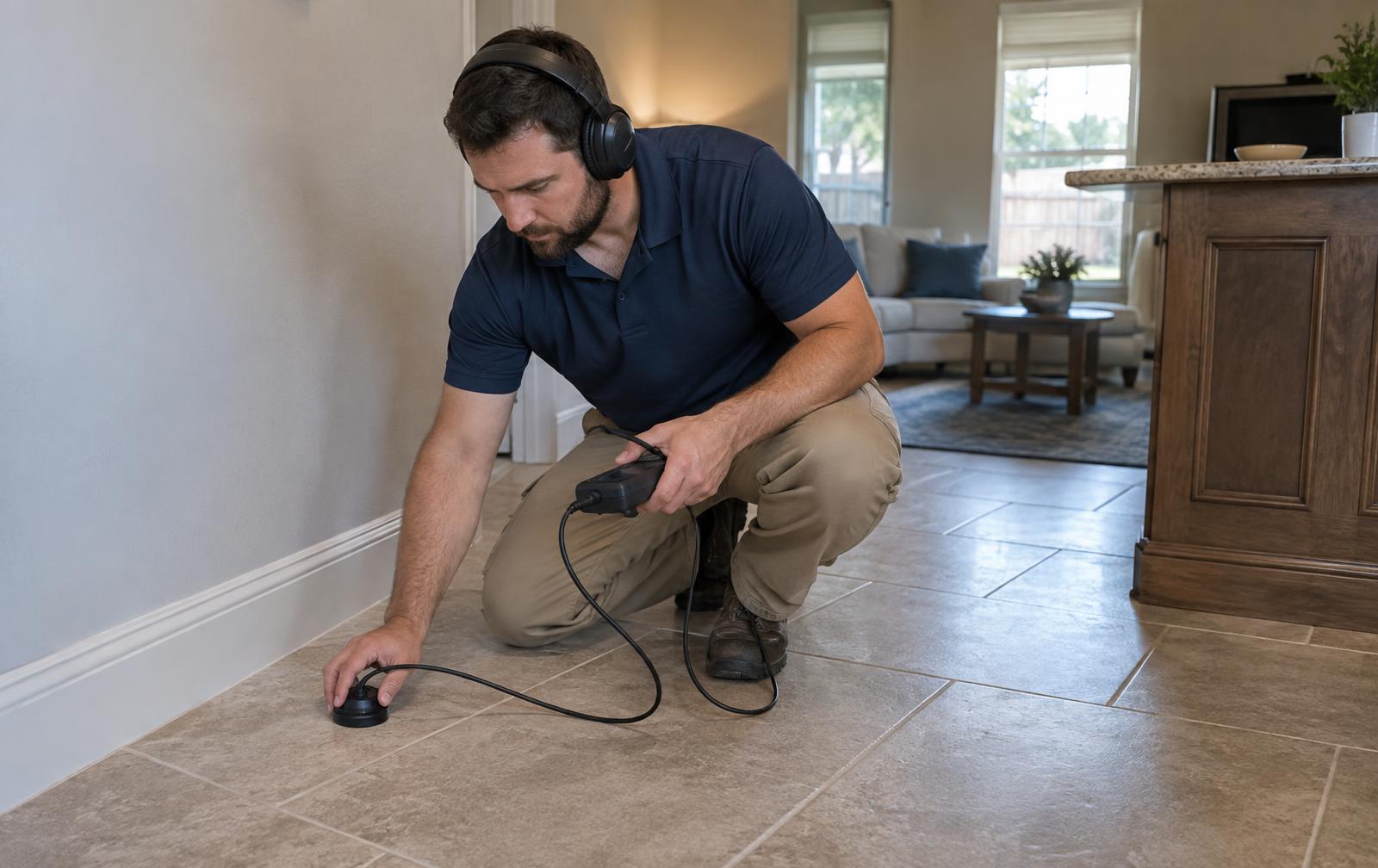
Acoustic, thermal, and pressure testing to pinpoint hidden leaks in Plano slab and wall lines without tearing into finishes.
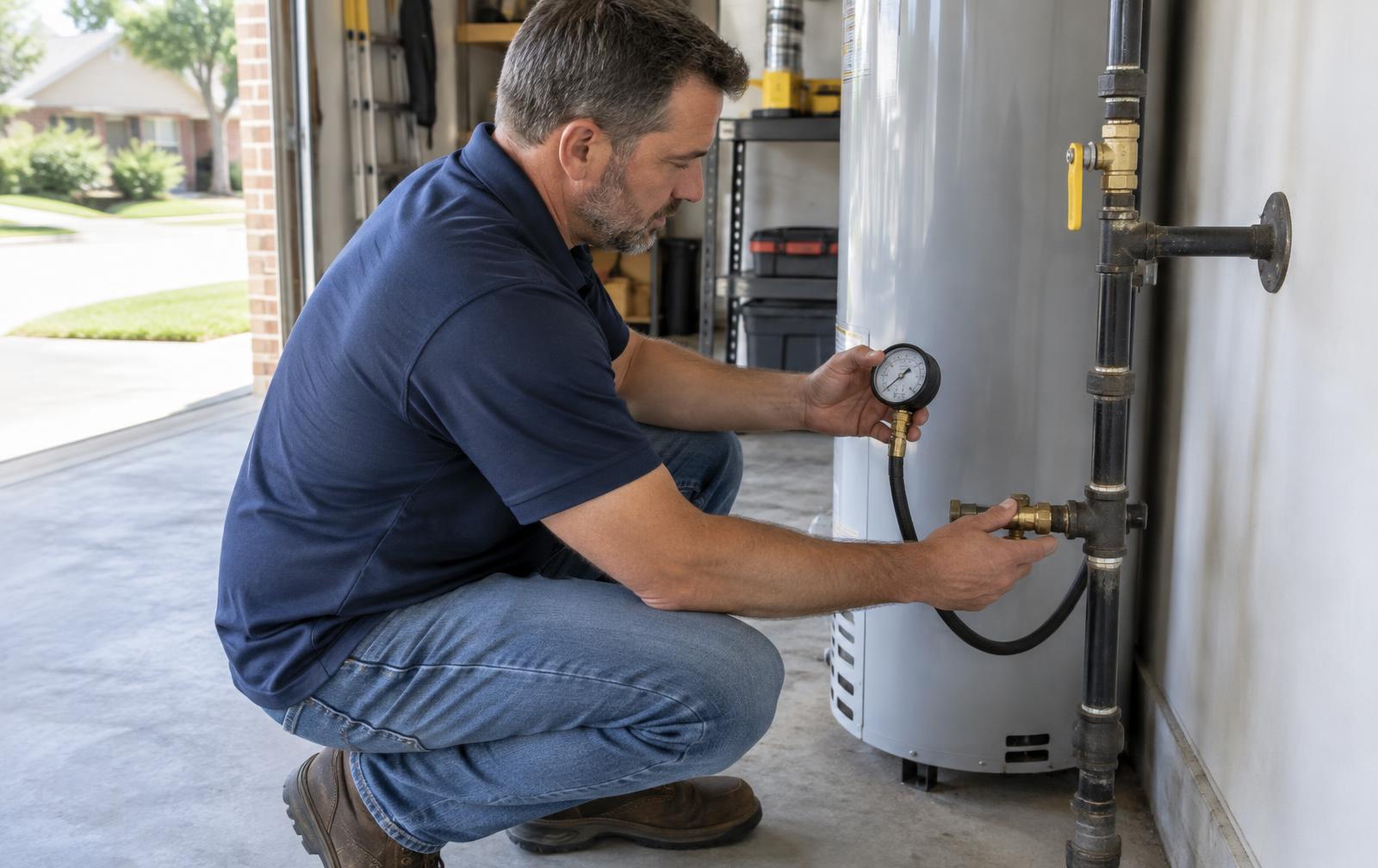
Licensed install, repair, and pressure-testing for Plano homes — every line signed off to Texas code and Atmos requirements.
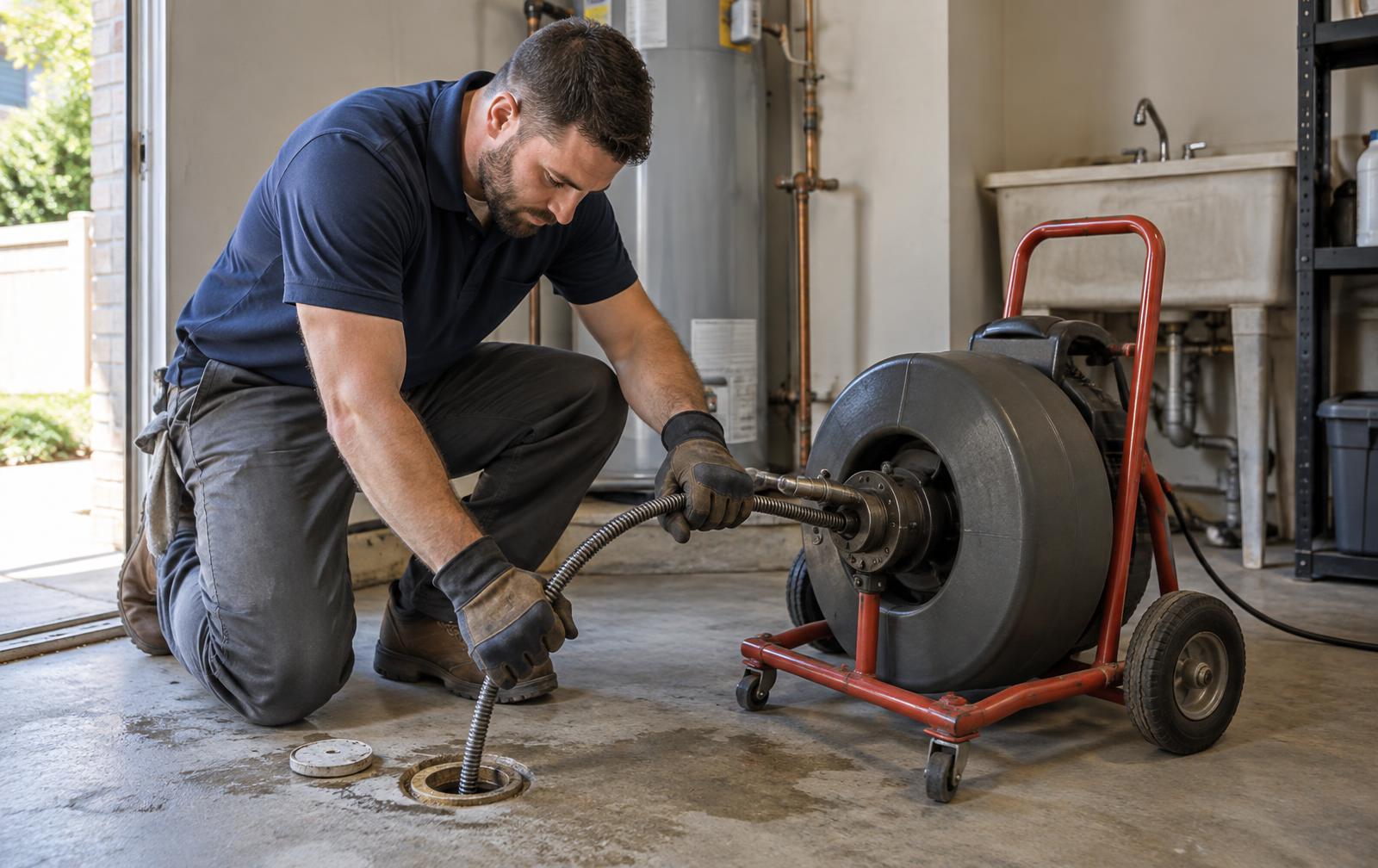
Full-clear service and camera confirmation for the drains under Plano's neighborhoods.
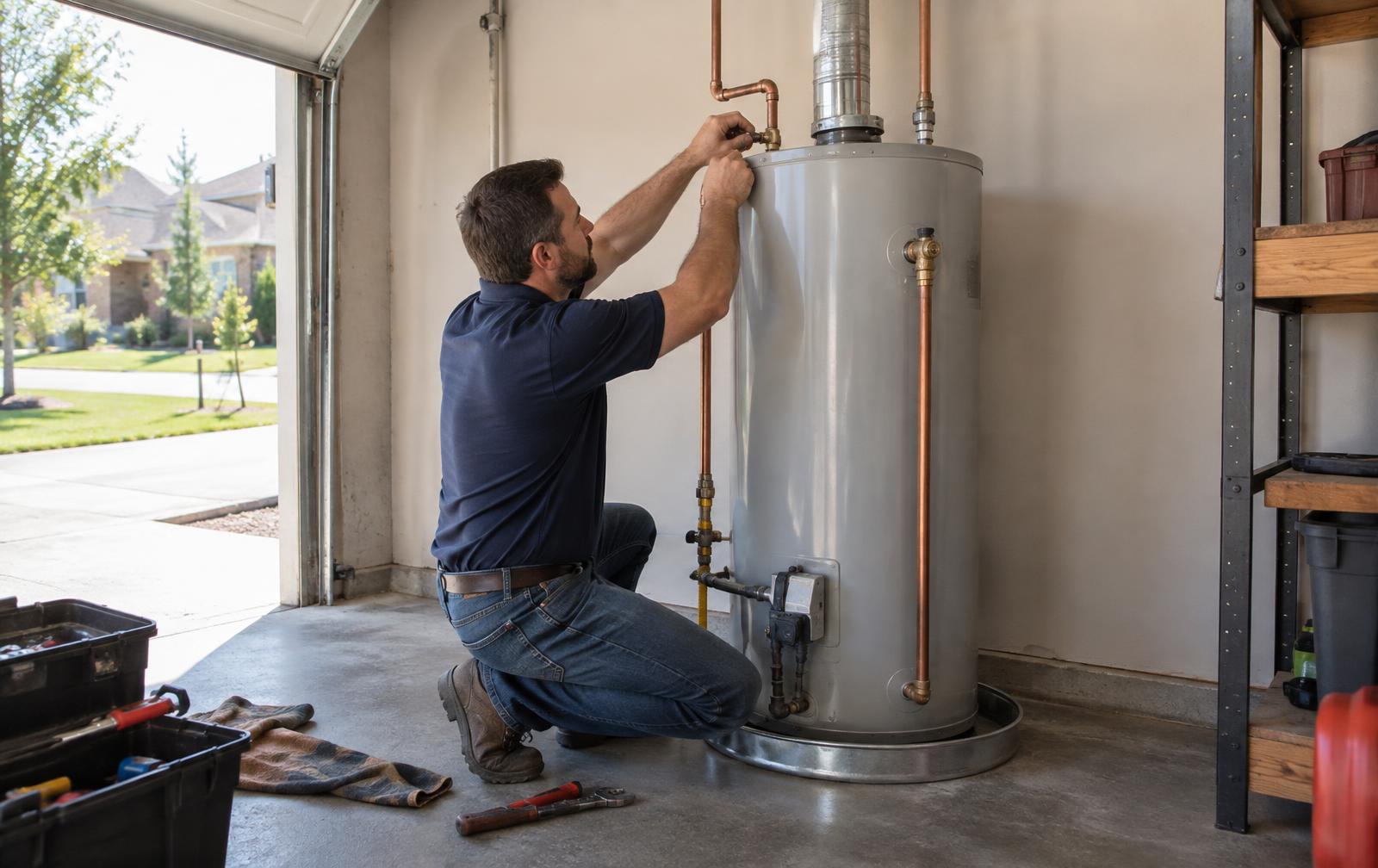
Repair, flush, and replacement of tank units — including attic and garage heaters common to Plano homes.
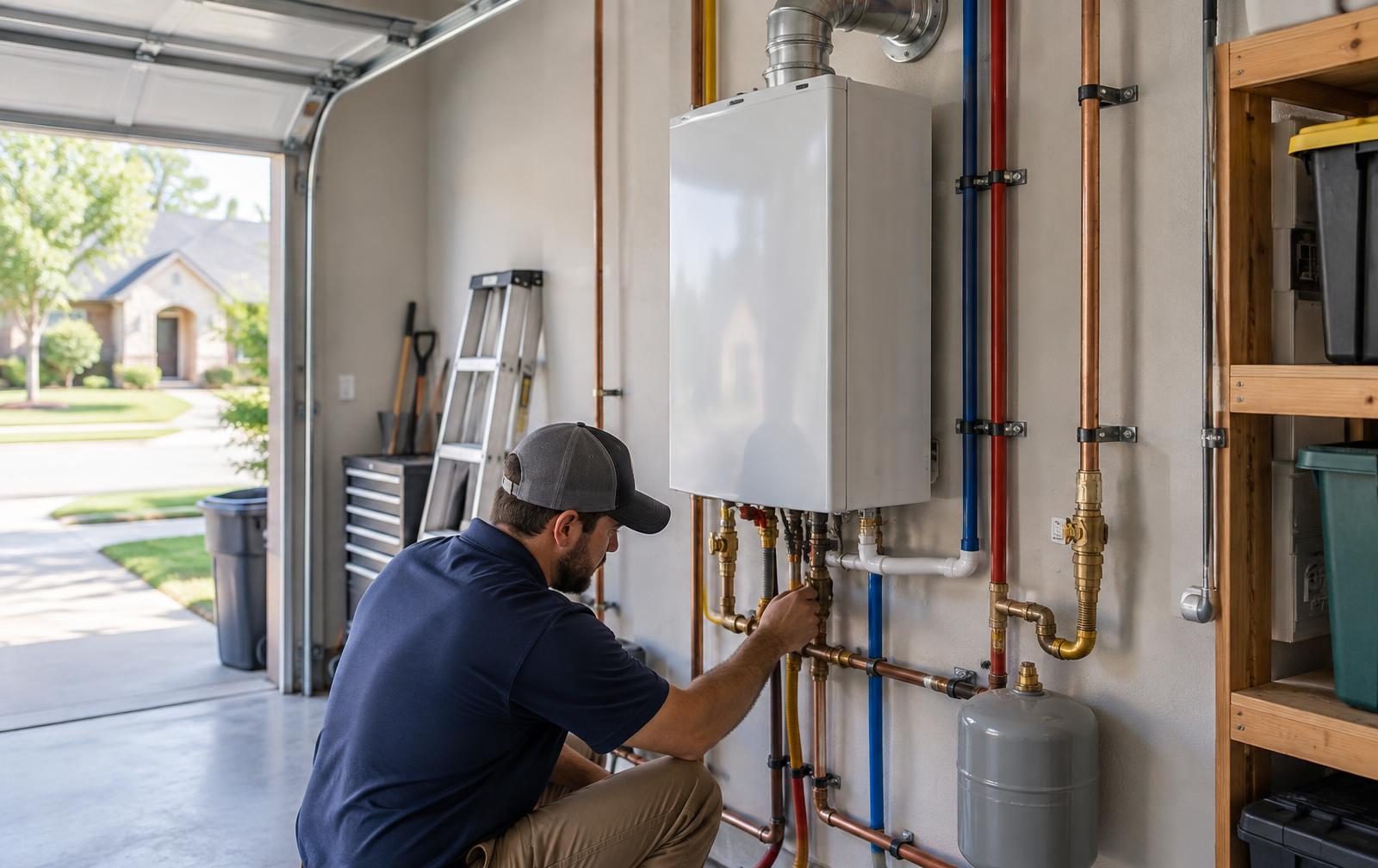
Install, service, and annual descaling — Plano's hard tap water eats tankless heat exchangers without it.
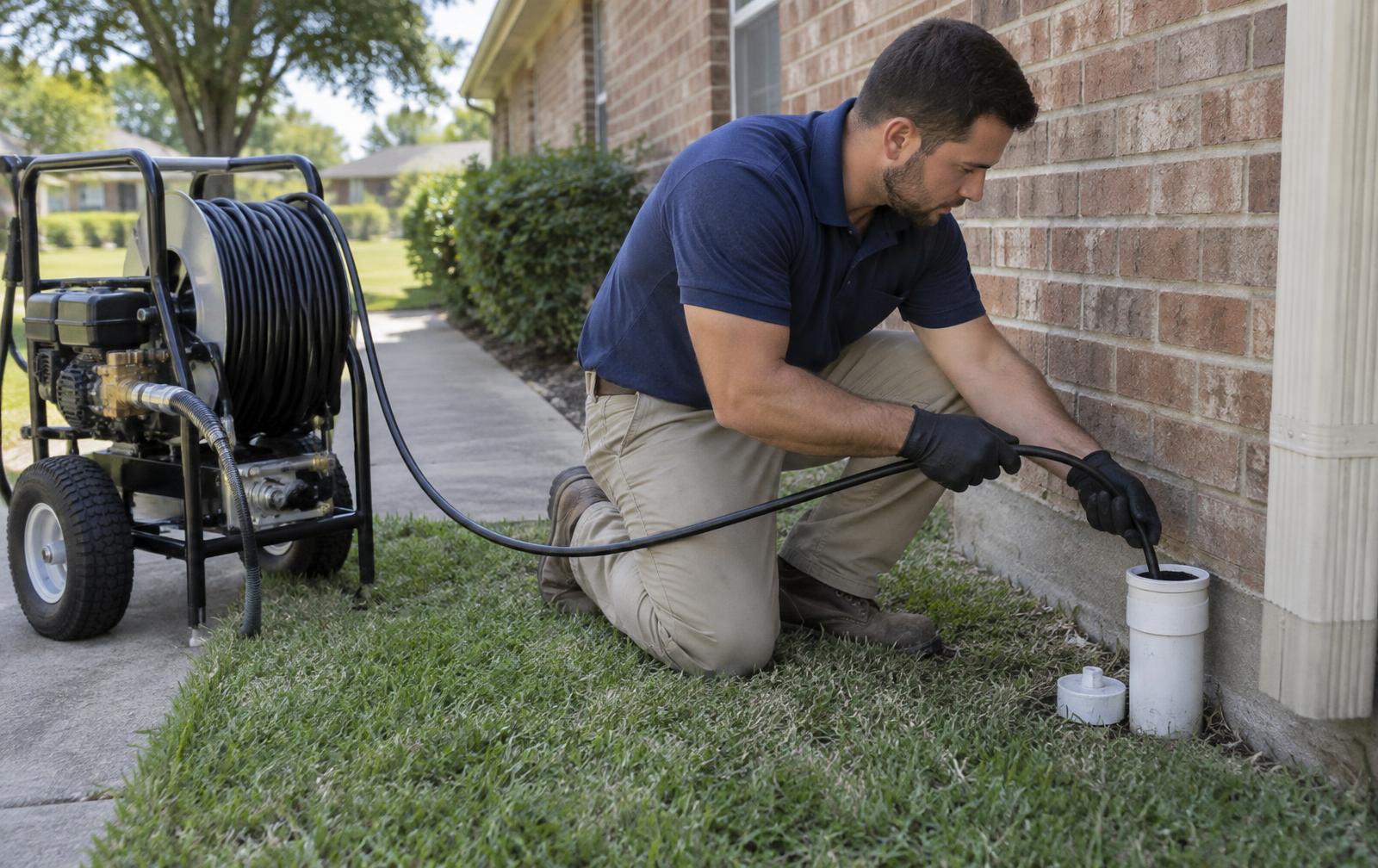
High-pressure cleaning that clears scale, grease, and roots from Plano's lateral runs — full-diameter, lasting clean.
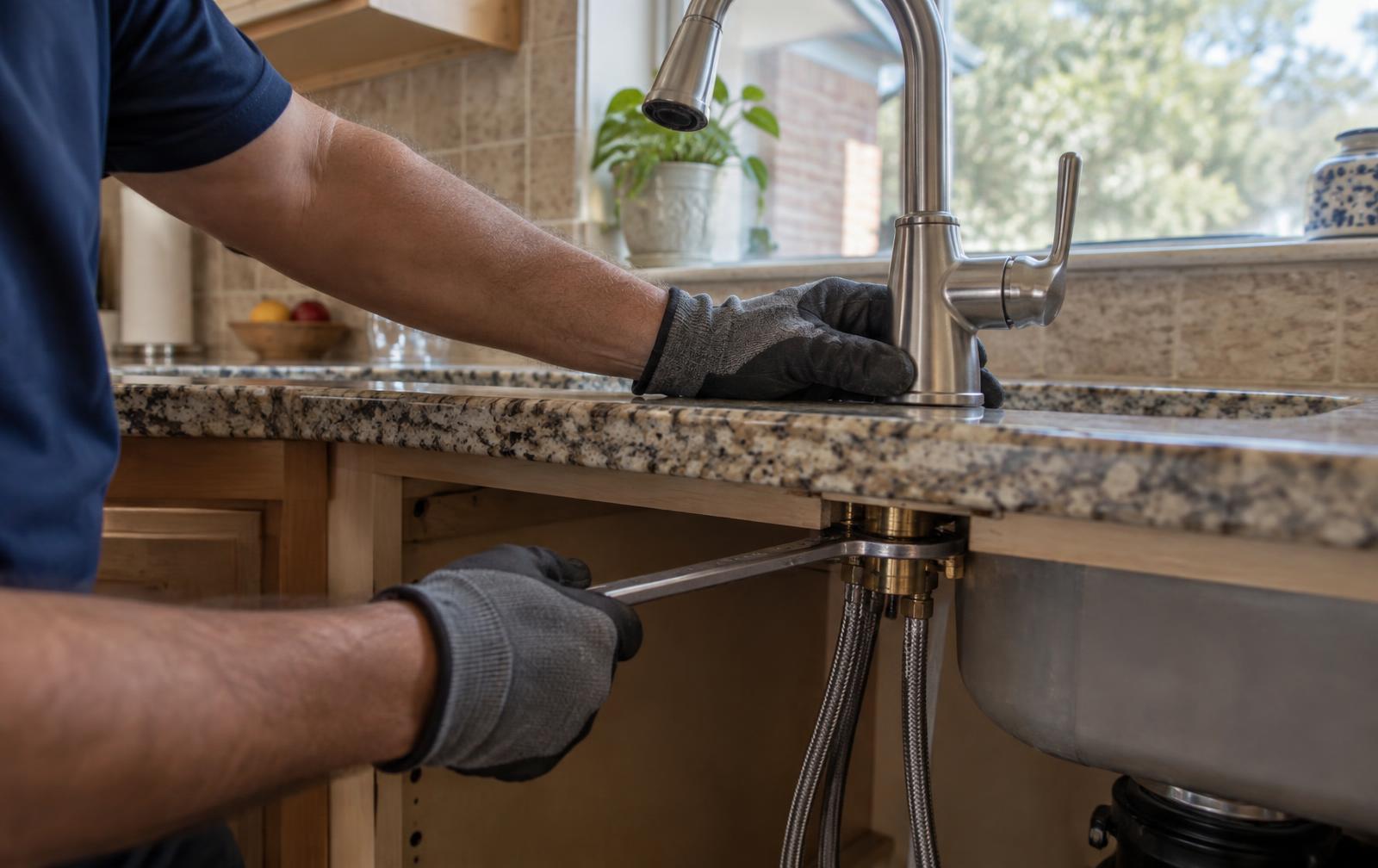
Cartridge, stem, and full-fixture replacement for Plano kitchens and bathrooms — hard-water-ready parts stocked on the truck.
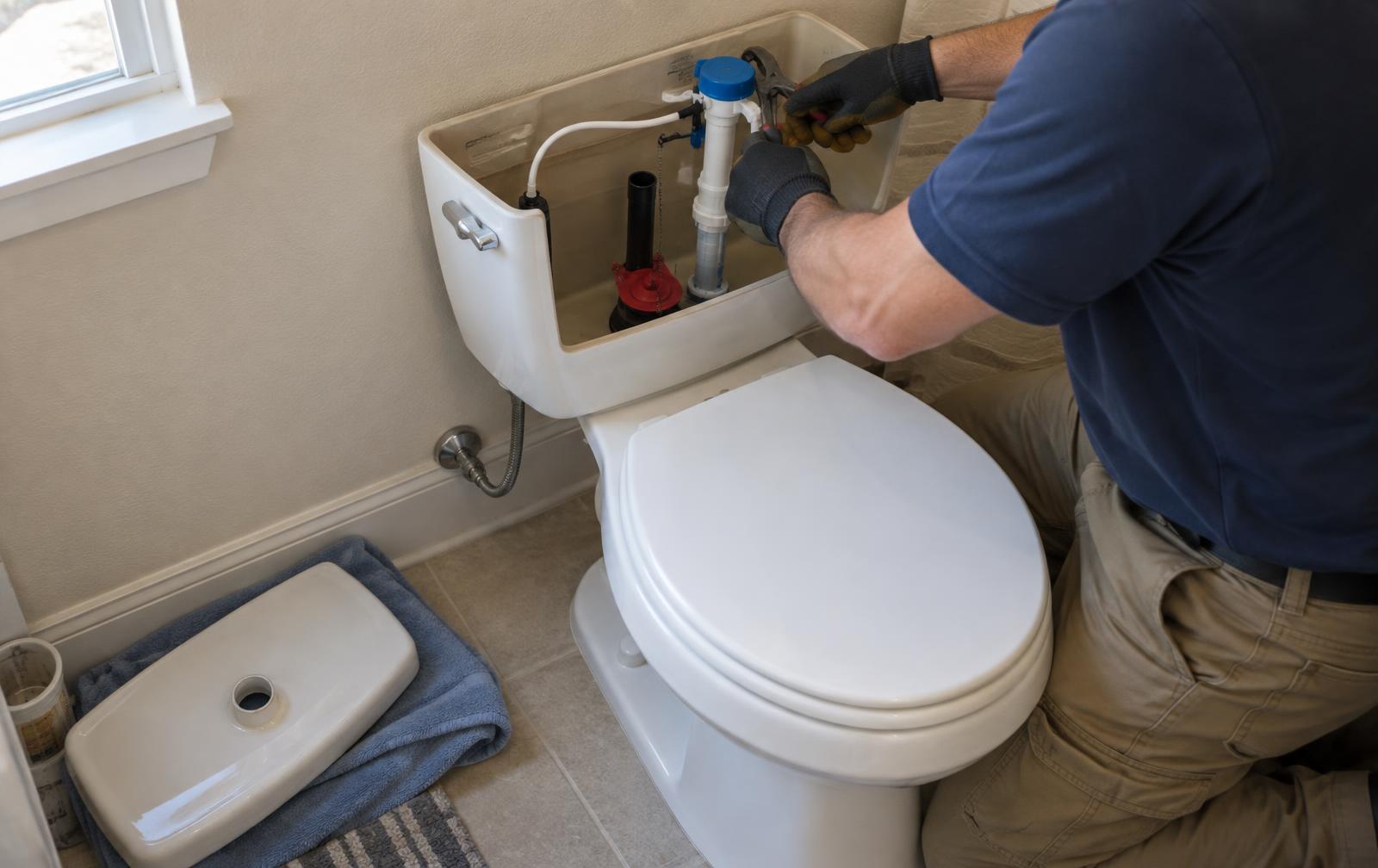
Rebuilds, wax-ring resets, flange repairs, and full replacements — the running toilets and rocking bowls in Plano homes.
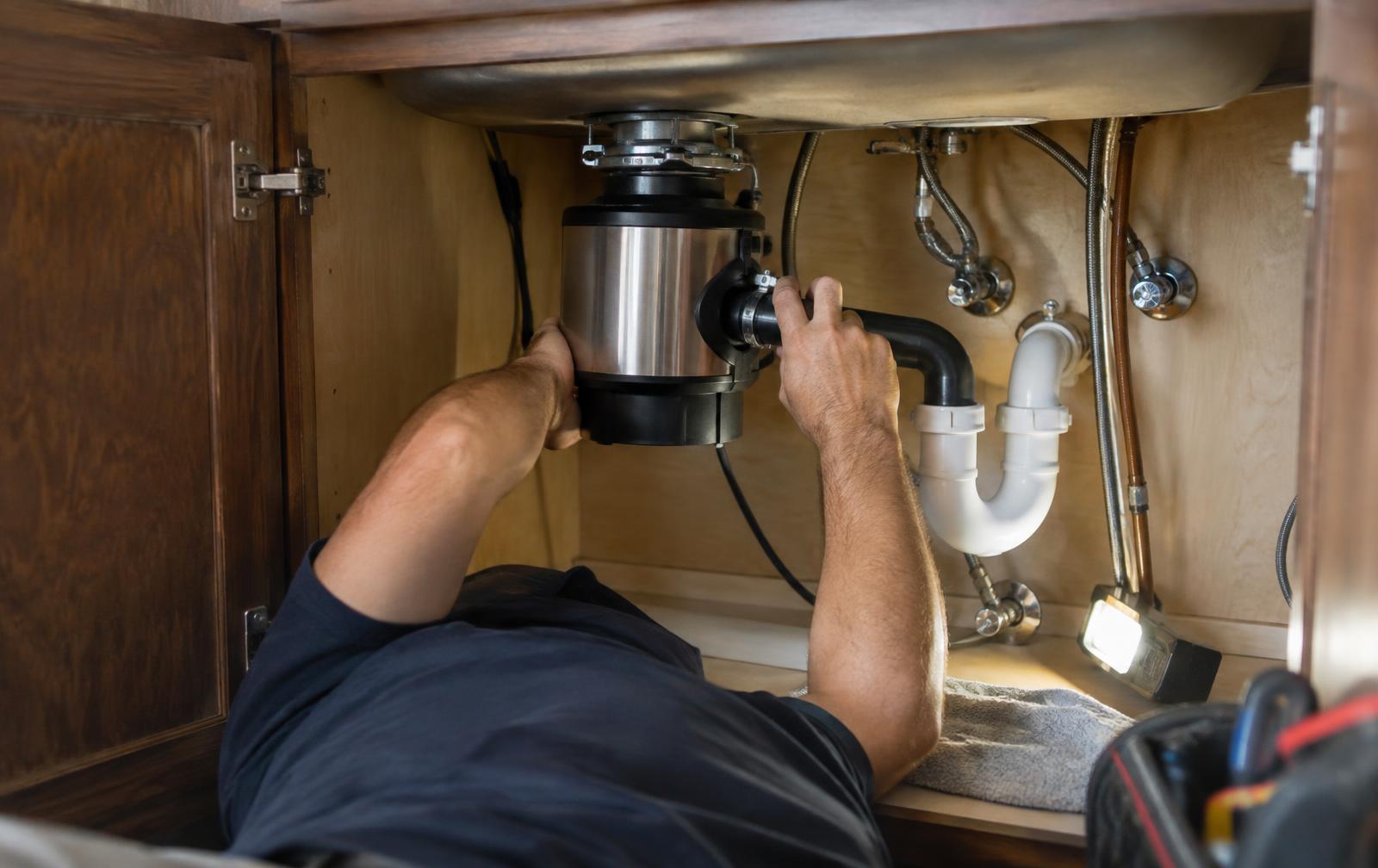
Jam clearing, leaking-unit swaps, and quiet 3/4 HP upgrades for Plano kitchens — same-visit install.
Plumbing Emergency in Plano Right Now?
A real person answers, a truck is already the closest one in the area, and licensing is handled before we ever knock. Call now.