
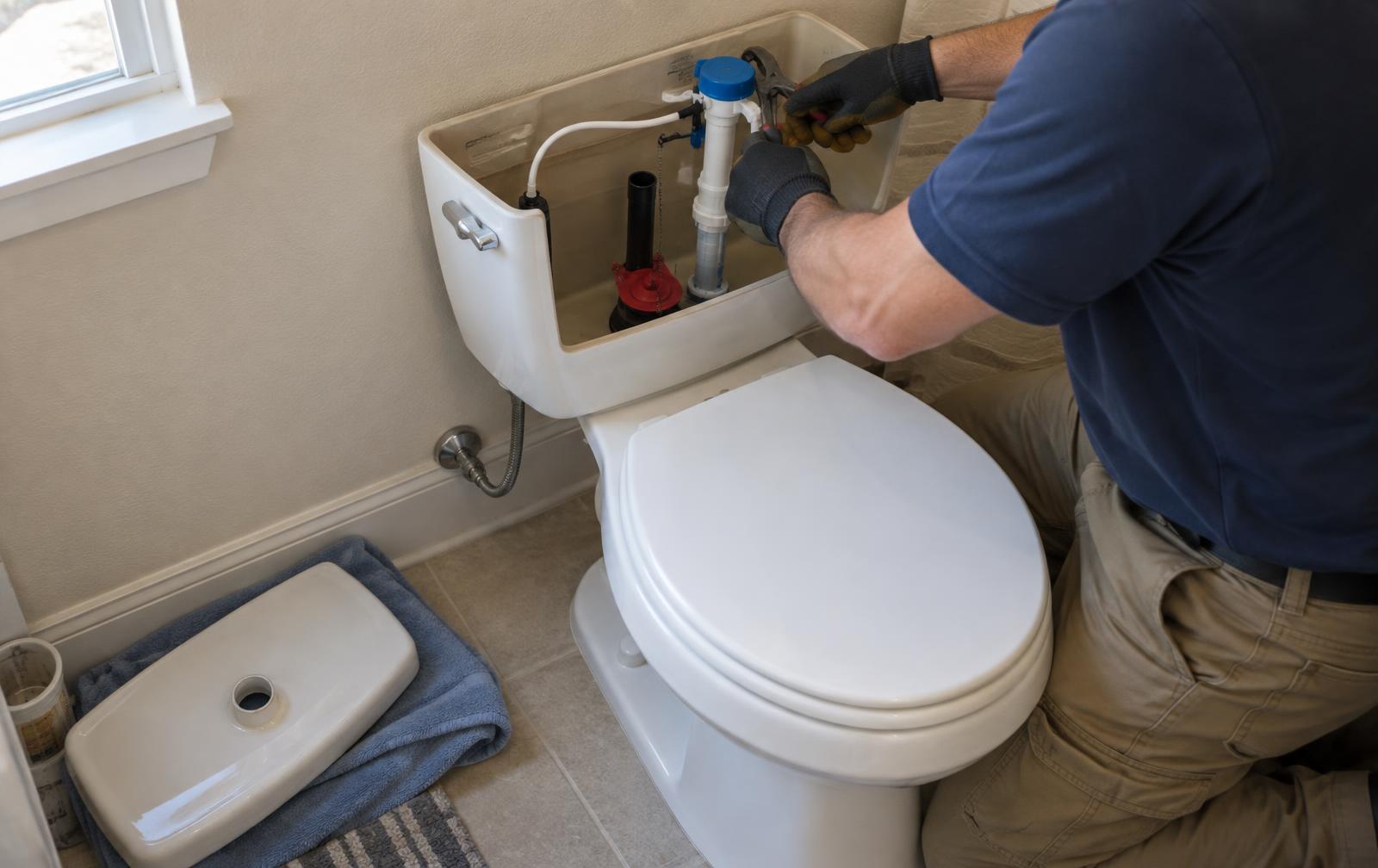
Toilet Repair & Installation in Coppell, TX
Constant refilling sound coming from the tank. A bowl that shifts underneath you. A puddle showing up at the floor after each use. Two pulls of the handle just to clear the bowl. We take on toilet calls across Coppell — from a quick valve swap to setting a brand-new comfort-height model.
A Toilet Problem Rarely Needs a Second Visit to Solve
Ghost flushing is about as simple as plumbing gets to diagnose: a worn flapper or a tired fill valve, both replaceable in under an hour as part of an inside-tank rebuild. It quietly wastes water the whole time it goes unnoticed, and homeowners across Coppell are often surprised how long theirs had been running before they called.
A bowl that shifts underfoot is a different animal, and here it's frequently tied to the ground the house sits on. Coppell's soil belongs to the Eagle Ford member of the Blackland Prairie formation, clay known for real shrink-swell behavior, and that movement can nudge a closet flange out of level even in a house that otherwise looks fine. We pull the fixture, look directly at the flange, and set it back down on a fresh seal — wax or a wax-free alternative depending on the situation. Where the flange itself has broken, or sits lower than the tile line from an old flooring job, we correct that with a stainless repair ring or a fresh flange rather than papering over it with extra wax.
New installations go in at comfort height with modern low-flow tanks that satisfy current Texas code. Coppell's Building Inspections office requires a permit when a job changes a fixture's rough-in position, and we take care of that step whenever the scope calls for it. Bought your own toilet already? We'll set it for you under the same warrantied labor we'd give a unit we supplied ourselves.
Signs Your Coppell Toilet Needs Attention
A running toilet wastes water daily until it's fixed, and most rebuilds earn that cost back quickly at local rates.
That's almost always the flapper failing to seal. It's a modest repair, and since we're already inside the tank, a full internal rebuild is worth considering for a fix that lasts longer.
Could be a wax seal that gave out, a hairline crack in the porcelain, or a supply connection weeping. We take the bowl off, inspect what's underneath, and reseat it — waiting on this lets moisture reach the subfloor.
Often a flange that's cracked, bolts that have corroded, or a floor that has shifted slightly beneath it. Ground movement tied to Coppell's clay is a real contributor. Tightening the bolts alone rarely holds; the flange usually needs a proper reset.
This can trace back to a partial trap blockage, mineral scale narrowing the rim jets, or a fill valve set to fill too little water. A short look tells us which.
Generally a corroded lever arm or a chain that's snapped loose from the flapper. Cheap to fix, though it tends to sit ignored longer than it should.
Possible causes include a dried-out trap, a seal that never fully set, or an issue further up the vent stack. If this started right after we or anyone reset the wax ring, come back to us and we'll make it right.
Figure Out the Real Problem, Then Quote It Plainly
You know the diagnosis and the price before any shutoff valve turns.
- 1Separate the symptoms
Constant running, base leaks, weak flushing, and a wobbling bowl are four different failures with four different repairs. We check each individually instead of assuming one explains another.
- 2Show you every reasonable path
On an older fixture, we'll often present a rebuild, a reset, and a full replacement together, so the decision comes down to how long you want to keep that particular toilet, not guesswork.
- 3Pull from parts we already carry
Internal rebuild kits, wax and wax-free seals, closet bolts, supply lines, and stainless repair rings ride on the truck, covering what a typical Coppell call needs without a parts-store trip.
- 4Set it level and secure it properly
A wax seal only compresses evenly against a level bowl with bolts tightened in the right sequence — not cranked past the point where porcelain cracks. That extra care is standard on every reset.
- 5Confirm it, then clean up
Multiple test flushes, a look at the base for any seepage, one more level check, and the area left clean. Replacing an old unit means we haul it away as part of the same stop.
What Shows Up Most in Coppell Bathrooms, By Section
The decade a home was built, and the soil under it, both shape what we're likely to find.
With some homes tracing back to the 1920s, original cast-iron flanges are still common here, and we typically fit a stainless repair ring before resetting a bowl onto one of those older flanges.
This section went up around 1979, and original wax seals in these brick homes tend to give out once enough slab settling has nudged the flange even slightly out of level.
Development ran through the 1980s into the early 1990s here, and a good share of toilets from that era just need updated internal components rather than full replacement.
Homes from the early-to-mid 1990s are reasonable candidates for comfort-height replacements, especially where a household wants matching fixtures across several bathrooms at once.
Properties near Grapevine Springs Park sit over ground documented for aggressive shrink-swell clay behavior, and that movement is a frequent, specific cause of a wobbling bowl or an out-of-level flange in this part of town.
This piece of the Denton Tap corridor filled in during the 1980s-1990s wave, and older, higher-volume toilets from that period are frequently good candidates for swapping to a modern low-flow model.
What Coppell Homeowners Say
A Fixture That Stays Fixed
Every visit includes an honest look at the closet flange's condition and a level check on the finished install. If a repair ring or full flange replacement turns out to be necessary, that goes into the written quote up front — nothing shows up as a surprise on the invoice afterward.
Labor on every rebuild, reset, and installation is warrantied. Aqua Pure Plumbing is family-owned and insured, licensed through the Texas State Board of Plumbing Examiners, with trucks dispatching out of our shop in The Colony — Coppell sits on our regular daily route. We offer same-day appointments seven days a week, 8 AM to 6 PM, for an active leak or a toilet that won't stop running.
Straight Answers, No Sales Pitch
Our Other Plumbing Services in Coppell, TX
Toilet work often turns up a cracked flange or a sluggish drain nearby, and we can take care of both while we're already on site — no separate trip or second quote needed.
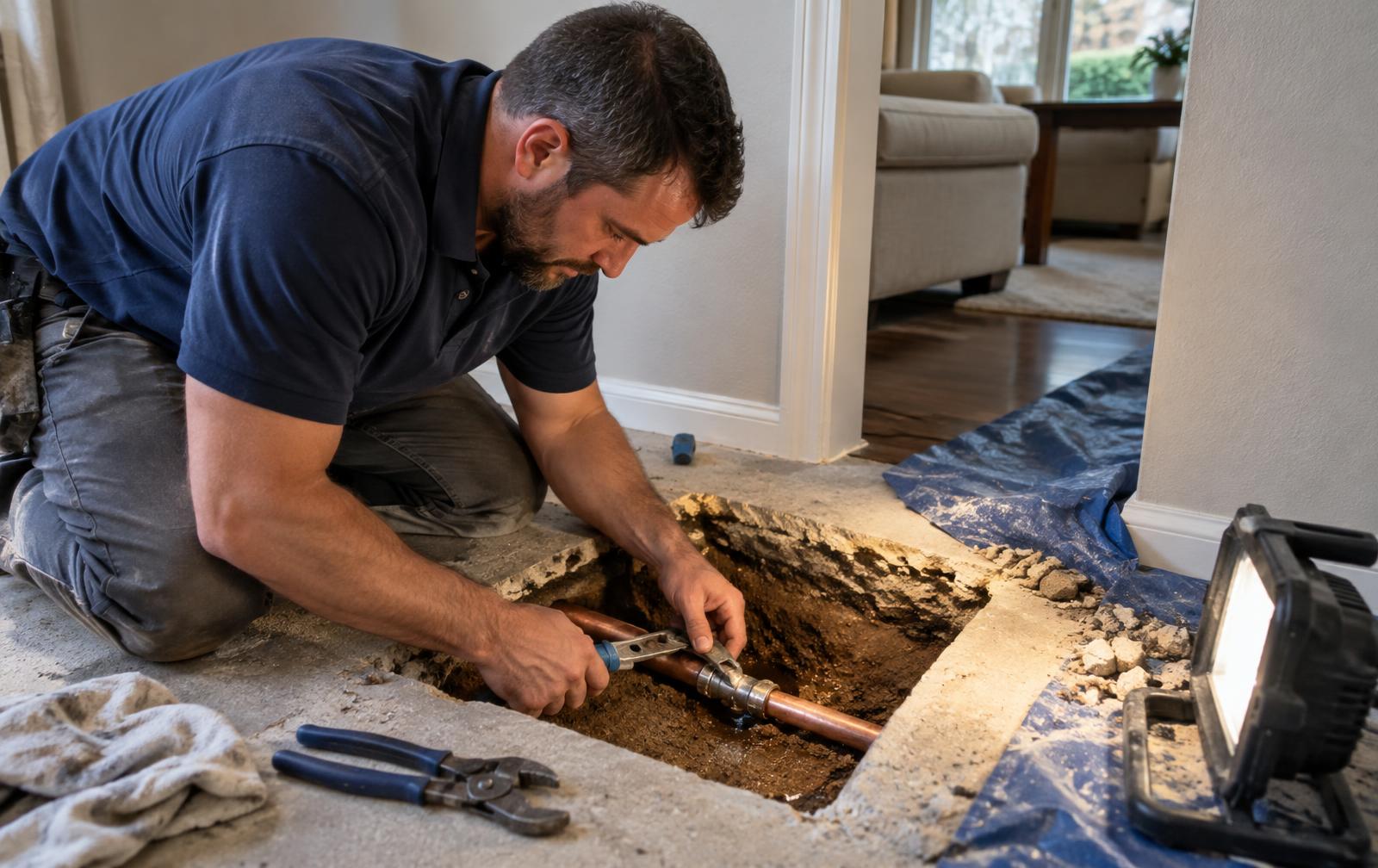
Electronic detection under Coppell slabs — reroute options that save your finished floors when possible.
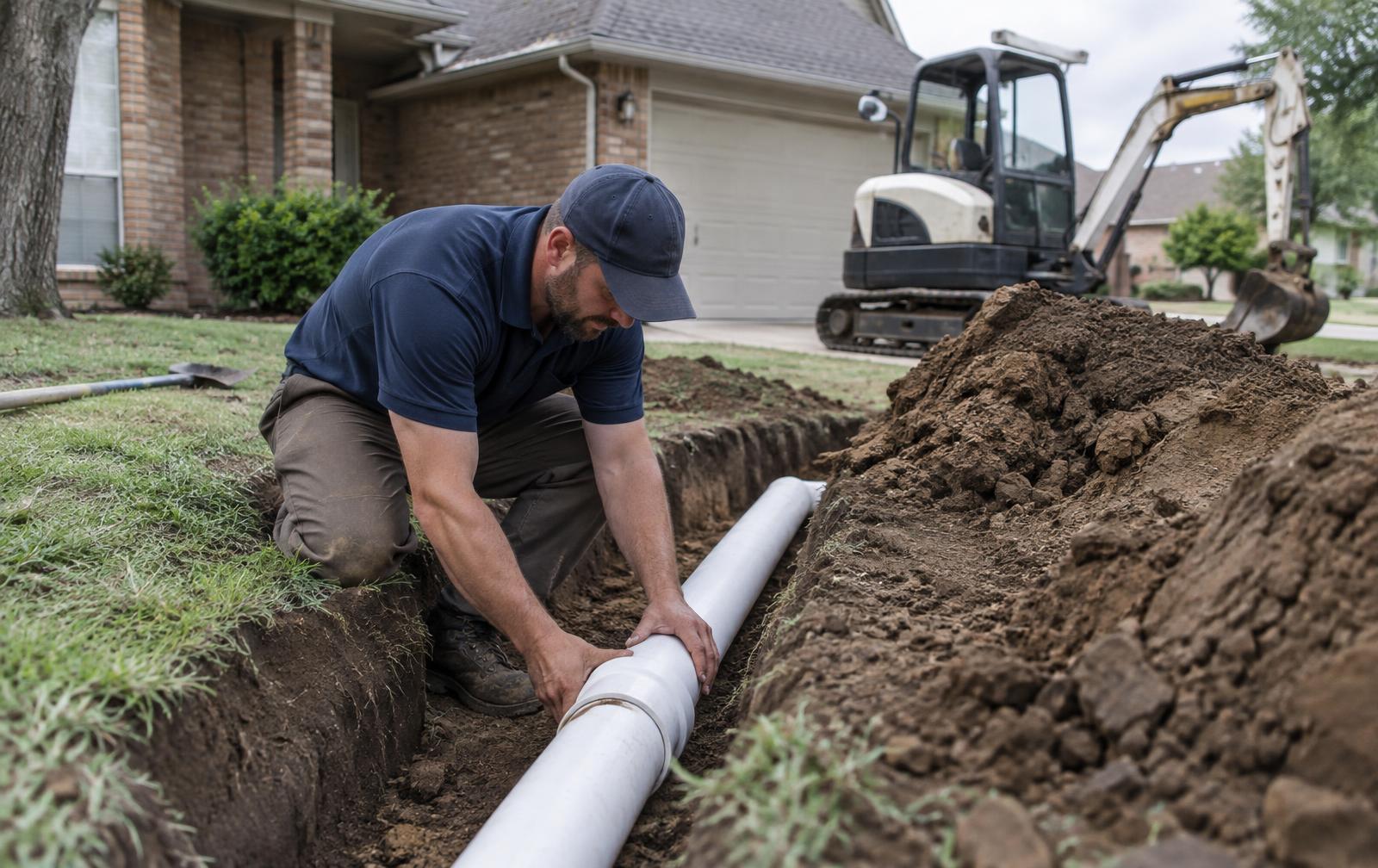
Trenchless replacement for the aging laterals across Coppell's older runs — camera first, quote in writing, minimal yard damage.
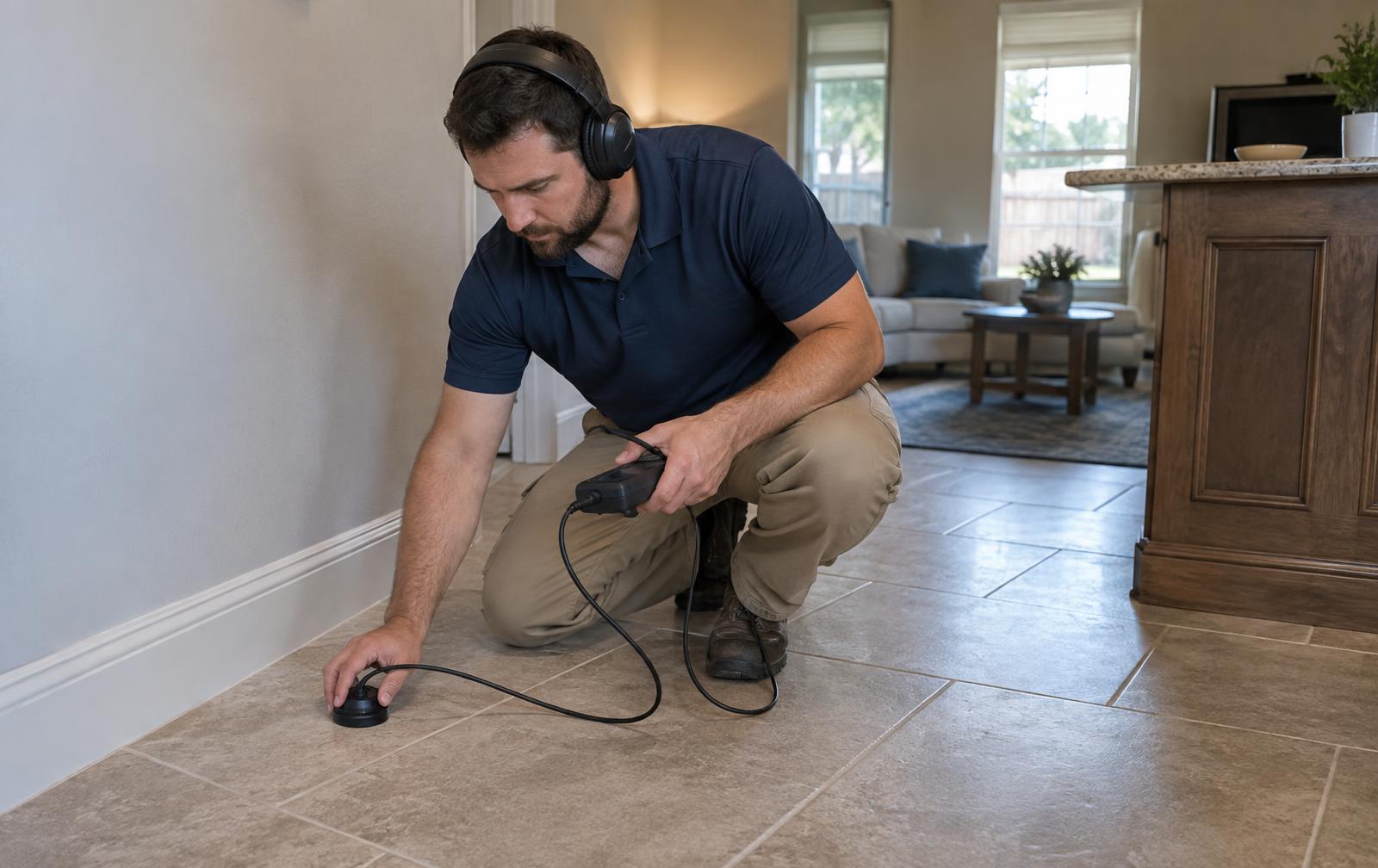
Acoustic, thermal, and pressure testing to pinpoint hidden leaks in Coppell slab and wall lines without tearing into finishes.
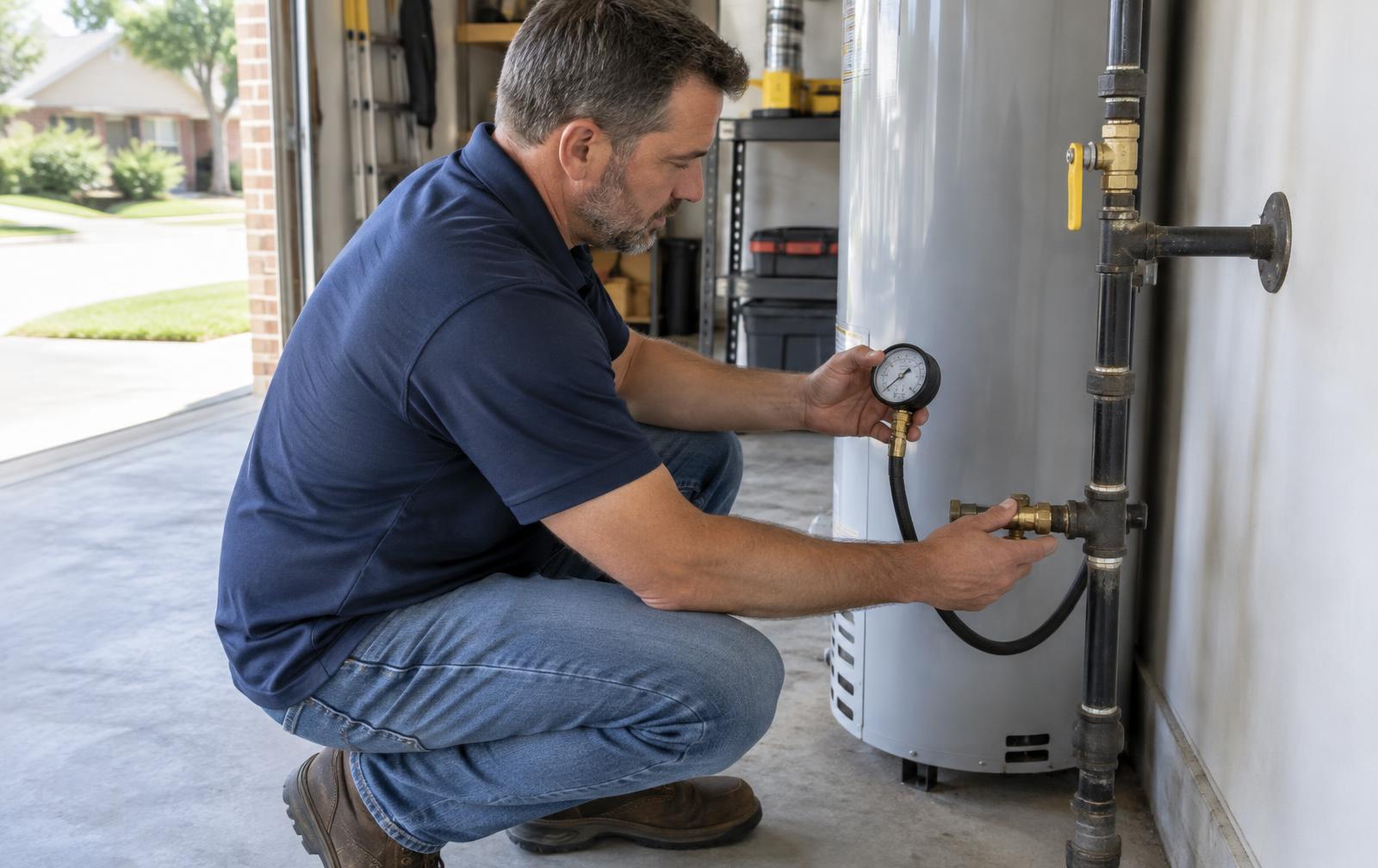
Licensed install, repair, and pressure-testing for Coppell homes — every line signed off to Texas code and Atmos requirements.
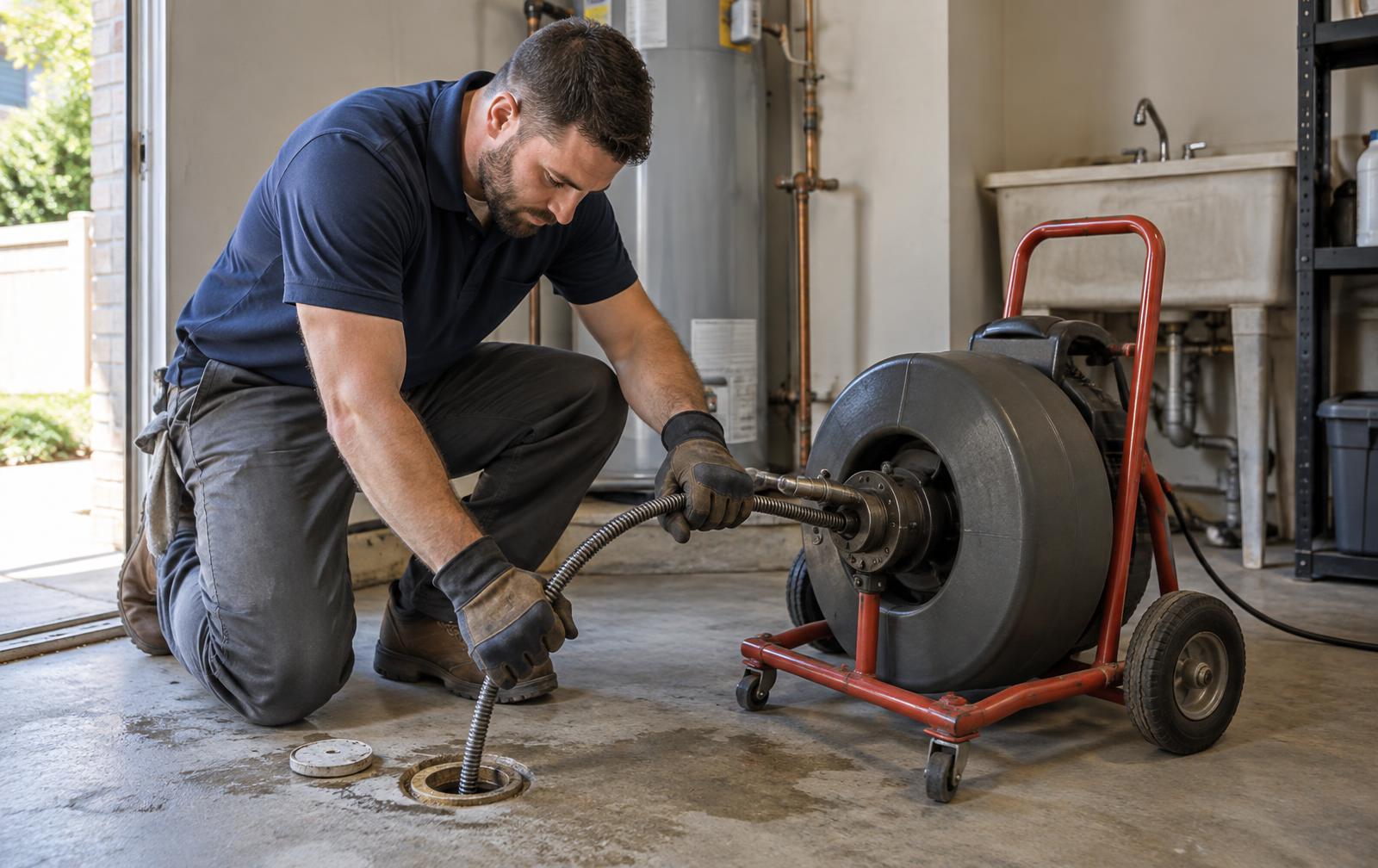
Full-clear service and camera confirmation for the drains under Coppell's neighborhoods.
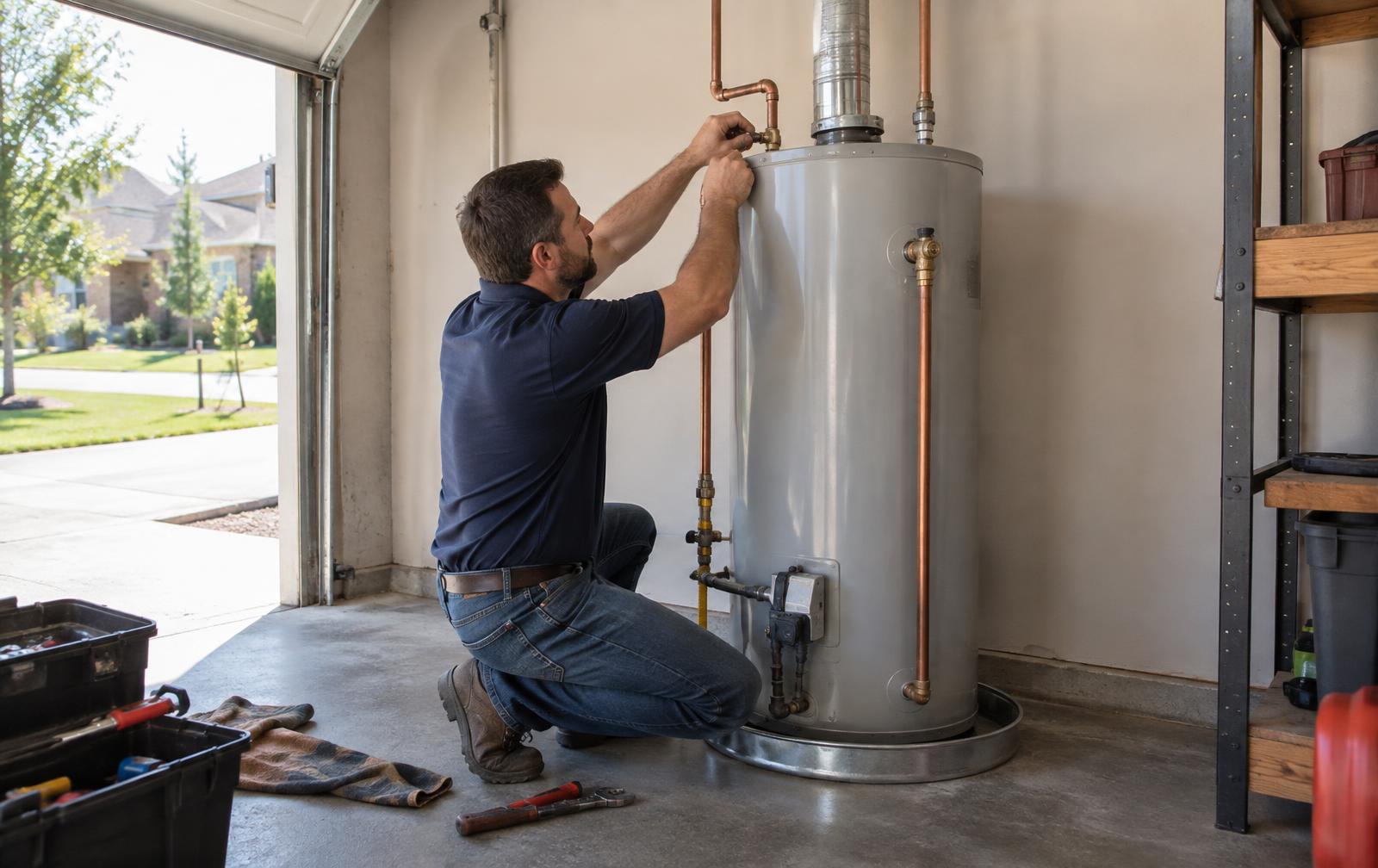
Repair, flush, and replacement of tank units — including attic and garage heaters common to Coppell homes.
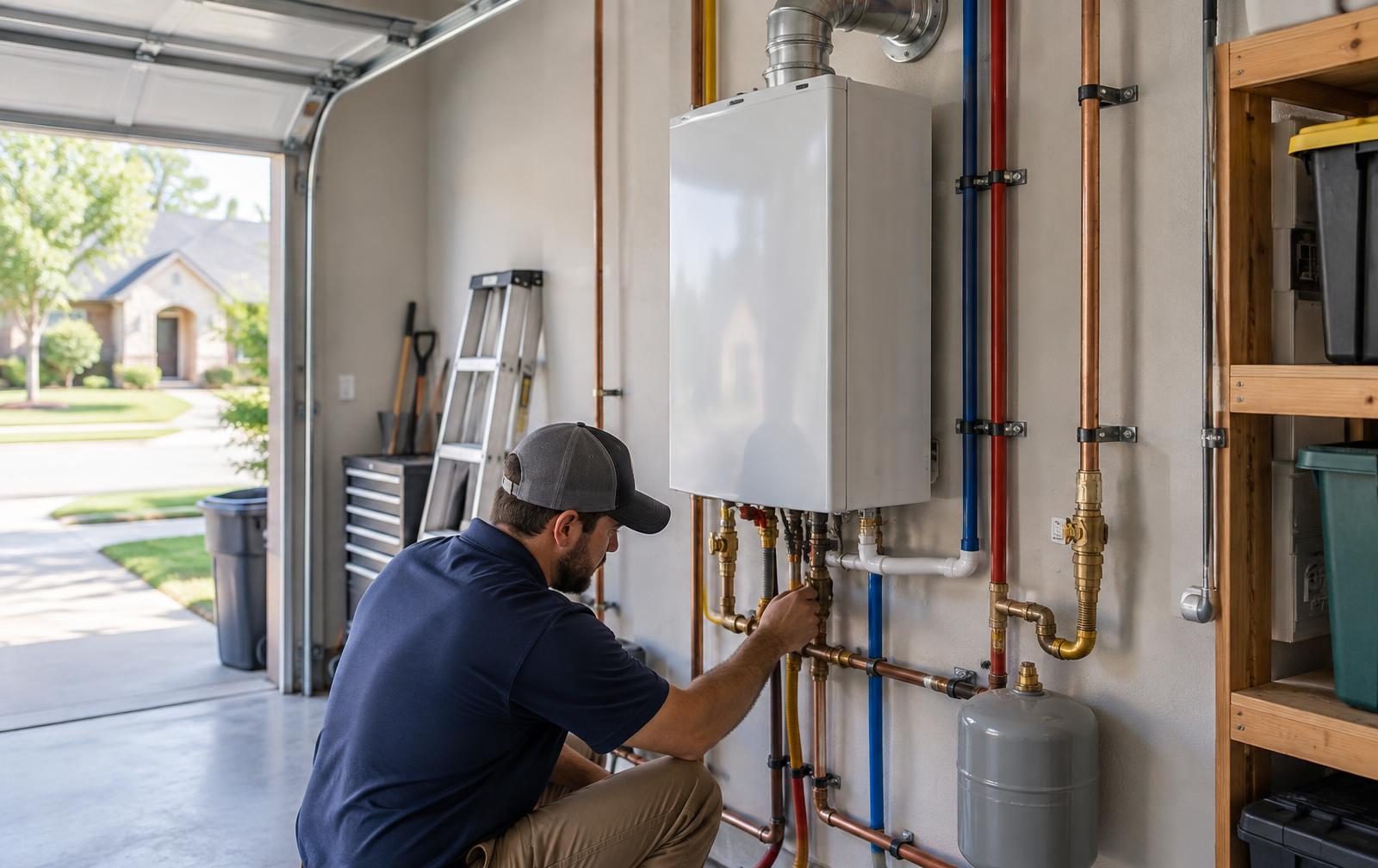
Install, service, and annual descaling — Coppell's hard tap water eats tankless heat exchangers without it.
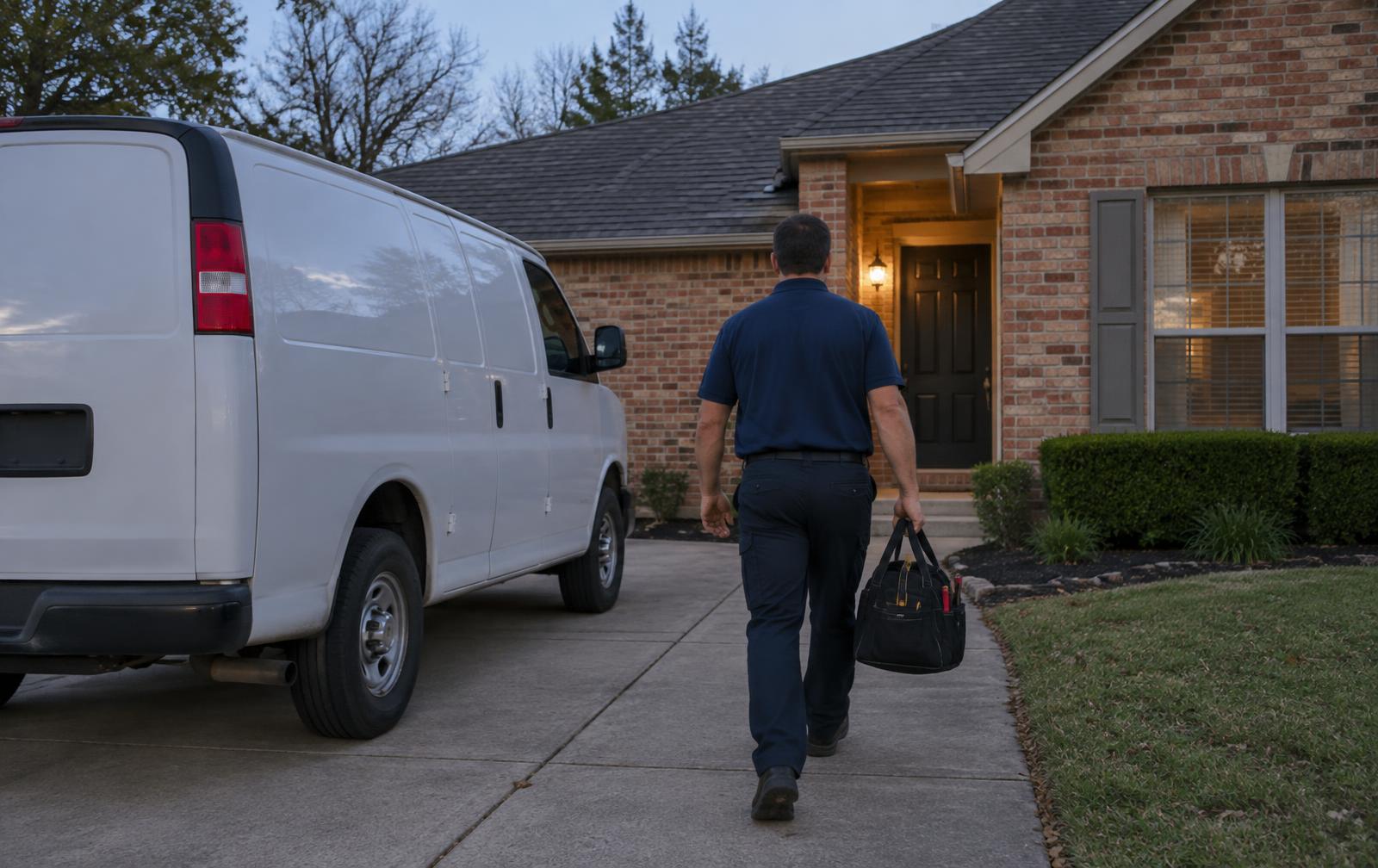
same-day, 7 days a week response across Coppell for burst pipes, heater failures, and main-line backups.
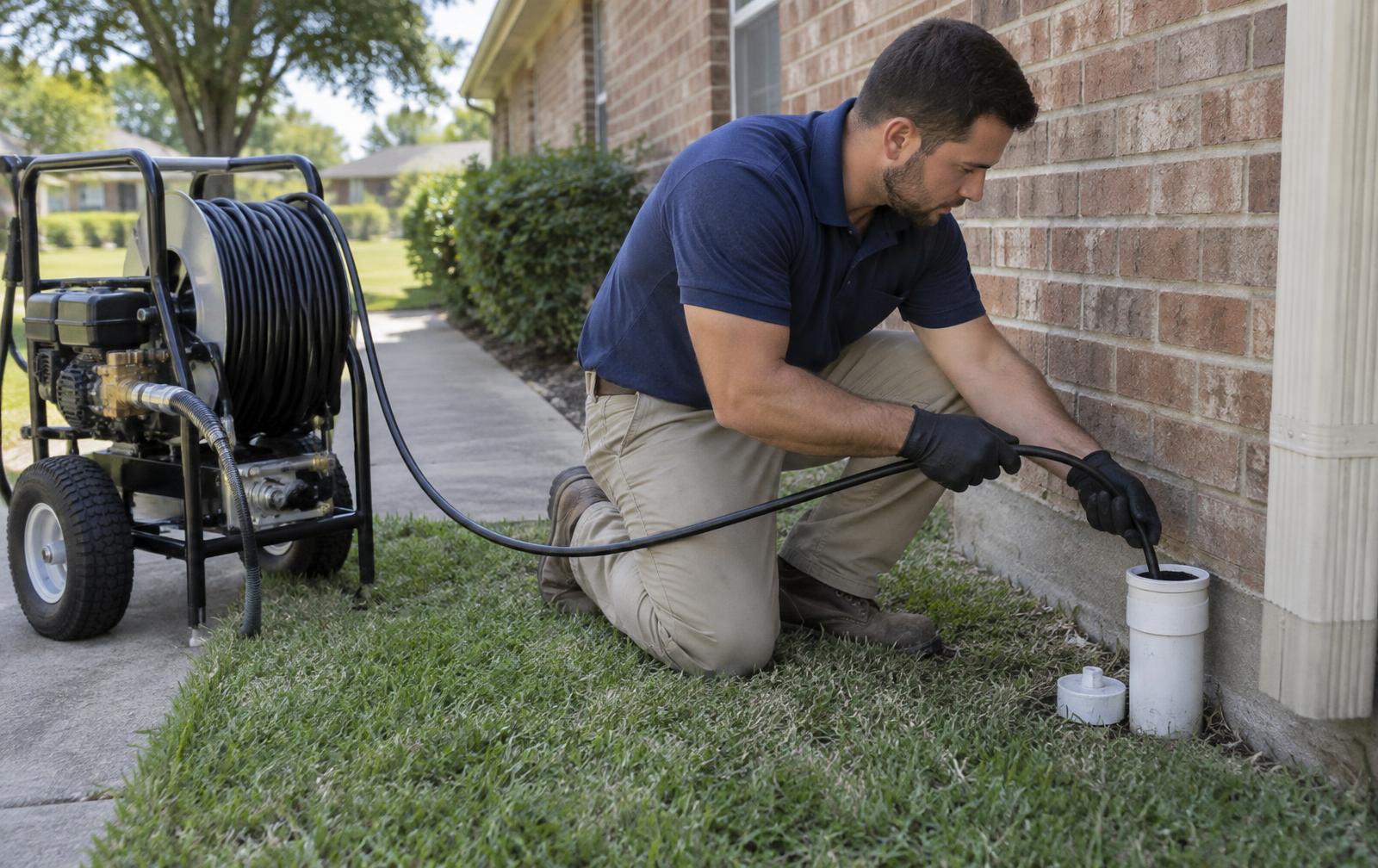
High-pressure cleaning that clears scale, grease, and roots from Coppell's lateral runs — full-diameter, lasting clean.
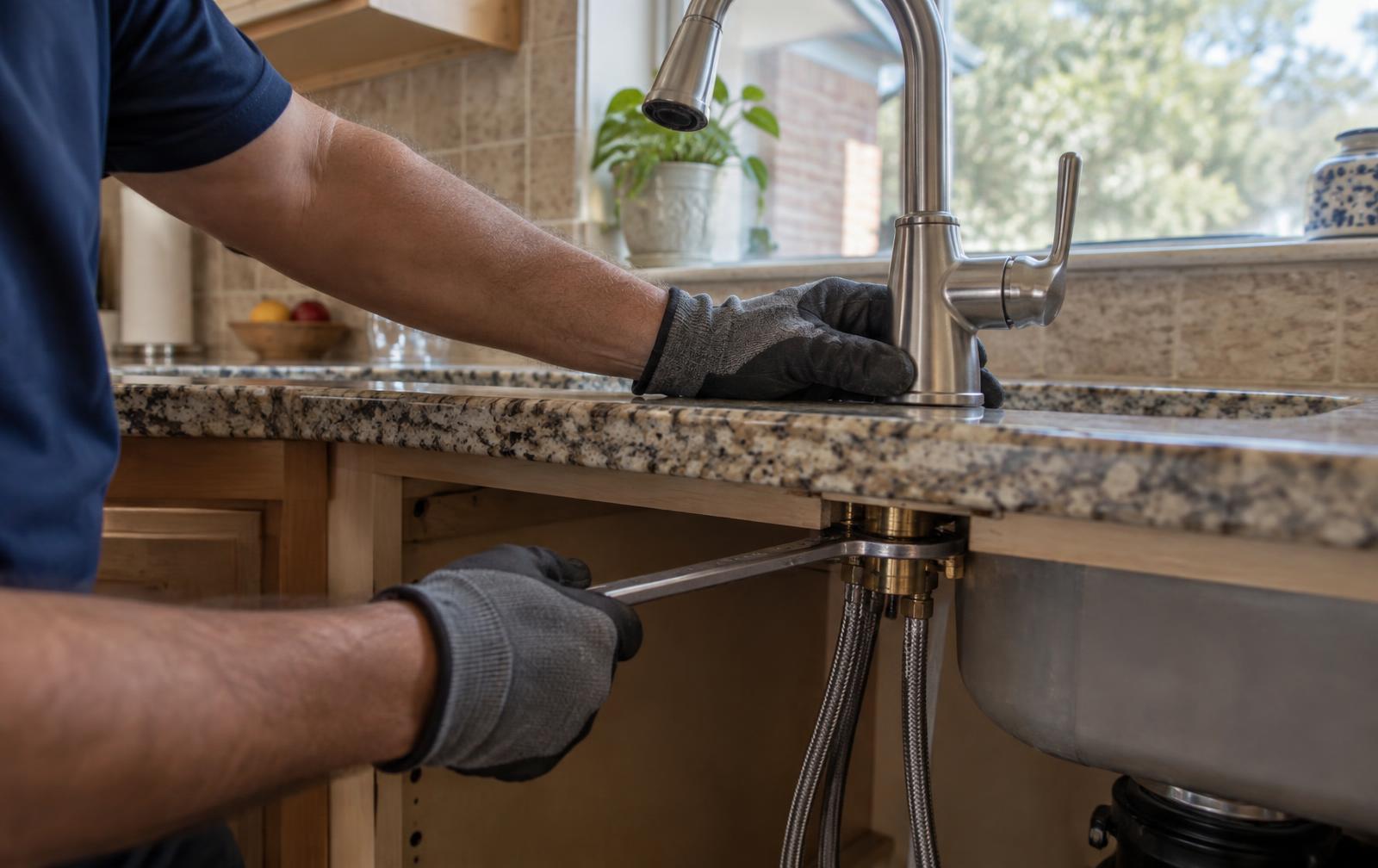
Cartridge, stem, and full-fixture replacement for Coppell kitchens and bathrooms — hard-water-ready parts stocked on the truck.
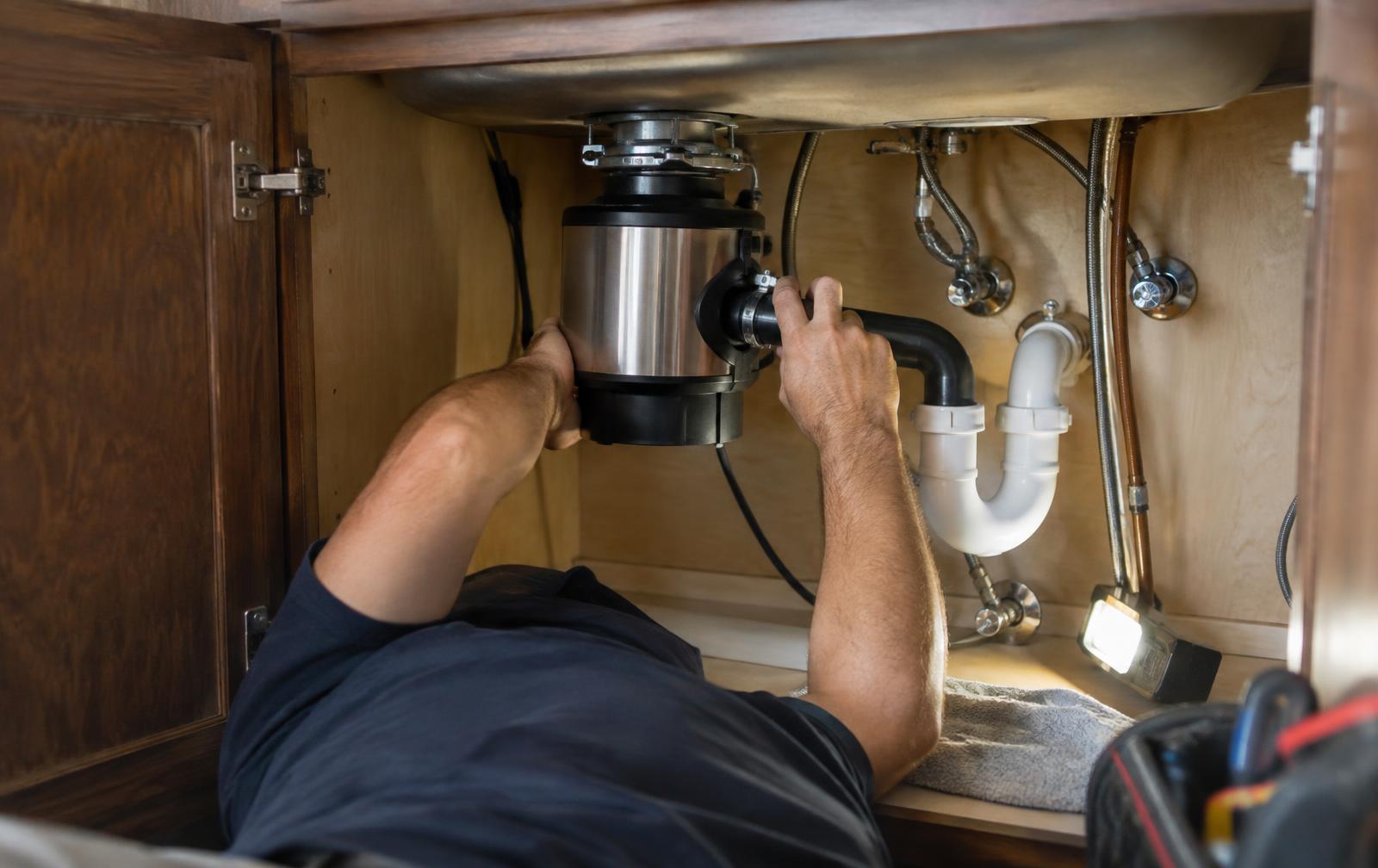
Jam clearing, leaking-unit swaps, and quiet 3/4 HP upgrades for Coppell kitchens — same-visit install.
Need Toilet Work in Coppell?
Rebuild, reset, or full replacement — priced in writing, backed by warrantied labor, same-day for active leaks.