
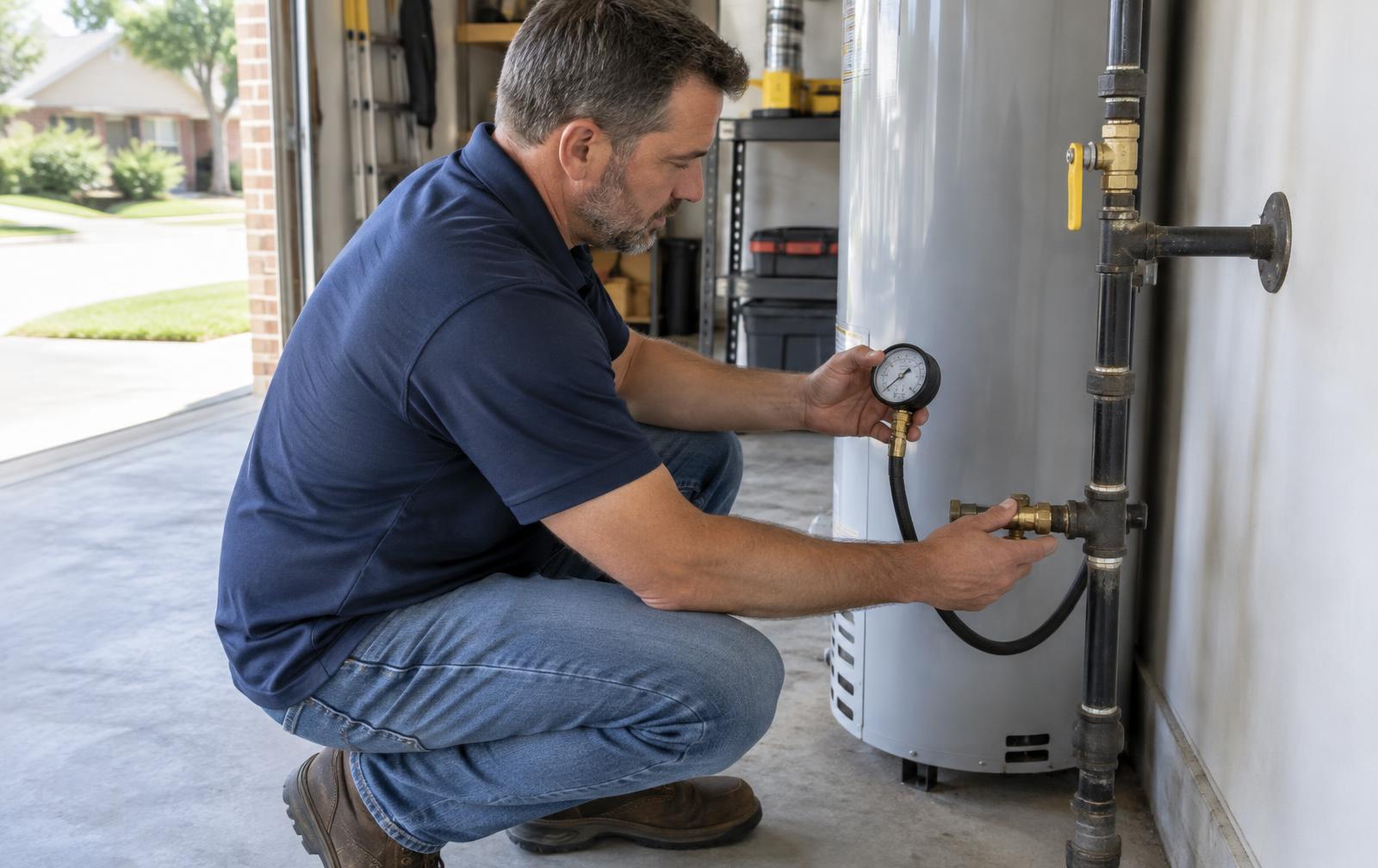
Gas Line Services in Coppell, TX
An odor you can't quite pin down. A new cooktop that still needs a supply run to it. A meter Atmos won't turn back on until someone certifies the system. Every part of a residential gas job in Coppell — finding the problem, fixing it, and getting it signed off — runs through us.
Only a Licensed Plumber Gets to Touch This
Gas piping inside or under a house is off-limits to anyone without a Texas plumbing license, no exceptions, and Atmos Energy — the utility serving the entire city of Coppell — won't reconnect a meter without documented proof of a licensed test. A range hookup a handyman ran a few years back can look fine right up until a routine Atmos service call flags it, and then the whole system gets shut down, not just the one connection.
The Coppell Building Inspections office folds gas line work into its plumbing permit requirements, alongside water heater swaps and irrigation changes, and we take care of pulling that permit rather than passing the paperwork back to you.
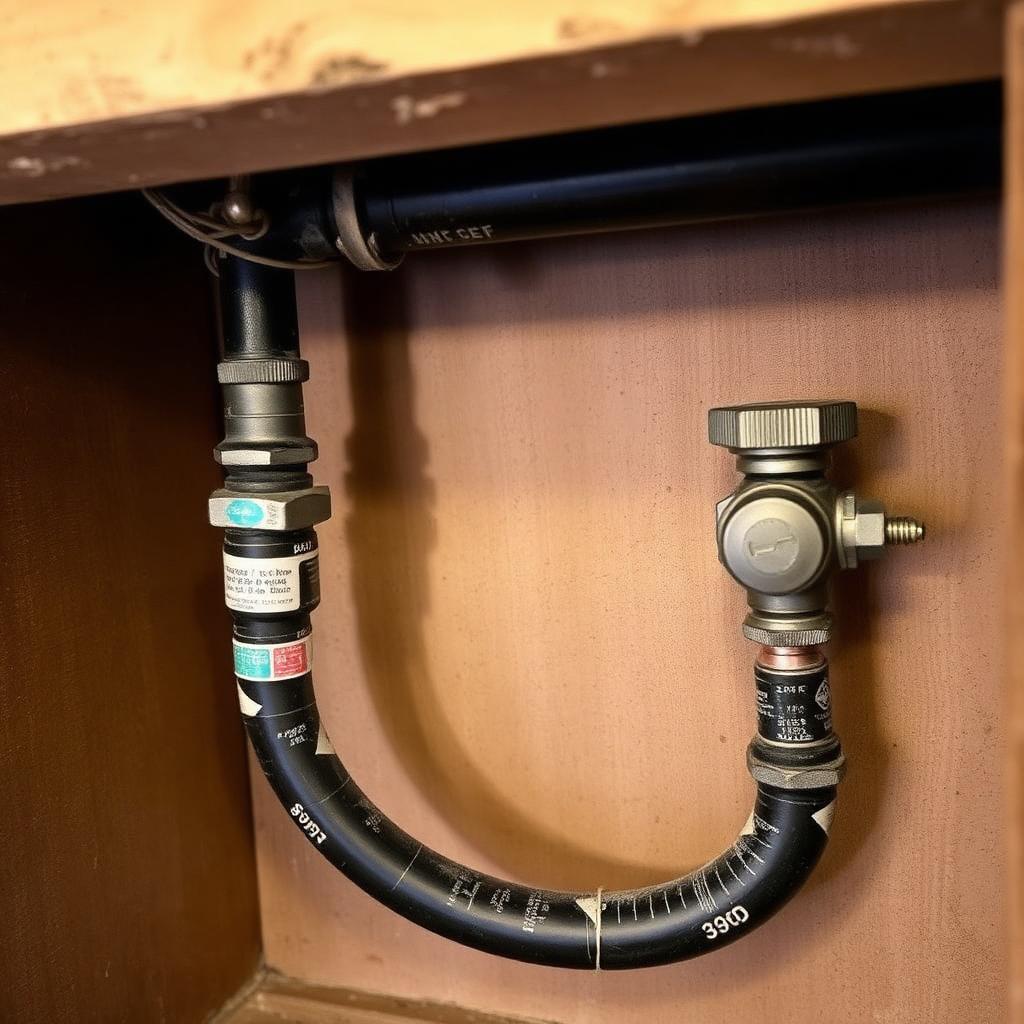
What we actually find in the wall depends on the decade the house went up. A lot of the tract construction that followed DFW Airport's 1974 opening still runs on the original black-iron pipe, and forty-plus years of the ground settling underneath a slab can loosen a joint here and there. Homes built more recently, and custom infill in the newer northern sections of the city, tend to run flexible corrugated tubing instead — lighter work to install, but only as safe as its grounding connection, which is where we most often find something to correct.
What a Gas Problem Looks Like in a Coppell Home
Any of these is worth killing the gas at the meter and calling. Skip the flashlight-and-lighter investigation.
Natural gas itself has no smell — what you're noticing is an additive put there on purpose. Get everyone out, call from the yard or the street, and don't touch a light switch or start the car in the garage.
A range connection, a furnace inlet, or a water heater's flex line hissing audibly is an active leak. Close that one valve first, then the whole meter if it keeps going.
An underground leak burns gas quietly, month after month, with nobody the wiser until the bill lands. A sudden winter jump with no change in habits is worth a test.
A leaking buried line often kills the grass directly above it in a narrow, obvious band. We see this most on runs feeding an outdoor kitchen or a pool heater.
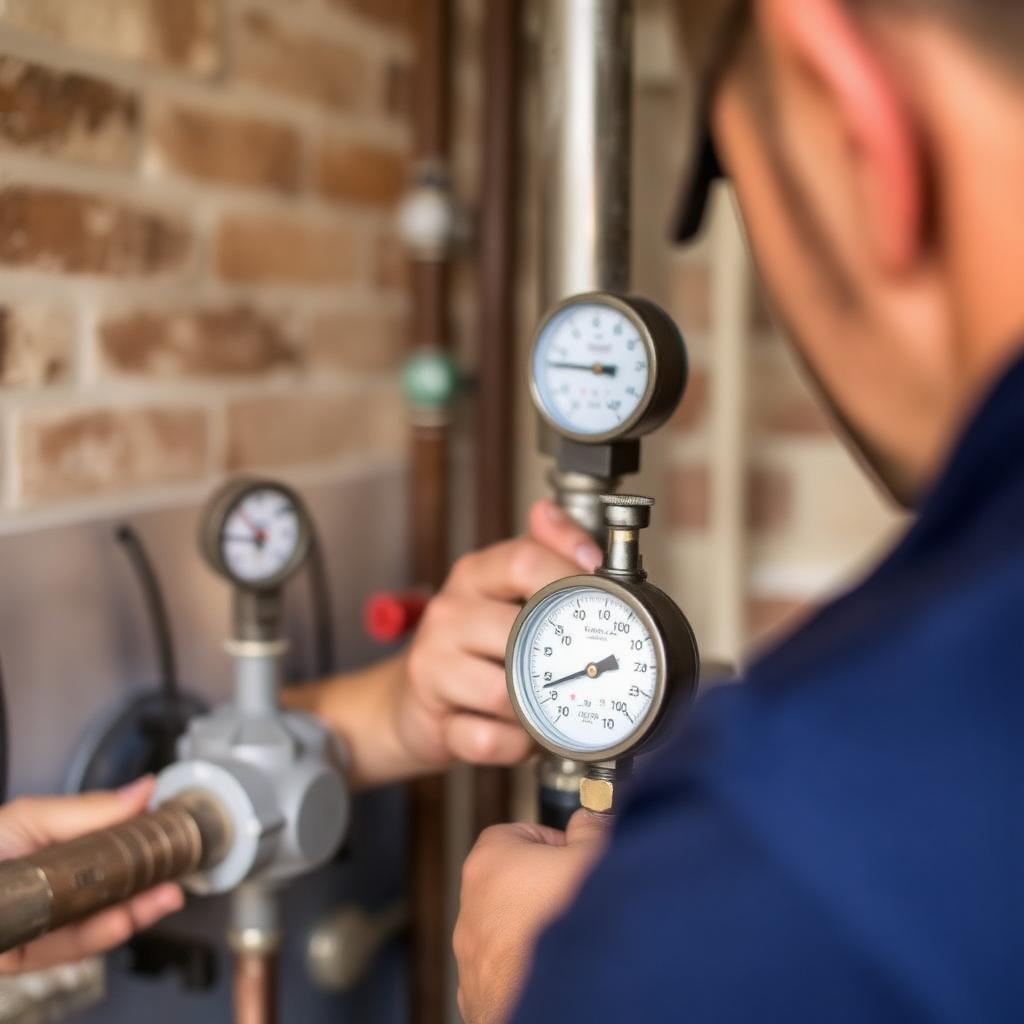
Falling supply pressure from a leak somewhere upstream can starve a pilot light. If it's happening on more than one appliance at the same time, that's the tell.
Leave it exactly where it is. Getting that meter back on legally requires a licensed pressure test and whatever repair the test turns up.
Locate, Repair, Pressurize, Document
Every job ends the same way: tested, permitted, and inspected, whether it's a leak or a brand-new line.
- 1Track down the leak, or map the new run
For a suspected leak, we bring the idle system up to test pressure and walk every joint with a gas detector and bubble solution until we've found all of it, not just the first one. For new work, we route the shortest code-compliant path and size the pipe against the appliance's actual BTU draw.
- 2Get the permit squared away
Coppell folds gas line work into its residential plumbing permit process. We file it, track it, and keep you out of the loop on paperwork entirely.
- 3Build it to hold up to inspection
Interior work goes in as black iron or grounded corrugated tubing, exterior underground runs go in as polyethylene with a proper steel riser, and every appliance drop gets a correctly sized sediment trap and gas-rated sealant.
- 4Prove it holds pressure before anything gets lit
The completed system sits under test pressure for the code-required stretch of time — you're welcome to watch the gauge yourself. Any drop means we chase down the bad fitting before a dollar changes hands.
- 5Close the loop with the city and with Atmos
We book the inspection, walk the inspector through the work in person, and if Atmos had the meter off, we handle getting it relit once everything clears. You keep the inspection card and the test record.
The Build Year Usually Tells the Story
What's actually running through the wall or under the yard tracks closely with when the house went up.
This historic district has been renovated piecemeal for decades, so gas piping here is rarely uniform — some original runs, some newer corrugated tubing added during a remodel, and we test whatever we actually find rather than assume.
These brick homes from around 1979 are old enough that original black-iron piping is common, and a joint loosened by decades of minor settling is the usual find on a leak call.
Built through the 1980s into the early 1990s near Sandy Lake Road, these homes often mix original black iron with newer tubing added later for a range or fireplace — the seam between the two is the first place we check.
The two-story homes off Village Parkway from the early-to-mid 1990s were built later in black iron's run as the standard, and generally hold up well unless an appliance swap since has left a rough connection.
Homes from the 1980s and 1990s near Grapevine Creek sit over the same expansive clay running through the middle of Coppell, and that shifting ground is a realistic reason for a loosened joint on an older black-iron system here.
Tract homes along the Denton Tap Road corridor from that same building wave usually have straightforward original runs, and most of what we do here is a new appliance hookup rather than a leak repair.
What Coppell Homeowners Say
You Walk Away With Proof, Not Just a Working Stove
Every gas job leaves you holding the permit, the pressure-test numbers, and the city's inspection sign-off, and if Atmos had shut the meter down, we make sure it's safely back on before we're gone. That paperwork trail is what a future buyer, an insurance adjuster, or the next plumber will want to see.
We're licensed by the Texas State Board of Plumbing Examiners, insured, and family-owned, running every truck out of our shop in The Colony — about 20 to 25 minutes to most Coppell addresses under normal traffic, with same-day availability for a confirmed active leak.
Straight Answers, No Sales Pitch
Our Other Plumbing Services in Coppell, TX
A gas line visit often pairs naturally with a water heater swap or a tankless conversion — we can take care of both while we're already on site in Coppell.
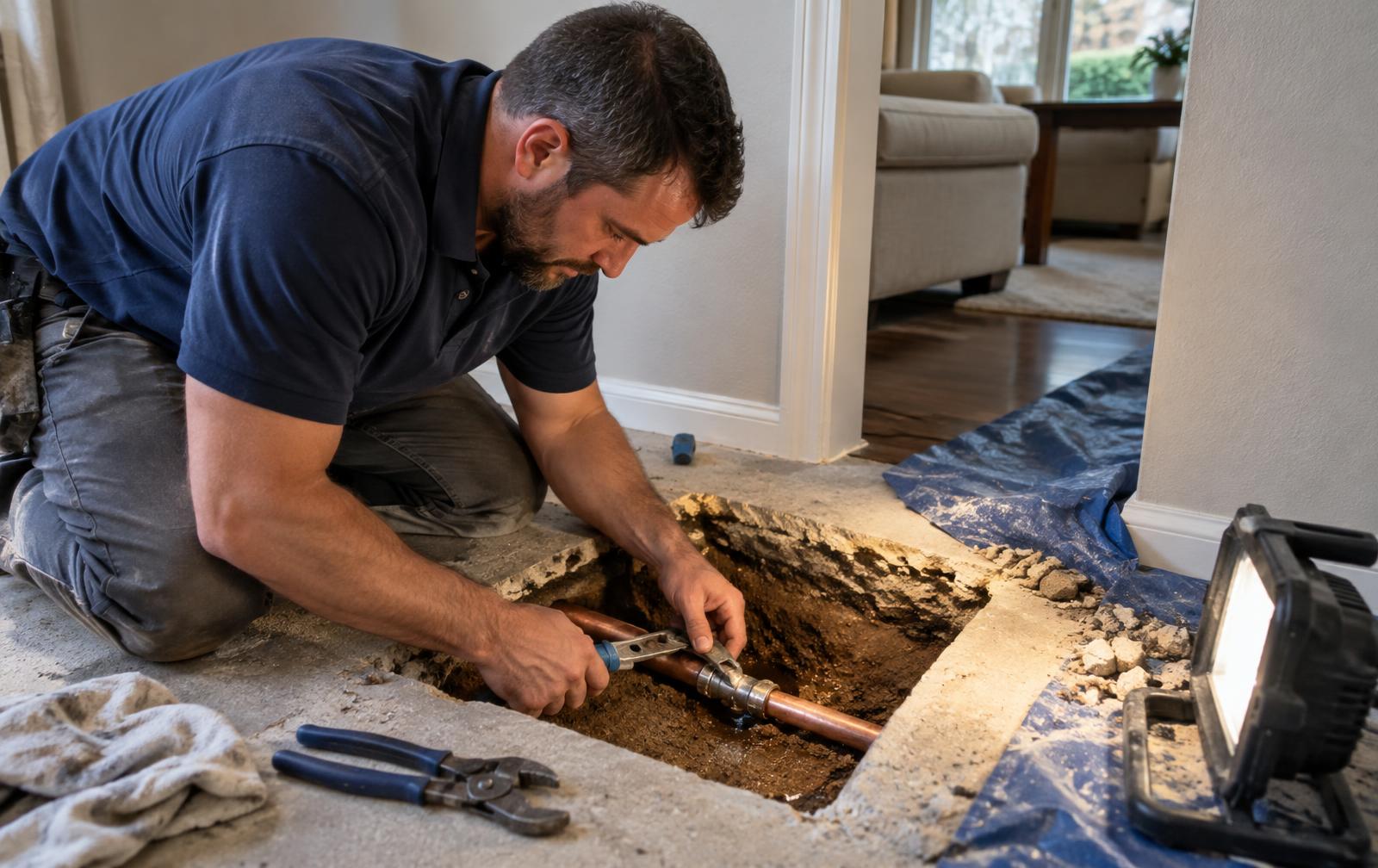
Electronic detection under Coppell slabs — reroute options that save your finished floors when possible.
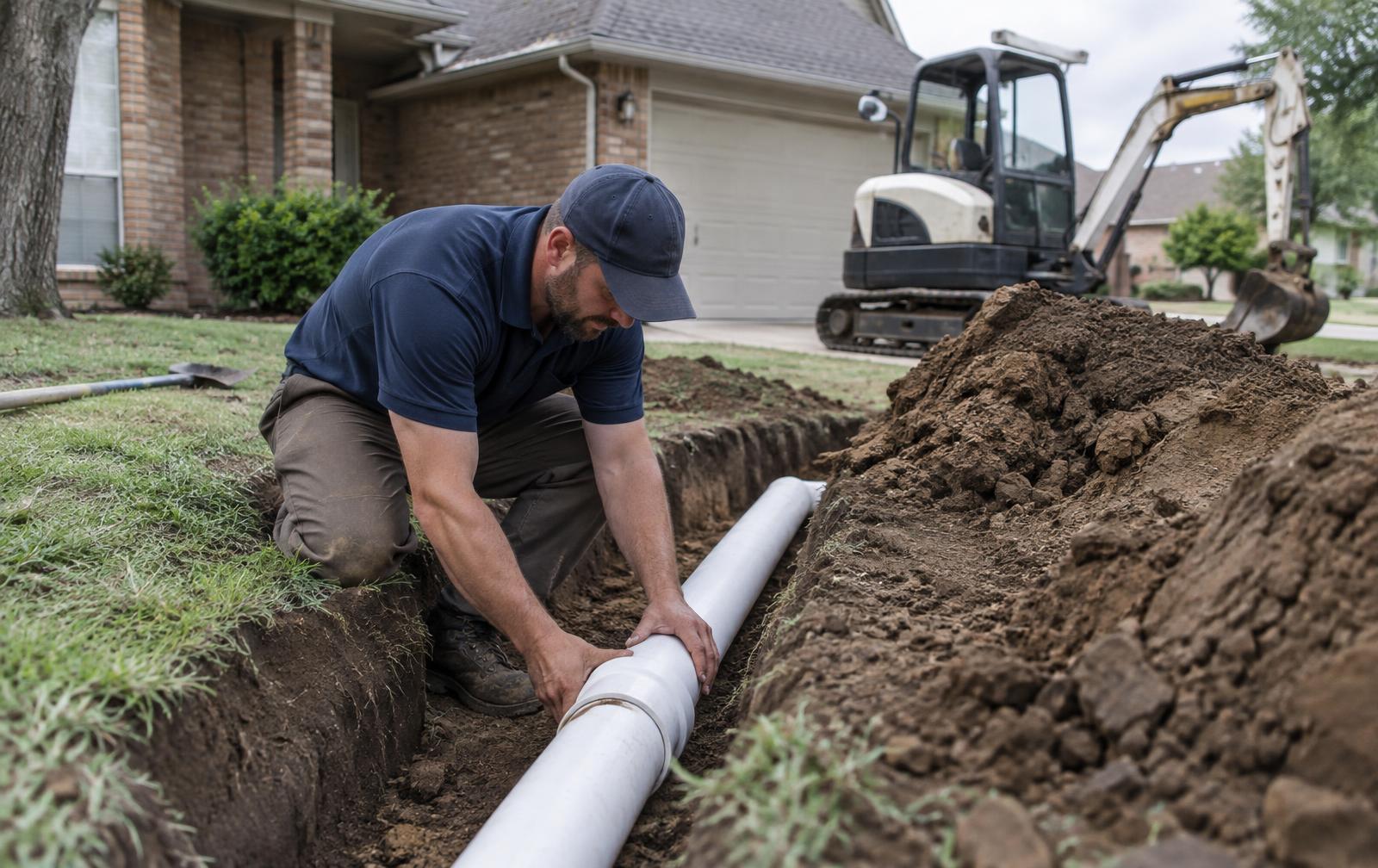
Trenchless replacement for the aging laterals across Coppell's older runs — camera first, quote in writing, minimal yard damage.
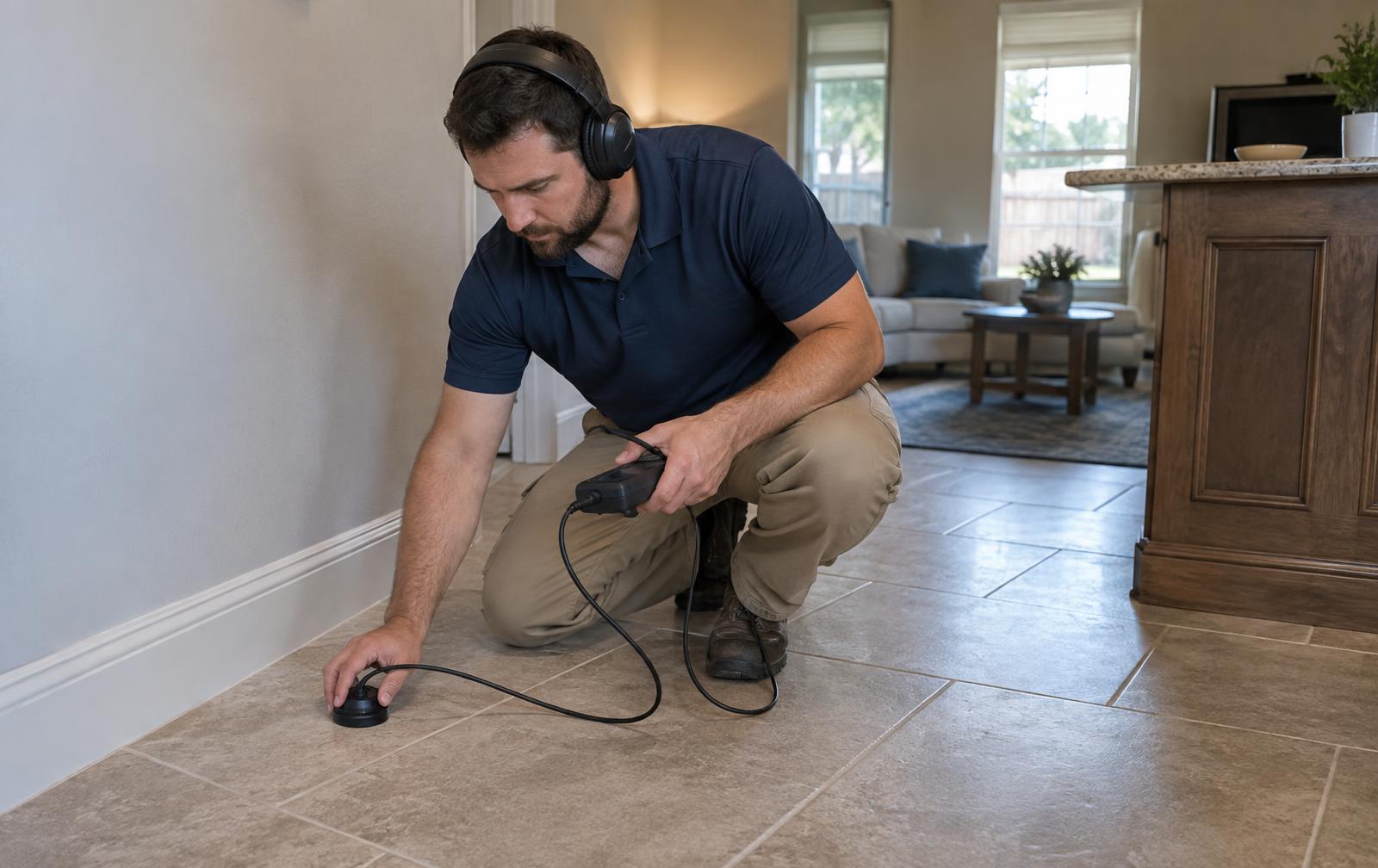
Acoustic, thermal, and pressure testing to pinpoint hidden leaks in Coppell slab and wall lines without tearing into finishes.
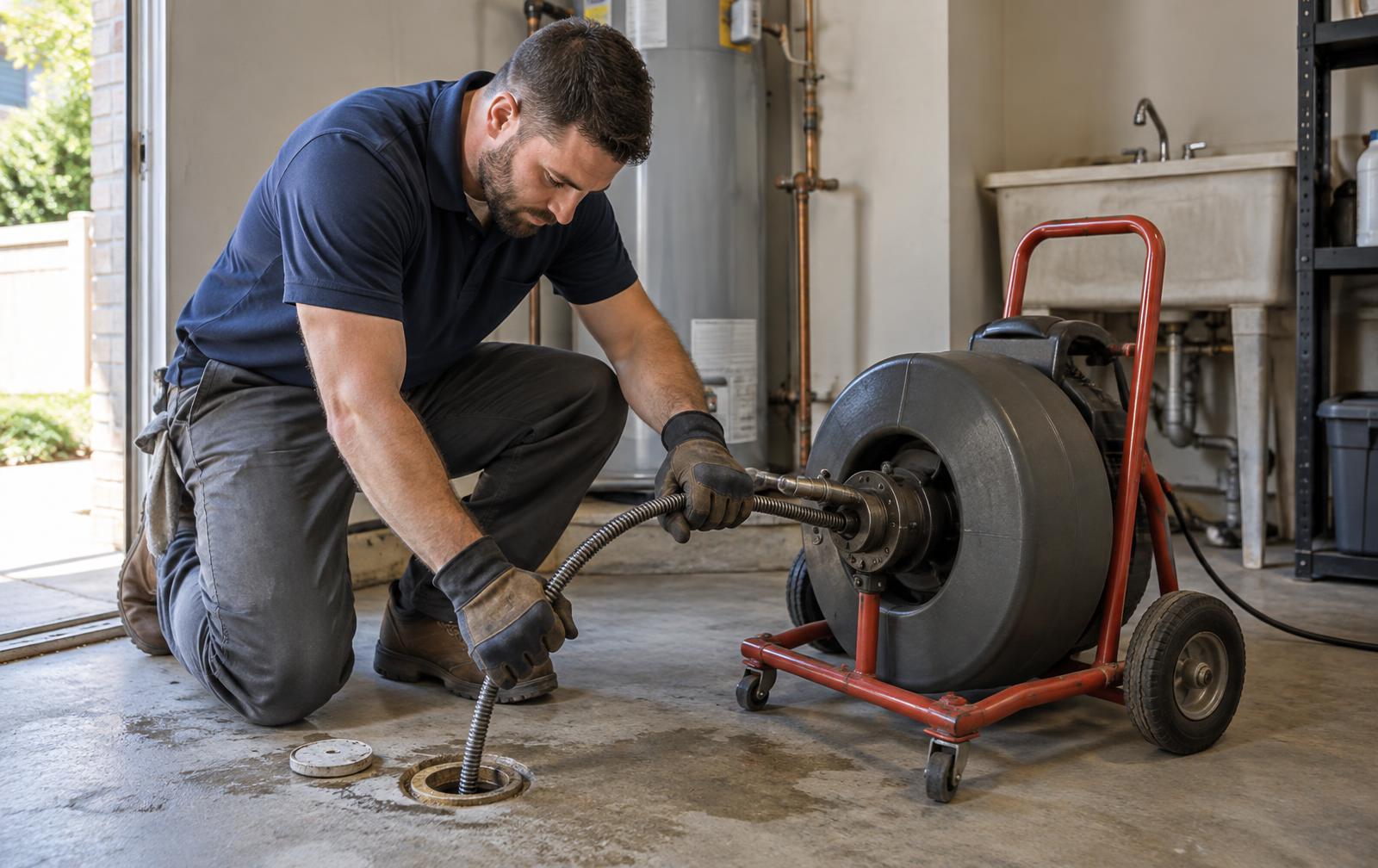
Full-clear service and camera confirmation for the drains under Coppell's neighborhoods.
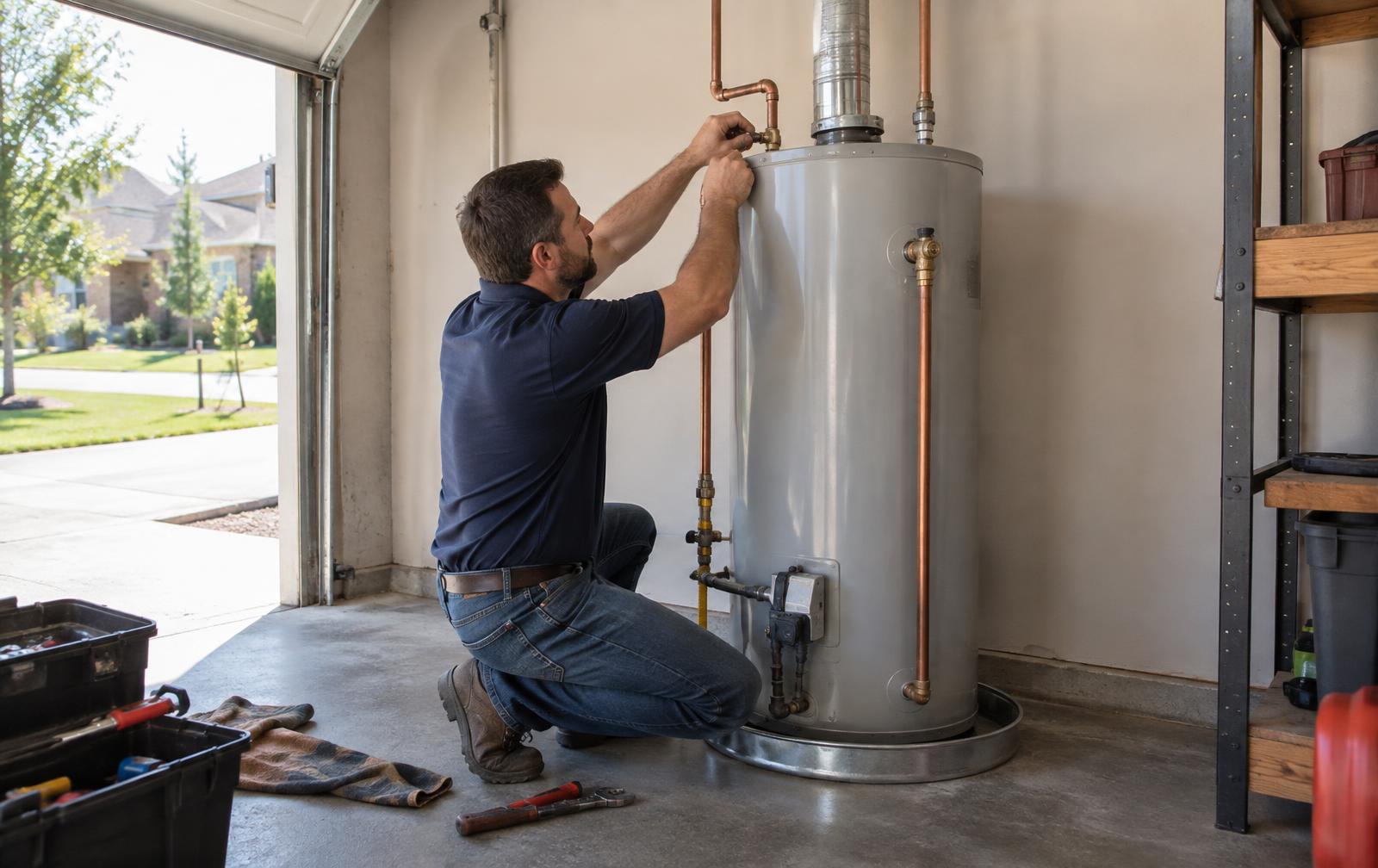
Repair, flush, and replacement of tank units — including attic and garage heaters common to Coppell homes.
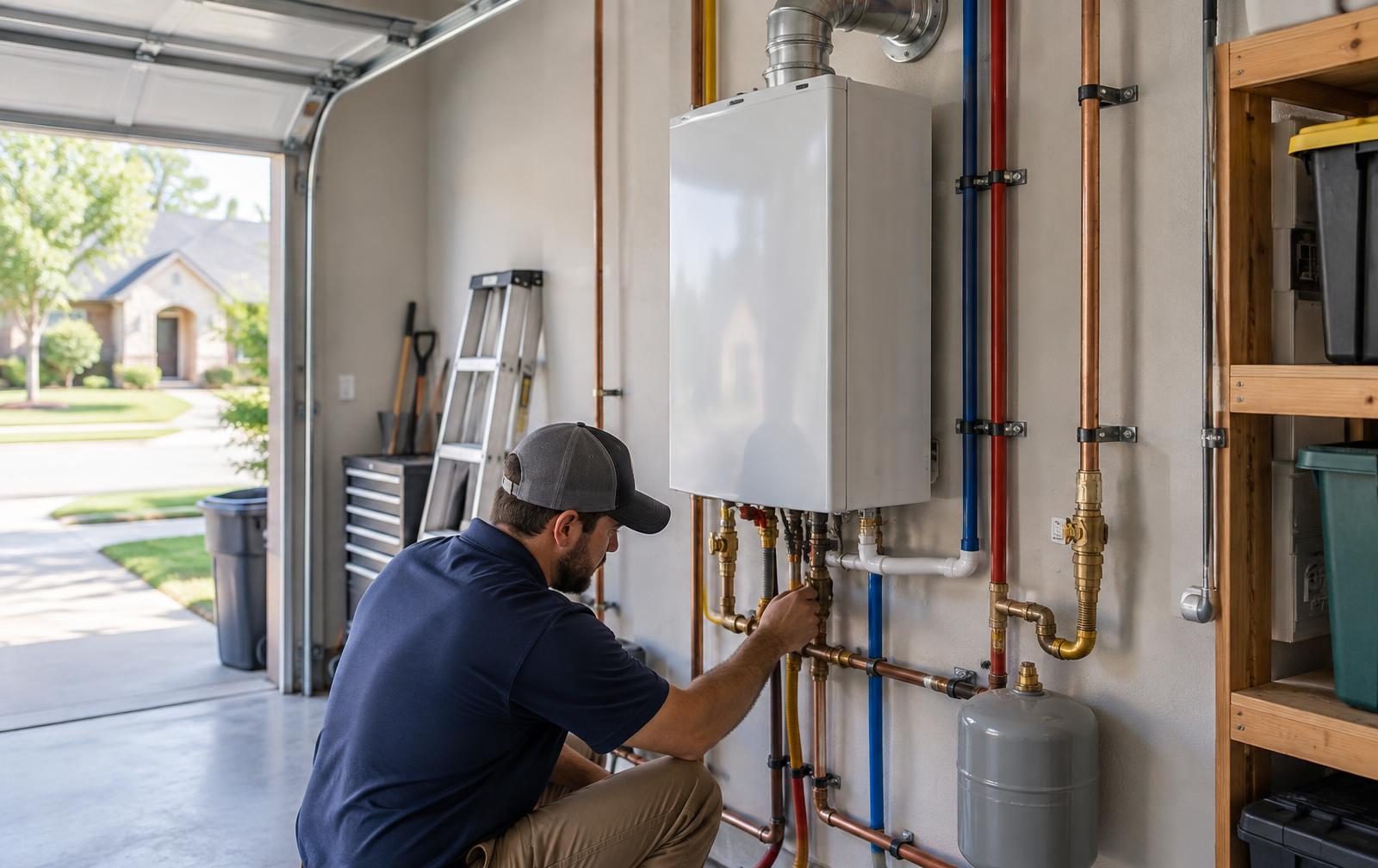
Install, service, and annual descaling — Coppell's hard tap water eats tankless heat exchangers without it.
same-day, 7 days a week response across Coppell for burst pipes, heater failures, and main-line backups.
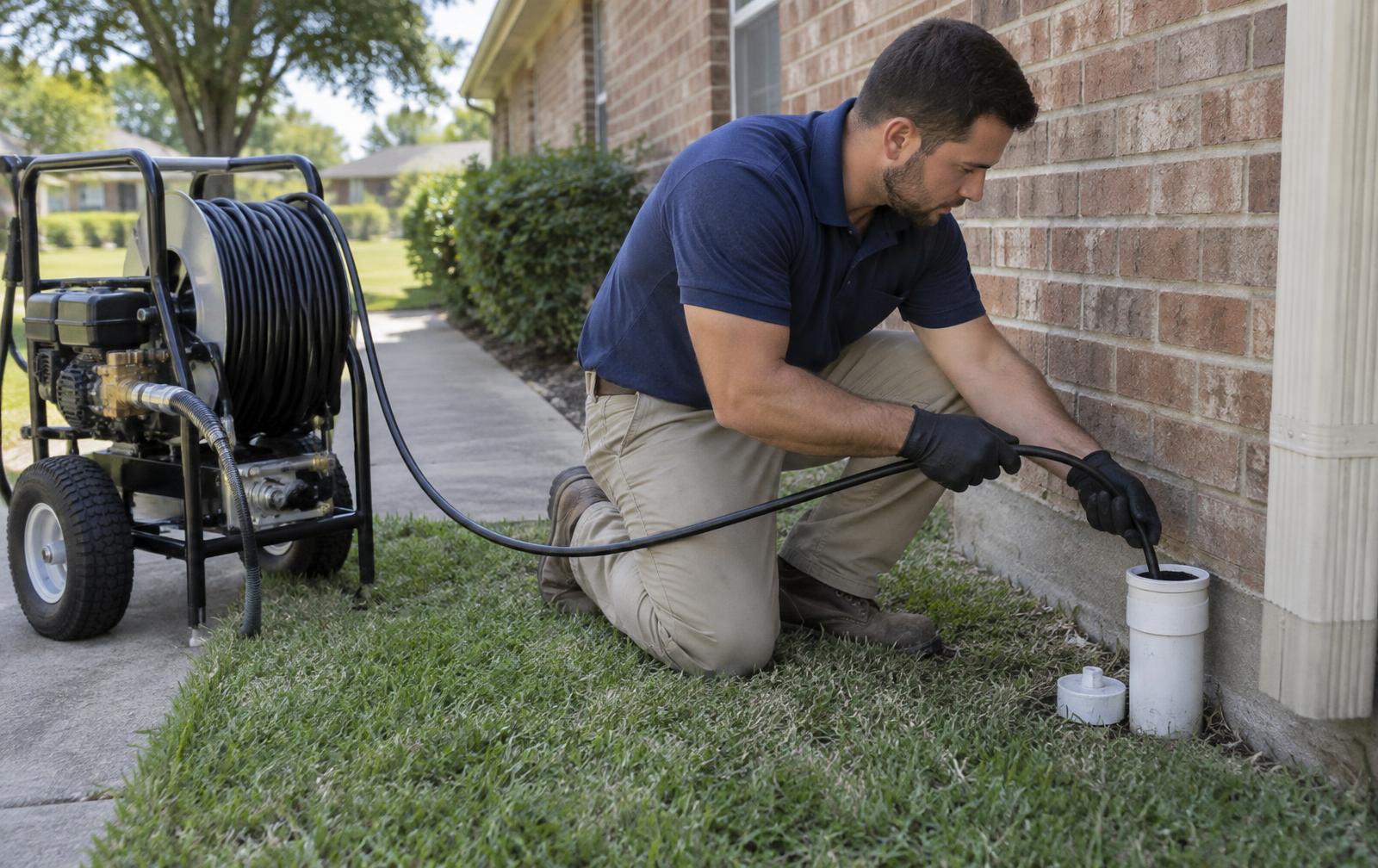
High-pressure cleaning that clears scale, grease, and roots from Coppell's lateral runs — full-diameter, lasting clean.
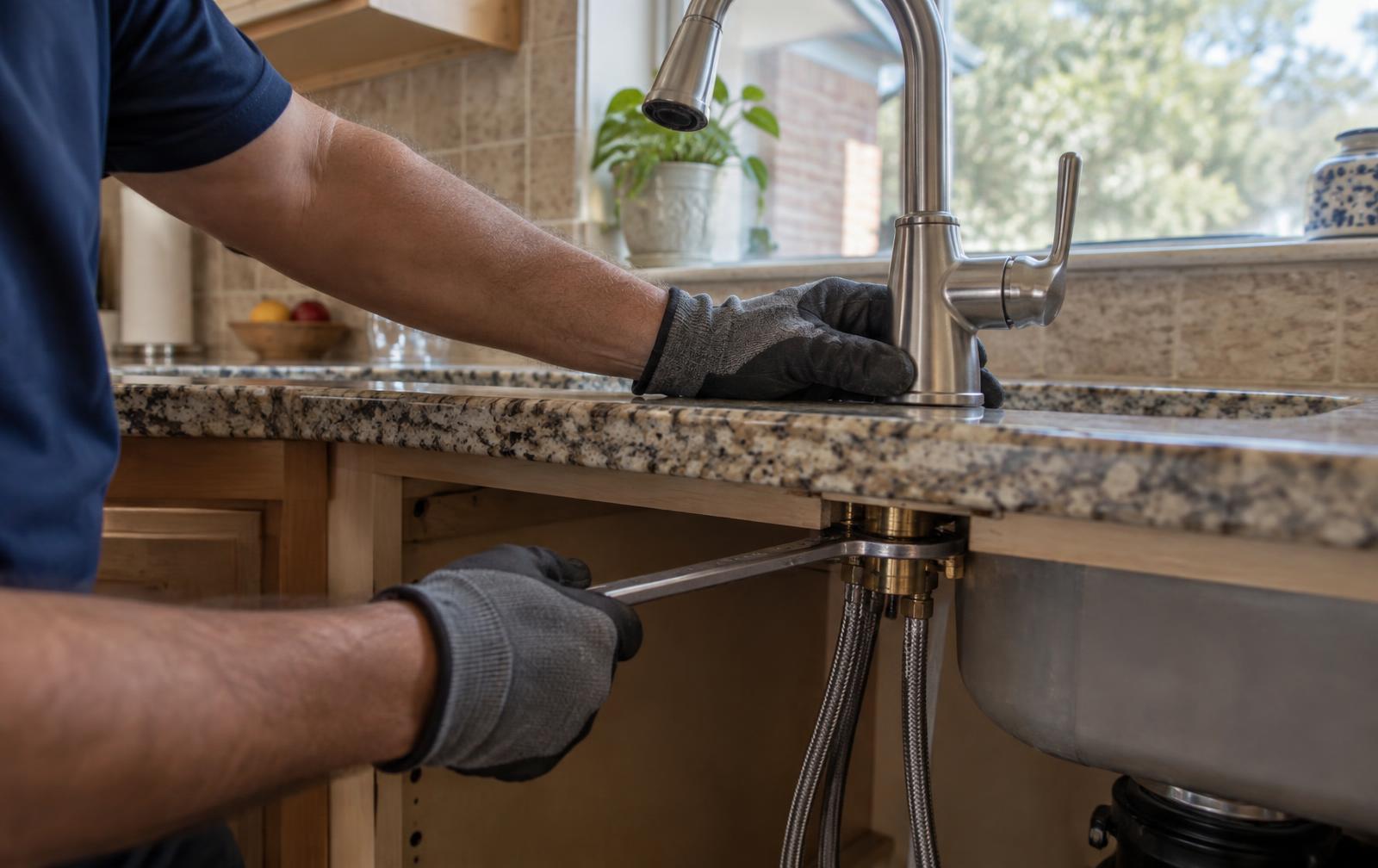
Cartridge, stem, and full-fixture replacement for Coppell kitchens and bathrooms — hard-water-ready parts stocked on the truck.
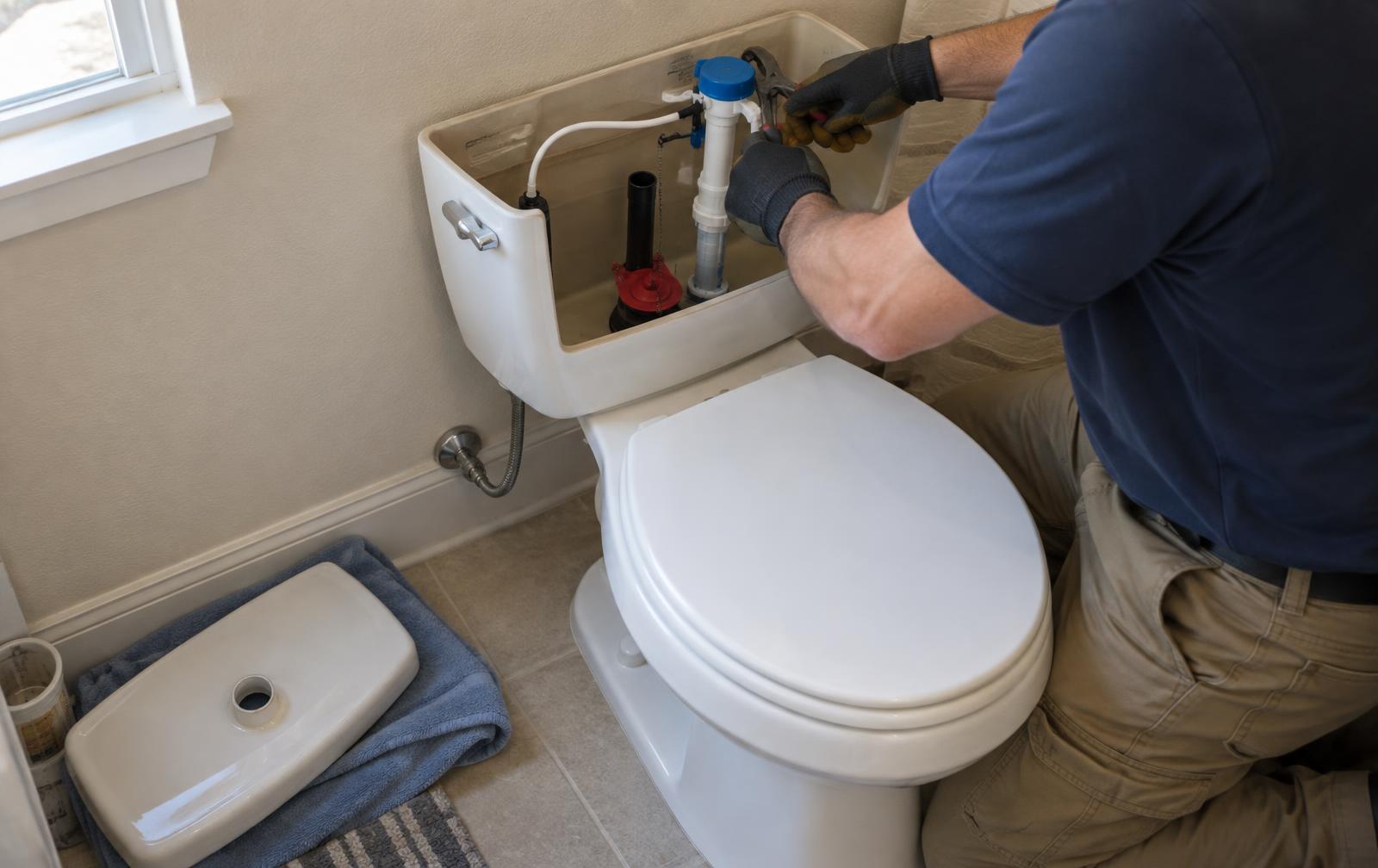
Rebuilds, wax-ring resets, flange repairs, and full replacements — the running toilets and rocking bowls in Coppell homes.
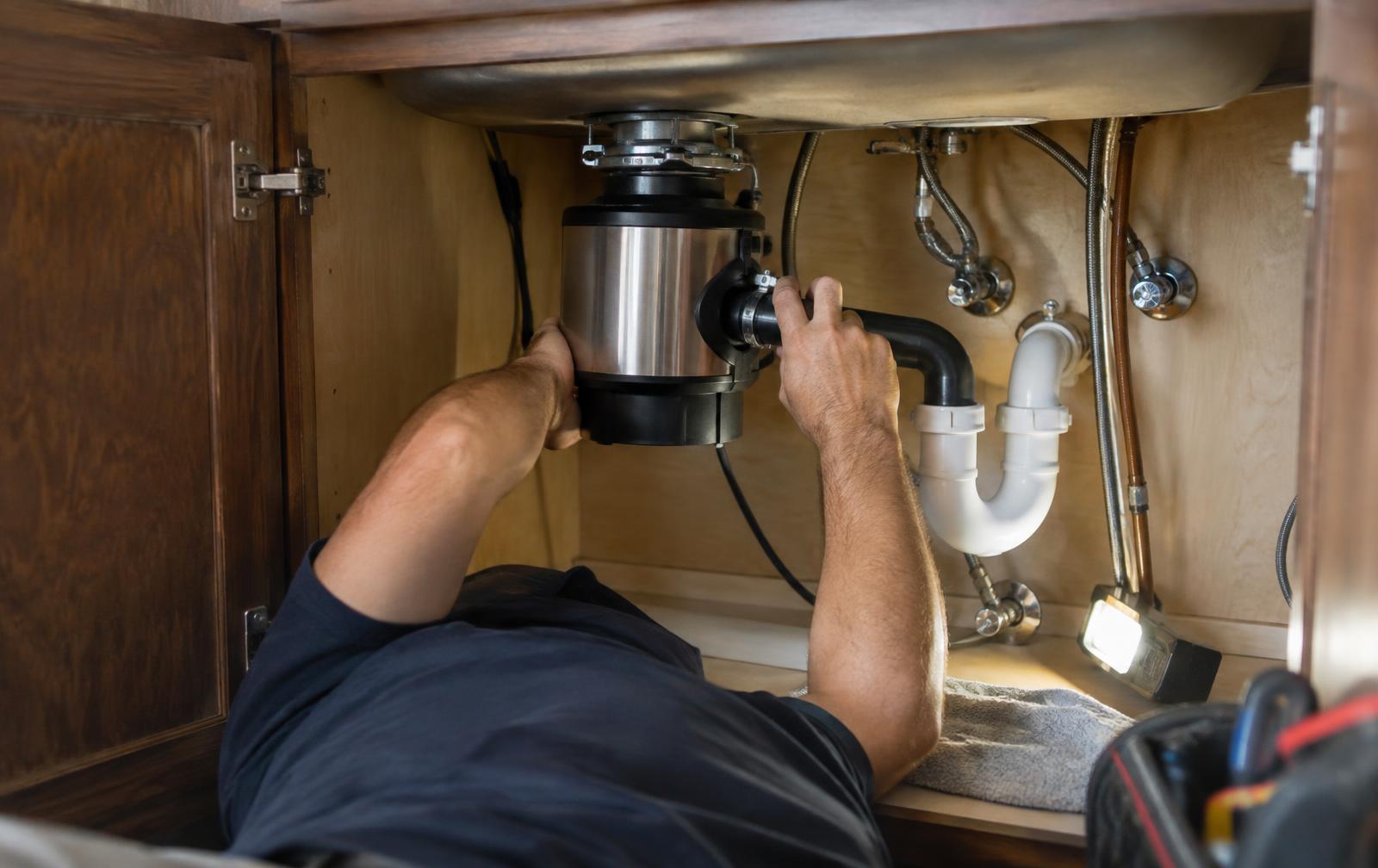
Jam clearing, leaking-unit swaps, and quiet 3/4 HP upgrades for Coppell kitchens — same-visit install.
Need Gas Line Work Done in Coppell?
Licensed, permitted, pressure-tested, signed off. Call to schedule a leak locate or a new-install quote.