
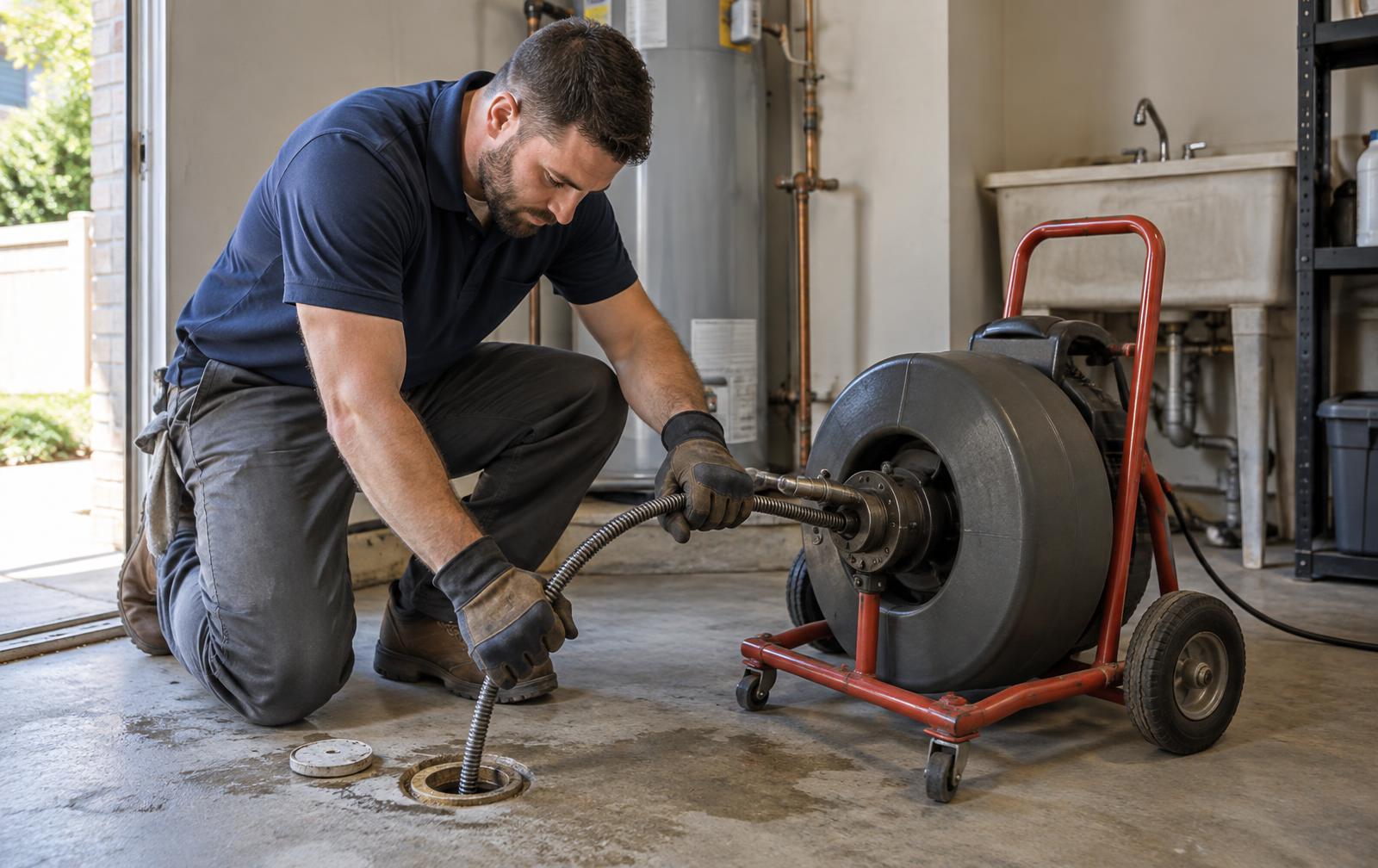
Drain Cleaning in Coppell, TX
A toilet that gurgles when the washer drains. A kitchen sink that backs up into the dishwasher. A yard cleanout that never gets touched until it has to. We open the line fully and confirm it on camera, rather than stopping the second water starts moving again.
In Coppell, the Lateral Is Your Line to Maintain
The City of Coppell keeps the main sewer in the street clear, but the lateral running from your house to that main — including the cleanout — is the homeowner's responsibility. If the blockage sits on your side of the tap, a cable job that only pushes water through the softest debris does not solve it; it just buys a few weeks before the same spot backs up again.
We size the cutter to what is actually in the pipe, run it the full width of the line, and follow with a camera pass from the cleanout to the city tap. If the footage shows a cracked joint or a bellied section instead of a simple clog, we say so on the spot rather than re-cabling a pipe that needs a repair.
That matters more in a city where housing spans a wide range of pipe materials. Old Town Coppell's earliest homes were built with galvanized or early copper supply and cast-iron or clay drain lines; most of the tract-home wave that followed DFW Airport's 1974 opening went in on ABS or PVC. Knowing which one is under your slab changes how we clean it.

What a Coppell Drain Tells You Before It Fails
A backed-up drain rarely happens without warning. These are the signals worth acting on early.
A single slow sink points to a branch clog near that fixture. Two or more slow drains at once usually means the blockage sits further downstream, in the shared line.
Run the washer and the tub bubbles, or flush the toilet and the shower gurgles. Air is finding a shortcut through the vent because the main run is partially blocked.
A rotten-egg odor near a bathroom usually means a trap has been siphoned dry — often because a partial blockage downstream is pulling air through it.
The tub fills when the toilet flushes, or the kitchen sink pushes water up through the dishwasher. That is a main-line blockage surfacing at the lowest point in the system.
A gradual, house-wide slowdown is typically scale or buildup coating the inside of the pipe wall. A cable can restore some flow; jetting restores the actual diameter.
A recurring wet or extra-lush spot along the lateral run is worth flagging — cleaning the line will not fix a leaking pipe underneath it.
Diagnose, Access, Cut, Run Full Bore, Confirm
A cleared drain is one we have actually seen clear, not one we assume is clear because water is moving again.
- 1Work out which line is affected
One slow fixture, several slow fixtures, and a full backup point to different sections of the system. A short walk-through of which drains are affected tells us where to start before any equipment comes off the truck.
- 2Open the right cleanout
We access through a proper cleanout, never a toilet flange or a shower drain, so nothing gets tracked back into the house. Most Coppell homes built from the late 1970s on have a ground-level cleanout out front or along the side yard; older Old Town lots sometimes route through an interior access point instead.
- 3Match the cutter to the blockage
Grease calls for a blade, roots call for a chain flail, and scale calls for a brush head or a jetter. Using the wrong one on a cast-iron line under an older home risks scoring the pipe wall or missing the real problem.
- 4Run the full diameter, not just a channel
We work the cutter across the entire width of the pipe from the cleanout to the tap, then draw back slowly so nothing is left snagged on the wall waiting to catch the next thing flushed.
- 5Confirm the result on camera
Every line gets a camera pass at the end so you see it clear, not just moving. If the footage shows an offset joint, a belly, or scale we could not fully remove, we explain it and quote the fix honestly — recabling it again in a few weeks would not help you.
What We Look For, Area by Area
Coppell's pipe materials track its building booms. Here is how that plays out on a drain call.
The 1920s-era cottages here are the true legacy stock in the city, and homes from that period commonly carry cast-iron or clay drain lines that have had a century to scale up or shift at the joints. A camera pass tells us quickly whether a clog is debris or a structural issue.
Brick tract homes built around 1979 off Denton Tap Road typically run cast iron transitioning to early PVC branches. Grease buildup at the kitchen tie-in is the usual culprit, and a chain-flail pass plus a camera check is the standard approach here.
These 1980s-to-early-1990s brick homes near Sandy Lake Road were built with ABS or PVC drains that are now 30-plus years old. Root intrusion at pipe joints is more common here than scale, since the material itself resists mineral buildup better than cast iron.
Two-story tract homes from the early-to-mid 1990s off Village Parkway tend to have longer branch runs feeding a single main stack, so a clog in one upstairs bathroom can look like it belongs to a different fixture entirely until we trace it.
Homes built through the 1980s and 1990s near Grapevine Creek sit closer to the expansive clay that runs through the center of Coppell, and ground movement here shows up as offset joints on camera more often than in areas set back from the creek.
The suburban tract homes along the Denton Tap Road corridor from this same 1980s-1990s build-out generally have straightforward PVC branch drains, and most slow-drain calls here trace back to ordinary grease or paper buildup rather than pipe failure.
What Coppell Homeowners Say

A Line We Have Actually Watched Clear
We stand behind the clearing we do — if the same spot backs up again shortly after, call us and we will come back and take another look at no charge for the return trip. If the camera showed a compromised pipe at the first visit, we already told you and quoted the repair honestly, because clearing a cracked line again does not solve anything.
We are licensed by the Texas State Board of Plumbing Examiners, insured, and family-owned, dispatching every truck from our shop in The Colony — about 20 to 25 minutes from most Coppell addresses under normal traffic, with same-day service available seven days a week.
Straight Answers, No Sales Pitch
Our Other Plumbing Services in Coppell, TX
A slow drain is often the first sign of something bigger under the slab or in the yard. We handle the rest of it too, from one local call in Coppell.
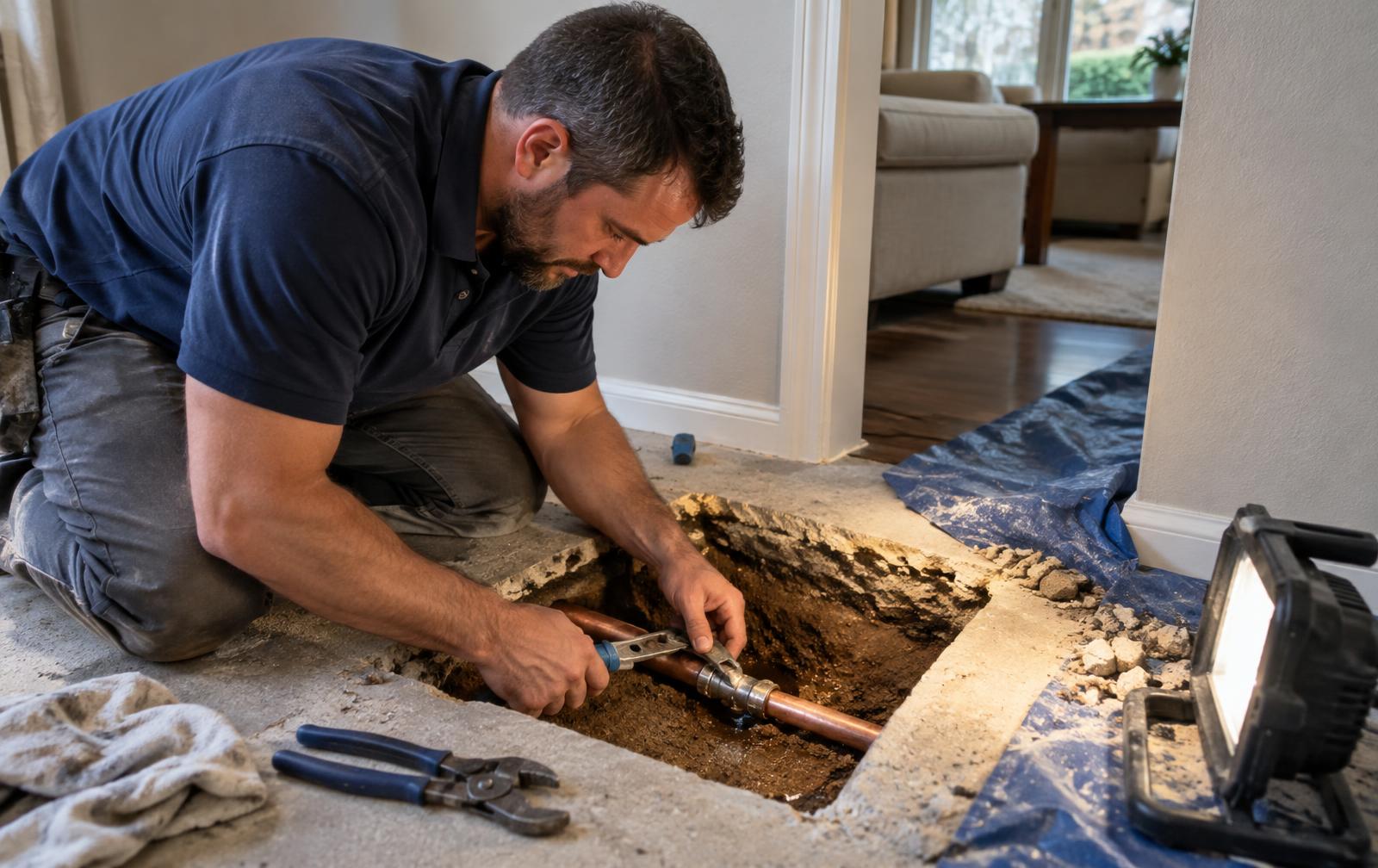
Electronic detection under Coppell slabs — reroute options that save your finished floors when possible.
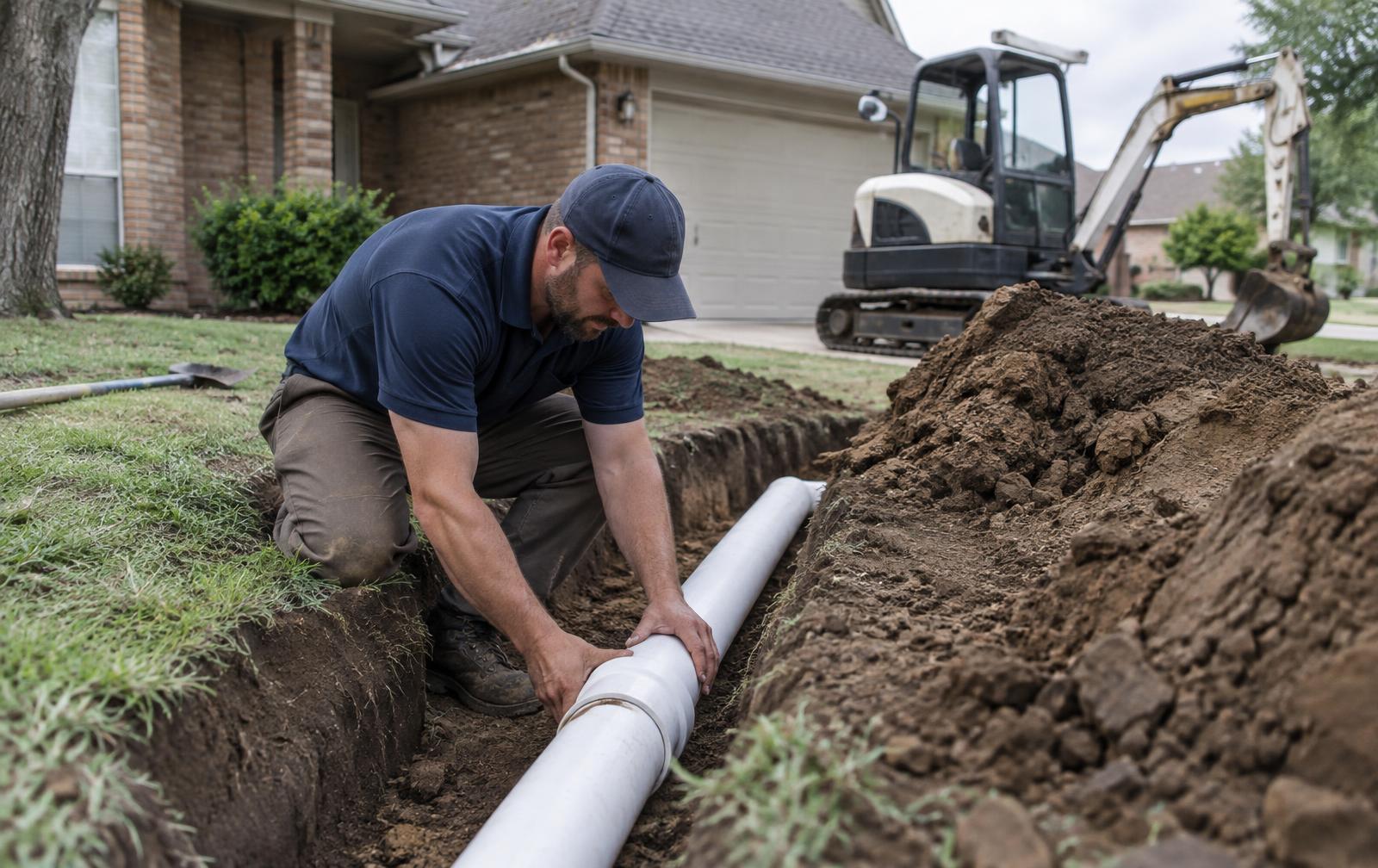
Trenchless replacement for the aging laterals across Coppell's older runs — camera first, quote in writing, minimal yard damage.
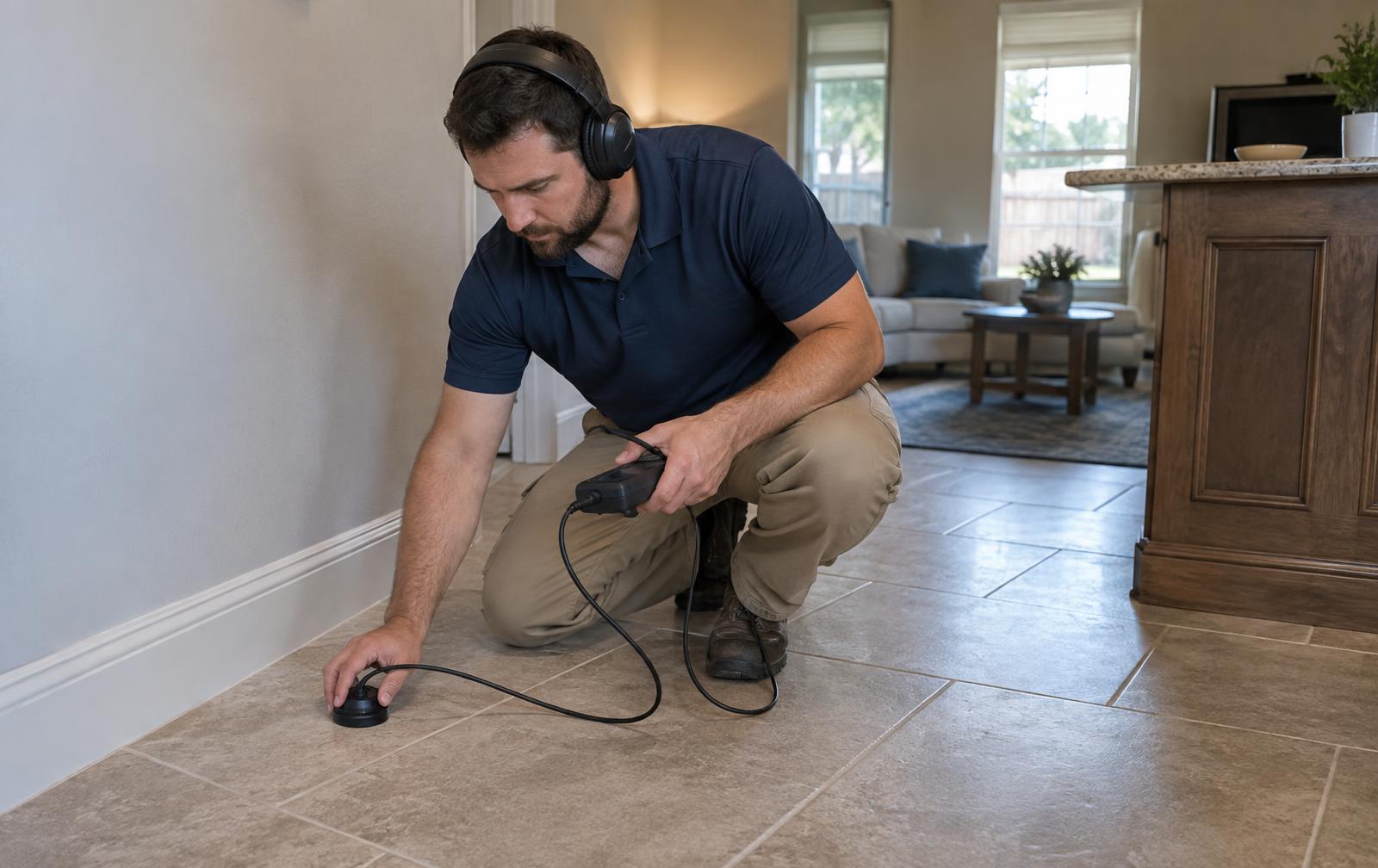
Acoustic, thermal, and pressure testing to pinpoint hidden leaks in Coppell slab and wall lines without tearing into finishes.
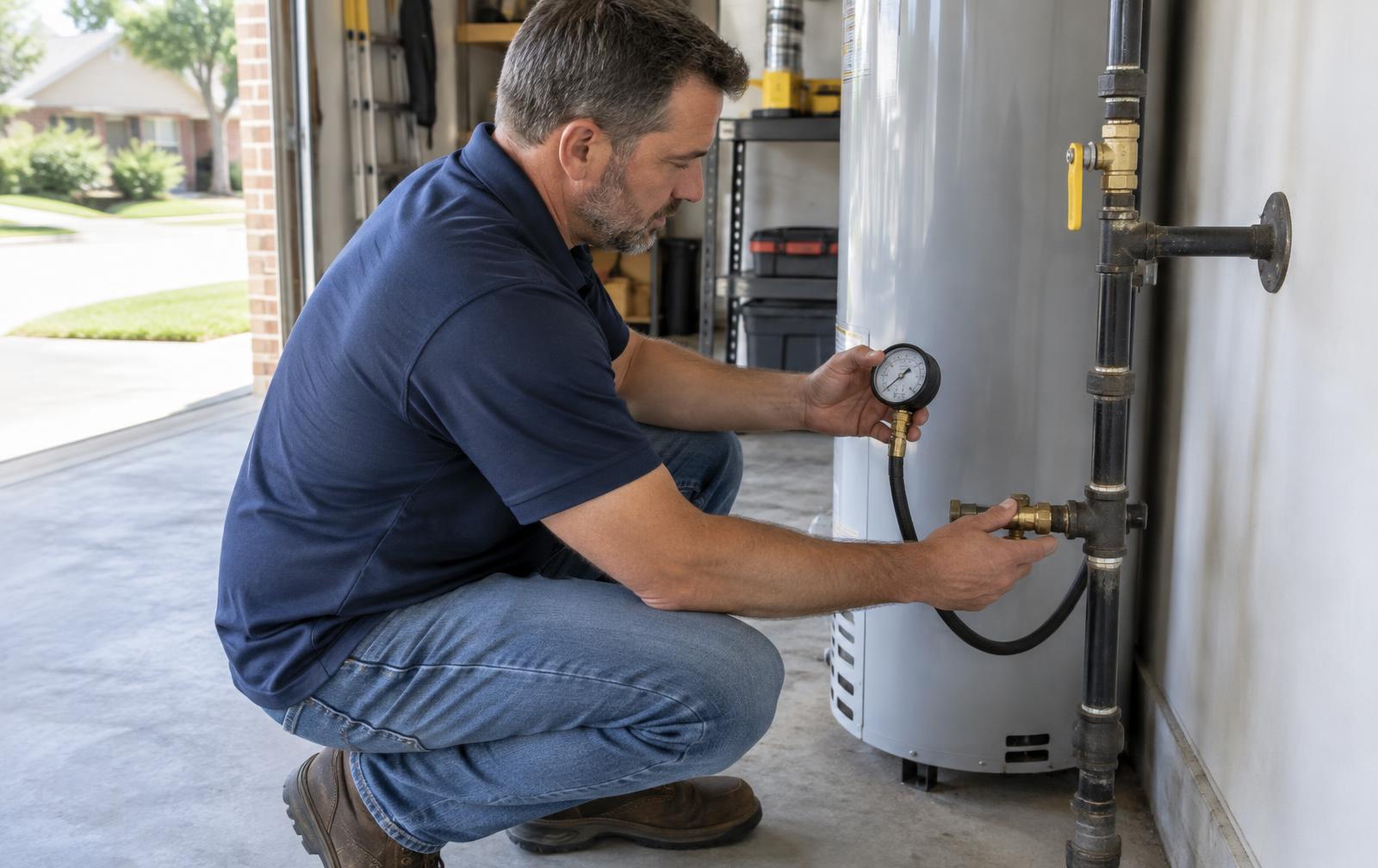
Licensed install, repair, and pressure-testing for Coppell homes — every line signed off to Texas code and Atmos requirements.
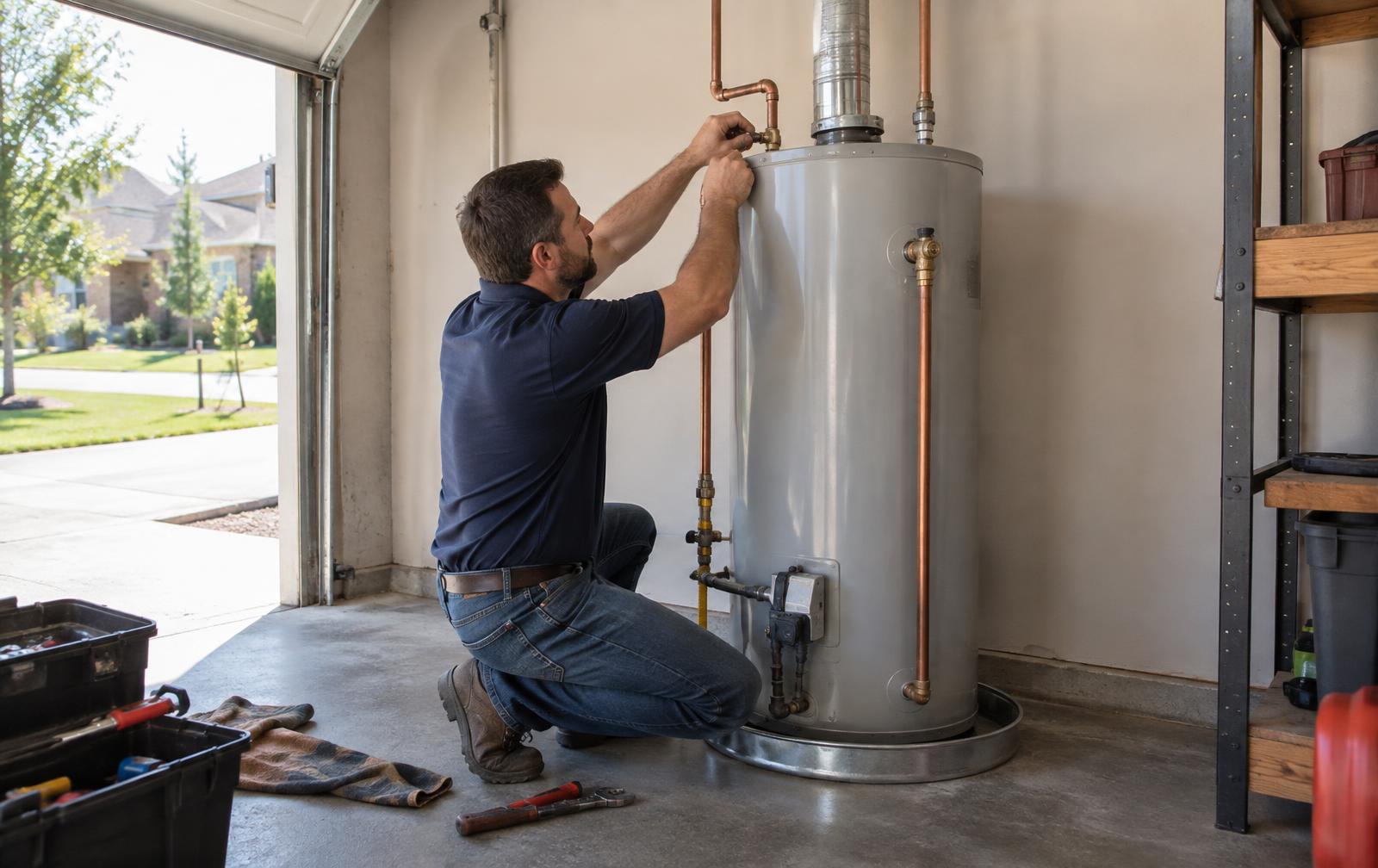
Repair, flush, and replacement of tank units — including attic and garage heaters common to Coppell homes.
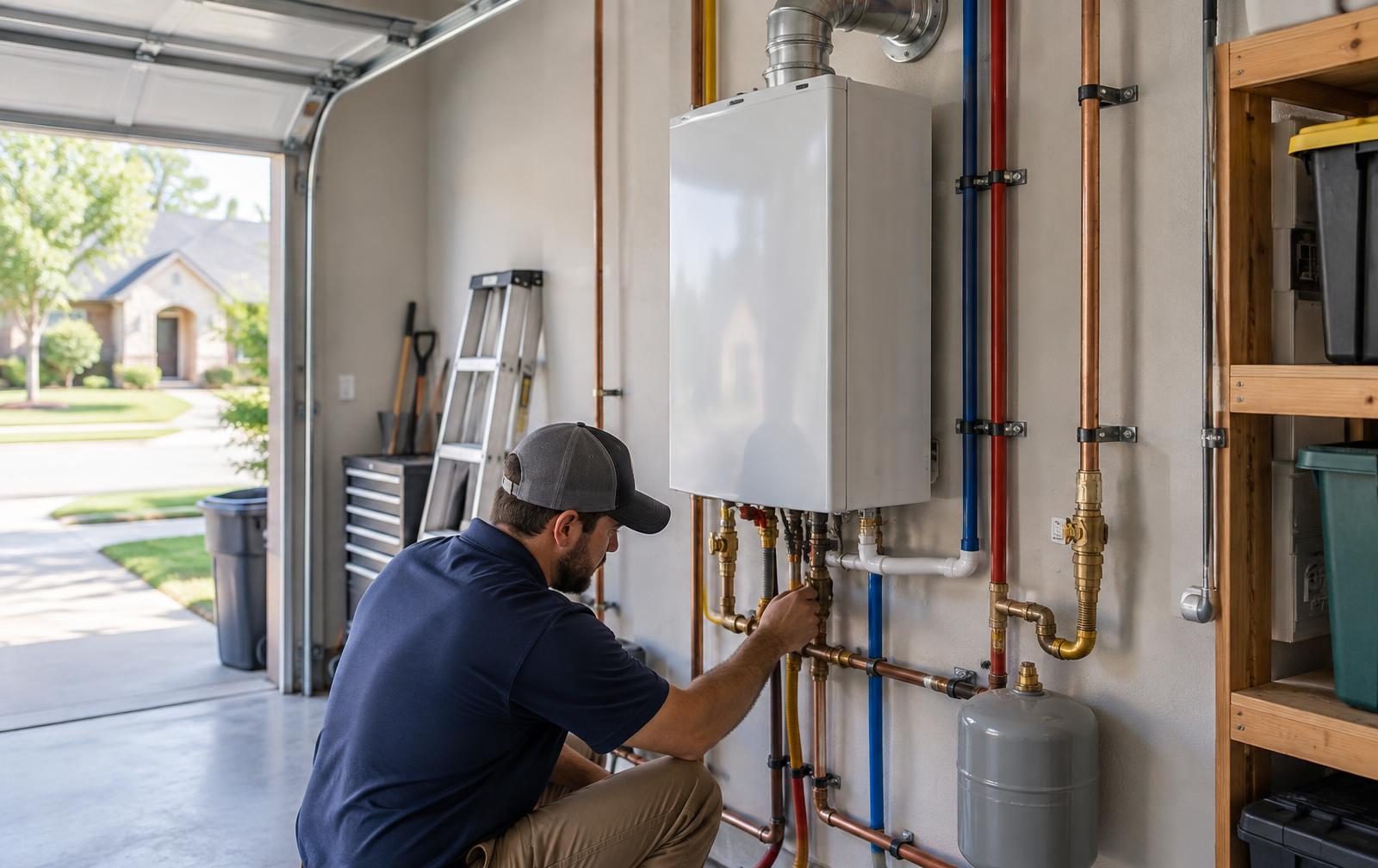
Install, service, and annual descaling — Coppell's hard tap water eats tankless heat exchangers without it.
same-day, 7 days a week response across Coppell for burst pipes, heater failures, and main-line backups.
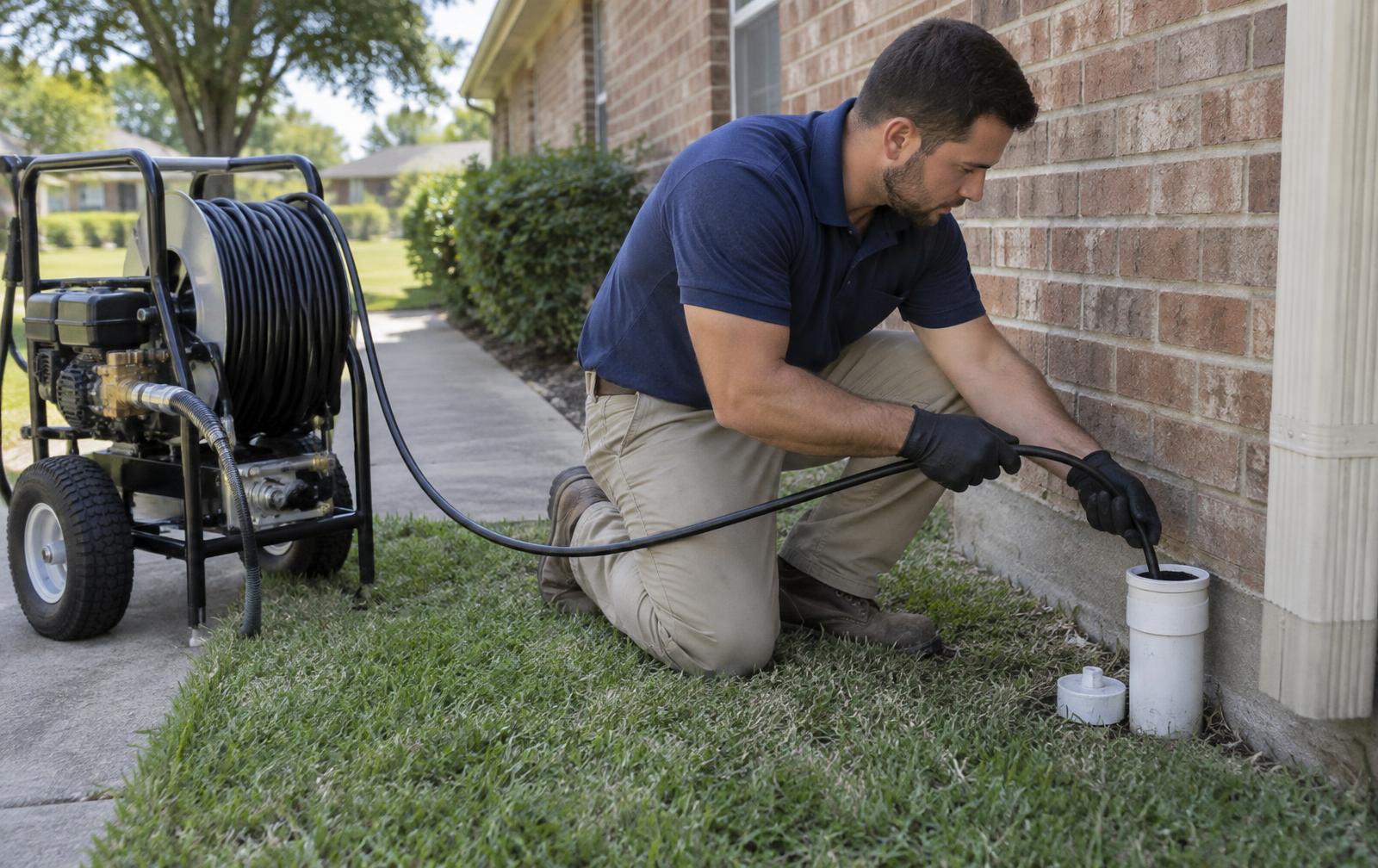
High-pressure cleaning that clears scale, grease, and roots from Coppell's lateral runs — full-diameter, lasting clean.
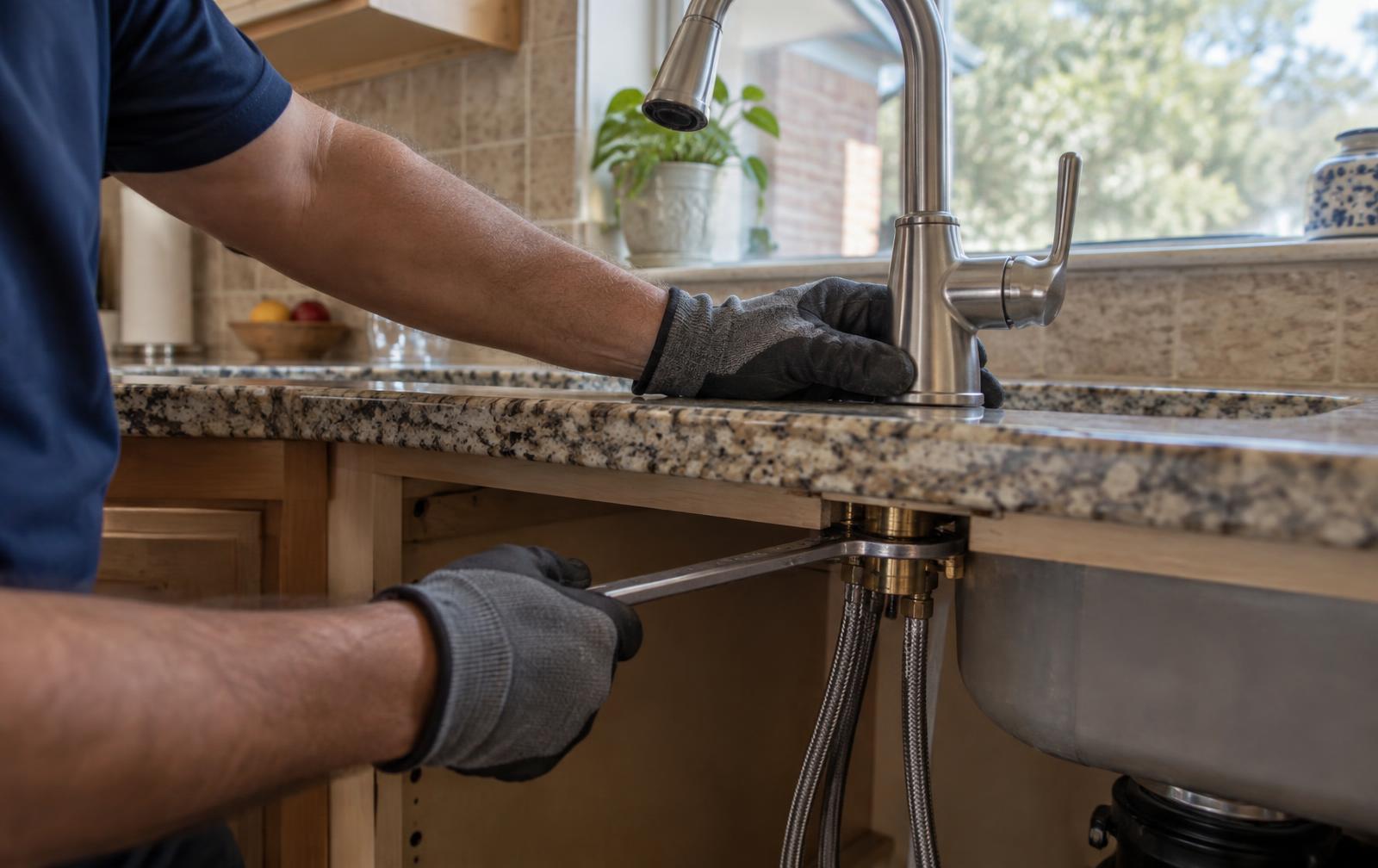
Cartridge, stem, and full-fixture replacement for Coppell kitchens and bathrooms — hard-water-ready parts stocked on the truck.
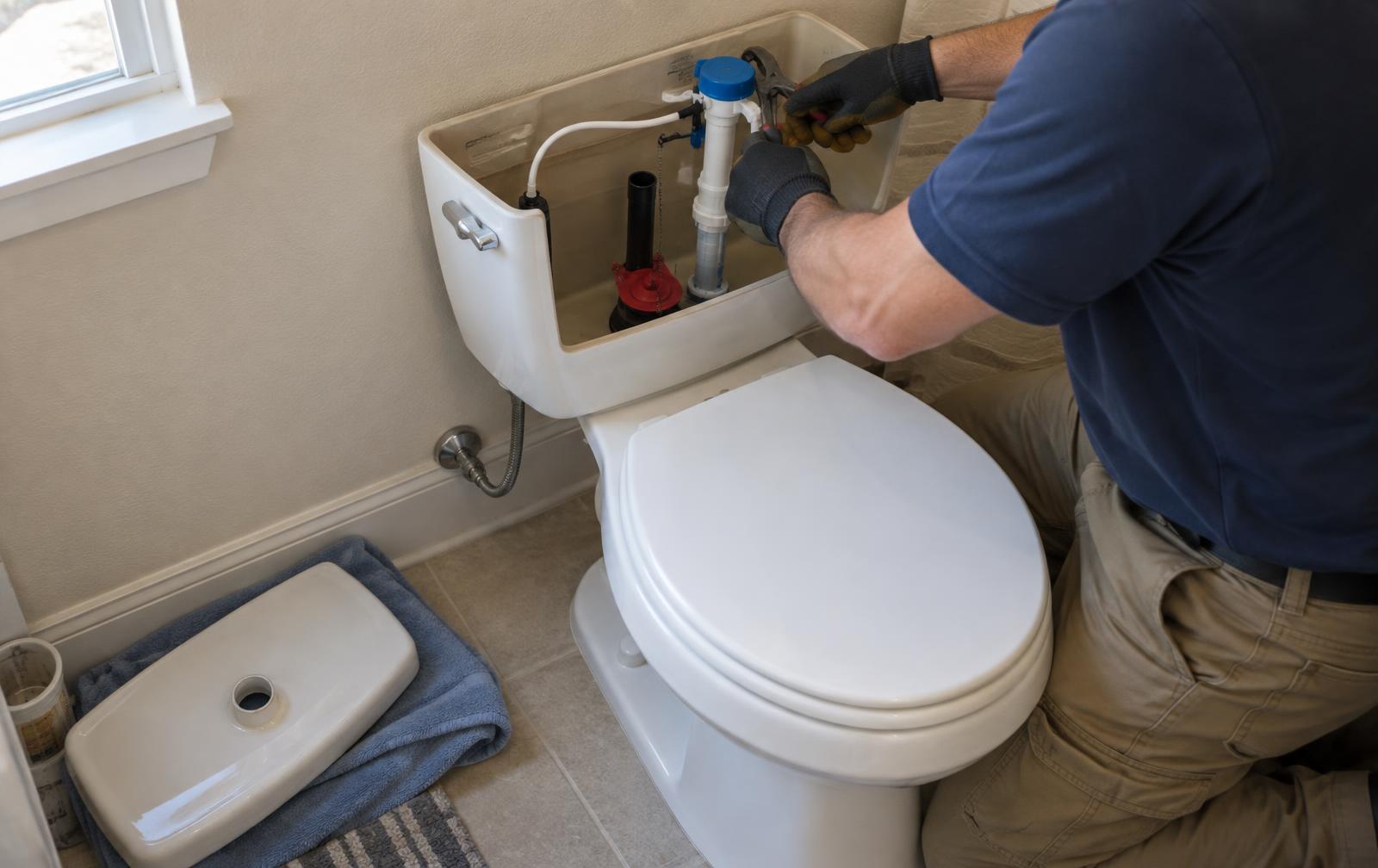
Rebuilds, wax-ring resets, flange repairs, and full replacements — the running toilets and rocking bowls in Coppell homes.
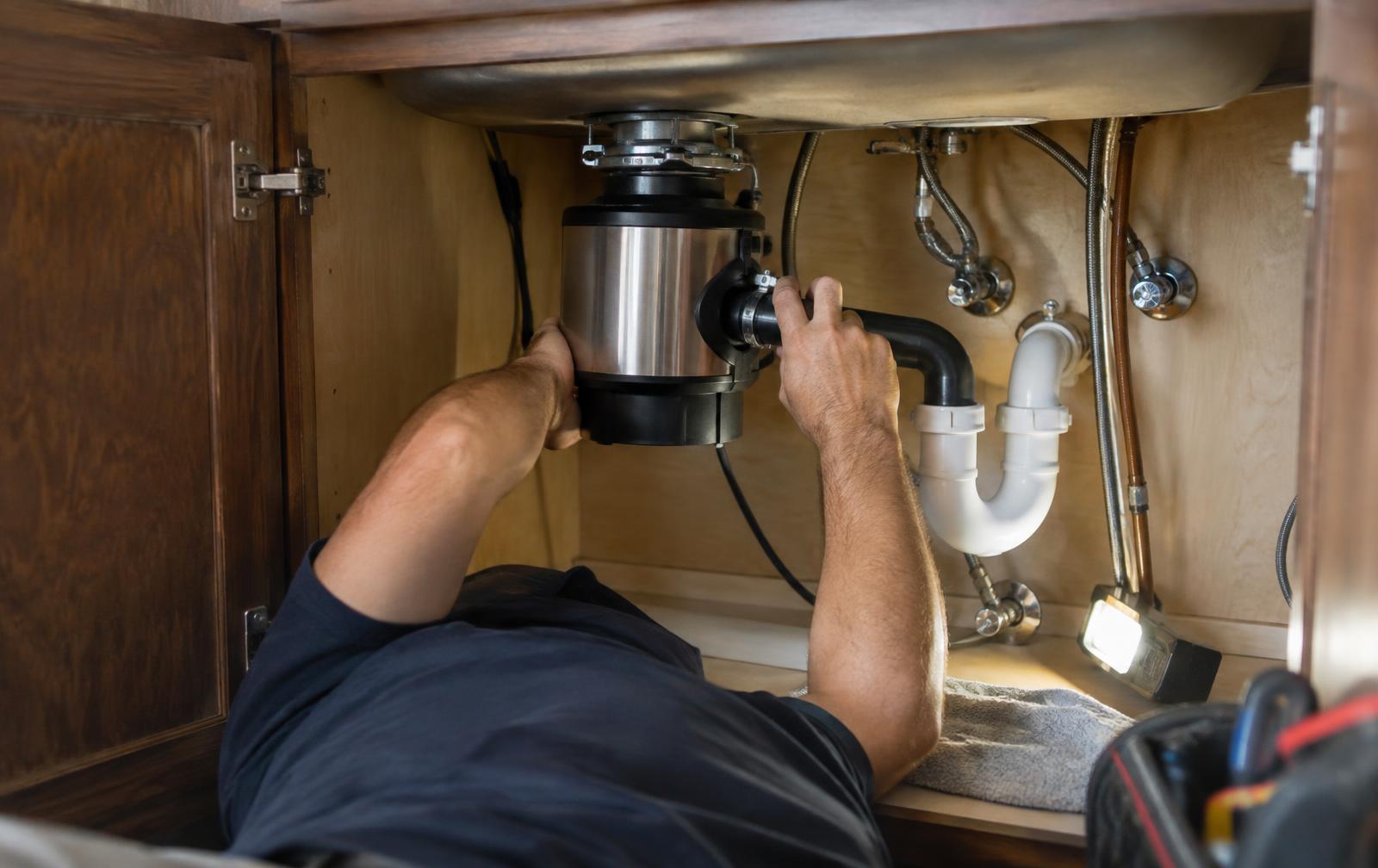
Jam clearing, leaking-unit swaps, and quiet 3/4 HP upgrades for Coppell kitchens — same-visit install.
Dealing With a Slow or Backed-Up Drain in Coppell?
Same-day service, a camera pass to confirm the line is clear, and a written price before we start. Call to get on the schedule.