
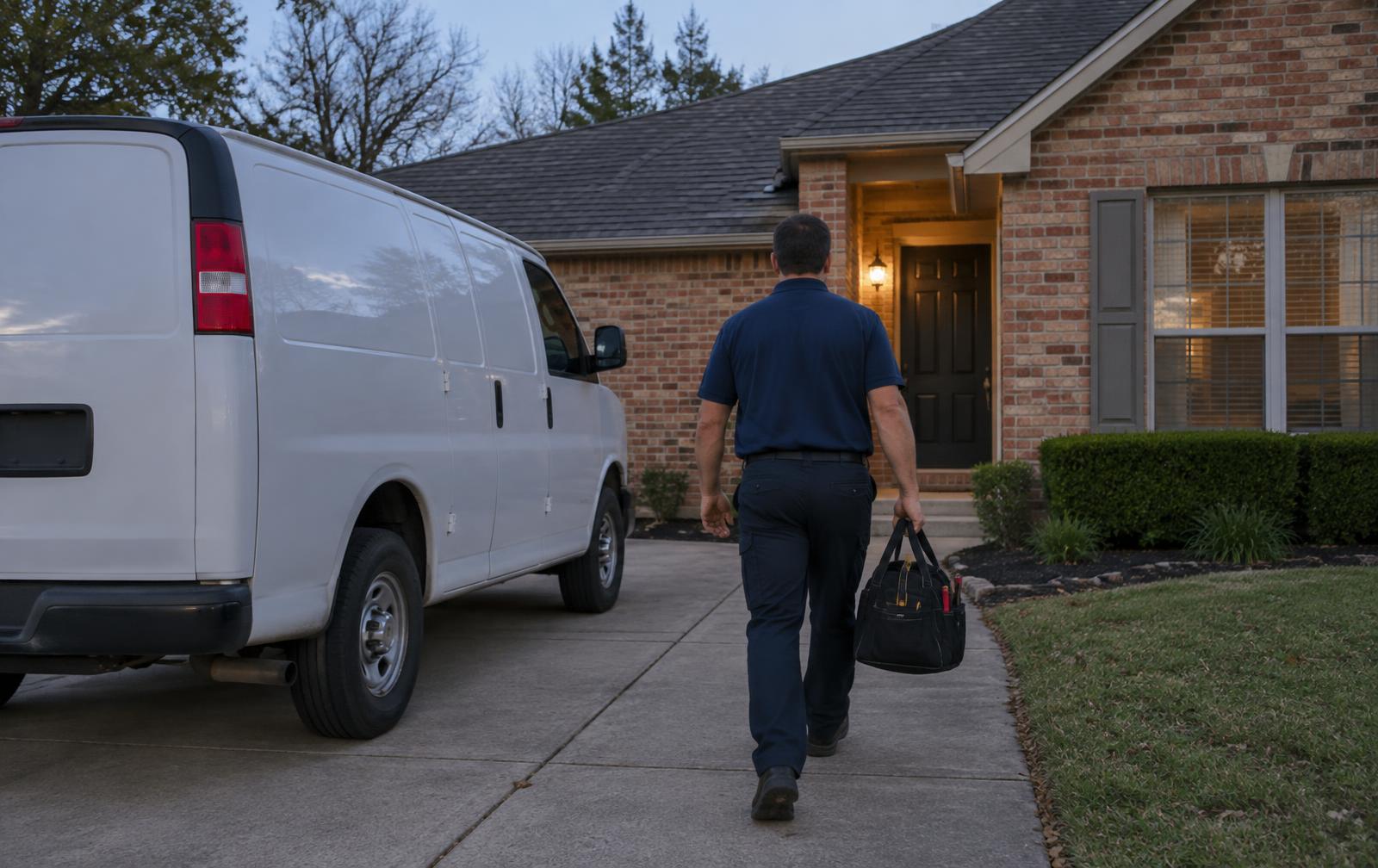
Emergency Plumbing in Coppell, TX
Water climbing a wall from a cracked slab. Sewage rising in the tub instead of the toilet draining. A tank that let go overnight and soaked the closet floor. We answer the phone ourselves, tell you what to shut off right now, and roll a truck — same-day, seven days a week, 8 AM to 6 PM.
What Makes a Call in Coppell Actually Urgent
Coppell's municipal water pressure regularly runs above 80 psi, high enough that Texas plumbing code requires a pressure-reducing valve on the home's main line — and the city's own water-heater inspection form confirms that PRV against the expansion tank at permit time. A missing or failed PRV is exactly the kind of quiet issue that turns into a sudden tank rupture or a fitting blowing off under pressure, which is why we check it on every emergency visit, not just on new installs.
Most of Coppell's housing dates to the tract-building wave that followed DFW Airport's 1974 opening, so a lot of what we get called out for is copper supply line from that era finally splitting during a hard freeze, or a slab crack that goes from a slow drip to a running stream over the Blackland Prairie clay under much of the city. In the older cottages around Old Town Coppell, it is more often an aging drain line backing up at the lowest fixture in the house.
Whatever the cause, the first job on any call is to get water pointed away from the house. Once that is done we look at the actual failure, not just the symptom, and tell you plainly what it will take to fix it for good.
Coppell Situations Where We Send a Truck Today
Everything below earns same-day dispatch. There are also plenty of plumbing worries that genuinely can hold until a normal appointment, and we will say so.
If you can reach the main shutoff, close it before you dial. Otherwise just pick up the phone — the truck starts rolling while we're still talking you through it.
A toilet, tub, or shower filling with wastewater instead of draining means every fixture in the house needs to stay off until someone gets there.
Atmos Energy handles the emergency meter shutoff for a confirmed leak. We come in afterward, once the home is verified safe, to pressure-test and repair whatever caused it.
That's usually the tank itself failing, not a fitting. Kill the water and the power or gas feeding it, and give us a call before it spreads further.
First rule out the obvious — meter open, main valve open. If those check out and nothing still runs, the line feeding the house has likely failed, and that qualifies as urgent.
That kind of jump under a slab means real volume moving where it shouldn't. Close off the water heater's cold side to slow it, then reach out.
Contain It, Diagnose It, Repair It
Every emergency call follows the same sequence, whatever the failure turns out to be.
- 1Walk you through the shutoff by phone
The person answering is a licensed plumber, and they will tell you exactly what to close before the truck even leaves — the main, the water heater's isolation valve, the gas meter, or a single fixture stop, depending on what you describe.
- 2Arrive with the parts already loaded
The truck carries fittings for a supply break, cable and jetting gear for a backed-up sewer, and isolation hardware for a failed water heater, because a second trip for parts turns an emergency into a two-day event.
- 3Trace the failure back to its cause
Once the water is contained, we camera the drain or pressure-test the supply to see why it actually failed. A split copper line is often not the only weak spot on a system that age, and we tell you what else to watch.
- 4Only turn water back on once it is safe to
A section that is still compromised does not get reconnected just to make the house livable again — a leak soaking framing behind a wall does more damage over time than the one you can see. We cap or repair first.
- 5Leave you with what your insurer will ask for
Photos of the failure, photos of the finished repair, and a short written account of what happened, packaged together so filing a homeowners claim does not mean reconstructing the timeline from memory.
Housing Age Predicts the Kind of Emergency
What tends to fail depends on when the home was built and what it was built with.
The 1920s-era cottages here carry the oldest drain lines in the city, and a slow-building sewer issue in one of these homes can surface suddenly as a full backup at the lowest fixture.
Brick homes from around 1979 are old enough that original supply lines are reaching the point where a sudden pinhole leak or a slab crack is a realistic emergency call, not a hypothetical one.
These 1980s-to-early-1990s homes near Sandy Lake Road were largely built with copper supply lines that, after four-plus decades, are the age range where an unexpected burst becomes more common during a hard freeze.
Two-story homes from the early-to-mid 1990s off Village Parkway often route supply lines through exterior walls upstairs, which is exactly the kind of run that fails first when temperatures drop hard overnight.
Homes built through the 1980s and 1990s near Grapevine Creek sit over expansive clay that shifts with moisture, and that ground movement is a realistic contributor to a slab leak turning into a sudden emergency rather than a slow drip.
The tract homes along the Denton Tap Road corridor from this same building era generally hold up well, and most emergency calls here trace back to an aging water heater rather than the supply lines themselves.
What Coppell Homeowners Say
Every Truck Starts the Trip in The Colony
Nothing dispatches from anywhere but our shop in The Colony, which puts most Coppell addresses roughly 20 to 25 minutes out under normal traffic. A hard freeze or a major storm can stretch that for everyone on the road that day; when it does, we say so plainly and keep active water damage first in line.
We are licensed by the Texas State Board of Plumbing Examiners, insured, and family-owned, and a real person picks up the phone for same-day calls seven days a week, 8 AM to 6 PM. When water is already moving somewhere it should not be, calling gets you help faster than a web form.
Straight Answers, No Sales Pitch
Our Other Plumbing Services in Coppell, TX
An emergency call tends to surface something else worth fixing while a truck is already there — aging supply lines, a compromised sewer run, pressure that's been running high for years. We take care of that follow-up work locally, too.
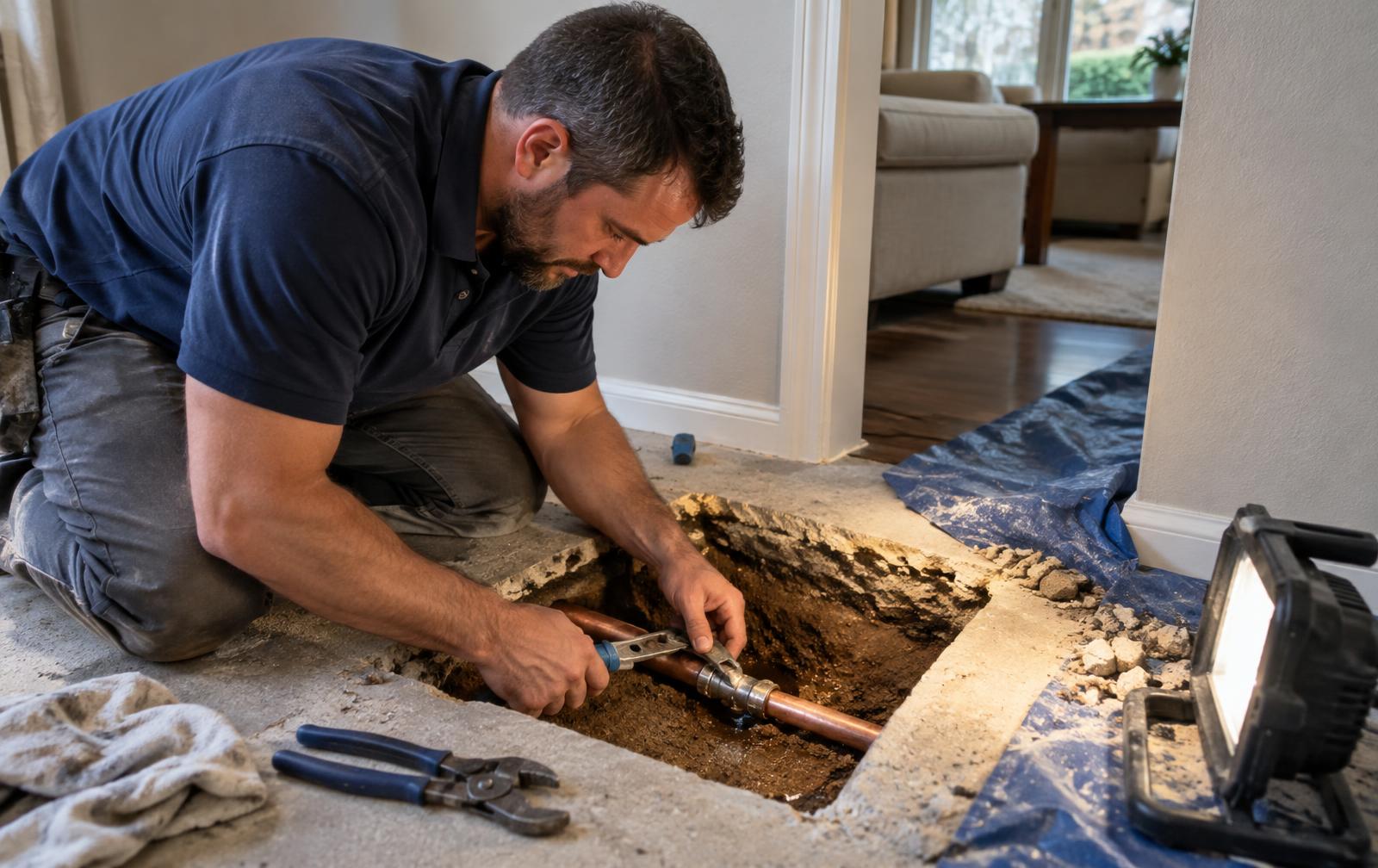
Electronic detection under Coppell slabs — reroute options that save your finished floors when possible.
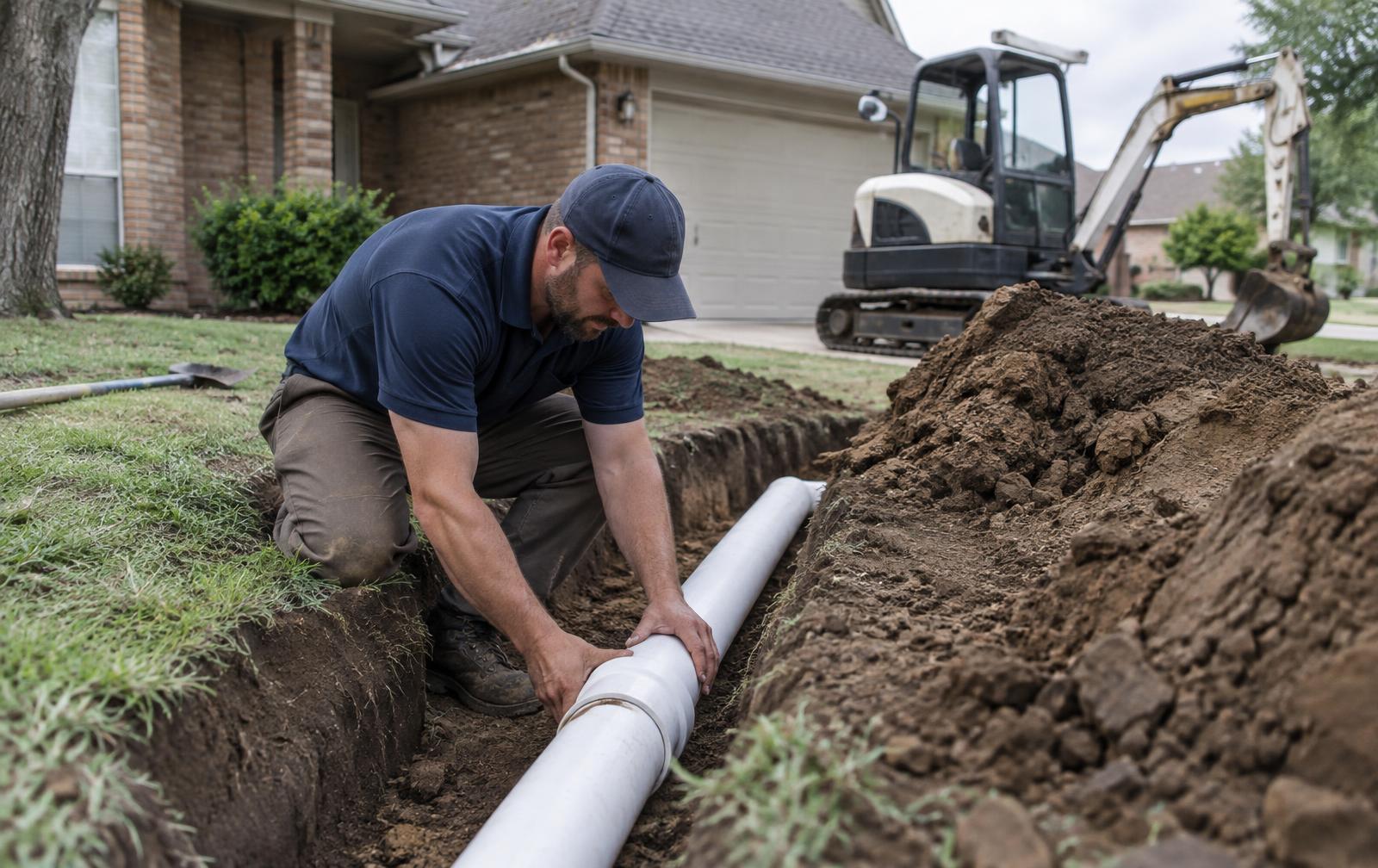
Trenchless replacement for the aging laterals across Coppell's older runs — camera first, quote in writing, minimal yard damage.
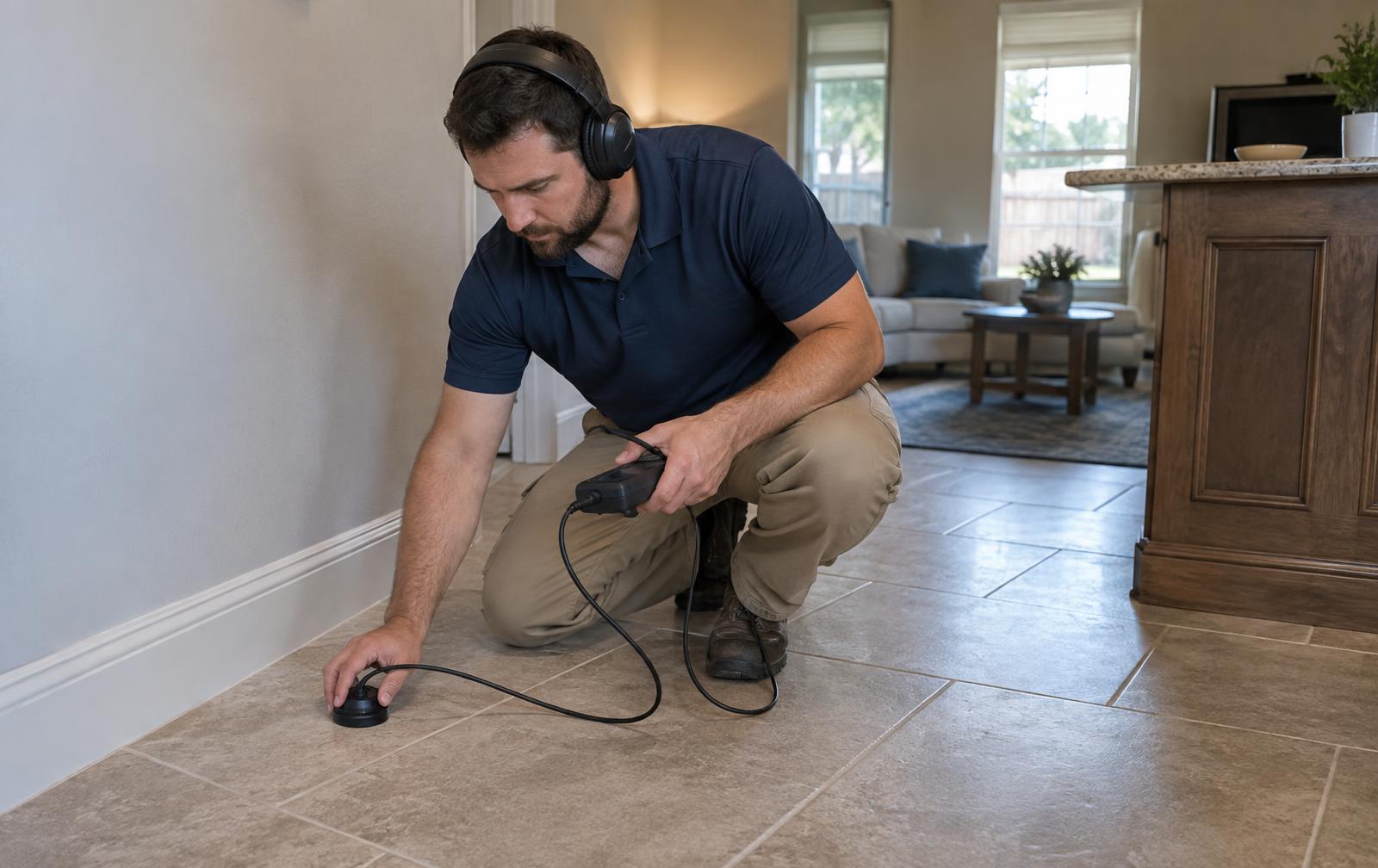
Acoustic, thermal, and pressure testing to pinpoint hidden leaks in Coppell slab and wall lines without tearing into finishes.
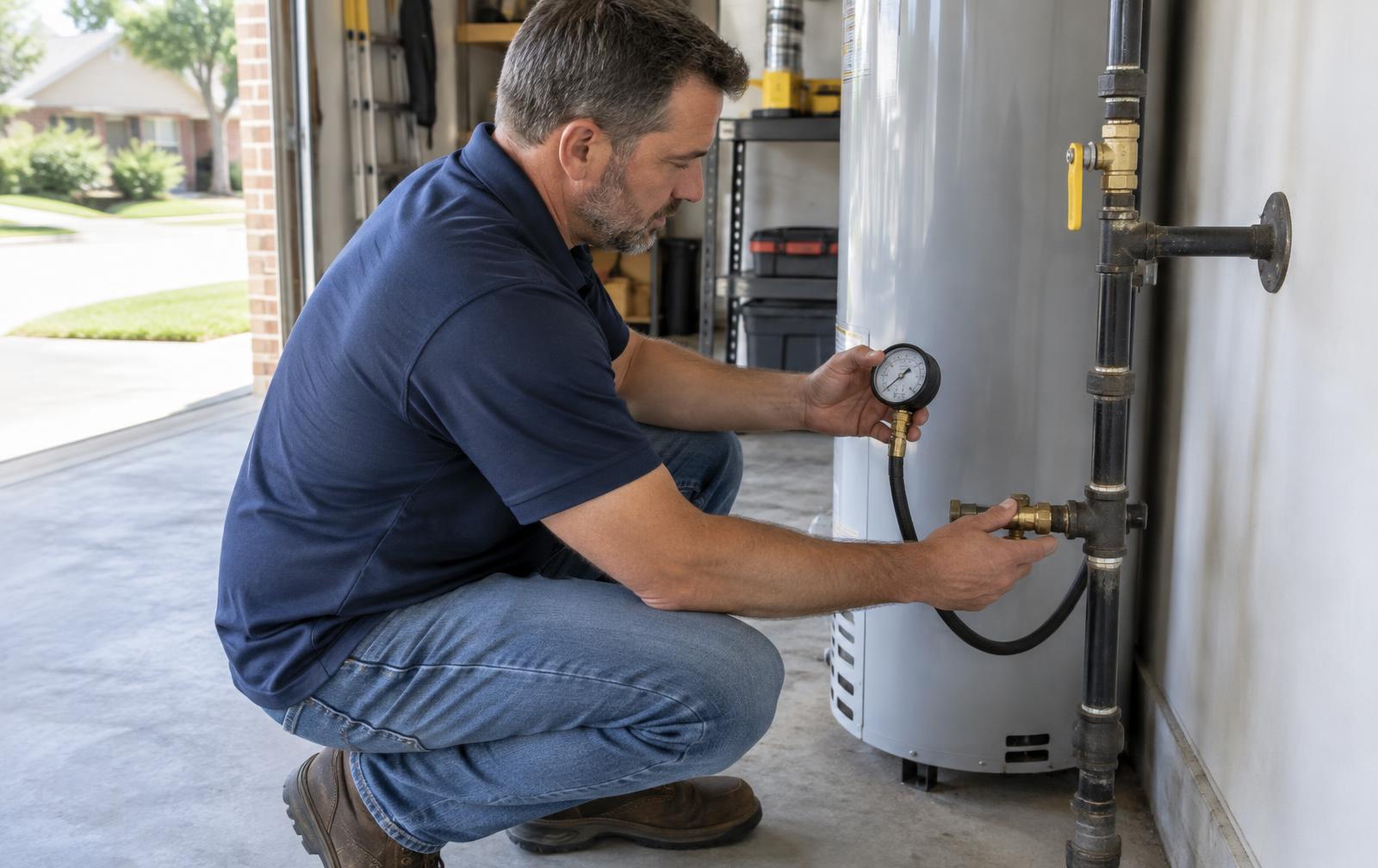
Licensed install, repair, and pressure-testing for Coppell homes — every line signed off to Texas code and Atmos requirements.
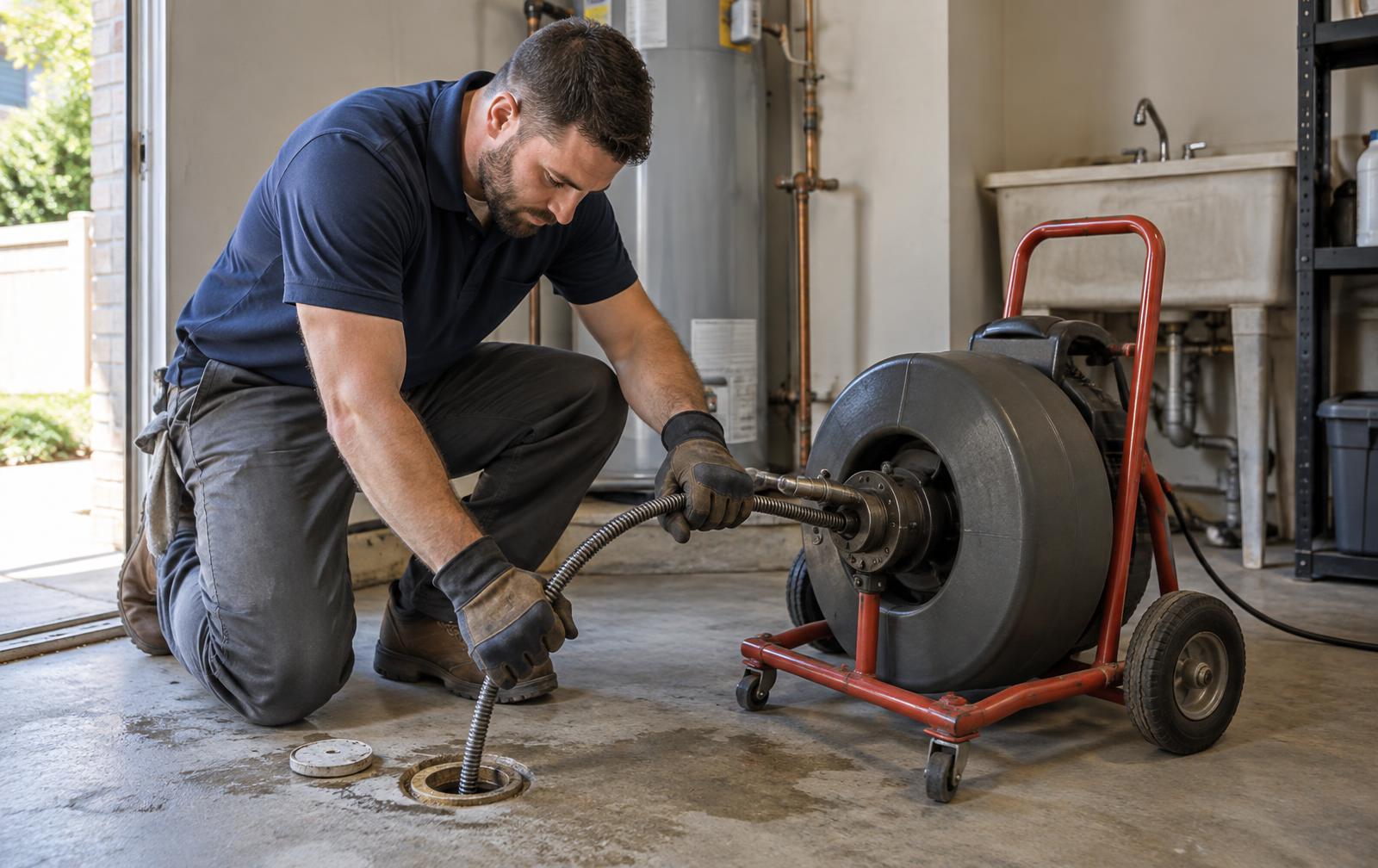
Full-clear service and camera confirmation for the drains under Coppell's neighborhoods.
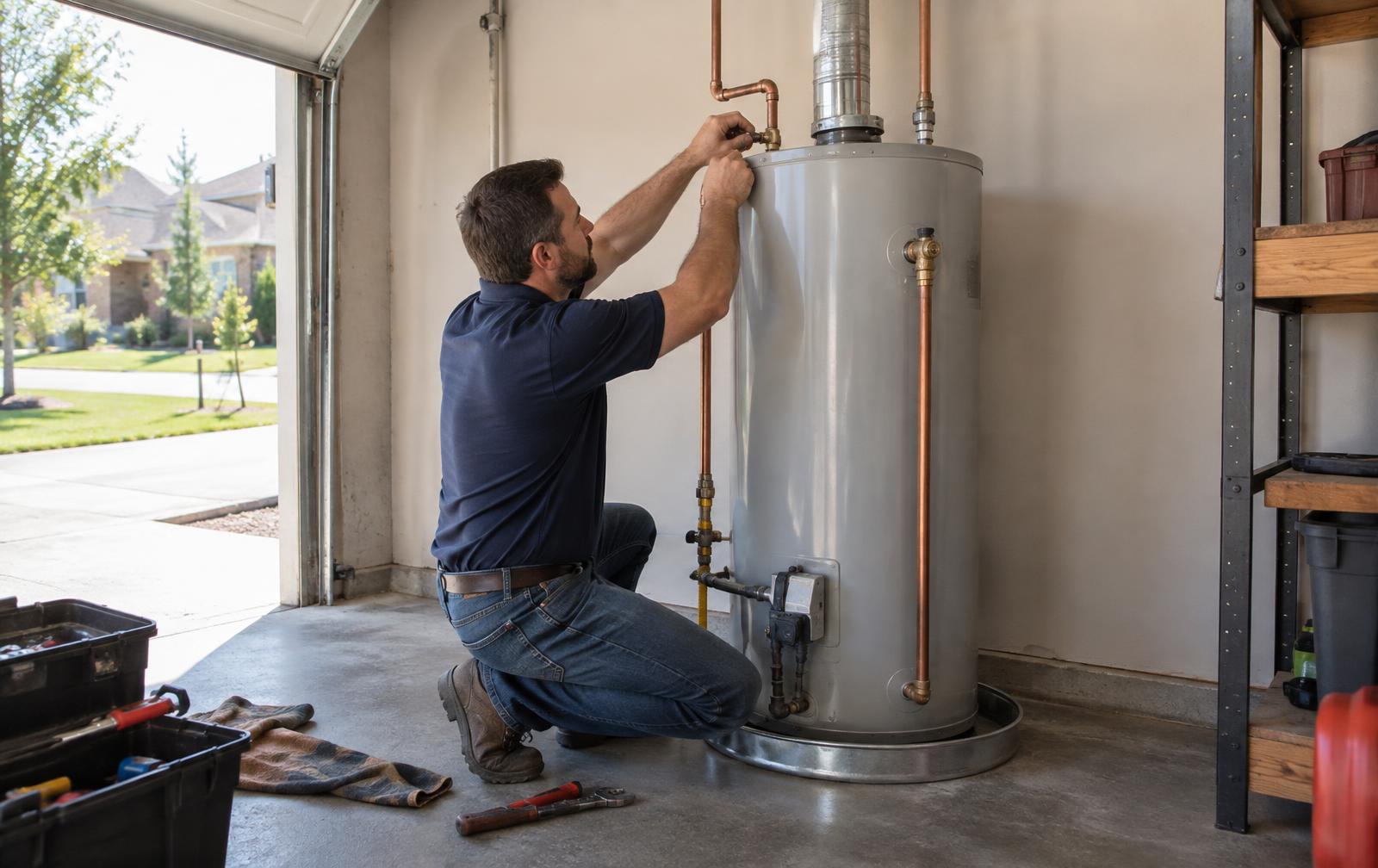
Repair, flush, and replacement of tank units — including attic and garage heaters common to Coppell homes.
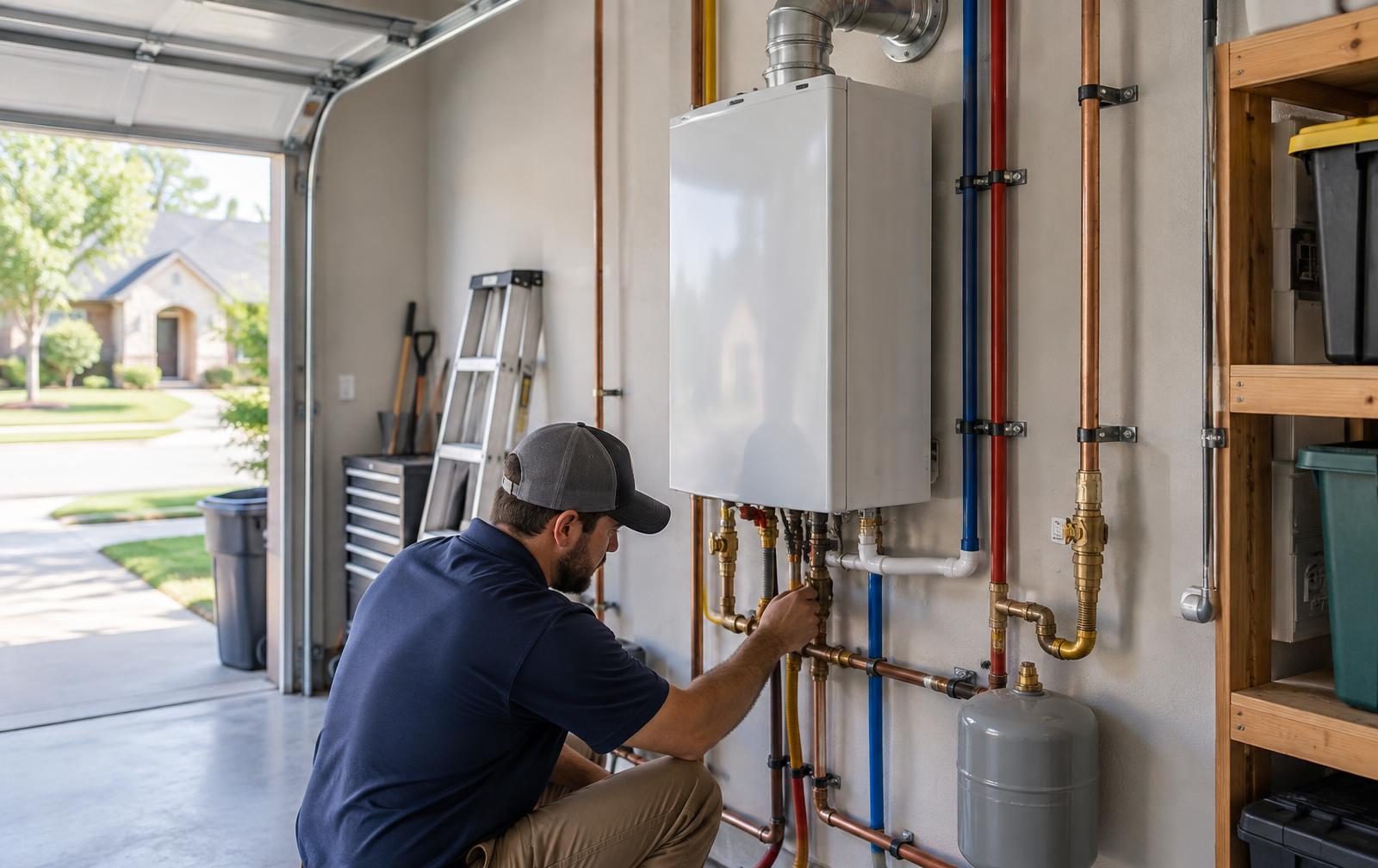
Install, service, and annual descaling — Coppell's hard tap water eats tankless heat exchangers without it.
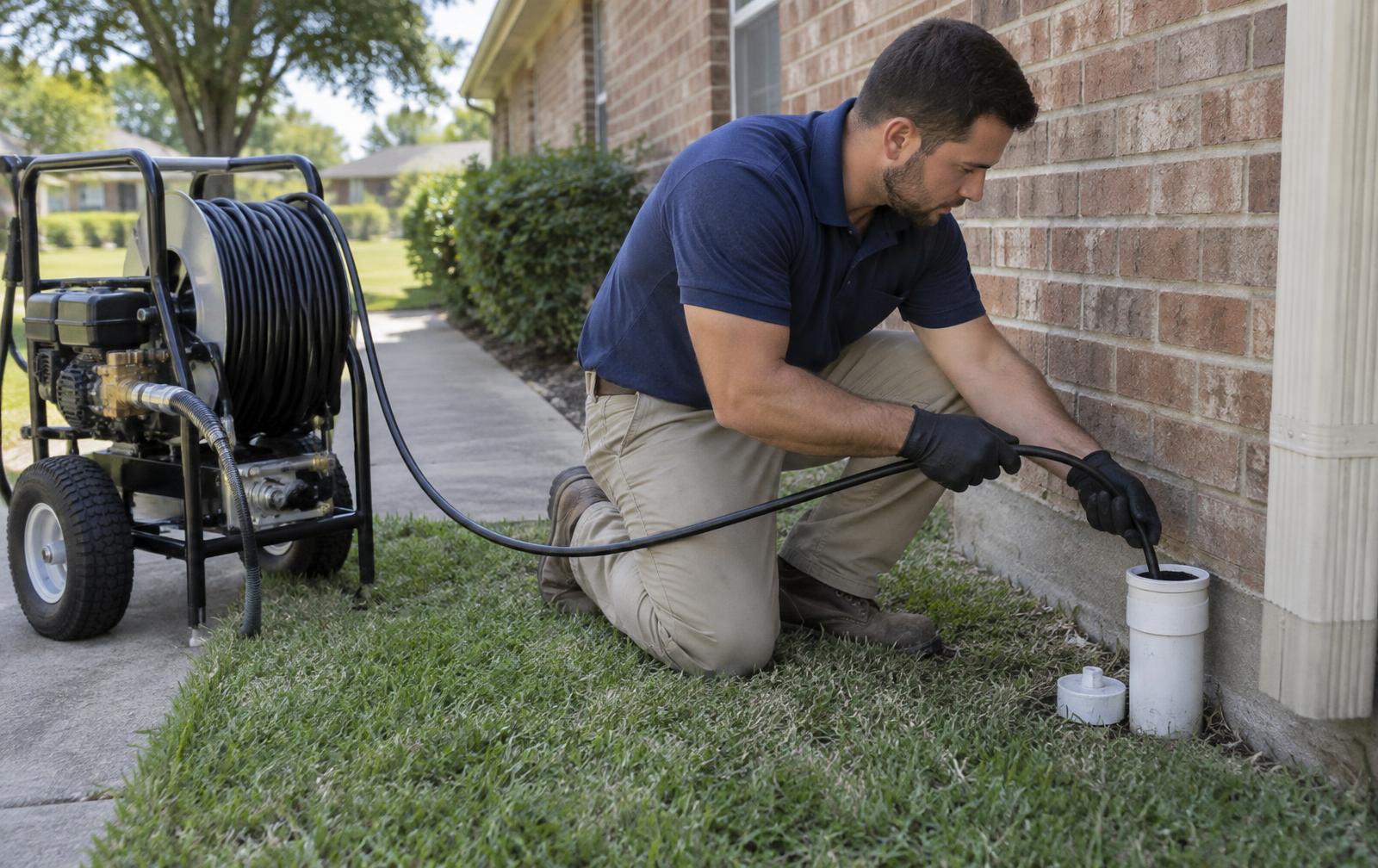
High-pressure cleaning that clears scale, grease, and roots from Coppell's lateral runs — full-diameter, lasting clean.
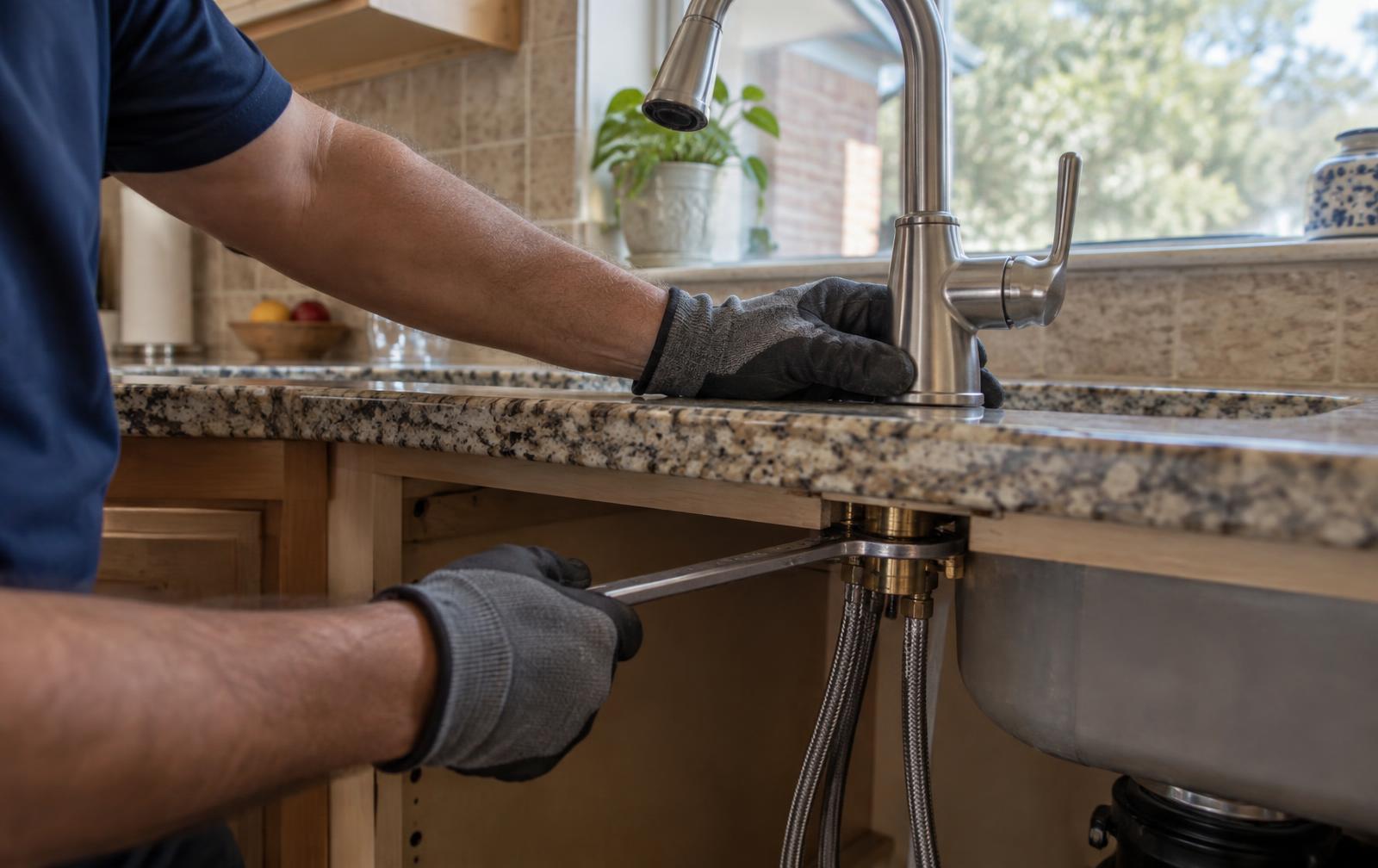
Cartridge, stem, and full-fixture replacement for Coppell kitchens and bathrooms — hard-water-ready parts stocked on the truck.
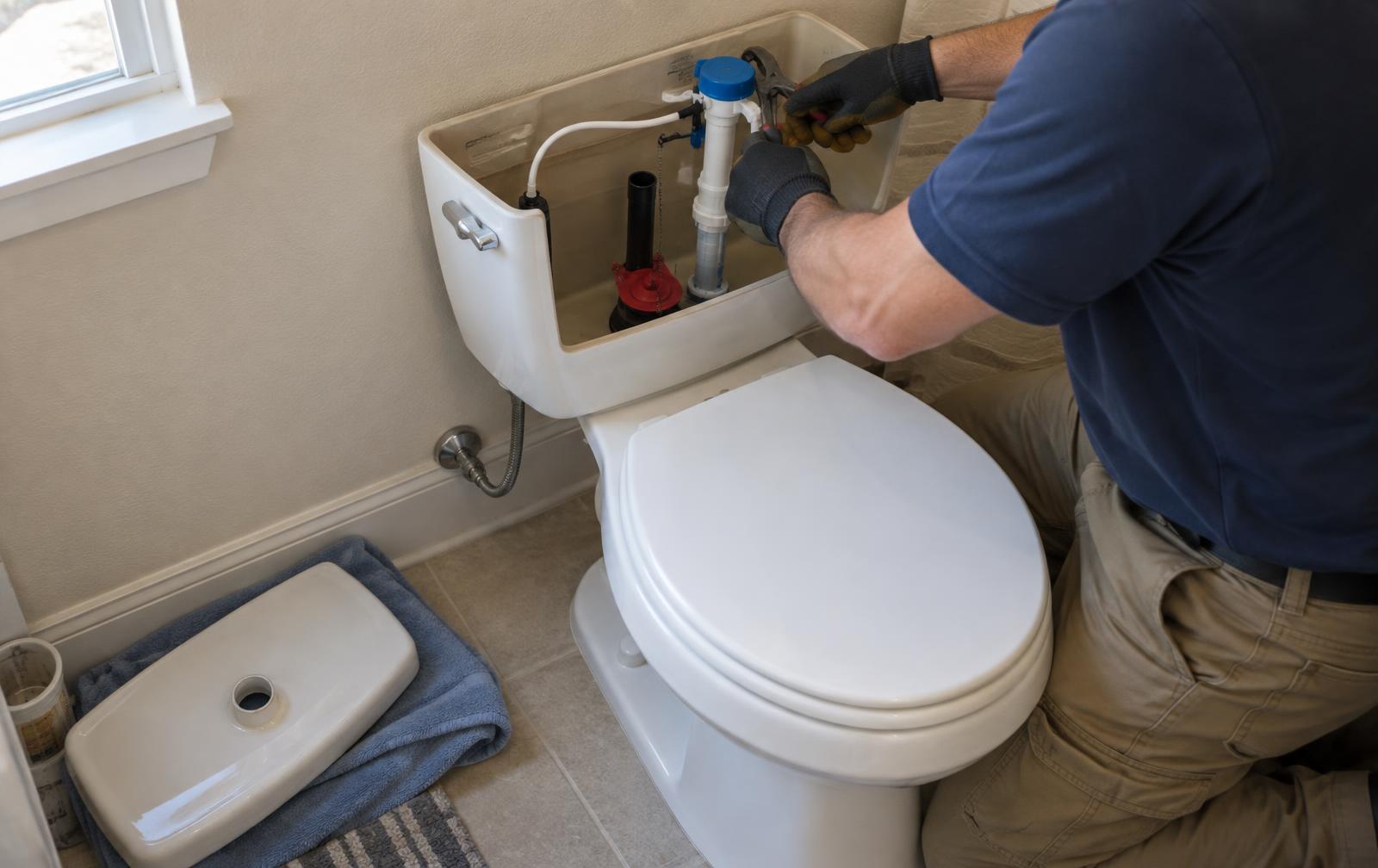
Rebuilds, wax-ring resets, flange repairs, and full replacements — the running toilets and rocking bowls in Coppell homes.
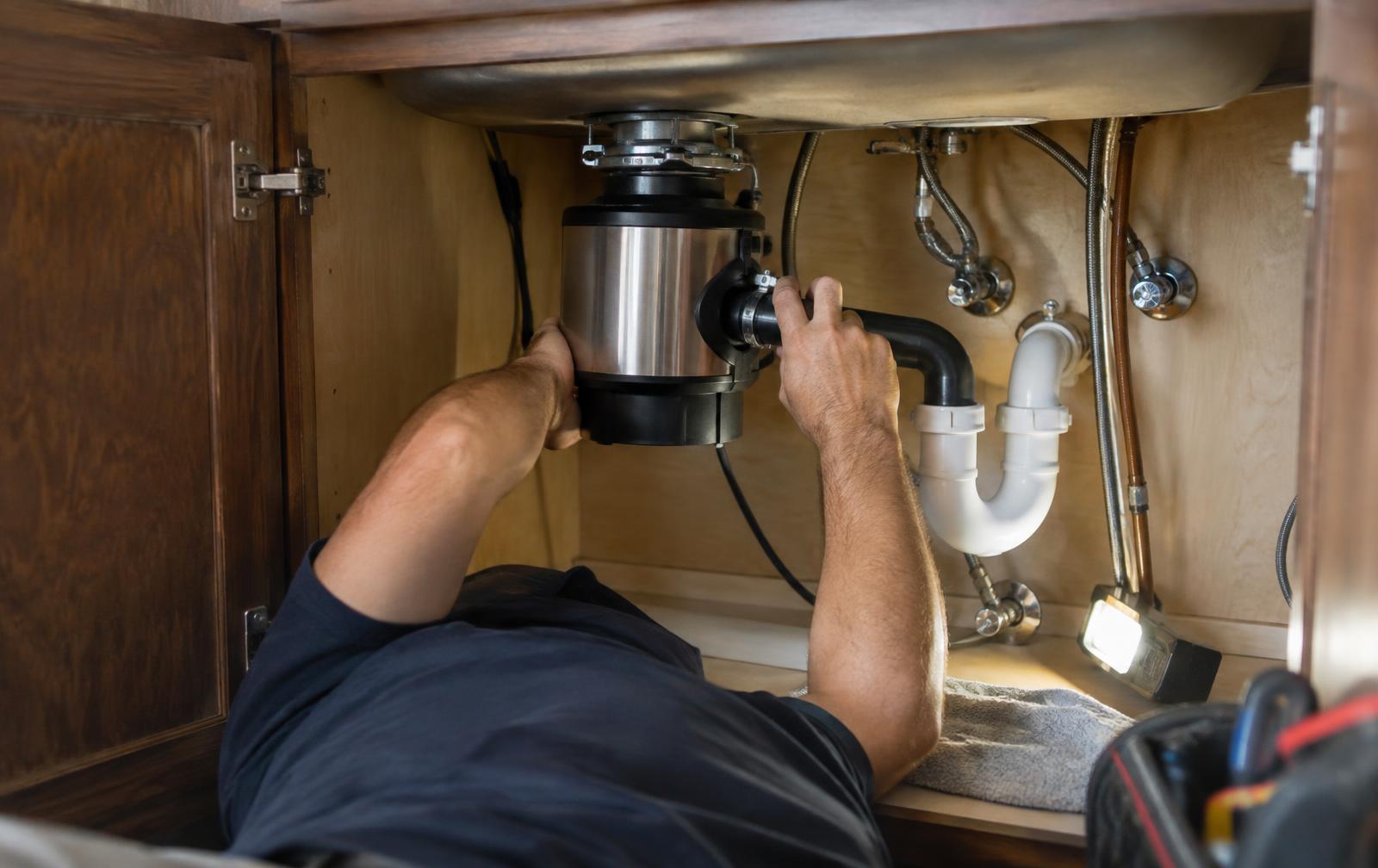
Jam clearing, leaking-unit swaps, and quiet 3/4 HP upgrades for Coppell kitchens — same-visit install.
Something Going Wrong in Your Coppell Home Right Now?
A real plumber answers, a truck is already close by in The Colony, and help is on the way. Give us a call.