
Sewer Line Replacement in Coppell, TX
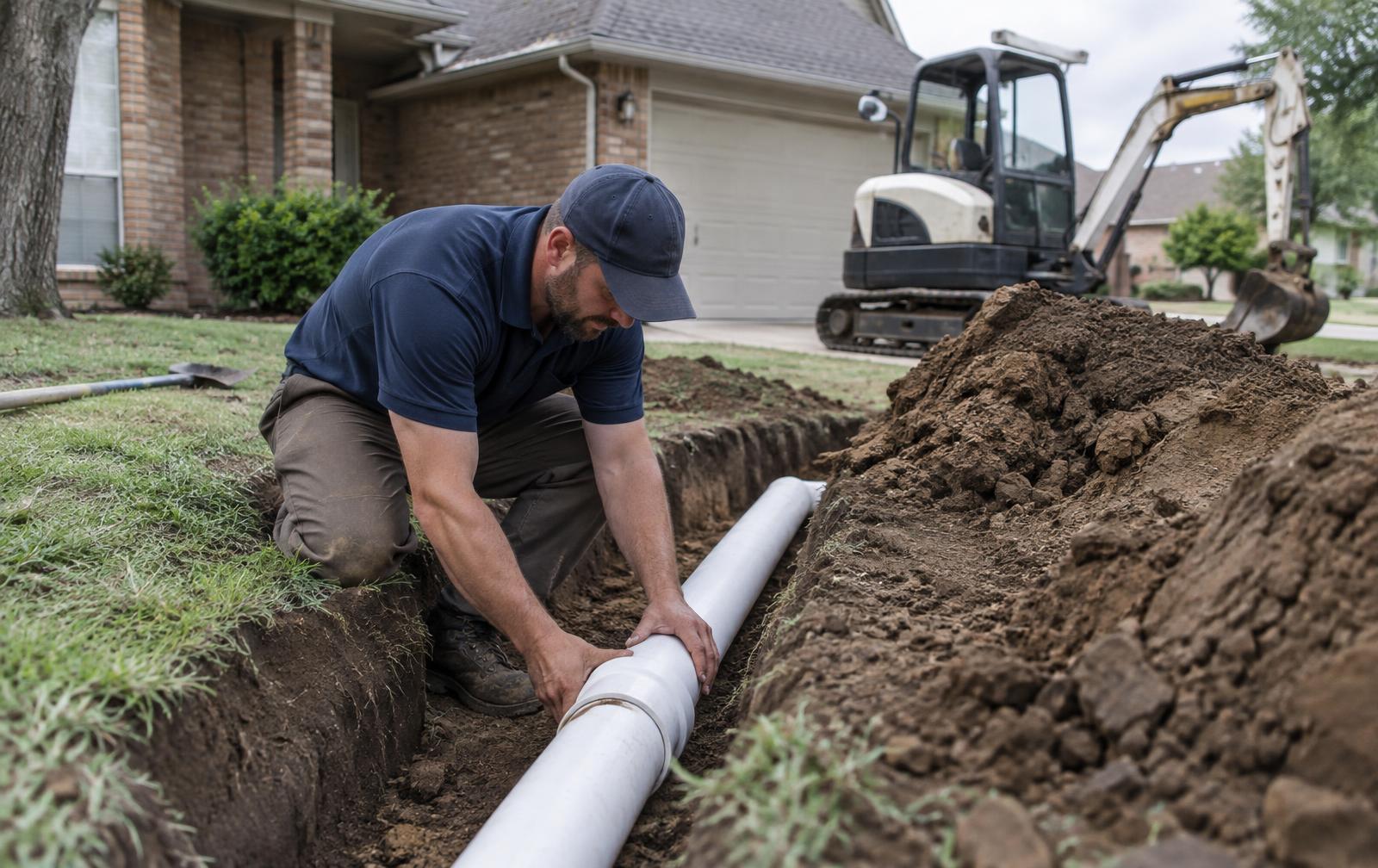
A toilet that gurgles every couple of weeks. A camera finally catching a break, a low spot holding water, or roots choking the pipe. A cable job that used to work and quit holding. We swap out Coppell sewer laterals with trenchless methods so your yard does not end up looking like a construction site.
Whose Line Is It, and What Actually Fails Underground in Coppell
Coppell splits sewer ownership at the cleanout: the city keeps the main under the street in working order, and the run from your house out to that tap is on you as the homeowner. That distinction is worth knowing before you spend money — the City of Coppell will clear a stoppage in its own main for nothing, but a blockage on your side of the cleanout is a private repair, so a camera look is how we tell which one you actually have.
The airport opened next door in 1974 and Coppell filled in fast after that, which means most residential laterals date to somewhere between the late 1970s and the 1990s: cast iron close to the house, aging into clay tile as the line nears the street. Both materials are well beyond a reasonable working lifespan by now. Add in the fact that Coppell sits on Eagle Ford clay, part of the Blackland Prairie belt known locally for serious shrink-swell behavior — especially along the Grapevine Creek corridor through the middle of town — and you have soil that actively pries clay joints apart and gives tree roots an opening.
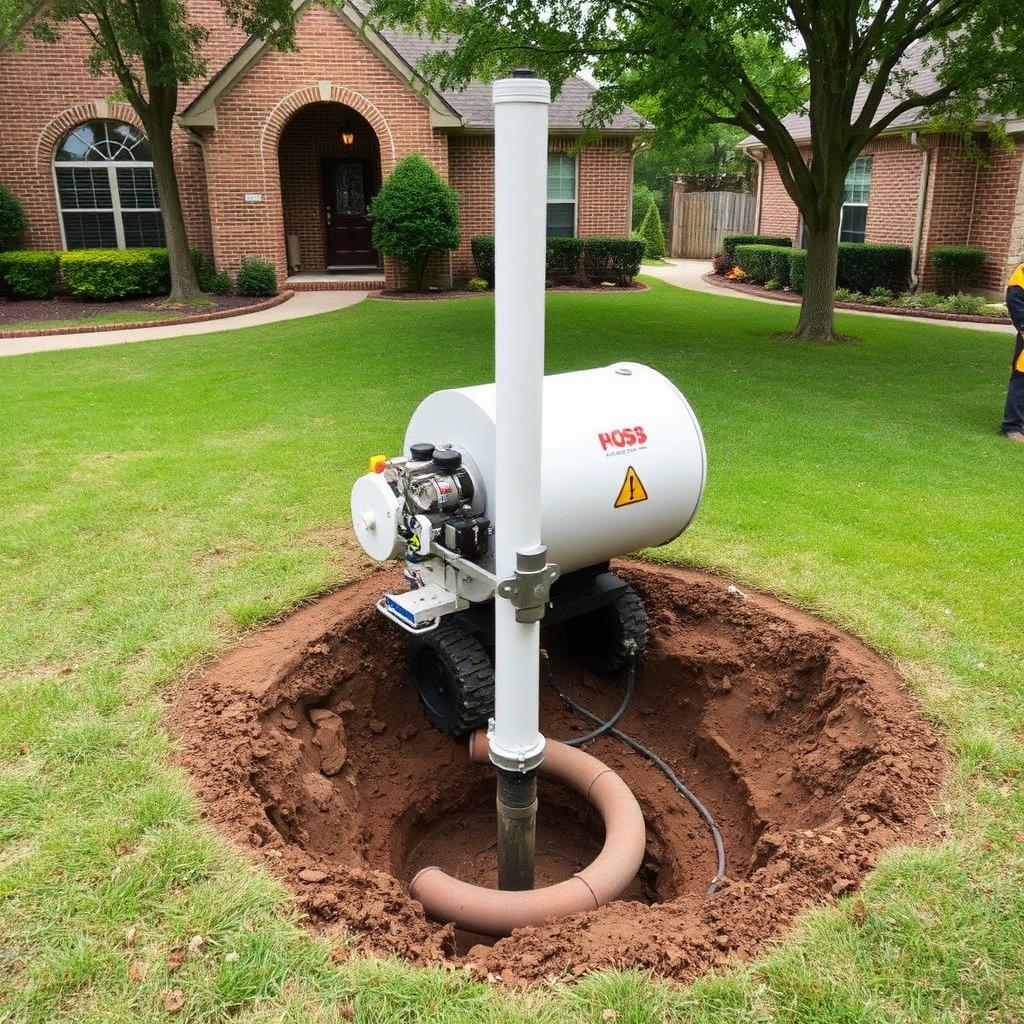
Pipe bursting and cured-in-place lining both replace the pipe without a trench running the length of your property. On the smaller lots around Old Town Coppell, or anywhere with landscaping worth protecting, that is frequently the only realistic way to do the job.
Signs a Coppell Sewer Line Is Done, Not Just Clogged
One of these is worth a look. Stack two or three together and the pipe itself is the problem.
A sound line holds after a rooter visit. If the identical fixture backs up again within a handful of weeks, the cable is fighting a structural problem it cannot fix.
A toilet, a shower, and a washing machine all reacting together points to the shared trunk line, not an isolated clog anyone could clear locally.
Sewage leaking underground effectively feeds the grass above it. A patch that stays wet or grows noticeably greener than the rest of the yard usually traces right back to the buried run.
Soil washed out by a broken line under the slab takes the foundation's support with it. New cracking radiating from a bathroom wall deserves a camera pass before anything cosmetic gets patched.
Gas escaping into open air means a joint or vent has actually broken open, not merely clogged. No cleaning schedule solves that on its own.
If an earlier inspection showed root intrusion or a low spot holding standing water, and the same backup is back, that footage had already told the truth.
Look First, Choose Trenchless Where the Lot Allows, Put It All on Paper
Nothing gets priced over the phone. We inspect, confirm the actual failure, and match the method to your specific line.
- 1Send a camera through the entire run
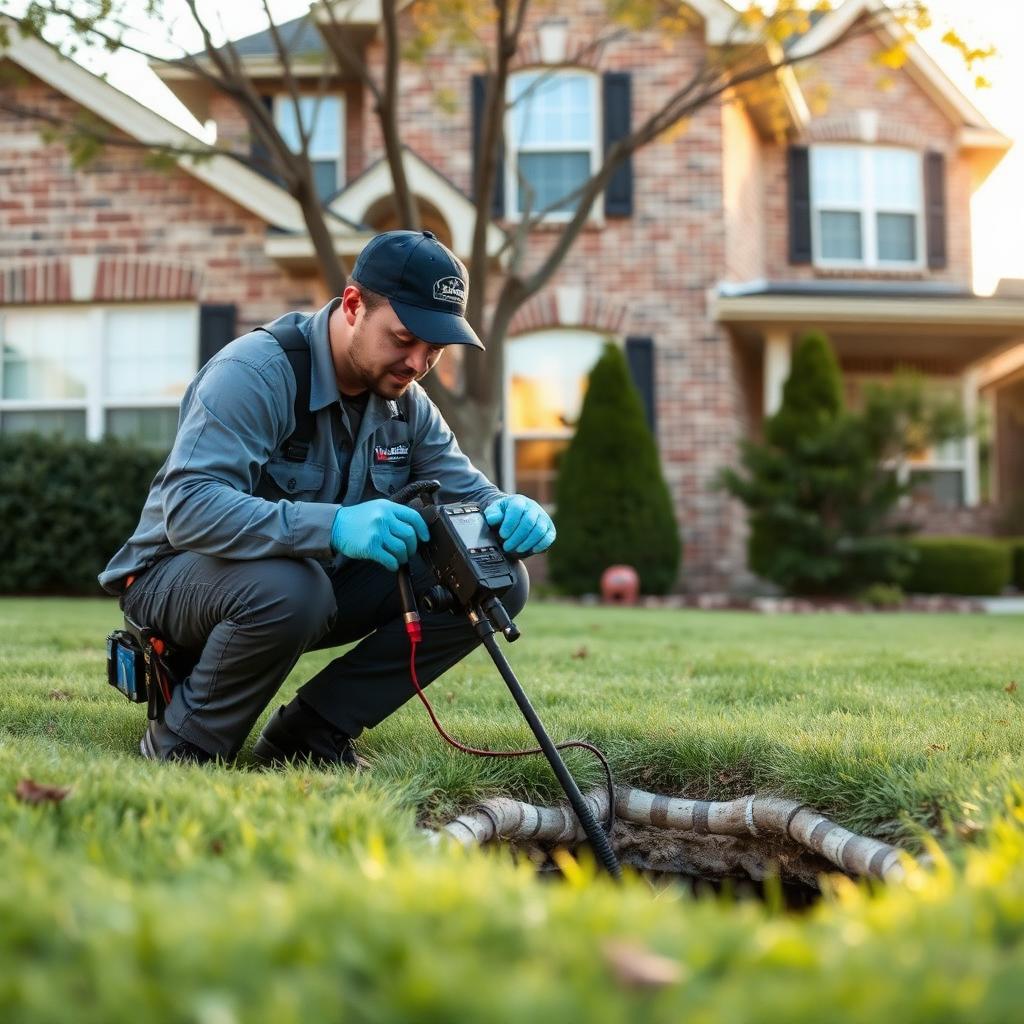
Entering at the cleanout, we push a camera from the house to the city connection and record the whole pass. You watch it alongside us, and if a simple cleaning would genuinely solve it, we tell you that instead of upselling a replacement.
- 2Map the buried path with a locating beacon
A transmitter riding in the camera head lets us mark depth, bends, and material changes from the surface. That map is what decides between pipe bursting and a cured-in-place liner, and where the access pits land.
- 3Hand you numbers before anyone breaks ground
The written scope spells out the method, footage, pit locations, pipe diameter, and how the yard gets restored afterward. Whatever is not written down does not happen.
- 4Secure the permit and clear utility locates
Coppell's Building Inspections office requires a permit for lateral replacement, and Atmos Energy gas lines frequently share the same corridor. We handle the paperwork and the utility locate requests so that part never lands on you.
- 5Install, then verify with a second camera pass
Bursting draws new HDPE through the old pipe while splitting it outward; lining cures a new wall inside the existing one. Either way, we run the camera through the finished line and give you that footage to keep.
How Sewer Failures Differ Across Coppell
The year a section was built still tells us what we are about to find underground.
Surviving homes here go back to the 1920s, old enough that laterals are frequently cast iron or first-generation clay with decades of wear on them. The historic lots are tight and mature, which makes trenchless methods the practical choice almost every time.
This pocket went up around 1979 during Coppell's post-airport building surge, and laterals from that vintage are now closing in on fifty years old — a strong candidate for a full inspection instead of another cable run.
Development here spanned the 1980s into the early 1990s, and the typical lateral transitions from cast iron near the house to clay pipe toward the street tap — the same pairing that lets root intrusion start once the joints shift.
Homes from the early-to-mid 1990s tend to carry steadier PVC or newer cast-iron laterals than the older parts of town, though a branch added during a remodel is worth checking on camera before assuming the rest of the run is fine.
Properties near Grapevine Springs Park sit directly over the Eagle Ford clay running along Grapevine Creek through the center of the city, and that documented shrink-swell soil is a driver of the cracked joints we find in older laterals nearby.
This section of the Denton Tap corridor filled in during the 1980s-1990s wave, and its laterals are generally original cast iron or clay old enough that a camera scope makes more sense than repeat cabling.
What Coppell Homeowners Say
Paper Trail: Permit, Before-and-After Footage, Warrantied Work
You walk away from a trenchless replacement with the manufacturer's warranty on the pipe itself, warrantied labor on our end, camera footage from before and after, and a copy of the signed-off city permit — all in one folder, nothing to chase down later.
Aqua Pure Plumbing is family-owned, insured, and licensed through the Texas State Board of Plumbing Examiners. Every truck rolls out of our shop address in The Colony, and we deal directly with Coppell's permitting office so your inspection is not stuck behind a phone tag.
Questions Homeowners Actually Ask Us
Our Other Plumbing Services in Coppell, TX
Sewer trouble often shows up next to other aging plumbing in the same house. Ask us to check the rest of the system on the same visit — one local call covers it all in Coppell.
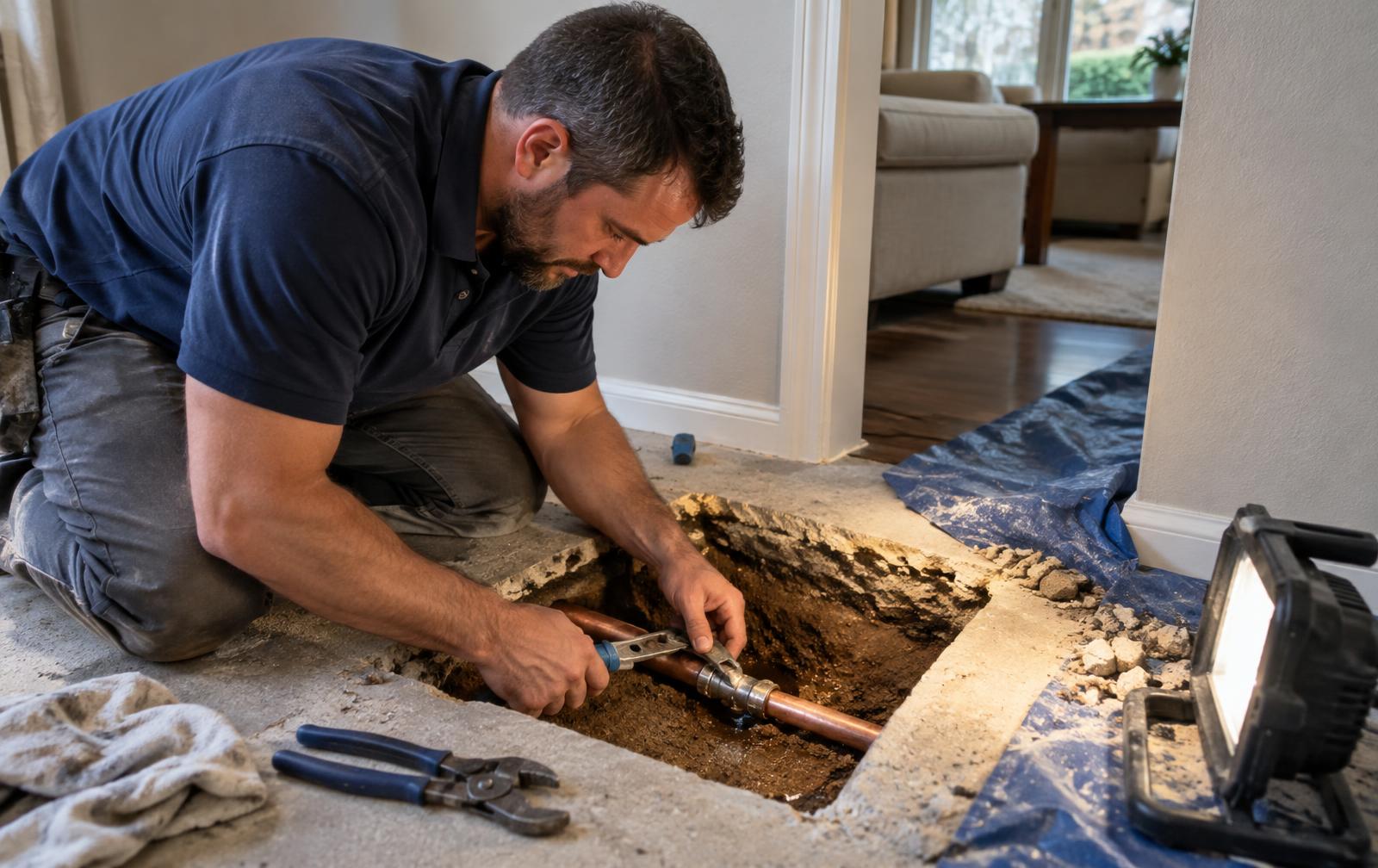
Electronic detection under Coppell slabs — reroute options that save your finished floors when possible.
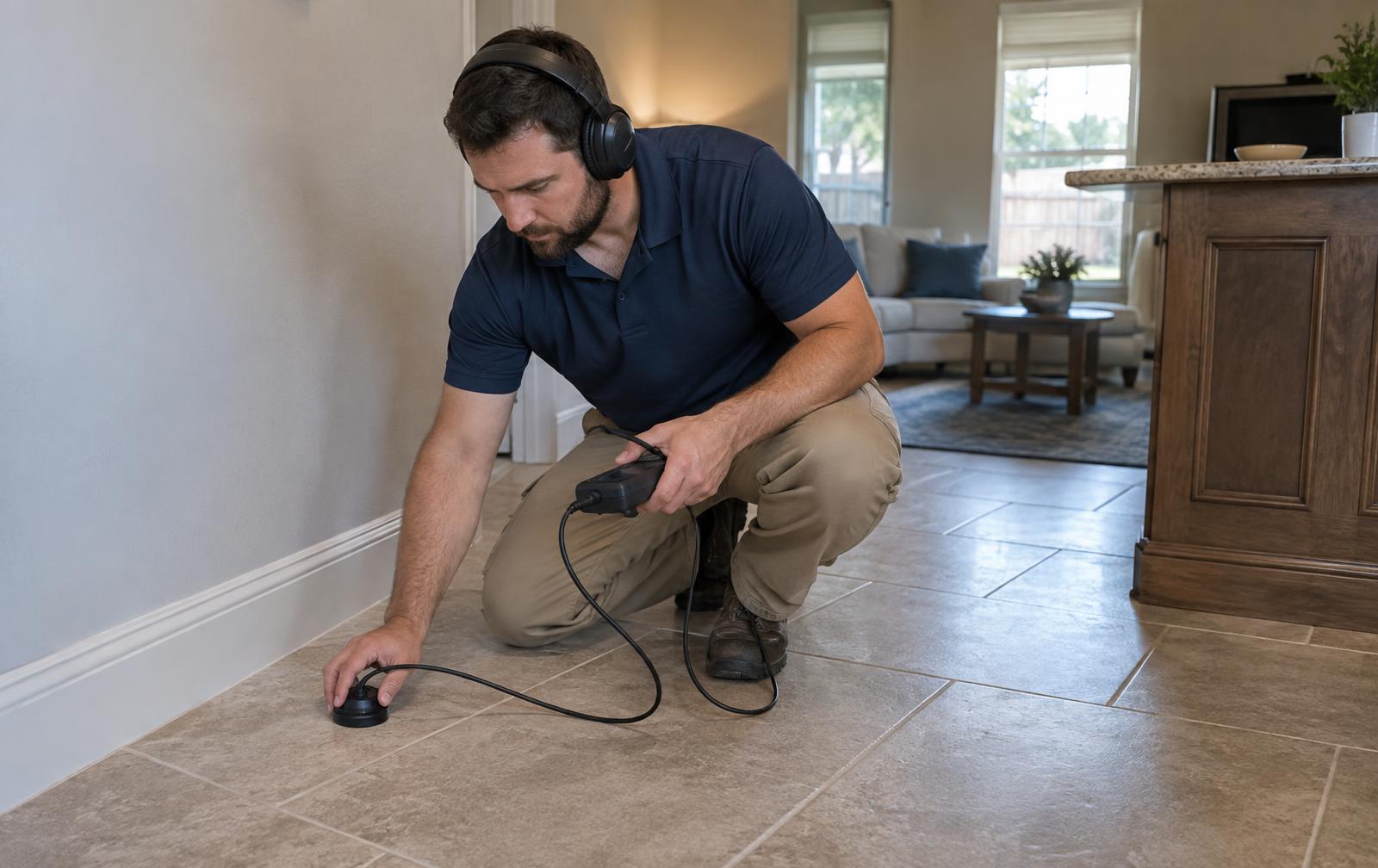
Acoustic, thermal, and pressure testing to pinpoint hidden leaks in Coppell slab and wall lines without tearing into finishes.
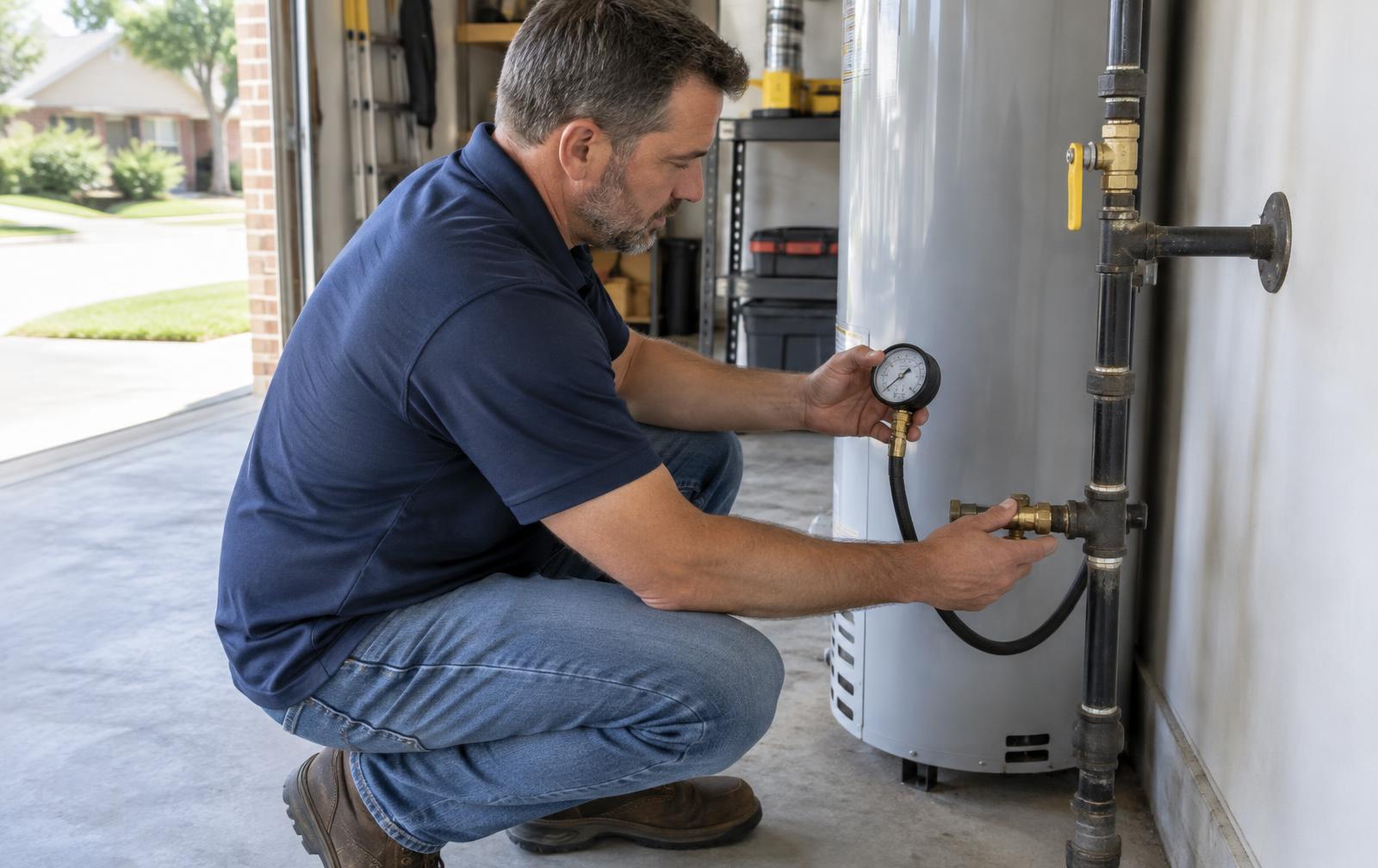
Licensed install, repair, and pressure-testing for Coppell homes — every line signed off to Texas code and Atmos requirements.
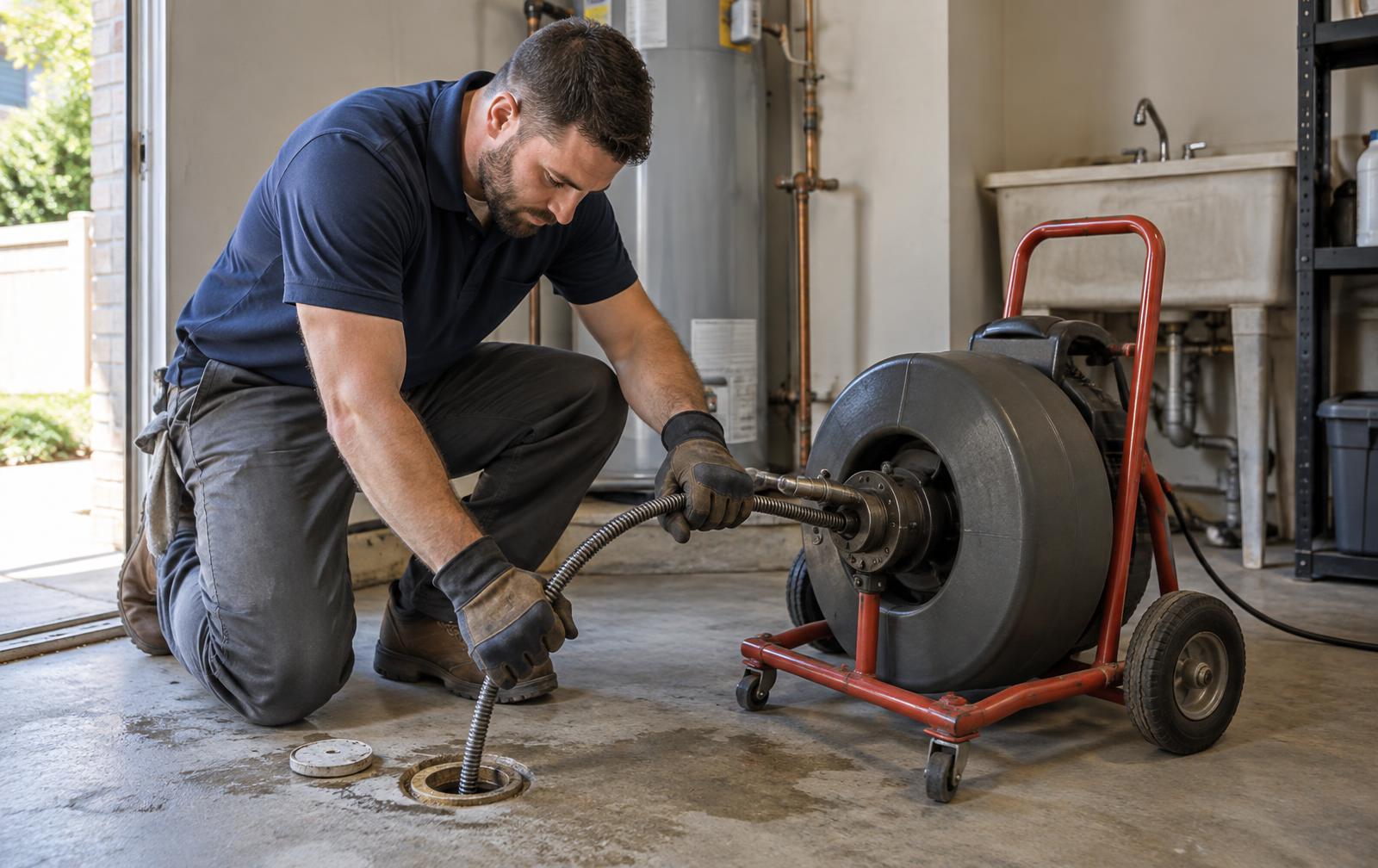
Full-clear service and camera confirmation for the drains under Coppell's neighborhoods.
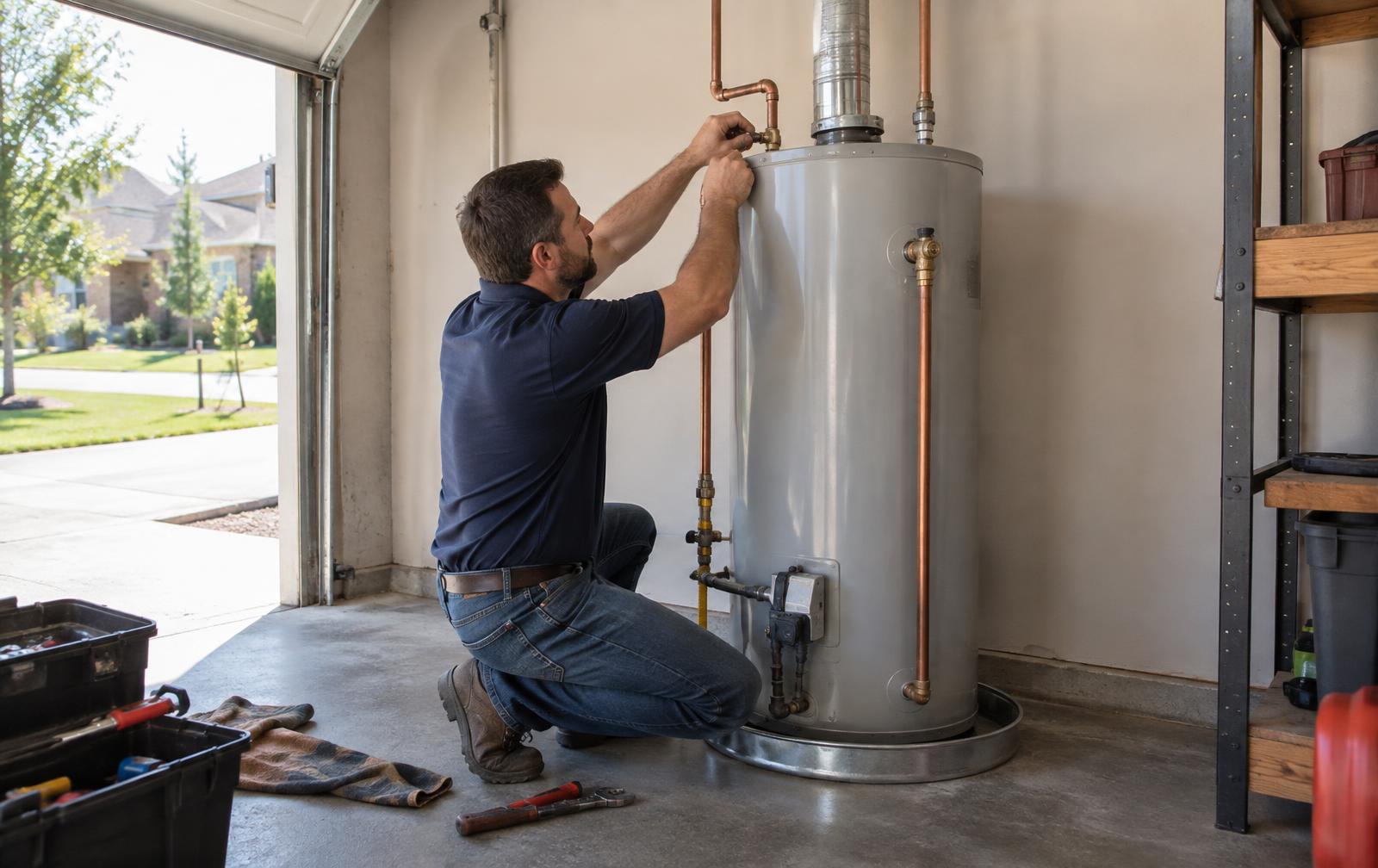
Repair, flush, and replacement of tank units — including attic and garage heaters common to Coppell homes.
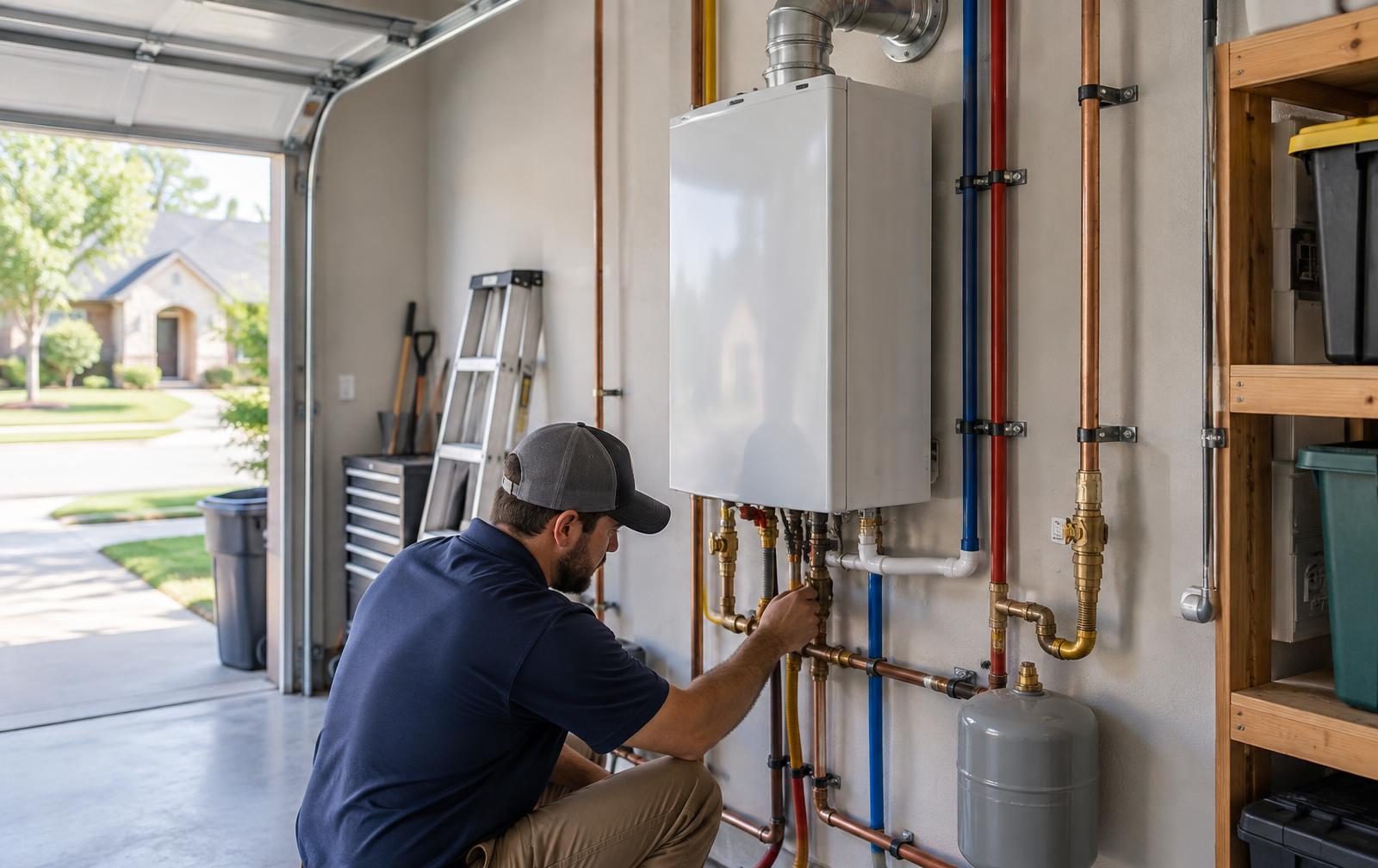
Install, service, and annual descaling — Coppell's hard tap water eats tankless heat exchangers without it.
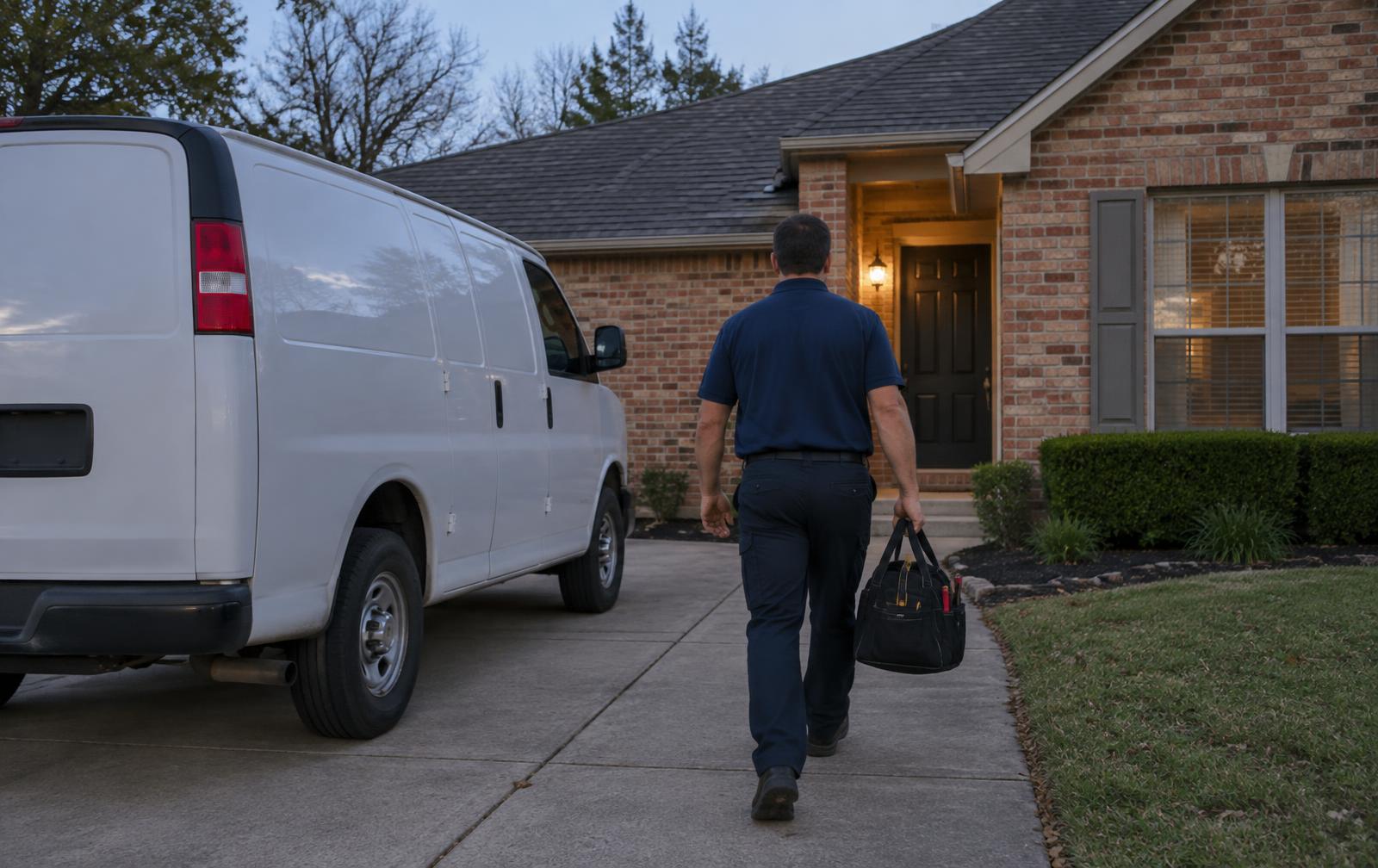
same-day, 7 days a week response across Coppell for burst pipes, heater failures, and main-line backups.
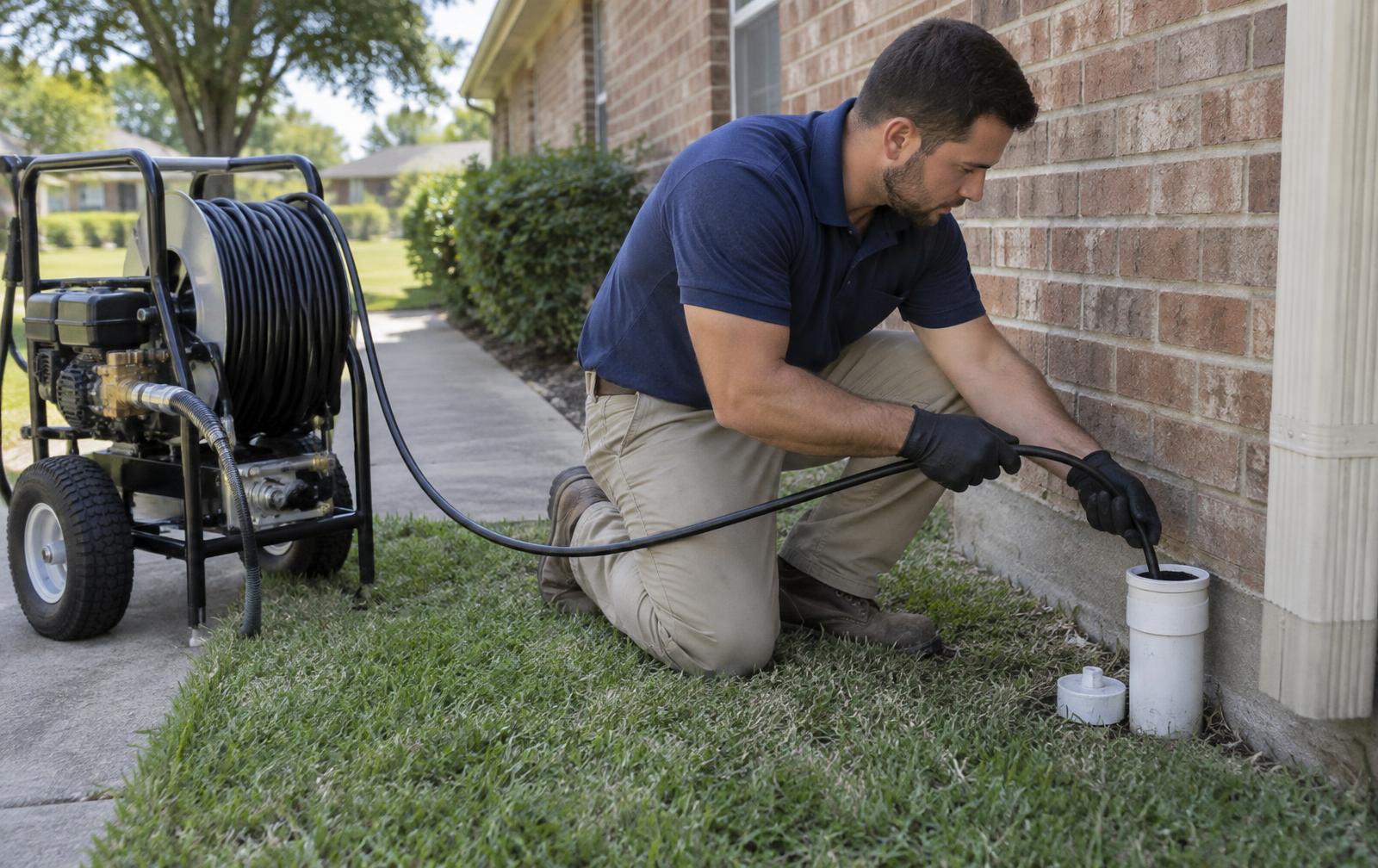
High-pressure cleaning that clears scale, grease, and roots from Coppell's lateral runs — full-diameter, lasting clean.
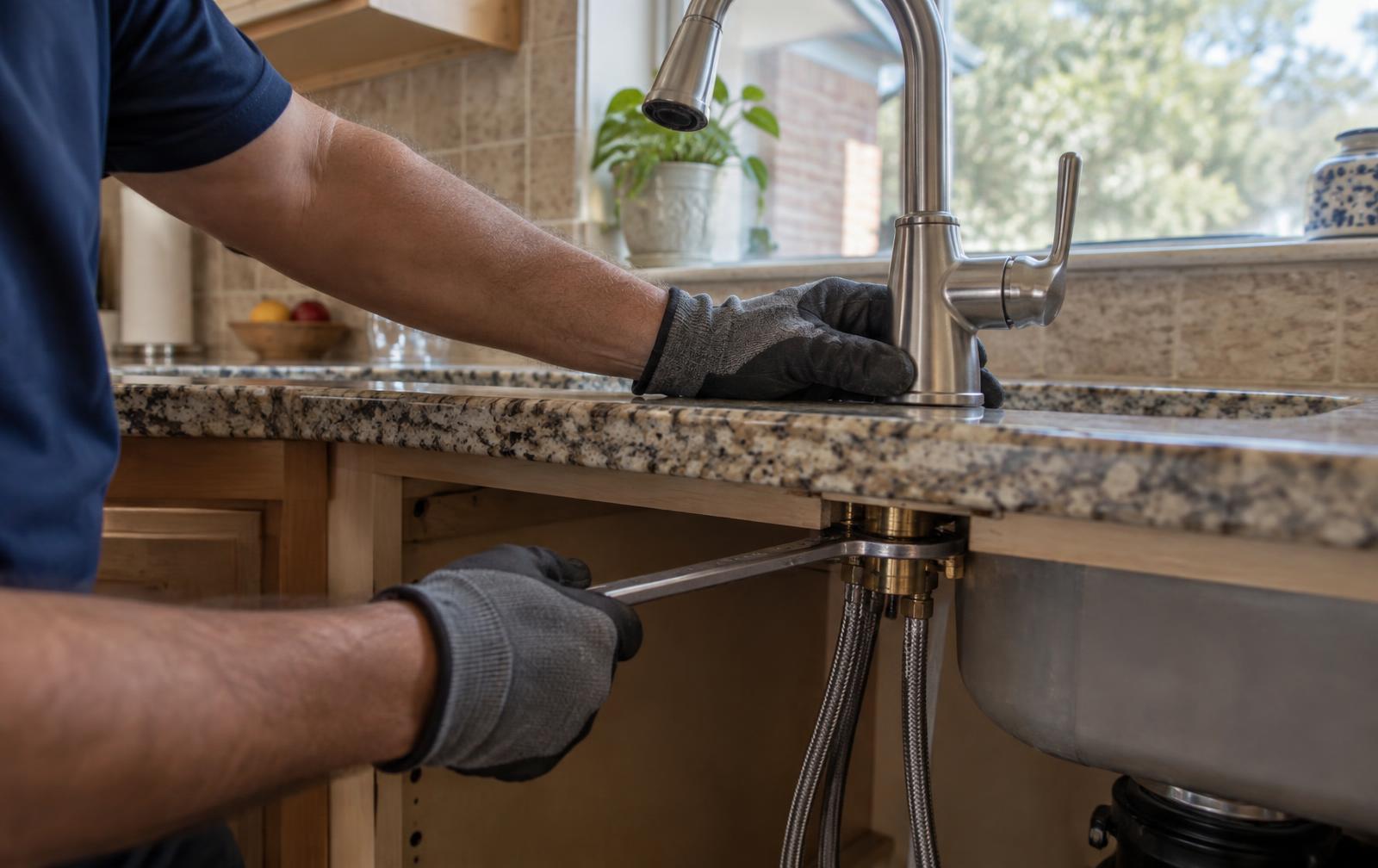
Cartridge, stem, and full-fixture replacement for Coppell kitchens and bathrooms — hard-water-ready parts stocked on the truck.
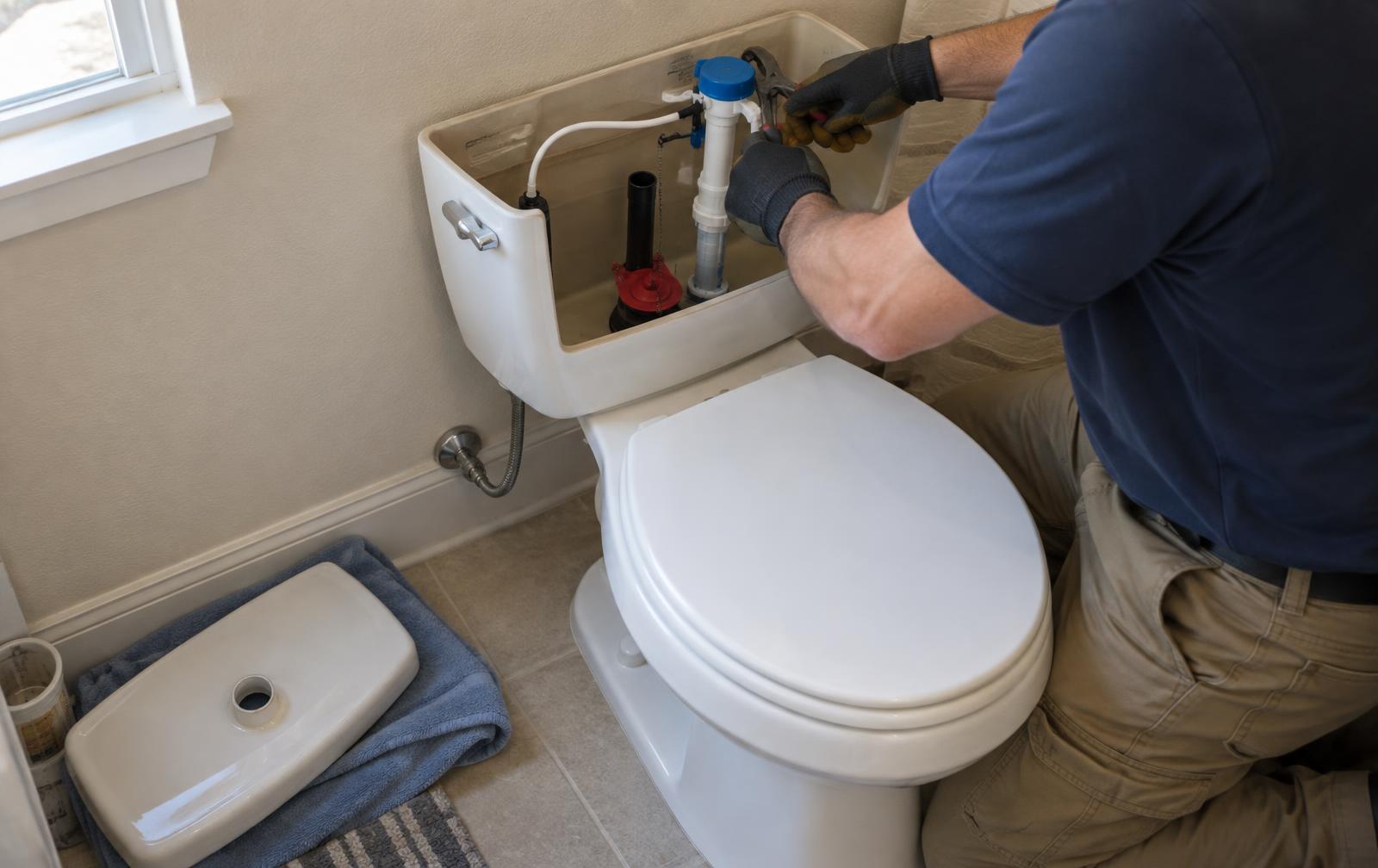
Rebuilds, wax-ring resets, flange repairs, and full replacements — the running toilets and rocking bowls in Coppell homes.
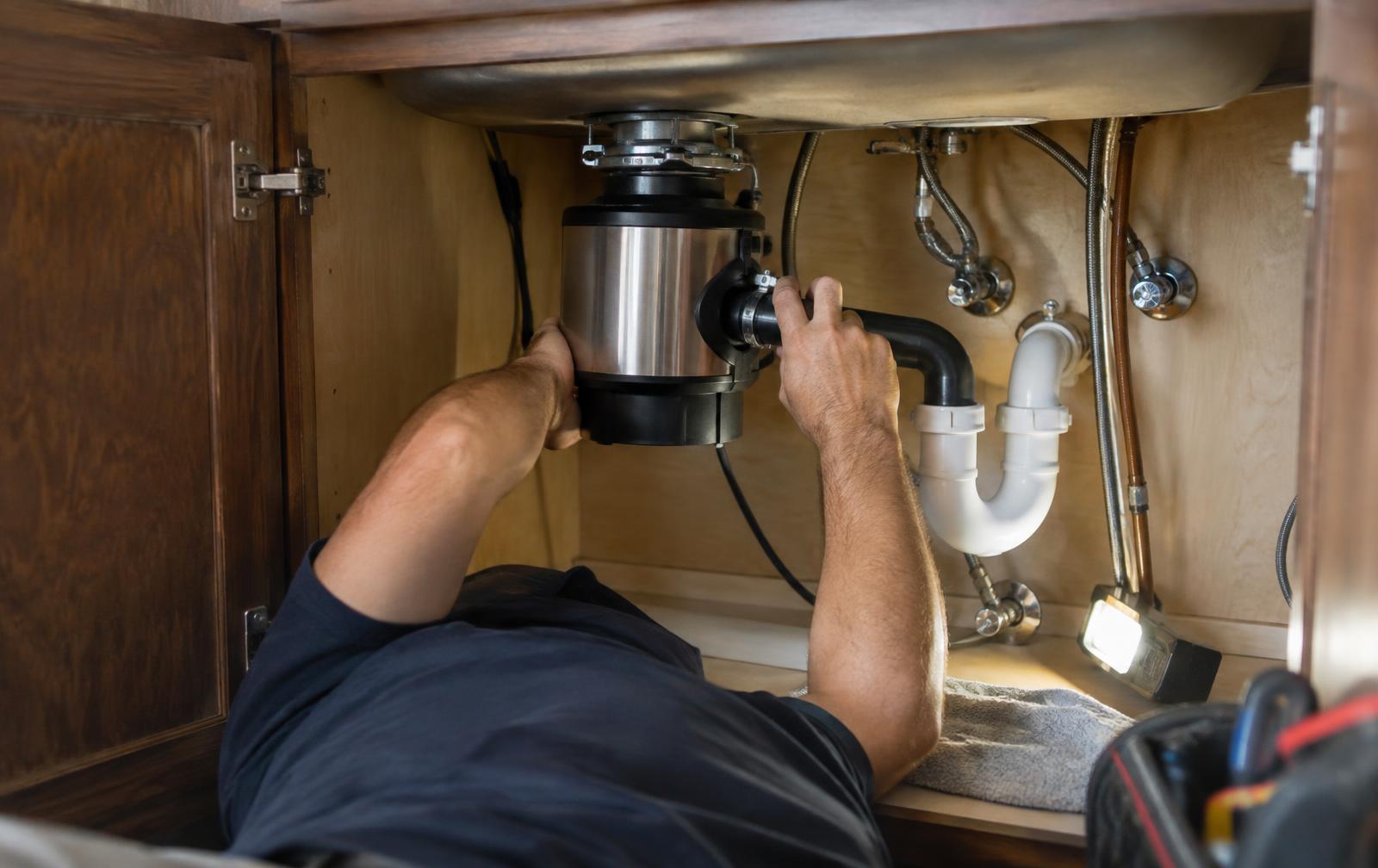
Jam clearing, leaking-unit swaps, and quiet 3/4 HP upgrades for Coppell kitchens — same-visit install.
Sewer Line Acting Up at Your Coppell Home?
A camera pass before we quote anything, a written trenchless plan, and the manufacturer's warranty on the new pipe. Get a scope on the books.