
Hydro Jetting in Coppell, TX
The cable clears it, and a few weeks later it's slow again. The camera shows a rough coating lining the pipe instead of smooth wall. A jetter blasts that coating off entirely and gives the line back its real diameter — the fix that actually lasts in Coppell's older sewer runs.
A Cable Punches Through. Water Scours Clean.
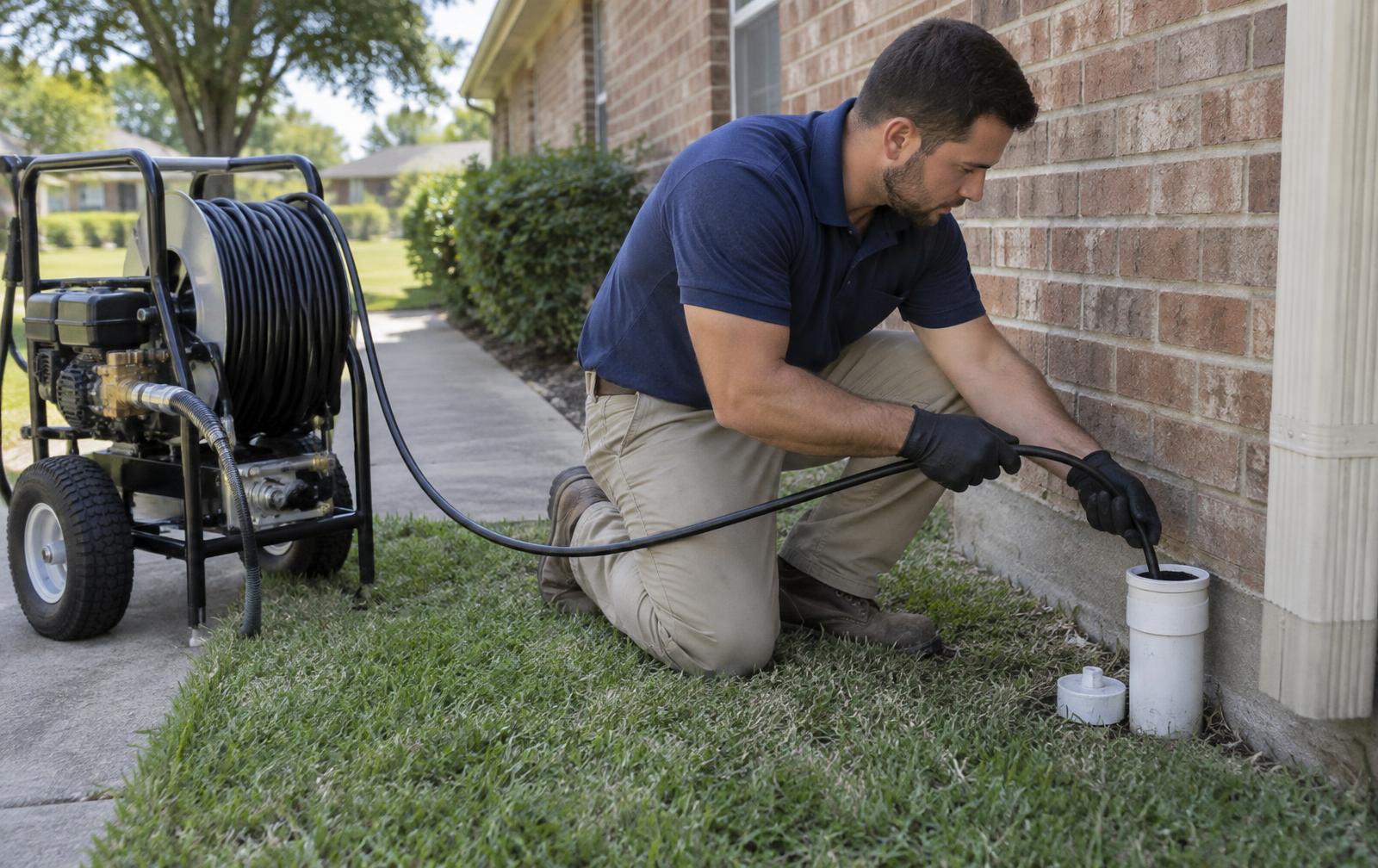
Running a cable through a clog carves a channel wide enough for water to pass, but whatever coated the pipe wall before — grease, mineral scale, root hair — mostly stays put. A jet stream running 3,500 to 4,000 pounds per square inch through a rear-firing nozzle works differently: it strips that coating off the entire circumference of the pipe and pulls the debris back out through the cleanout.
That distinction carries real weight here because so much of Coppell's older housing stock still drains through cast iron. Over half a century, mineral buildup narrows what used to be a full four-inch pipe down to something closer to two and a half. A cable just cuts a hole through whatever's soft inside that narrowed channel; jetting actually restores the original bore.
We run the jetter through the cast-iron mains in Old Town Coppell's oldest homes, and the root-choked laterals feeding the deeper 1980s and 1990s tract lots, always with a camera pass before and after so you can see the difference for yourself rather than take our word for it.
When a Coppell Line Needs the Full Treatment
A cable handles a lot of ordinary clogs fine. These situations call for something stronger.
A line cabled twice already this season that just keeps narrowing again has a coating problem on the wall itself, not a debris problem — jetting is the only thing that actually strips that off.
Healthy pipe reads smooth on camera. A textured layer running down the length of it means jetting is the tool that gets it back to bare material.
A chain flail chops a root ball apart, but fine hair-like roots survive and regrow quickly. Jetting rinses that debris out and pushes the regrowth timeline back considerably.
If the drain remains sluggish after a cable pass, the effective width of the pipe has shrunk from wall buildup — something a cable never addresses but a jetter does.
Heavy home cooking coats a line faster than average use. Jetting on a regular schedule keeps that buildup from turning into a surprise backup.
A lot of Coppell's cast-iron mains benefit from a jetting pass now and then even without a specific complaint — it keeps the full bore open and pushes off the day a section needs replacing.
Scope First, Match the Tool, Confirm on Camera
The nozzle and the pressure both depend on what the pipe is made of and what's built up inside it.
- 1Camera the line before touching it
We look at what we're dealing with first — scale, grease, roots, or some combination — and this step also catches a pipe that's actually broken, which jetting would only make worse by blowing debris out through the crack.
- 2Pick the nozzle and the pressure to match
A chisel tip handles scale, a chain flail handles heavy roots, a penetrator handles solid grease, and a wall-scouring head finishes cast iron. Pressure gets dialed back on older or more fragile pipe to avoid disturbing the joints.
- 3Work the hose from downstream back to the cleanout
The hose feeds past the blockage first, then jets on the way back out, so nothing gets pushed further down the line and stuck somewhere worse.
- 4Go back through again if the first pass isn't enough
Heavy scale or heavy roots sometimes need a second or third pass with a larger nozzle. That's part of the same flat-rate job, not a separate charge if the pipe needs more attention than expected.
- 5Camera it again to prove the result
A final pass shows the pipe clean from wall to wall, and you can compare the before-and-after footage side by side. If something structural turns up under the buildup, we quote that repair honestly — jetting alone can't fix a pipe that's actually failed.
What's Under the Yard Depends on When It Was Built
Pipe material tracks Coppell's building eras closely, and that decides how well jetting works.
The 1920s cottages anchoring this historic district are the likeliest spot in the city for original cast-iron drain lines that have scaled down over a full century — exactly the kind of pipe where jetting shows the most dramatic before-and-after difference.
Brick homes from around 1979 typically transition from early cast iron near the house to PVC further out, and grease buildup at that transition point is the usual reason a jetting call comes in from this area.
Built through the 1980s into the early 1990s near Sandy Lake Road, these homes generally run ABS or PVC drains that resist scale better than cast iron, so root intrusion at aging joints is more often what brings the jetter out here.
The two-story homes off Village Parkway from the early-to-mid 1990s often have longer branch runs feeding a shared main, and jetting the full run rather than just the affected branch tends to prevent a repeat call.
Homes built through the 1980s and 1990s near Grapevine Creek sit over the same expansive clay running through central Coppell, and ground movement here shows up as offset joints that a jetting camera pass catches before they turn into a bigger problem.
Tract homes along the Denton Tap Road corridor from that same era typically have straightforward PVC drains, and preventive jetting here is usually more about keeping ahead of grease than solving root intrusion.
What Coppell Homeowners Say

You See the Pipe Before, and You See It After
Every jetting job comes with before-and-after camera footage for your own records. If the pre-jet scope shows a pipe that's already broken, we stop and tell you — running a jetter through a cracked section pushes debris out through the crack and makes the underlying problem worse, not better.
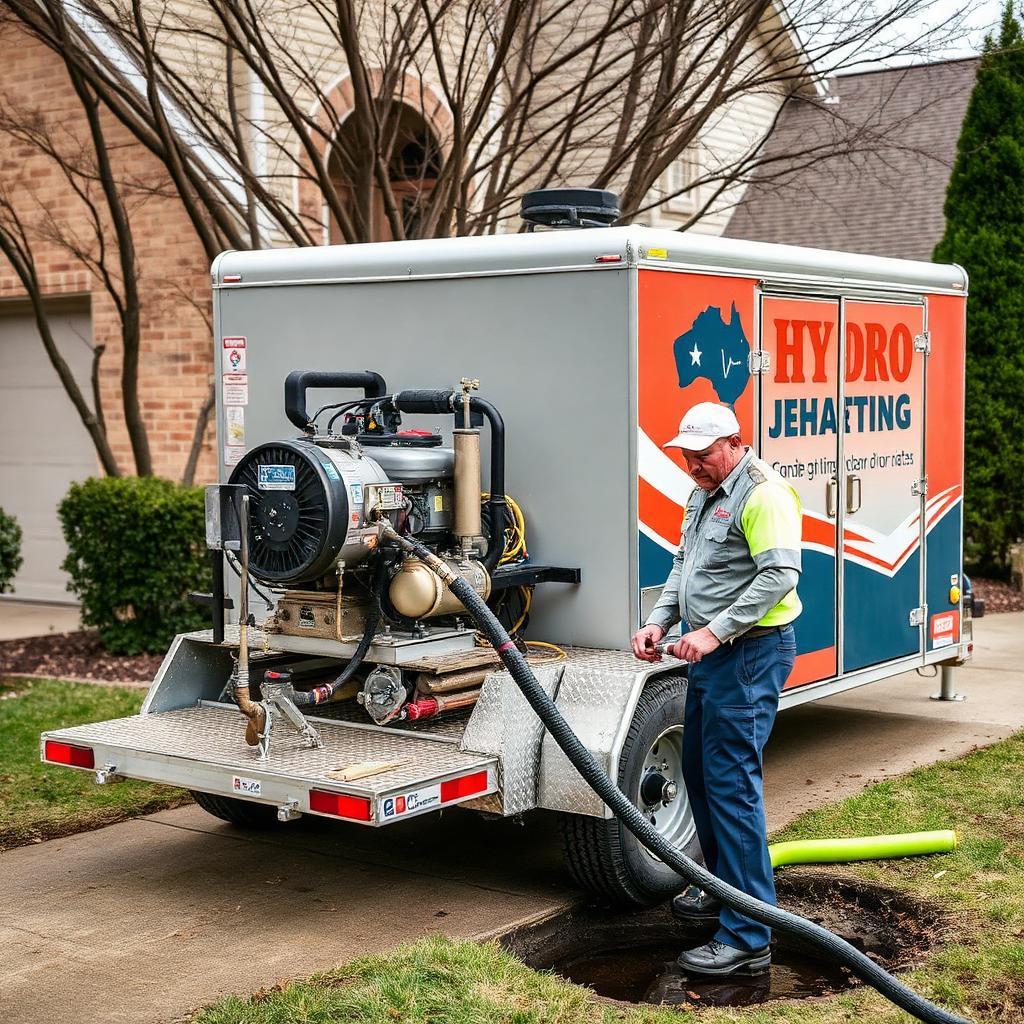
We're licensed by the Texas State Board of Plumbing Examiners, insured, and family-owned, running a full trailer-mounted jetting rig out of our shop in The Colony — about 20 to 25 minutes to most Coppell addresses under normal traffic, with same-day availability for a recurring backup.
Straight Answers, No Sales Pitch
Our Other Plumbing Services in Coppell, TX
Jetting often sits between a simple cable job and a full pipe replacement. If the camera shows the line is actually failing, we handle that replacement locally too.
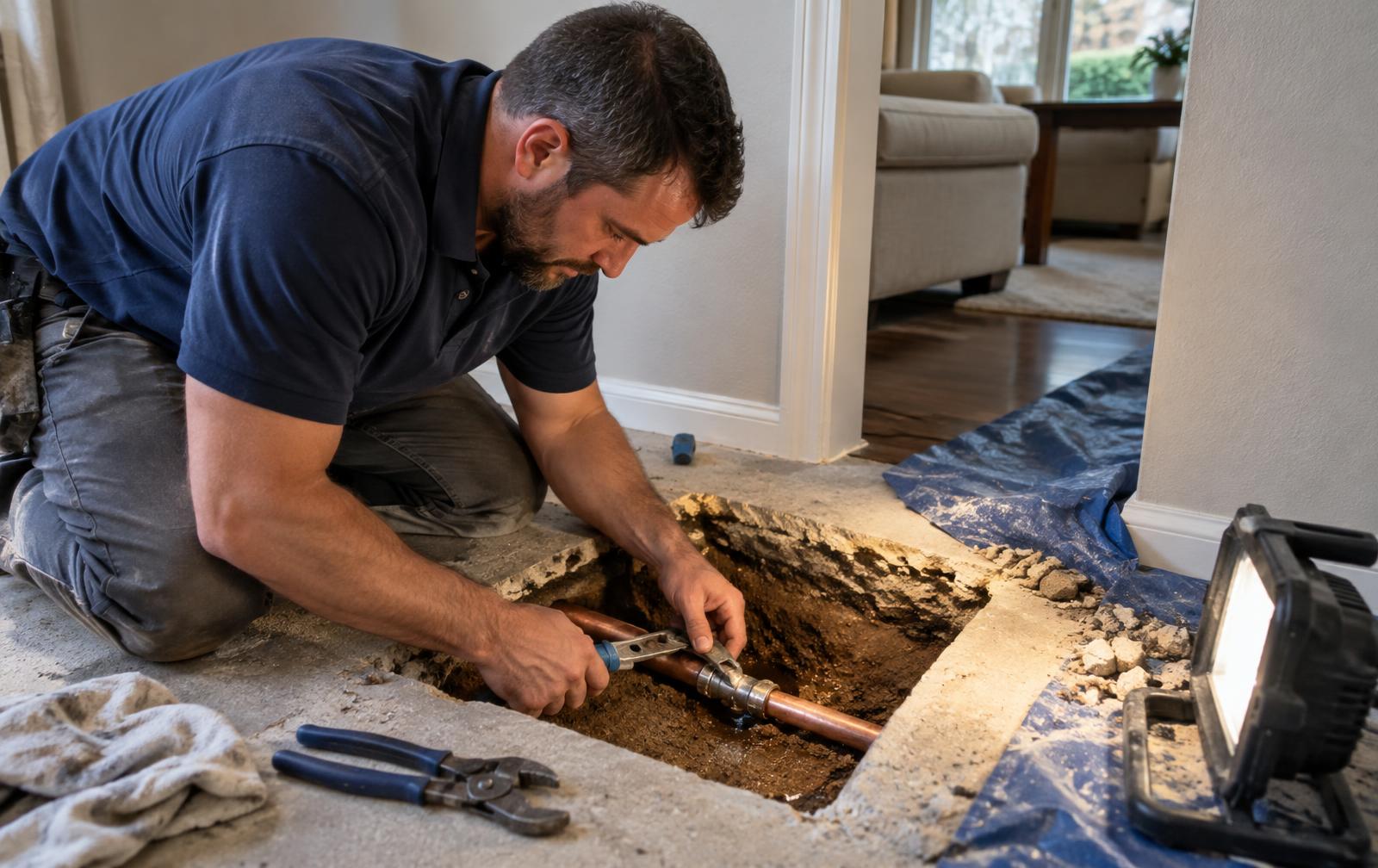
Electronic detection under Coppell slabs — reroute options that save your finished floors when possible.
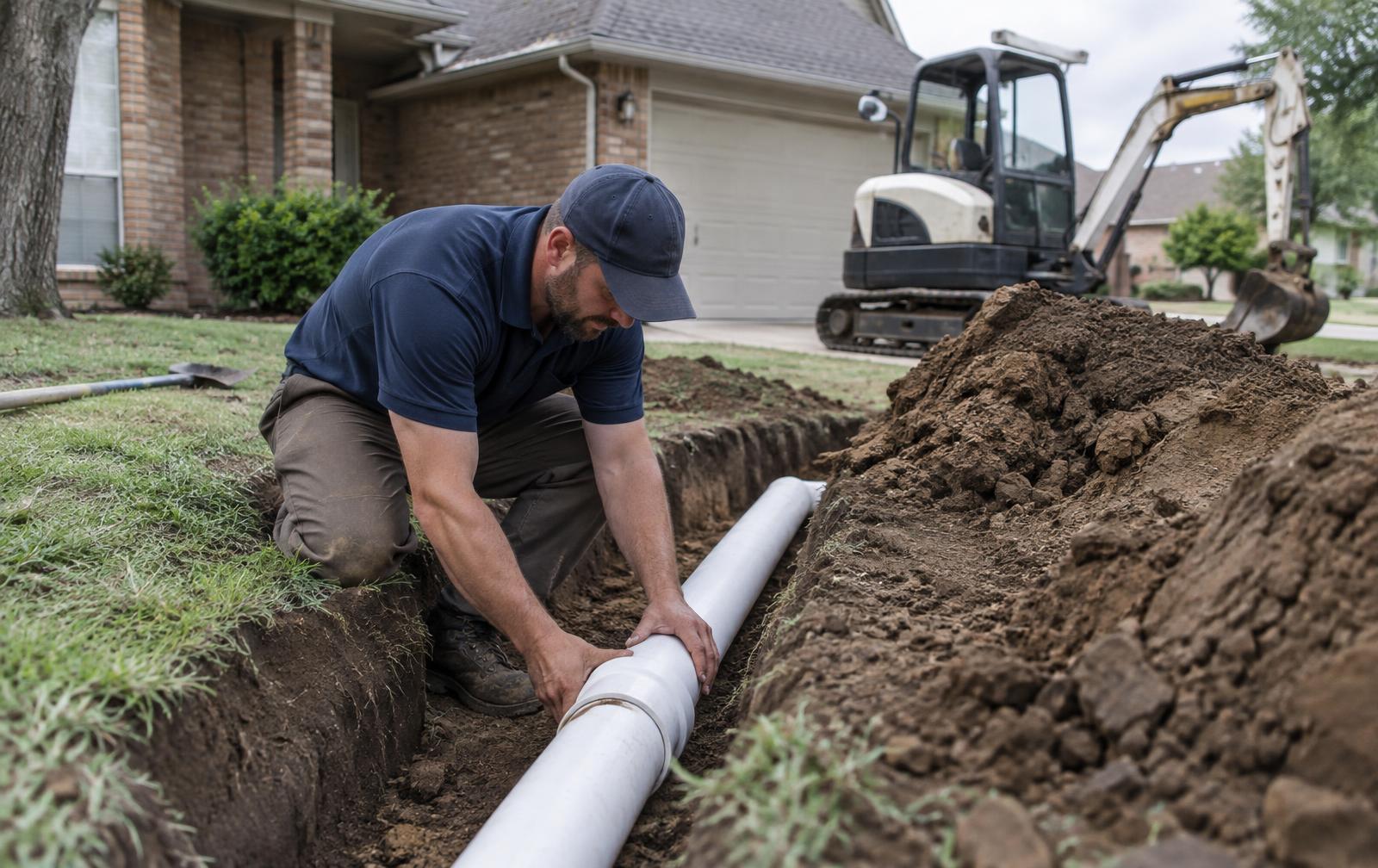
Trenchless replacement for the aging laterals across Coppell's older runs — camera first, quote in writing, minimal yard damage.
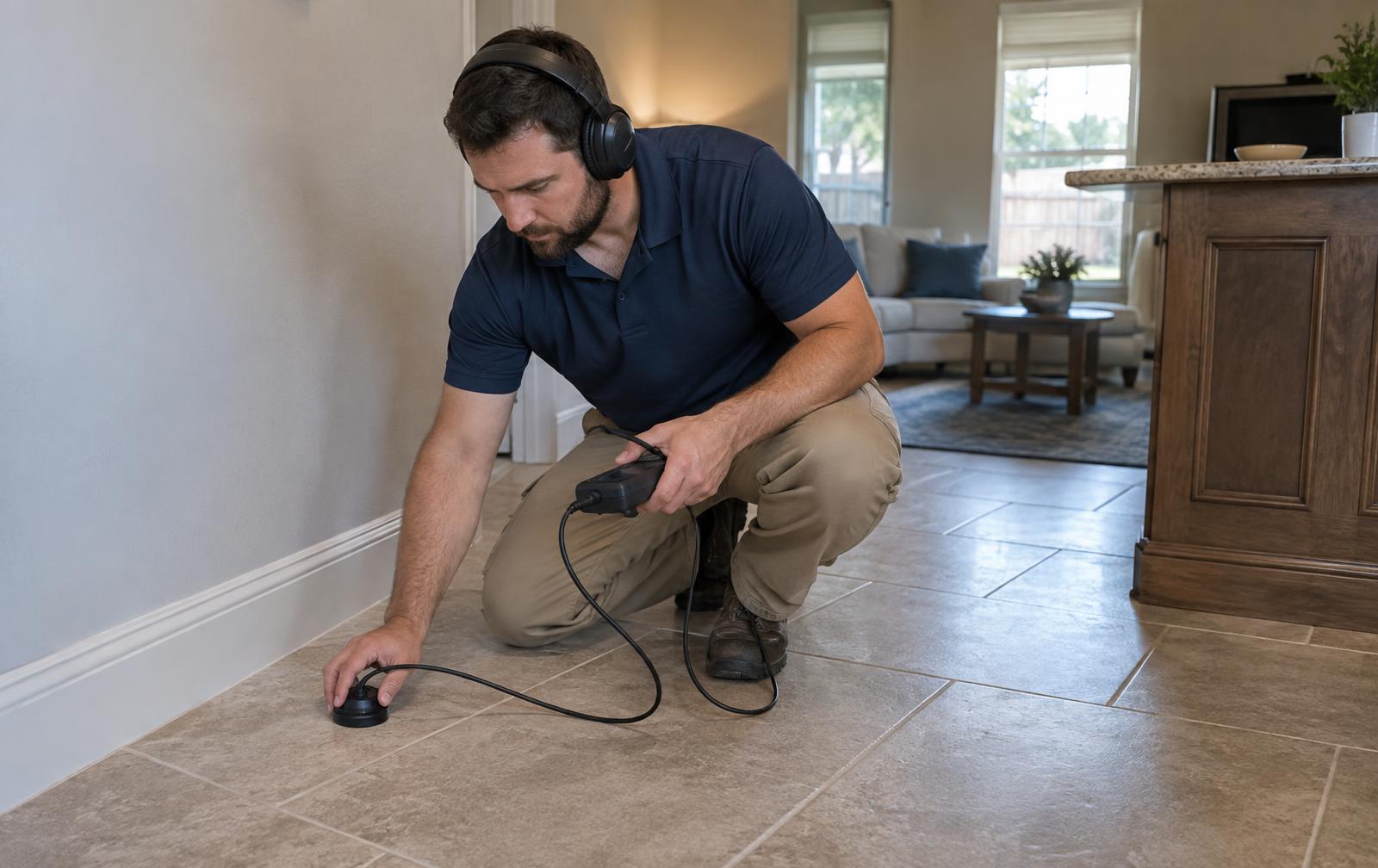
Acoustic, thermal, and pressure testing to pinpoint hidden leaks in Coppell slab and wall lines without tearing into finishes.
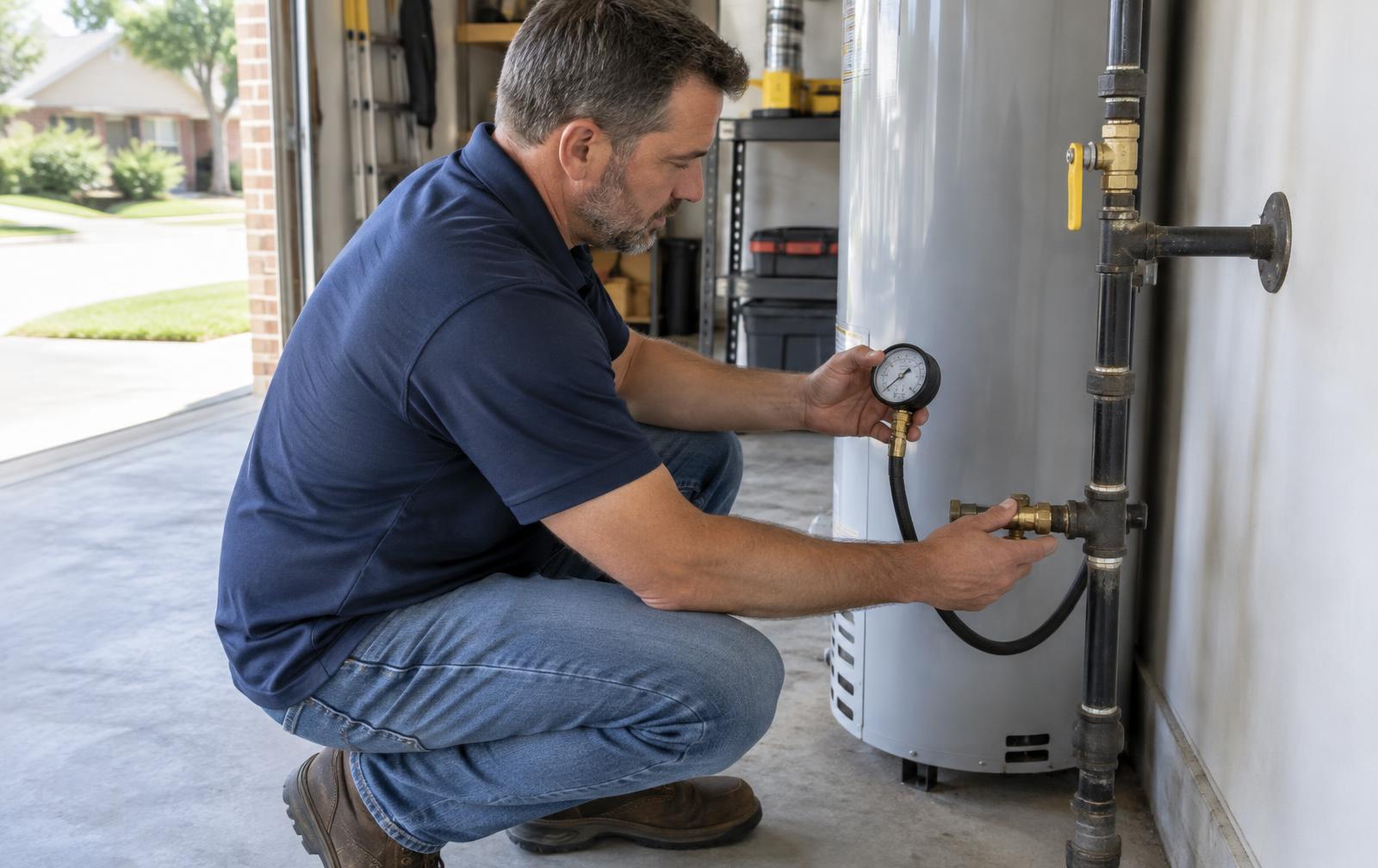
Licensed install, repair, and pressure-testing for Coppell homes — every line signed off to Texas code and Atmos requirements.
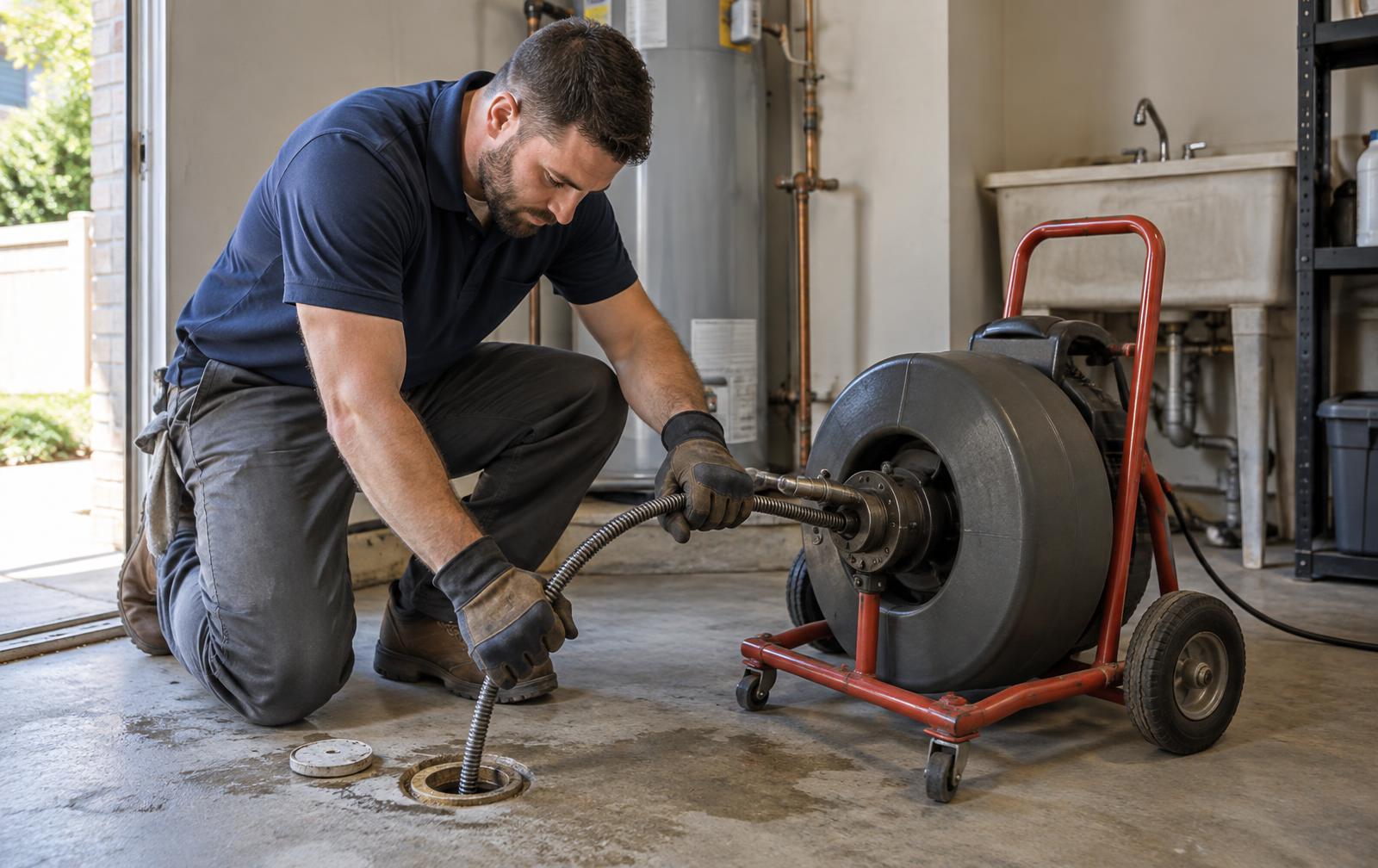
Full-clear service and camera confirmation for the drains under Coppell's neighborhoods.
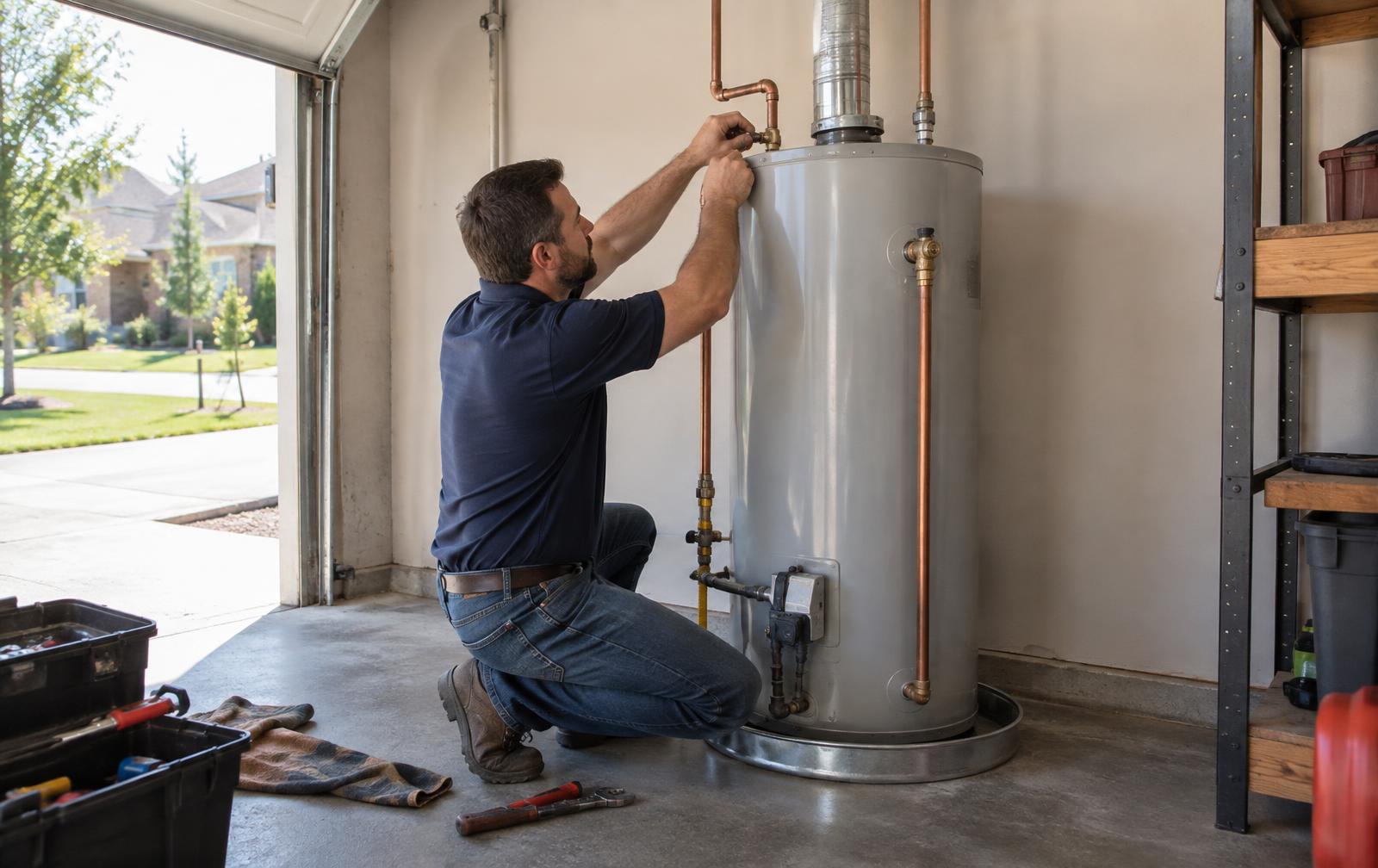
Repair, flush, and replacement of tank units — including attic and garage heaters common to Coppell homes.
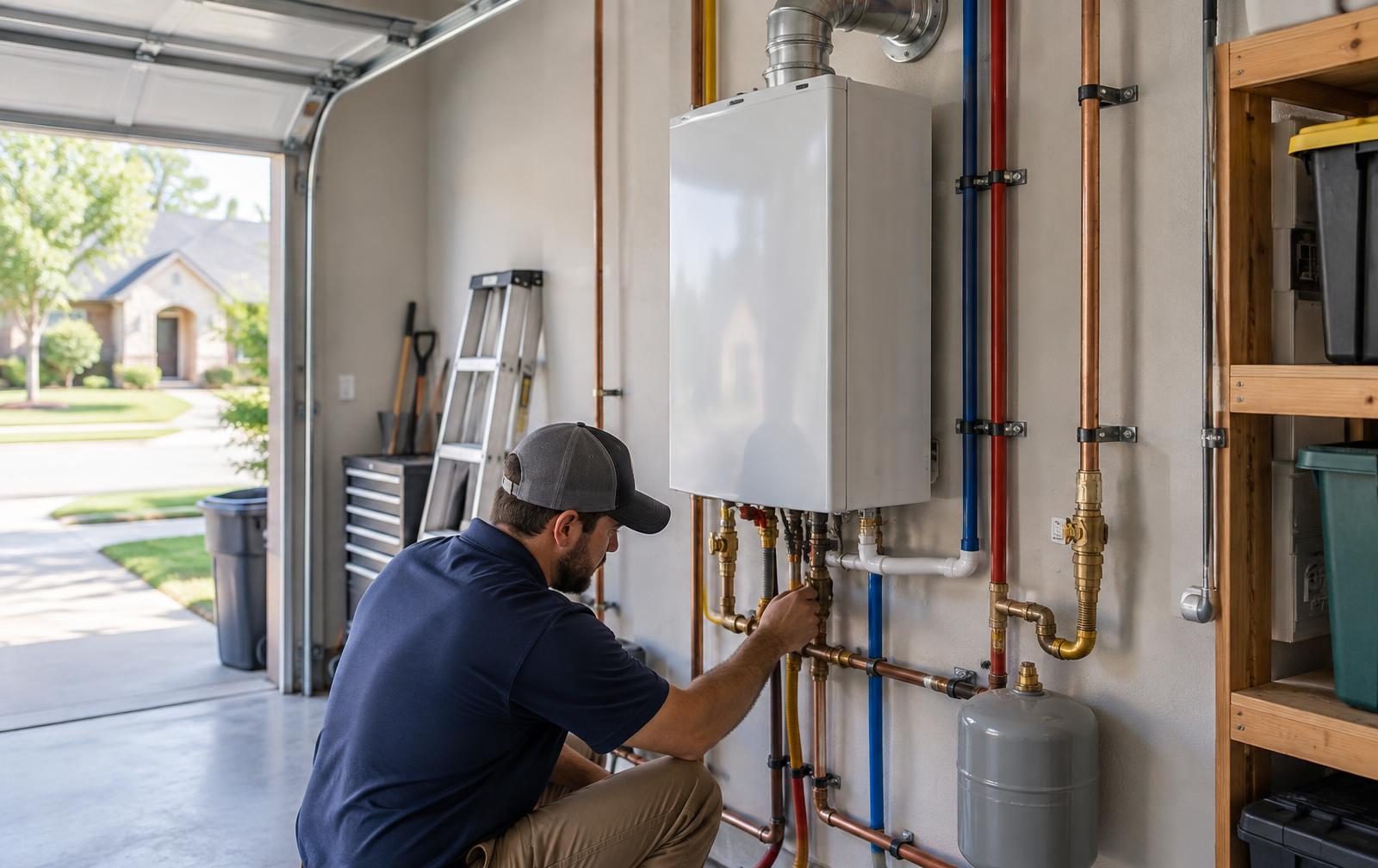
Install, service, and annual descaling — Coppell's hard tap water eats tankless heat exchangers without it.
same-day, 7 days a week response across Coppell for burst pipes, heater failures, and main-line backups.
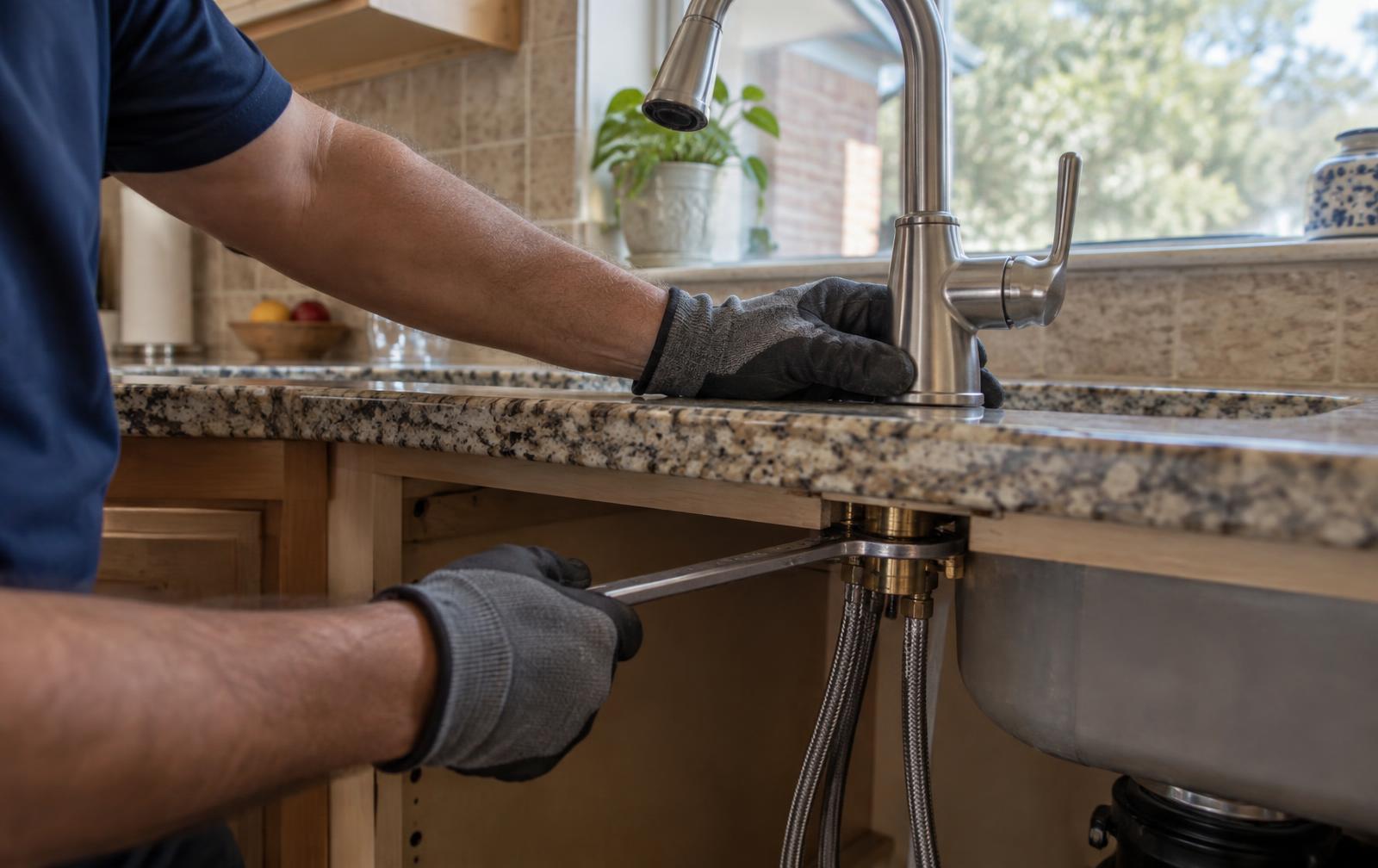
Cartridge, stem, and full-fixture replacement for Coppell kitchens and bathrooms — hard-water-ready parts stocked on the truck.
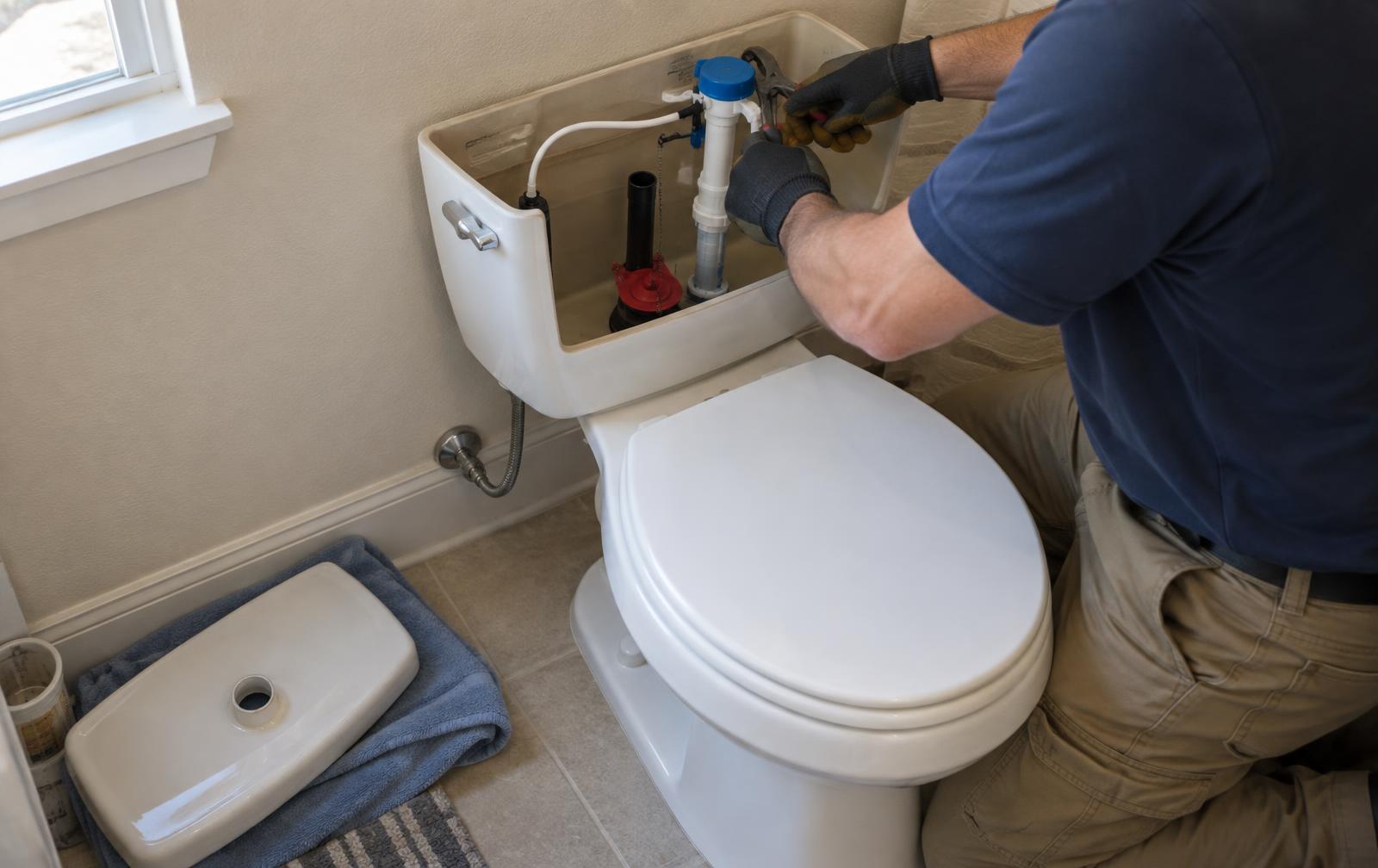
Rebuilds, wax-ring resets, flange repairs, and full replacements — the running toilets and rocking bowls in Coppell homes.
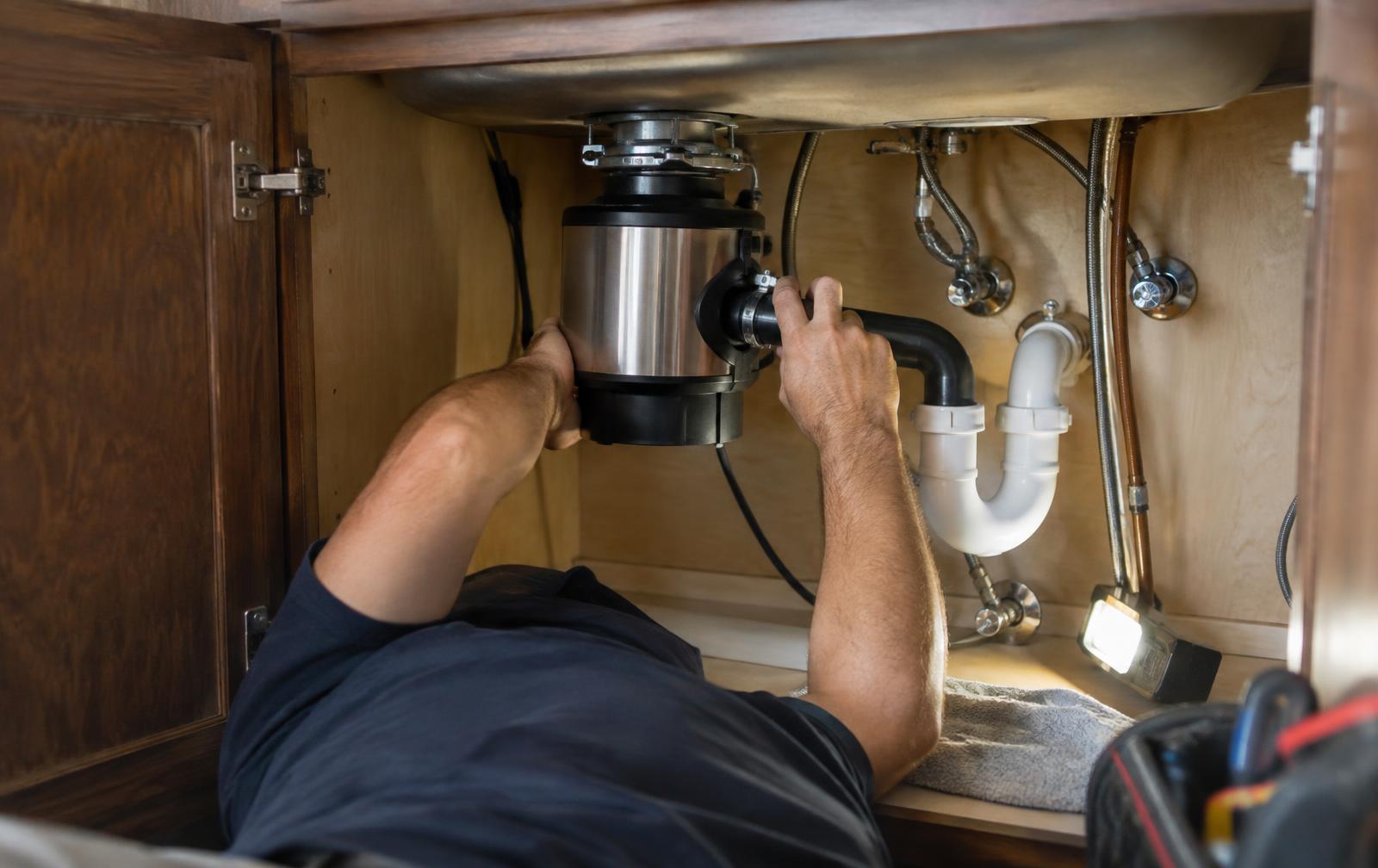
Jam clearing, leaking-unit swaps, and quiet 3/4 HP upgrades for Coppell kitchens — same-visit install.
Dealing With a Drain That Keeps Coming Back in Coppell?
Full-diameter jetting with a before-and-after camera pass. Call to get on the schedule.