
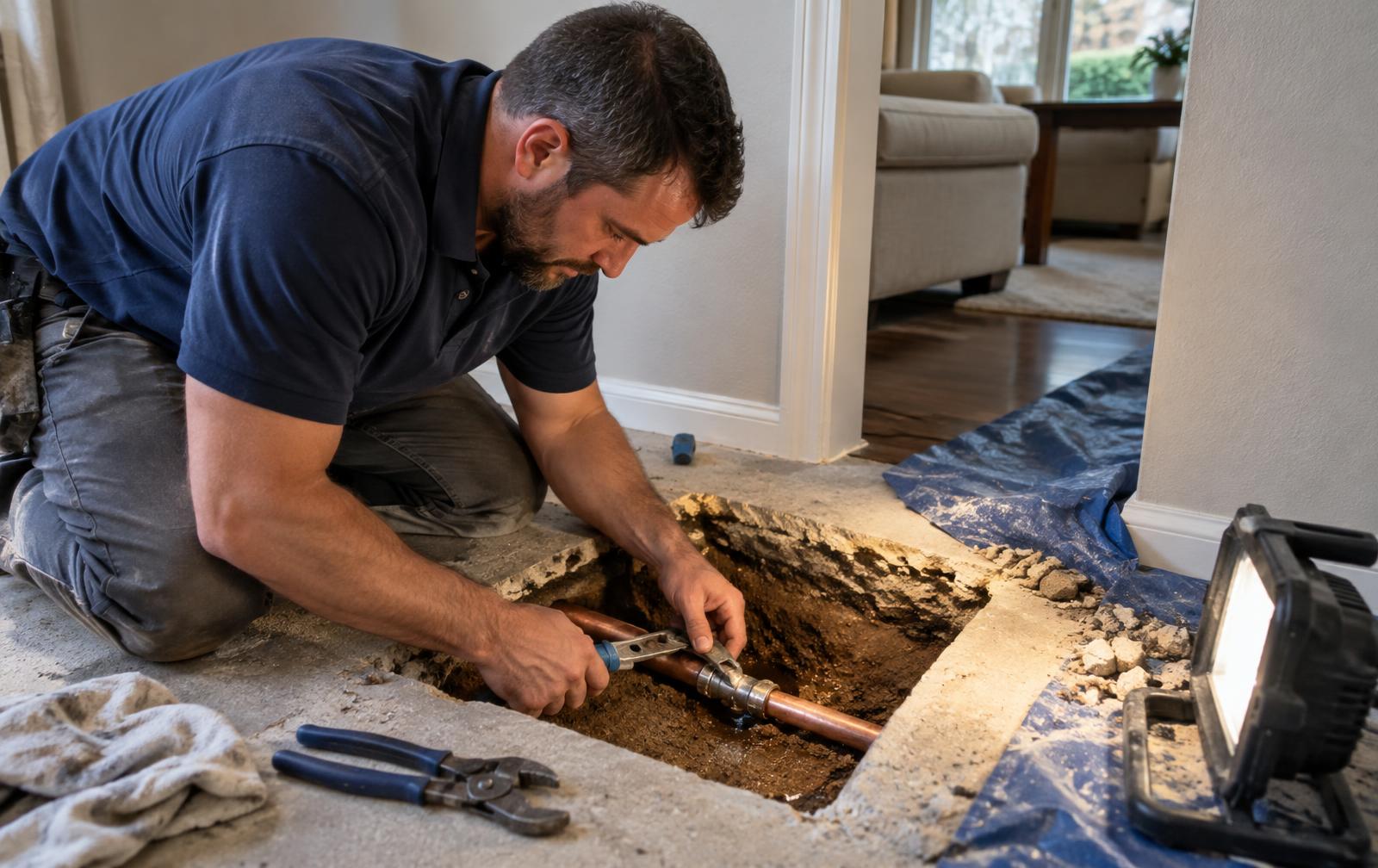
Slab Leak Repair in Coppell, TX
One bathroom tile stays cool while the one next to it feels almost warm to bare feet. The water bill went up and nobody added a sprinkler zone. We track down slab leaks under Coppell foundations first, and only after that do we talk about whether to cut the concrete or bypass it entirely.
Why So Many Slab Leaks Trace Back to the Ground Itself
Underneath Coppell is Eagle Ford clay, the oldest layer in the Blackland Prairie belt, and soil surveys for the area do not hedge about it: high shrink-swell potential. That clay sits under the bulk of the city, including the corridor around Grapevine Creek that cuts through the middle of town, and it has been quietly flexing under slabs poured during Coppell's big residential build-out in the 1980s and 1990s for forty-plus years now. Meanwhile city water pressure regularly tests above 80 psi, so a joint under one of those slabs is absorbing ground movement and elevated pressure at once.
There's a slower factor too — chlorine and chloramine keep the water supply safe, but over enough years that same disinfectant erodes copper pipe from the inside. Put an old under-slab copper line through soil movement, high pressure, and decades of disinfectant contact, and a pinhole is close to inevitable long before the pipe looks visibly bad from outside.
None of that changes how we start a job, though: find the leak precisely with acoustic and thermal tools, then lay out whether cutting the slab or bypassing it with an attic PEX run actually makes more sense for that specific line. Breaking concrete on a hunch is how a small repair turns into a large one.
Signs of a Slab Leak in Your Coppell Home
These leaks stay hidden for a long stretch. Noticing early keeps the eventual fix small.
A hot-side line leaking beneath the slab warms whatever sits above it. Walk the house early in the morning before the AC has run — a section of tile or wood that feels off compared to the rest is worth a second look.
Even a modest slab leak adds up over a full billing cycle without ever showing itself above ground. If nothing new is connected at the house and the number still went up, put a slab leak on the list.
A hot line losing water below the slab forces the heater to keep replacing what leaked out. Listen for it cycling more often, or notice the closet holding more heat than normal.
Persistent dampness under a slab eventually breaks grout and pushes hardwood boards up where they meet. Both point to moisture that has been present a while, not a brand-new problem.
Shut the whole house down for a minute, get close to the floor or a nearby wall, and listen. A soft hiss or trickle under those conditions means water is moving somewhere it shouldn't be.
If only the hot side loses strength, or showers get cut short on hot water specifically, that points at a hot-side line under the slab rather than a whole-house supply problem.
Pin the Location, Then Talk Through the Fix
The slab stays closed until we know exactly where the failure is and which repair path actually fits.
- 1Test hot and cold separately
Working from the water heater, we pressure-test each side on its own to identify which line has failed. That single answer shapes everything after it, including whether a bypass would touch one line or both.
- 2Narrow it down with three tools, not one
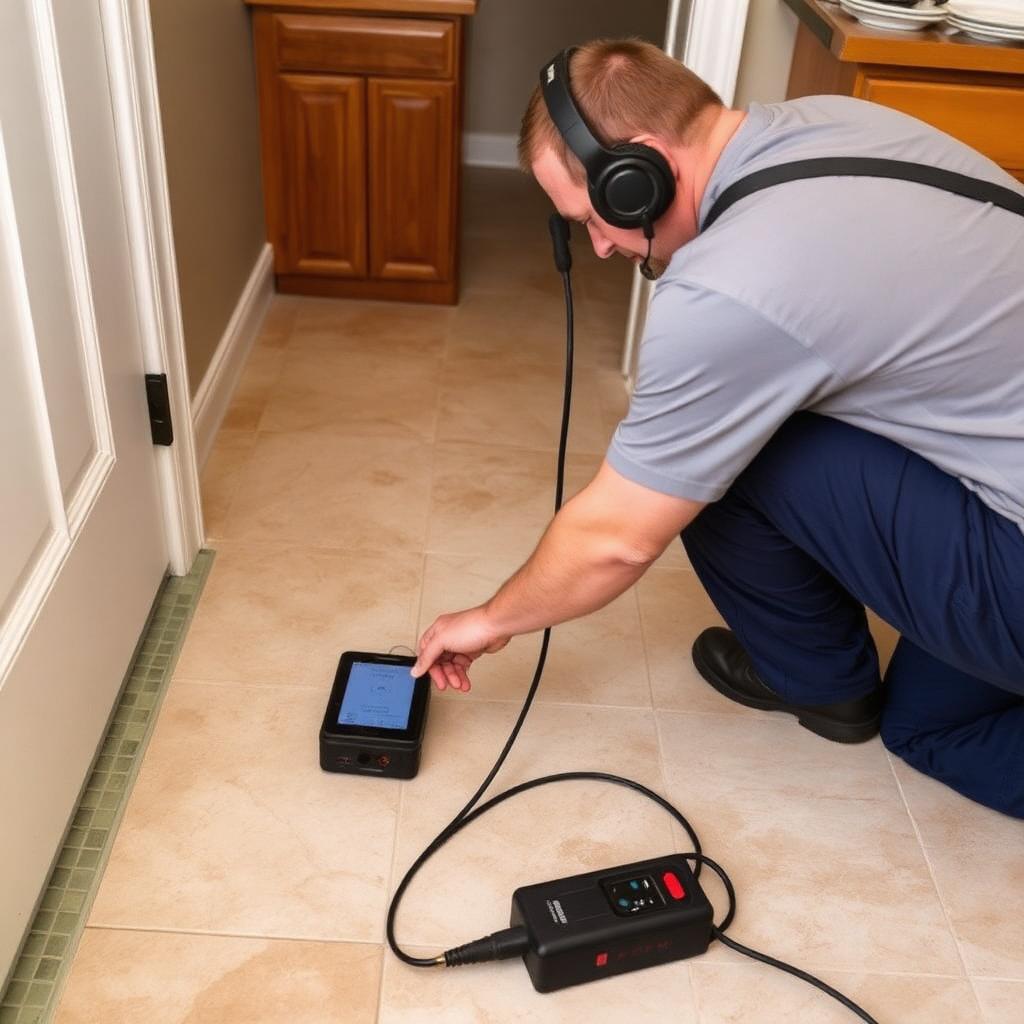
Ground microphones, a thermal camera across walls and floor, and a tracer gas check on the isolated line together usually put the failure inside a small, provable area rather than a vague guess.
- 3Walk through the real trade-offs with you
Cutting the slab at one spot, splicing a fitting, and patching the concrete is usually the smaller job when the rest of the line still tests fine. Abandoning that line altogether and running new PEX through the attic instead is the better call when the surrounding copper is the same age and likely headed the same direction.
- 4Do the work you agreed to
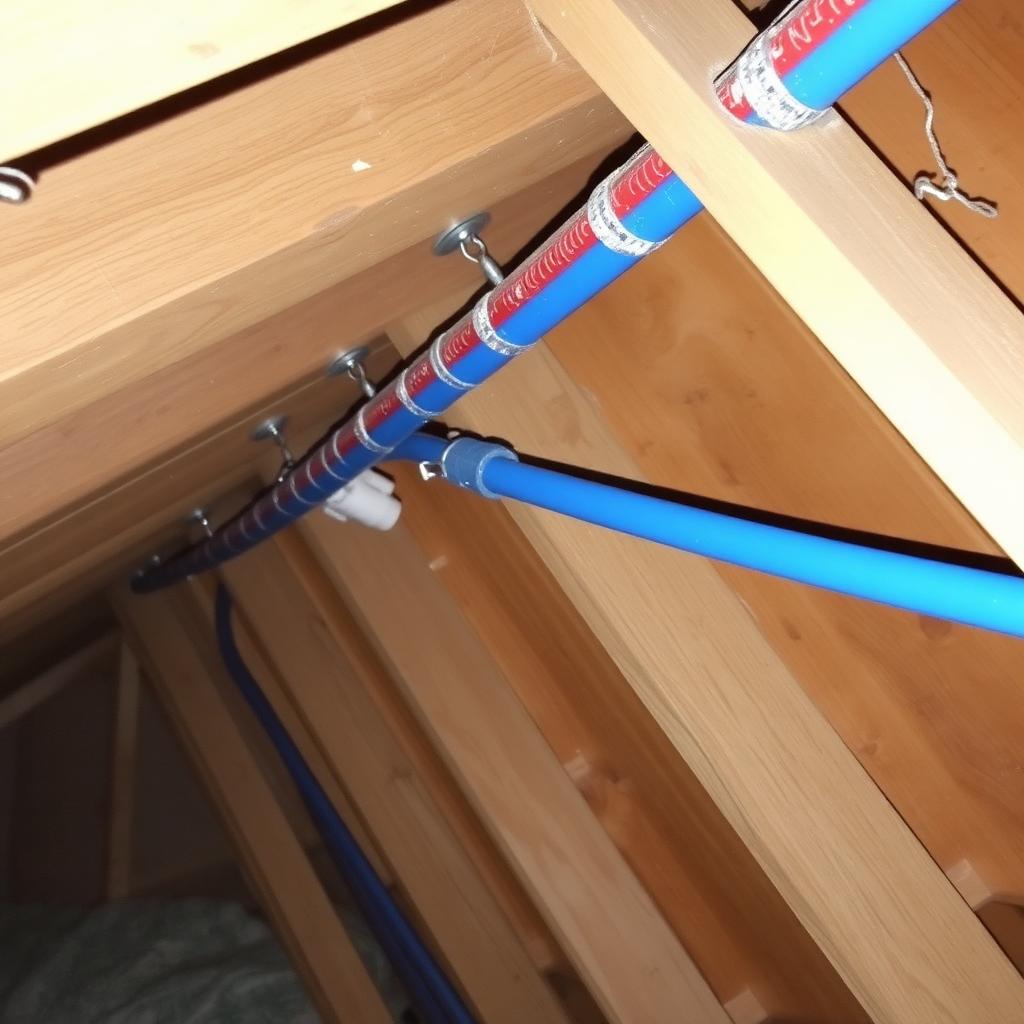
For a targeted cut, we open just enough concrete, replace the failed section with a sound fitting, and patch it back. For a bypass, new PEX-A goes in overhead, ties into the fixtures above, and the old slab line gets permanently capped off.
- 5Confirm it held, and give you the paperwork
The finished line gets pressure-tested with you present, and you leave with photos covering the detection, the repair itself, and the final test.
Cut the Slab or Go Overhead — Both Get Quoted
Neither option wins automatically. It comes down to how old the rest of your copper is, how many fixtures share that run, and how much finished flooring sits over the slab.
One controlled opening in the concrete, a sound splice at the failure point, and a patch. This makes sense when the rest of the line has plenty of life left in it.
- Original routing stays exactly as it was
- Price depends on access, length of run, and what the concrete work involves, always written down before the cut
- Finish flooring restoration is usually a separate contractor's scope
- A weaker choice if the surrounding copper is aging at the same rate
The failed slab run gets abandoned for good, replaced by a new PEX-A line overhead that ties in above the fixtures. This fits best when today's leak is likely the first of more to come.
- Ends concrete cuts on that line permanently
- Skips over copper you cannot inspect anyway
- Depends on attic access, which we check on-site before quoting
- Larger upfront scope that usually costs less across the following years
Slab Leaks Look Different Depending on Where in Coppell You Are
The decade a section was built still shapes which repair path makes the most sense.
Some of the surviving homes date back to the 1920s, long before post-tensioned slabs existed, meaning any original copper under those foundations has absorbed roughly a century of soil movement. A single targeted cut only makes sense once the rest of that line checks out sound.
Built around 1979, these brick homes generally sit on slabs poured before post-tensioning was standard practice, with copper lines to match. One failure here is often an early warning about the rest of the run.
Development ran from the 1980s into the early 1990s here, under the same clay conditions found through the rest of central Coppell — a good reason to weigh an attic bypass instead of coming back to spot-repair the same line twice.
This section dates to the early-to-mid 1990s, slightly newer than most of the city, and an isolated failure in one of these homes more often gets resolved with a single targeted cut rather than a full bypass conversation.
Properties near Grapevine Springs Park sit right over the Eagle Ford clay tracking Grapevine Creek, ground specifically documented for aggressive shrink-swell behavior — a concrete, local reason slab movement shows up here sooner than in flatter sections of town.
This part of the Denton Tap corridor filled in during the 1980s-1990s wave on original slab copper old enough that a full attic bypass frequently pencils out better than repeating a spot repair down the line.
What Coppell Homeowners Say
One Repair, Not a Repeat Visit Next Year
Our workmanship on every slab leak job is warrantied. When we point you toward a bypass because the surrounding copper is clearly aging out, that recommendation gets made at the quote stage, not after a second leak forces the conversation.
Aqua Pure Plumbing is a family-owned, insured shop licensed through the Texas State Board of Plumbing Examiners, and every truck comes from our address in The Colony. We run same-day appointments seven days a week, 8 AM to 6 PM, for an active slab leak.
Straight Answers, No Sales Pitch
Our Other Plumbing Services in Coppell, TX
One slab leak is often a hint that the rest of the supply system is the same vintage. We also cover the sewer line, water heater, and full re-pipe conversation locally in Coppell.
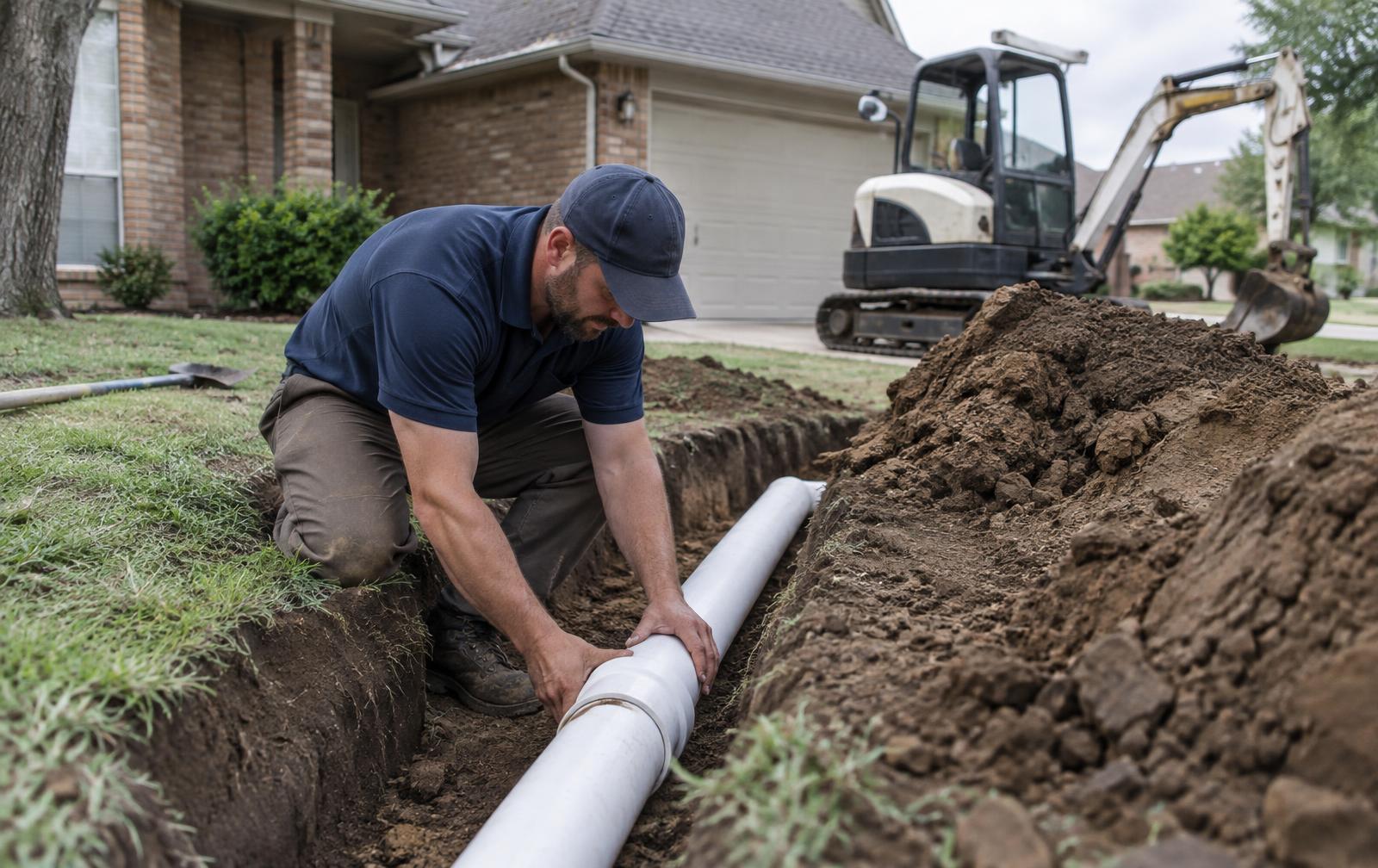
Trenchless replacement for the aging laterals across Coppell's older runs — camera first, quote in writing, minimal yard damage.
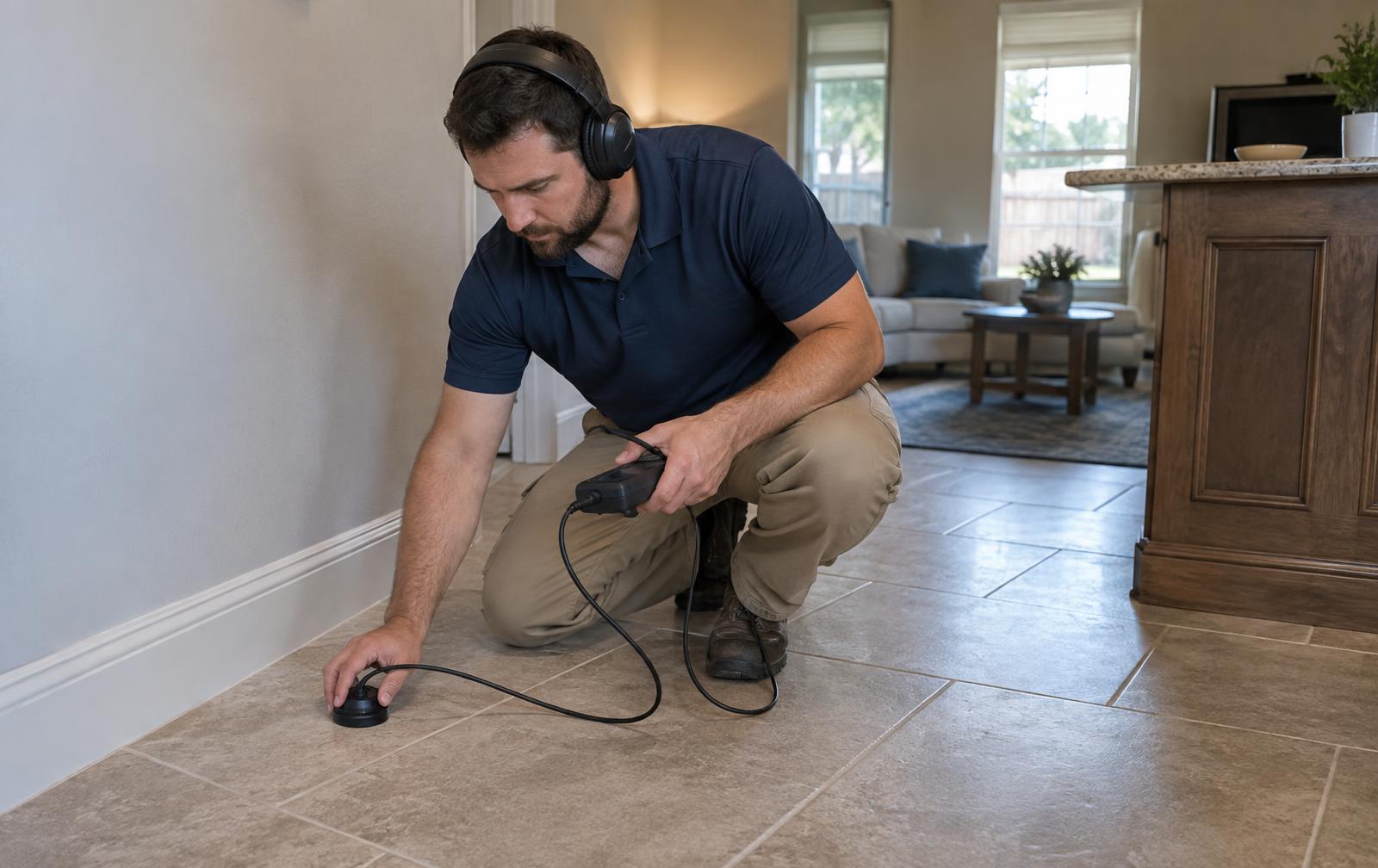
Acoustic, thermal, and pressure testing to pinpoint hidden leaks in Coppell slab and wall lines without tearing into finishes.
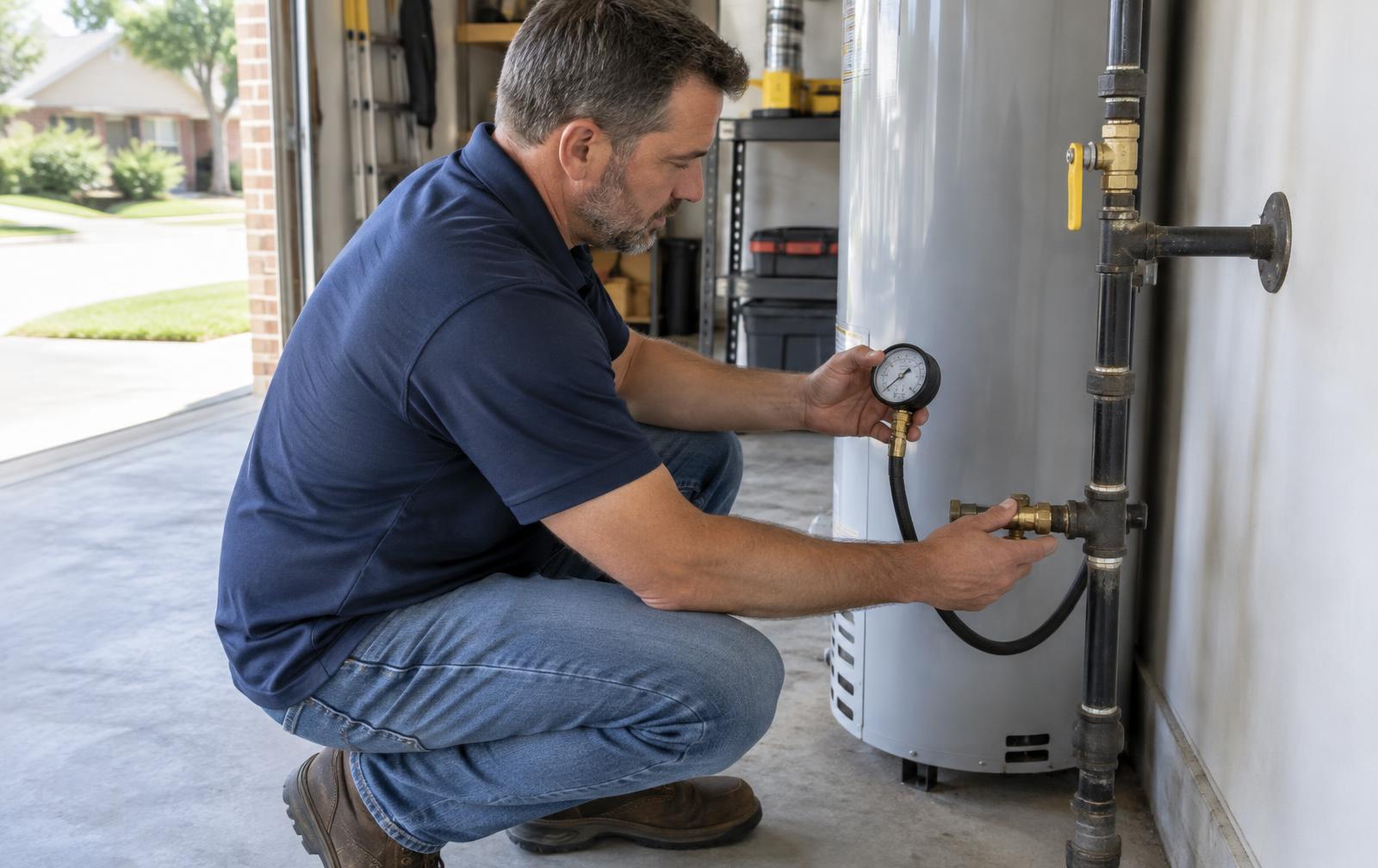
Licensed install, repair, and pressure-testing for Coppell homes — every line signed off to Texas code and Atmos requirements.
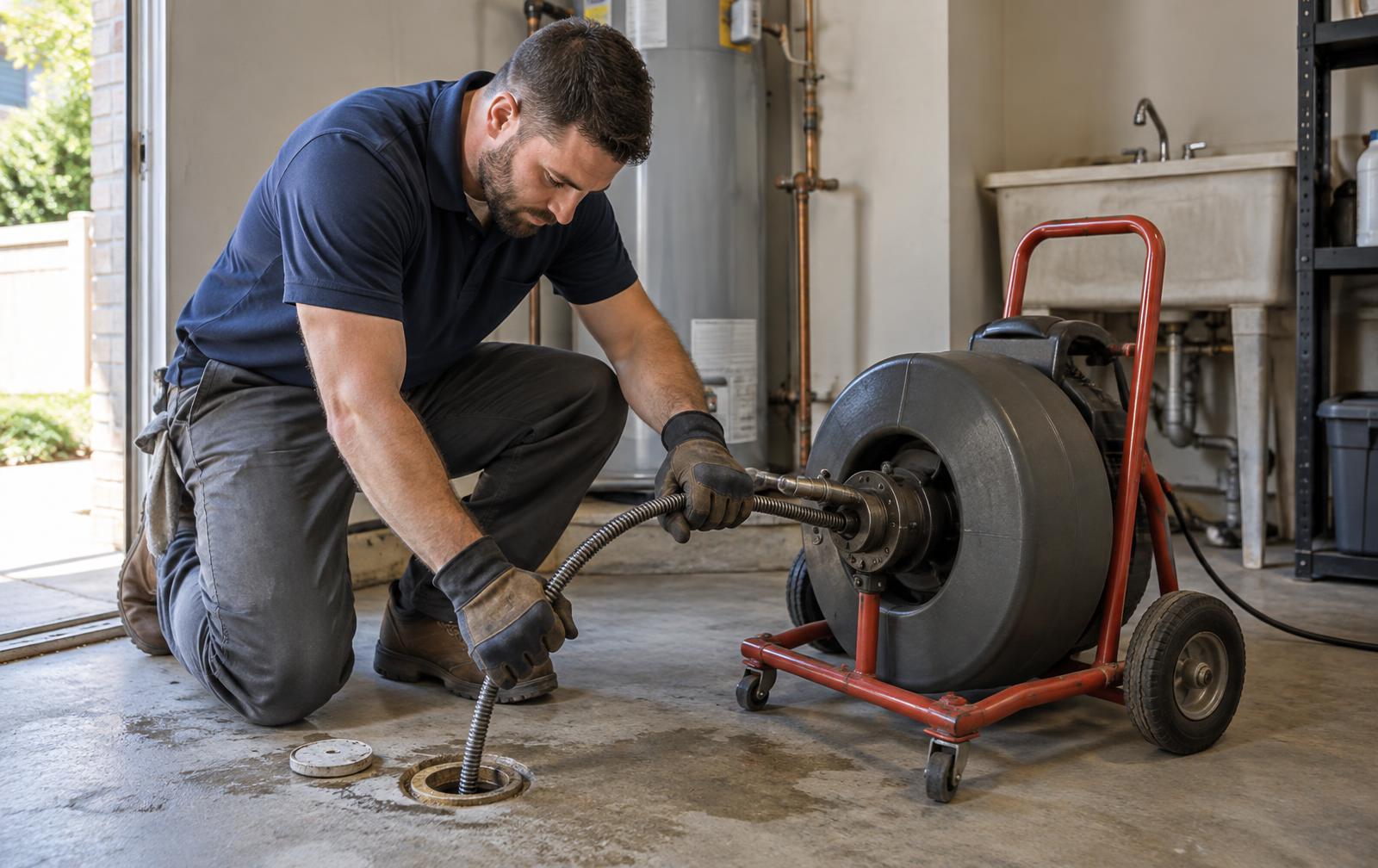
Full-clear service and camera confirmation for the drains under Coppell's neighborhoods.
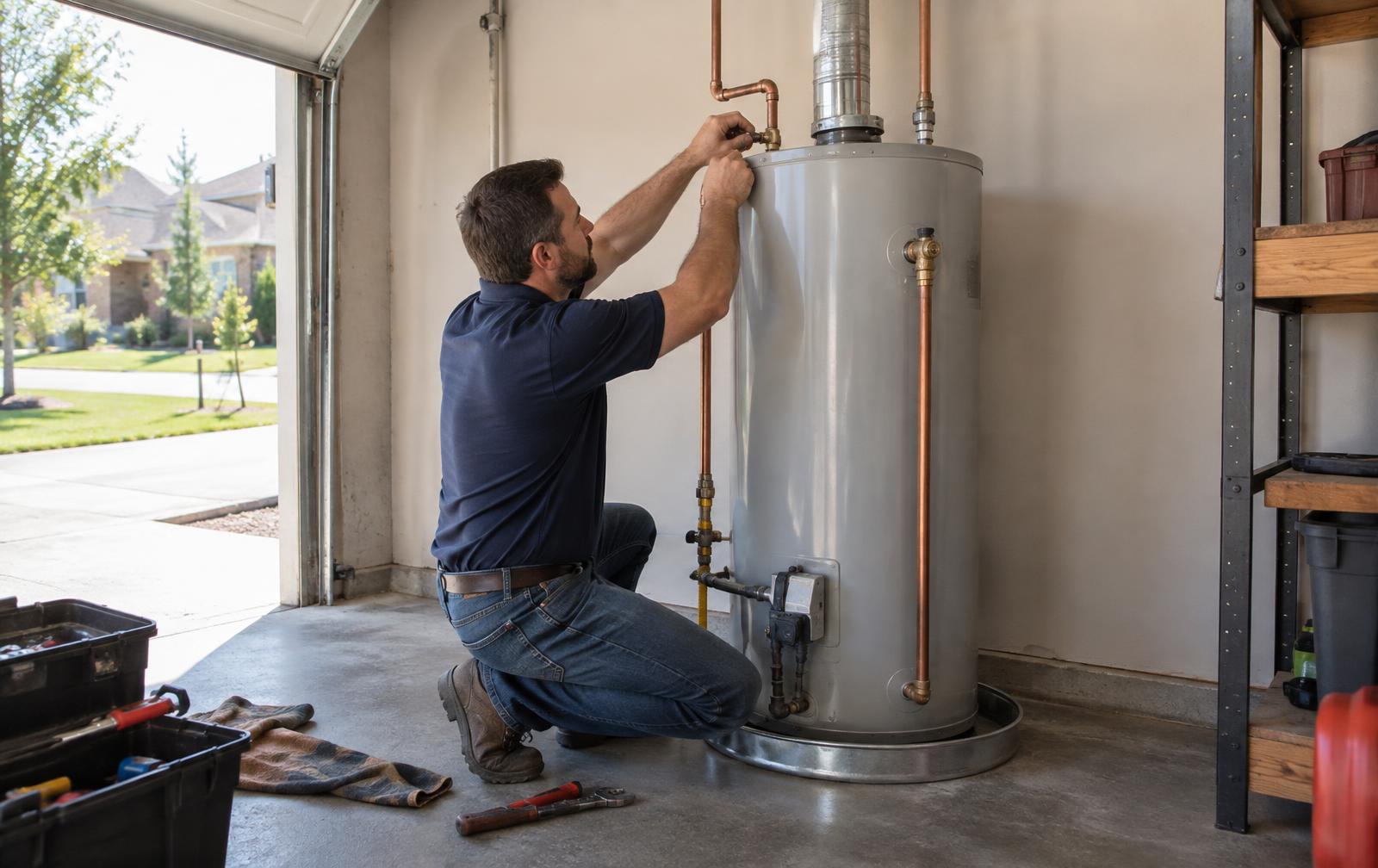
Repair, flush, and replacement of tank units — including attic and garage heaters common to Coppell homes.
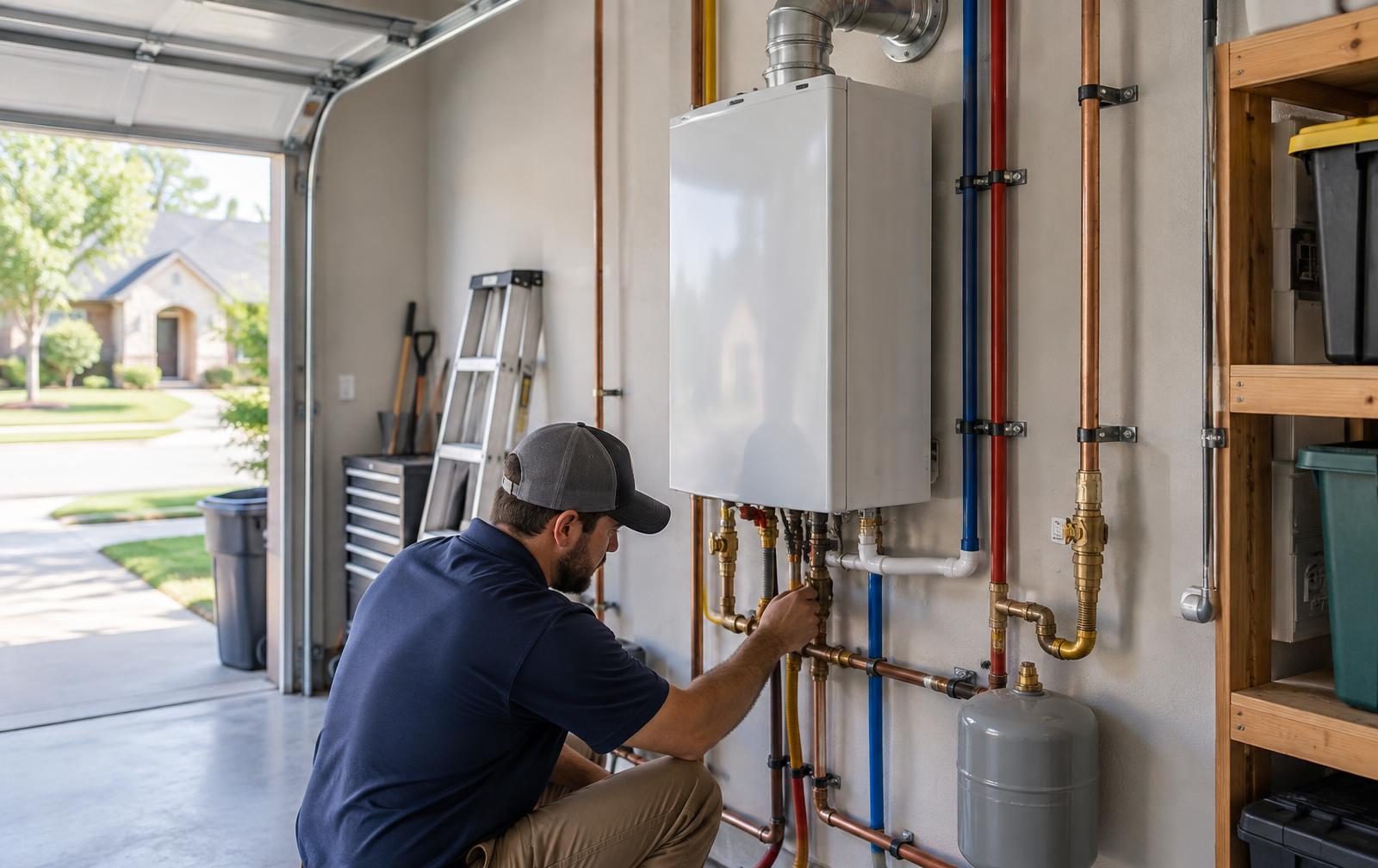
Install, service, and annual descaling — Coppell's hard tap water eats tankless heat exchangers without it.
same-day, 7 days a week response across Coppell for burst pipes, heater failures, and main-line backups.
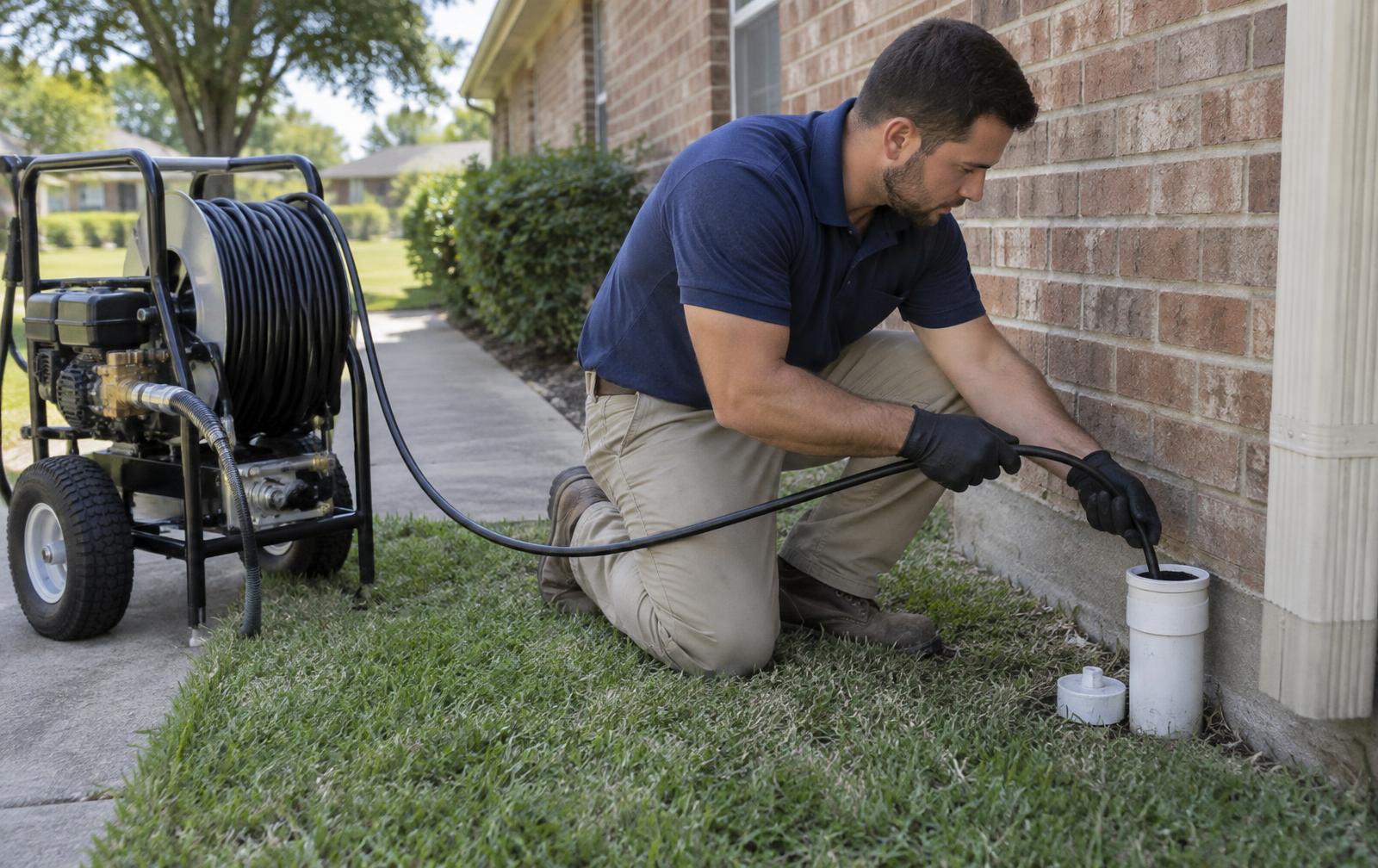
High-pressure cleaning that clears scale, grease, and roots from Coppell's lateral runs — full-diameter, lasting clean.
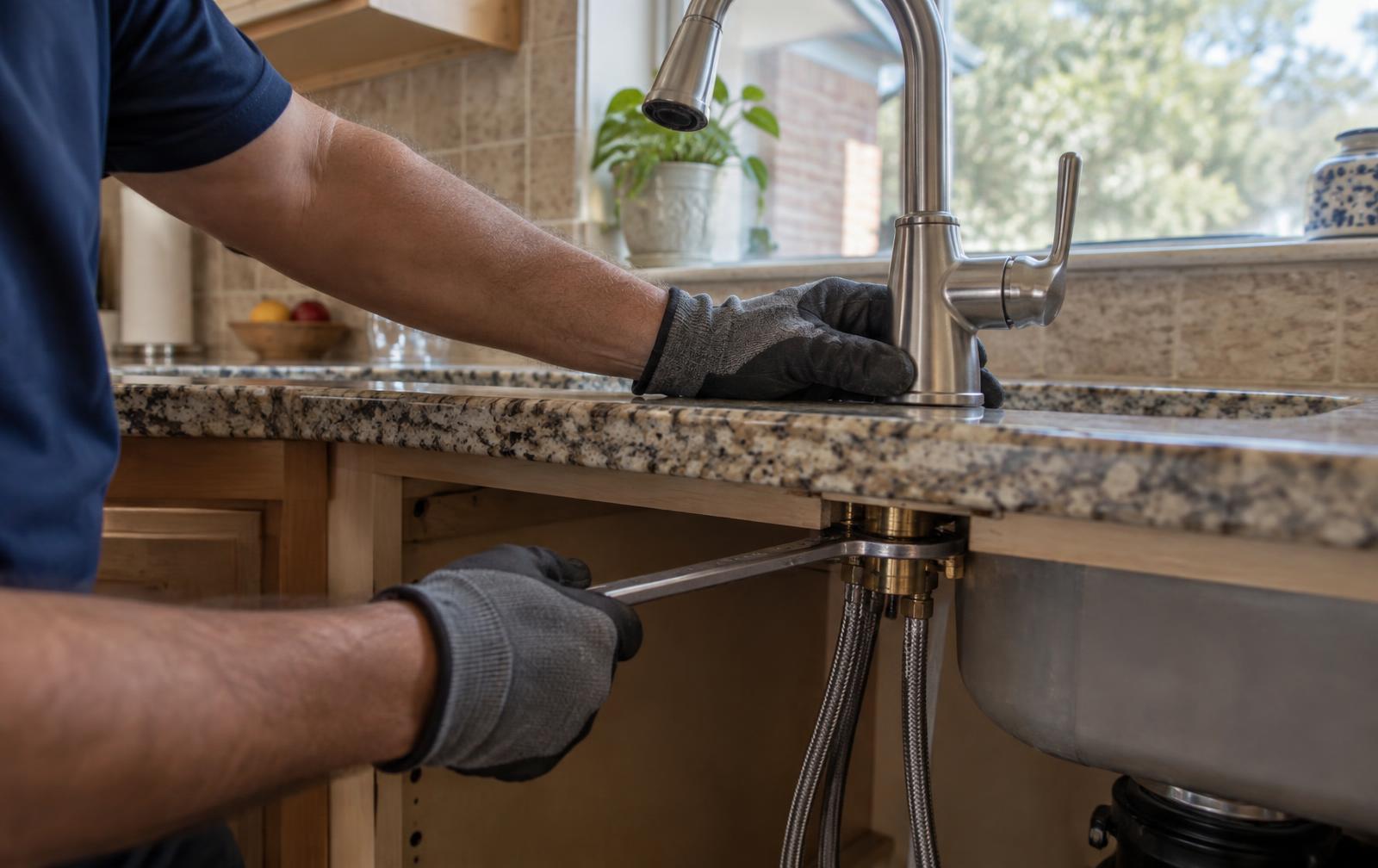
Cartridge, stem, and full-fixture replacement for Coppell kitchens and bathrooms — hard-water-ready parts stocked on the truck.
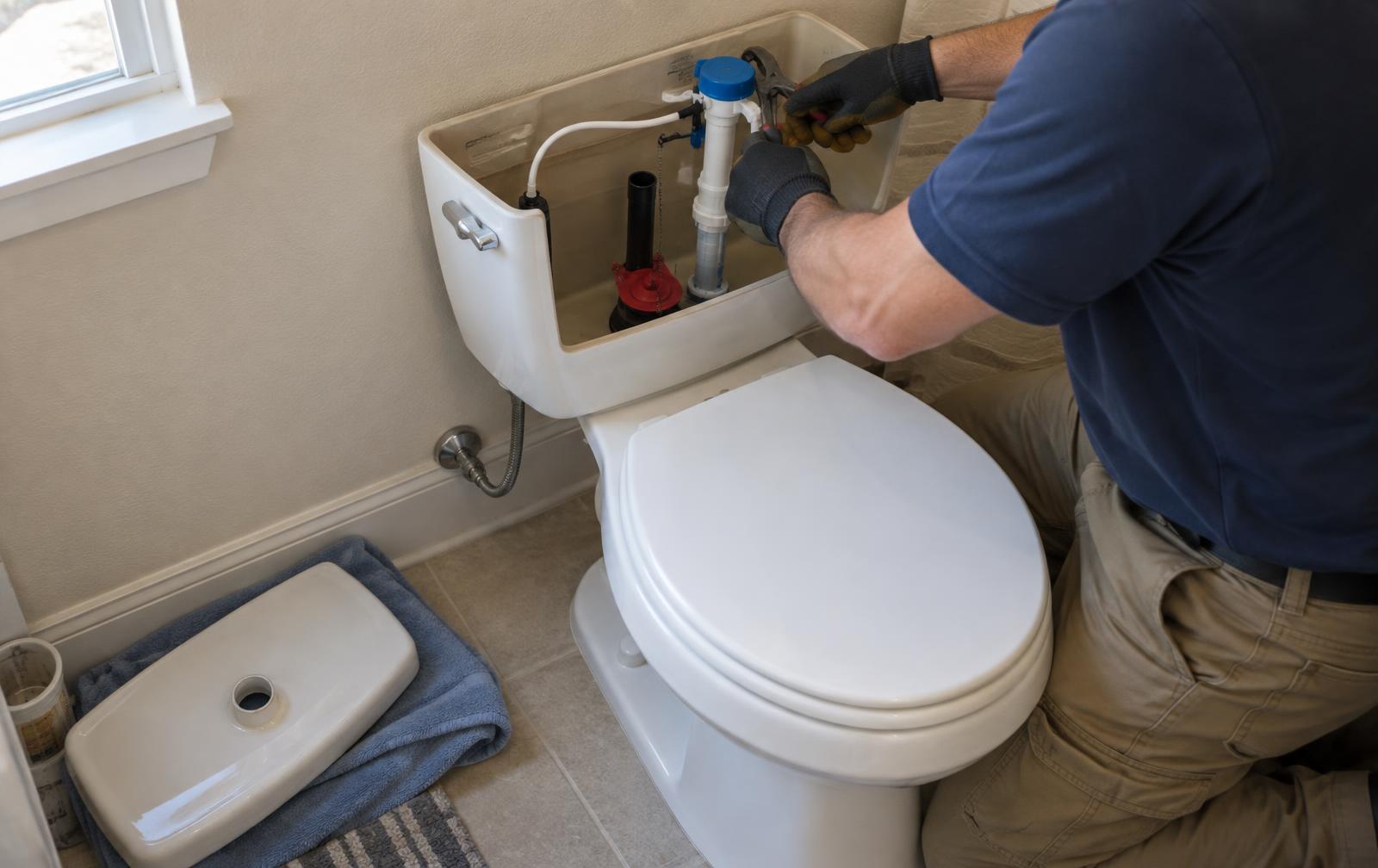
Rebuilds, wax-ring resets, flange repairs, and full replacements — the running toilets and rocking bowls in Coppell homes.
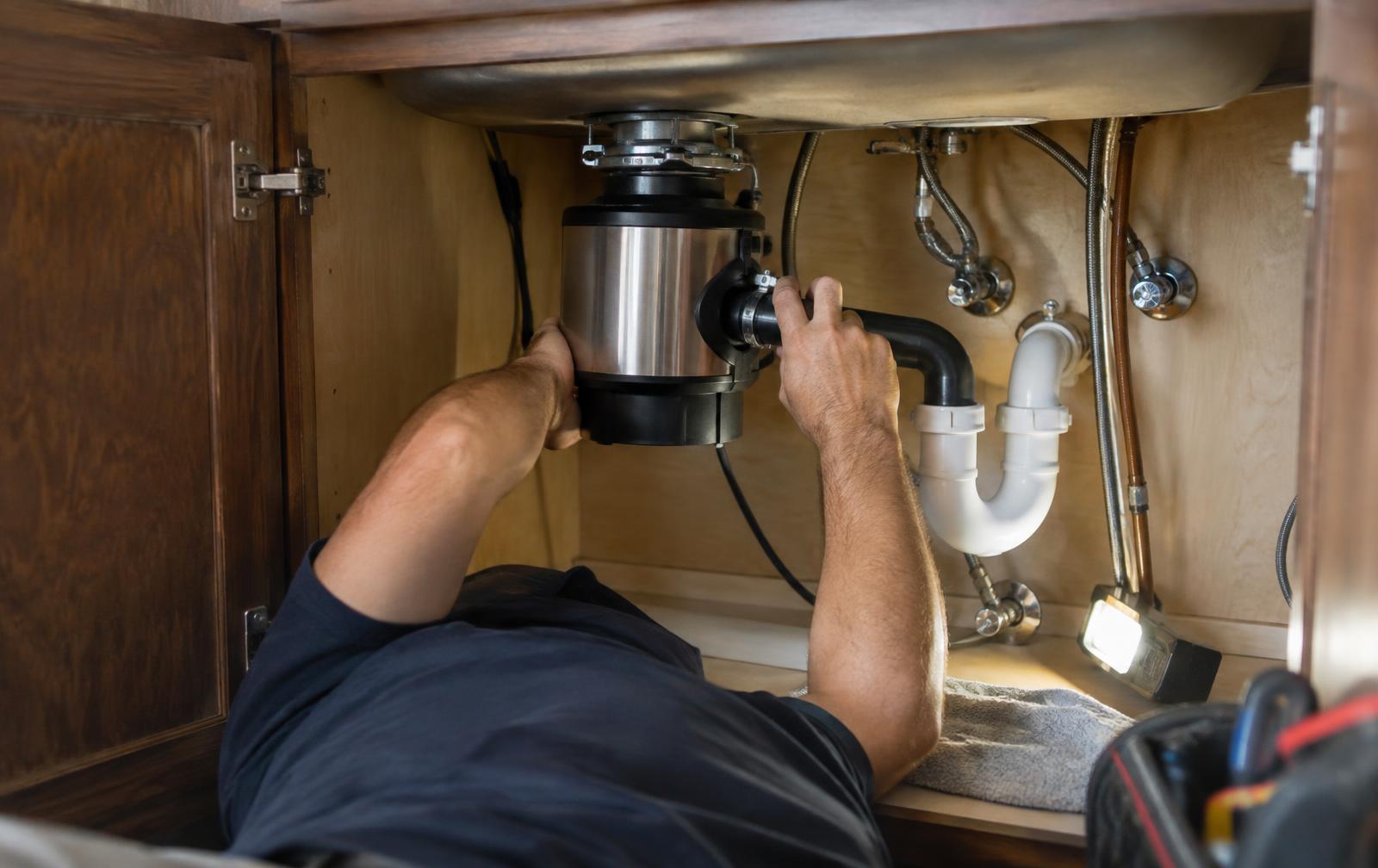
Jam clearing, leaking-unit swaps, and quiet 3/4 HP upgrades for Coppell kitchens — same-visit install.
Slab Leak in Your Coppell Home?
Electronic detection, an honest comparison between cutting and bypassing, and no concrete touched until we know exactly where the problem is. Book a visit.