
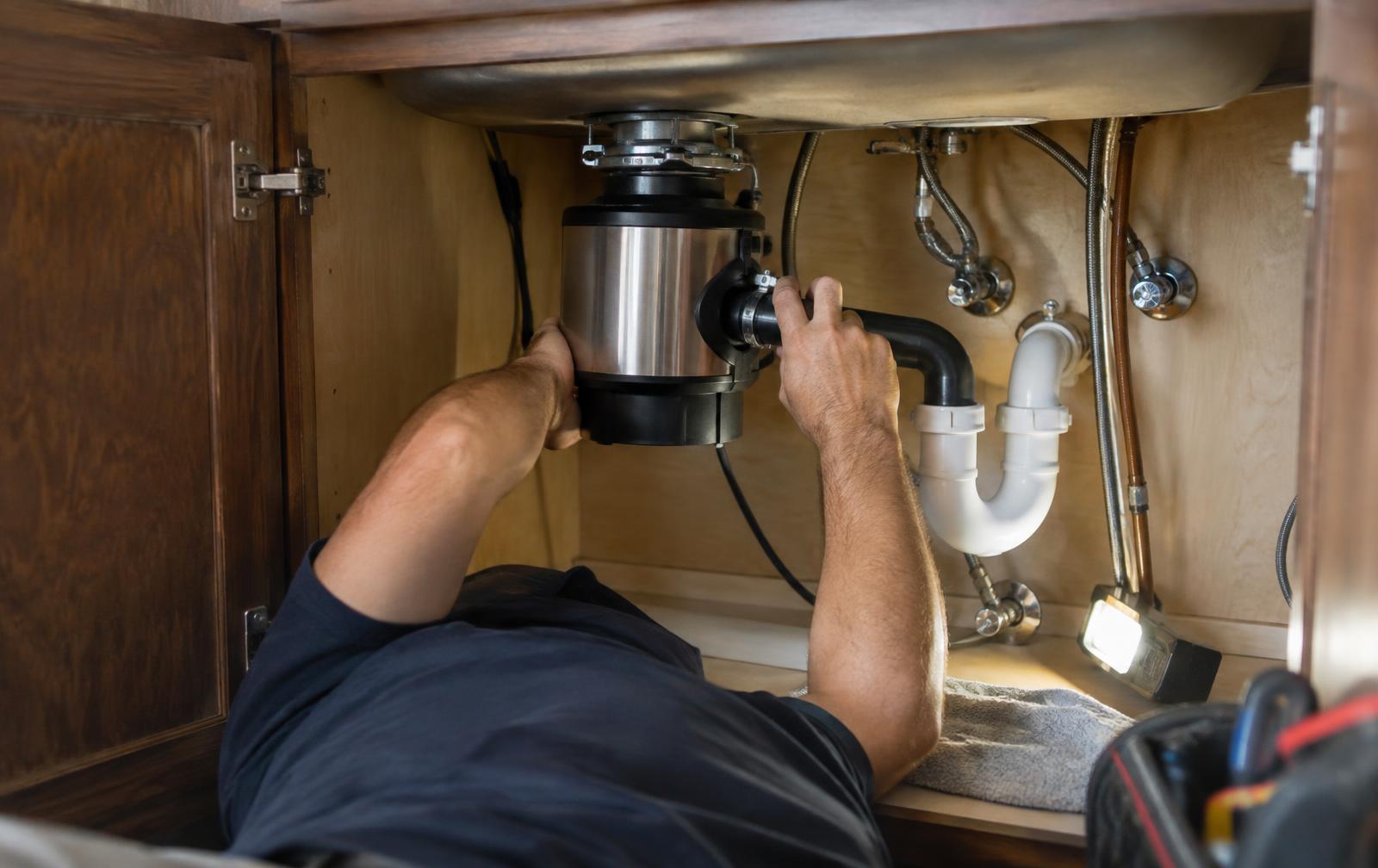
Garbage Disposal Repair & Installation in Coppell, TX
A unit that buzzes without spinning. A puddle collecting under the cabinet that shouldn't be there. A safety button that pops back out every time you push it. Coppell kitchens keep us busy with all three, and we quote the fix before touching a wrench.
Two Kinds of Failure Get Confused for Each Other Constantly
A stalled flywheel and a corroded housing feel similar from the sink side — the unit just isn't working — but they aren't the same repair. A jam is fixed with a hex wrench turned from below, taking maybe ten minutes. A cracked housing weeping water underneath cannot be resealed at any price; it gets swapped. Coppell's tap water tests moderately hard to hard, around 143 to 150 milligrams per liter, and that mineral content is one of several things wearing on the metal inside a disposal over the years.
If your unit is dripping from below, turn it off and keep it off. Water reaching the motor windings ruins them outright, and what could have been a simple swap turns into a cabinet full of standing water by morning. We stock a handful of InSinkErator models across different horsepower tiers so a dead unit rarely means waiting for a part to ship.
A lot of Coppell kitchens are still running whatever came standard when the house was built in the 1980s or 1990s tract wave, and those units are usually underpowered for how people actually use a disposal today. We steer most customers toward a quieter, higher-torque model when it's time to replace, and every install comes with a new flange, a new discharge tube, and a look at the P-trap below — no point fixing one thing and creating a leak somewhere else.
Reading the Symptoms Before We Show Up
A few of these are quick fixes. A few mean the unit has run its course. On-site, we'll tell you which is which.
That's a jammed flywheel, and nine times out of ten the little red reset button has already tripped. A hex wrench from underneath usually has it spinning again in minutes.
The aluminum housing has cracked from the inside out, and there's no patching that. Power it down and leave it off until we get eyes on it.
That's a different problem — a worn putty seal or a mounting ring that's slipped. Resealing from above usually solves it without touching the unit itself.
Either the grinding chamber is jammed on something, or the motor is drawing more current than it should as it ages. We rule out a jam first before writing the unit off.
Odds are something's wedged in there — a fork, a piece of glass, a bone at the wrong angle. Cut the power and let us fish it out rather than reaching in yourself.
This one's rarely the disposal at all — look at the branch drain underneath it. A snake run and a P-trap cleaning usually gets flow back to normal.
Look, Then Decide, Then Act
Nobody gets sold a new unit before we've confirmed the old one can't be saved.
- 1Sort out which of the three problems it is
Jammed, leaking, or a downstream drain issue — they all present a little differently once you know what to look for, and that tells us where to start.
- 2Clear whatever's stuck, if that's the whole story
Reset from below with a hex key, trip the overload button back in, then run the unit clean with water for a minute to confirm it's really fixed.
- 3Swap the unit if the housing is the problem
We carry several horsepower tiers on the truck. Every swap gets a new flange, a fresh discharge tube, a proper seal, and an air-gap check if the home runs on septic.
- 4Look at what's downstream while we're already there
The P-trap and the branch drain get checked as a matter of course on any replacement. If the branch needs to be snaked too, that happens in the same visit.
- 5Run it and leave things tidy
Cold water for a minute to confirm everything's working, a dry paper towel pressed to each joint to catch any weeping, cabinet wiped down, and a two-minute walkthrough of the reset button before we're out the door.
Kitchen Age Says a Lot Before We Ever Open the Cabinet
Coppell grew in distinct waves, and so did the kitchens that came with each one.
Some of the 1920s cottages anchoring this historic district still have galvanized branch drains under the sink, so checking that drain is standard practice on any disposal visit in the area.
Brick homes from around 1979 have typically had at least one disposal replacement already, and whatever's currently installed is generally getting close to its own end.
Homes built through the 1980s into the early 1990s near Sandy Lake Road often have a mid-grade disposal from a later kitchen update, which tends to have more life left than something original to the house.
The two-story homes off Village Parkway from the early-to-mid 1990s frequently still run their original construction-grade disposal, and by now those calls trend toward replacement the moment any leak shows up.
Homes built through the 1980s and 1990s near Grapevine Creek wear out disposals at the same rate as the rest of Coppell — the creek doesn't change what comes out of the tap.
Tract homes along the Denton Tap Road corridor from that same era usually have a standard builder-grade unit, and a jam clear is what resolves most calls we take from around there.
What Coppell Homeowners Say
One Trip, Whichever Way It Goes
Several InSinkErator horsepower options travel on the truck alongside flanges, discharge tubes, mounting hardware, plumber's putty, and dishwasher inlet plugs, so a jam clear and a ground-up replacement both tend to close out on the first visit.
Aqua Pure Plumbing backs the labor on every install, in addition to what the manufacturer covers on the unit itself. We're insured, family-owned, and licensed through the Texas State Board of Plumbing Examiners, working out of The Colony — roughly 20 to 25 minutes to most Coppell addresses under normal traffic, with room for same-day visits.
Straight Answers, No Sales Pitch
Our Other Plumbing Services in Coppell, TX
Replacing a disposal often turns up a corroded P-trap or a branch drain that's running slower than it should. Both get handled the same visit, one invoice.
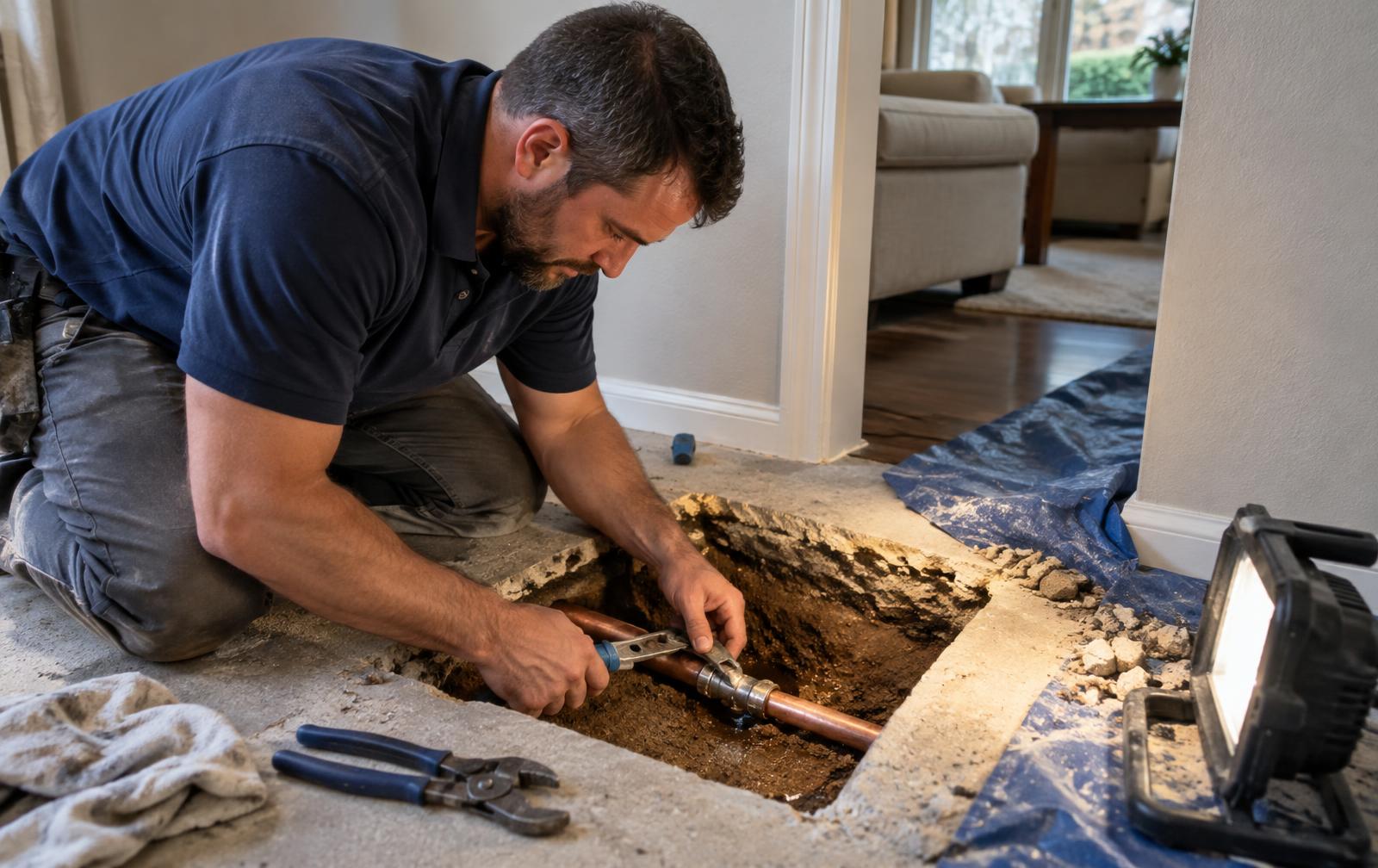
Electronic detection under Coppell slabs — reroute options that save your finished floors when possible.
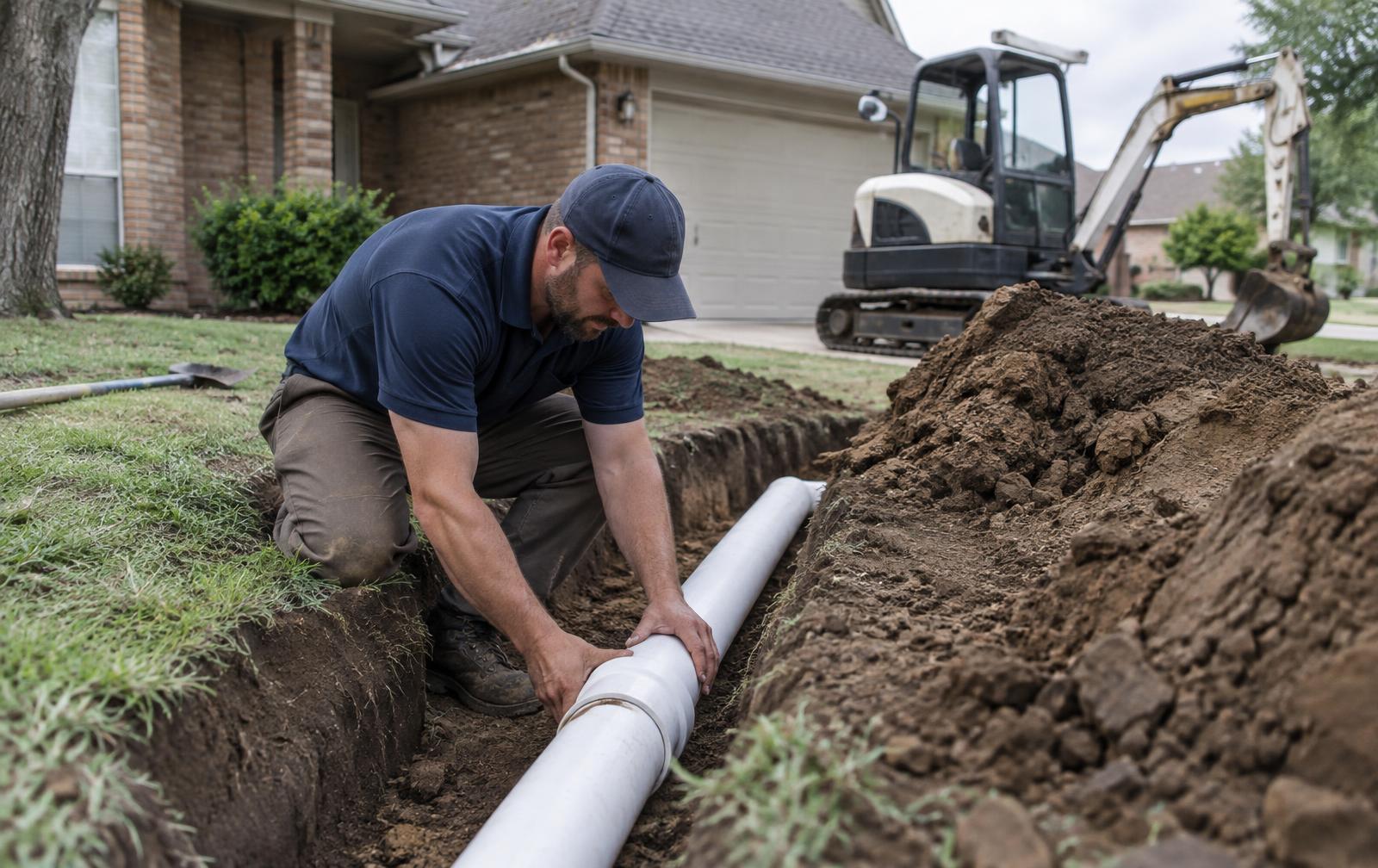
Trenchless replacement for the aging laterals across Coppell's older runs — camera first, quote in writing, minimal yard damage.
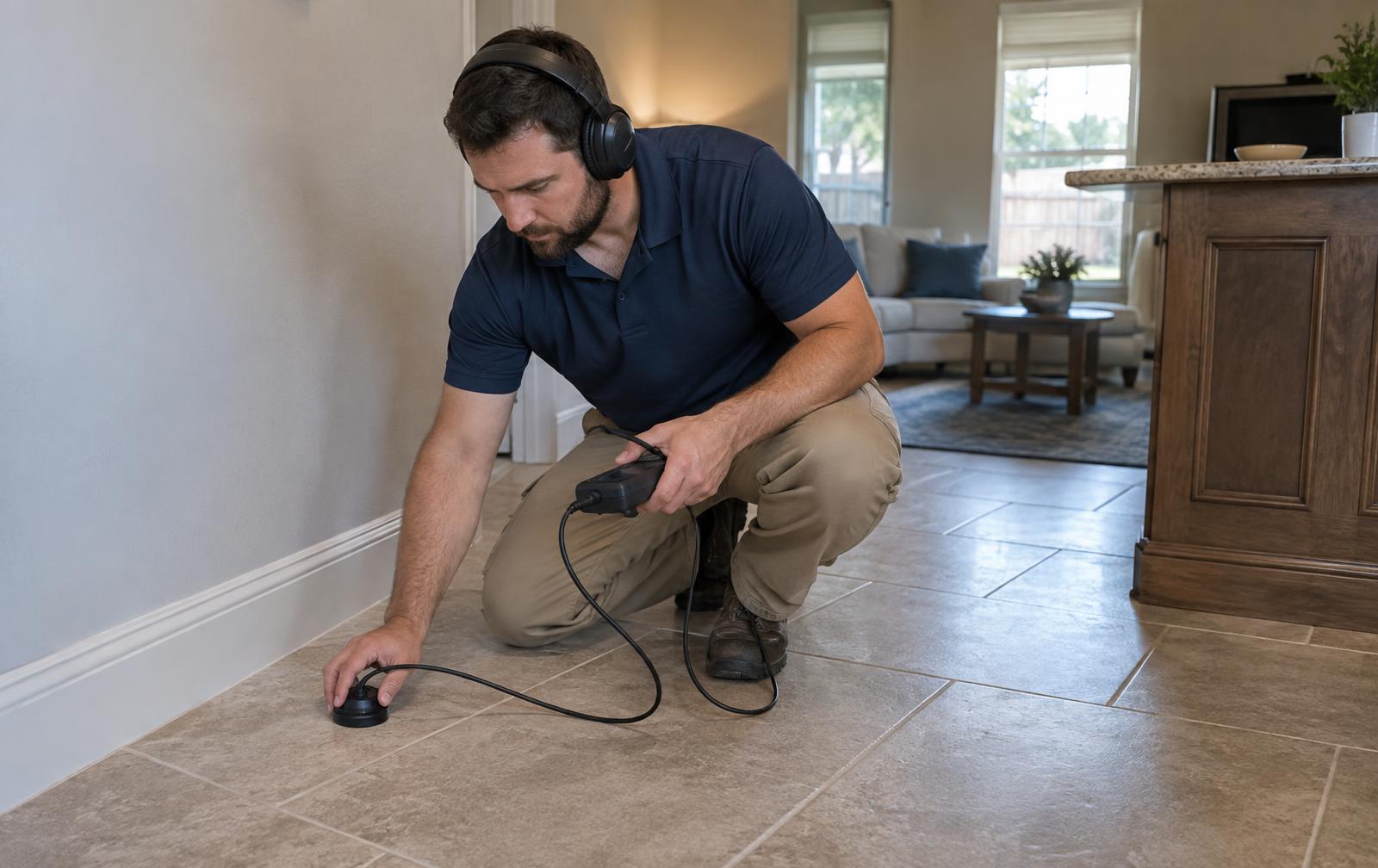
Acoustic, thermal, and pressure testing to pinpoint hidden leaks in Coppell slab and wall lines without tearing into finishes.
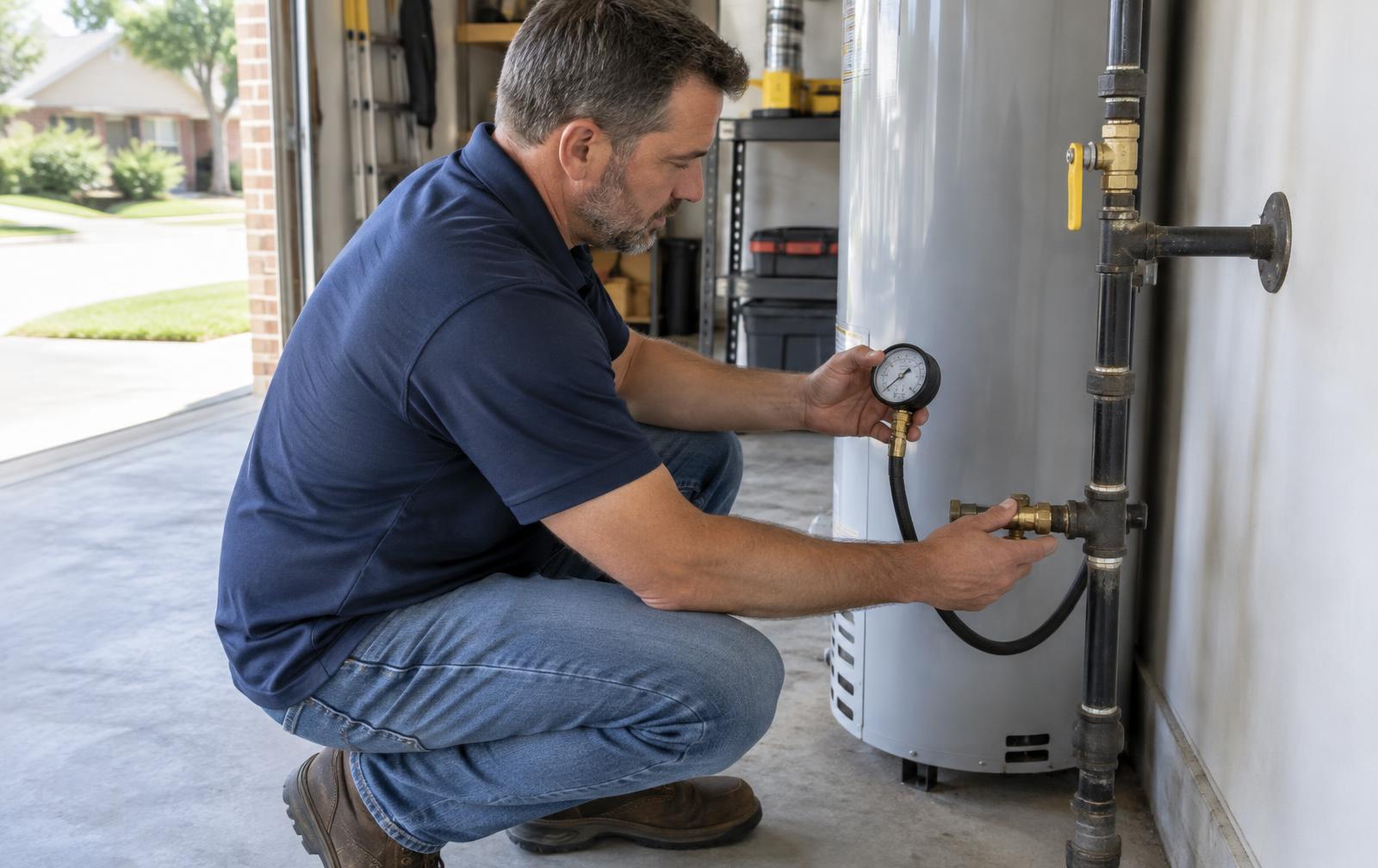
Licensed install, repair, and pressure-testing for Coppell homes — every line signed off to Texas code and Atmos requirements.
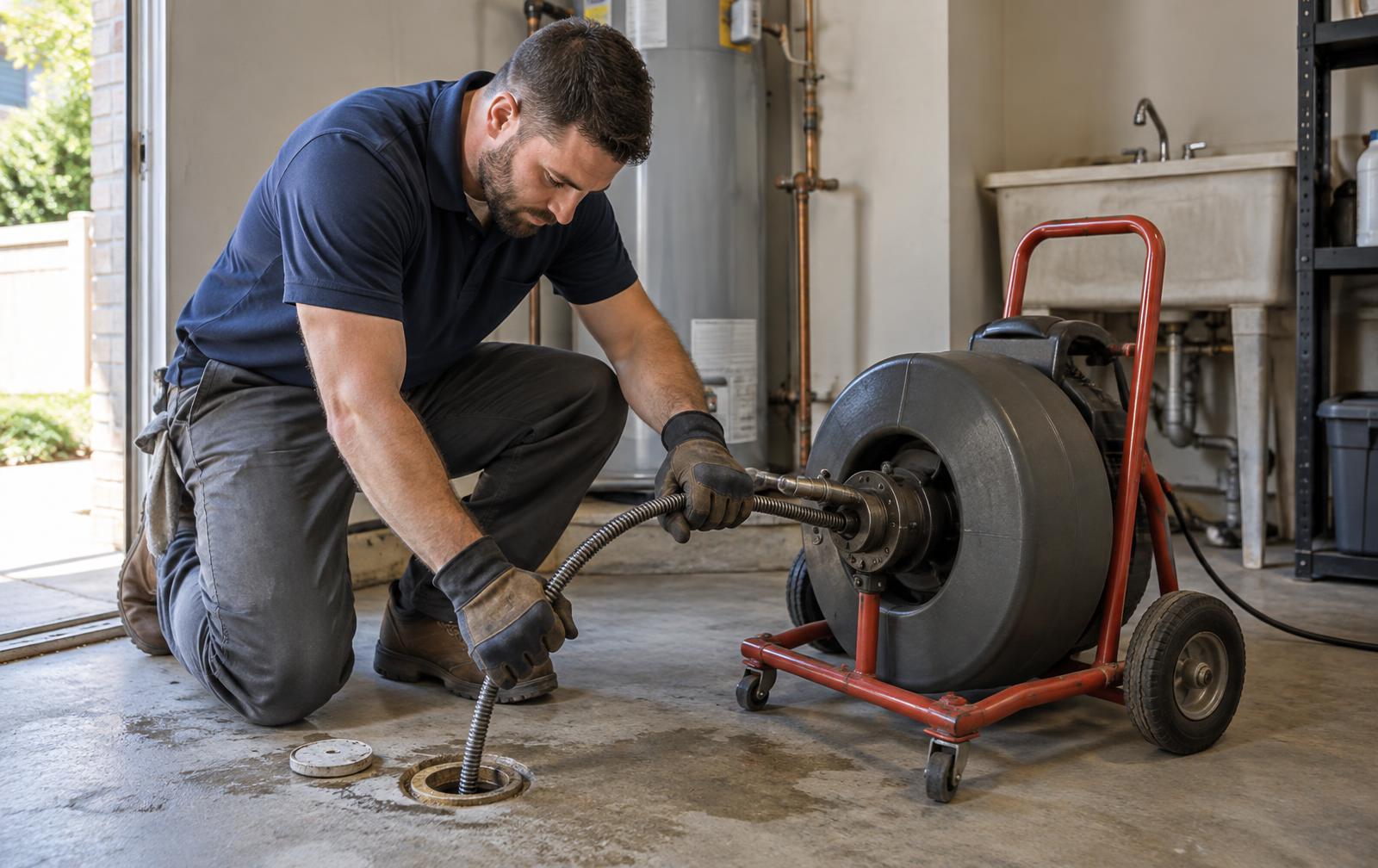
Full-clear service and camera confirmation for the drains under Coppell's neighborhoods.
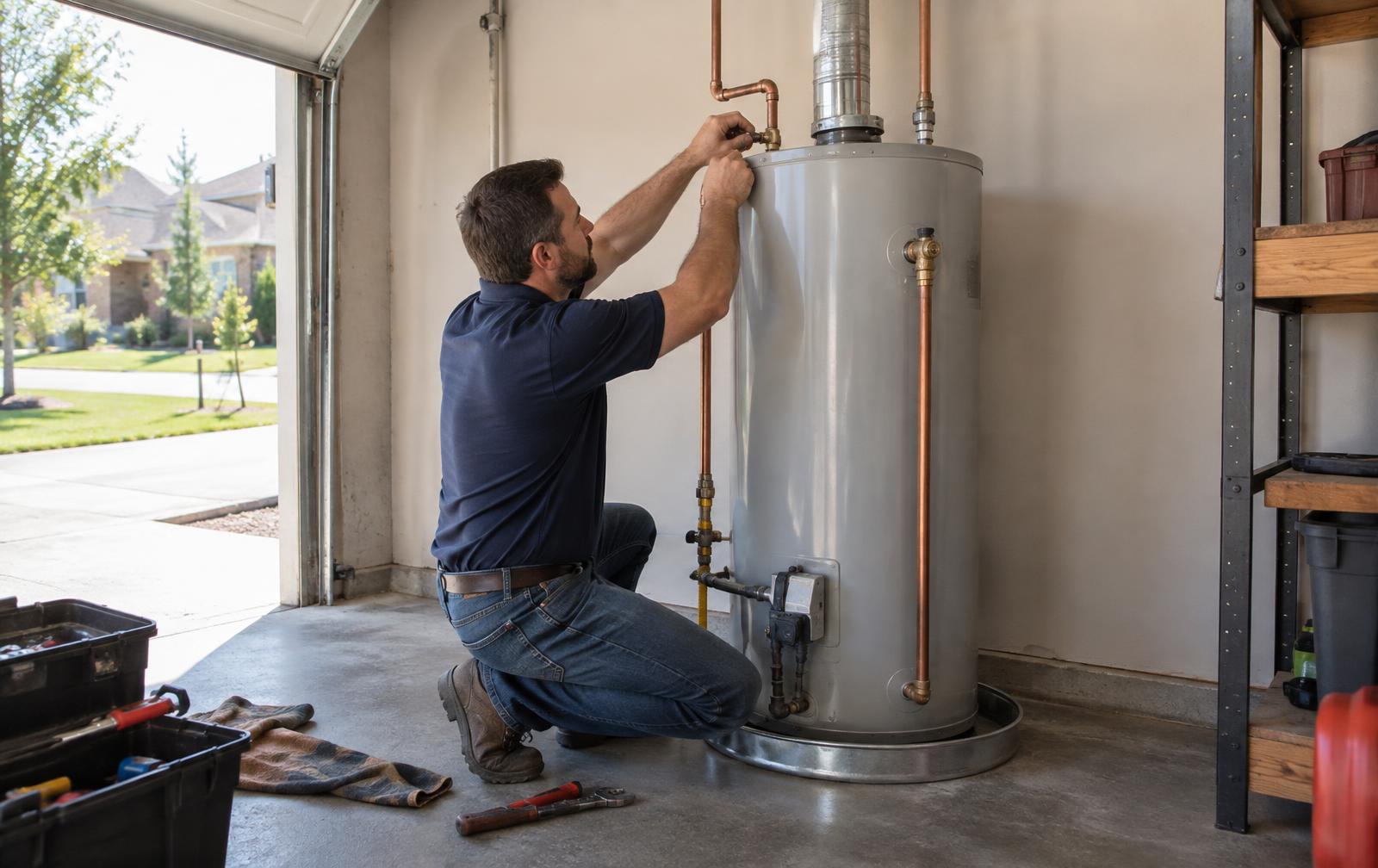
Repair, flush, and replacement of tank units — including attic and garage heaters common to Coppell homes.
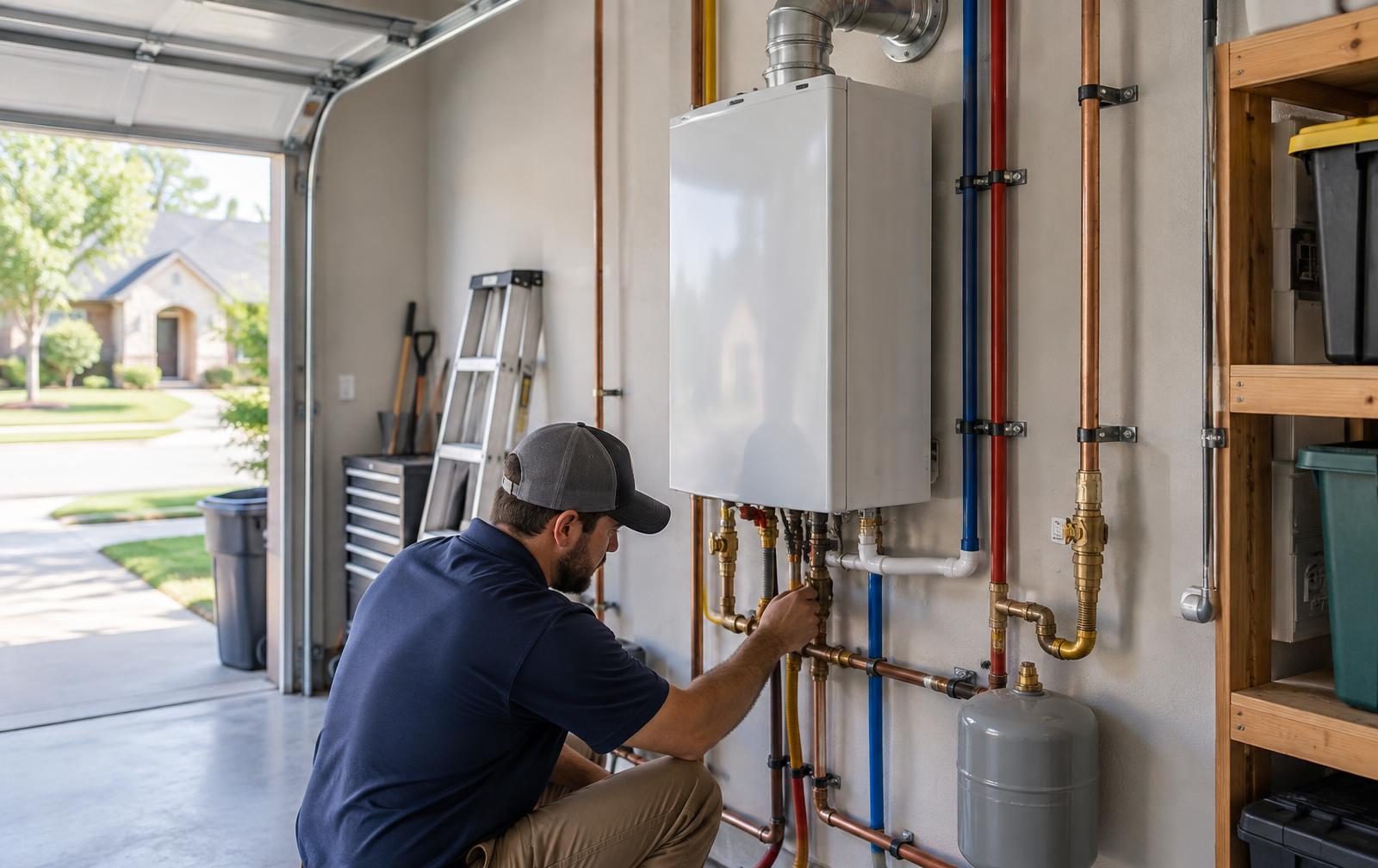
Install, service, and annual descaling — Coppell's hard tap water eats tankless heat exchangers without it.
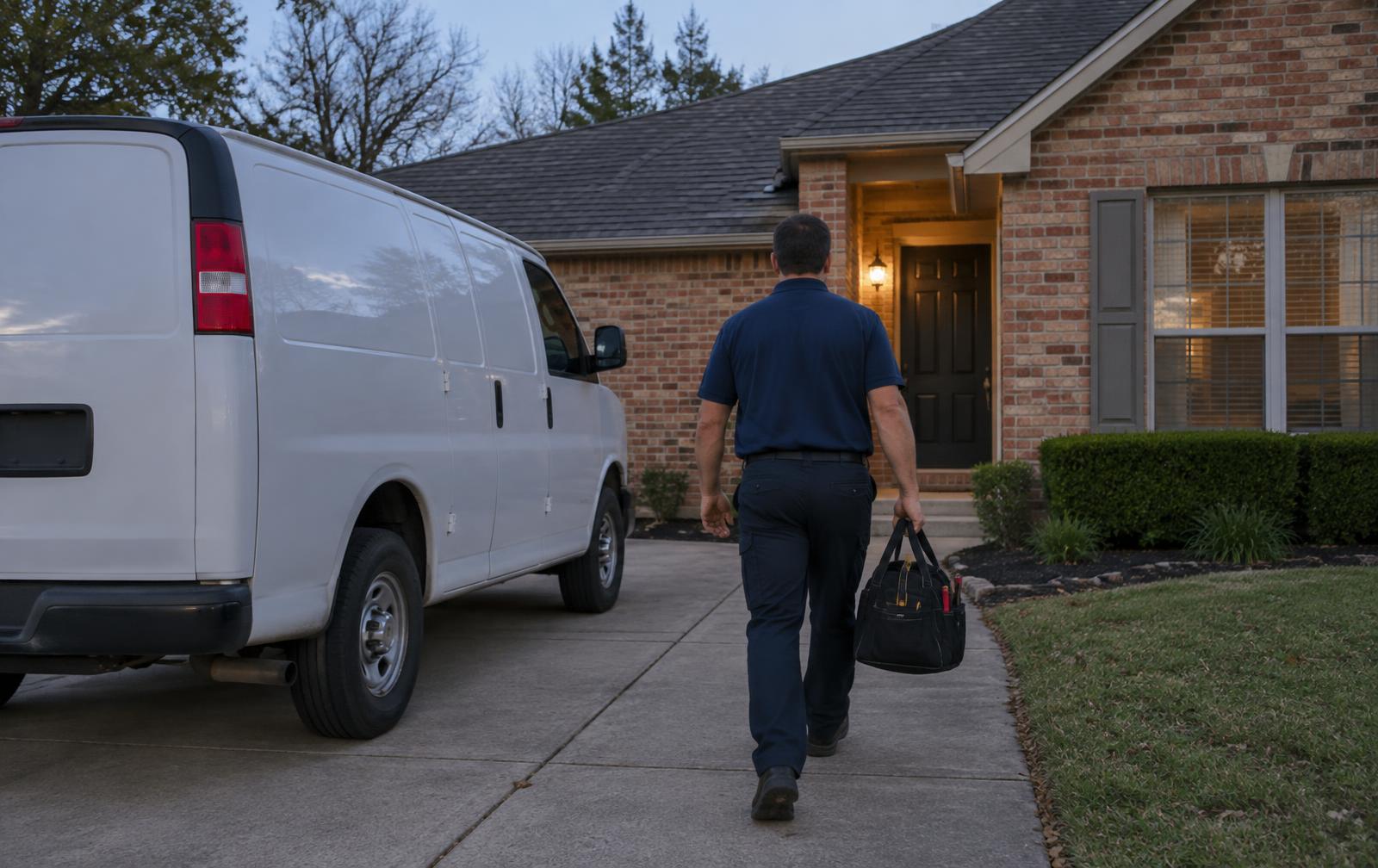
same-day, 7 days a week response across Coppell for burst pipes, heater failures, and main-line backups.
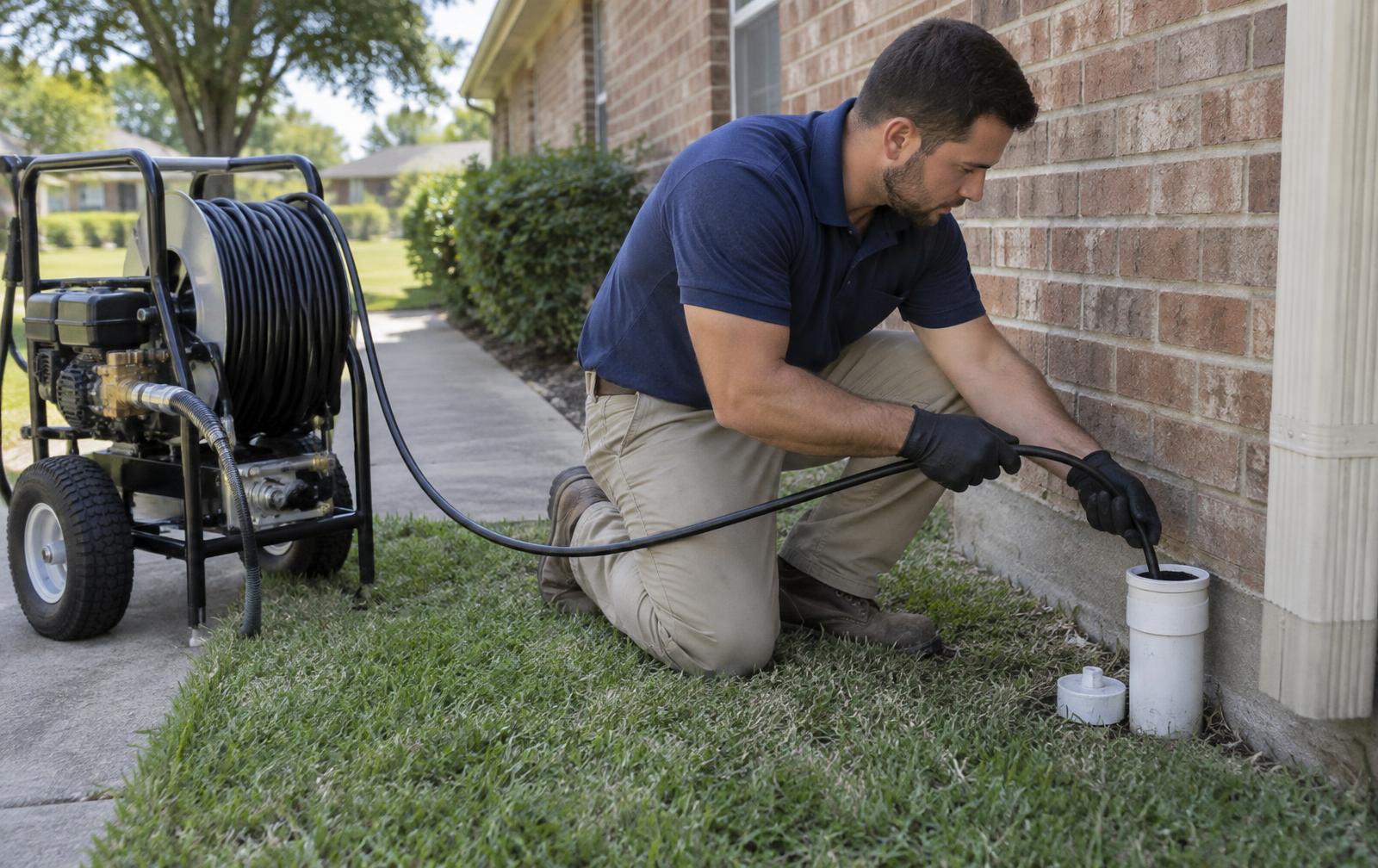
High-pressure cleaning that clears scale, grease, and roots from Coppell's lateral runs — full-diameter, lasting clean.
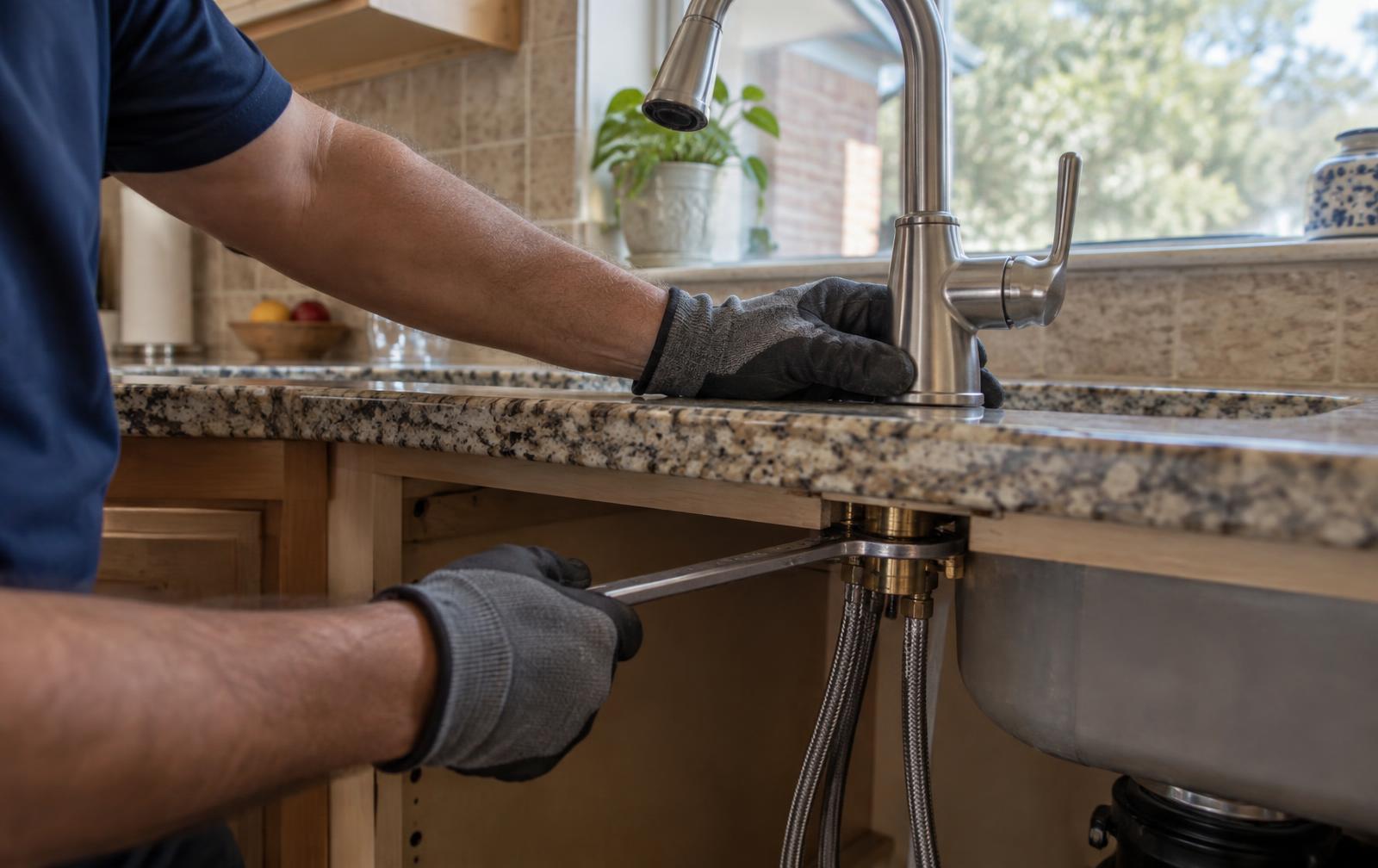
Cartridge, stem, and full-fixture replacement for Coppell kitchens and bathrooms — hard-water-ready parts stocked on the truck.
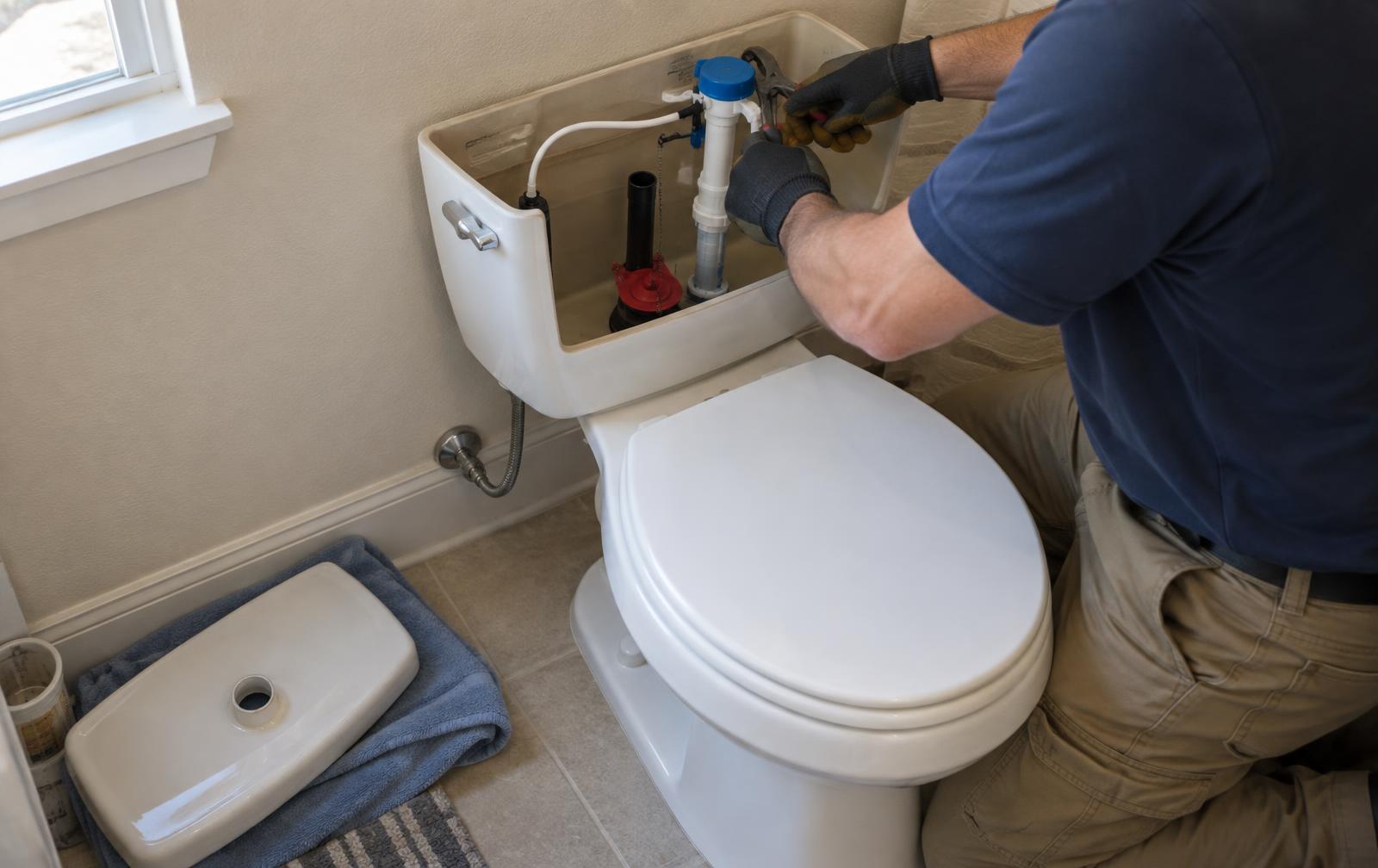
Rebuilds, wax-ring resets, flange repairs, and full replacements — the running toilets and rocking bowls in Coppell homes.
Something Off With Your Coppell Disposal?
Jam clear, leak repair, or a full upgrade — stocked on the truck and installed the same visit.