
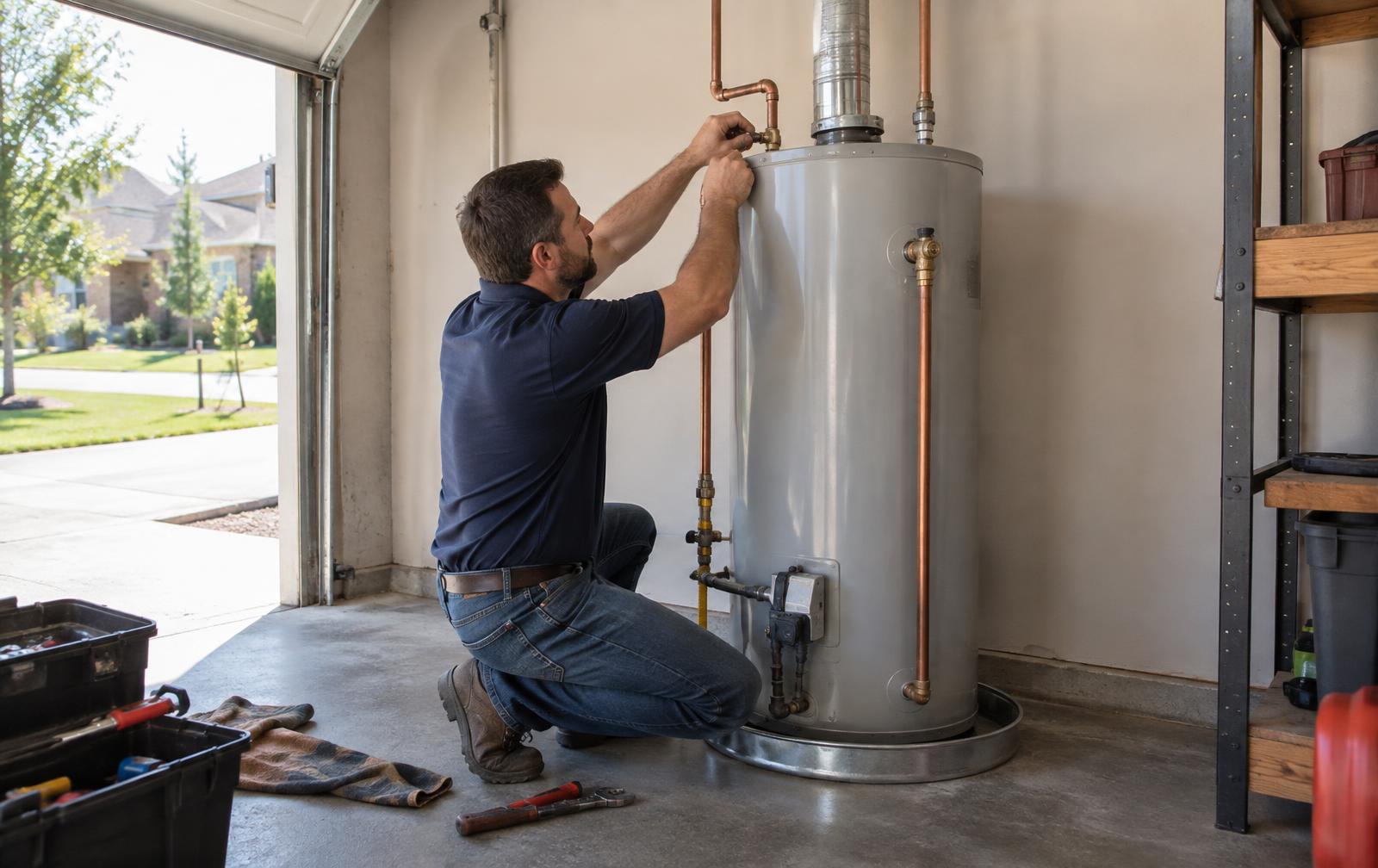
Water Heater Services in Allen, TX
Cold showers in the morning. Water at the tap with a rust tint to it. A puddle spreading from the base of the tank. A popping sound coming from the heater closet. We repair and replace tank water heaters across every style of Allen home, from a garage-mounted unit in an older ranch to a mechanical chase tucked into a condo.
The Same Job Looks Different in Every Style of Allen House
The variety of housing in Allen means no two water heater jobs are quite alike. Ranch homes along the U.S. 75 corridor tend to have straightforward garage or closet access. Newer single-family homes toward Star Creek often tuck the tank into a narrow closet with awkward pressure-relief routing. The apartment and high-rise units near Twin Creeks sometimes bury the tank in a shared mechanical chase that limits what can even fit as a replacement. Layered on top of all of that, Allen's water comes through NTMWD, a regional supply generally described as moderately hard, and that kind of mineral load can wear through a sacrificial anode faster than softer water would, which is one reason tanks here sometimes fail before the number printed on the warranty label.
Code compliance matters just as much as the tank itself. Every replacement we do gets a properly sized expansion tank, a drain pan with a routed discharge line on any elevated or closeted install, and pressure-relief piping run the way it's supposed to be. Skipping those pieces — new tank, same old fittings, no pan, no expansion tank — might look fine on the invoice, but it's the version that fails an insurance inspection the first time it matters.
When the tank still has useful life left, we repair it: a bad thermocouple, a failed gas valve, a burned-out element, a worn-out anode, or a flush to clear years of sediment. When it doesn't, we replace it, and on a heater that's eight or nine years old, that call usually comes down to what the diagnostic actually shows rather than what's easiest to sell.

Signs Your Allen Water Heater Needs Attention
Some of these point to a repair. Some point to replacement. Either way, worth a call before it gets worse.
Can't get through a second shower, or can't fill a tub all the way hot. Could be a failing dip tube, a tank that was undersized to begin with, or sediment eating into usable capacity — each needs a different fix.
Sediment settled on the tank floor flashes to steam and pops. A flush usually restores things if it's been a while; if the noise is loud and constant, the tank may already be close to failing.
The sacrificial anode has likely been consumed, and the tank itself may be corroding from the inside. Catching it early, a new anode can buy more time. Water that's noticeably discolored usually means replacement isn't far off.
A cracked tank can't be repaired — it's a one-way failure. Shut off the water and the gas or power supply to the unit and call right away.
Heavy sediment or a burner that's struggling makes the heater run longer to deliver the same hot water. A noticeable jump with nothing else changed is worth a diagnostic visit.
That's a sign of pressure running too high, a thermostat set too hot, or a valve that's simply worn out. Left unaddressed for long enough, a tank can eventually fail outright.
Diagnose First. Install to Code Every Time.
A tank that can be saved gets repaired. A replacement gets every code upgrade it's due, not just a new tank dropped in the old spot.
- 1Work through the diagnostic before pricing anything
We check the age off the serial tag, sediment buildup, how the anode looks, whether the relief valve is holding, and whether the thermocouple, element, or burner is doing its job the way it should. From there we tell you plainly which way — repair or replacement — actually makes sense for that unit.
- 2On a repairable tank, address the specific failure
A bad thermocouple, a stuck gas valve, a burned-through element, a failing thermostat, a spent anode rod, or a straightforward flush to clear out sediment — parts for the models we see most stay stocked on the truck.
- 3On a replacement, match the tank and the code both
Sizing based on your household's real hot-water draw, an expansion tank where the system calls for one, a drain pan piped to a proper discharge point on any closet or elevated install, correct relief-valve routing, dielectric fittings at the connections, and seismic strapping wherever the location requires it.
- 4Take the old unit out cleanly
The retired tank goes with us to be recycled rather than getting hauled, still full of sediment, through a finished hallway. We tidy the closet floor before setting the replacement in place.
- 5Confirm performance and explain what changed
Combustion gets checked on gas models, recovery rate gets timed, the thermostat gets set to a sensible default unless you'd rather pick your own number, and we walk through the shutoff valve, the relief valve, and roughly when to schedule the next flush.
What We See in Allen Water Heater Closets
Where the heater sits usually predicts how it's likely to fail.
Tight mechanical chases with limited height clearance are common here, which usually means a short-body 40 or 50-gallon tank, or a tankless conversion where the chase allows for it.
Interior closet tanks are typical in this stretch built from the 1970s through the 1990s, often on a second floor above finished living space, which makes a properly routed drain pan a non-negotiable part of any replacement.
Newer construction, generally 1999 and after, with garage or utility closet installs that are usually easy to access. Older venting on any remaining original units sometimes falls short of current code, and we bring it up to standard on replacement.
The restored 1920s homes near St. Mary Drive, and any similarly old private residence nearby, are far enough past their original construction that any surviving water heater setup almost certainly needs a full code-compliant redo rather than a like-for-like swap.
This more recently developed corridor, generally after 1999, tends to have newer heaters already installed close to current code, so calls here lean toward routine maintenance rather than compliance upgrades.
Garage-mounted tanks from Allen's 1970s-and-1980s growth line this corridor, most of them well past the point a manufacturer would consider normal service life, making preventive replacement worth considering before a tank fails outright.
What Allen Homeowners Say

Repaired When It Should Be. Replaced When It Shouldn't Be Anything Else.
Replacements come with the manufacturer's coverage on the tank and warrantied labor on our side of the job. Repairs carry the same warrantied-labor standard. When we tell you a tank needs replacing, that call comes from what the diagnostic actually showed, not from convenience of having a spare tank riding along.
Our plumbers are licensed through the Texas State Board of Plumbing Examiners, insured, and this is a family-owned business, dispatching every truck from our shop in The Colony. Total failures get a same-day appointment, typically within a couple of hours, seven days a week between 8 AM and 6 PM.
Questions We Hear About Water Heaters
Our Other Plumbing Services in Allen, TX
A failing water heater often shows up alongside other plumbing of the same vintage. While we're already there, we're glad to check the rest — leaks, drain condition, gas line health — in the same visit.
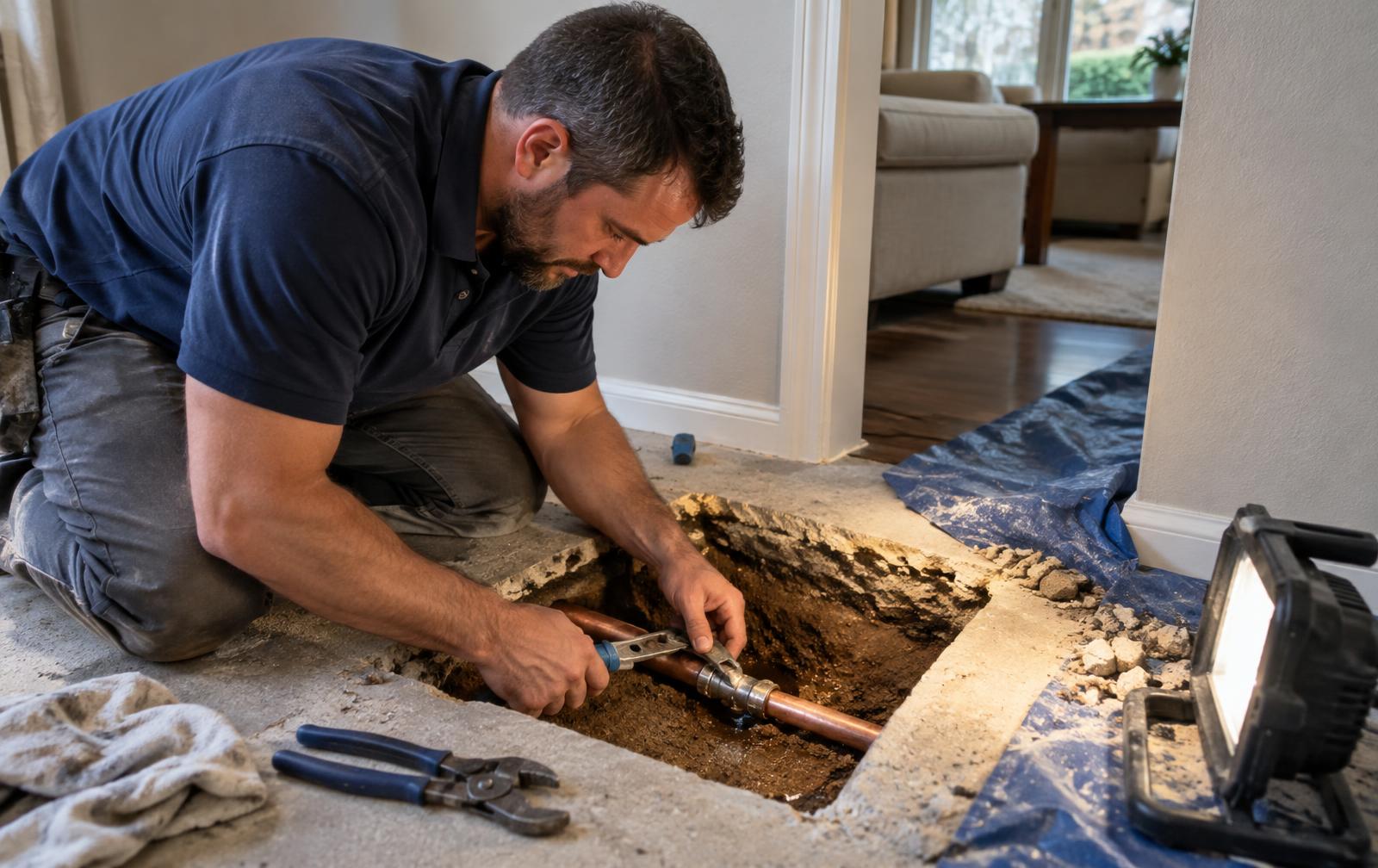
Electronic detection under Allen's post-tension slabs — reroute options that save your finished floors when possible.
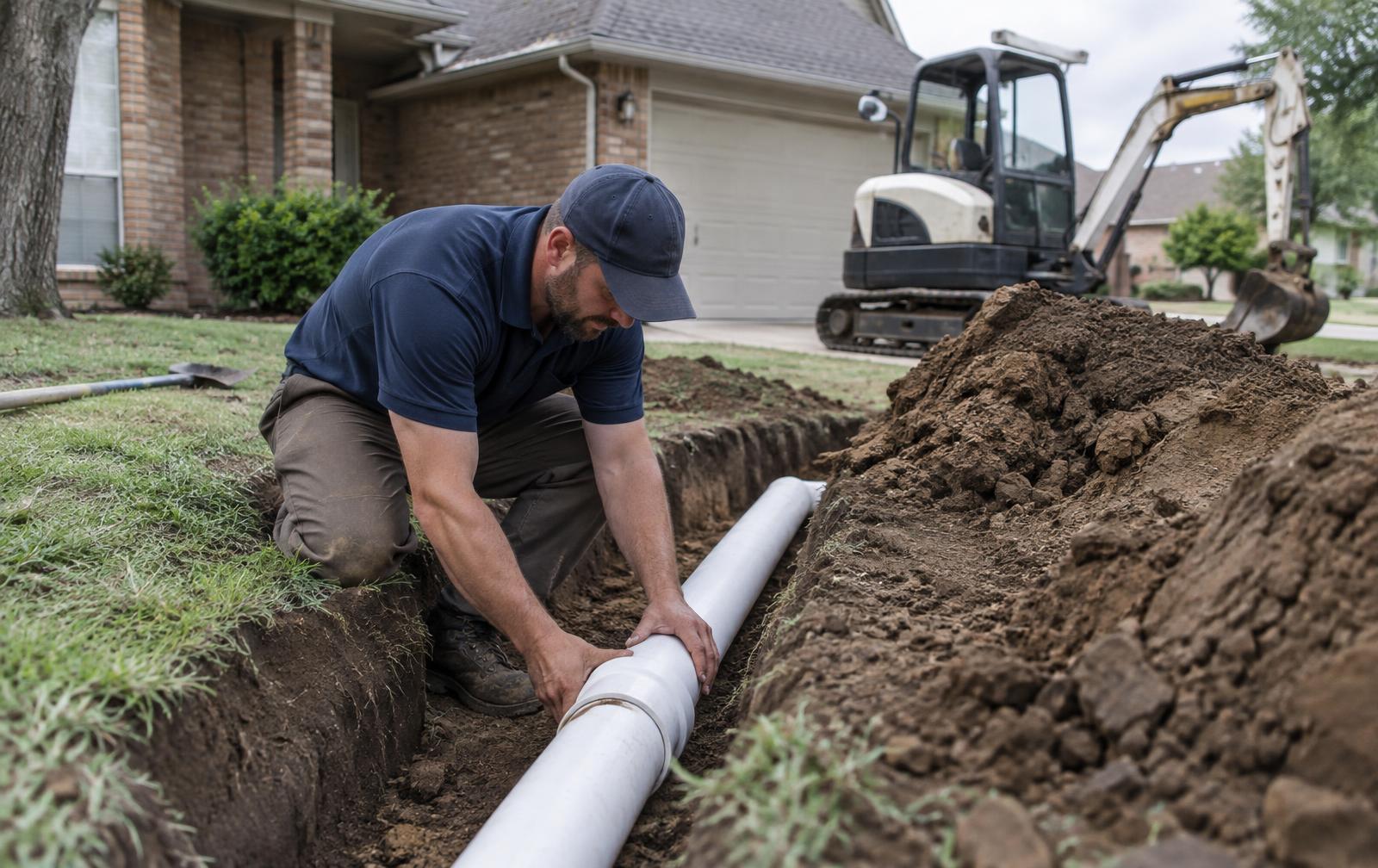
Trenchless replacement for the aging PVC and clay laterals across Allen's older Twin Creeks and Suncreek runs — camera first, quote in writing, minimal yard damage.
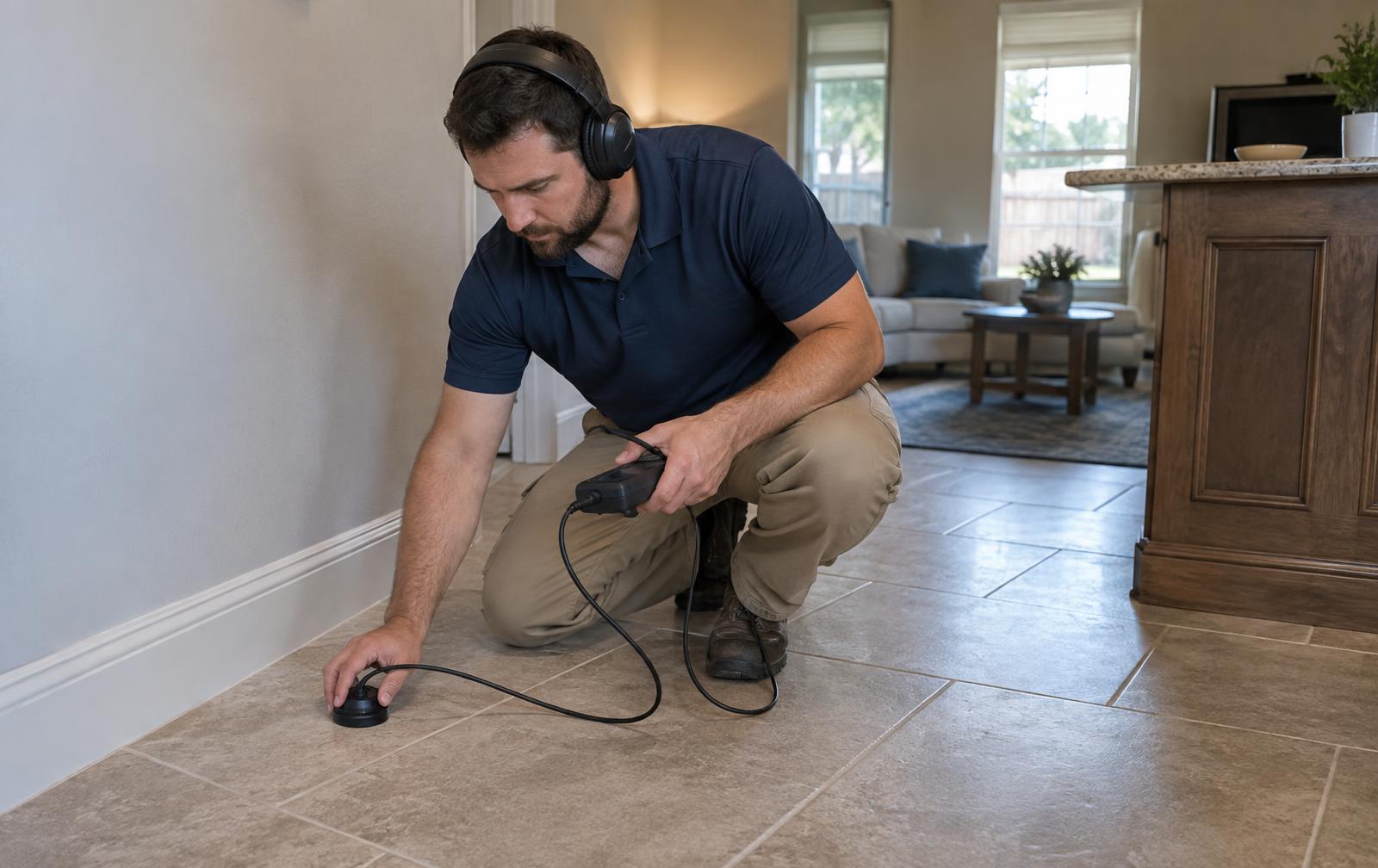
Acoustic, thermal, and pressure testing to pinpoint hidden leaks in Allen slab and wall lines without tearing into finishes.
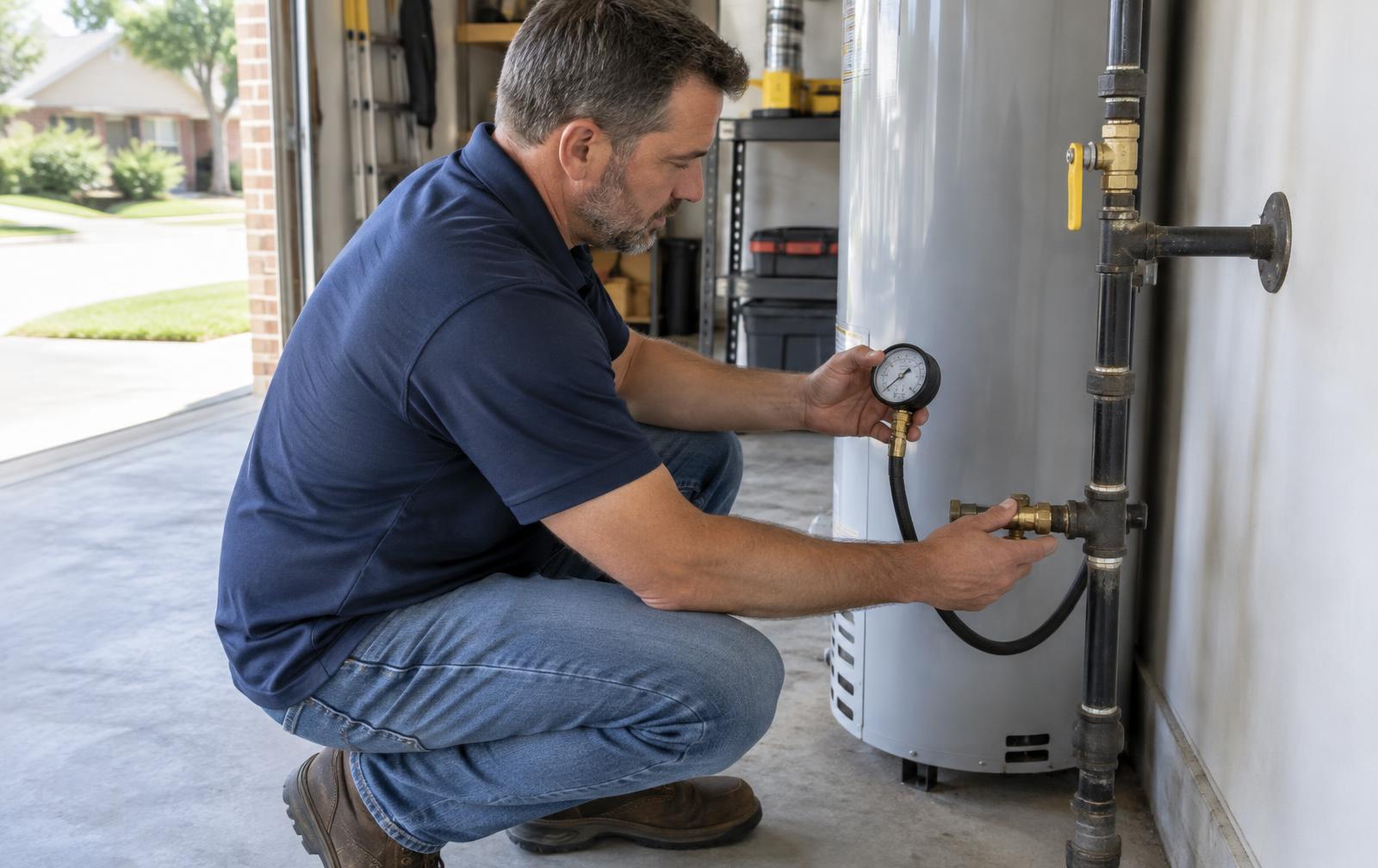
Licensed install, repair, and pressure-testing for Allen homes — every line signed off to Texas code and Atmos requirements.
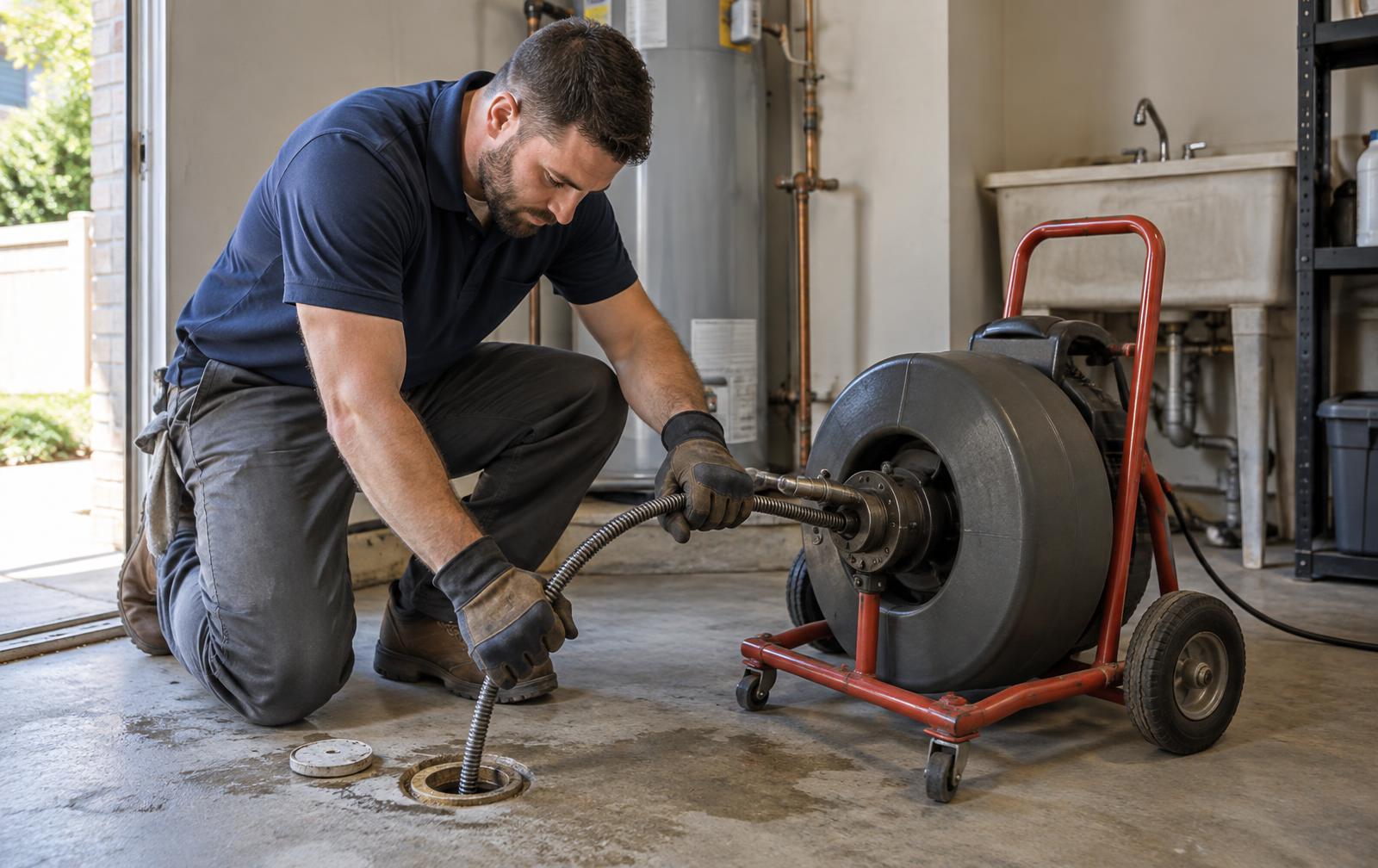
Full-clear service and camera confirmation for the long PVC laterals under Allen's master-planned neighborhoods.
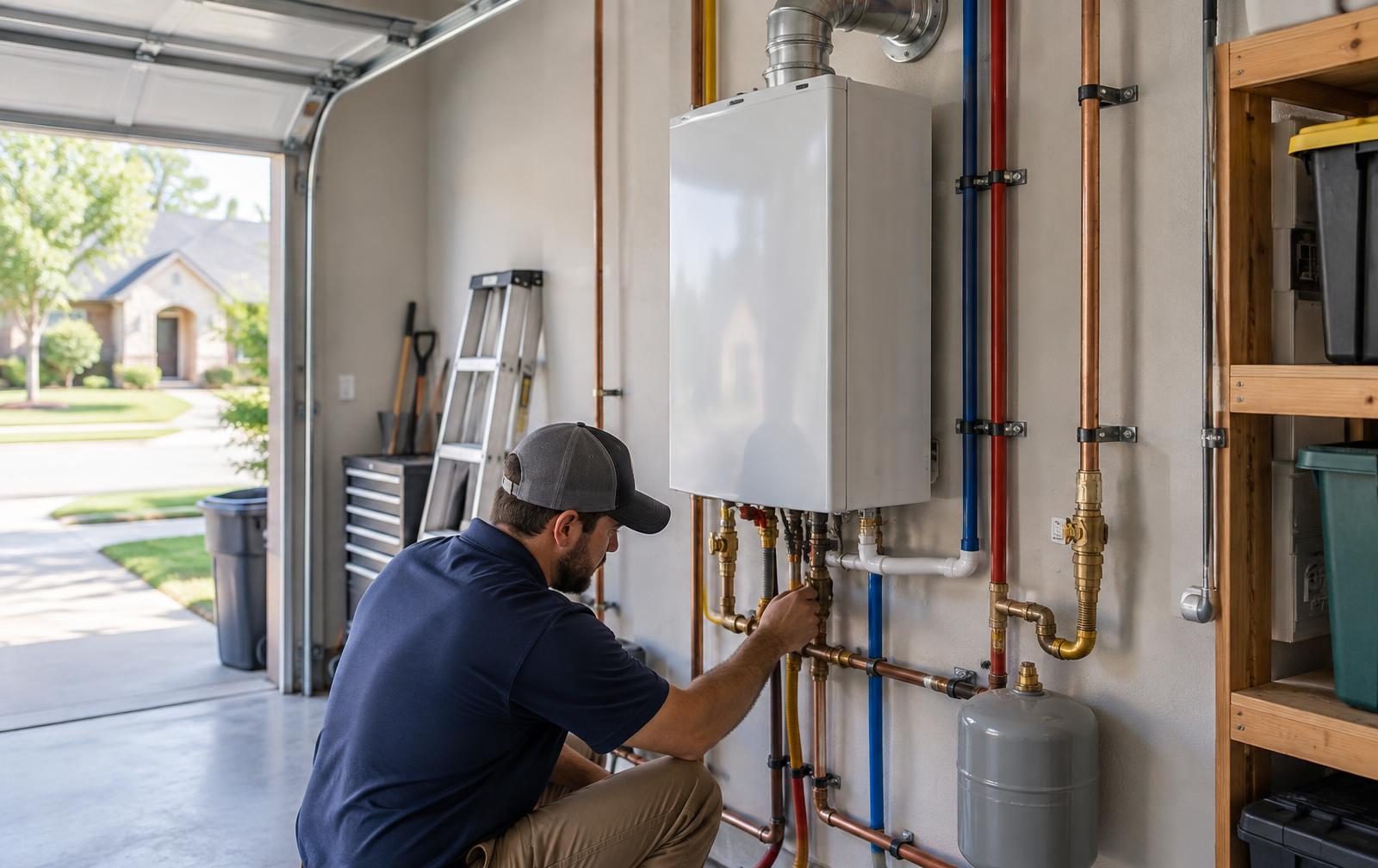
Install, service, and annual descaling — Allen's hard NTMWD water eats tankless heat exchangers without it.
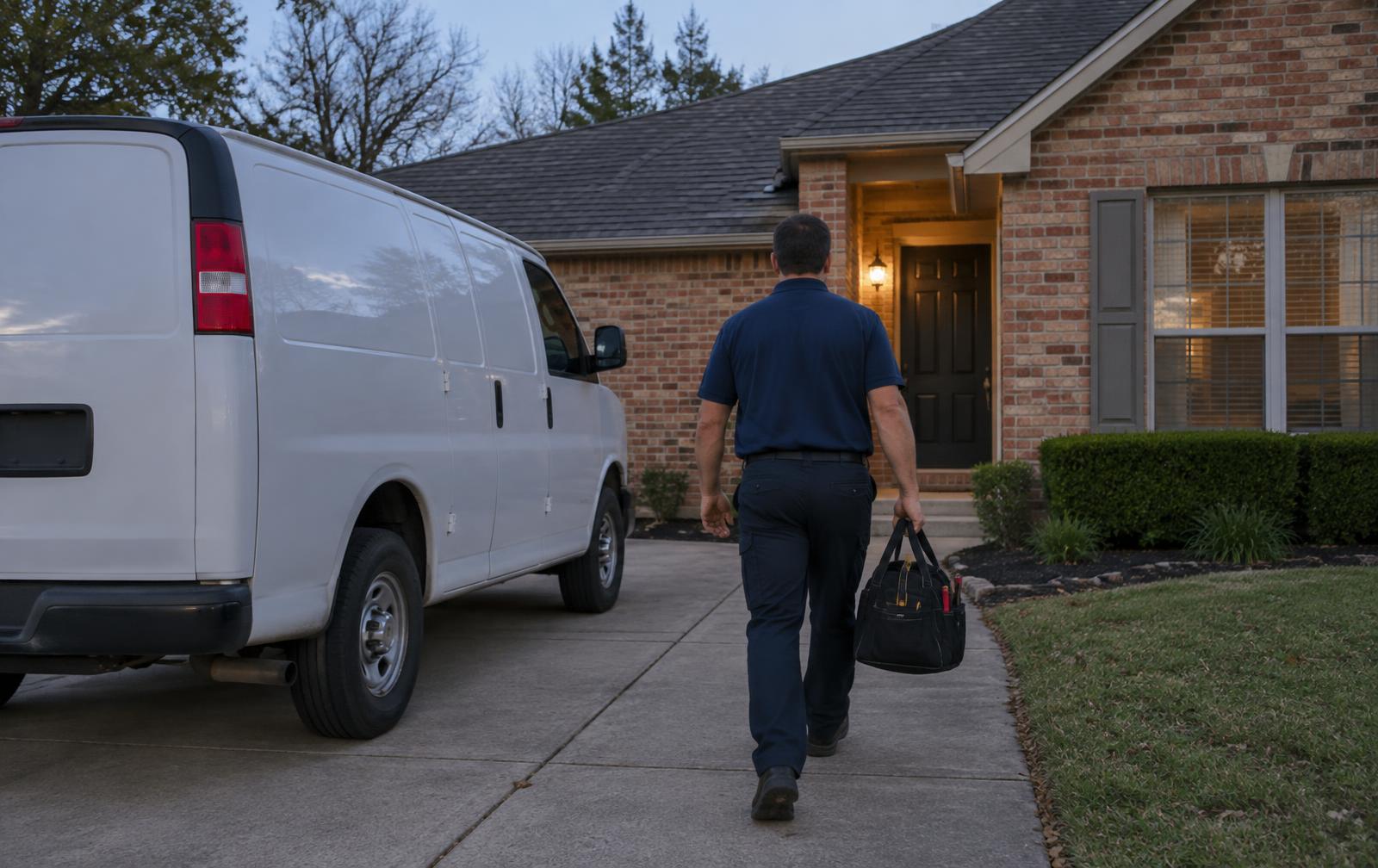
same-day, 7 days a week response across Allen for burst pipes, attic heater failures, and main-line backups.
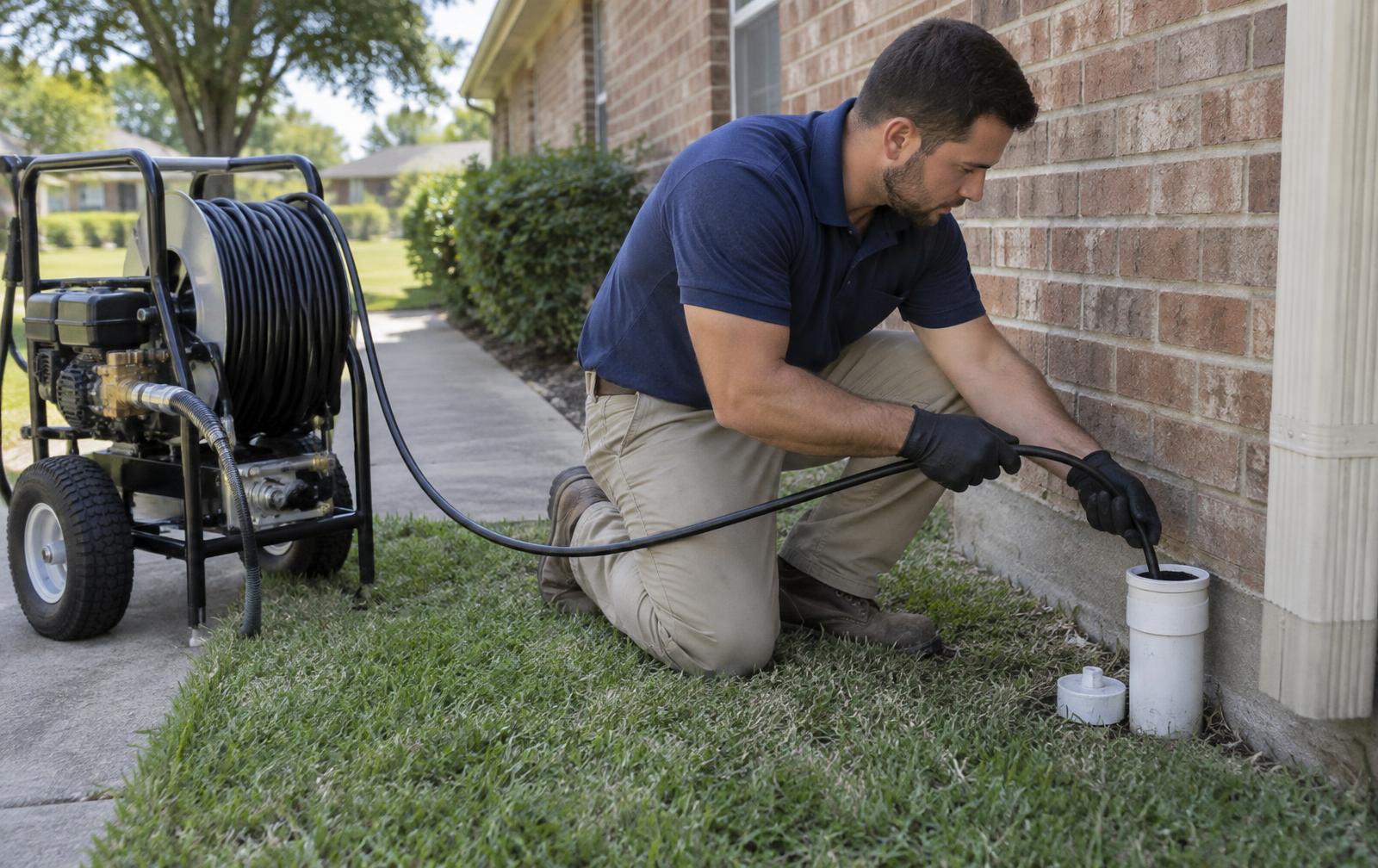
High-pressure cleaning that clears scale, grease, and roots from Allen's long PVC lateral runs — full-diameter, lasting clean.
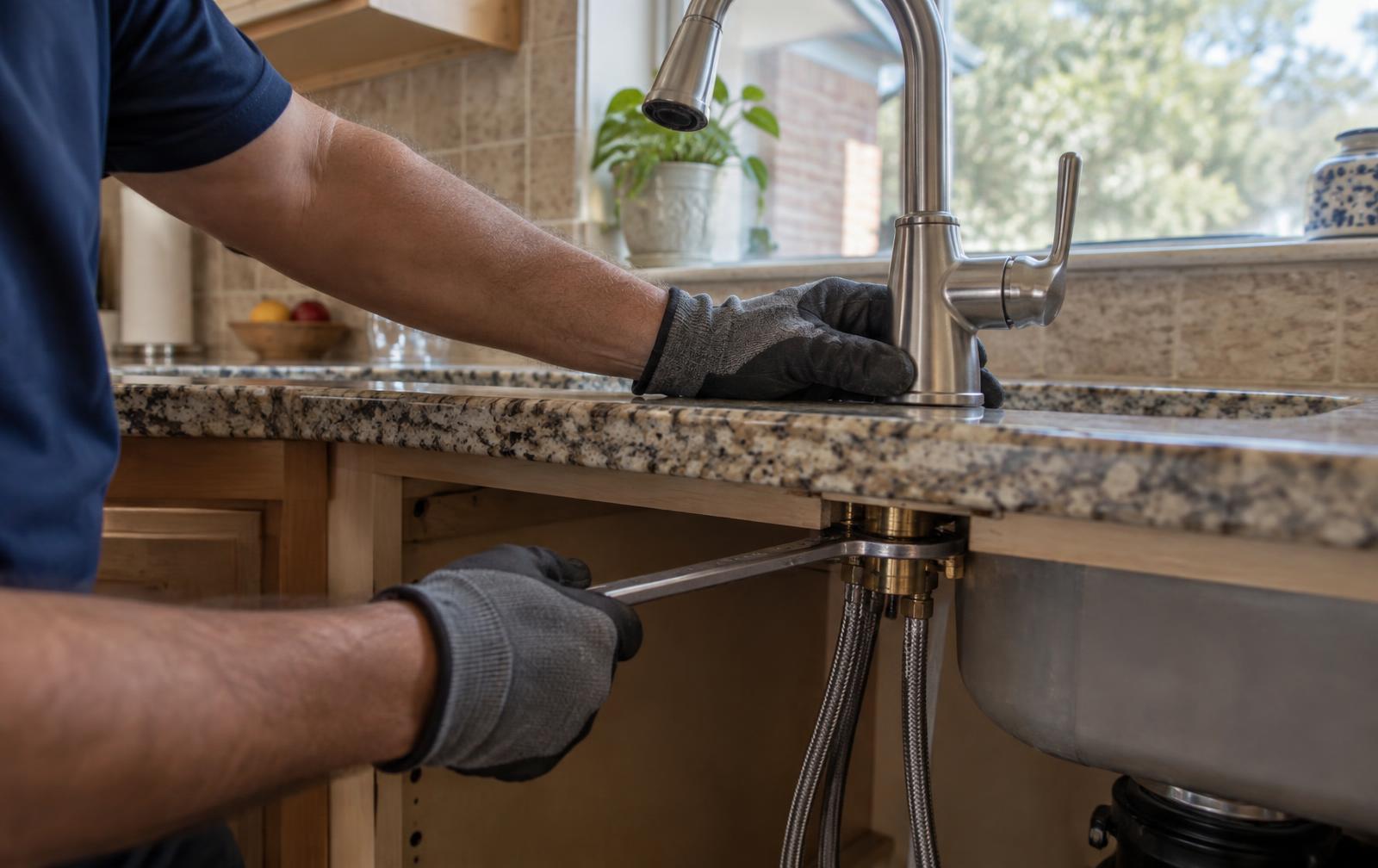
Cartridge, stem, and full-fixture replacement for Allen kitchens and bathrooms — hard-water-ready parts stocked on the truck.
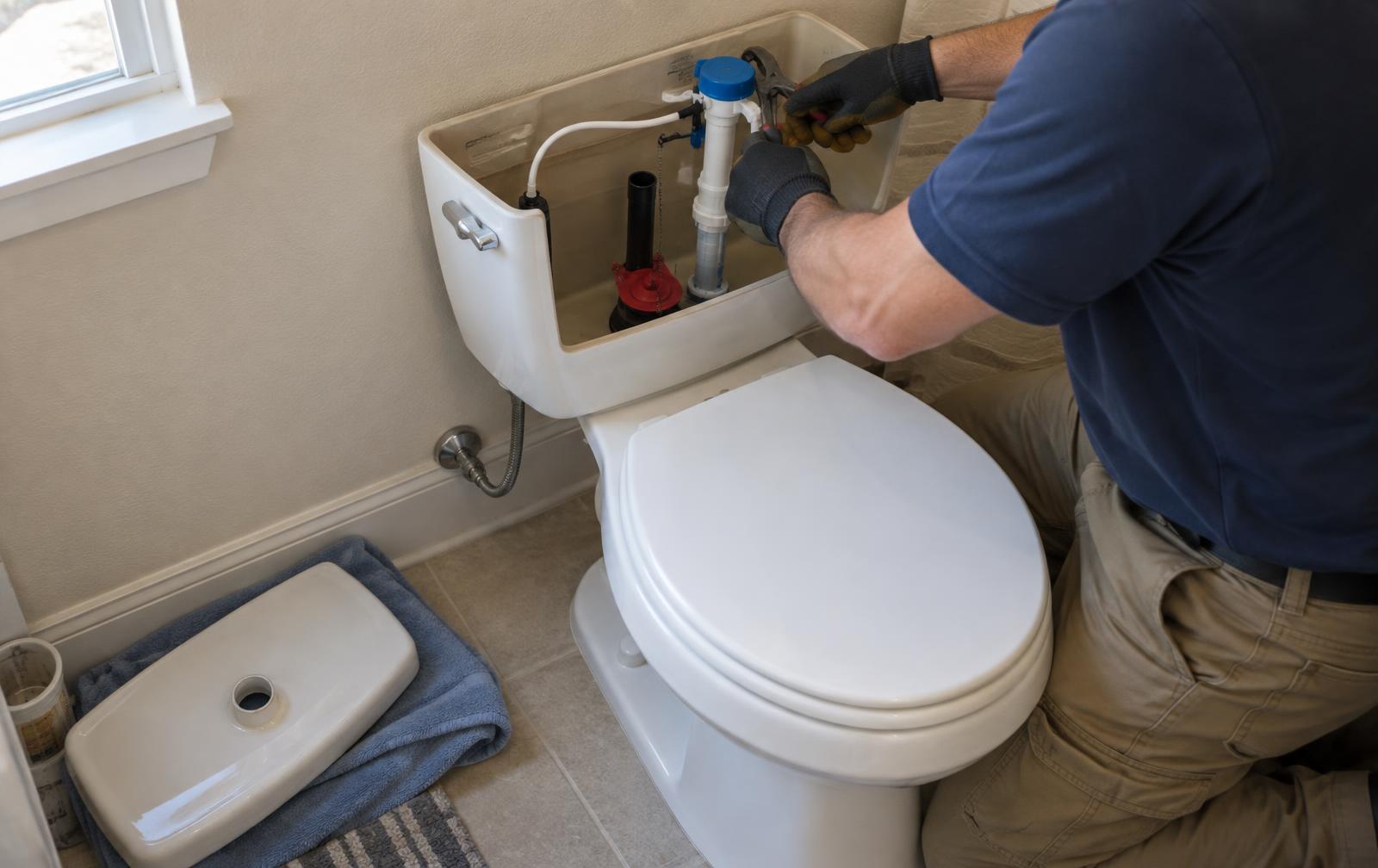
Rebuilds, wax-ring resets, flange repairs, and full replacements — the running toilets and rocking bowls in Allen homes.
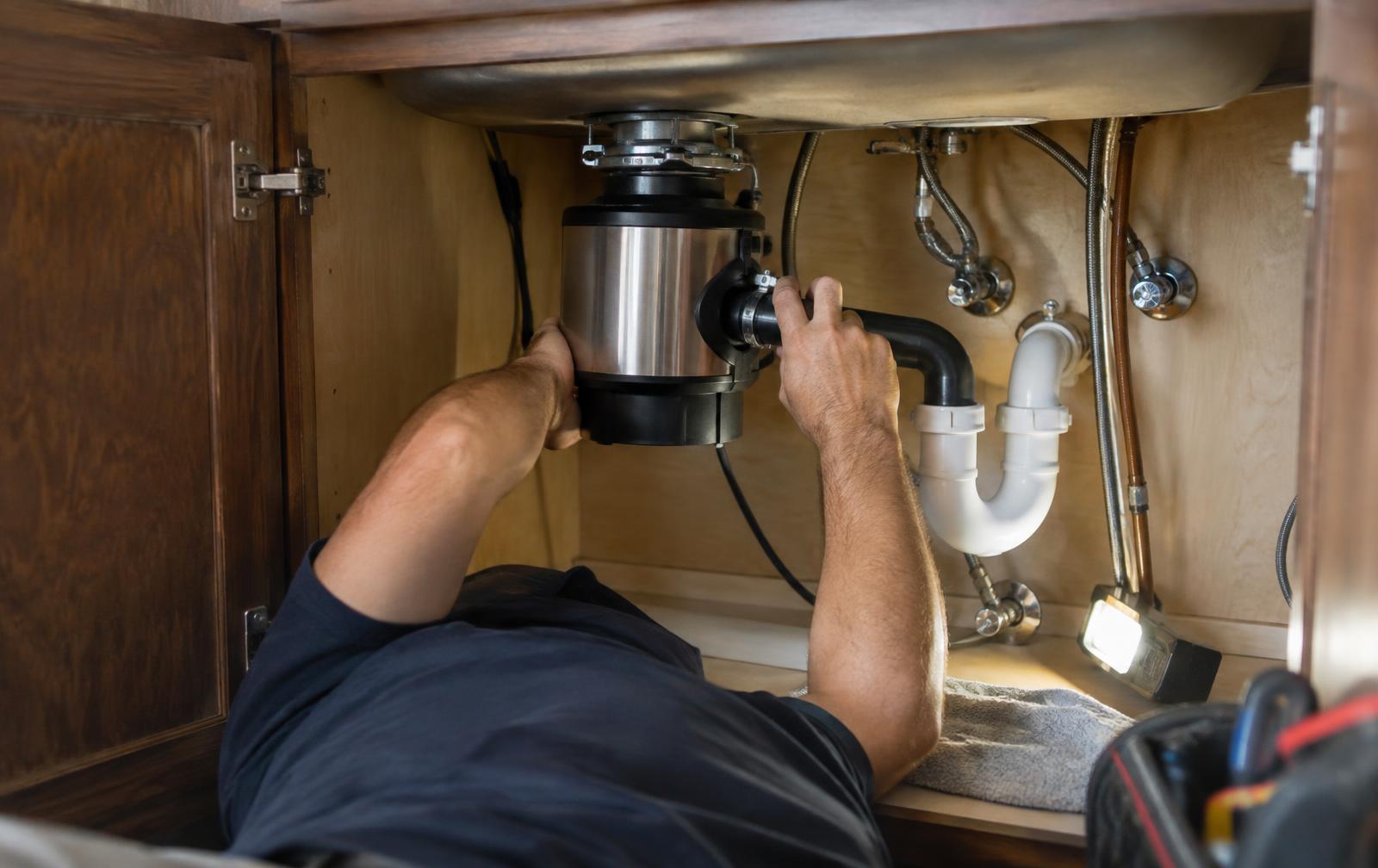
Jam clearing, leaking-unit swaps, and quiet 3/4 HP upgrades for Allen kitchens — same-visit install.
Water Heater Problem in Your Allen Home?
An honest diagnostic, a code-compliant replacement when needed, and same-day visits for total failures. Book now.