
Leak Detection in Allen, TX
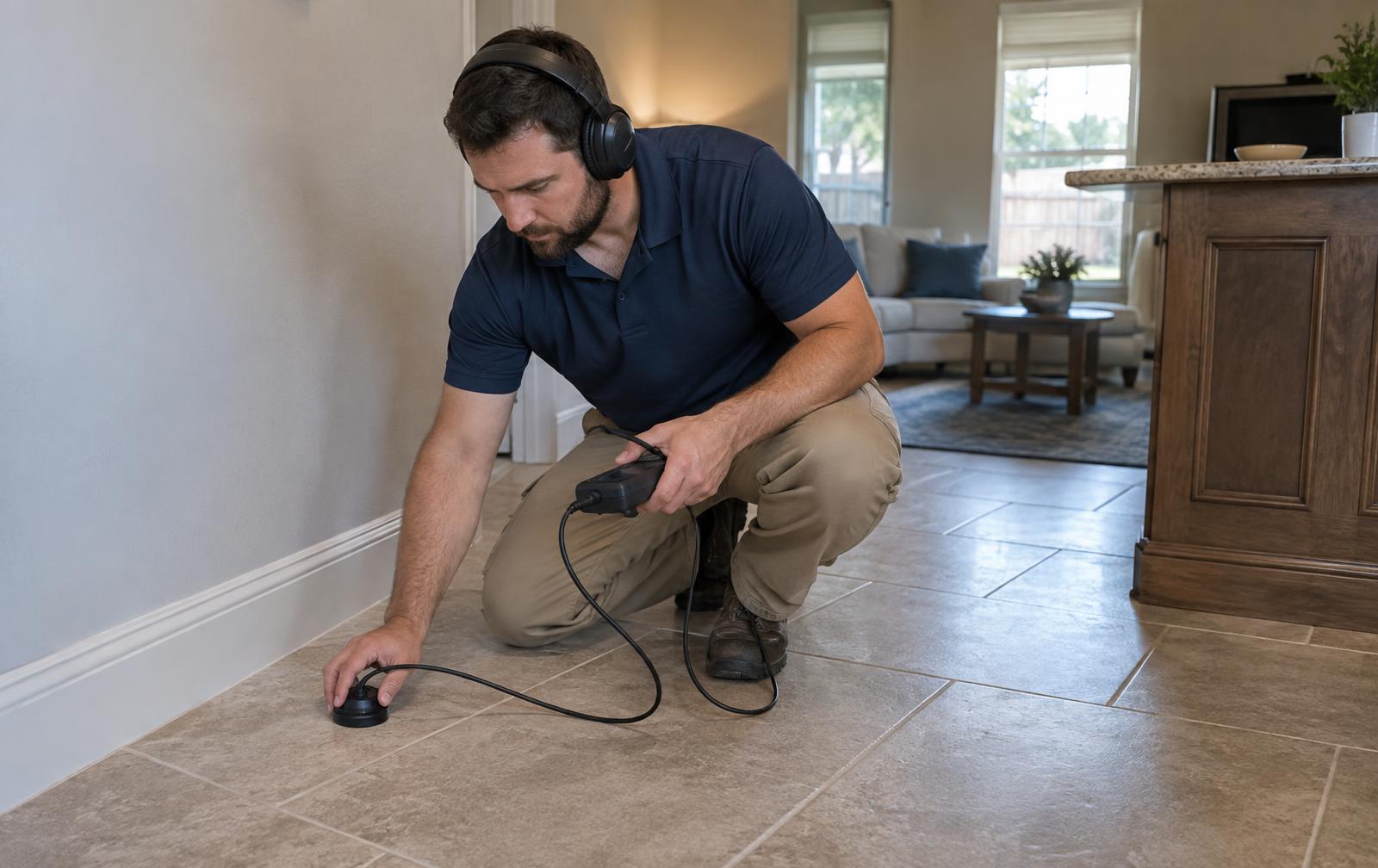
A utility bill that keeps climbing. A ceiling spot that never quite dries. A meter that keeps ticking even though every tap in the house is closed. Our crew works out where a supply line is failing under an Allen slab or behind an Allen wall using sound, heat, and pressure readings, so the cut we make matches the leak instead of a guess.
Name the Spot Before Anyone Grabs a Saw
Water escaping inside a wall cavity or beneath a slab rarely shows itself right away. It soaks the framing first, and only later does paint bubble or a stain reach the surface, by which point the leak has usually been running far longer than anyone realized. Skipping straight to demolition means opening far more of the house than the actual failure requires.
Allen's building stock shapes how we approach that search. The oldest surviving houses cluster near St. Mary Drive, while the bulk of the city's single-family stock in Twin Creeks and Suncreek went up mainly through the 1970s and 1990s on copper run through walls and slabs; Star Creek's homes came later, generally 1999 and after. A standalone ranch usually gets an acoustic sweep paired with a thermal scan. Wherever plumbing runs through a shared wall with a neighboring unit, we add a pressure check at that unit's shut-off valve, since the source might sit on the other side of it.
Nothing gets cut until we can show you a photo with a mark on it. That's the difference between an actual detection call and someone opening a section of wall on a hunch.
Signs of a Hidden Leak in Your Allen Home
Notice two of these at once and it's worth booking a locate visit.
A concealed supply leak can waste a significant amount of water daily without ever showing on the floor. If usage jumped and nothing new is running in the house, the pipes are the place to start.
Close every fixture in the house, give it about ten minutes, then check the meter's low-flow indicator. If it's still turning with nothing running, water is escaping somewhere between the meter and the fixtures.
Old water damage stops growing. A ceiling or wall mark that keeps getting bigger week over week is being fed by something still active, and the true source is often several feet from where the mark appears.
Mold hidden behind drywall tends to smell before you can see it. A musty odor limited to a single room is a strong clue about where to look first.
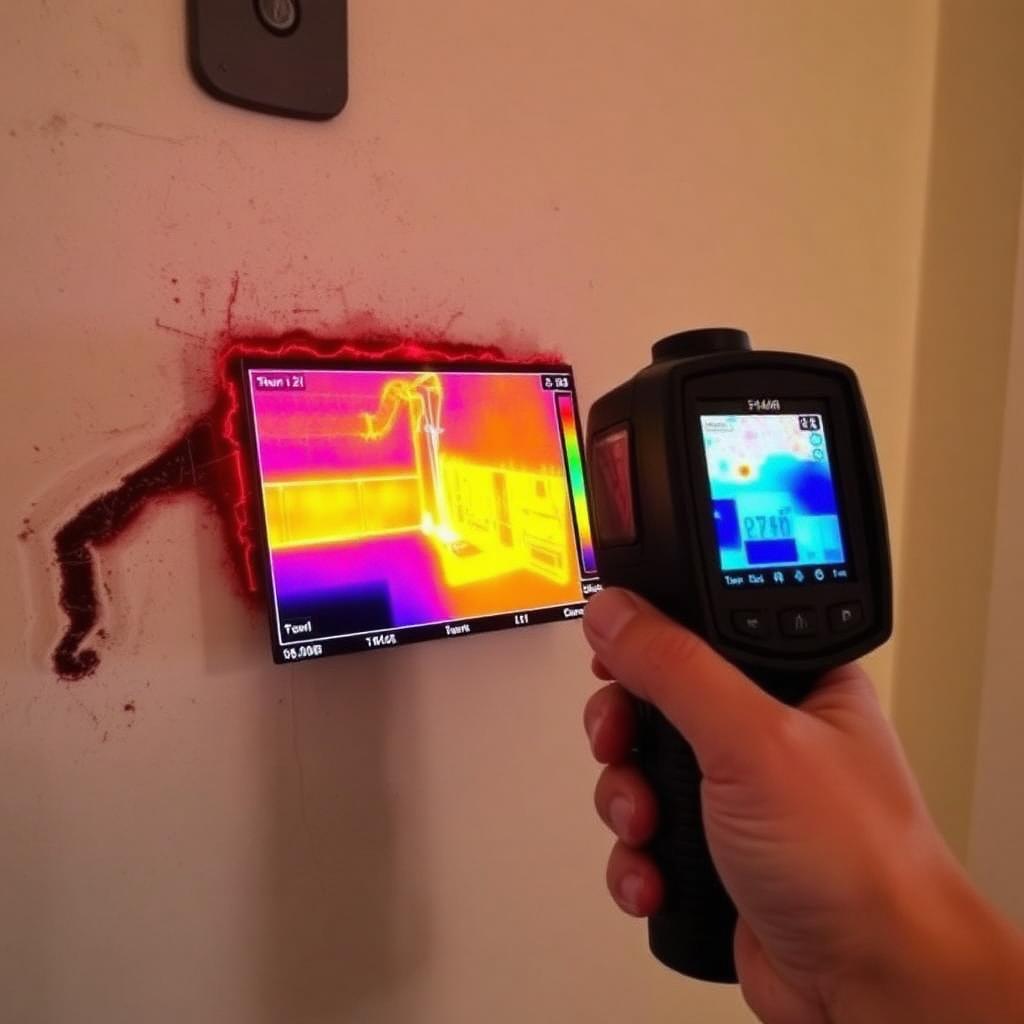
A leak on the hot side heats whatever surrounds it. A thermal camera can usually trace that warmth back to its source in a matter of minutes.
A leak sizable enough to notice often drags down household pressure or cuts a shower short. Combined with anything above, it's worth having a line checked.
Sound, Heat, or Gas — Matched to the Job
Every locate gets backed up with a photo before repair is ever discussed.
- 1Rule out the easy answers first
We shut fixtures down one at a time and read the meter after each, which quickly shows whether the problem sits on the supply side, the drain side, or at a single fixture. A good share of calls end up being a worn seal or a drain trap rather than a buried line, so there's no point running sound equipment if that's the real answer.
- 2Hold pressure and listen
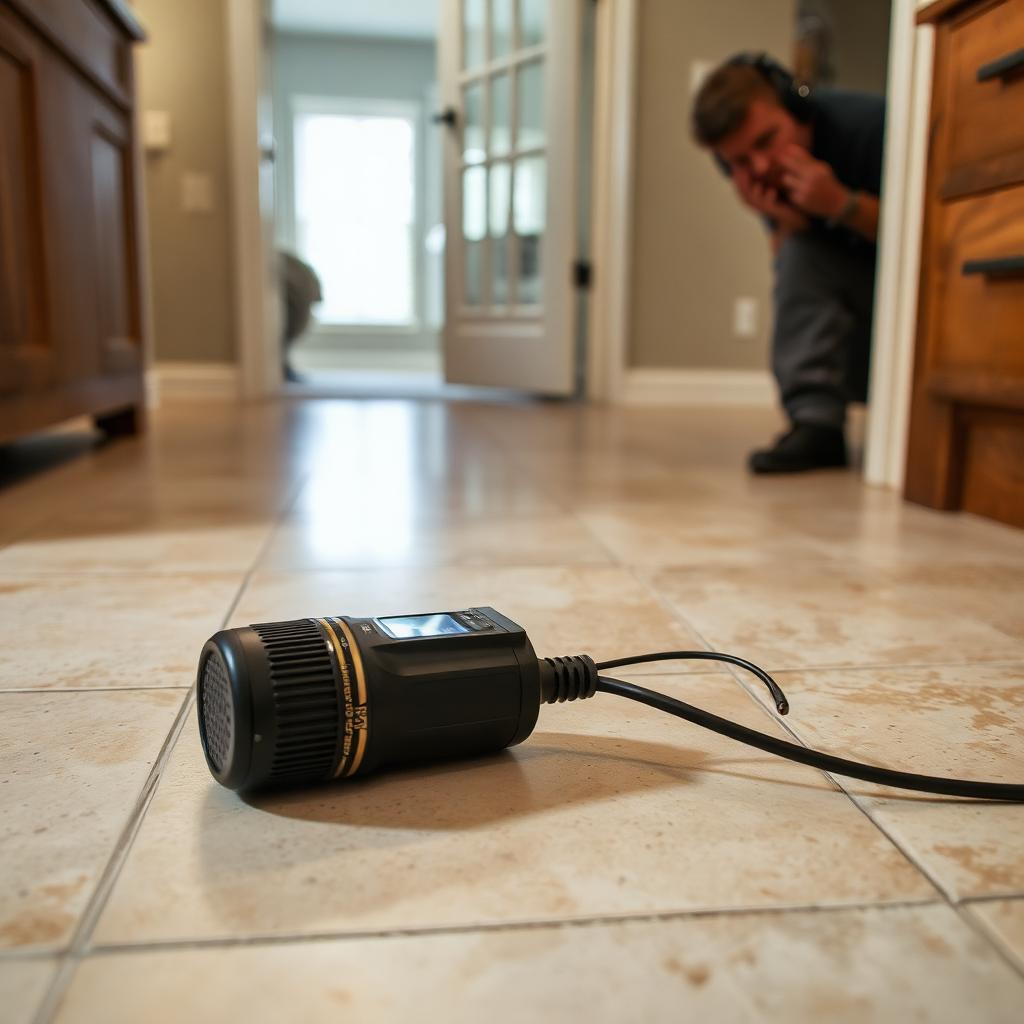
On a pressurized line, we hold it at a set test pressure and work microphones along the floor and walls. A pinhole failure has a sharp, high-pitched sound signature that narrows the search to inches rather than feet.
- 3Trace it with a thermal camera
Heat from a hot-side leak carries into the surrounding wall or floor enough for a thermal camera to follow it, even through tile or drywall. On a cold-side leak, we'll run hot water through the system first to build a usable temperature difference to image against.
- 4Bring in tracer gas when nothing else is conclusive
If the meter shows movement but sound and heat readings stay ambiguous, we isolate the line and push an inert tracer gas through it, then sniff along the run. Wherever the gas surfaces is the leak.
- 5Deliver a marked photo and a written scope
You get a photo with the leak location and rough depth marked, a plain-language note on what's wrong, and a written price for the repair — ours to do, handed to a contractor of your choosing, or something to think over.
Where Allen Homes Tend to Leak
The era a house was built in usually decides where we look first.
The restored homes preserved near St. Mary Drive date back to the 1920s, and any nearby private residence of similar age is a strong candidate for a supply line that's never been updated. On a house that old, we start listening on the assumption the original run is still buried in the wall.
Most of this area went up through the 1970s and into the 1990s, which puts original copper well past the age where pinholes become routine. A wall-mounted acoustic sweep is typically our starting point on a house from that stretch.
Built in roughly the same window as Twin Creeks, this area sits close to Rowlett Creek, and lots near the creek can hold enough ground moisture to muddy an acoustic reading at the foundation. We lean harder on thermal imaging there to confirm what the microphones are hinting at.
Homes here trend newer, generally 1999 and after, so supply lines have had fewer years to develop pinhole leaks than the rest of the city. We still run the same acoustic-and-thermal sweep before assuming anything about the source.
Development around this newer commercial corridor reflects the later stretch of Allen's growth, generally 1999 forward, and tends to run PEX rather than copper. Leaks in this housing are less often corrosion and more often a fitting that never fully seated.
The highway corridor that drove Allen's expansion through the 1970s and 1980s is lined with that same generation of single-story construction. On these properties we usually check the slab and the exterior wall runs both, since either could be carrying the original line.
What Allen Homeowners Say
A Marked Photo, Not a Guess
Every visit wraps up with a documented locate: a marked photo, a plain description of what's leaking, and a written price for the repair. If we can't narrow the leak down during that visit, we'll tell you plainly rather than guess and open something on a hunch.
Our crew is licensed by the Texas State Board of Plumbing Examiners, insured, and family-owned, and every truck runs out of our shop in The Colony. Appointments run same-day, seven days a week between 8 AM and 6 PM, and we handle the city permit ourselves whenever Allen requires one for the follow-up repair.
Questions We Hear Before a Locate Visit
Our Other Plumbing Services in Allen, TX
A concealed leak is frequently the first warning that a home's plumbing is due for a broader look. Whether that turns into a slab reroute, a water heater swap, or something else, we cover it in the same local visit.
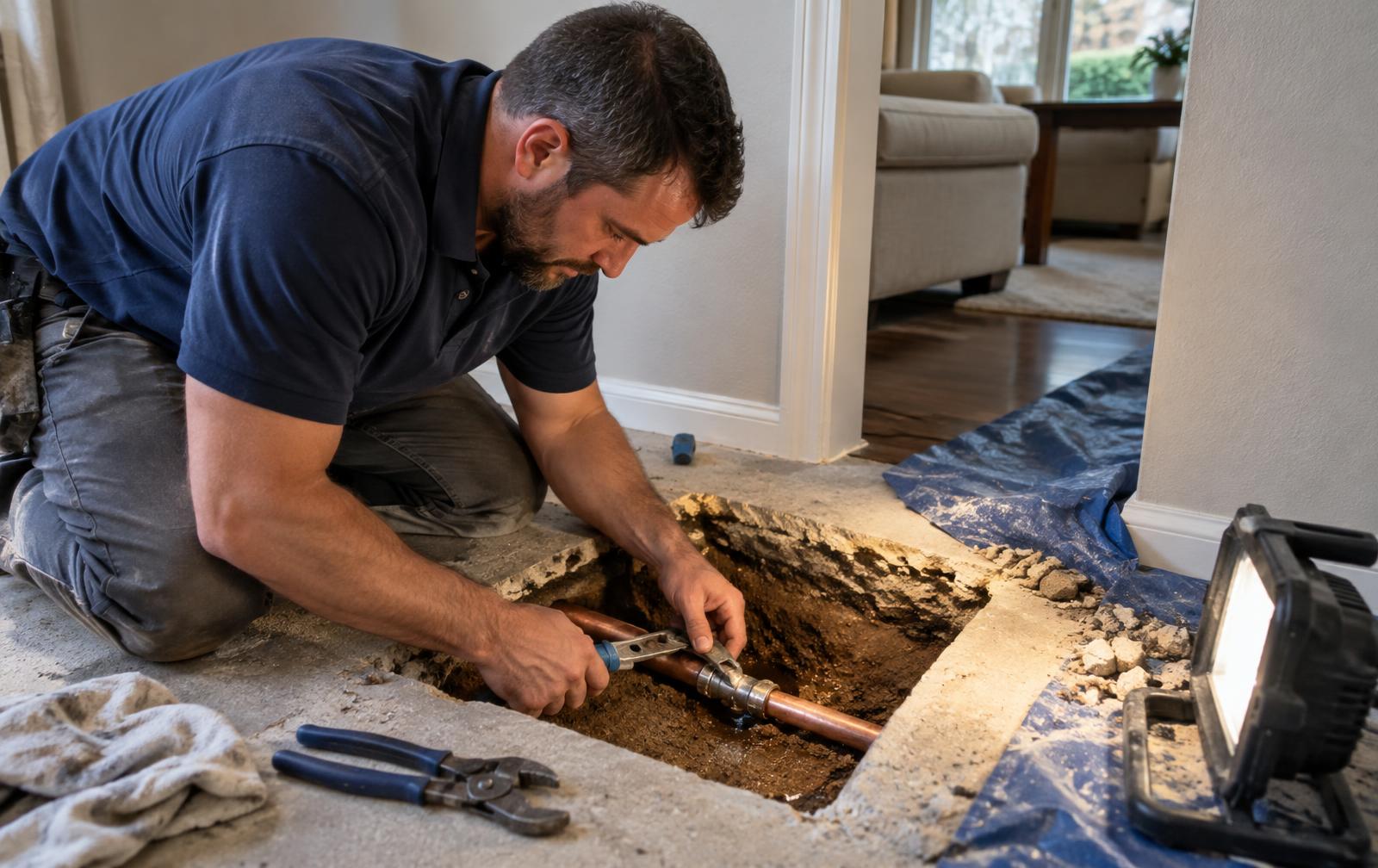
Electronic detection under Allen's post-tension slabs — reroute options that save your finished floors when possible.
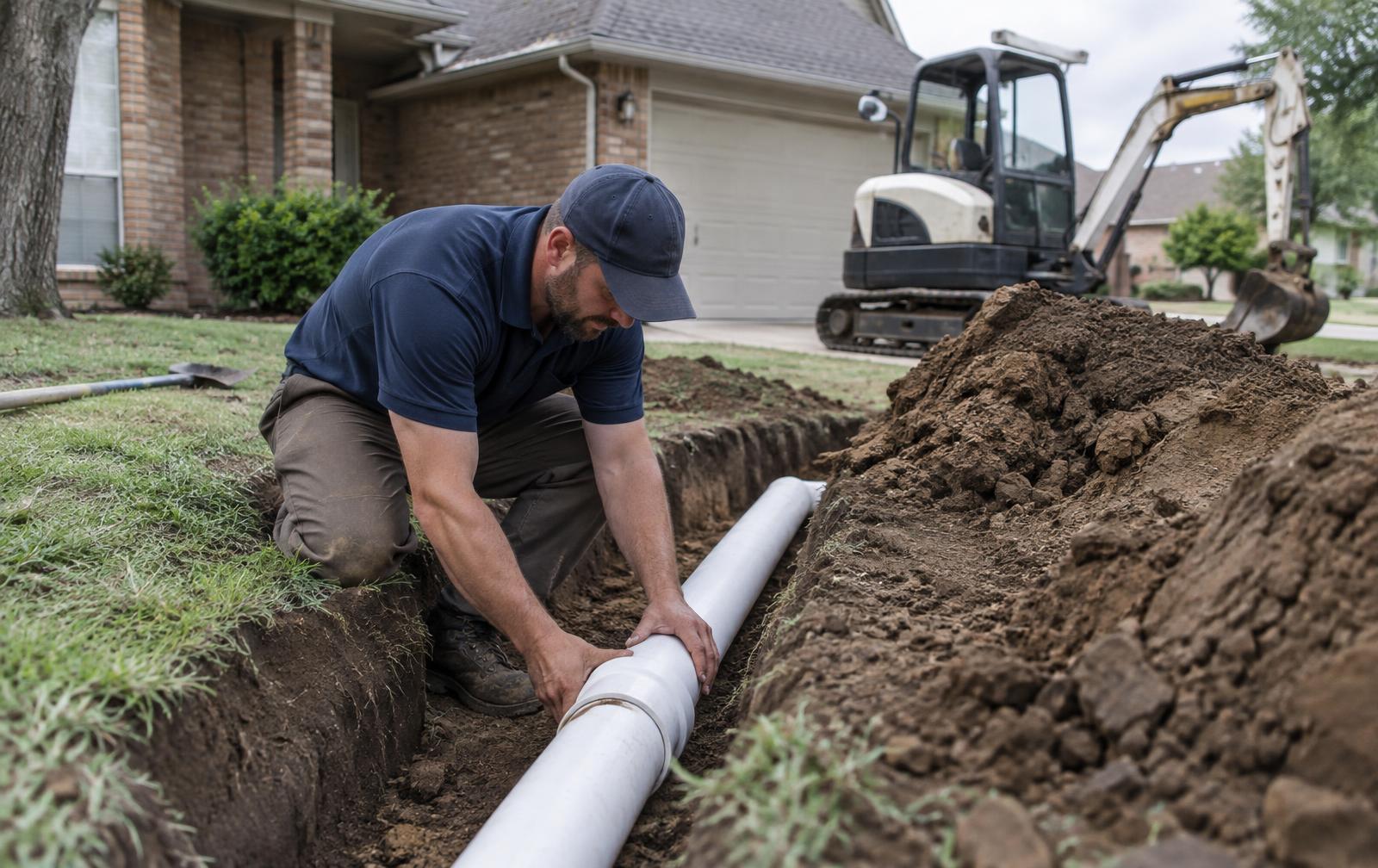
Trenchless replacement for the aging PVC and clay laterals across Allen's older Twin Creeks and Suncreek runs — camera first, quote in writing, minimal yard damage.

Licensed install, repair, and pressure-testing for Allen homes — every line signed off to Texas code and Atmos requirements.

Full-clear service and camera confirmation for the long PVC laterals under Allen's master-planned neighborhoods.
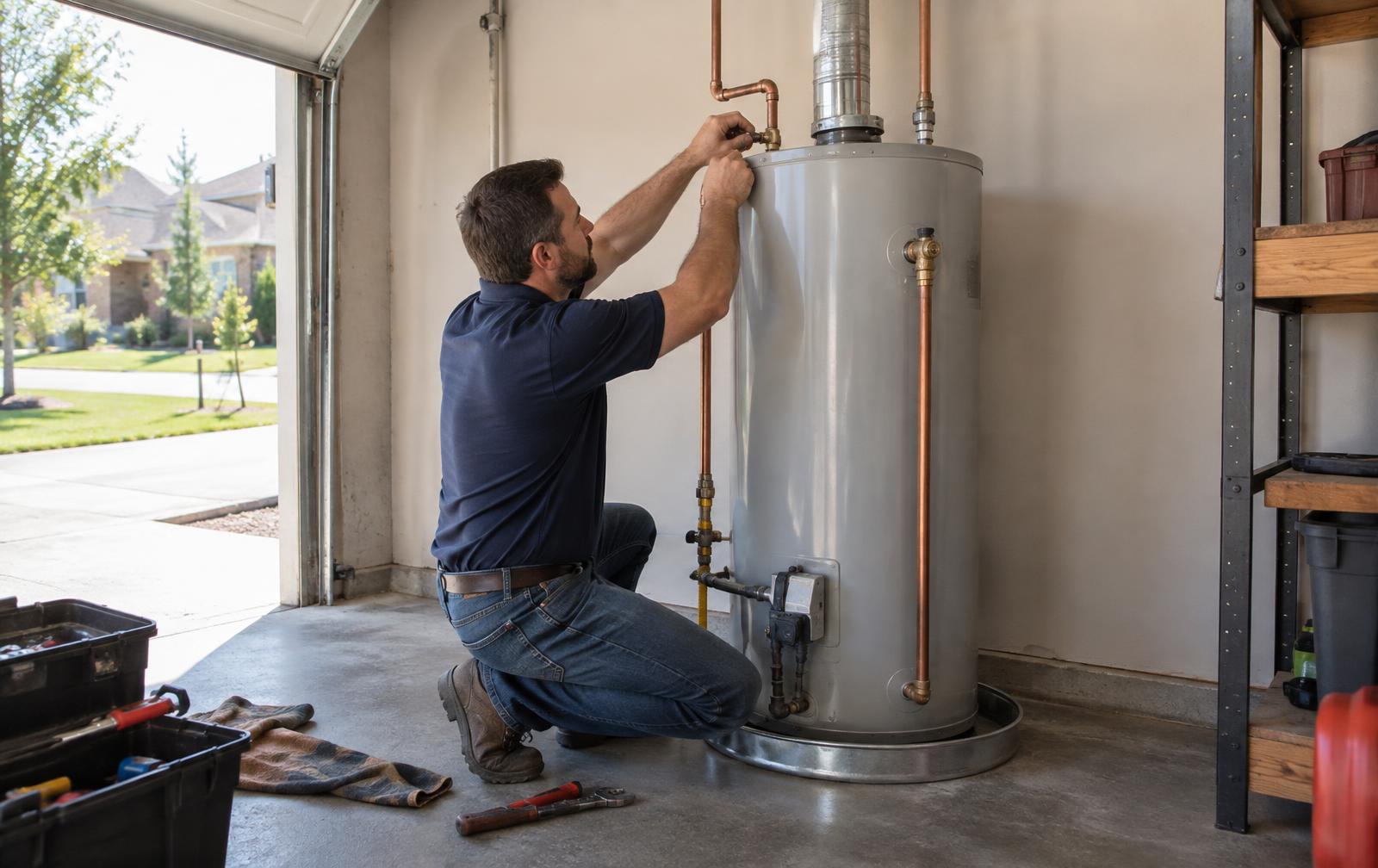
Repair, flush, and replacement of tank units — including the attic-mounted heaters common to Allen two-stories.
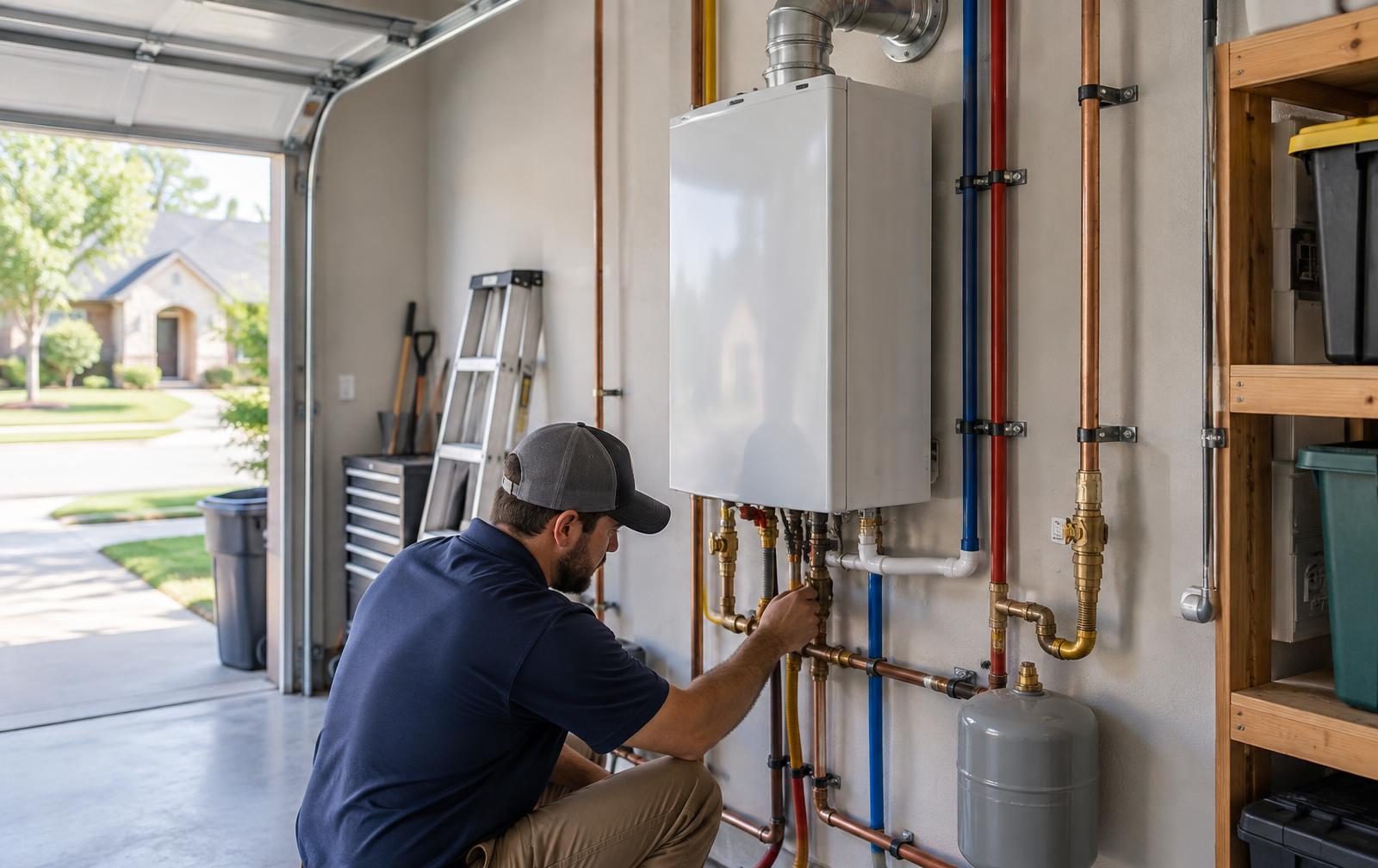
Install, service, and annual descaling — Allen's hard NTMWD water eats tankless heat exchangers without it.
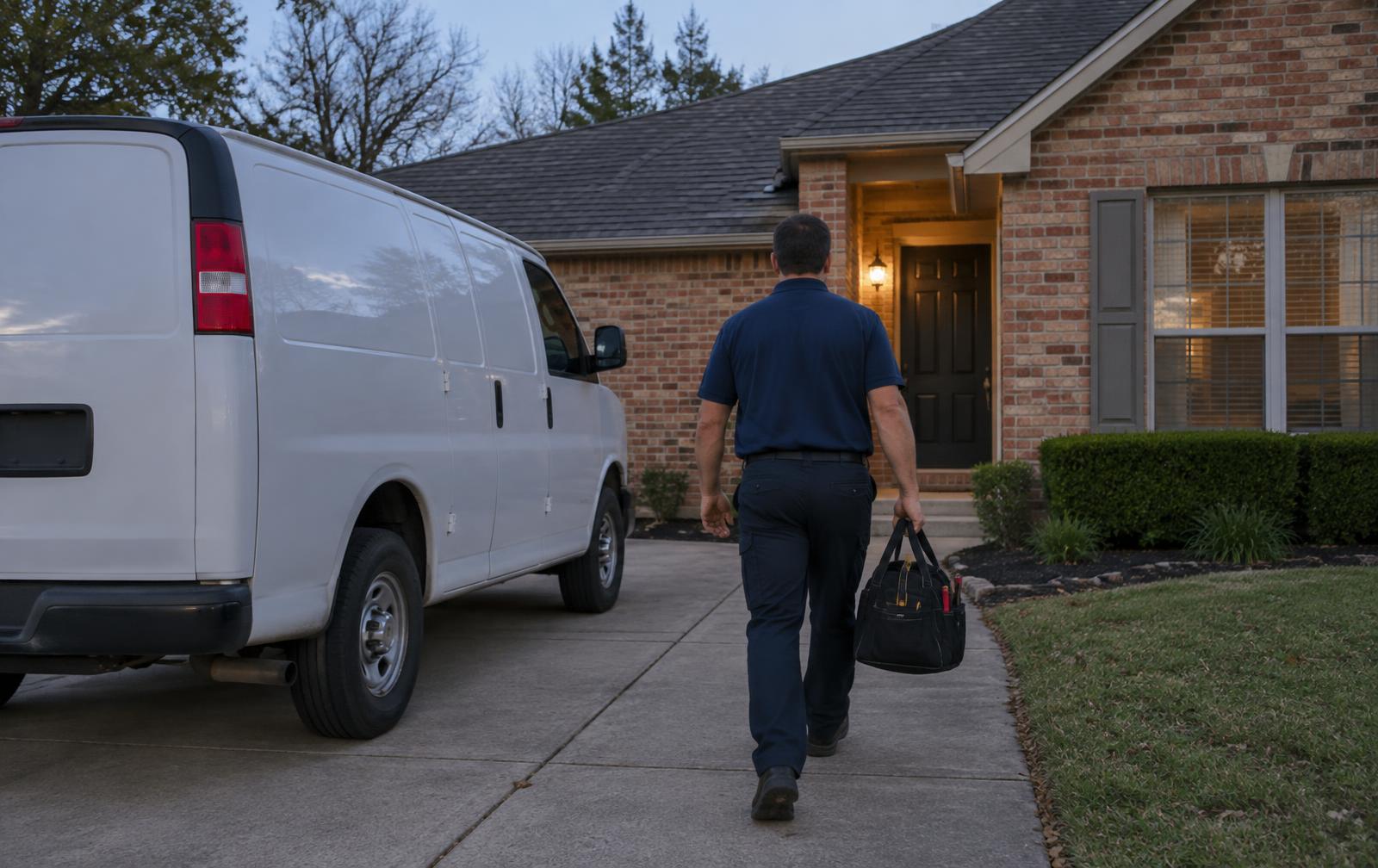
same-day, 7 days a week response across Allen for burst pipes, attic heater failures, and main-line backups.
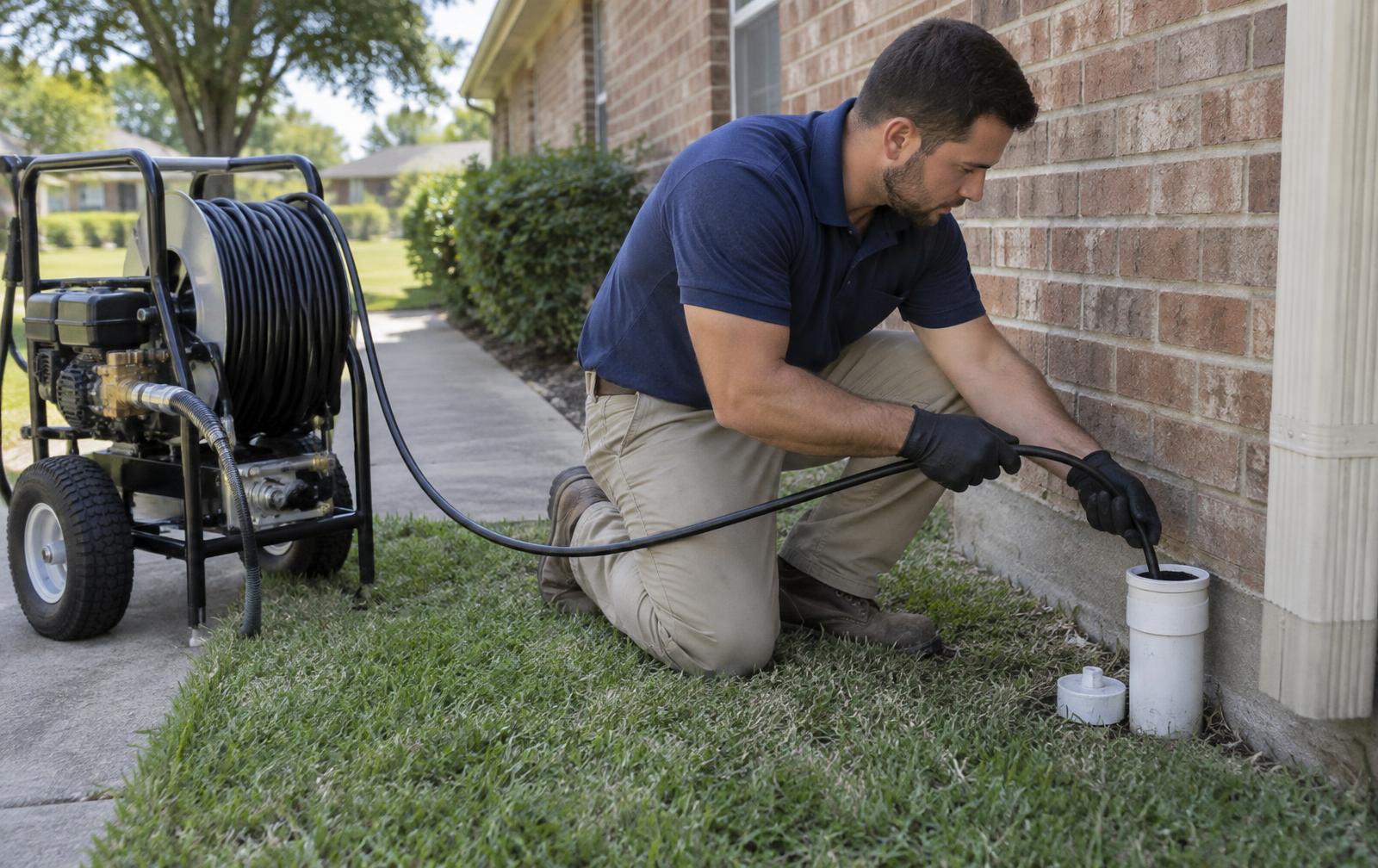
High-pressure cleaning that clears scale, grease, and roots from Allen's long PVC lateral runs — full-diameter, lasting clean.
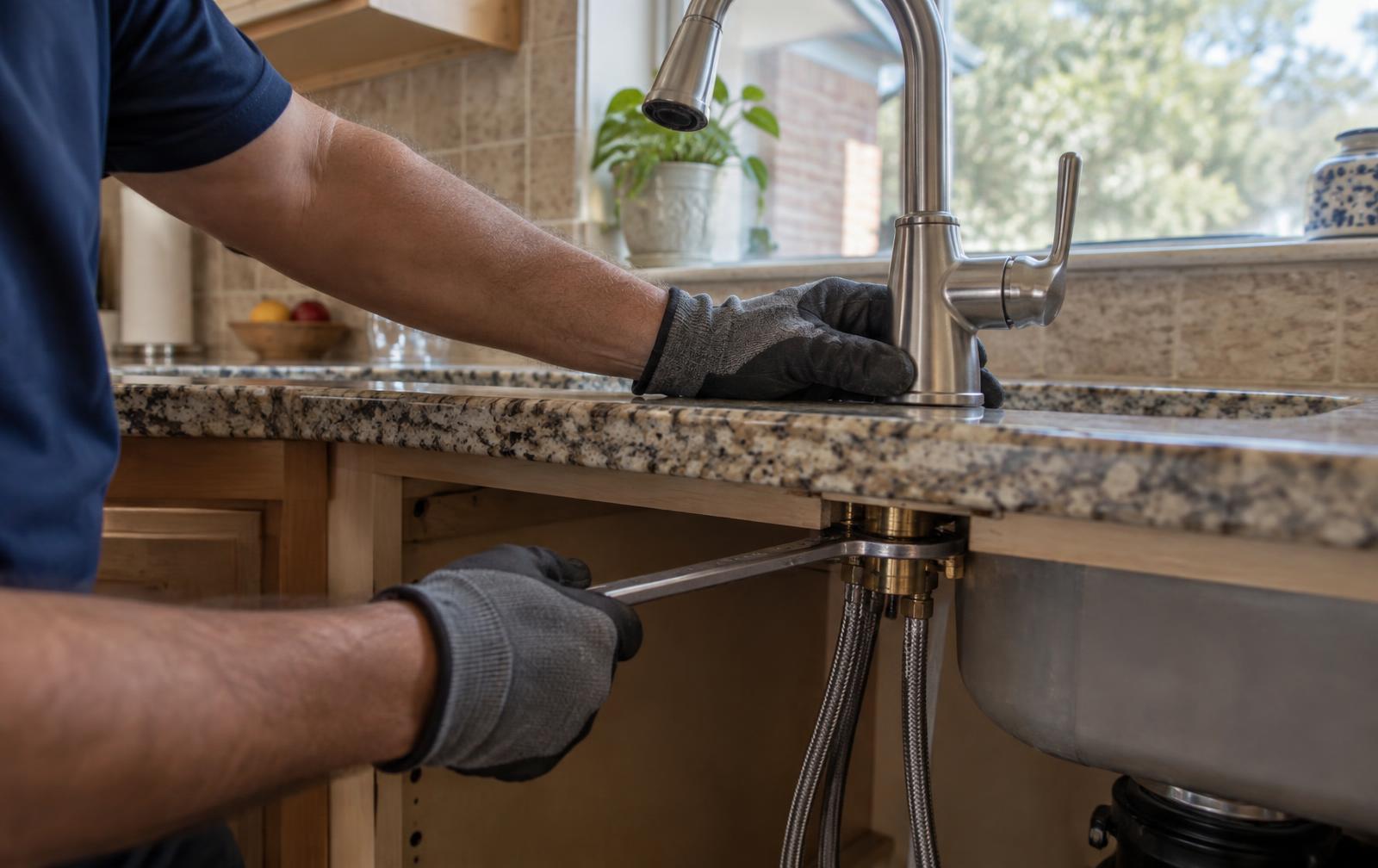
Cartridge, stem, and full-fixture replacement for Allen kitchens and bathrooms — hard-water-ready parts stocked on the truck.
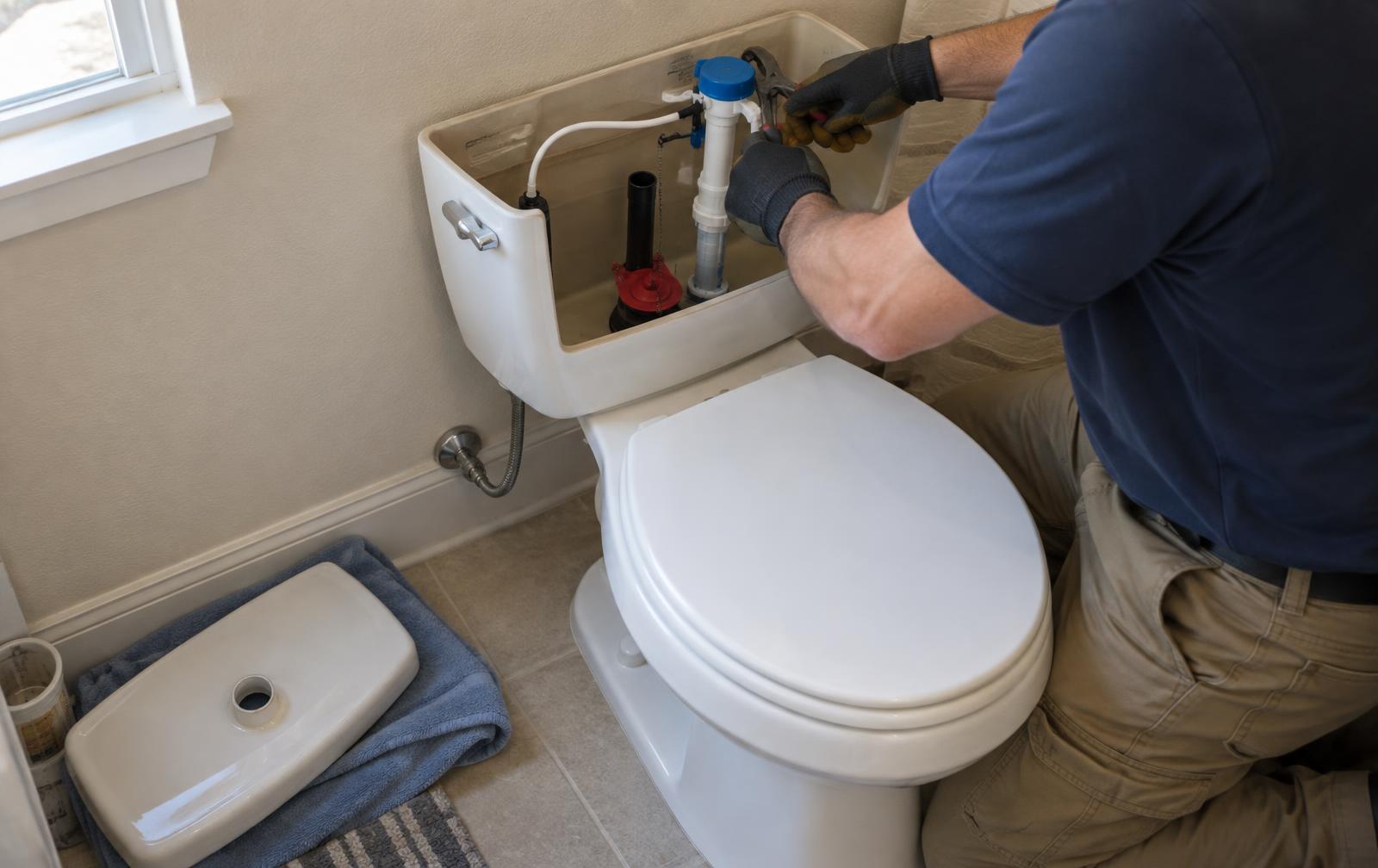
Rebuilds, wax-ring resets, flange repairs, and full replacements — the running toilets and rocking bowls in Allen homes.
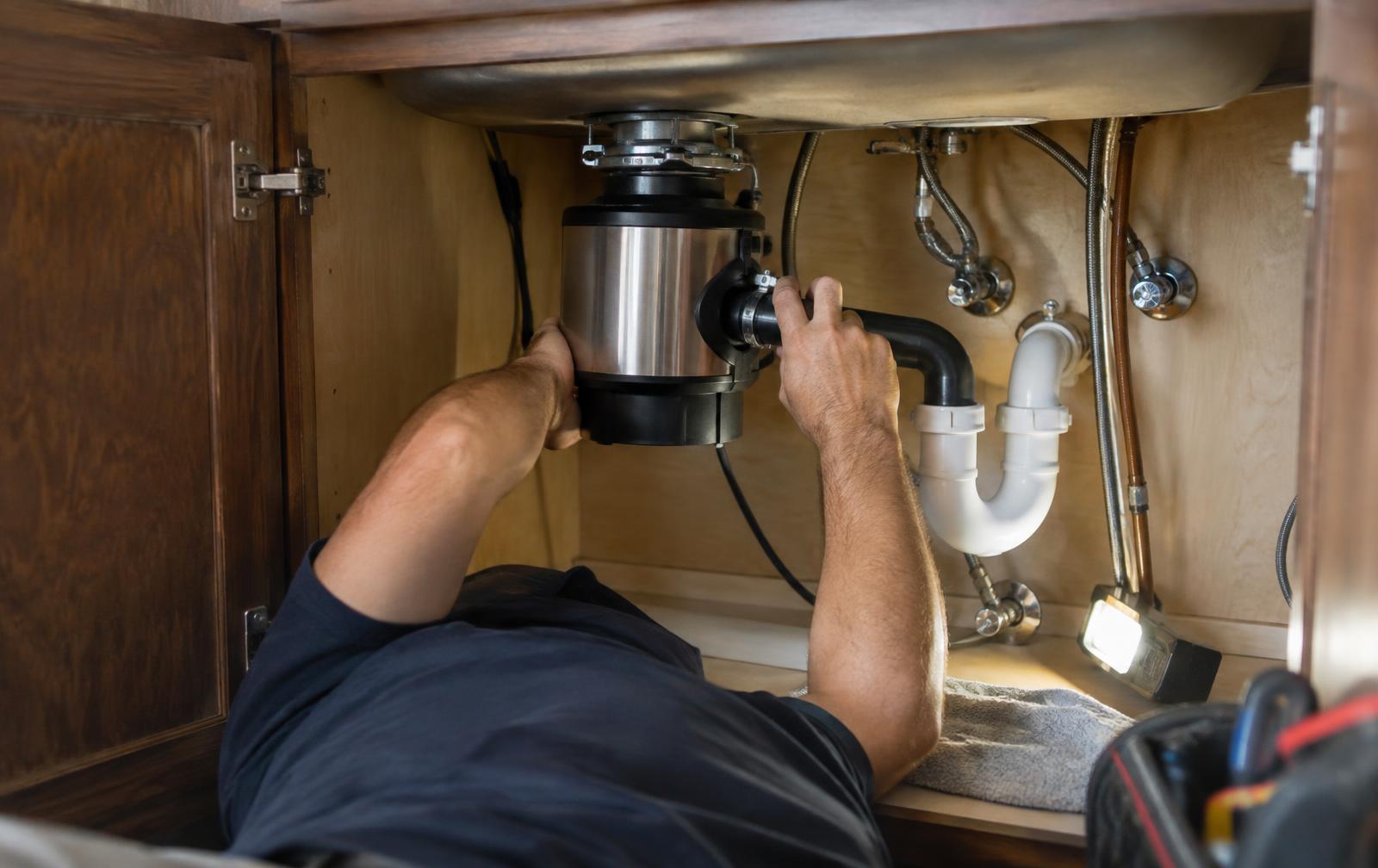
Jam clearing, leaking-unit swaps, and quiet 3/4 HP upgrades for Allen kitchens — same-visit install.
Hidden Leak in Your Allen Home?
Non-invasive detection, a marked locate, and a written repair price — scheduled the same day.