
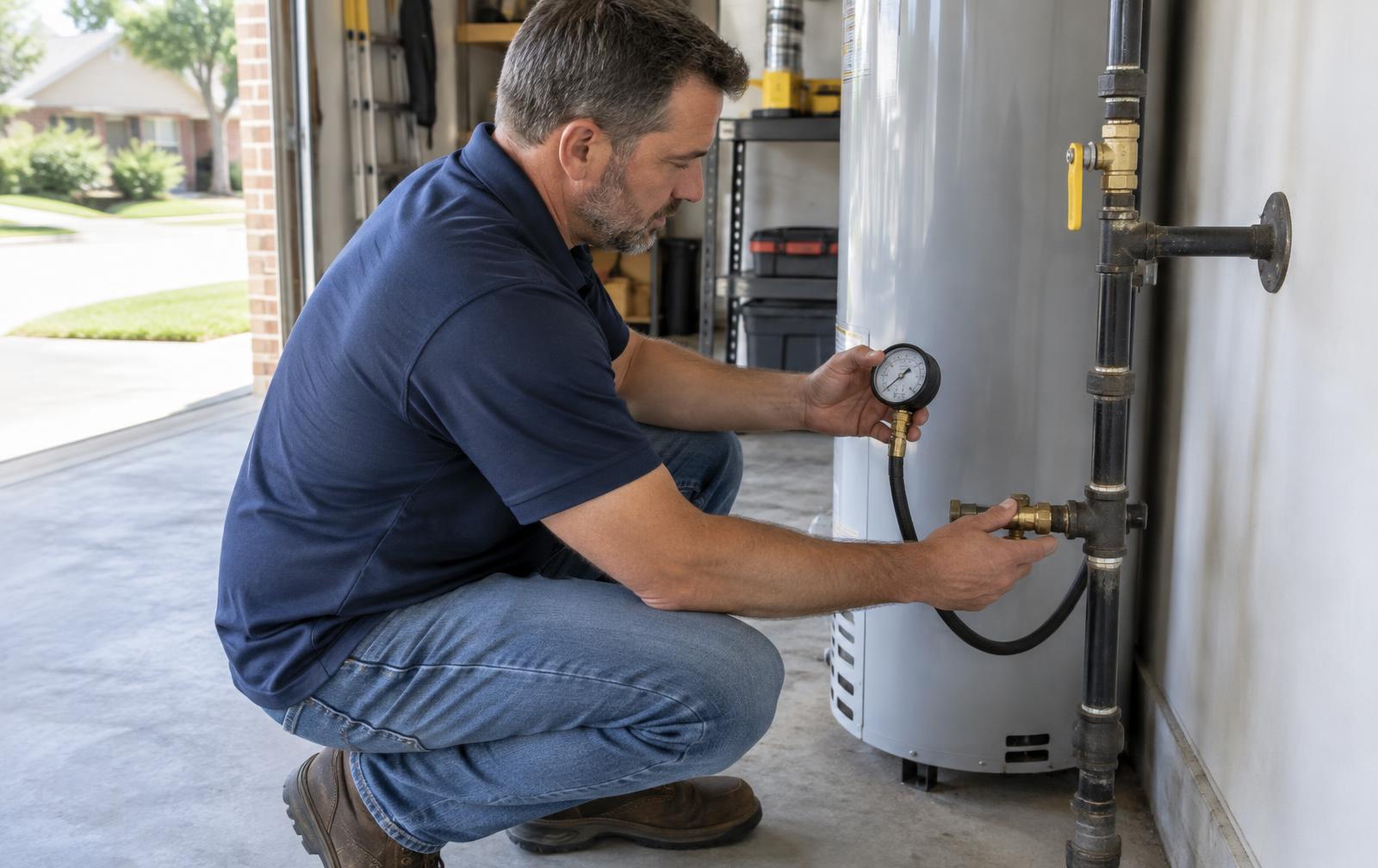
Gas Line Services in Allen, TX
Your nose says gas but you can't pin the spot. A new cooktop or outdoor kitchen needs its own supply run. Atmos won't turn the meter back on until a licensed test clears it. Whichever one brought you here, everything we install or repair gets pulled through Allen's permit process and pressure-tested before we call it finished.
This Is One Job Where the License Actually Matters
State rules put any residential gas piping — inside the home or buried in the yard — squarely under licensed-plumber work, and Atmos Energy, which runs the Mid-Tex system that serves Allen, will not restore a meter without documented proof of a licensed pressure test. A line a handyman ran a few years back for a new range might function fine for a long stretch, right up until Atmos happens to catch it unpermitted during a routine service visit, and then the whole system gets shut down until it's brought current.
Speaking of permits: Allen requires one for new gas lines and for the majority of repairs, filed through the city's Citizen Self-Service portal, with the Building & Permitting office handling the inspection scheduling. That paperwork is part of the job on our end, not something you have to manage separately.
The material we find underground and behind walls tracks pretty closely with when a house was built. Homes from Allen's big 1970s-through-1990s construction wave commonly still have their original black iron, and after decades of the region's clay soil shifting beneath them, joints on those older runs can work themselves loose. Newer construction leans on flexible corrugated stainless tubing instead, which performs well but only if the bonding to ground was done correctly at install — and that's the detail we most often find missed on newer systems.
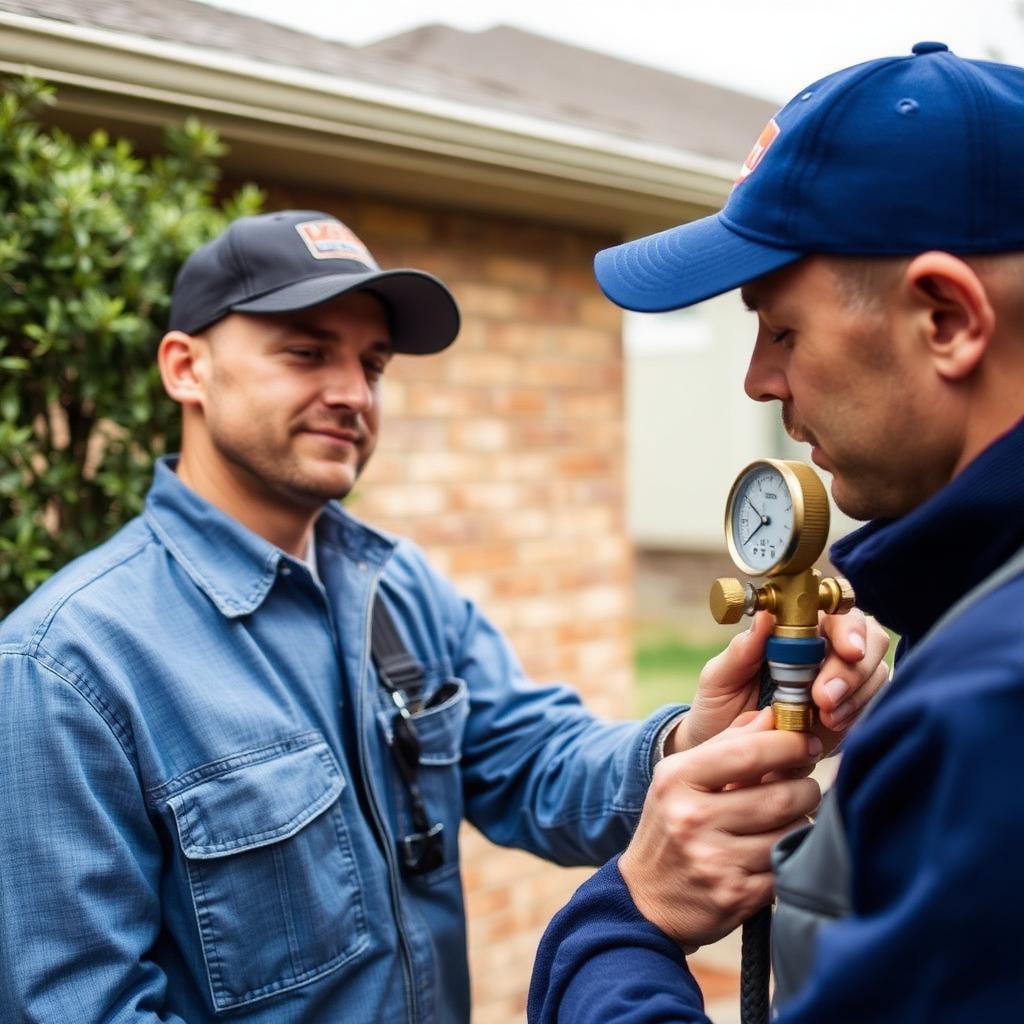
Warning Signs of a Gas Problem in an Allen Home
Any of these means shutting the gas off at the meter and calling — skip the flashlight-and-sniff investigation.
Natural gas has no scent on its own — what you're noticing is the additive put in specifically so it's noticeable. Get everyone out, call once you're clear, and don't touch a light switch or start a vehicle in an attached garage on the way out.
Heard at a range's shutoff, a furnace connection, or a water heater's flex line, that's gas actively escaping. Close that specific valve first, and shut the main meter if the sound keeps up.
An underground leak can waste gas for weeks before anyone notices. If your bill jumped well beyond a normal seasonal swing with no change in how you're using appliances, a pressure test is worth scheduling.
Escaping gas from a buried line often kills the grass directly above it in a narrow, distinct strip — we see this most along runs feeding an outdoor grill or pool equipment.
If it's more than one appliance at the same time, that's usually a pressure drop somewhere upstream in the system rather than a coincidence at each individual unit.
Don't remove that tag yourself. The system needs a licensed pressure test, and any repair the test turns up, before Atmos will legally restore service.
Find It, Fix It, Prove It, File It
Every job we touch, leak or new install, ends the same way — tested, documented, and permitted where the city requires it.
- 1Track down the source or plan the route
On a leak call, we pressurize the line with air and go fitting by fitting with an electronic sniffer and soap solution until we've found every leak point, not just the first one. For a new run, we map the shortest path that stays code-legal and size the pipe to match the appliance's actual BTU draw.
- 2File the paperwork with the city
New lines and most repairs in Allen need a permit through the Citizen Self-Service system. We submit it and get the inspection scheduled as part of the job.
- 3Build it to code, not to convenience
Black iron indoors, or corrugated tubing with proper bonding where flexible line makes more sense; polyethylene with the correct riser for anything buried in the yard; the right sediment trap at each appliance and thread sealant rated specifically for gas service.
- 4Prove it holds pressure
Once the work is done, the system sits under air pressure for the code-mandated window, gauge visible if you want to watch it yourself. Any drop means we track down the weak fitting before anyone calls the job complete.
- 5Get the inspector and Atmos both signed off
We schedule the city inspection, walk it with the inspector, and — if Atmos had the meter shut off — get it safely restored before we leave. You keep both the inspection card and the test report for your records.
Gas Systems Across Allen, by Era
How old a house is tells us more than its street name does.
The restored bungalows and farmhouses preserved from the 1920s near St. Mary Drive predate every gas piping standard in use today, so any private residence of that vintage nearby needs a ground-up pressure test before we'd sign off on connecting anything new.
Twin Creeks went up mostly from the 1970s through the 1990s, and original black iron is still common here — the kind of run where decades of shifting clay soil below the slab is the more likely reason a joint has loosened than anything else.
Suncreek's houses date from that same broad 1970s-to-1999 stretch near Rowlett Creek, carrying the same original black-iron systems and the same long exposure to the region's expansive clay underneath the yard.
Construction here mostly dates to 1999 and later, so corrugated stainless tubing is the norm rather than black iron, and what we typically find traces back to an installation detail — usually bonding — rather than age.
This stretch filled in quickly as part of Allen's growth push that began in the 1970s, and gas systems from that first wave of construction are old enough now that a full pressure test is a reasonable check even without a specific complaint driving it.
Building along SH 121 largely followed Star Creek's later timeline, 1999 onward, so flexible tubing and installation-related issues are more typical here than age-driven failures.
What Allen Homeowners Say
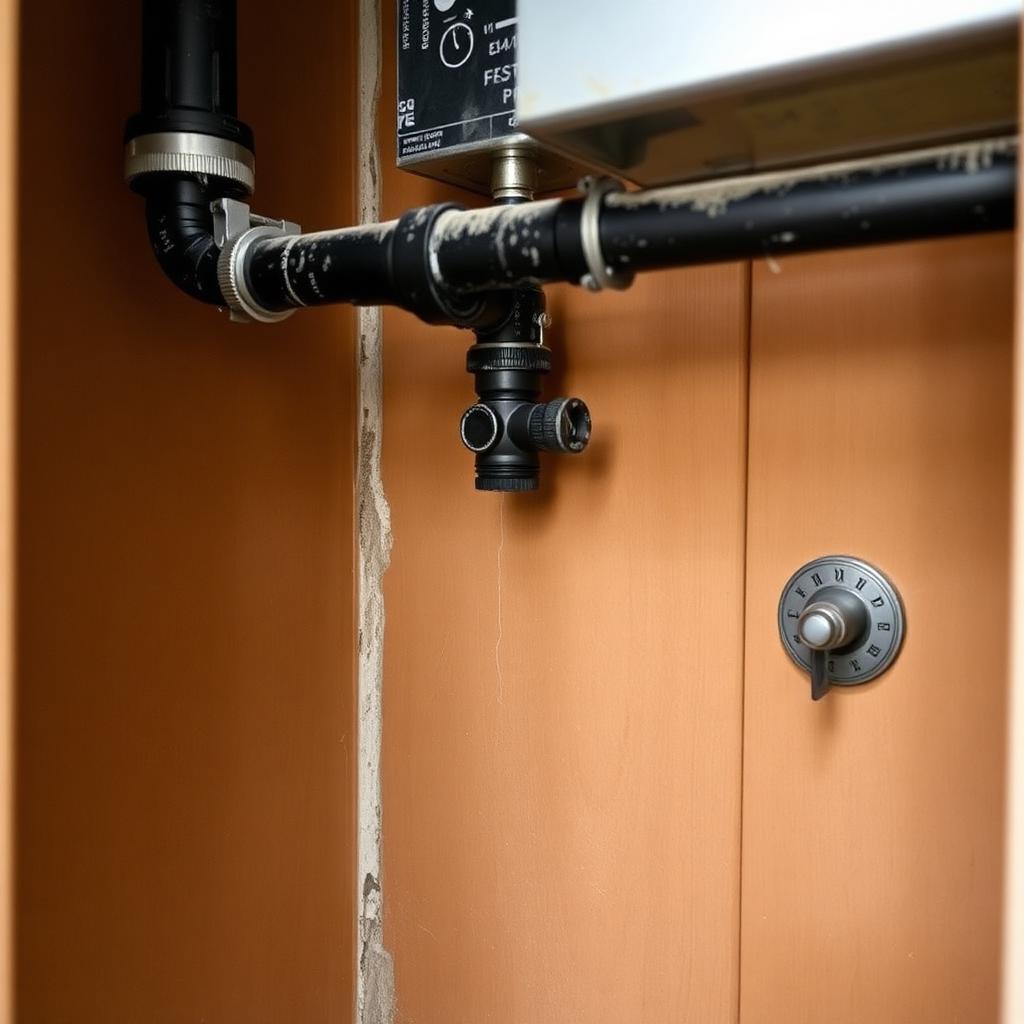
Documentation That Actually Holds Up
Every gas job leaves you with the filed permit, the pressure test report, and the city's inspection sign-off. When Atmos is part of the picture, we confirm the meter is safely back on before we head out, so the paper trail is complete for insurance, resale, or whoever services the system next.
We're licensed by the Texas State Board of Plumbing Examiners, insured, and family-owned, dispatching from our shop in The Colony and offering same-day service seven days a week, 8 AM to 6 PM for confirmed active leaks.
What Allen Homeowners Ask Us Most
Our Other Plumbing Services in Allen, TX
Gas work often lines up naturally with a water heater swap or a tankless conversion, and we're glad to handle both while we're already on site in Allen.
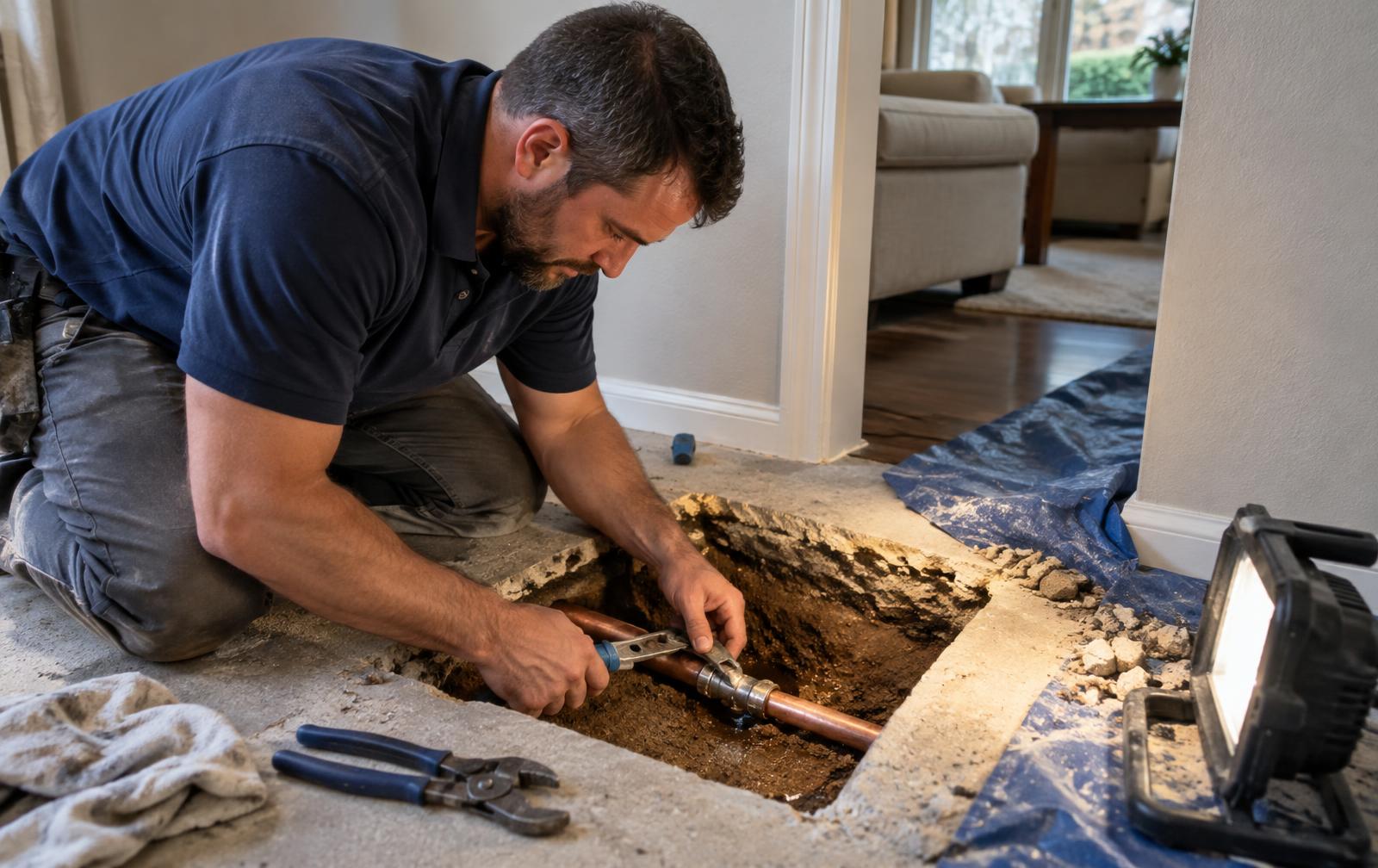
Electronic detection under Allen's post-tension slabs — reroute options that save your finished floors when possible.
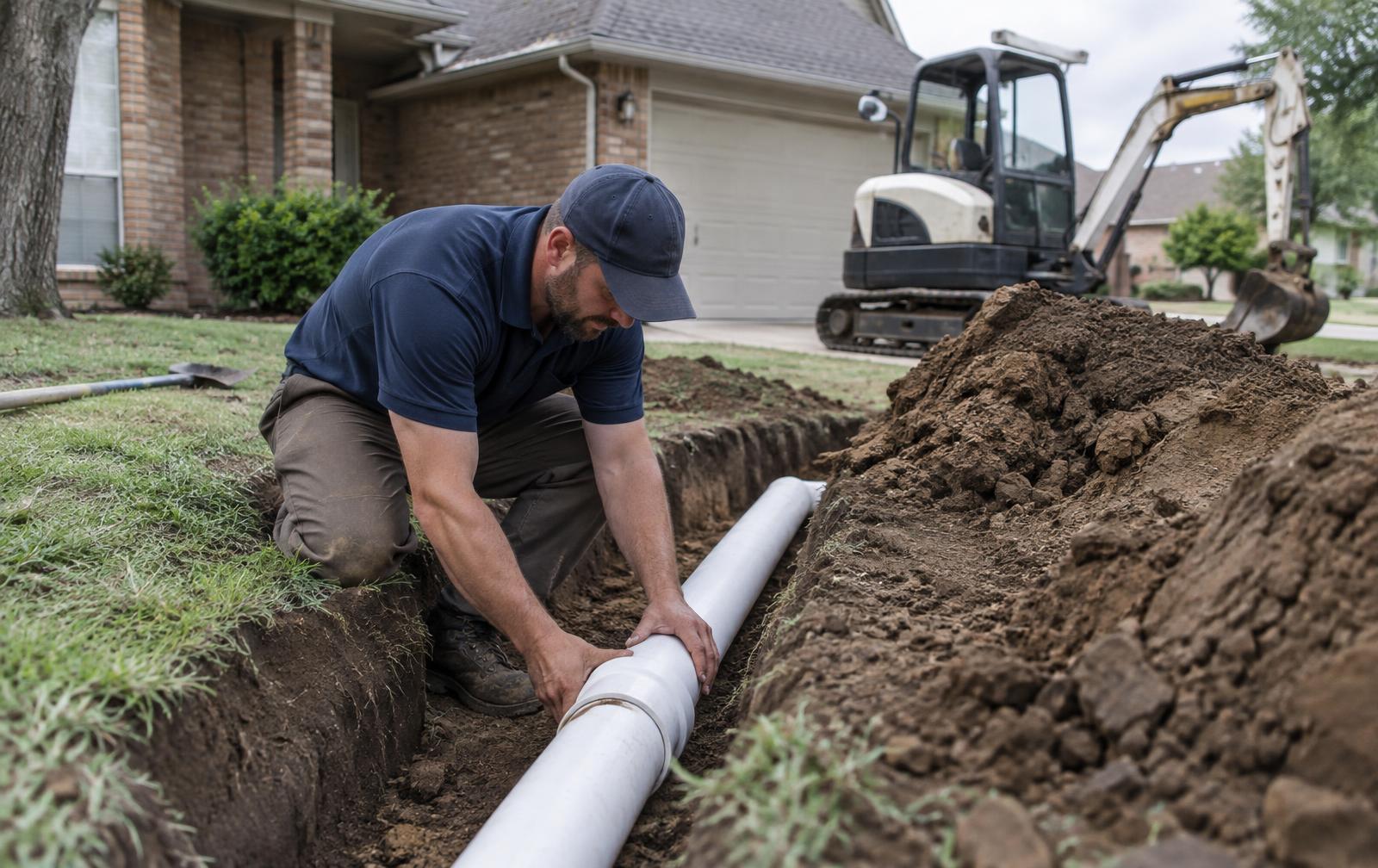
Trenchless replacement for the aging PVC and clay laterals across Allen's older Twin Creeks and Suncreek runs — camera first, quote in writing, minimal yard damage.
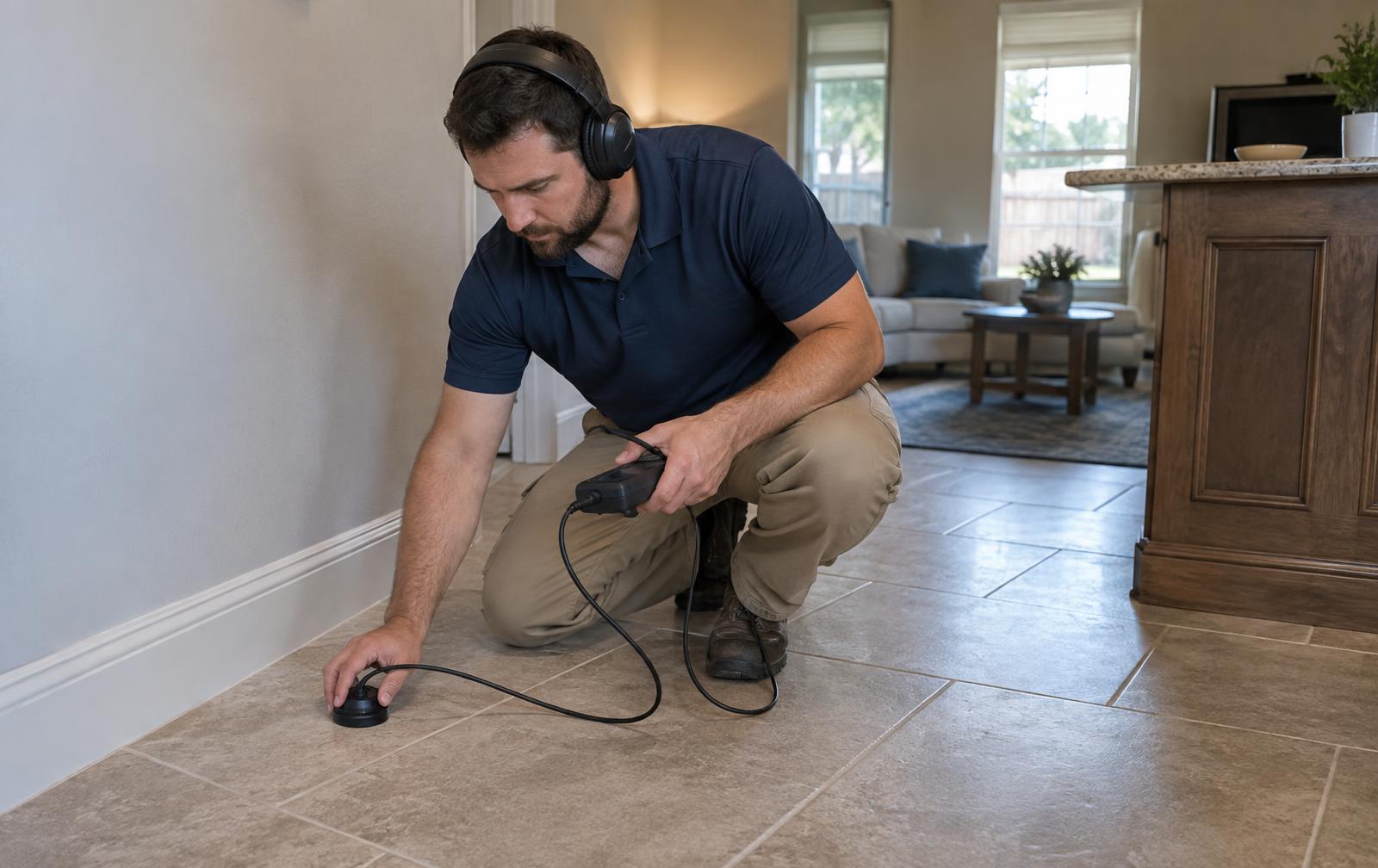
Acoustic, thermal, and pressure testing to pinpoint hidden leaks in Allen slab and wall lines without tearing into finishes.
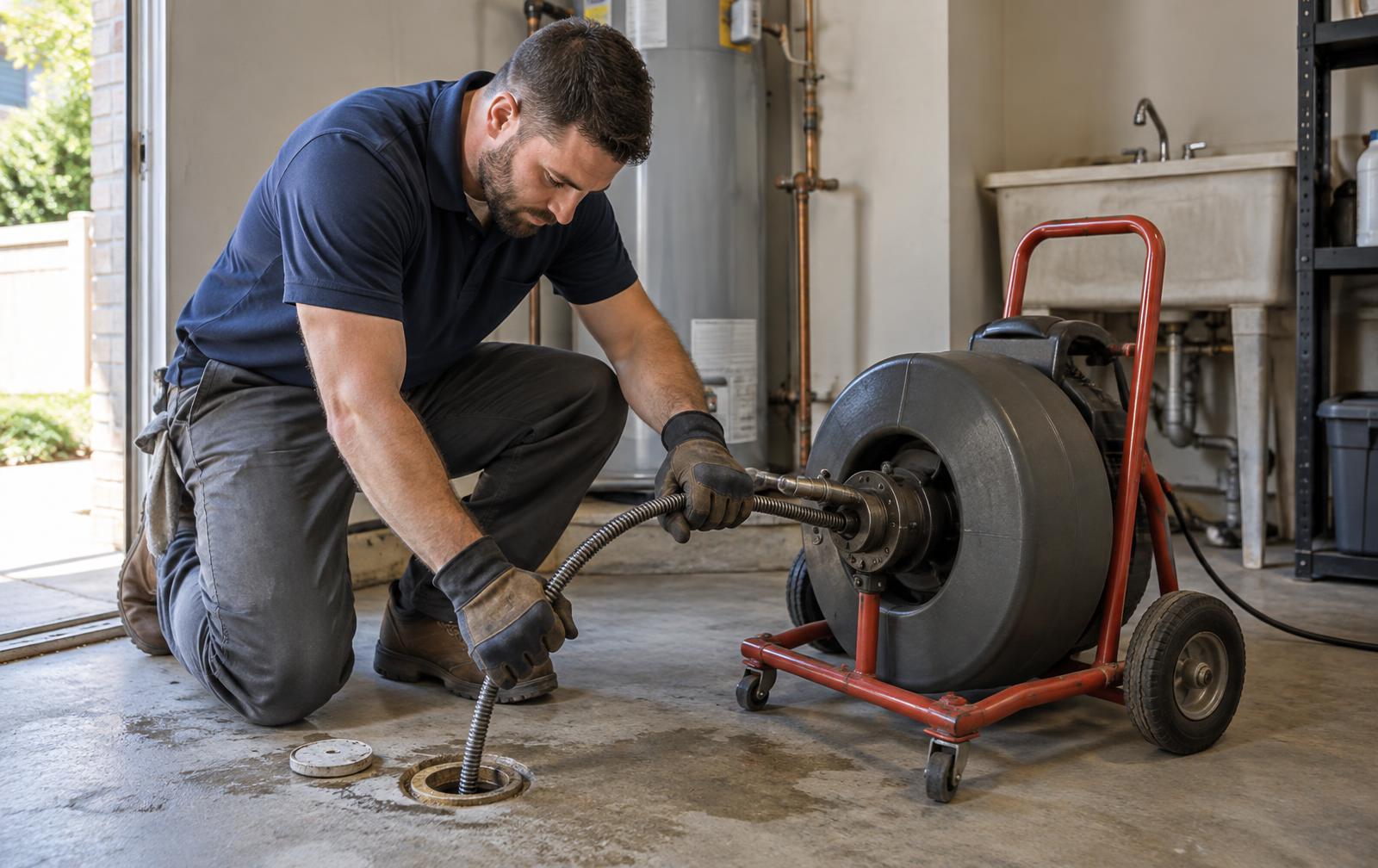
Full-clear service and camera confirmation for the long PVC laterals under Allen's master-planned neighborhoods.
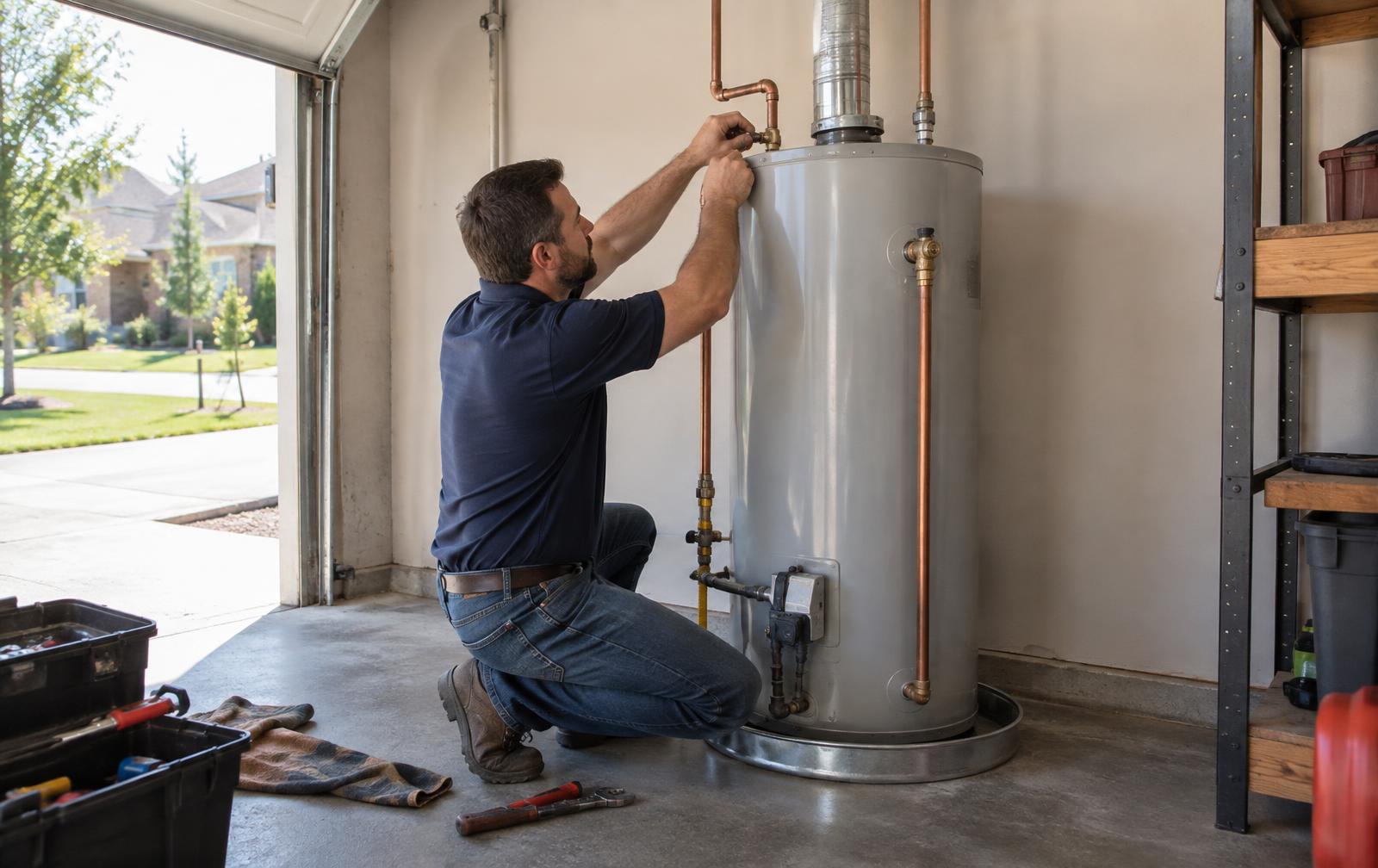
Repair, flush, and replacement of tank units — including the attic-mounted heaters common to Allen two-stories.
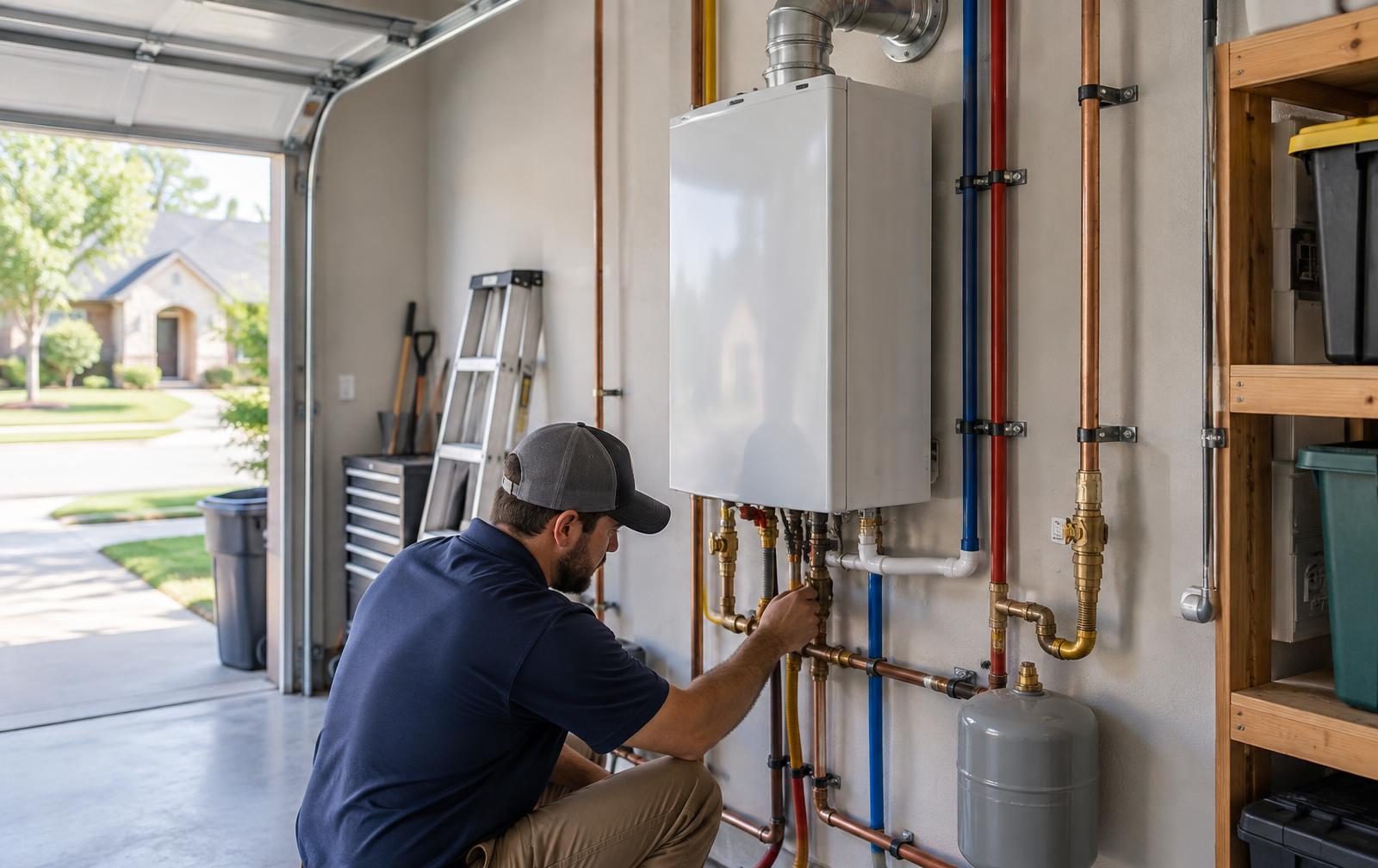
Install, service, and annual descaling — Allen's hard NTMWD water eats tankless heat exchangers without it.
same-day, 7 days a week response across Allen for burst pipes, attic heater failures, and main-line backups.
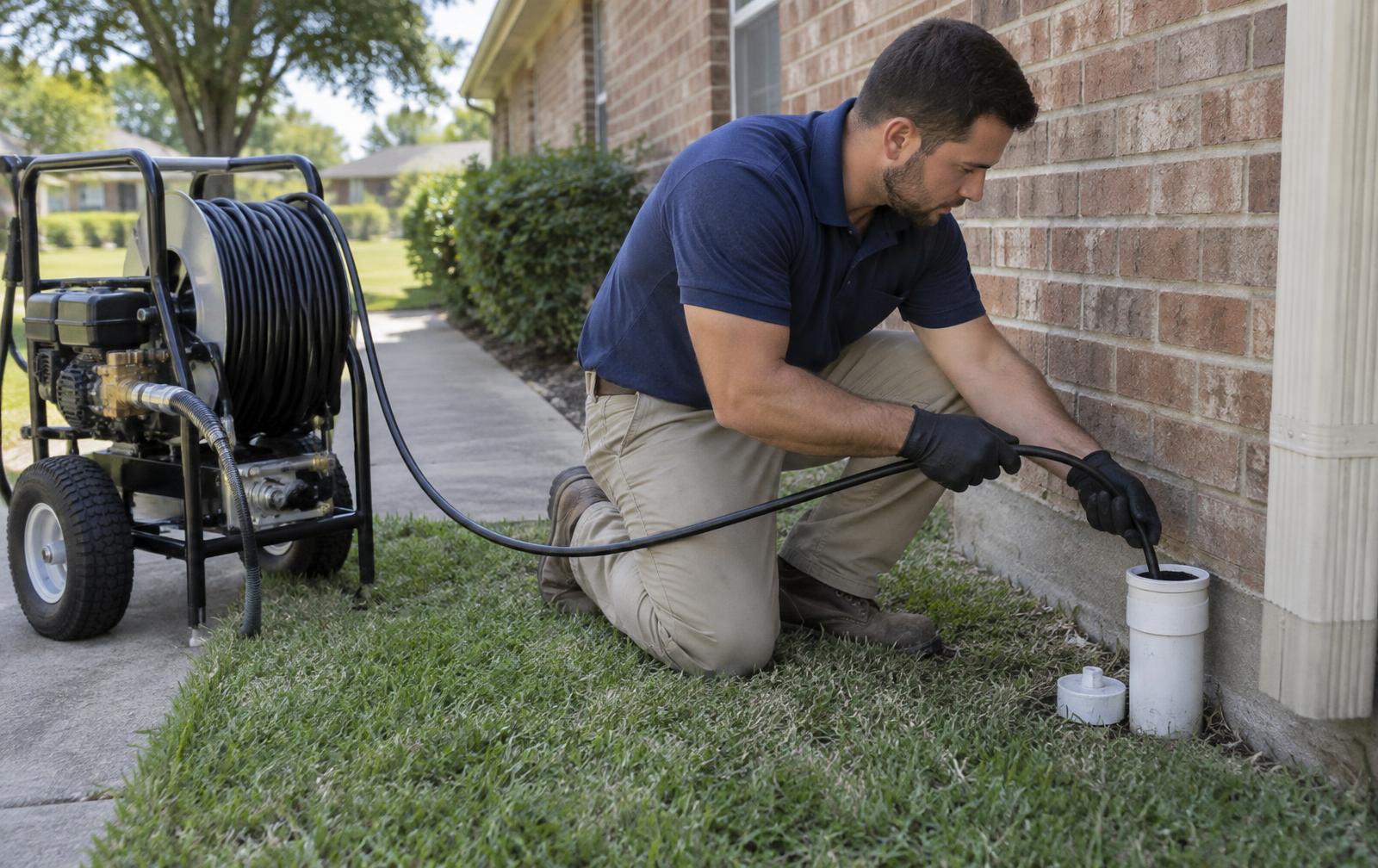
High-pressure cleaning that clears scale, grease, and roots from Allen's long PVC lateral runs — full-diameter, lasting clean.
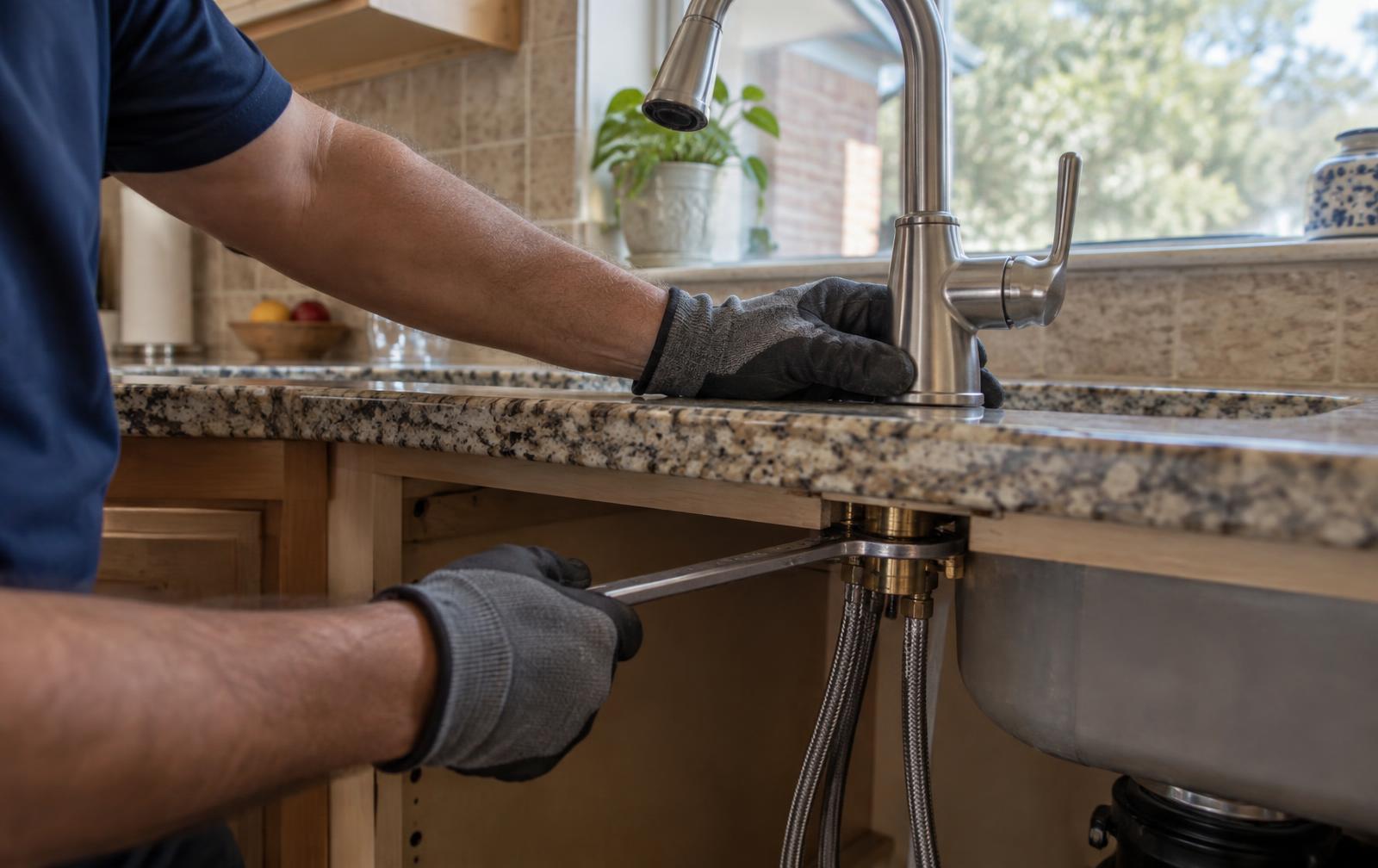
Cartridge, stem, and full-fixture replacement for Allen kitchens and bathrooms — hard-water-ready parts stocked on the truck.
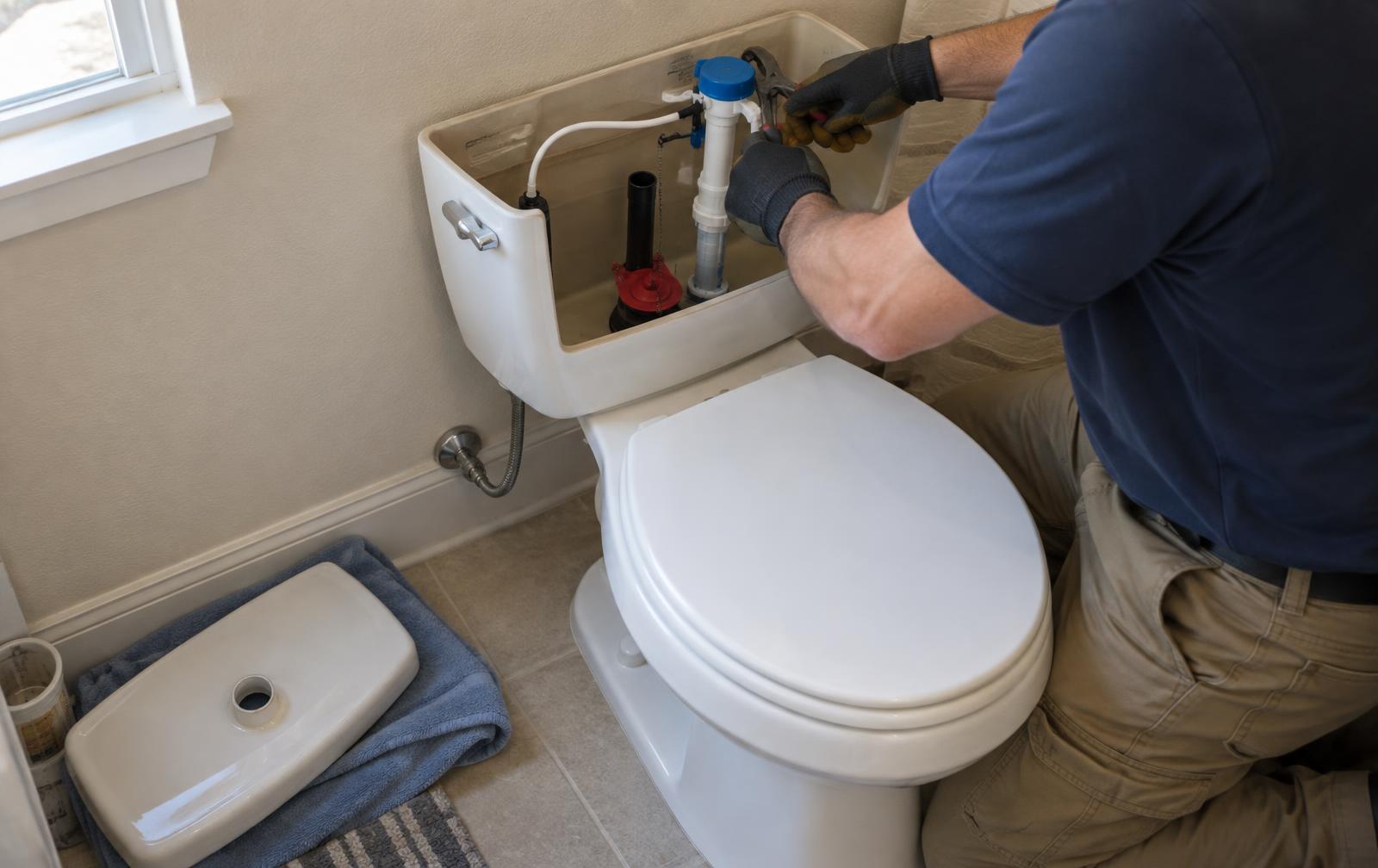
Rebuilds, wax-ring resets, flange repairs, and full replacements — the running toilets and rocking bowls in Allen homes.
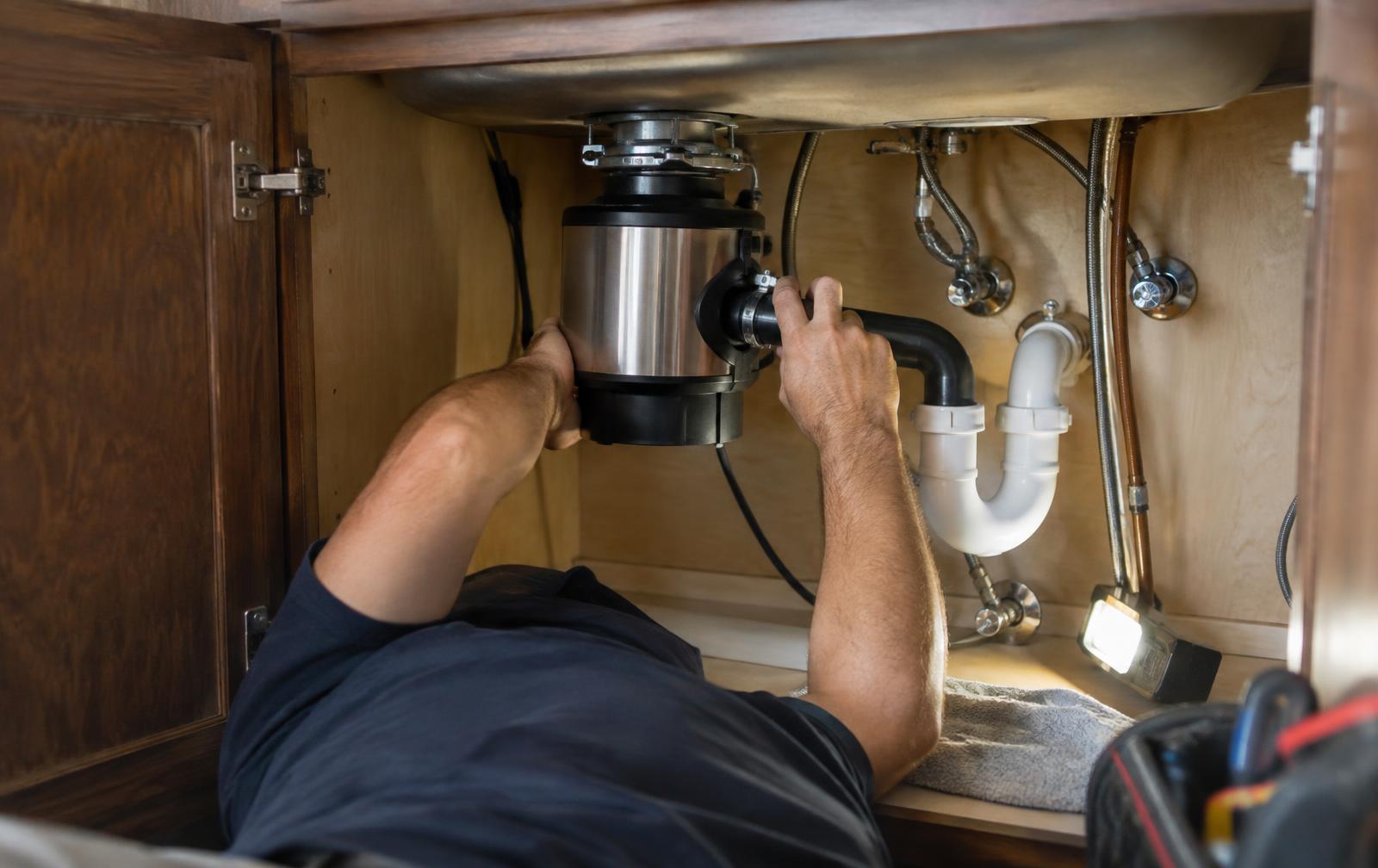
Jam clearing, leaking-unit swaps, and quiet 3/4 HP upgrades for Allen kitchens — same-visit install.
Need Gas Line Work Done in Allen?
Licensed, permitted, pressure-tested. Book a leak locate or a new-install quote.