
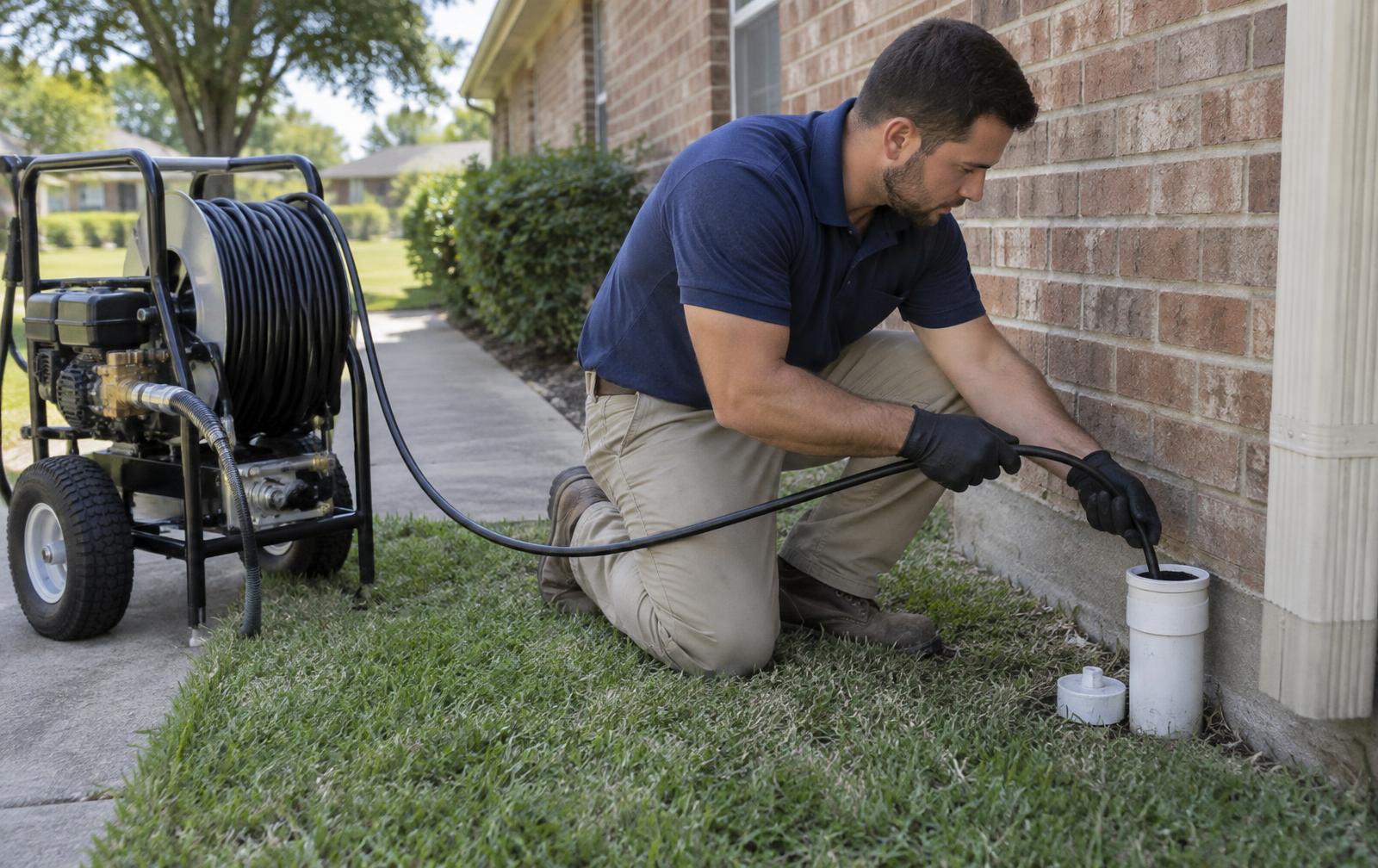
Hydro Jetting in Allen, TX
The cable stopped working after the third visit this year. The camera shows a rough coating lining the pipe instead of smooth wall. Jetting scours that buildup away and gives the line back its original width, rather than just punching a channel through whatever's blocking it today.
A Cable Punches Through. A Jet Scours Clean.
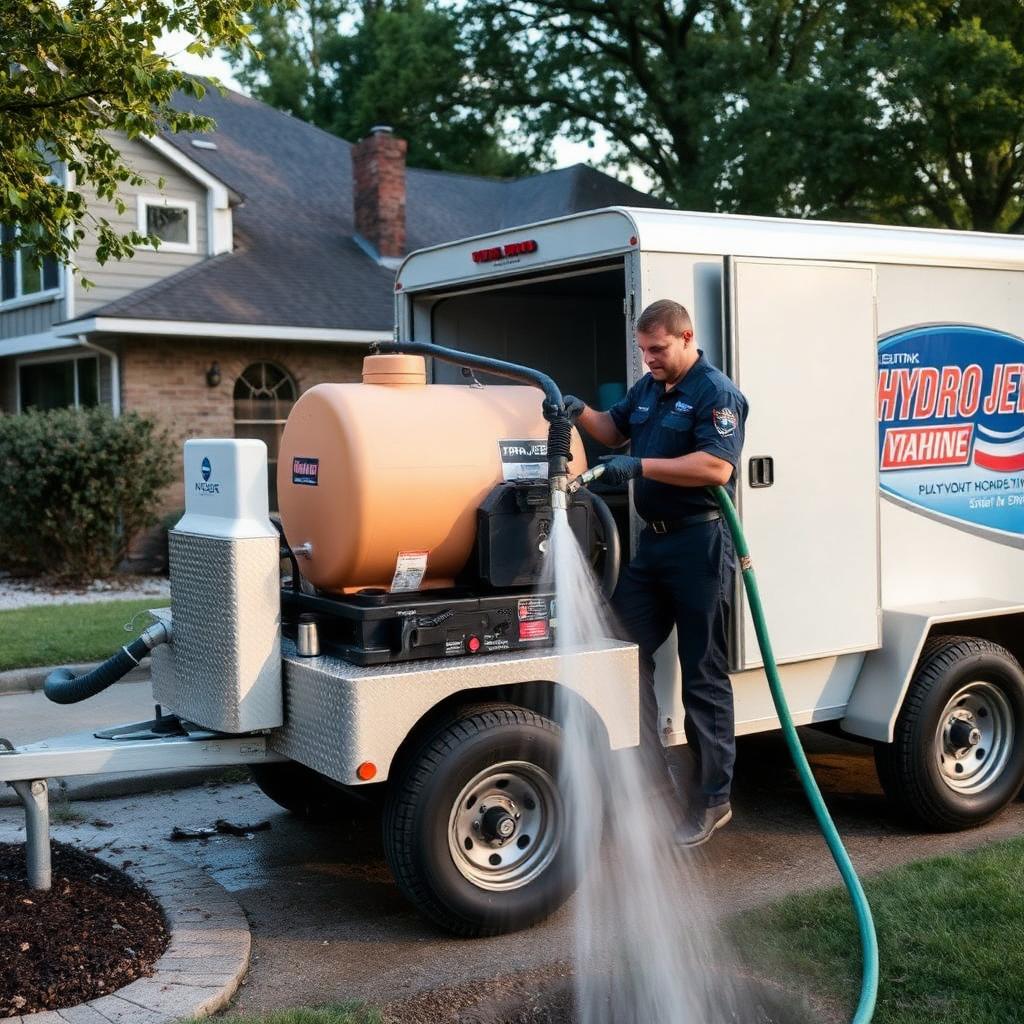
Cabling a clogged line gets water moving again, but the grease film, mineral buildup, and torn-up root fragments left lining the rest of the pipe don't go anywhere on their own. That's the reason a supposedly fixed drain slows right back down within a month. A hydro jetting rig takes a different approach entirely — a high-pressure water stream, usually run somewhere between 3,500 and 4,000 PSI, fires from a nozzle designed to spray backward as it's drawn toward the access point, sanding the interior wall down to raw pipe along the way.
Allen leans on this more than some cities do, since so many original sewer lines here are still the cast iron installed decades ago. Interior buildup shrinks that pipe's usable width over time — a pipe that once ran clear can end up with a noticeably narrower usable channel once enough scale has built up along the wall. A cutter head slices through whatever soft material sits in that reduced space; a jet actually removes the buildup itself and gets the line closer to its true original size.
We reach for this most on the aging cast iron underneath Allen's 1970s and 1980s neighborhoods, and on the creekside lots where roots have worked their way into a joint over years. Every job we run gets scoped on camera both before starting and after finishing, so the result isn't something you're taking on faith.
When Hydro Jetting Is the Right Call in Allen
Cable cleaning solves plenty of clogs on its own. These situations tend to need the full-diameter approach instead.
Repeat clogs at the exact same point usually mean the pipe wall itself has a lining a cutter head simply glides past. Only stripping that lining actually stops the repeat calls.
A sound pipe reads smooth on a camera pass. A grainy or pitted texture running along the wall is what a high-pressure rinse is specifically meant to remove.
Cutting equipment breaks up the visible mass, but the thin hair-like roots underneath grow back on their own timeline. A thorough rinse clears those out too and buys considerably more time before they return.
When cabling doesn't bring flow back to normal, the pipe's real interior width is probably still narrowed by a coating the cutter simply rode over.
Households that cook heavily build up drain coating on a faster timeline than most systems can handle unassisted. A rinse every year to eighteen months keeps that from turning into a backup.
Doing this on a set schedule, not just after a complaint, restores flow on aging cast iron and pushes back the timeline before a full replacement becomes unavoidable.
Right Nozzle, Right Pressure, Camera on Both Ends
The nozzle and pressure setting change depending on the pipe material and what's actually built up inside it.
- 1Camera the line before we touch it
We scope the pipe first to see exactly what we're dealing with — scale, grease, roots, or some combination — and to rule out a pipe that's already cracked, since jetting a broken section can push debris out through the break instead of clearing it.
- 2Match the nozzle to the problem
A chisel tip handles scale, a chain flail handles heavy roots, a penetrator tip cuts through solid grease, and a wall-scouring nozzle finishes cast iron. Pressure gets dialed to the pipe material — full pressure for cast iron, scaled back on older or more fragile pipe to avoid disturbing the joints.
- 3Feed the hose past the problem area first
The nozzle travels beyond the blockage before it's activated, then does its work as the hose retracts, pulling itself along under pressure and cleaning the surface as it comes back rather than shoving material further downstream.
- 4Make more than one pass if the line needs it
Stubborn scale or dense root growth sometimes takes a couple of rounds with a bigger nozzle each time before the pipe is genuinely clear. That extra effort is part of the original price, not an upsell.
- 5Camera again to show the result
A post-jet scope confirms the pipe is actually clean along its full length, and you can compare the before-and-after footage directly. If it turns up structural damage under the old buildup, we quote that repair honestly rather than pretend jetting alone fixed it.
Where Jetting Makes the Biggest Difference in Allen
What's actually inside your line depends heavily on when the house was built.
The restored 1920s bungalows and farmhouses near St. Mary Drive predate modern sewer materials by decades. Any surviving original line on a nearby private lot is an especially strong candidate for a camera scope before jetting is even considered, given its age.
Twin Creeks homes built mainly from the 1970s through the 1990s often still run on original cast iron, and this is where we see the most dramatic before-and-after camera footage — a jet frequently restores flow that repeated cable runs never fully brought back.
Suncreek's houses date from that same 1970s-to-1999 construction wave near Rowlett Creek, with the same original cast iron and the same decades of mineral scale gradually narrowing the line from the inside.
Star Creek's homes went in mostly from 1999 onward, meaning PVC rather than cast iron underground. That resists scale well, though the greenbelt lots along Rowlett Creek can still develop root intrusion at joints stressed by the area's clay soil.
This corridor filled in fast during Allen's 1970s growth wave, and lines from that first construction period are old enough that jetting often outperforms another round of cabling, regardless of the exact pipe material underneath.
Development here generally tracks the newer, 1999-and-later timeline like Star Creek, so jetting calls in this stretch tend to be more about root management on newer PVC than scale removal on old cast iron.
What Allen Homeowners Say

You See the Before. You See the After.
Every job leaves you with side-by-side camera footage so there's a record of what actually changed, not just a claim. When the initial scope turns up a pipe that's already structurally compromised, we pause and explain that instead of proceeding anyway — high-pressure water pushed through a broken section tends to make things worse rather than better.
We hold a license with the Texas State Board of Plumbing Examiners, carry insurance, and are a family-owned operation. The jetting trailer runs out of our shop in The Colony, and we offer same-day service seven days a week, 8 AM to 6 PM, for lines that keep backing up.
What Allen Homeowners Ask Us Most
Our Other Plumbing Services in Allen, TX
Jetting often sits in the middle ground between another cable run and a full pipe replacement. If the camera shows the line is actually failing, we handle that replacement locally too.
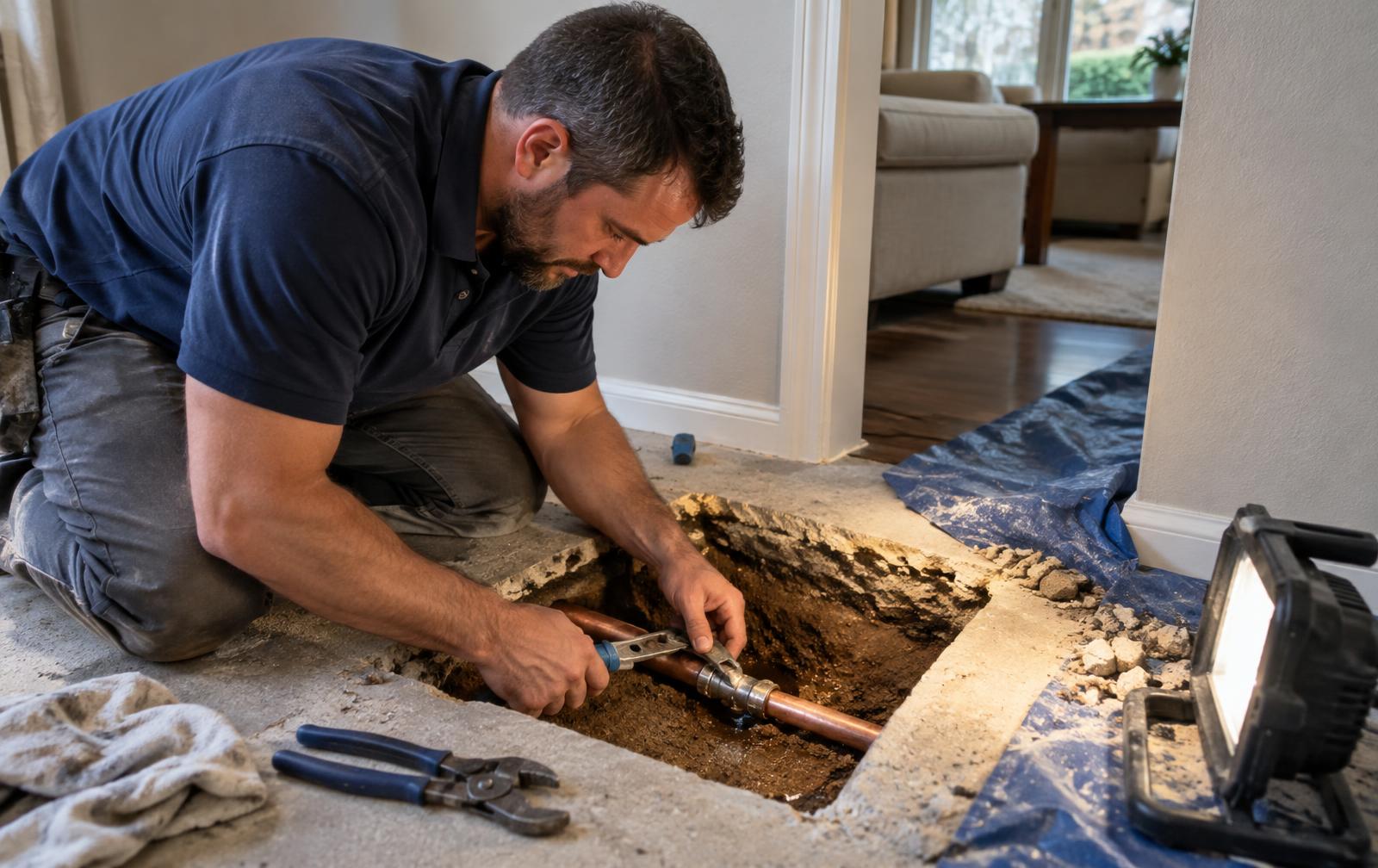
Electronic detection under Allen's post-tension slabs — reroute options that save your finished floors when possible.
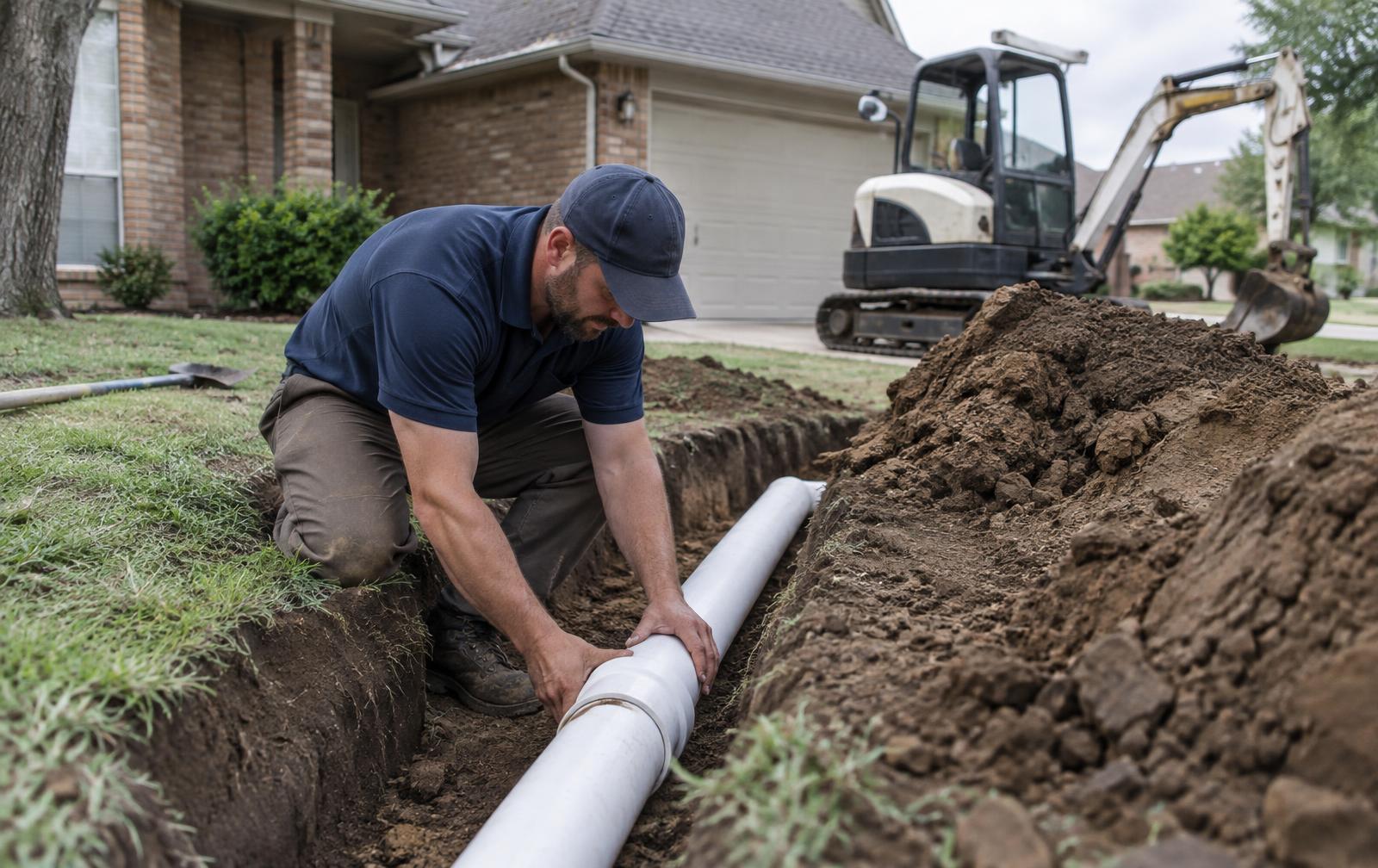
Trenchless replacement for the aging PVC and clay laterals across Allen's older Twin Creeks and Suncreek runs — camera first, quote in writing, minimal yard damage.
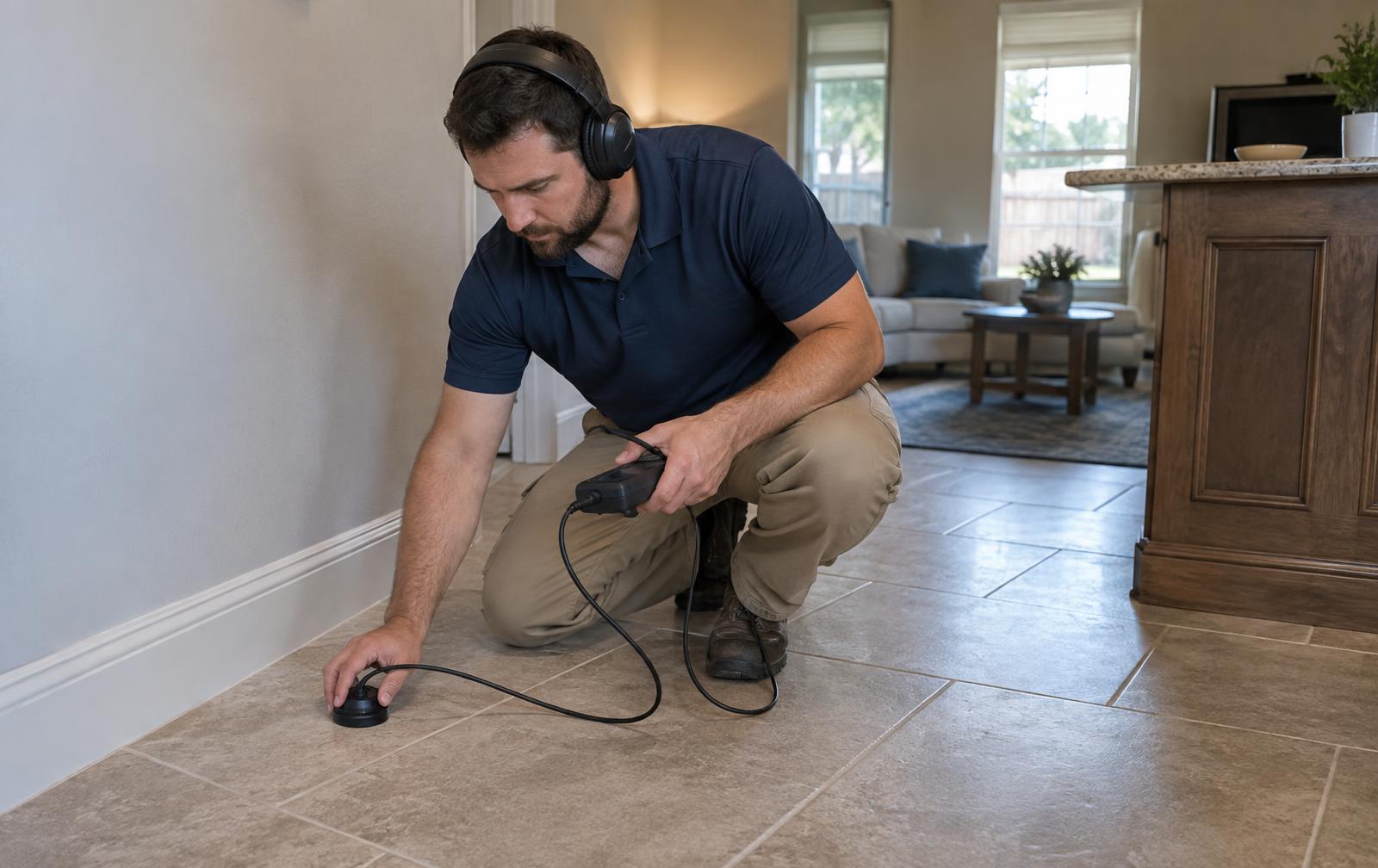
Acoustic, thermal, and pressure testing to pinpoint hidden leaks in Allen slab and wall lines without tearing into finishes.
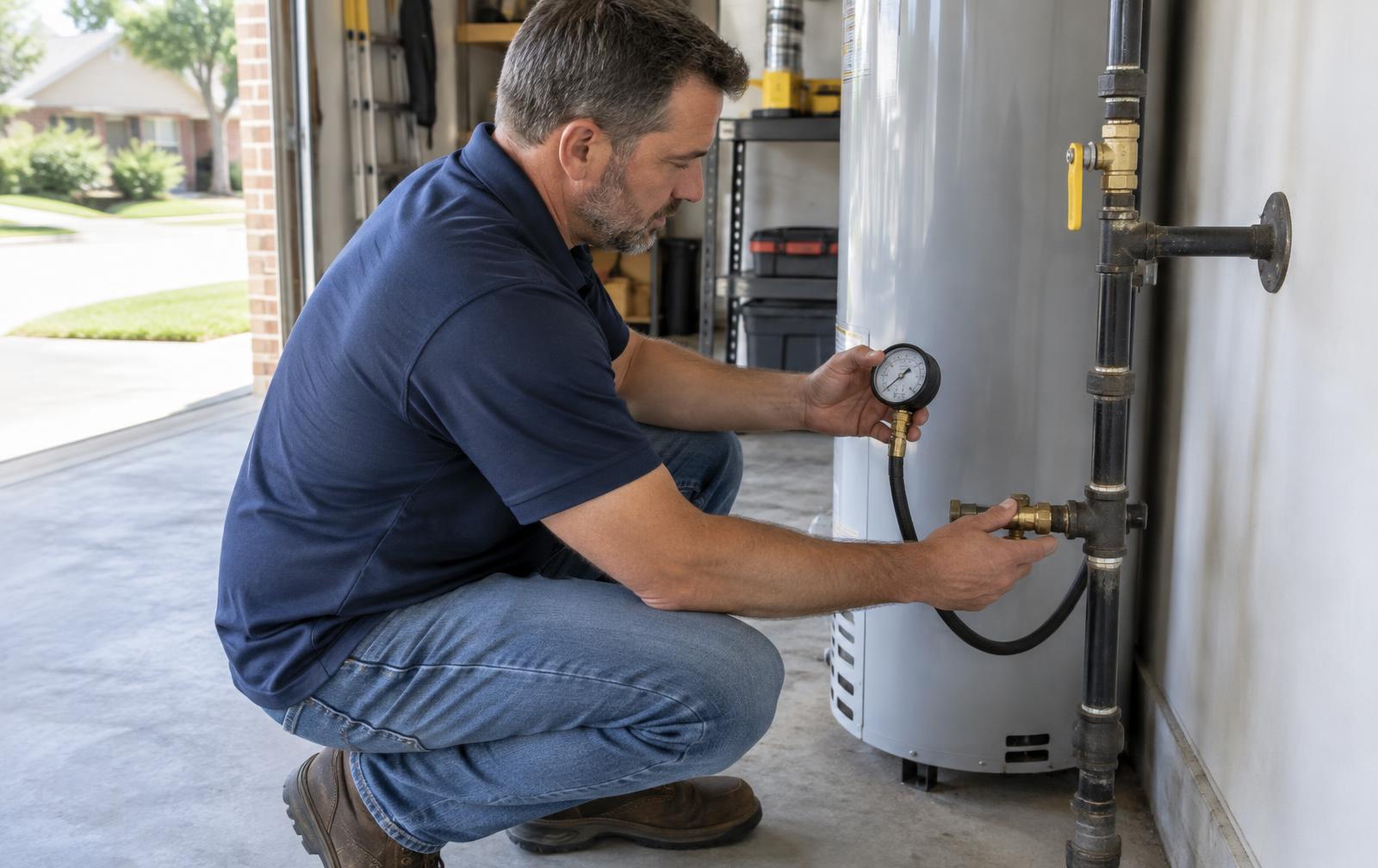
Licensed install, repair, and pressure-testing for Allen homes — every line signed off to Texas code and Atmos requirements.
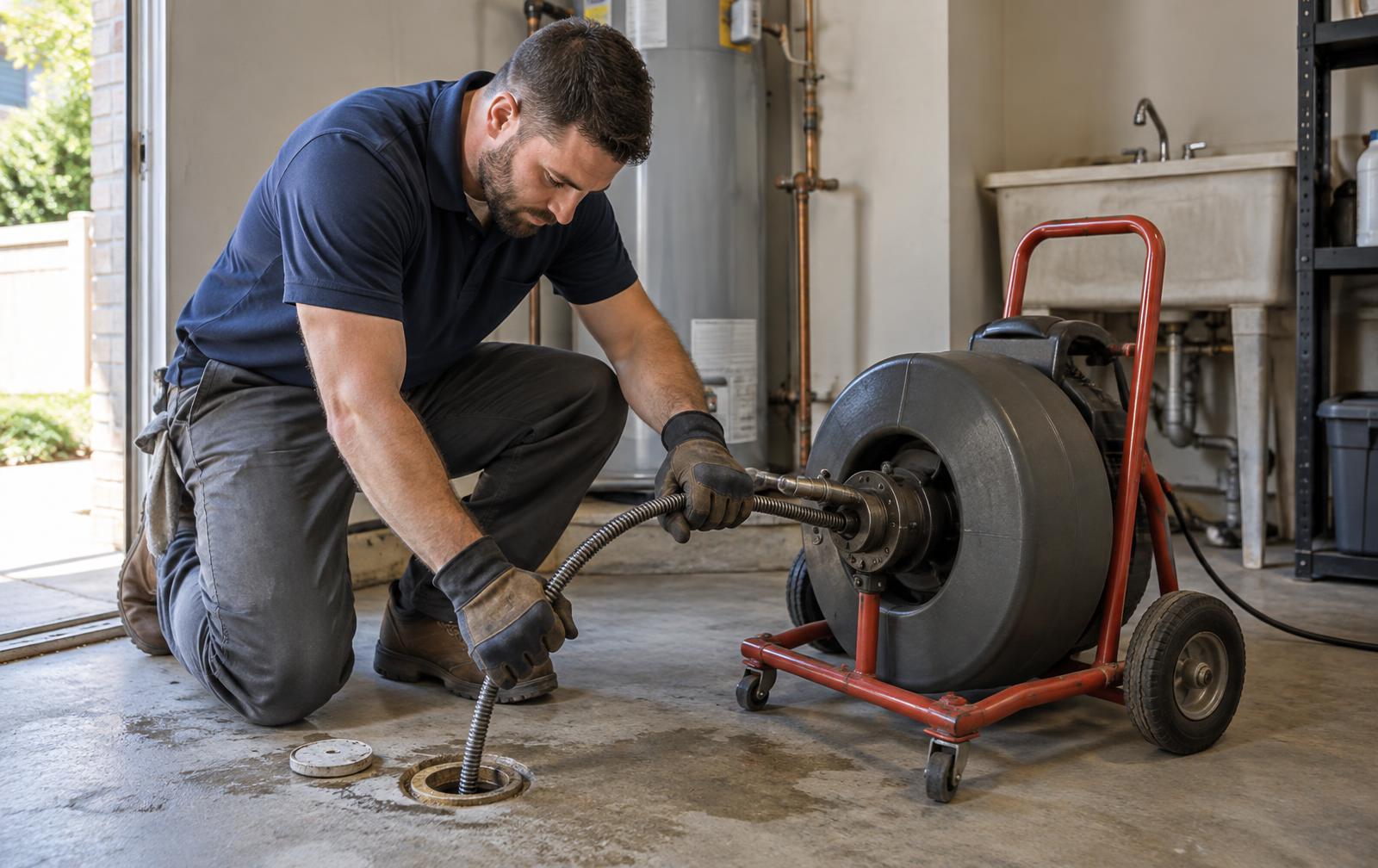
Full-clear service and camera confirmation for the long PVC laterals under Allen's master-planned neighborhoods.
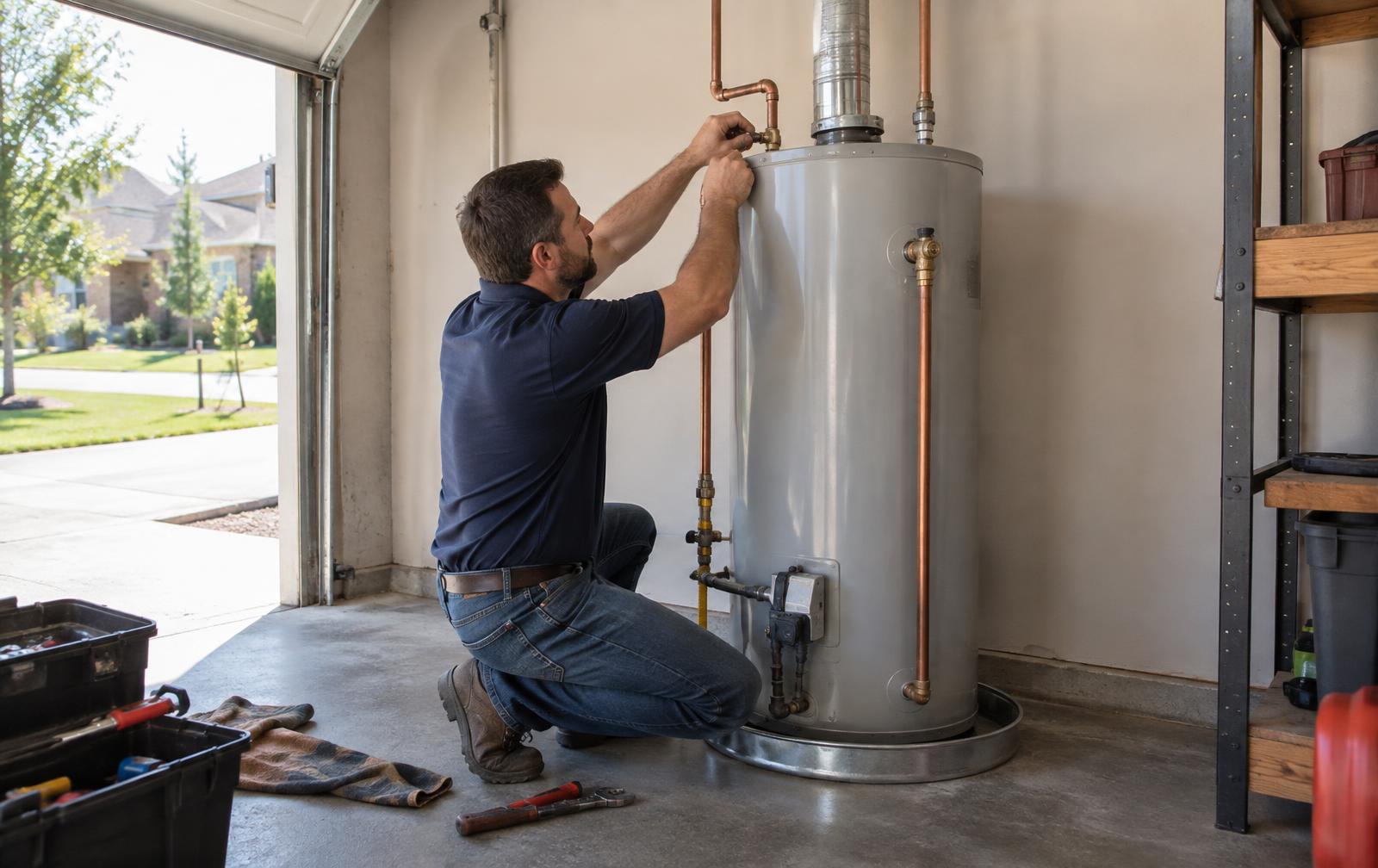
Repair, flush, and replacement of tank units — including the attic-mounted heaters common to Allen two-stories.
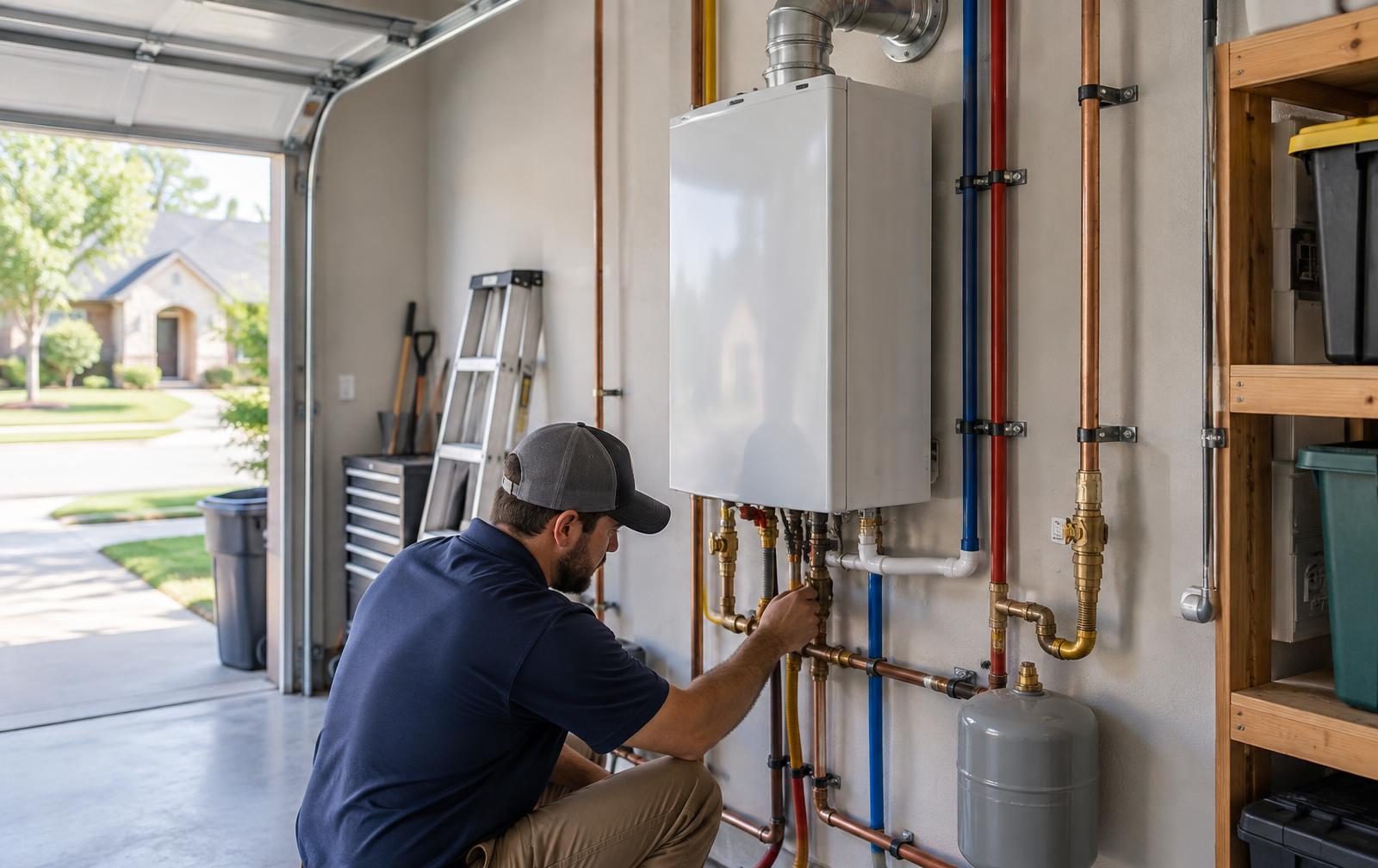
Install, service, and annual descaling — Allen's hard NTMWD water eats tankless heat exchangers without it.
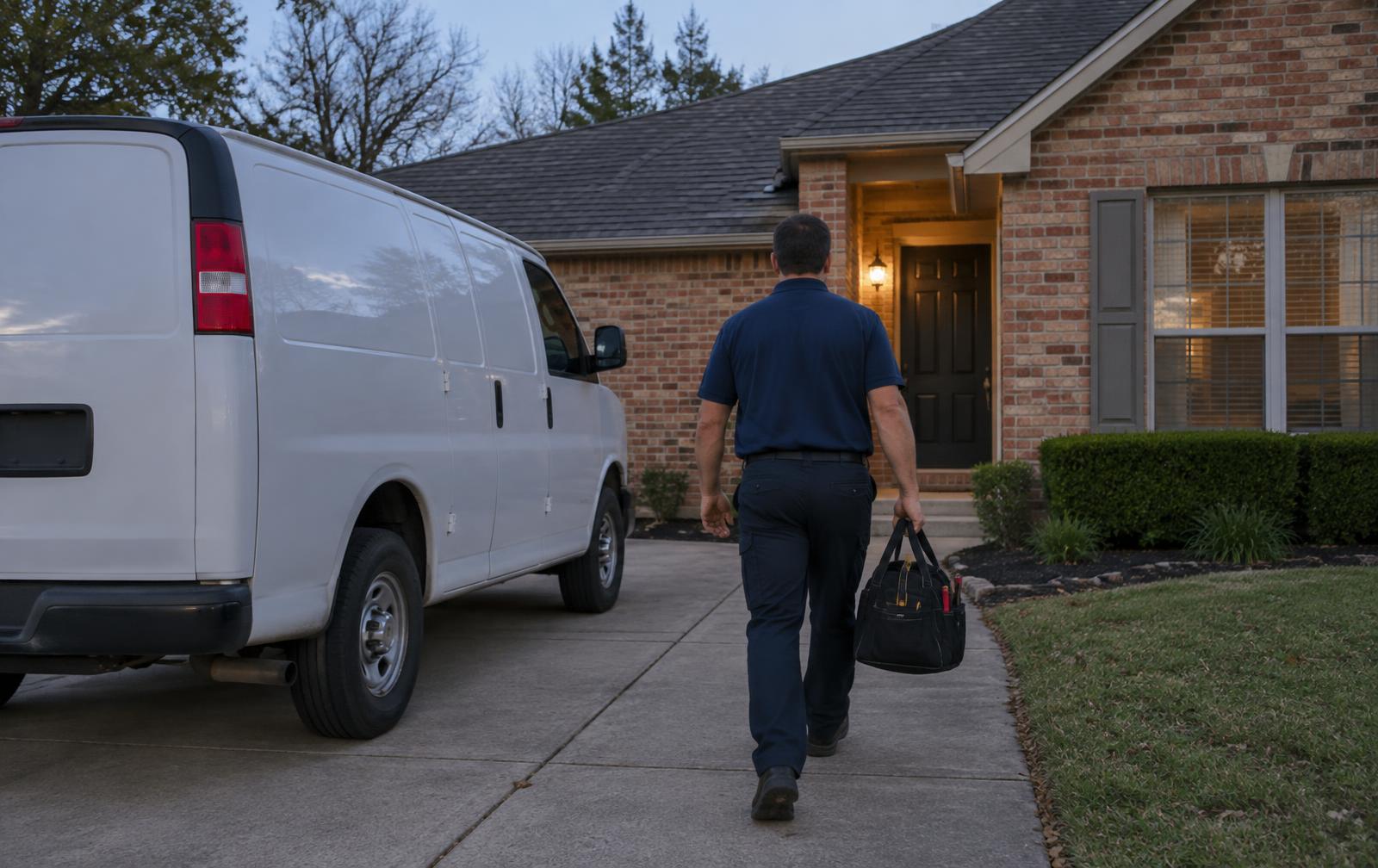
same-day, 7 days a week response across Allen for burst pipes, attic heater failures, and main-line backups.
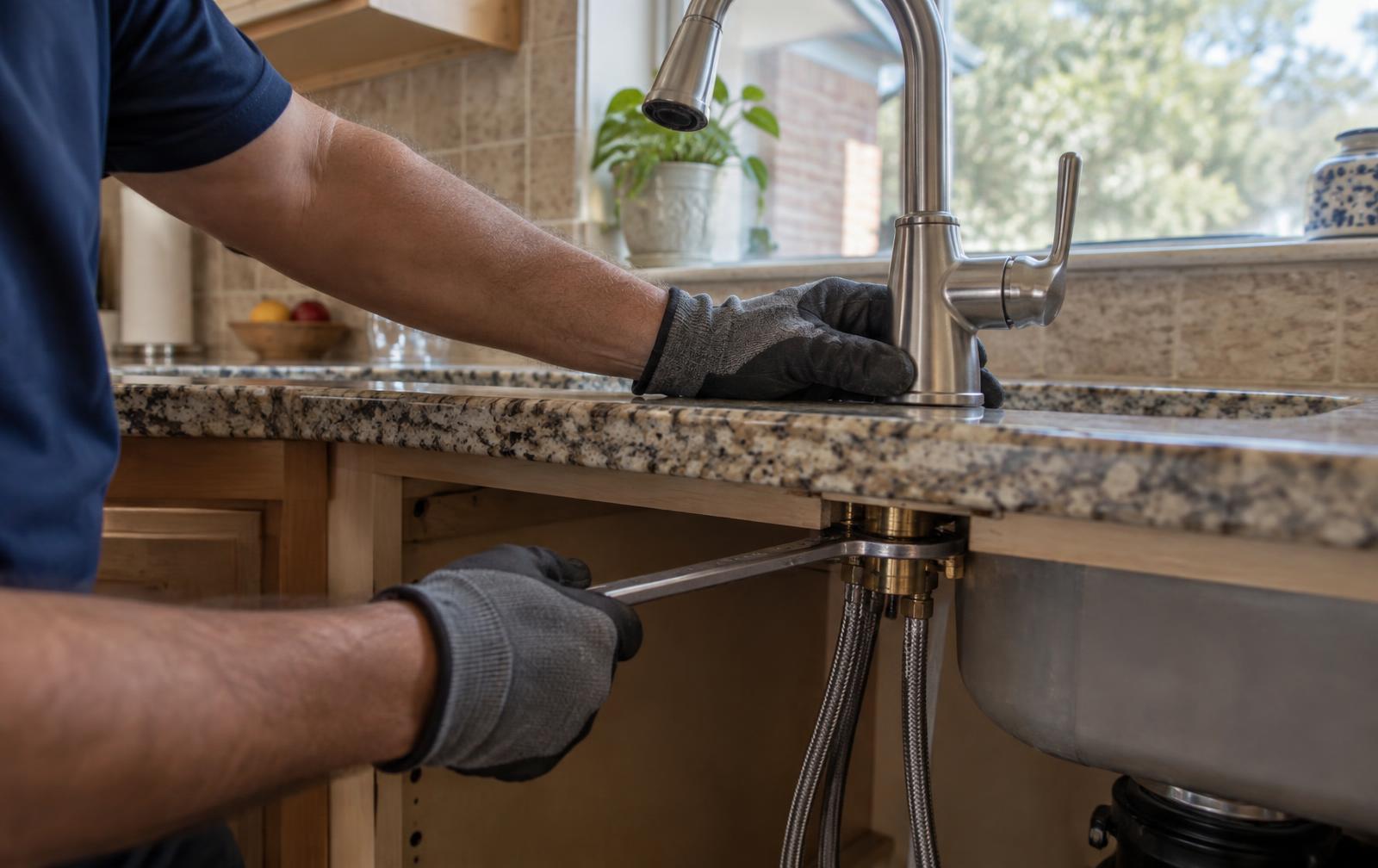
Cartridge, stem, and full-fixture replacement for Allen kitchens and bathrooms — hard-water-ready parts stocked on the truck.
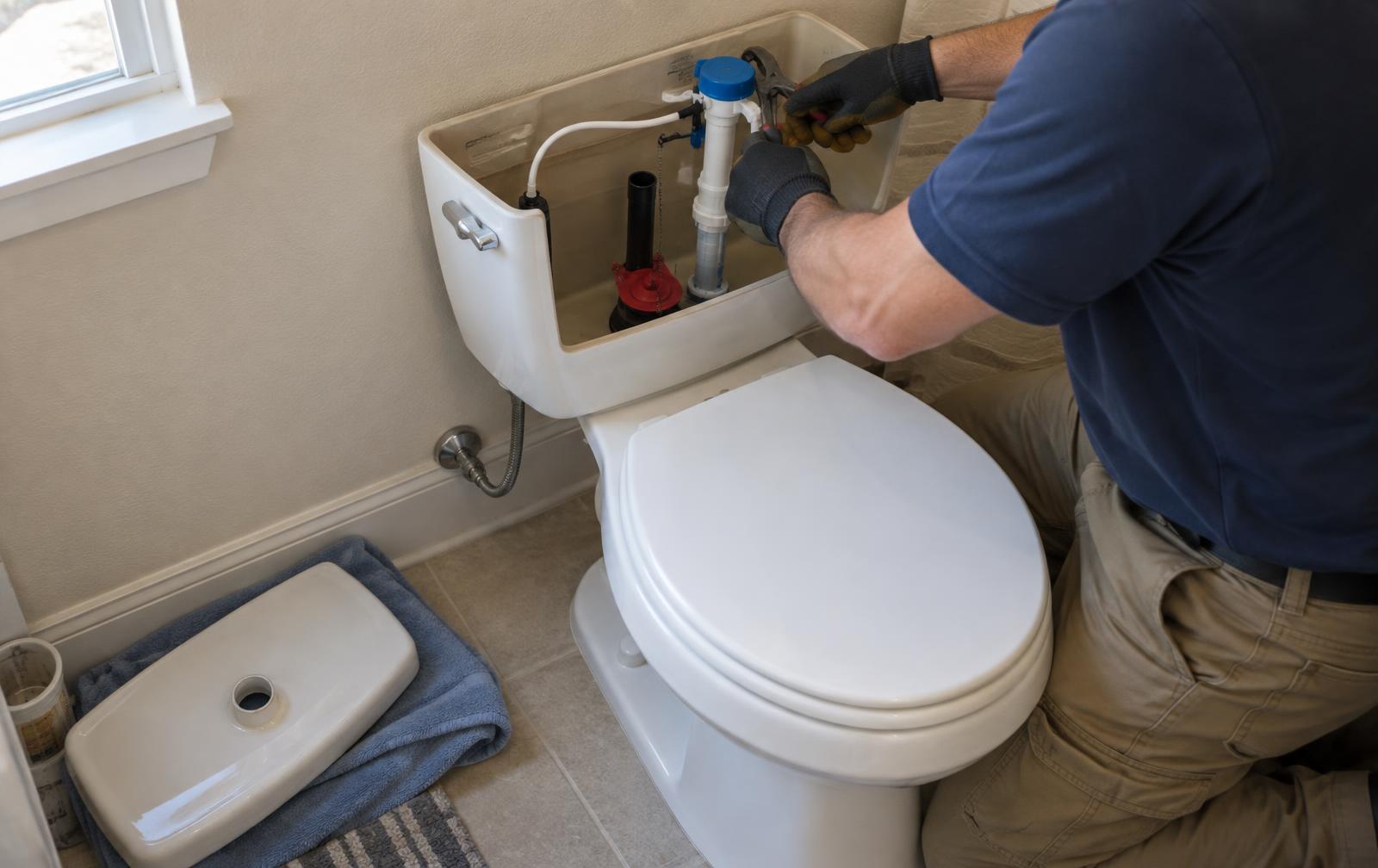
Rebuilds, wax-ring resets, flange repairs, and full replacements — the running toilets and rocking bowls in Allen homes.
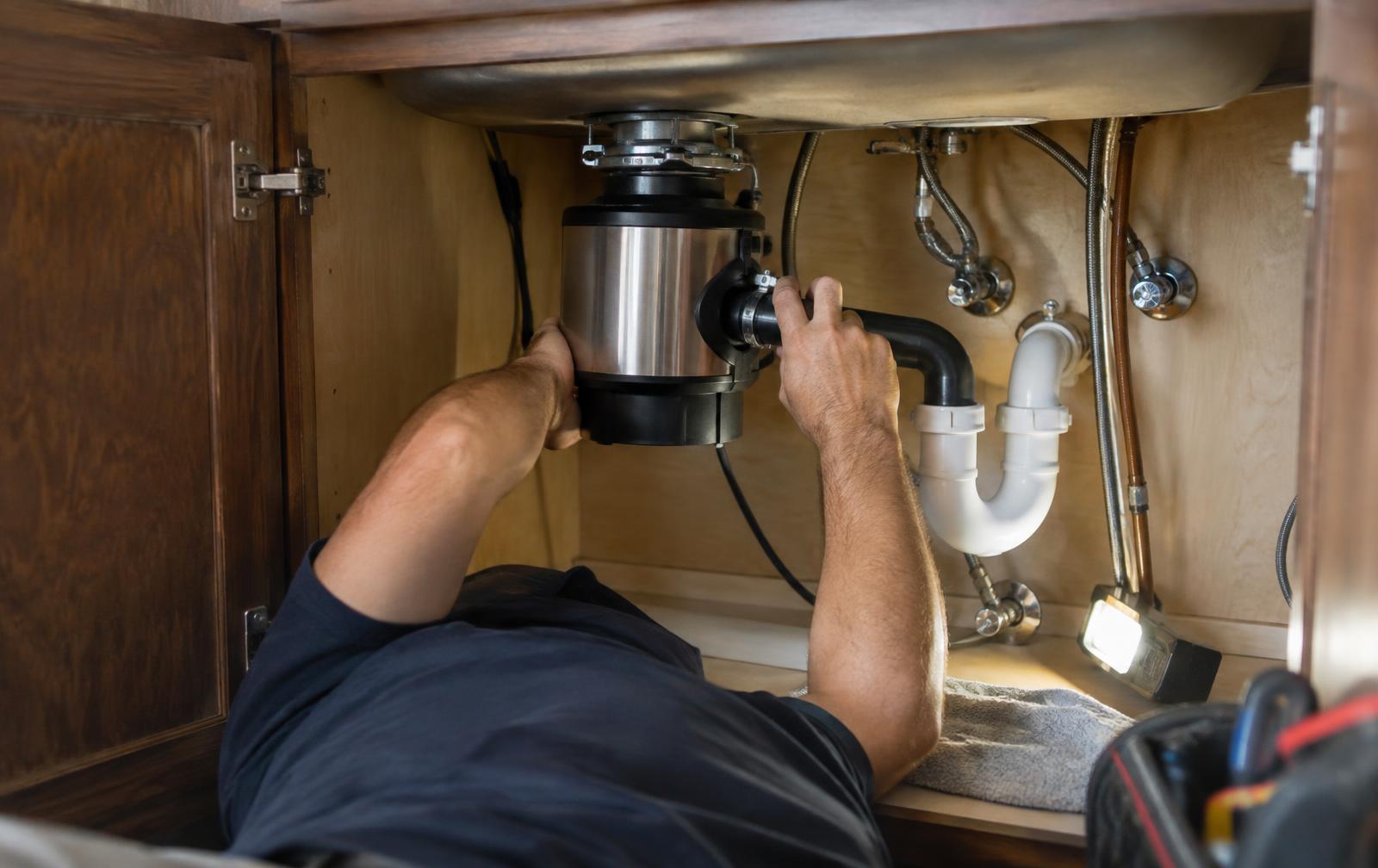
Jam clearing, leaking-unit swaps, and quiet 3/4 HP upgrades for Allen kitchens — same-visit install.
Dealing With a Recurring Drain Problem in Allen?
Full-diameter jetting with camera confirmation before and after. Call for a same-day window.