
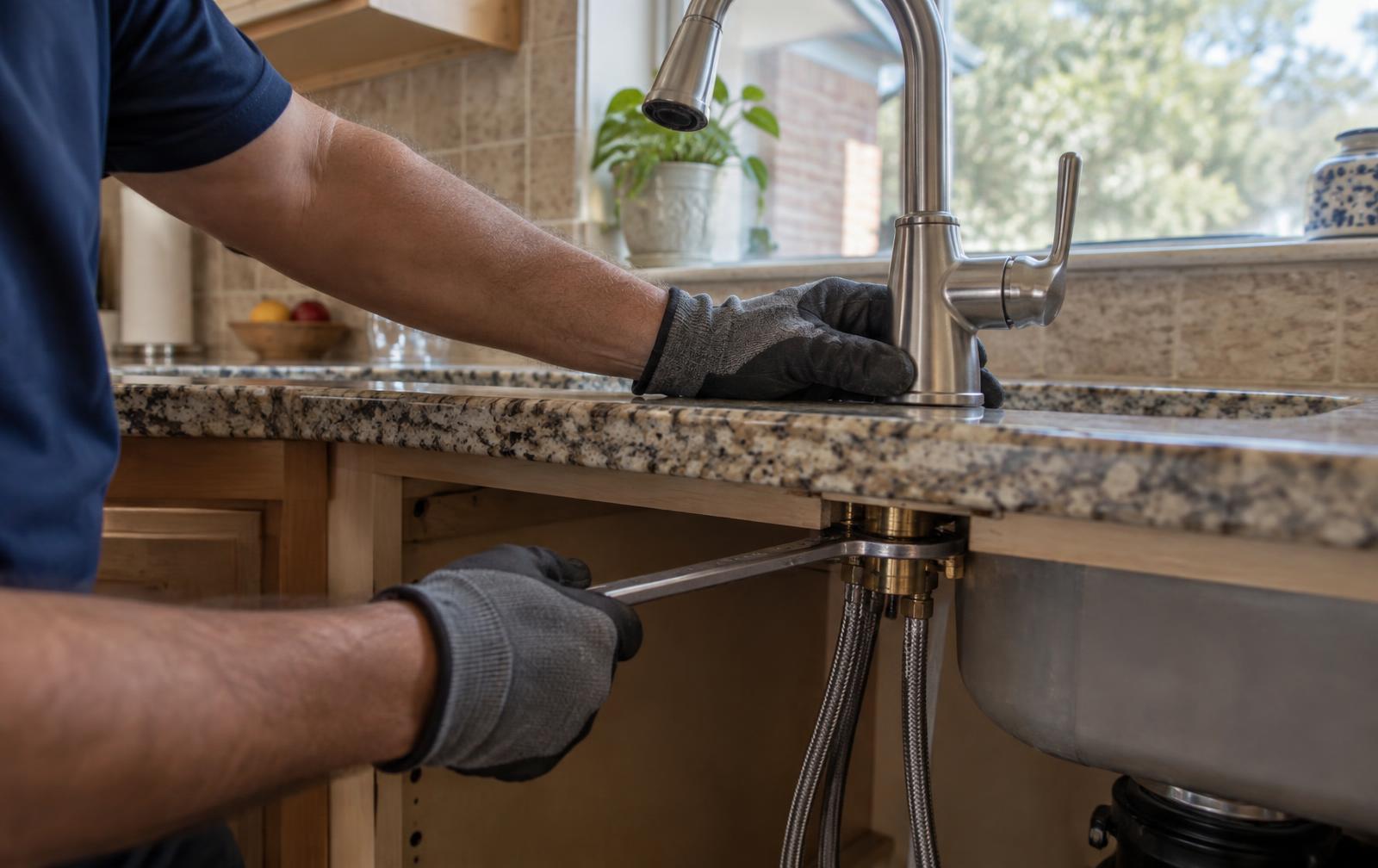
Faucet Repair & Installation in Allen, TX
The dripping never fully went away after a cartridge swap. A shutoff under the sink won't budge. A kitchen faucet shifts every time you lean on the sprayer. We carry the fittings that hold up against Allen's mineral-heavy tap water.
Lake Lavon Water Leaves Its Mark Inside a Faucet
Allen doesn't treat its own water — it buys finished supply from the North Texas Municipal Water District, most of it originating at Lake Lavon, backed up by Lake Texoma and Jim Chapman Lake when needed. NTMWD's own description of that regional supply calls it moderately hard, and while we haven't seen a confirmed Allen-specific hardness number, the practical effect inside a faucet is the same either way: ceramic discs wear faster than the manufacturer intends, aerator screens choke down every few months, and pop-up drain linkages corrode onto the tailpiece over time.
There's a seasonal wrinkle worth knowing about too. Each spring, NTMWD runs a routine changeover from its regular chloramine disinfection to straight chlorine for roughly a month of system maintenance. It can make tap water taste or smell noticeably different for that stretch, which occasionally gets mistaken for a fixture problem when it isn't one.
Compression faucets from Allen's earlier construction era show up on plenty of calls, and unlike a cartridge, their seats usually need re-cutting rather than a washer swap. The multi-turn shutoffs feeding those older faucets tend to seize from mineral buildup right when you need to close them, so we swap in quarter-turn stops as part of the visit whenever the old ones won't cooperate.
Signs Your Allen Faucet Needs Service
Most calls like these wrap up in a single visit once we know what's actually broken.
If a prior cartridge swap didn't fully stop it, the valve seat itself is probably scored from mineral wear and needs attention along with the cartridge.
That's the cartridge or stem wearing out, not a loose screw — we see this most in fixtures that have been in service five to ten years.
When it's isolated to a single sink, look at a blocked aerator screen, a stop valve that isn't fully open, or scale narrowing that one supply line before assuming a house-wide pressure problem.
A pressure-balance or thermostatic cartridge losing its hot-side performance — common in tub and shower valves, and simple to fix while it's still an early-stage problem.
That's usually a worn O-ring under the body or a hairline crack in the deck plate, which calls for a different repair than a dripping spout.
A mounting nut has backed off or the backer washer underneath has broken down. Ignoring it puts ongoing stress on the supply lines below.
Confirm the Failure Before We Touch Anything
We treat diagnosis and pricing as separate steps from actually doing the repair.
- 1Trace the leak to its source
Spout, base, and handle problems all trace back to different parts. We narrow it down before recommending anything, so you're paying for the right fix the first time.
- 2Check the shutoffs regardless of why we're there
Every faucet visit includes testing the valves under the sink. Ones that won't fully close get quoted for a quarter-turn swap in the same appointment, so isolating that fixture is never in question later.
- 3Walk you through the price first
Cartridge work, a full fixture swap, and any shutoff replacement are broken out separately in writing before we start, so there's no guessing what each piece costs.
- 4Pull from stock rather than send someone to a store
The truck carries name-brand cartridges for the manufacturers Allen homes tend to have installed. If you've supplied your own fixture, we check the fit against your sink first so you're not stuck mid-repair.
- 5Run it, check it, explain it
Full hot-and-cold flow test, a dry paper towel around every connection under the sink to catch any hidden seep, cleanup, and a plain explanation of what we did before we head out.
What We Typically Find Across Allen
The era a home was built tends to tell us more than the neighborhood name alone.
The bungalows and early farmhouses preserved near St. Mary Drive date back to the 1920s. Any surviving private residence from that period is a strong candidate for a genuine compression-stem faucet needing a full seat re-cut, not just new washers.
Homes here went up mostly between the 1970s and 1990s, old enough that original faucets have typically been through at least one prior cartridge swap already, making a full fixture replacement the more sensible call in a lot of these kitchens.
Suncreek's homes date from that same broad 1970s-to-1999 stretch and, this close to Rowlett Creek, tend to show the same aging-fixture pattern as the rest of the city's original master-planned sections.
Construction here runs mostly 1999 and later, so name-brand cartridges are usually still their factory originals and due for a routine rebuild rather than a full swap-out.
This stretch filled in fast during Allen's growth push starting in the 1970s, and kitchens built in that first wave are commonly past the point where one more cartridge rebuild reliably solves a recurring drip.
Building here largely followed the same later timeline as Star Creek, 1999 onward, so most of what we handle in this stretch is scheduled cartridge maintenance rather than full fixture replacement.
What Allen Homeowners Say
One Trip, Done Right
Cartridges, quarter-turn stops, braided supply lines, and drain assemblies for the major faucet brands ride on the truck at all times, which is why nearly every Allen faucet call finishes in a single visit instead of stretching into a second trip for parts.
Labor on our faucet work is warrantied, and manufacturer coverage still applies to the parts themselves. We're licensed by the Texas State Board of Plumbing Examiners, insured, and family-owned, running trucks out of The Colony with same-day service seven days a week, 8 AM to 6 PM.
What Allen Homeowners Ask Us Most
Our Other Plumbing Services in Allen, TX
A faucet visit often turns up a failing angle stop, a corroded supply line, or a slow drain close by, and we handle all three the same day if you'd like.
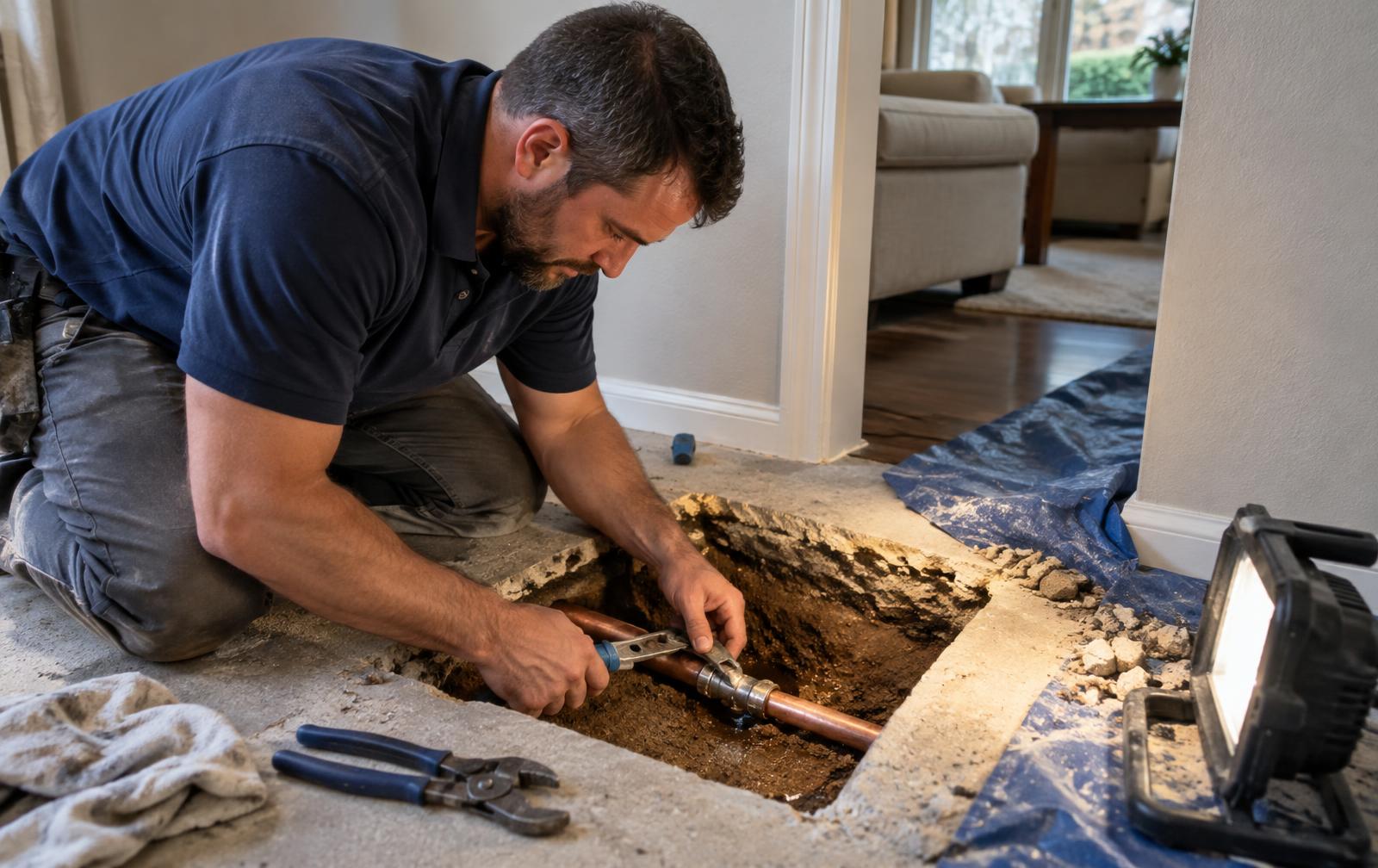
Electronic detection under Allen's post-tension slabs — reroute options that save your finished floors when possible.
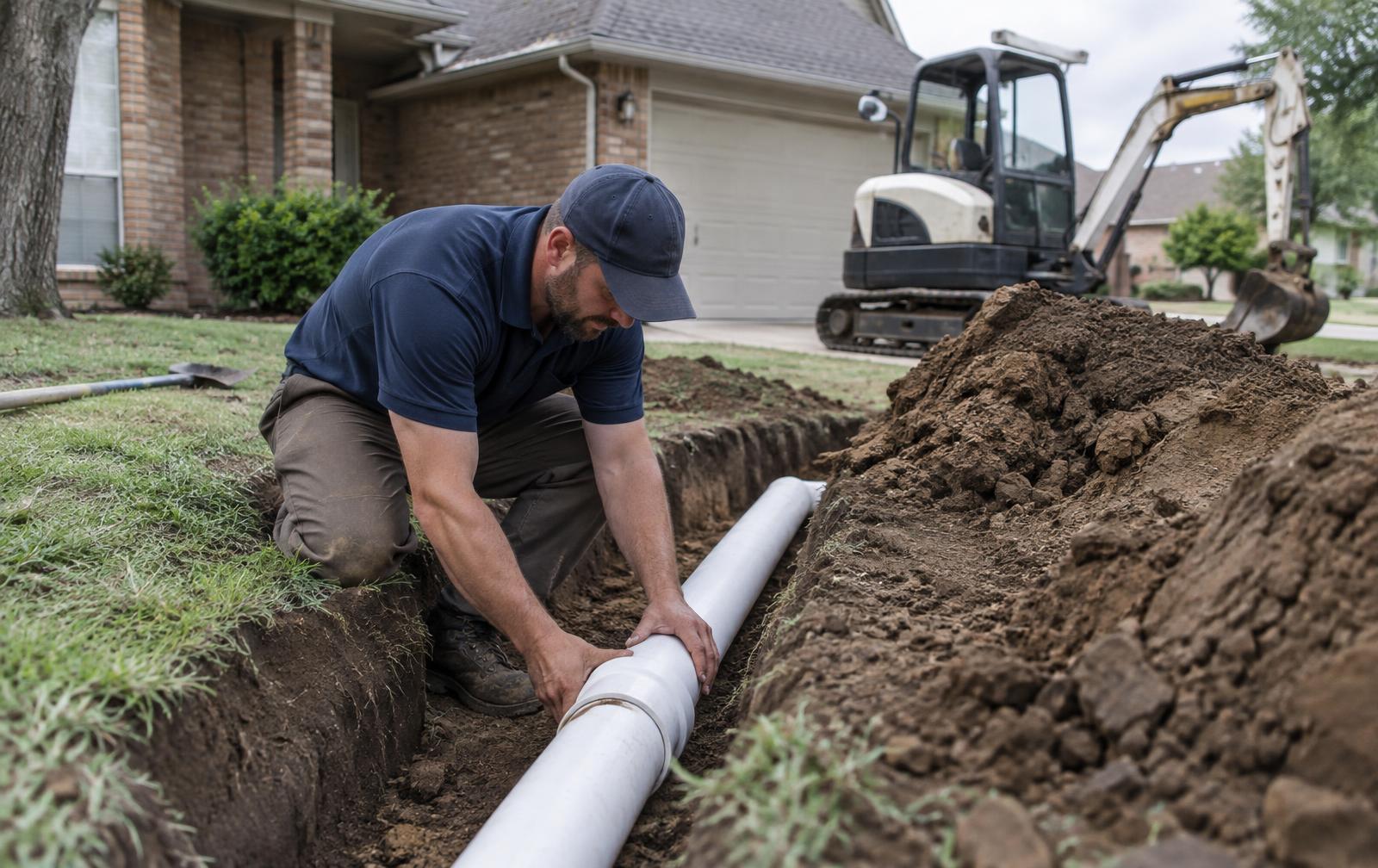
Trenchless replacement for the aging PVC and clay laterals across Allen's older Twin Creeks and Suncreek runs — camera first, quote in writing, minimal yard damage.
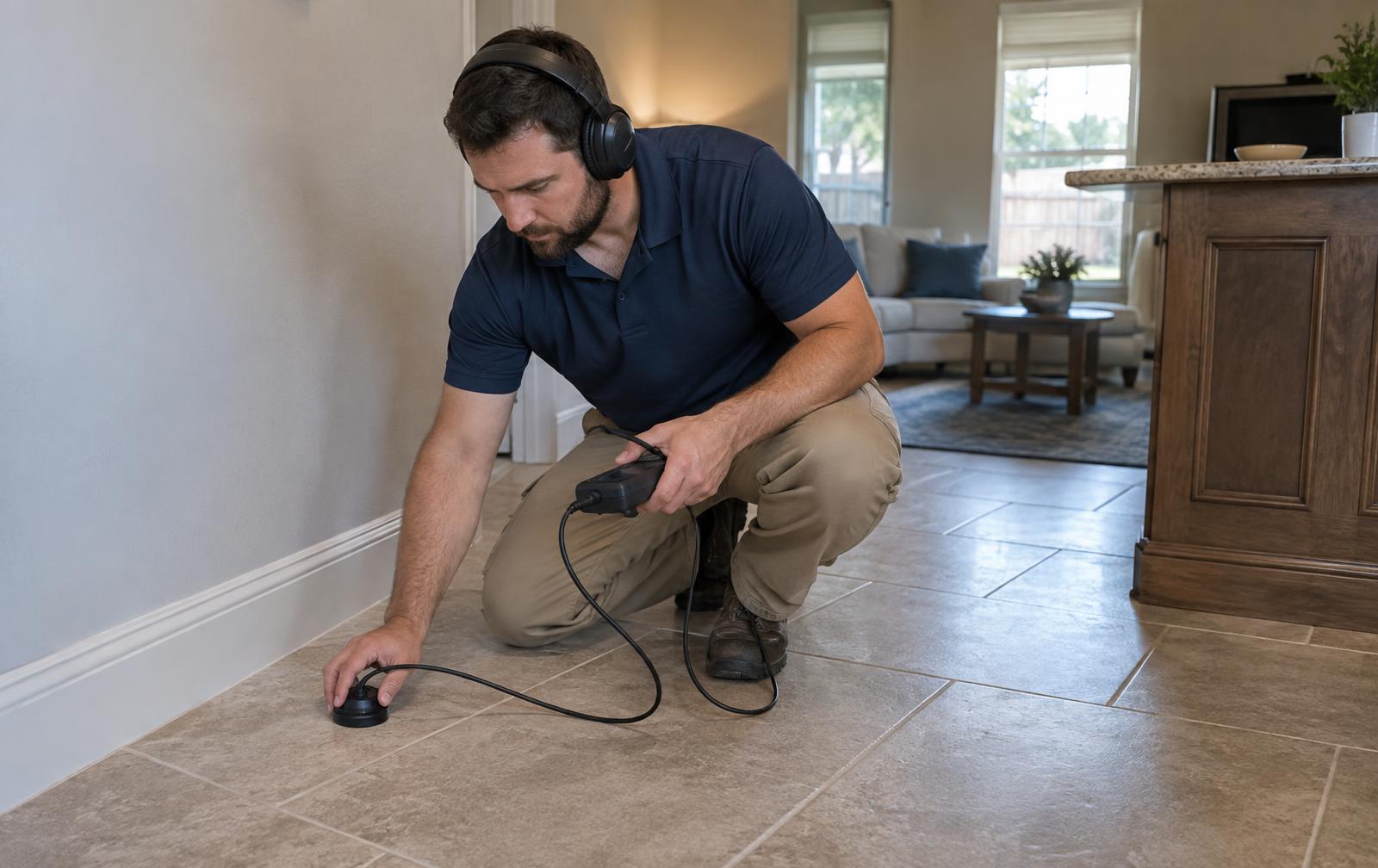
Acoustic, thermal, and pressure testing to pinpoint hidden leaks in Allen slab and wall lines without tearing into finishes.
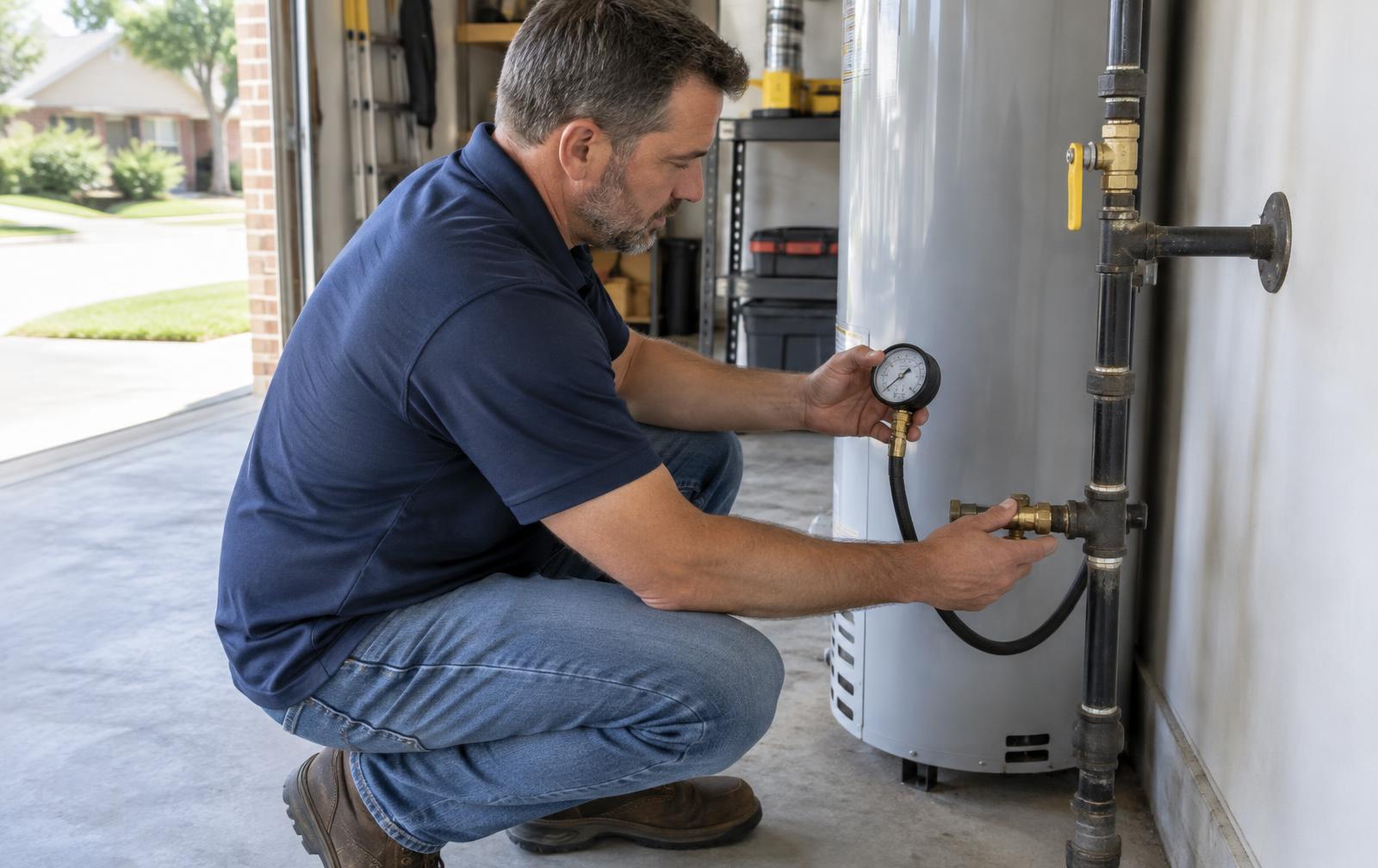
Licensed install, repair, and pressure-testing for Allen homes — every line signed off to Texas code and Atmos requirements.
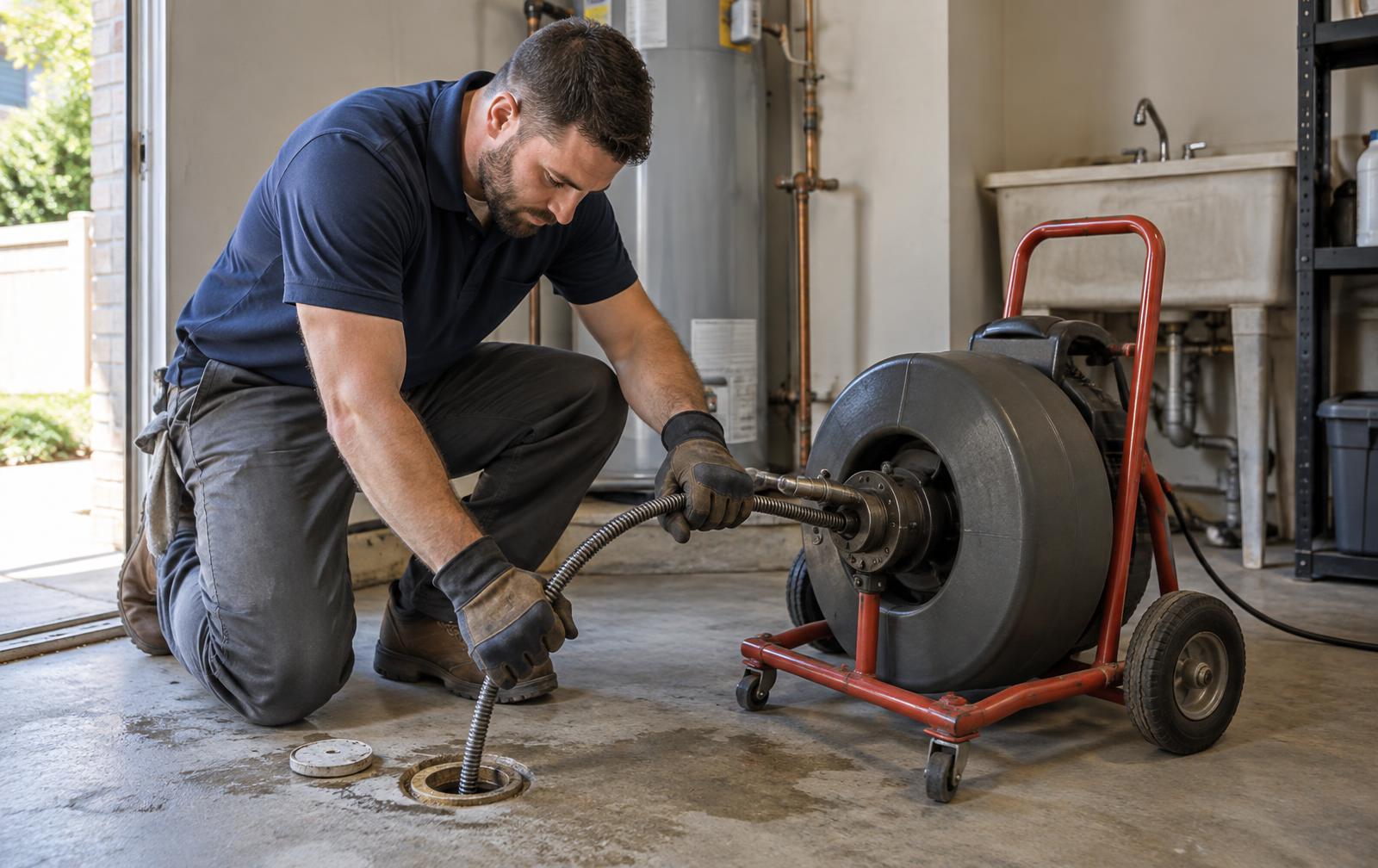
Full-clear service and camera confirmation for the long PVC laterals under Allen's master-planned neighborhoods.
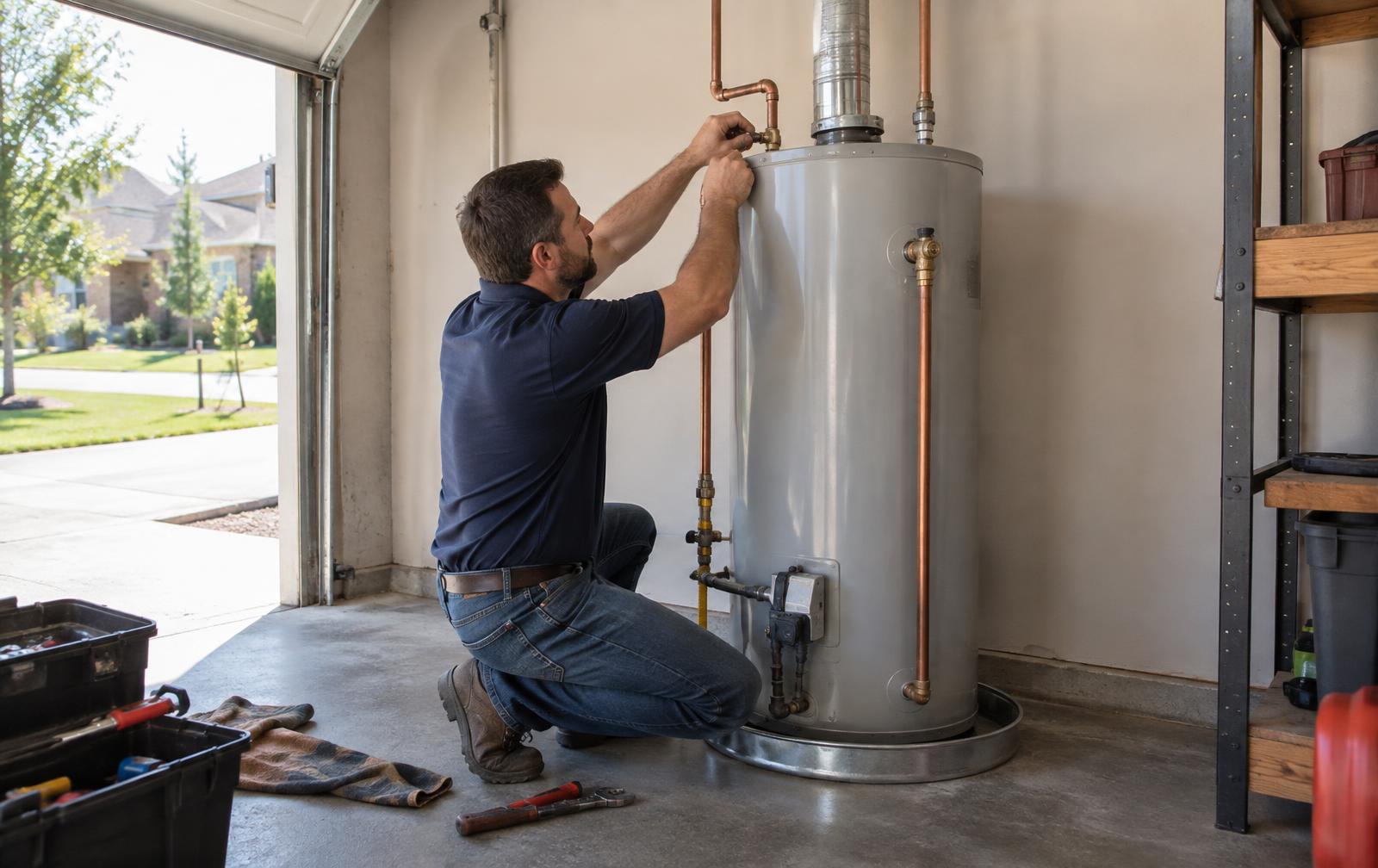
Repair, flush, and replacement of tank units — including the attic-mounted heaters common to Allen two-stories.
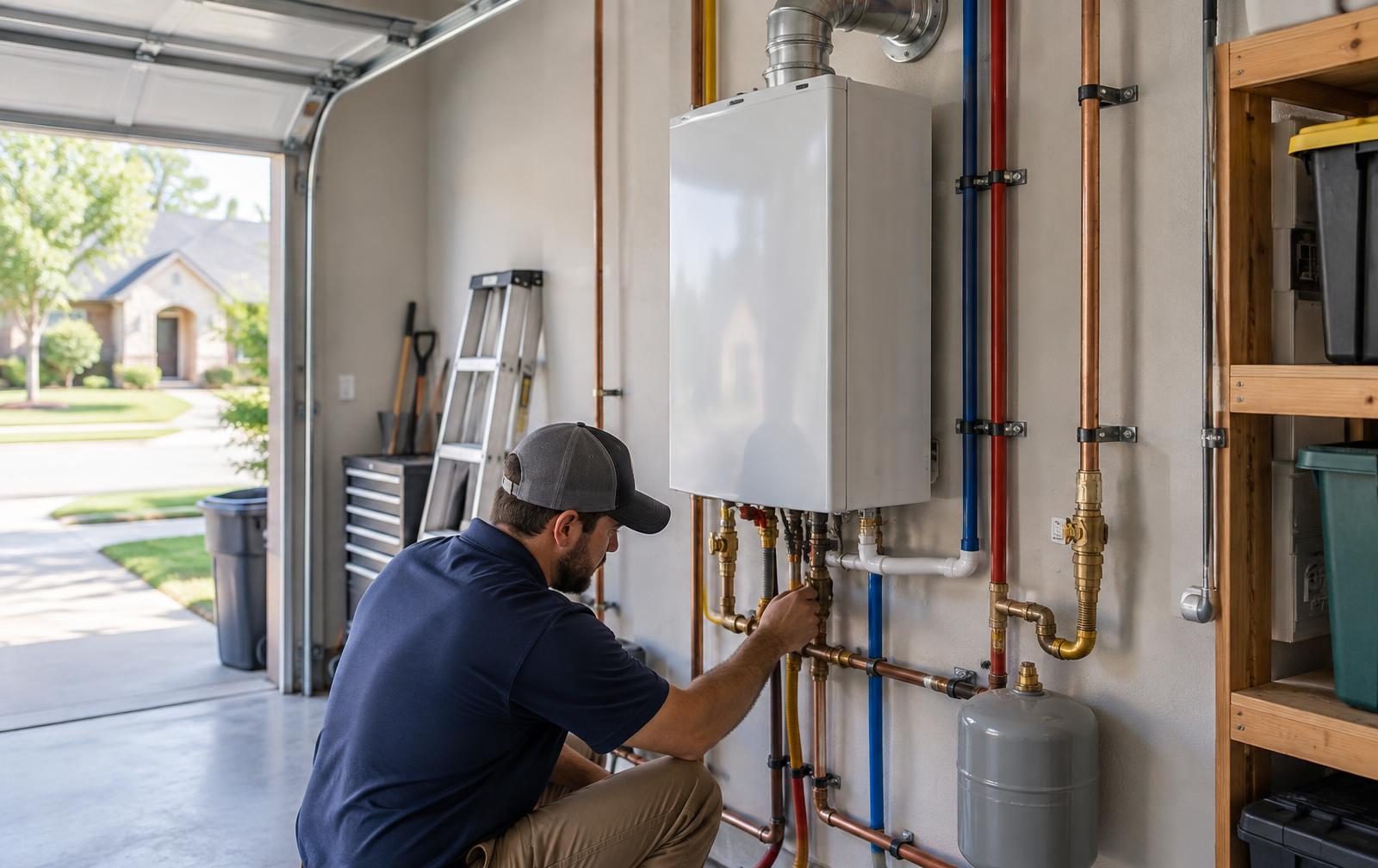
Install, service, and annual descaling — Allen's hard NTMWD water eats tankless heat exchangers without it.
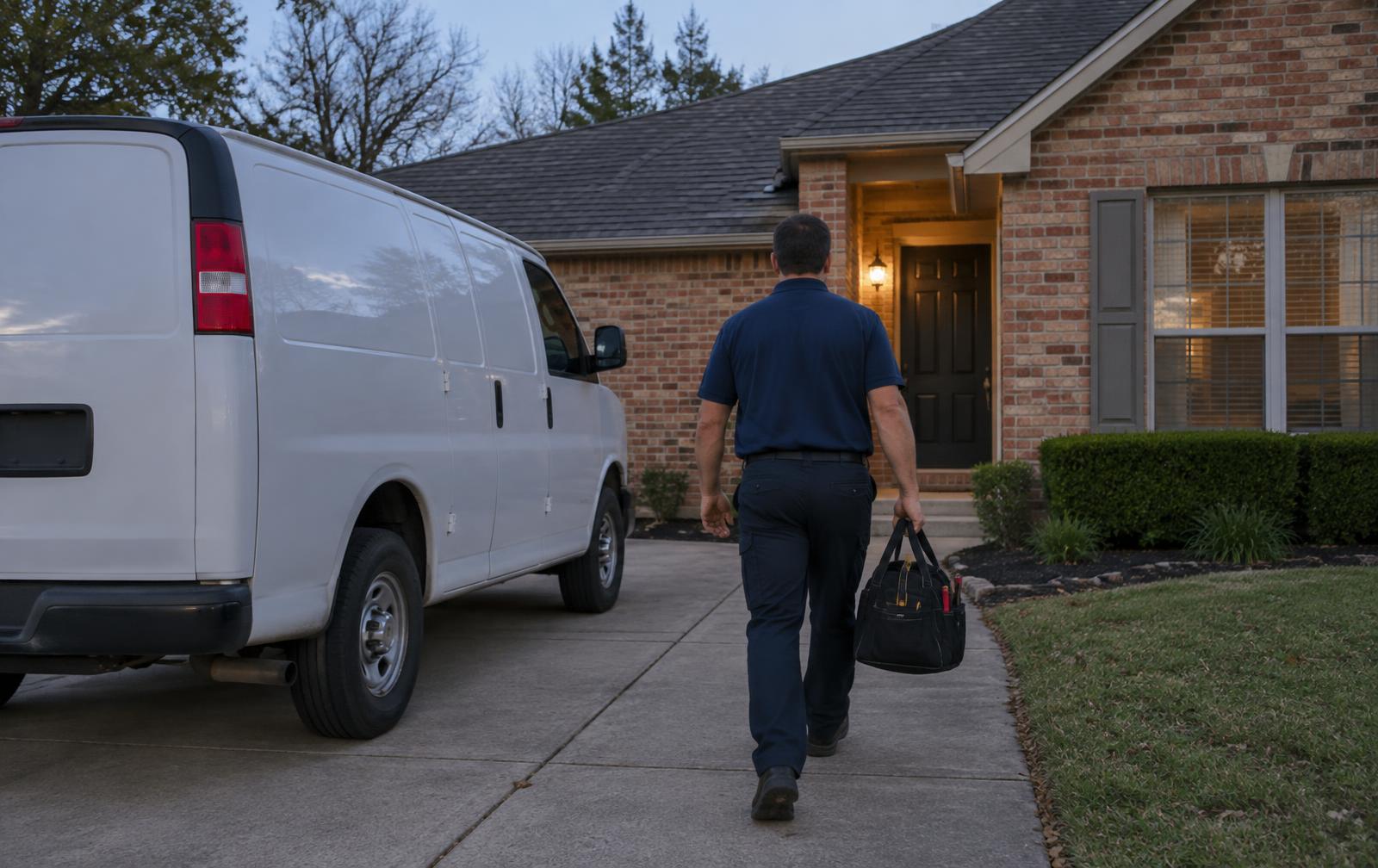
same-day, 7 days a week response across Allen for burst pipes, attic heater failures, and main-line backups.
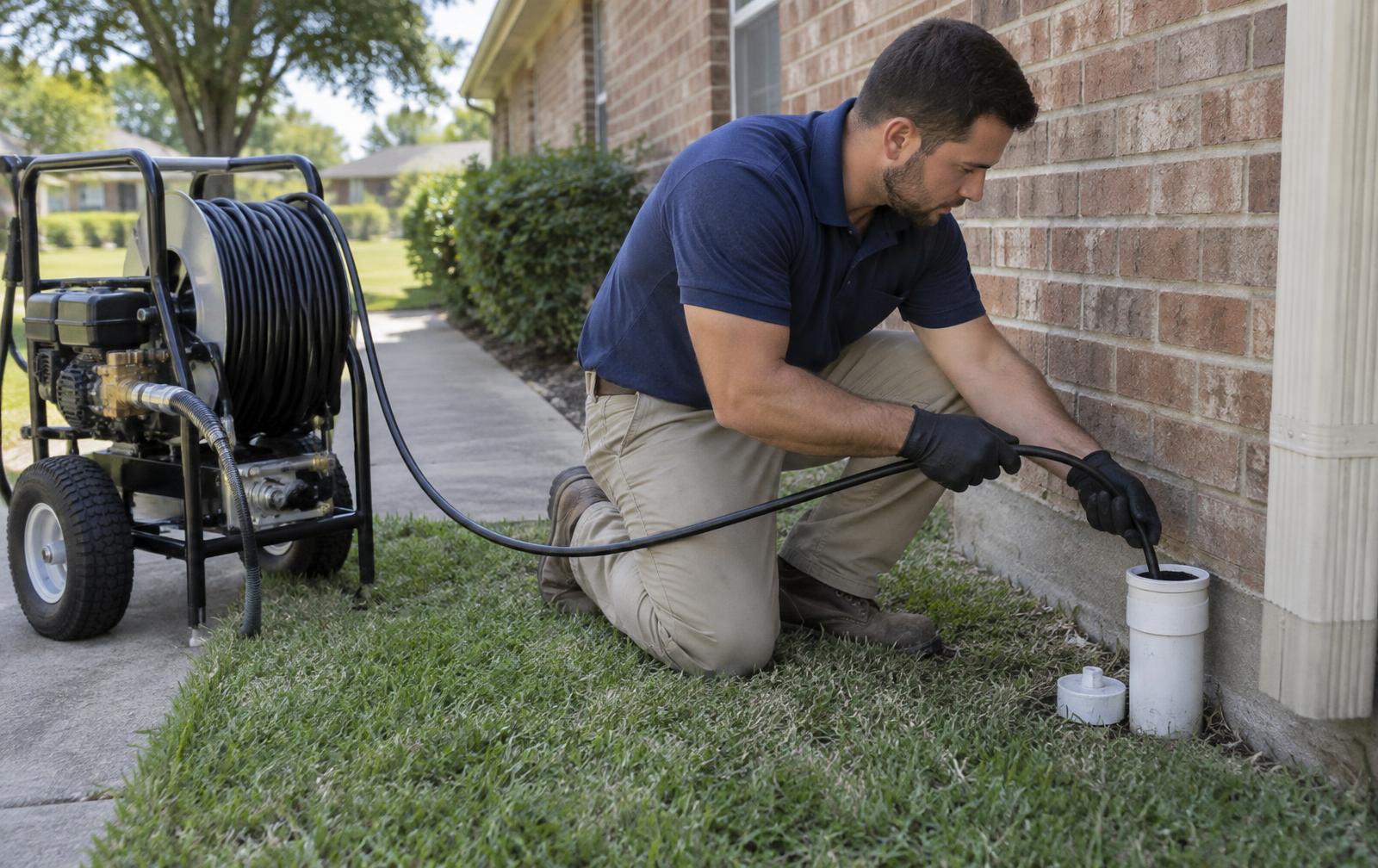
High-pressure cleaning that clears scale, grease, and roots from Allen's long PVC lateral runs — full-diameter, lasting clean.
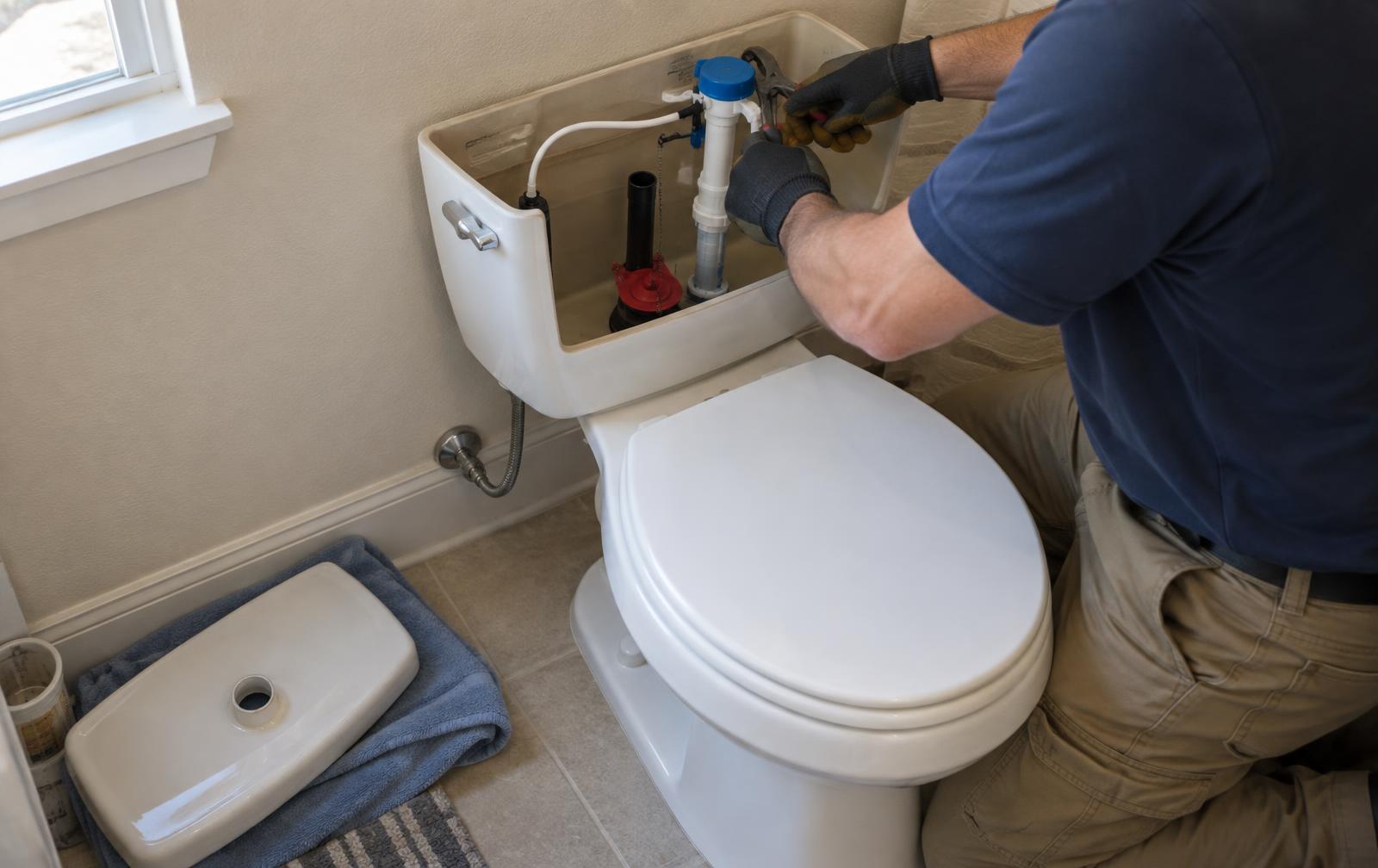
Rebuilds, wax-ring resets, flange repairs, and full replacements — the running toilets and rocking bowls in Allen homes.
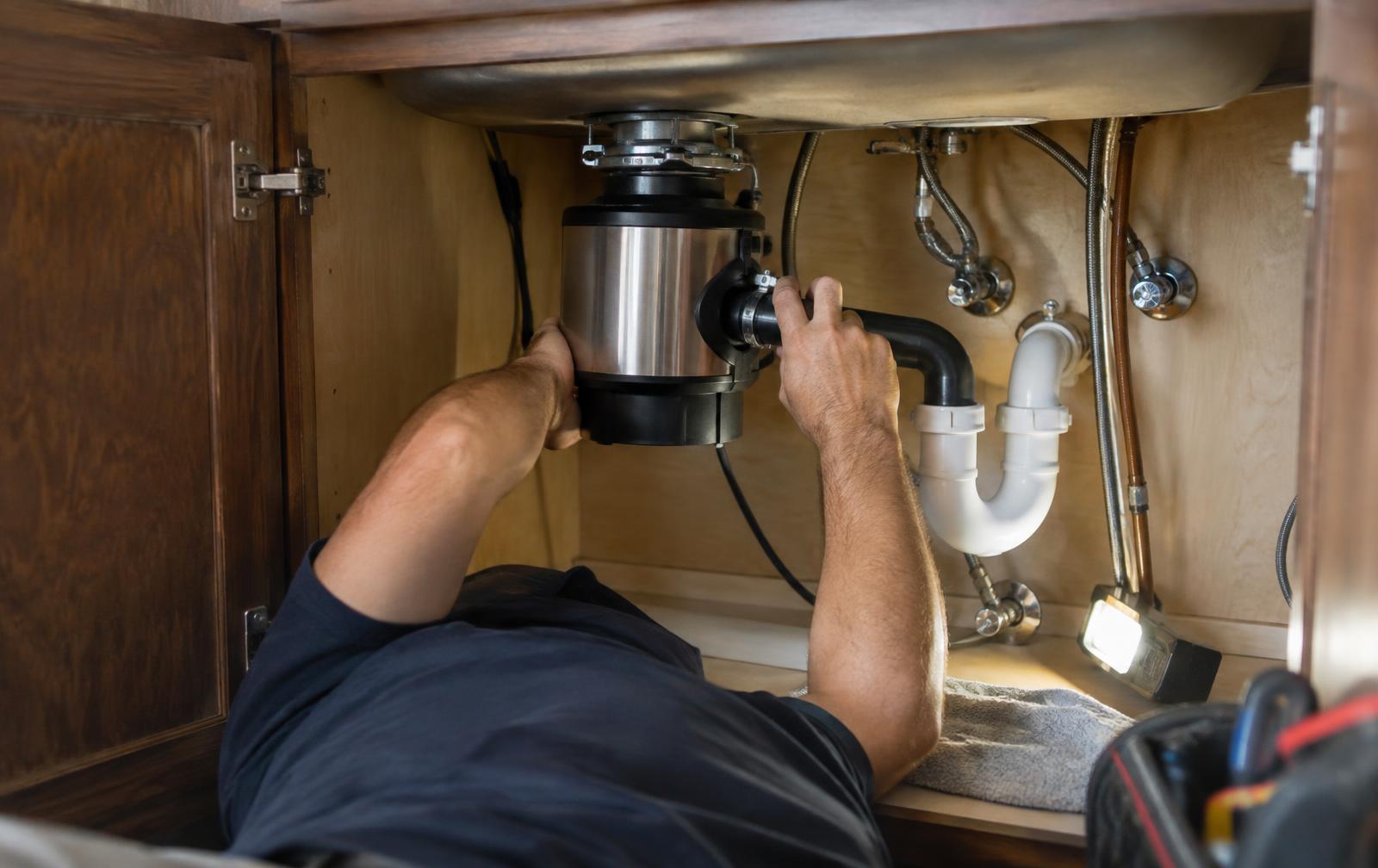
Jam clearing, leaking-unit swaps, and quiet 3/4 HP upgrades for Allen kitchens — same-visit install.
Need Faucet Work Done in Allen?
Rebuild, replacement, or a shutoff swap — parts on hand, price in writing before we start.