
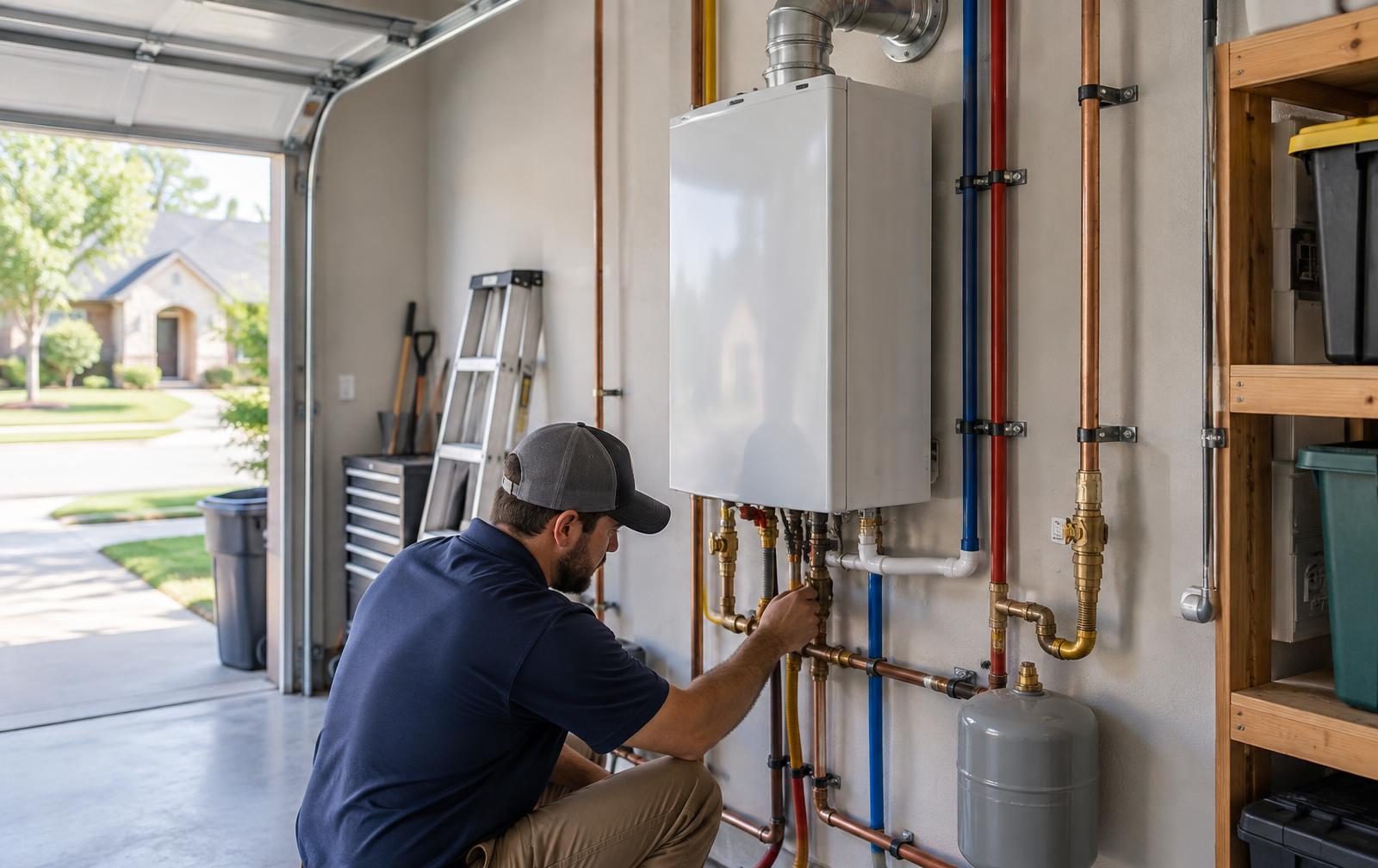
Tankless Water Heater Services in Allen, TX
Whether it's a first-time install, a unit under warranty acting up, or the annual visit that keeps a tankless system alive out here, the plumbing has to match the manufacturer's paperwork exactly — gas sized for the real BTU draw, venting run the way the spec sheet says, nothing skipped that would come back to bite you later.
The Unit Only Lasts as Long as the Install and the Upkeep Allow
Plenty of Allen households switch to tankless for good reason — hot water that doesn't run out, less space taken up in a closet, and a unit that can outlast a tank by a wide margin if it's cared for. Where things go sideways is usually a few years into ownership, when an owner opens the cabinet and finds the internal exchanger caked with mineral deposits. Allen buys its treated water through NTMWD, a regional supplier whose water tends to run on the harder side, and that mineral load is exactly what accumulates inside a heat exchanger when nobody's scheduled a rinse.
Getting the unit hung correctly matters just as much as maintaining it afterward. Manufacturers spell out exact venting materials, minimum clearances, a gas supply matched to the BTU rating rather than whatever pipe is already run to the closet, a way to neutralize acidic condensate on higher-efficiency models, and shutoffs that make future service simple instead of a small demolition project. Quite a few older Allen properties were plumbed for a tank heater originally, and that legacy gas line is usually the first thing that needs attention before a bigger unit goes in.
Our approach is to match the manufacturer's install sheet exactly, keep a paper trail of what was done, and show up once a year afterward to flush the mineral buildup out before it becomes a warranty problem instead of a maintenance item.

Signs Your Allen Tankless Needs Service
A tankless system rarely fails without giving some warning first.
Every manufacturer assigns its own codes to combustion trouble, flow restriction, sensor faults, and mineral buildup. We look up what your specific model is reporting before we guess at a fix.
Mineral scale narrows the passage through the heat exchanger over months and years. A tub that takes noticeably longer than it once did is often the earliest sign worth acting on.
A brief drop to cold water partway through a shower can come from mineral buildup interfering with the flow sensor, a recirculation loop that's too small for the house, or the way the unit modulates flow — three different causes, three different repairs.
That usually means either the unit is smaller than the household actually needs, or the gas supply can't keep up at peak demand. We check the gas line size first, since undersized supply is common in Allen homes converted from a tank heater.
Most manufacturers spell out documented yearly maintenance as a condition of keeping the warranty active, and Allen's water hardness is exactly the reason that condition exists.
That's the sound of trapped steam pushing past mineral deposits inside the exchanger. Left alone, it can permanently damage the exchanger itself.
Right-Sized, Properly Vented, Serviced Yearly
The install determines how the unit performs for years. The yearly visit determines whether it gets there.
- 1Work out actual peak demand
We add up how many fixtures could reasonably run together and factor in how cold Allen's groundwater runs, since a bigger temperature swing means the unit works harder than a generic online calculator would suggest. That number usually settles both the unit size and whether the gas line needs to grow with it.
- 2Match the vent run to the manufacturer's sheet
Depending on the model, that could mean PVC, CPVC, or a stainless assembly, each with its own pitch and clearance rules and a specific type of termination outside the house. Cutting a corner on vent material or length is one of the fastest ways to lose warranty coverage before the unit ever has a mechanical problem.
- 3Install shutoffs and manage the condensate
Dedicated valves on the hot and cold connections turn next year's service call into a quick disconnect instead of a bigger job. On condensing models, a neutralizer keeps the mildly acidic drainage from working on your pipes over time.
- 4Return annually to descale and inspect
We shut the unit off at its valves, run a citric acid solution through the exchanger for a set period, then flush and restart it. While it's open we look over the burner assembly, igniter, sensor, and condensate line, and we log the visit in case a warranty claim ever needs it.
- 5Fix what's actually broken using real parts
Igniters, sensors, control boards, and gas valves are all replaceable, and we keep common parts on hand or can source them fast. Our crews are comfortable across the major residential brands — Rinnai and Navien most often, along with Rheem, Bosch, Noritz, and AO Smith.
Where Tankless Works Best in Allen
The house's age usually tells us what the job will actually involve before we even arrive.
Construction here runs mostly 1970s to 1990s, and the gas line feeding the water heater closet was almost always sized for a tank unit originally. Upsizing that line is typically step one on the quote.
A similar age of housing near Rowlett Creek, where an exterior-mounted tankless unit needs insulated lines and a confirmed freeze setting heading into a hard winter.
Newer building, generally 1999 forward, where interior closets typically vent straight up through the roof. A condensing model with PVC venting tends to be the simplest fit in this construction type.
The restored 1920s houses near St. Mary Drive, and any similarly old private home nearby, predate gas tankless entirely. A conversion here starts with a full check of the existing gas meter capacity and a possible vent path before anything gets sized.
Development in this newer corridor, generally after 1999, tends to already carry adequate gas capacity, which usually makes a retrofit more straightforward than in older parts of the city.
The ranch homes that filled in along this corridor through the 1970s and 1980s were built around atmospheric tank heaters. Converting one to tankless almost always means a larger gas line and shutoff valves that the original install never had.
What Allen Homeowners Say

Coverage That Stays Intact Because the Paperwork Is Real
Every install gets logged for warranty purposes — model and serial number, gas setup, vent configuration, and which shutoff valves went in. Every yearly descale gets dated in the same file. That record is the difference between a long manufacturer warranty holding up and one getting denied over a missed step.
Our plumbers carry a license from the Texas State Board of Plumbing Examiners, we're insured, and this is a family-owned shop dispatching from The Colony. A unit with no hot water gets a same-day appointment; annual service gets scheduled around you, seven days a week from 8 AM to 6 PM.
Questions We Hear About Tankless Service
Our Other Plumbing Services in Allen, TX
A tankless install often turns up a gas line that needs upgrading anyway. We handle that alongside the unit in one visit and one written quote in Allen.
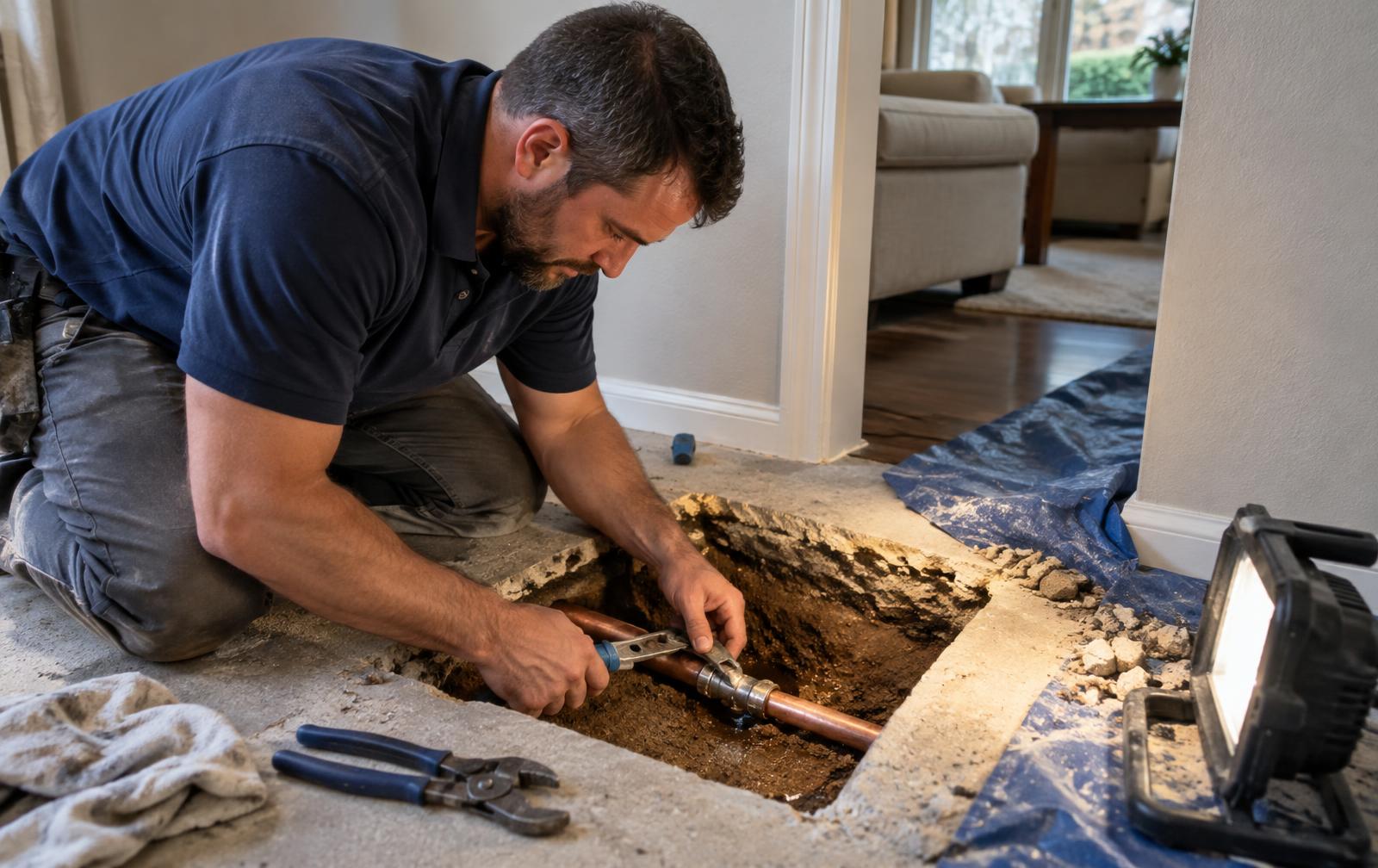
Electronic detection under Allen's post-tension slabs — reroute options that save your finished floors when possible.
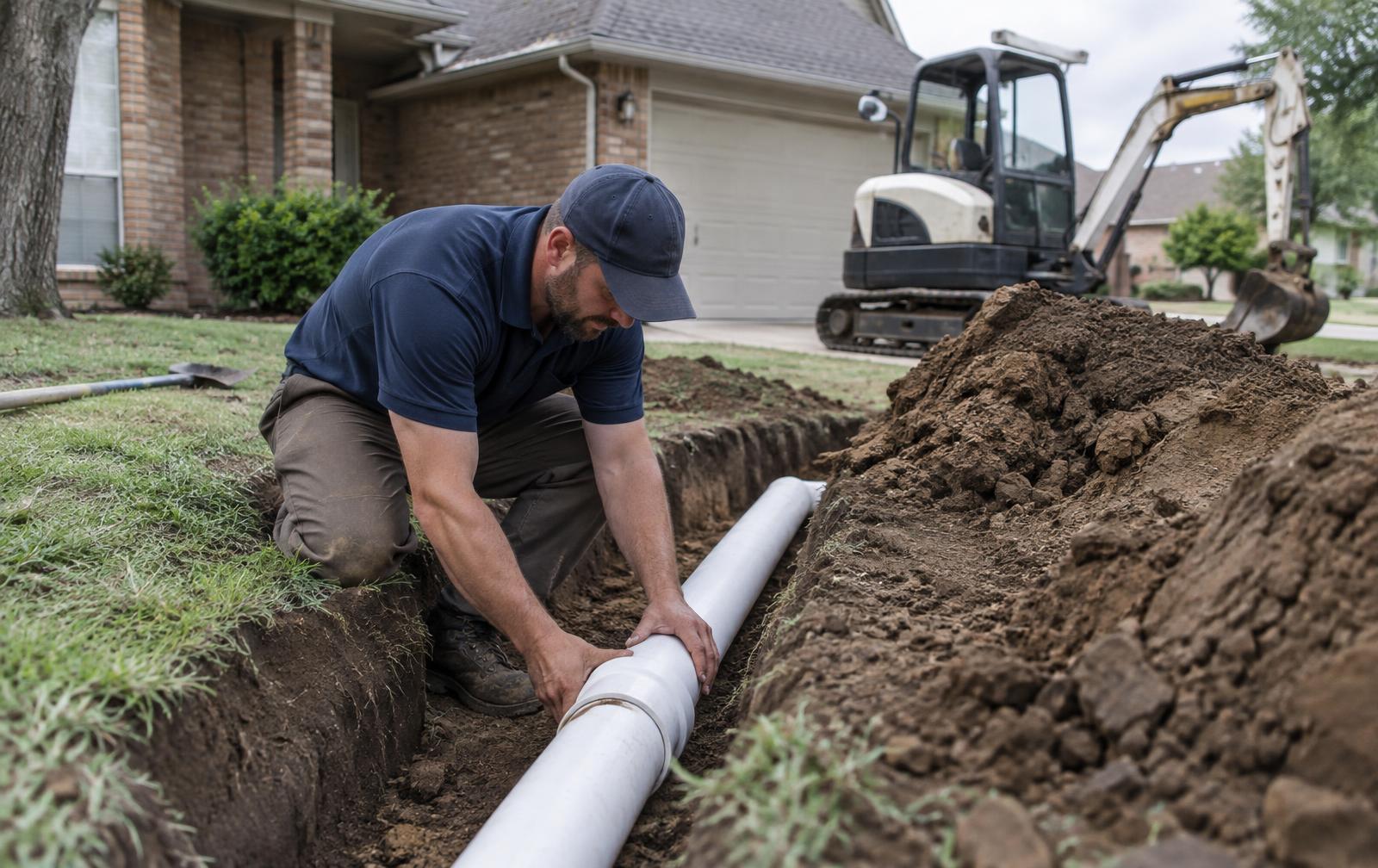
Trenchless replacement for the aging PVC and clay laterals across Allen's older Twin Creeks and Suncreek runs — camera first, quote in writing, minimal yard damage.
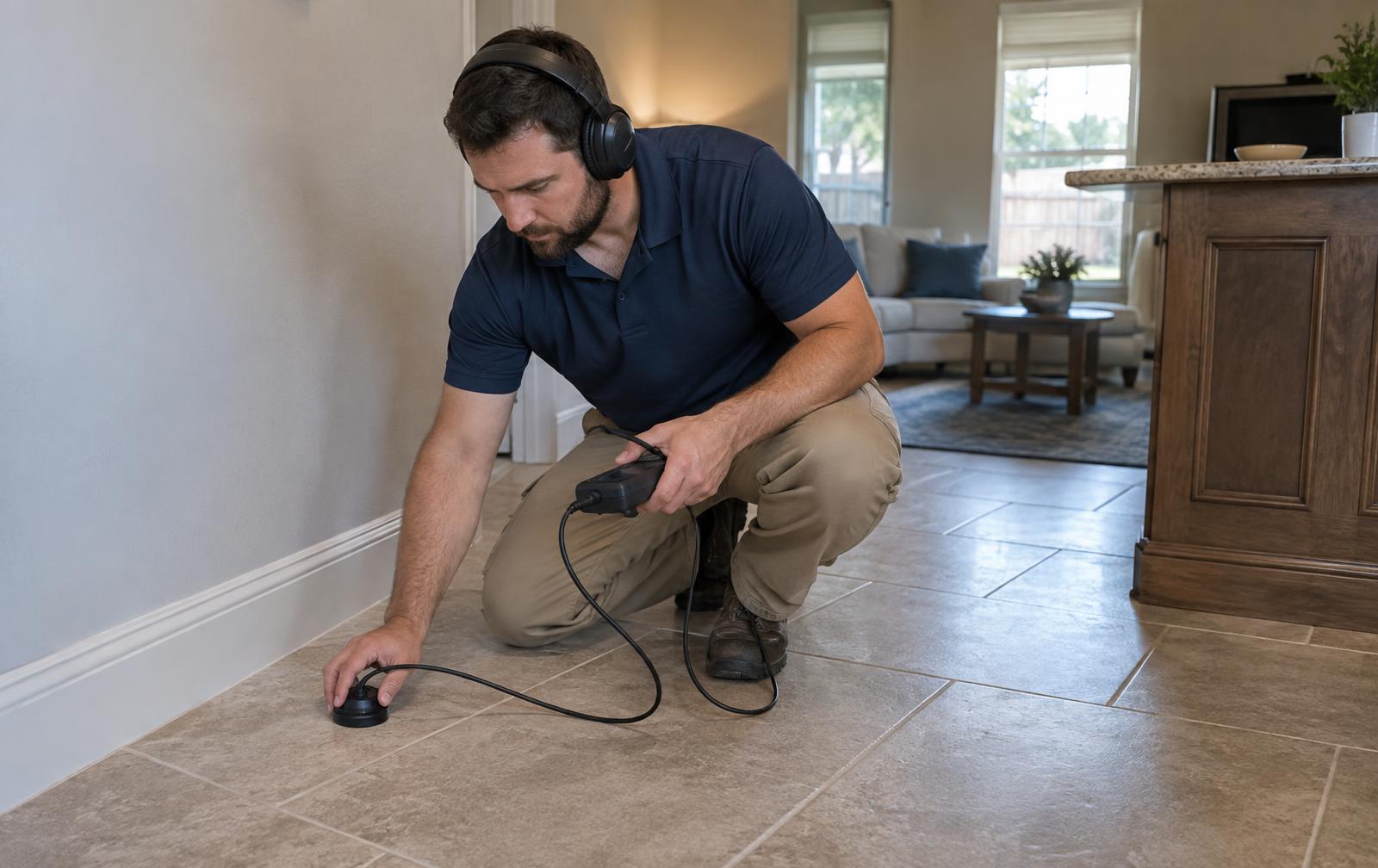
Acoustic, thermal, and pressure testing to pinpoint hidden leaks in Allen slab and wall lines without tearing into finishes.
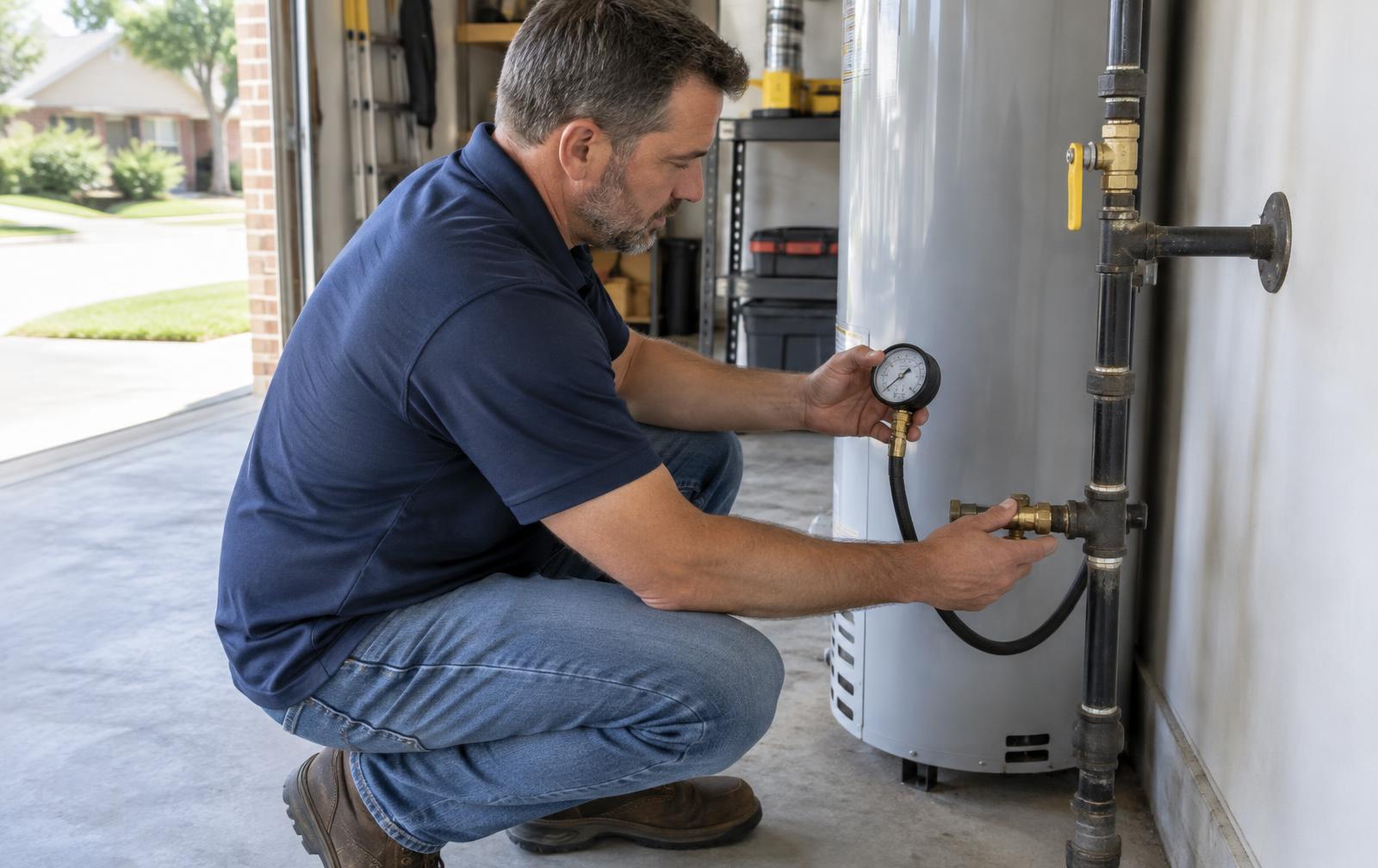
Licensed install, repair, and pressure-testing for Allen homes — every line signed off to Texas code and Atmos requirements.
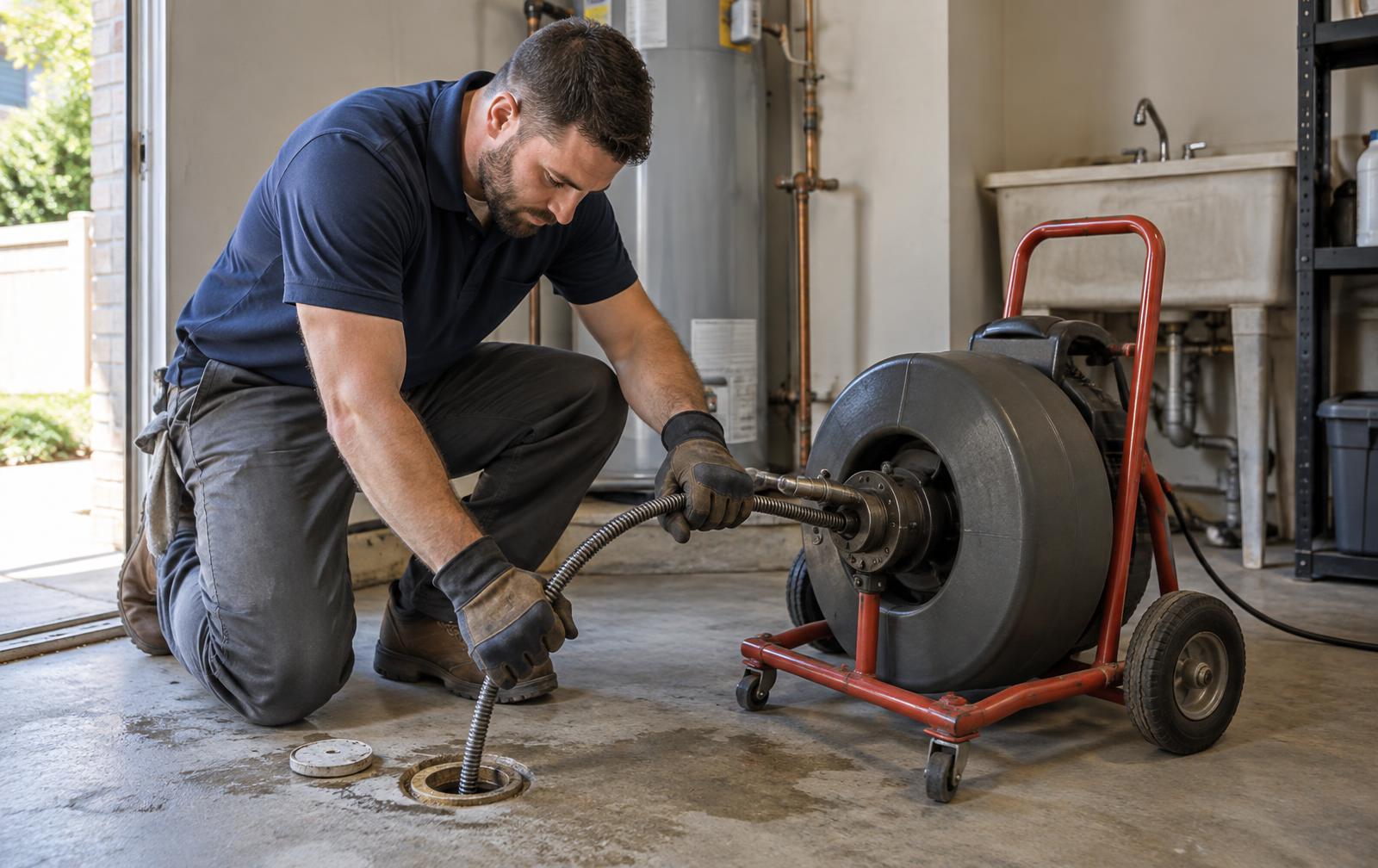
Full-clear service and camera confirmation for the long PVC laterals under Allen's master-planned neighborhoods.
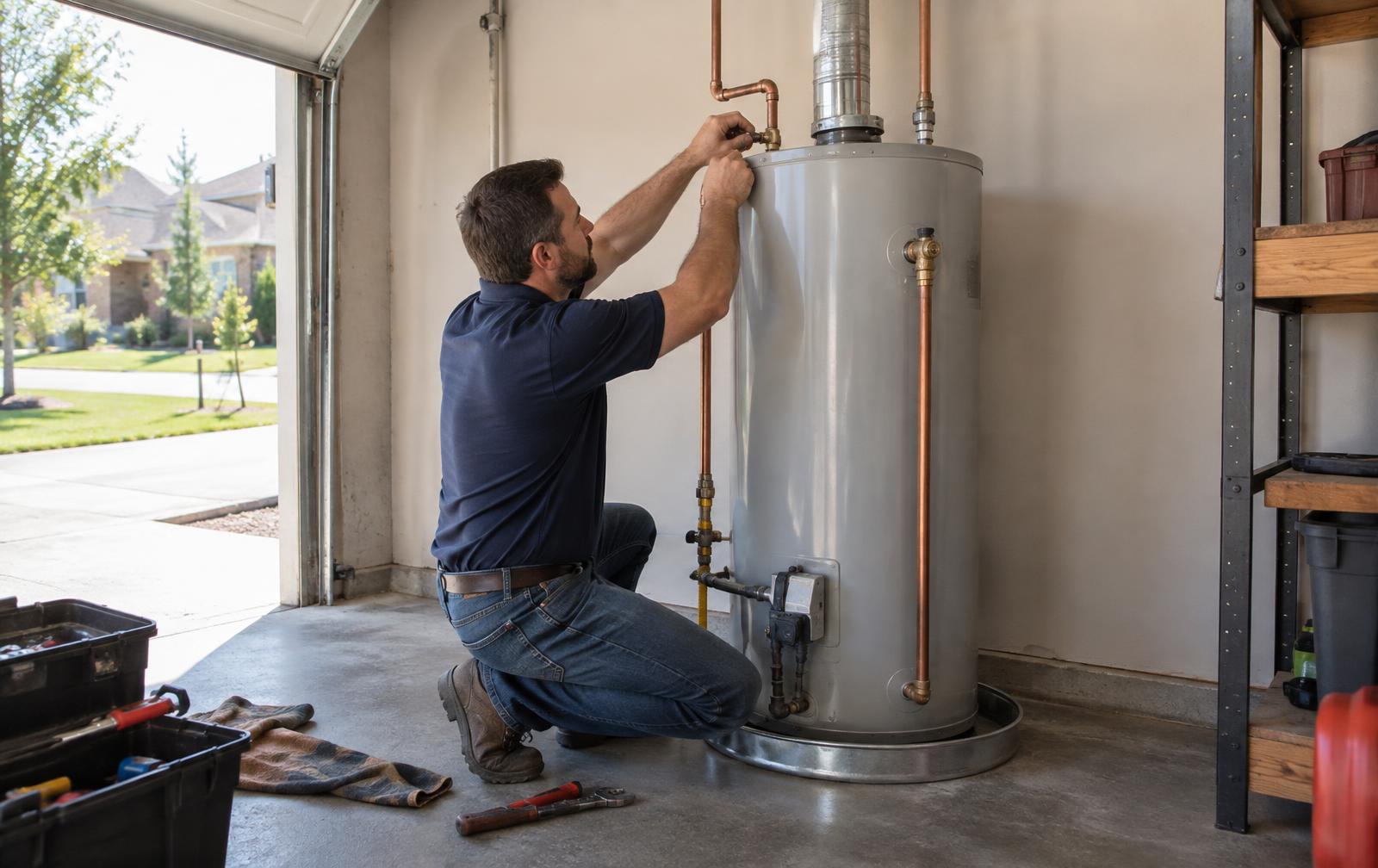
Repair, flush, and replacement of tank units — including the attic-mounted heaters common to Allen two-stories.
same-day, 7 days a week response across Allen for burst pipes, attic heater failures, and main-line backups.
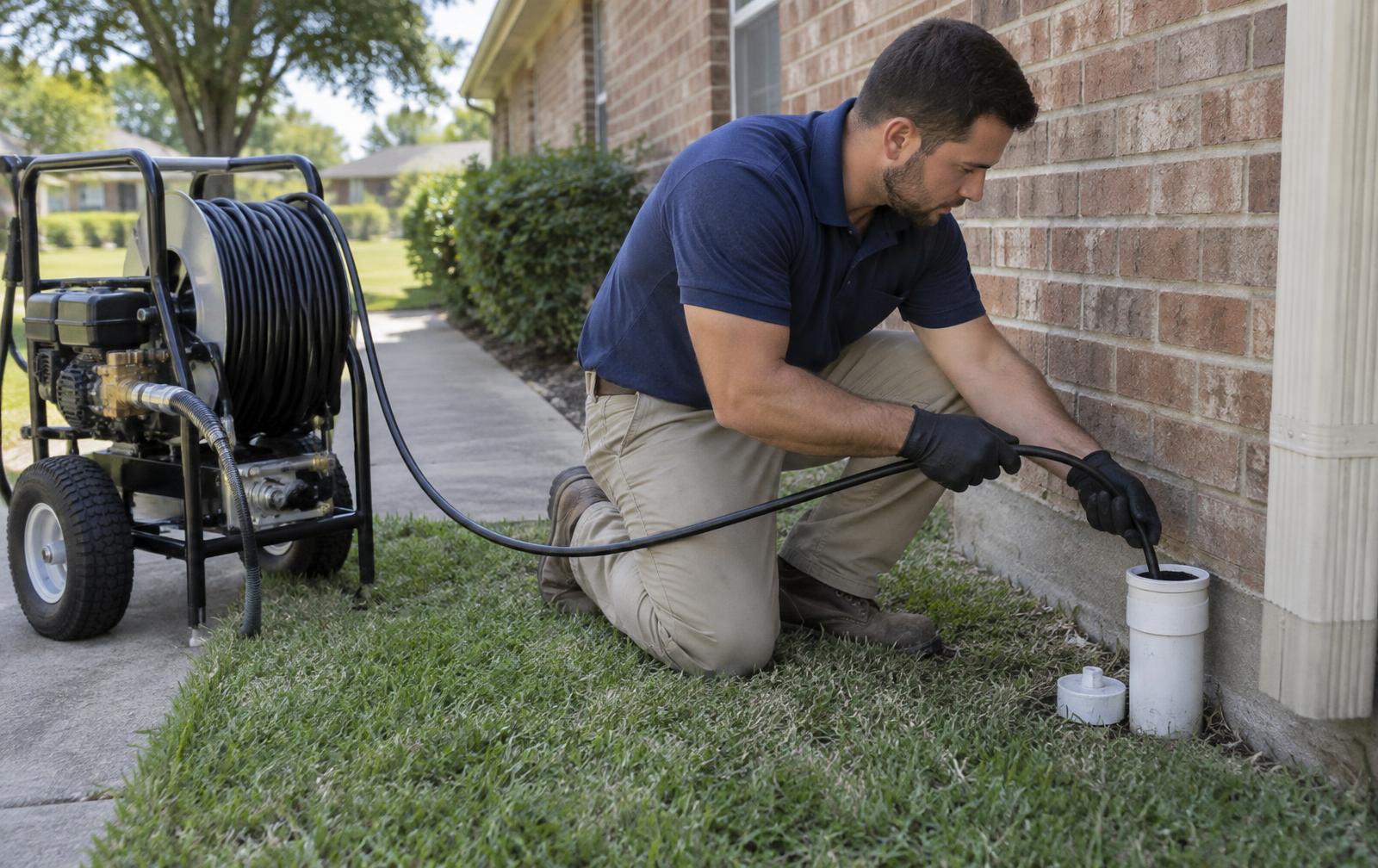
High-pressure cleaning that clears scale, grease, and roots from Allen's long PVC lateral runs — full-diameter, lasting clean.
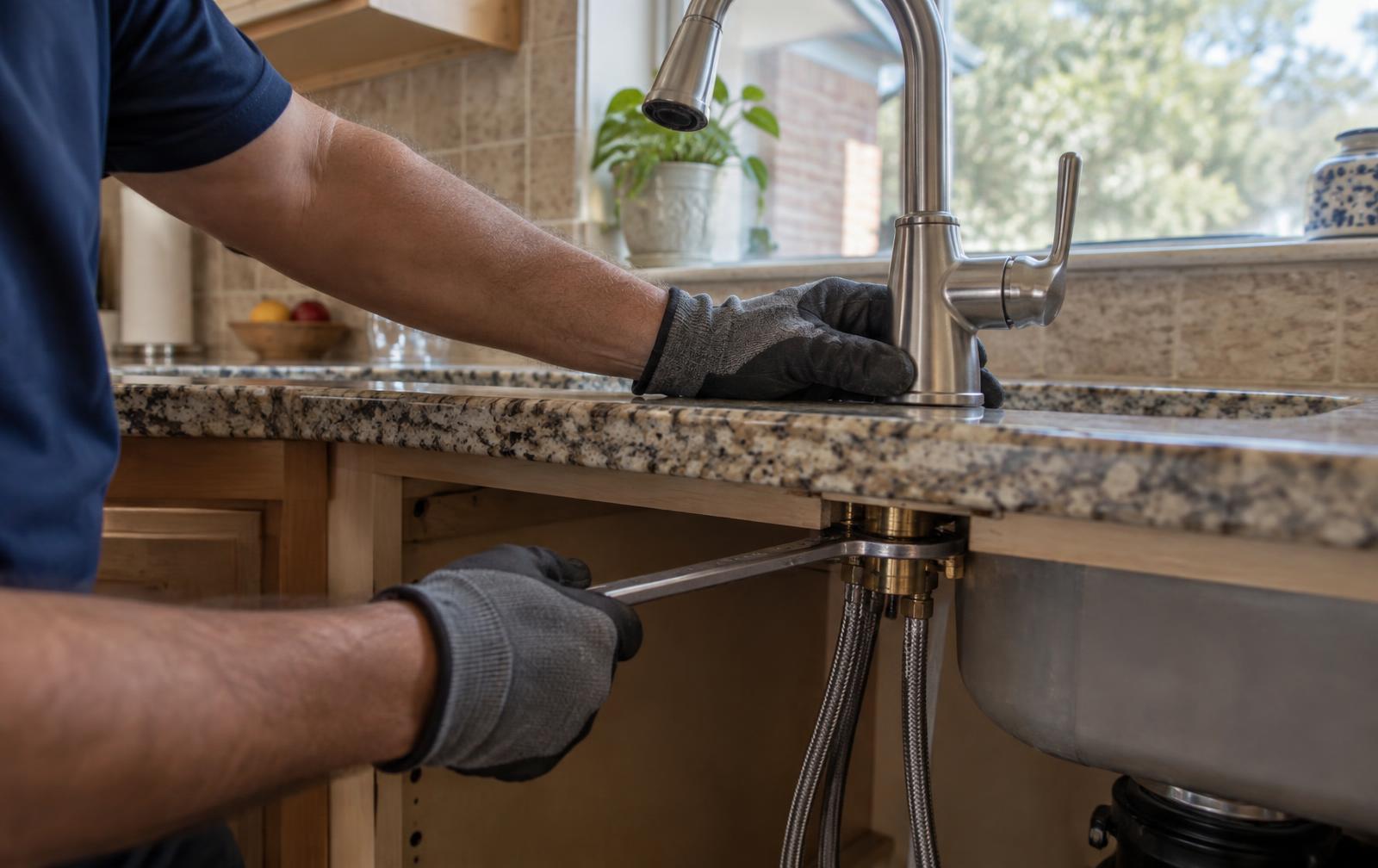
Cartridge, stem, and full-fixture replacement for Allen kitchens and bathrooms — hard-water-ready parts stocked on the truck.
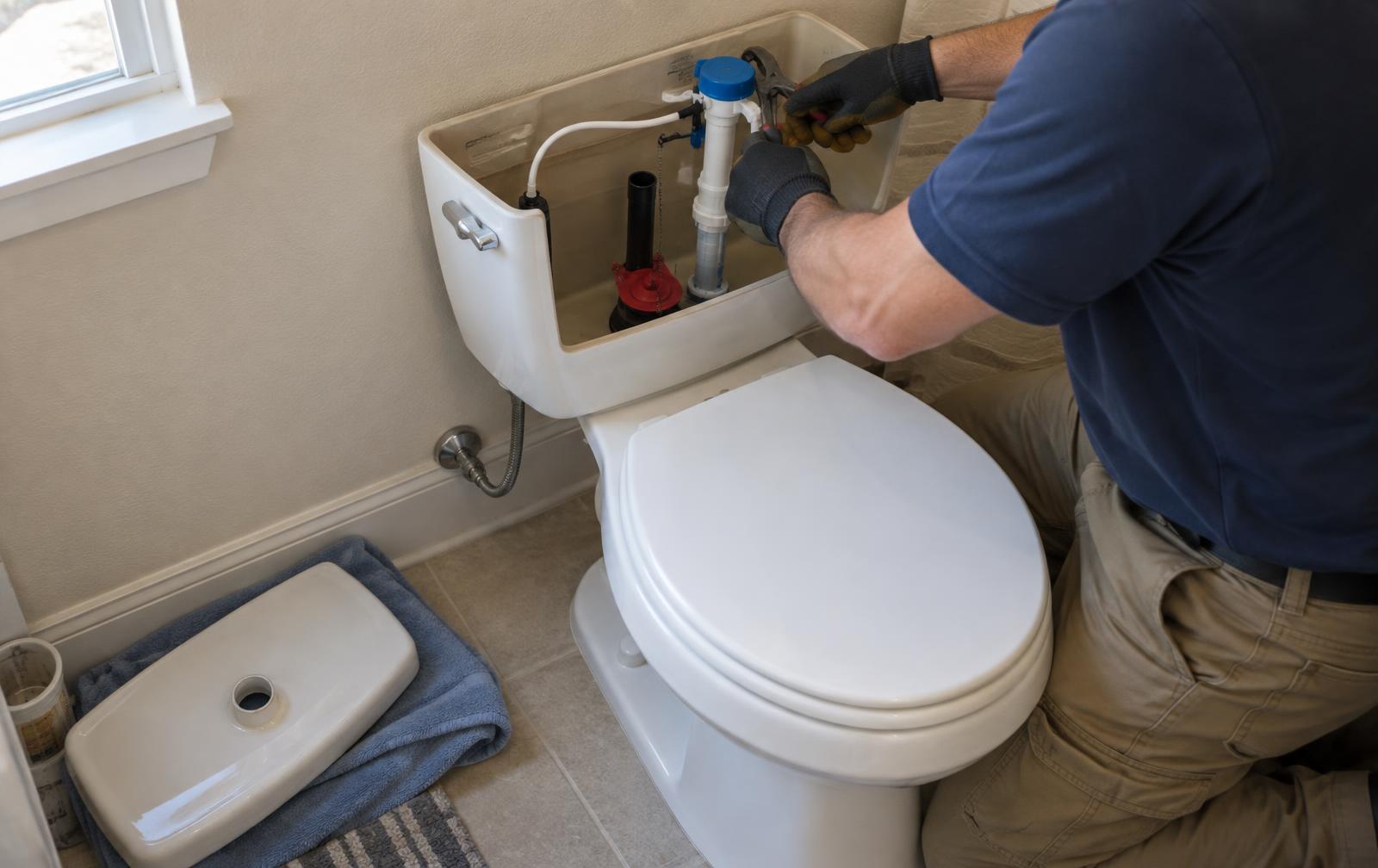
Rebuilds, wax-ring resets, flange repairs, and full replacements — the running toilets and rocking bowls in Allen homes.
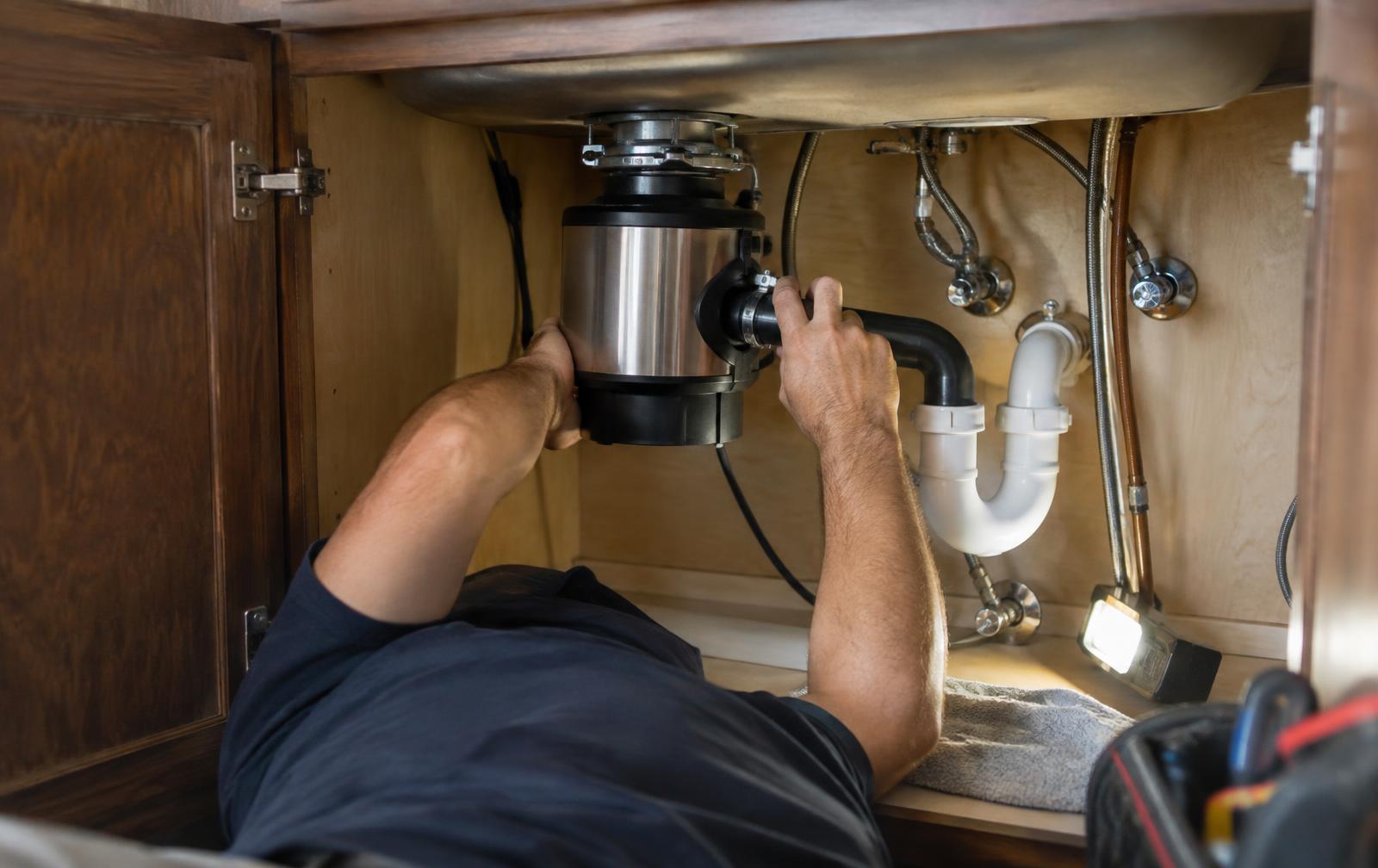
Jam clearing, leaking-unit swaps, and quiet 3/4 HP upgrades for Allen kitchens — same-visit install.
Tankless Install or Service in Allen?
Installed to the manufacturer's spec, serviced annually, warranty kept intact. Book now.