
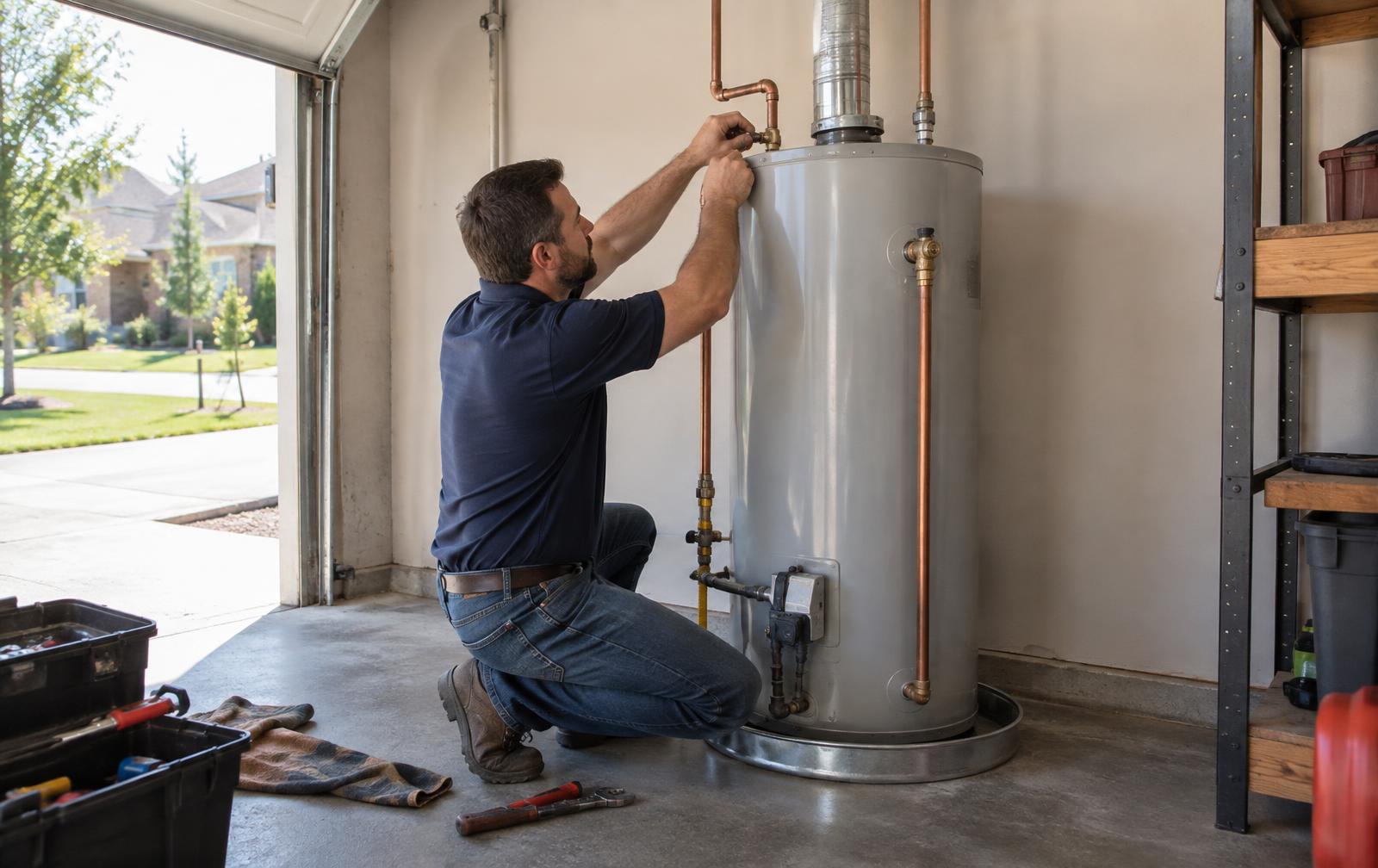
Water Heater Services in Lewisville, TX
Nobody in the house getting hot showers anymore. Rusty color in the tap water. A wet floor around the tank base. Knocking sounds from inside the unit. Whatever the symptom, we look at Lewisville tanks all week — repairing the ones worth saving and swapping out the ones that aren't, with same-day appointments when a heater quits entirely.
A Permit Comes With Every Swap — Here's Why That's a Good Thing
Lewisville's Building Services office requires a plumbing permit before a water heater gets replaced, tied to the city's adopted plumbing code. That step isn't just red tape — it forces a check that the new installation actually meets current standards rather than just occupying the same footprint the old tank did. We pull that permit on every job so the inspection happens without you lifting a finger.
On the water-quality side, the city's testing puts Lewisville's supply at roughly 6.7 grains per gallon, which lands it in the slightly hard range rather than the harsher water some nearby systems deal with. That's a modest advantage, but it doesn't stop the built-in corrosion-protection rod inside every tank from wearing away over the years — once it's spent, the steel tank itself starts to corrode, which is a leading reason heaters fail before homeowners expect them to.
A tank that's still structurally sound gets repaired rather than replaced — a bad thermocouple, gas valve, or heating element is a much smaller job than starting over, and we'll tell you plainly when that's the case. When a full swap is the right call, we build in a properly sized expansion tank, a code-required catch pan under any closet or upstairs unit, and correctly routed pressure-relief discharge piping. Those pieces get skipped more often than you'd think, and skipping them is exactly the kind of thing that turns into a homeowner's insurance claim down the road.

What a Struggling Lewisville Water Heater Looks Like
Some of this list points to a repair. Some points to a new tank. Either way, worth a look before it gets worse.
Could be a dip tube that's failed inside the tank, a unit that was undersized to begin with, or sediment slowly eating into how much the tank actually holds. Each points to a different fix.
Sediment settling at the tank's bottom traps water underneath it that flashes to steam and pops through. A flush usually helps if you catch it early; loud, frequent popping can mean the tank is closer to giving out.
This is typically the sign that the tank's built-in corrosion-protection rod is used up and the steel underneath has started rusting. Swapping that rod early can buy the tank more years; if the discoloration is heavy, replacement is probably closer than repair.
A cracked tank shell has no repair option. Shut off the water supply and the gas or breaker feeding it, and give us a call — this one's a replacement, not a patch job.
A layer of sediment or a burner that's not firing efficiently both make the heater run longer to deliver the same hot water. An unexplained bill jump is worth having looked at.
That valve opens when pressure or temperature climbs past a safe point, or it can simply be worn out and failing on its own. Either way, ignoring a dripping T&P valve risks a much bigger failure later.
Look Before We Touch Anything, Then Bring It Up to Code
Salvageable tanks get repaired. New installs get every code requirement, not just a fresh tank in the old footprint.
- 1Start with a full inspection
We pull the tank's age from its serial number, check sediment buildup, look at the condition of the corrosion-protection rod, test the pressure relief valve, and check thermocouple, element, or burner performance before saying a word about repair versus replacement.
- 2Repair the part that's actually broken
A new thermocouple, gas valve, heating element, thermostat, or corrosion-protection rod, or a full sediment flush — whichever the inspection points to, using parts we carry for the common models around here.
- 3Bring a replacement up to full code
That means sizing the new tank or elements to match your household's real demand, adding a properly sized expansion tank on a closed system, installing a catch pan with a routed drain wherever the unit sits in a closet or above living space, correct pressure-relief discharge routing, dielectric fittings at the supply connections, and a seismic strap if the location requires one.
- 4Take the old tank with us
The old unit gets hauled off for recycling rather than left for you to deal with, and we clean up the area underneath before the new tank goes in.
- 5Confirm it's working right before we leave
That includes checking combustion on a gas unit, timing the recovery rate, dialing in your preferred temperature, and showing you where the shutoff is and how the T&P valve should behave.
How Water Heater Calls Differ Across Lewisville
The type of home usually explains the install, and the install explains how it eventually fails.
This historic core near Mill and Main, built up from the early 1900s through the 1940s, often still has older gas piping and cramped mechanical spaces, so replacing a tank here usually starts with confirming the gas line and venting can support a modern unit.
These single-story ranch homes near S. Stemmons Freeway, mostly built from the 1970s through the 1990s, tend to have roomy interior closets that make a code-compliant swap fairly straightforward.
Built mainly in the late 1990s, these two-story homes are old enough now that their original tanks are at or past a typical service life, a realistic point for a first replacement.
Construction here began in 1998 and hasn't stopped, so this master-planned community mixes single-family homes with tighter townhome mechanical closets, where fitting a catch pan and discharge piping correctly takes more planning.
One of the city's older, value-priced lakeside neighborhoods, where original tanks are often well past efficient operation given their age.
Another established lakeside section where a spent corrosion-protection rod and heavy sediment are common findings on a first visit.
What Lewisville Homeowners Say

New When It Needs to Be New. Fixed When It Doesn't.
Replacements come with the manufacturer's tank warranty plus our own warrantied labor. Repairs carry warrantied parts and labor too. A recommendation to replace comes from what the inspection actually shows, never from what happens to already be loaded on the truck.
We're licensed with the Texas State Board of Plumbing Examiners, insured, and family-run, dispatching out of our shop in The Colony — about 10 to 15 minutes from most Lewisville addresses under normal traffic. Total failures get same-day attention.
Plain Answers Before You Book
Our Other Plumbing Services in Lewisville, TX
A water heater on its way out often isn't the only aging fixture in the house. Ask us to check the rest of the plumbing — leaks, drain condition, gas piping — while we're already there.
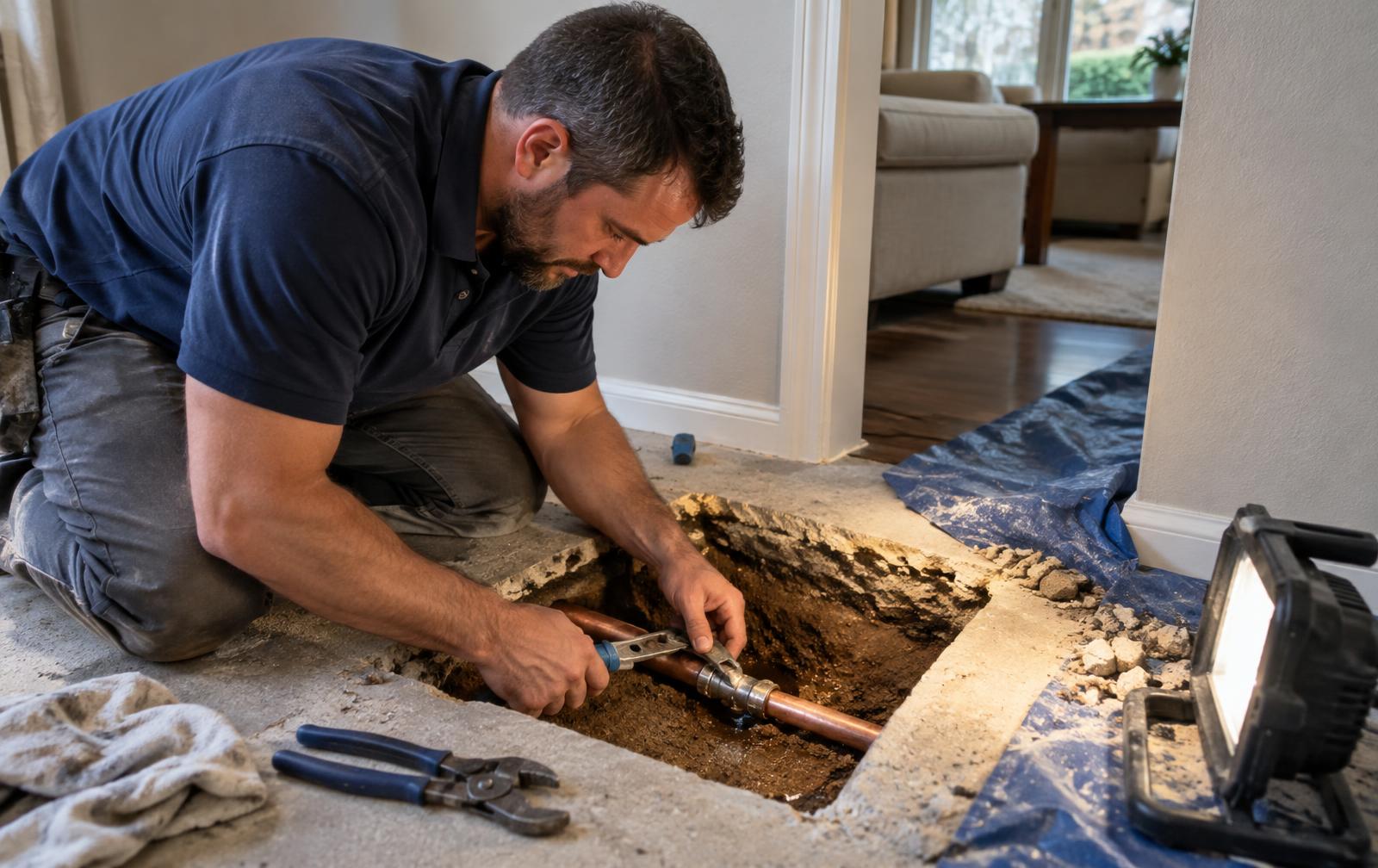
Electronic detection under Lewisville slabs — reroute options that save your finished floors when possible.
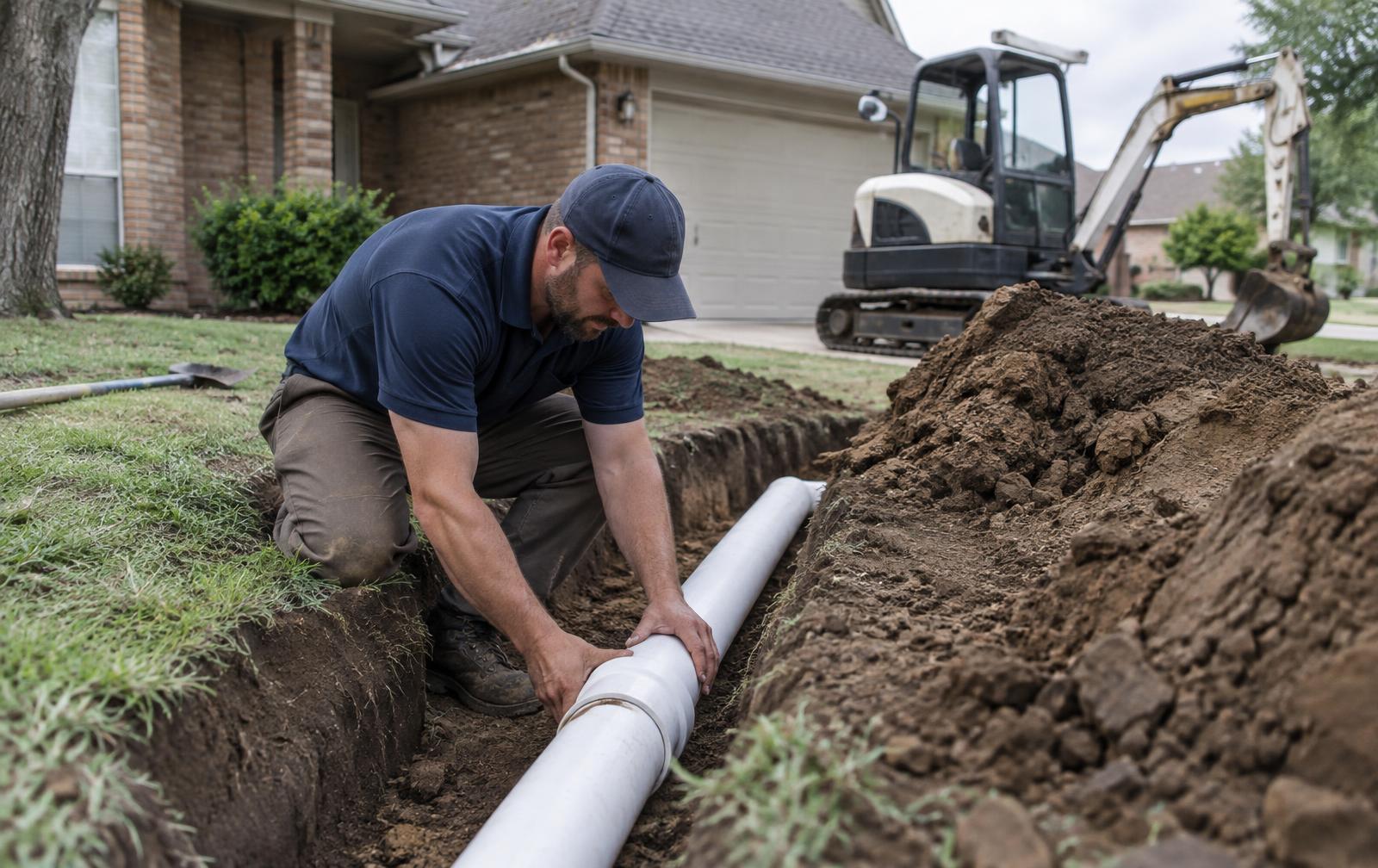
Trenchless replacement for the aging laterals across Lewisville's older runs — camera first, quote in writing, minimal yard damage.
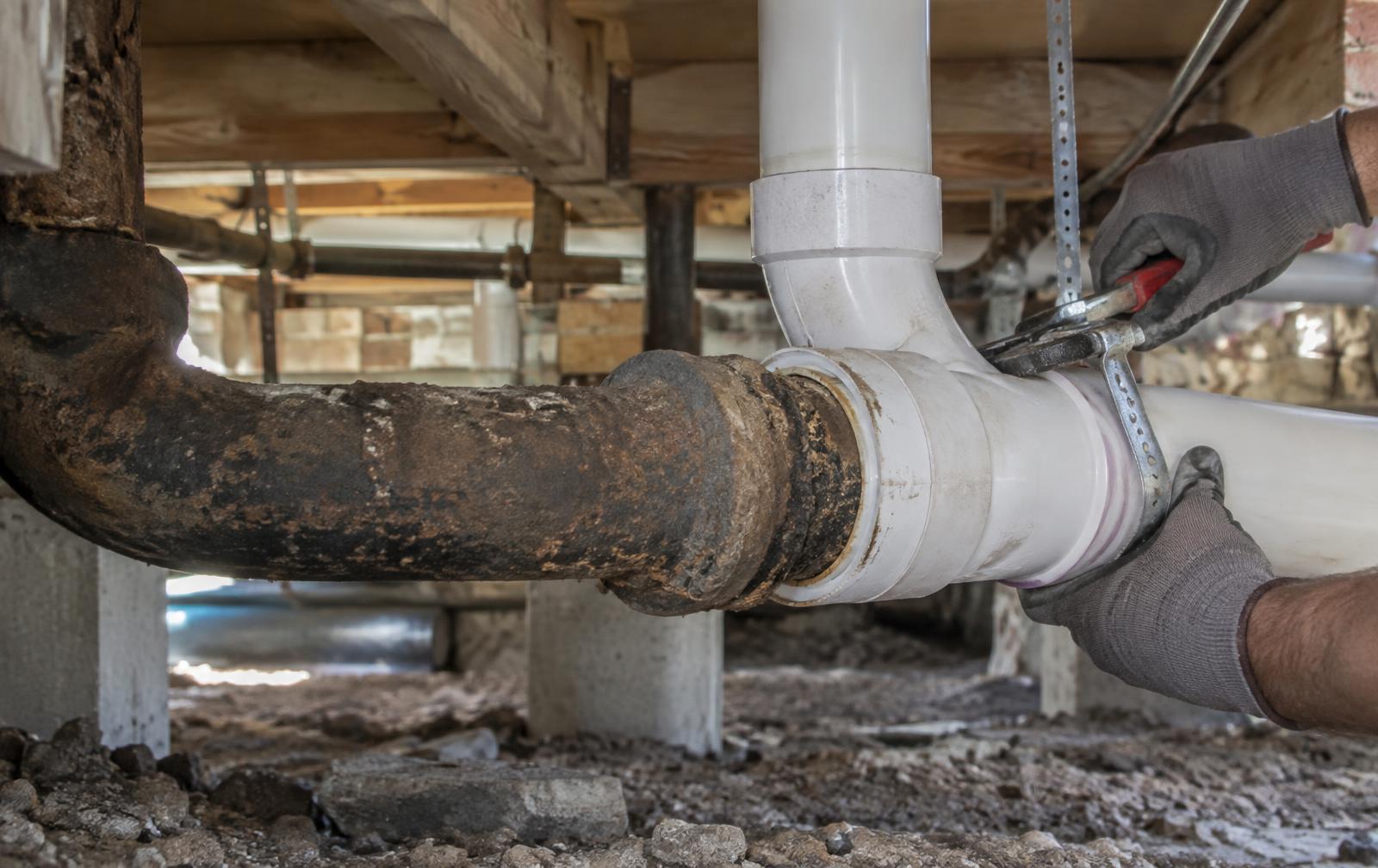
Camera inspection and PVC replacement for the aging cast iron drain lines in older Lewisville homes, with a written quote first.
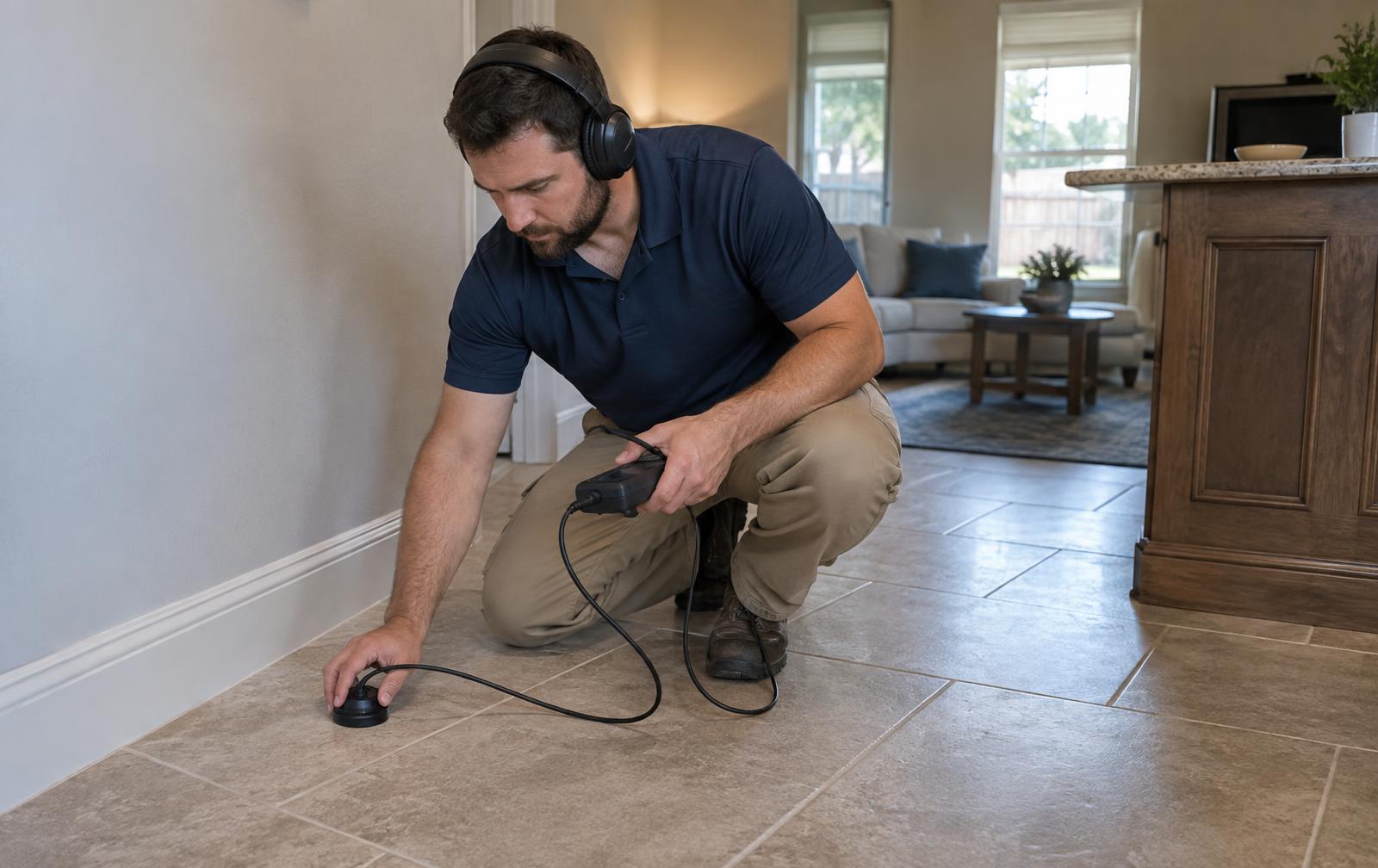
Acoustic, thermal, and pressure testing to pinpoint hidden leaks in Lewisville slab and wall lines without tearing into finishes.
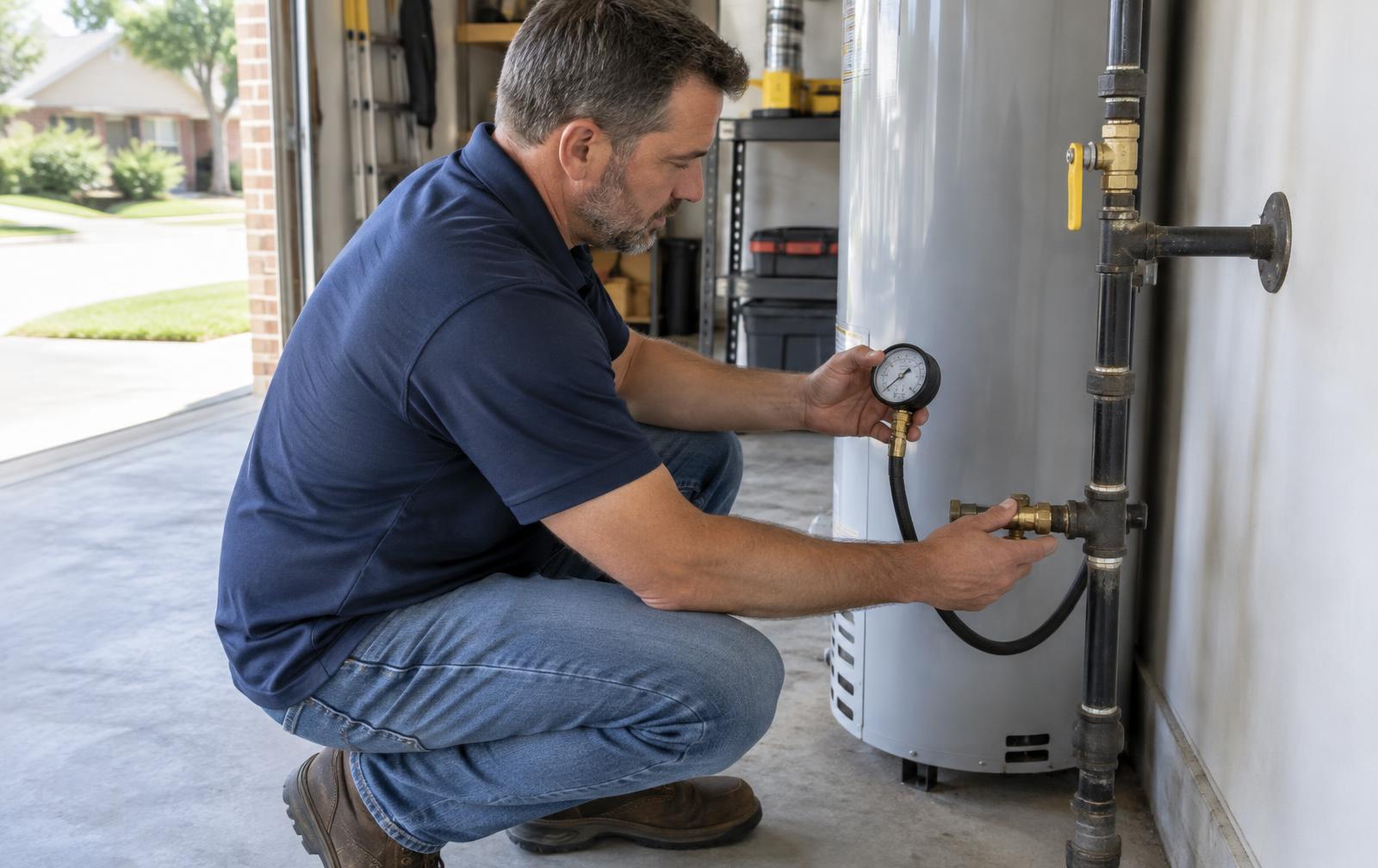
Licensed install, repair, and pressure-testing for Lewisville homes — every line signed off to Texas code and Atmos requirements.
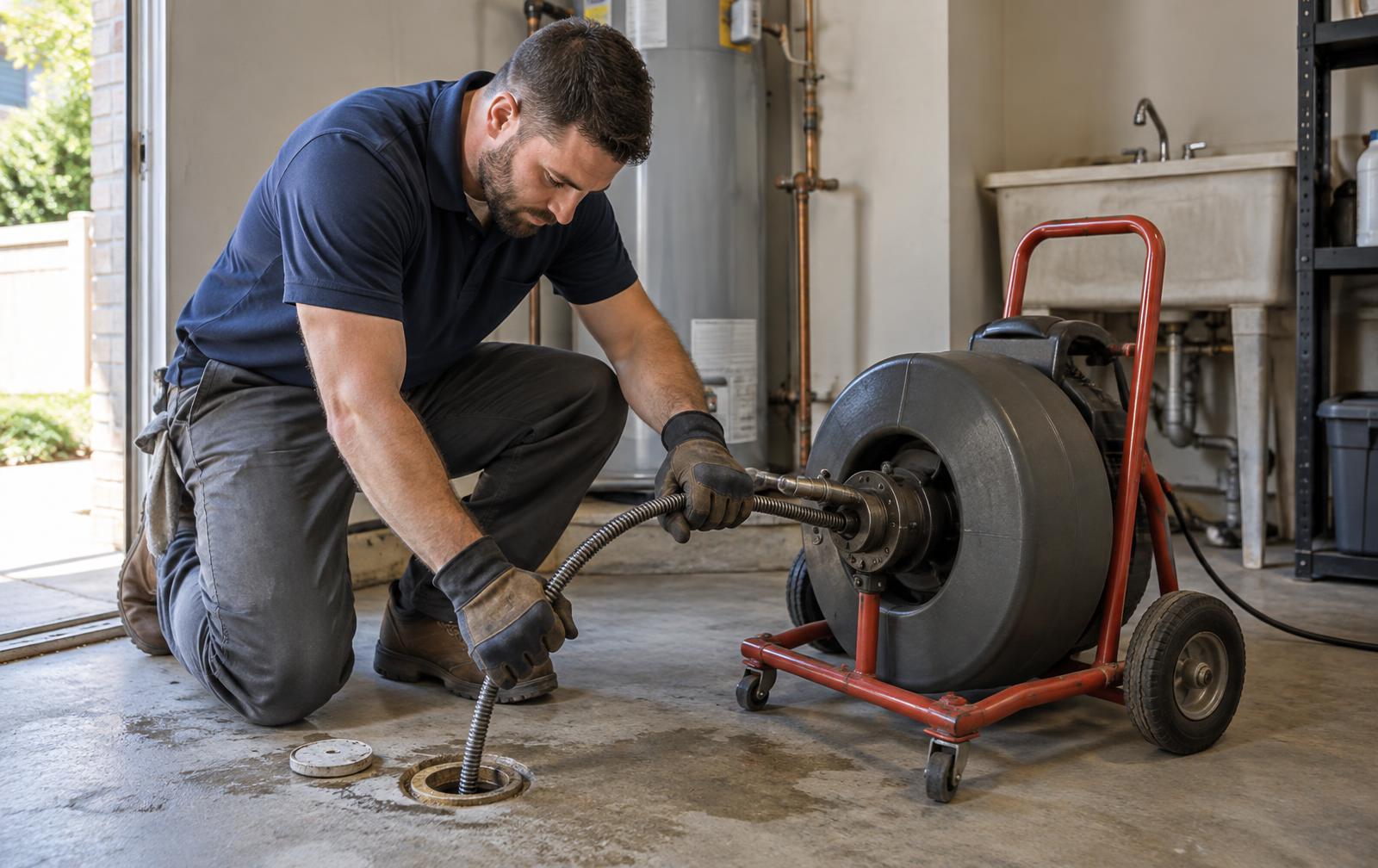
Full-clear service and camera confirmation for the drains under Lewisville's neighborhoods.
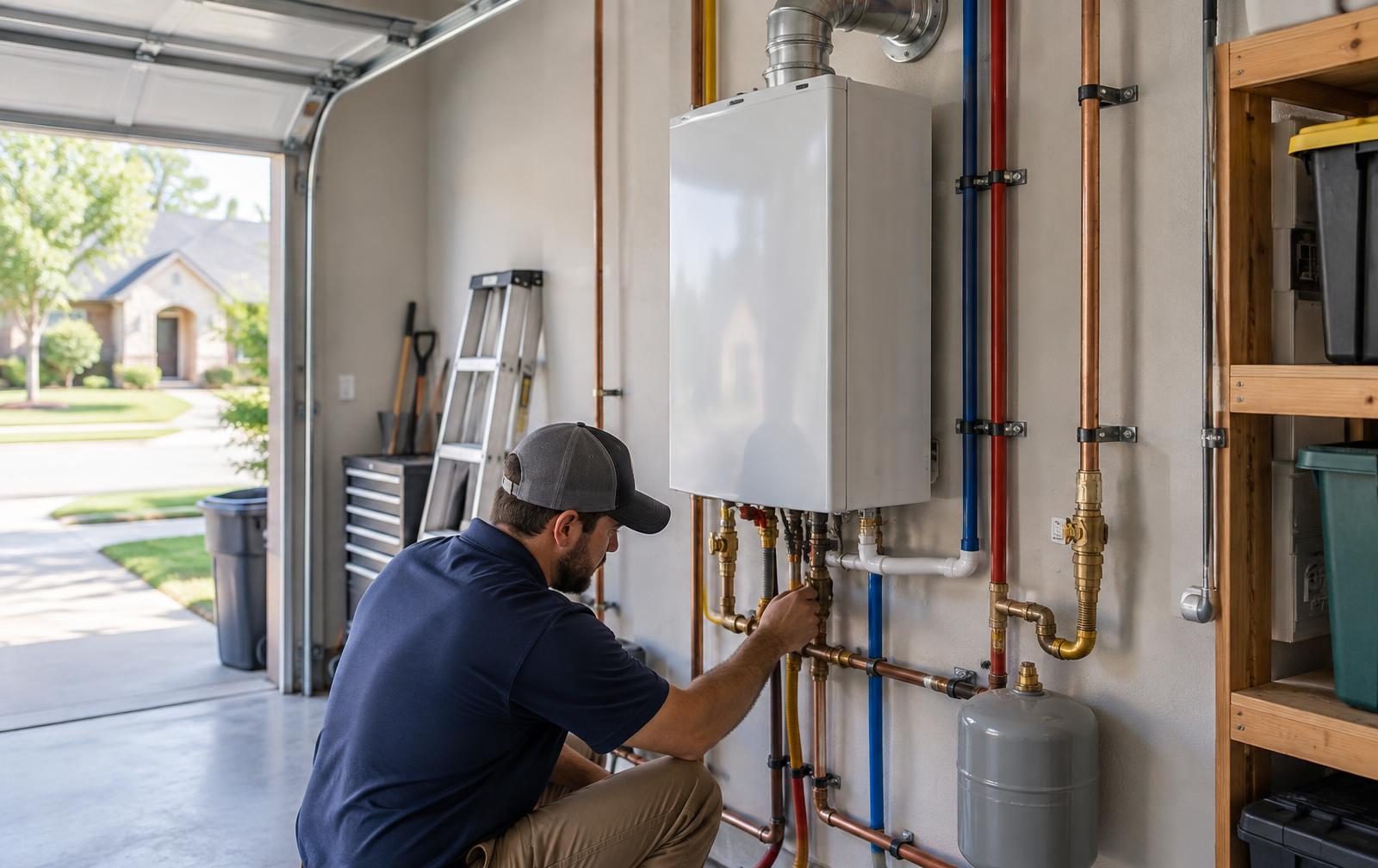
Install, service, and annual descaling — Lewisville's hard tap water eats tankless heat exchangers without it.
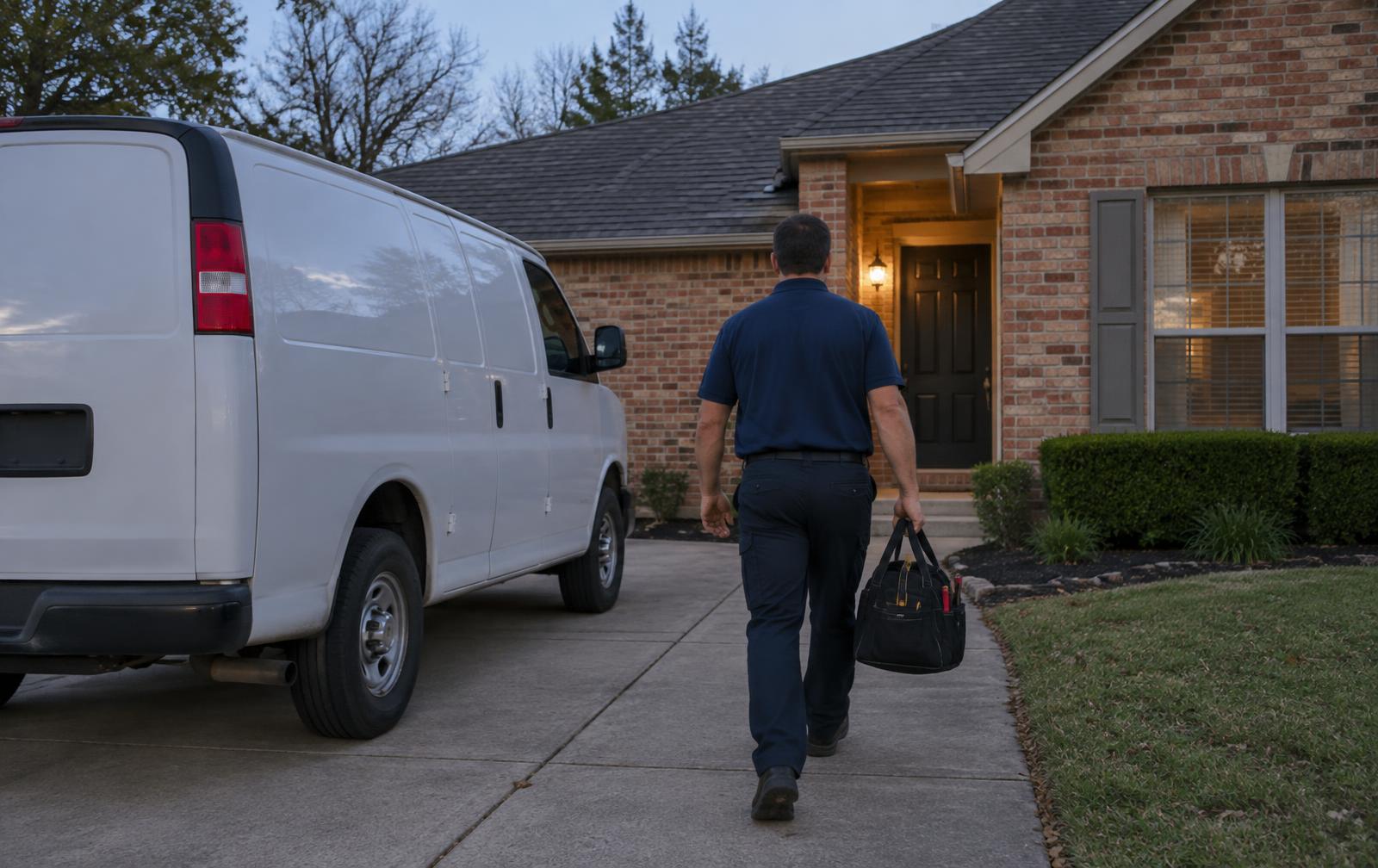
same-day, 7 days a week response across Lewisville for burst pipes, heater failures, and main-line backups.
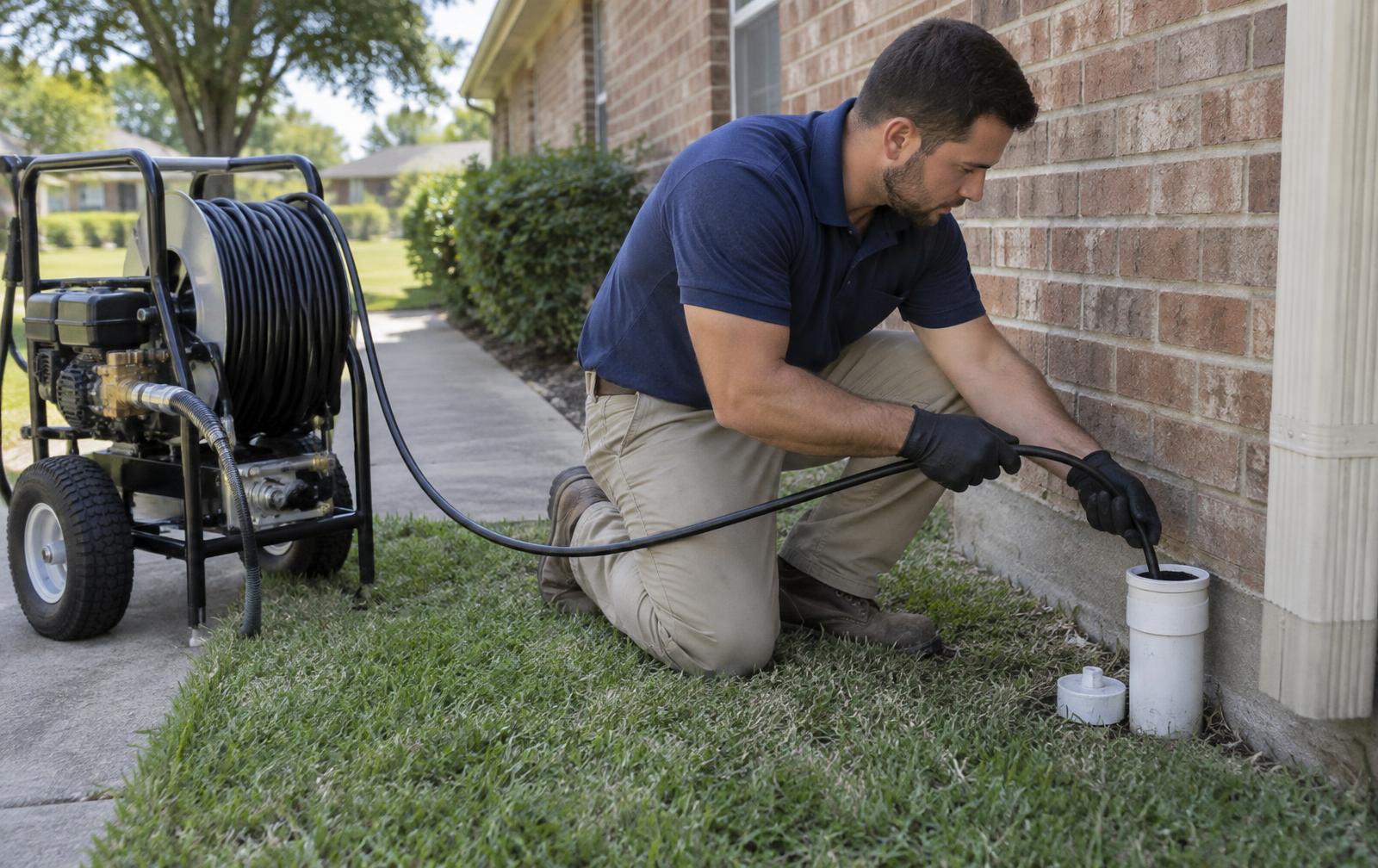
High-pressure cleaning that clears scale, grease, and roots from Lewisville's lateral runs — full-diameter, lasting clean.
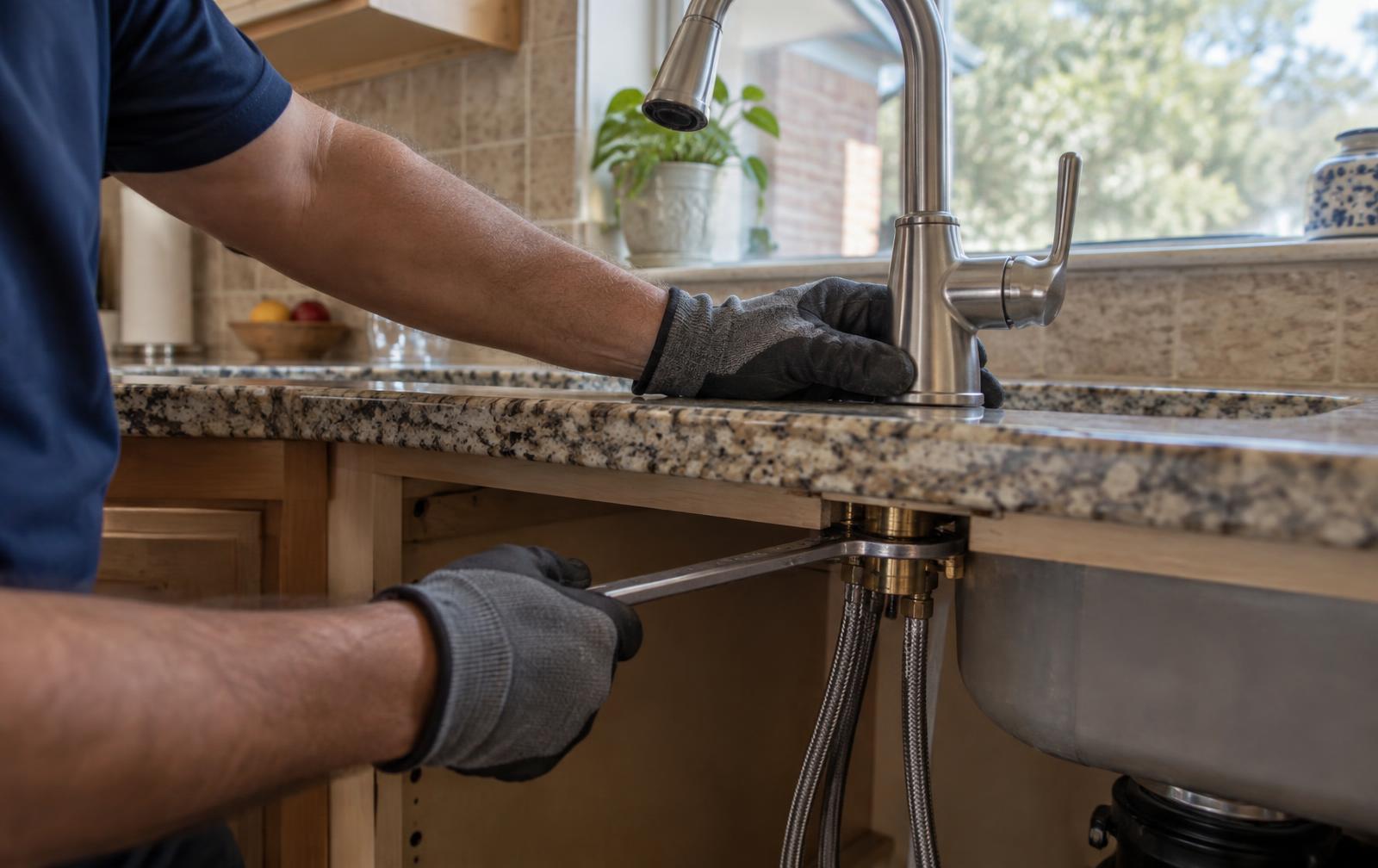
Cartridge, stem, and full-fixture replacement for Lewisville kitchens and bathrooms — hard-water-ready parts stocked on the truck.
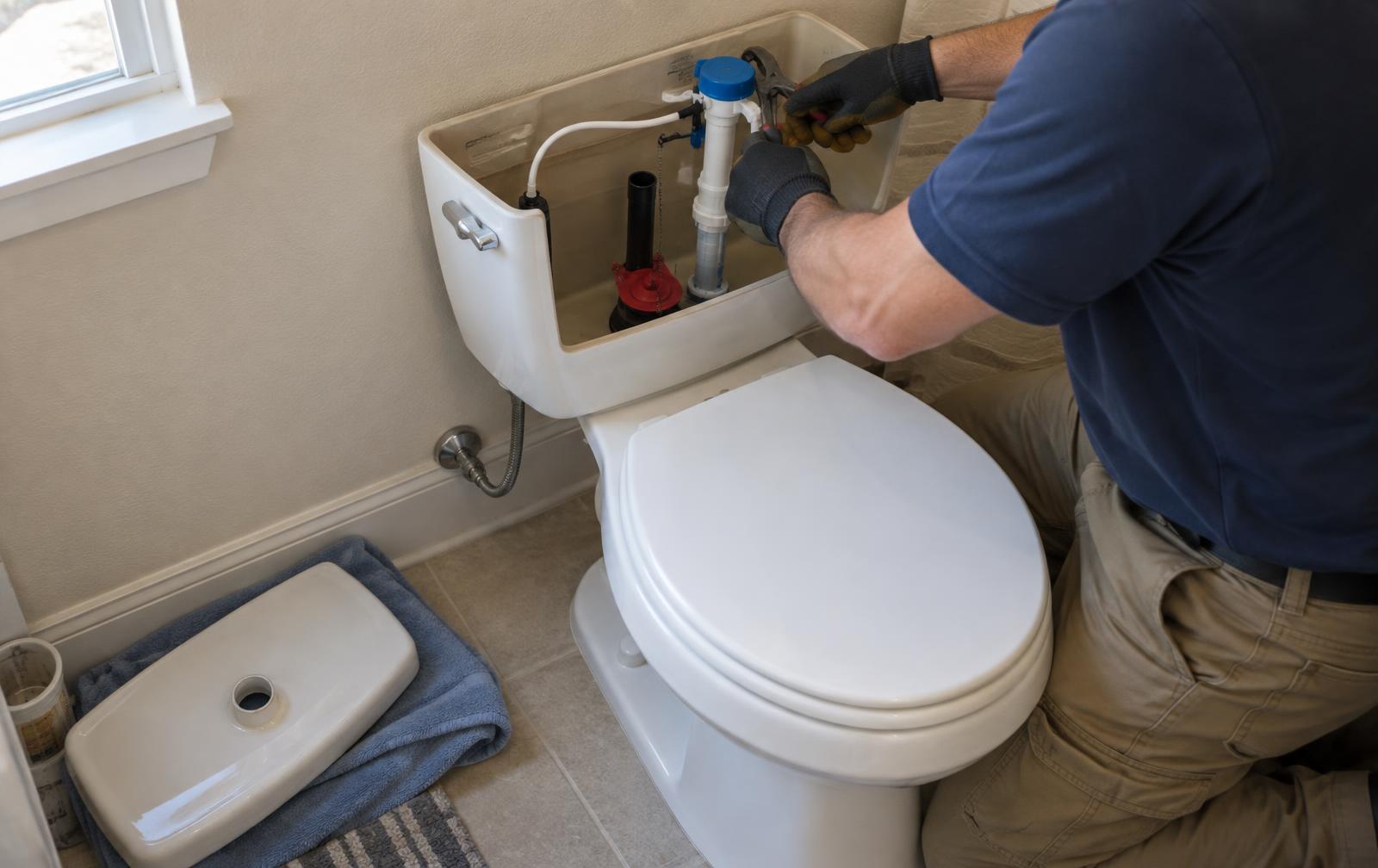
Rebuilds, wax-ring resets, flange repairs, and full replacements — the running toilets and rocking bowls in Lewisville homes.
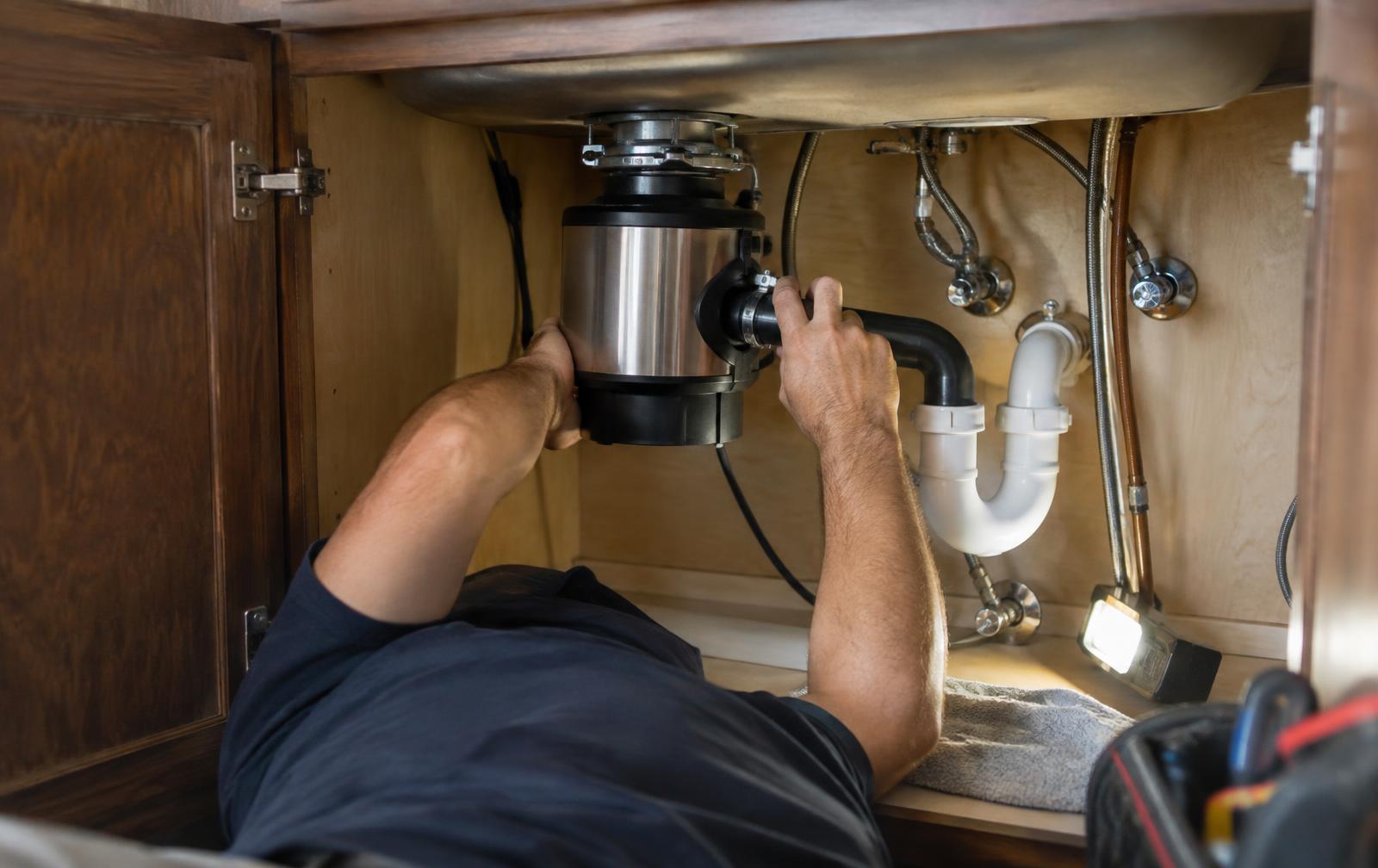
Jam clearing, leaking-unit swaps, and quiet 3/4 HP upgrades for Lewisville kitchens — same-visit install.
Water Heater Acting Up at Your Lewisville Home?
An honest look at repair versus replacement, code-correct installation, same-day help for total failures.