
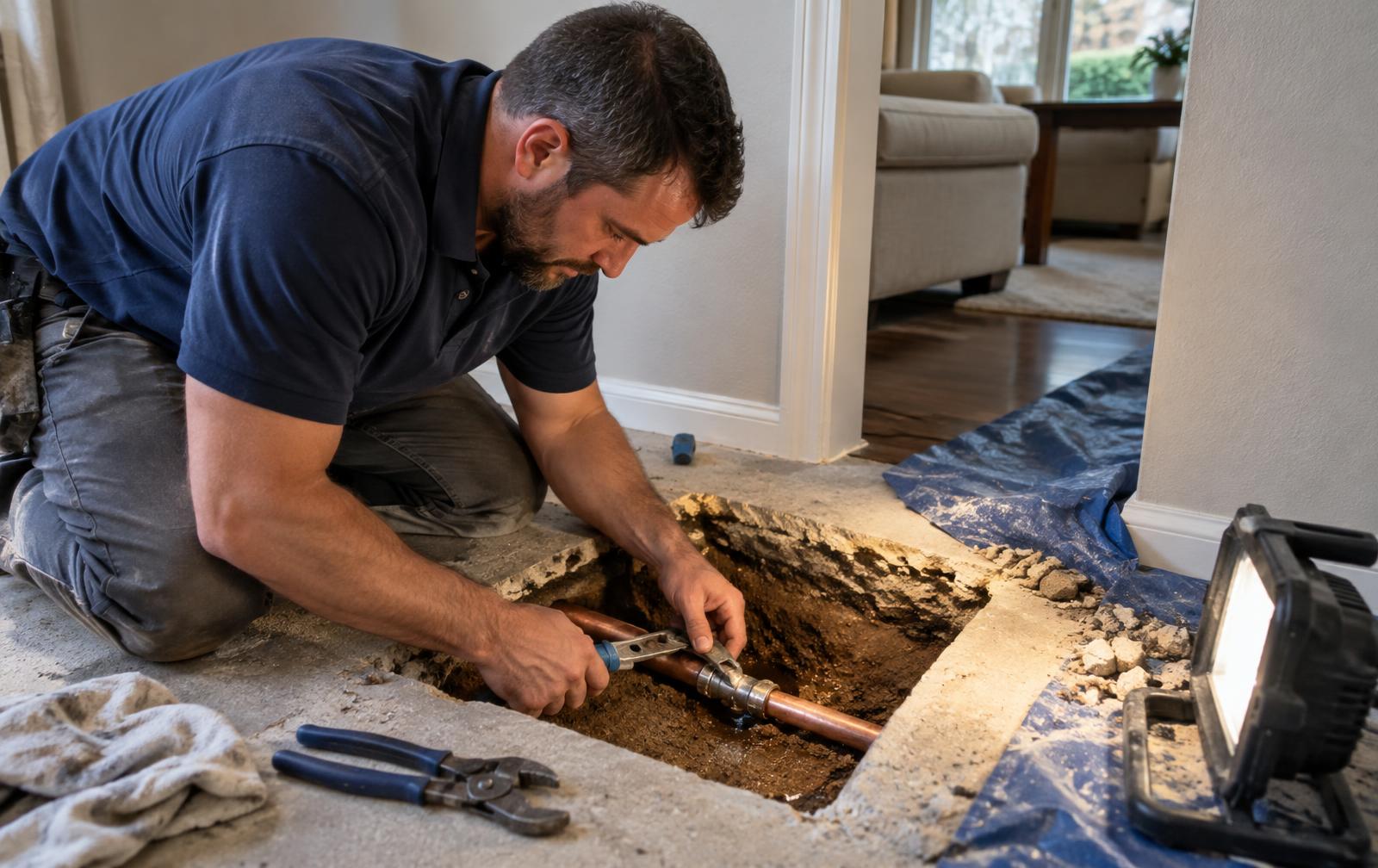
Slab Leak Repair in Lewisville, TX
A warm spot on the floor that wasn't there last winter. A water bill that keeps climbing. A hiss you can hear when the house is quiet. Lewisville sits partly on expansive Blackland Prairie clay, and that soil movement is a real driver of slab leaks here. We locate the leak precisely, then lay out the repair options honestly.
Clay Soil Moves. Copper Under a Slab Doesn't Move With It.
The USDA's official soil survey for this area, the Lewisville Series, describes clayey subsoils consistent with the foundation movement risk long associated with older slab homes here. Much of the city sits at the boundary between the Blackland Prairie's expansive clay, which is common through the eastern and central parts of town and around the lake, and the sandier Eastern Cross Timbers soils that run through the rest of Denton County. When clay soil swells and contracts with moisture, a rigid copper line running under a slab doesn't flex with it, and a stress point eventually gives way as a pinhole leak.
The other driver is simple age. Copper supply lines poured into a slab decades ago are well past the point where a pinhole failure is a surprise, and once one section starts, more are usually not far behind on the same run.
We locate the leak with acoustic and pressure testing before anyone opens the concrete, so the cut is small and exact instead of an exploratory search. Then we walk you through both real options for fixing it — not just the one that's easiest for us.

Signs of a Slab Leak in Your Lewisville Home
Any two of these together are worth a locate visit before the damage spreads.
A hot-side slab leak warms the flooring above it, sometimes enough to notice with bare feet before you'd ever see a stain. This is one of the clearest early signs on a hot-water line.
A slab leak can run for weeks before it's visible anywhere. If your bill jumped and nothing about your household changed, a hidden leak under the floor is a real possibility.
Shut off the whole house and watch the meter's low-flow indicator for about fifteen minutes. Any movement means water is escaping somewhere in the system, and a slab run is one of the likely places.
Water escaping under a foundation can shift the soil supporting it. New cracking in a slab or in a wall near the suspected leak area is worth investigating alongside the leak itself.
In a quiet house, a slab leak sometimes produces a faint hiss you can hear by putting an ear to the floor near the suspected area.
Moisture wicking up through a slab into carpet or engineered flooring, in one specific area rather than spread evenly, points to a leak directly beneath that spot.
Locate Precisely, Then Choose the Repair Method Honestly
We don't cut concrete on a guess, and we don't push one repair method over the other without explaining why.
- 1Confirm it's actually a slab leak
We isolate valves and test pressure to rule out a wall leak, a fixture issue, or an irrigation line before we assume the slab is involved. Not every warm floor or high bill traces back to concrete.
- 2Acoustically locate the exact point
Ground microphones and listening equipment narrow the leak to a specific spot, so the concrete opening is measured in inches, not feet.
- 3Confirm with thermal imaging where useful
On hot-side leaks, a thermal camera can cross-check the acoustic locate and show the extent of the warm trail through the flooring before we cut anything.
- 4Present both repair paths in writing
Once we know exactly where the leak is and roughly how old the surrounding copper is, we quote both a spot repair and a full reroute, in writing, so you're choosing with full information.
- 5Execute the repair and pressure test
For a spot repair, we saw-cut a small opening, replace the damaged section, and pressure test before anyone patches concrete. For a reroute, we run new line overhead and abandon the failed slab run entirely, then test the new line under full pressure.
Spot Repair or Overhead Reroute — We Quote Both
There's no single right answer. It depends on the age of your copper, how many bathrooms run off that line, and how much of the slab is already finished flooring.
We saw-cut a small section of concrete, expose the exact leak, splice in a new fitting, and hand the opening back for your flooring or concrete finisher to close. This works well for an isolated failure on a line that's otherwise sound.
- Smallest possible opening in the slab
- Keeps your original supply routing in place
- Concrete patch and flooring repair are handled by your restoration crew
- Less attractive if the rest of the copper under the slab is the same age
We abandon the failed slab run entirely and route new PEX-A line overhead through the attic, tying in above the fixtures it feeds. This is the better call when the failed section looks like the first of several on an aging system.
- No further concrete cuts needed on that line
- Bypasses aging copper you can no longer inspect once it's poured in
- Attic-less condos and finished ceilings can route through soffits instead
- More disruptive up front, but avoids repeat slab work down the road
Where Slab Leaks Tend to Show Up Across Lewisville
Soil and the age of the copper both matter.
This early-1900s-to-1940s core near Mill and Main includes homes that predate slab construction as the default and pier-and-beam foundations mixed in with later slab additions. Where a slab addition exists, its copper is old enough that a first pinhole leak isn't unusual.
These single-story ranch homes near S. Stemmons Freeway, mostly built from the 1970s through the 1990s, sit on lots where clay movement has had decades to stress the original slab copper, a common source of slab-leak locates in this part of town.
Built mainly in the late 1990s, these two-story homes are now 25 to 30 years old, which is a typical age for a first slab-leak call in Blackland Prairie clay, even though the copper was installed under more modern codes than older parts of the city.
This master-planned community, with development that began in 1998 and continues today, spans a wide range of ages and housing types. Newer sections see far fewer slab leaks than the city's older homes, but original construction from the earliest phases is starting to reach the age where we'd recommend a locate if a warm spot shows up.
One of the city's older, value-priced neighborhoods near the lake, where original slab copper has had many years to develop stress points from ground movement.
Another older lakeside section with long-standing single-family homes, where a first slab leak is a realistic milestone for a home of this age rather than a rare event.
What Lewisville Homeowners Say

We Explain the Trade-Off. You Choose.
Every slab leak job starts with a documented locate and ends with warrantied labor on the repair method you choose. We don't default to the cheaper-looking option without explaining what it means for the rest of your system.
We're licensed by the Texas State Board of Plumbing Examiners, insured, and family-owned, dispatching every truck from our shop in The Colony. Most Lewisville addresses are about 10 to 15 minutes away under normal traffic.
Straight Answers, No Sales Pitch
Our Other Plumbing Services in Lewisville, TX
A slab leak often surfaces alongside other aging plumbing in a home of the same era. If you'd like the rest of the system checked at the same time, we handle that locally in Lewisville too.
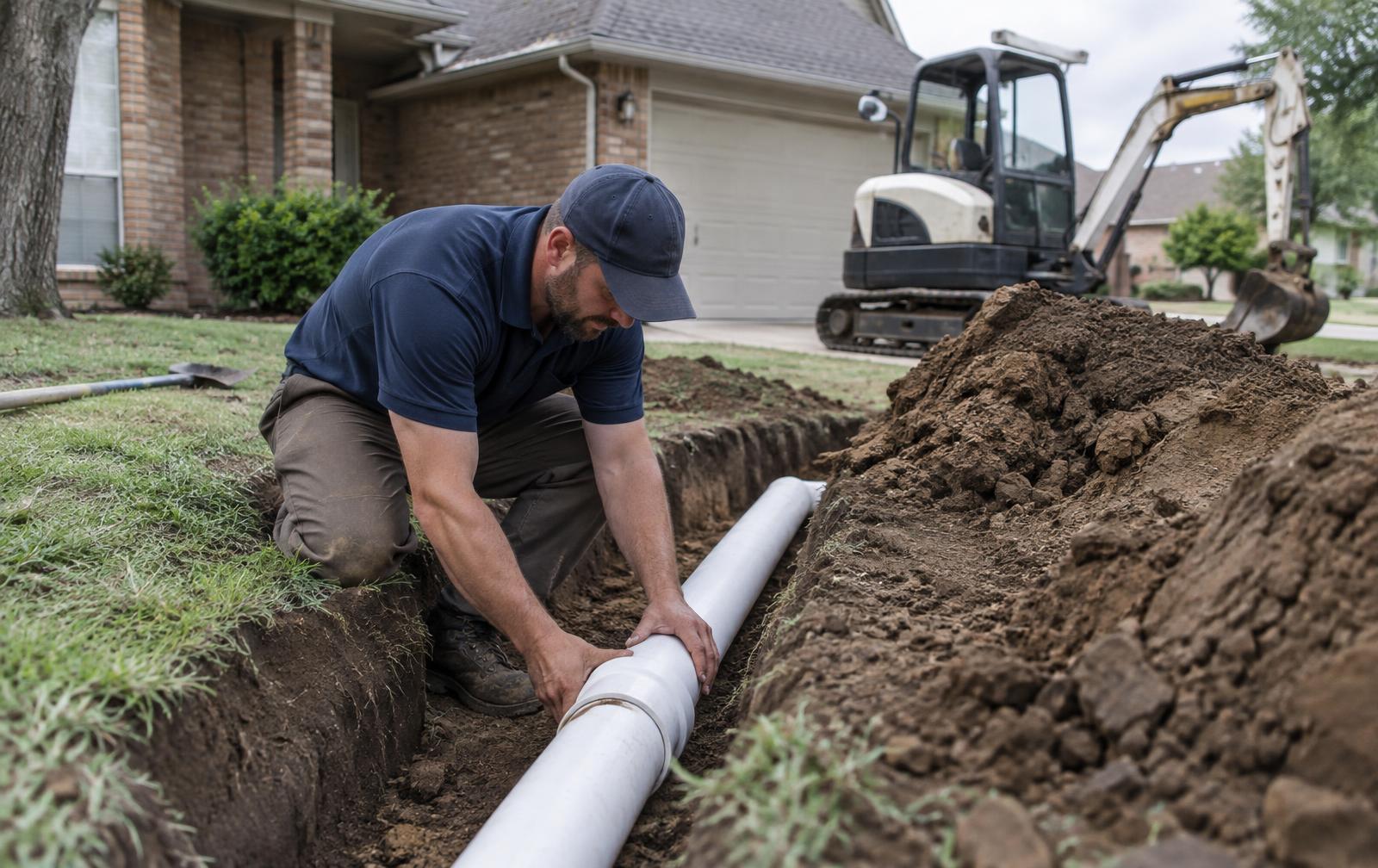
Trenchless replacement for the aging laterals across Lewisville's older runs — camera first, quote in writing, minimal yard damage.
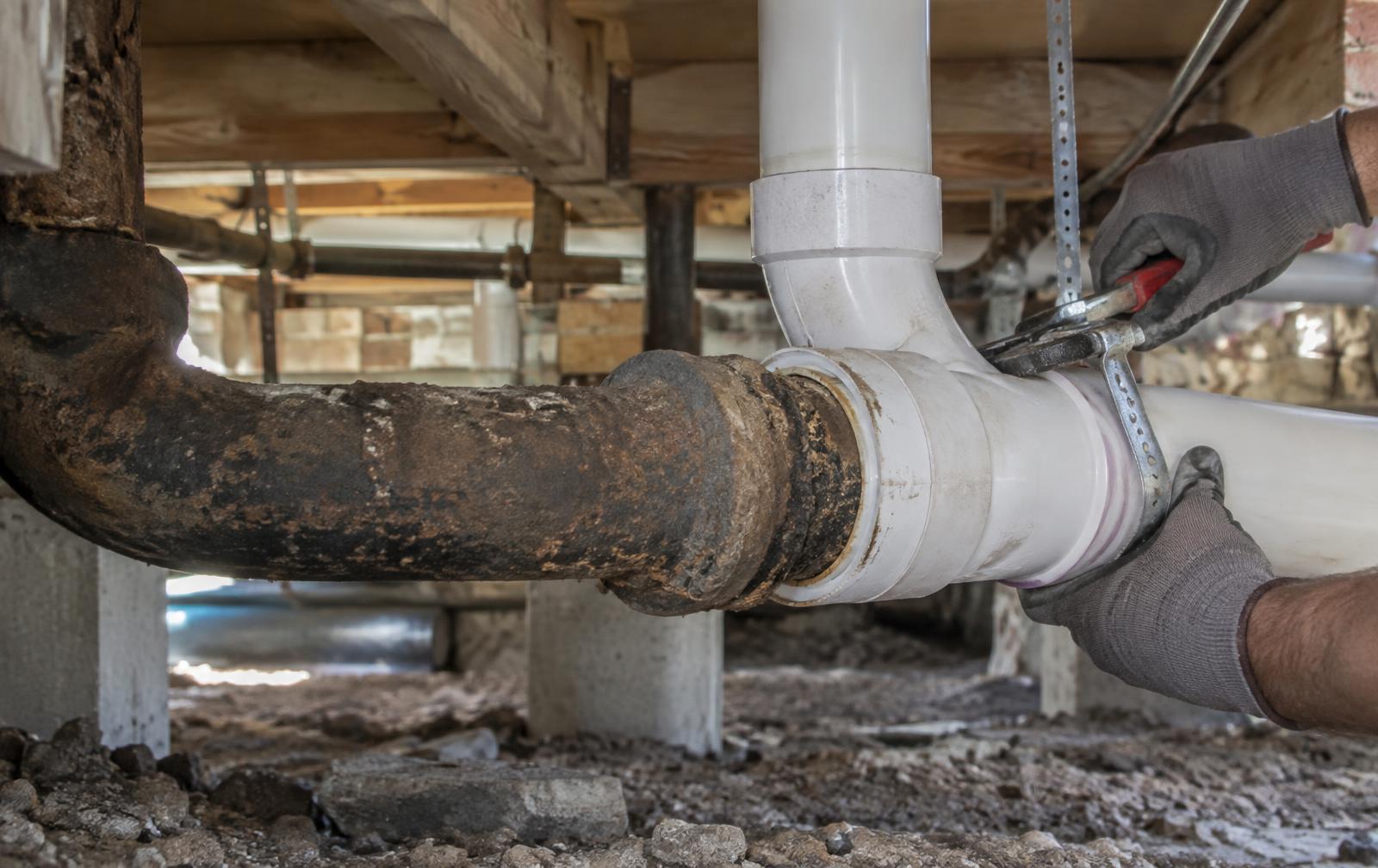
Camera inspection and PVC replacement for the aging cast iron drain lines in older Lewisville homes, with a written quote first.
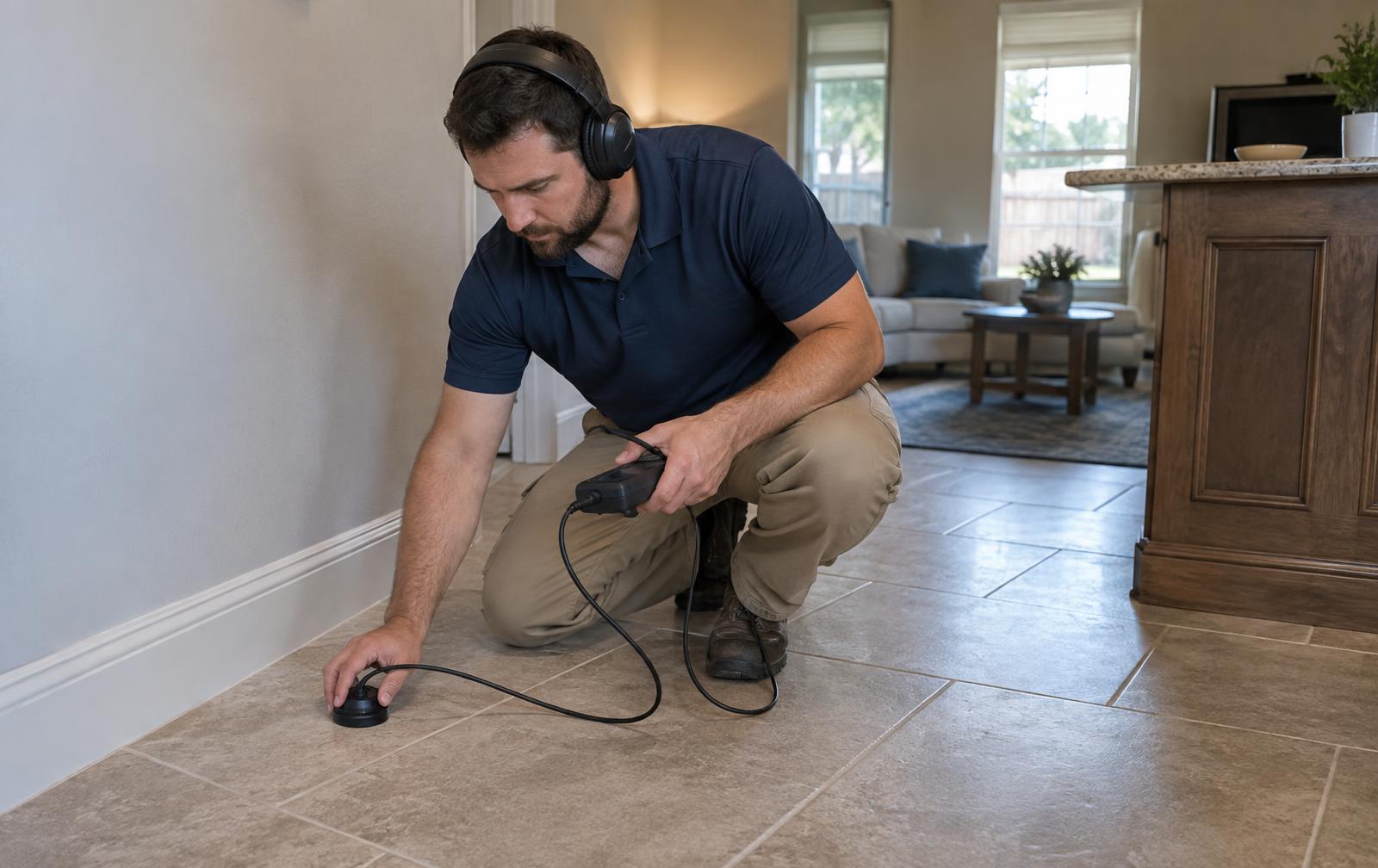
Acoustic, thermal, and pressure testing to pinpoint hidden leaks in Lewisville slab and wall lines without tearing into finishes.
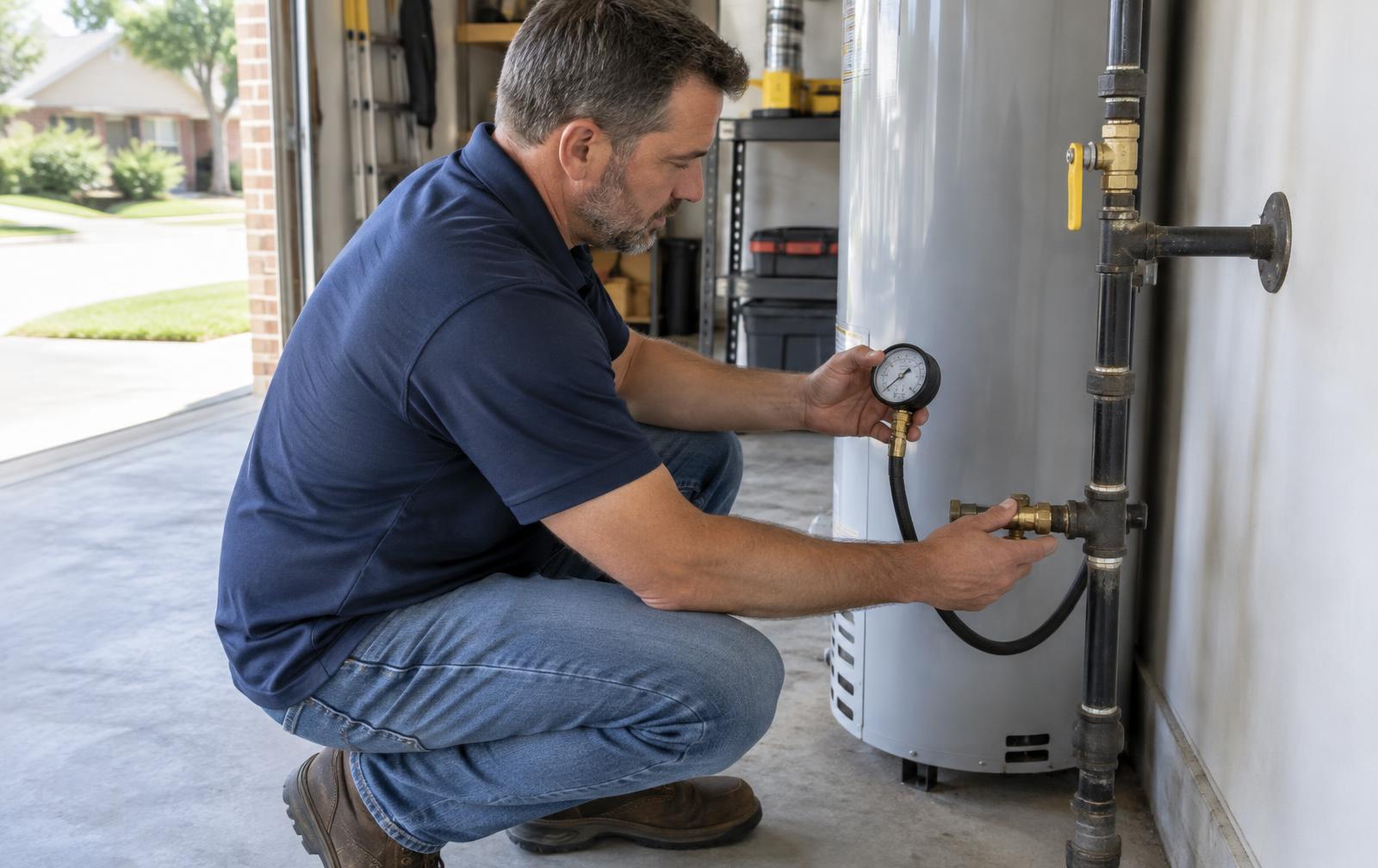
Licensed install, repair, and pressure-testing for Lewisville homes — every line signed off to Texas code and Atmos requirements.
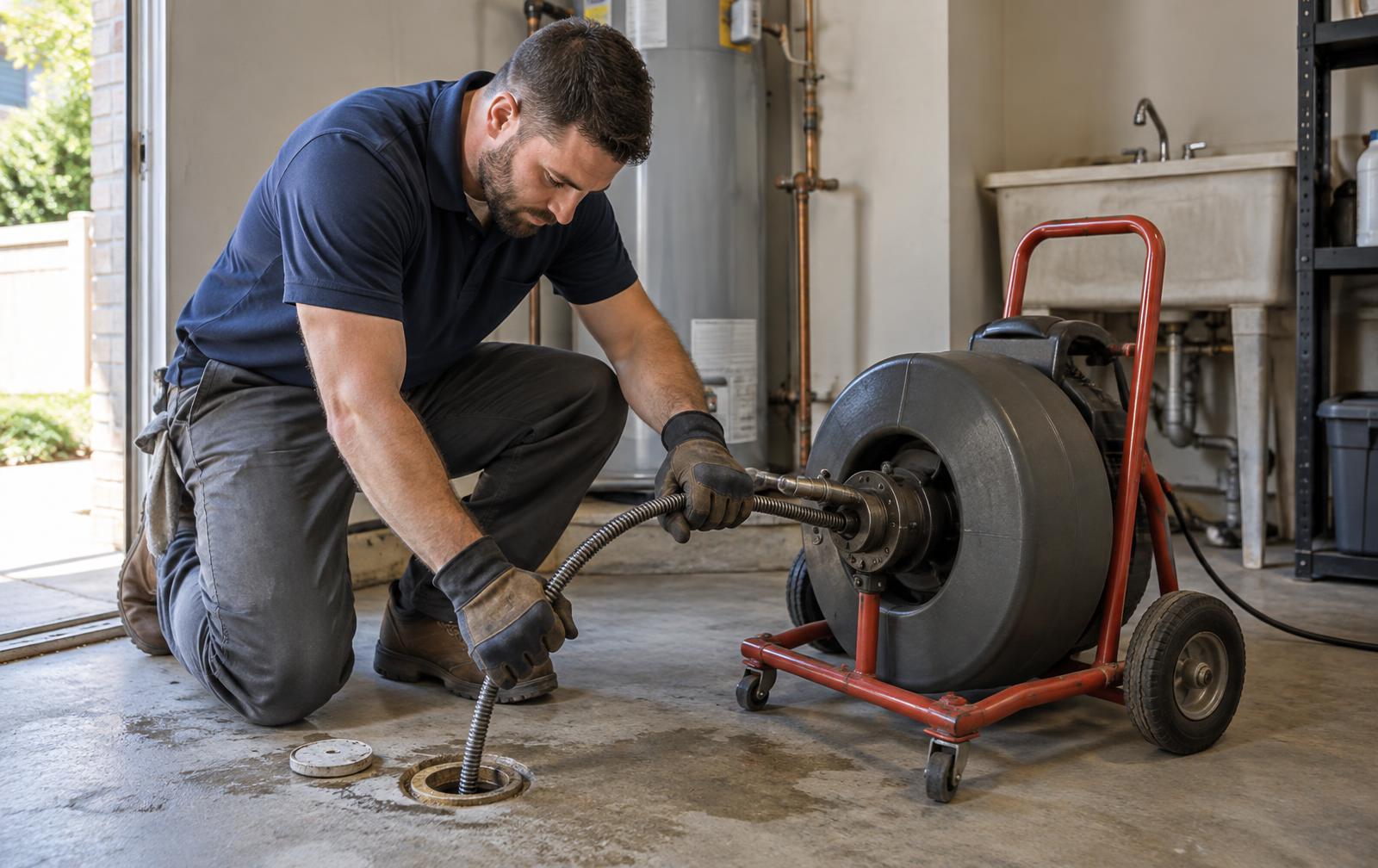
Full-clear service and camera confirmation for the drains under Lewisville's neighborhoods.
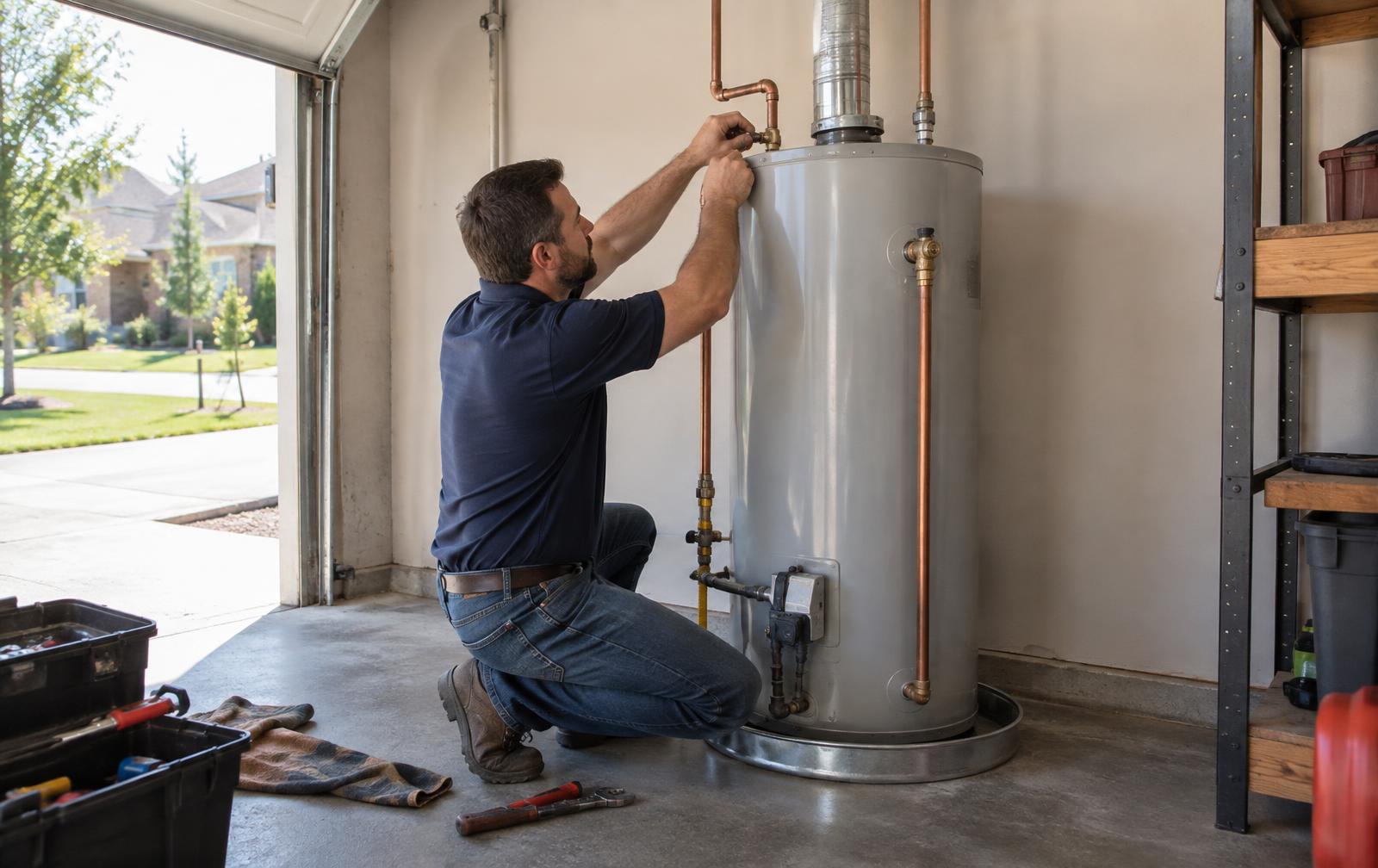
Repair, flush, and replacement of tank units — including attic and garage heaters common to Lewisville homes.
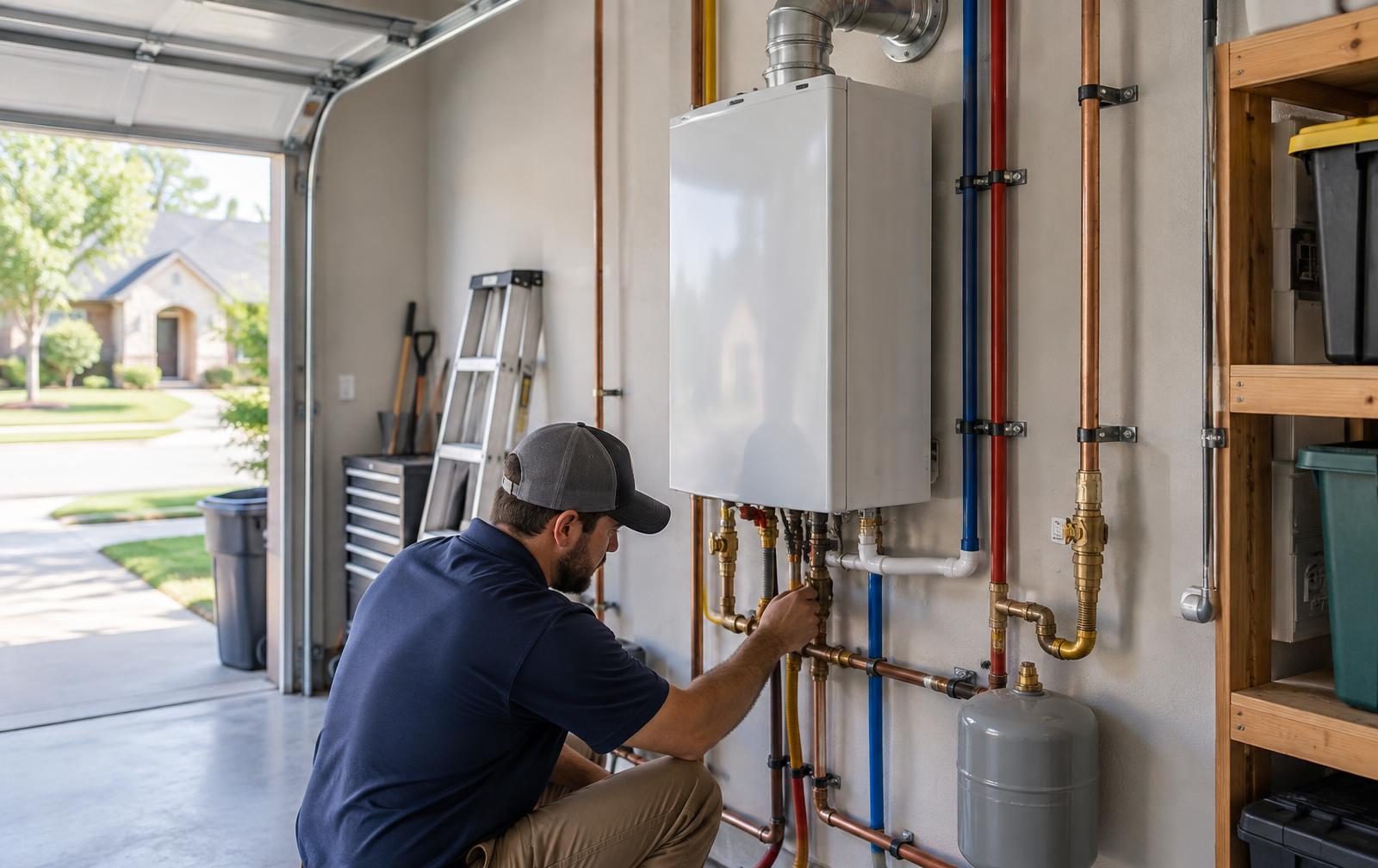
Install, service, and annual descaling — Lewisville's hard tap water eats tankless heat exchangers without it.
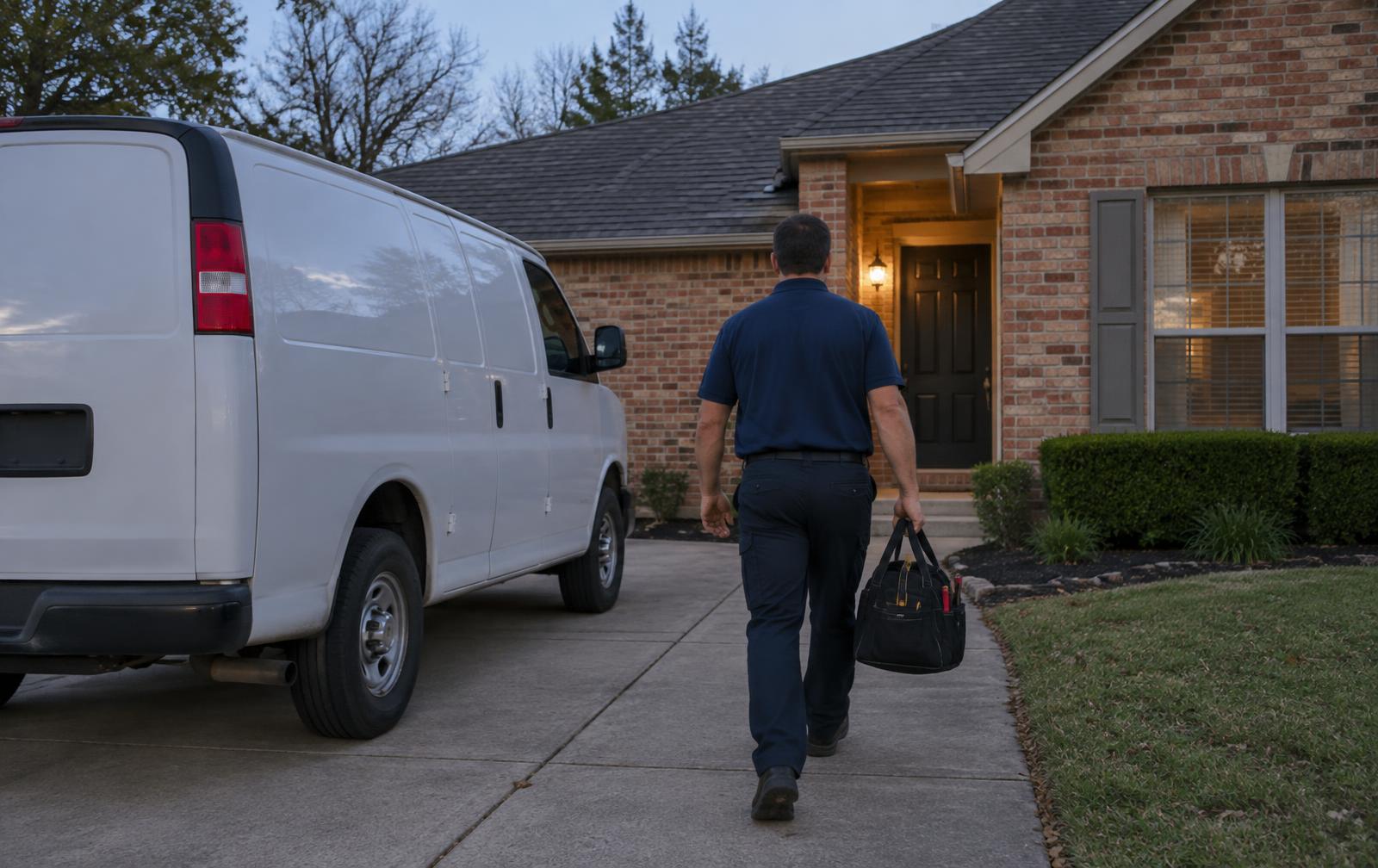
same-day, 7 days a week response across Lewisville for burst pipes, heater failures, and main-line backups.
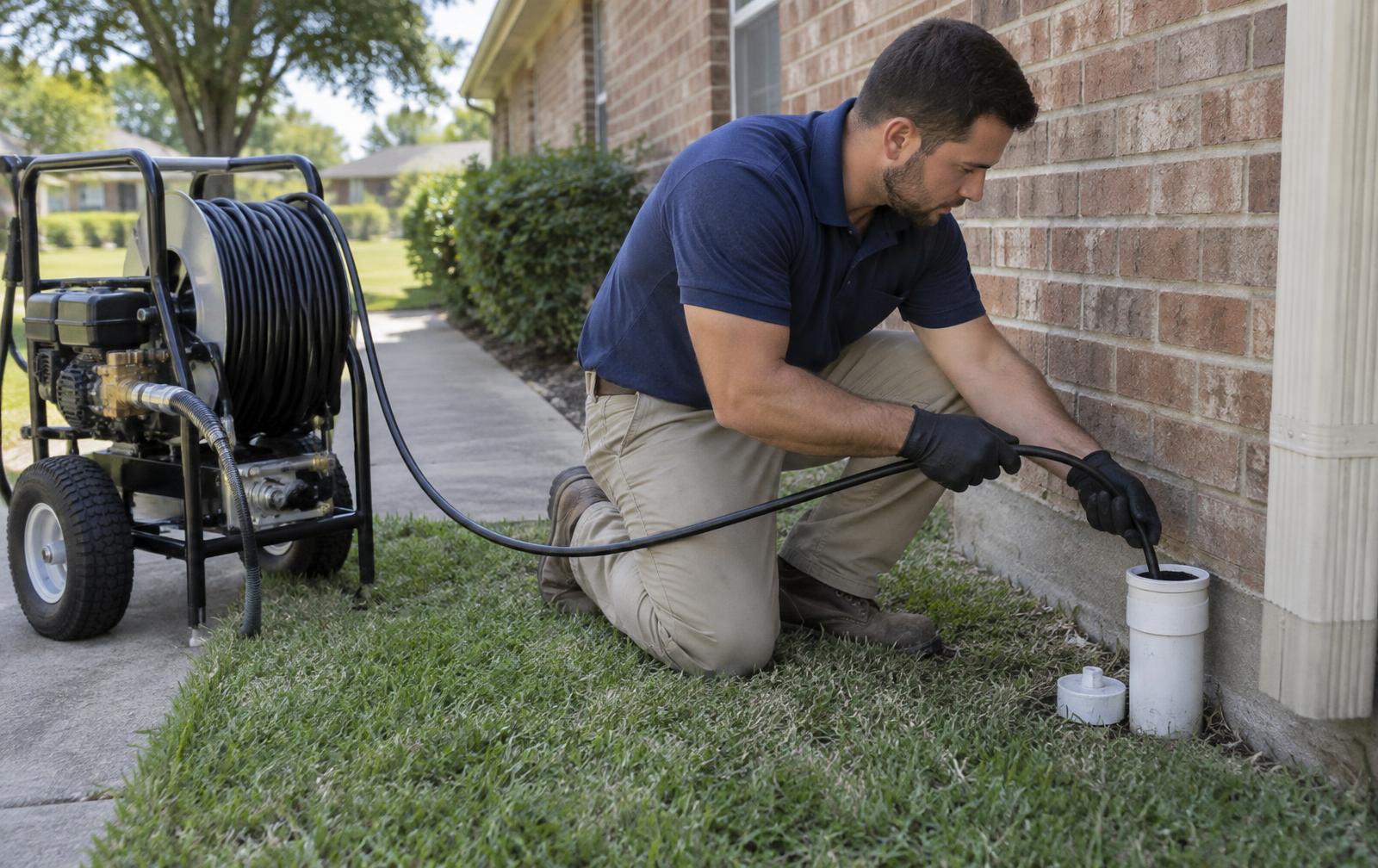
High-pressure cleaning that clears scale, grease, and roots from Lewisville's lateral runs — full-diameter, lasting clean.
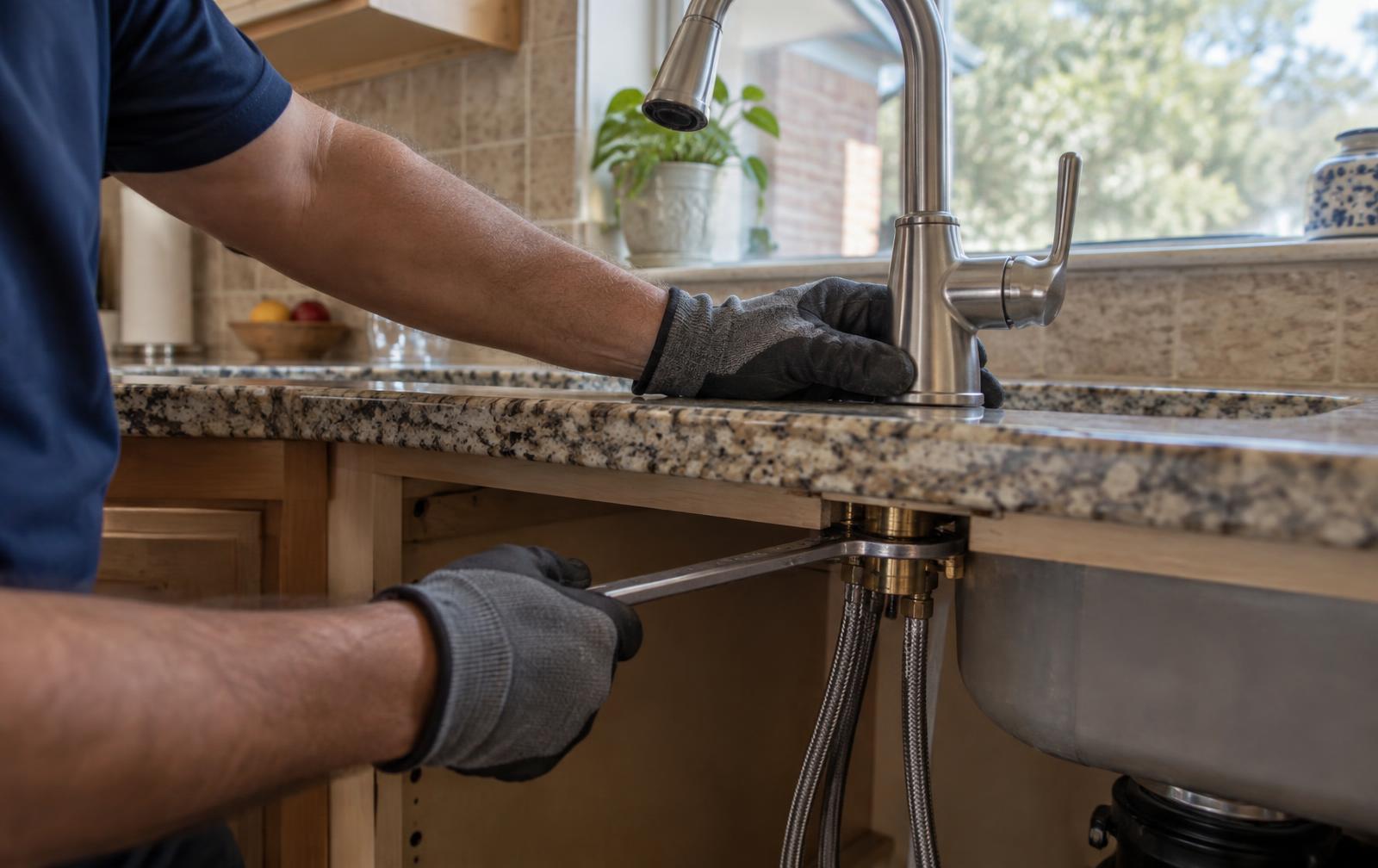
Cartridge, stem, and full-fixture replacement for Lewisville kitchens and bathrooms — hard-water-ready parts stocked on the truck.
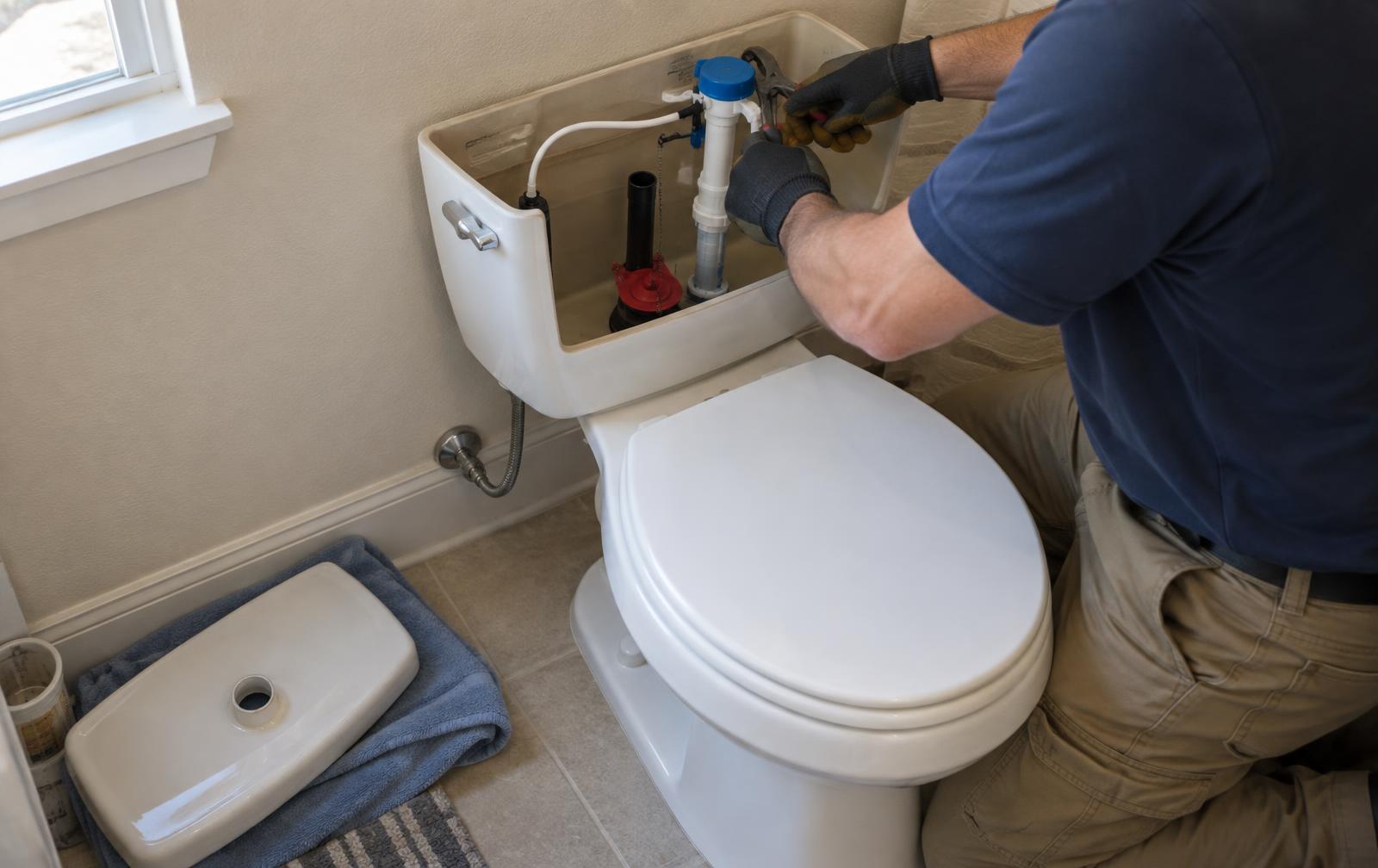
Rebuilds, wax-ring resets, flange repairs, and full replacements — the running toilets and rocking bowls in Lewisville homes.
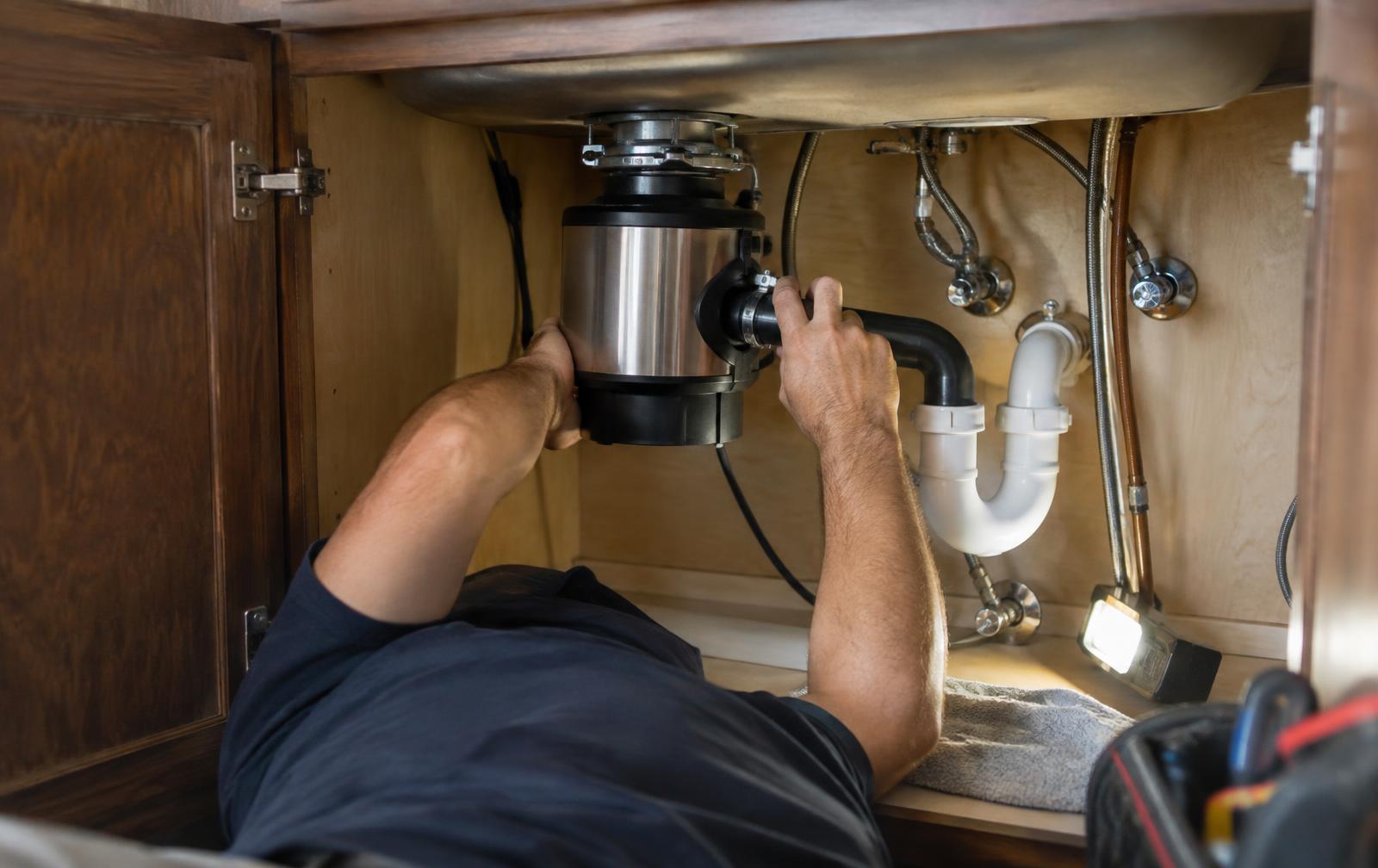
Jam clearing, leaking-unit swaps, and quiet 3/4 HP upgrades for Lewisville kitchens — same-visit install.
Notice a Warm Spot or Rising Water Bill in Your Lewisville Home?
Precise acoustic locate, an honest comparison of spot repair versus reroute, written quote before we cut. Same-day visits available.