
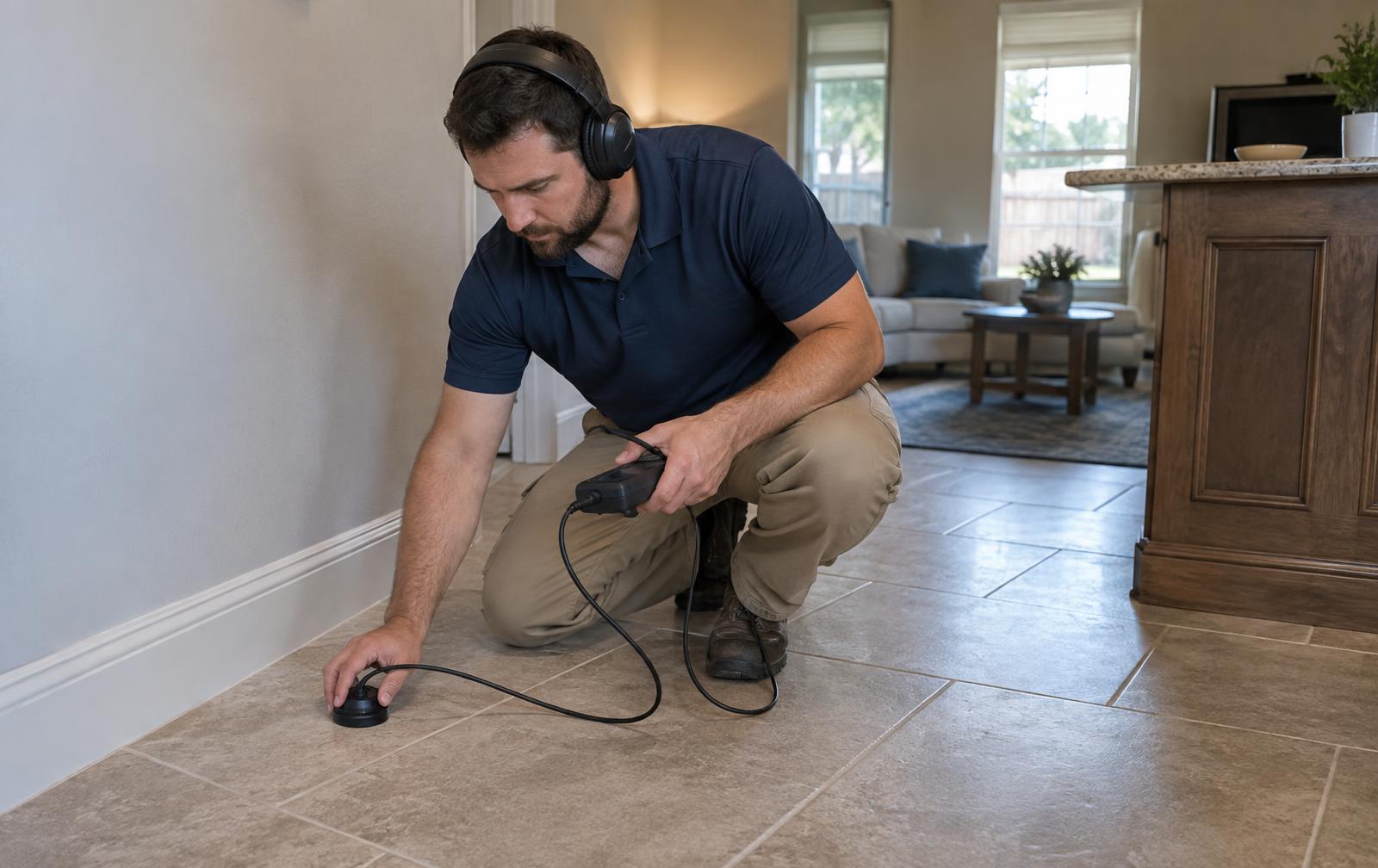
Leak Detection in Lewisville, TX
A water bill that climbed for no reason. A ceiling stain that keeps spreading. A meter dial that won't sit still with every faucet shut. We track down hidden leaks in Lewisville homes and condos with acoustic, thermal, and pressure equipment, so you know exactly where to open up before anyone reaches for a hammer.
Know the Spot Before You Open the Wall
Lewisville's water arrives through a blended system — the city treats its own surface water pulled from Lewisville Lake, and tops that off with treated water purchased from Dallas Water Utilities and Upper Trinity Regional Water District. Because supply is blended across pressure zones, pressure and flow at your fixtures can vary block to block, which is one reason two houses on the same street can develop very different leak symptoms from what looks like the same age of plumbing.
A leak inside a wall cavity or under a slab doesn't announce itself. It runs quietly, the framing soaks it up, and by the time a stain shows on drywall or a ceiling, the pipe has usually been weeping for weeks. Our job before anything else is to narrow that leak down to a spot we can point to on a photo, not a general area we'd have to chase by cutting.
The right tool depends on the house. A ranch-style home with wall-run supply gets an acoustic pass and a thermal scan. A townhome or condo with a shared vertical stack gets acoustic plus a pressure isolation test at the unit shut-off, because the leak might not even be on your side of the wall.

Signs You Have a Hidden Leak in Your Lewisville Home
Any two of these together are reason enough to schedule a detection visit.
A hidden supply leak can waste far more water than a dripping faucet ever would, often with no visible sign at all. If your bill climbed and nothing at the house changed, a hidden leak is worth ruling out.
Shut off every fixture, wait about fifteen minutes, and watch the meter's low-flow indicator. Movement with nothing running means water is escaping somewhere between the meter and your fixtures.
Old water damage doesn't spread. If a ceiling or wall stain is visibly larger than it used to be, the source is still active, usually a few feet from where the stain actually shows.
Mold behind a wall has a smell before it has a visible bloom. If one room smells off and the rest of the house doesn't, the leak is close by.
A leak on the hot side warms whatever it's touching. Our thermal camera usually finds that trail within a couple of minutes when the leak is on the hot line.
A leak large enough to feel will pull down household pressure or shorten how long your hot water lasts in the shower. Paired with anything above, it points at a specific line worth checking.
Acoustic, Thermal, or Pressure — Matched to What the House Needs
We document every locate with a photo before anyone reaches for a saw.
- 1Confirm what kind of leak it is
We isolate valves in sequence and watch the meter to confirm whether this is a supply leak, a drain issue, or a fixture problem. Sometimes it turns out to be a drain seal or fixture rather than a pressurized line, and there's no reason to run acoustic gear if that's the answer.
- 2Pressurize the line and listen
For a pressurized supply leak, we hold the line at test pressure and work ground microphones and wall probes along the run. A pinhole leak makes a distinct high-frequency sound that narrows the search to inches, not feet.
- 3Read the wall or slab with thermal imaging
A hot-side leak warms the surrounding wall or slab enough for a thermal camera to trace it through drywall or tile. On a cold-side leak we'll run the hot side longer first to build a usable contrast.
- 4Bring in tracer gas for the stubborn ones
When the meter shows movement but acoustic and thermal both come back inconclusive, we isolate the line and introduce an inert tracer gas, then sniff along the run. The gas surfaces right at the leak.
- 5Hand you a written locate and photo
You get a marked photo showing the leak's location and approximate depth, a plain description of what's wrong, and a written repair quote — whether you want us to do the repair, hand it to your own contractor, or think it over.
How Leak Calls Differ Across Lewisville
The age and construction of a home shapes where a leak is likely hiding.
Homes in this early-1900s-to-1940s core near Mill and Main were built before copper supply lines were standard, so galvanized runs and older repair splices are common even where a home has been partly updated. We lean on acoustic and tracer gas here rather than assuming a single pipe material citywide.
These single-story ranch homes near S. Stemmons Freeway and Bellaire Boulevard were mostly built from the 1970s through the 1990s on mature, established lots. Slab-run copper from that era is a frequent candidate for pinhole leaks, and thermal imaging usually finds them quickly under one-story construction.
Built mainly in the late 1990s off Vista Ridge Boulevard, these two-story homes are old enough now that original fixtures and supply connections are approaching typical service life, which is when we start seeing more manifold and washer-box leaks in this HOA-governed subdivision.
This still-growing master-planned community west of I-35E mixes townhomes, golf villas, and single-family homes built from the late 1990s onward. Shared walls in the townhome sections mean a ceiling stain can originate from a neighboring unit's stack, so we isolate at each unit's shut-off before assuming fault.
One of the city's older, value-priced sections near Lake Lewisville, with older single-family homes where original supply lines have had decades to age. We treat any bill spike here as worth an acoustic check rather than waiting for a visible stain.
Also among Lewisville's older lakeside neighborhoods, with long-owned single-family homes where a slow leak can go unnoticed for a while if nobody is tracking the water bill closely. A fifteen-minute meter check is the fastest way to know if something is running.
What Lewisville Homeowners Say

A Marked Photo Before Anyone Opens a Wall
Every visit ends with a documented locate: a marked photo, a plain description of the leak type, and a written repair quote.
We're licensed by the Texas State Board of Plumbing Examiners, insured, and family-owned, dispatching every truck from our shop in The Colony. We're about 10 to 15 minutes from most Lewisville addresses under normal traffic.
Straight Answers, No Sales Pitch
Our Other Plumbing Services in Lewisville, TX
A hidden leak is often the first sign that a home's supply system is aging out. We handle the follow-through too — slab reroutes, water heater work, repiping — with one local call.
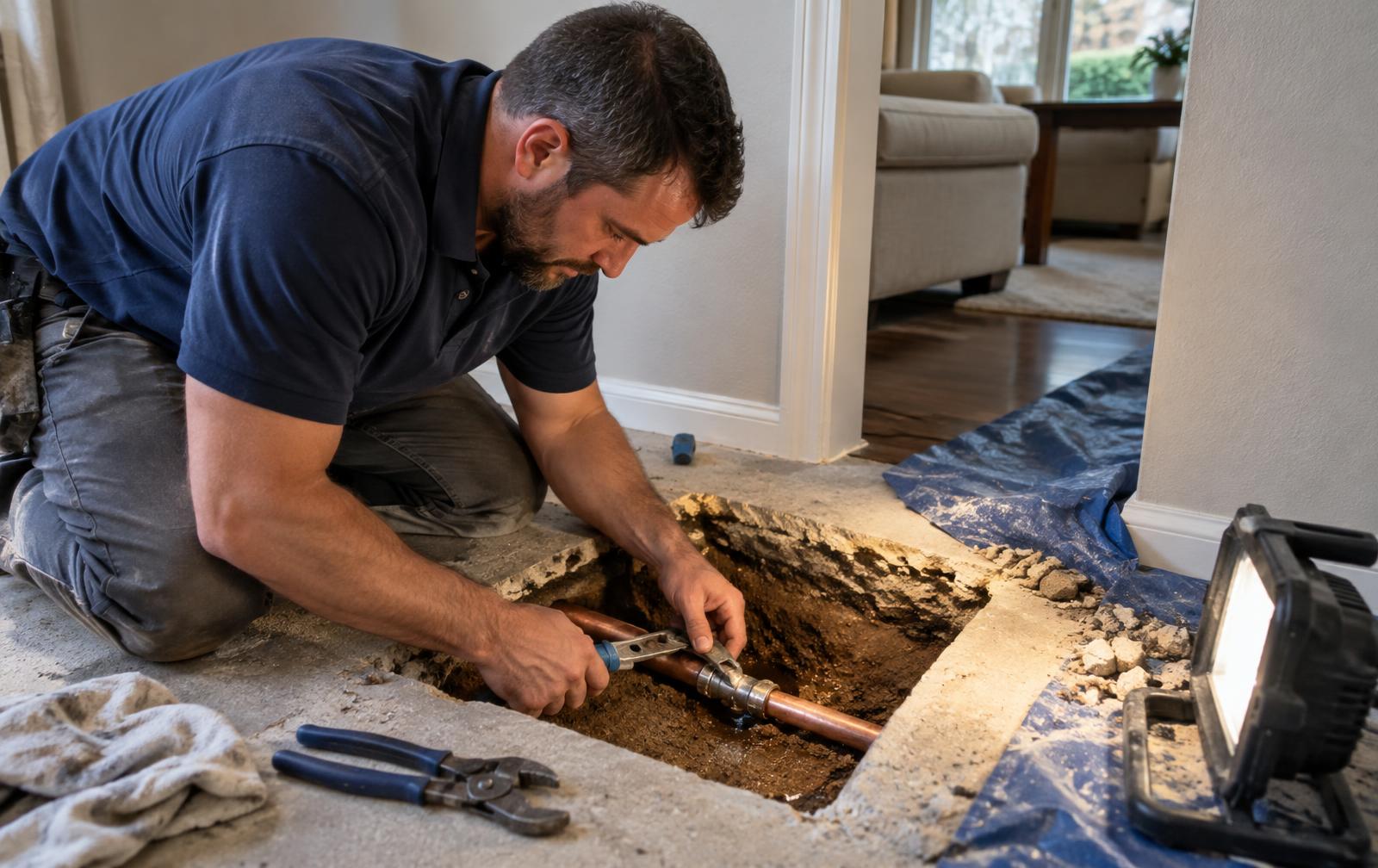
Electronic detection under Lewisville slabs — reroute options that save your finished floors when possible.
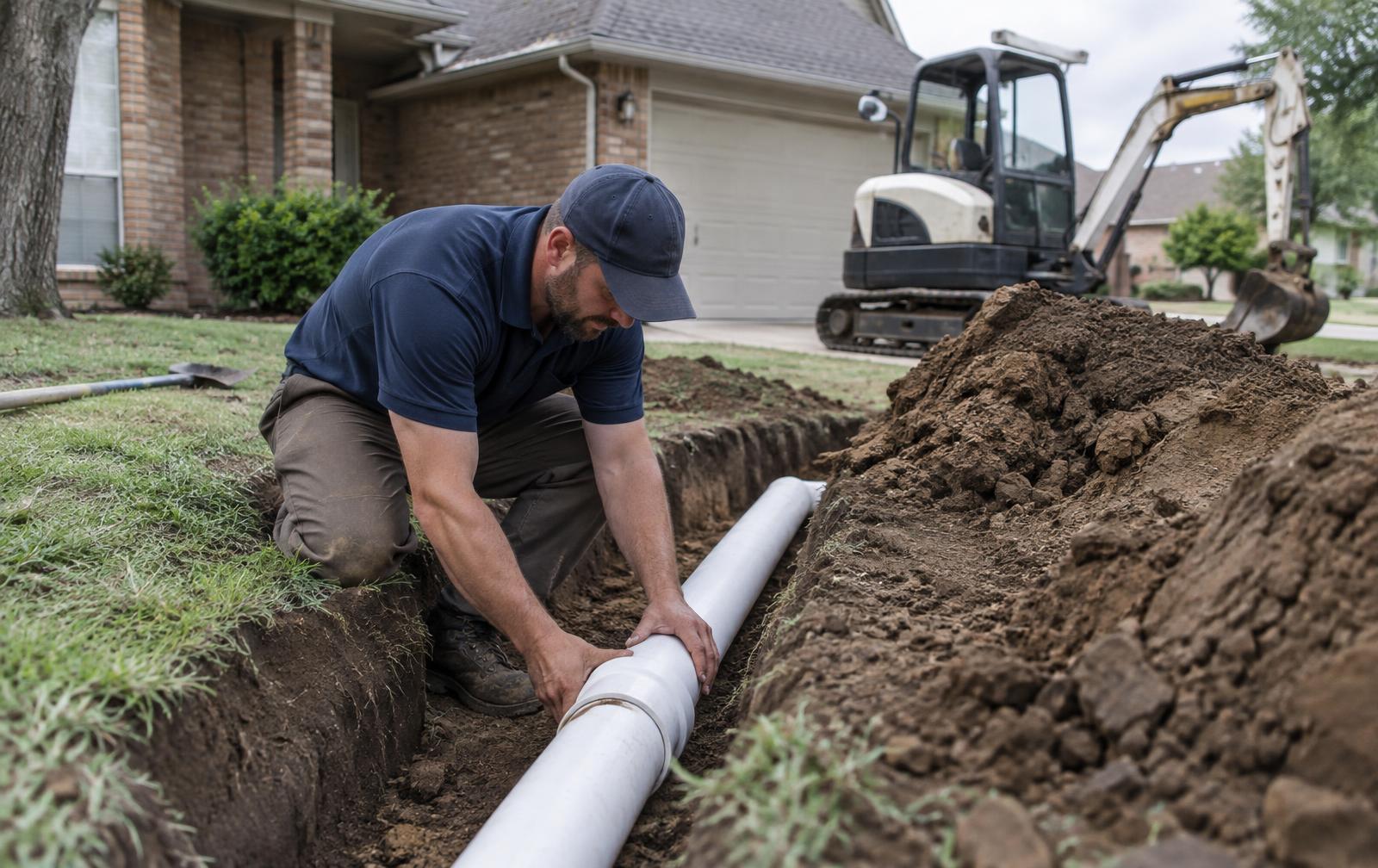
Trenchless replacement for the aging laterals across Lewisville's older runs — camera first, quote in writing, minimal yard damage.
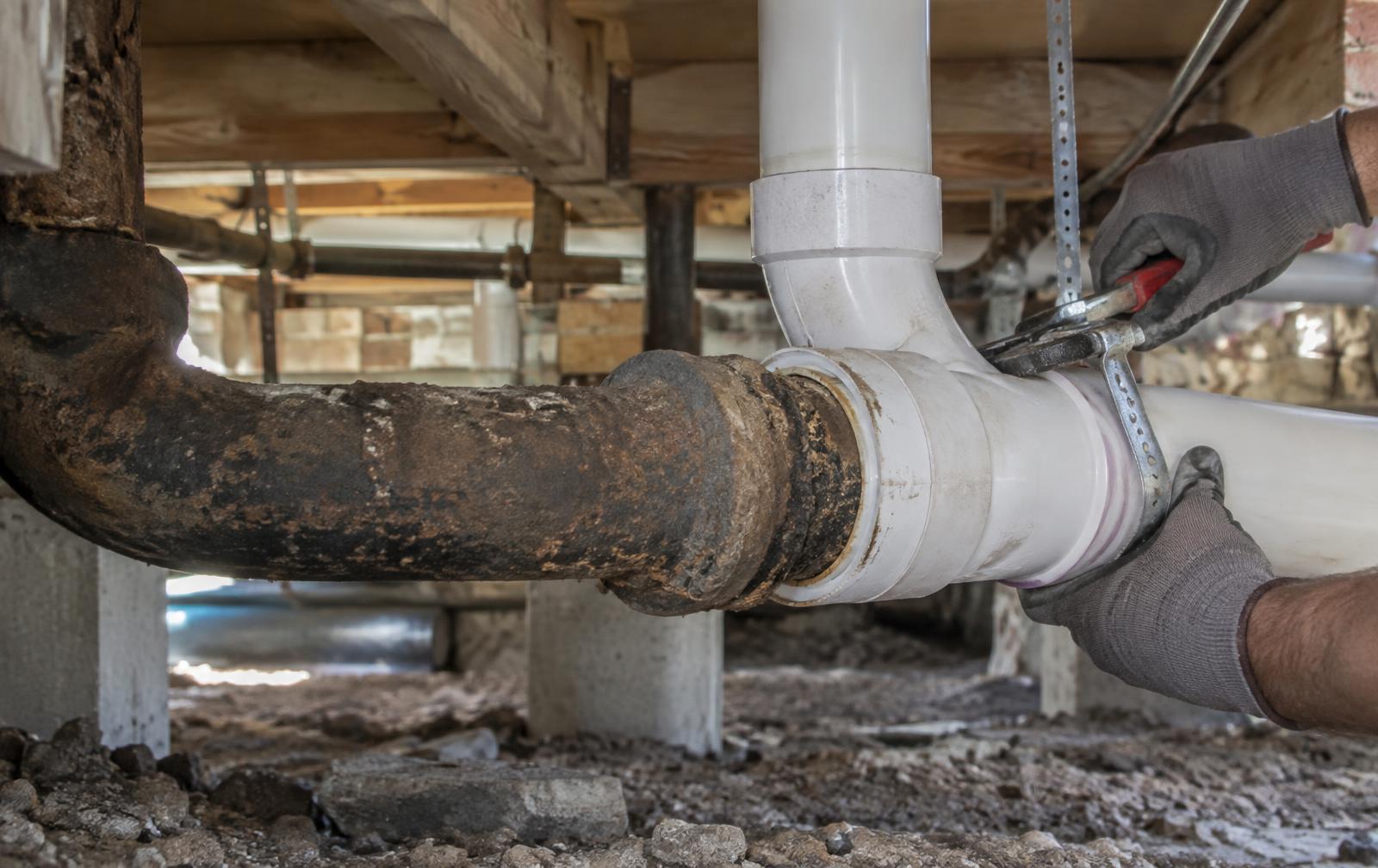
Camera inspection and PVC replacement for the aging cast iron drain lines in older Lewisville homes, with a written quote first.
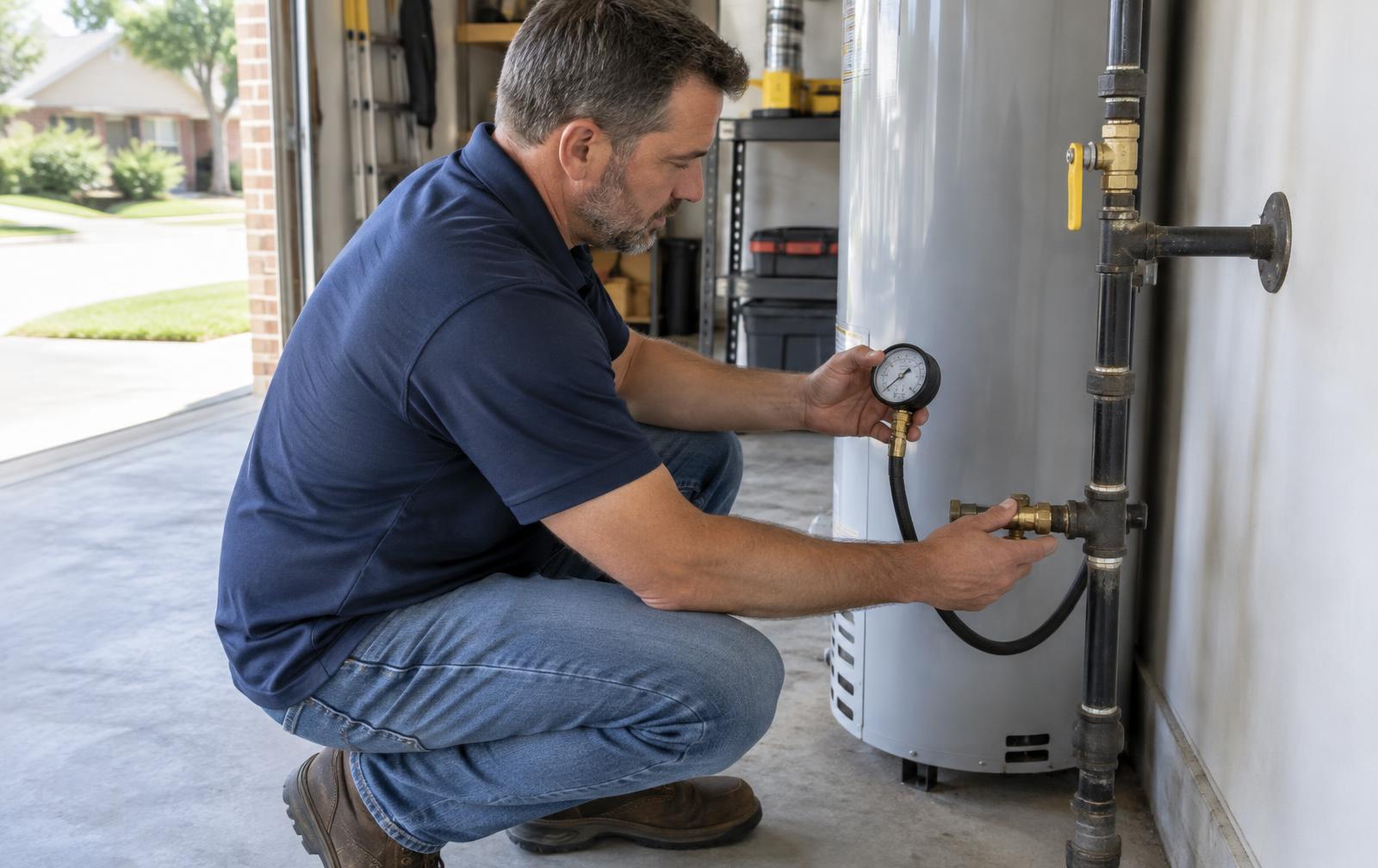
Licensed install, repair, and pressure-testing for Lewisville homes — every line signed off to Texas code and Atmos requirements.

Full-clear service and camera confirmation for the drains under Lewisville's neighborhoods.
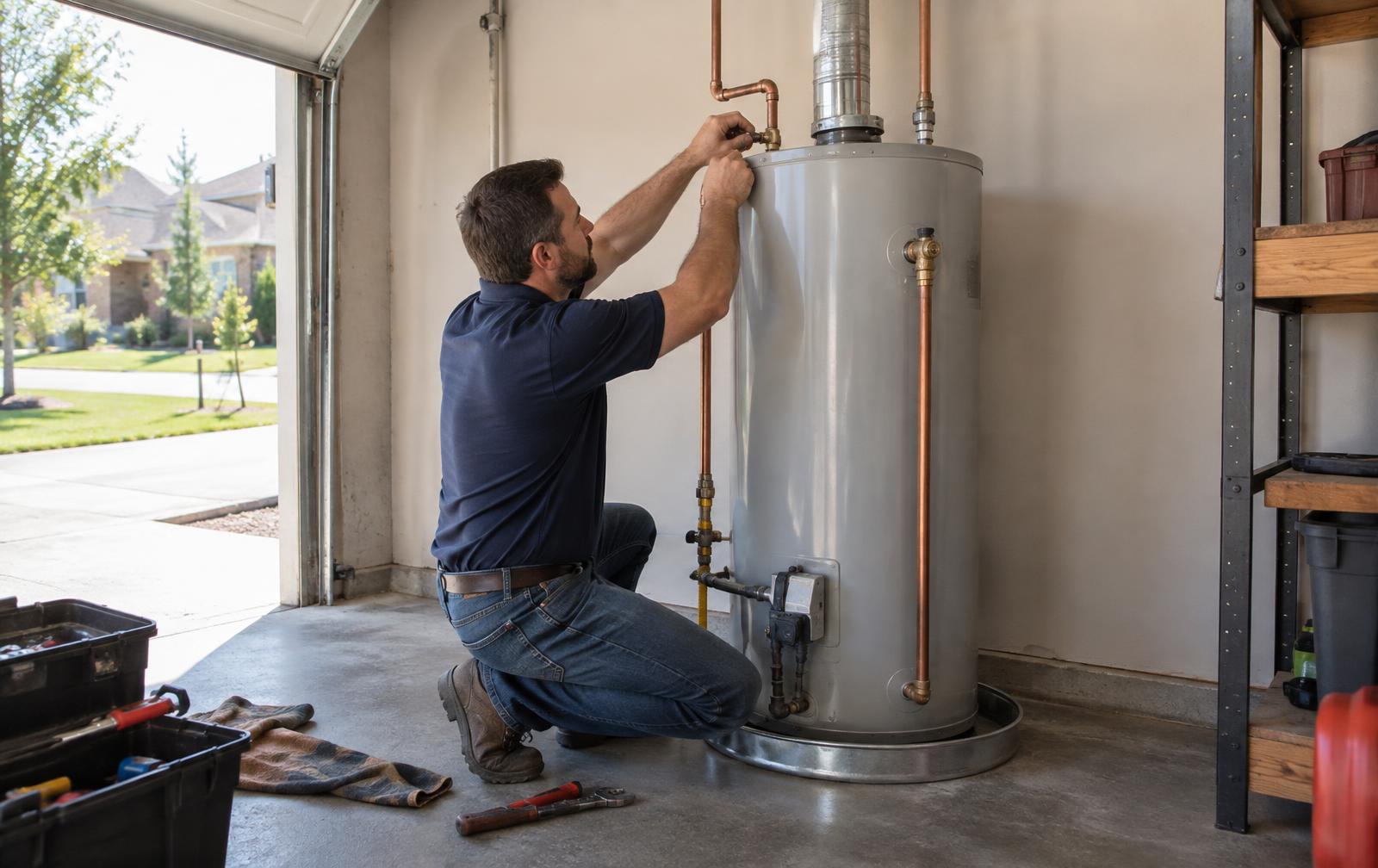
Repair, flush, and replacement of tank units — including attic and garage heaters common to Lewisville homes.
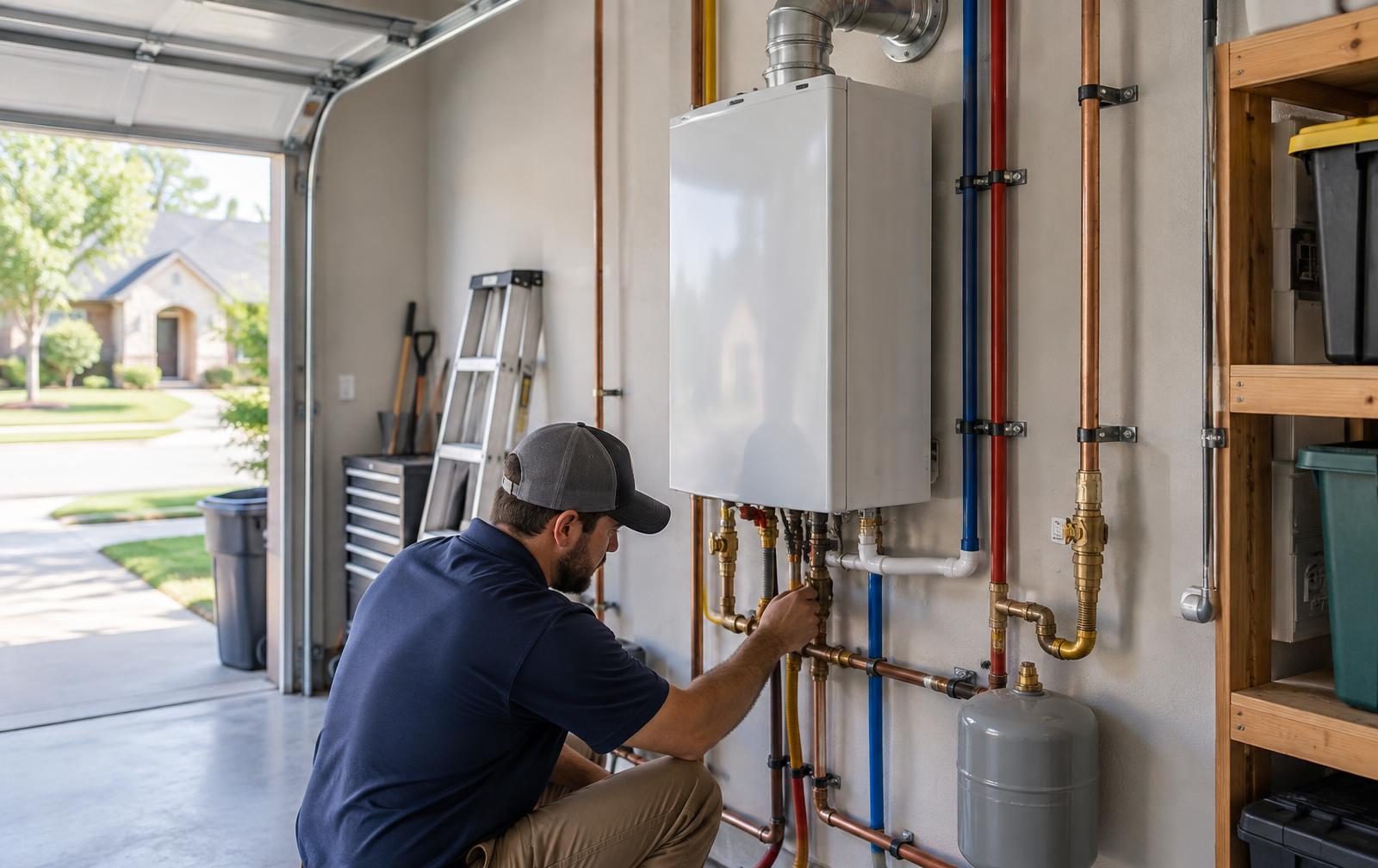
Install, service, and annual descaling — Lewisville's hard tap water eats tankless heat exchangers without it.
same-day, 7 days a week response across Lewisville for burst pipes, heater failures, and main-line backups.
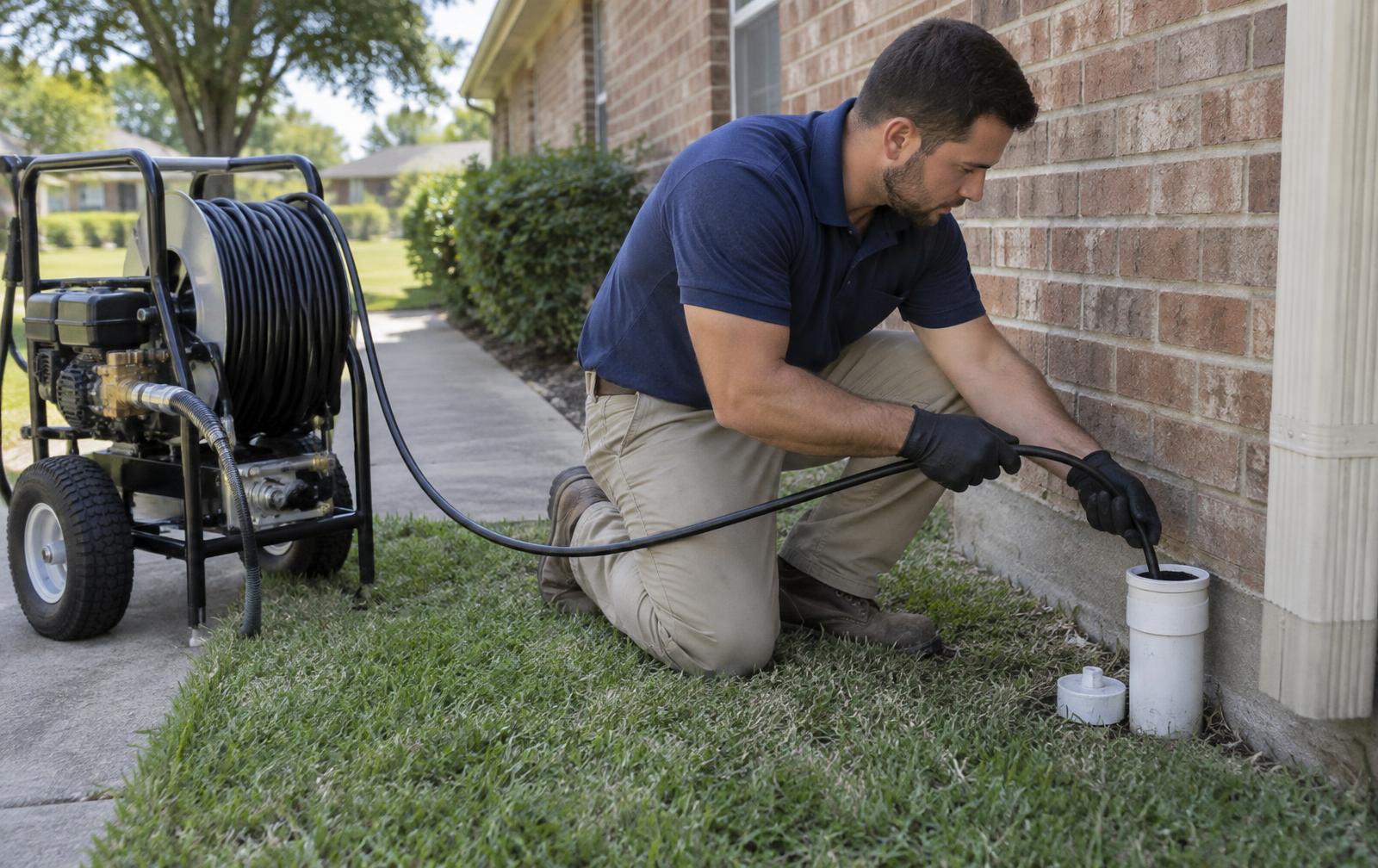
High-pressure cleaning that clears scale, grease, and roots from Lewisville's lateral runs — full-diameter, lasting clean.
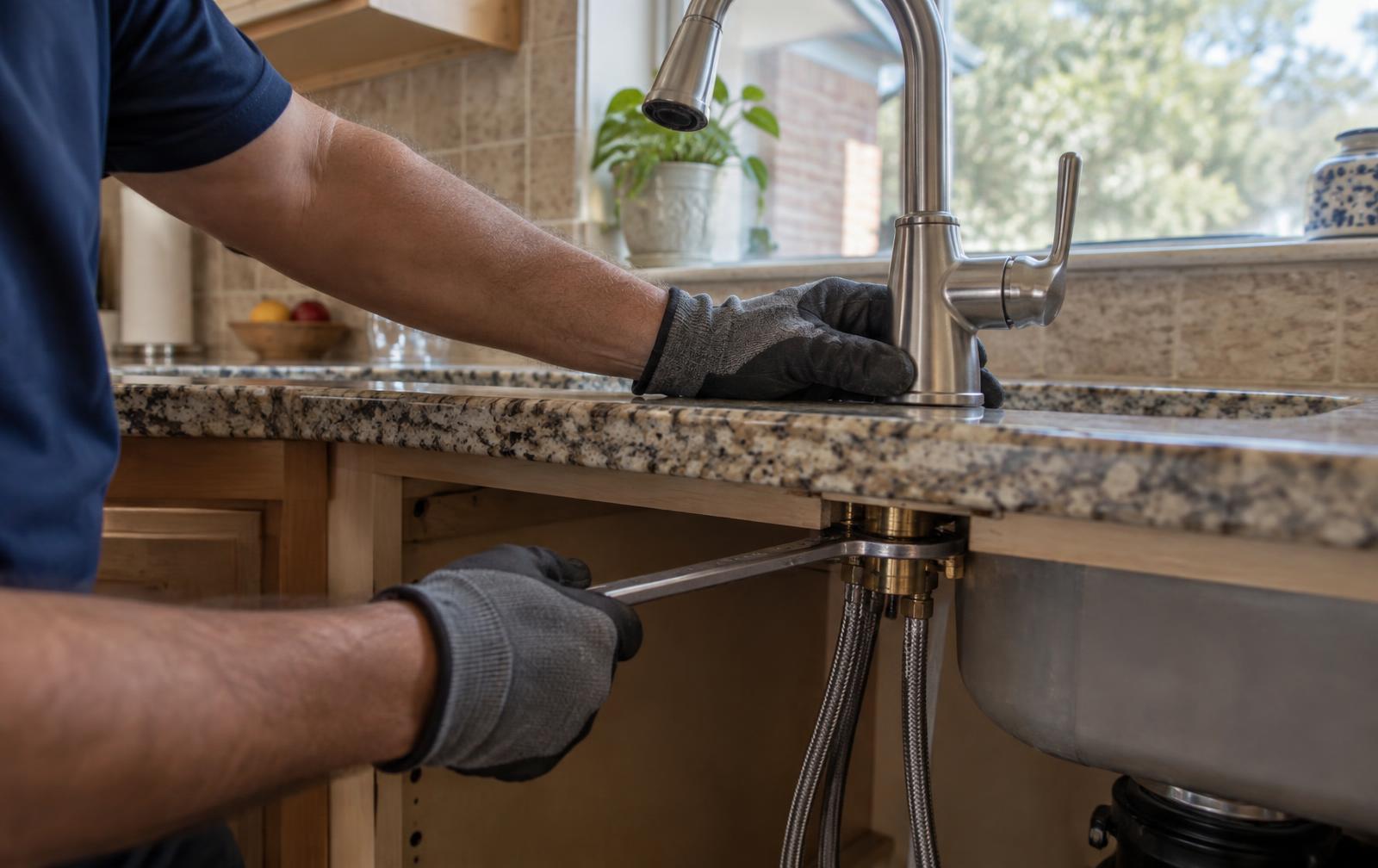
Cartridge, stem, and full-fixture replacement for Lewisville kitchens and bathrooms — hard-water-ready parts stocked on the truck.
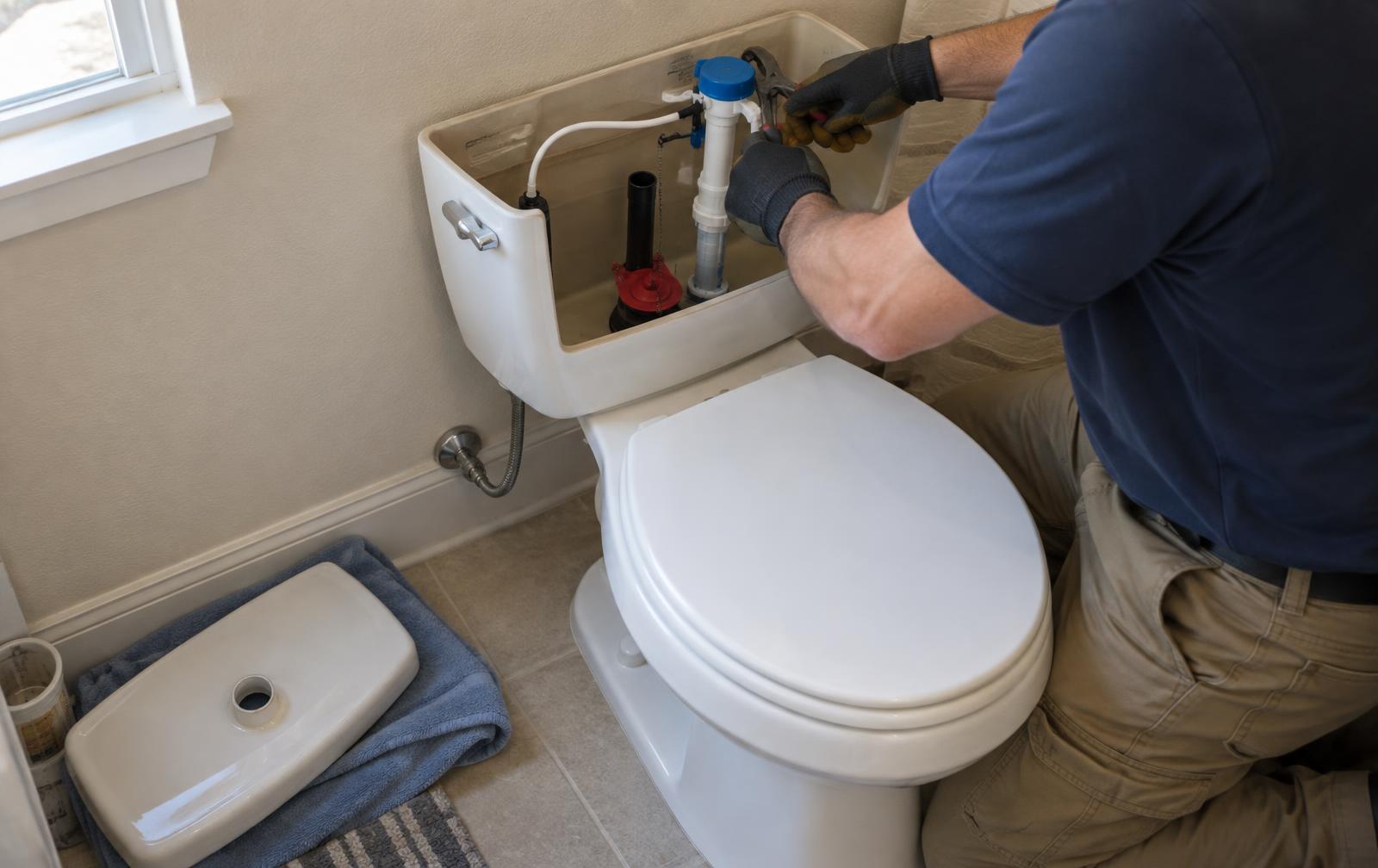
Rebuilds, wax-ring resets, flange repairs, and full replacements — the running toilets and rocking bowls in Lewisville homes.
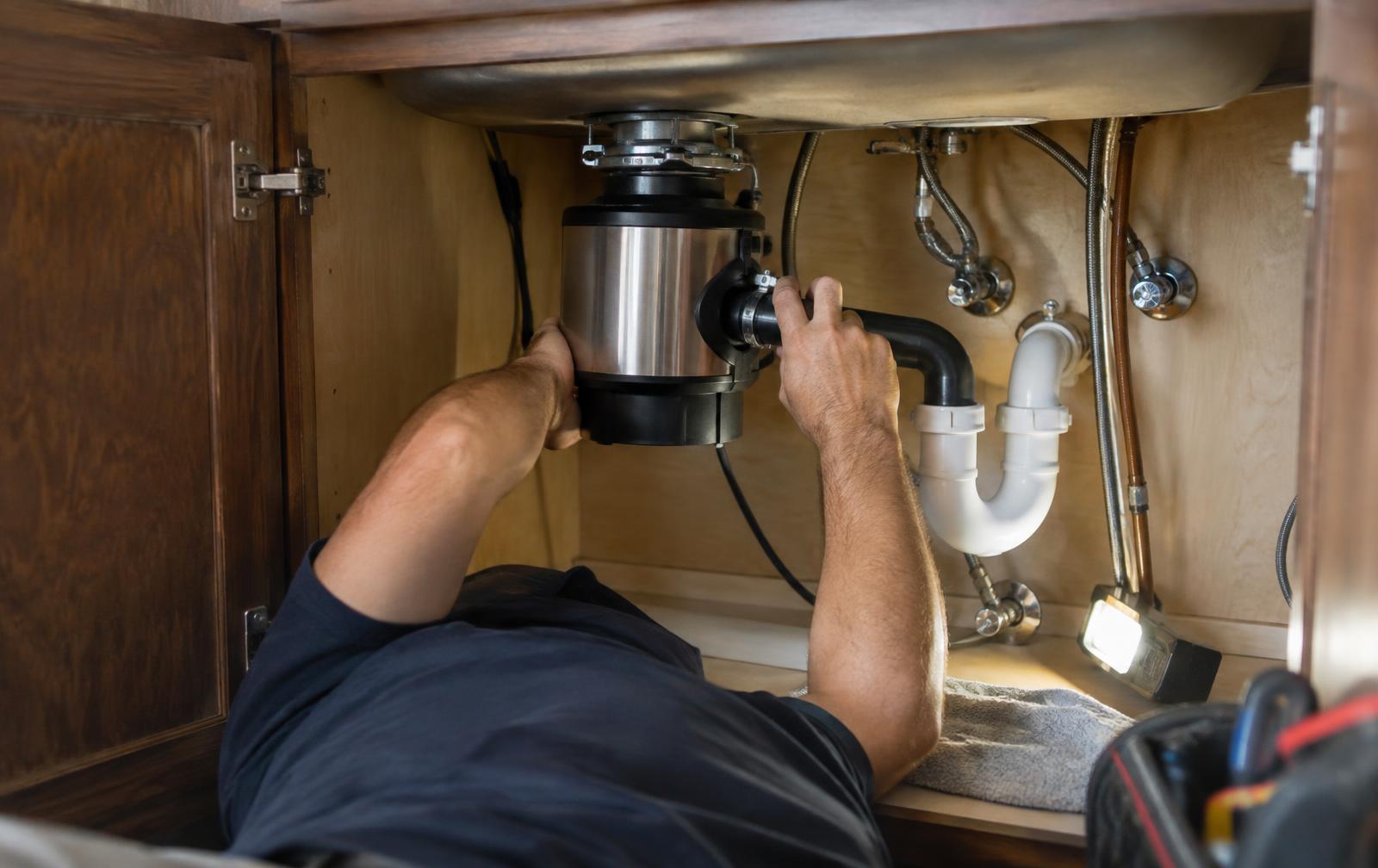
Jam clearing, leaking-unit swaps, and quiet 3/4 HP upgrades for Lewisville kitchens — same-visit install.
Think You Have a Hidden Leak in Your Lewisville Home?
Non-invasive detection, a documented locate, and an honest repair quote. Same-day visits available.