
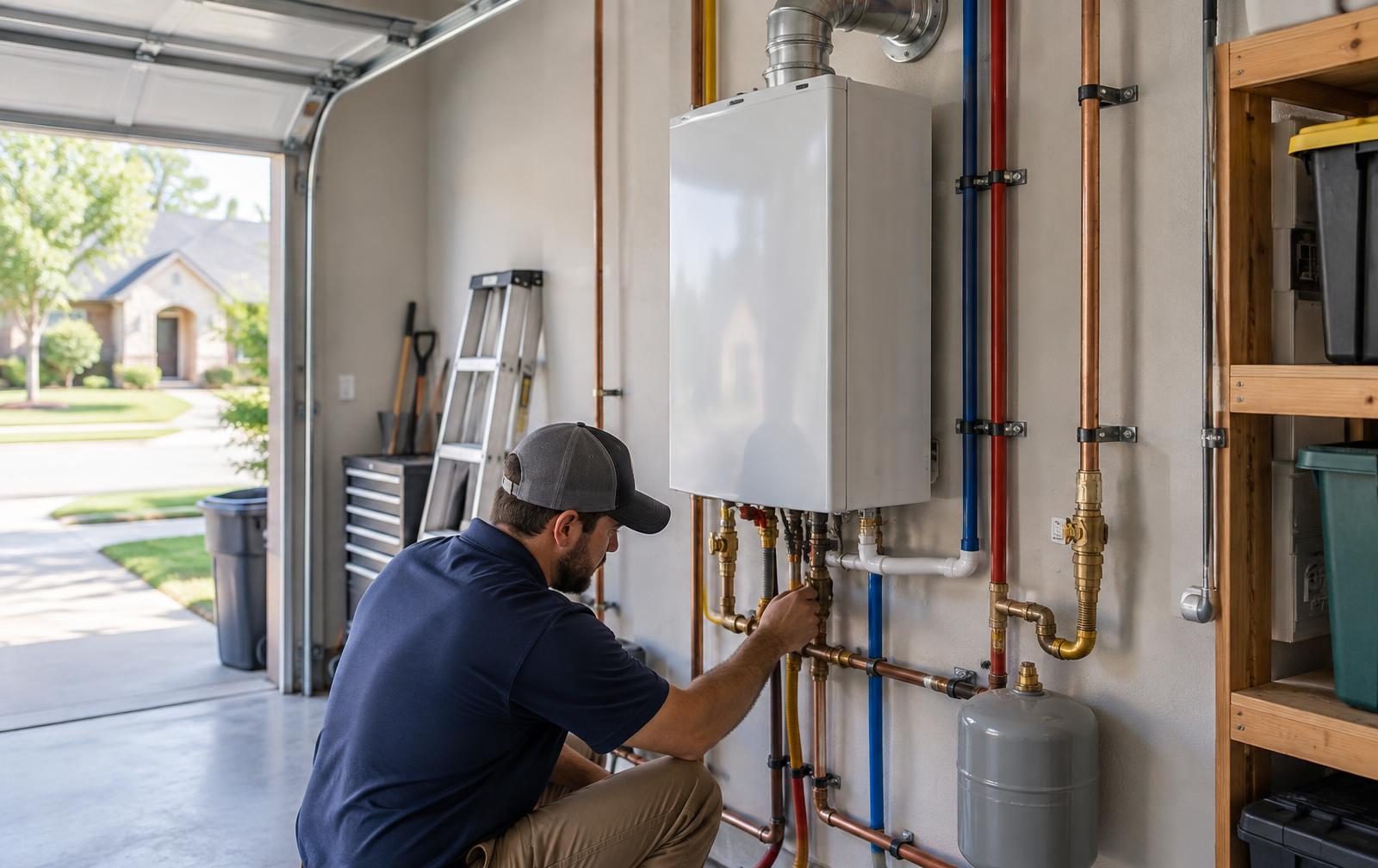
Tankless Water Heater Services in Lewisville, TX
A brand-new install, a warranty question, or the yearly maintenance visit that keeps a tankless unit running for the long haul. Lewisville's water tests slightly hard rather than truly hard, so scale builds up slower here than in some neighboring systems — but sizing and venting still make or break these units regardless of the water.
The Water Helps. The Install and the Gas Line Still Matter More.
According to Lewisville's own water quality reporting, the supply runs around 6.7 grains per gallon — slightly hard, not the harder water some nearby cities deal with. A tankless heat exchanger scales up more slowly under those conditions, which is a real advantage. It's not a reason to skip the yearly service, though. Most manufacturers tie warranty coverage to a documented annual descale no matter how gentle the local water actually is.
Where things actually go wrong more often is the gas side. Two different utilities serve this city — Atmos Energy covers most addresses, CoServ Gas covers a smaller portion — and either way, a modern high-output tankless unit typically needs a bigger gas line than the half-inch pipe that fed an old tank heater just fine. Homes built during the city's main growth years, the 1960s through the 1990s, are the ones most likely to need that upgrade before a tankless unit can fire at full output.
We work backward from actual household demand to pick the right unit, size the gas line to match its full firing rate, vent it exactly the way the manufacturer specifies, and put every install on a yearly maintenance schedule so it has a real shot at reaching the service life it was sold on.

What a Tankless Unit Tells You Before It Fails
These units give warning signs early. Ignoring them tends to void the warranty right along with wearing out the unit.
Every manufacturer's codes point to something particular — combustion trouble, a flow problem, temperature, or scale. We look up your exact unit before guessing at a fix.
A heat exchanger coated in scale restricts flow. If a bathtub takes noticeably longer to fill than it once did, that's usually the reason.
This can come from a flow sensor partly blocked by scale, a recirculation setup that's too small for the house, or the unit's own flow modulation acting up — three different causes, three different repairs.
Either the unit itself is too small for how the house actually uses hot water, or the gas supply can't deliver what the unit needs at full fire. We check the gas line size early in this diagnosis.
Manufacturers generally require documented yearly maintenance to keep the warranty valid, regardless of how gentle the local water is. Skipping that service is one of the easiest ways to lose warranty coverage.
That's usually flash steam escaping through scale buildup on the heat exchanger. Left alone long enough, it turns into permanent damage rather than a maintenance item.
Right-Sized Up Front, Maintained on a Schedule After That
Get the sizing and venting right at install, and the ongoing upkeep stays simple.
- 1Work out real demand, not guesswork
We count how many fixtures might run together and figure the flow rate the household actually needs against Lewisville's incoming groundwater temperature, then match both the unit and the gas piping to that number rather than to whatever the old tank happened to use.
- 2Check whether the gas line needs upgrading
A high-output tankless unit draws more gas at full fire than most legacy tank heaters ever did. Whether your address is served by Atmos or by CoServ, we verify the existing line can actually deliver that before we commit to a unit.
- 3Vent it exactly to spec
Manufacturer-approved material, proper slope, safe clearance from windows and doors, and a space-saving concentric option where the mechanical area is tight. Getting the venting wrong is one of the fastest ways to lose a warranty or create a backdraft risk.
- 4Build in easy future service
Dedicated shutoffs on the supply and return sides turn a yearly maintenance visit into a quick job rather than a full plumbing project, and a condensate treatment box protects your drain line on high-efficiency condensing models.
- 5Run the yearly maintenance visit
We isolate the unit at its shutoffs, circulate a cleaning solution through the exchanger, flush it out, and bring the unit back online. While it's apart we also check the burner assembly, ignition components, flow sensor, and vent termination, and log everything for your records.
Where a Tankless Conversion Makes the Most Sense Locally
Housing age and available gas capacity both shape the right setup.
This early-1900s-to-1940s core near Mill and Main has some of the city's oldest gas infrastructure, so a conversion here nearly always starts with confirming the existing line can support a modern unit's full output.
These single-story ranch homes near S. Stemmons Freeway, mostly built between the 1970s and 1990s, usually have easy mechanical closet access, which keeps a tank-to-tankless swap fairly simple once gas sizing checks out.
Built mainly in the late 1990s under more current codes, these two-story homes are reaching the age where their original water heaters need replacing, making this a natural point to consider tankless.
Development here began in 1998 and continues today, so this master-planned community's townhomes and villas often have compact mechanical spaces where a wall-mounted unit's smaller size is a genuine plus over a bulky tank.
One of the city's older, value-priced lakeside neighborhoods, where an aging tank nearing the end of its life is frequently what starts the tankless conversation.
Another established lakeside section where we look closely at both household demand and available gas capacity before recommending tankless over a straight tank swap.
What Lewisville Homeowners Say

Documented at Install, Documented Every Year After
We log every install for warranty purposes — make, model, serial number, gas setup, vent configuration — and log every maintenance visit the same way. That paper trail helps keep a long manufacturer warranty intact instead of voided a few years in.
We hold our license with the Texas State Board of Plumbing Examiners, carry insurance, and run this as a family business, dispatching out of our shop in The Colony — roughly 10 to 15 minutes from most Lewisville addresses under normal traffic. A unit that's stopped working gets same-day attention; routine maintenance gets scheduled around you.
Plain Answers Before You Call
Our Other Plumbing Services in Lewisville, TX
A tankless conversion often goes hand in hand with a gas line upgrade. We take care of both together on the same visit, with one quote covering it all.
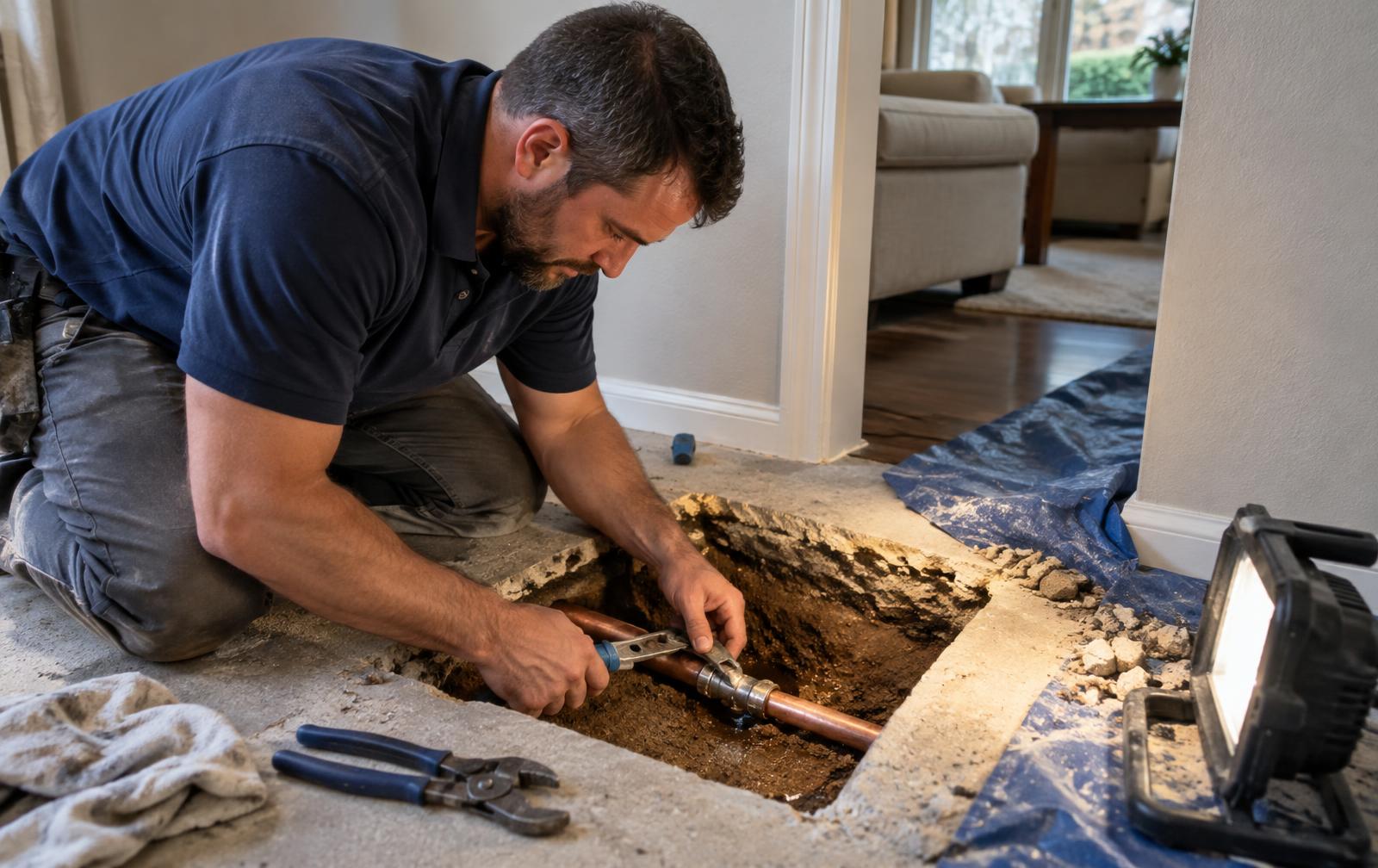
Electronic detection under Lewisville slabs — reroute options that save your finished floors when possible.
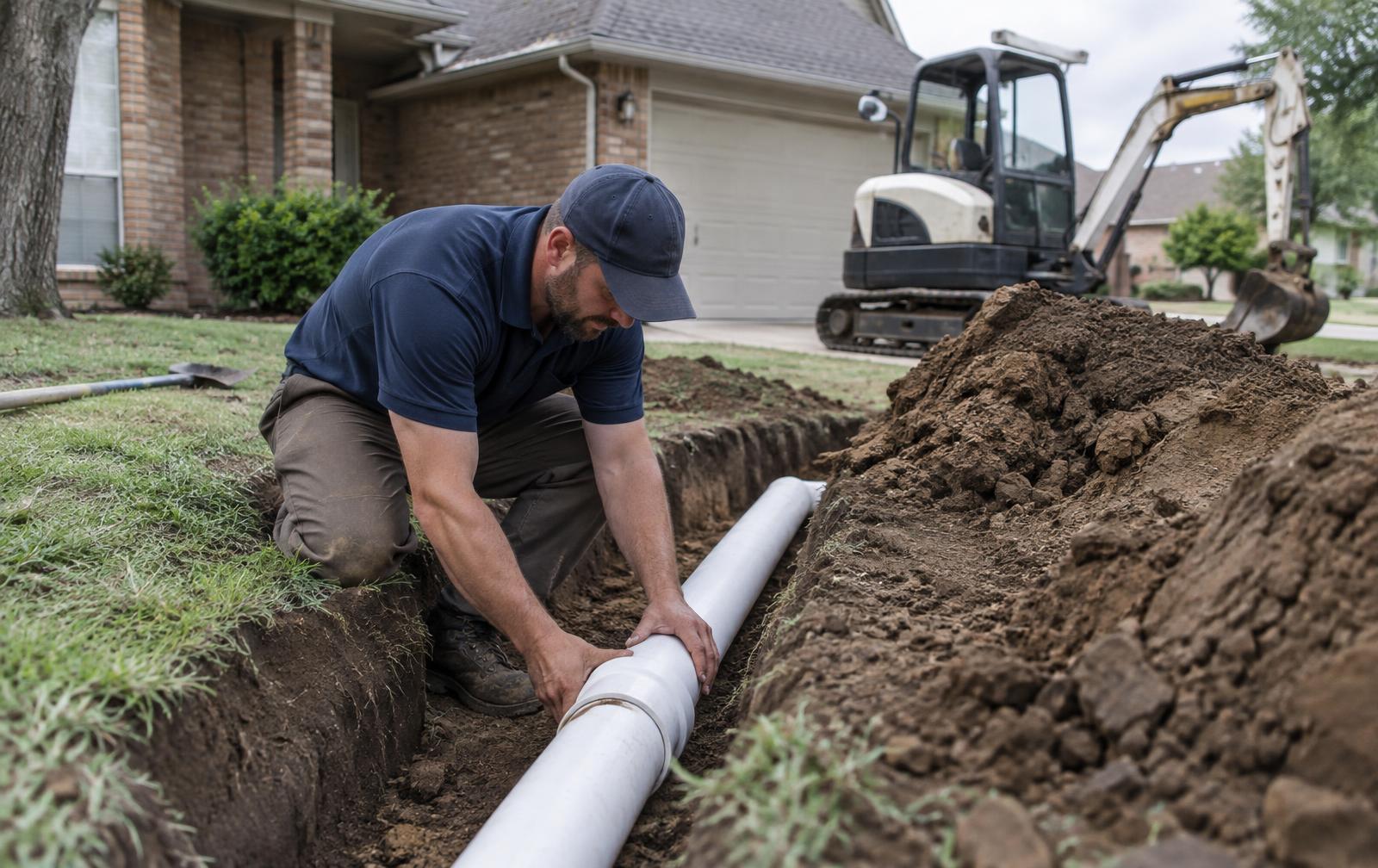
Trenchless replacement for the aging laterals across Lewisville's older runs — camera first, quote in writing, minimal yard damage.
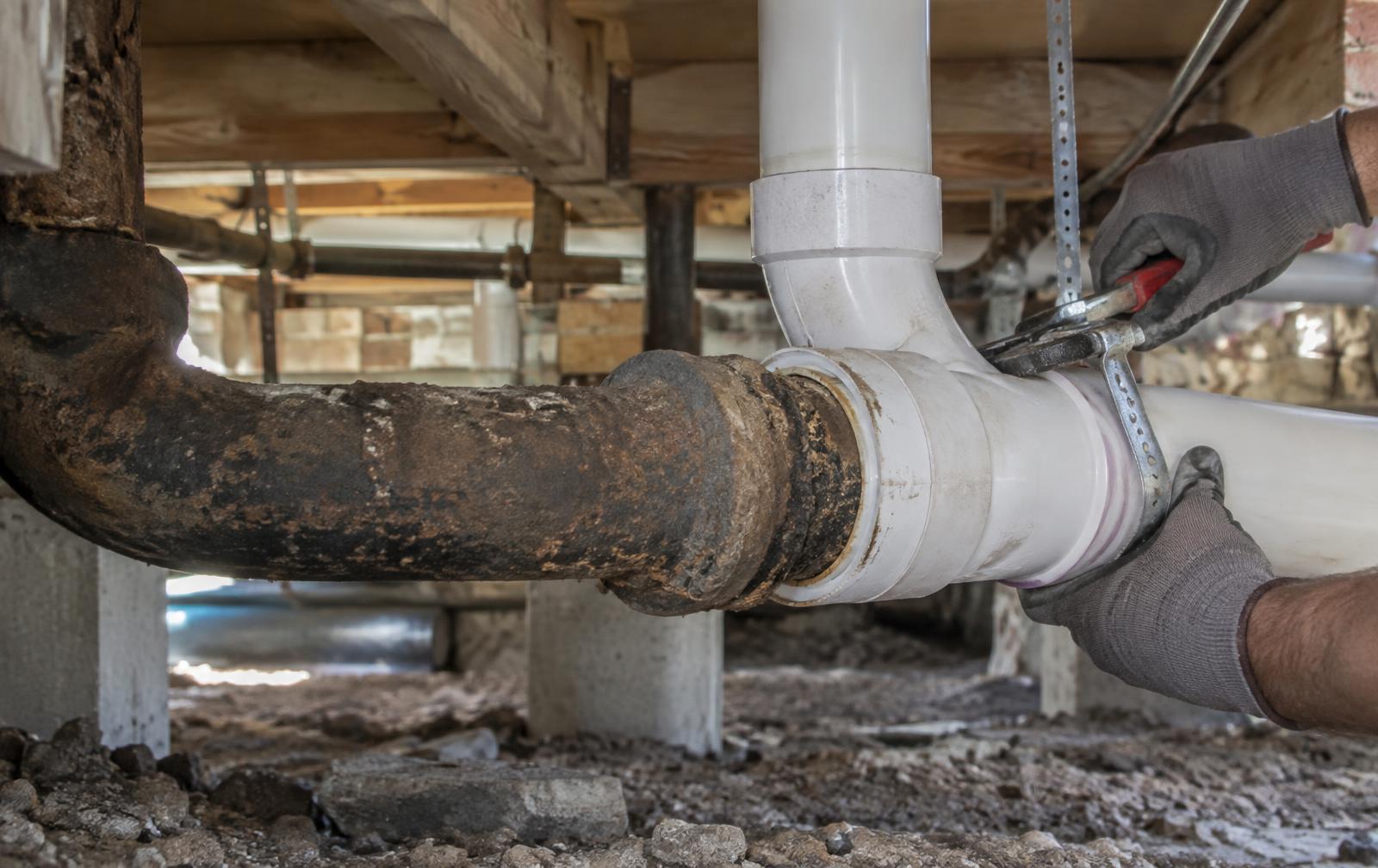
Camera inspection and PVC replacement for the aging cast iron drain lines in older Lewisville homes, with a written quote first.
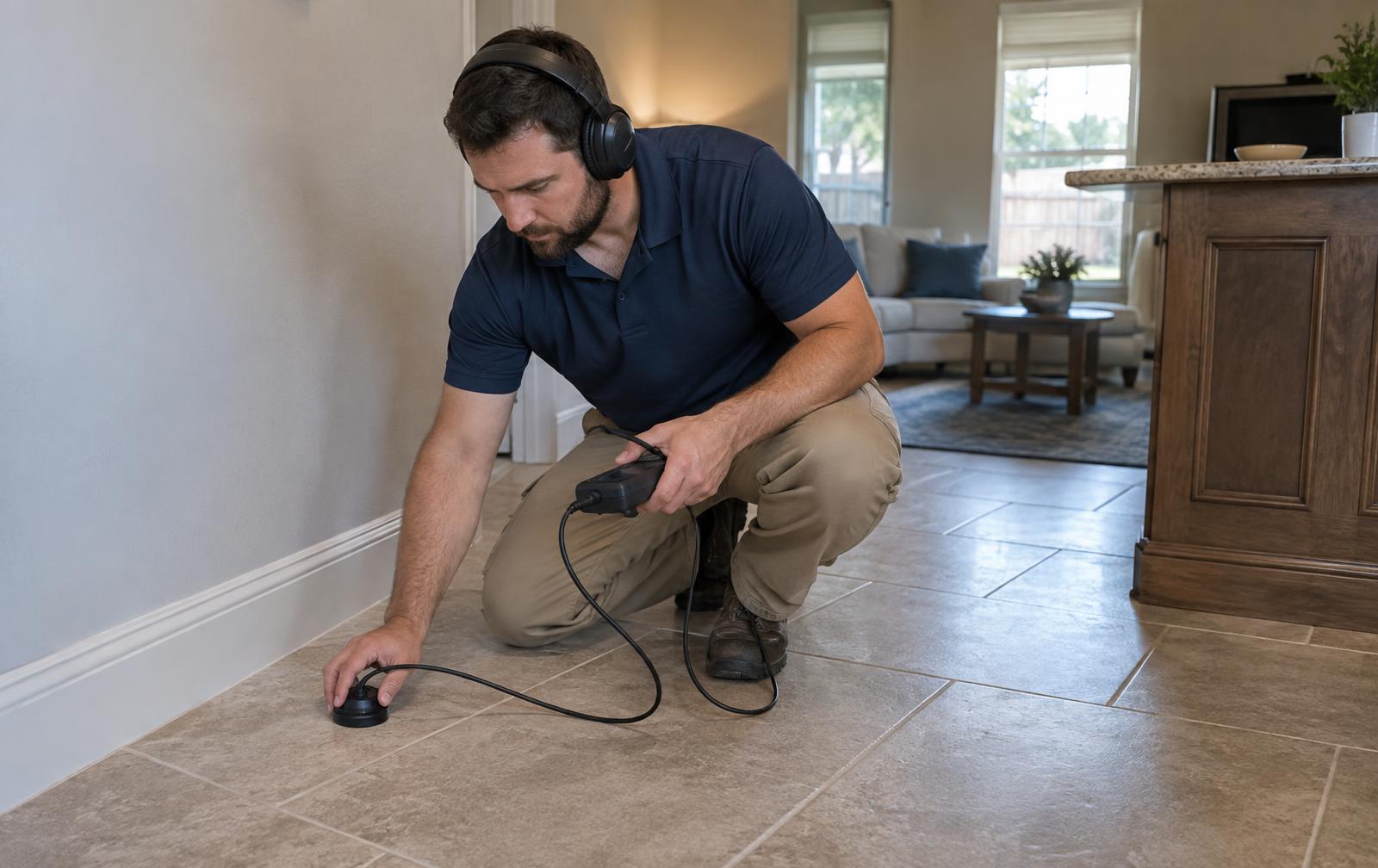
Acoustic, thermal, and pressure testing to pinpoint hidden leaks in Lewisville slab and wall lines without tearing into finishes.
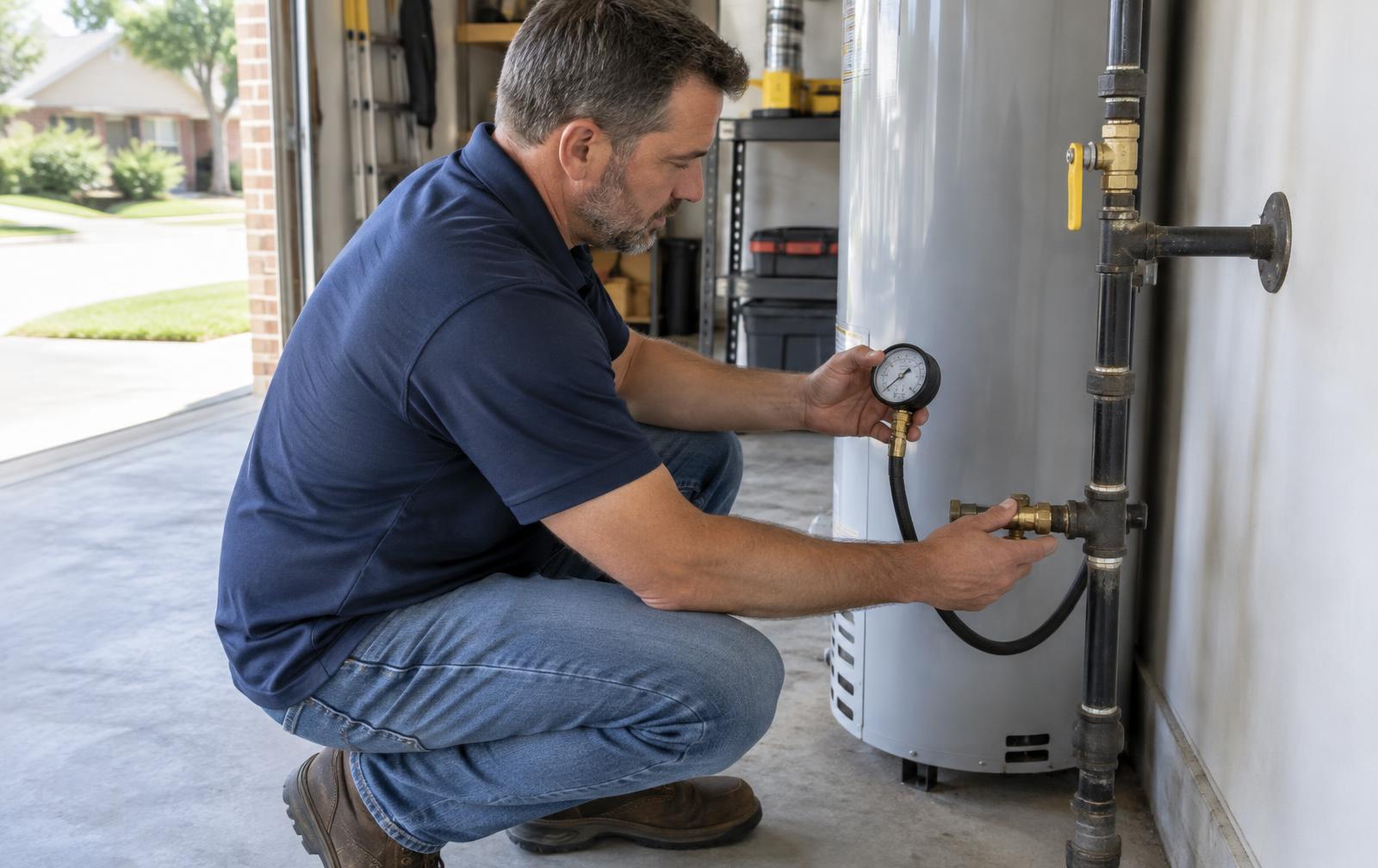
Licensed install, repair, and pressure-testing for Lewisville homes — every line signed off to Texas code and Atmos requirements.
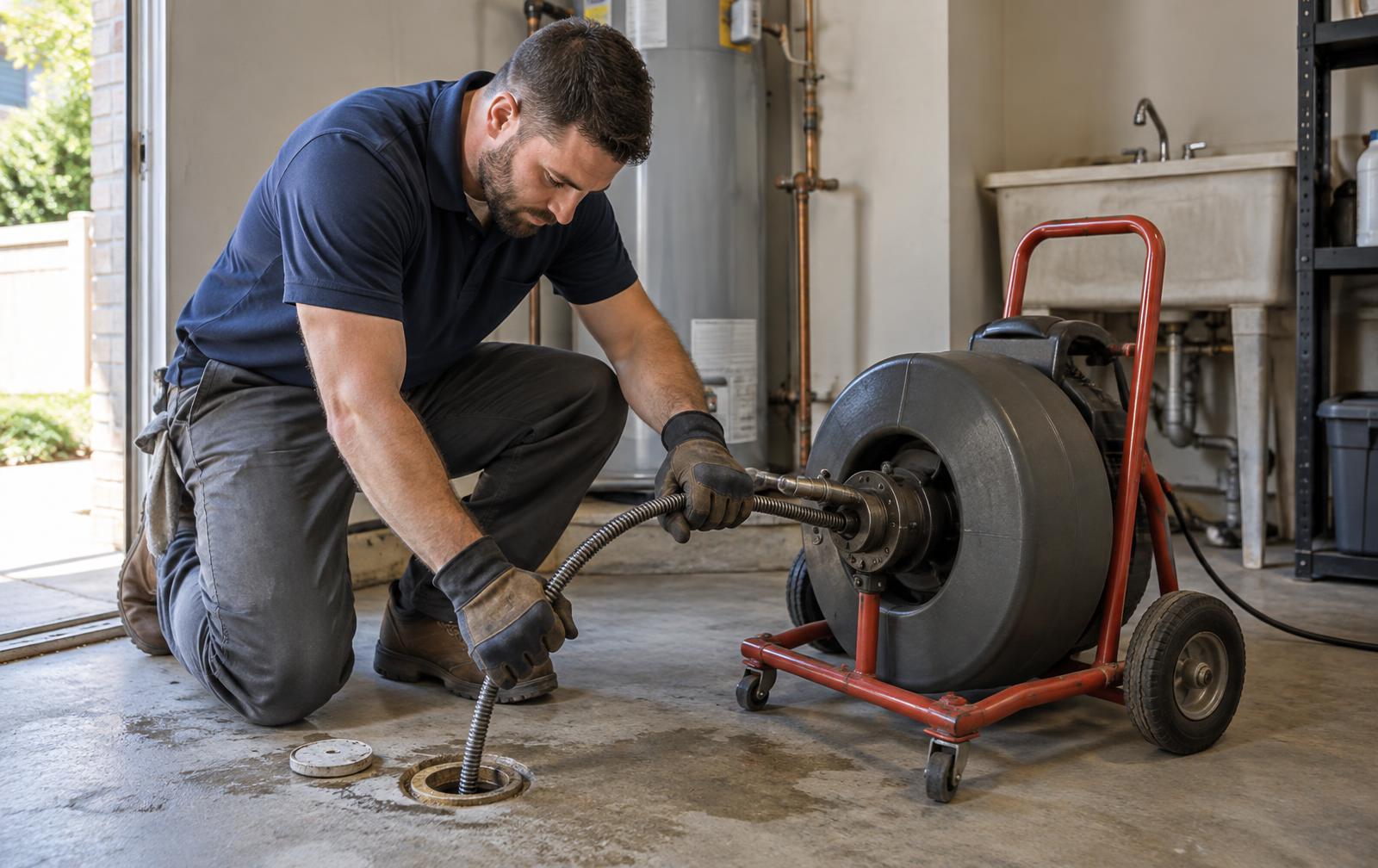
Full-clear service and camera confirmation for the drains under Lewisville's neighborhoods.
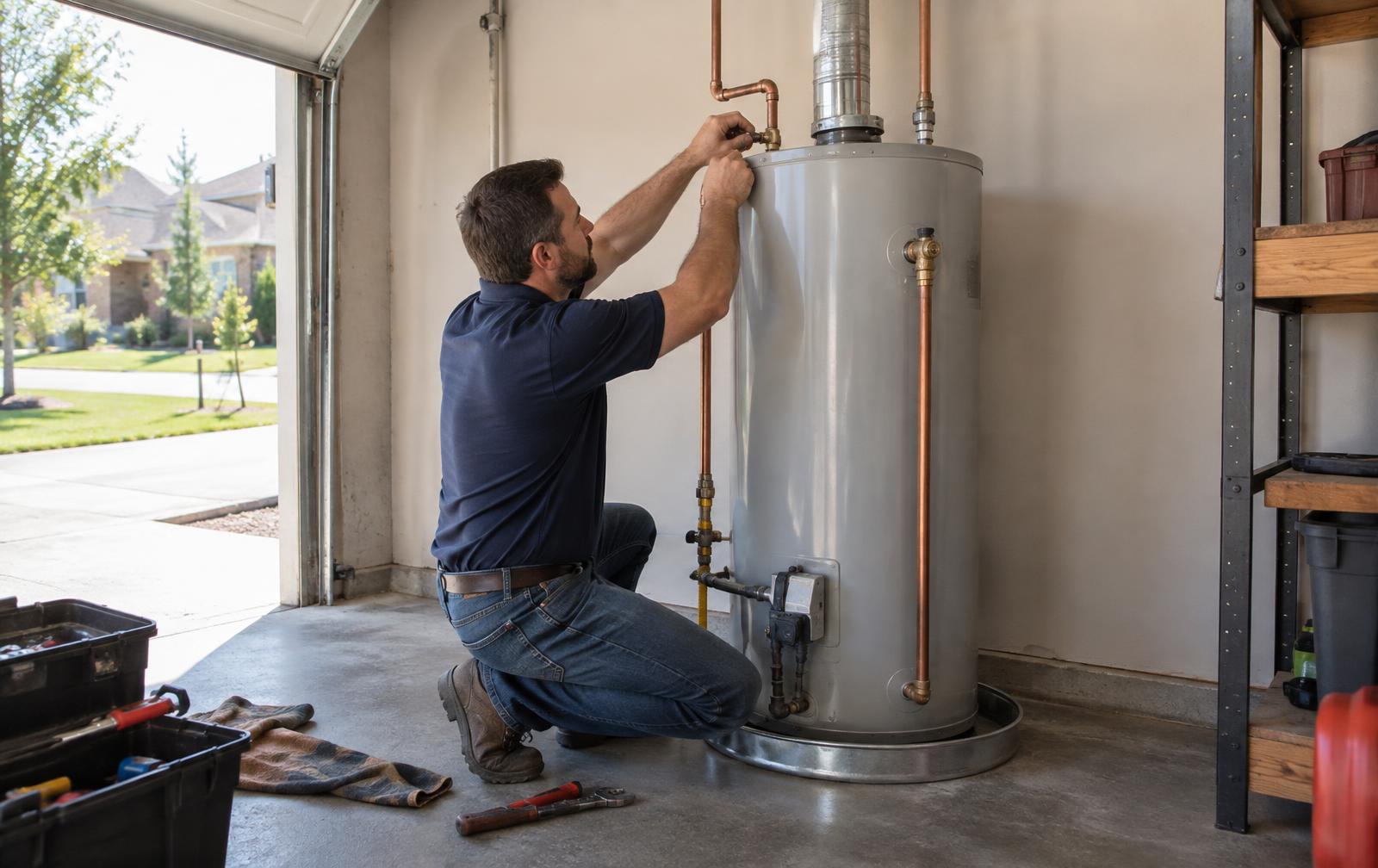
Repair, flush, and replacement of tank units — including attic and garage heaters common to Lewisville homes.
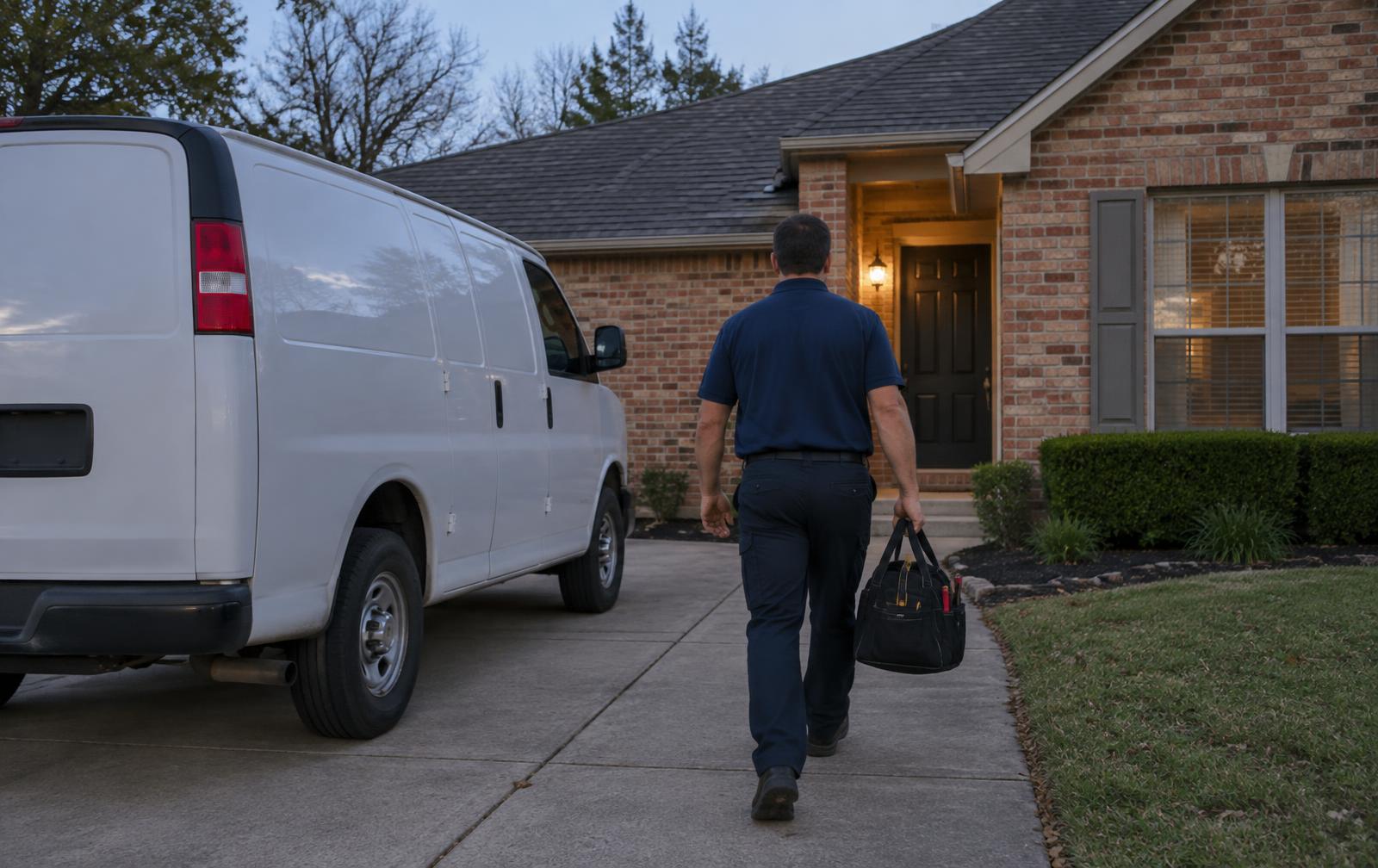
same-day, 7 days a week response across Lewisville for burst pipes, heater failures, and main-line backups.
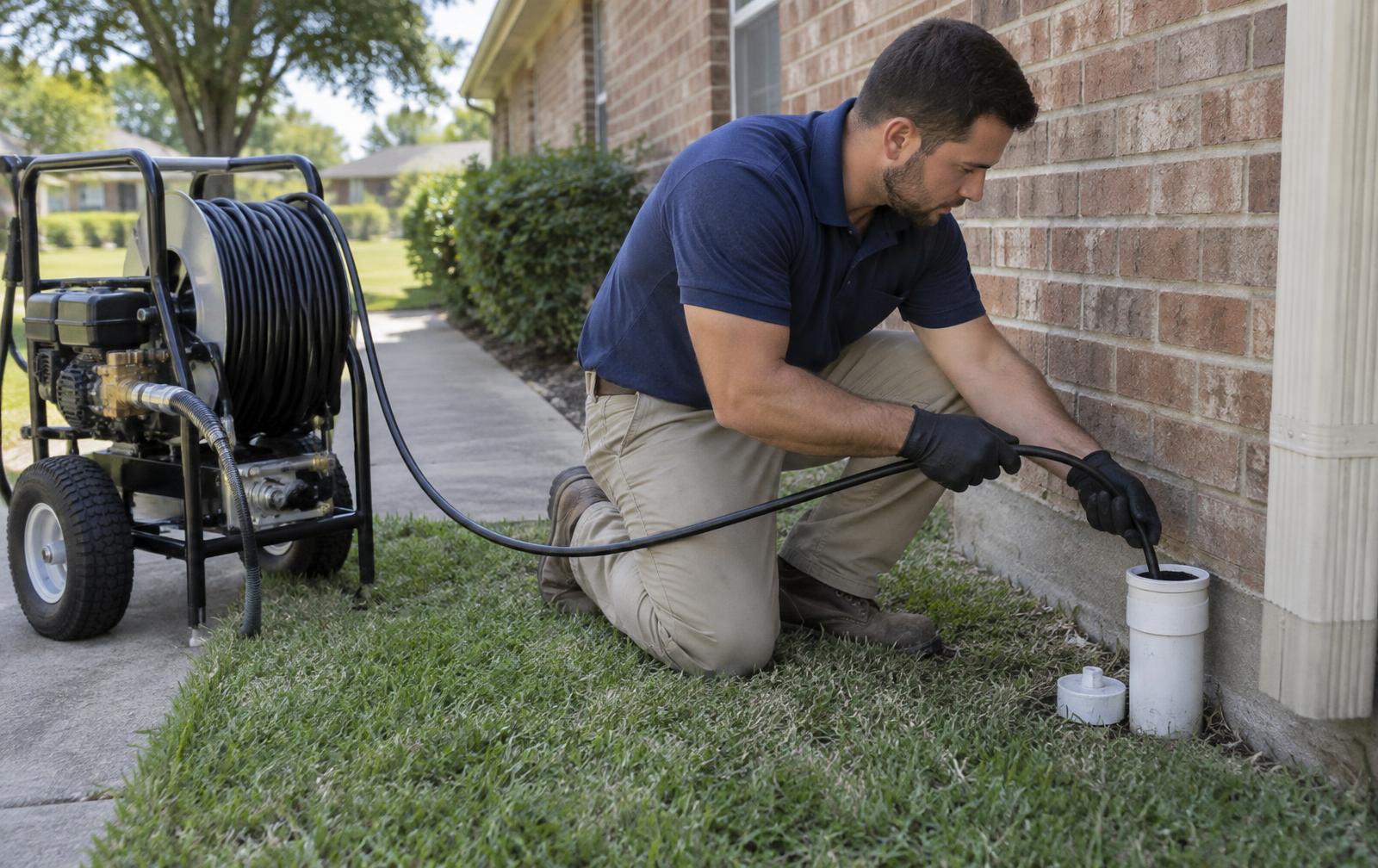
High-pressure cleaning that clears scale, grease, and roots from Lewisville's lateral runs — full-diameter, lasting clean.
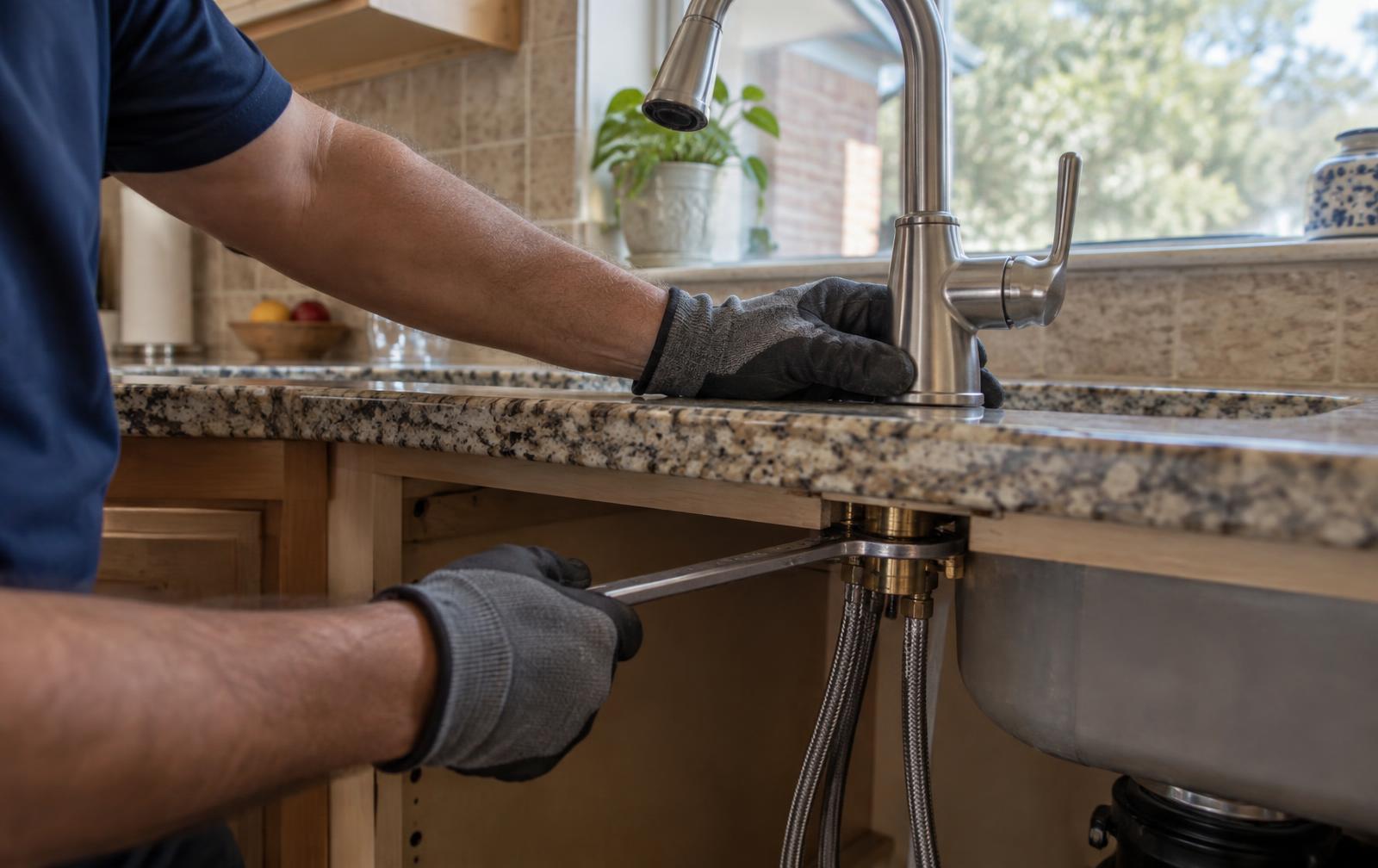
Cartridge, stem, and full-fixture replacement for Lewisville kitchens and bathrooms — hard-water-ready parts stocked on the truck.
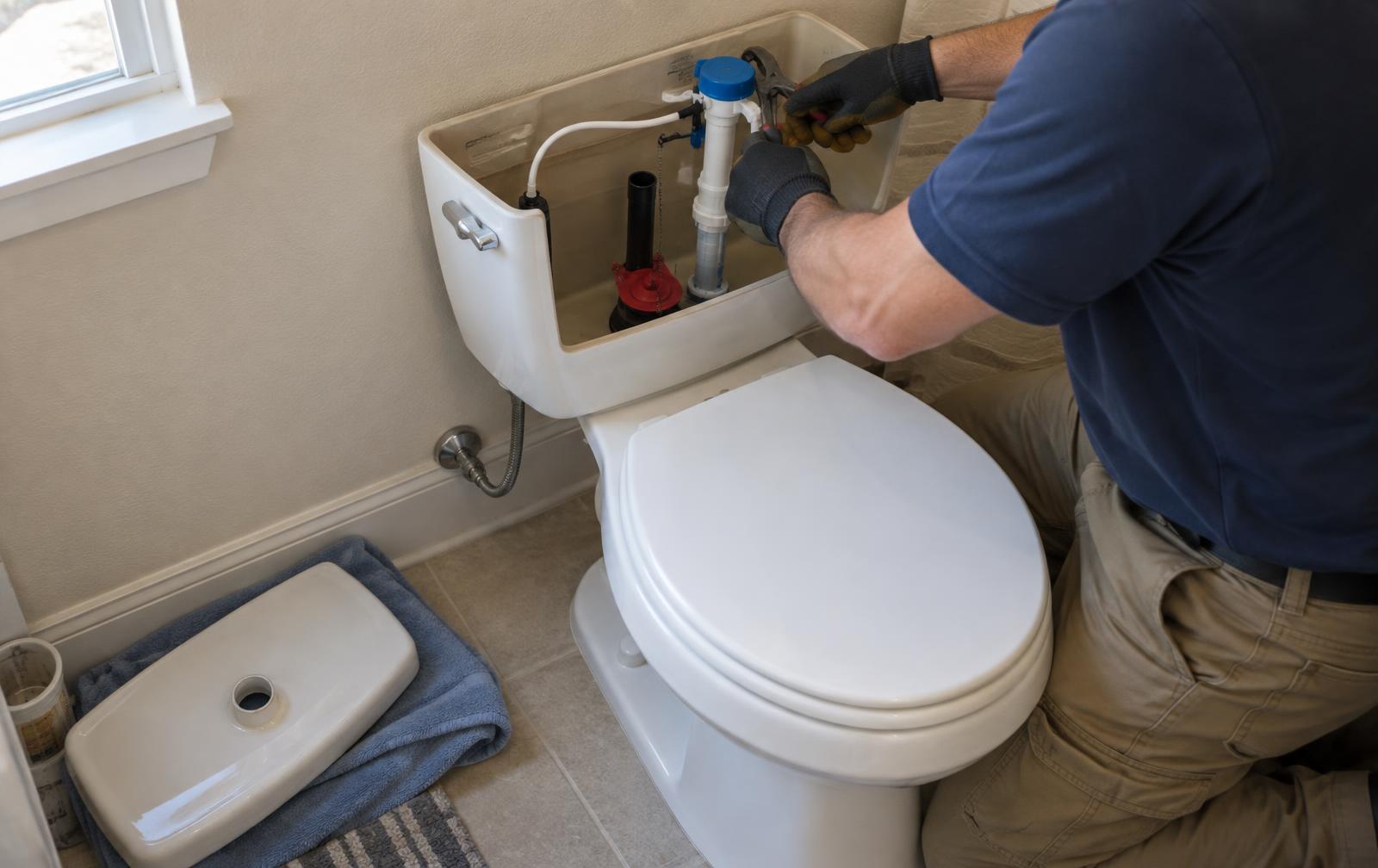
Rebuilds, wax-ring resets, flange repairs, and full replacements — the running toilets and rocking bowls in Lewisville homes.
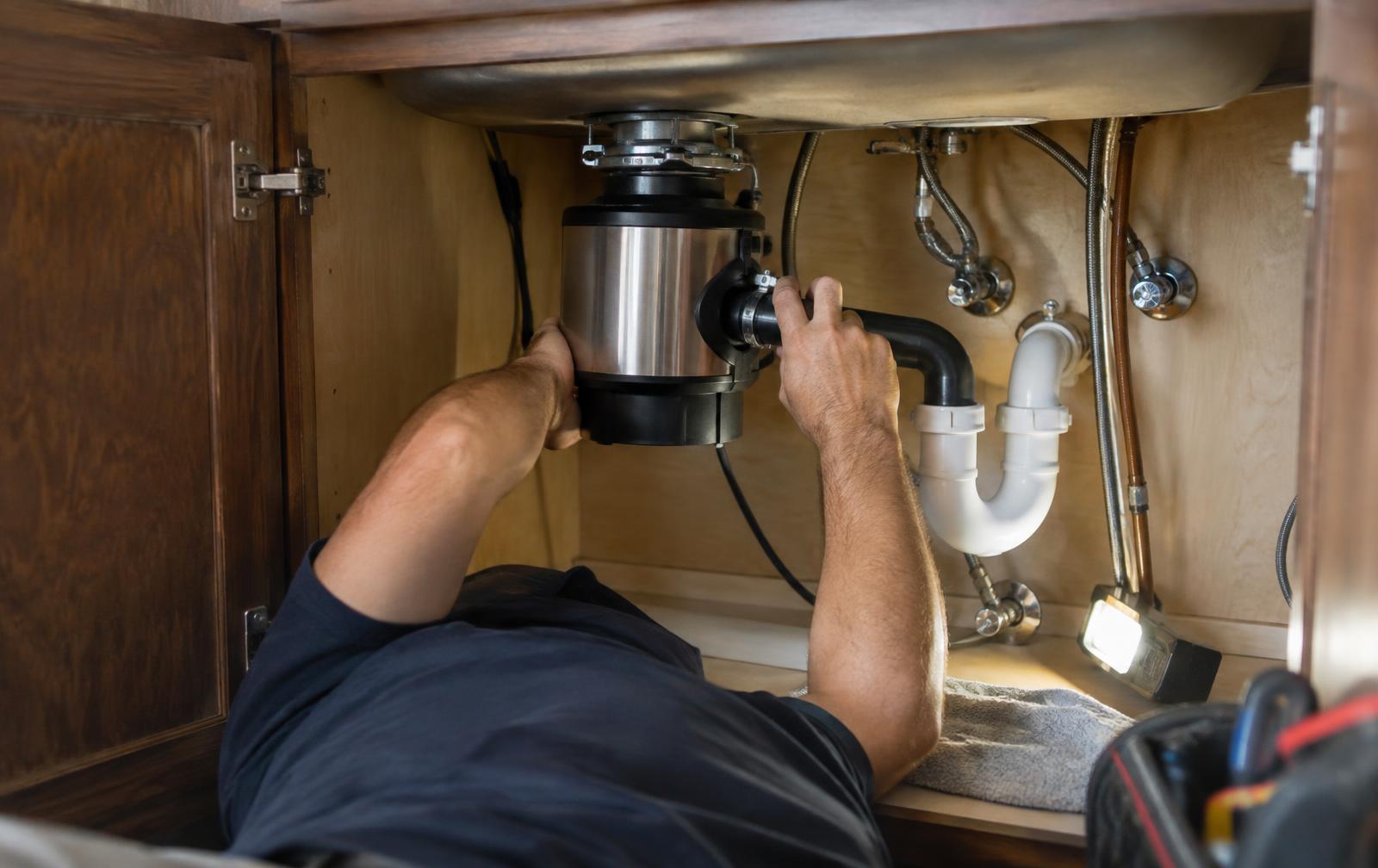
Jam clearing, leaking-unit swaps, and quiet 3/4 HP upgrades for Lewisville kitchens — same-visit install.
Ready for Tankless Install or Service in Lewisville?
Sized to the manufacturer's spec and maintained on a documented schedule that helps protect your warranty. Book now.