
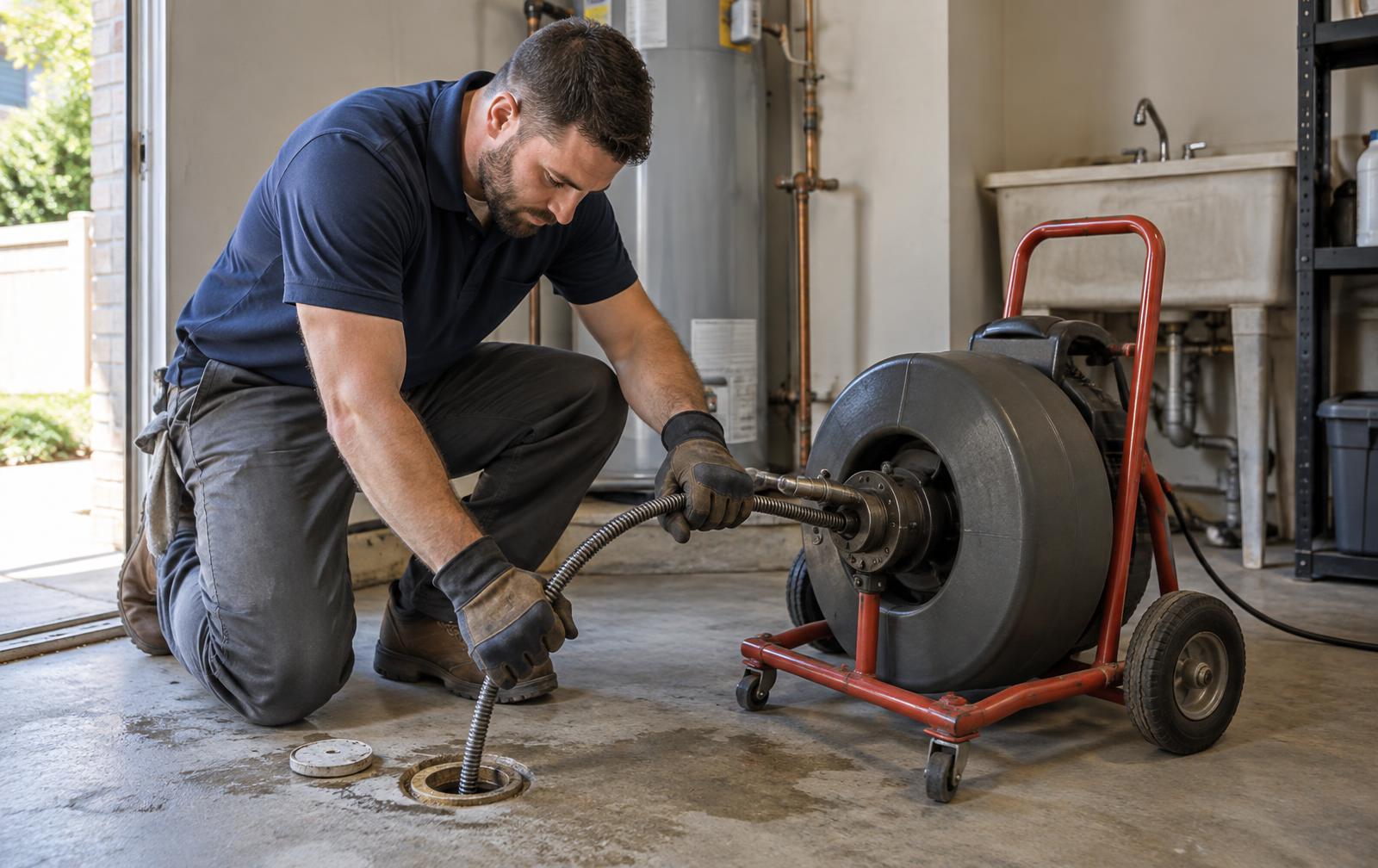
Drain Cleaning in Lewisville, TX
A shower that gurgles when the toilet flushes. A kitchen sink that pools instead of draining. A backup rising at the lowest fixture in the house. We open the line all the way through and back it up with a camera pass, instead of stopping the moment water starts moving again.
A Line That Moves Water Isn't the Same as a Line That's Clean
A lot of drain calls around Lewisville end the moment a cable punches a channel through whatever is clogging the pipe. Water runs, the visit is over, and the plumber leaves. The trouble is that a channel isn't a clean pipe. Under Old Town Lewisville's early-1900s bungalows and the pier-and-beam cottages nearby, the drain lines are old enough that a punched channel through built-up scale closes back in on itself within weeks, and the truck gets called out again.
We treat a drain call as finished only once the line is opened to its full width and we've run a camera from the cleanout to the fixture to prove it. That means picking a cutter that matches what's actually inside the pipe, not defaulting to whatever attachment is fastest to load, and it means a second look at the footage before we call the job done. If that footage shows a crack, an offset joint, or a bellied section instead of just a stoppage, cleaning it again later won't solve anything — we'll say so and walk you through the repair options honestly.
This applies across the whole city, from the two-story stacks going up in Castle Hills' newer sections to the low, mature-lot ranches around Serendipity Village and Chase Oaks, to the older waterside homes in Lakeland Terrace and Lakewood North where the lateral run to the street tends to be longer than newer subdivisions.

What a Lewisville Drain Tells You Before It Fails
A backed-up line almost always gives warning first. Respond to these early and it's a short visit. Ignore them and it's a mess on the floor.
A single slow sink is usually a branch problem near that fixture. Two or three fixtures slowing down together points to a blockage further along in the main line, and that's the more urgent of the two.
Flush the toilet and the tub gurgles back. Start the washer and the shower drain bubbles. That's air finding a path around a partial blockage in the shared line instead of venting normally.
A sour, rotten smell near a bathroom drain is frequently a dry or siphoned trap, and a partially blocked main line pulling air backward through that trap is a common cause.
The shower fills when the toilet is flushed, or the dishwasher pushes water up into the sink. That's the signature of a main-line backup finding the lowest point in the house — worth a call before it reaches the floor.
A gradual, whole-house slowdown over months usually means scale or grease is narrowing the pipe wall along its full length. A jetting pass restores the working diameter rather than just punching through it.
A section of lawn that stays wet or greener than the rest, tracking the path of the sewer line, usually means the pipe is leaking underground. That calls for a repair, not another cleaning.
Match the Tool to the Pipe, Then Prove It on Camera
We don't call a drain finished until we've seen it clear, wall to wall, on camera.
- 1Figure out which line is actually blocked
A single slow drain, several slow drains, and a full backup at the lowest fixture point to three different lines. A short walkthrough of which fixtures are acting up tells us where to start before any equipment comes off the truck.
- 2Get in through a proper cleanout
We work through a cleanout, not a toilet flange or shower drain, so nothing ends up back in the house. Most Lewisville ranches near Serendipity Village and Chase Oaks have a ground-level cleanout out front or along the side yard; condos and townhomes in Castle Hills more often route it through a utility closet.
- 3Choose the cutter for what's actually in the pipe
A blade for grease, a chain flail for root intrusion, a wire brush or jetting head for scale build-up. Using the wrong head — a spade cutter on roots, say — either misses the blockage or scars the pipe wall.
- 4Open the full diameter, not just a channel
We keep working the line until the whole width is clear from cleanout to fixture, then draw the cable back slowly so we're not leaving loose debris hanging inside to snag the next thing that goes down the drain.
- 5Run the camera to confirm it
Every job wraps with a camera pass so you can see the pipe is actually open. If we find a crack, an offset, or root growth we couldn't fully clear, we show you the footage and quote the repair honestly rather than pretend a clean line fixed a broken one.
What We Typically Find, Neighborhood by Neighborhood
The age and layout of a house shapes what's usually wrong with its drains.
This downtown core traces back to the city's 1925 incorporation, and many of its cottages and bungalows have been restored rather than replaced. Homes from that era commonly carry original drain runs, so a slow line here is more likely tied to aging pipe material than to a fresh clog.
Single-story ranch homes on established lots, mostly built from the 1970s through the 1990s. Houses from that stretch typically have cast iron or early ABS drains, the kind that develop interior scale and need periodic attention as they approach 40 to 50 years old.
This subdivision went up mainly in 1996 and 1997, under codes that favored PEX and modern drain materials. Homes of that age are now edging toward 30 years old, which is a realistic point for a first look at root intrusion where the lateral crosses established trees.
Building here started in 1998 and is still going. Newer sections built to current code hold up well, but the master-planned community's shared lines and townhome sections can still see branch clogs at tie-ins serving multiple units.
One of the city's older, value-priced pockets near Lake Lewisville. Older single-family homes in this area are the kind where a longer lateral run out to the street is common, and that length matters when a clog sits further from the cleanout than expected.
Another older neighborhood near the lake, with the same vintage housing stock as Lakeland Terrace. In homes this age, a persistent slow drain is often the first sign that the pipe interior has narrowed rather than that something new is stuck in the line.
What Lewisville Homeowners Say

A Line That's Actually Open — Not Just Moving Water
If the same drain backs up again shortly after we've cleared it, call us and we'll come take another look, provided the camera didn't already show a pipe issue we flagged at the first visit. When it did, we quoted the repair honestly instead of cleaning around it.
Licensing runs through the Texas State Board of Plumbing Examiners, and we carry insurance and operate as a family-owned shop. Trucks stage out of The Colony only, which keeps most Lewisville addresses about 10 to 15 minutes out under normal traffic.
Straight Answers, No Sales Pitch
Our Other Plumbing Services in Lewisville, TX
A slow drain is frequently the first sign of something bigger further down the line. We handle that too, in the same visit, as your local Lewisville plumber.
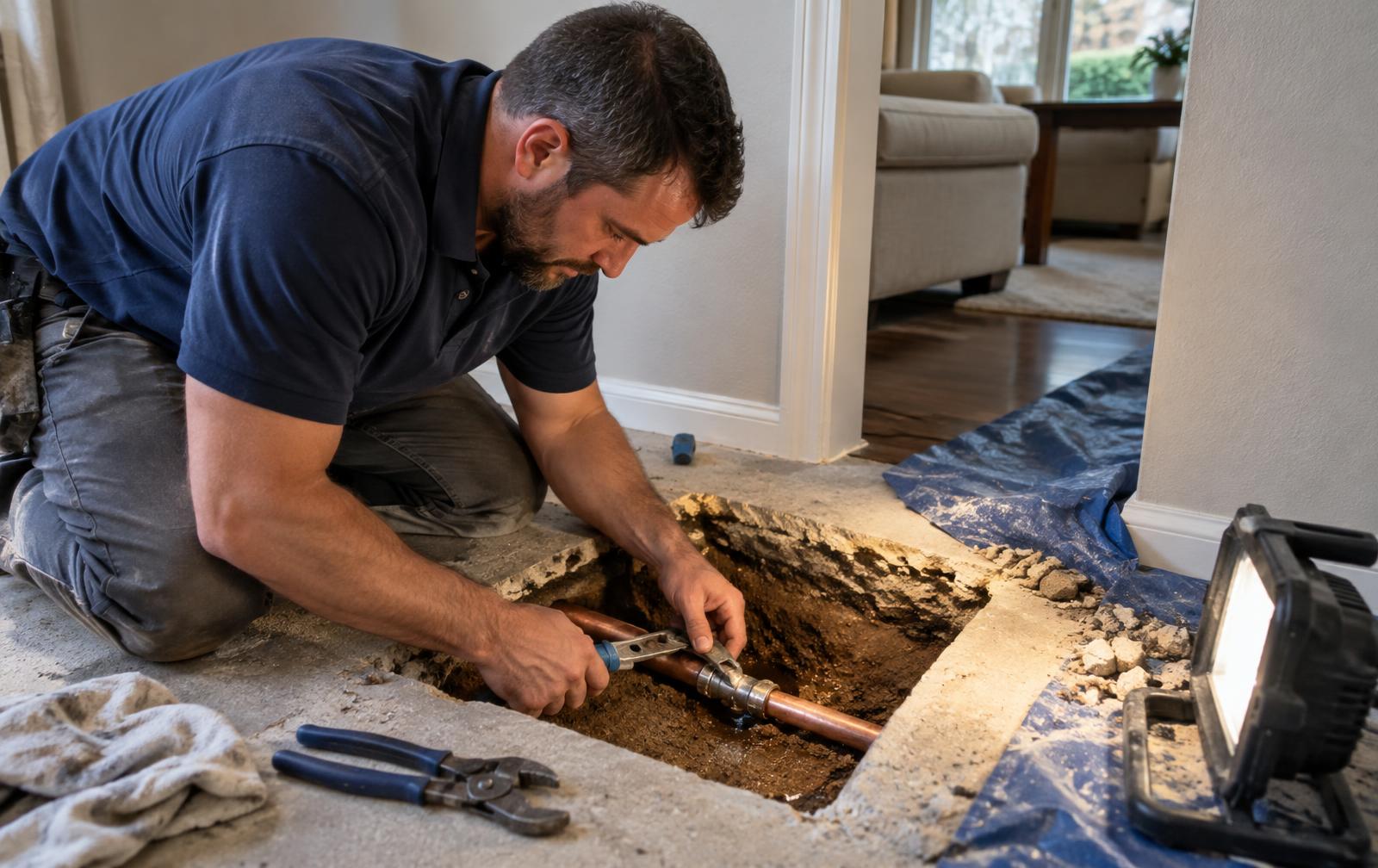
Electronic detection under Lewisville slabs — reroute options that save your finished floors when possible.
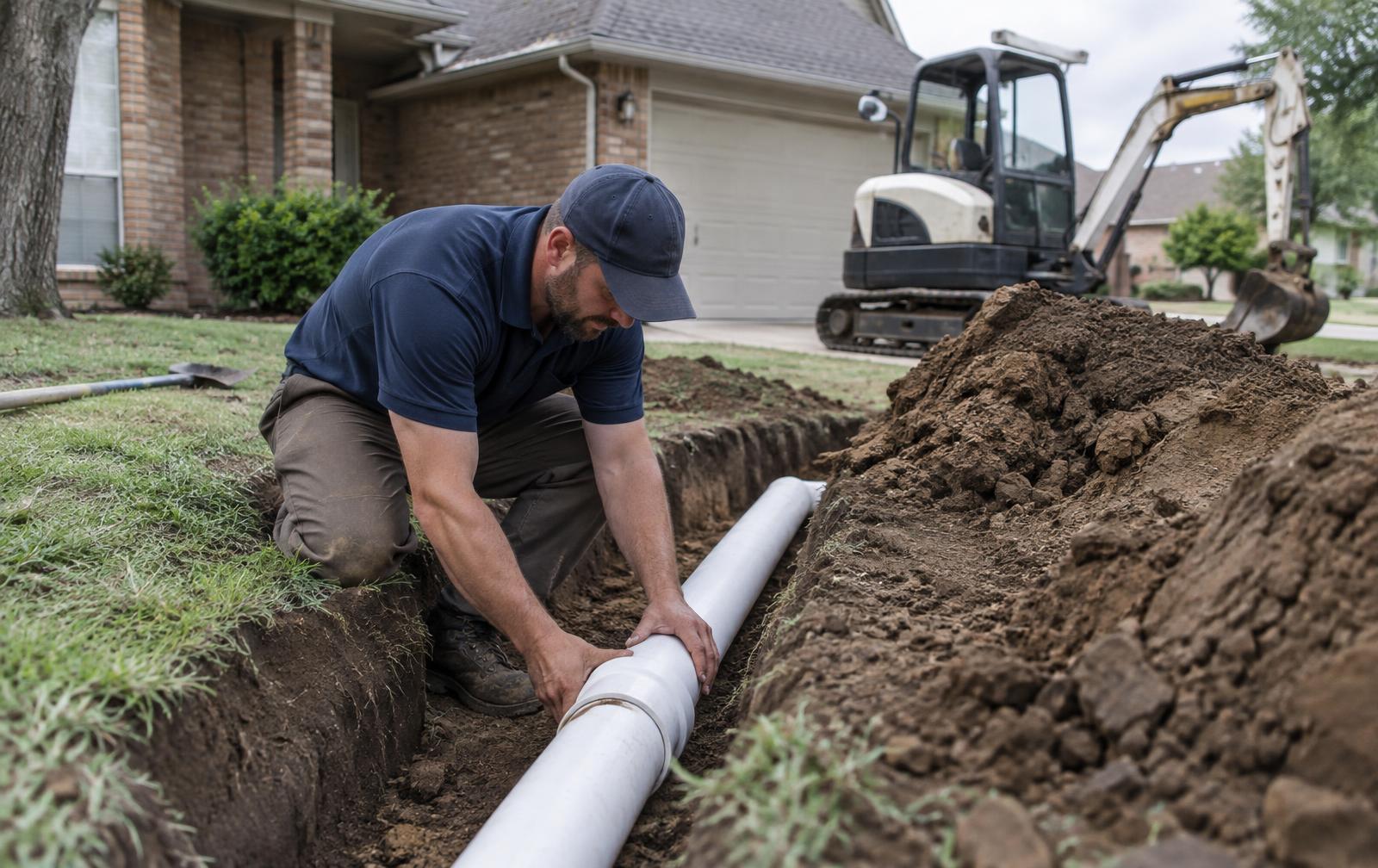
Trenchless replacement for the aging laterals across Lewisville's older runs — camera first, quote in writing, minimal yard damage.
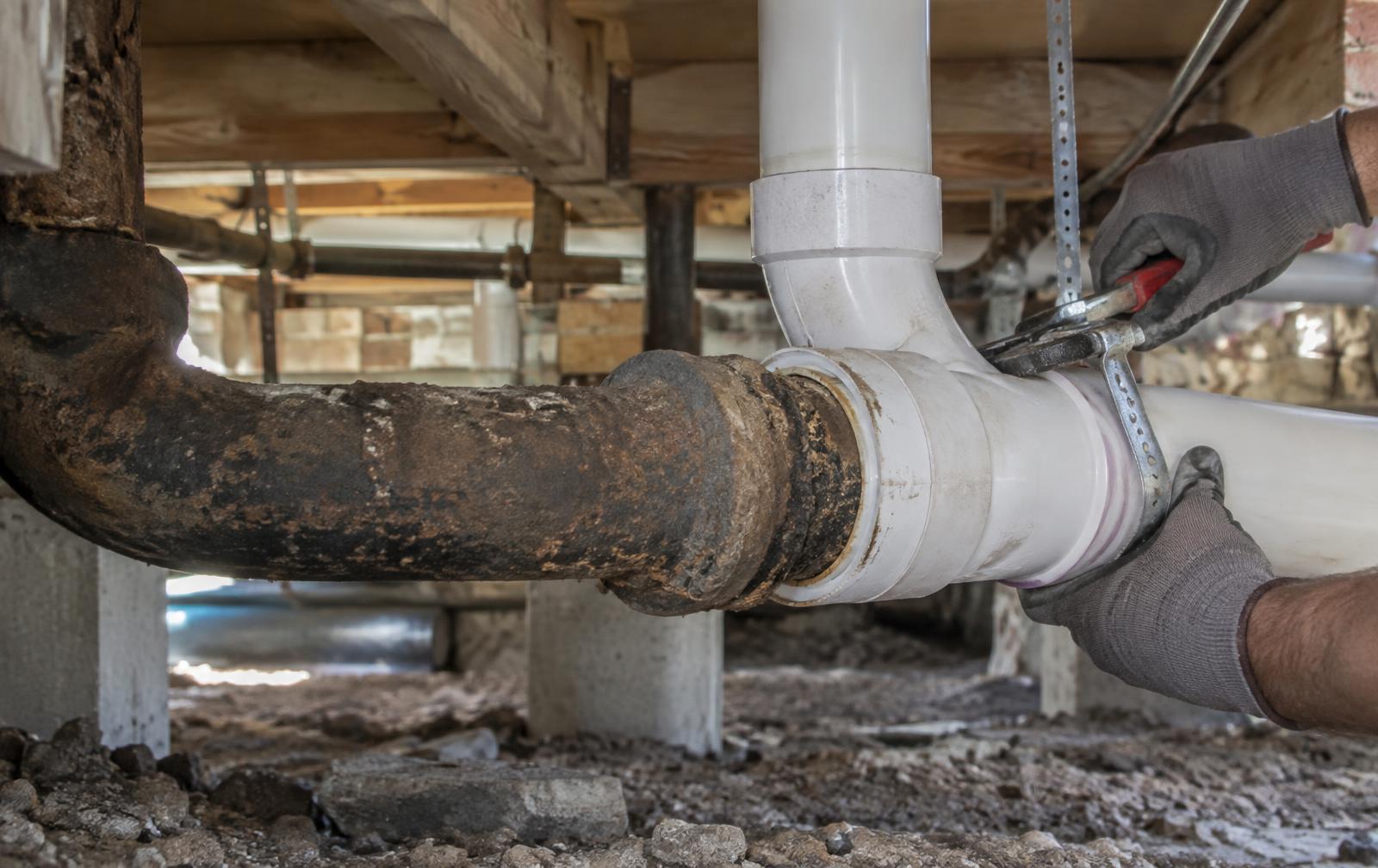
Camera inspection and PVC replacement for the aging cast iron drain lines in older Lewisville homes, with a written quote first.
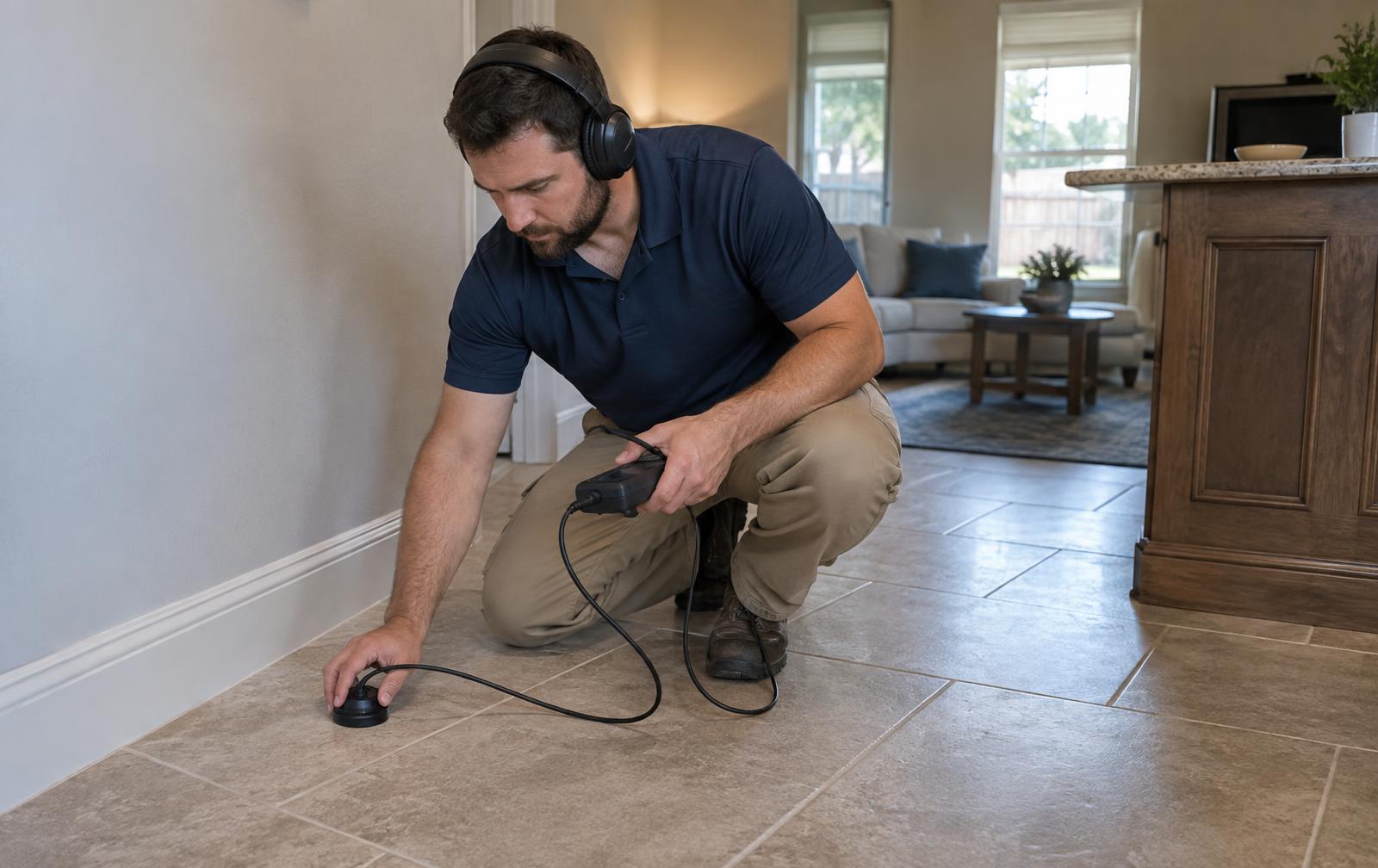
Acoustic, thermal, and pressure testing to pinpoint hidden leaks in Lewisville slab and wall lines without tearing into finishes.
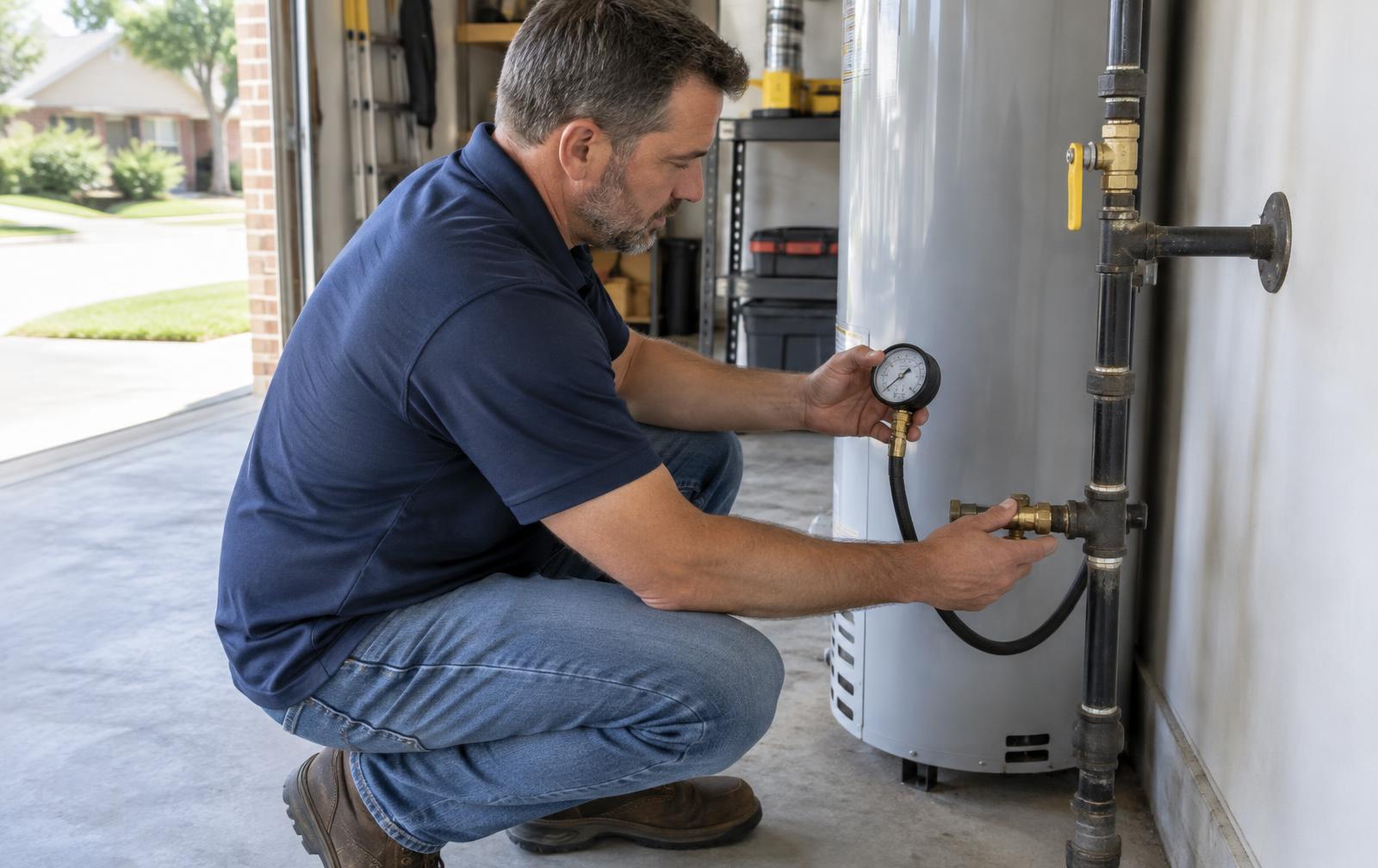
Licensed install, repair, and pressure-testing for Lewisville homes — every line signed off to Texas code and Atmos requirements.
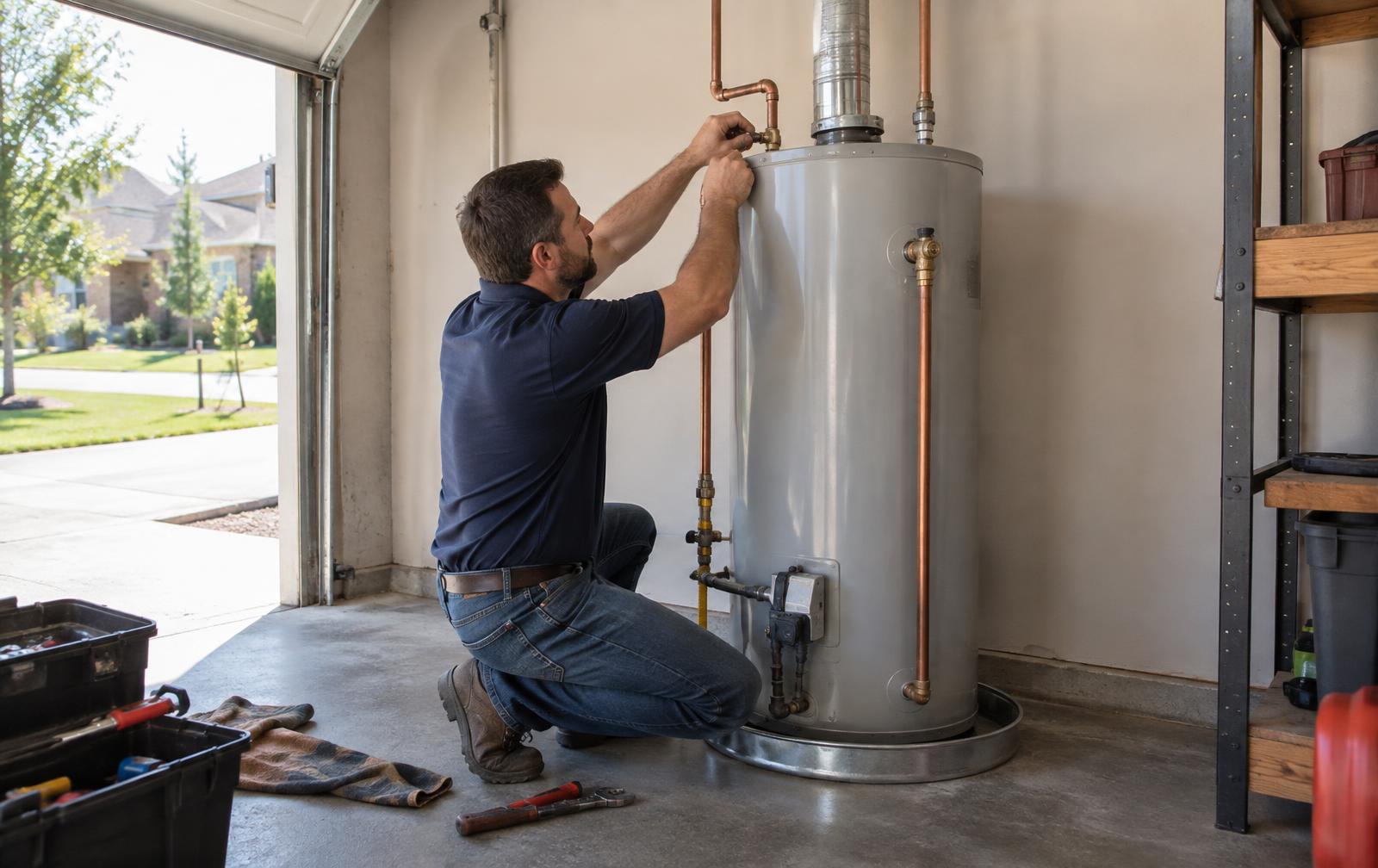
Repair, flush, and replacement of tank units — including attic and garage heaters common to Lewisville homes.
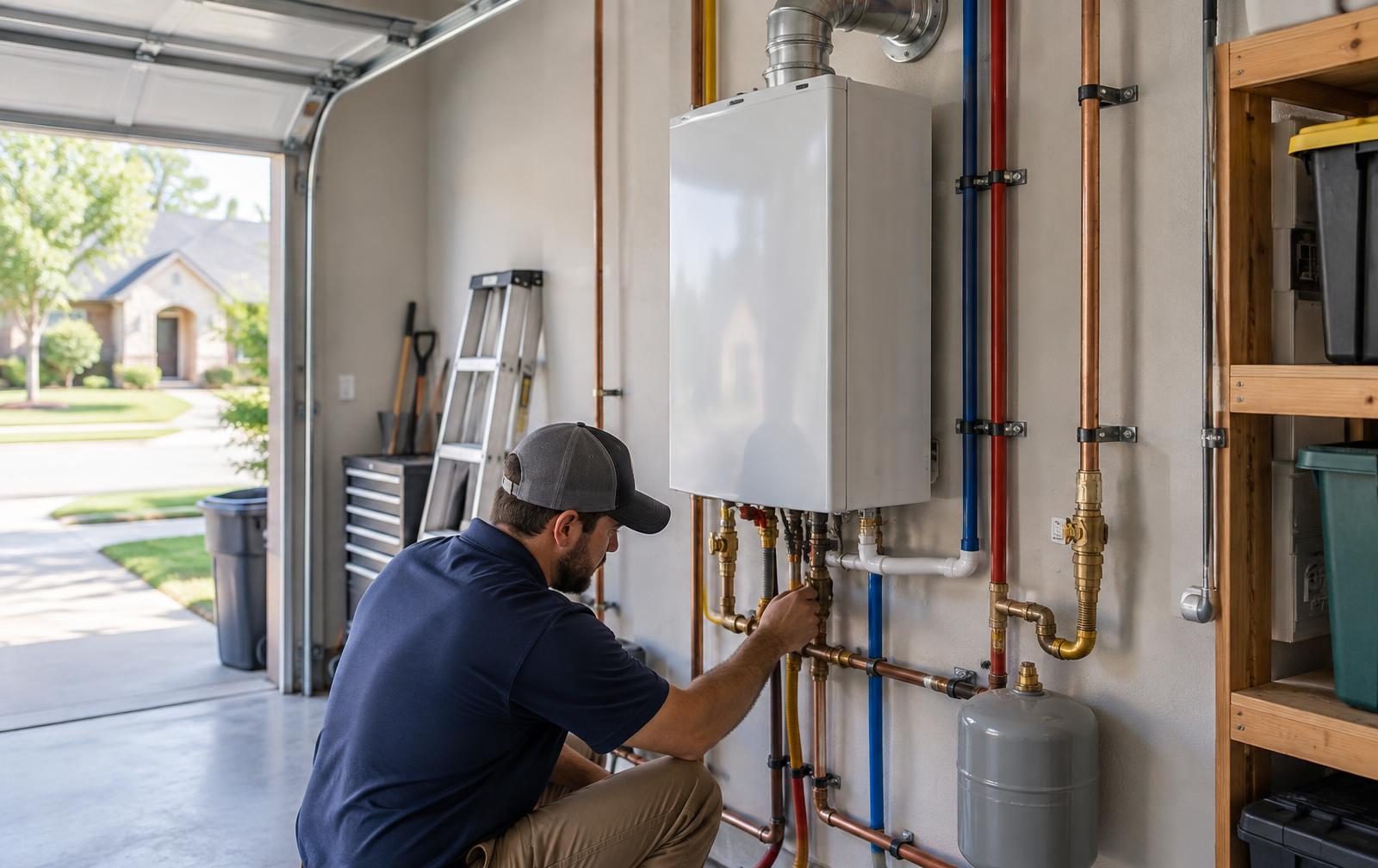
Install, service, and annual descaling — Lewisville's hard tap water eats tankless heat exchangers without it.
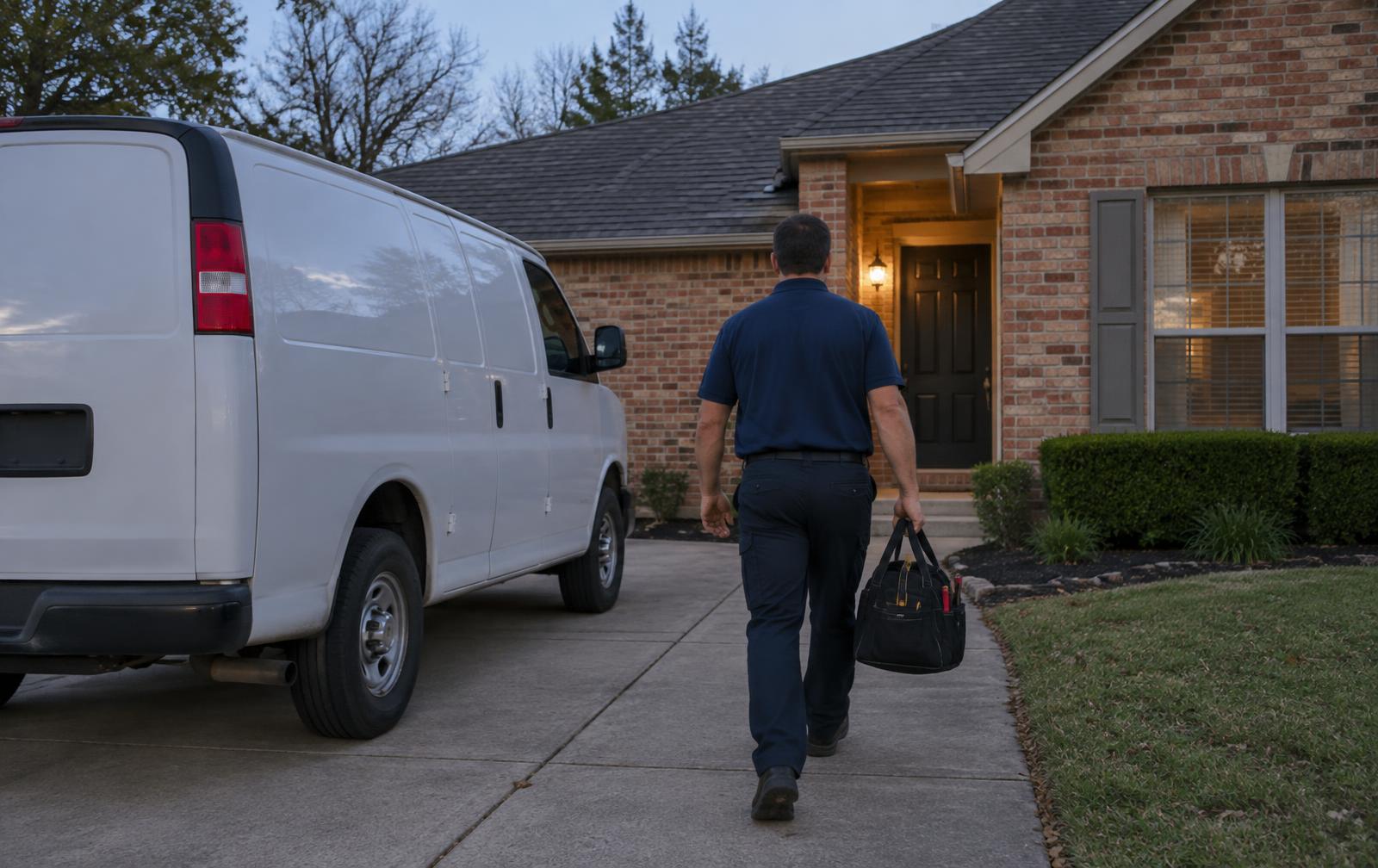
same-day, 7 days a week response across Lewisville for burst pipes, heater failures, and main-line backups.
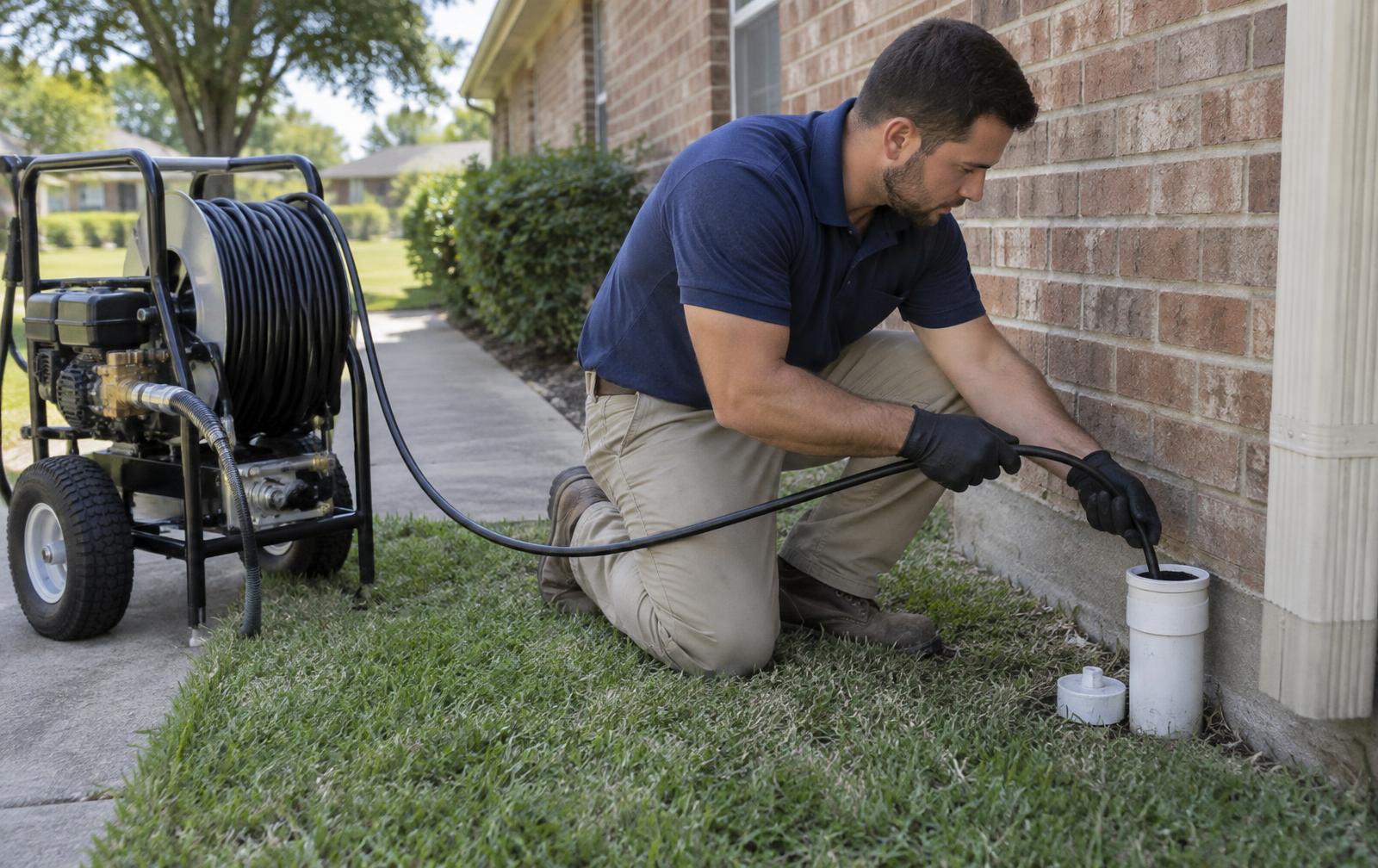
High-pressure cleaning that clears scale, grease, and roots from Lewisville's lateral runs — full-diameter, lasting clean.
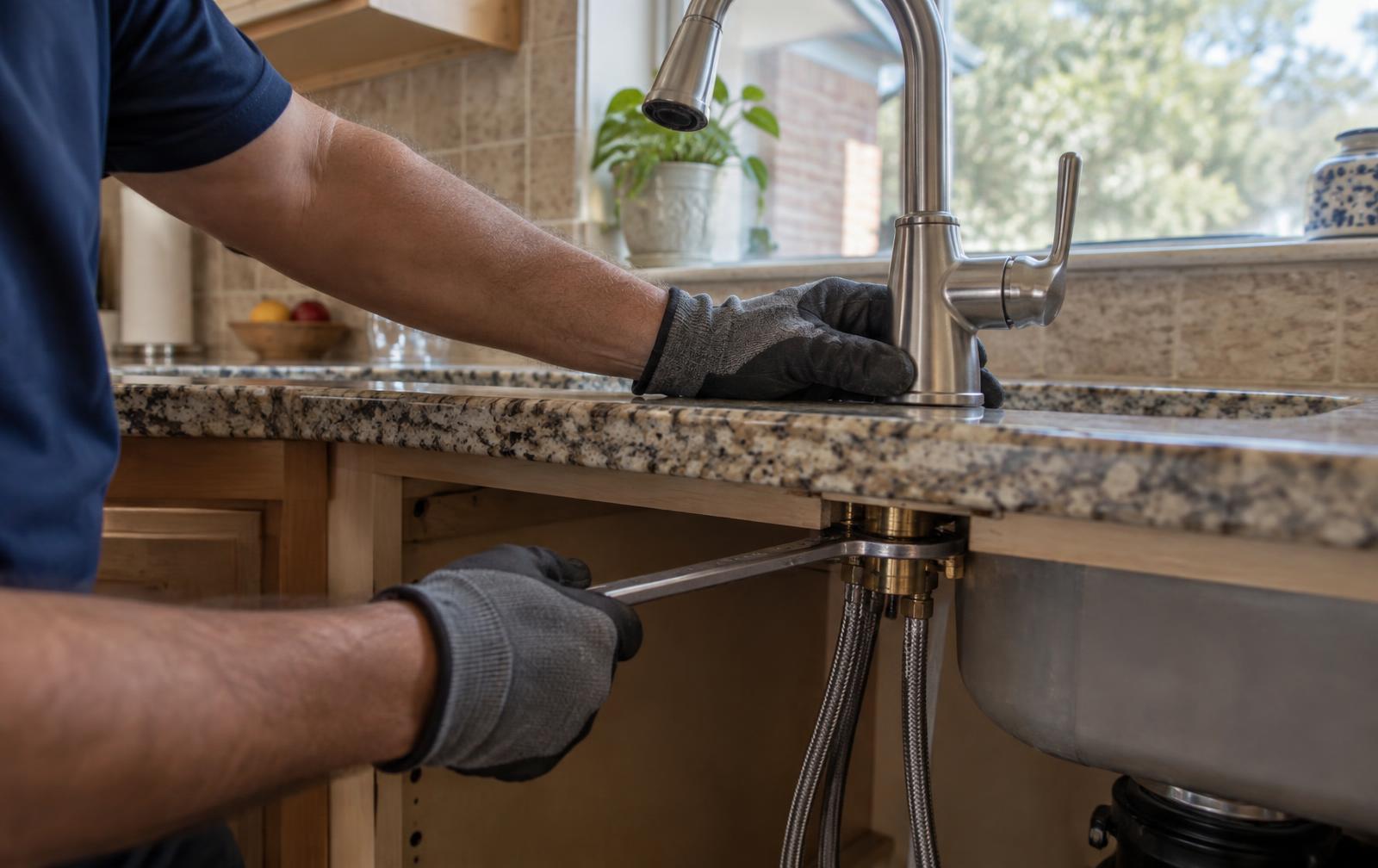
Cartridge, stem, and full-fixture replacement for Lewisville kitchens and bathrooms — hard-water-ready parts stocked on the truck.
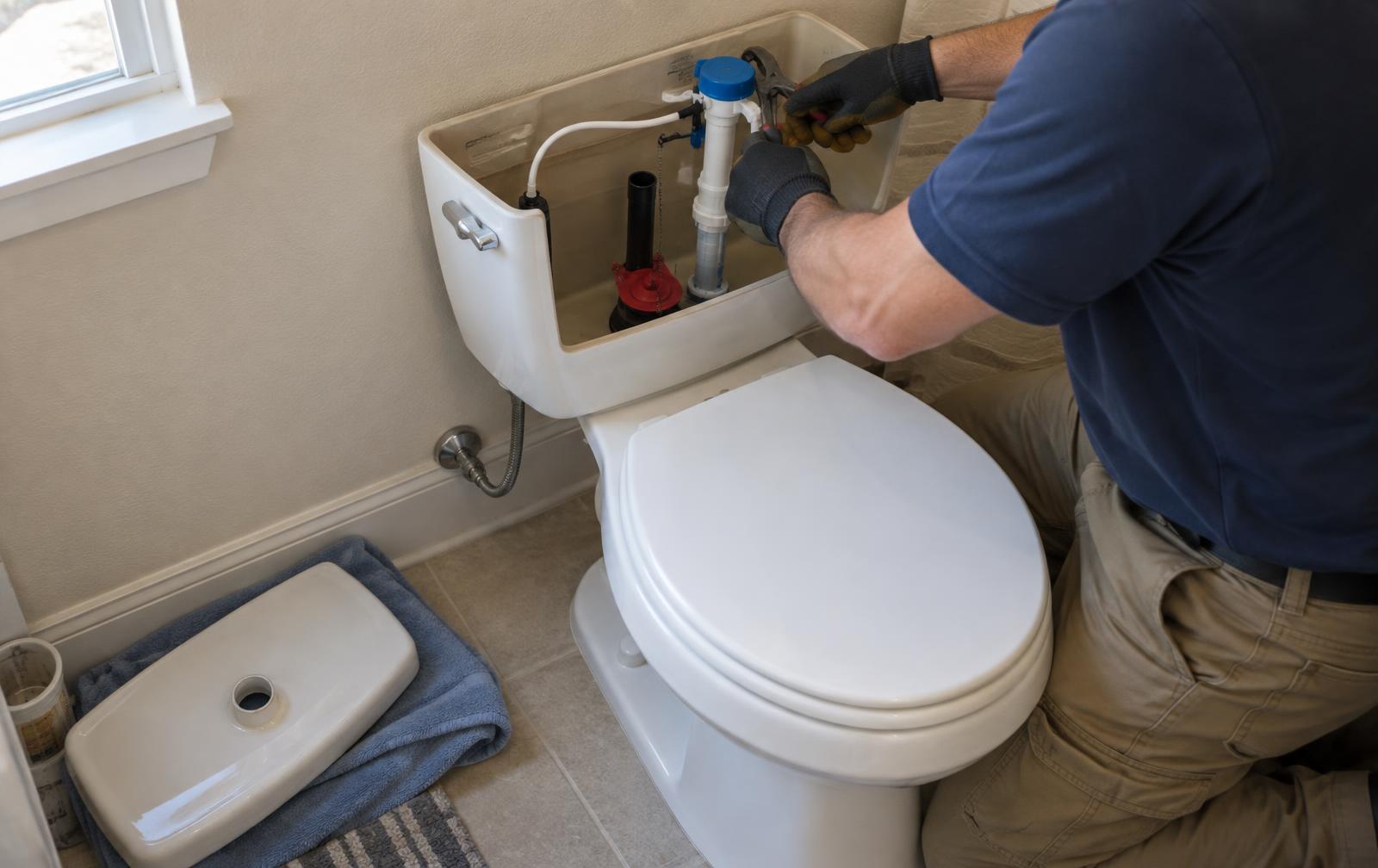
Rebuilds, wax-ring resets, flange repairs, and full replacements — the running toilets and rocking bowls in Lewisville homes.
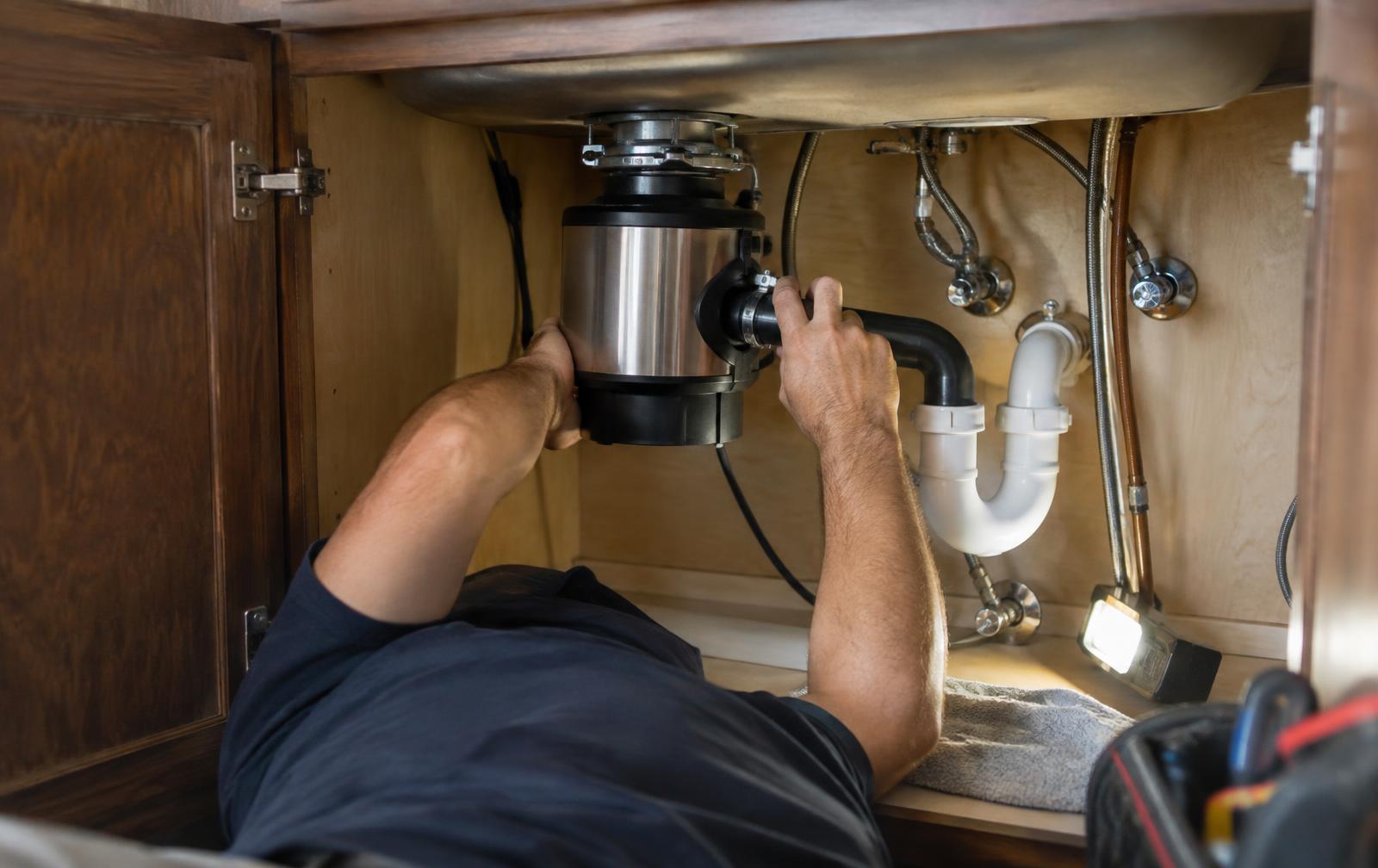
Jam clearing, leaking-unit swaps, and quiet 3/4 HP upgrades for Lewisville kitchens — same-visit install.
Drain Backing Up in Your Lewisville Home?
Same-day appointments, camera-confirmed results, and straight answers if the line backs up again. Call and get it opened.