

Water Heater Services in Carrollton, TX
No hot water on a cold morning. A rust color at the tap. A wet ring spreading around the base of the tank, or a popping noise from inside the closet. Whatever brought you here, we look at the whole picture — the tank, the venting, and whether the install meets what Carrollton actually requires.
Skipping the Permit Is the Most Common Shortcut We Undo
Carrollton's Building Inspection Department spells this out plainly: a water heater installation or replacement needs a permit, no matter how routine the swap looks, unless the person doing the work is the homeowner working on their own house. Anyone else has to be a licensed contractor registered with the city, and we fold that step into how a job gets scheduled rather than treating it as optional paperwork.
There's a water-quality reason replacements happen sooner here than in some other suburbs, too. The moderately hard to hard water flowing through Carrollton's system eats through a sacrificial anode rod faster than softer water would, so tanks in this city often reach the end of their useful life earlier rather than later. Layer on top of that the pressure increase the city has documented in a handful of named subdivisions, and a thermal expansion tank goes from a nice-to-have to something we simply won't skip on a closed system.
What that means on a replacement day: a properly sized expansion tank where the system calls for one, a drain pan with a real discharge route on any closet or elevated unit, and temperature-and-pressure piping routed the way code actually asks for it. None of that shows up on a bargain quote that skips it.

Signs Your Water Heater Needs a Look
A few of these mean a quick repair. Others mean the tank's time is basically up. Either way, waiting rarely helps.
A second shower going cold, or a tub that never quite gets fully hot, often traces to a worn dip tube, a tank that was undersized from day one, or sediment quietly eating into usable capacity.
Sediment collecting on the tank floor flash-boils and pops through the water column above it. Catching it early with a flush restores efficiency; letting it go tends to mean the tank is nearing the end regardless.
This means the sacrificial rod meant to protect the tank has been used up, and the steel underneath has started to corrode. Swapping the anode can add years if you catch it in time; heavy discoloration usually means that window has closed.
A cracked tank has no repair path — it needs replacing, not patching. Shut off the water and the gas or electrical supply and get us out to look right away.
A struggling burner or heavy sediment build-up forces the unit to run longer for the same result. An unexplained jump in the bill is a reasonable trigger for a diagnostic visit.
That's the system telling you pressure or temperature is running high, or that the valve itself has worn out. Ignored long enough, the next step up from a dripping valve is a ruptured tank.
An Honest Look First, Then the Right Fix
The goal is never to sell a new tank when yours still has good years left, or to patch one that doesn't.
- 1Read the tank before touching anything
Serial number for true age, sediment depth, anode wear, the relief valve, and — on gas models — the burner and draft all get checked before we say a word about repair or replacement.
- 2Fix the part that actually failed
A bad thermocouple, gas valve, heating element, thermostat, or dip tube is usually a same-visit job with parts already on the truck, as is a full flush to clear years of sediment.
- 3Bring a replacement fully up to code, not just to spec
Right-sized for the household, a thermal expansion tank added wherever the system is closed, a drain pan routed to an actual discharge point on any closet unit, correctly placed dielectric fittings, and a seismic strap wherever the location requires one.
- 4Take the old tank with us
It leaves in our truck for recycling instead of getting dragged, dripping, down a hallway or through a condo corridor. We clean up the closet floor before the new unit goes in.
- 5Confirm it's actually working before we leave
Combustion check on gas units, a look at the recovery rate, a sane default temperature setting, and a walkthrough of the shutoff, the relief valve, and when the next flush should happen.
Water Heater Realities Across Carrollton
Where the unit sits and what era it was installed in both shape what a visit actually involves.
This 1980s single-family section usually has straightforward garage or utility-closet placements, which keeps most jobs to a standard scope with plenty of room to add the expansion tank properly.
Built mostly in the early-to-mid 1980s, this Denton County tract sits inside the area the city has flagged for a documented pressure increase — precisely where we treat an expansion tank as mandatory rather than optional.
Developed from the late 1970s into the late 1980s, this section is also named in that same city pressure notice, and its larger lots occasionally mean a longer run of supply pipe feeding the heater than a typical subdivision.
Dating mostly to the 1960s and 1970s, Woodlake is a third subdivision named in the city's pressure notice, and it tends to have some of the oldest tanks still running day to day anywhere in Carrollton.
Completed in two builder phases by 2004 under a mandatory HOA, this section was built under more current plumbing code from the start, so a replacement here is usually about matching what was already done correctly.
As the newest housing stock in the city, this still-growing master-planned area occasionally calls for larger-capacity tanks, or more than one unit, to match bigger floor plans and heavier simultaneous hot water use.
What Carrollton Homeowners Say

Told to You Straight, Whether That's Repair or Replace
A tank replacement comes with the manufacturer's warranty on the equipment and warrantied labor on our end. A repair carries the same standard on parts and labor. When we say replacement is the better move, it's because the diagnostic actually points there — not because there happened to be a new tank on the truck that morning.
We hold a license with the Texas State Board of Plumbing Examiners, carry insurance, and run this as a family business, dispatching every truck from our shop in The Colony. Same-day appointments are available seven days a week, 8 AM to 6 PM, for a total failure or an active leak.
Direct Answers to the Questions That Come Up
Our Other Plumbing Services in Carrollton, TX
A struggling water heater often isn't the only plumbing showing its age. While we're already there, we'll take a look at leaks, drains, and gas lines from the same era too.

Electronic detection under Carrollton slabs — reroute options that save your finished floors when possible.

Trenchless replacement for the aging laterals across Carrollton's older runs — camera first, quote in writing, minimal yard damage.
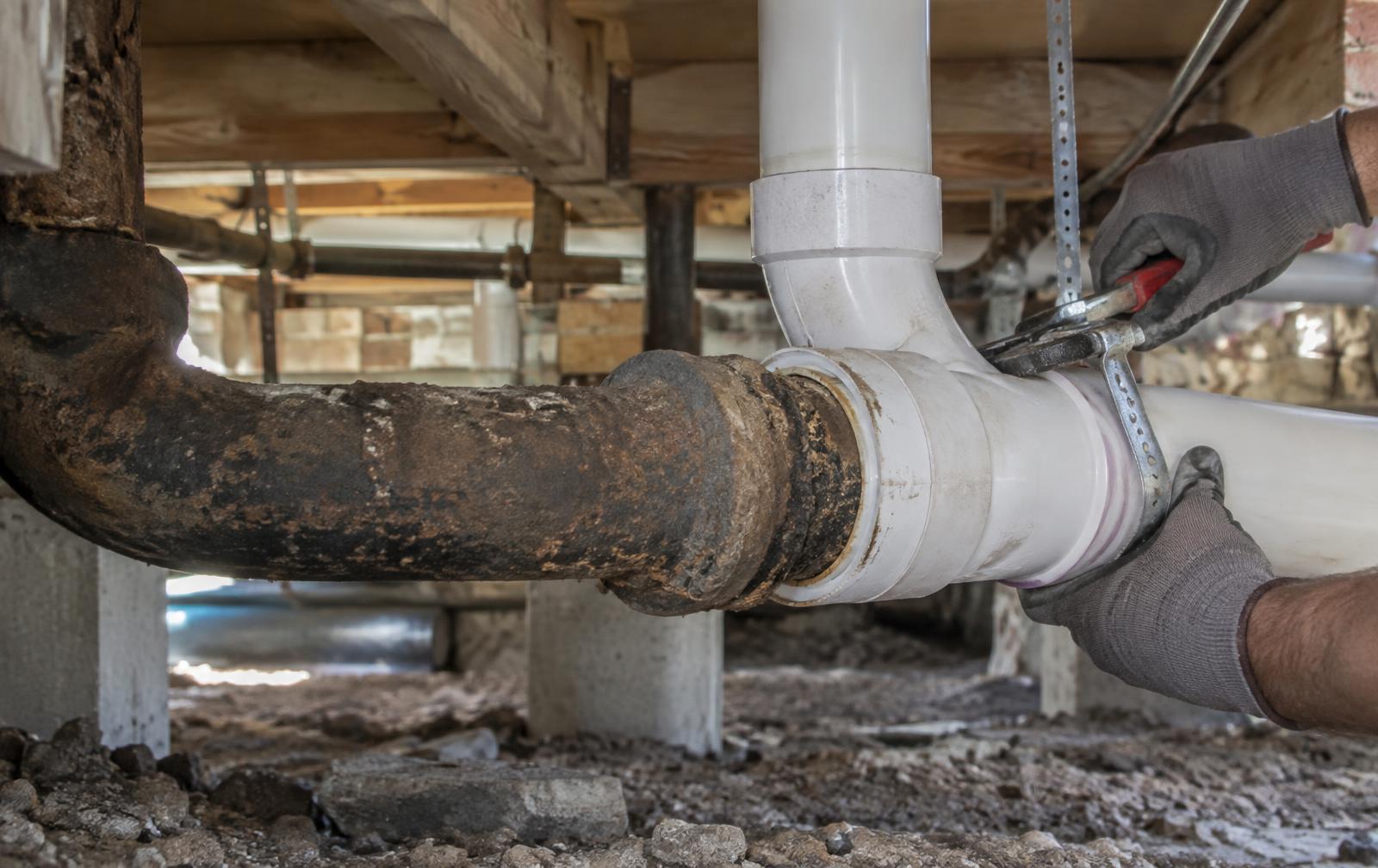
Camera inspection and PVC replacement for the aging cast iron drain lines in older Carrollton homes, with a written quote first.

Acoustic, thermal, and pressure testing to pinpoint hidden leaks in Carrollton slab and wall lines without tearing into finishes.

Licensed install, repair, and pressure-testing for Carrollton homes — every line signed off to Texas code and Atmos requirements.

Full-clear service and camera confirmation for the drains under Carrollton's neighborhoods.

Install, service, and annual descaling — Carrollton's hard tap water eats tankless heat exchangers without it.

same-day, 7 days a week response across Carrollton for burst pipes, heater failures, and main-line backups.

High-pressure cleaning that clears scale, grease, and roots from Carrollton's lateral runs — full-diameter, lasting clean.

Cartridge, stem, and full-fixture replacement for Carrollton kitchens and bathrooms — hard-water-ready parts stocked on the truck.

Rebuilds, wax-ring resets, flange repairs, and full replacements — the running toilets and rocking bowls in Carrollton homes.

Jam clearing, leaking-unit swaps, and quiet 3/4 HP upgrades for Carrollton kitchens — same-visit install.
Dealing With a Water Heater Issue in Carrollton?
An honest diagnosis, a code-correct replacement when that's the right call, and same-day scheduling for real failures.