
Emergency Plumbing in Carrollton, TX
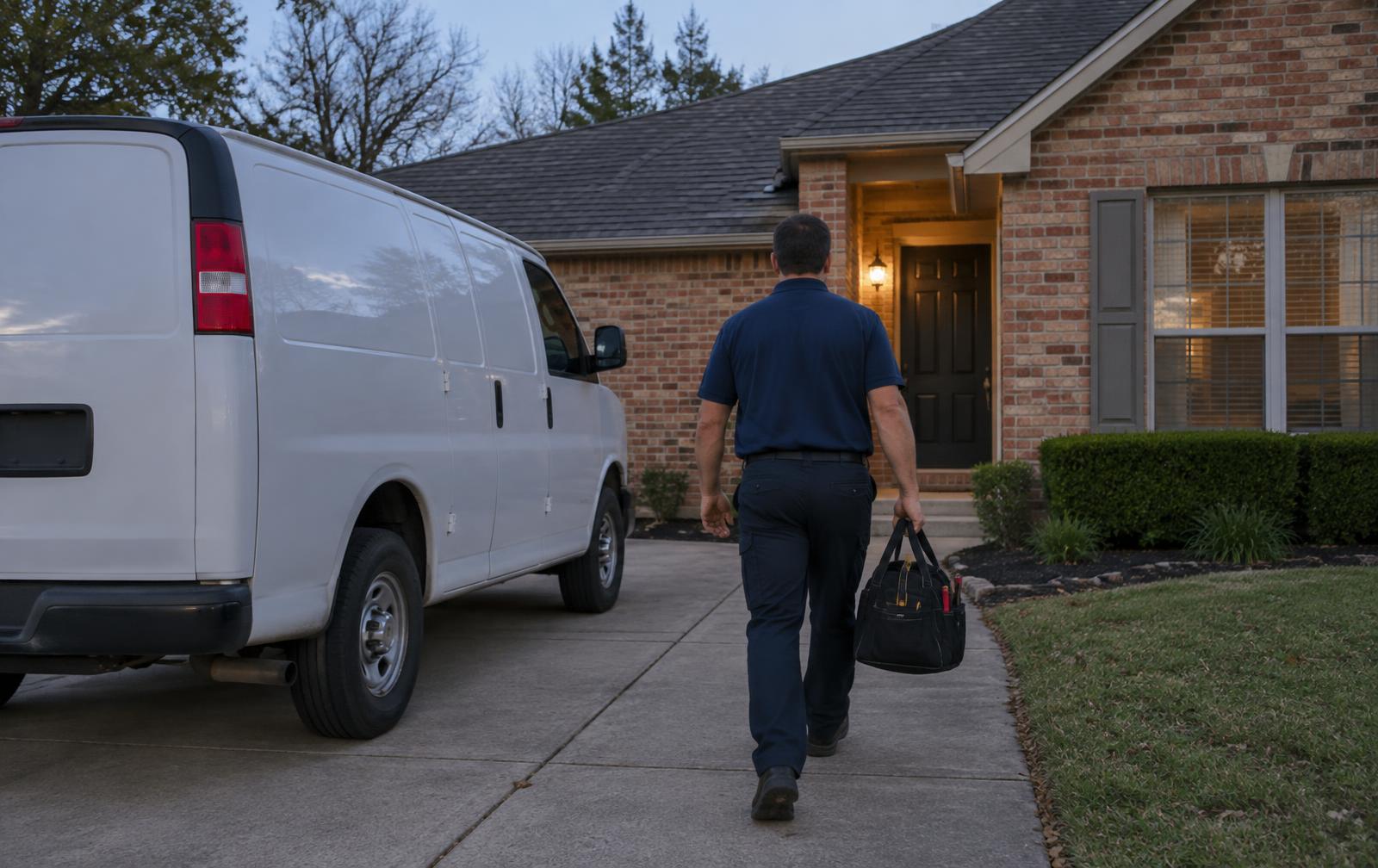
Copper letting go under a slab. Sewage climbing back up through a toilet. A tank splitting open in the utility closet. Our shop sits close enough in The Colony that most Carrollton households are seeing our truck in 15 to 20 minutes, same-day, seven days a week, between 8 in the morning and 6 at night.
Proximity Matters More Than a Slogan
Plenty of companies advertise round-the-clock coverage while actually forwarding your call to whichever subcontractor happens to be available, often well outside the area. Our operation runs differently: the shop itself is in The Colony, so under ordinary traffic conditions we are looking at roughly fifteen to twenty minutes to reach most Carrollton streets. A plumber on staff — not a dispatcher script — answers, tells you exactly which valve to close right now, and gives you a realistic window instead of empty reassurance.
One Carrollton-specific wrinkle worth knowing: municipal records show a documented main water pressure increase covering the Homestead, Carillon Hills, High Country, and Woodlake subdivisions, an area roughly framed by Rosemeade Parkway, the BNSF rail line, and Croft Road/Chestnut Drive/Clear Creek. Once static pressure exceeds 80 psi, Texas plumbing code calls for a reducing valve, and a house in that footprint that never got one is a stronger candidate for a fitting or valve giving out with no warning.
Ground movement is the other recurring theme. Expansive Blackland Prairie clay sits under the older, southern portion of the city, and it is a well-established driver of foundation shift there. A pinhole slab leak in that stretch of Carrollton can turn into a running stream far quicker than homeowners expect. We arrive, secure things safely, and only afterward chase down what actually caused it.

What Actually Qualifies as an Emergency in Carrollton
Everything listed here gets a same-day truck. A handful of things homeowners worry about do not, and we will say so plainly.
From any source, once water is spreading across a floor or soaking a wall, close the main supply valve first and dial us second. We start moving the moment the call ends.
If waste water is climbing in a tub, toilet, or shower pan, leave every fixture in the house alone until the line has been cleared.
Ring Atmos Energy's line for gas emergencies before us so the meter gets shut. Once the property is confirmed safe, we schedule the pressure test and any repair work.
That usually points to a cracked tank rather than a loose fitting. Kill power or gas to the unit plus the cold-side feed, then reach out.
First confirm the meter valve and the interior main are both open. If they are and nothing runs anywhere, the service line feeding the home has likely failed — that warrants a same-day visit.
A drip that turns into a stream overnight is a pattern we see more often on the clay-soil side of the city. Close the water heater's cold-side valve to take pressure off, then call.
Contain It, Diagnose It, Repair It Properly
Damage control comes first. Understanding the failure comes second. The permanent fix comes last.
- 1Real plumber, live on the line
Nobody reads from a script. You get shutoff instructions tailored to what is actually happening — main valve, water heater isolation, or the gas meter — while the truck is already rolling.
- 2A truck built for the job in front of it
Our vehicles carry the parts for burst-line repair, sewer clearing, and water heater swaps, so most calls wrap on the first trip rather than turning into a return visit for a quote.
- 3Looking past the symptom
Once the immediate problem is handled, we check whether it was a one-time event or a sign of something larger — a subdivision affected by the city's pressure notice, or clay movement stressing a slab line — and tell you what that means going forward.
- 4Only restoring water when it is genuinely safe
We will not turn service back on to a section that still has an unresolved failure. Water quietly soaking into framing behind drywall does more harm than the leak you can already see.
- 5A packet for your insurance claim
Photos before, photos after, and a plain written account of what happened and what we did about it — the pieces most adjusters want when a claim gets filed.
Where Trouble Tends to Start Around Carrollton
Age of construction and the city's own pressure notice both point toward the same handful of areas.
Completed in stages through 2004, Homestead falls inside the boundary named in the city's pressure-increase notice. PEX supply lines here tolerate pressure swings better than older copper or galvanized runs, though a system without a reducing valve is still exposed.
Construction here began around 1983 and the subdivision is one of the four listed in that same municipal pressure notice. Fixtures and fittings sized for lower operating pressure decades ago are more prone to a sudden split once main pressure climbs past code limits.
Homes went up through the mid-1980s here, some on sizable estate lots, and the area is also named in the pressure notice. A main shutoff valve that has been painted over or seized shut is a common discovery in houses this age — exactly the wrong moment to find out.
Dating to the 1960s and 1970s, Woodlake rounds out the four subdivisions flagged in the pressure notice. Original cast iron drains from that era, combined with the pressure issue, make both a burst supply line and a sudden main-drain backup more plausible here than in newer construction.
Some structures near the original town square predate 1900. Supply and drain piping that has never been touched since is a frequent source of a leak that is hard to trace behind an old wall or beneath an aging slab.
First residents arrived here in 1998, and the area is closest to our own shop. Newer plumbing means fewer sudden pipe failures, though the larger estate lots typically carry longer irrigation and supply runs worth a look after any pressure event.
What Carrollton Homeowners Say

Being Nearby Is the Real Advantage
Every truck rolls out of our shop in The Colony, putting the average Carrollton address around fifteen to twenty minutes out under normal conditions. That window stretches for everyone during a hard freeze or a major storm, and we would rather tell you that honestly than promise a number we cannot hit.
Our license comes from the Texas State Board of Plumbing Examiners, we carry full insurance, and the business is family owned. Someone picks up the phone in person for same-day work, seven days a week, 8 AM to 6 PM. In a genuine emergency, a phone call reaches us faster than a web form.
Straight Answers, No Sales Pitch
Our Other Plumbing Services in Carrollton, TX
An emergency call usually points to a bigger question once the water is off — an aging supply line, a stressed sewer lateral, or a house running without a pressure-reducing valve. We handle that follow-up work locally in Carrollton too.
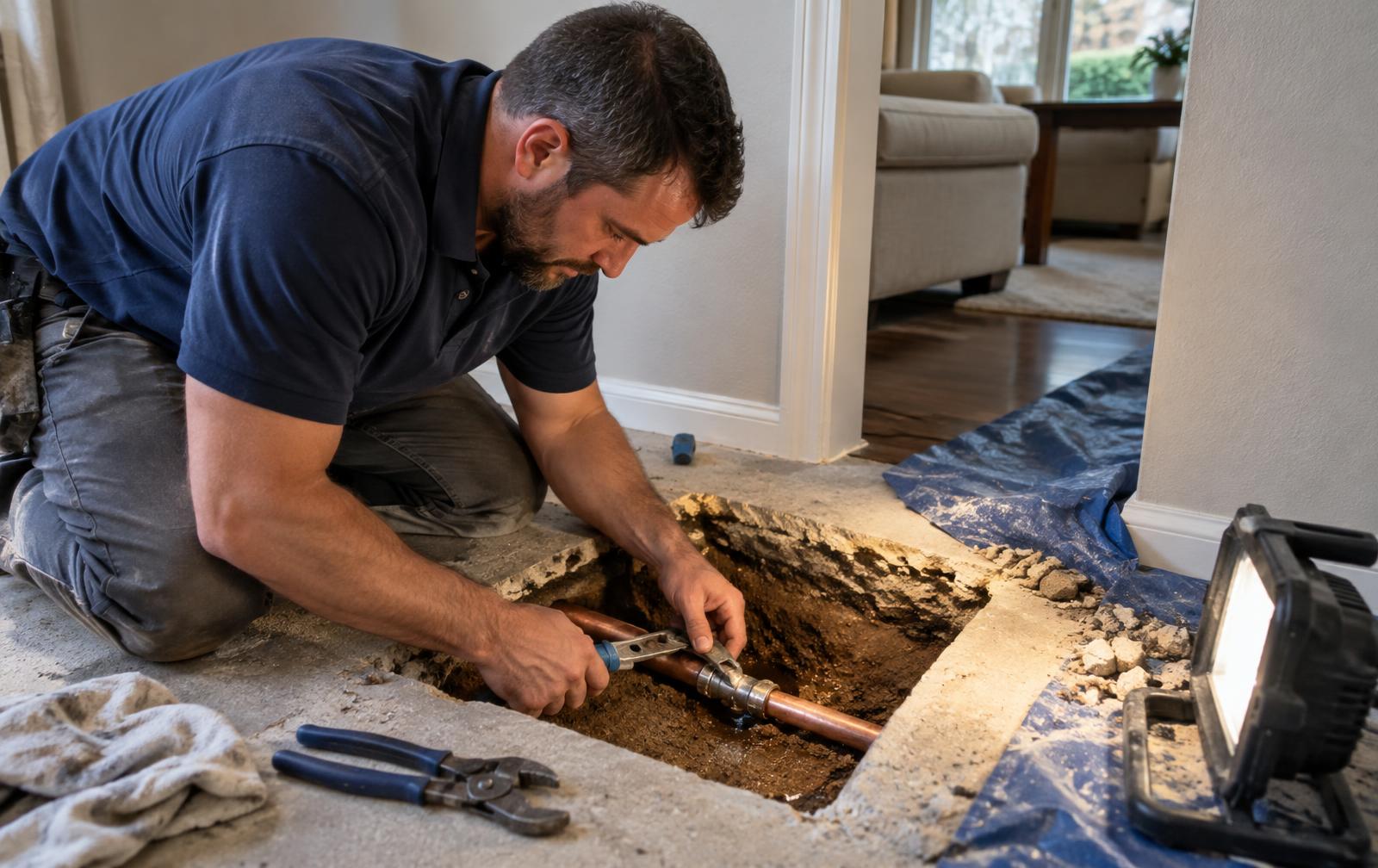
Electronic detection under Carrollton slabs — reroute options that save your finished floors when possible.
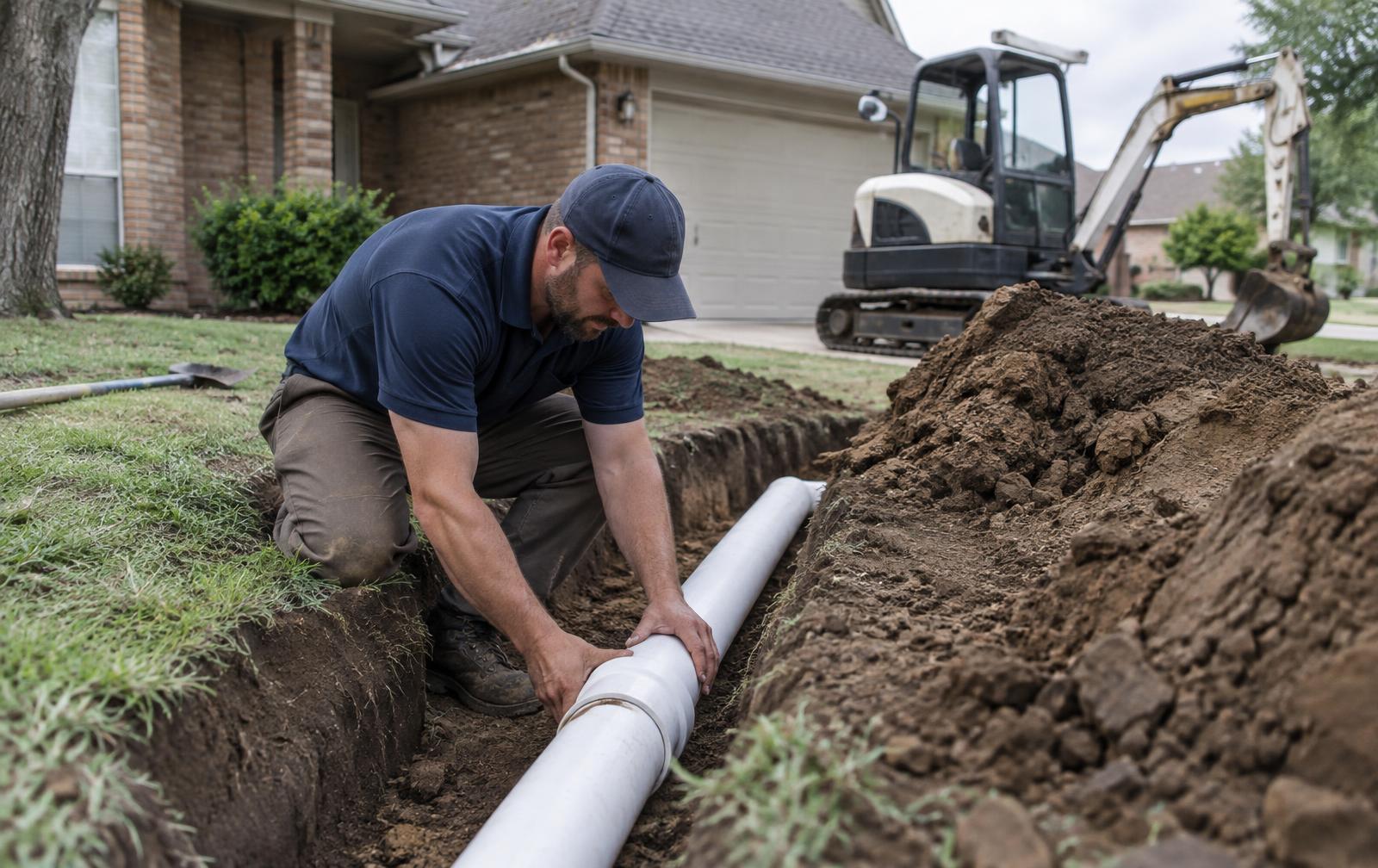
Trenchless replacement for the aging laterals across Carrollton's older runs — camera first, quote in writing, minimal yard damage.
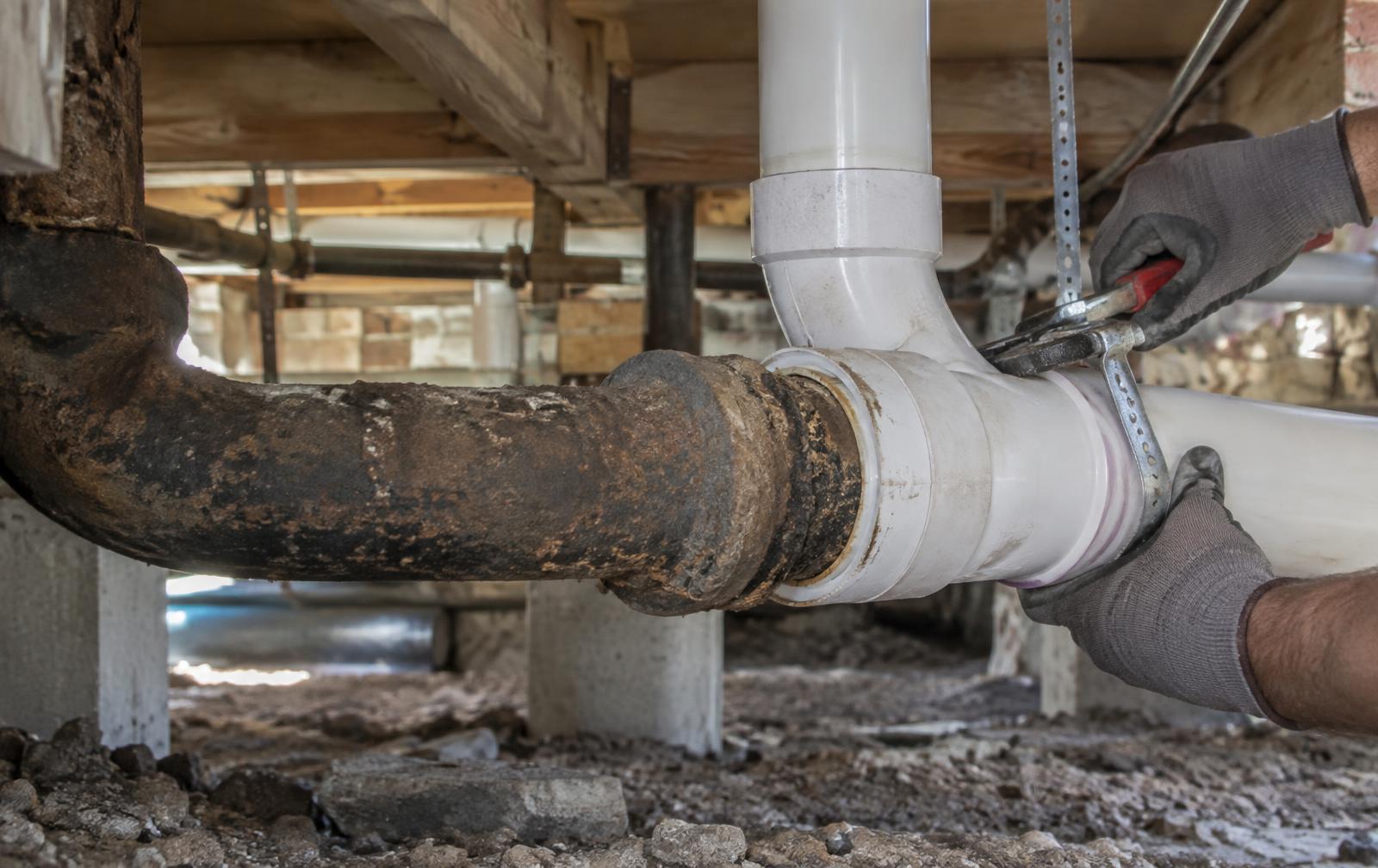
Camera inspection and PVC replacement for the aging cast iron drain lines in older Carrollton homes, with a written quote first.
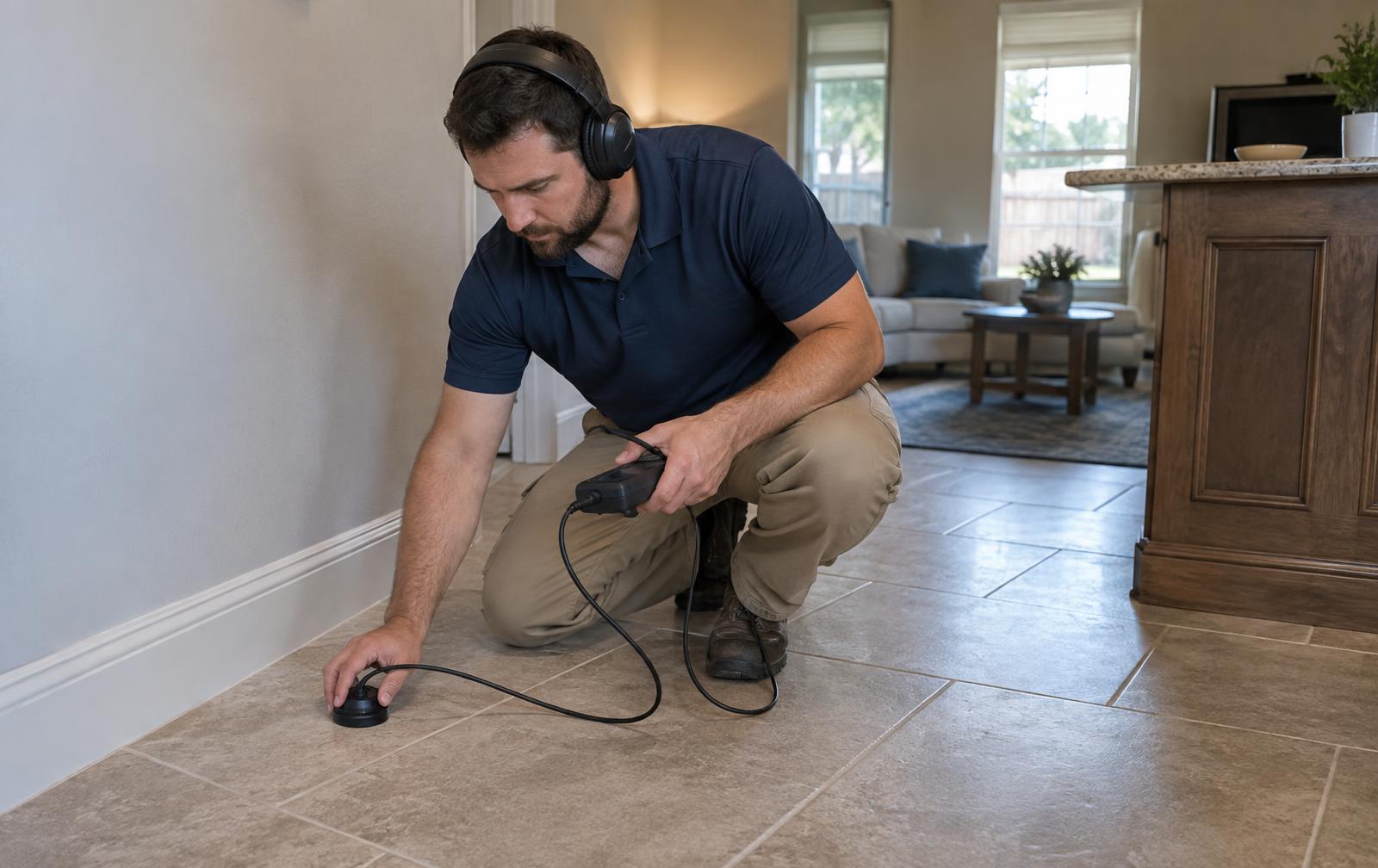
Acoustic, thermal, and pressure testing to pinpoint hidden leaks in Carrollton slab and wall lines without tearing into finishes.
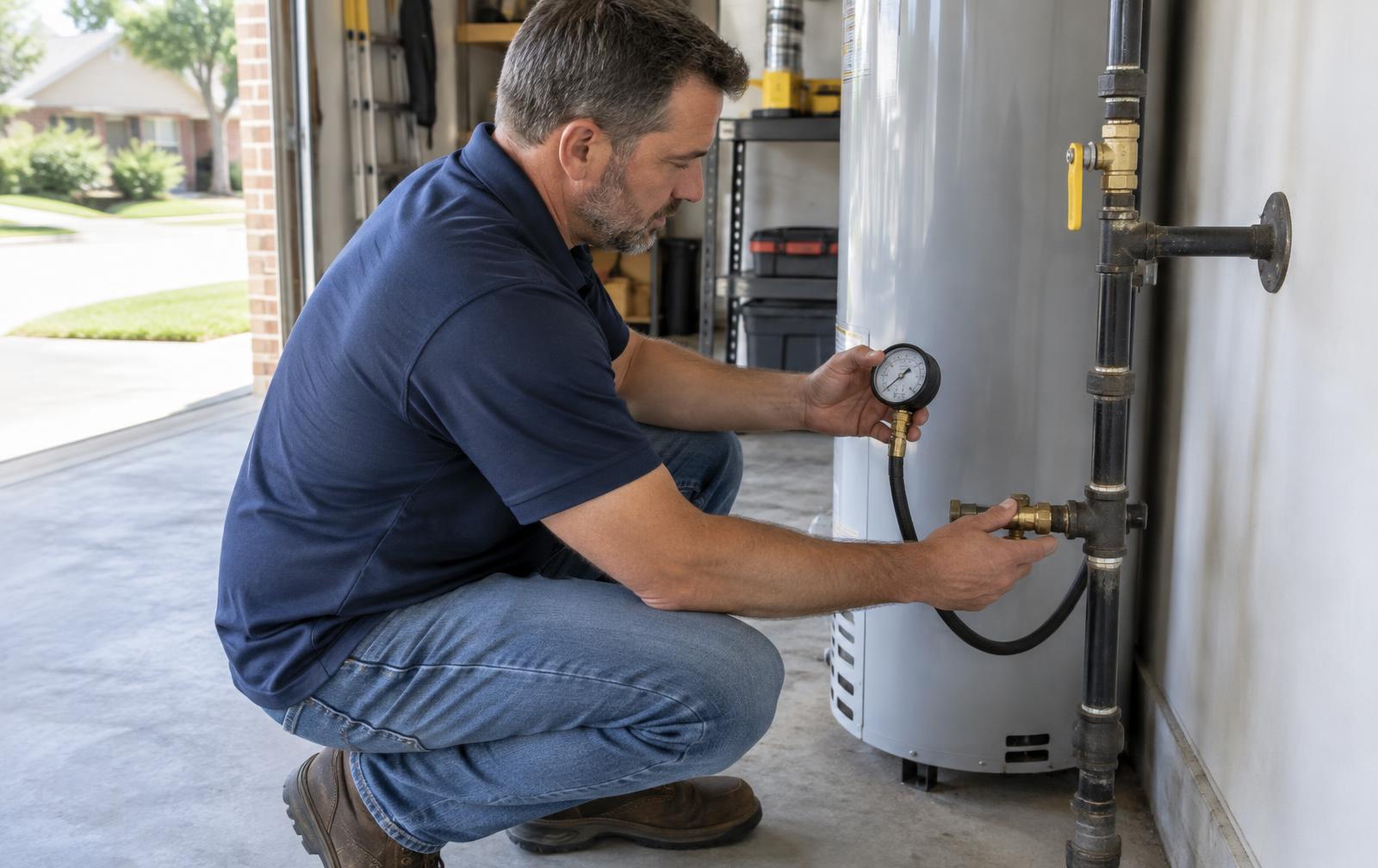
Licensed install, repair, and pressure-testing for Carrollton homes — every line signed off to Texas code and Atmos requirements.
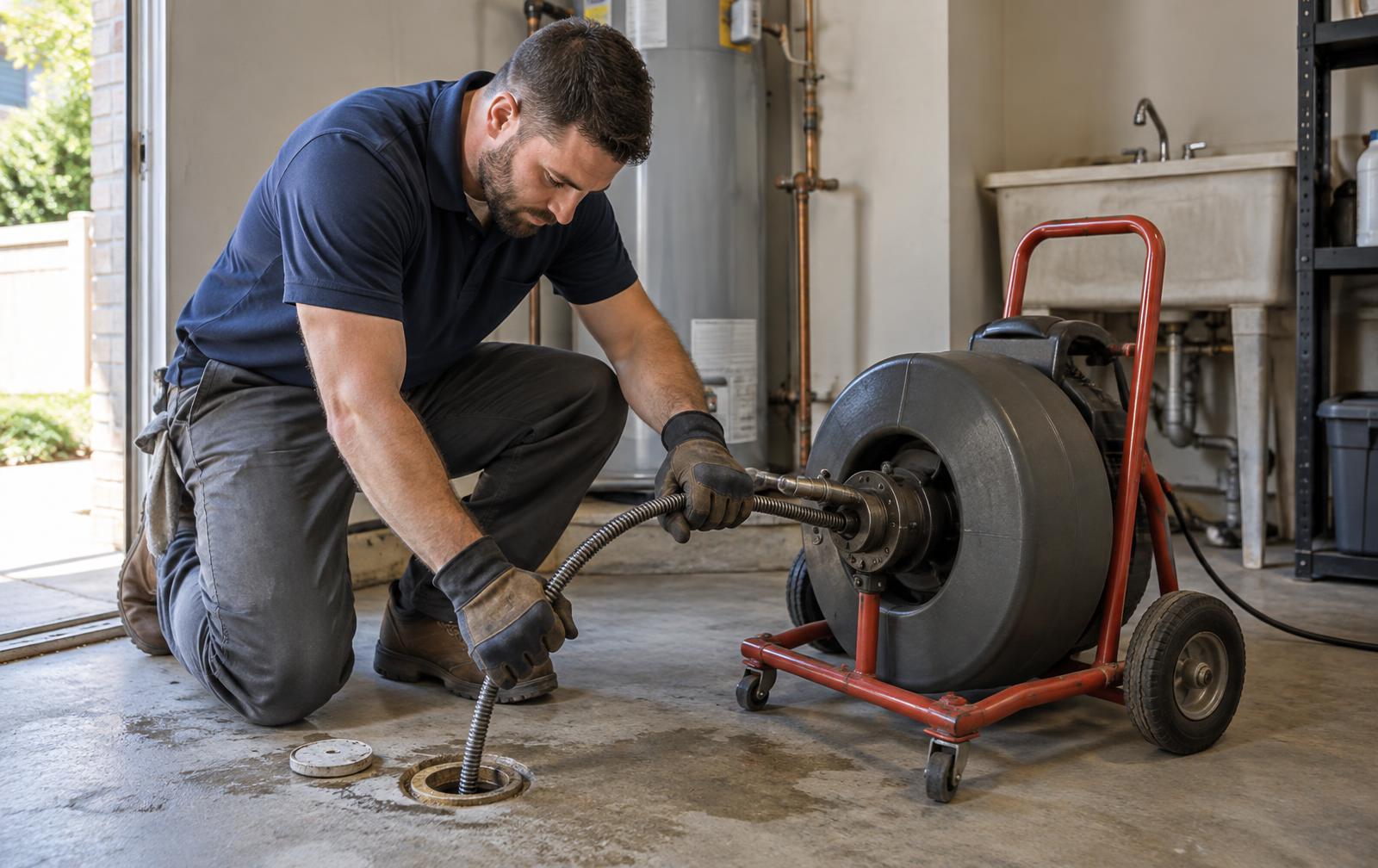
Full-clear service and camera confirmation for the drains under Carrollton's neighborhoods.
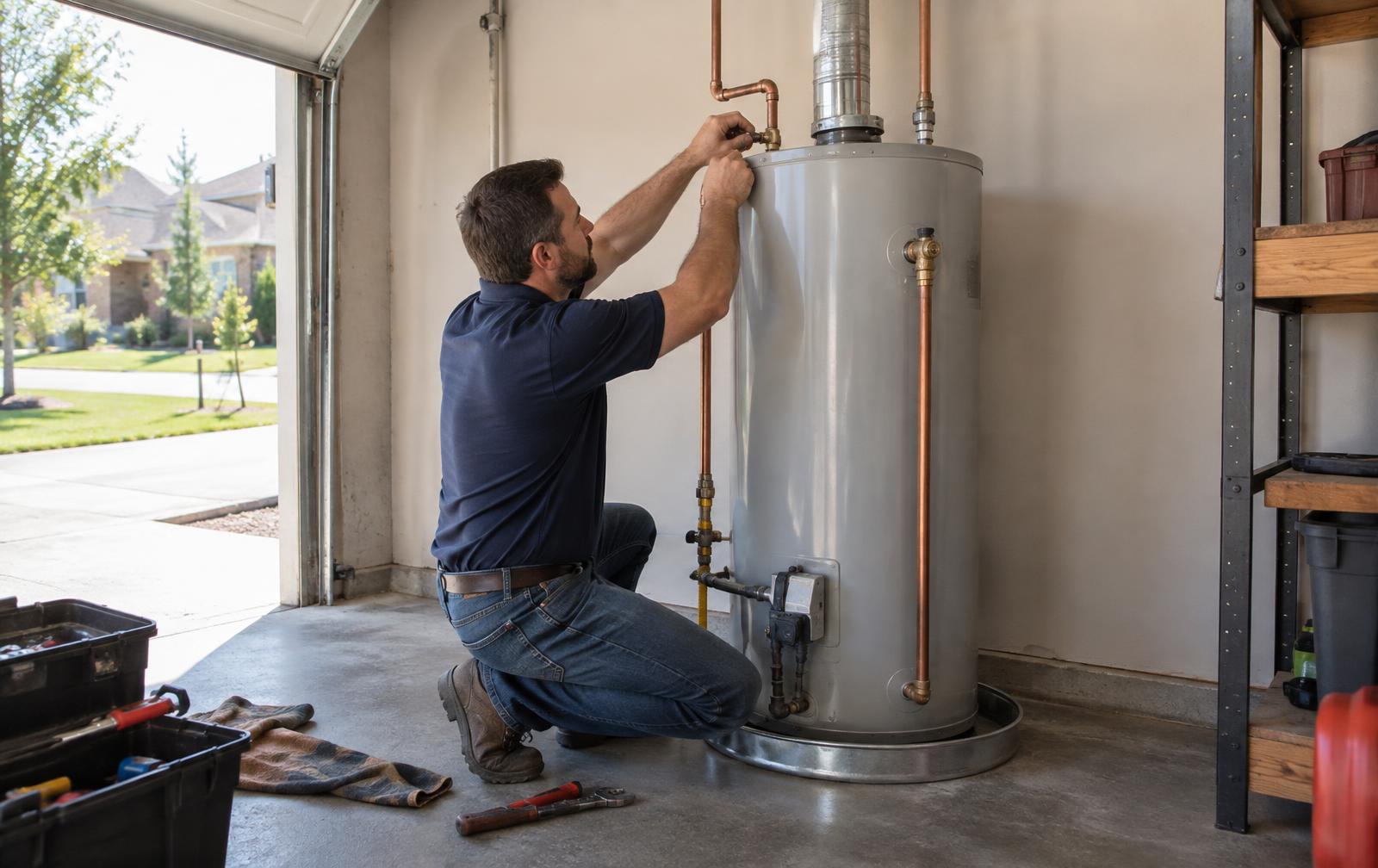
Repair, flush, and replacement of tank units — including attic and garage heaters common to Carrollton homes.
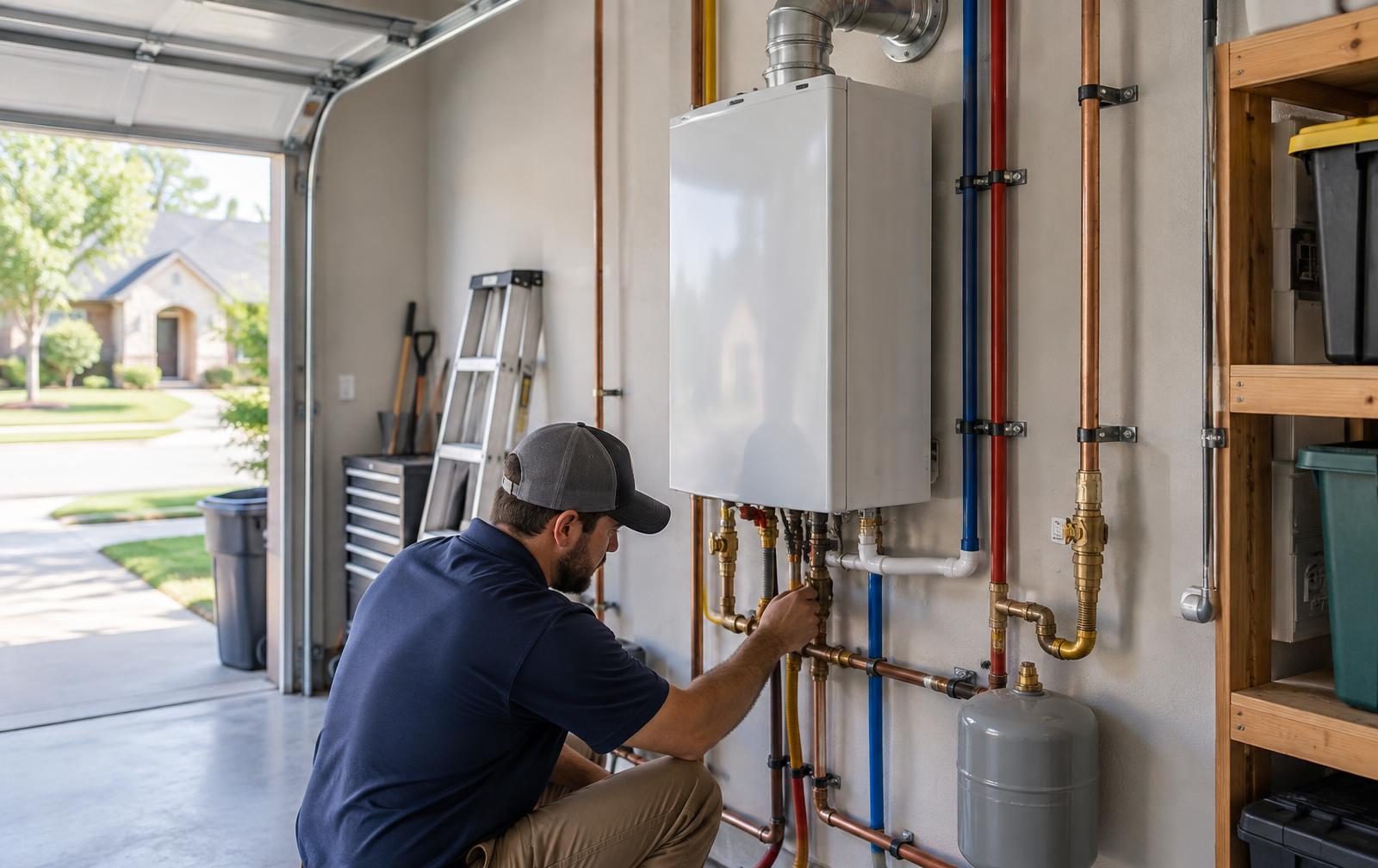
Install, service, and annual descaling — Carrollton's hard tap water eats tankless heat exchangers without it.
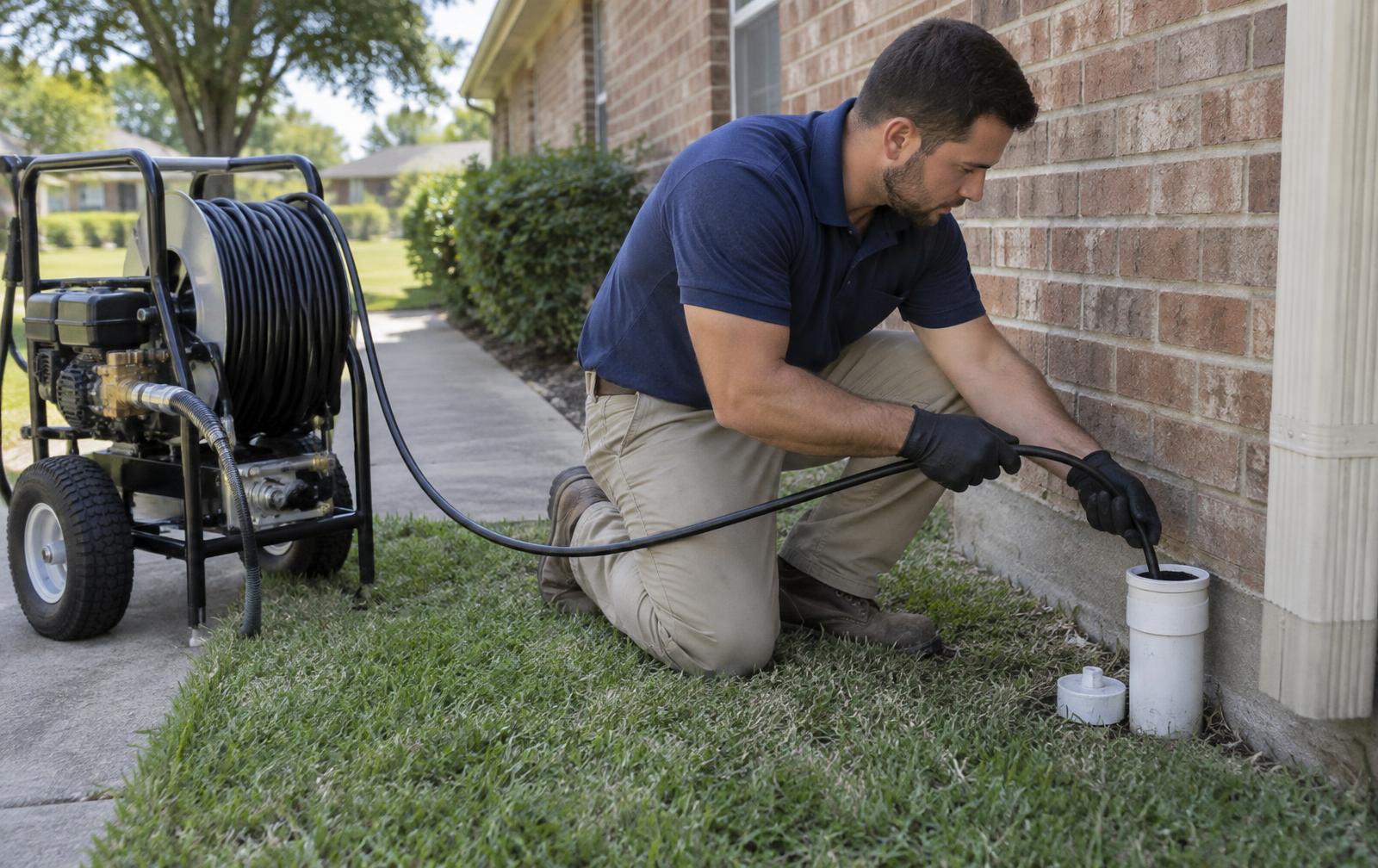
High-pressure cleaning that clears scale, grease, and roots from Carrollton's lateral runs — full-diameter, lasting clean.
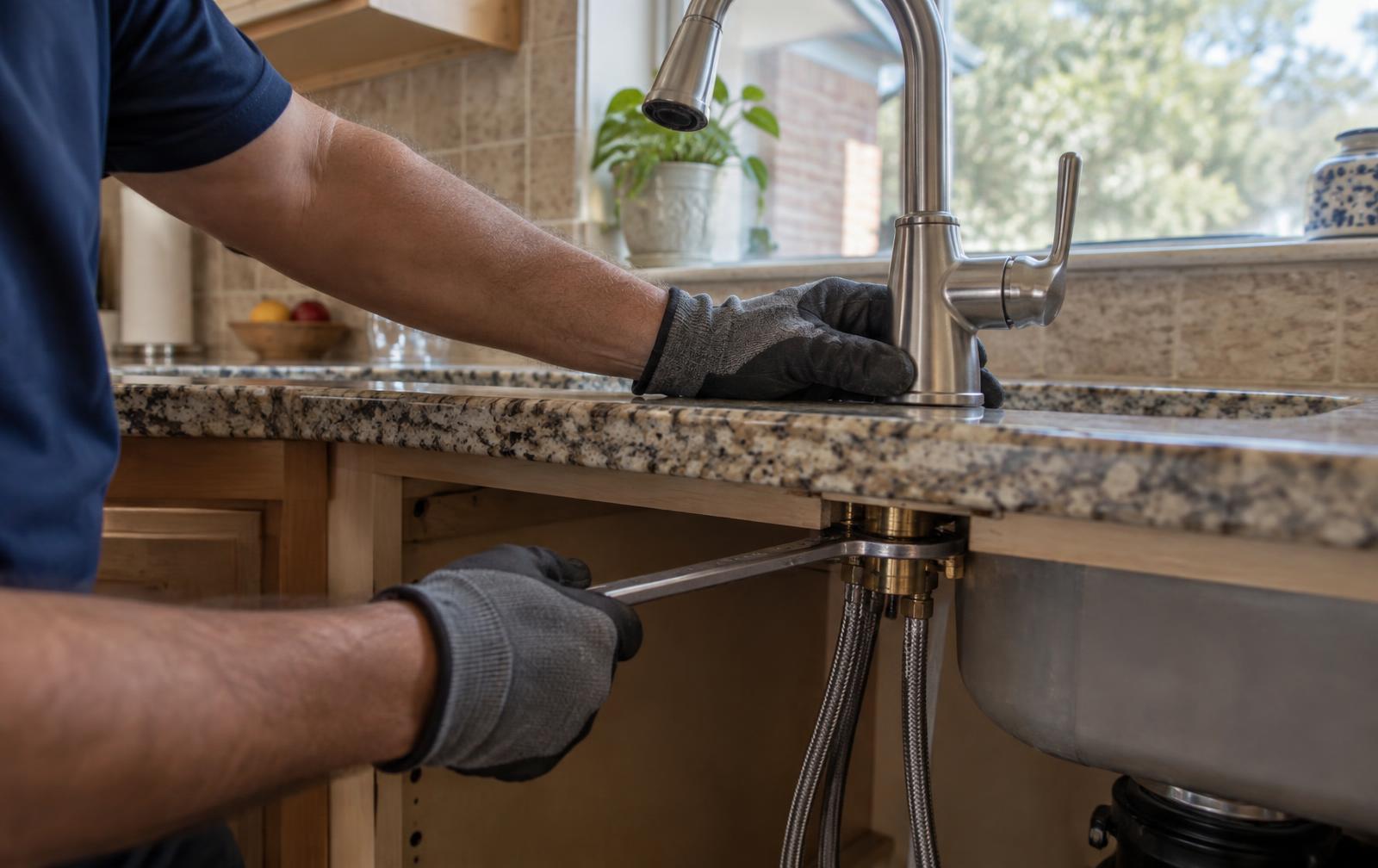
Cartridge, stem, and full-fixture replacement for Carrollton kitchens and bathrooms — hard-water-ready parts stocked on the truck.
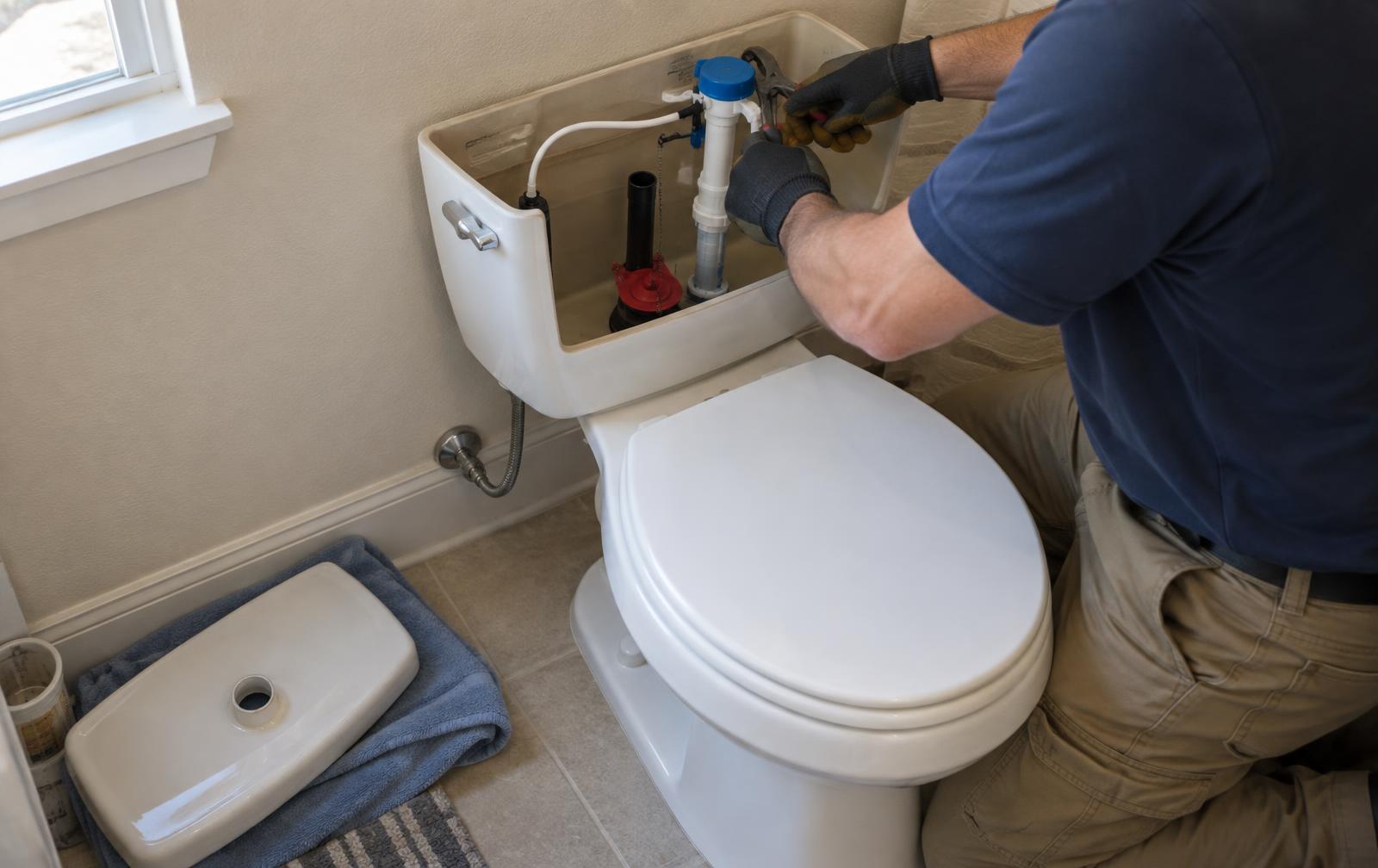
Rebuilds, wax-ring resets, flange repairs, and full replacements — the running toilets and rocking bowls in Carrollton homes.
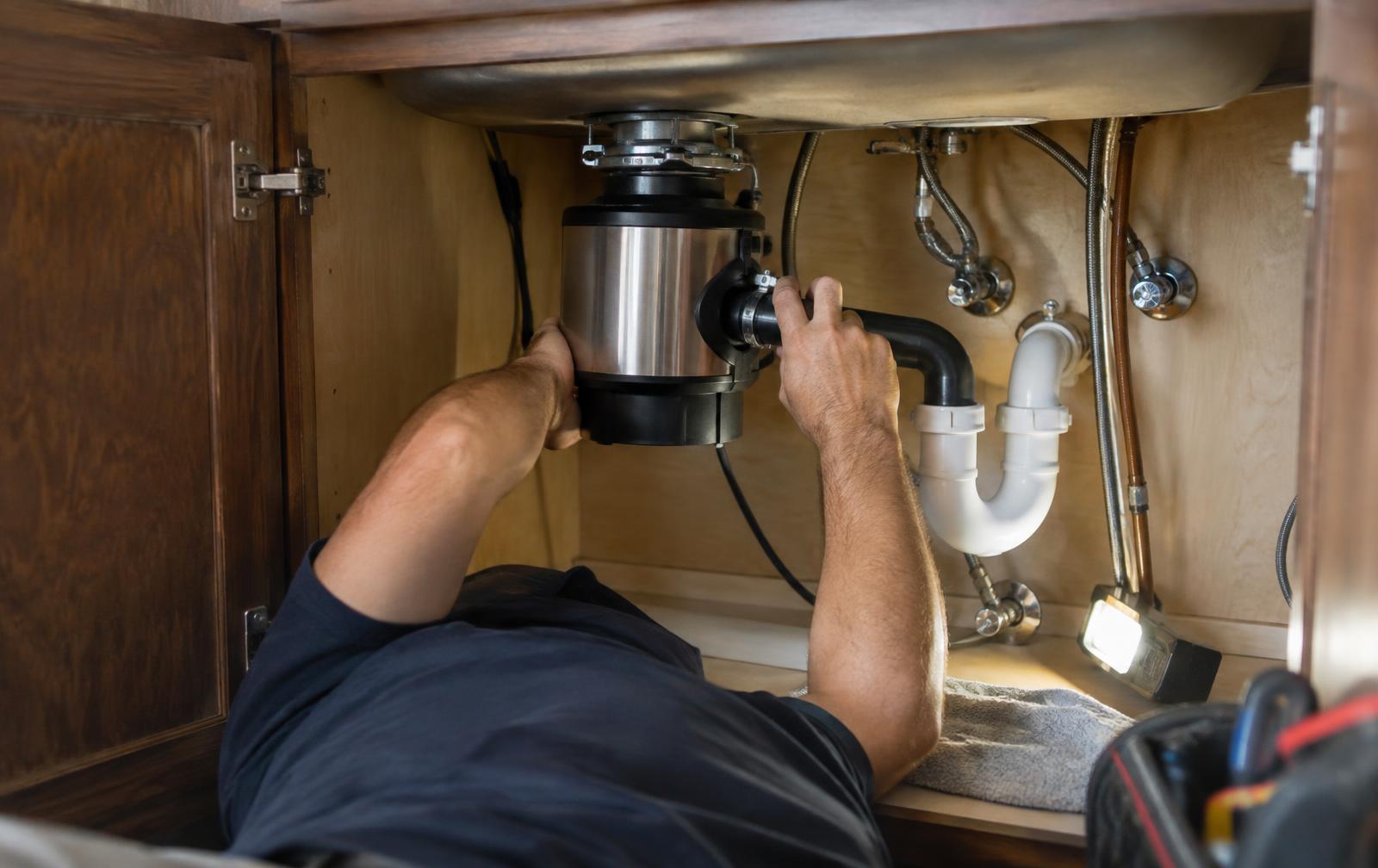
Jam clearing, leaking-unit swaps, and quiet 3/4 HP upgrades for Carrollton kitchens — same-visit install.
Facing a Plumbing Emergency in Carrollton Right Now?
A short drive from The Colony and a licensed plumber ready to move. Pick up the phone.