
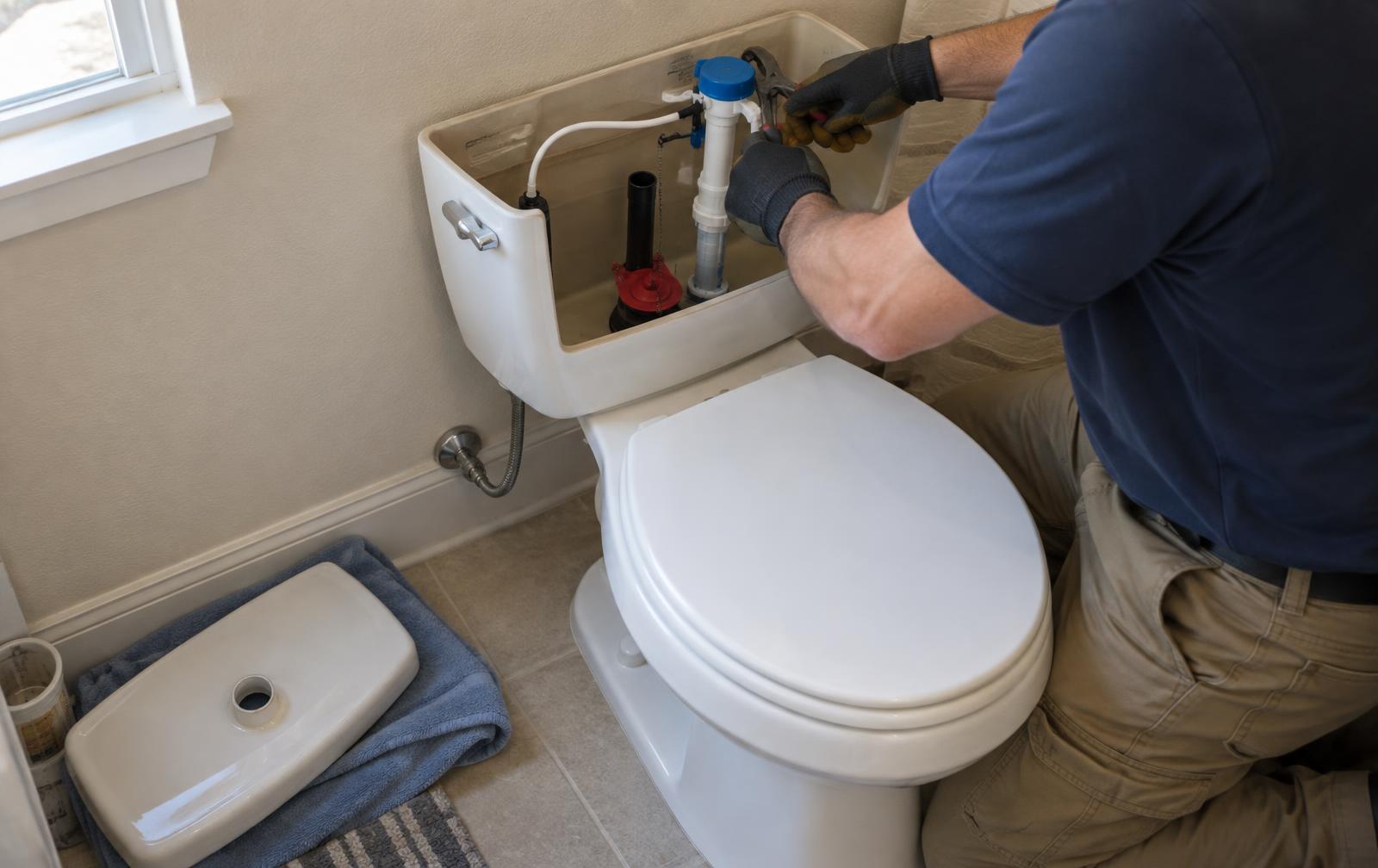
Toilet Repair & Installation in Carrollton, TX
A tank that keeps refilling itself for no obvious reason. A little bit of movement in the bowl when you sit down. Dampness showing up at the floor after a flush, or having to flush twice just to clear the bowl. We work on all of it — quick fixes and full swaps alike — for houses across Carrollton.
A Toilet Complaint Is Rarely a Complicated Diagnosis
A toilet that keeps cycling on its own comes down to a couple of usual suspects — a worn rubber flapper or a fill valve that isn't shutting off cleanly. Either is normally sorted out in one visit, but ignored long enough, a slow leak like that adds up to real wasted water over a period of months, often without anyone in the house noticing.
Movement in the bowl tells a different story. Around Carrollton, that's frequently connected to the same clay-heavy ground that causes other foundation-adjacent plumbing trouble — enough shift over time to crack the seal where the toilet meets its flange below. Once we lift the fixture off, we can actually see the flange condition and decide between a fresh seal, a shim and reset, or a flange repair if the fitting itself has broken down.
When a full swap is the better call, we bring modern, water-saving toilets that clear current code requirements, and if you'd rather supply your own fixture, that's fine too — we'll set it and back our labor exactly the same either way. A rough-in relocation counts as a plumbing alteration under city rules, so we take care of that permit whenever the job actually calls for one.
What Usually Means a Toilet Needs Attention
None of these are emergencies on their own, but each one gets more expensive the longer it's ignored.
Nine times out of ten this is a flapper that's stopped sealing properly. It's an inexpensive part, and if the rest of the tank hardware is aging too, a full internal rebuild handles everything at once.
Could be a worn seal at the base, a hairline crack in the bowl, or a supply connection that's begun to weep. Whichever it is, letting it sit risks the subfloor underneath, so it's worth having someone look sooner rather than later.
Usually points to a compromised flange, sometimes helped along by seasonal ground movement in Carrollton's clay soil. Tightening the existing bolts further rarely solves it — the fixture needs to come off and be reset properly.
This can trace back to a partly blocked trap, scale buildup around the rim holes, or a fill valve set to fill too low. It's a fast diagnosis once we're on site with the tank open.
Usually a corroded lift rod or a snapped flapper chain — a small, cheap fix that a lot of people simply put up with for far longer than they need to.
Could mean a trap that's dried out, a seal that's failed, or an issue further up the vent stack. If this started right after we or anyone else reset the toilet, the seal likely wasn't seated fully and needs another look.
Figure Out the Cause, Then Talk Price
Nothing gets shut off or taken apart until you know roughly what's wrong and what it'll take to fix.
- 1Narrow down the actual problem
Constant running, base leaks, weak flushing, and bowl movement are four separate issues with four separate fixes, so we test rather than assume which one we're looking at.
- 2Give you real choices, not just one quote
For an older fixture especially, we'll often price out a rebuild, a reset, and a full replacement together so the decision is yours to make based on how much longer you want to keep that toilet around.
- 3Pull from parts already on hand
Name-brand tank internals, wax rings and rubber gasket alternatives, closet bolts, flexible supply lines, and stainless flange repair sleeves are stocked on the truck for exactly this kind of call.
- 4Set it level, torque it evenly
A proper seal only forms when the bowl sits perfectly level and the mounting bolts are snugged down evenly on both sides — not cranked past the point where the porcelain can crack.
- 5Confirm the fix actually holds
A handful of full flush cycles, a close look around the base for any seepage, one more level check, and a clean site when we leave. Replacing the fixture means the old one leaves with us.
How Bathroom Age Shapes a Carrollton Toilet Call
The decade a section of the city was built usually points to the kind of hardware we'll find.
This pre-1900 district has been renovated piece by piece for well over a century, so bathrooms here range from fixtures overdue for replacement to units already brought current by a past remodel.
Built mostly across the 1960s and 1970s, homes in this section still commonly have cast-iron flanges underneath, so a stainless repair sleeve is often part of the job before we ever reset the bowl.
Developed between the late 1970s and late 1980s on some of the larger lots around the city, bathrooms here are a genuine mix — original hardware in some houses, fully updated low-flow fixtures in others, depending on remodel history.
Most of this early-to-mid-1980s tract still has original fixtures from that build-out, which puts a lot of them squarely into rebuild-versus-replace territory rather than a quick patch.
These early-1980s two-story homes near Josey Ranch Lake Park frequently still carry their original wax seals, and the clay movement common to this part of the county makes a full flange check a standard part of any visit.
Completed in stages through 2004 under a mandatory HOA, this section usually already has modern low-flow toilets in place, so most calls here are routine maintenance rather than a full swap.
What Carrollton Homeowners Say
A Fix That Actually Holds
Every toilet visit includes a look at the flange itself and a level check on the finished install. If that flange needs a repair sleeve or full replacement, that goes into your written price before we touch anything, so the invoice doesn't hold any surprises.
We carry warrantied labor on every job, hold a license through the Texas State Board of Plumbing Examiners, are insured, and operate as a family business out of one shop in The Colony. A toilet that's actively leaking or won't stop running gets same-day attention.
Clear Answers to Common Toilet Questions
Our Other Plumbing Services in Carrollton, TX
Pulling a toilet sometimes reveals a damaged flange or a sluggish drain line underneath it. We take care of both while we're already there, no separate appointment required.
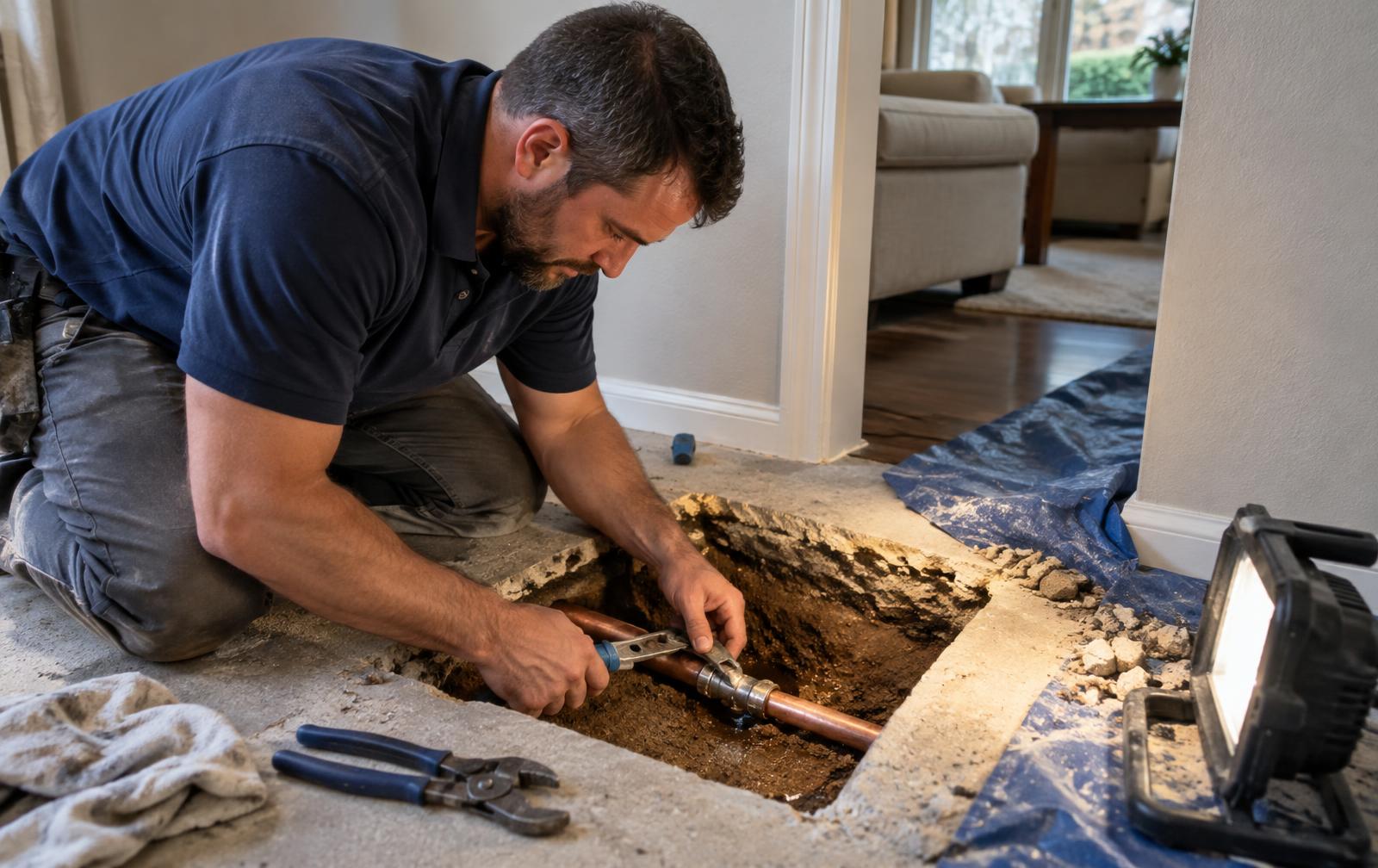
Electronic detection under Carrollton slabs — reroute options that save your finished floors when possible.
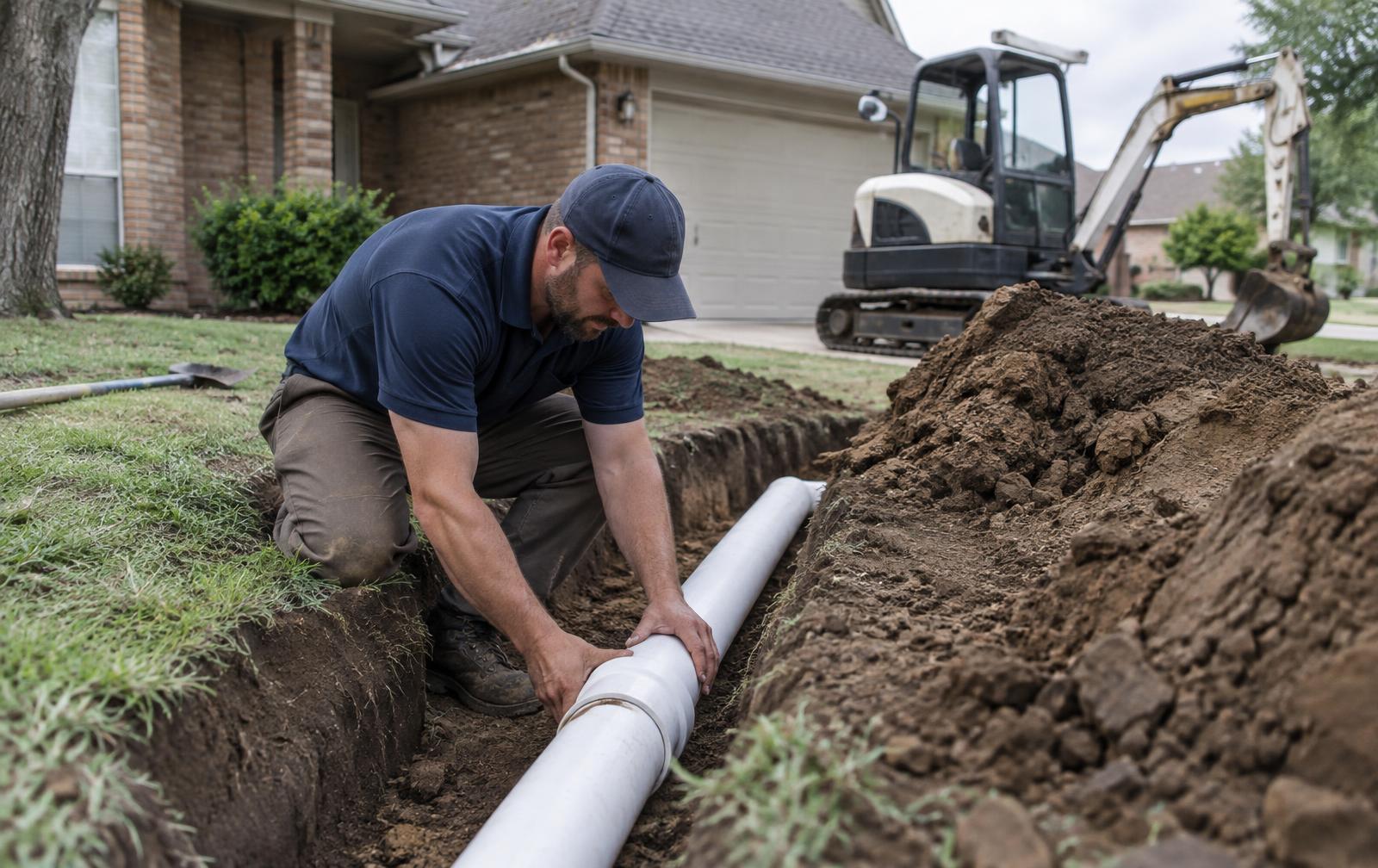
Trenchless replacement for the aging laterals across Carrollton's older runs — camera first, quote in writing, minimal yard damage.
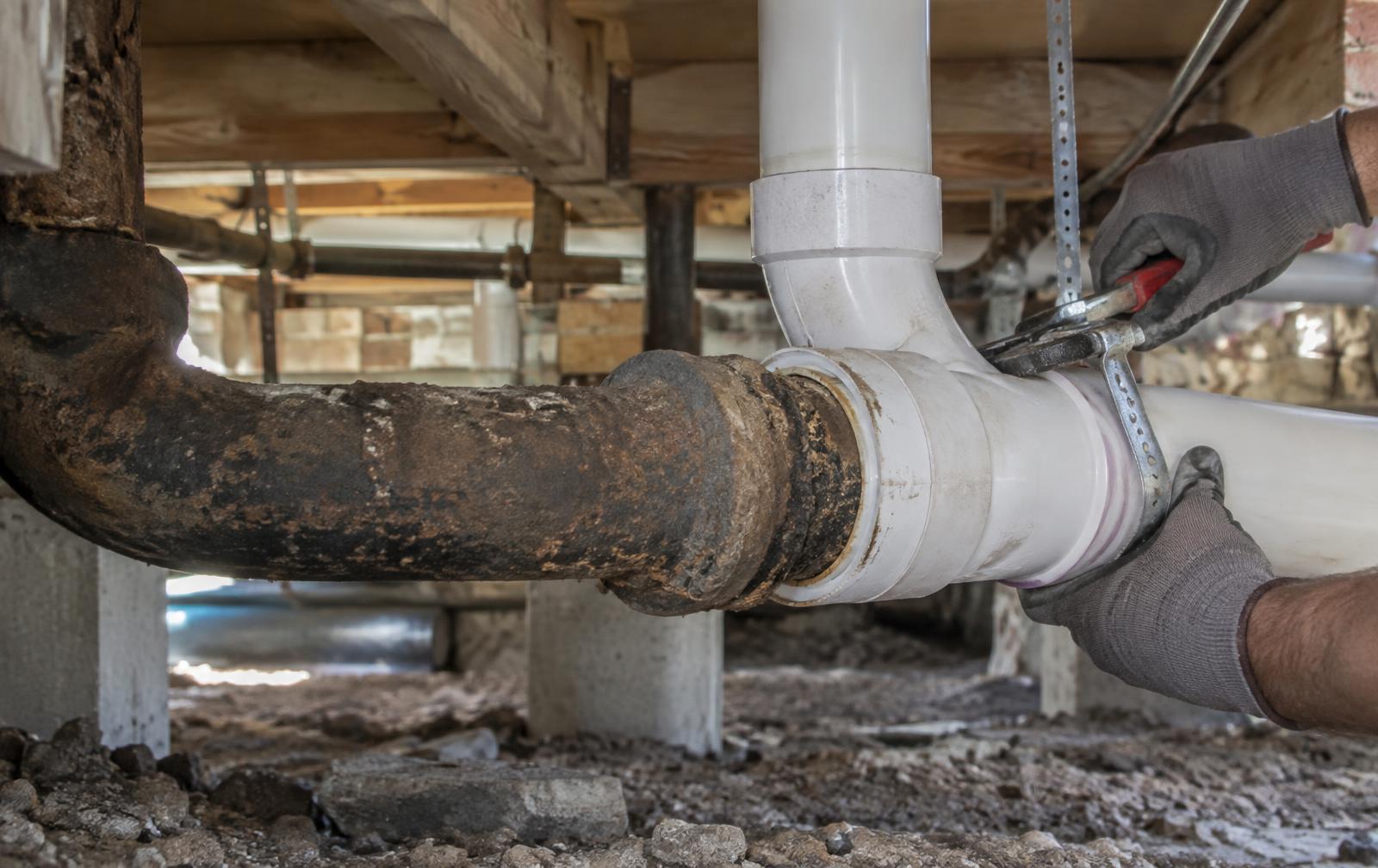
Camera inspection and PVC replacement for the aging cast iron drain lines in older Carrollton homes, with a written quote first.
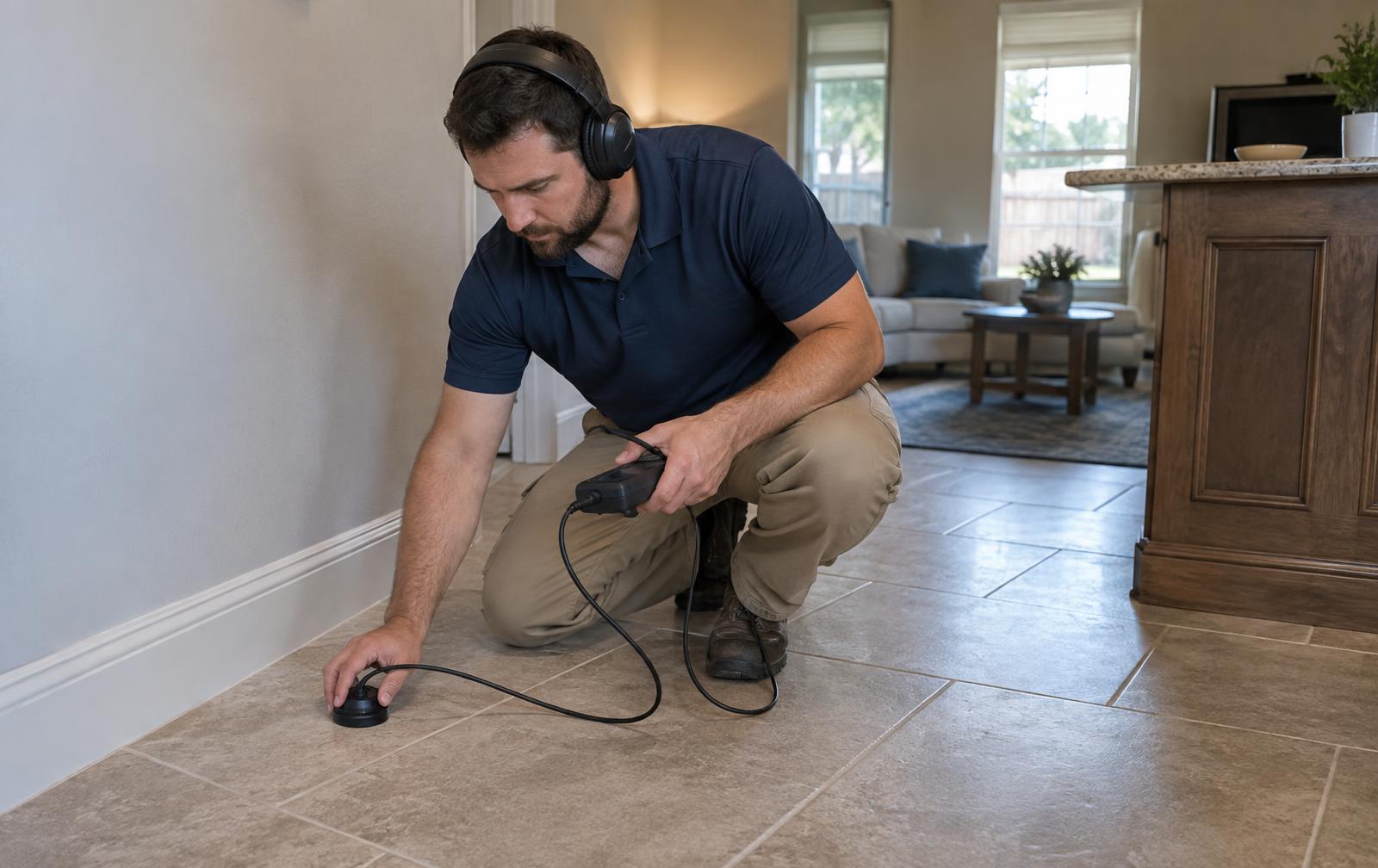
Acoustic, thermal, and pressure testing to pinpoint hidden leaks in Carrollton slab and wall lines without tearing into finishes.
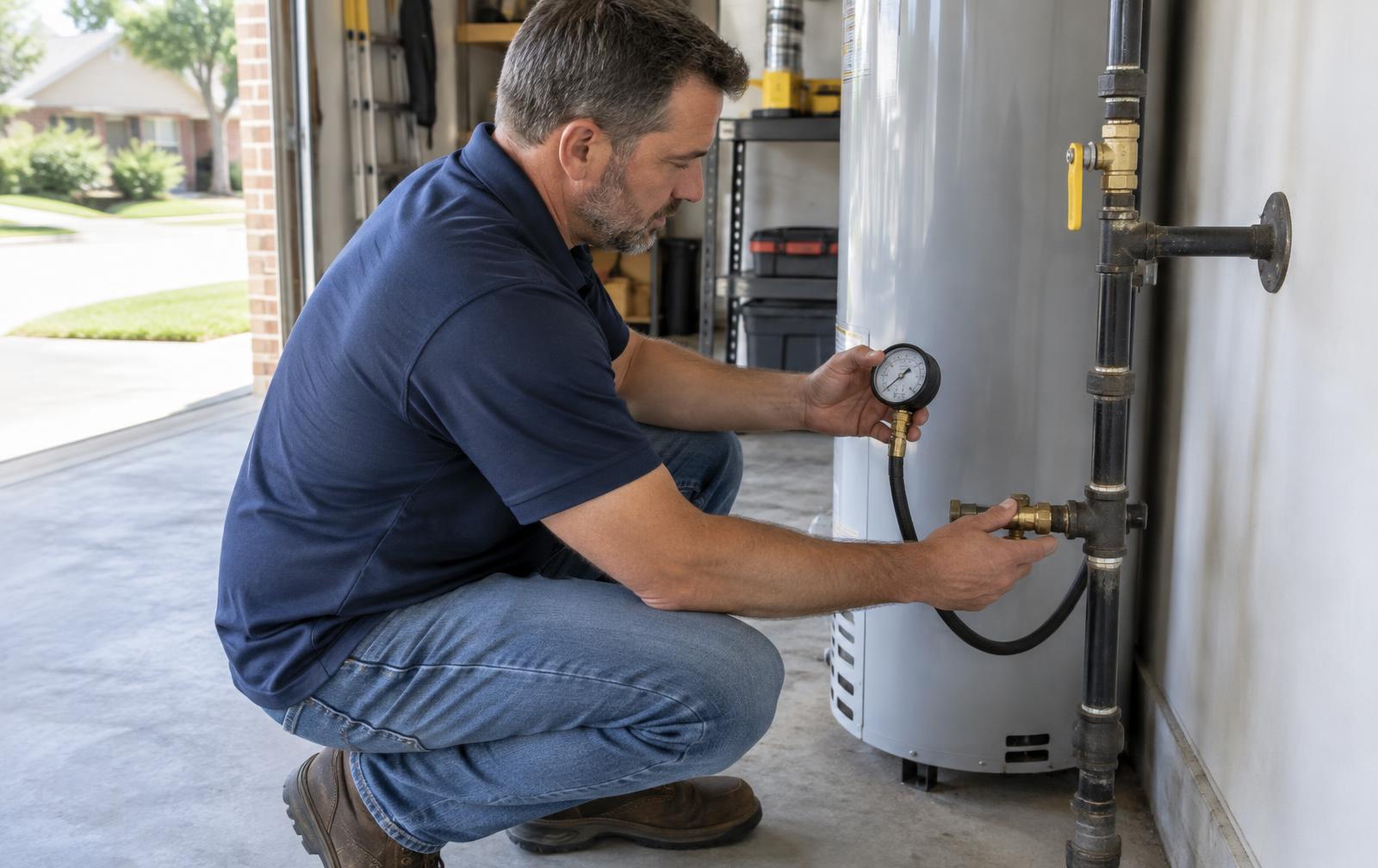
Licensed install, repair, and pressure-testing for Carrollton homes — every line signed off to Texas code and Atmos requirements.
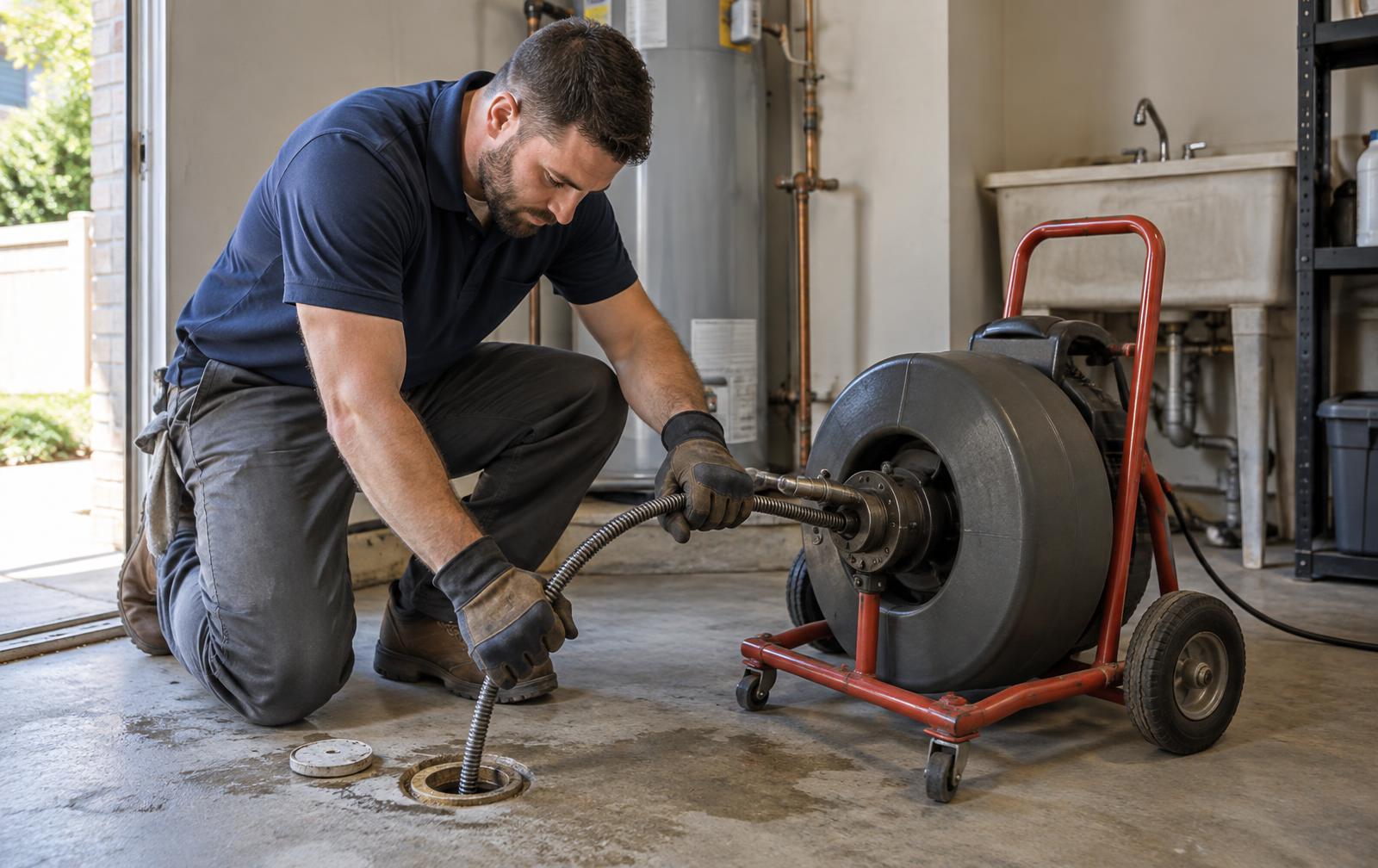
Full-clear service and camera confirmation for the drains under Carrollton's neighborhoods.
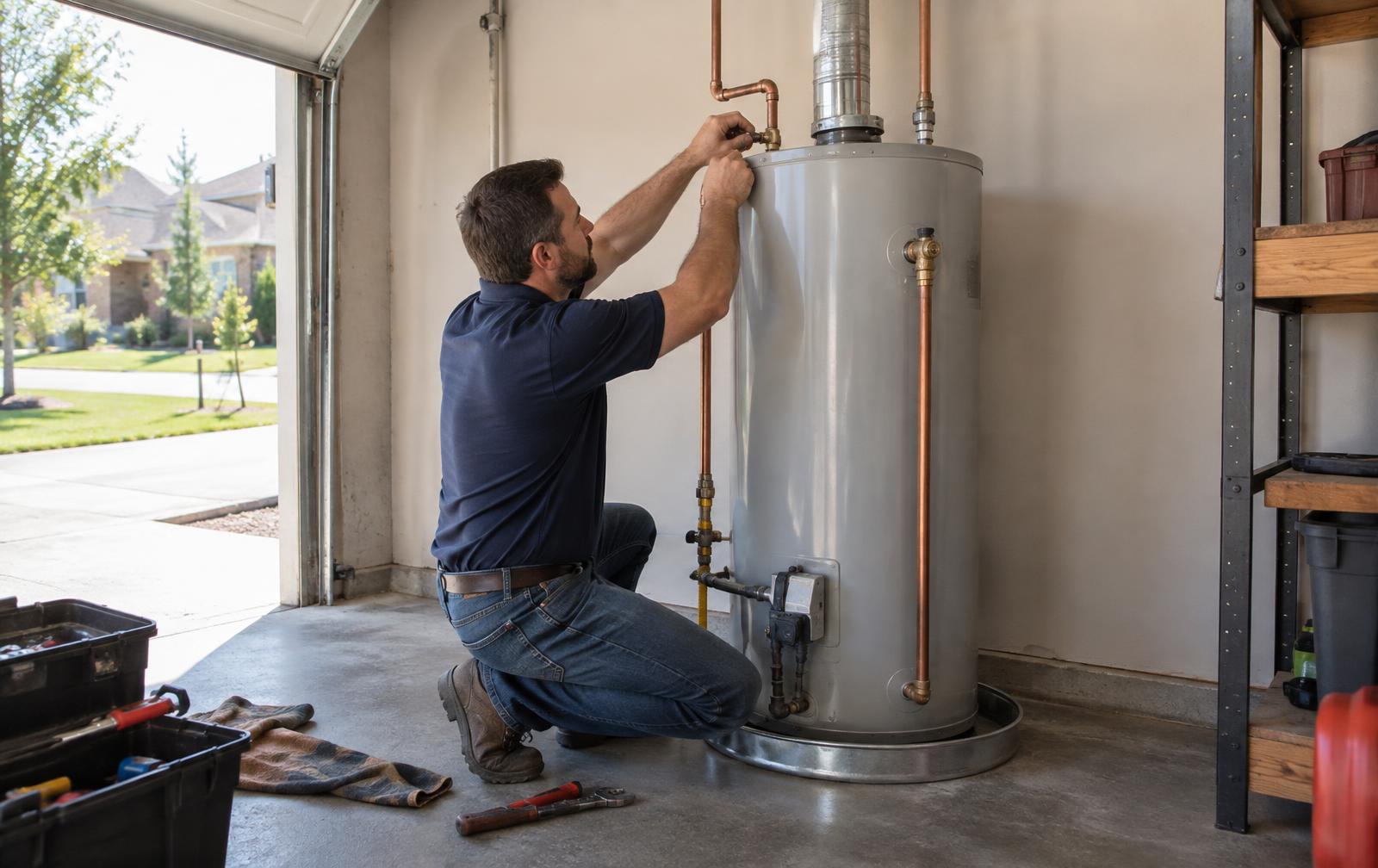
Repair, flush, and replacement of tank units — including attic and garage heaters common to Carrollton homes.
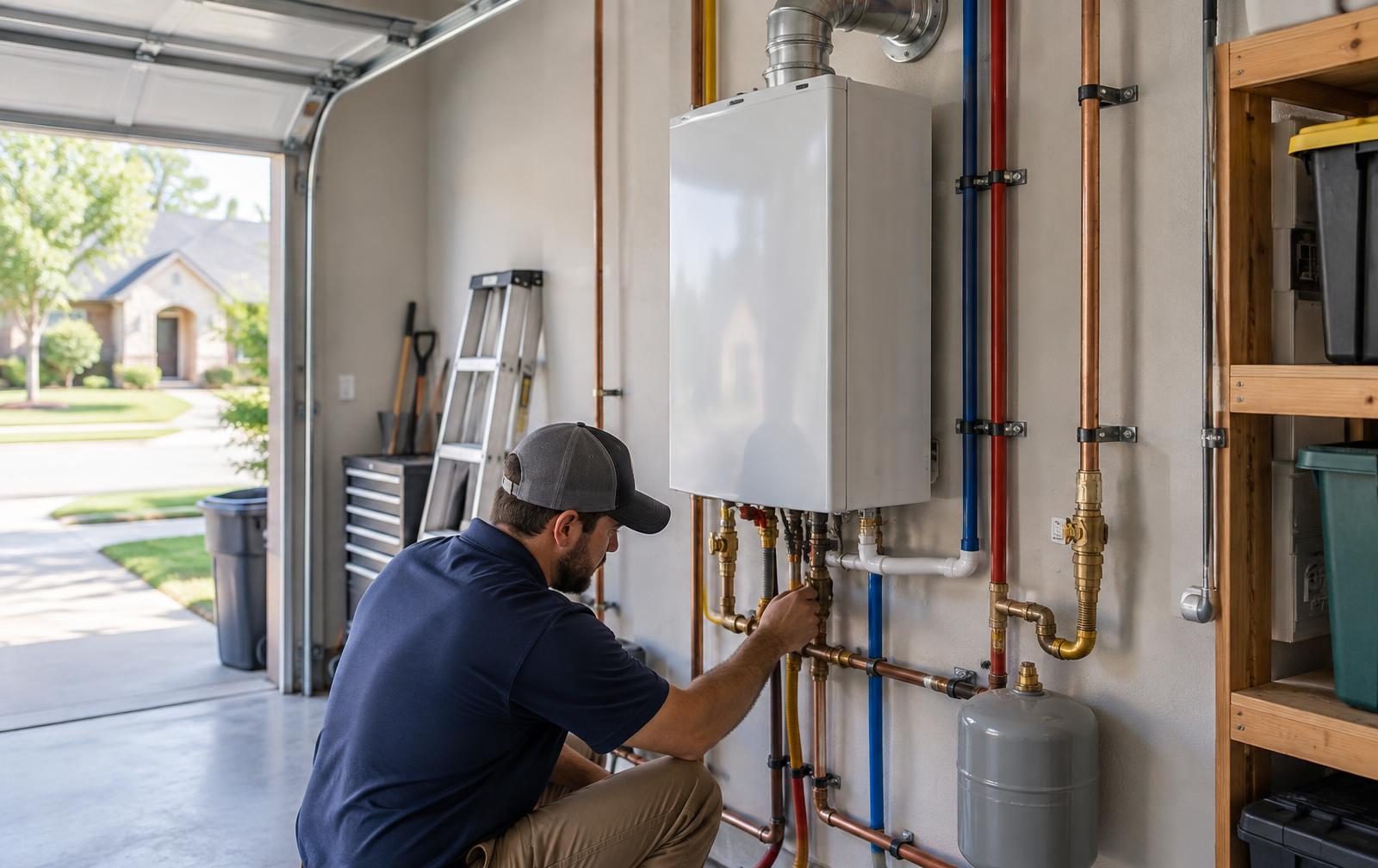
Install, service, and annual descaling — Carrollton's hard tap water eats tankless heat exchangers without it.
same-day, 7 days a week response across Carrollton for burst pipes, heater failures, and main-line backups.
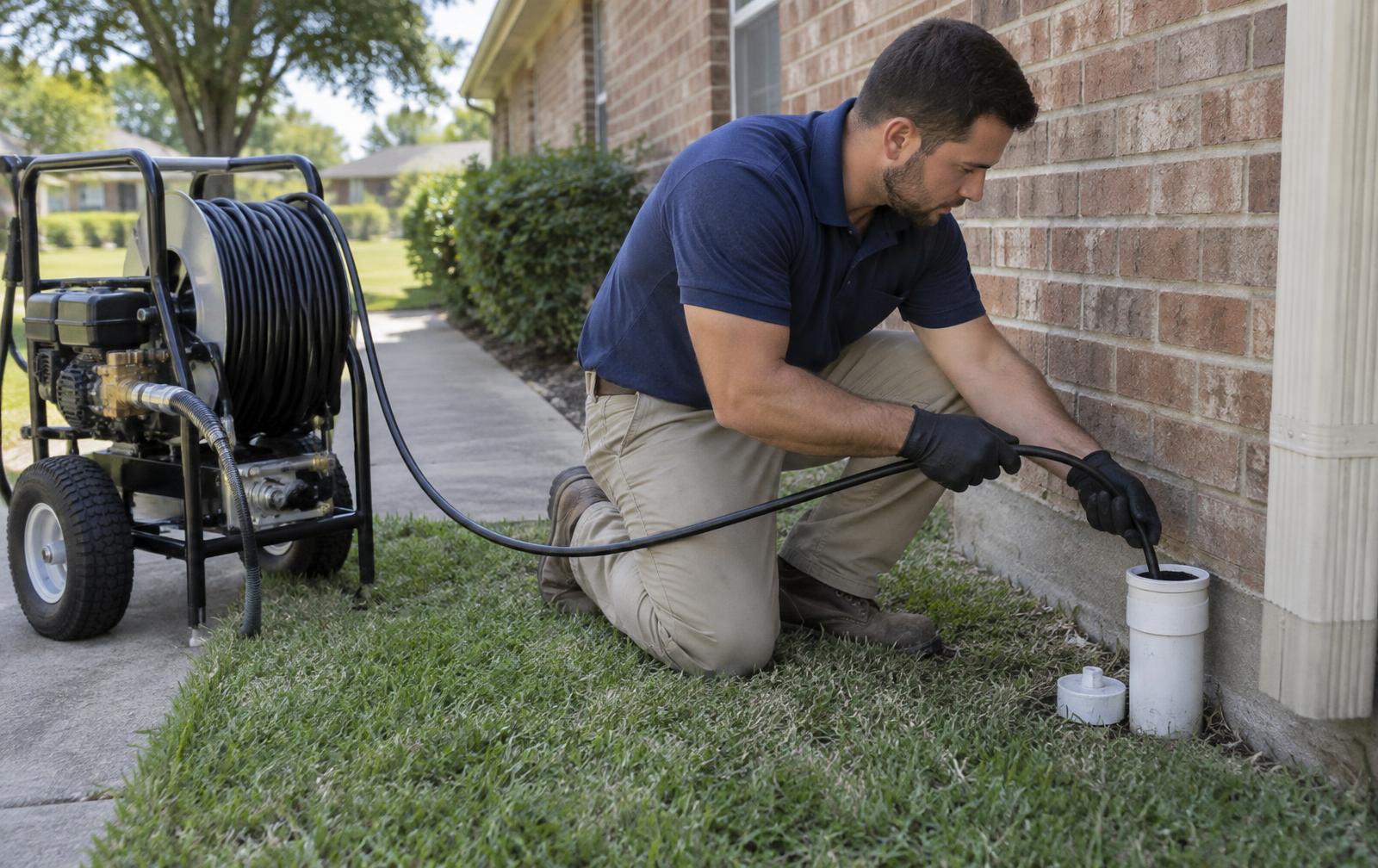
High-pressure cleaning that clears scale, grease, and roots from Carrollton's lateral runs — full-diameter, lasting clean.
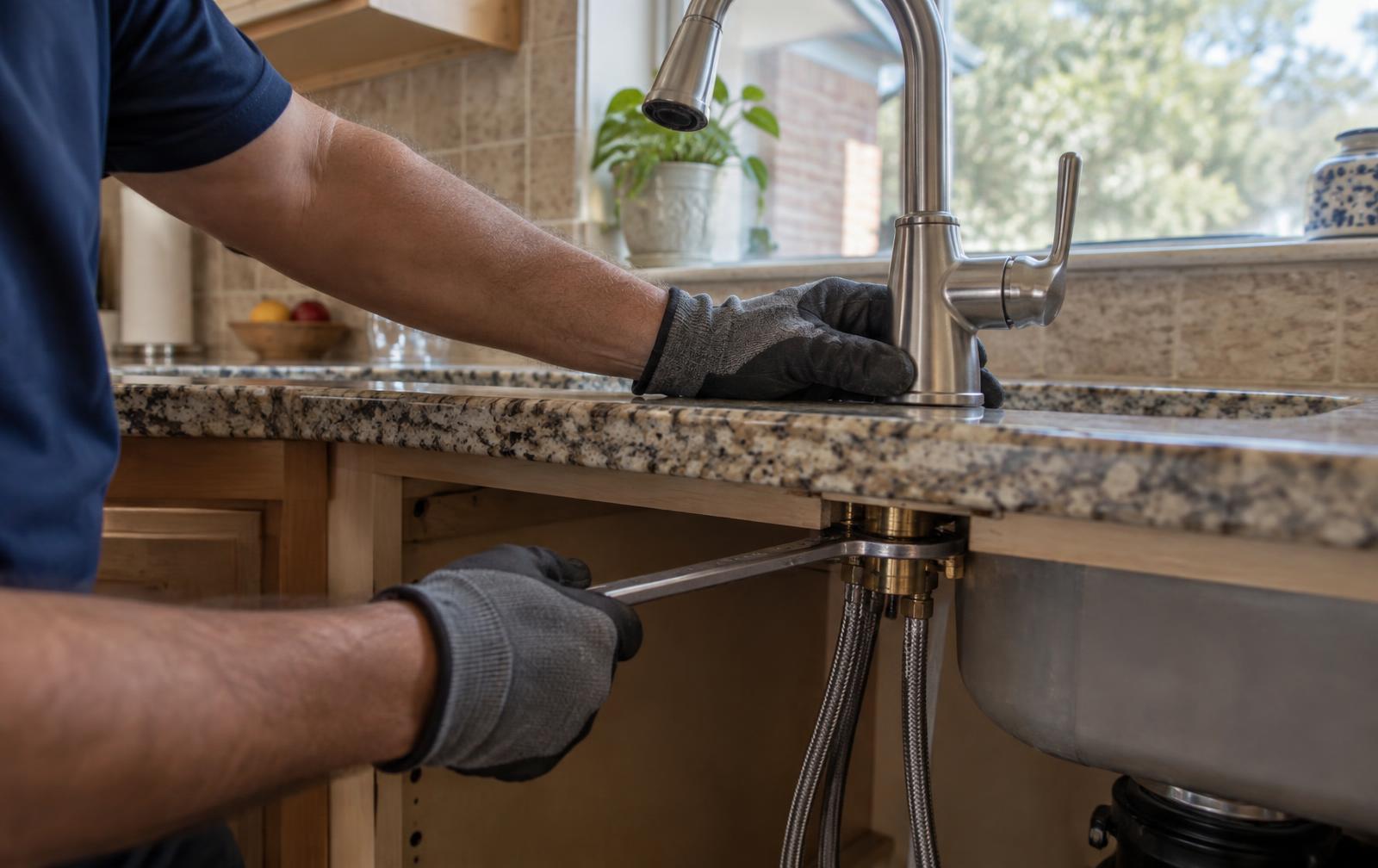
Cartridge, stem, and full-fixture replacement for Carrollton kitchens and bathrooms — hard-water-ready parts stocked on the truck.
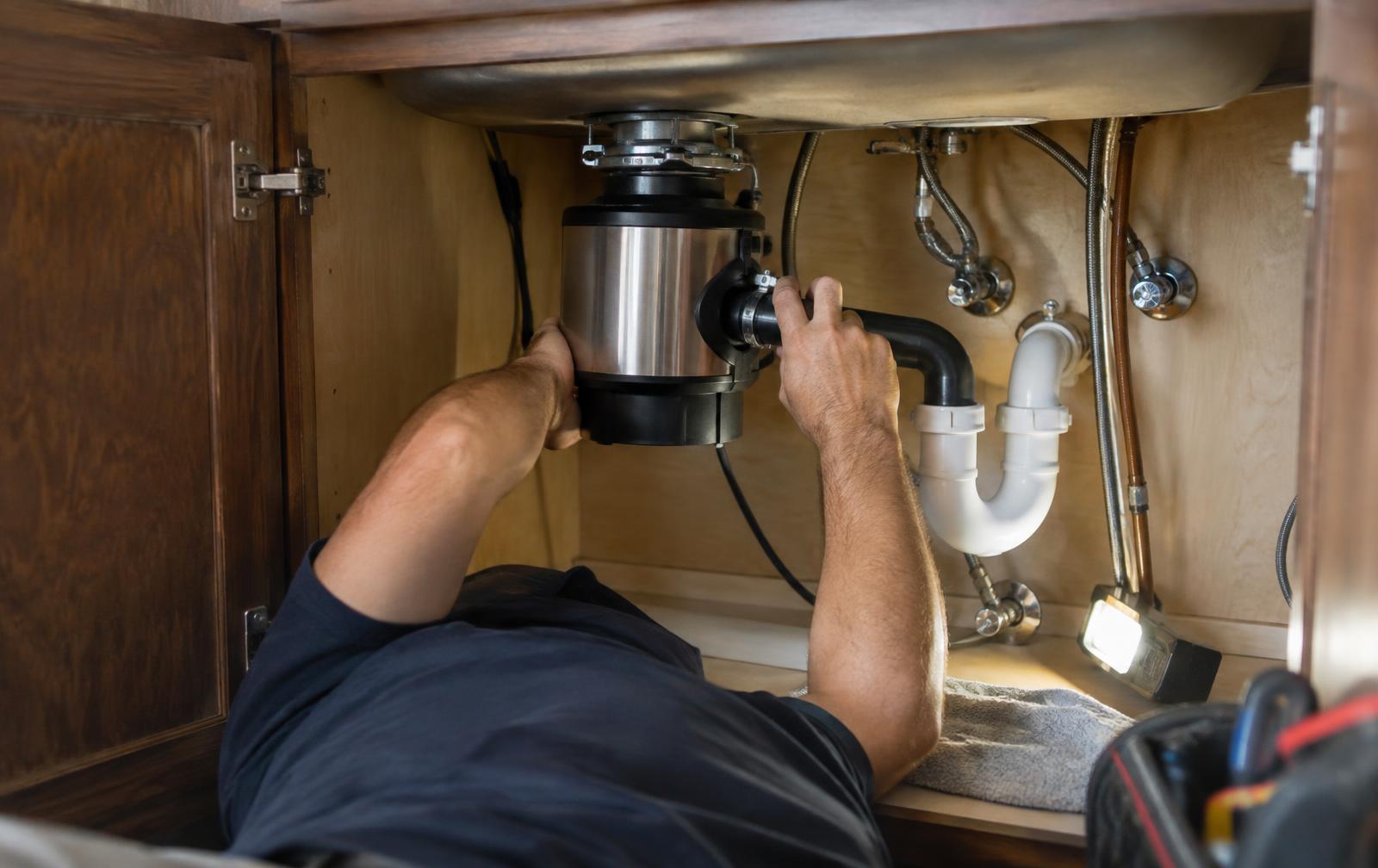
Jam clearing, leaking-unit swaps, and quiet 3/4 HP upgrades for Carrollton kitchens — same-visit install.
Toilet Acting Up at Your Carrollton Home?
Rebuild, reset, or full replacement, priced in writing and backed by warrantied labor, with same-day scheduling for active leaks.