
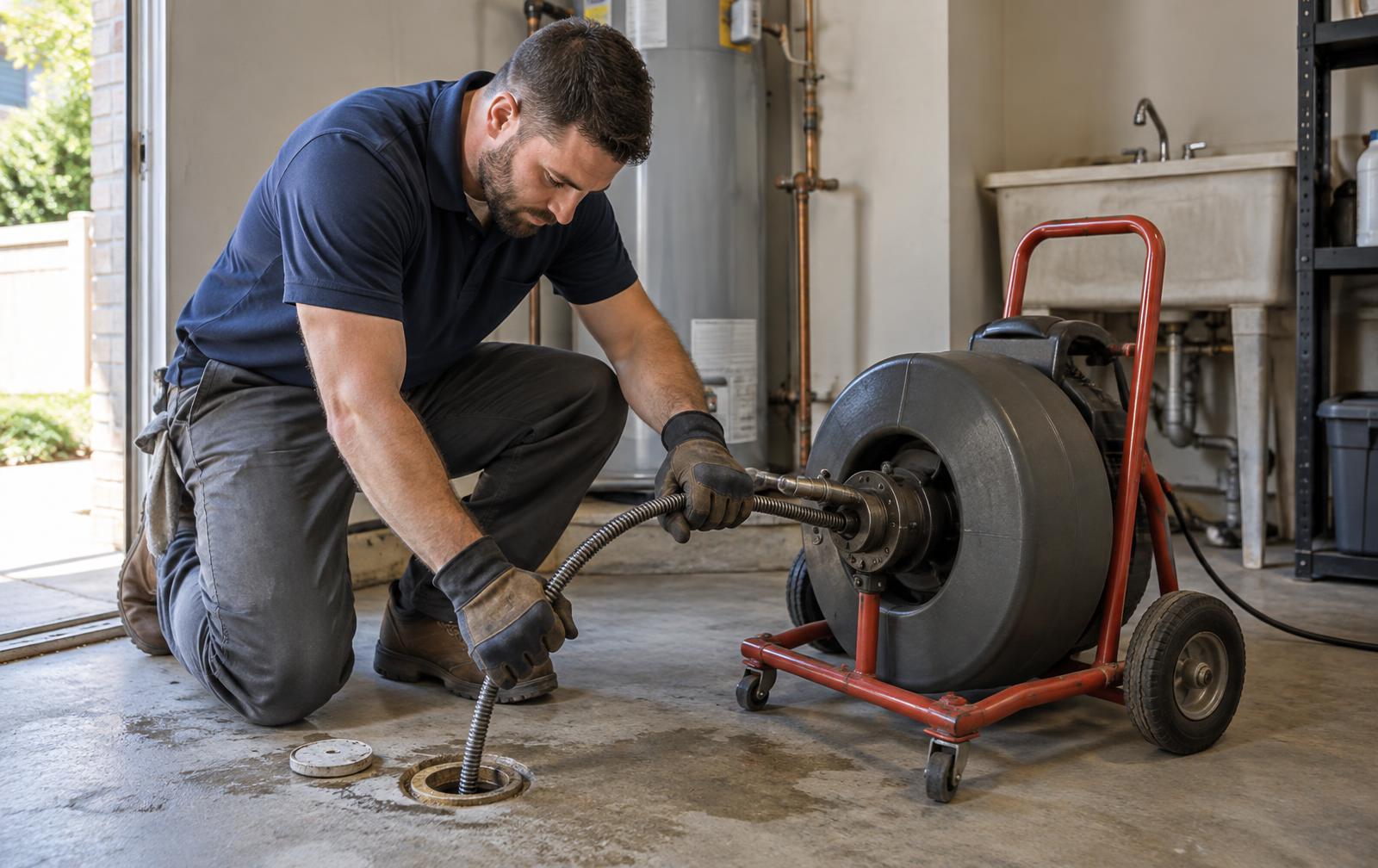
Drain Cleaning in Carrollton, TX
A shower that gurgles every time the toilet flushes. A kitchen sink that has quit draining. A backup rising at the lowest tub in the house. We open the line all the way through and check our work with a camera, instead of stopping the second water starts moving again.
Why the Same Carrollton Drain Keeps Clogging
Carrollton sits across two soil types, and that split shapes which drains give us trouble. South and east of downtown, in the older part of the city on Dallas County's Blackland Prairie clay, the ground swells and shrinks with every wet-dry cycle. That movement nudges cast iron joints out of alignment a little at a time, and a joint that is even slightly offset becomes the spot where paper and grease snag first. A cable job clears that snag today and it is back within weeks because the offset itself never moved.
The city's own sewer stoppage policy puts the burden on the homeowner for anything from the house out to the point past the tie-in with the city main, even though part of that run technically sits in the public right-of-way. That is the stretch we are usually clearing when a whole house backs up at once rather than a single fixture, and it is worth knowing that a stoppage out there is on you to resolve, not the city.
We do not call a drain finished because water is moving. We match the cutter to what is actually coating the pipe, run it the full length from cleanout to fixture, then run a camera through so you can see for yourself that the wall is clear rather than just cut through.

Signs a Carrollton Drain Is Close to Backing Up
A drain almost always gives warning before it fails outright. Catch it here and it is a simple visit; miss it and it is a mess on the floor.
A single slow sink usually points to a clog right at that fixture. Two or more slow drains at once means the shared line downstream is narrowing — that one needs attention sooner.
Flush the toilet and the tub gurgles back. Start the washer and the kitchen sink bubbles. That is trapped air finding a way around a partial blockage in the shared line.
A rotten-egg smell near a bathroom or laundry area usually means a trap has lost its water seal because the line is siphoning air past a partial clog.
The shower fills while the toilet flushes, or the dishwasher backs into the sink. That is the shared line pushing water to whichever drain sits lowest — worth a same-day call.
A gradual, house-wide slowdown usually means buildup coating the inside of the pipe rather than one clog in one spot. That calls for a full scouring pass, not another cable run.
A patch of yard near the sewer run that stays wet or greener than the rest of the lawn usually means the pipe underneath is leaking, not clogged. Cleaning will not touch that; the pipe needs to be repaired.
Diagnose, Access, Match the Tool, Run It Clean, Confirm
We do not consider a line done until a camera has confirmed it wall to wall.
- 1Figure out which line is affected
A single slow fixture, several slow fixtures, and a full-house backup are three separate problems that call for three different entry points. A short conversation about which drains are acting up tells us where to start before a machine ever comes off the truck.
- 2Get in through a proper cleanout
We work through a dedicated cleanout rather than pulling a toilet or opening a shower drain, so debris stays out of the living space. Most Carrollton ranch and tract homes have one at ground level outside; townhomes and condos usually route it to a utility closet.
- 3Pick the cutter for what is actually in the pipe
Grease calls for a blade, roots call for a chain flail, mineral buildup calls for a brush or a jetter. Using the wrong head either misses the blockage or scores the inside of the pipe, so we confirm what we are dealing with first.
- 4Work the full length of the line
We do not stop the moment water starts flowing again. The cutter runs the whole span from cleanout to fixture, and we pull back slowly so nothing is left hanging that catches the next thing flushed down.
- 5Finish with a camera pass
Every job ends with a camera run through the cleared section. If we spot a cracked joint, an offset from ground movement, or scale we could not fully remove, we show you the footage and quote the repair honestly rather than pretending a cleaning fixed it.
How Housing Age Shapes Drain Problems Around Carrollton
The era a section of Carrollton was built in still shows up in what is clogging today.
Homes here date back toward 1900, and the small cottages near the original town square often still carry short, narrow drain runs from that era. Lines this old are usually due for a camera check even when they are draining fine, since scale can hide inside a pipe that still looks clear on the surface.
Built mostly in the 1960s and 1970s, Woodlake's smaller homes commonly have original cast iron drains on flat lots. Cast iron from that period tends to scale up on the inside over the decades, which is why a cable can clear the clog while the true pipe diameter stays reduced.
Most of Rosemeade went up between 1977 and 1990, and three-bedroom brick homes from that stretch typically transition from copper or early PVC branch lines into a shared cast iron trunk. Kitchen grease building up at that transition point is a common cause of a slow branch drain here.
High Country's homes generally date to the early-to-mid 1980s, including some larger lots. Homes of that age often still have their original drain runs, so a slow drain here is worth a full camera check rather than a quick cable and done.
Carillon Hills was largely built in the early-to-mid 1980s. Tract homes from that build wave commonly used PVC branch drains tying into an older shared line, and root intrusion at those tie-in points is a typical cause of a slow-draining yard-side run.
Josey Ranch's two-story homes date to around 1983, near the lake park. Houses from that build tend to have longer branch runs feeding a single main, so one clogged branch can mimic a main-line backup until we trace it back.
What Carrollton Homeowners Say

A Line That Is Actually Clear, or We Come Back
Every main-line clearing we do is backed by a follow-up visit at no charge if the same spot backs up again shortly after. If the camera showed us a compromised pipe on the first visit, we told you then and gave you a written repair quote rather than letting a re-clean stand in for a real fix.
We are licensed by the Texas State Board of Plumbing Examiners, insured, and family-owned, dispatching every truck from our shop in The Colony — about 15 to 20 minutes from most Carrollton addresses under normal traffic, so a same-day visit for an active backup is the norm, not the exception.
Straight Answers, No Sales Pitch
Our Other Plumbing Services in Carrollton, TX
A slow drain is frequently the first sign of something bigger going on in the line. We handle the rest of it too, all from one local Carrollton call.
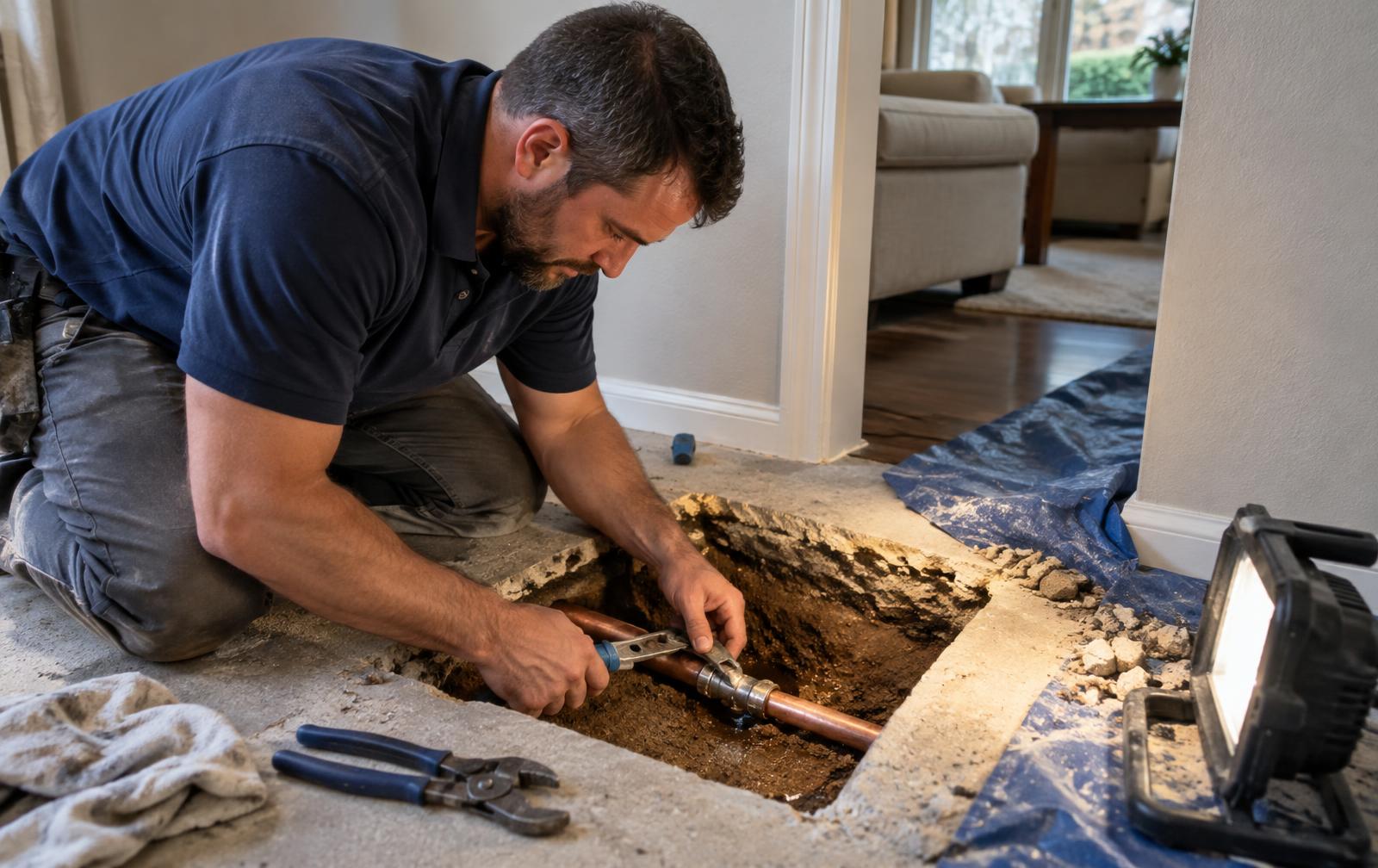
Electronic detection under Carrollton slabs — reroute options that save your finished floors when possible.
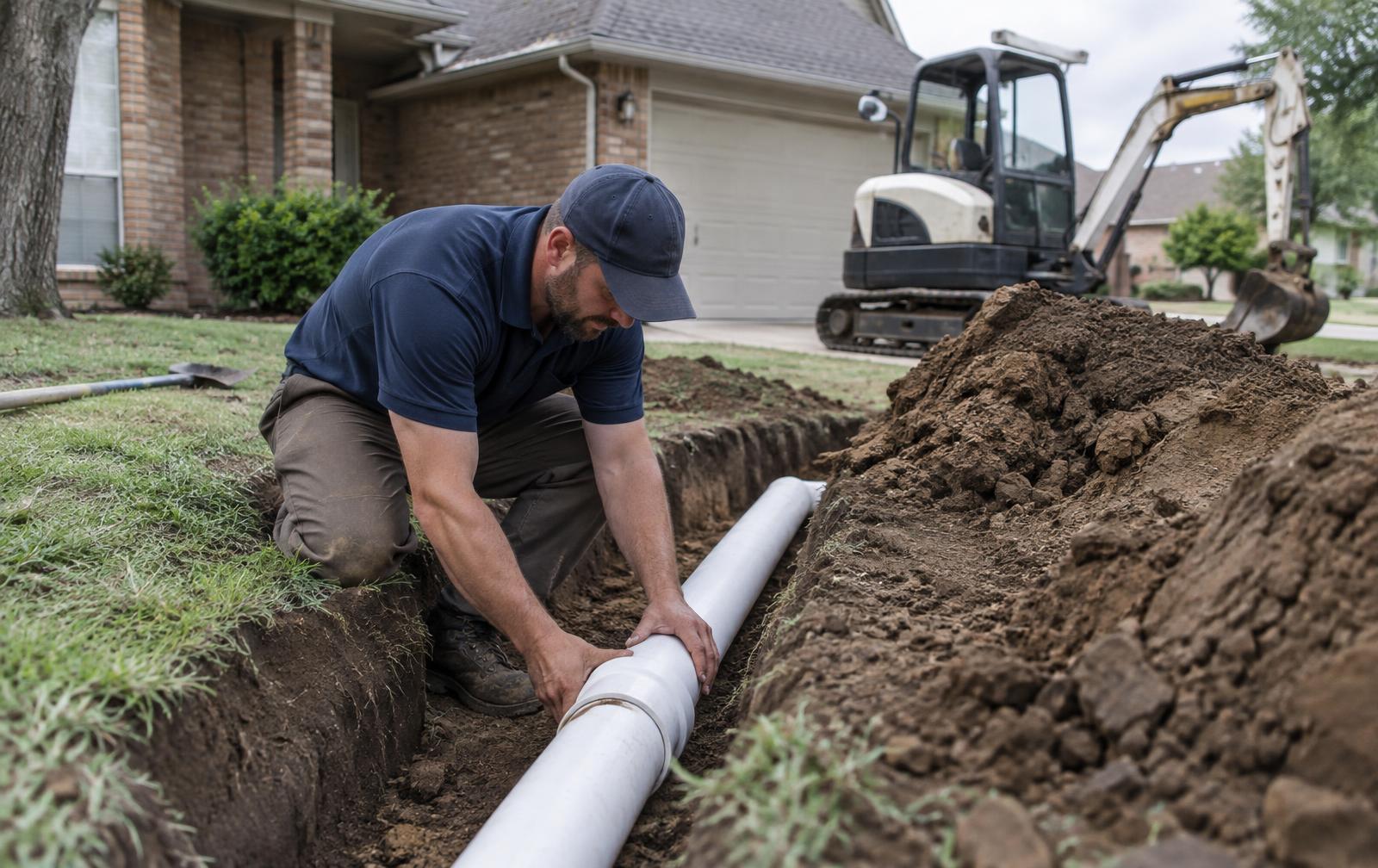
Trenchless replacement for the aging laterals across Carrollton's older runs — camera first, quote in writing, minimal yard damage.
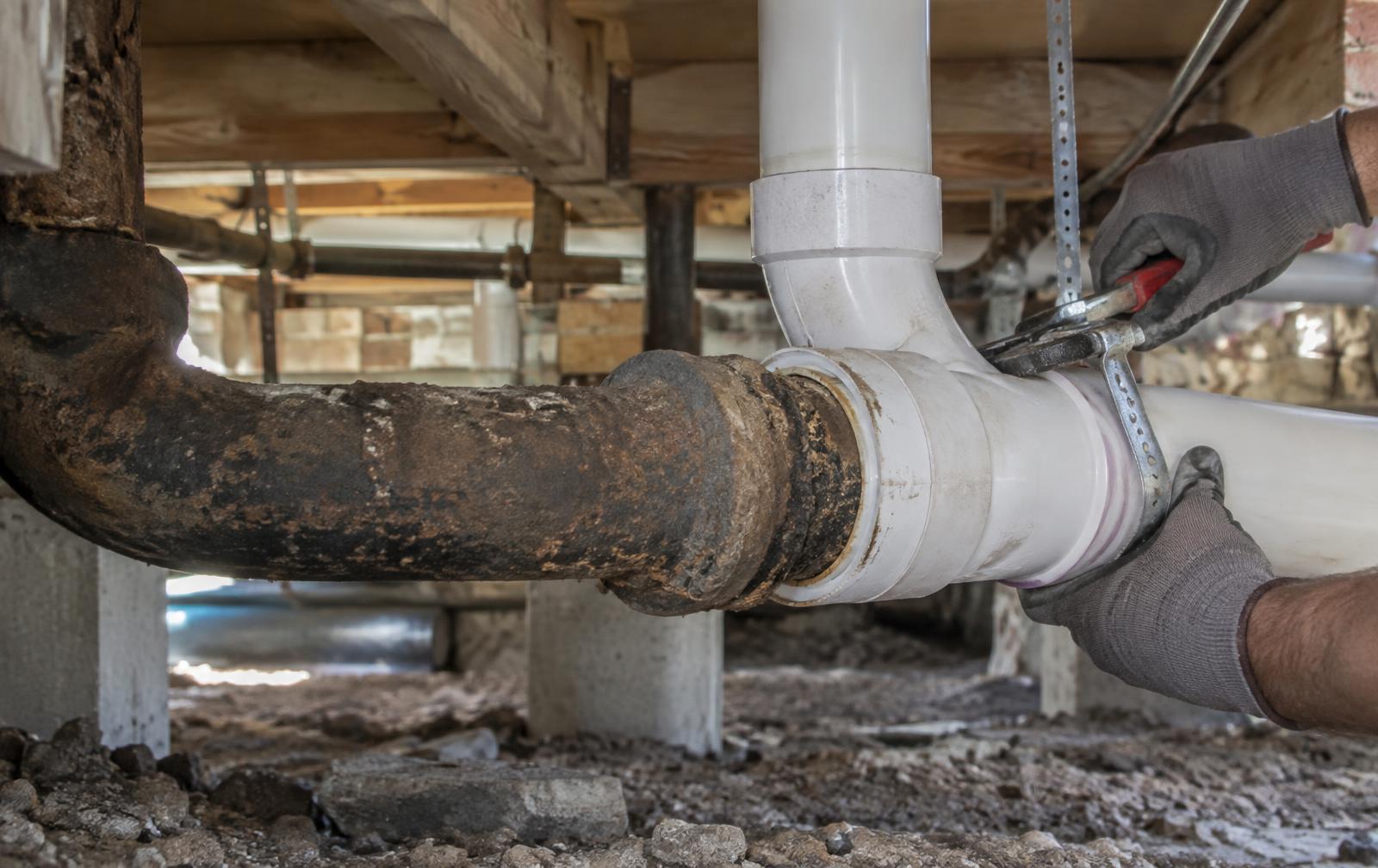
Camera inspection and PVC replacement for the aging cast iron drain lines in older Carrollton homes, with a written quote first.
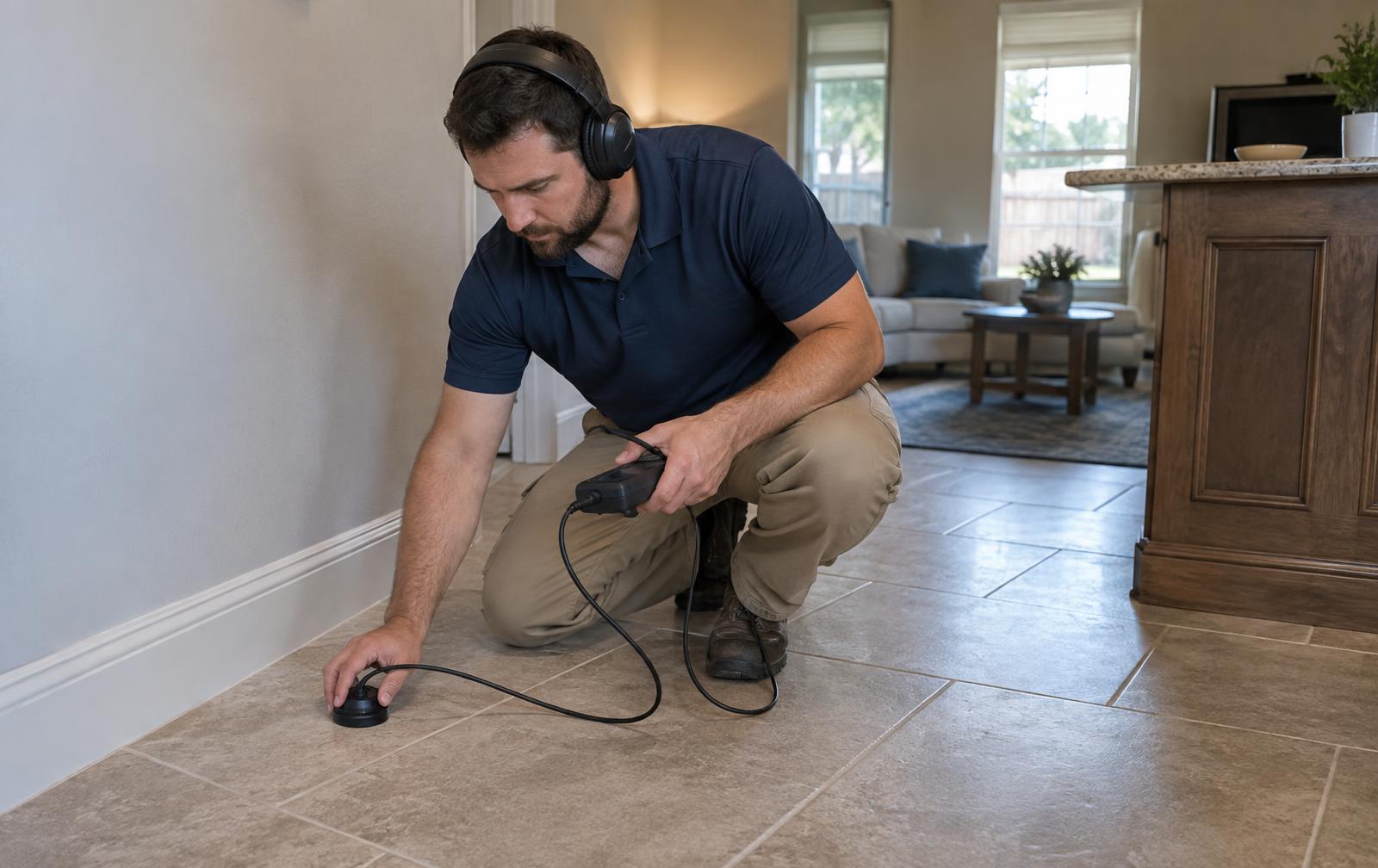
Acoustic, thermal, and pressure testing to pinpoint hidden leaks in Carrollton slab and wall lines without tearing into finishes.
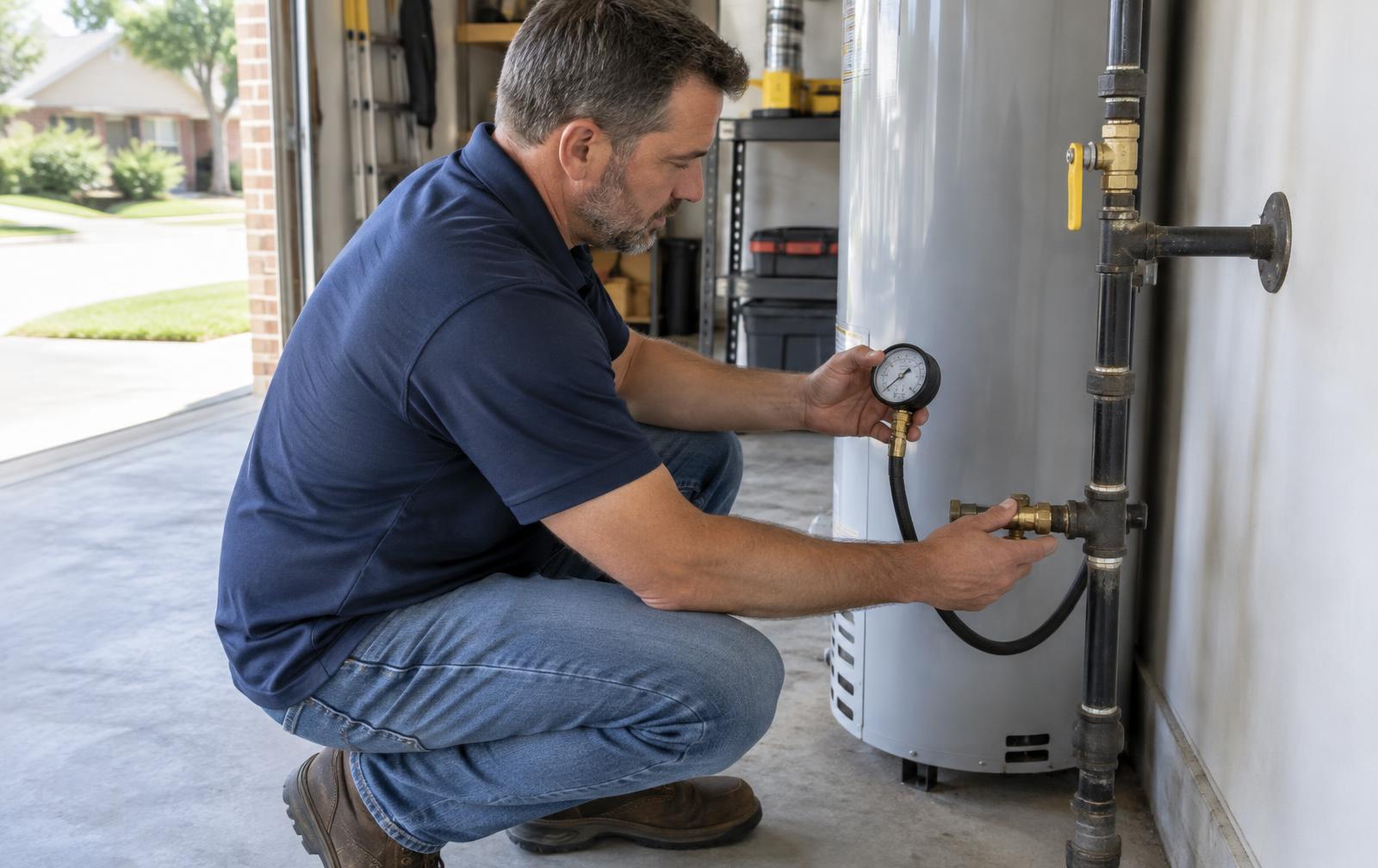
Licensed install, repair, and pressure-testing for Carrollton homes — every line signed off to Texas code and Atmos requirements.
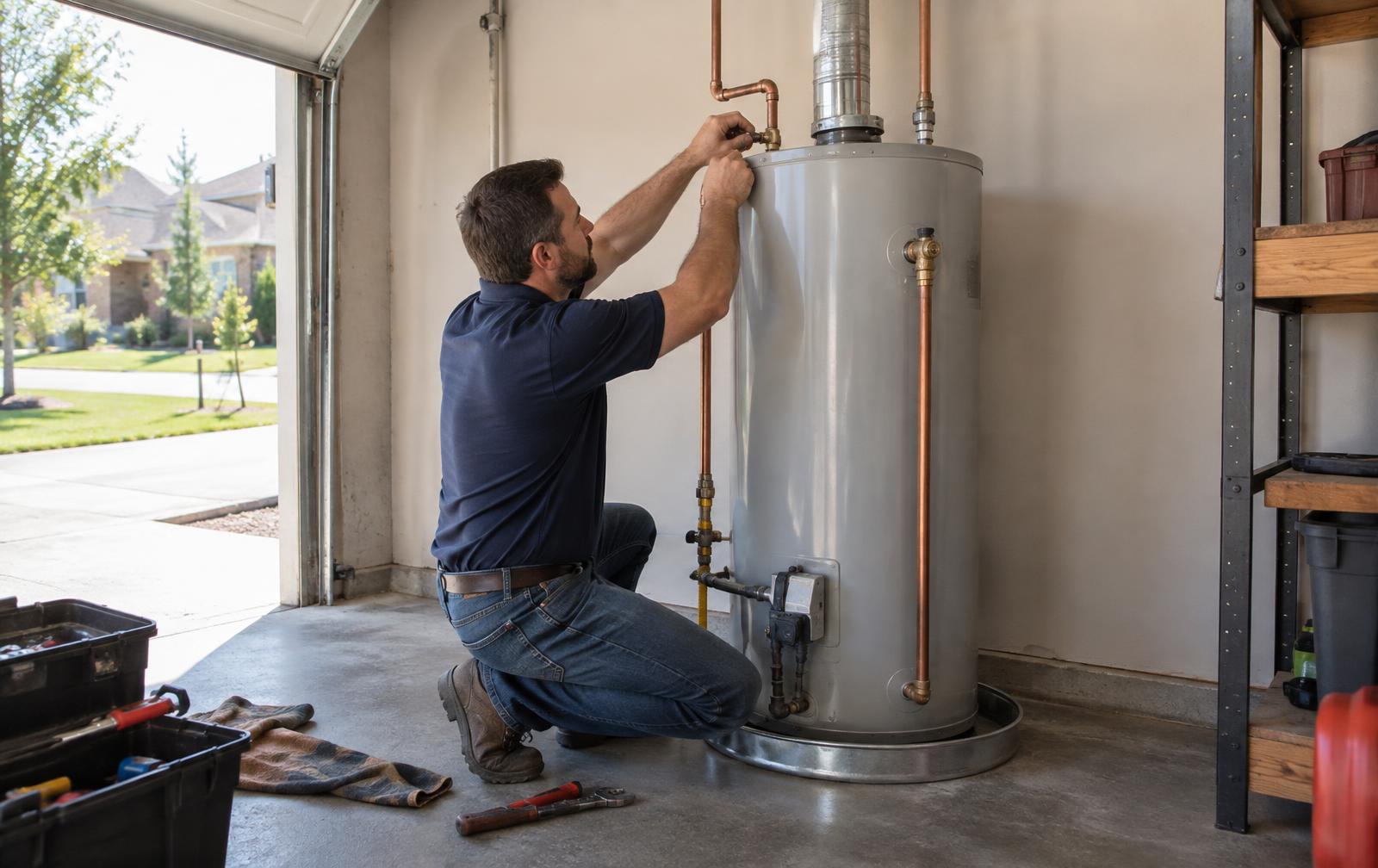
Repair, flush, and replacement of tank units — including attic and garage heaters common to Carrollton homes.
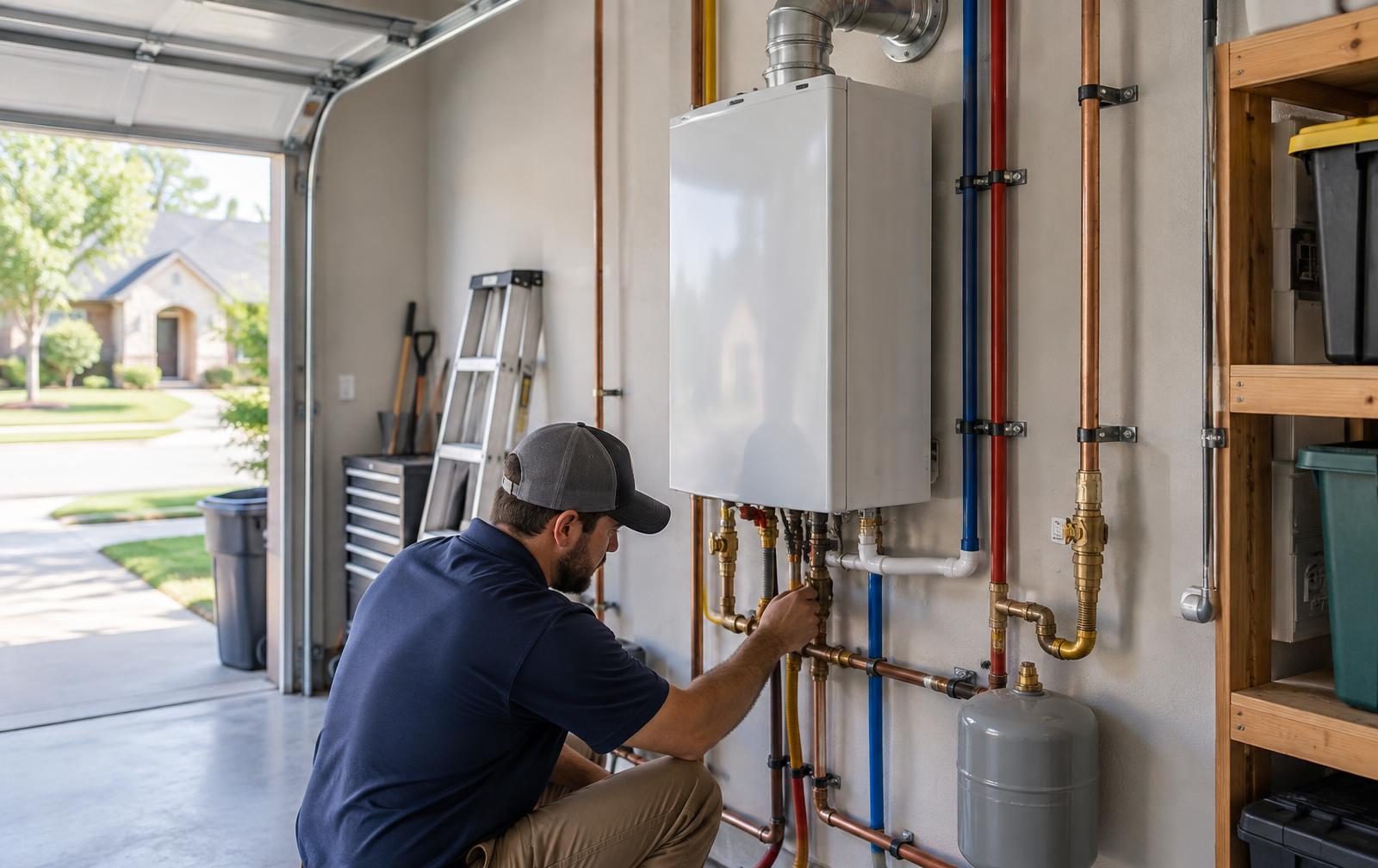
Install, service, and annual descaling — Carrollton's hard tap water eats tankless heat exchangers without it.
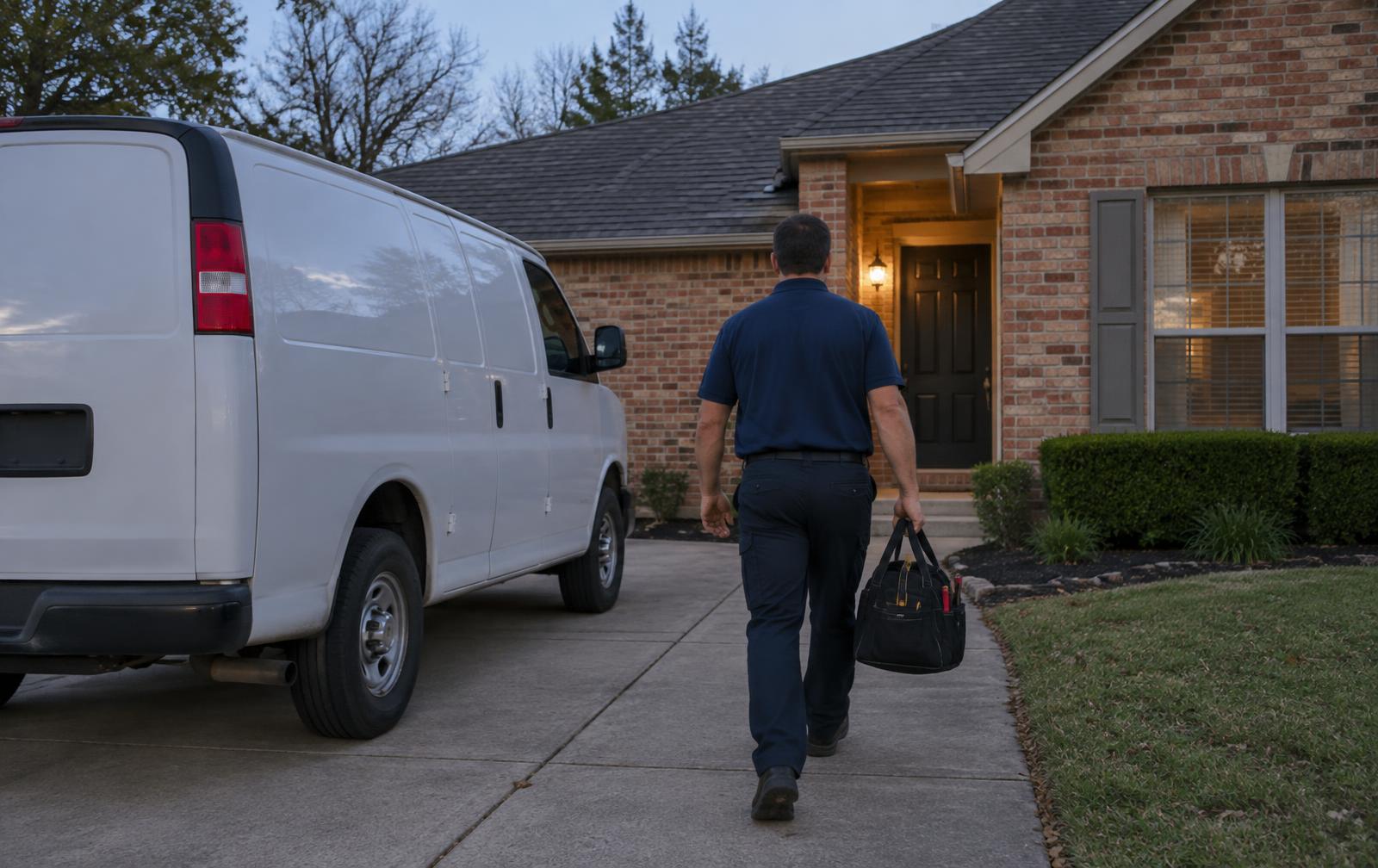
same-day, 7 days a week response across Carrollton for burst pipes, heater failures, and main-line backups.
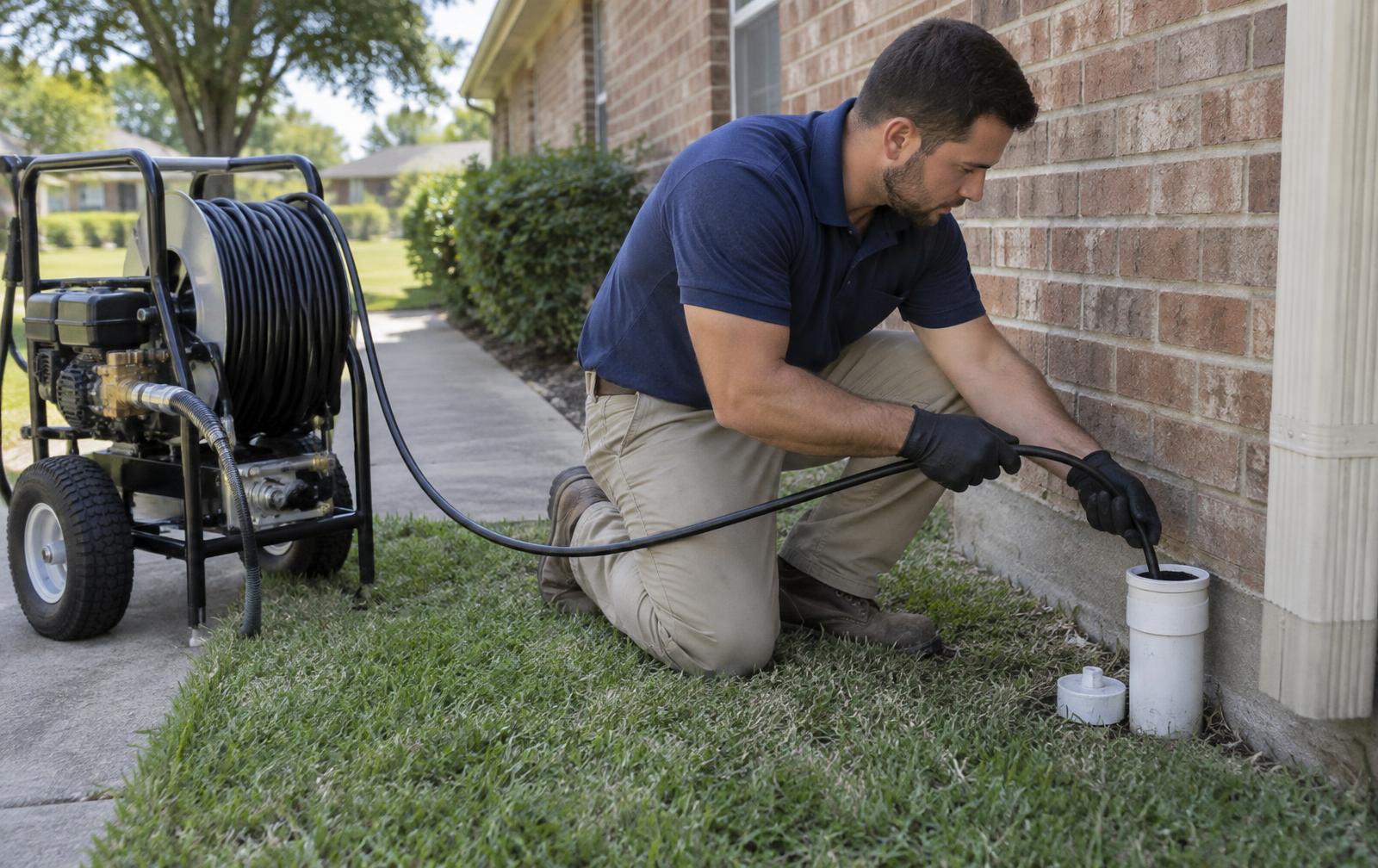
High-pressure cleaning that clears scale, grease, and roots from Carrollton's lateral runs — full-diameter, lasting clean.
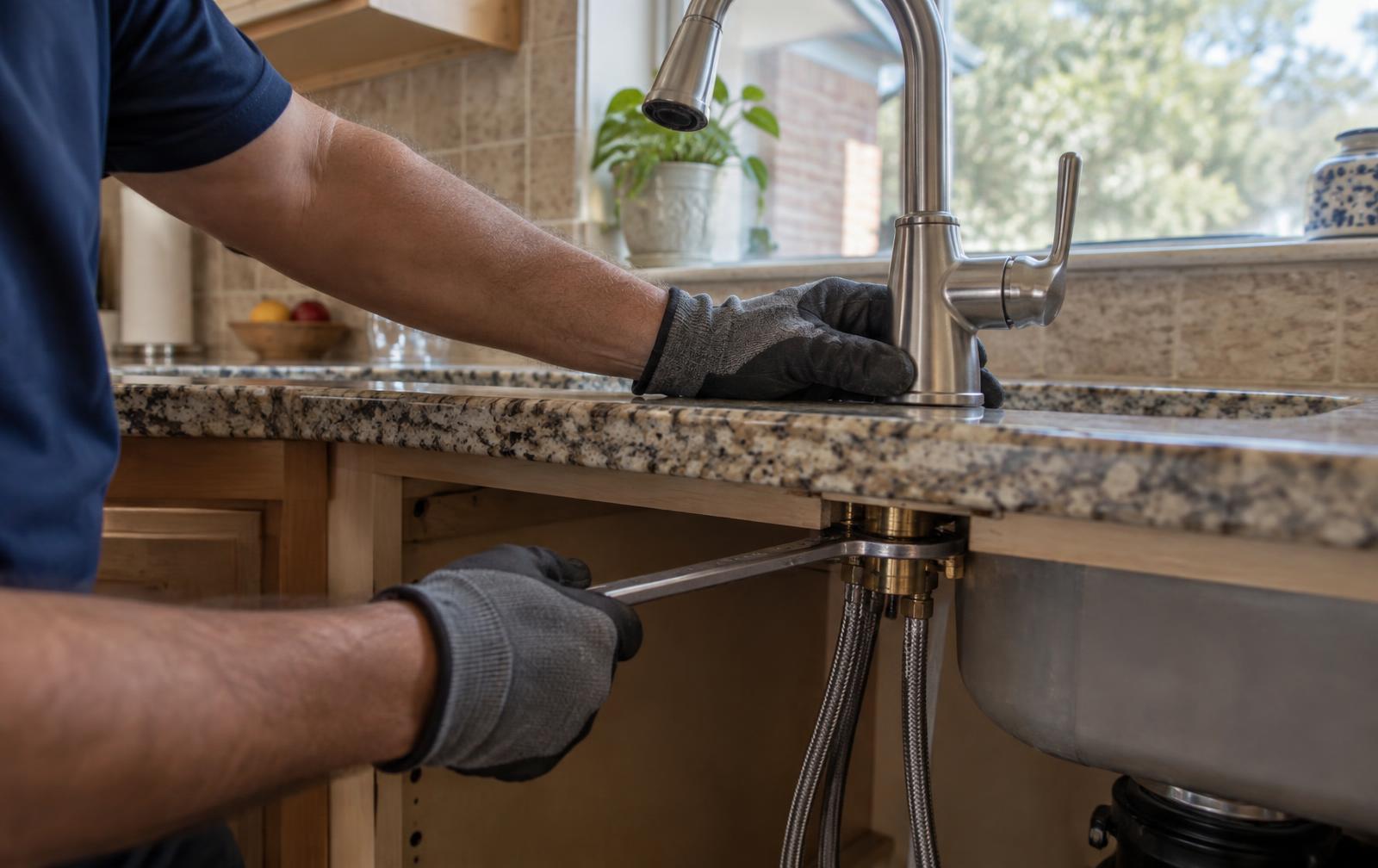
Cartridge, stem, and full-fixture replacement for Carrollton kitchens and bathrooms — hard-water-ready parts stocked on the truck.
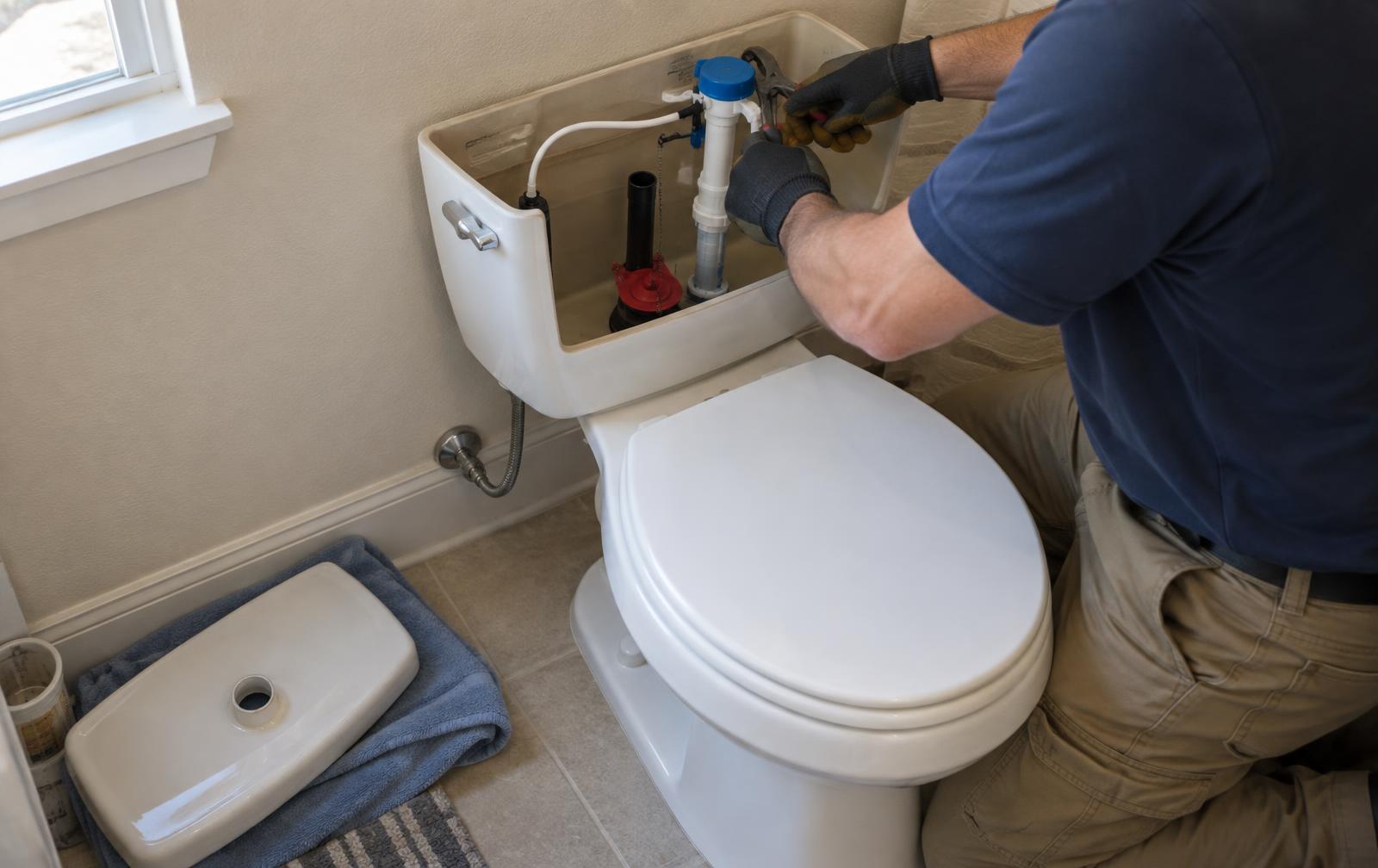
Rebuilds, wax-ring resets, flange repairs, and full replacements — the running toilets and rocking bowls in Carrollton homes.
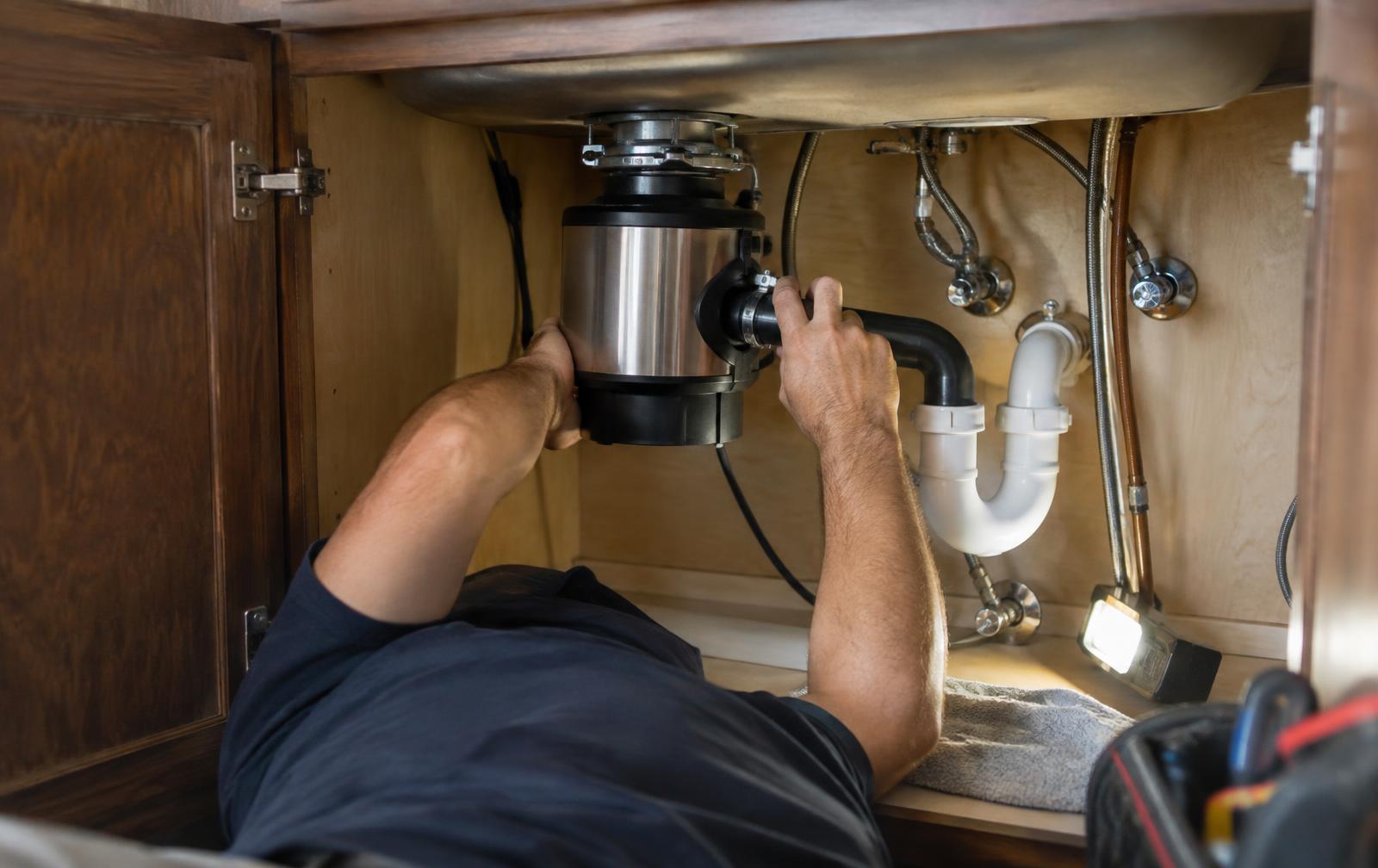
Jam clearing, leaking-unit swaps, and quiet 3/4 HP upgrades for Carrollton kitchens — same-visit install.
Drain Backing Up at Your Carrollton Home?
Same-day visits, camera-confirmed results, and a written price before we start. Call now and let's get it moving again.