
Leak Detection in Carrollton, TX
The bill went up but nothing at the house changed. One patch of tile stays cool while the rest of the floor warms up in the afternoon sun. Nobody's home and the meter dial is still spinning. Before anyone reaches for a hammer, we work out exactly where the water is going.
The Water Chemistry Here Plays a Part Too
Carrollton buys its finished water wholesale rather than treating it locally — Dallas Water Utilities supplies the city, using chloramine to keep the system disinfected. Chloramine is gentler on the pipe than the older chlorine treatment in some ways, but paired with this region's moderately hard to hard mineral content, it still contributes to copper pinholes forming years before a homeowner would expect based on how the house looks otherwise.
Geography matters just as much as chemistry. Closer to the historic square and through the older southern half of the city, the ground itself is Blackland Prairie clay, and that soil expands and contracts enough with the seasons to put real stress on any buried or wall-run line nearby. Head north toward the Elm Fork of the Trinity River and the ground turns sandier and calmer, so we walk into those newer sections expecting a different failure pattern entirely.
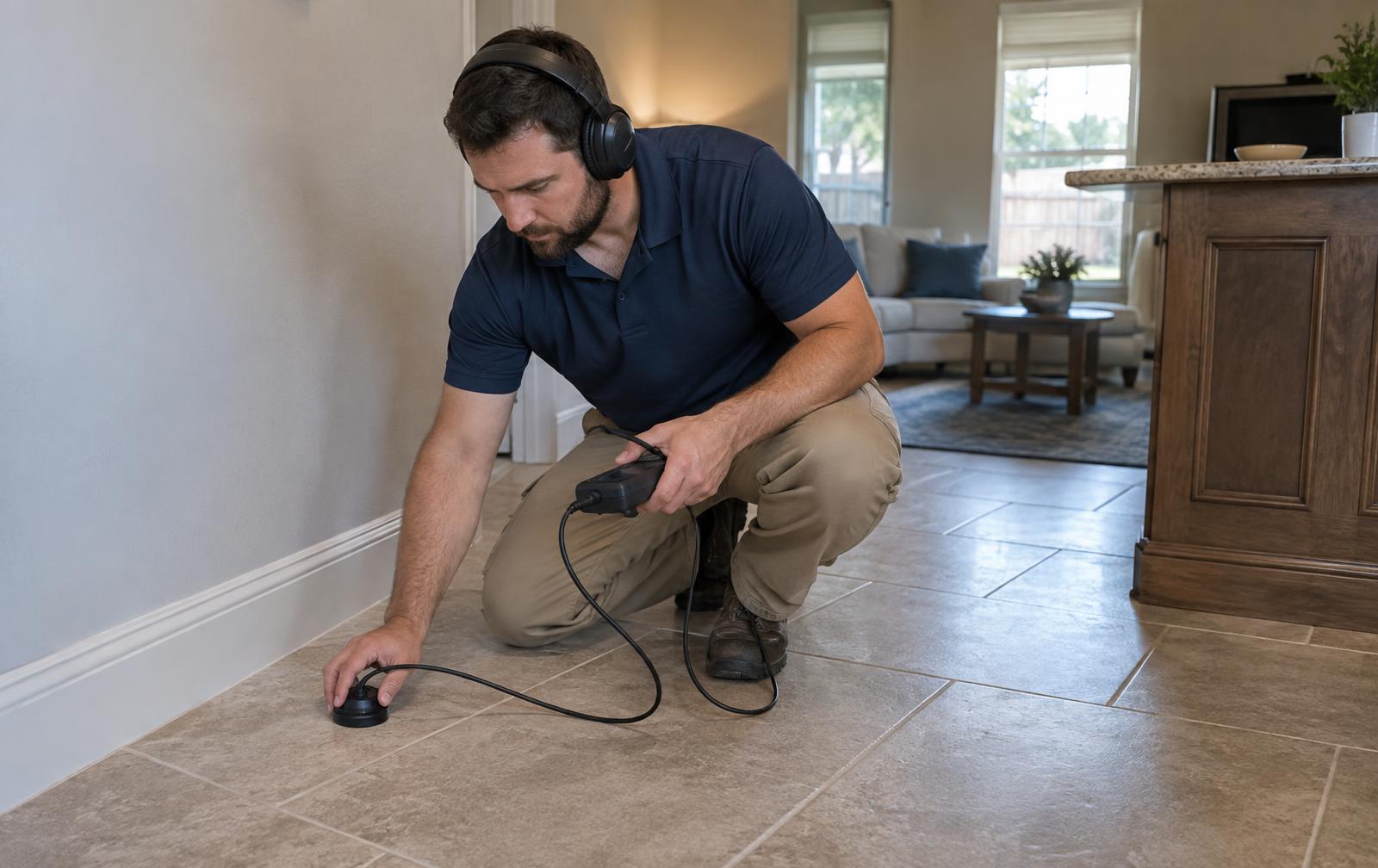
None of that changes the basic rule: we don't open anything until we can back up exactly where the water is coming from. Between listening equipment, a thermal camera, and a pressure test at the right shutoff, we can usually narrow a leak down to a small, defensible spot before the first cut ever gets made.

What Usually Points to a Hidden Leak
Any one of these is worth mentioning on a call. Two of them together are worth scheduling a visit.
A leak inside a wall or under a floor can run quietly for a long stretch before it shows up anywhere you can see. If the household routine hasn't changed and the number on the bill still climbed, that's the first thing worth ruling in or out.
Turn everything off, give it a few minutes, and watch the small dial or low-flow indicator on the meter. If it moves at all with the whole house quiet, water is going somewhere it shouldn't.
Old damage on a ceiling or wall stops growing once the original cause is gone. A mark that keeps getting visibly bigger over time is being fed by something still active, usually not far from where it shows.
Trapped moisture behind drywall tends to smell musty before there's anything to see. When that smell sticks to a single room rather than drifting through the house, the source is usually nearby.
A leak on the hot side of the system warms whatever material surrounds it. That kind of warm patch usually shows up clearly on a thermal camera within a couple of minutes.
A leak big enough to actually feel will often pull down pressure across the house or cut a shower shorter than usual. Combined with anything above, it typically points to one specific line.
Rule Things Out Before Bringing In the Gear
Every step exists to protect the next one from guesswork. Nothing gets opened until the last step is done.
- 1Confirm this is really a supply leak
Closing valves in sequence while watching the meter tells us quickly whether the problem is on the pressurized side at all, or whether it's actually a running toilet, an irrigation valve, or a drain issue instead.
- 2Listen for it under pressure
With the line held steady, ground microphones and wall-contact probes pick up the specific sound a pinhole leak makes as water escapes under pressure, which lets us follow the noise toward its source.
- 3Look for the heat signature
A hot-side leak warms the surrounding wall or slab enough that a thermal camera picks up the pattern right through drywall or tile. On a cold-side leak, we run hot water a little longer first to build that same contrast artificially.
- 4Bring in tracer gas for the hard cases
When the meter, the acoustic pass, and the thermal image all stay inconclusive, we isolate the line and push a harmless tracer gas through it, then check along the run with a sniffer that reacts right where the gas escapes.
- 5Give you something you can act on
You leave the visit with a marked-up photo showing where the leak sits, a plain-language explanation of what kind of leak it is, and pricing for the repair — regardless of who ends up doing that repair.
How the Build Era Shapes Where We Look
The decade a section of Carrollton went up, and which side of the county it sits on, both change where a leak is likely hiding.
This area predates 1900 and has been repaired piecemeal for well over a century, so what survives of the earliest plumbing tends to be short runs behind old plaster — usually quick work for an acoustic pass.
Most of this section was built through the 1960s and 1970s on flat, low ground, and homes from that period commonly still carry their original copper — a strong candidate whenever a thermal scan turns up a warm patch.
Filled in largely through the 1980s with brick single-family construction on mature, tree-lined streets, this section's supply lines are old enough now that a wall-cavity leak is a reasonable first guess behind a rising bill.
Built between the late 1970s and late 1980s, some lots out here stretch close to an acre, which means more buried pipe between the meter and the house than most sections of the city carry.
Most of this Denton County tract went up in the early-to-mid 1980s, and original supply lines from that build-out are a routine explanation whenever a homeowner here reports water use they can't otherwise account for.
As the newest housing stock in the city, with construction that began in 1998 and continues today, this section typically runs PEX rather than copper — leaks here tend to trace to a fitting or connection rather than pipe age itself.
What Carrollton Homeowners Say

You See Where It Is Before Anyone Cuts
Every visit ends with something concrete: a marked photo, a description of the leak type, and a written number for the repair.
Our license is with the Texas State Board of Plumbing Examiners, we carry insurance, and this is a family-run operation with one shop, in The Colony, that every truck comes from. Detection visits run same-day, all seven days of the week, from 8 in the morning to 6 in the evening.
Direct Answers Before You Commit to a Visit
Our Other Plumbing Services in Carrollton, TX
A hidden leak is frequently the first sign that a home's supply system is aging as a whole. We're also the ones to call for the slab work, water heater service, or full repipe that often follows.
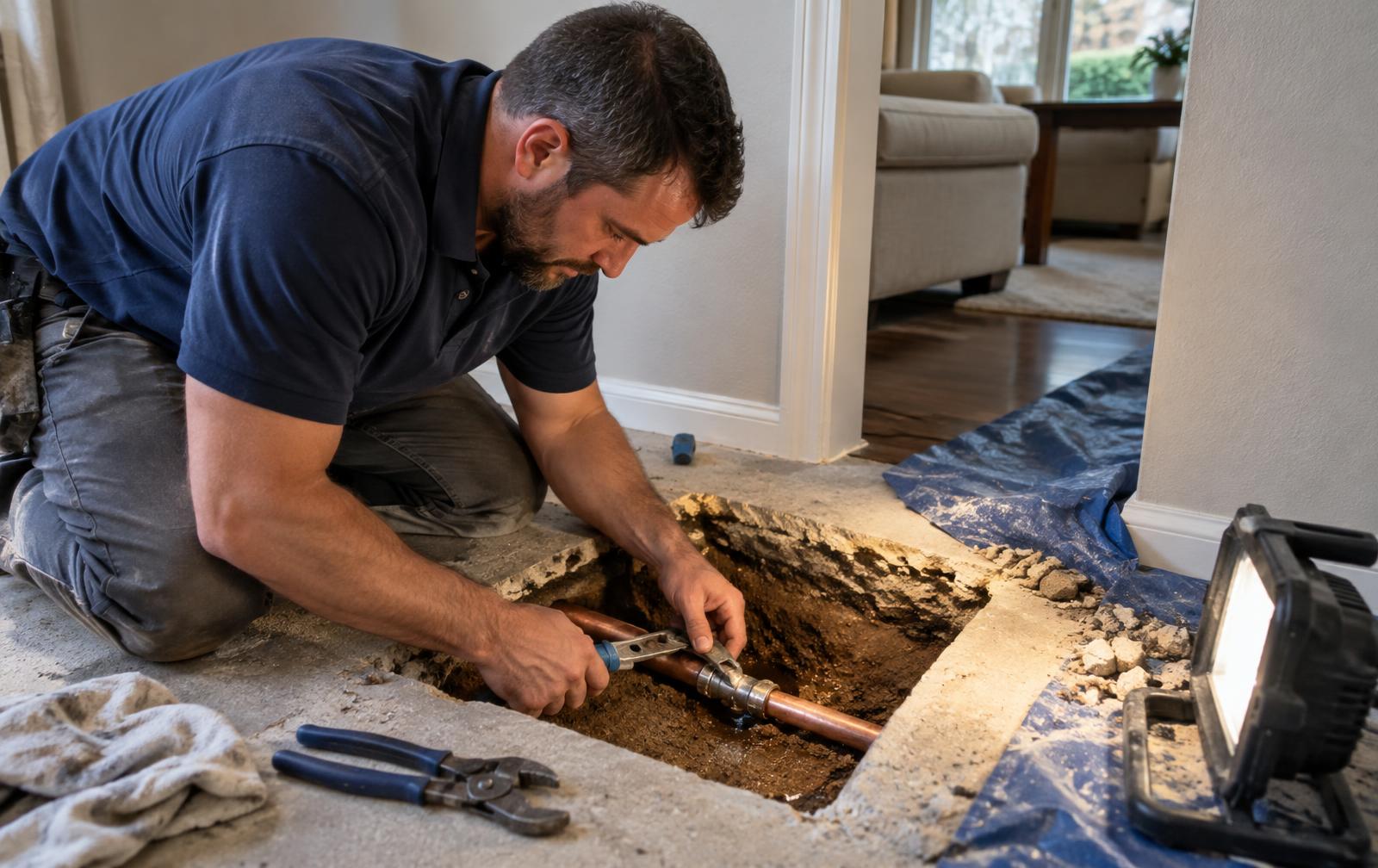
Electronic detection under Carrollton slabs — reroute options that save your finished floors when possible.
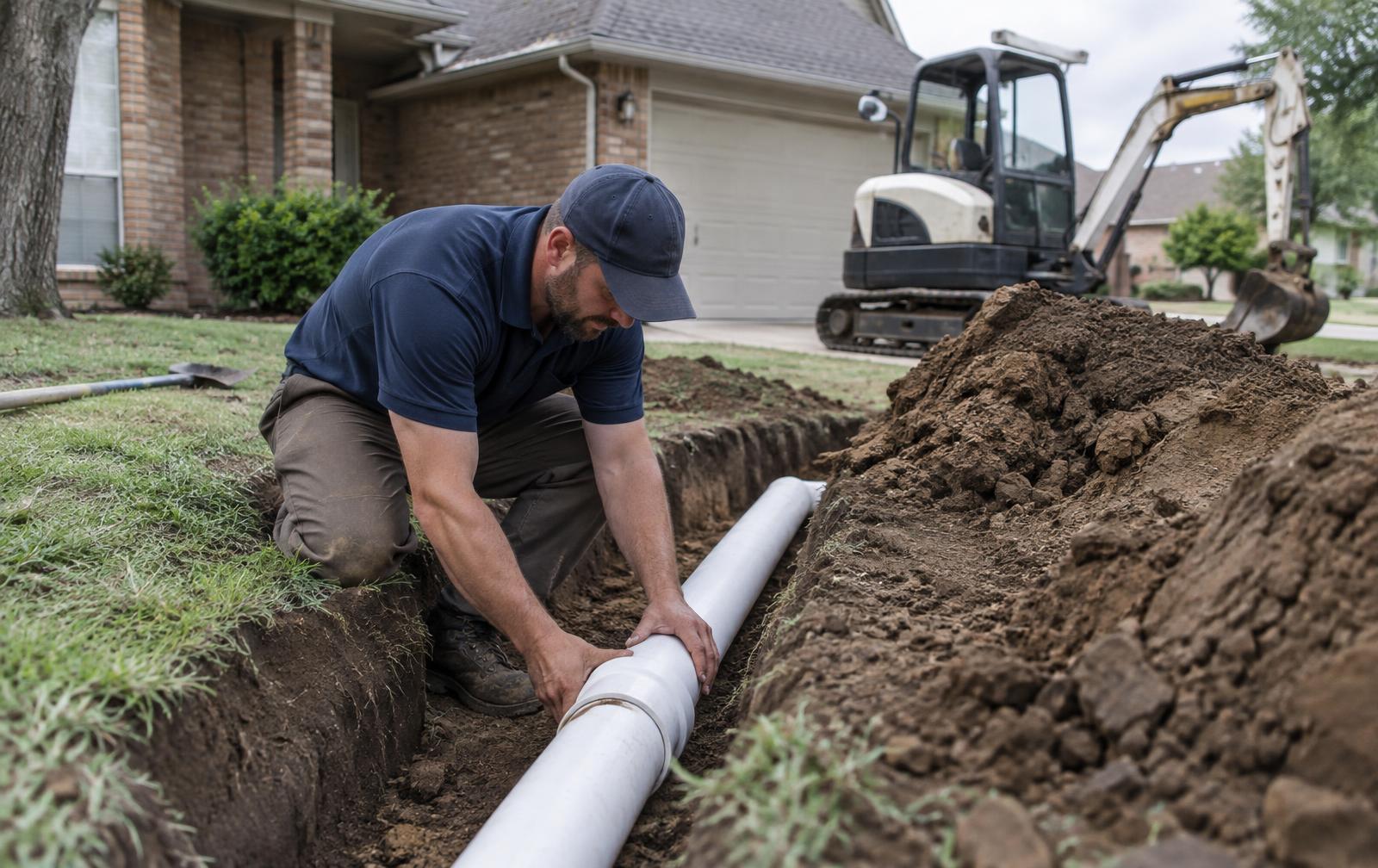
Trenchless replacement for the aging laterals across Carrollton's older runs — camera first, quote in writing, minimal yard damage.
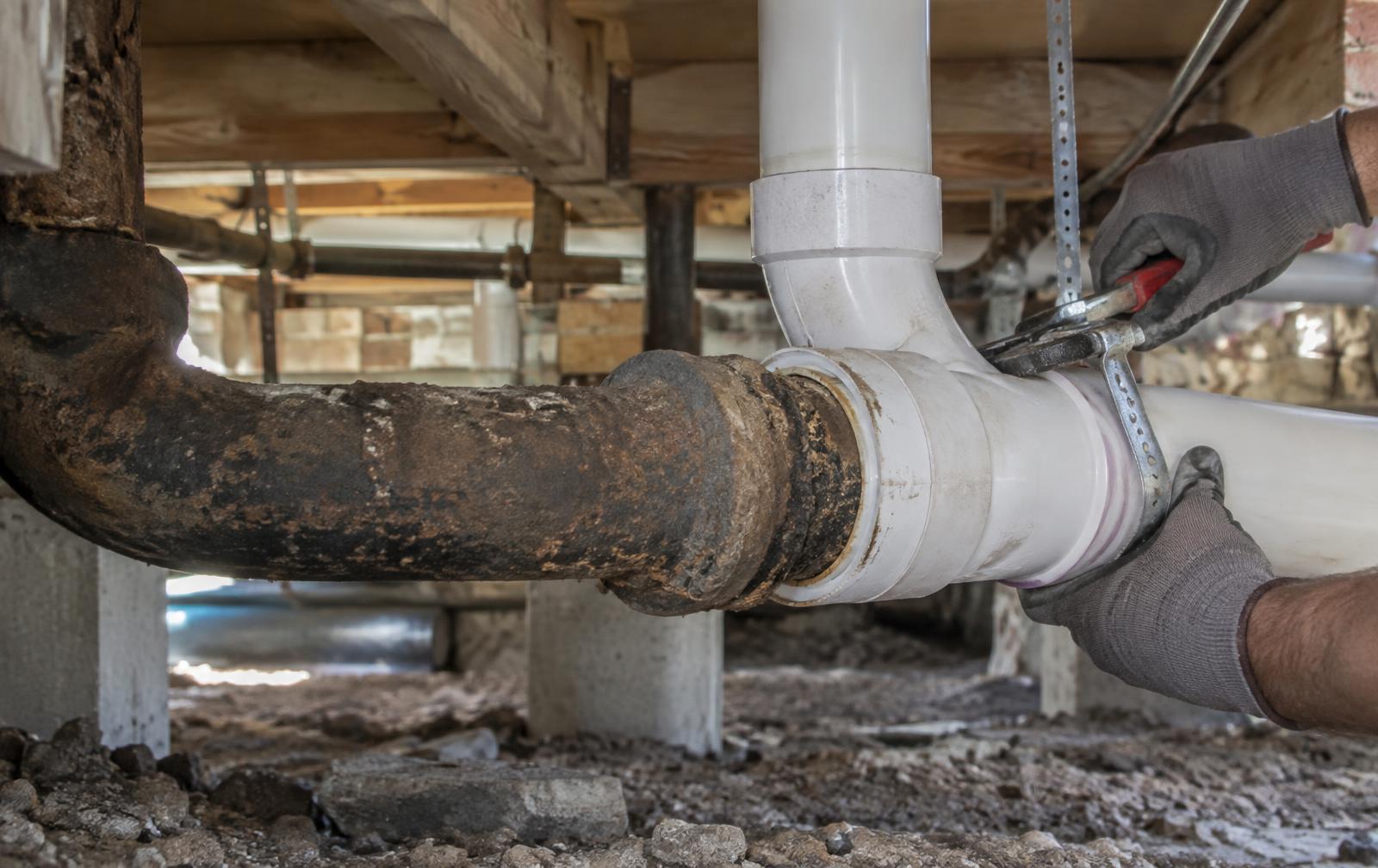
Camera inspection and PVC replacement for the aging cast iron drain lines in older Carrollton homes, with a written quote first.

Licensed install, repair, and pressure-testing for Carrollton homes — every line signed off to Texas code and Atmos requirements.

Full-clear service and camera confirmation for the drains under Carrollton's neighborhoods.
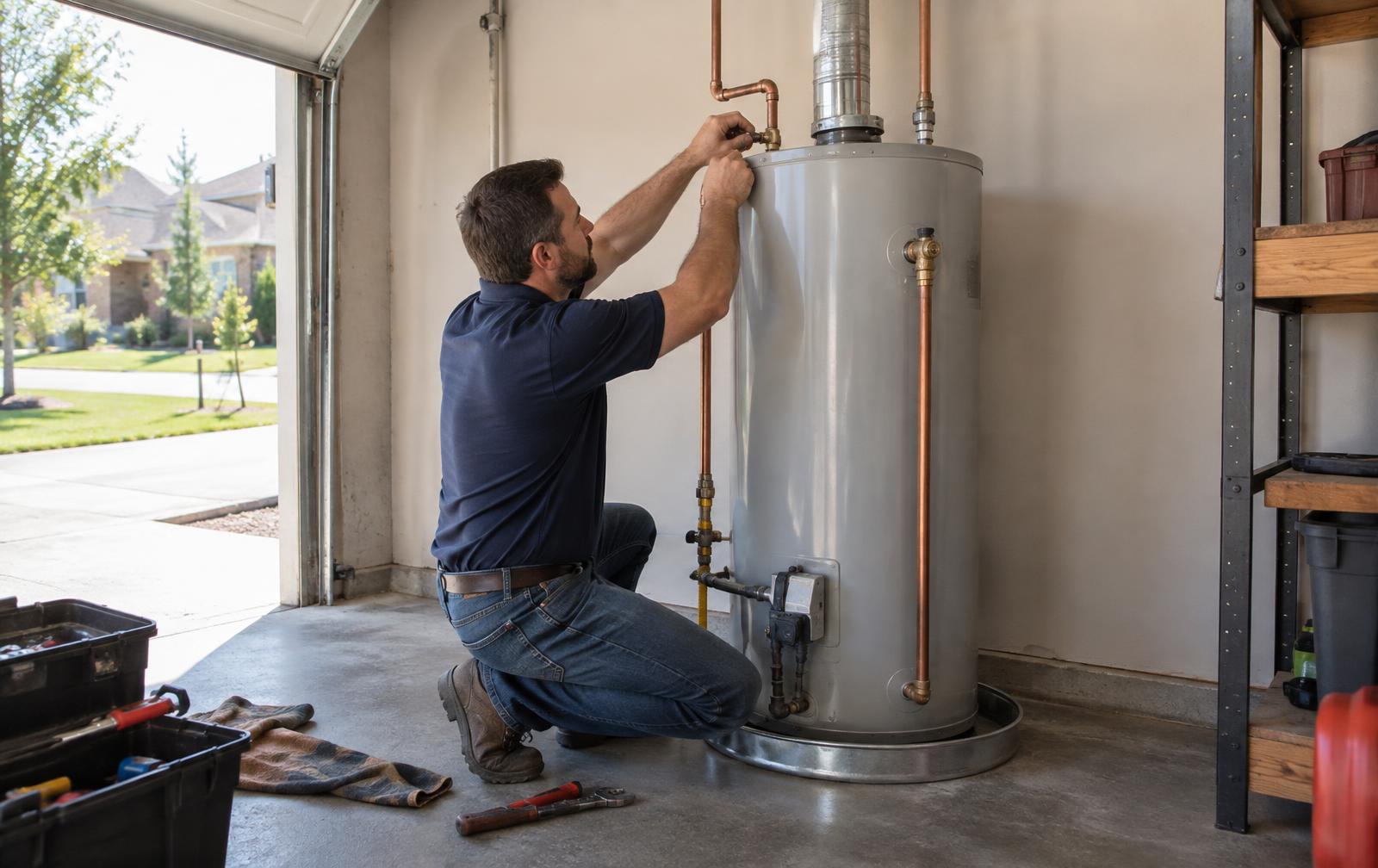
Repair, flush, and replacement of tank units — including attic and garage heaters common to Carrollton homes.
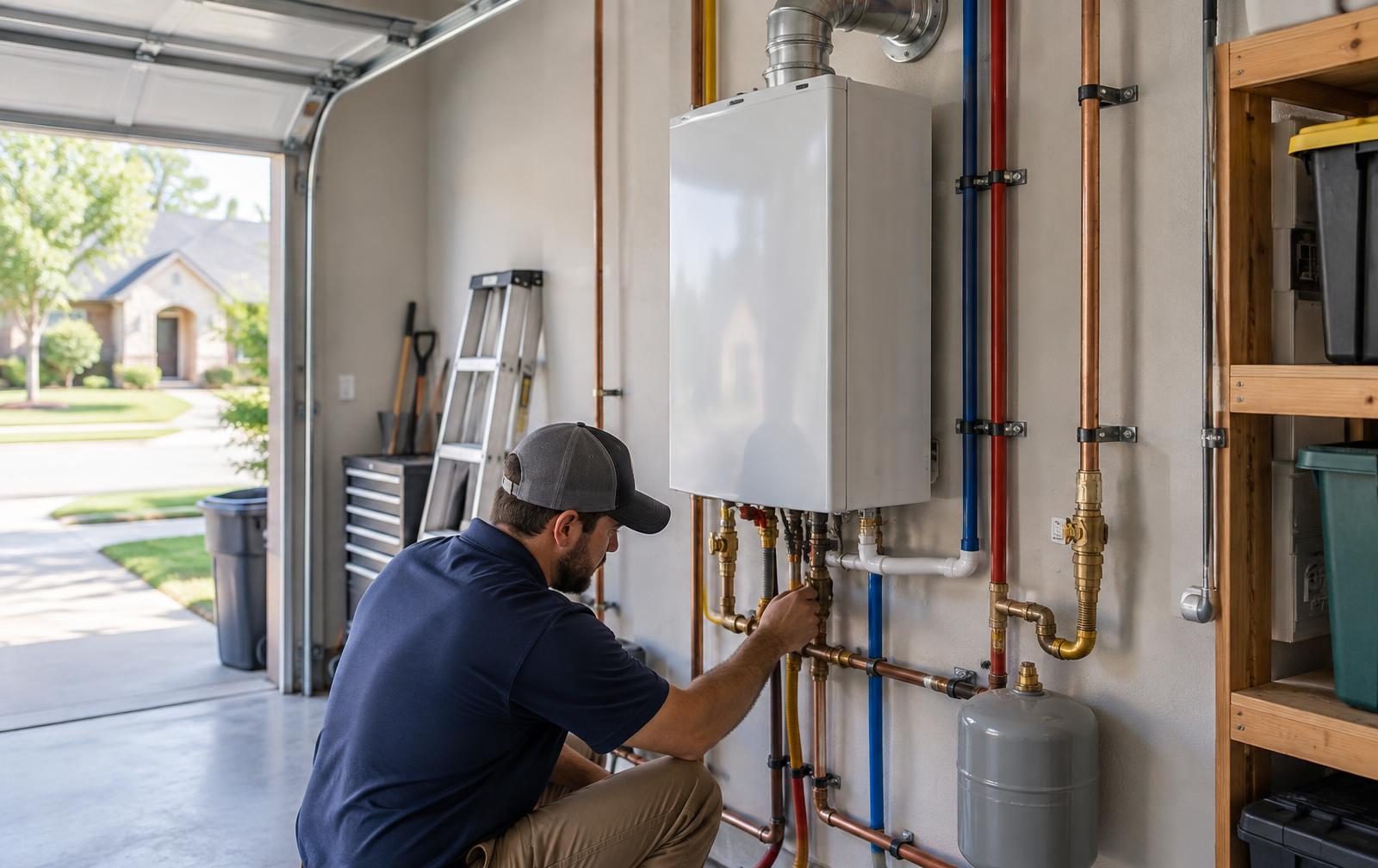
Install, service, and annual descaling — Carrollton's hard tap water eats tankless heat exchangers without it.
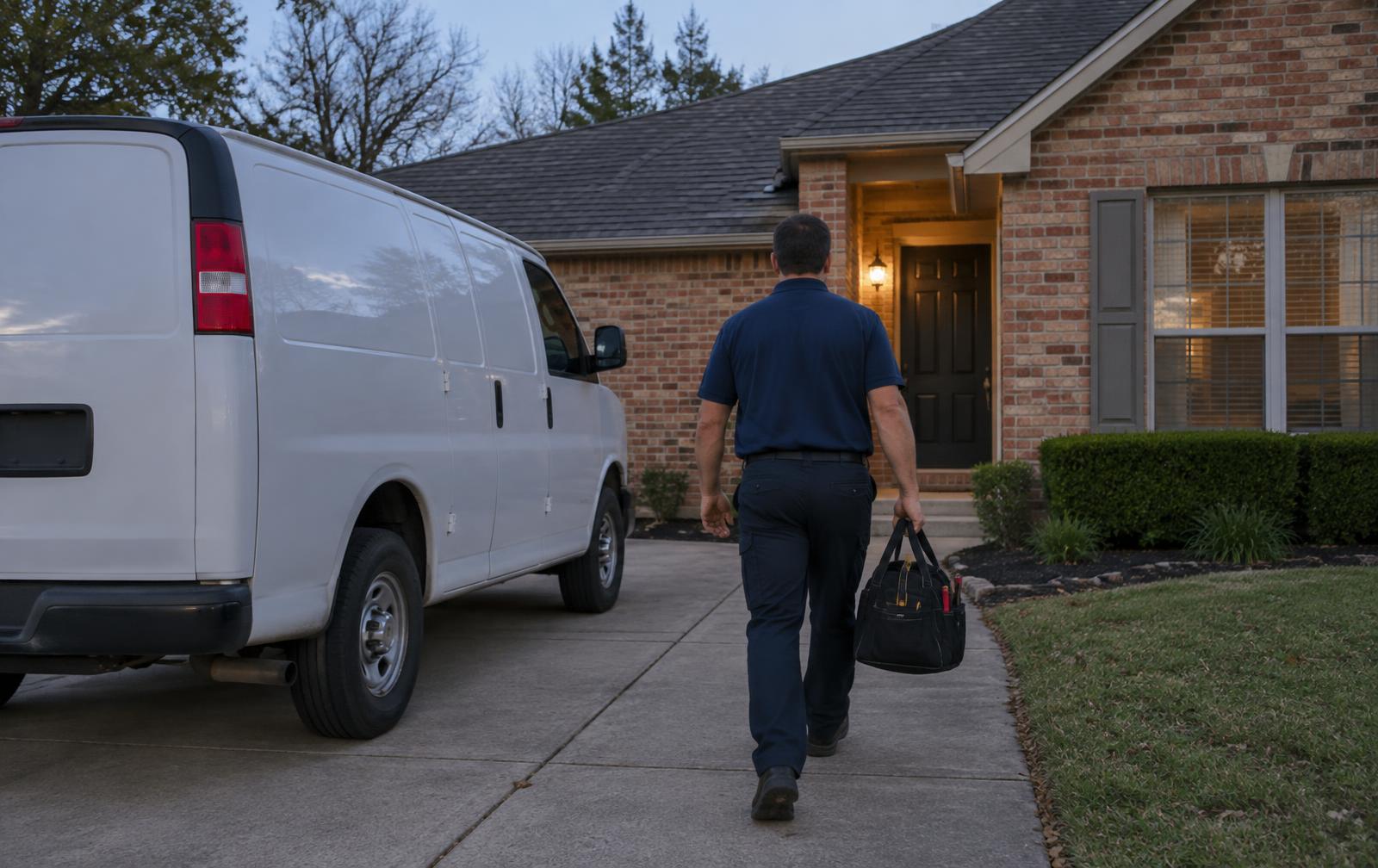
same-day, 7 days a week response across Carrollton for burst pipes, heater failures, and main-line backups.
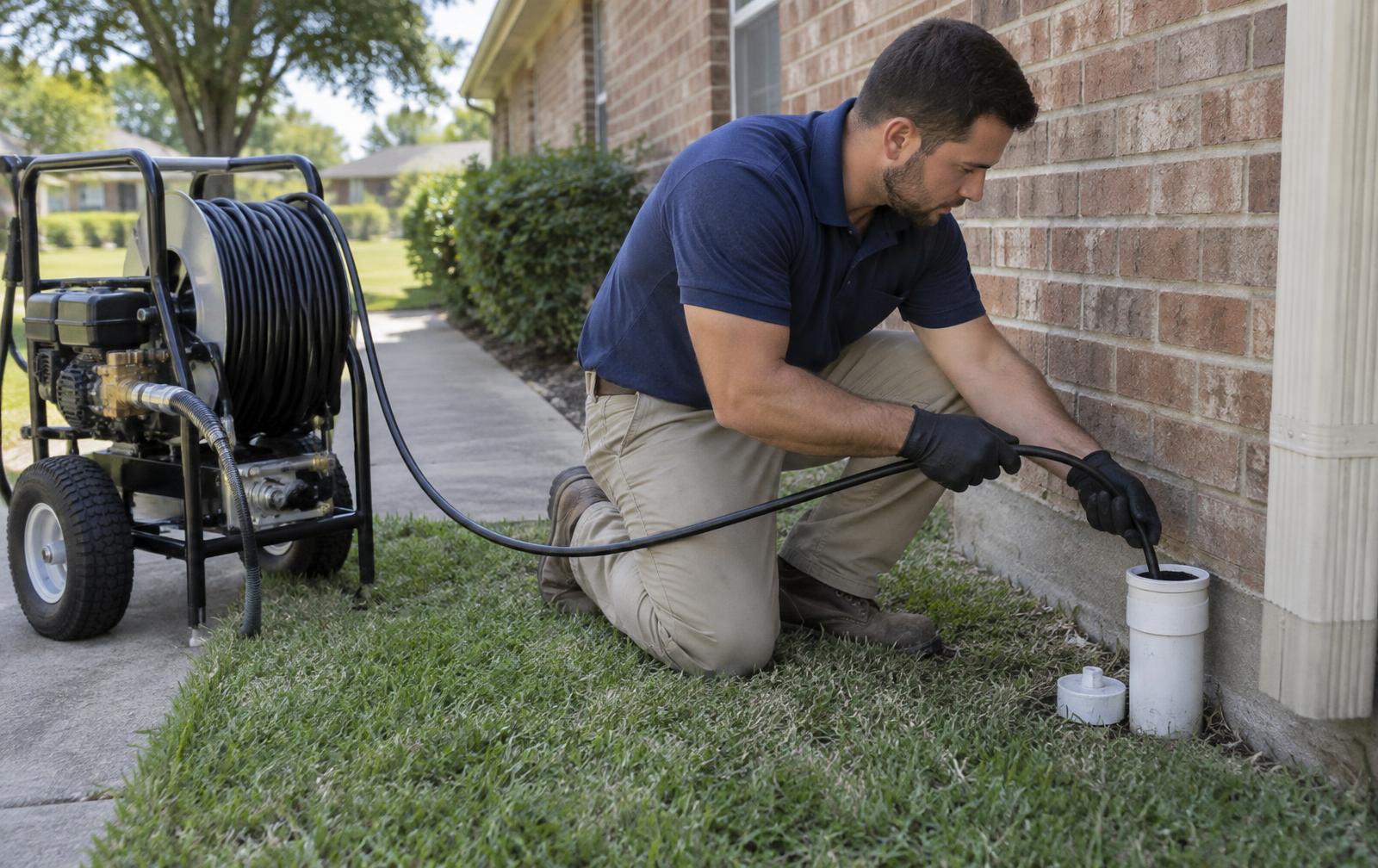
High-pressure cleaning that clears scale, grease, and roots from Carrollton's lateral runs — full-diameter, lasting clean.
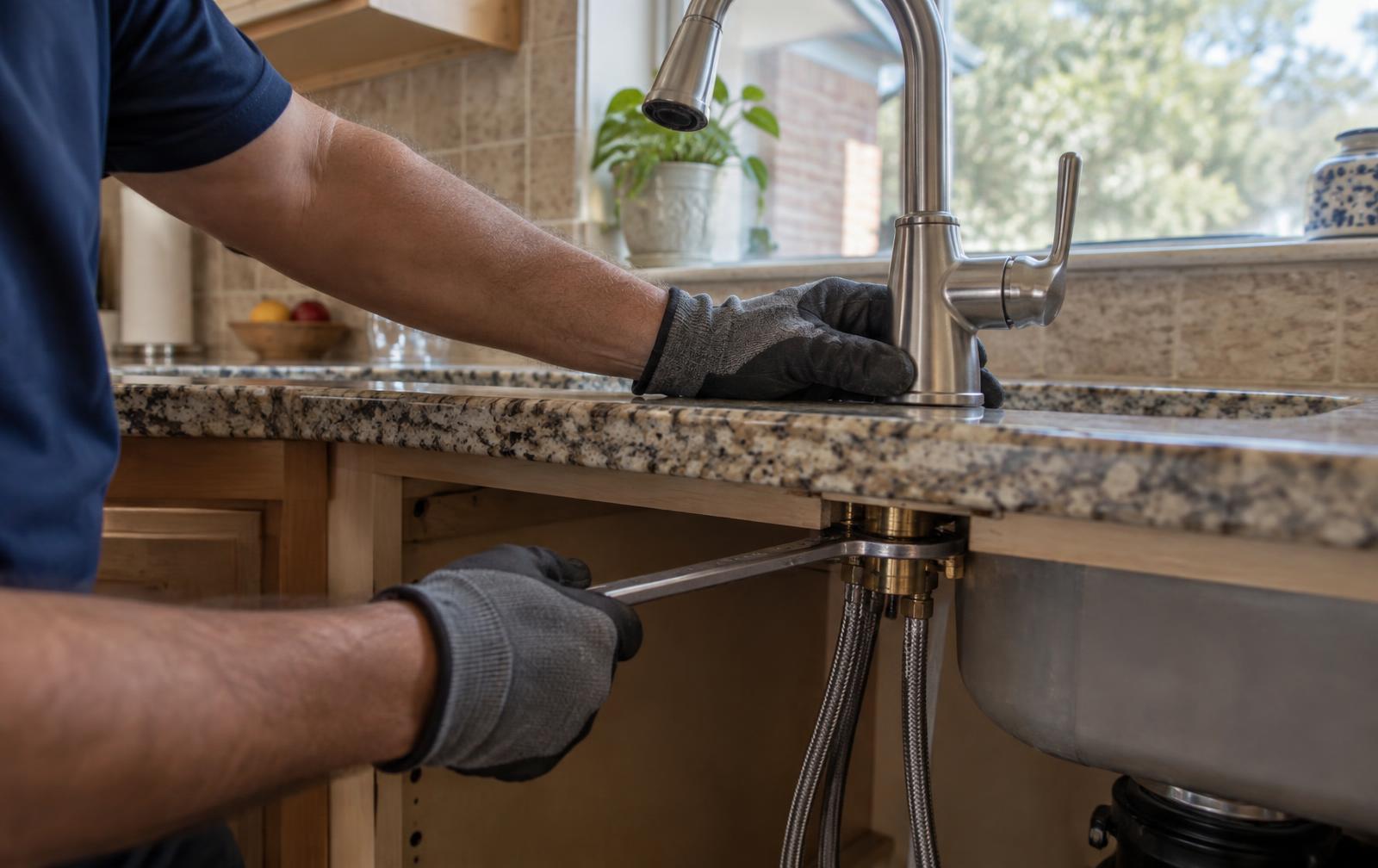
Cartridge, stem, and full-fixture replacement for Carrollton kitchens and bathrooms — hard-water-ready parts stocked on the truck.
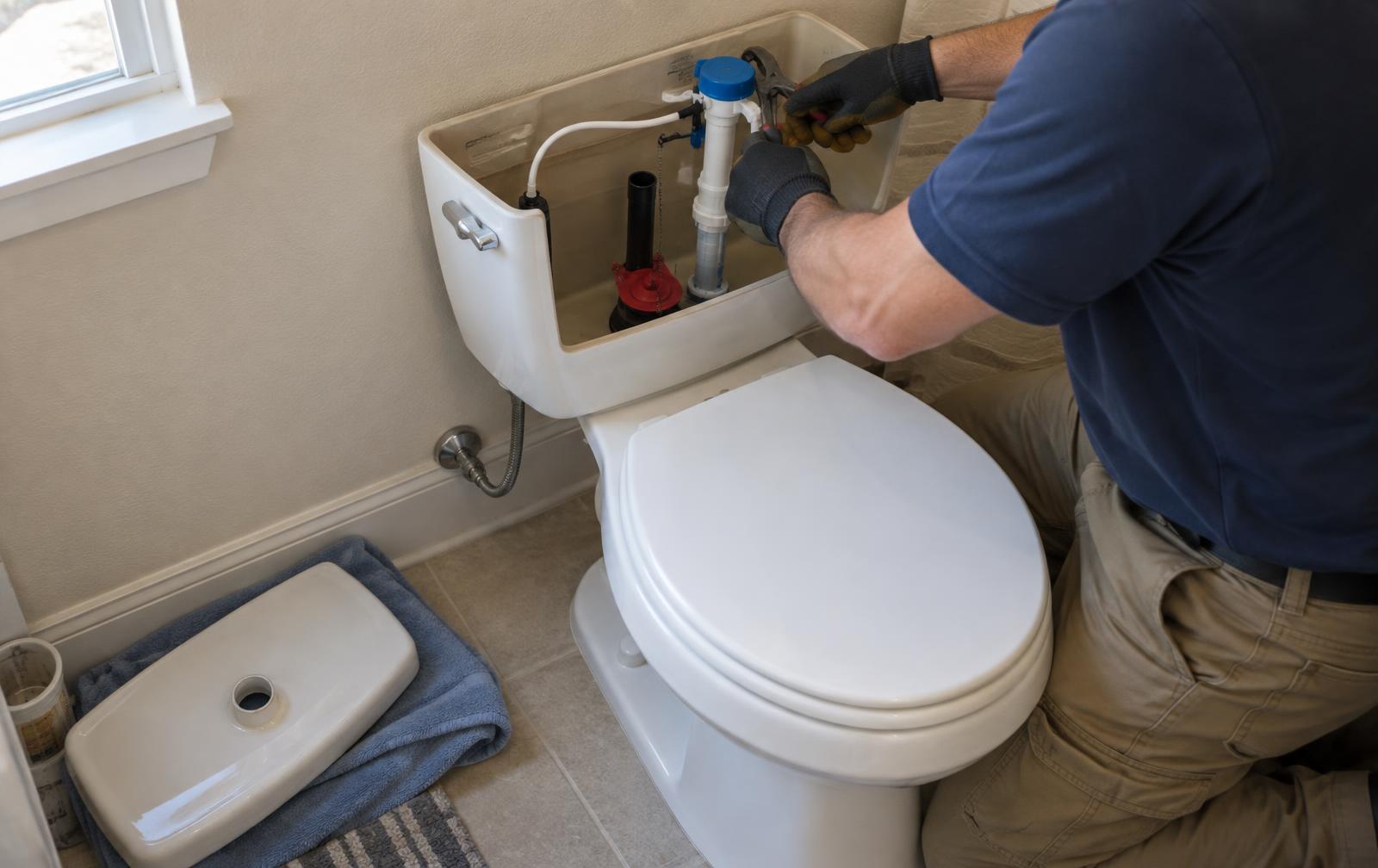
Rebuilds, wax-ring resets, flange repairs, and full replacements — the running toilets and rocking bowls in Carrollton homes.
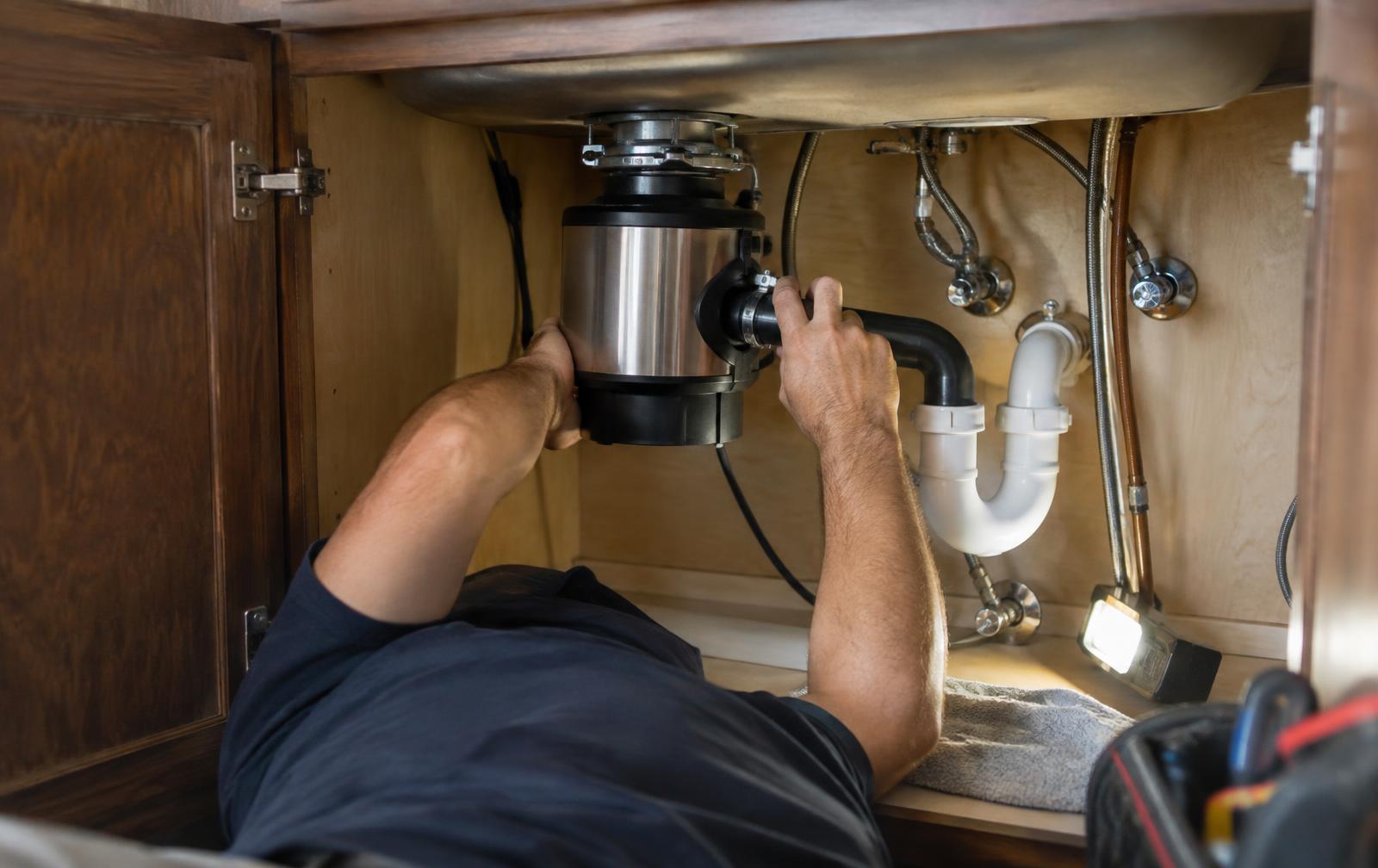
Jam clearing, leaking-unit swaps, and quiet 3/4 HP upgrades for Carrollton kitchens — same-visit install.
Suspect a Hidden Leak in Your Carrollton Home?
A non-invasive search, a documented result, and pricing in writing before anything opens. Same-day scheduling, seven days a week.