
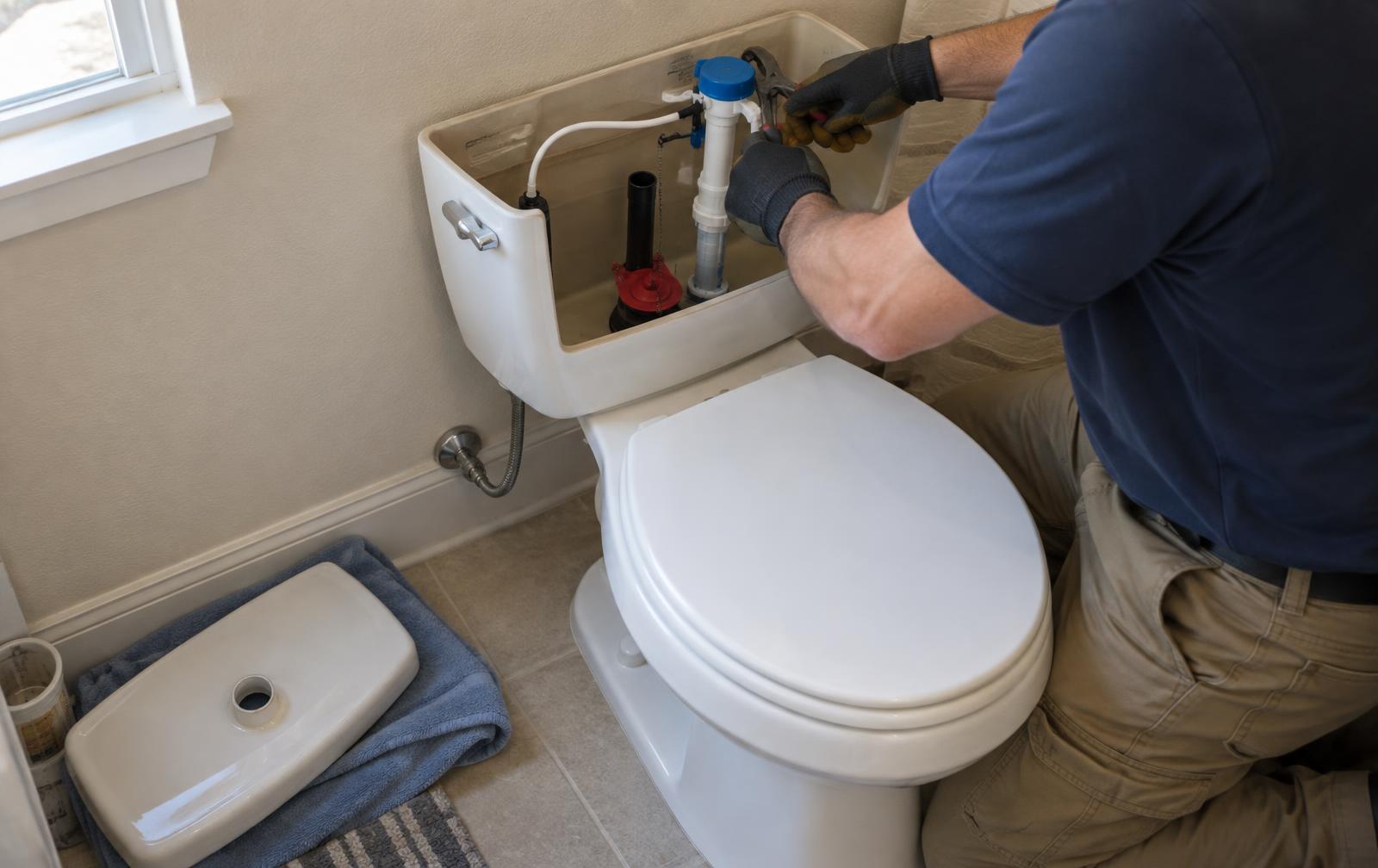
Toilet Repair & Installation in Highland Village, TX
The tank keeps cycling on its own hours after the last flush. The bowl shifts a little when someone sits down. A ring of water shows up around the base. It takes two pulls of the handle to actually clear the bowl. Whatever the symptom, we carry the parts to close out most Highland Village toilet calls in one stop.
Bigger Lots Can Hide a Running Toilet Longer
Highland Village's larger residential lots — a lot of them close to or over a quarter acre in areas like Montclair Estates — come with correspondingly larger irrigation and outdoor water use. That makes it easier for a slow leak inside a toilet tank to hide inside a normal-looking bill for months before anyone connects the dots, so we treat every 'my bill went up a little' call as worth a five-minute check of the tank hardware.
A shifting bowl is the other pattern worth explaining, and the cause here tends to be age rather than ground movement. This city sits on rolling, wooded Eastern Cross Timbers terrain instead of the expansive clay found in flatter parts of North Texas, so a wobble more often traces back to a tired wax ring or a corroded flange than to a shifting slab. We pull the fixture, look at the flange directly, seat a fresh seal, and reset it level, adding a stainless repair collar or a new flange in the same appointment if the existing one is cracked or sitting proud of the finished floor.
When a full swap is the better call, we set comfort-height, low-flow fixtures that meet current code. Highland Village's Building Inspections office requires a permit whenever a job actually relocates a fixture's rough-in, and we file that through the city's public portal ourselves. Bring your own toilet and we'll set it just the same, with the same warrantied labor either way.
Signs Your Toilet Needs Attention
Some of these are a ten-minute fix. Others point toward a full replacement — either way, worth catching early.
A flapper that no longer seals lets water bleed past it, triggering the fill valve to top off the tank on its own. It's typically a quick, inexpensive fix.
Usually a worn wax seal, a hairline crack in the porcelain, or a loose supply line fitting. Ignored long enough, moisture like this can start affecting the subfloor beneath the fixture.
Typically a corroded or cracked closet flange, or a floor that's settled slightly with age. Needs a real reset with shims underneath, not another round of tightening the base bolts.
Could be a partly obstructed trap, scale buildup narrowing the rim jets, or a fill valve set too conservatively. Usually clear within a few minutes of testing on site.
Generally a corroded handle arm or a flapper chain that's stretched or come loose entirely. Small, inexpensive part, though it's easy to keep ignoring for a while.
Points to a dry trap, a seal that didn't set correctly, or a vent-stack problem. If this started right after we reset a wax ring, we come back and correct it ourselves at no charge.
Figure Out the Real Problem Before Anything Gets Quoted
A written price arrives before the water supply gets shut off, not after.
- 1Separate the symptoms
Constant running, base leaks, a weak flush, and a wobbling bowl are four distinct issues with four distinct fixes, so we check each one directly rather than assuming from what was described over the phone.
- 2Present every reasonable path
On an older fixture, we'll price a rebuild, a reset, and full replacement together, so the choice comes down to how much longer the toilet needs to last rather than guessing.
- 3Pull from what's already stocked
Internal rebuild kits, standard and wax-free seals, closet bolts, braided supply lines, and stainless flange repair collars all ride along, covering the bulk of what a residential call around here typically needs.
- 4Set it level and torque it evenly
A wax seal only compresses the way it should when the bowl sits perfectly level and the mounting bolts are snugged in an even, alternating pattern — cranking down one side too hard is how porcelain cracks, and that's not how we do it.
- 5Run it through several flushes
Multiple full-tank cycles, a close look around and behind the base for any dampness, and one more level check before cleanup. On a replacement, the old fixture leaves with us.
What Changes Bathroom to Bathroom Across Highland Village
Age of the house and size of the lot tell us more than the street address alone.
Homes from 1992 through 2004 along the lake here are old enough that original fixtures are showing their age, and an inside-tank rebuild resolves most of what we find rather than a full swap.
Quarter-acre-and-up 1990s lots make it easy for a slow leak to blend into a bigger irrigation bill, so a quick tank check often turns up a fix worth doing sooner than expected.
With construction reaching back to the 1970s near the ranch land it takes its name from, original flanges and seals here are old enough that a flange inspection is a standard part of any reset.
A cluster of homes near the water dates to 1974, among the oldest fixtures citywide, and it's not unusual to still find an older high-volume toilet that's a strong candidate for a low-flow swap.
Waterfront construction from the 1990s and 2000s sometimes means updating a primary bath and a guest bath together, since both fixtures tend to be roughly the same age.
Smaller infill homes built along this stretch after the city's main growth years vary enough in age that we check each fixture on its own rather than assuming from the neighboring lot.
What Highland Village Homeowners Say
A Toilet That Stays Fixed
Every visit includes a look at the closet flange's actual condition and a level check once the fixture is set. If a repair collar or full flange swap turns out to be necessary, that gets priced in writing before we proceed, so nothing unexpected shows up on the invoice afterward.
Labor on every rebuild, reset, and installation carries a warranty. We hold a Texas State Board of Plumbing Examiners license, we're insured, and this is a family-run shop. Every truck comes from our address in The Colony, roughly 20 to 25 minutes from a typical Highland Village address under normal traffic, with same-day availability for anything actively leaking or running nonstop.
Straight Answers, No Sales Pitch
Our Other Plumbing Services in Highland Village, TX
Pulling a toilet sometimes turns up a cracked flange or a sluggish drain line underneath it. When that happens, we handle it in the same appointment instead of scheduling a separate visit.
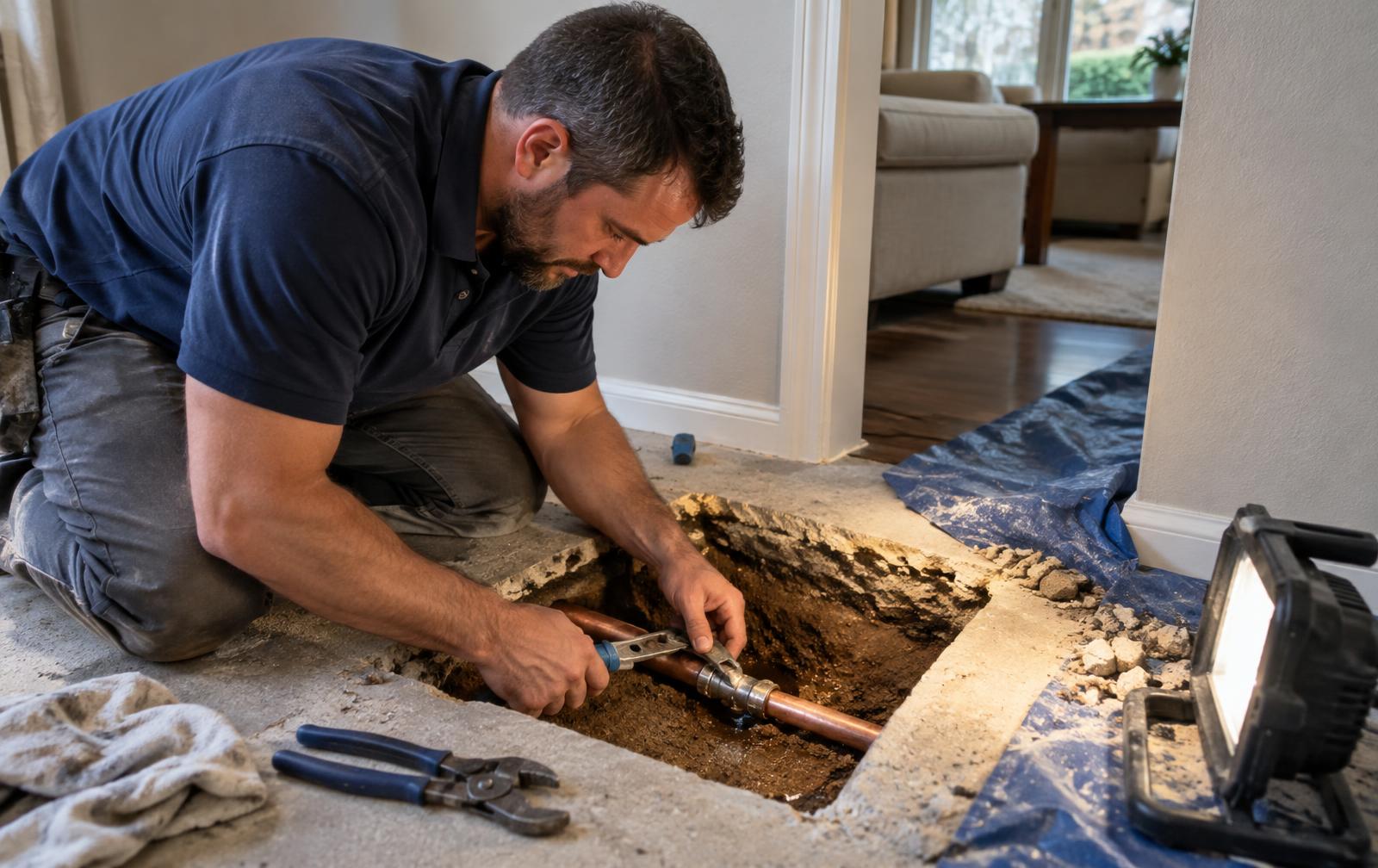
Electronic detection under Highland Village slabs — reroute options that save your finished floors when possible.

Trenchless replacement for the aging laterals across Highland Village's older runs — camera first, quote in writing, minimal yard damage.
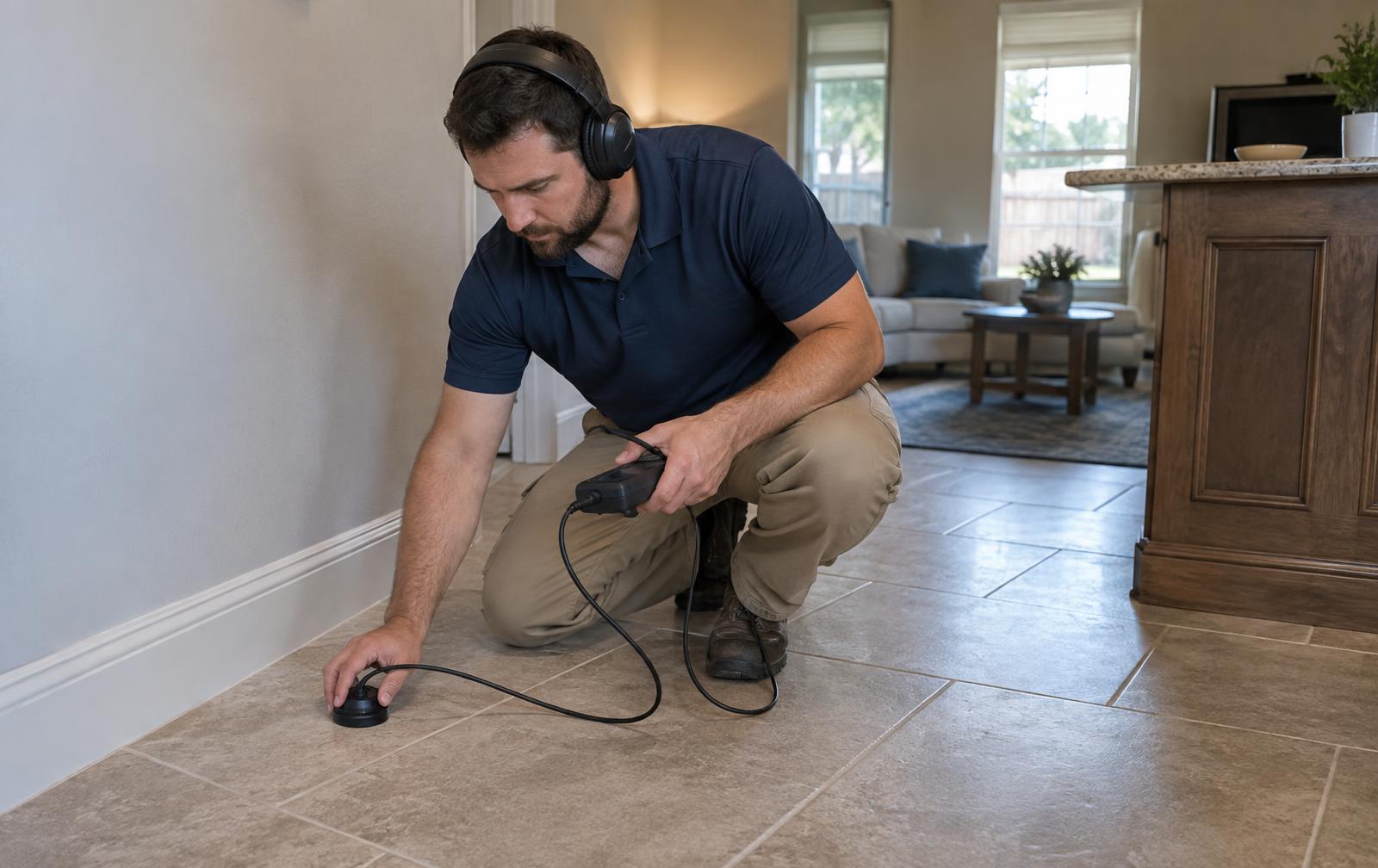
Acoustic, thermal, and pressure testing to pinpoint hidden leaks in Highland Village slab and wall lines without tearing into finishes.
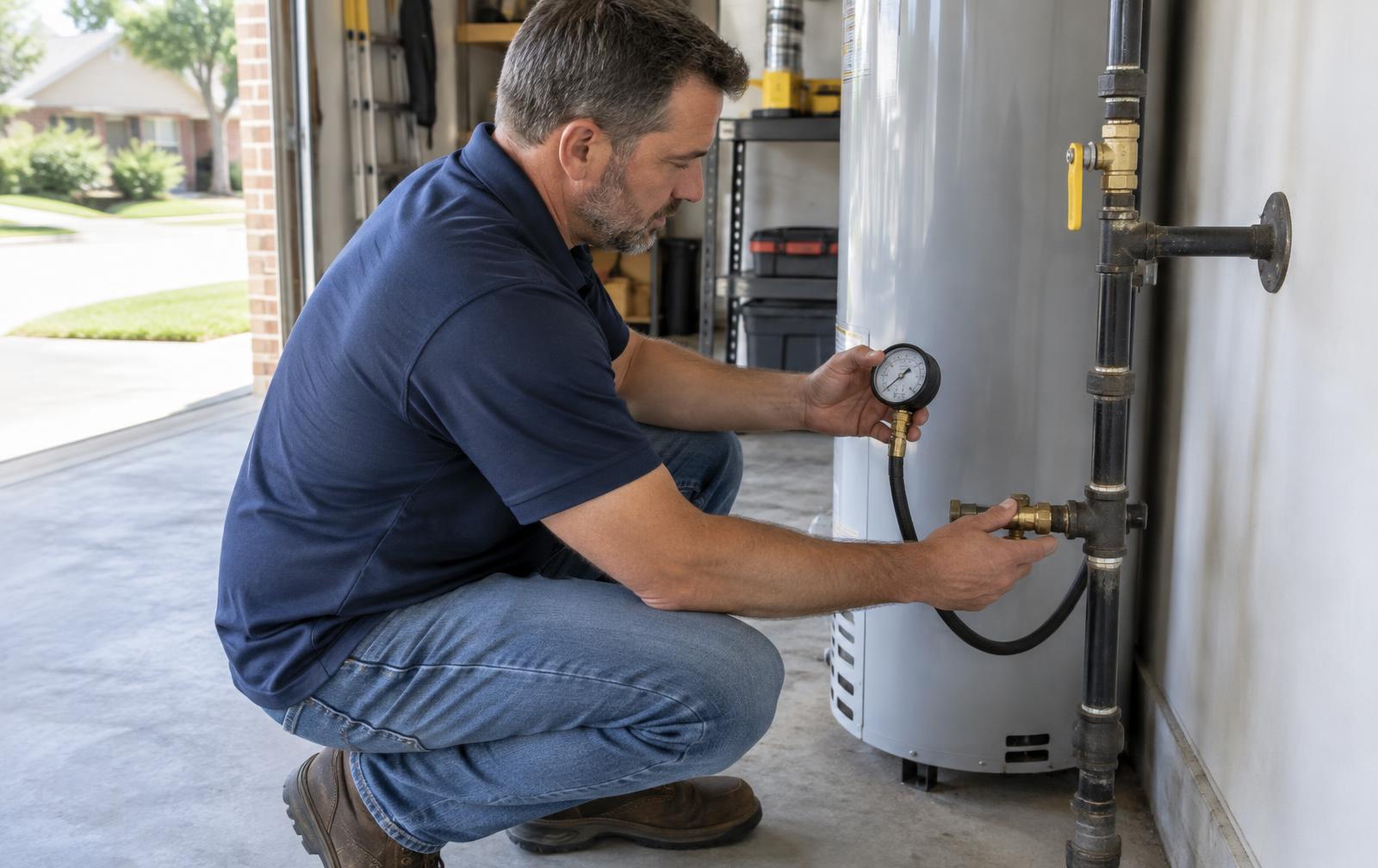
Licensed install, repair, and pressure-testing for Highland Village homes — every line signed off to Texas code and Atmos requirements.
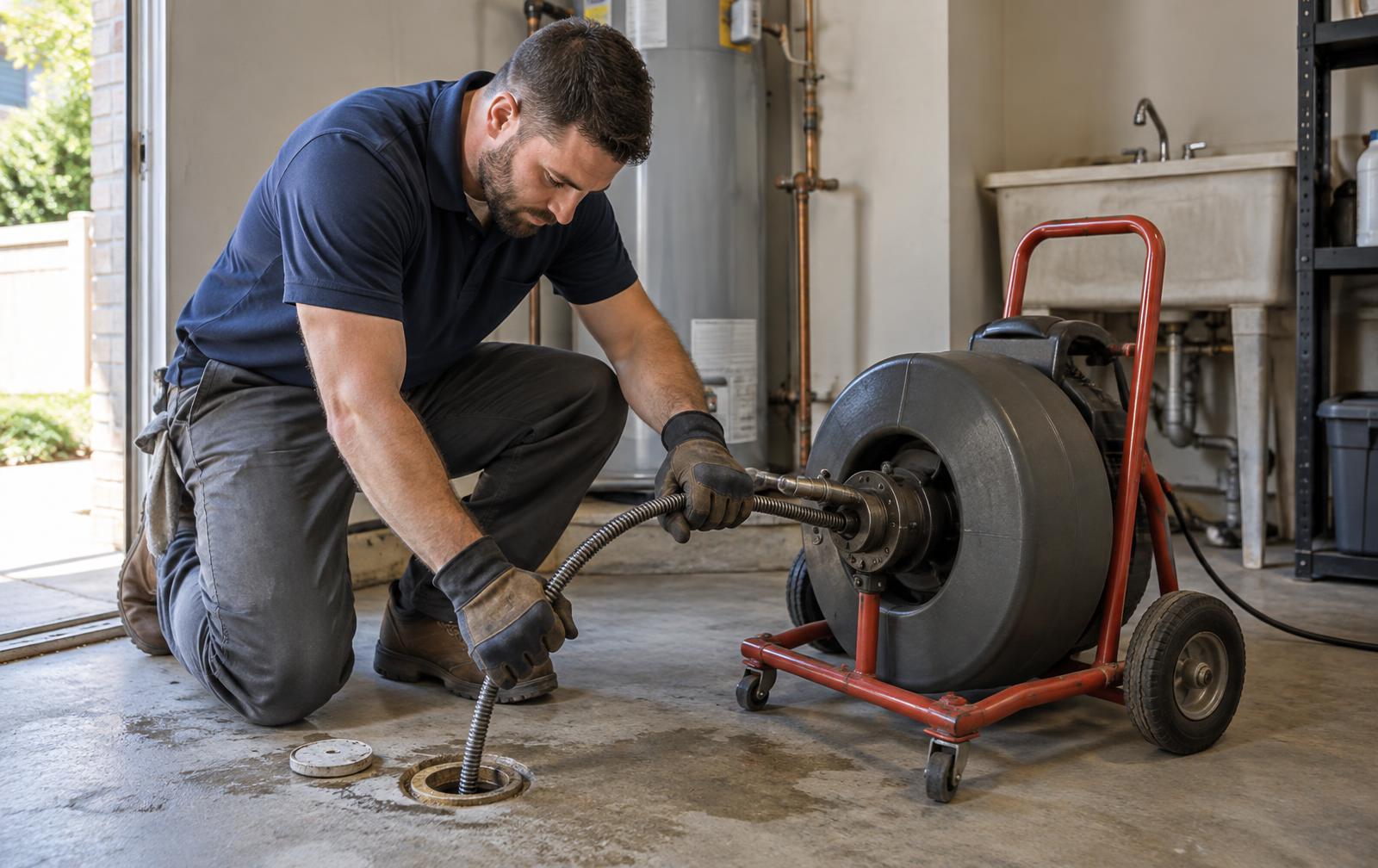
Full-clear service and camera confirmation for the drains under Highland Village's neighborhoods.
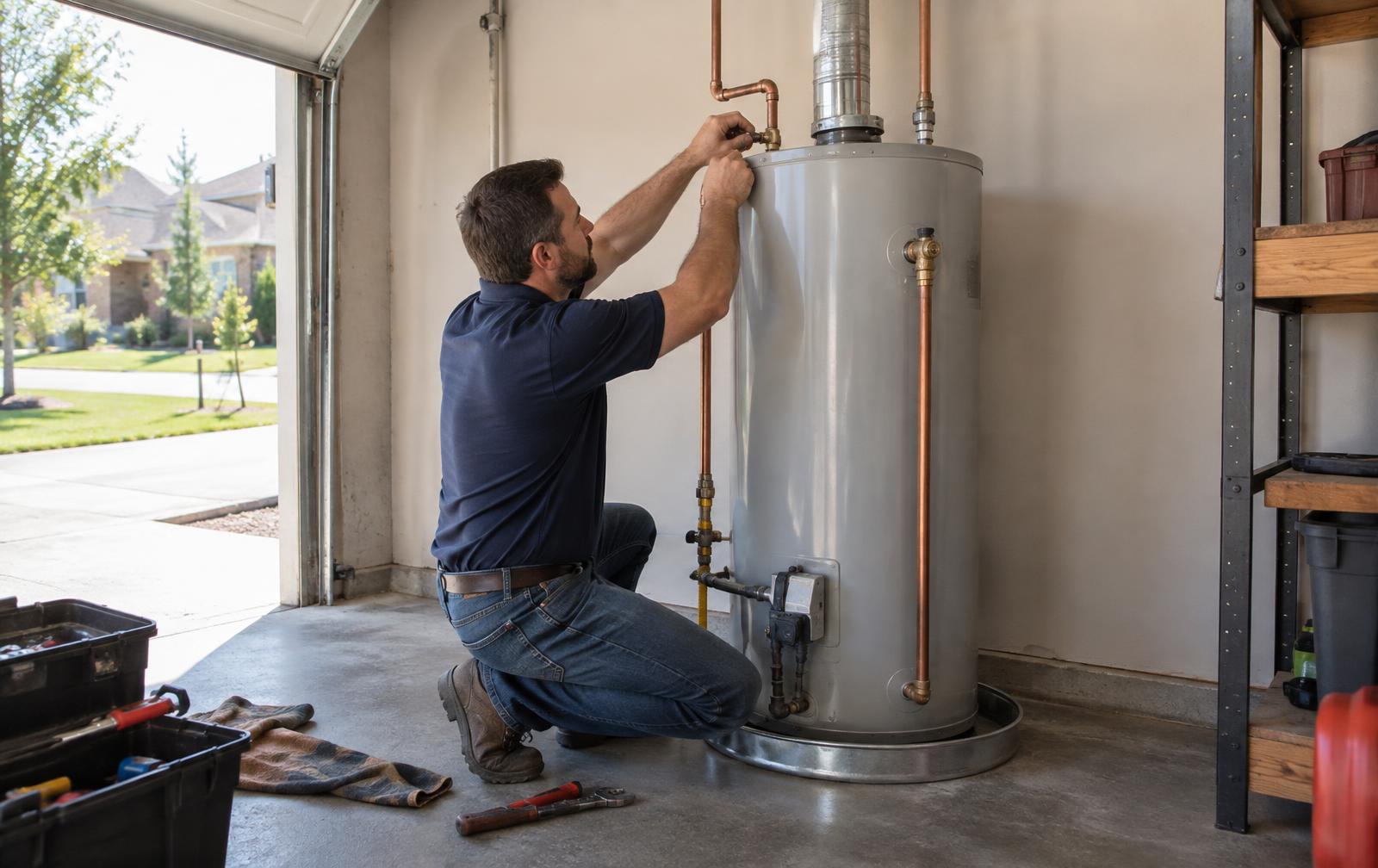
Repair, flush, and replacement of tank units — including attic and garage heaters common to Highland Village homes.
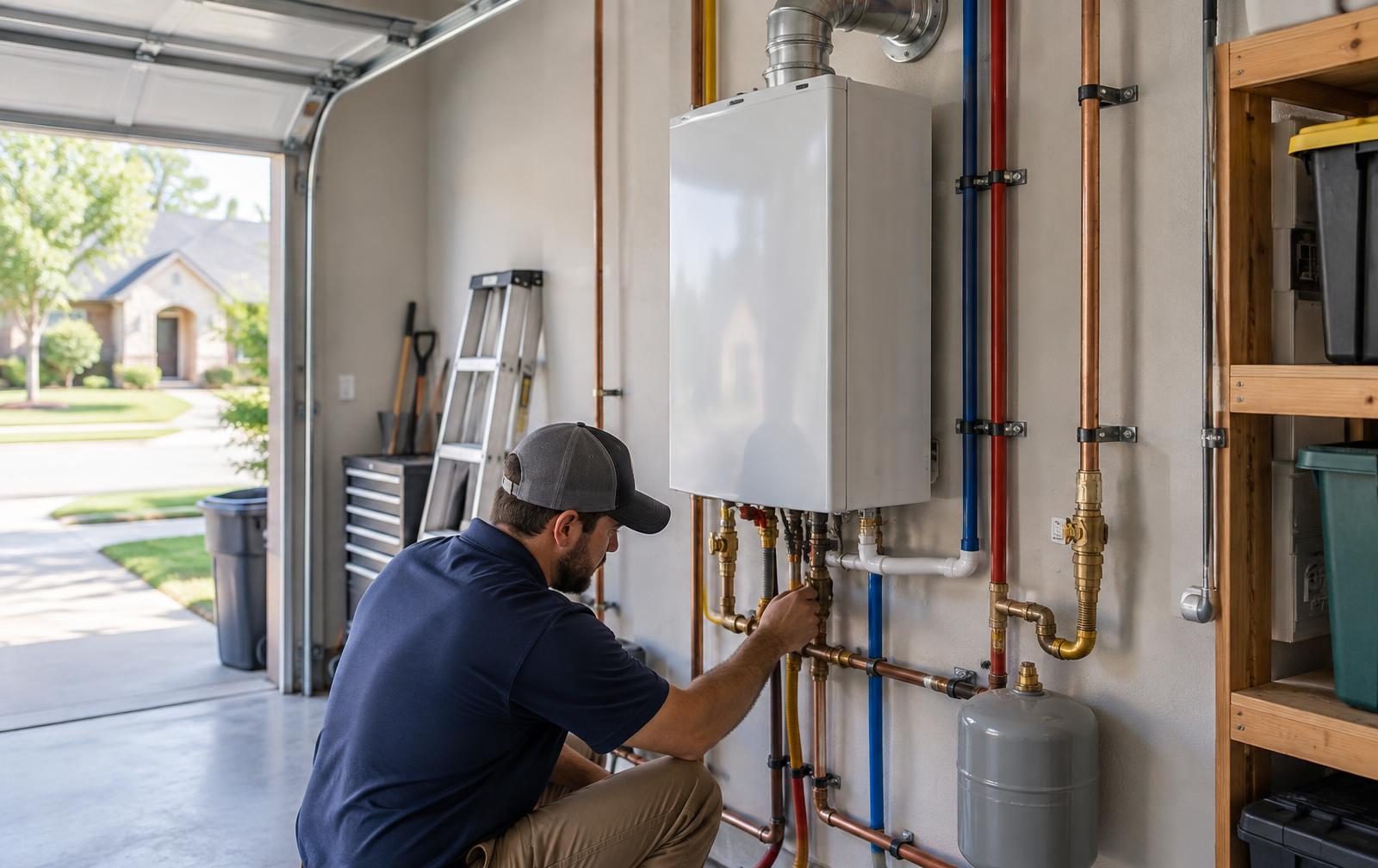
Install, service, and annual descaling — Highland Village's hard tap water eats tankless heat exchangers without it.
same-day, 7 days a week response across Highland Village for burst pipes, heater failures, and main-line backups.
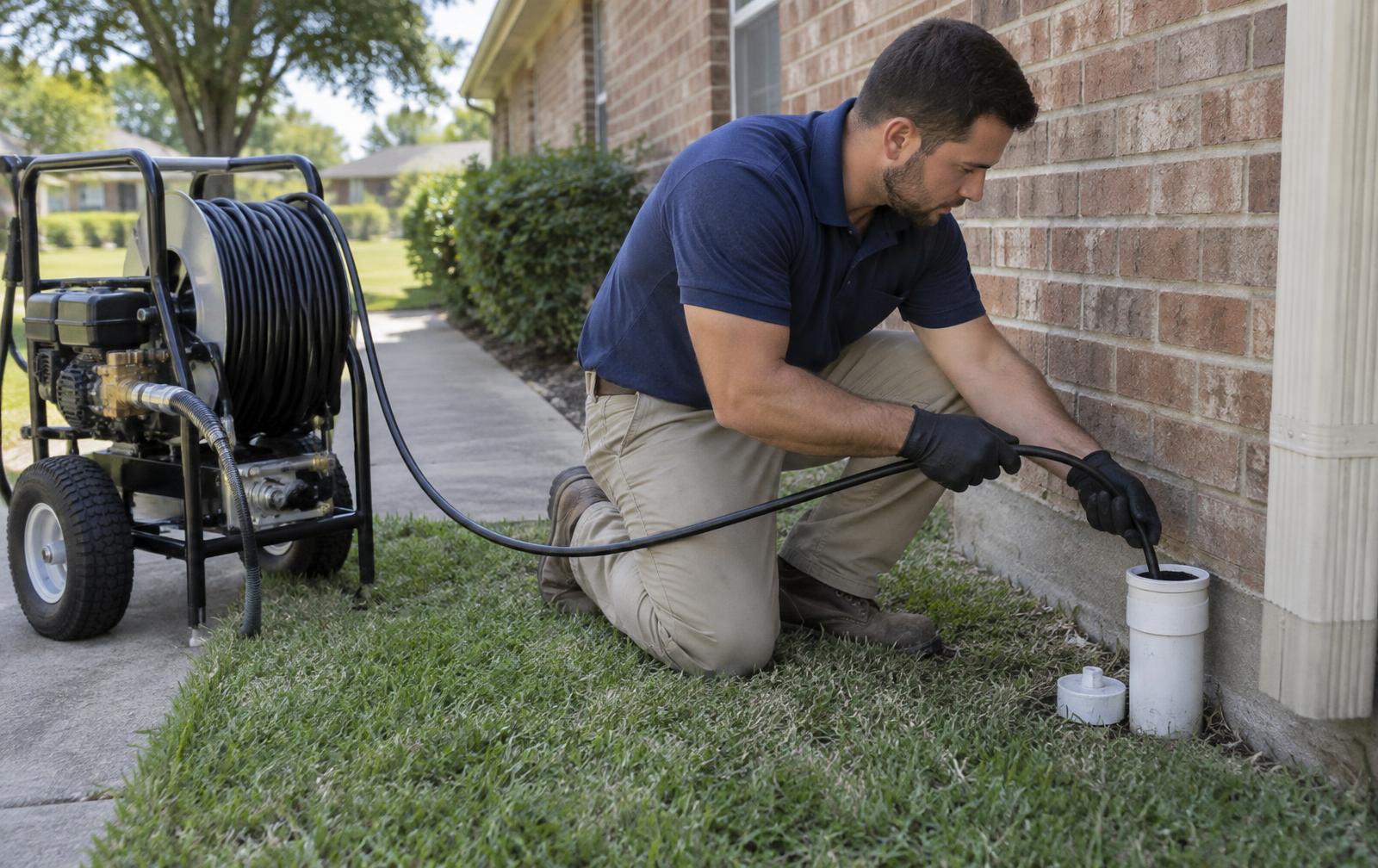
High-pressure cleaning that clears scale, grease, and roots from Highland Village's lateral runs — full-diameter, lasting clean.
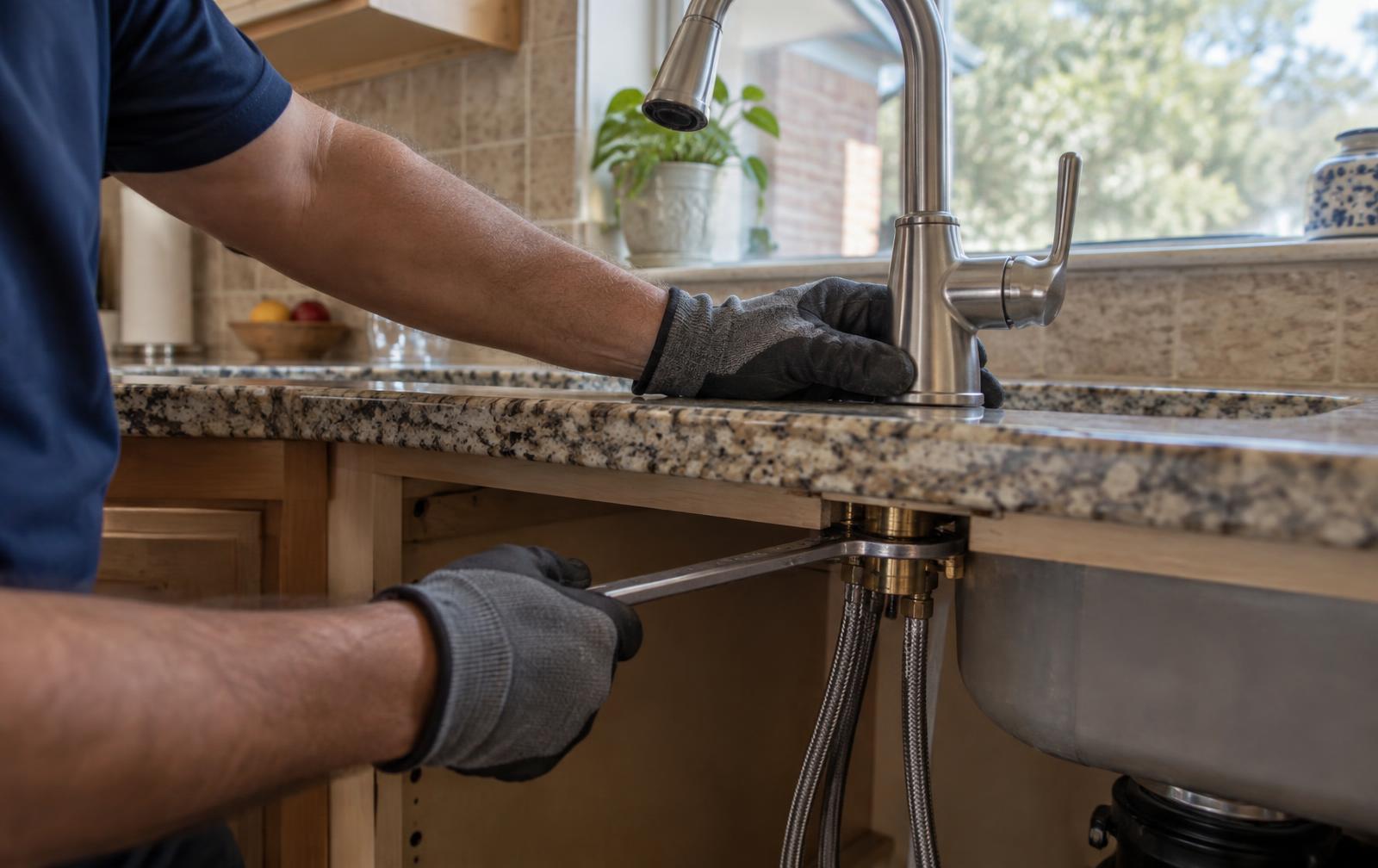
Cartridge, stem, and full-fixture replacement for Highland Village kitchens and bathrooms — hard-water-ready parts stocked on the truck.
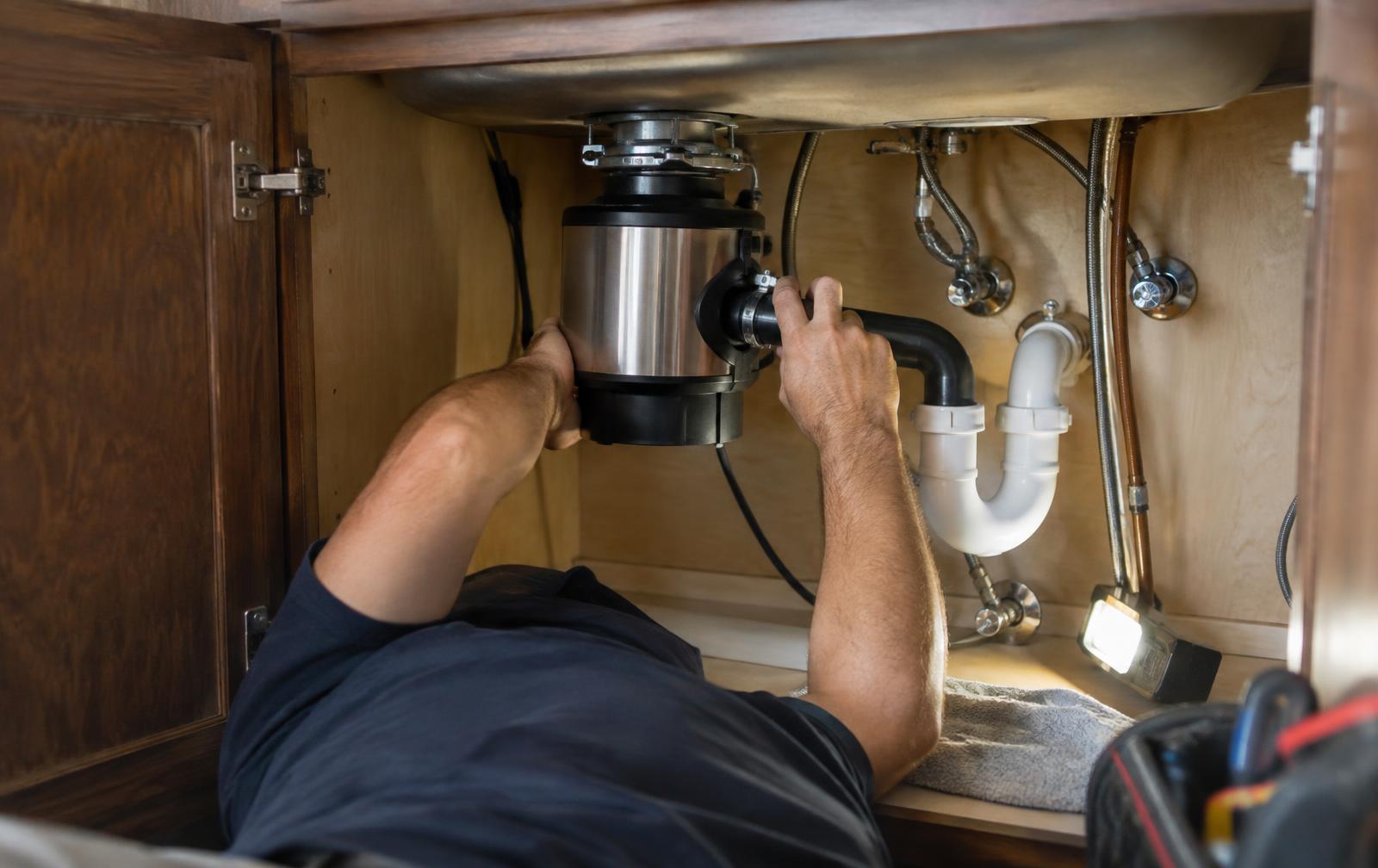
Jam clearing, leaking-unit swaps, and quiet 3/4 HP upgrades for Highland Village kitchens — same-visit install.
Have a Toilet Issue in Your Highland Village Home?
Rebuild, reset, or full replacement — written pricing, warrantied labor, same-day help for active leaks.