
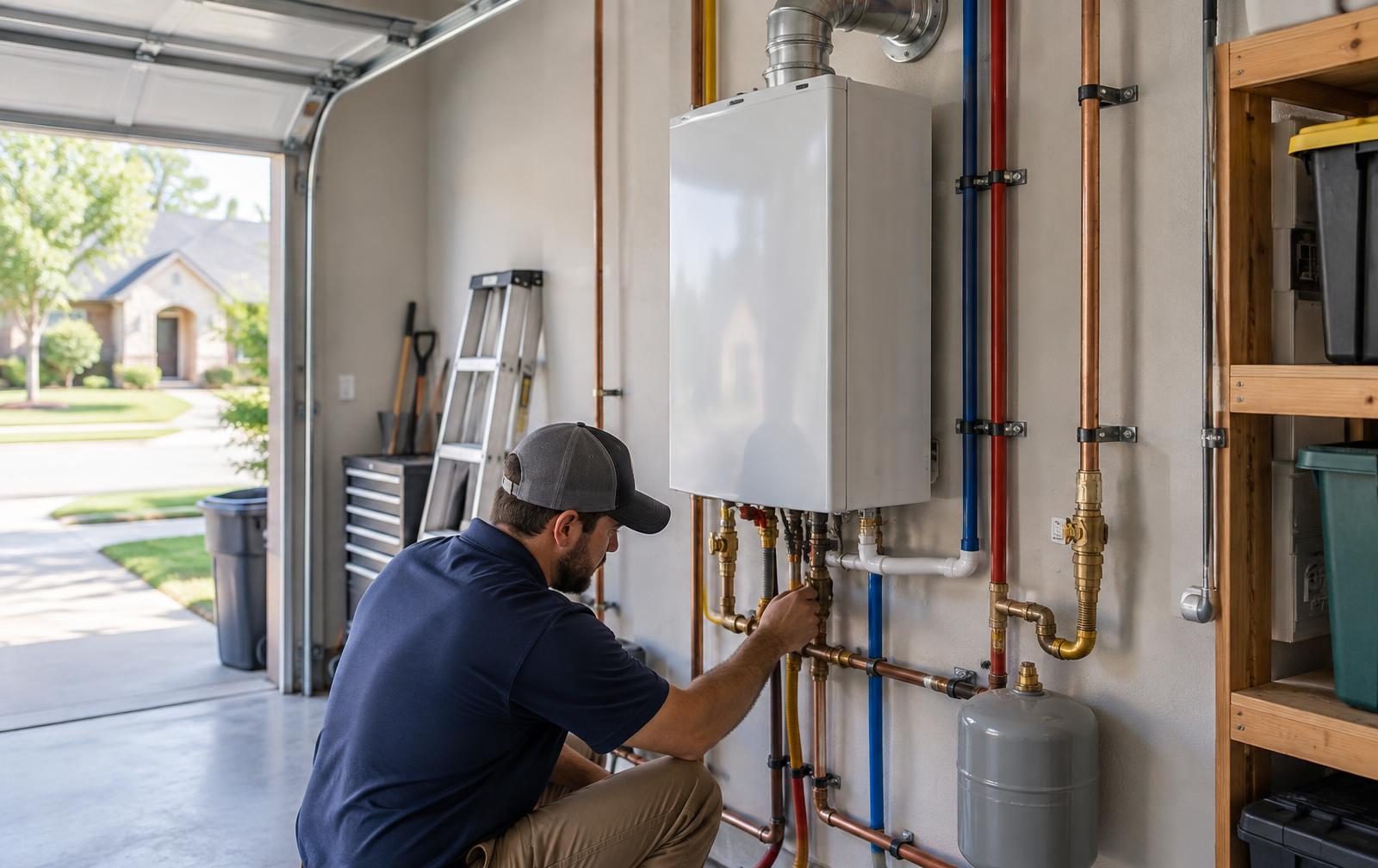
Tankless Water Heater Services in Highland Village, TX
A new install that needs the gas line and venting sized correctly. A warranty claim on a unit that's throwing an error code. The annual descale that keeps a tankless unit from scaling shut in this city's water. We handle all three for Highland Village homes and condos, to the manufacturer's spec, not a shortcut version.
Moderately Hard Water Turns Skipped Maintenance Into a Voided Warranty
Highland Village's own water reporting puts hardness at roughly seven grains per gallon, classified moderately hard. That's enough mineral content to build scale on a tankless heat exchanger steadily over time, and most tankless manufacturers require documented annual descaling to keep the warranty valid — a step that gets skipped more often than it should, usually with no consequence until the unit is a few years in and struggling.
The install side carries its own local wrinkle. Gas service across Highland Village runs through Atmos Energy, and a lot of the city's homes from the main 1984-to-2005 build-out were plumbed with gas lines sized for a standard tank heater, not the higher continuous draw a larger tankless unit needs. Bumping a supply line up to the right diameter is a routine part of converting an older Highland Village house to tankless, not an unusual upsell.
Vent material, vent routing, condensate handling for high-efficiency models, and isolation valves for future service all matter just as much as the gas sizing. We install to full manufacturer spec on every one of those points, and we come back for the annual descale so the unit actually reaches the lifespan it's rated for.

Signs Your Highland Village Tankless Unit Needs Attention
A tankless heater usually signals trouble well before it fails outright — these are the signals worth acting on.
Each manufacturer's code points to something specific — combustion, flow, temperature, or scale. We look up the exact code for your model before quoting anything, rather than guessing at a fix.
Scale building up on the heat exchanger restricts flow gradually. If filling a tub takes longer than it used to, a descale is usually the first thing to check.
A brief drop to cold water mid-shower can trace back to a scale-restricted flow sensor, an undersized recirculation setup, or the unit's own flow modulation — each needs a different fix.
This usually means the unit is undersized for the household's demand, or the gas line can't deliver enough volume at peak draw. Checking gas line diameter is the first step, since a number of older Highland Village installs are gas-starved.
In this city's water, annual descaling isn't optional upkeep — it's what keeps the manufacturer's warranty valid. Going without it is a common way a tankless warranty ends up voided.
Scale on the heat exchanger causes small flash-steam pops as the unit fires. A prompt descale usually resolves it; letting it continue risks permanent damage to the exchanger.
Sized for Demand, Vented to Spec, Descaled on Schedule
The install decides how the first decade goes. The descaling schedule decides the second.
- 1Size the unit and the gas line together
We count fixtures that could run at once, calculate the GPM demand against incoming water temperature, and size the unit and the gas line to match — often a larger BTU unit paired with an upgraded gas line on older Highland Village houses.
- 2Vent to the manufacturer's exact spec
Correct material, correct pitch, correct termination clearances, concentric kits where space is tight. Undersized vent runs or the wrong material are common corner-cuts that void a warranty and can cause backdraft — we don't take that shortcut.
- 3Add isolation valves and condensate handling
Full-port isolation valves on hot and cold turn the annual descale into a short, contained service instead of a bigger plumbing job. Condensate neutralizers on high-efficiency models protect downstream drain lines from acidic condensate.
- 4Descale and inspect on the annual visit
We isolate at the valves, circulate a citric acid solution through the exchanger for roughly forty-five minutes, flush clean, and restart. While we're in there, we check the burner, flame rod, flow sensor, condensate trap, and vent terminations, and document the visit for warranty purposes.
- 5Repair with manufacturer parts when something fails
Flame rod, ignitor, gas valve, flow sensor, or controller — all serviceable parts we stock or can source quickly. We work on the major residential tankless brands installed across Highland Village.
How Housing Type Shapes a Tankless Install Across Highland Village
Gas line condition and mounting location vary enough by area to change the scope of the job.
Lake-area homes built mostly 1992 to 2004 often still carry their original gas line sizing, so a tankless conversion here usually starts with confirming whether that line can feed the new unit's peak draw.
1990s homes on larger, roughly quarter-acre lots tend to have a longer gas run from the meter, which is worth checking early since it affects whether an upgrade is needed for full-fire operation.
Construction stretching back to the 1970s near the historic ranch land the area is named for often means the gas infrastructure predates modern tankless BTU demands entirely, making a line upgrade a routine part of the job here.
Some homes near the lake date to 1974 on lots around 0.4 acres, old enough that a tankless conversion almost always includes resizing at least part of the gas run alongside the new venting.
Waterfront properties from the 1990s and 2000s sometimes have exterior mounting locations exposed to lake winds, which affects vent termination placement and clearance planning.
Smaller infill homes built after the city's main growth years tend to have gas lines already sized closer to current code, so the install here more often focuses on venting and isolation valves than a gas upgrade.
What Highland Village Homeowners Say

Documented Install, Documented Descale, Warranty Intact
Every install gets documented for warranty registration — model, serial number, gas configuration, vent configuration, and isolation valve setup. Every annual descale is logged with a date. That documentation is what keeps the manufacturer's warranty valid instead of voided a few years in.
We're licensed by the Texas State Board of Plumbing Examiners, insured, and family-owned, with every truck dispatching from our shop in The Colony — about 20 to 25 minutes from most Highland Village addresses under normal traffic. Same-day scheduling for a unit that's stopped working, and we book annual maintenance visits ahead of time.
Straight Answers, No Sales Pitch
Our Other Plumbing Services in Highland Village, TX
A tankless conversion often pairs with a gas line adjustment or a broader look at the home's water heater history. We handle that alongside the install in one visit, one quote, in Highland Village.
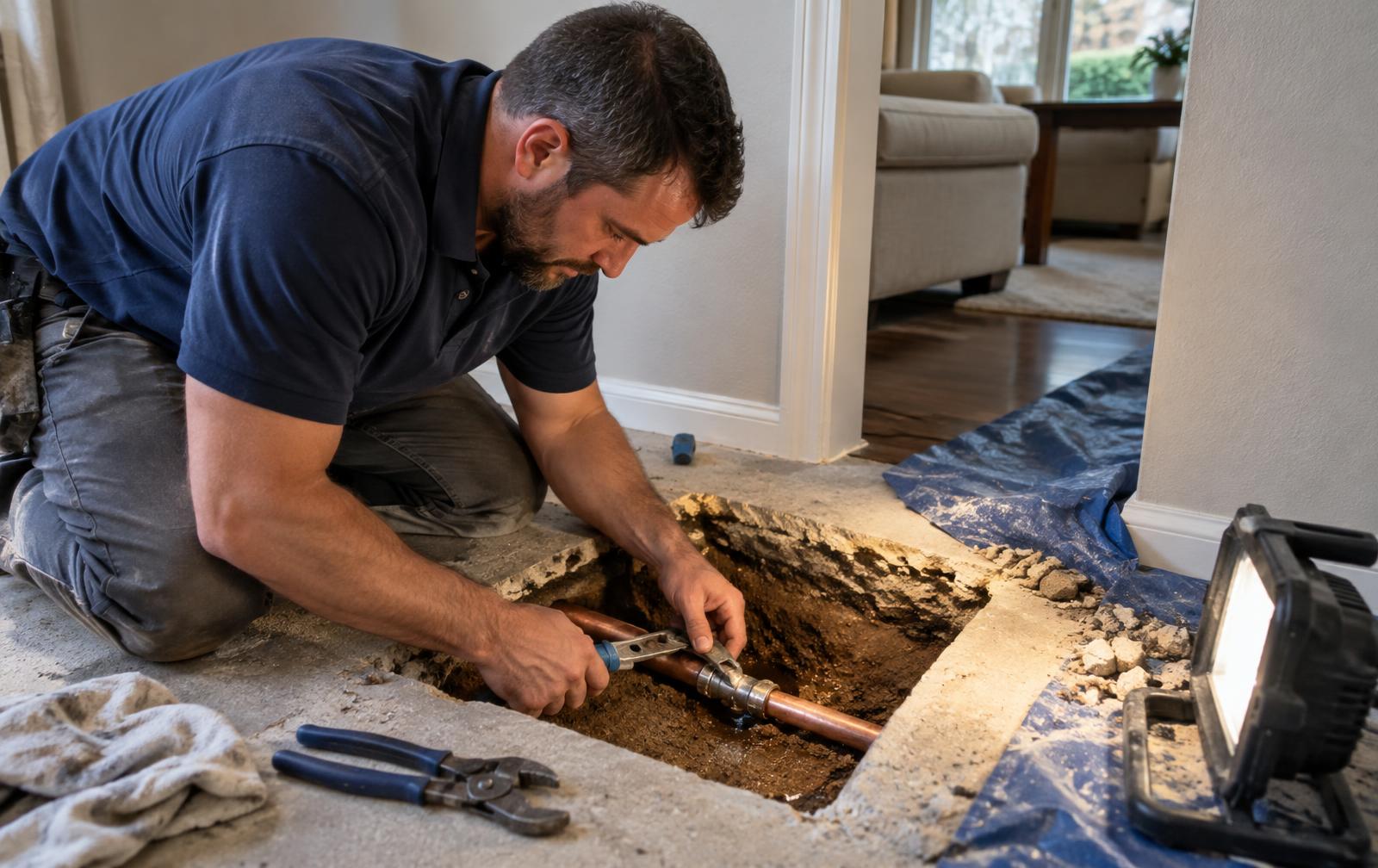
Electronic detection under Highland Village slabs — reroute options that save your finished floors when possible.
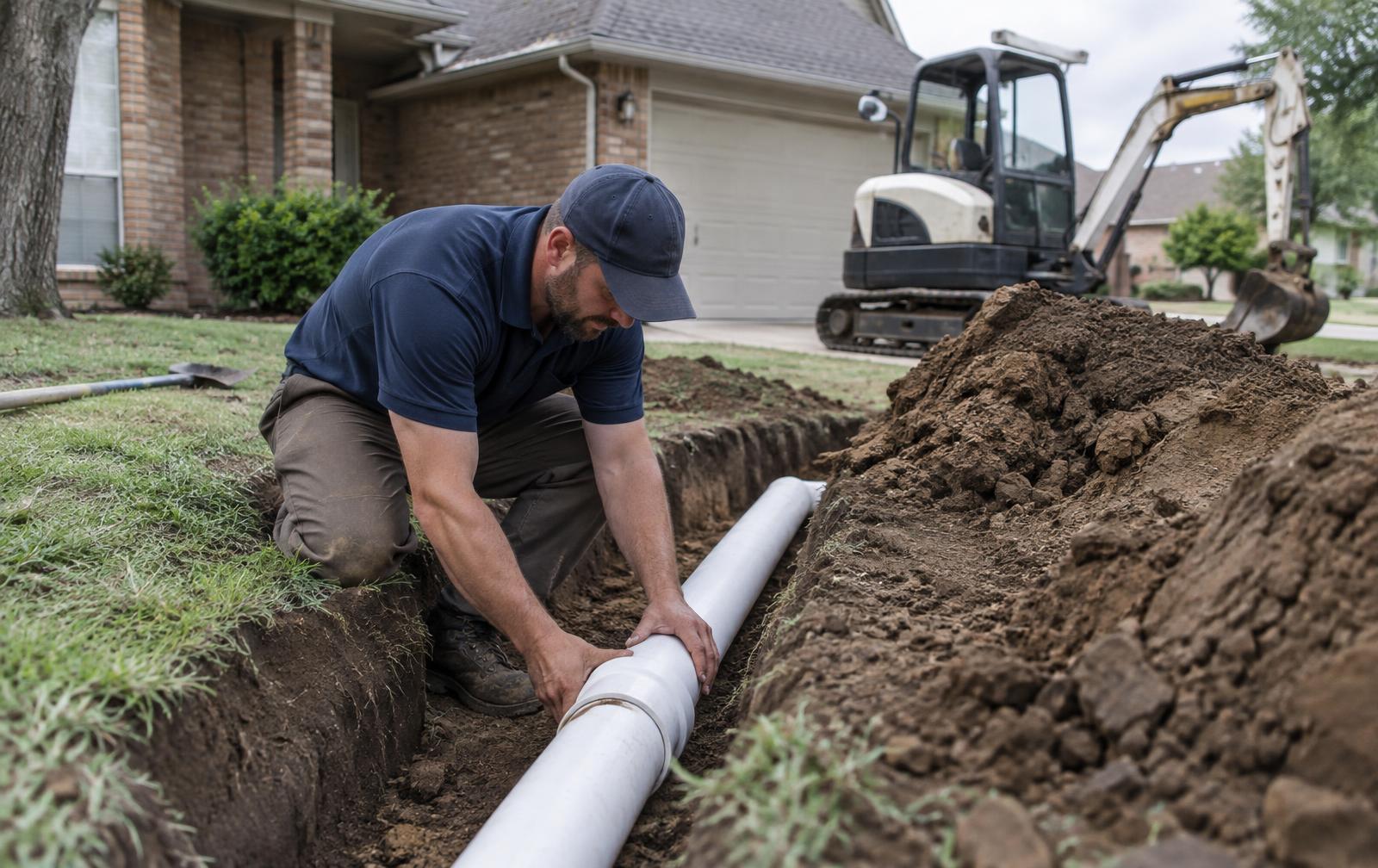
Trenchless replacement for the aging laterals across Highland Village's older runs — camera first, quote in writing, minimal yard damage.
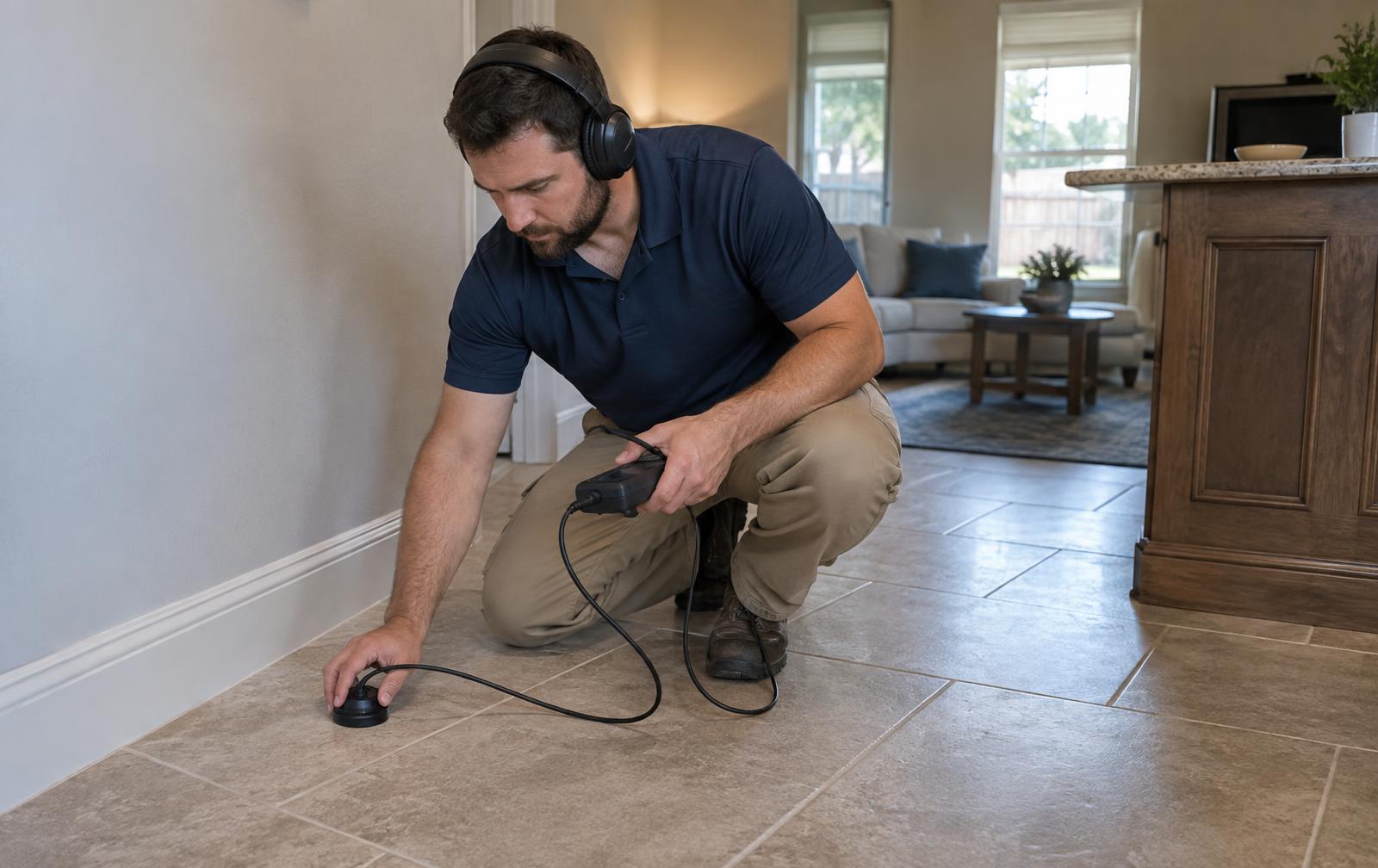
Acoustic, thermal, and pressure testing to pinpoint hidden leaks in Highland Village slab and wall lines without tearing into finishes.
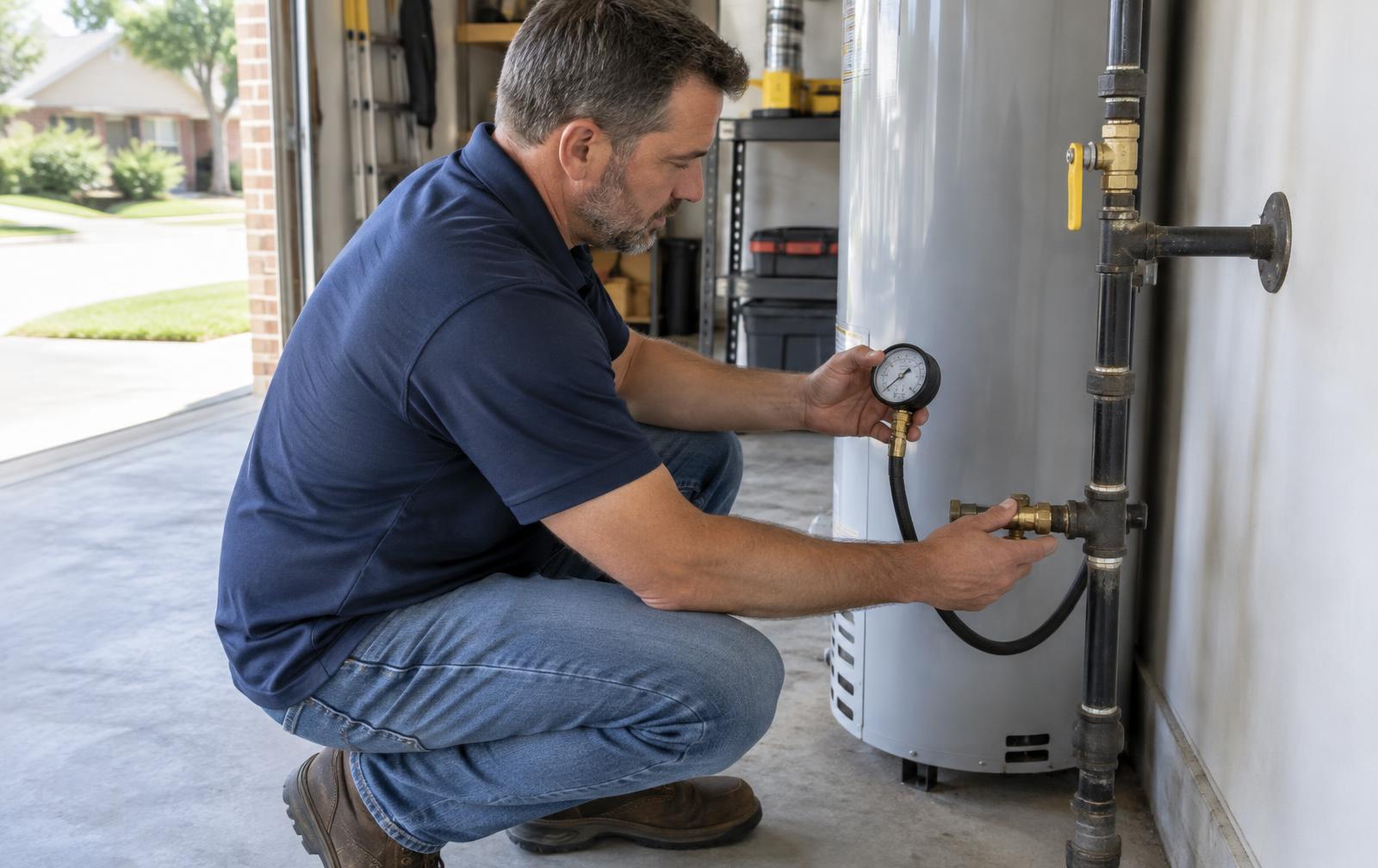
Licensed install, repair, and pressure-testing for Highland Village homes — every line signed off to Texas code and Atmos requirements.
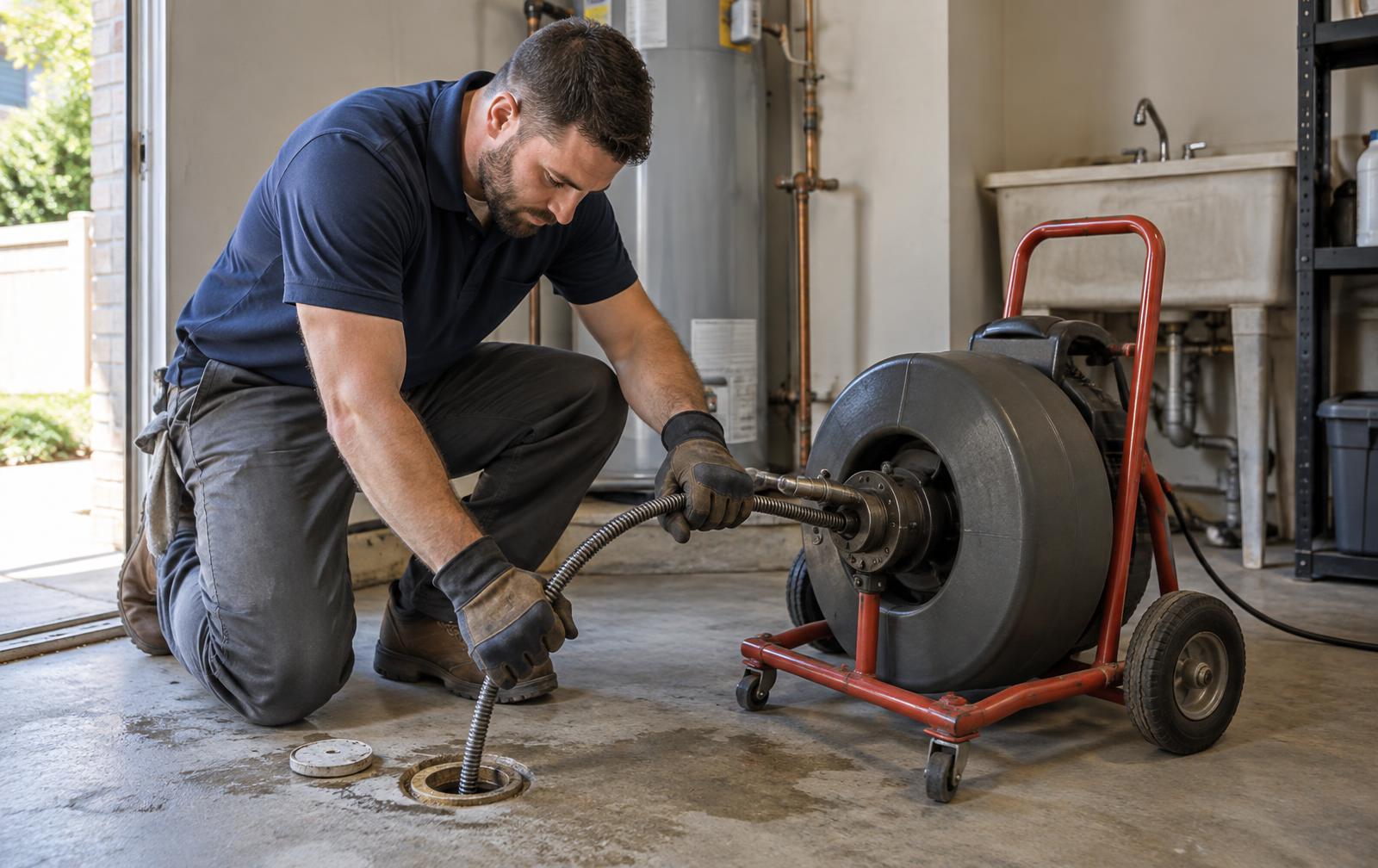
Full-clear service and camera confirmation for the drains under Highland Village's neighborhoods.
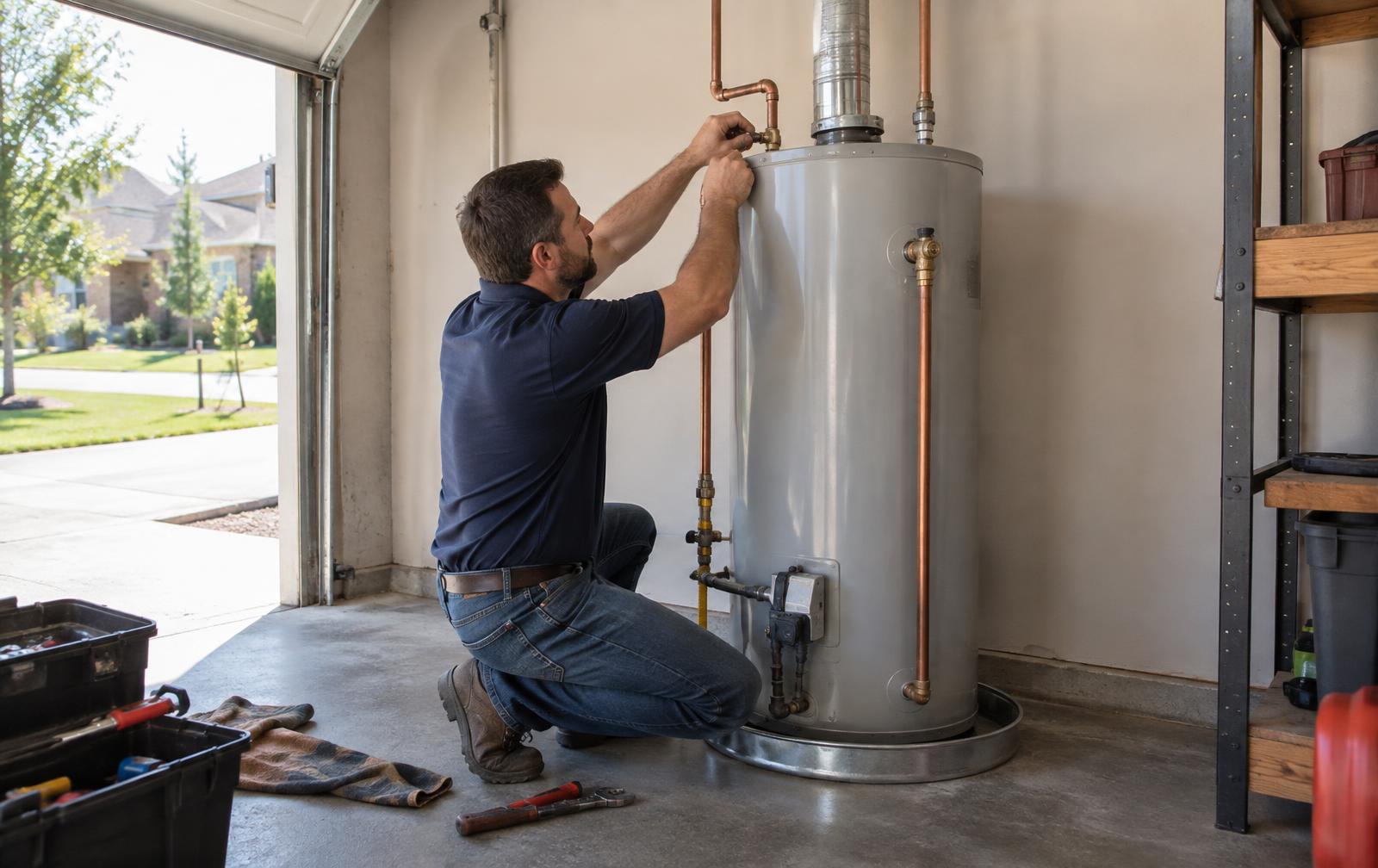
Repair, flush, and replacement of tank units — including attic and garage heaters common to Highland Village homes.
same-day, 7 days a week response across Highland Village for burst pipes, heater failures, and main-line backups.
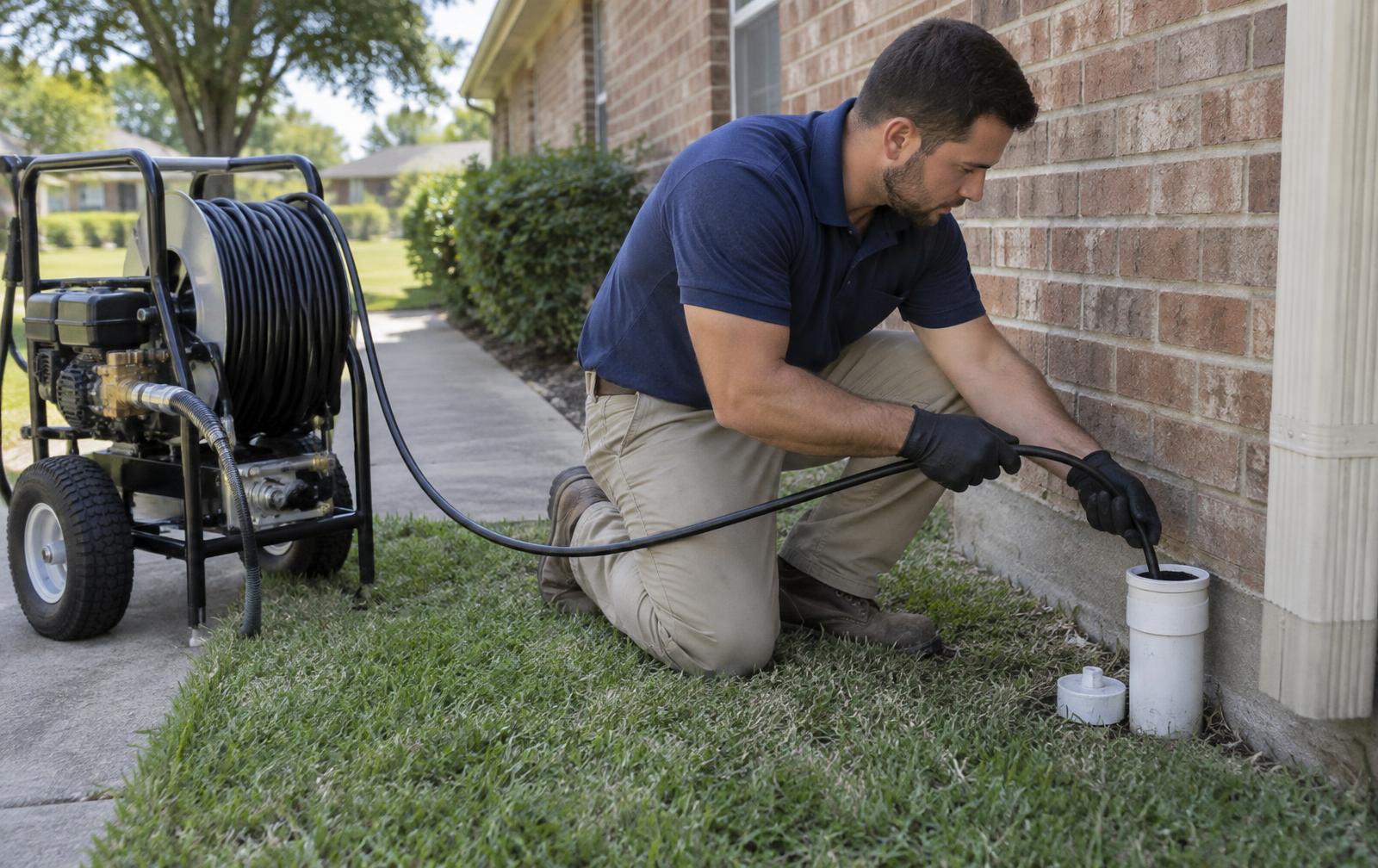
High-pressure cleaning that clears scale, grease, and roots from Highland Village's lateral runs — full-diameter, lasting clean.
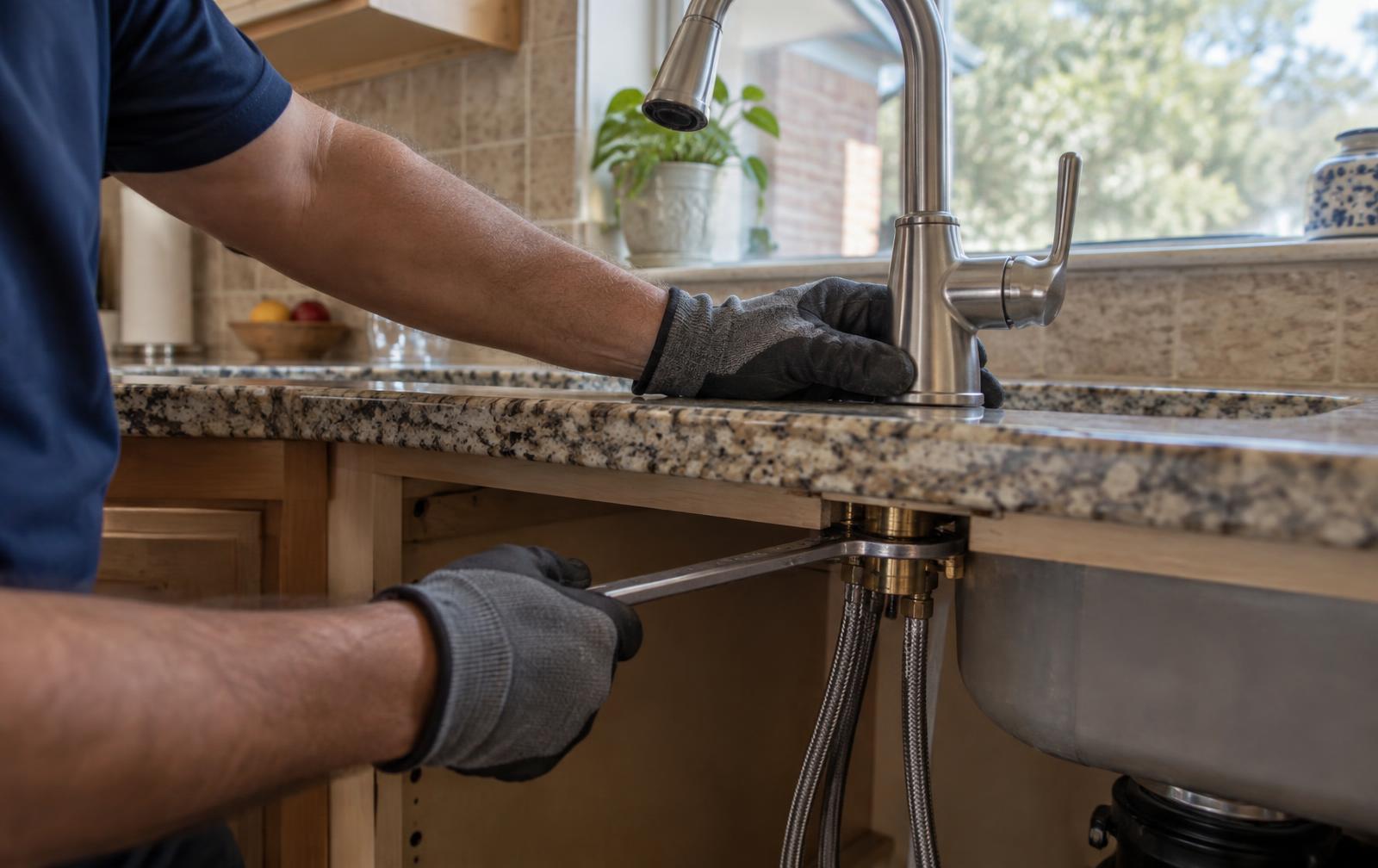
Cartridge, stem, and full-fixture replacement for Highland Village kitchens and bathrooms — hard-water-ready parts stocked on the truck.
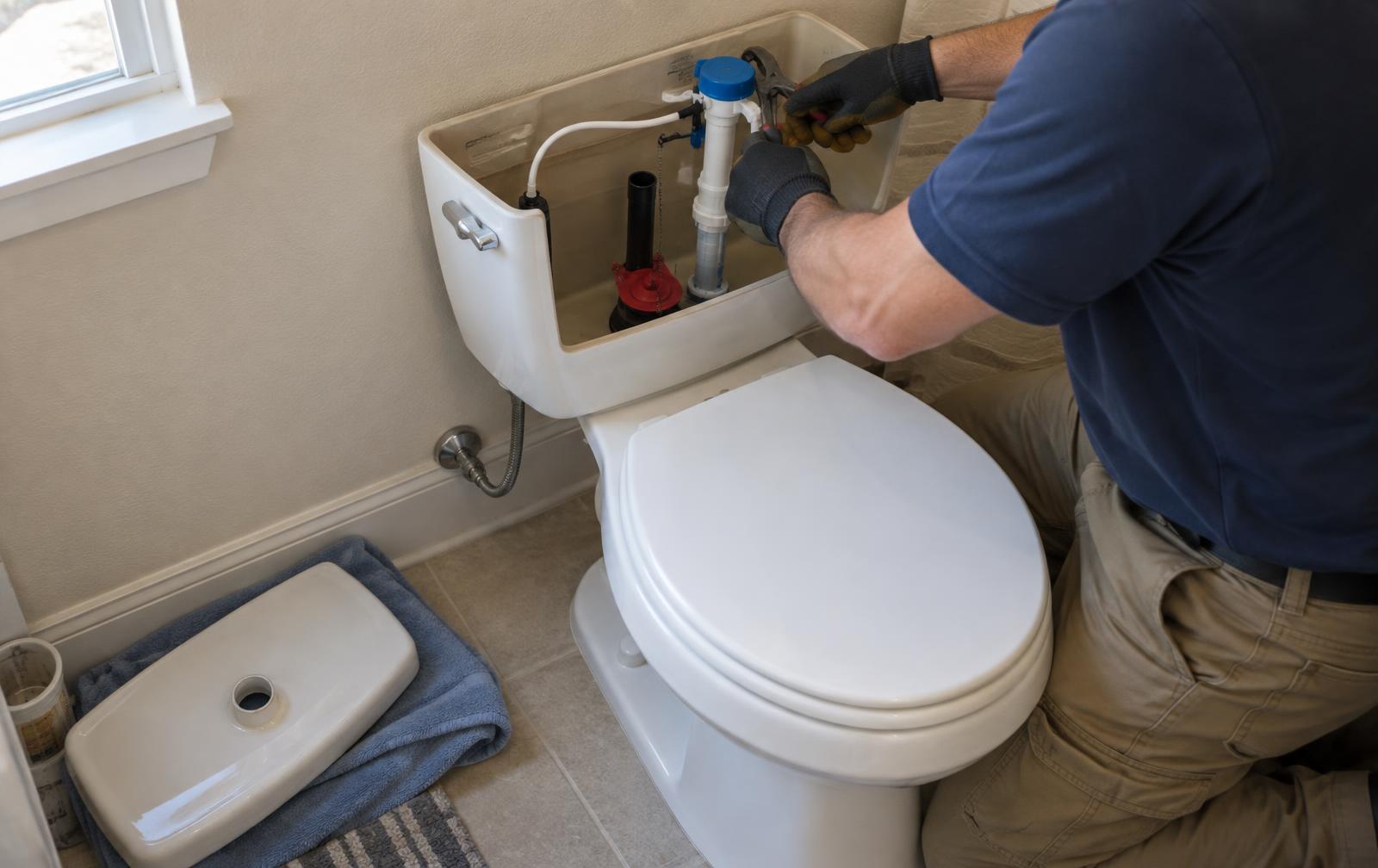
Rebuilds, wax-ring resets, flange repairs, and full replacements — the running toilets and rocking bowls in Highland Village homes.
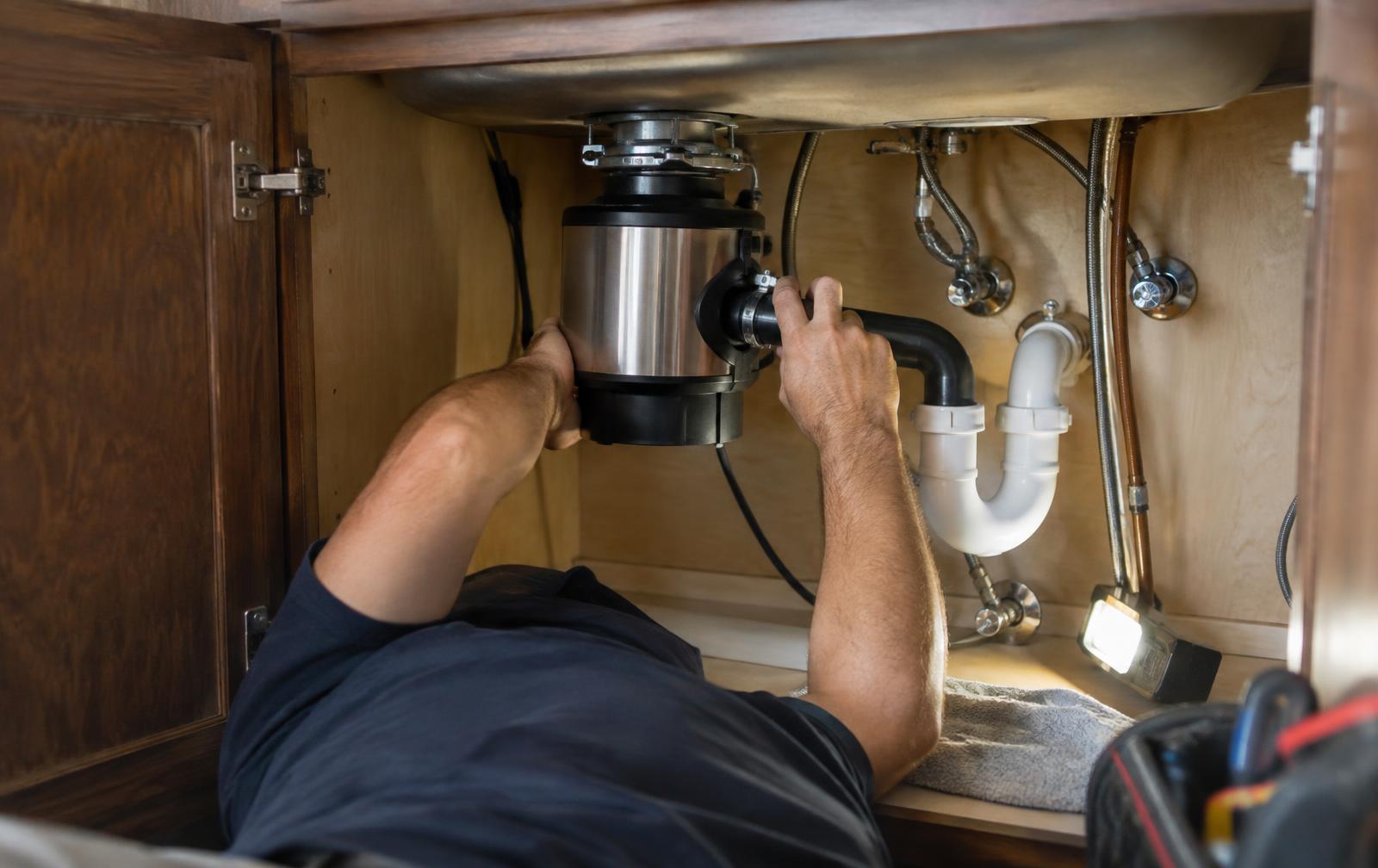
Jam clearing, leaking-unit swaps, and quiet 3/4 HP upgrades for Highland Village kitchens — same-visit install.
Tankless Install or Service Needed in Highland Village?
Manufacturer-spec sizing and venting, documented annual descaling, and a warranty that stays valid. Book now.