
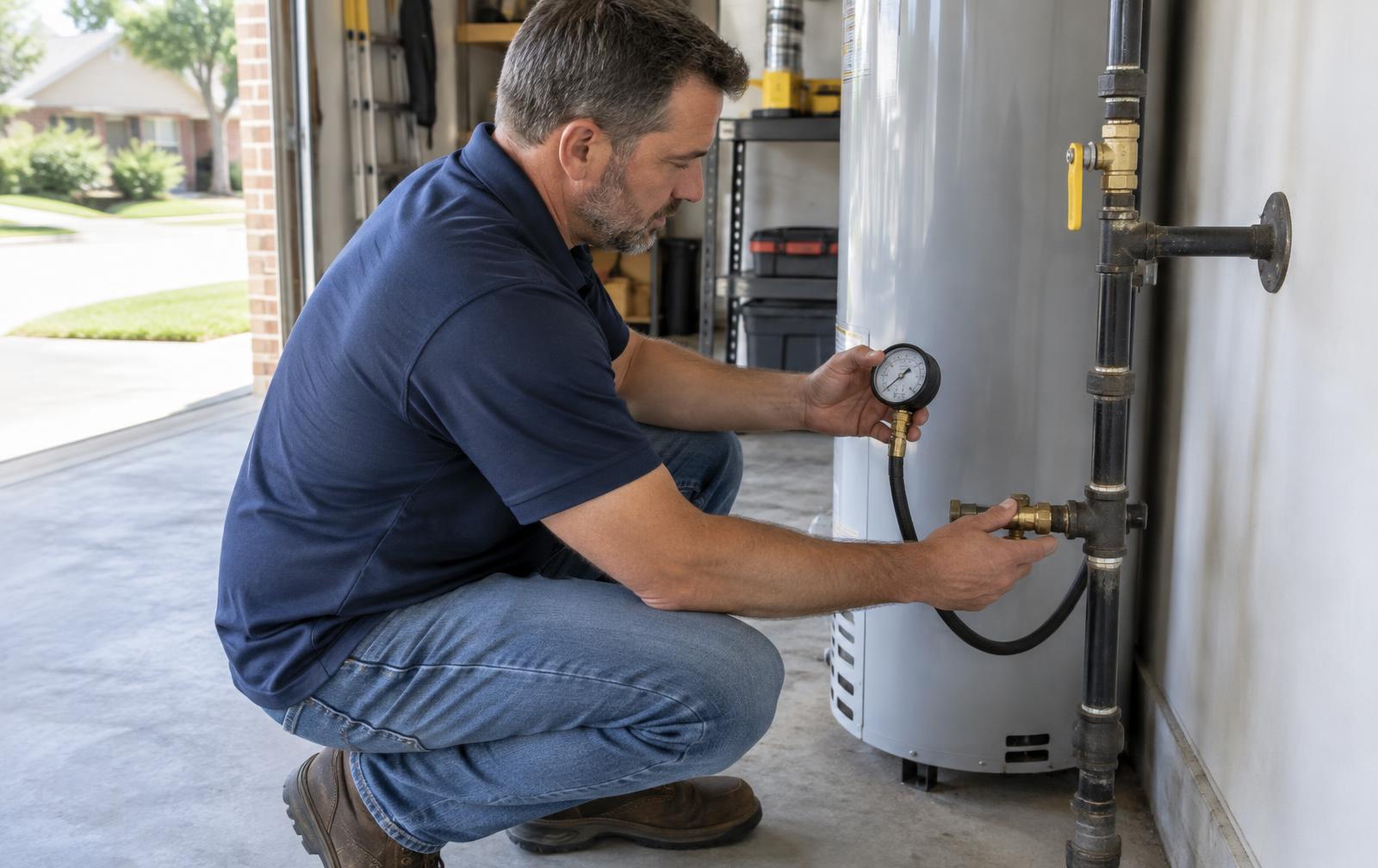
Gas Line Services in Highland Village, TX
A faint gas odor you cannot quite pin down. A new gas range or dryer that needs a proper supply line run to it. Atmos Energy holding your meter off until a licensed test clears the system. We take on the entire range of residential gas line work in Highland Village, permitted and signed off to Atmos's own requirements.
Why This Is Never a Handyman Job
Any gas piping inside or beneath a Highland Village home falls under Texas State Board of Plumbing Examiners rules, so a plumber's license is a legal requirement, not a preference — and Atmos will keep a meter shut until it has proof the work was pressure tested by someone licensed to do it. A line run by someone without that license, even if it seems to work fine for months, invites a full system shutdown the day a technician from Atmos notices it during an unrelated meter visit.
Atmos Energy is the sole residential gas provider serving Highland Village — the city's electric utility is separate, but gas here runs through Atmos alone, unlike some neighboring cities with an additional gas option. Older homes near Doubletree Ranch Park and out along Lakeland Dr, some dating to the 1970s, often still carry the original black-iron piping, and joints in that piping can work loose after decades of minor ground and foundation movement. Newer construction closer to Highland Shores more often runs flexible corrugated tubing instead, a material that performs fine for decades provided the ground bonding was done correctly the first time — something we verify on every job no matter who installed it.
Locate a leak, run a new line to a cooktop, add an outdoor line for a grill or generator, or re-pipe a system Atmos has already flagged — every one of those jobs leaves here permitted, pressure tested, and documented, with paperwork for both you and Atmos.
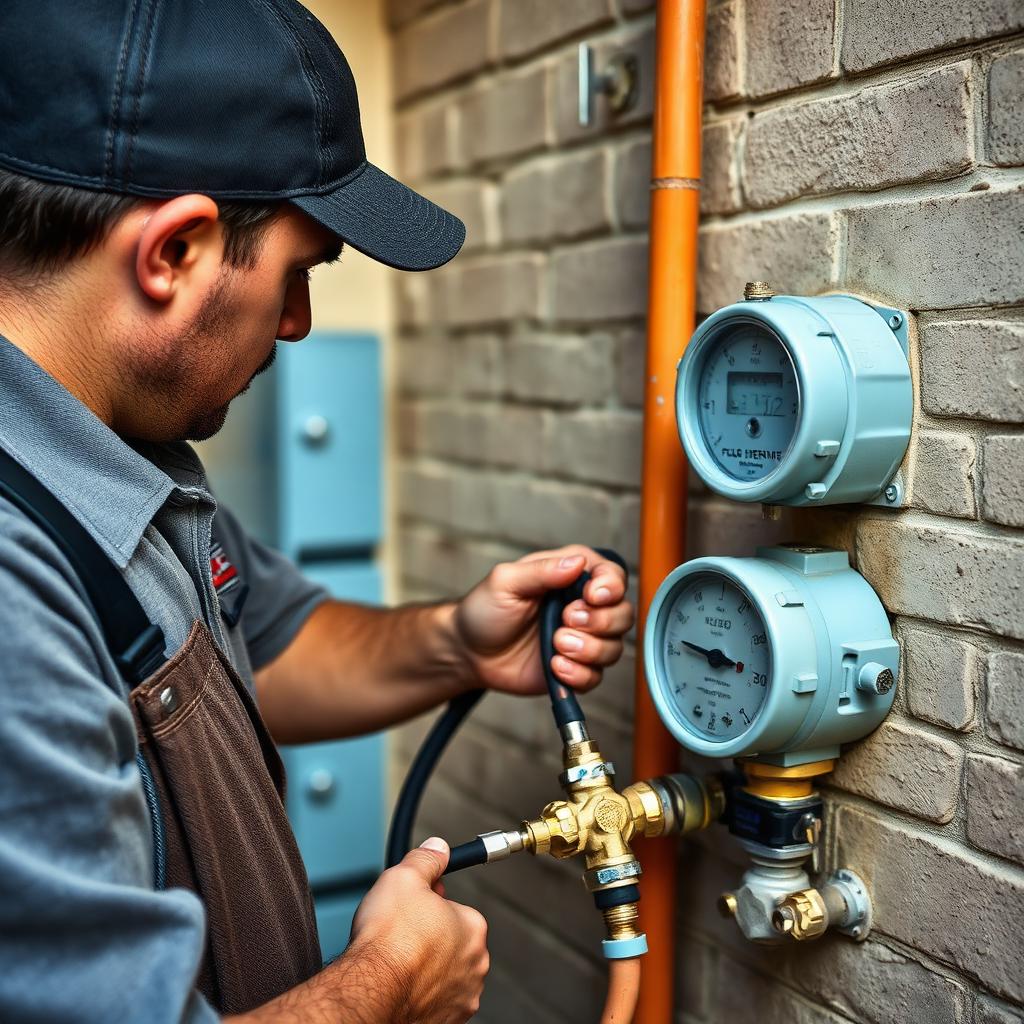
Signs of a Gas Line Problem in Highland Village
If any of the following apply, shut the gas off at the meter and call — skip the flashlight-and-lighter troubleshooting.
Natural gas itself has no smell — what you notice is an additive put there on purpose. If you catch it, get everyone out, call from outside, and do not flip a switch or start a car in an attached garage.
An audible hiss at a range valve, a furnace connection, or a water heater line usually means gas is actively escaping. Close that appliance's valve, then the meter if it continues.
An underground leak wastes gas without any visible sign. A noticeably higher winter bill with no change in thermostat use is worth a pressure test.
A buried gas leak often kills grass directly above it in a distinct shape. We see this most on runs feeding an outdoor pool heater or a generator.
A pressure drop somewhere upstream can starve more than one appliance at once. If it is happening on more than a single unit, it is not just that pilot.
Leave the tag in place. The system needs a licensed pressure test and any necessary repair before Atmos will legally reconnect it.
Locate, Permit, Install, Test, Sign Off
Every line we touch gets pressure tested and documented, and every new install gets a permit pulled.
- 1Find the leak or plan the run
For a leak call, we isolate the system, pressurize it with air, and check every fitting with an electronic sniffer and a soap test. For a new line, we plan the shortest legal route and size the pipe to the appliance's BTU demand.
- 2Pull the permit before any work begins
The city's Building Inspections office reviews plumbing permits through its online portal these days, and a new gas line or a sizable repair needs one before work starts. Chasing that paperwork down is on us, not you.
- 3Install with code-listed materials
Interior runs in black iron or bonded flexible tubing, exterior underground runs in polyethylene with a proper steel riser at the surface, correct sediment traps at each appliance, and thread sealant rated for gas.
- 4Pressure test before anything gets used
The finished system holds test pressure for the code-required period with you watching the gauge if you want to. Any drop means we find and fix the failed fitting before you are charged for a finished job.
- 5Coordinate the inspection and the Atmos re-light
We book the city inspector, stand there for the walkthrough, and if Atmos pulled the meter, arrange to have it switched back on afterward. What you keep afterward is the signed card and your copy of the test results.
What Tends to Fail, Area by Area
The age of the home is usually the best predictor of what kind of gas system we are dealing with.
Homes here mostly went up between 1992 and 2004, an era when flexible corrugated gas tubing was becoming common — we still check bonding at every visit, since that detail is easy to miss on an otherwise sound install.
Central lots from the 1990s on quarter-acre parcels typically carry a mix of black iron and early corrugated tubing, and appliance additions since then are where we most often find sizing that no longer matches the load.
Some homes near the old ranch land and Doubletree Ranch Park date to the 1970s, old enough that original black-iron joints have had decades to loosen slightly with foundation movement.
A cluster of homes near the lake off Lakeland Dr goes back to 1974, where original black-iron runs are common and any appliance swap since then is worth a fitting check.
Properties near the town center span several building decades, so gas piping material and age vary more here than in a single-era subdivision.
This corridor reflects the city's main 1980s-forward build-out, and the older stretches along it are more likely to still have their original black-iron piping than the newer infill nearby.
What Highland Village Homeowners Say
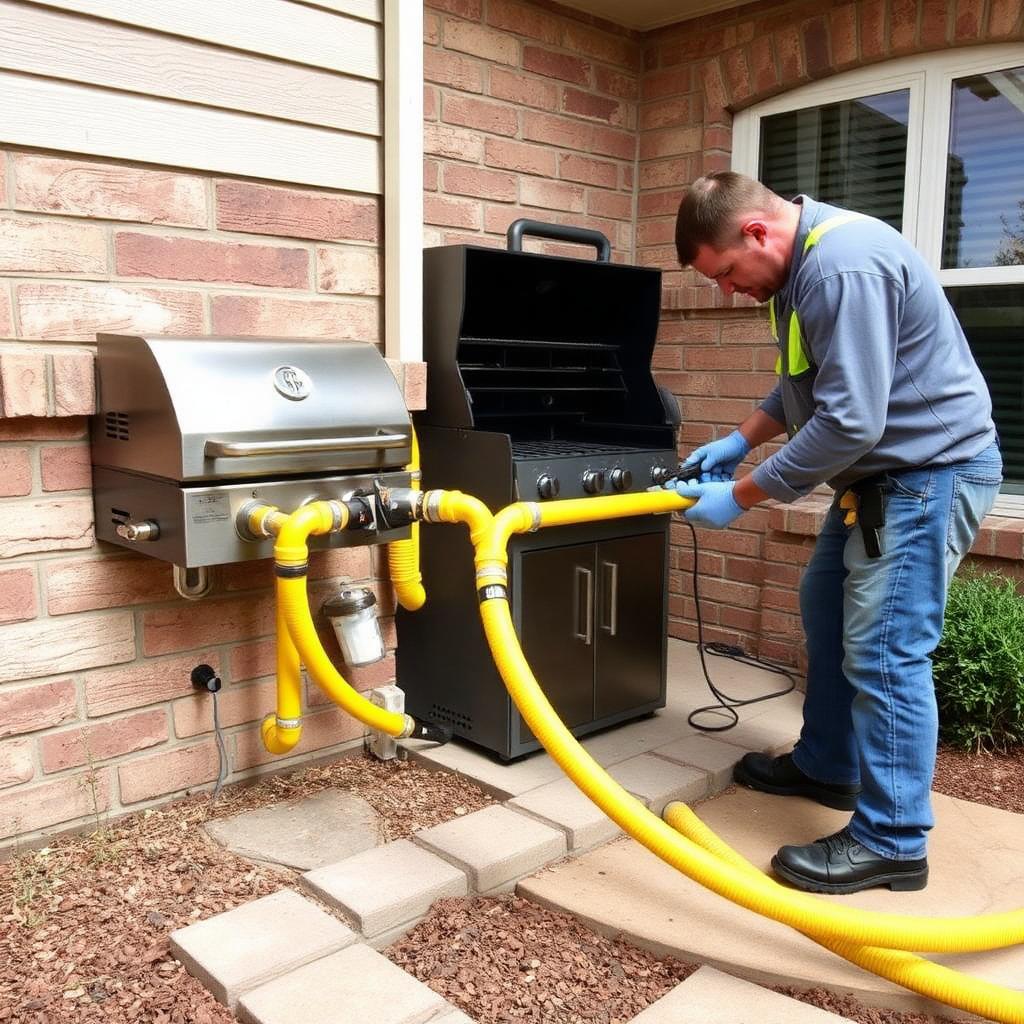
Every Gas Line Signed Off, Every Time
Nothing wraps up here without the permit, the test results, and the inspector's sign-off in your hands. When Atmos has had the meter shut, we stay involved until it is back on and confirmed working — leaving you with documentation that holds up whether it's for a home sale, an insurance question, or whoever services this system next.
This is a family-owned operation, licensed with the Texas State Board of Plumbing Examiners and carrying full insurance, working out of our shop in The Colony. Getting to most Highland Village addresses takes around 20 to 25 minutes under normal traffic, and a confirmed active leak moves to the front of the schedule the same day.
Straight Answers, No Sales Pitch
Our Other Plumbing Services in Highland Village, TX
A gas line visit frequently overlaps with replacing a water heater or moving to a tankless unit, and we are equipped to fold either into the same appointment for Highland Village homeowners.
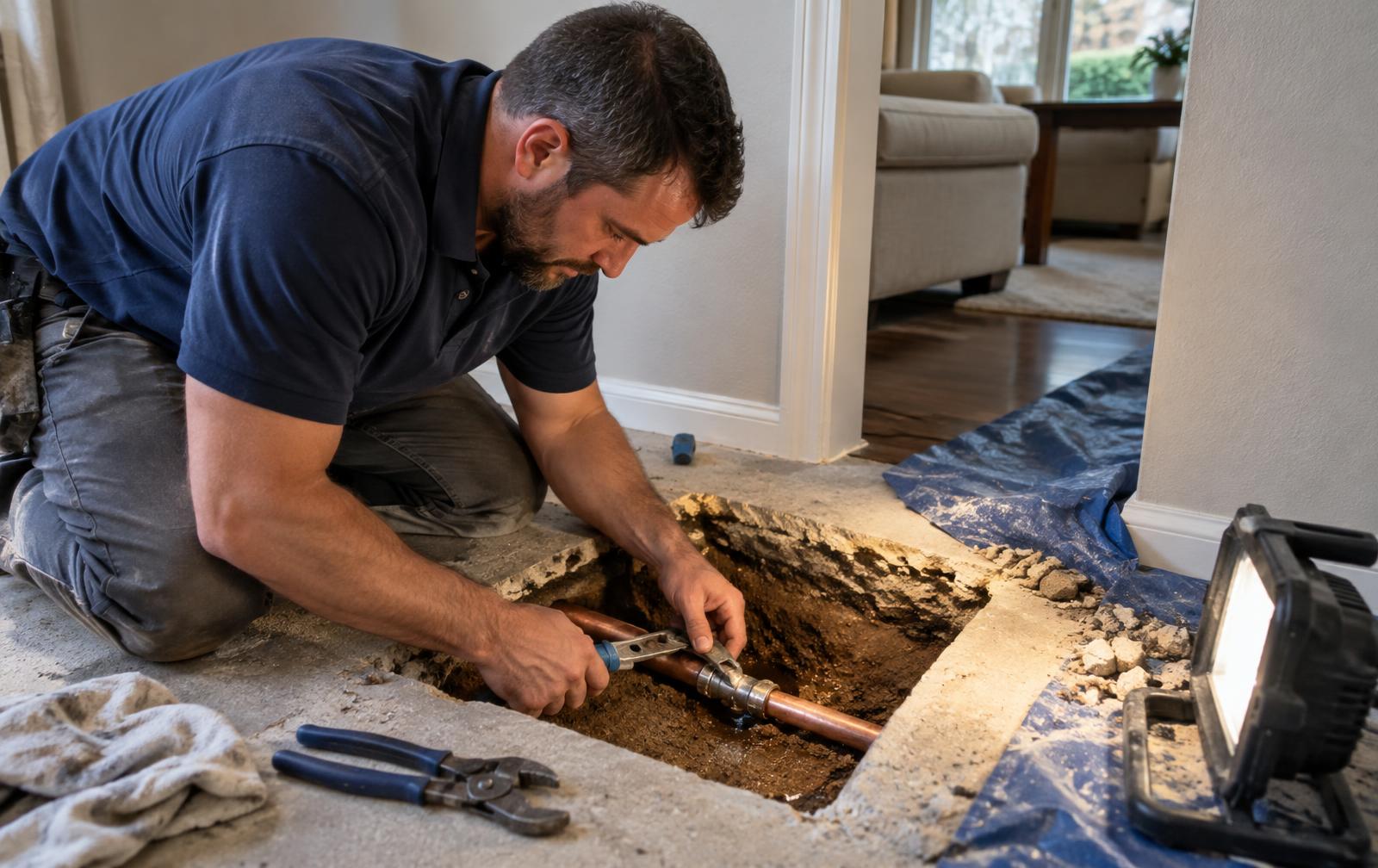
Electronic detection under Highland Village slabs — reroute options that save your finished floors when possible.
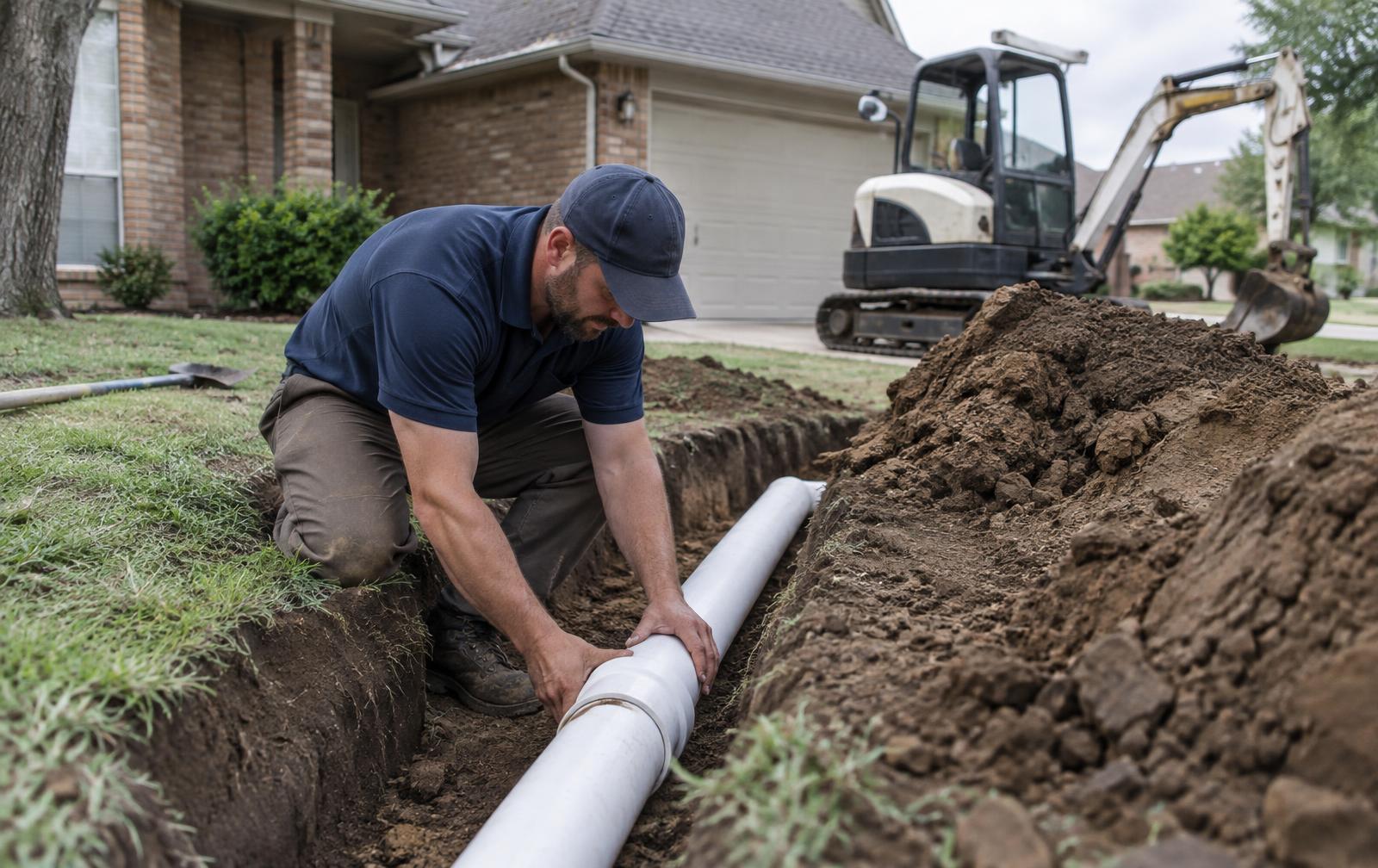
Trenchless replacement for the aging laterals across Highland Village's older runs — camera first, quote in writing, minimal yard damage.
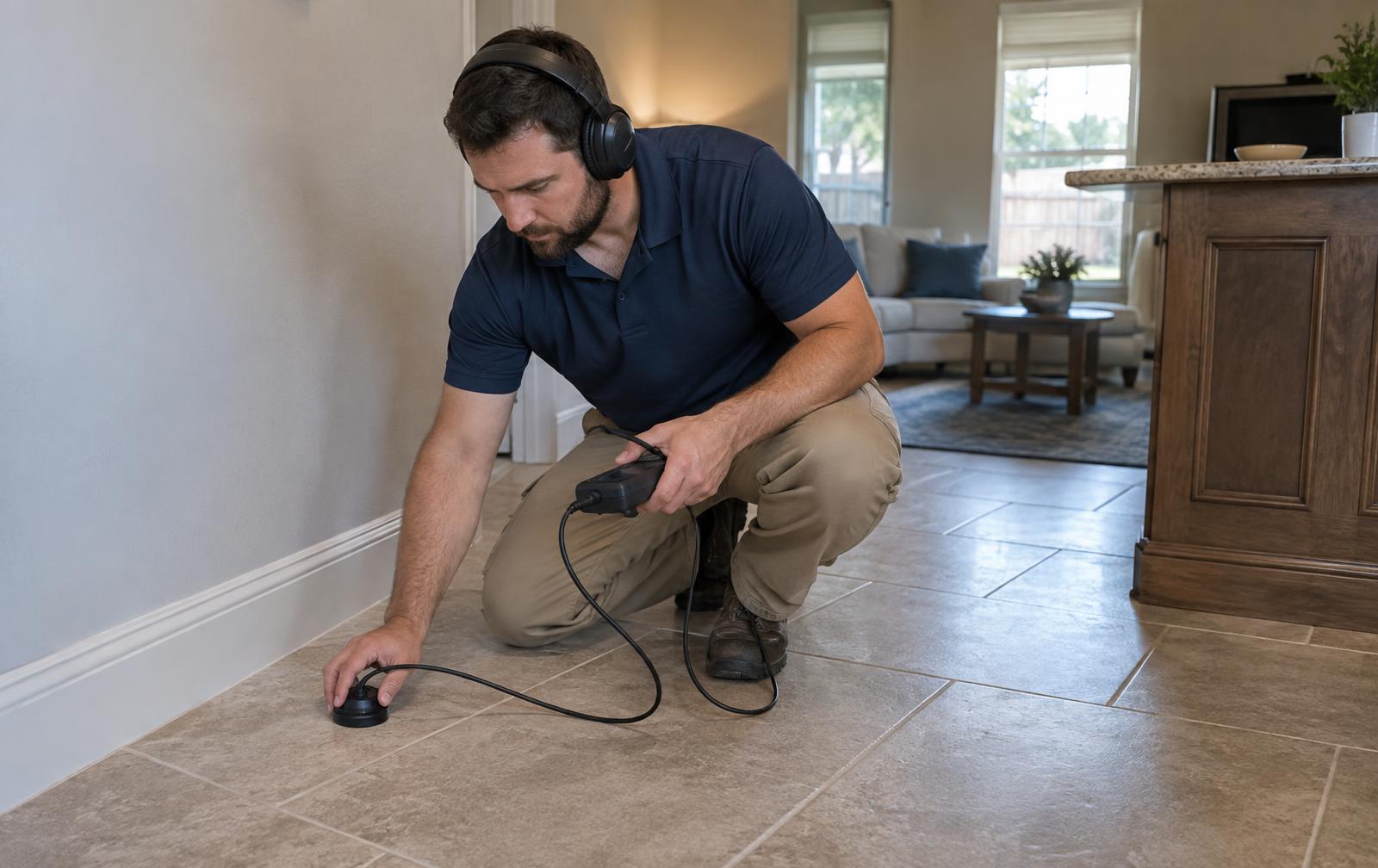
Acoustic, thermal, and pressure testing to pinpoint hidden leaks in Highland Village slab and wall lines without tearing into finishes.
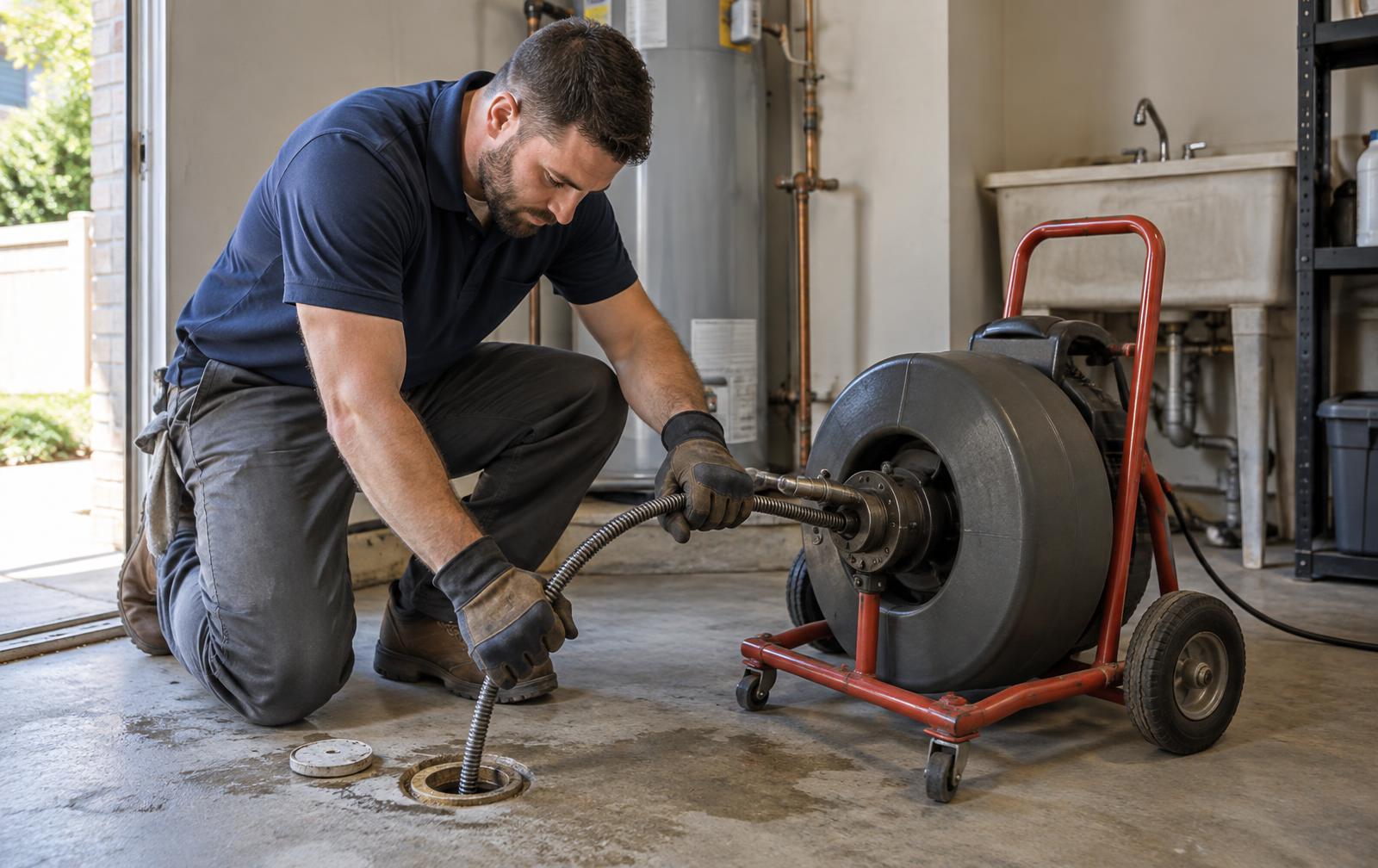
Full-clear service and camera confirmation for the drains under Highland Village's neighborhoods.
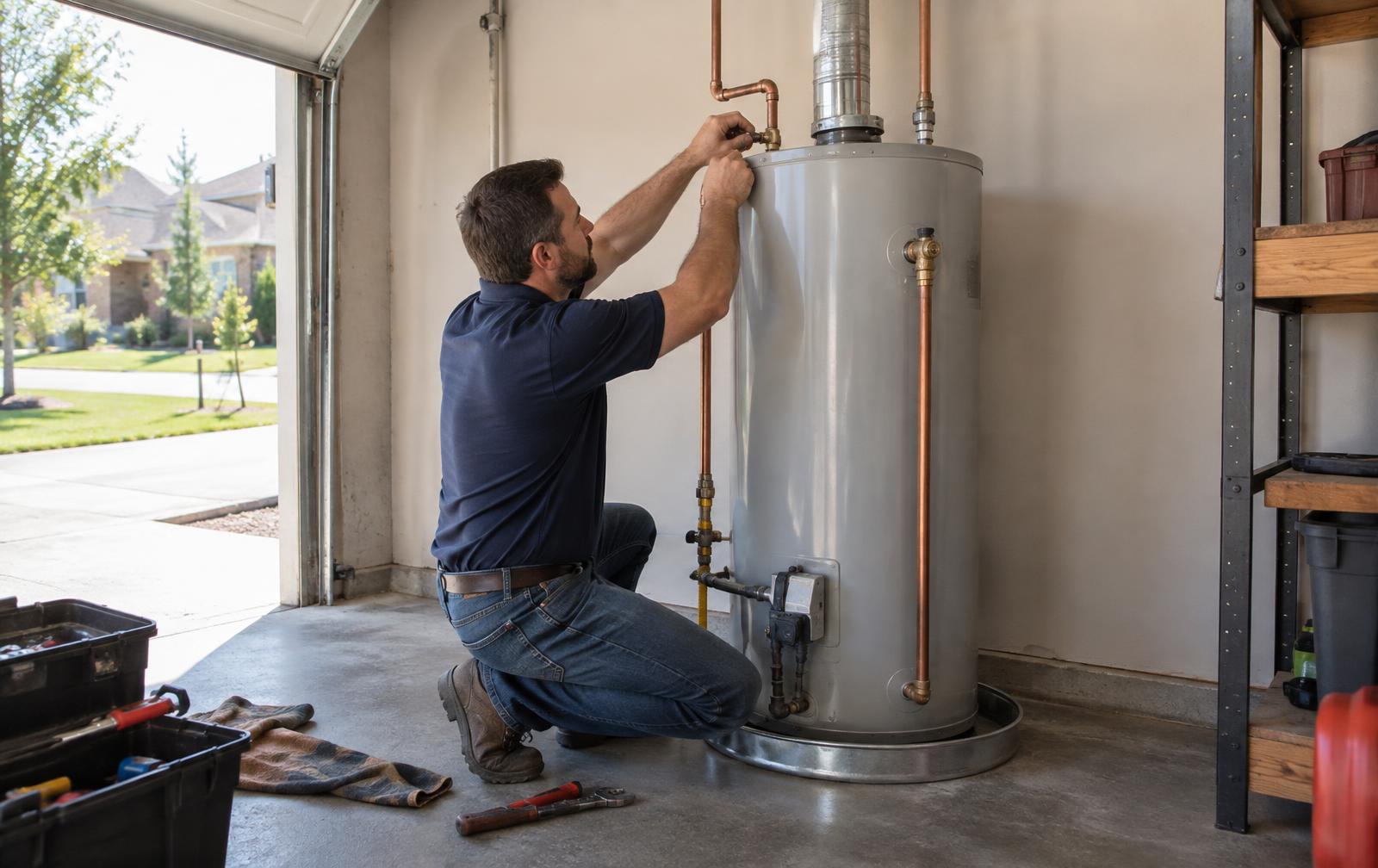
Repair, flush, and replacement of tank units — including attic and garage heaters common to Highland Village homes.
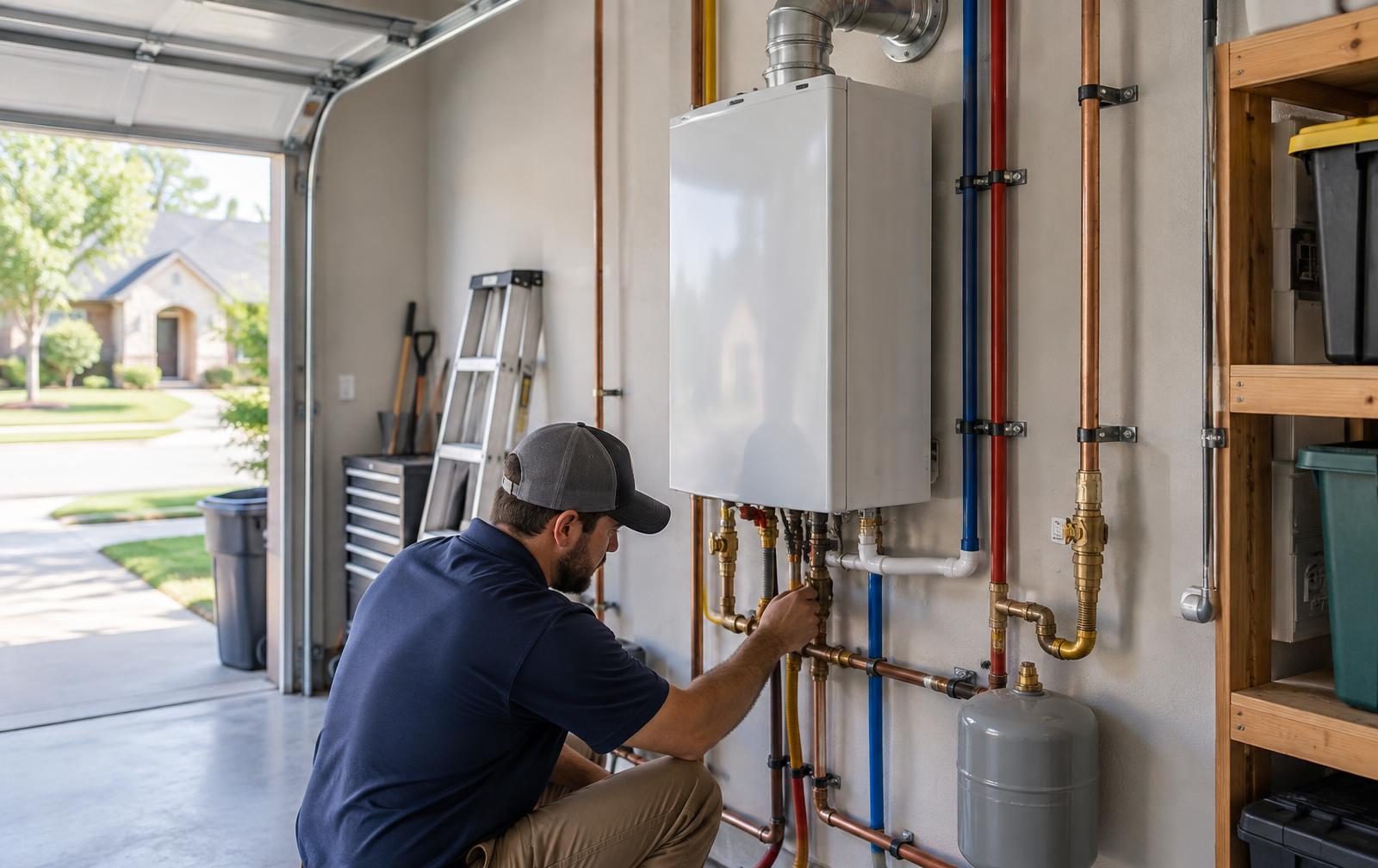
Install, service, and annual descaling — Highland Village's hard tap water eats tankless heat exchangers without it.
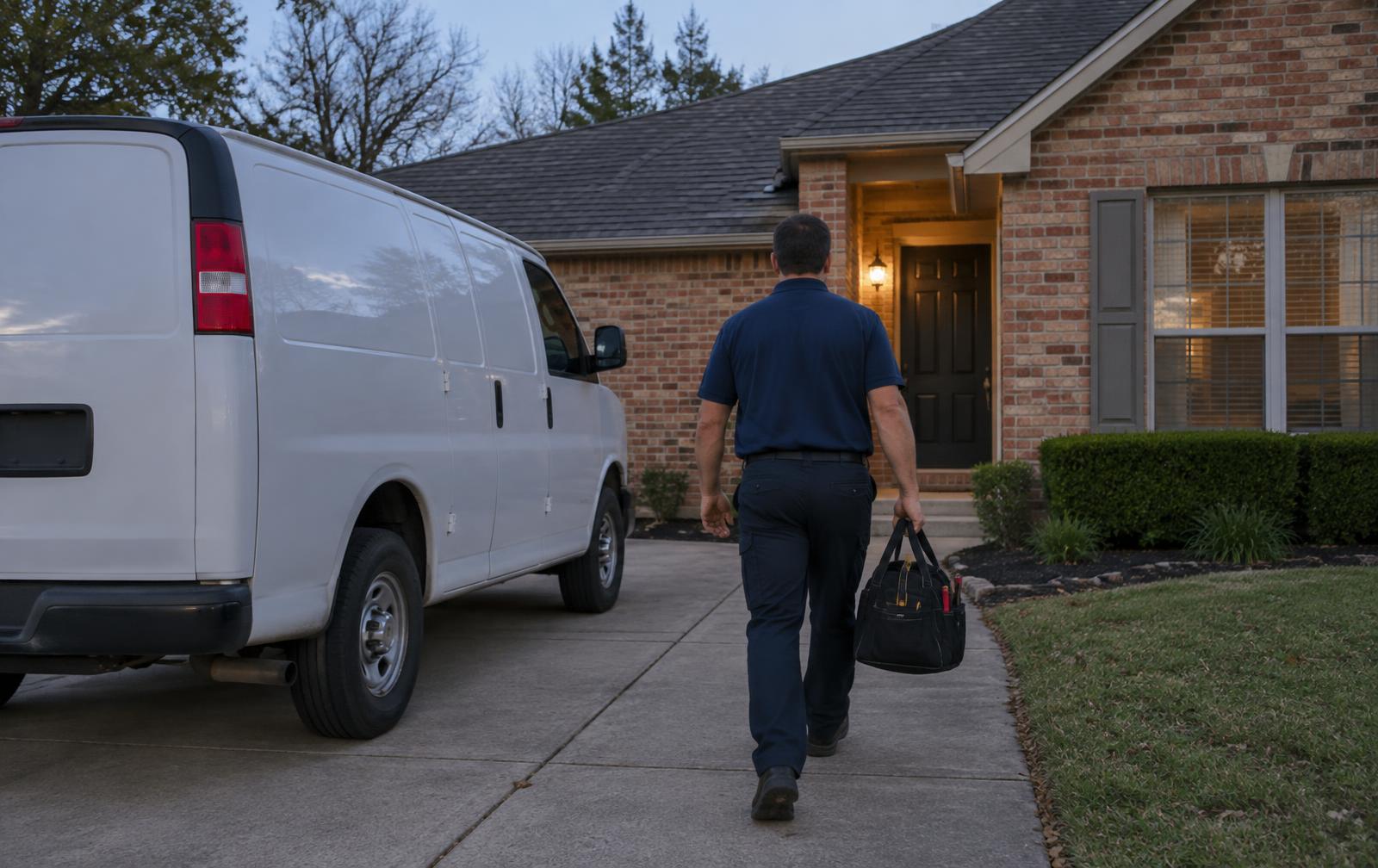
same-day, 7 days a week response across Highland Village for burst pipes, heater failures, and main-line backups.
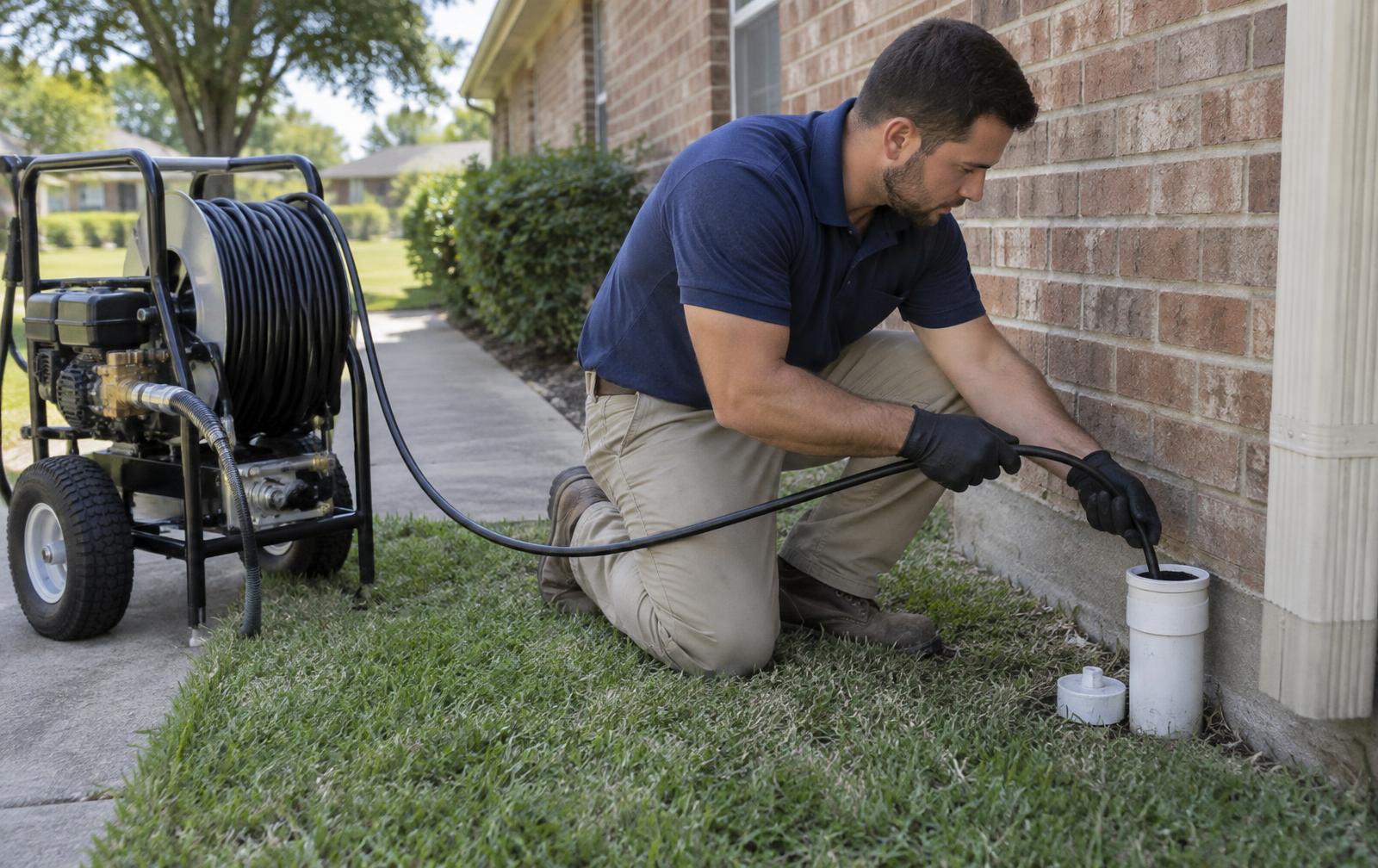
High-pressure cleaning that clears scale, grease, and roots from Highland Village's lateral runs — full-diameter, lasting clean.
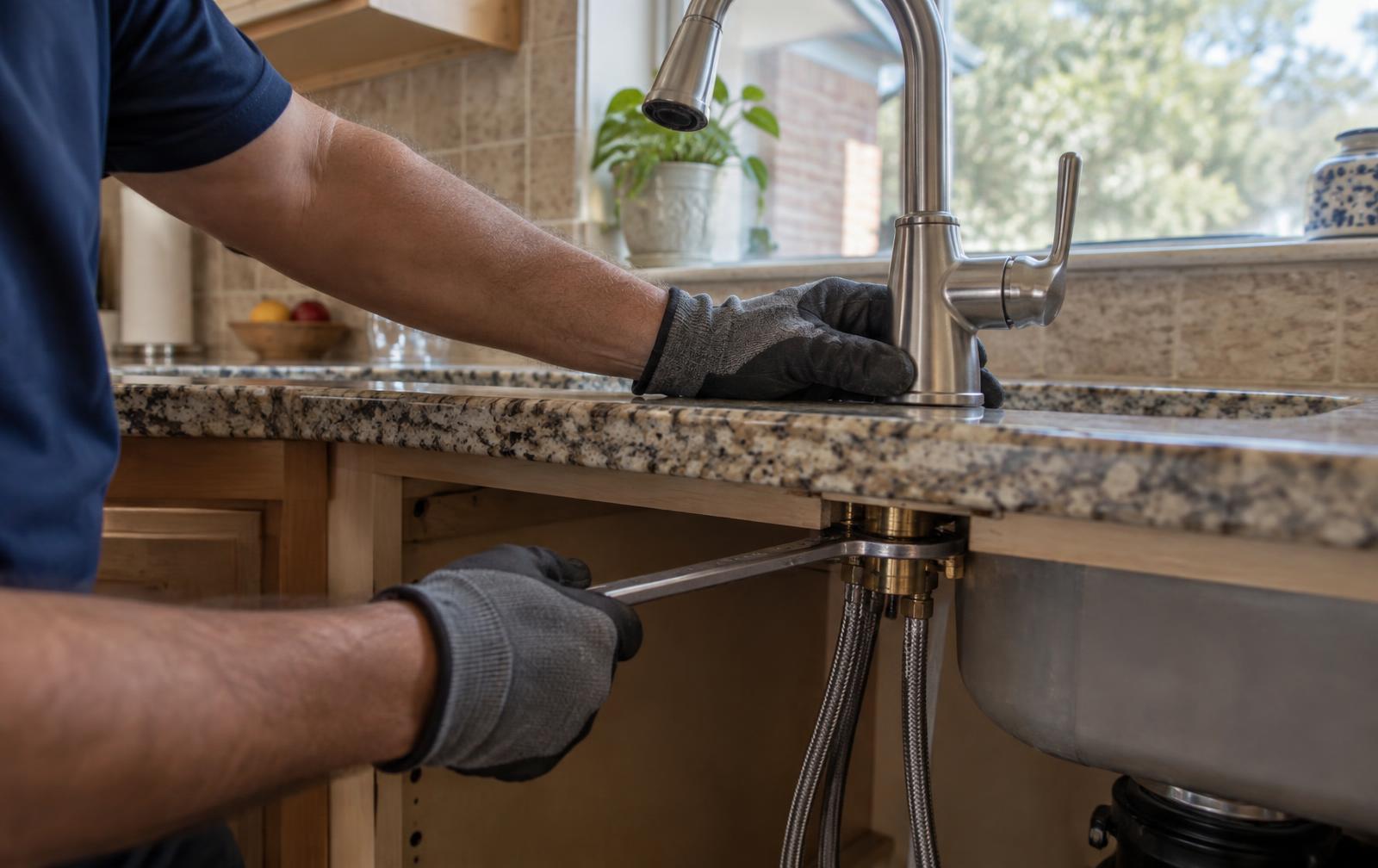
Cartridge, stem, and full-fixture replacement for Highland Village kitchens and bathrooms — hard-water-ready parts stocked on the truck.
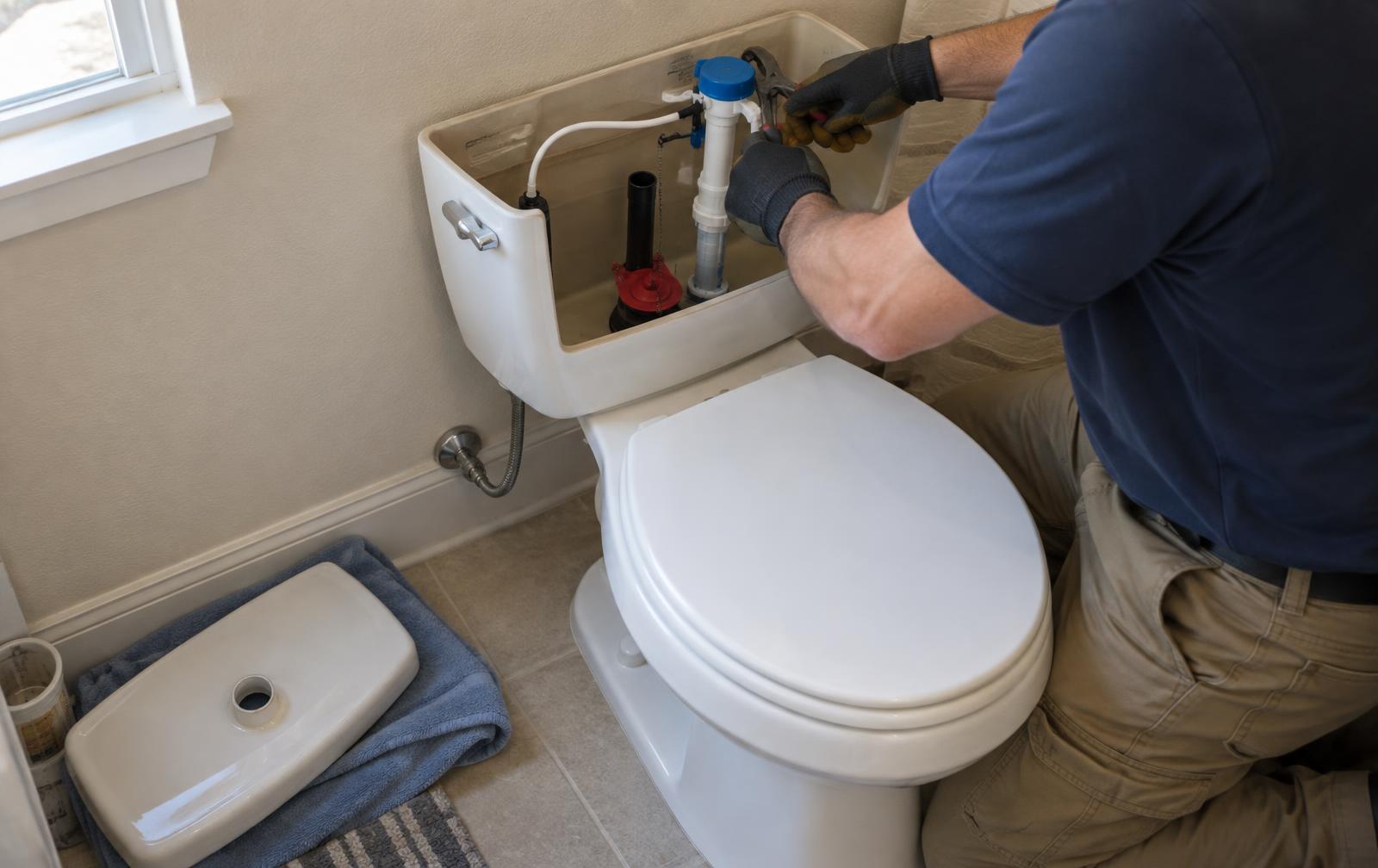
Rebuilds, wax-ring resets, flange repairs, and full replacements — the running toilets and rocking bowls in Highland Village homes.
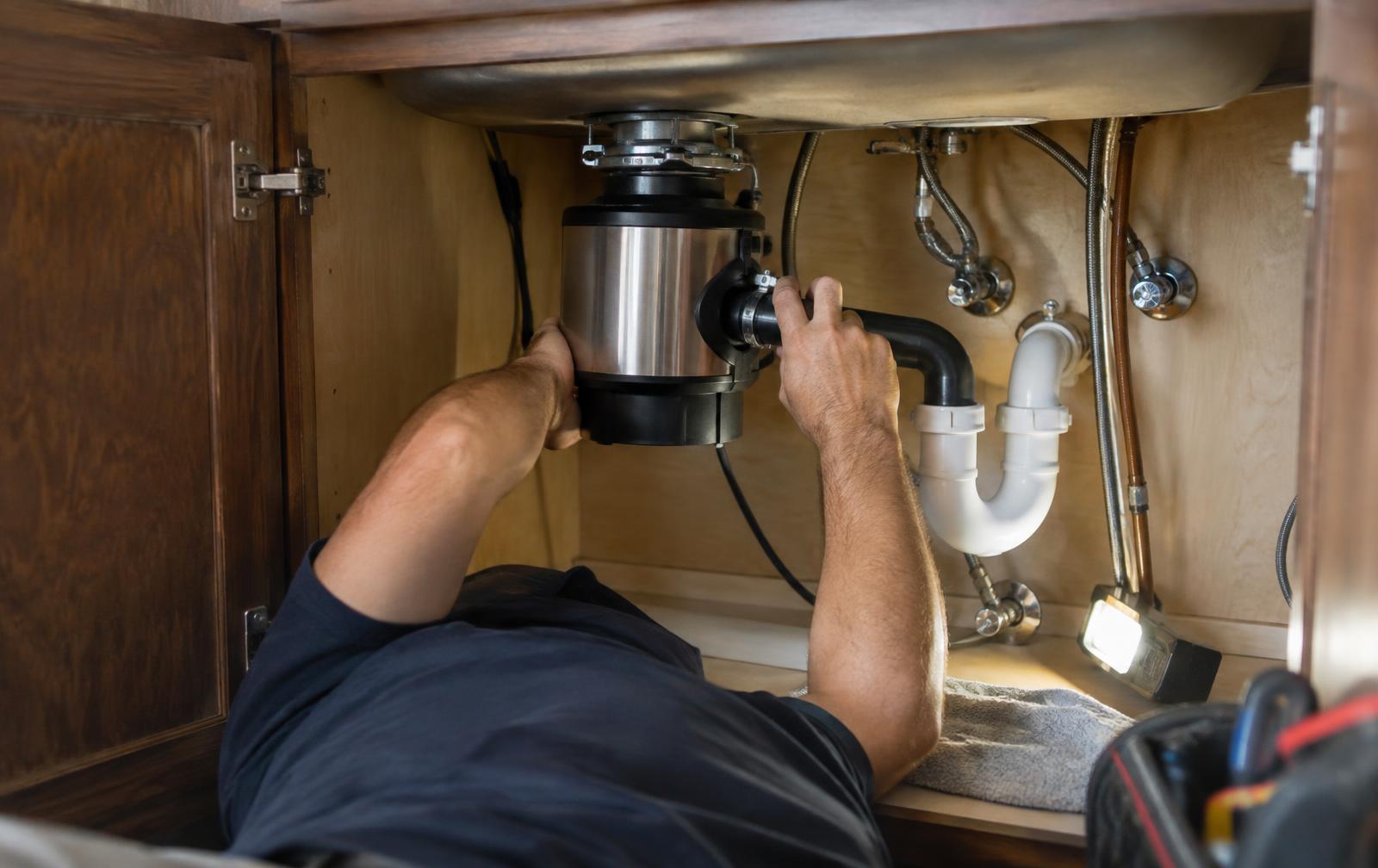
Jam clearing, leaking-unit swaps, and quiet 3/4 HP upgrades for Highland Village kitchens — same-visit install.
Need Gas Line Work Done in Highland Village?
Licensed, permitted, pressure tested, and signed off. Reach out for a leak locate or a new-install quote.