
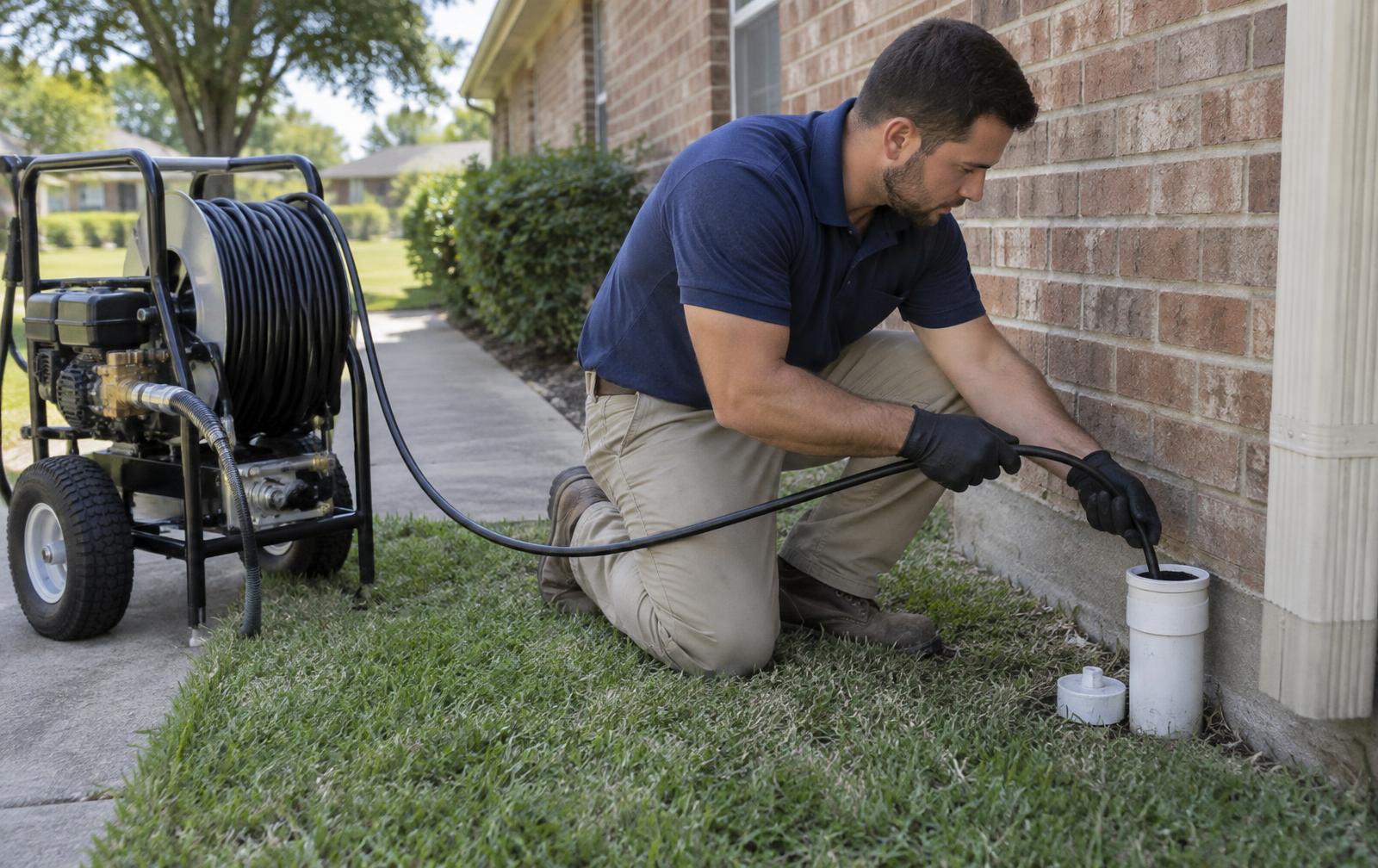
Hydro Jetting in Highland Village, TX
A cable that used to fix things stops helping. The same spot backs up again within a month of the last visit. A camera pull shows buildup lining the pipe instead of bare metal. Jetting scours that buildup off the wall entirely and gets the line back toward its real diameter — a longer-lasting answer for the older sewer lines scattered around Highland Village.
A Cable Punches Through. Water Under Pressure Scrubs Clean.
Feeding a cable into a clogged line cuts an opening through whatever is blocking it, and flow comes back — for a stretch. What that cable leaves behind is everything still stuck to the inside surface of the pipe: grease film, mineral crust, root fragments. Within weeks something else catches on that same rough patch and you are back where you started. A jetting head works differently, firing a high-pressure stream backward as it is pulled through, scouring material off the pipe wall on all sides instead of just carving a tunnel through the middle.
That difference matters more here than in newer parts of North Texas, because Highland Village's build-out ran heaviest from 1984 through roughly 2005, putting a large share of the city's cast iron sewer laterals — the ones now under Highland Shores and Montclair Estates — well past the forty-year mark. Cast iron narrows from the inside as it corrodes, so a line that started at four inches can behave like a much smaller pipe decades later. A cable slips through whatever soft debris sits in that reduced channel; jetting is what actually opens the channel back up.
We bring the jetter out for the cast iron mains around the older sections of the city, the root-heavy laterals near Doubletree Ranch Park and out along Lakeland Dr where mature tree cover sits close to the line, and any household dealing with a clog that keeps returning no matter how many times it gets cabled. A camera pass goes in before and after, so the improvement is something you can actually see rather than take on faith.
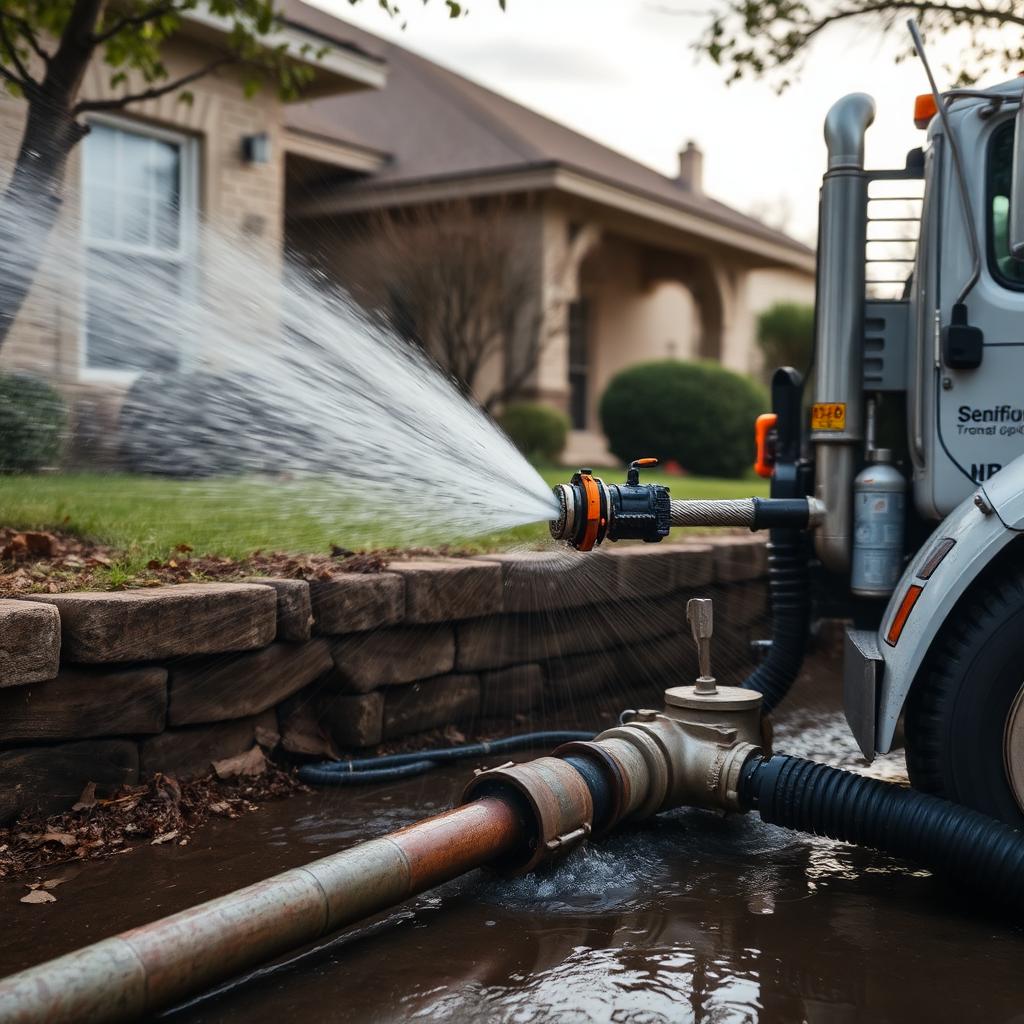
When Jetting Is the Better Call in Highland Village
Cabling handles plenty of clogs on its own. These situations call for the full-wall clean instead.
Cabled the same line three or four times this year already? Whatever is coating the pipe wall is not going away with another cable pass — it needs to be scoured off.
A healthy pipe interior looks smooth. If the footage shows a rough film or crust lining the whole run, jetting is what strips that back down to the base material.
Cutting tools chop a root mass into pieces but leave fine hair-roots behind to fill back in within months. A jetting pass flushes that debris out and pushes the regrowth timeline back considerably.
If a cabled pipe still drains slowly, the actual inside diameter has probably shrunk from buildup on the wall — something cabling alone was never going to fix.
Frequent home cooking builds a grease layer faster than a typical household generates. A jetting visit every year or so heads off an emergency backup down the line.
A cast iron line does not need a complaint attached to benefit from periodic jetting — restoring the diameter now delays the point where replacement becomes unavoidable.
Camera First, Match the Nozzle, Camera Again
Jetting is not one setting for every pipe — nozzle choice and pressure depend on what is actually inside the line.
- 1Scope the line before touching anything
A camera run tells us whether we are dealing with scale, grease, roots, or some combination — and flags any pipe that is already cracked, which should never be jetted since the pressure would just blow debris out through the break.
- 2Pick the nozzle and pressure for the material
A chisel tip handles scale, a chain-style head takes on heavy roots, a penetrator nozzle cuts through solid grease. Pressure settings shift too — full strength for cast iron, scaled back on older or more fragile pipe to avoid disturbing the joints.
- 3Work the hose from the far end back toward the access point
The hose feeds out past the blockage first, then the jet fires on the way back, pushing the nozzle forward through debris and scrubbing the wall clean on the return trip rather than shoving material further down the line.
- 4Repeat with a bigger nozzle if the first pass is not enough
Heavier buildup sometimes needs two or three passes at progressively larger sizes. That is built into the price up front — no surprise add-on if the pipe needs more attention than expected.
- 5Camera the line again to show the result
A final pass confirms the wall is clean from one end to the other, and you get to compare the before-and-after footage directly. If the cleaning uncovers a structurally failed section underneath the old buildup, we say so and quote a repair rather than pretend jetting alone solved it.
Where Jetting Tends to Make the Biggest Difference
What is actually inside the pipe out here depends heavily on the lot's age and tree cover.
Built mainly from 1992 to 2004 on lake-adjacent lots, several with longer private lateral runs where original cast iron has had decades to accumulate scale along the wall.
Central, roughly quarter-acre lots from the 1990s tend to have shorter runs, but grease buildup at the kitchen tie-in is still a common reason jetting is the better call here.
Homes near the old ranch land and Doubletree Ranch Park go back to the 1970s in places, giving root systems near the oldest laterals decades to work into aging joints.
A handful of homes near the lake off Lakeland Dr date to 1974 on larger, heavily wooded lots, where mature root intrusion is the recurring reason jetting outperforms another cable pass.
Construction near the town center spans a wider mix of decades, so lateral condition varies more than in a single-era subdivision — we always camera first to confirm what we are dealing with.
This corridor tracks the city's core 1980s-forward growth, and the older, more heavily treed stretches see more jetting calls than the newer infill filling in nearby.
What Highland Village Homeowners Say
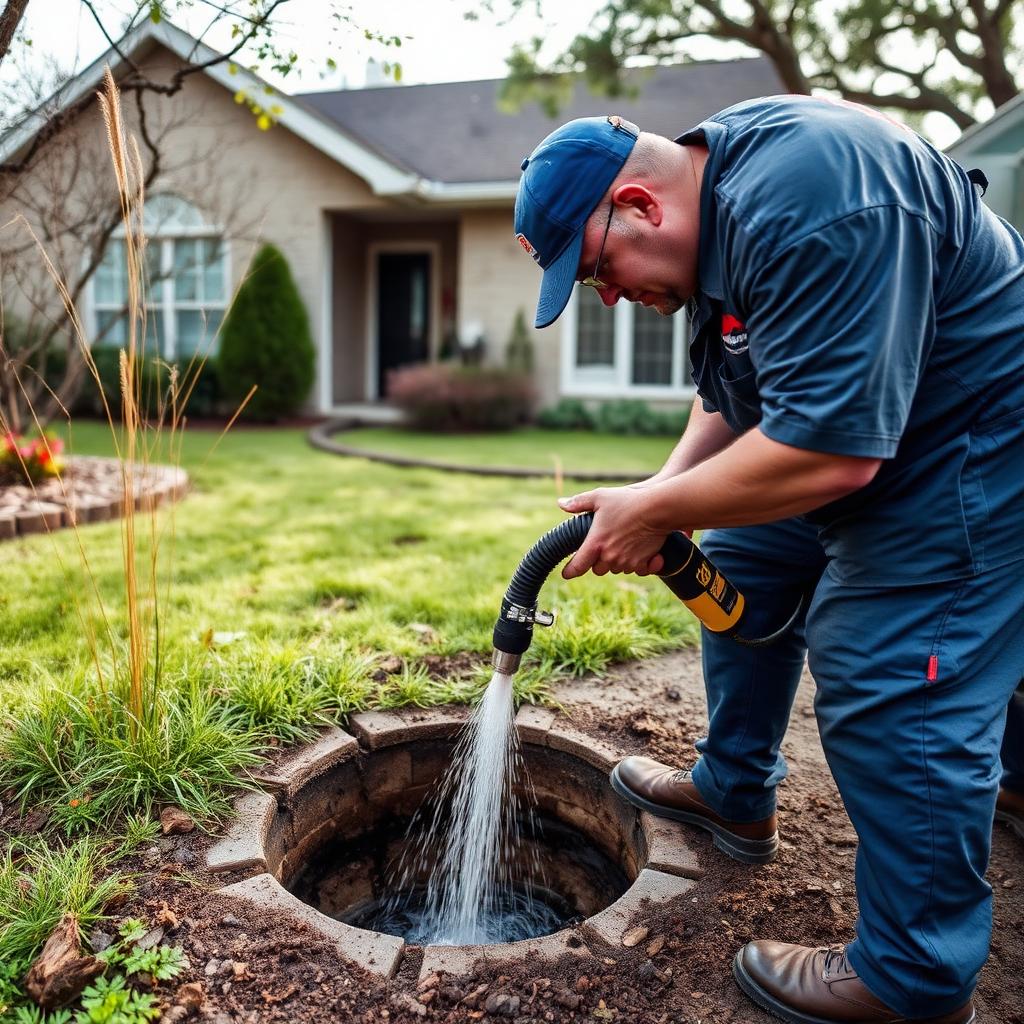
You Watch the Before. You Watch the After.
Every jetting job comes with the before-and-after camera footage for your own records. If the pre-jet scope shows a pipe that is already broken, we stop and tell you rather than pressurizing water into a line that would just push debris out through the crack — every quote is set before the machine ever starts.
We hold a Texas State Board of Plumbing Examiners license, carry insurance, and run this as a family business, working out of our own trailer-mounted jetting rig based at our shop in The Colony. Highland Village sits roughly 20 to 25 minutes out under normal traffic, and a repeat backup gets same-day attention.
Straight Answers, No Sales Pitch
Our Other Plumbing Services in Highland Village, TX
Jetting often sits in the middle ground between a basic cable cleaning and a full pipe replacement. When the camera shows the line itself is failing, we handle that replacement locally too.
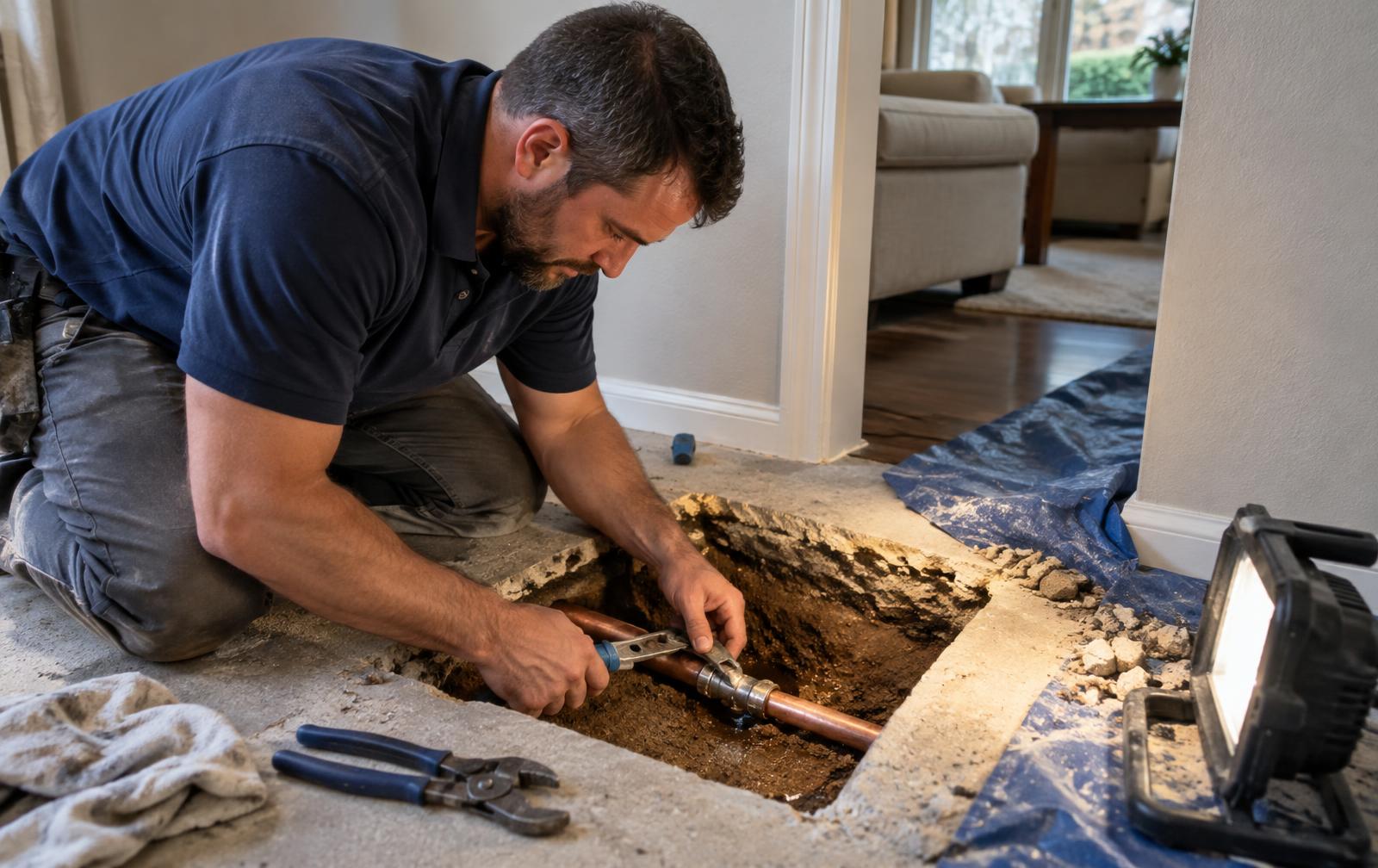
Electronic detection under Highland Village slabs — reroute options that save your finished floors when possible.
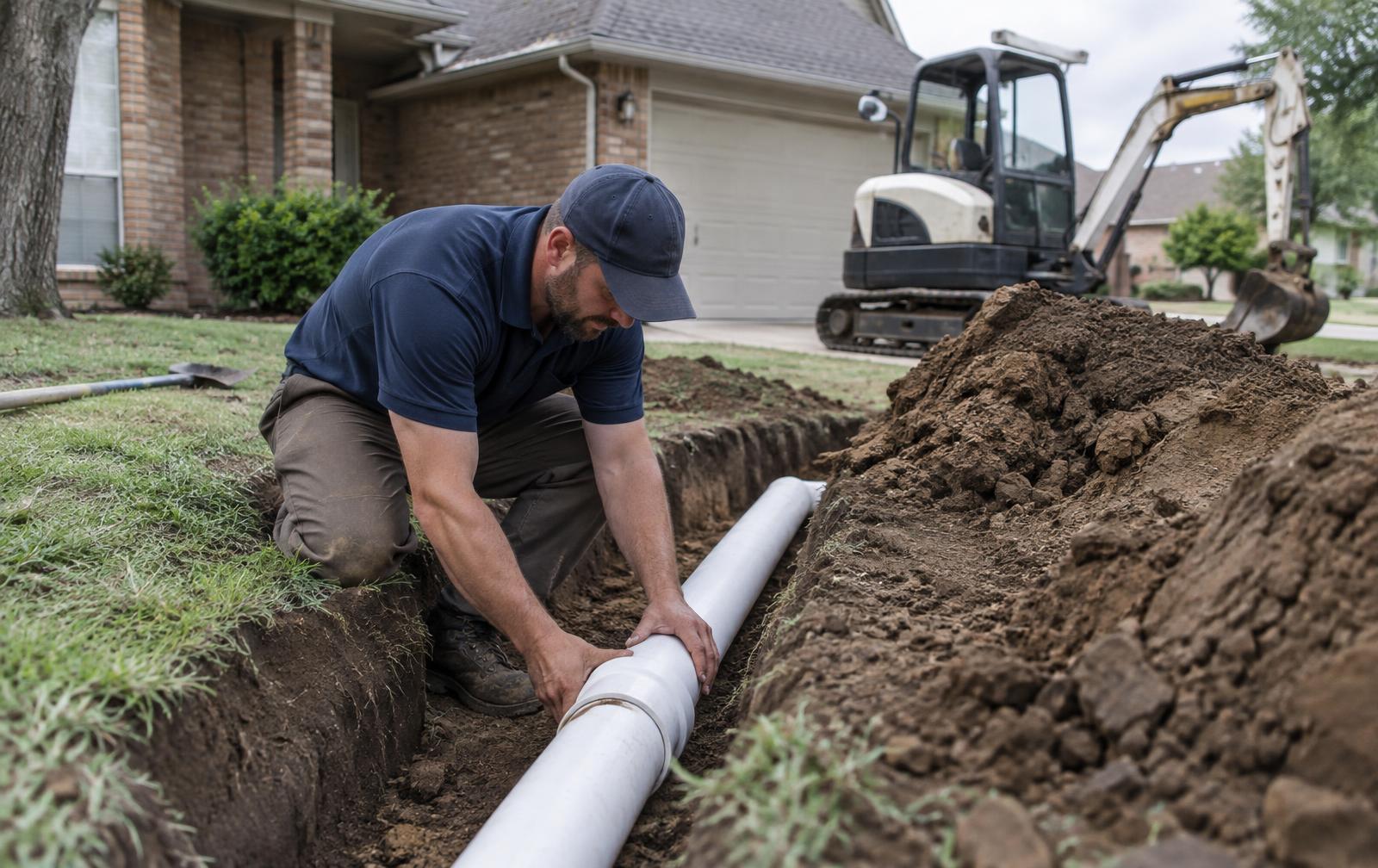
Trenchless replacement for the aging laterals across Highland Village's older runs — camera first, quote in writing, minimal yard damage.
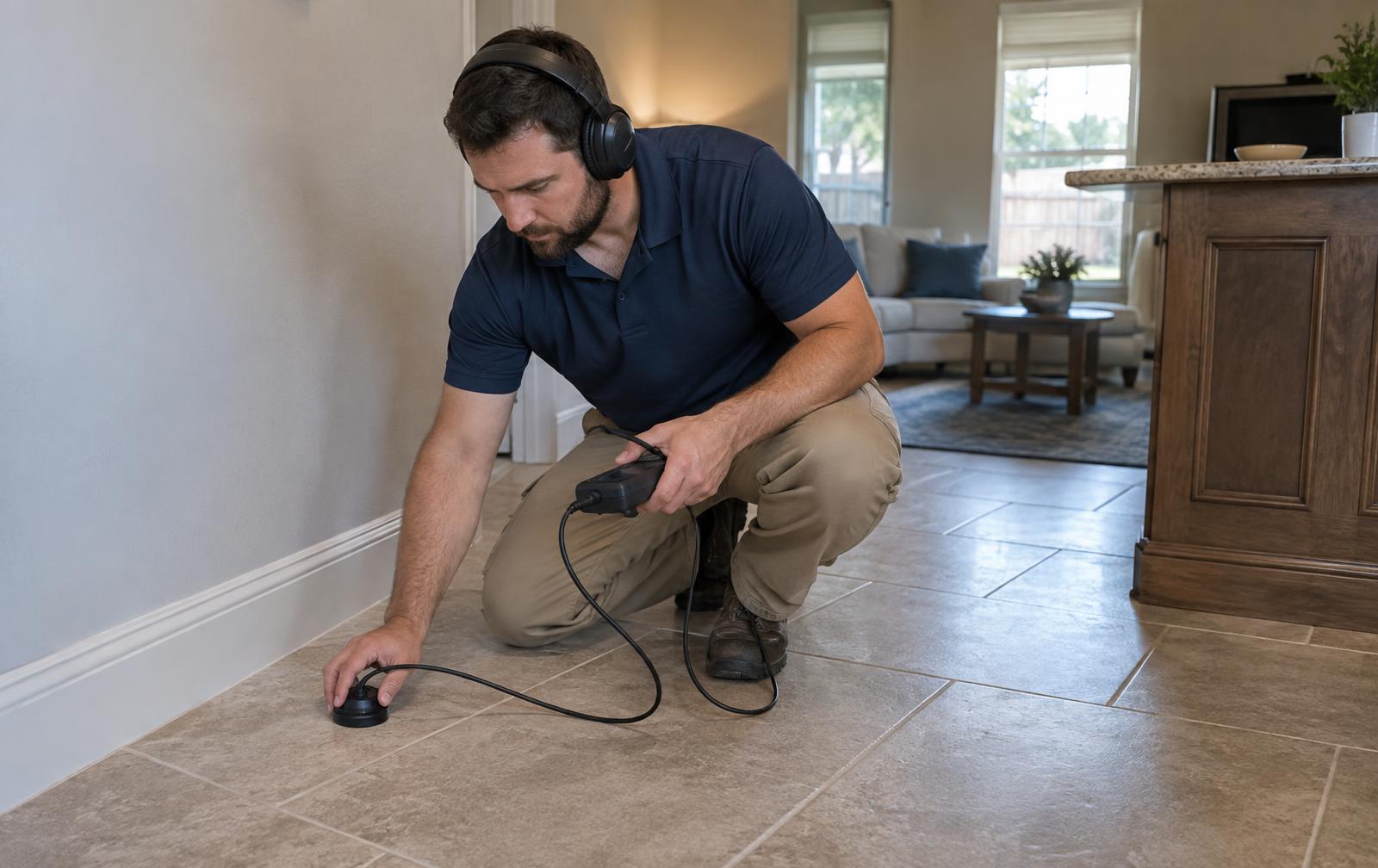
Acoustic, thermal, and pressure testing to pinpoint hidden leaks in Highland Village slab and wall lines without tearing into finishes.
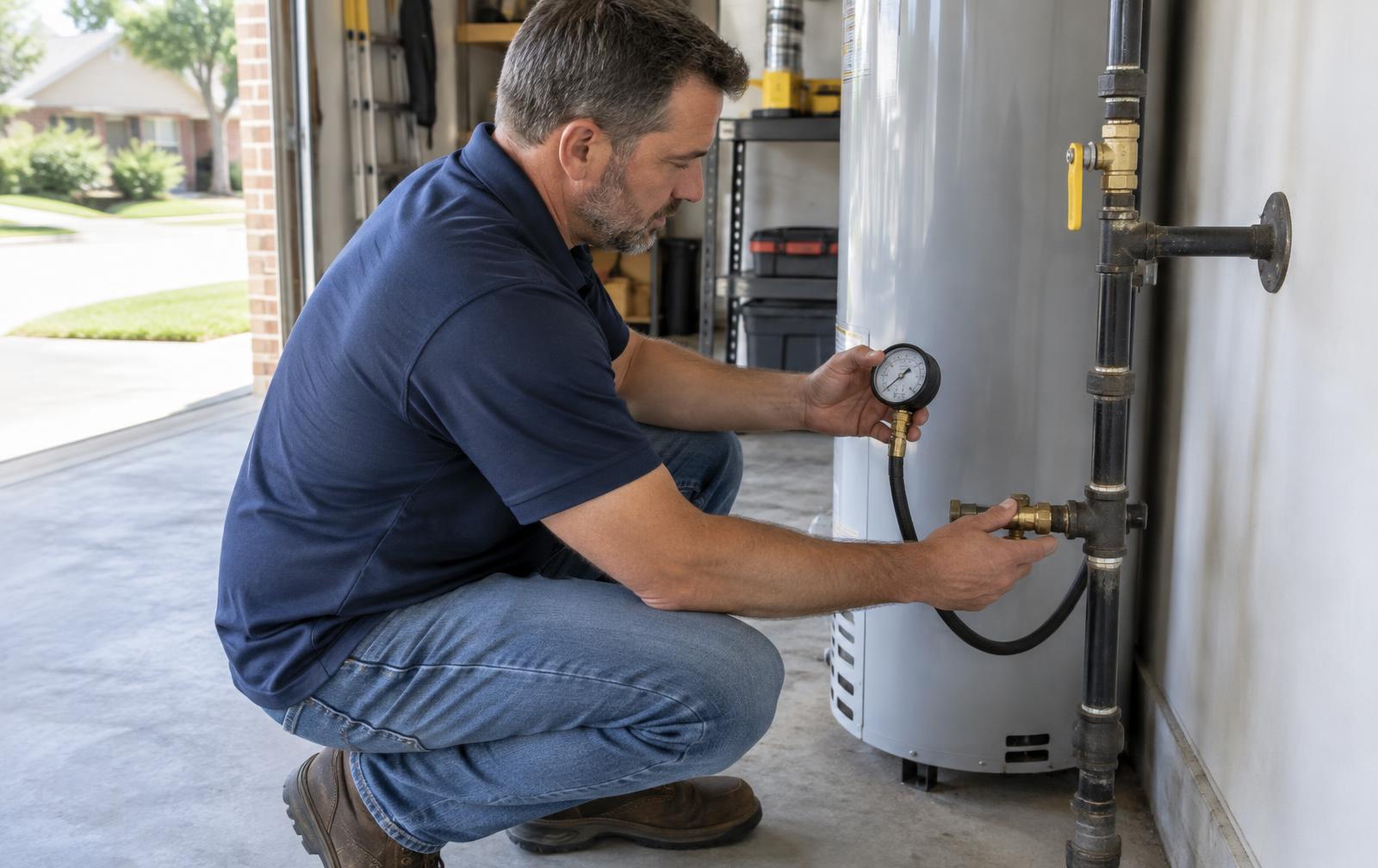
Licensed install, repair, and pressure-testing for Highland Village homes — every line signed off to Texas code and Atmos requirements.
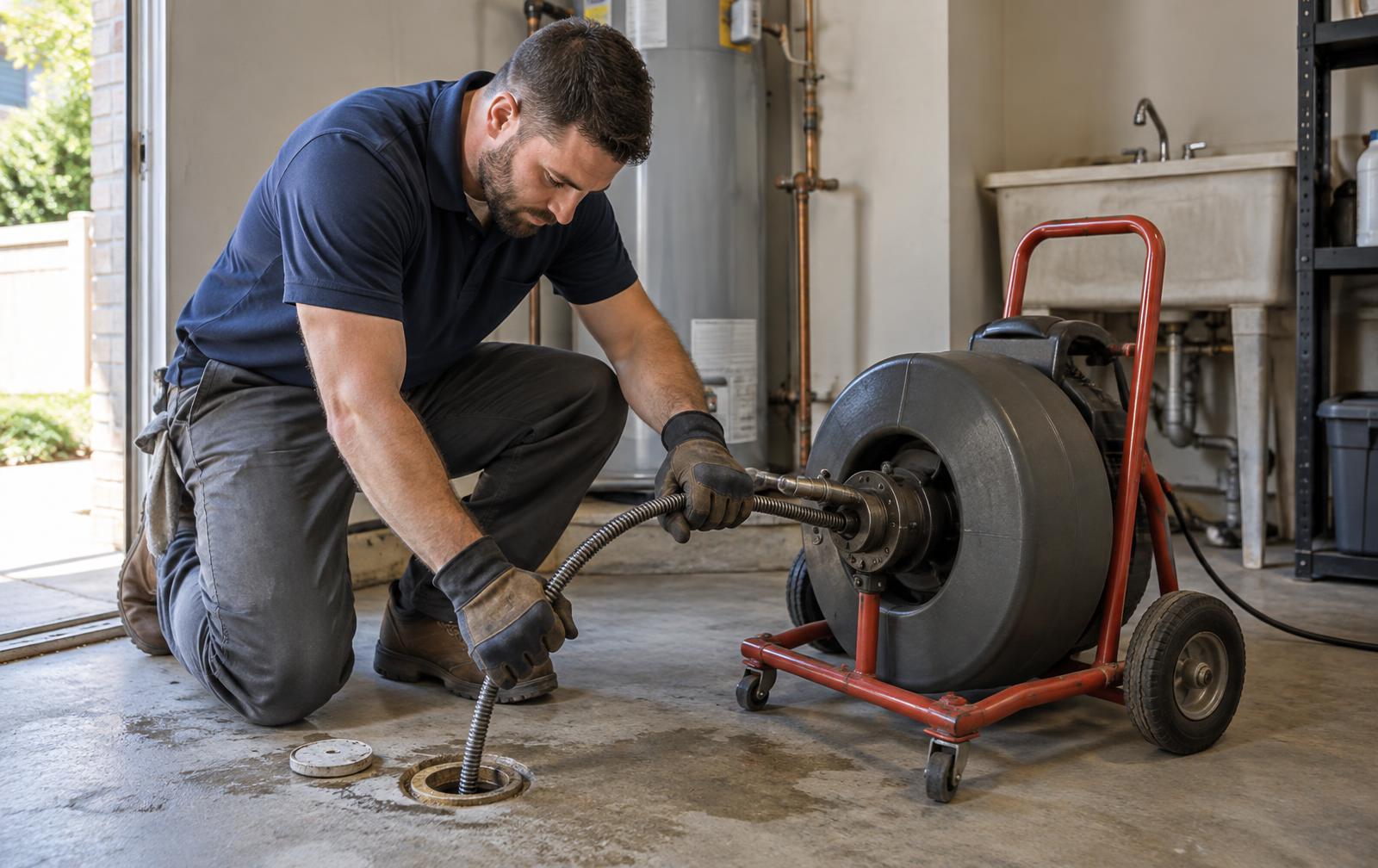
Full-clear service and camera confirmation for the drains under Highland Village's neighborhoods.
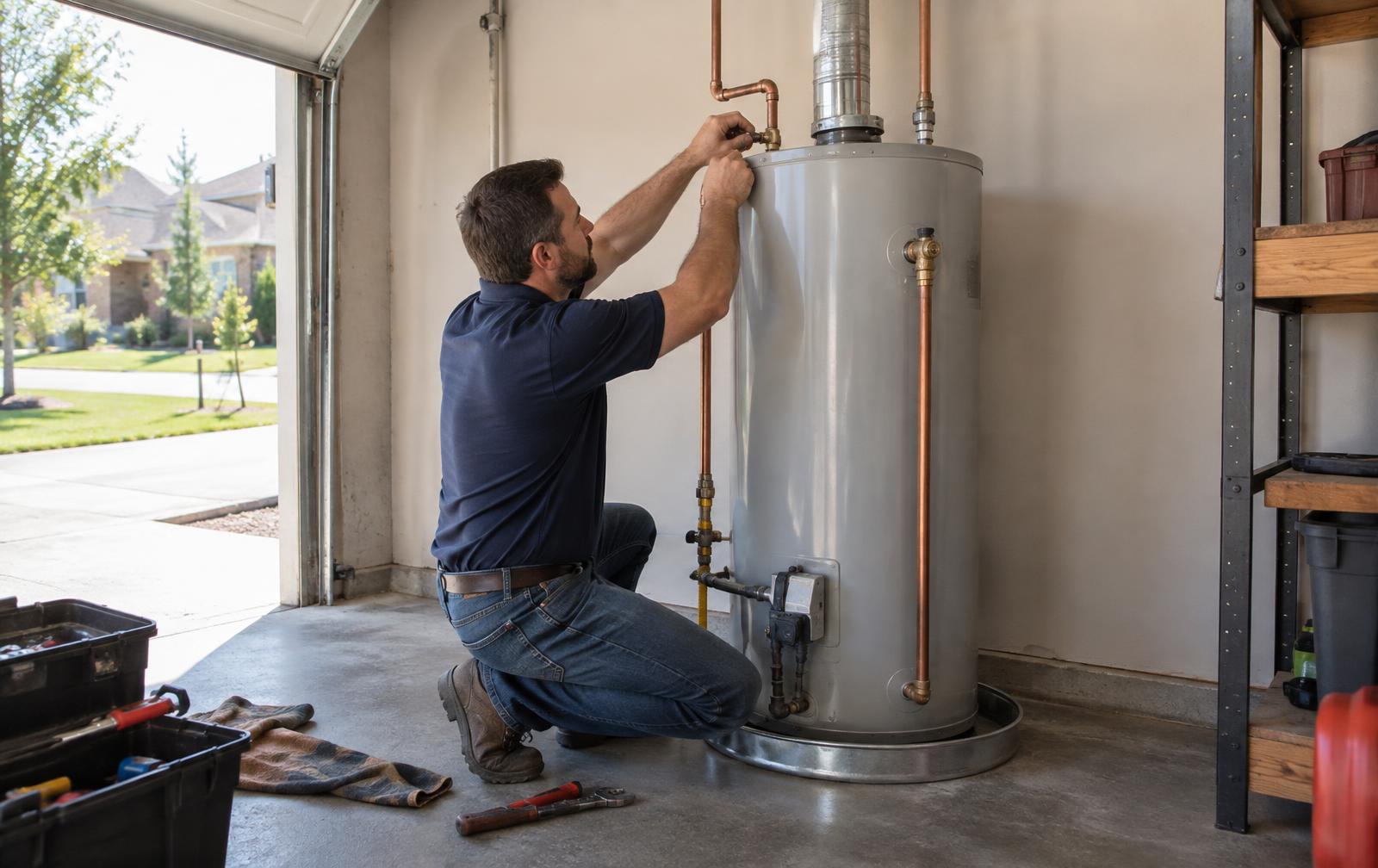
Repair, flush, and replacement of tank units — including attic and garage heaters common to Highland Village homes.
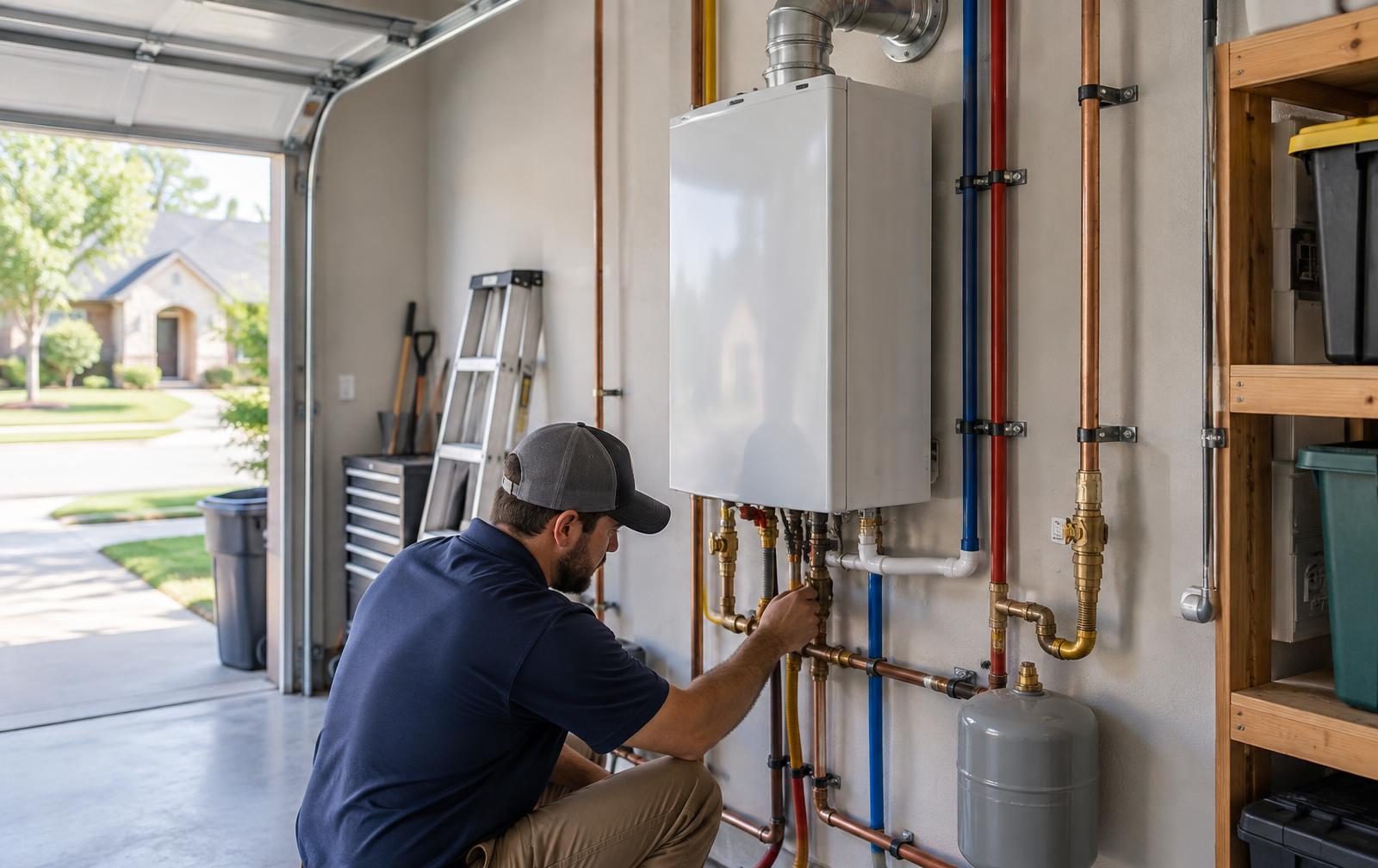
Install, service, and annual descaling — Highland Village's hard tap water eats tankless heat exchangers without it.
same-day, 7 days a week response across Highland Village for burst pipes, heater failures, and main-line backups.
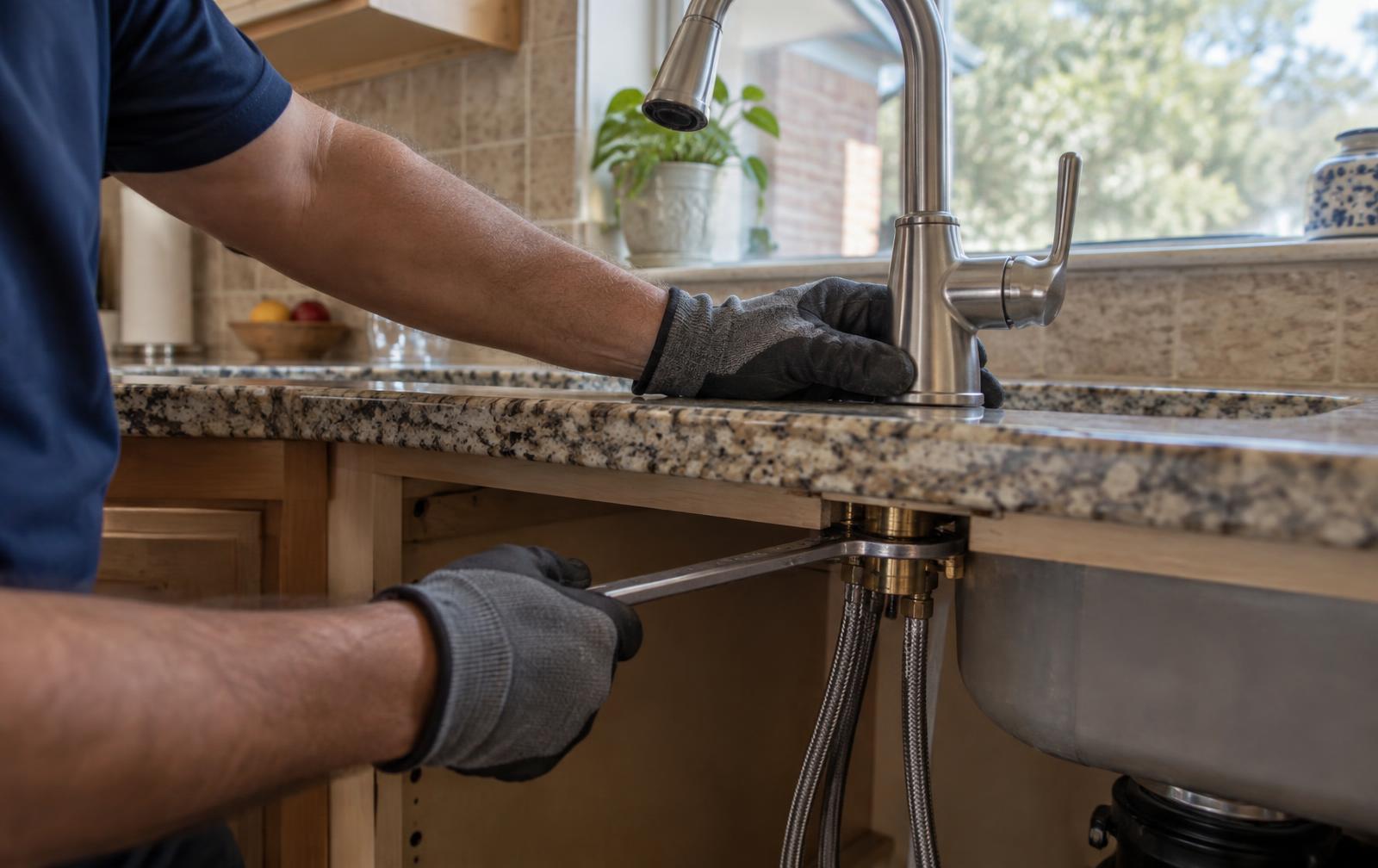
Cartridge, stem, and full-fixture replacement for Highland Village kitchens and bathrooms — hard-water-ready parts stocked on the truck.
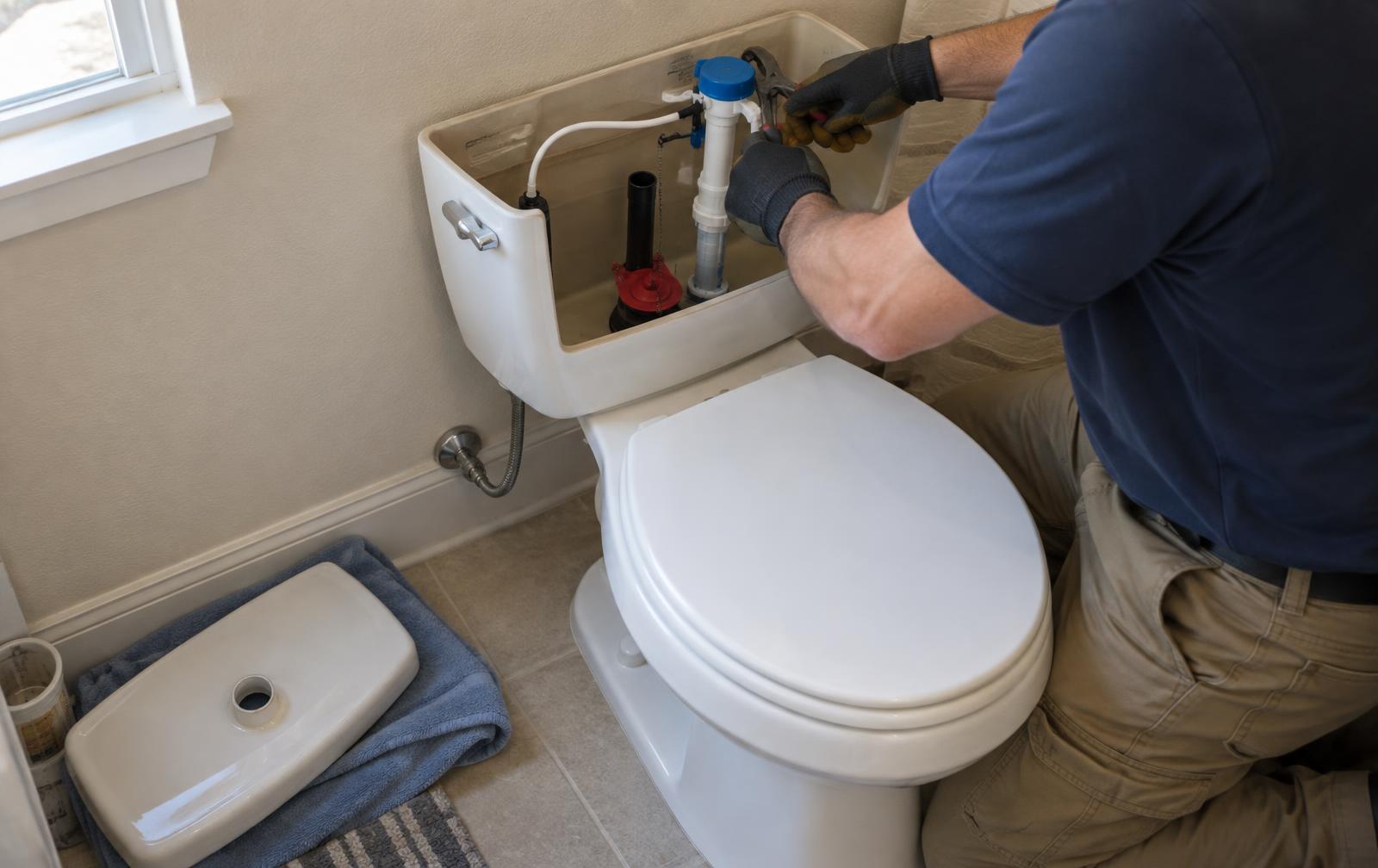
Rebuilds, wax-ring resets, flange repairs, and full replacements — the running toilets and rocking bowls in Highland Village homes.
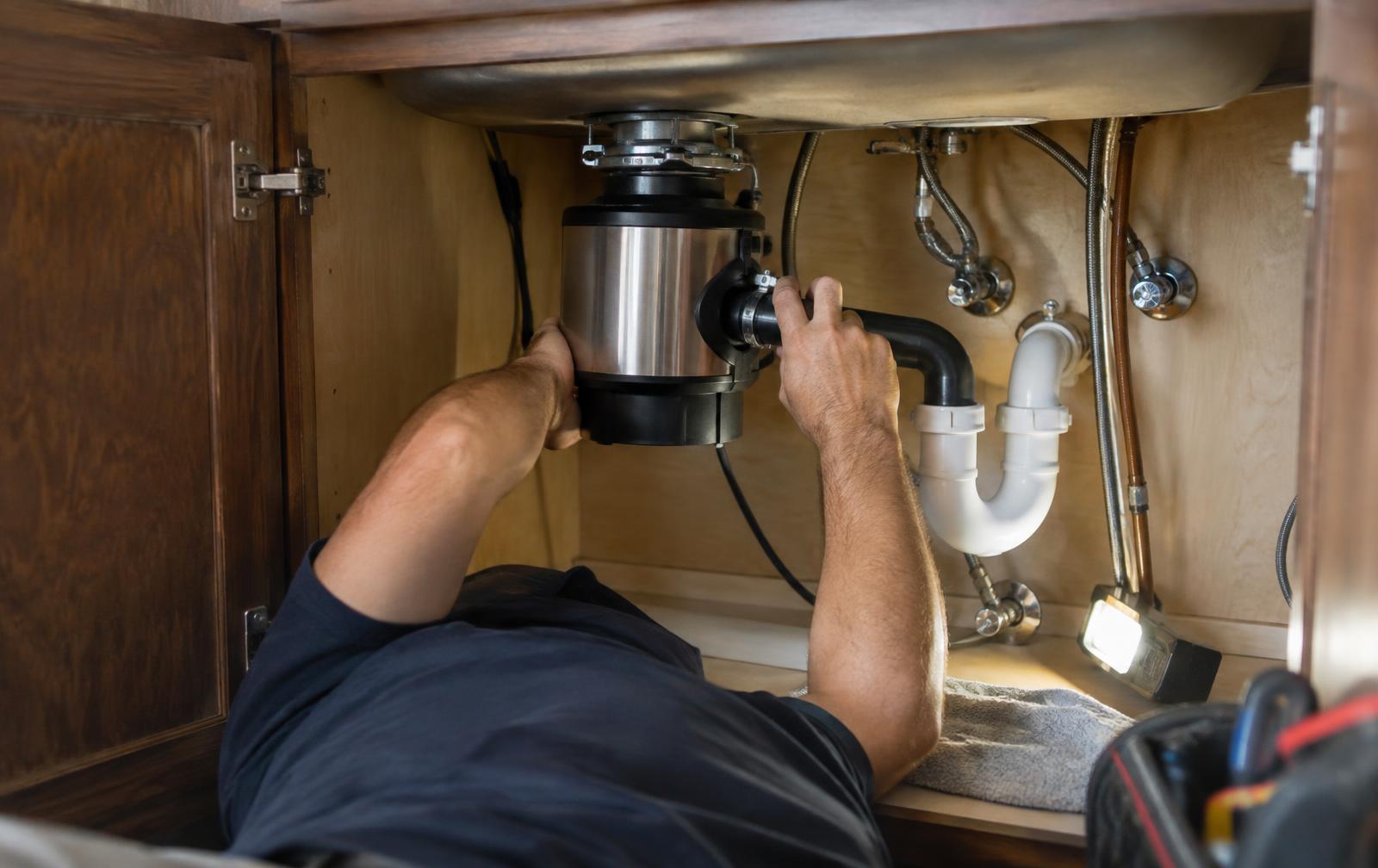
Jam clearing, leaking-unit swaps, and quiet 3/4 HP upgrades for Highland Village kitchens — same-visit install.
Dealing With a Recurring Drain Problem in Highland Village?
Full-wall jetting with a before-and-after camera look — reach out to get scheduled.