
Leak Detection in Highland Village, TX
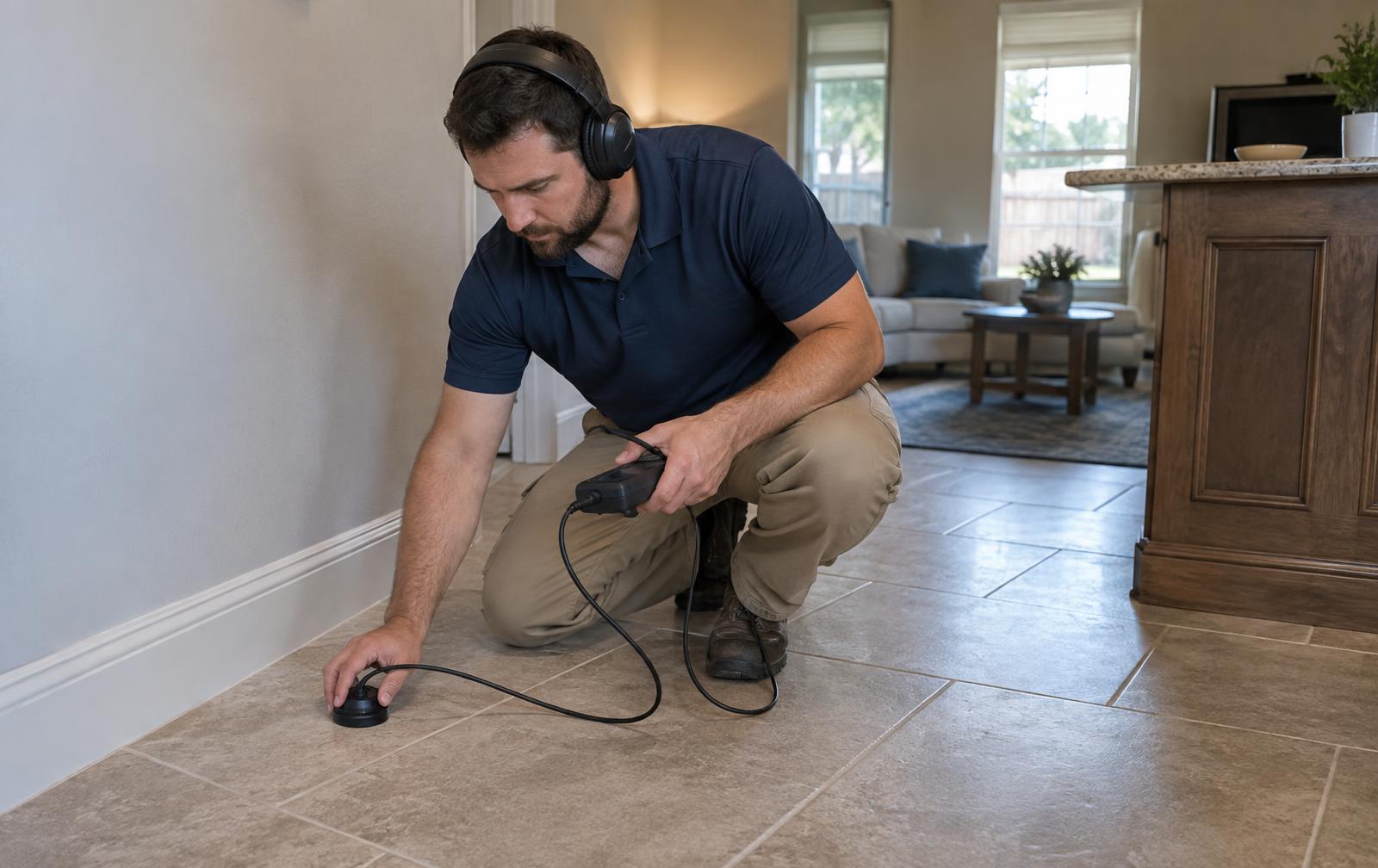
The water bill went up and nothing at the house changed. A patch of drywall stays damp no matter how many times it's wiped down. The meter's low-flow dial keeps turning with every fixture shut. We track down hidden leaks in Highland Village homes and condos with acoustic, thermal, and pressure equipment, and we don't recommend opening a wall until we know exactly where to cut.
We Find the Leak First. You Decide What Happens to the Wall.
Most of Highland Village's housing stock went up between 1984 and 2005, concentrated in the lake-area neighborhoods that make up the bulk of the city's roughly 1,800 homes. Supply lines and fixtures from that build-out are now old enough that a slow leak behind a wall or under a slab can run for a long time before anyone notices a stain or a warm patch on the floor.
Some pockets are older still — a number of homes along Lakeland Dr near the water date back to 1974, and the Doubletree Ranch area has houses going back to the 1970s. In those, we're usually chasing original wall-run copper. Newer construction in the lake-view and patio-home sections runs PEX manifolds instead, so a leak call there is more often a manifold connection or an exterior freeze-split than a pinhole in copper.
Either way, we don't cut first and look second. Acoustic microphones, thermal imaging, and a pressure test on the isolated line tell us where the leak actually sits, and you get a marked-up photo before anyone opens drywall or concrete.

Signs of a Hidden Leak in a Highland Village Home
Any two of these together are reason enough to book a locate before the damage spreads.
A hidden supply leak can waste a meaningful amount of water a day without ever showing at a fixture. If nothing new was added to the house and the bill still climbed, that pattern usually points to a hidden supply leak.
Shut off every fixture in the house, wait about fifteen minutes, then check the meter's low-flow indicator. Any movement at all means a supply line is losing water somewhere on the property.
A ceiling or wall stain that grows week over week is an active leak, not old water damage. The source usually sits higher or further over than the stain itself, since water travels along framing before it shows.
Moisture trapped behind drywall smells before it's ever visible. If one room in the house smells off and the rest doesn't, the leak is likely close by.
A hot-side leak heats whatever material surrounds it. Thermal imaging usually finds that source within a couple of minutes once we're on site.
A supply leak large enough to feel will drop household pressure or cut a shower short. Paired with any of the signs above, it points us toward a specific line worth locating.
Acoustic, Thermal, or Pressure — Whichever the Leak Calls For
Every locate gets documented on a photo before we suggest opening anything.
- 1Confirm supply or drain first
Before any acoustic work starts, we isolate valves in sequence and watch the meter to confirm whether this is a pressurized supply leak or a drain-side problem. The second scenario needs no wall cutting at all.
- 2Pressurize the line and listen
For a supply leak, we hold the isolated line under pressure and run ground microphones and wall probes along its path. A pinhole leak makes a distinct hiss that narrows the location to within a few inches.
- 3Thermal-image the wall or slab
A hot-side leak warms the material around it, so a thermal camera can trace the trail through drywall or tile. On a cold-side leak, we run the hot side longer first to build a contrast we can actually see.
- 4Bring in tracer gas for the stubborn ones
When acoustic and thermal readings stay ambiguous, we introduce an inert tracer gas into the isolated line and sniff along the run. The gas finds its way out exactly where the pipe has failed.
- 5Hand you a written locate and a quote
You get a photo marked with the leak's approximate location and depth, a plain description of what's failing, and a written repair quote — whether we do the repair, another plumber does, or your general contractor handles it.
How Highland Village's Housing Stock Shapes Where We Look
Build era and construction type point us toward the right tool before the truck is even unloaded.
Homes here went up mostly between 1992 and 2004 along the lake, which puts most original copper supply runs solidly past three decades old — a common source of slow pinhole leaks we locate with acoustic gear before opening a wall.
Central-city homes built largely in the 1990s on roomier lots mean longer supply runs from the street to the house, so we typically spend more time isolating which segment of the line is losing pressure.
Homes here date from the 1970s onward, near the historic ranch land the area is named for. Original wall-run copper from that era is a common candidate for acoustic detection.
Some homes near the lake here go back to 1974, among the oldest supply lines in the city. On larger, roughly 0.4-acre lots, that often means a longer run to trace before we isolate the leak.
Waterfront lots built out through the 1990s and 2000s often add irrigation systems and dock plumbing beyond the house itself, so a locate call here sometimes means tracing an outdoor line instead of an interior wall.
Homes along this corridor reflect the city's continued smaller infill after its main 1980s-to-2000s build-out, so we see a mix of vintages block to block and size the detection approach to the individual house rather than the street.
What Highland Village Homeowners Say

You Get a Marked Photo Before We Recommend Opening a Wall
Every detection visit ends the same way: a marked photo of where the leak sits, a plain-language description of the failure, and a written repair quote. If we can't pin down the leak within a reasonable amount of on-site time, we'll tell you before charging you for more.
We're licensed by the Texas State Board of Plumbing Examiners, insured, and family-owned, and every truck runs out of our shop in The Colony — about 20 to 25 minutes from most Highland Village addresses under normal traffic. We work same-day, seven days a week, 8 AM to 6 PM.
Straight Answers, No Sales Pitch
Our Other Plumbing Services in Highland Village, TX
A leak that's been running a while is often just the first sign of aging supply lines. We also handle the slab work, water heater service, and repiping that tend to follow it — all from one local call.
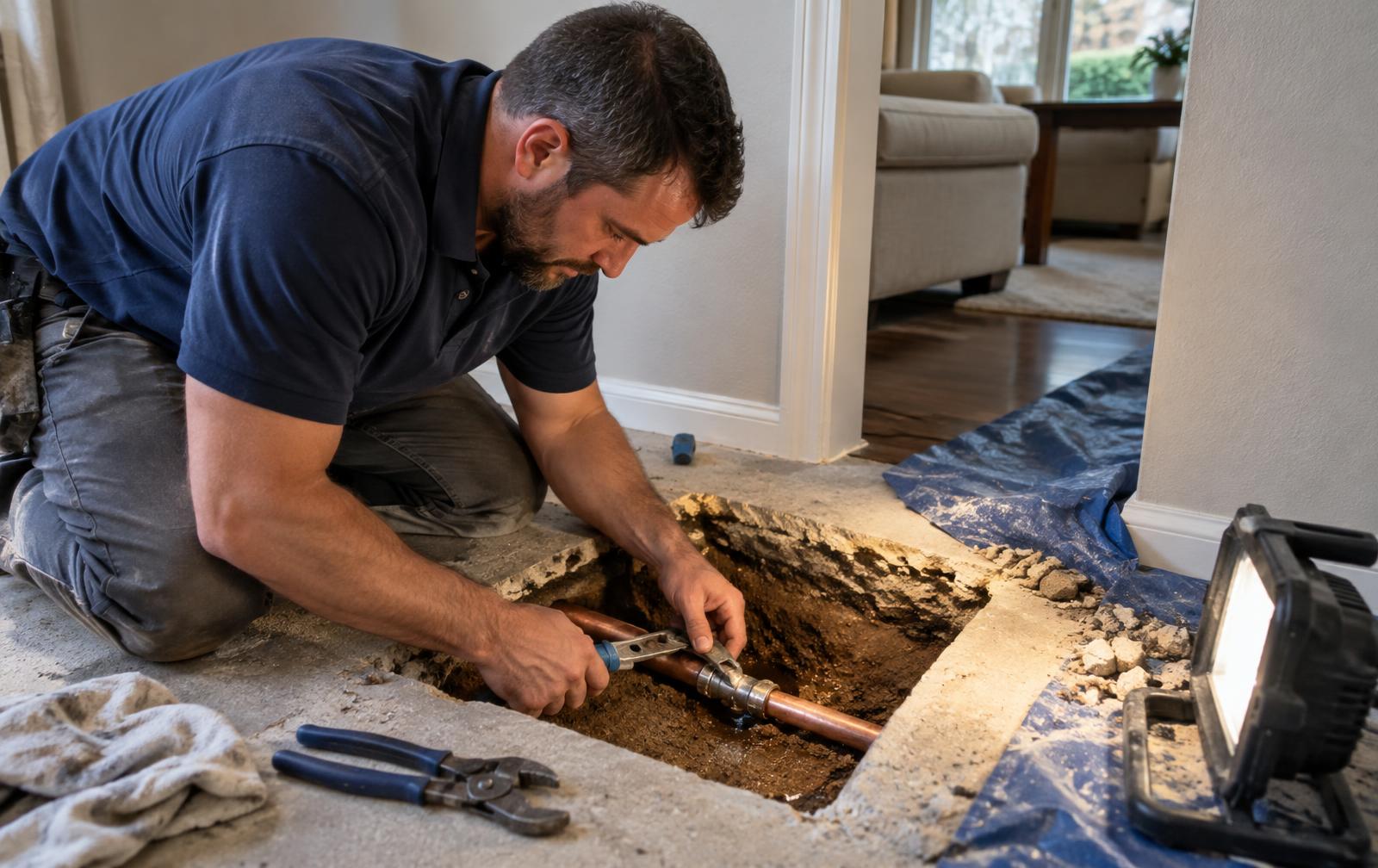
Electronic detection under Highland Village slabs — reroute options that save your finished floors when possible.

Trenchless replacement for the aging laterals across Highland Village's older runs — camera first, quote in writing, minimal yard damage.

Licensed install, repair, and pressure-testing for Highland Village homes — every line signed off to Texas code and Atmos requirements.

Full-clear service and camera confirmation for the drains under Highland Village's neighborhoods.
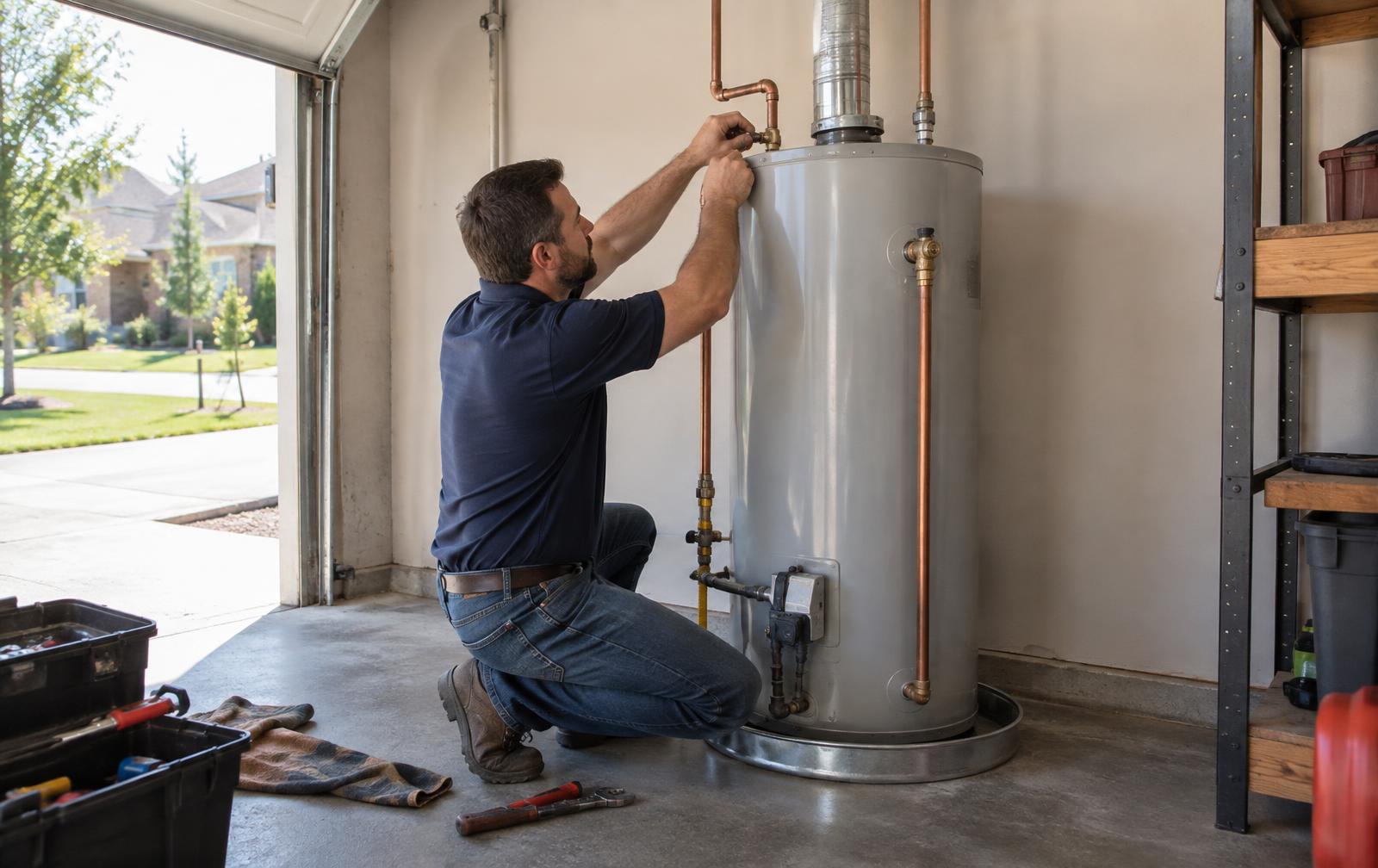
Repair, flush, and replacement of tank units — including attic and garage heaters common to Highland Village homes.
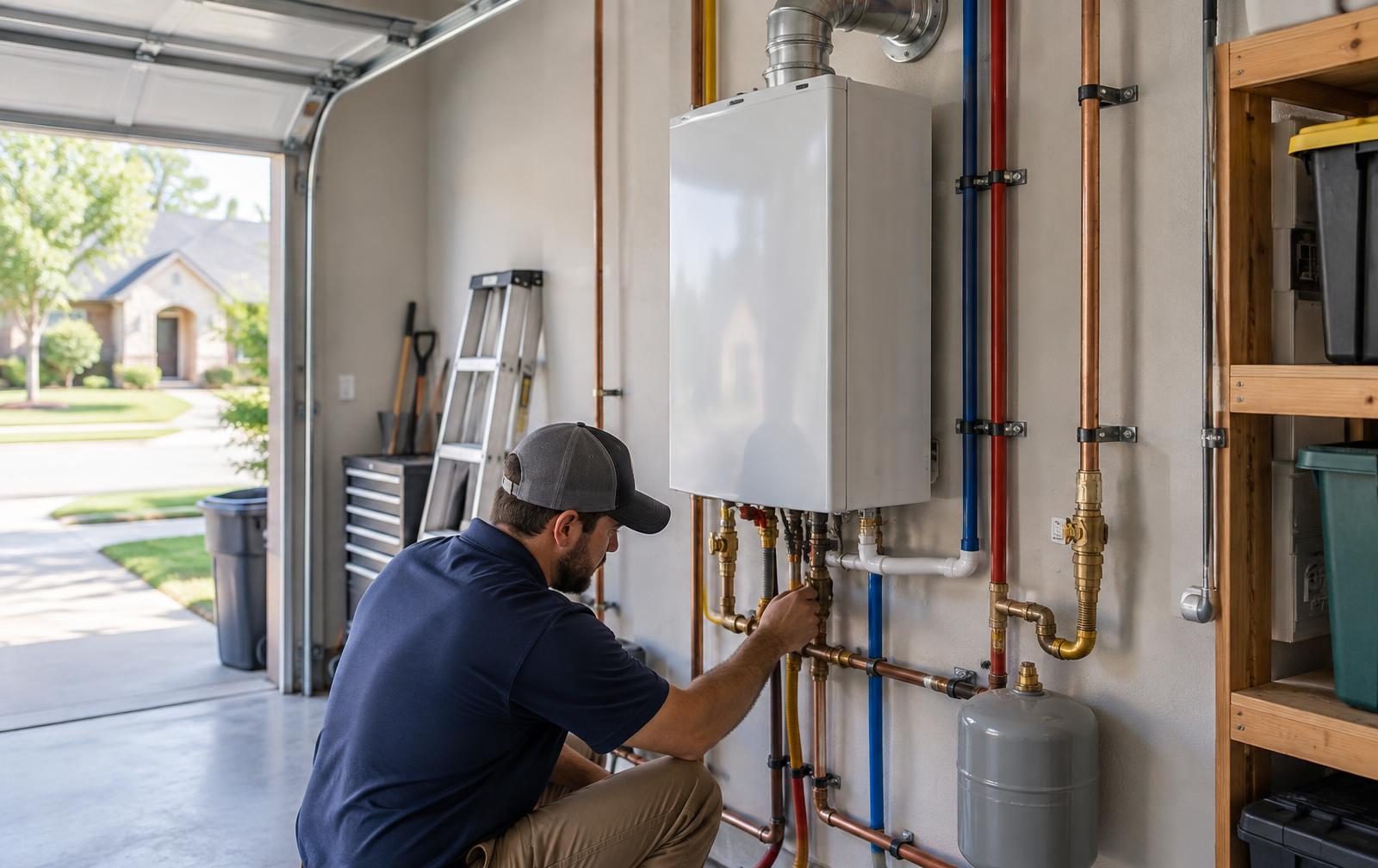
Install, service, and annual descaling — Highland Village's hard tap water eats tankless heat exchangers without it.

same-day, 7 days a week response across Highland Village for burst pipes, heater failures, and main-line backups.
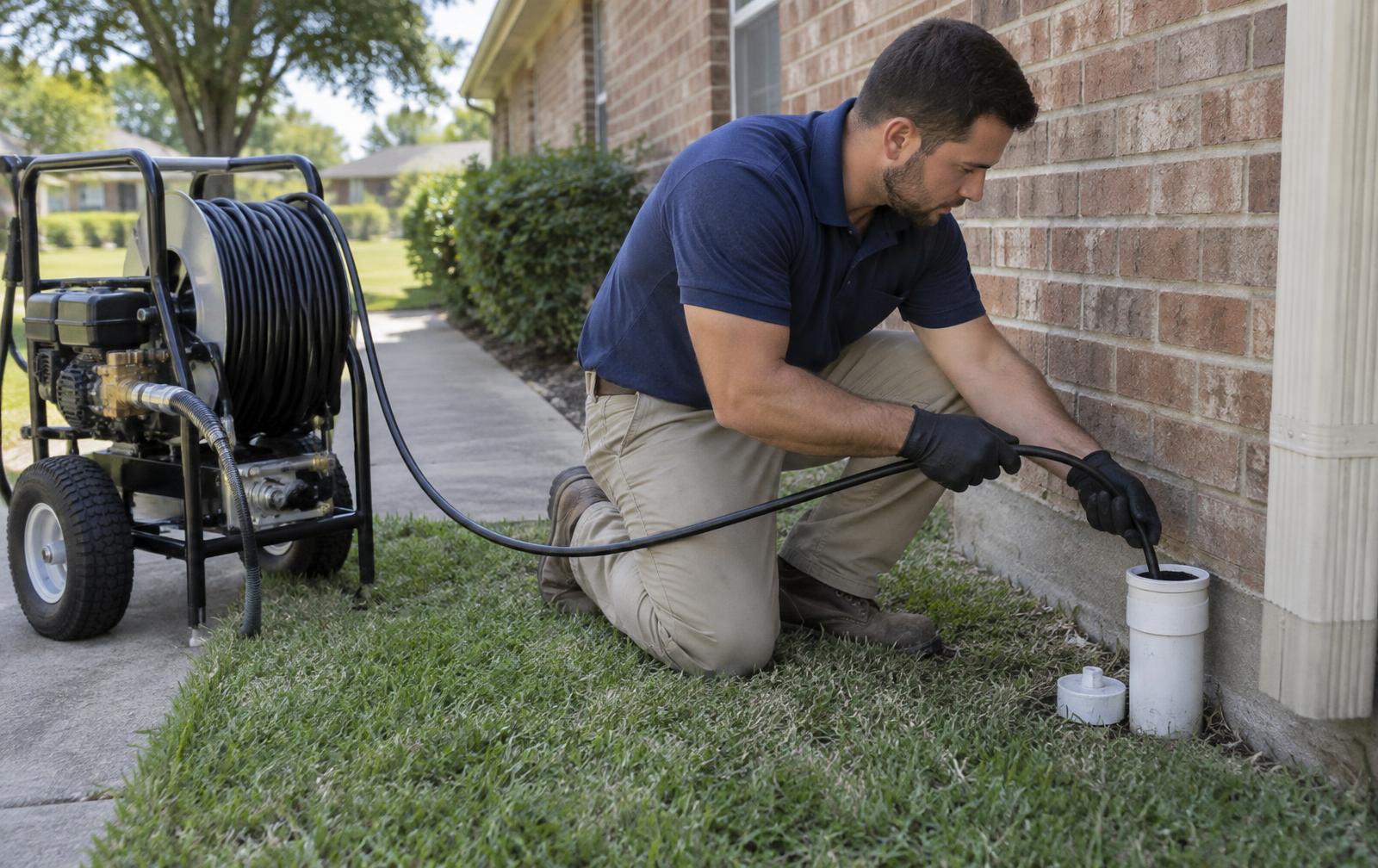
High-pressure cleaning that clears scale, grease, and roots from Highland Village's lateral runs — full-diameter, lasting clean.
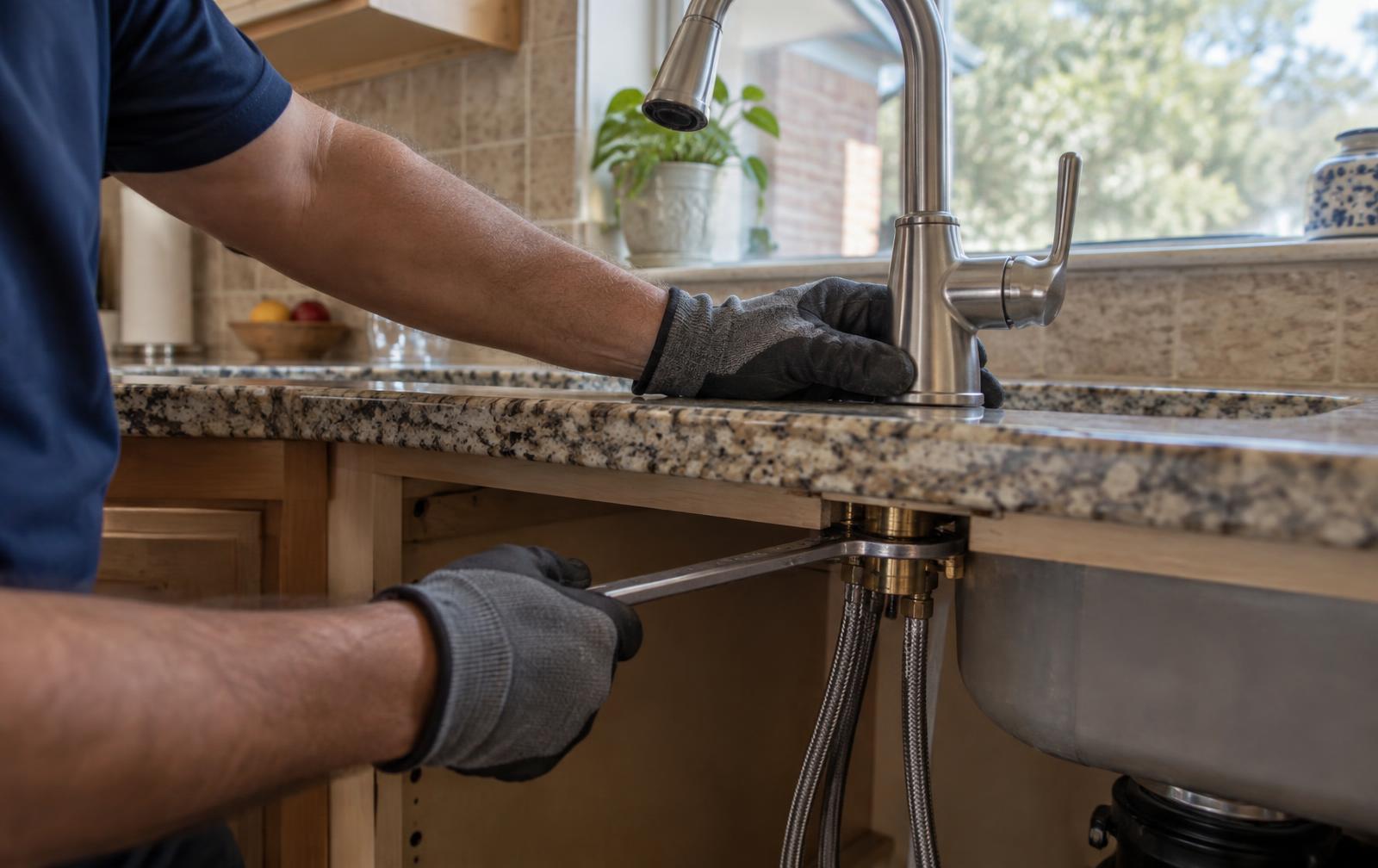
Cartridge, stem, and full-fixture replacement for Highland Village kitchens and bathrooms — hard-water-ready parts stocked on the truck.
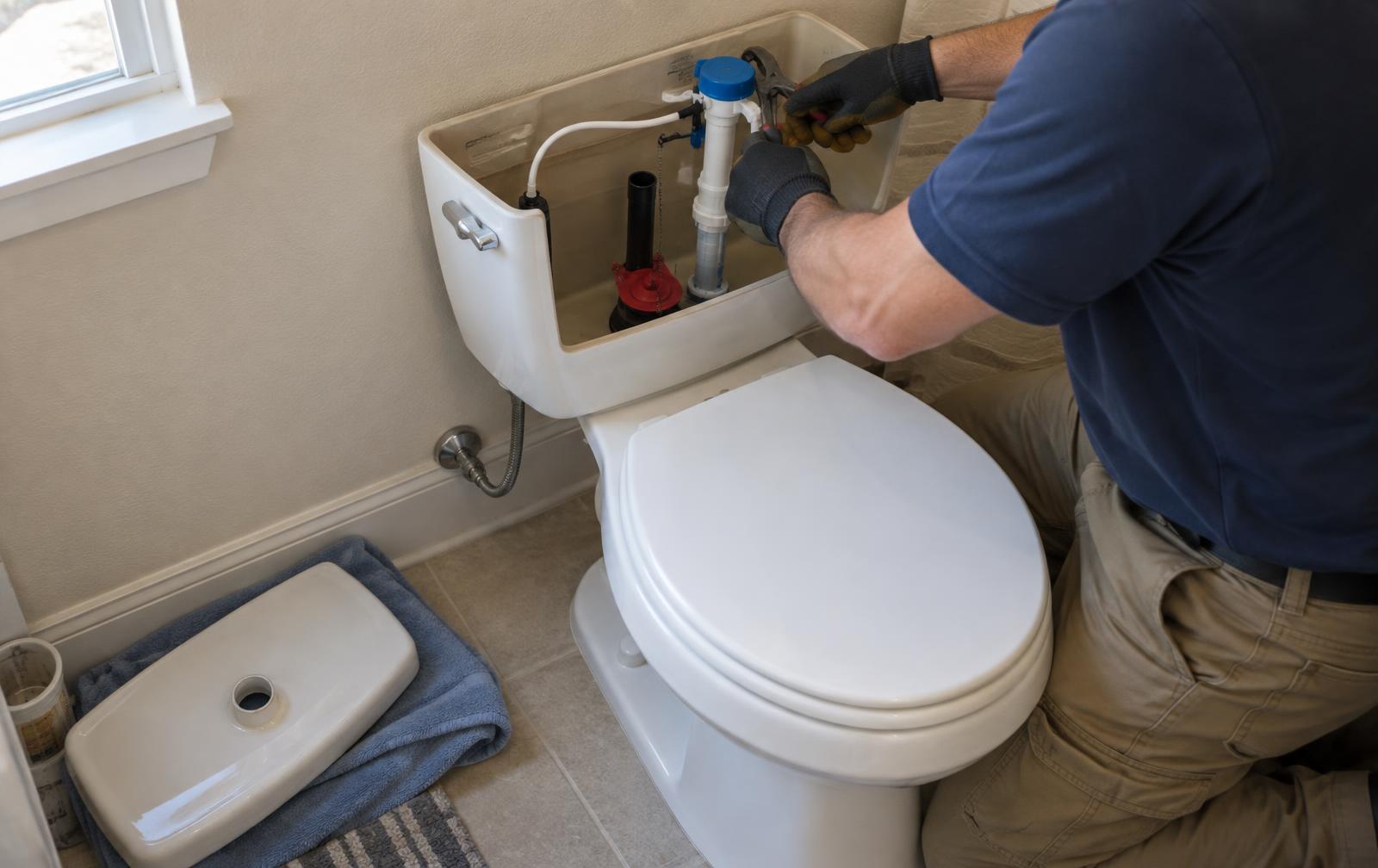
Rebuilds, wax-ring resets, flange repairs, and full replacements — the running toilets and rocking bowls in Highland Village homes.
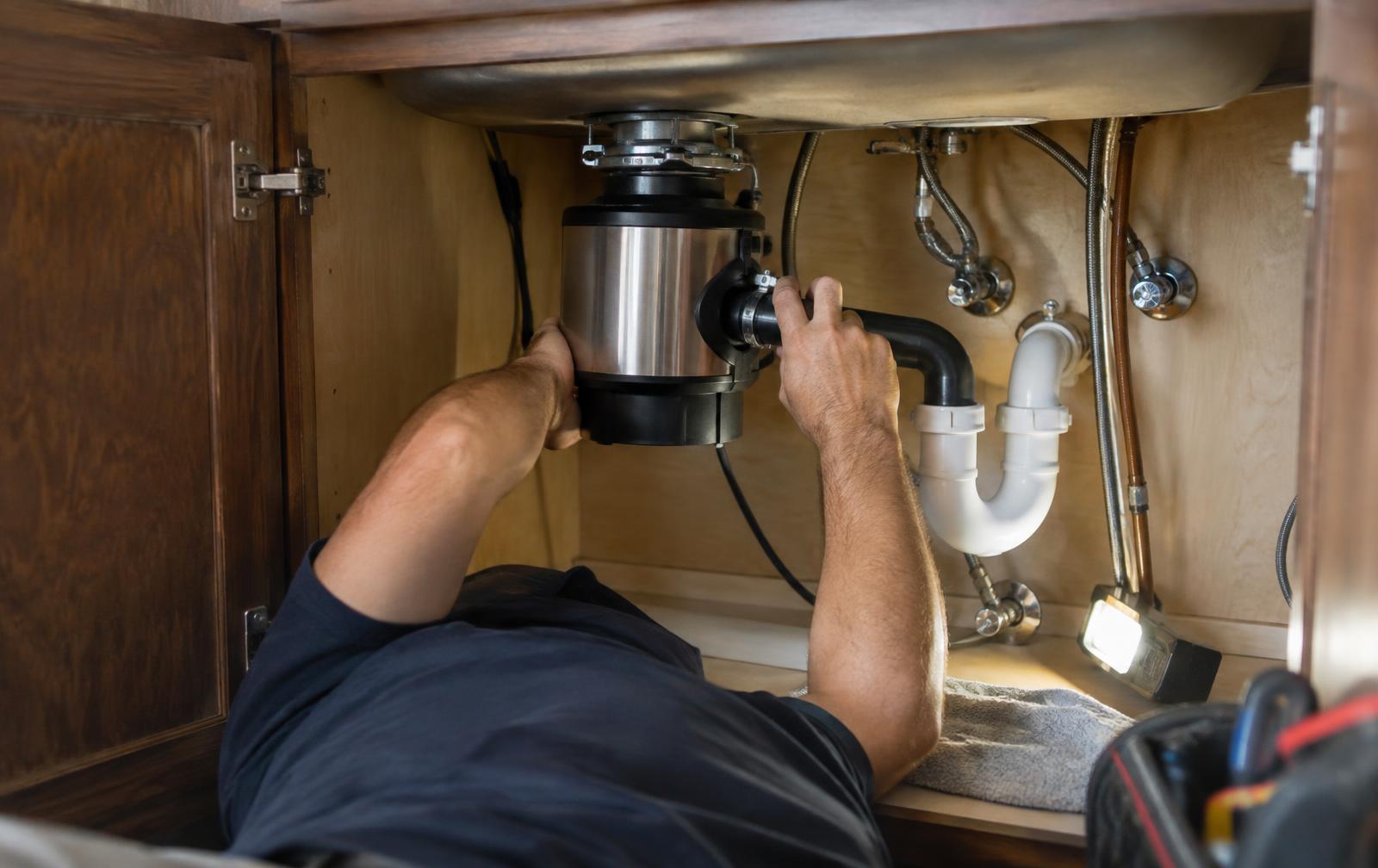
Jam clearing, leaking-unit swaps, and quiet 3/4 HP upgrades for Highland Village kitchens — same-visit install.
Think You Have a Hidden Leak in Your Highland Village Home?
Non-invasive detection, a documented locate, and an honest repair quote. Same-day service, seven days a week.