

Leak Detection in McKinney, TX
Water bill jumped and nothing changed. Damp spot on drywall that will not dry. Meter dial spinning with every fixture off. We pinpoint hidden leaks in McKinney homes, condos, and townhomes using acoustic, thermal, and pressure gear — before anyone cuts into your finishes.
Find It First. Then Decide How to Open the Wall.
A leak inside a wall or under a slab wastes water quietly for weeks before it becomes visible. By the time you see a stain, the pipe has been running for a while and the framing behind the drywall has already absorbed most of it. The right first step is to pinpoint the leak so you open one square foot of drywall — not the whole wall guessing where the drip lives.
McKinney's mix of 60s and 70s ranches with wall-run copper, plus the newer Brookhaven condos with shared vertical stacks between units, means every leak call gets a different toolkit. Ranches usually get an acoustic pass and thermal imaging. Condos get acoustic plus a pressure test at the unit shut-off to isolate whether the leak is yours or a neighbor's stack.
We do not open drywall or concrete until we have a locate we can defend on a photo. That is what separates a $185 detection call from a $1,600 exploratory demo where somebody guesses and cuts.

Signs of a Hidden Leak in Your McKinney Home
These are the six signals we hear about most in McKinney. Any two together justify a detection call.
A hidden supply leak wastes 40-300 gallons a day. A $30-$120 jump on your McKinney bill with no new landscaping or fixtures is the number one call we get.
Shut every fixture in the home, wait 15 minutes, look at the meter's low-flow indicator. If it is moving, you have a supply-side leak somewhere.
A wall stain that gets bigger week over week is an active leak, not old damage. The source is usually a few feet up from the visible stain because water tracks along framing.
Mold behind drywall smells before it shows. If one room smells musty and the rest of the house does not, the leak is close.
A hot-side leak warms the surrounding material. Thermal imaging finds the source in about two minutes when the leak is on the hot line.
A supply leak large enough to feel drops household pressure or shortens shower duration. Combined with any of the above, it points at a specific line.
Acoustic, Thermal, Pressure — Whatever the Leak Needs
We do not guess. Every locate is documented on a photo you get in writing.
- 1Isolate the leak type
First we confirm supply vs drain, hot vs cold, by shutting valves in sequence and watching the meter. Half of leak calls turn out to be a drain or a fixture problem, not a supply line — no reason to acoustically hunt if the drain trap is the answer.
- 2Pressurize and listen
For pressurized supply leaks, we hold the line at 65 PSI and use ground microphones and wall probes to listen along the run. A pinhole makes a distinctive high-frequency hiss that geolocates within inches.
- 3Thermal image the walls and slab
A hot-side leak heats the surrounding wall or slab. Thermal camera makes the leak trail visible even through drywall and tile. On a cold-side leak, we run the hot-side longer to create the thermal contrast.
- 4Cross-check with tracer gas if needed
For tough locates — no water in the meter reading, quiet acoustic, ambiguous thermal — we introduce inert tracer gas into the isolated line and sniff along the run. Gas escapes exactly at the leak.
- 5Written locate report and photos
You get an X on a photo of the wall or floor with the depth, a description of the leak, and a written quote for the repair — whether that is our repair, another plumber's, or your own general contractor's.
Where McKinney Homes Tend to Leak
Vintage plus construction type predicts the failure location.
Sprawling master-planned community with 1990s-2010s builds. Slab leaks on aging copper and irrigation backflow issues are the common calls.
Newer PEX-manifold homes near the TPC. Failures cluster at manifold shut-offs and tankless heat-exchanger scale from McKinney hard water.
European-style village with tight lots and shared walls. Sewer belly and finish-floor slab repairs make reroutes the usual answer.
Pre-1940 homes with original cast iron drains and galvanized supply. Full repipes and sewer replacements are the norm here.
Front-porch New Urbanist builds with alley-fed sewers. Root intrusion at old clay tie-ins near the alley is what we see.
Newer North Collin County builds on active Blackland Prairie clay. Yard-line separations at the meter and slab movement drive the calls.
What McKinney Homeowners Say
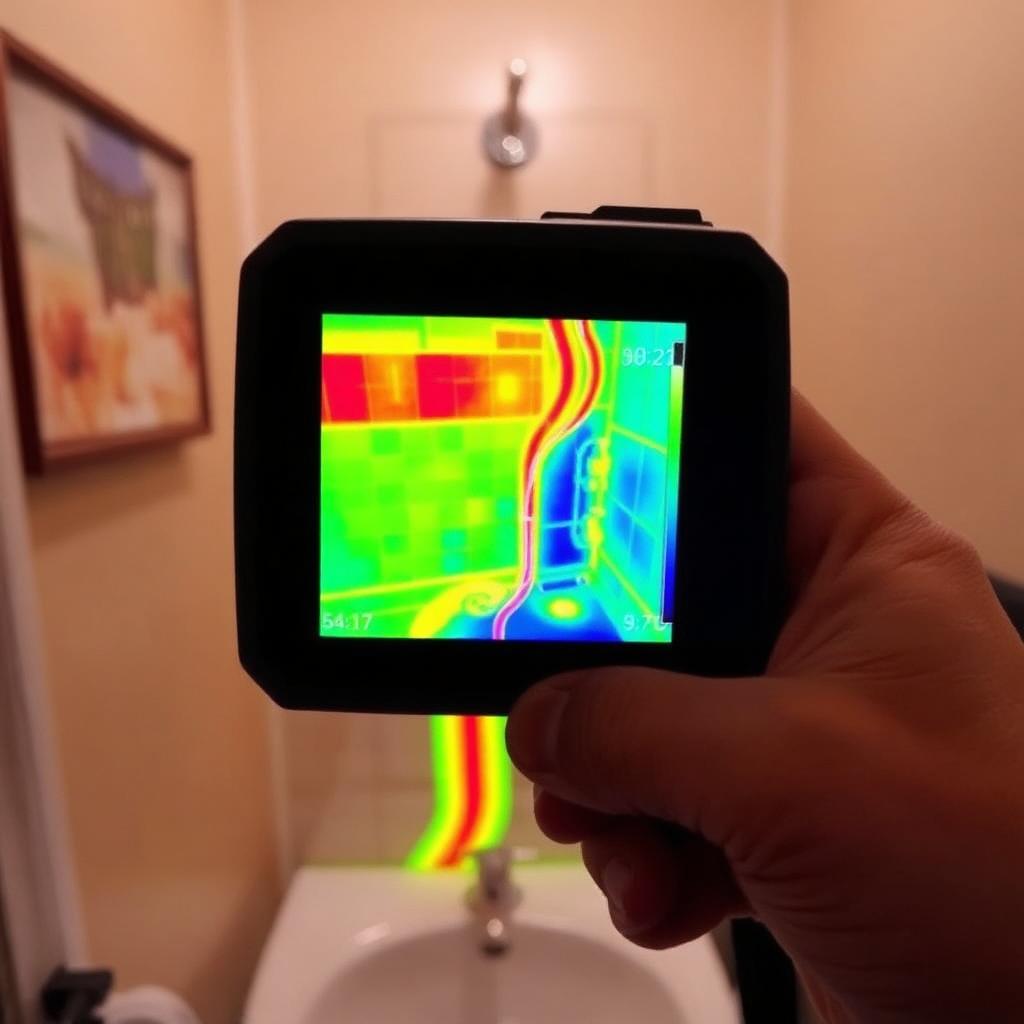
You Get an X on a Photo Before Anyone Cuts
Every leak detection call ends with a documented locate — an annotated photo, a written description of the leak type, and a written repair quote. If we cannot pinpoint the leak within the first hour of on-site time, we do not charge you the detection fee.
Fully licensed by the Texas State Board of Plumbing Examiners, insured and bonded, and dispatching from nearby Frisco and The Colony. Most McKinney detection calls happen within 24 hours of your call.
Straight Answers, No Sales Pitch
Our Other Plumbing Services in McKinney, TX
A hidden leak is often the first sign of an aging supply system. We handle the follow-through — slab reroutes, water heater work, re-pipes — one local call.
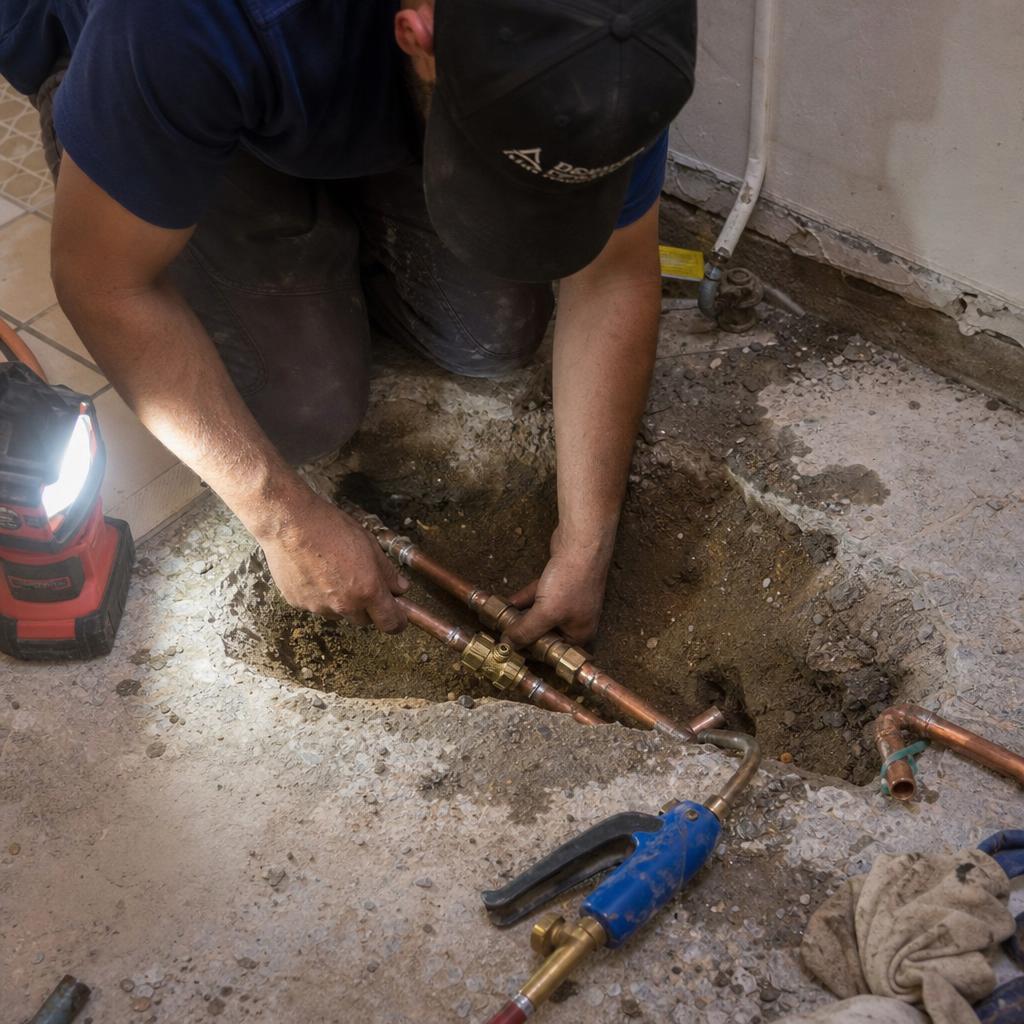
Electronic detection under McKinney slabs — reroute options that save your finished floors when possible.
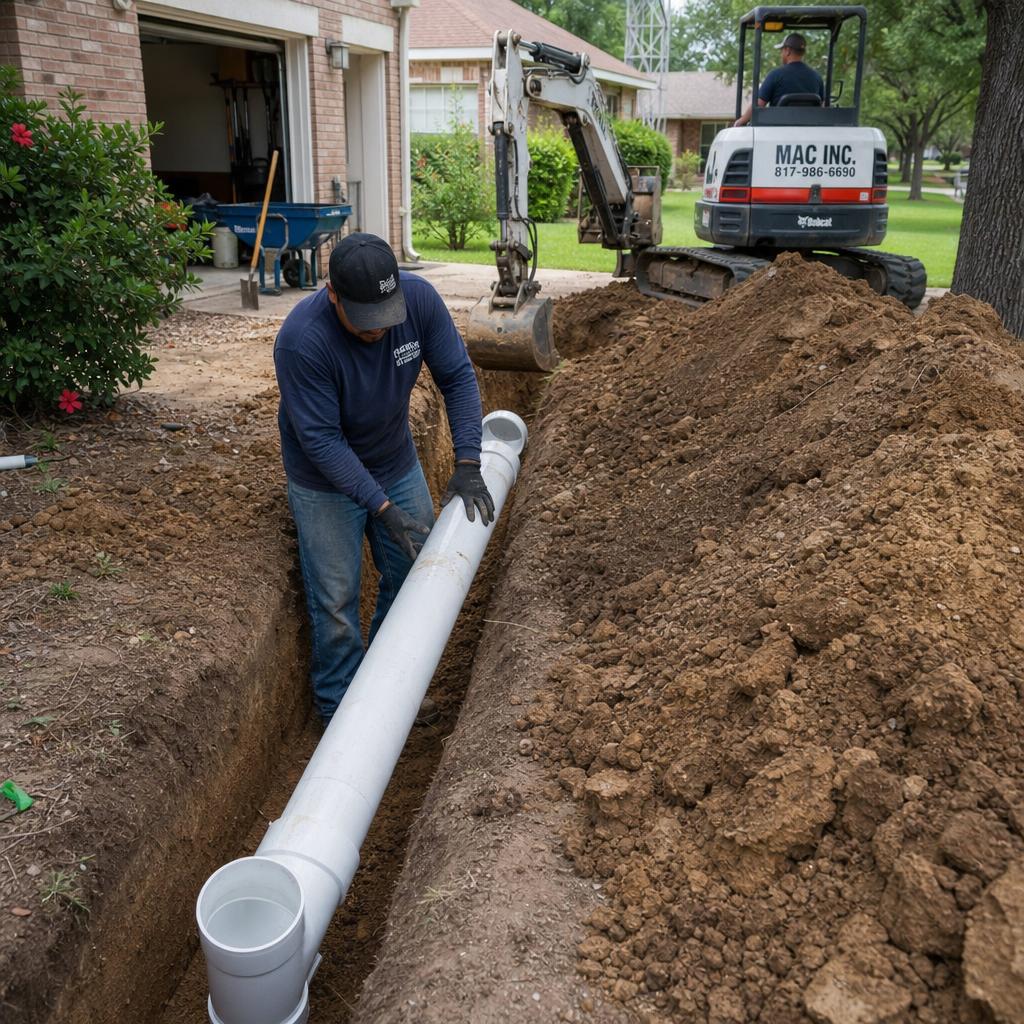
Trenchless replacement for the aging laterals across McKinney's older runs — camera first, quote in writing, minimal yard damage.

Licensed install, repair, and pressure-testing for McKinney homes — every line signed off to Texas code and Atmos requirements.

Full-clear service and camera confirmation for the drains under McKinney's neighborhoods.
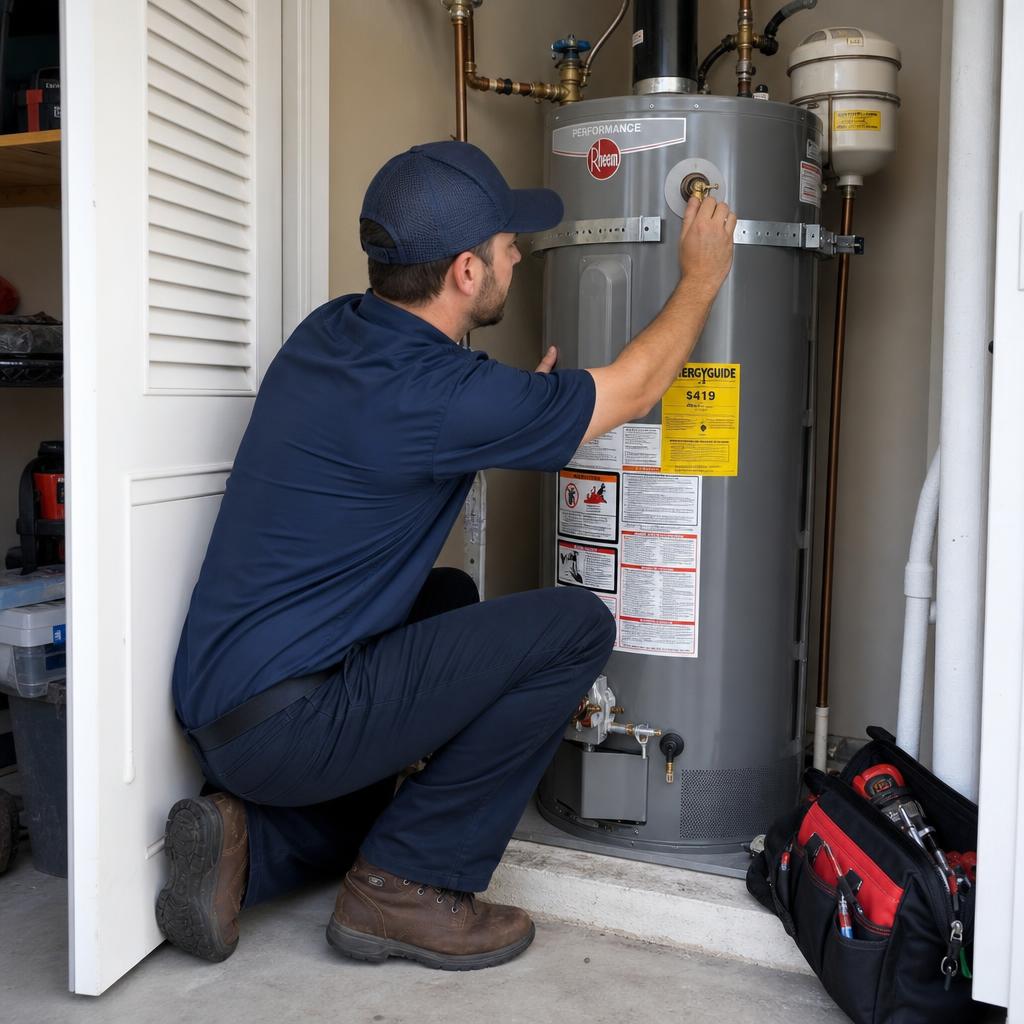
Repair, flush, and replacement of tank units — including attic and garage heaters common to McKinney homes.
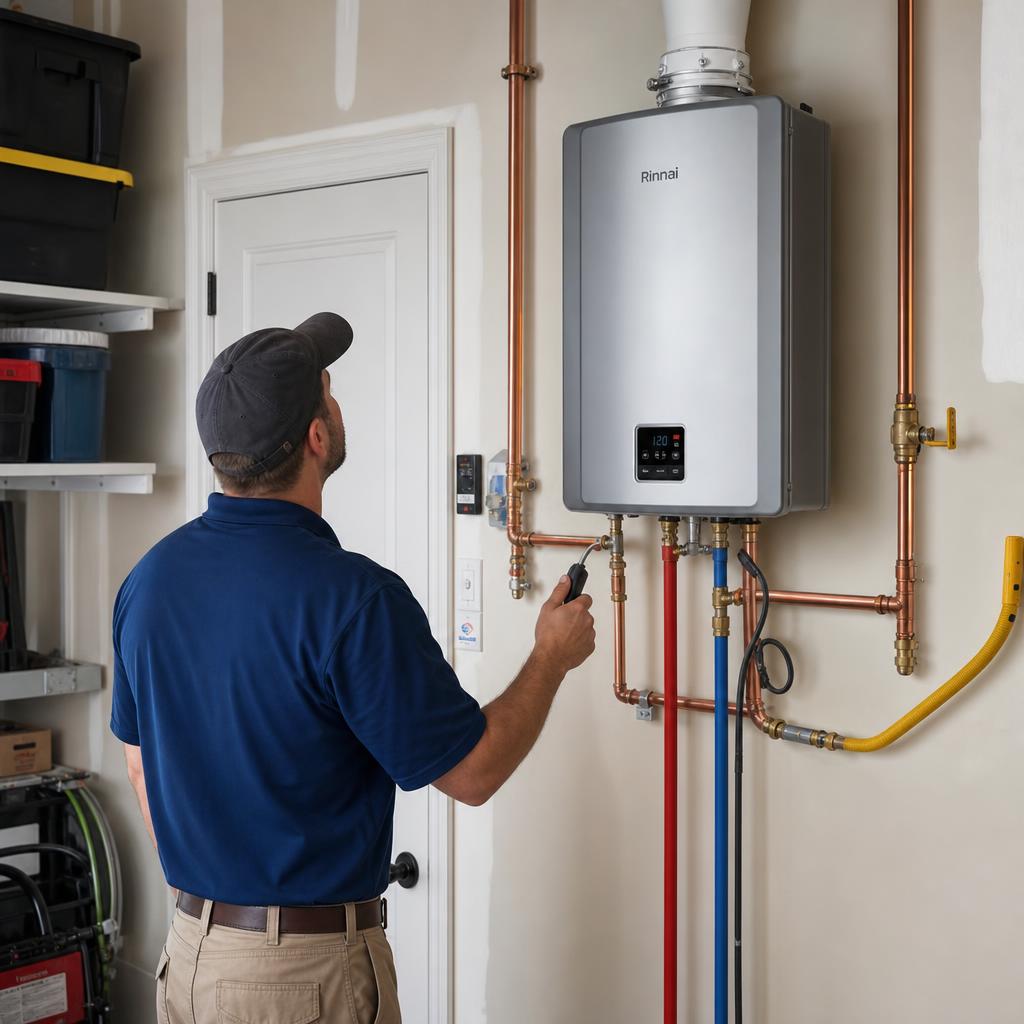
Install, service, and annual descaling — McKinney's hard tap water eats tankless heat exchangers without it.

Same-day and after-hours response across McKinney for burst pipes, heater failures, and main-line backups.
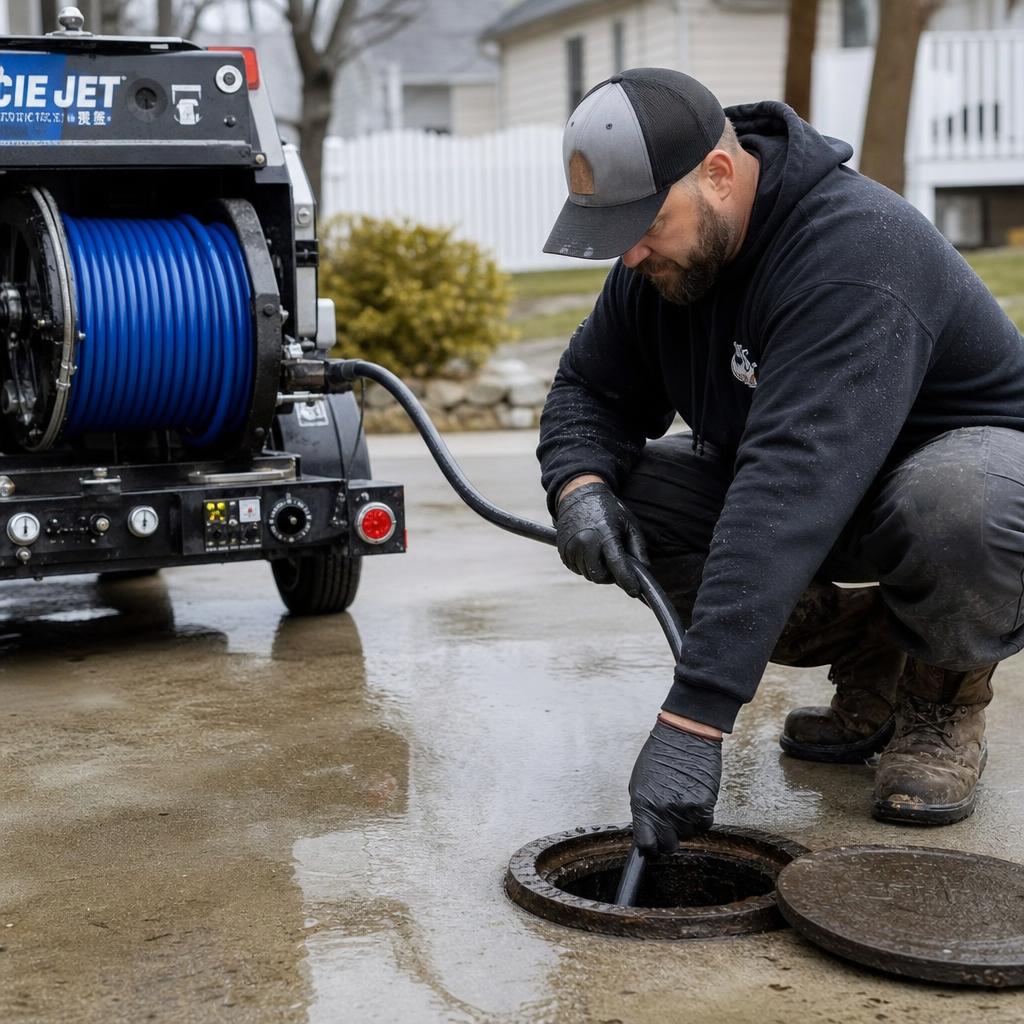
High-pressure cleaning that clears scale, grease, and roots from McKinney's lateral runs — full-diameter, lasting clean.
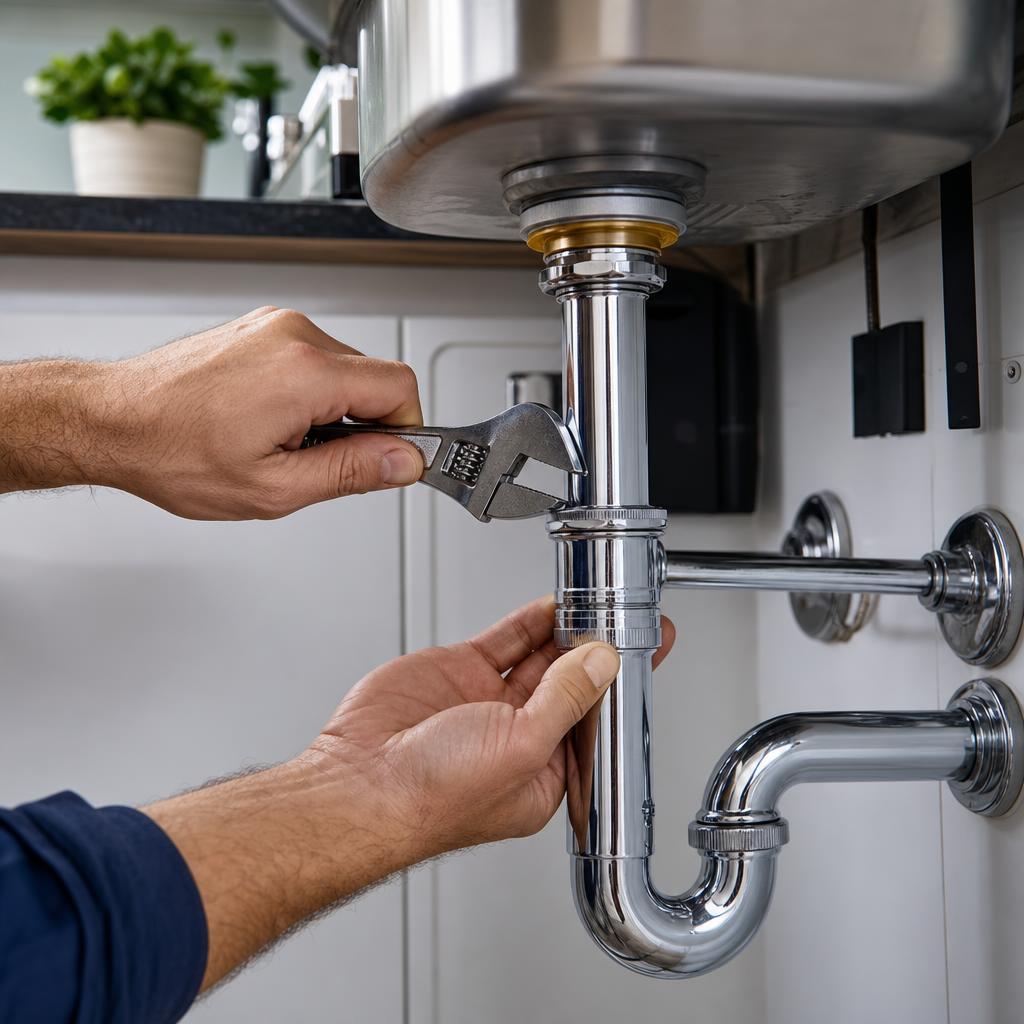
Cartridge, stem, and full-fixture replacement for McKinney kitchens and bathrooms — hard-water-ready parts stocked on the truck.

Rebuilds, wax-ring resets, flange repairs, and full replacements — the running toilets and rocking bowls in McKinney homes.

Jam clearing, leaking-unit swaps, and quiet 3/4 HP upgrades for McKinney kitchens — same-visit install.
Hidden Leak in Your McKinney Home?
Non-invasive detection, documented locate, honest repair quote. Book same-day.