
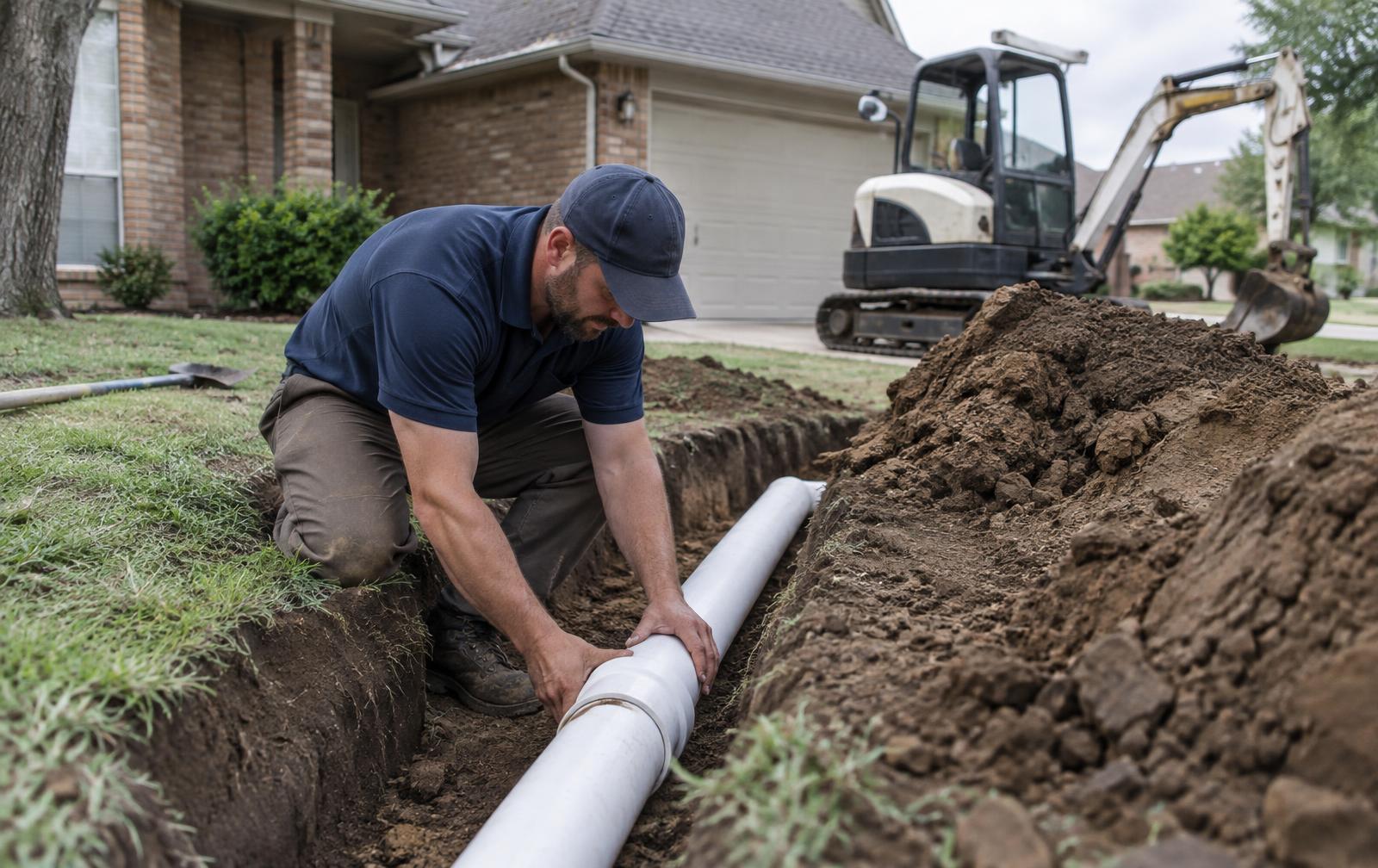
Sewer Line Replacement in McKinney, TX
A toilet that clogs on a predictable cycle. Camera footage revealing a fracture, a sagging low point, or a root ball choking the pipe. A cable job that used to solve it and doesn't anymore. We swap out McKinney sewer laterals using trenchless methods on lots as narrow as ten feet, leaving the driveway and most of the lawn undisturbed.
Sometimes the Pipe, Not What's Stuck in It, Is the Problem
Collin County's soil survey describes McKinney's ground as deep, dark, alkaline clay with a high shrink-swell rating — it moves enough between wet and dry seasons to nudge a rigid pipe out of true over the decades. Pair that with fifty-plus years of service life on cast iron or vitrified clay laterals in the city's older sections, and you get scaled-down bores and shifted joints that give roots an opening.
How do you know cabling has stopped being the answer? One clue is a fixture that clogs on nearly the same schedule no matter how recently it was cabled. Another is camera footage showing scale a cutter head can't clear, or a sag in the line holding standing water between visits. A third is an outright collapse with paper stacked up behind it. Any of those means the pipe needs to come out, not get cleaned again.
Trenchless methods — pipe bursting or a cured-in-place liner — install the new pipe without a trench running the whole distance from house to street. On the smaller in-town lots near the courthouse square, and in shared drive areas of some newer developments, that's frequently what makes the repair realistic without tearing out mature landscaping to reach it.

Signs a McKinney Sewer Lateral Needs Replacing
Notice one of these and it's worth a camera look. Notice three and the pipe itself is likely the culprit.
A structurally sound sewer line shouldn't need cabling every month or two. A fixture that clogs on a near-identical timetable after each cleaning points to a defect in the pipe, not debris.
A toilet, a tub, and a washing machine all backing up in the same window usually means the main run is compromised — that's a different problem than one clogged branch line.
A sewer line leaking underground effectively irrigates and fertilizes the soil above it. A patch that stays soft or greener than the surrounding grass, tracing roughly where the line runs, is often the first outdoor clue.
Soil washed out by a leaking underground pipe can let a foundation settle unevenly. New cracks branching from a bathroom wall are reason enough to run a camera down the line.
Odor escaping into open air usually means a joint or vent has actually failed rather than simply clogged. That calls for repair or replacement, not another cable pass.
If an earlier inspection turned up any of this and the backups have returned since, the earlier warning is confirmed — the fix this time is the pipe itself.
Inspect First, Match the Method, Everything on Paper
We won't price a sewer job sight unseen. Seeing the actual pipe decides which method fits it.
- 1Run a full camera pass
Working in from the cleanout, we send a camera the entire distance to the city connection and record every foot of it. You see the same footage we do, live, so a fracture or a root mass is something you've watched, not something described to you afterward. If the pipe is actually fine, we say so.
- 2Map the route with a locating beacon
A transmitter riding in the camera head lets us trace depth, bends, and direction from the surface above. That map is what determines whether bursting or lining suits this particular run, and where any excavation needs to open.
- 3Write the scope down before any digging starts
The quote names the chosen method, the footage covered, where the ground gets opened, the new pipe's material and diameter, what restoration is included, and what the warranty covers. Nothing gets added afterward that wasn't already on that page.
- 4Pull the city permit and check utility ownership nearby
A sewer main swap inside McKinney requires a Building Inspections permit, and since gas service in this city comes from either Atmos Energy or CoServ Gas depending on the block, we confirm which one runs near the dig before crews break ground.
- 5Finish the install, then verify it on camera
Bursting draws new HDPE pipe in behind a splitting head that pushes the old pipe outward; lining cures a new wall in place inside the host pipe. Either way, a final camera run and a flow test confirm the job, and you keep that footage.
What Turns Up in McKinney Sewer Lines, Area by Area
Pipe age and what sits on top of it both shape what fails.
This ground has been developed the longest, tracing back toward the original courthouse square. Laterals under homes from that era are the ones most likely to still be original cast iron or clay, where a full swap is the honest recommendation rather than another spot repair.
Its earliest sections date to the mid-1980s, old enough that original laterals under those particular homes are reaching the stage where root intrusion at aging joints stops being occasional and starts being routine.
Built out mostly in the 2000s with newer PVC laterals, this area rarely needs a wholesale swap; a single damaged joint is a more typical finding than pipe-wide deterioration.
Building here started in the early 2010s and hasn't stopped, so laterals are young enough that full replacement is uncommon; what shows up occasionally is settling around a tie-in on a recently graded lot.
This corridor threads past several of McKinney's newer subdivisions, Trinity Falls included, so laterals fronting it skew young, and what we find tends to be a single faulty joint rather than a line failing end to end.
Lots backing to the greenbelt sit on the same expansive Blackland Prairie clay documented across the county, and that soil's seasonal movement is a genuine, recurring driver of joint separation no matter how old the home is.
What McKinney Homeowners Say

A Paper Trail for the Whole Job
Every trenchless replacement comes with warrantied labor from us, plus the manufacturer's own warranty on the pipe material. You keep the footage from before the work, the footage from after, a copy of the permit we pulled, and the manufacturer's warranty paperwork, all in a single folder.
We carry a license from the Texas State Board of Plumbing Examiners, we're insured, and we're family-owned, with every truck running out of our shop in The Colony. We coordinate the permit and the inspection directly with McKinney's Building Inspections Department so that part isn't left on you.
Plain Talk, No Runaround
Our Other Plumbing Services in McKinney, TX
A failing sewer lateral often shares an age with the rest of a home's plumbing. Ask us to look at the water heater, supply lines, or fixtures during the same visit, and we'll cover it from the same local shop.
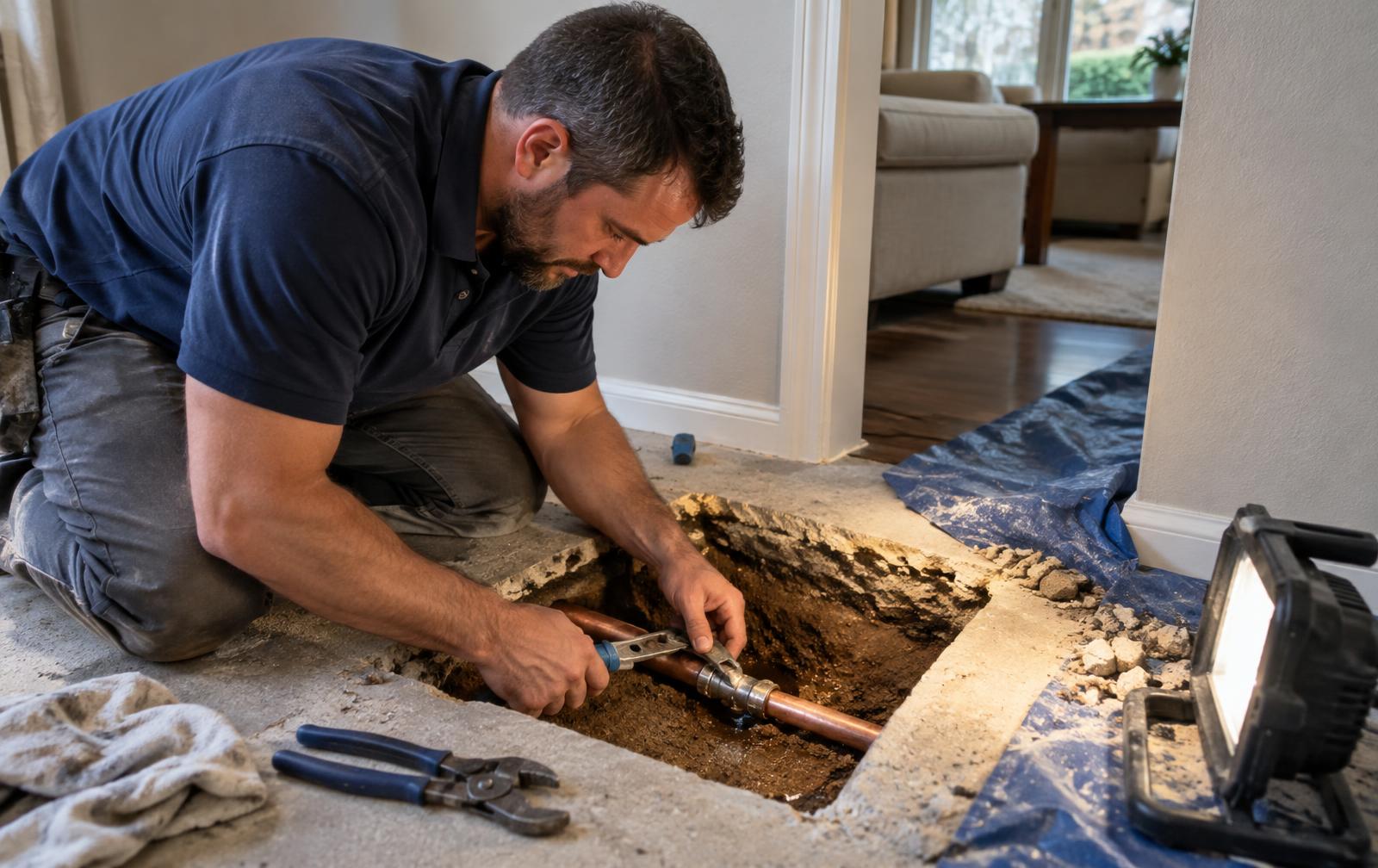
Electronic detection under McKinney slabs — reroute options that save your finished floors when possible.
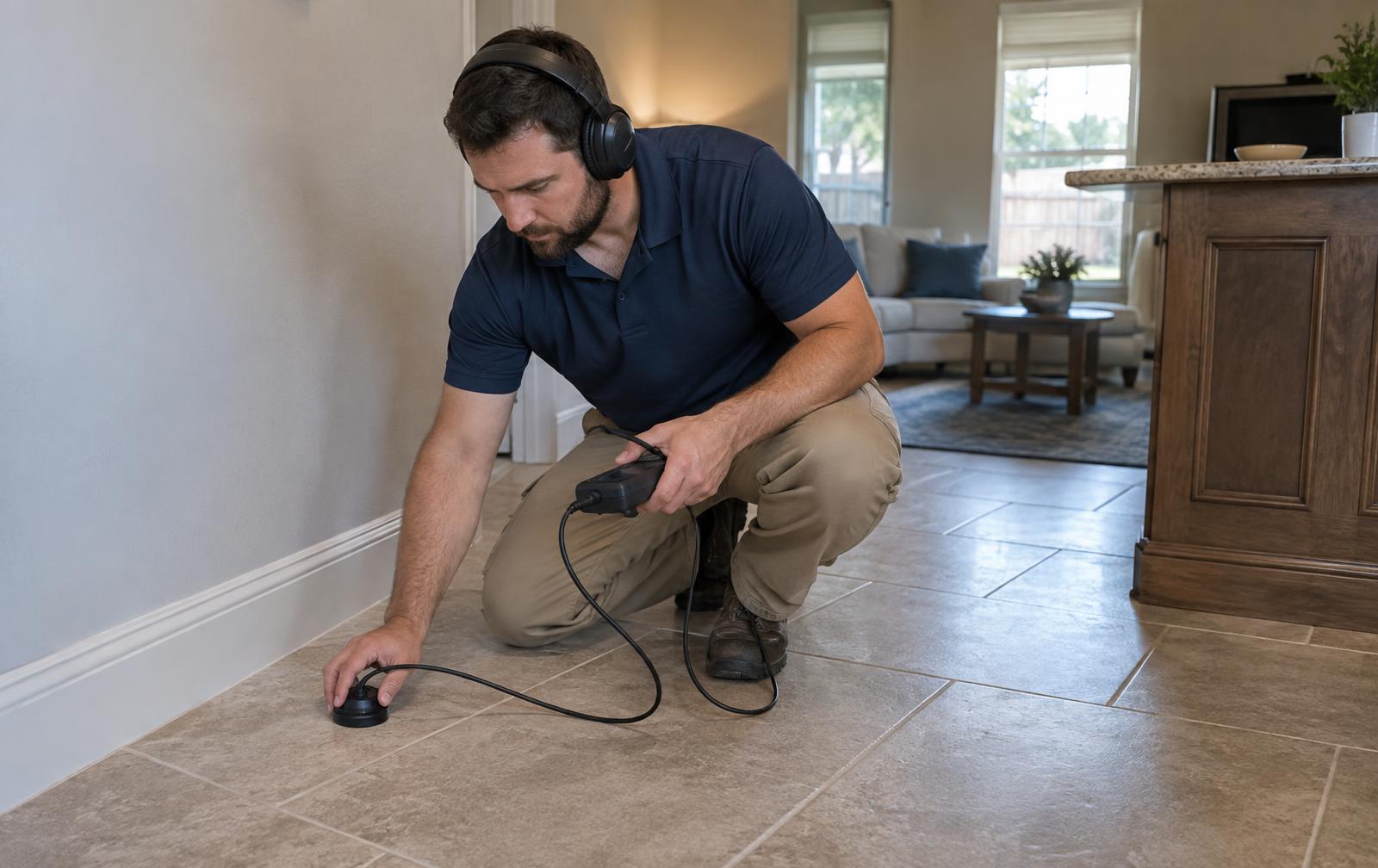
Acoustic, thermal, and pressure testing to pinpoint hidden leaks in McKinney slab and wall lines without tearing into finishes.
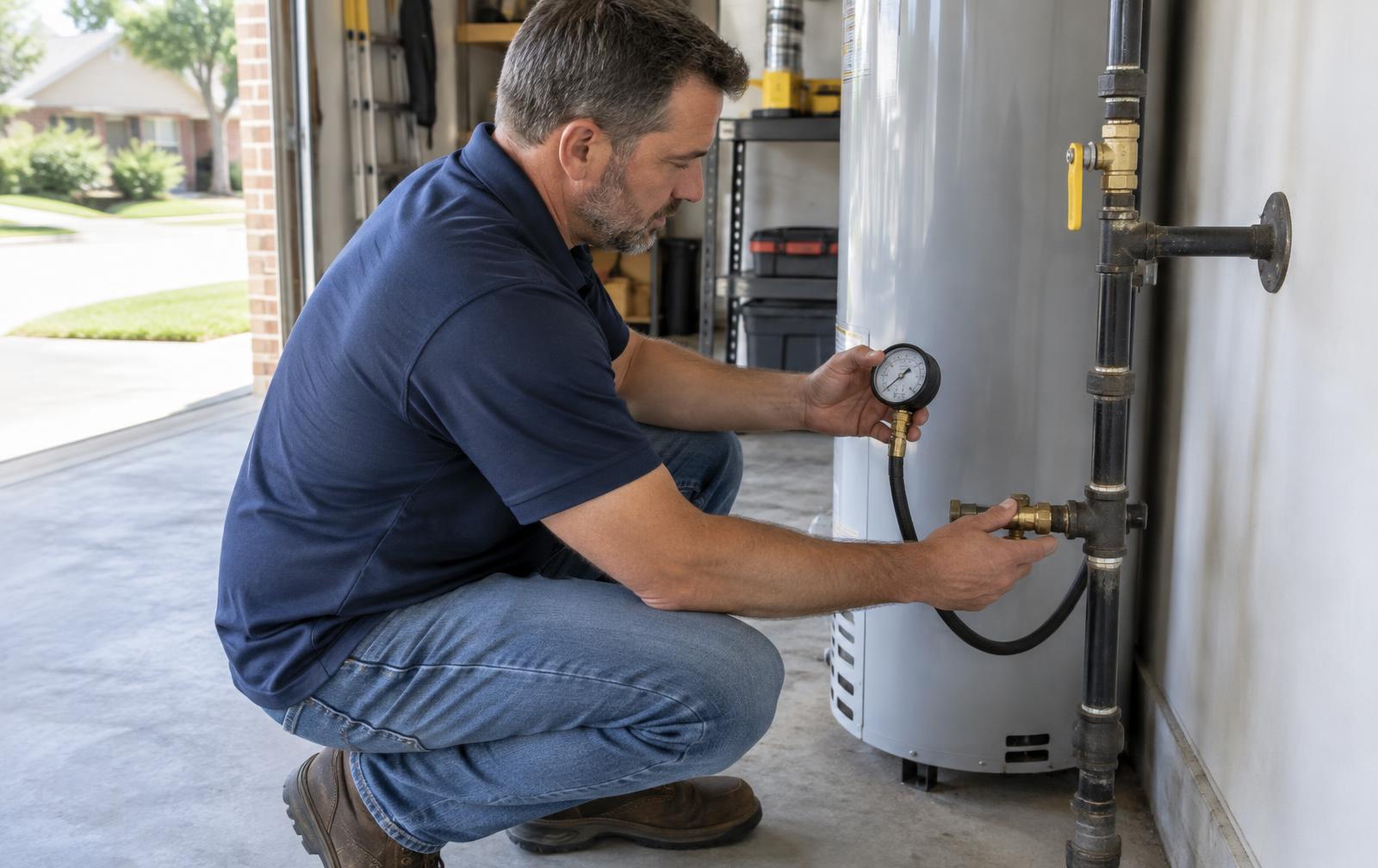
Licensed install, repair, and pressure-testing for McKinney homes — every line signed off to Texas code and Atmos requirements.
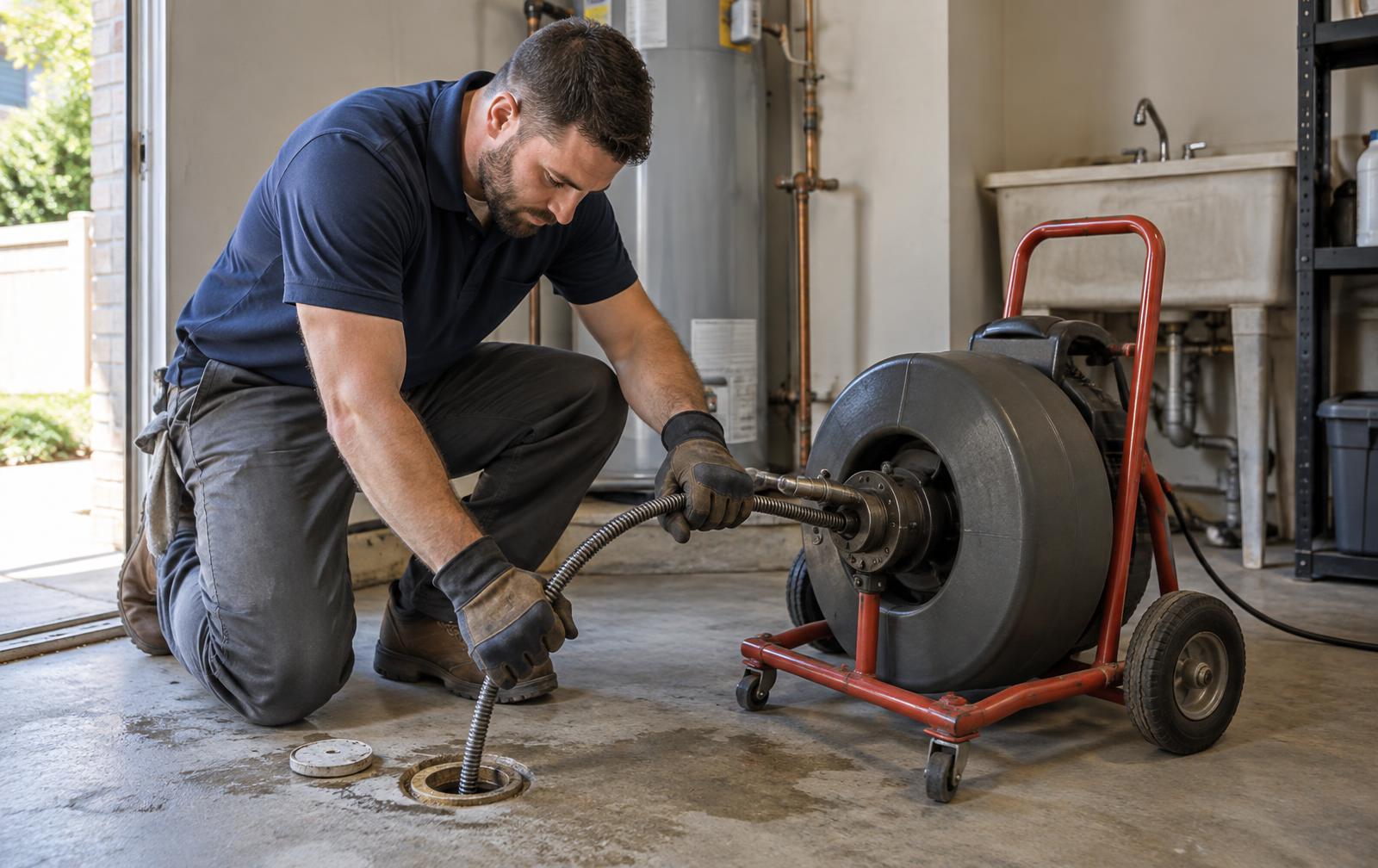
Full-clear service and camera confirmation for the drains under McKinney's neighborhoods.
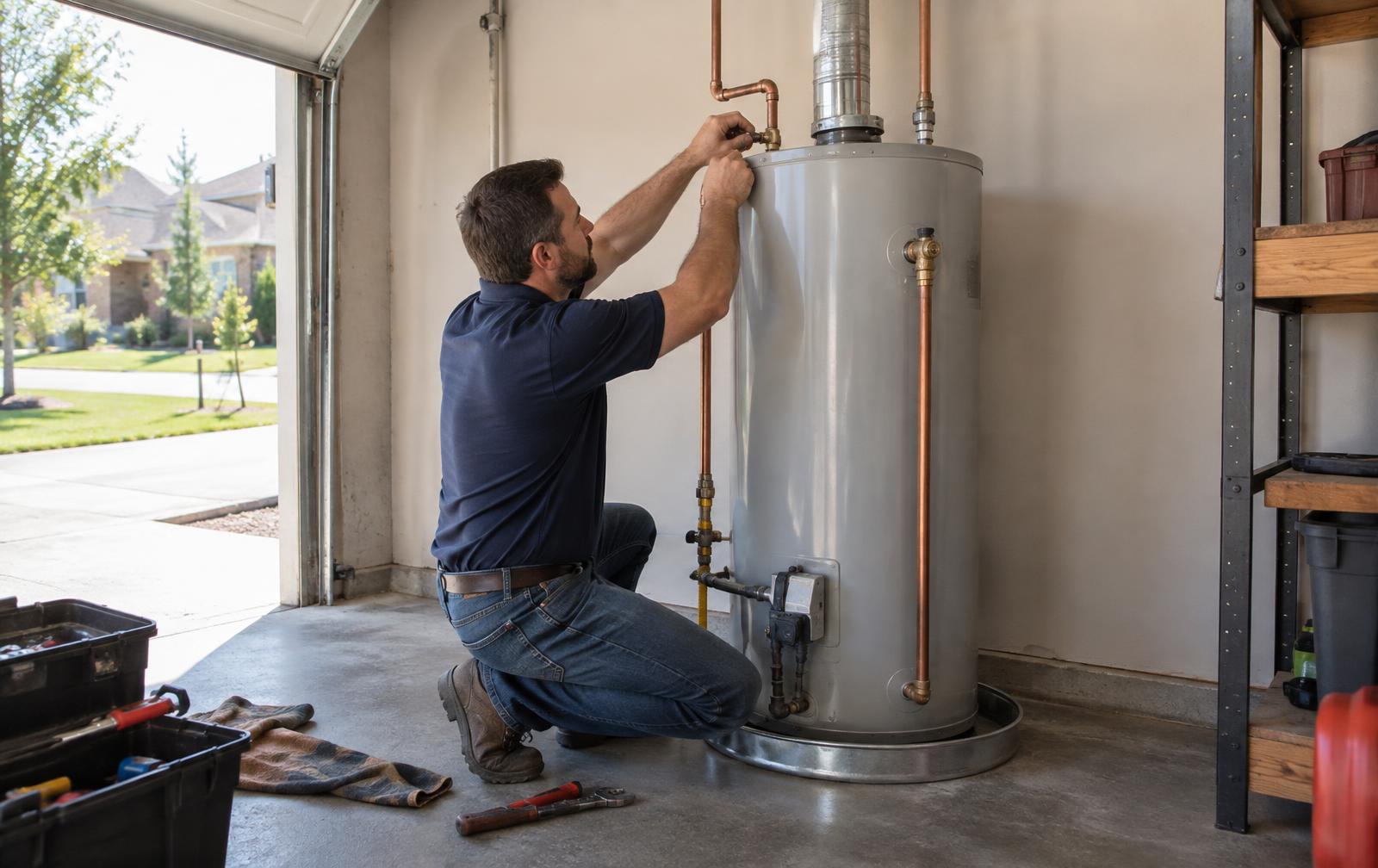
Repair, flush, and replacement of tank units — including attic and garage heaters common to McKinney homes.
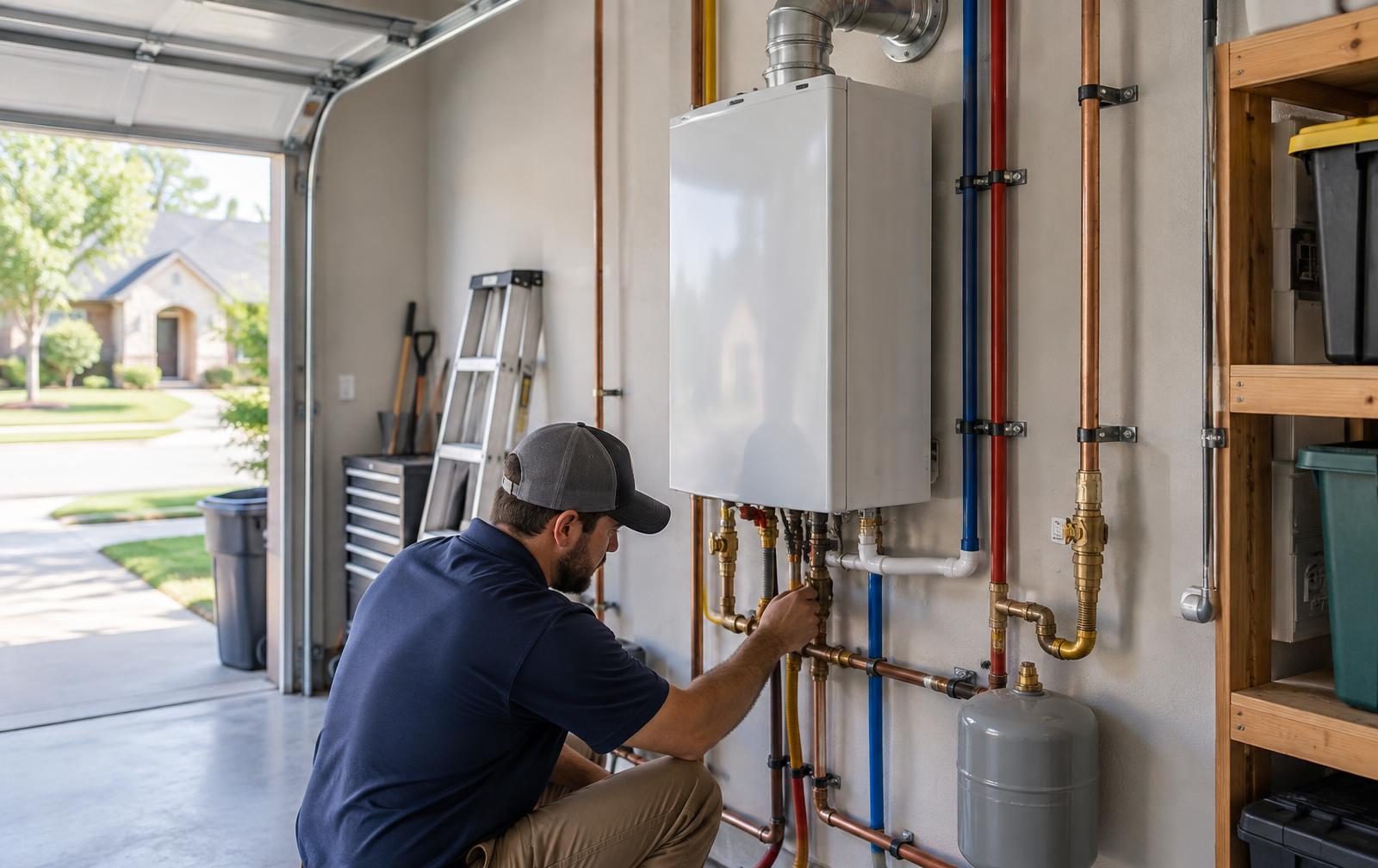
Install, service, and annual descaling — McKinney's hard tap water eats tankless heat exchangers without it.
same-day, 7 days a week response across McKinney for burst pipes, heater failures, and main-line backups.
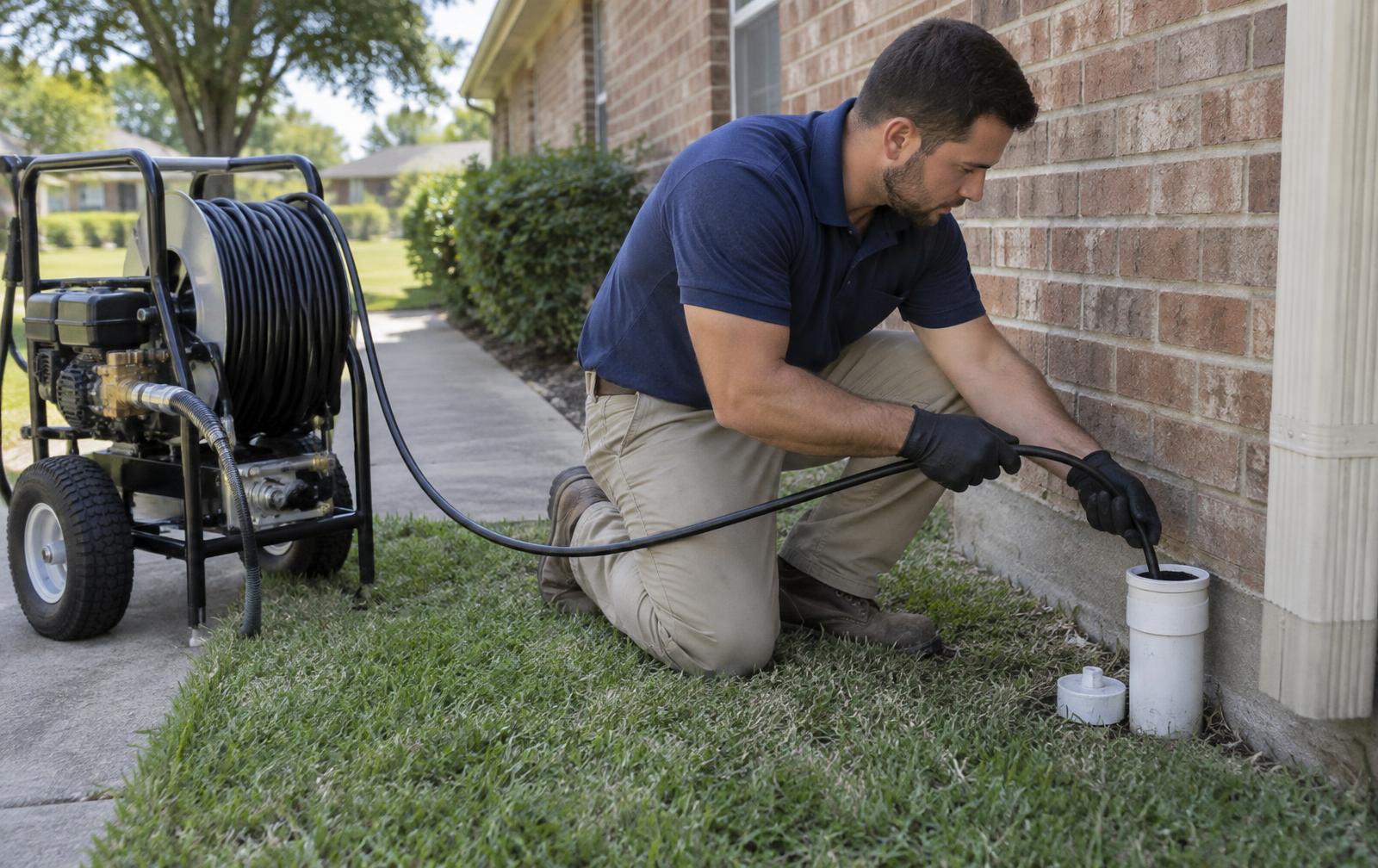
High-pressure cleaning that clears scale, grease, and roots from McKinney's lateral runs — full-diameter, lasting clean.
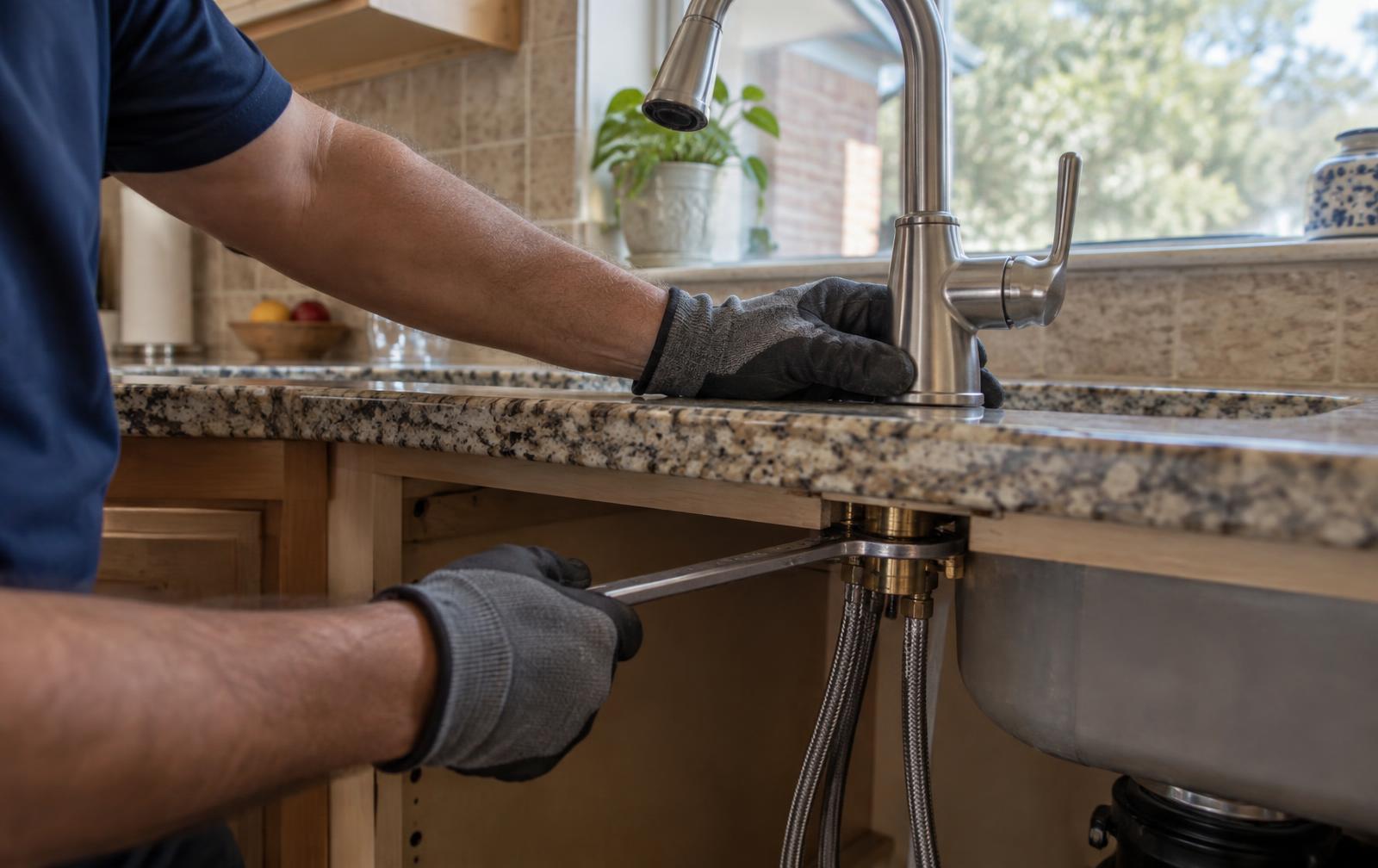
Cartridge, stem, and full-fixture replacement for McKinney kitchens and bathrooms — hard-water-ready parts stocked on the truck.
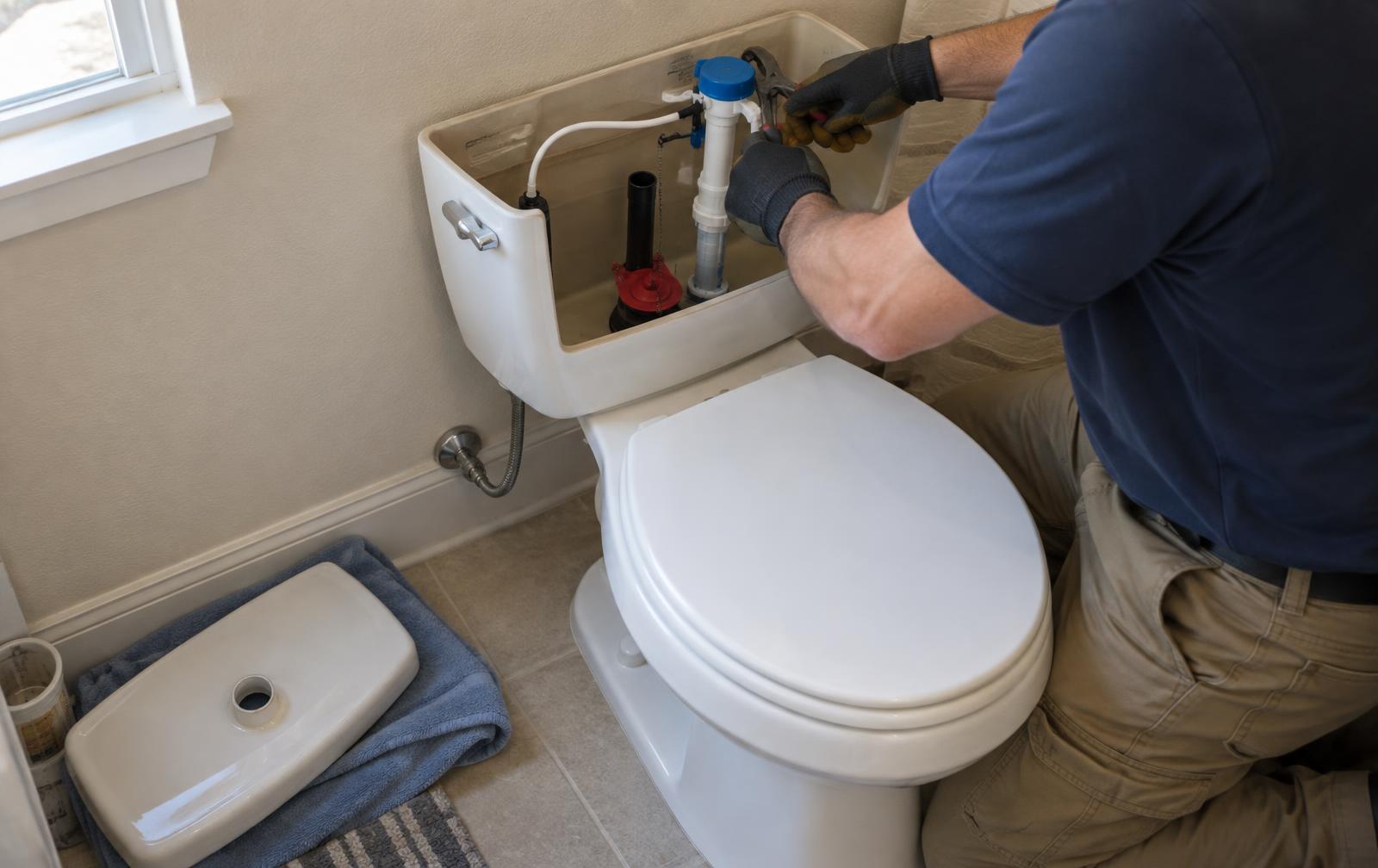
Rebuilds, wax-ring resets, flange repairs, and full replacements — the running toilets and rocking bowls in McKinney homes.
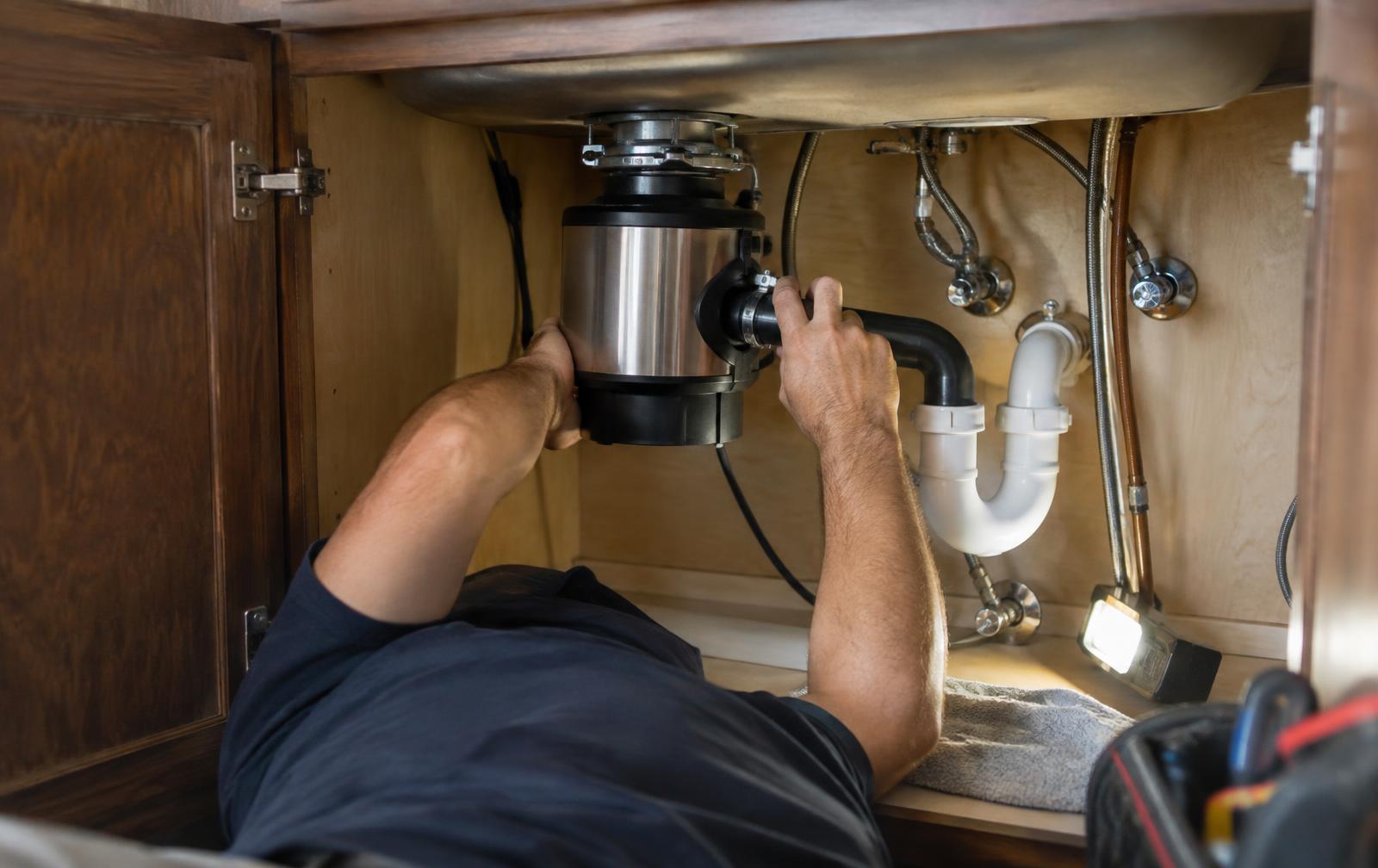
Jam clearing, leaking-unit swaps, and quiet 3/4 HP upgrades for McKinney kitchens — same-visit install.
Sewer Trouble at Your McKinney Address?
A camera diagnosis first, a written trenchless quote second, and warrantied labor backed by the manufacturer's warranty on the pipe. We run same-day service, seven days a week.