
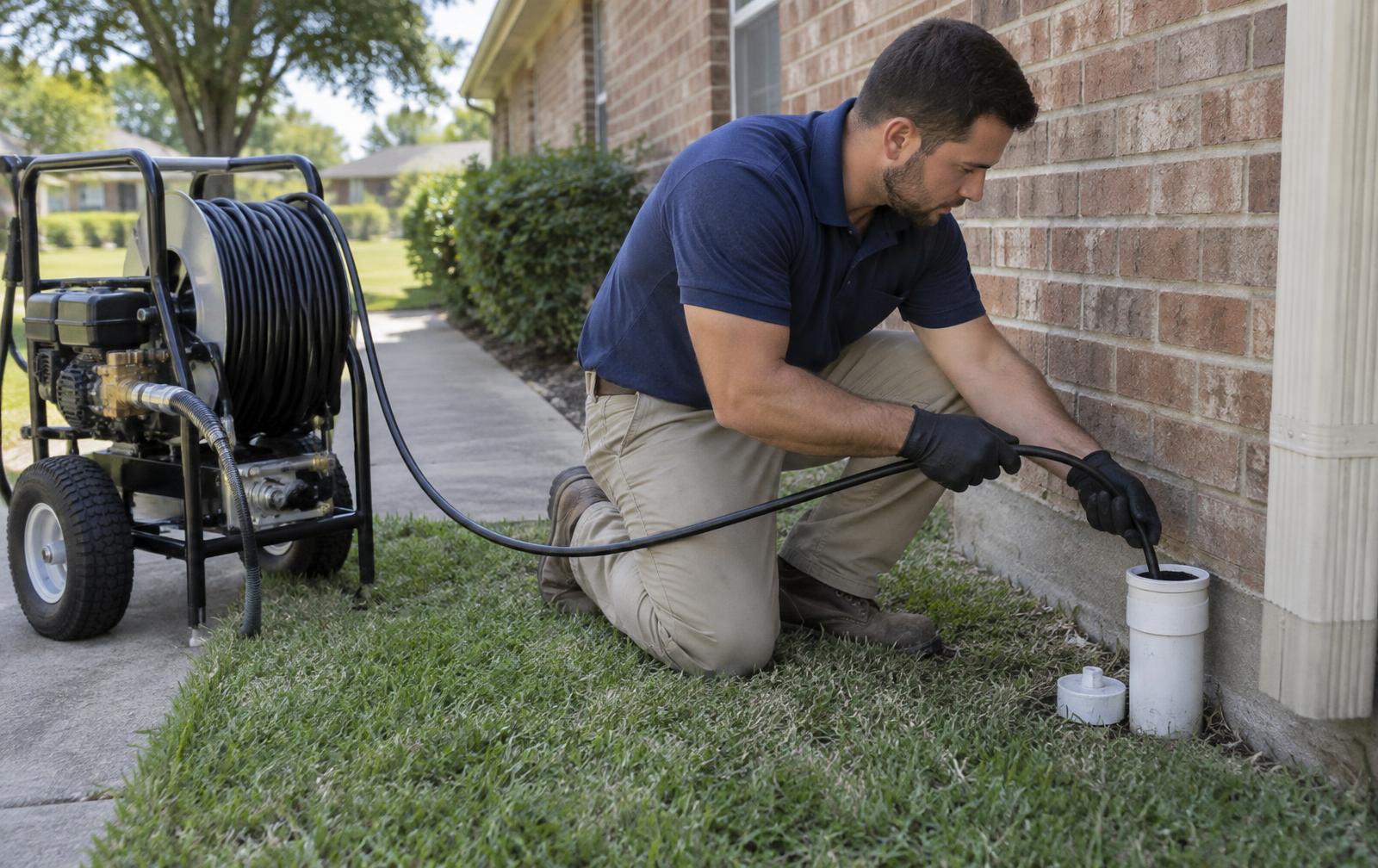
Hydro Jetting in McKinney, TX
The same backup keeps returning weeks after a cable clear. A camera check turns up a rough coating lining the inside of the pipe. Once a snake stops holding, high-pressure jetting takes its place, stripping the buildup off the pipe walls rather than punching a narrow opening through it.
A Snake Finds A Path. A Jetter Strips The Pipe Bare.
Think of a cable the way you'd think of pushing a straw through mud — it opens a way for water to move, but everything the straw didn't touch stays exactly where it was. Grease, root fiber, or years of mineral buildup keep clinging to the pipe wall, and it's common for the same backup to show up again within a month or two. A jetter solves a different problem: it fires a focused, high-pressure stream through a nozzle angled to strip material off every surface of the pipe as the hose is reeled back in, carrying what it removes out through the cleanout.
That distinction carries real weight in McKinney because a large share of the sewer piping in the oldest part of town — the blocks surrounding the courthouse square — is still original cast iron. Iron pipe accumulates scale on its interior across enough decades, so a line that measured a true four inches when it was laid can function as though it's barely half that today. Cabling finds whatever's left of the open channel through that buildup. Jetting removes the buildup itself and gets the line closer to its true bore.
None of that buildup happens in a vacuum, either. Collin County sits on Blackland Prairie clay, ground that swells and contracts with rainfall and heat across every part of McKinney regardless of when a given block was developed. That movement doesn't create scale on its own, but it does shift joints and create the low points where scale, grease, and root fiber tend to collect fastest — which is exactly why those same spots respond so well to jetting.
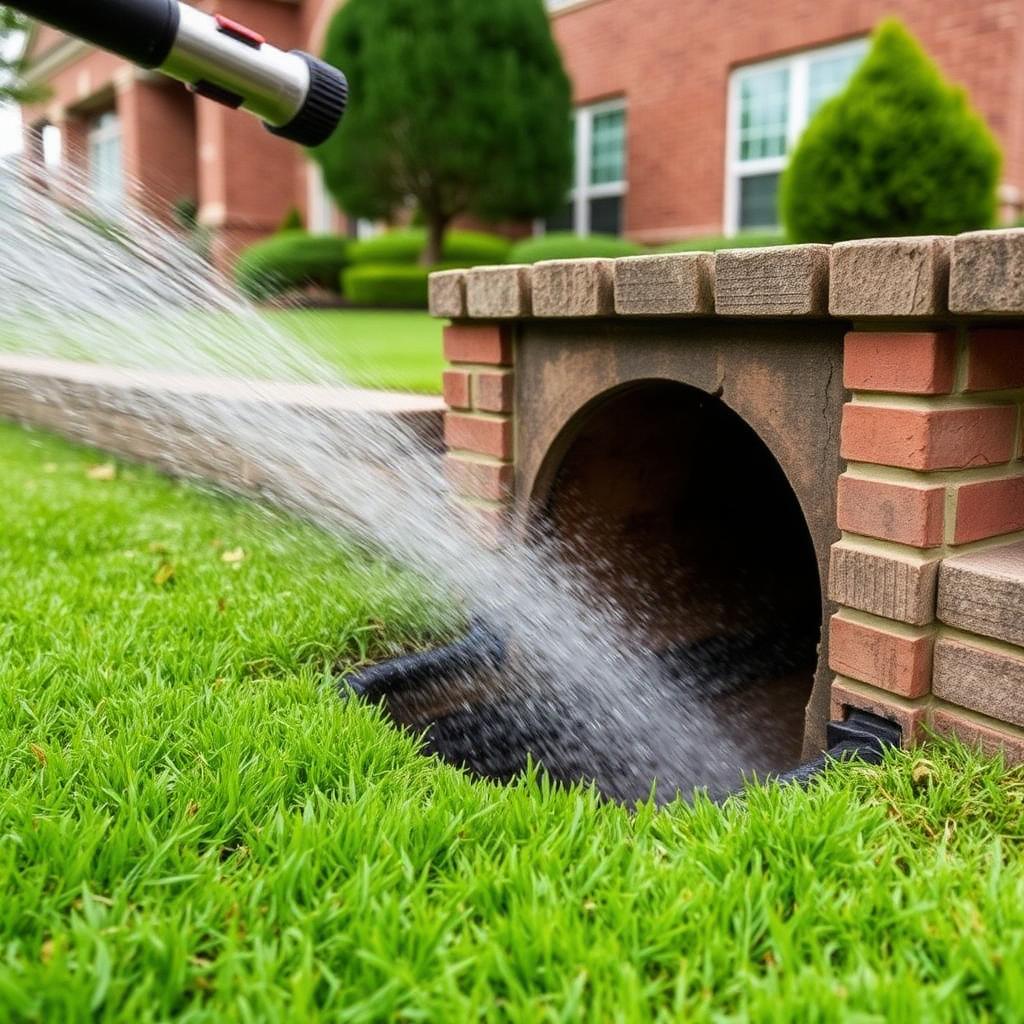
When A McKinney Sewer Calls For Jetting, Not Cabling
Plenty of clogs respond fine to a cable alone. These call for the stronger approach instead.
A line cabled more than once in the same year, clogging in the identical location each time, usually has material coating the pipe wall that a cable simply glides past rather than removes.
A pipe in good shape reads smooth and consistent on video. A rough, irregular lining running the length of a run is the buildup jetting is meant to remove.
A cutting head can shred a root ball into fragments, but the fine hair-like roots left behind tend to fill back in within a season. Jetting clears that residue out rather than leaving it to regrow quickly.
When a drain empties slowly even though nothing's technically blocking it, the usable width of the pipe has likely shrunk from buildup along the walls — jetting is what brings that width back.
Routine kitchen use sends more grease into a line over time than most systems shed on their own. A jetting visit on a set interval is a lot less costly than an emergency call after a full backup.
Original cast iron mains around McKinney's historic core hold up better with periodic jetting even before there's an active complaint, since it keeps the bore open and pushes the eventual replacement further out.
Look Inside First, Then Match The Tool To The Pipe
Nozzle choice and water pressure both depend on exactly what's coating that specific line.
- 1Send a camera through before anything else
A scope run ahead of jetting tells us whether we're looking at scale, roots, grease, or a mix, and gives us a baseline to compare against once the job's finished. It also flags a cracked section early, since jetting through broken pipe just forces material out through the break instead of clearing it.
- 2Choose the nozzle and pressure for that specific pipe
A chisel-style head cuts through scale, a chain flail is built for heavy roots, and a penetrator nozzle handles solid grease. Water pressure gets dialed differently by material too — cast iron takes the full rating, while more fragile or aged pipe runs at a reduced setting to keep joints intact.
- 3Feed the hose out, then jet on the pull-back
We push the hose past the trouble spot first, then trigger the jets as it's reeled back toward the cleanout. That directs loosened material back out the access point rather than driving it further down the line.
- 4Repeat the pass where the buildup demands it
A line with heavy scale or a substantial root mass sometimes takes two or three passes, stepping up nozzle size each time, before it's fully clear. That's part of the quoted price, not a surprise line item added afterward.
- 5Scope it again to prove the result
A second camera pass after jetting shows the finished bore end to end, and we'll gladly put the before footage next to the after footage so you can see it directly. If that second look turns up a structural break we couldn't have seen before, we quote that repair honestly rather than call the job done.
Where The Pipe Age Changes What We Recommend
The decade a block was built usually tells us what material we're working with before we even scope it.
A large portion of the housing near the courthouse square is among McKinney's oldest and still runs on original cast iron sewer mains, the exact material that scales heavily over decades and gains the most from routine jetting.
The community's earliest sections, dating to its mid-1980s launch, are old enough that original laterals there often carry root intrusion or interior scale that a cable pass alone won't fully clear.
Built out mostly between 2002 and 2007, homes here run newer PVC that resists scale buildup far better than cast iron, so jetting calls tend to be scheduled maintenance rather than urgent repairs.
Construction there began in 2013 and remains ongoing, so sewer lines are largely recent PVC, where jetting is rarely an emergency and more often a preventive step.
This growth corridor shares Trinity Falls' newer sewer infrastructure, so jetting calls here tend to be precautionary rather than a response to failing pipe.
This road skirts the edge of the historic core, so sewer lines nearby range from original cast iron to more recent replacements, and a camera scope tells us which situation we're actually looking at.
What McKinney Homeowners Say
We Show You The Footage, Not Just The Invoice
Every jetting job leaves you with recorded footage from both the scope run before and the one after, so you can see the difference for yourself. If the initial scope turns up a pipe that's already structurally compromised, we stop and tell you rather than pushing water through it — that only forces debris out through the damage and makes the underlying issue worse. Every price is set in writing before the jetter starts running.
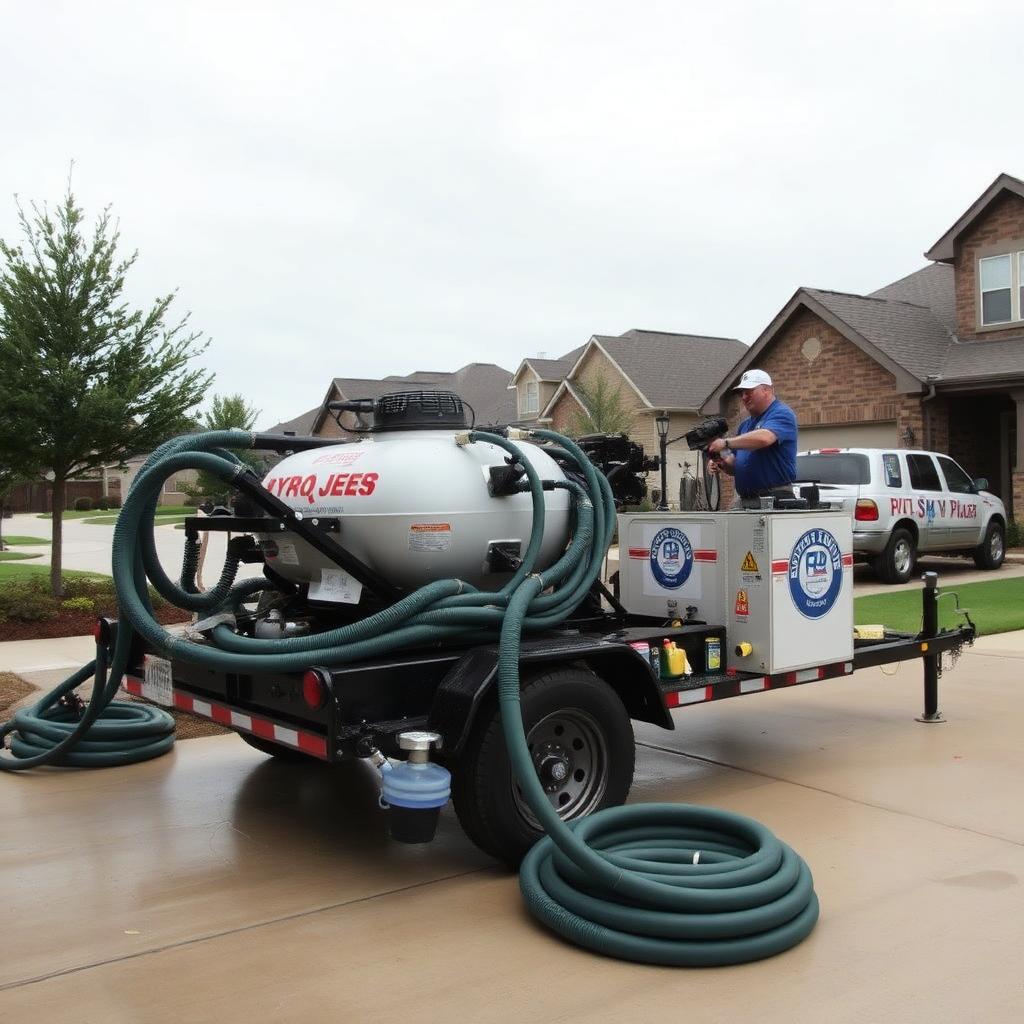
We're licensed by the Texas State Board of Plumbing Examiners, insured, and family-owned, sending a trailer-mounted jetter to every McKinney call from our shop in The Colony, with same-day appointments available all seven days, 8 AM to 6 PM.
What Homeowners Ask Us Most
Our Other Plumbing Services in McKinney, TX
Jetting often lands between a basic cable job and a full pipe replacement. When the camera shows a line that's actually failed, we handle that replacement locally too.
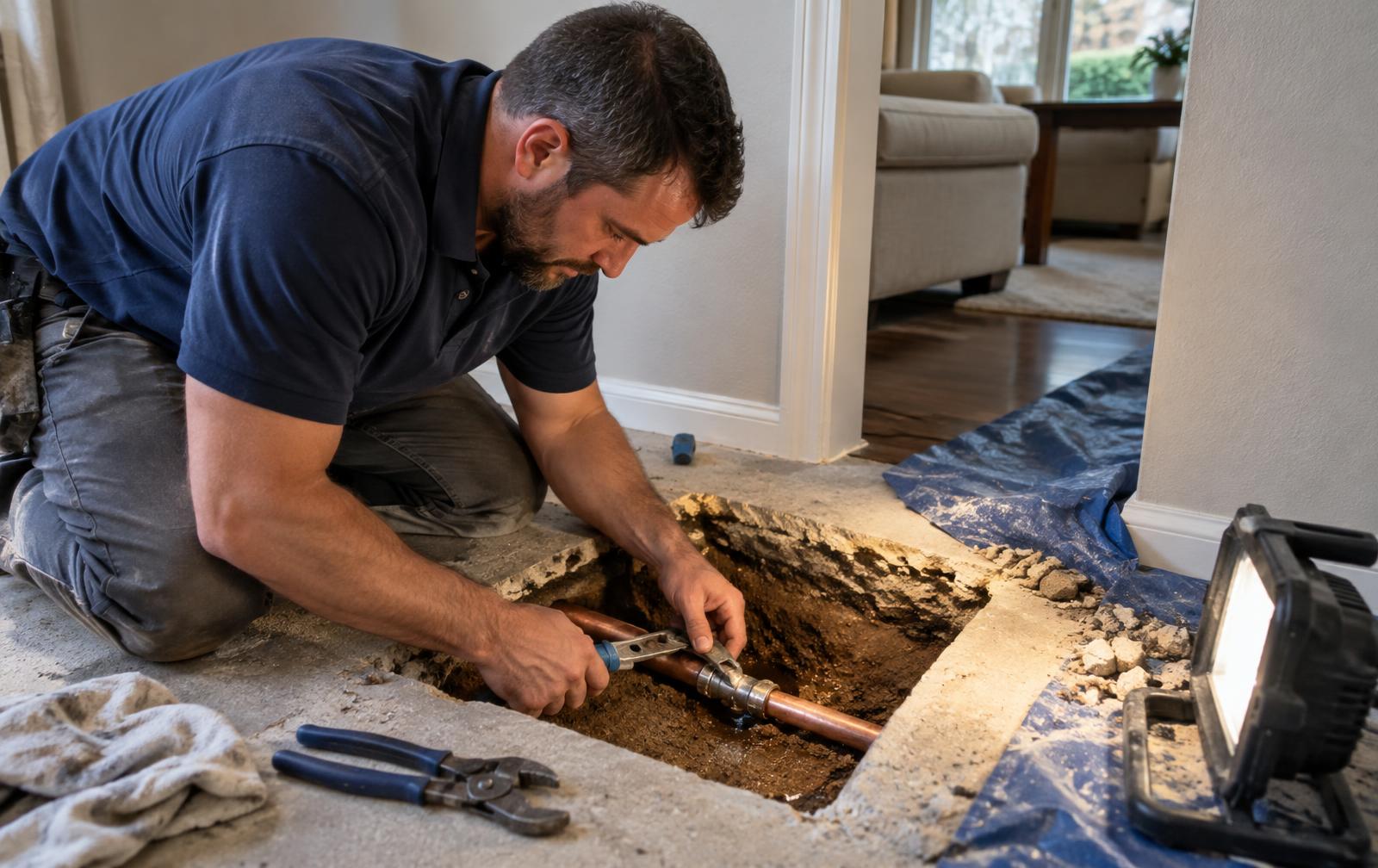
Electronic detection under McKinney slabs — reroute options that save your finished floors when possible.
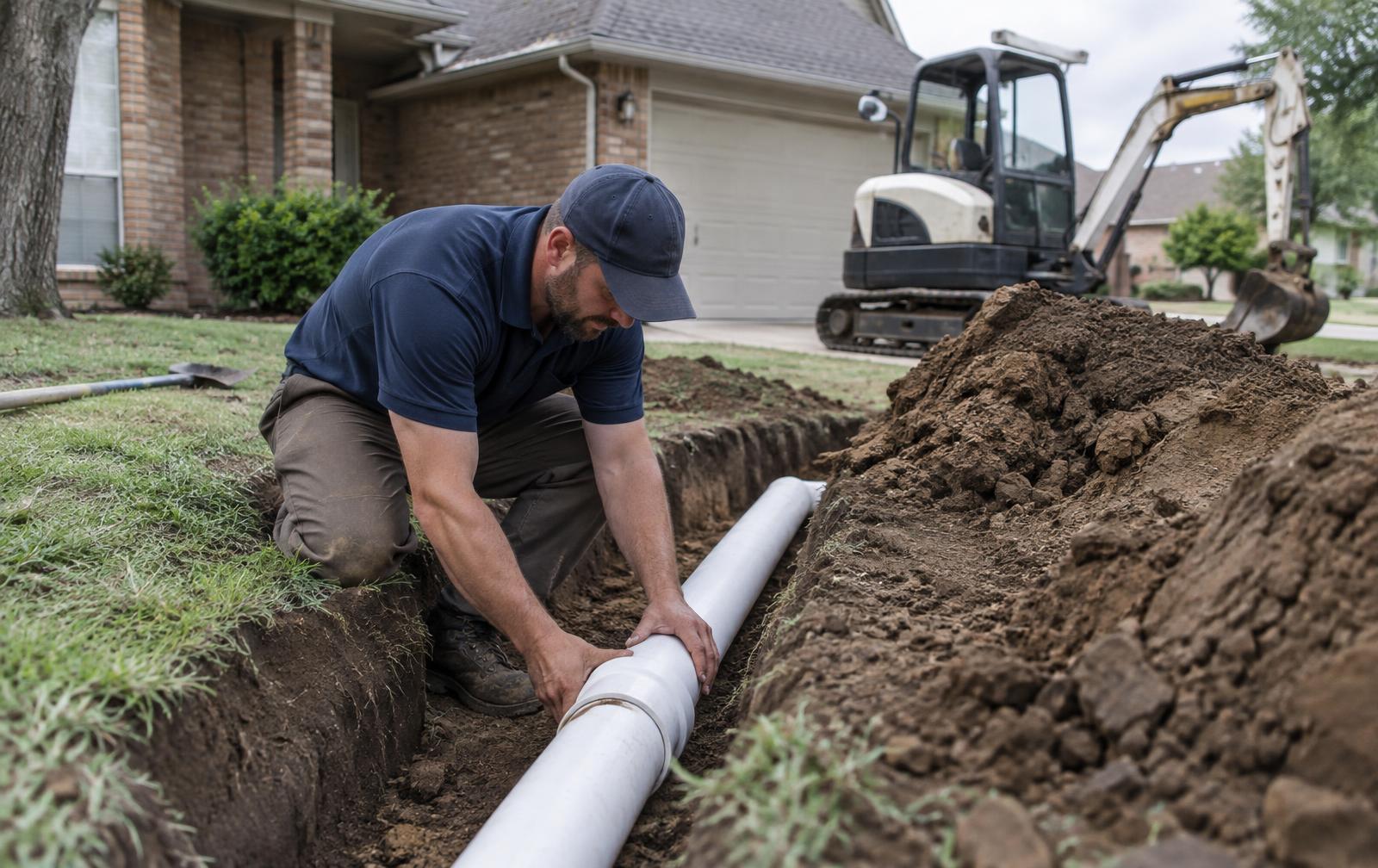
Trenchless replacement for the aging laterals across McKinney's older runs — camera first, quote in writing, minimal yard damage.
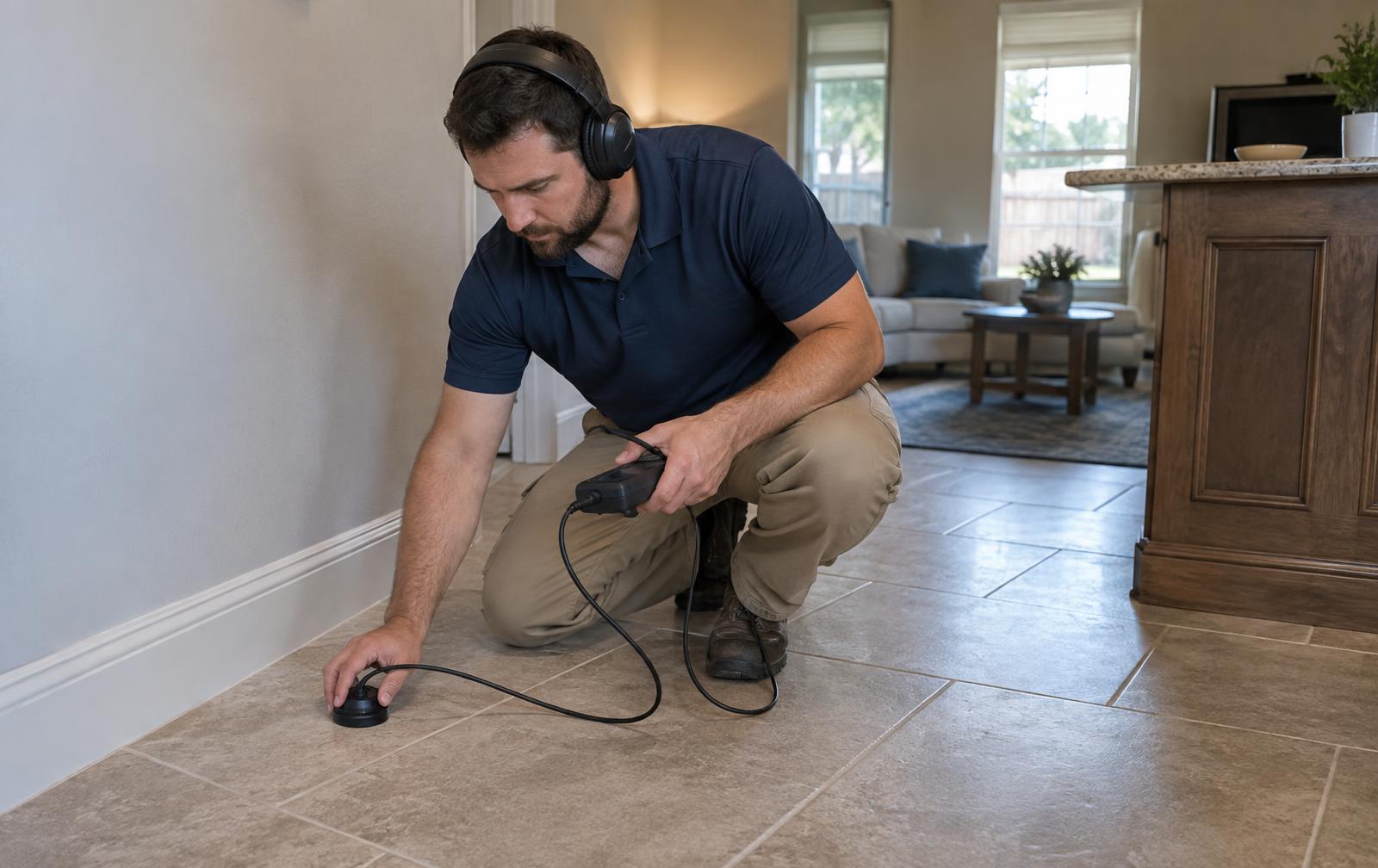
Acoustic, thermal, and pressure testing to pinpoint hidden leaks in McKinney slab and wall lines without tearing into finishes.
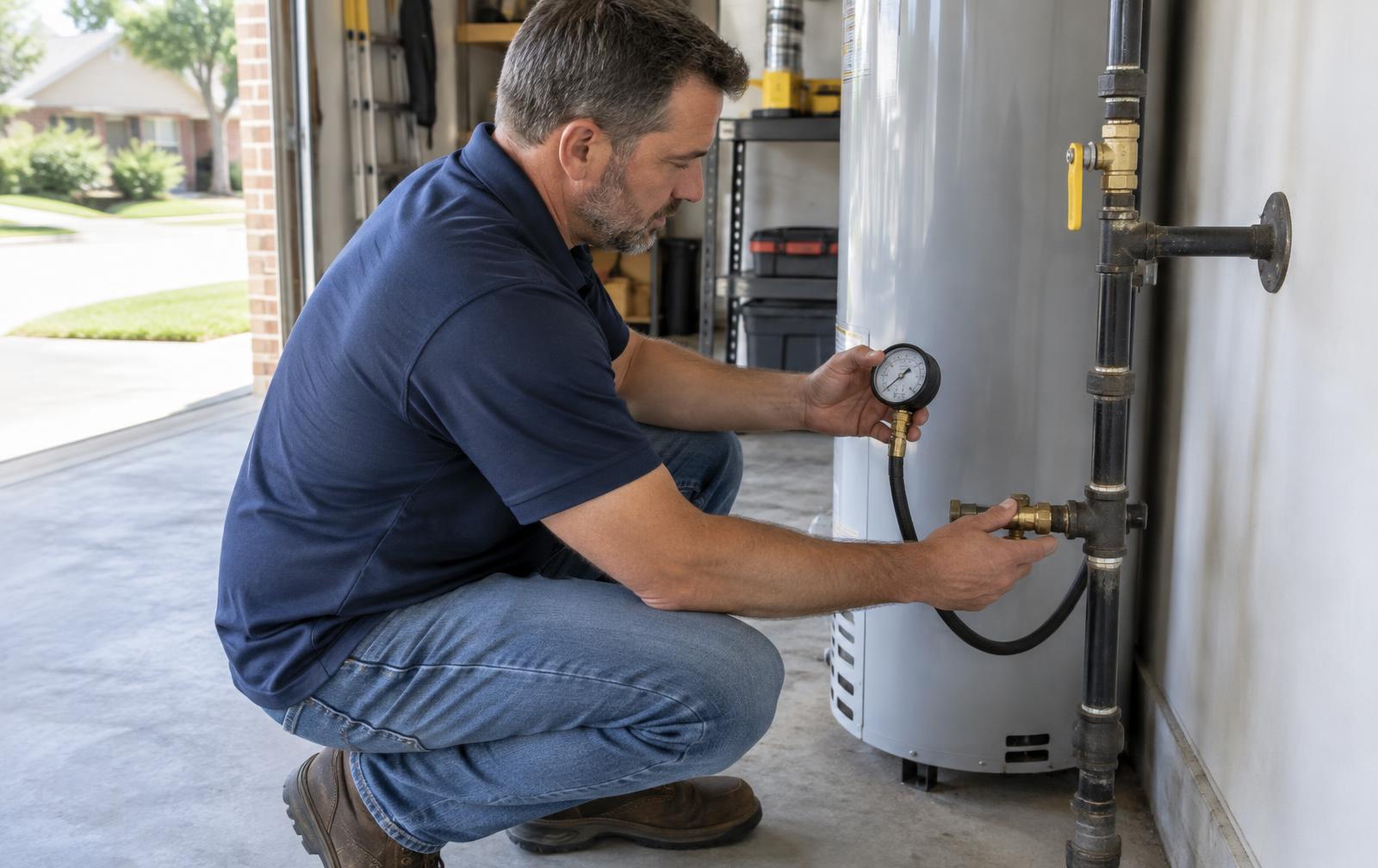
Licensed install, repair, and pressure-testing for McKinney homes — every line signed off to Texas code and Atmos requirements.
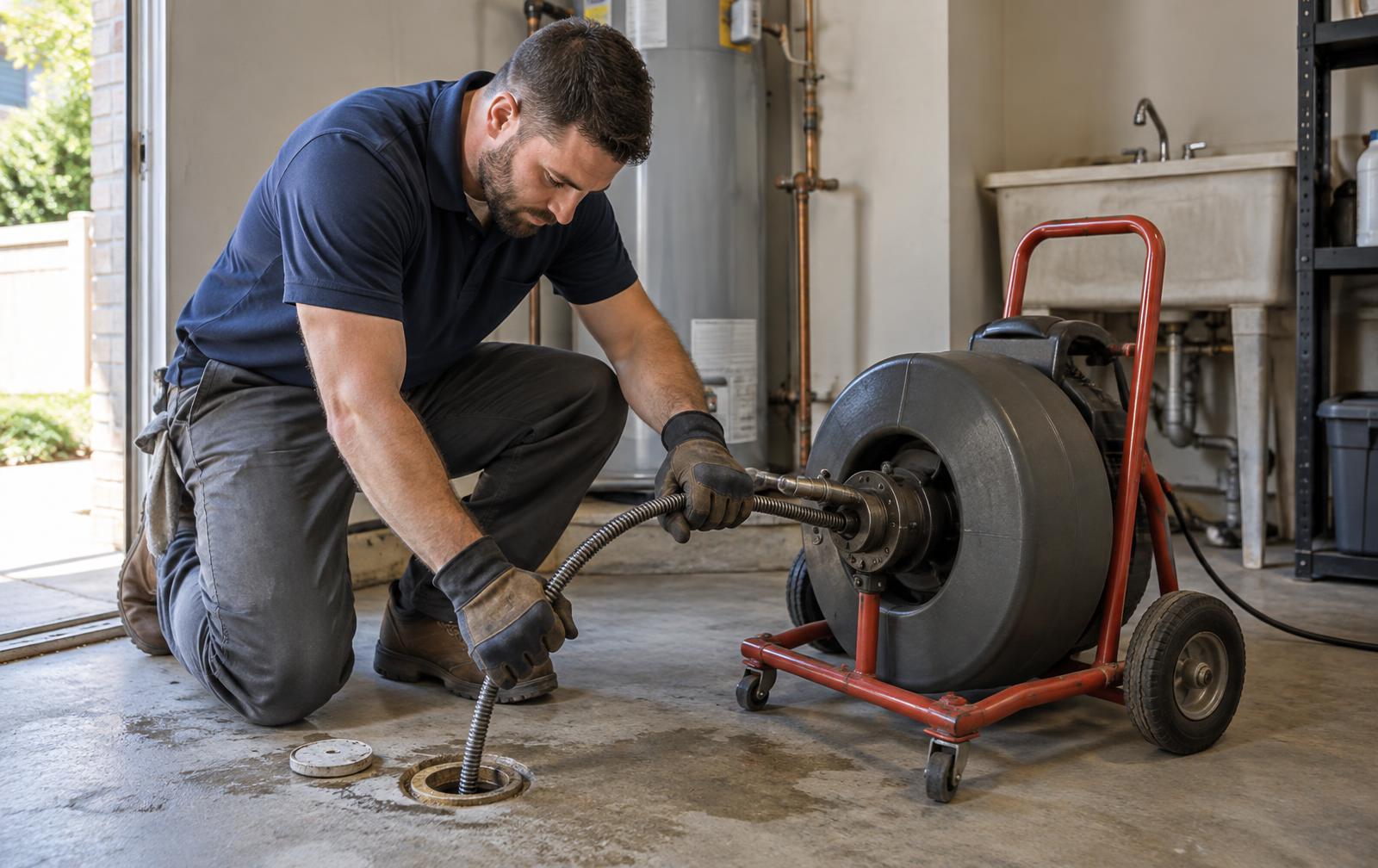
Full-clear service and camera confirmation for the drains under McKinney's neighborhoods.
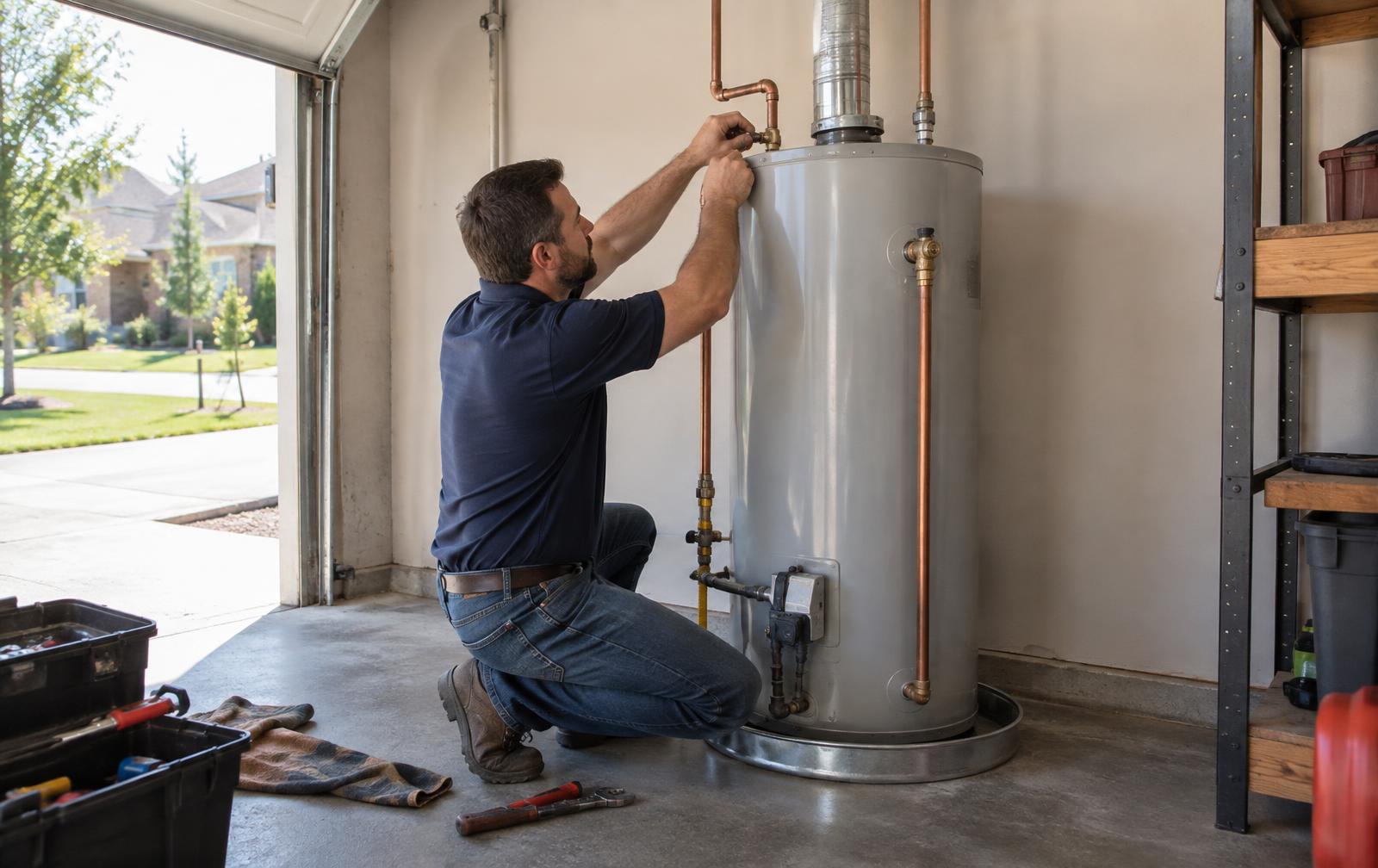
Repair, flush, and replacement of tank units — including attic and garage heaters common to McKinney homes.
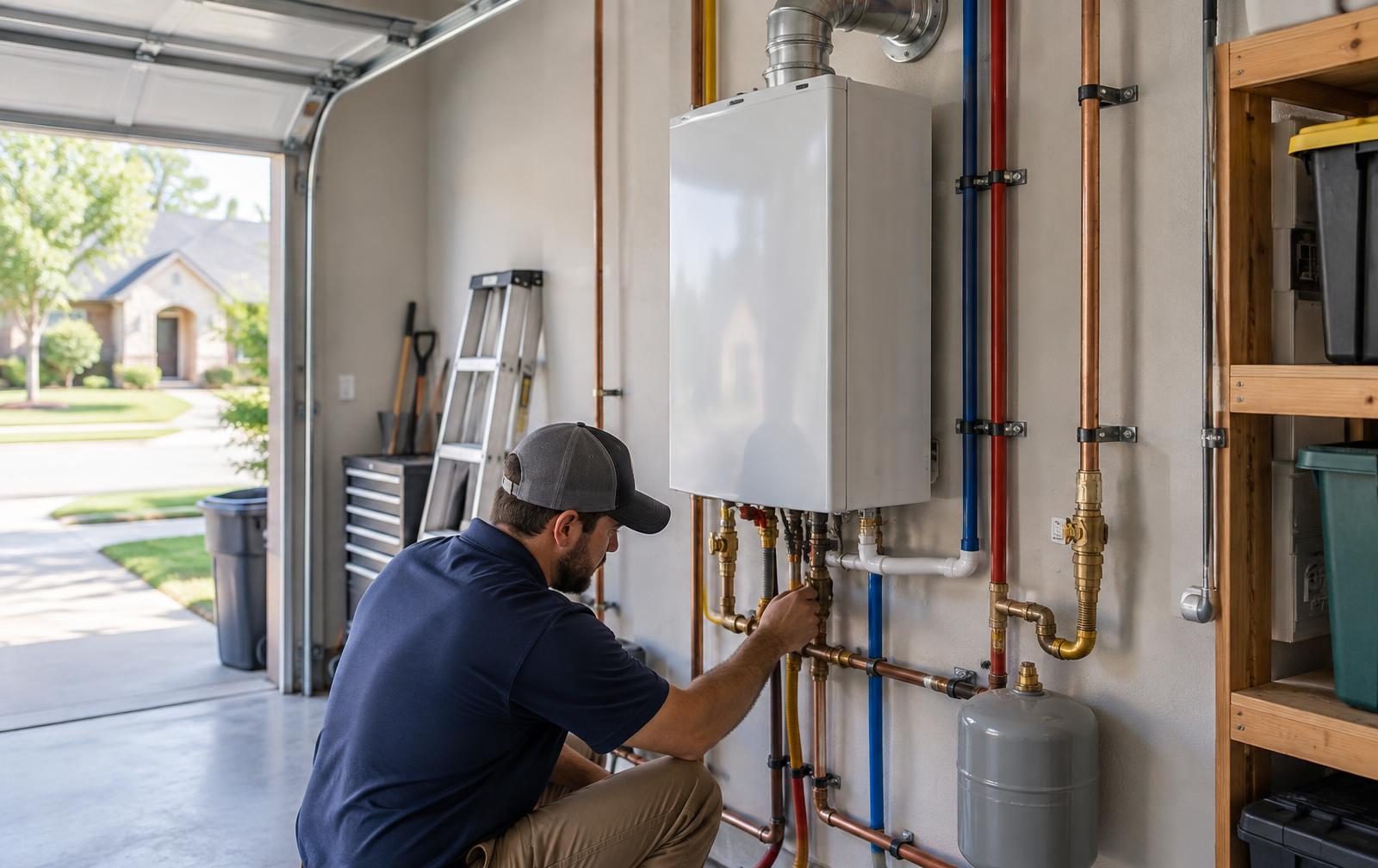
Install, service, and annual descaling — McKinney's hard tap water eats tankless heat exchangers without it.
same-day, 7 days a week response across McKinney for burst pipes, heater failures, and main-line backups.
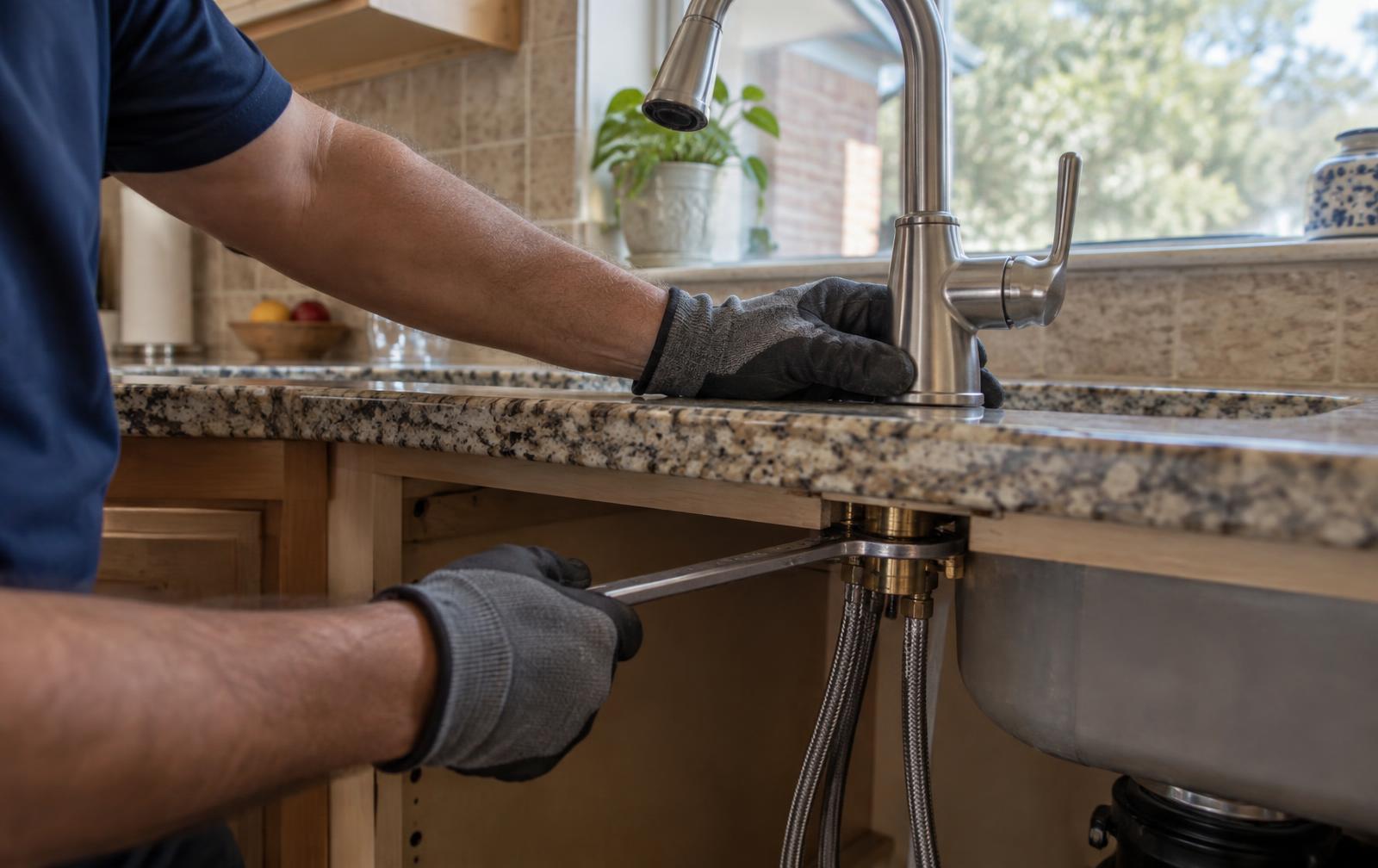
Cartridge, stem, and full-fixture replacement for McKinney kitchens and bathrooms — hard-water-ready parts stocked on the truck.
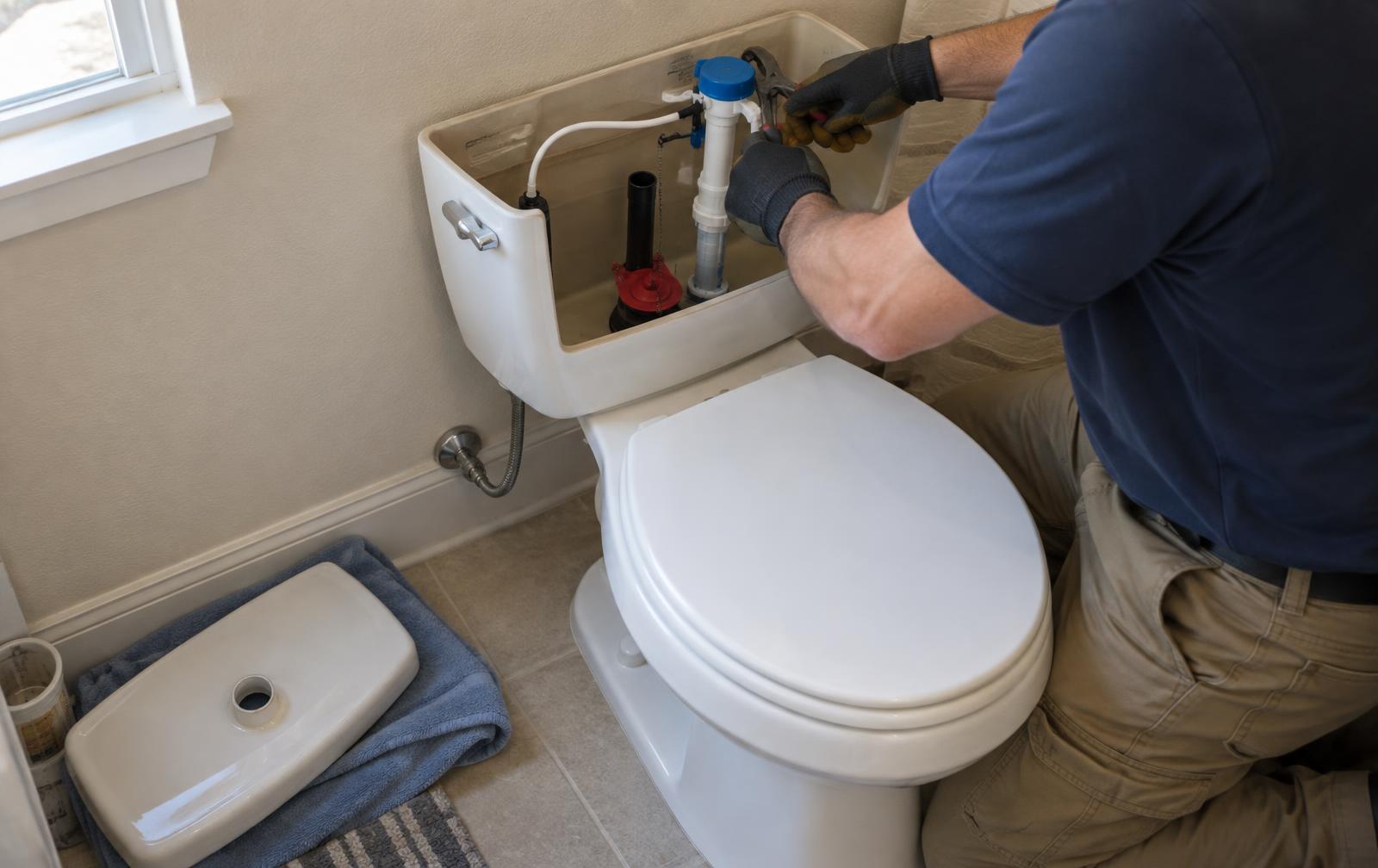
Rebuilds, wax-ring resets, flange repairs, and full replacements — the running toilets and rocking bowls in McKinney homes.
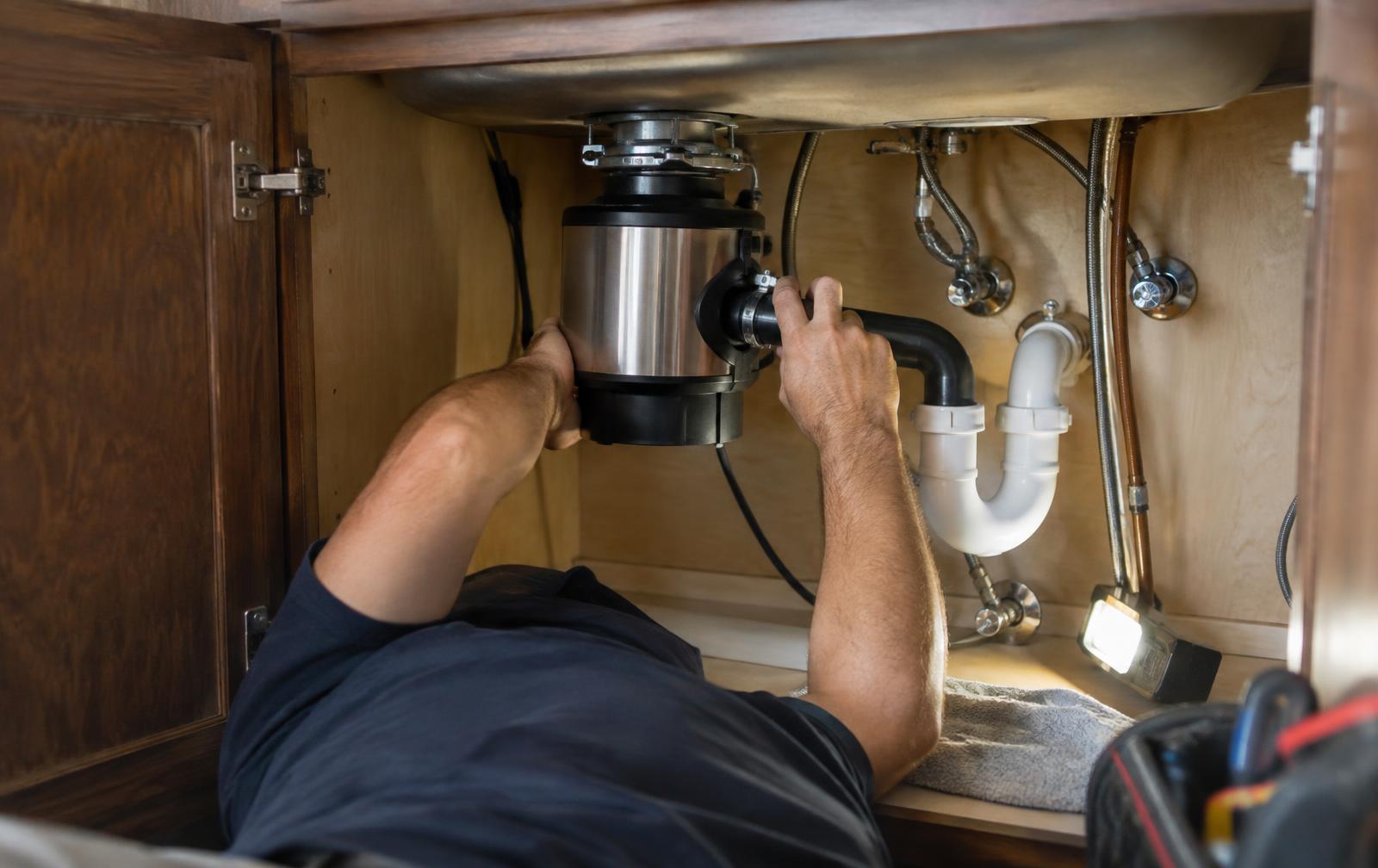
Jam clearing, leaking-unit swaps, and quiet 3/4 HP upgrades for McKinney kitchens — same-visit install.
Stuck With A Repeat Drain Backup In McKinney?
Full-bore jetting with camera proof before and after. Book a visit.