
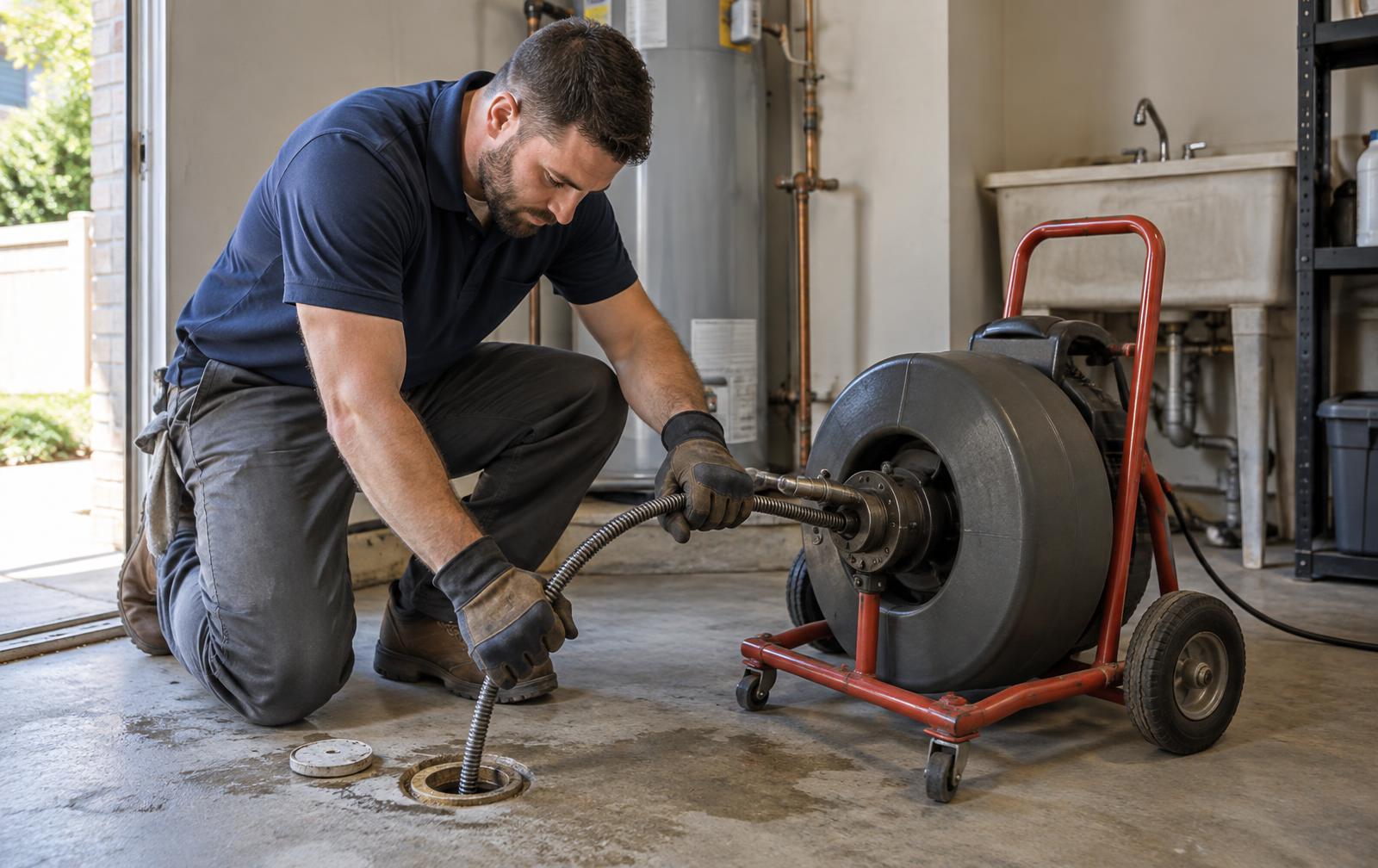
Drain Cleaning in McKinney, TX
A tub that gurgles when the washer drains. A kitchen sink that sits full of gray water. A main line that backs up at the lowest fixture in the house. We open the pipe to its full width and back it up with a camera pass, instead of stopping the job the moment water starts moving again.
What's In The Pipe Depends On When It Was Built
McKinney's drain lines aren't all the same age or the same material, and that changes what actually breaks. Around the Collin County Courthouse Square, in the oldest part of town, you're often dealing with cast iron drain runs and galvanized supply original to some of McKinney's earliest homes — decades of mineral buildup narrow the inside of that pipe long before anything visibly backs up. A cable can punch through the clog in that reduced channel, but it won't remove what's coating the walls.
Out in Stonebridge Ranch, the earliest sections trace back to the community's mid-1980s launch, so those original drain lines are now well past the age where scale and root intrusion start showing up on a camera. Craig Ranch and Trinity Falls are different animals entirely — both are 21st-century construction, so their drains are mostly newer PVC, and the calls we get there skew toward fixture and appliance hookups rather than pipe that's simply worn out.
Underneath all of it sits the Blackland Prairie — the dark, alkaline clay that swells and shrinks with the season across Collin County. That movement doesn't clean pipes, but it does shift them, opening joints and creating the low spots (bellies) where waste collects and clogs return again and again in the same place.
What A Failing McKinney Drain Looks Like
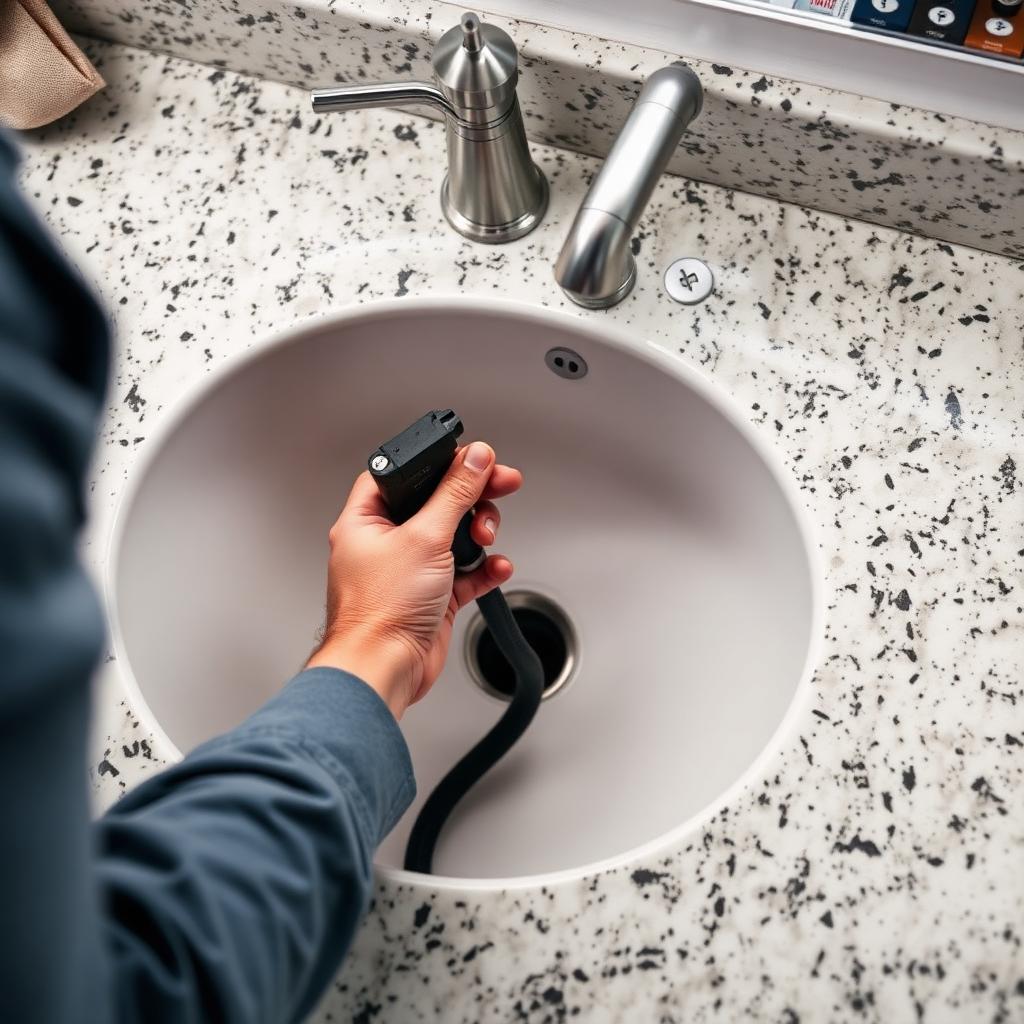
A drain almost never fails without warning first. Here's what to watch for before it puts water on your floor.
A single slow sink points to a branch clog near that fixture. When two or more drains slow down together, the blockage has moved into the shared main line, and that's the more urgent call.
Run the washer and the tub bubbles. Flush upstairs and the kitchen sink gurgles. That's trapped air escaping the wrong way because the main line is partially obstructed.
A rotten-egg smell by a tub or toilet usually means the trap has lost its water seal, often because a partial blockage downstream is siphoning air through it.
Flush the toilet and the shower fills. Run the dishwasher and it backs into the sink. That's a main-line blockage pushing water toward the lowest point — worth a call before it reaches the floor.
A gradual, house-wide slowdown usually means scale or grease has built up along the pipe wall for years. That calls for restoring the full diameter, not just cutting a channel through it.
A recurring wet spot over the sewer run, especially one that stays green in dry weather, usually means the pipe underneath is leaking. No amount of cabling fixes that — it needs to be repaired.
Diagnose The Pipe, Not Just The Clog
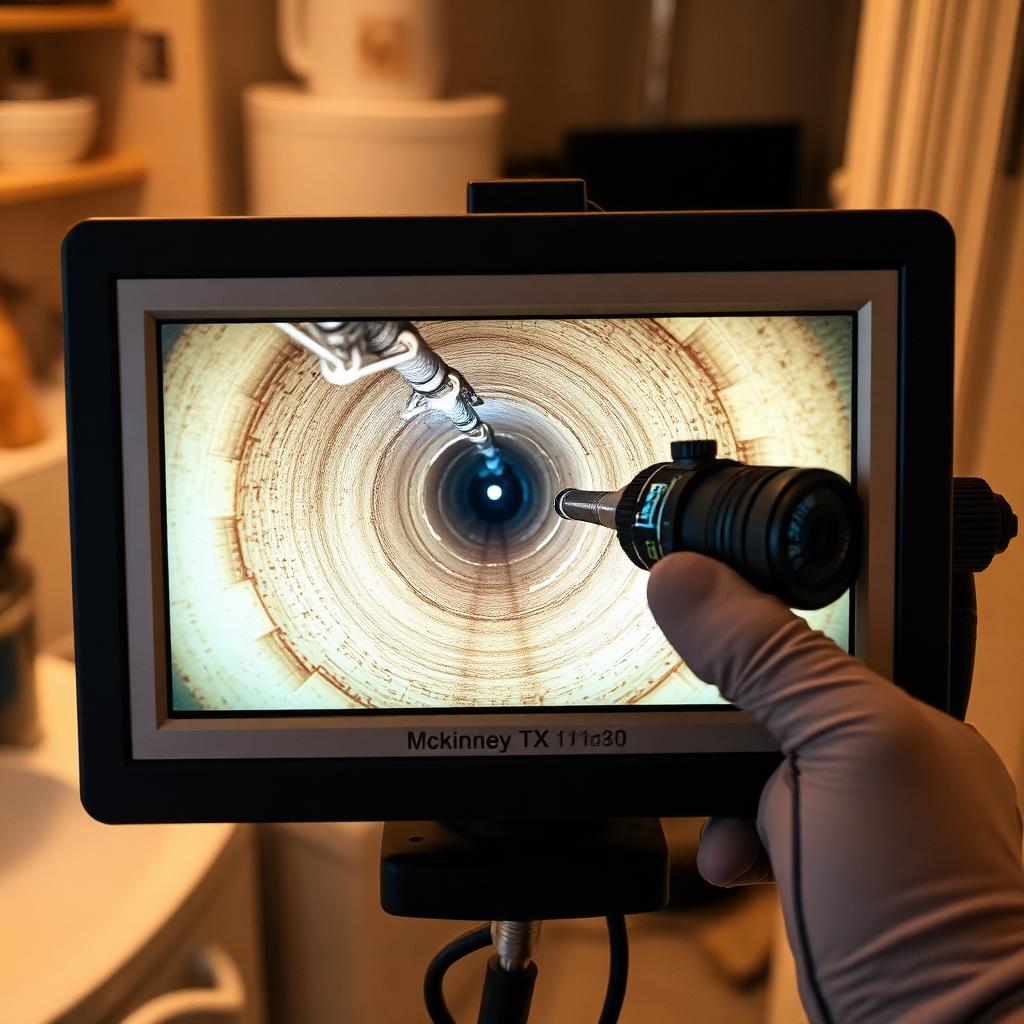
We don't call a drain done until we've confirmed it on camera, wall to wall.
- 1Figure out which line is actually blocked
A single slow drain, several slow drains, and a full backup at the lowest fixture point to three different lines. A short conversation about which fixtures are affected tells us where to start before any equipment comes off the truck.
- 2Get in through a proper cleanout
We work through a cleanout, not a toilet flange or shower drain, so debris stays out of the living space. Most McKinney single-family homes have a ground-level cleanout out front or along the side yard; condos and townhomes near the historic core more often route it to a utility closet.
- 3Pick the tool for what's actually in the pipe
Grease calls for a blade, roots call for a chain flail, and old scale calls for a brush head or a jetter. Running the wrong cutter through cast iron scale or through root mass either damages the pipe or leaves the real problem behind.
- 4Clear the full width of the line
We keep working the pipe after the water starts flowing, from cleanout to city tie-in, then pull back slowly so nothing is left hanging on the wall to catch the next thing that goes down the drain.
- 5Confirm it on camera
Every main-line job ends with a camera run so you can see the pipe is actually open. If we spot a crack, an offset joint, or a belly the clay soil has created, we say so and price the repair honestly instead of re-cabling the same spot next month.
What Clogs Where, By Area
The era a street was built in tells us most of what we need to know before we arrive.
Some of McKinney's oldest surviving homes ring the courthouse square, and houses that age commonly still run on original cast iron drains and galvanized supply, so scale buildup and rough interior pipe walls are typical, not the exception.
Sections dating to the community's mid-1980s start are now old enough that original drain and sewer laterals commonly show root intrusion or scale, while later phases built through the following decades tend to run cleaner.
Built out mostly between 2002 and 2007, homes here typically have newer PVC drain lines, so slow drains more often trace back to a fixture trap or a kitchen branch than to a failing main.
Construction here started in 2013 and is still going, so drains are largely new PVC on fresh grading — issues tend to be construction debris or a new fixture tie-in rather than aged pipe.
The newer growth corridor near US 380 shares Trinity Falls' younger housing stock, where drain calls typically come from installation details rather than decades of wear.
This road runs along the edge of the historic core, and homes close to it span from the town's oldest construction to later infill, so we treat each address on its own merits rather than assuming one pipe age.
What McKinney Homeowners Say
We Show You The Pipe, Not Just A Working Drain
A cleared drain that backs up again a few weeks later isn't actually fixed. If the camera shows the pipe is structurally sound after we've run it, we stand behind that. If the camera shows a cracked joint or a belly from clay soil movement, we tell you at that visit and give you a written quote for the repair — cabling around a broken pipe just delays the real problem.
We're licensed by the Texas State Board of Plumbing Examiners, insured, and family-owned, dispatching every McKinney job from our shop in The Colony. Same-day service is available seven days a week, 8 AM to 6 PM.
Straight Answers, No Sales Pitch
Our Other Plumbing Services in McKinney, TX
A slow drain is frequently the first sign of something bigger going on below the slab. We handle that follow-through too, all from one local McKinney visit.
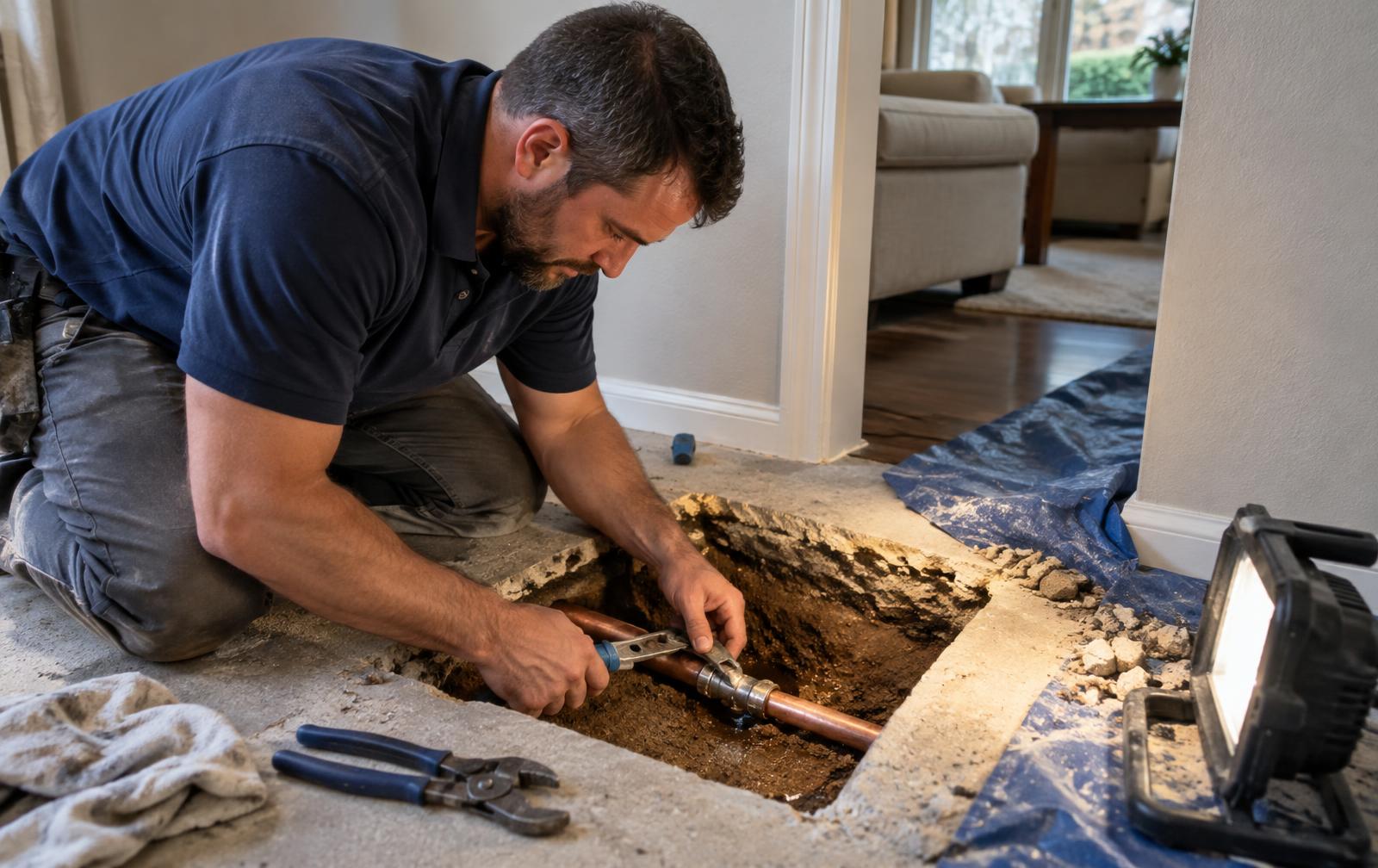
Electronic detection under McKinney slabs — reroute options that save your finished floors when possible.
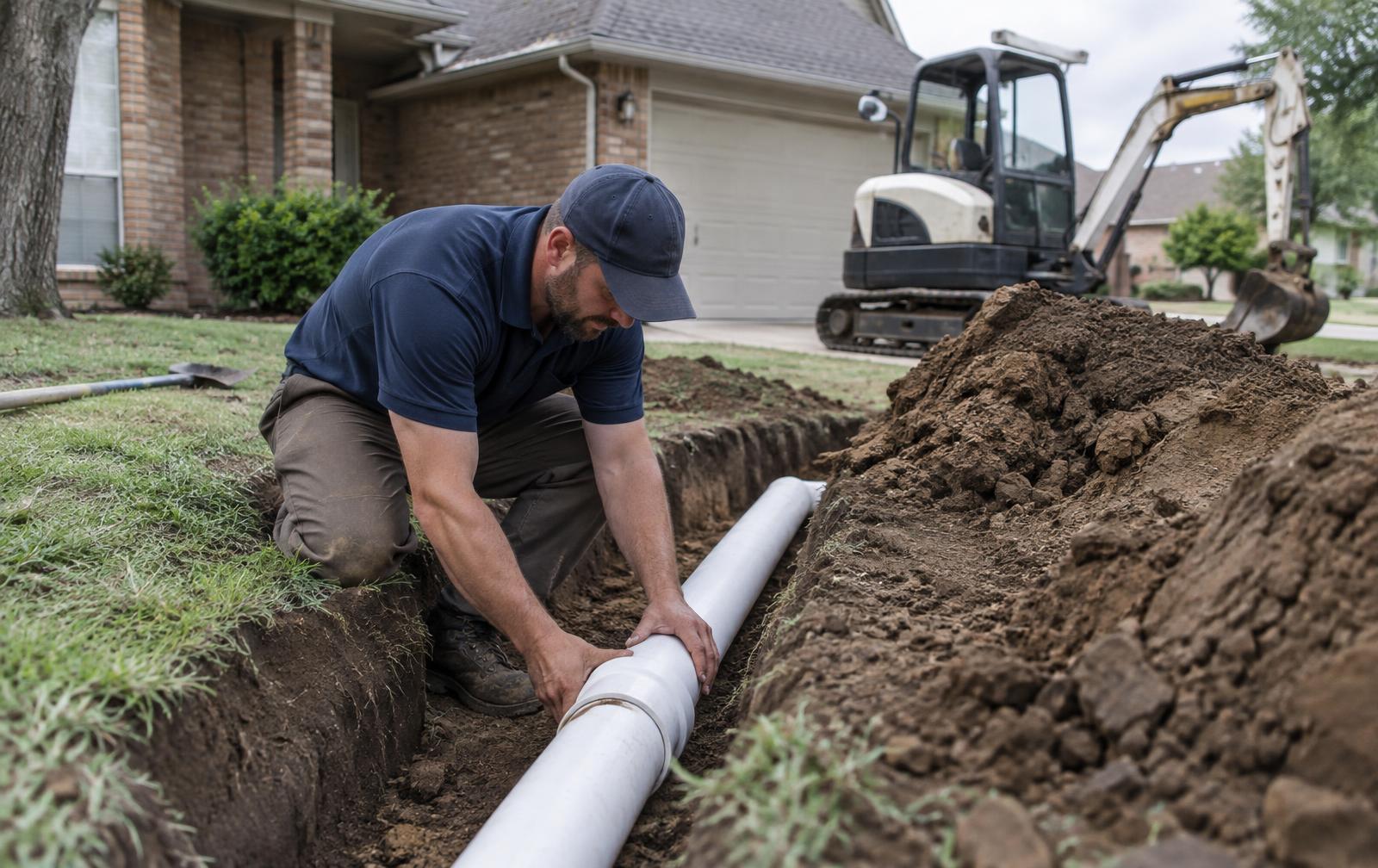
Trenchless replacement for the aging laterals across McKinney's older runs — camera first, quote in writing, minimal yard damage.

Acoustic, thermal, and pressure testing to pinpoint hidden leaks in McKinney slab and wall lines without tearing into finishes.

Licensed install, repair, and pressure-testing for McKinney homes — every line signed off to Texas code and Atmos requirements.
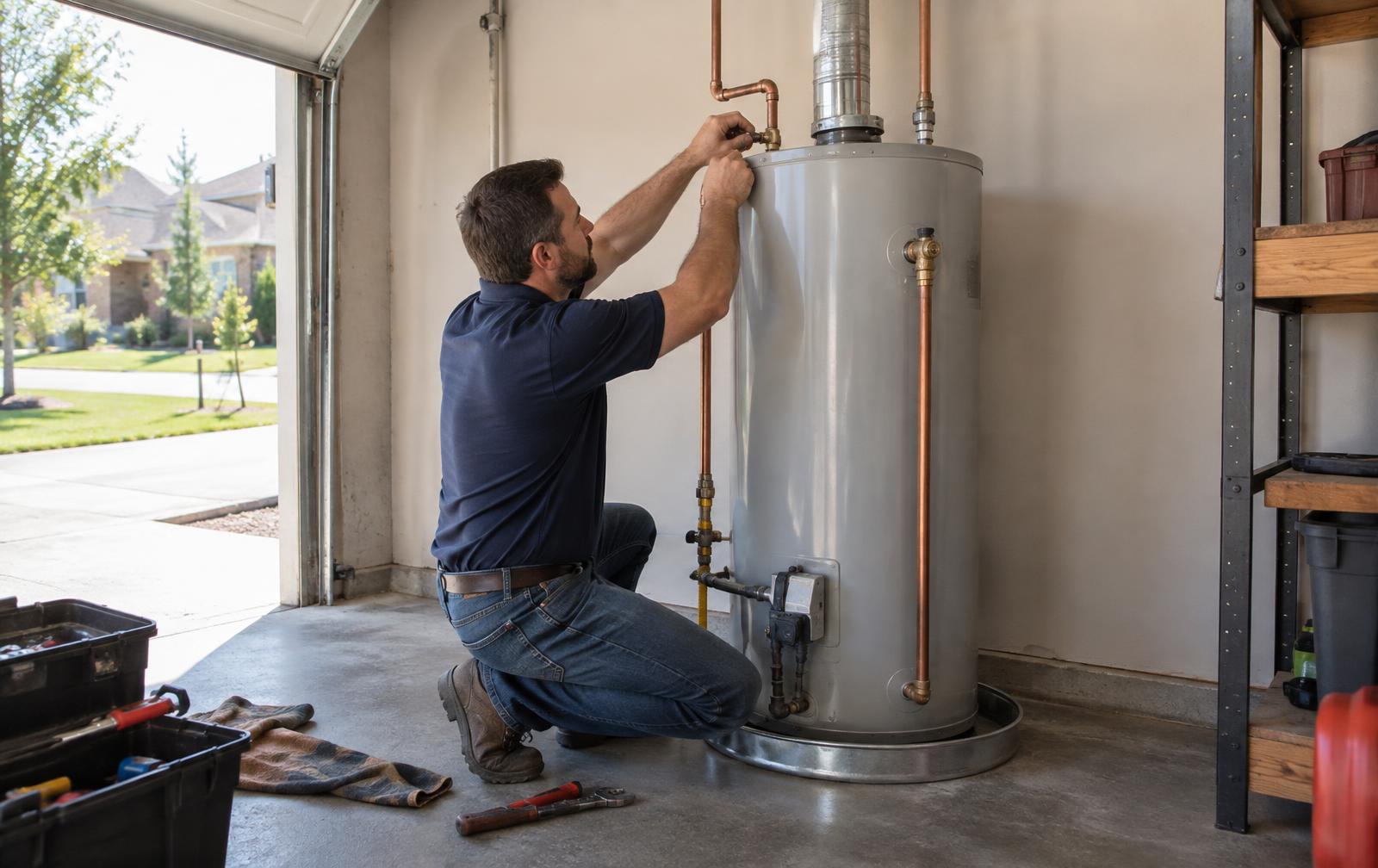
Repair, flush, and replacement of tank units — including attic and garage heaters common to McKinney homes.
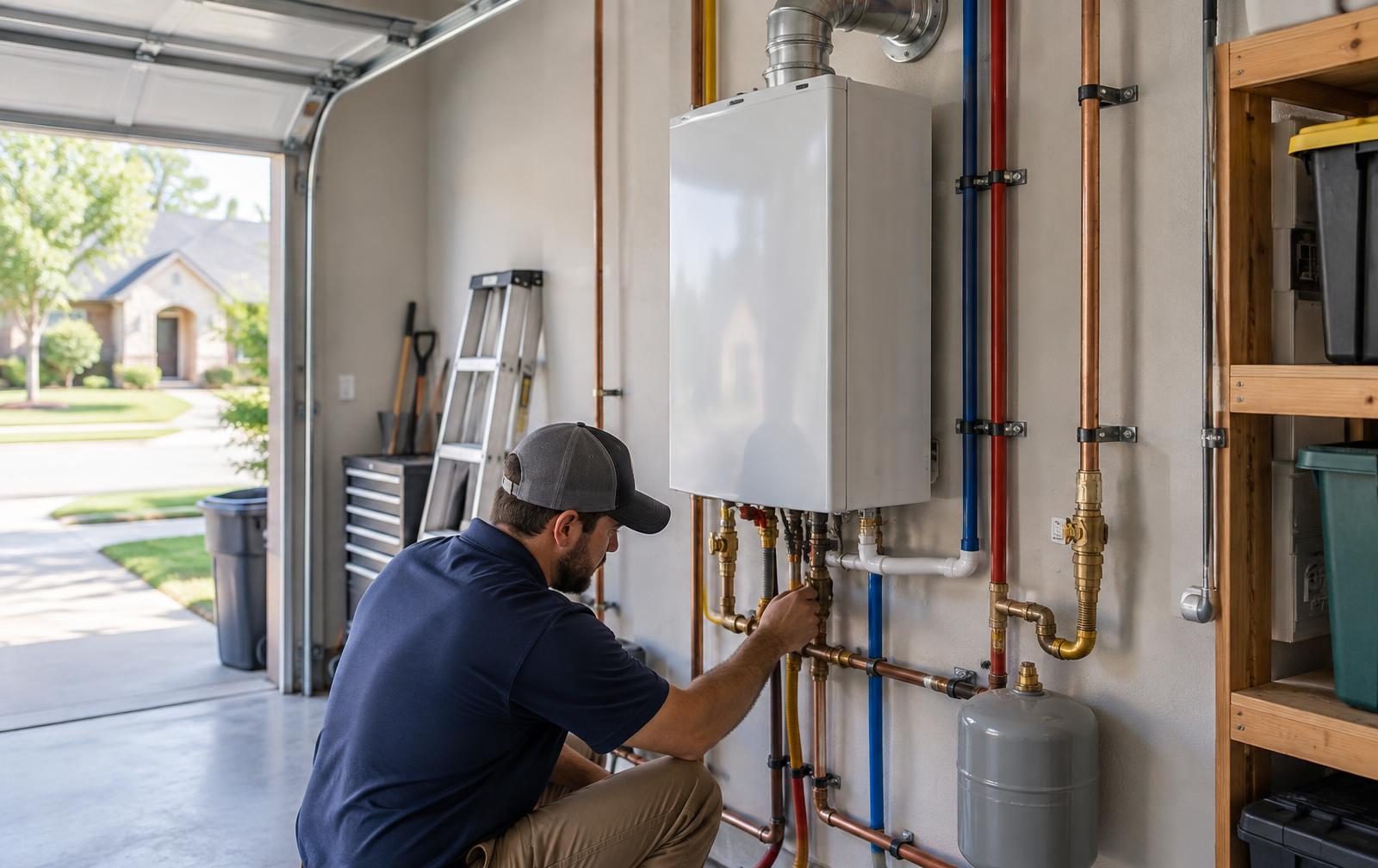
Install, service, and annual descaling — McKinney's hard tap water eats tankless heat exchangers without it.
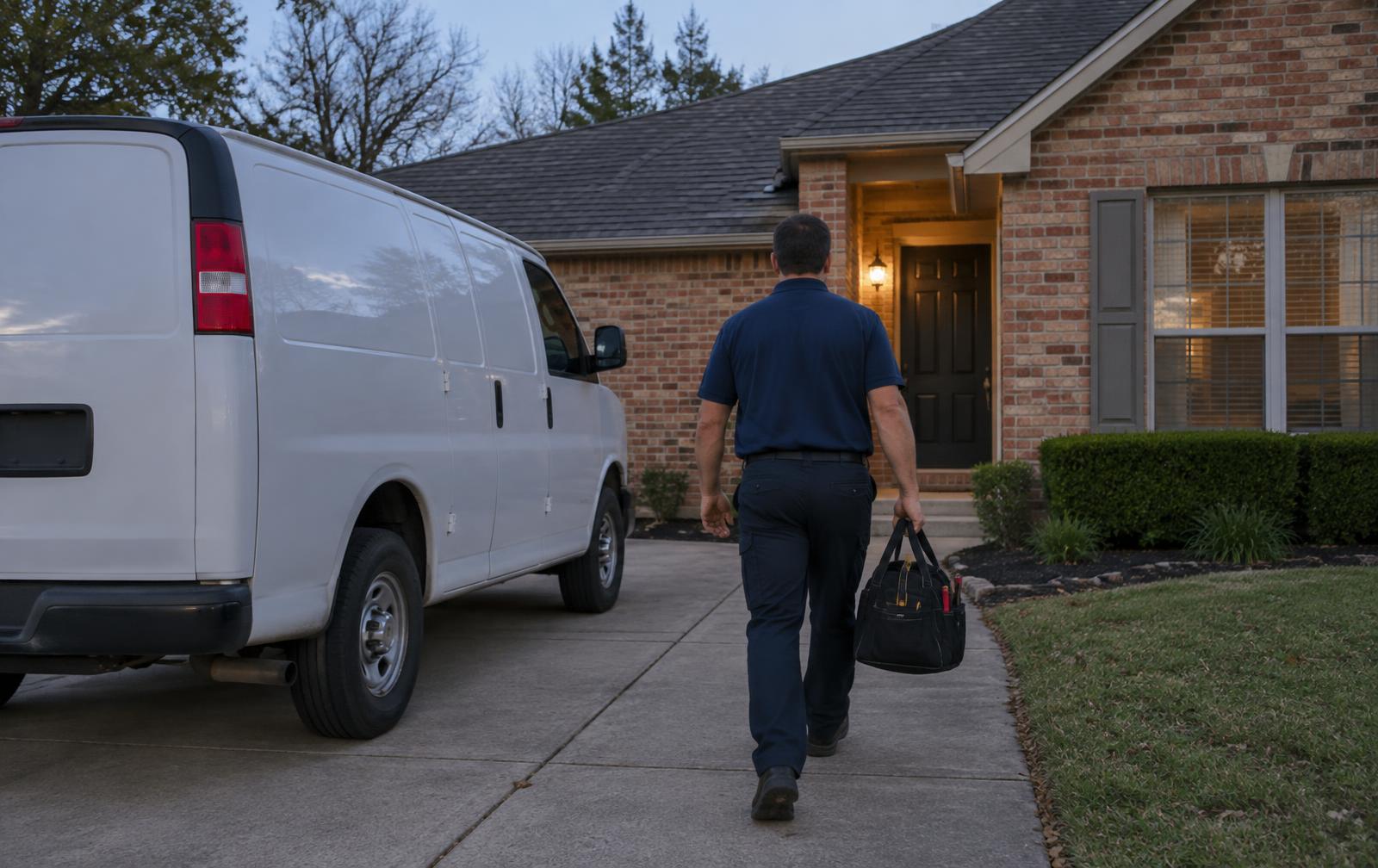
same-day, 7 days a week response across McKinney for burst pipes, heater failures, and main-line backups.
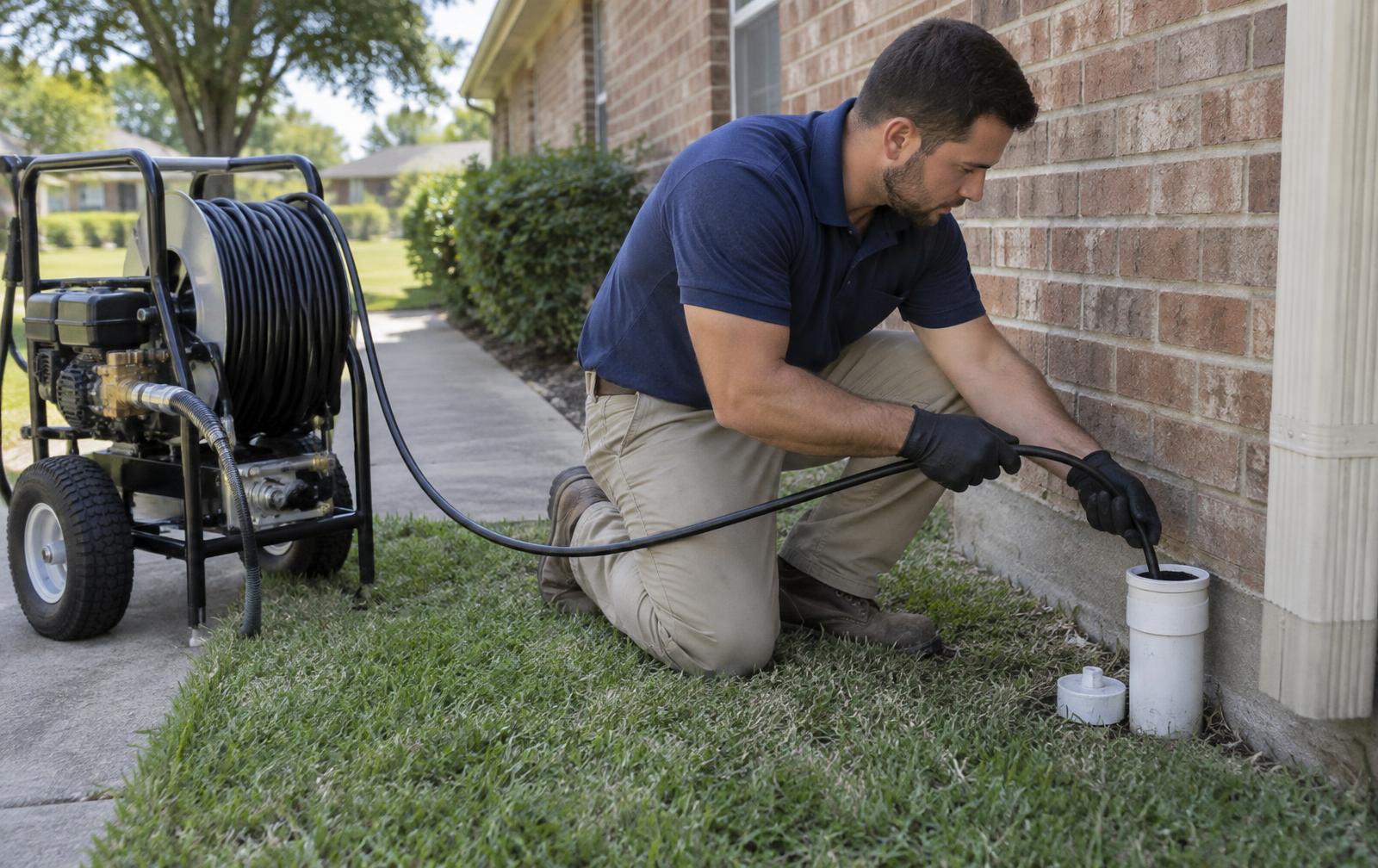
High-pressure cleaning that clears scale, grease, and roots from McKinney's lateral runs — full-diameter, lasting clean.
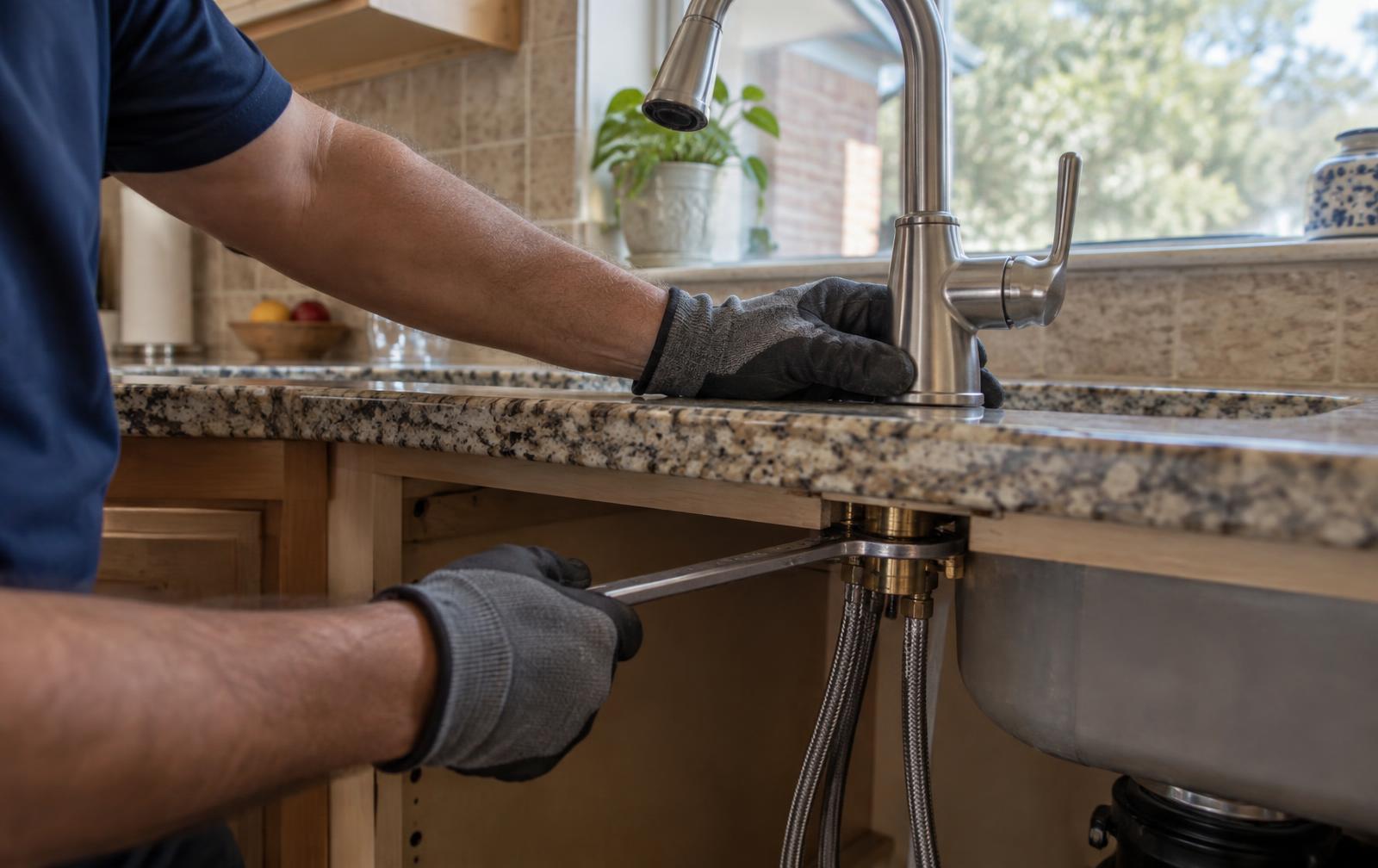
Cartridge, stem, and full-fixture replacement for McKinney kitchens and bathrooms — hard-water-ready parts stocked on the truck.
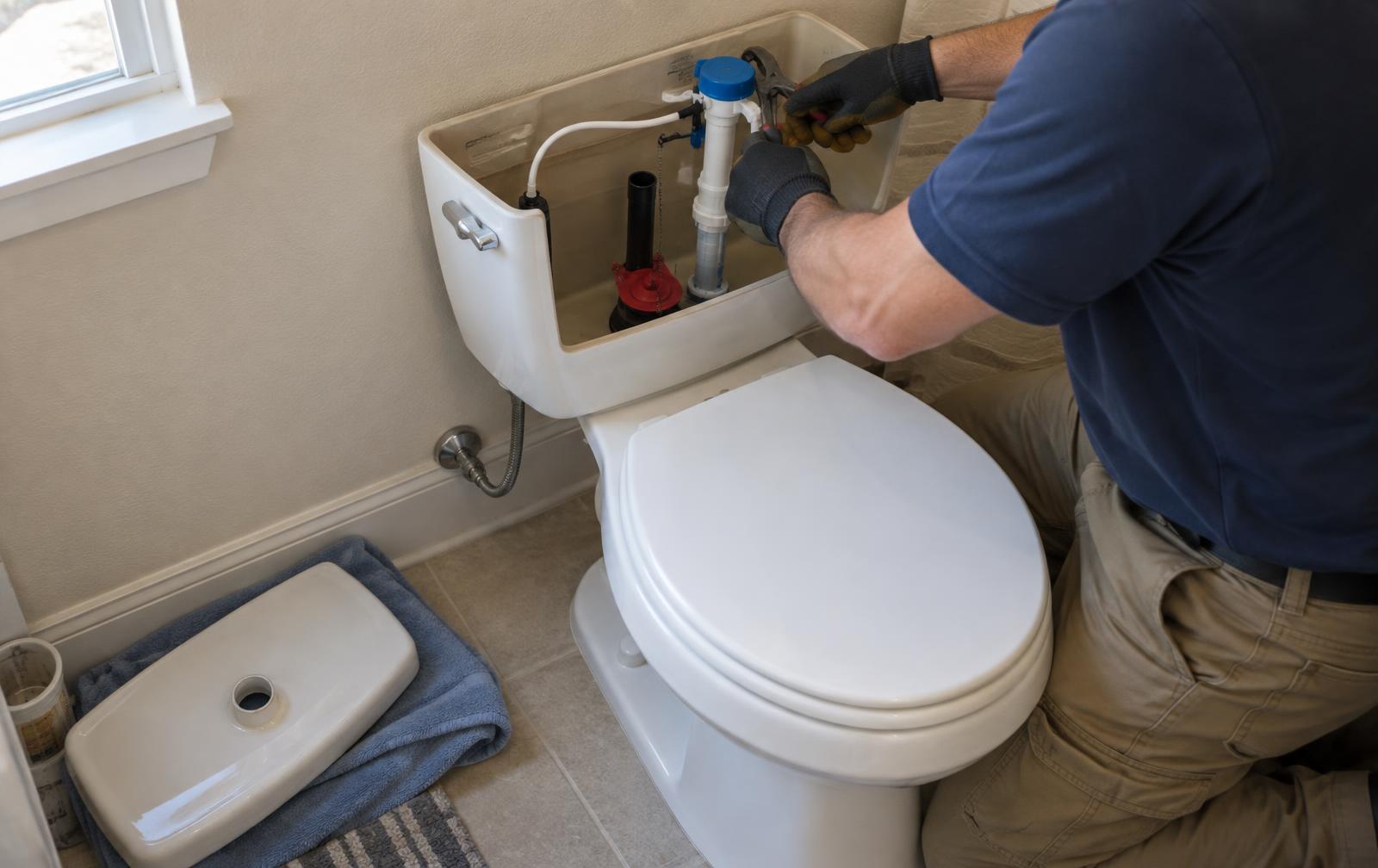
Rebuilds, wax-ring resets, flange repairs, and full replacements — the running toilets and rocking bowls in McKinney homes.
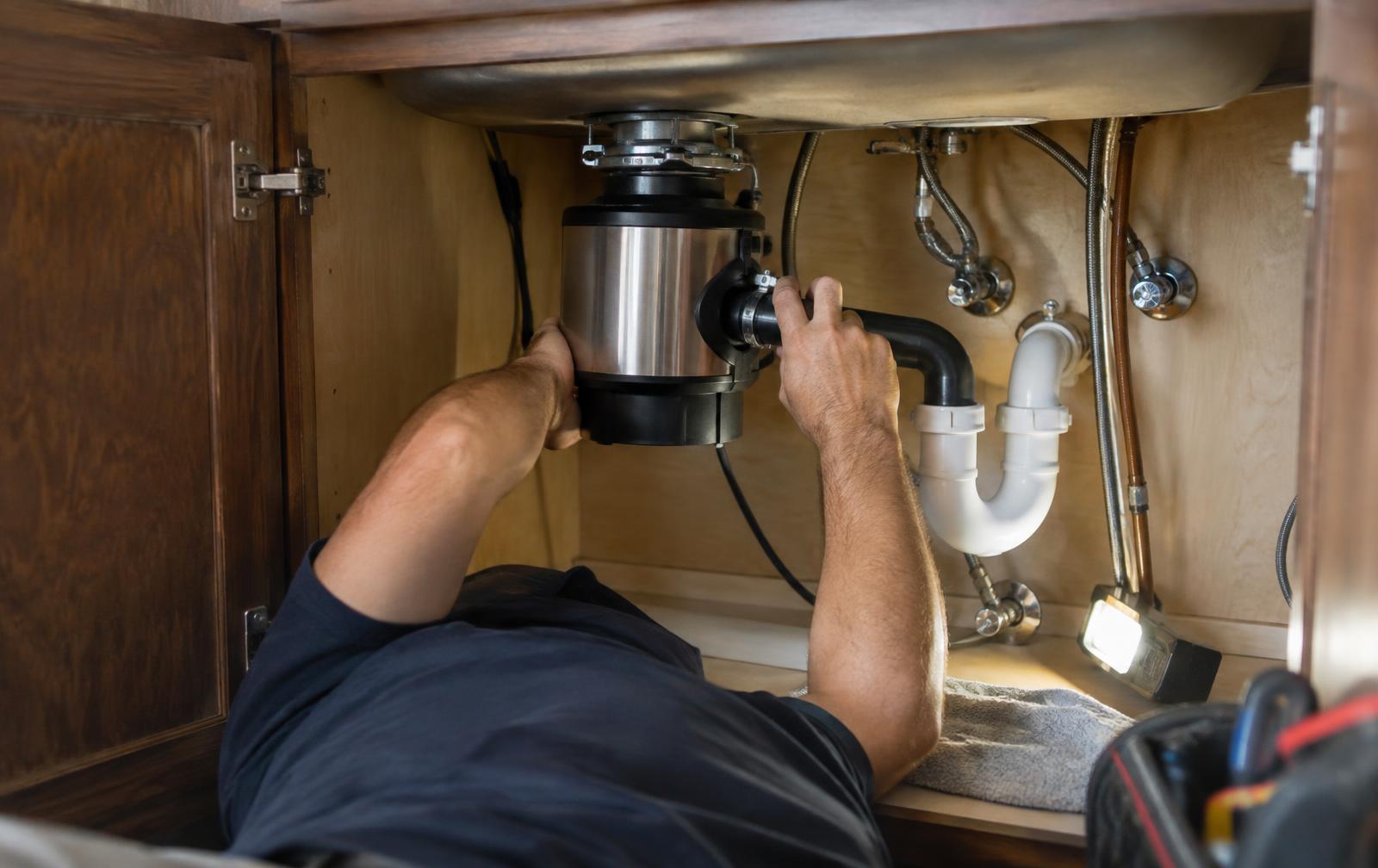
Jam clearing, leaking-unit swaps, and quiet 3/4 HP upgrades for McKinney kitchens — same-visit install.
Dealing With A Slow Or Backed-Up Drain In McKinney?
We diagnose the actual pipe, clear it wall to wall, and confirm it on camera before we call it done.