
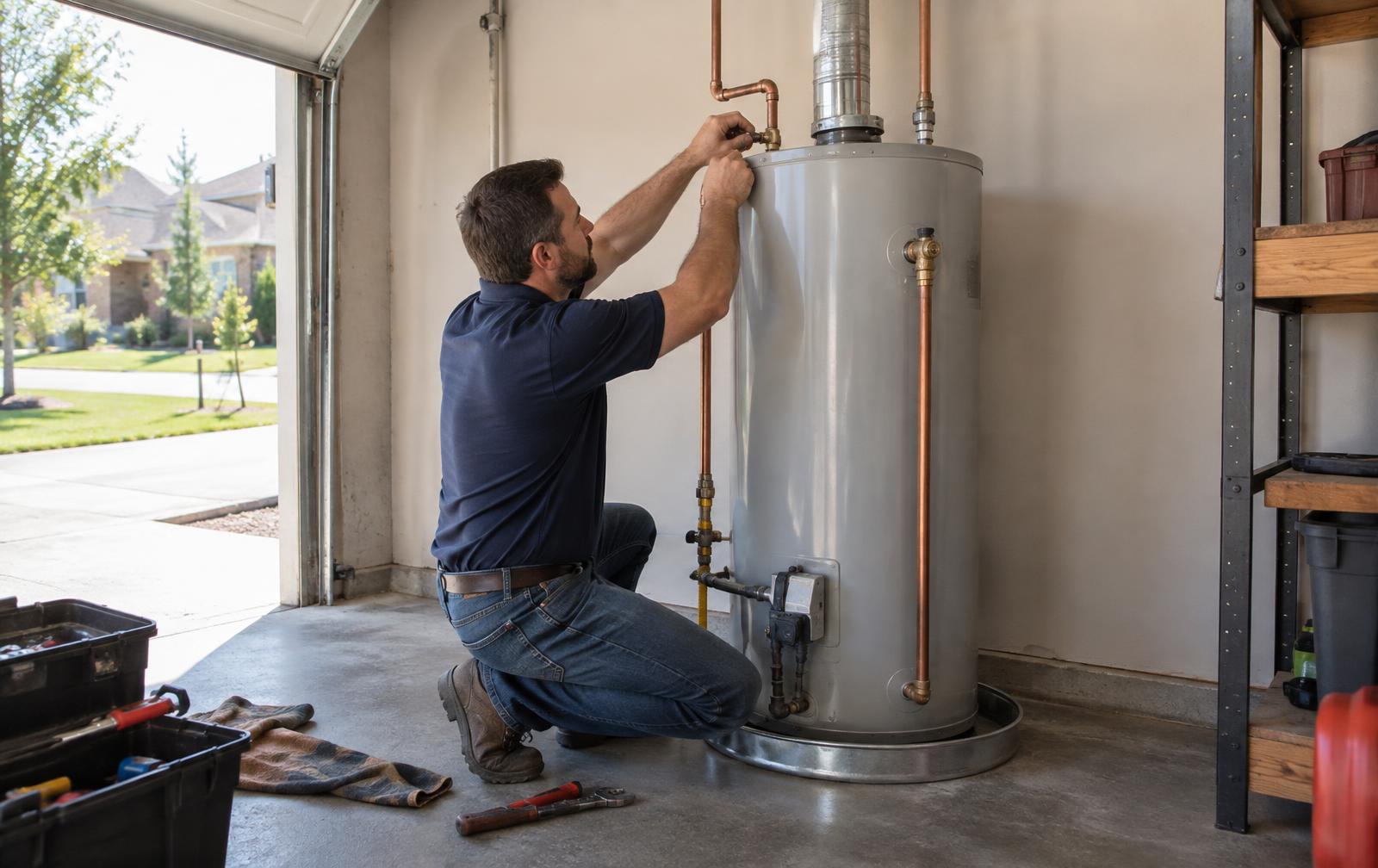
Water Heater Services in McKinney, TX
Nobody wants a cold shower before work. Or brownish water at the tap. Or a puddle spreading across the closet floor. Or that popping noise the heater's been making for a month. Whatever's going on, we work on tank units all over McKinney and can usually turn around a dead heater the same day.
The Closet Changes the Job More Than People Expect
Ranch-style houses in McKinney's older neighborhoods usually give a heater a roomy interior closet with easy access. Newer townhomes built around PEX manifold plumbing tend to squeeze the same tank into a tighter space with awkward relief-valve routing. Condos can bury it in a shared mechanical chase that limits what swap options are even on the table. On top of all that sits McKinney's water itself — the city describes its own supply as moderately hard, and that hardness chews through a sacrificial anode noticeably faster than it would in a softer-water city, which is why tanks here often fail well ahead of their rated schedule.
None of that housing variety matters, though, if the install itself skips what code actually requires. Every heater we set gets a correctly sized expansion tank, a drain pan with a properly routed discharge on any closet or elevated placement, and relief piping that terminates where it's supposed to. Skipping those pieces — a bare tank swap with reused fittings and nothing else — looks like a bargain on install day and turns into a real problem the day an insurance adjuster asks about it.
Our default is to save a tank that's still got life in it. A dead thermocouple, a stuck gas valve, a burnt element, a spent anode, heavy sediment — those are all repairable. When the tank itself has actually failed, we say so and move to replacement instead of stalling on a fix that won't hold.

What Points to Water Heater Trouble in McKinney
Some of these are a quick fix. Others mean the tank's on borrowed time. Worth finding out which before it gets worse.
Second shower runs cold, or the tub never fully fills hot. Could be a worn dip tube, a unit that was undersized to begin with, or sediment cutting into how much usable capacity the tank still has — three different jobs, one symptom.
Sediment sitting on the tank bottom flashes to steam and makes that sound. A flush usually quiets it down if it's been a year or two. Louder, more constant knocking suggests you're closer to the tank's actual end than a flush can fix.
The anode rod meant to sacrifice itself instead of the tank has finally worn out, and the steel is starting to corrode on its own. Swap the anode early and you buy real time; deeply brown water usually means replacement is closer than repair.
A cracked tank shell is a dead end — there's no patch for it. Cut the water and shut off the gas or breaker to the unit and get it swapped before it gets worse.
Sediment buildup or a burner that's struggling both make a heater work harder for the same output. A noticeable jump with nothing else different at home deserves a look.
It drips because pressure's climbing too high, the thermostat's set hotter than it should be, or the valve itself is worn out. Left alone, the next step up from a drip is a genuinely unsafe tank.
Tell You the Truth First, Then Build It Right
If the tank can be saved, we save it. If it needs replacing, every code requirement rides along with the new tank, not just the tank itself.
- 1Start with an actual diagnostic, not a guess
Serial number for the true age, sediment depth, anode wear, relief-valve function, thermocouple or element health, and combustion quality on gas models. From there we tell you plainly whether fixing it or swapping it makes more sense for your money.
- 2On a repair, target the actual failure
A new thermocouple, gas valve, heating element, thermostat, dip tube, anode rod, or a straightforward sediment flush — whichever it is, parts for the units we see most stay stocked on the truck.
- 3On a replacement, bring the whole install up to code
Right-sized BTU or element output for how the household actually uses hot water, a properly sized expansion tank on any closed plumbing system, a drain pan routed to a real discharge point on closet installs, correctly piped relief valve, dielectric fittings at the connections, and seismic strapping wherever the location requires it.
- 4Haul the dead one out without a mess
The old tank rides out with us for recycling — nobody's wrestling two hundred pounds of drained steel through a finished hallway. We leave the closet floor vacuumed before setting the new unit in place.
- 5Prove it works before we leave
Combustion check on gas units, a recovery-rate test, temperature set to a sensible default unless you'd rather choose your own, and a walkthrough covering the shutoff valve, the relief-valve test, and roughly when to plan the next flush.
How the Closet Differs Across McKinney
House type shapes the install, and the install shapes how the unit eventually goes.
Houses closest to the original courthouse square are old enough that a heater swap here regularly uncovers gas piping or venting that no longer clears current code, so the scope tends to run past the tank itself.
Tanks original to this community's mid-1980s first phase are well beyond a normal service life by now, unlike the newer sections built years later — replacing rather than nursing those units along is usually the sound call.
Homes built mostly in the 2000s here generally already carry adequate gas capacity, so a like-for-like tank swap tends to be a clean job without added piping work.
Construction has continued here since the early 2010s, so most heaters in this area are still comfortably inside their expected working life — routine maintenance rather than emergency swaps make up most of our visits.
This corridor passes several of the city's newer subdivisions, Trinity Falls included, so gas capacity and venting for units along it typically already satisfy current code.
Homes along the greenbelt cover a spread of build decades much like McKinney as a whole, so we check tank age and venting condition property by property rather than assuming anything from the location alone.
What McKinney Homeowners Say

We Fix It When That's the Right Call, Replace It Right When It Isn't
New tanks carry the manufacturer's own warranty plus warrantied labor from our side. Repairs carry warrantied parts and labor as well. When we recommend replacement over repair, that call comes straight from what the diagnostic actually turned up — not from whatever happens to be sitting in the truck that morning.
We're licensed by the Texas State Board of Plumbing Examiners, insured, and family-owned, with every truck dispatching from our shop in The Colony. Hours run same-day service, seven days a week, 8 AM to 6 PM, and total failures across McKinney get priority.
Plainly Put
Our Other Plumbing Services in McKinney, TX
A water heater on its way out often has company — the rest of the home's plumbing tends to be a similar age. Ask us to check supply lines, drains, and gas connections while we're already there in McKinney.
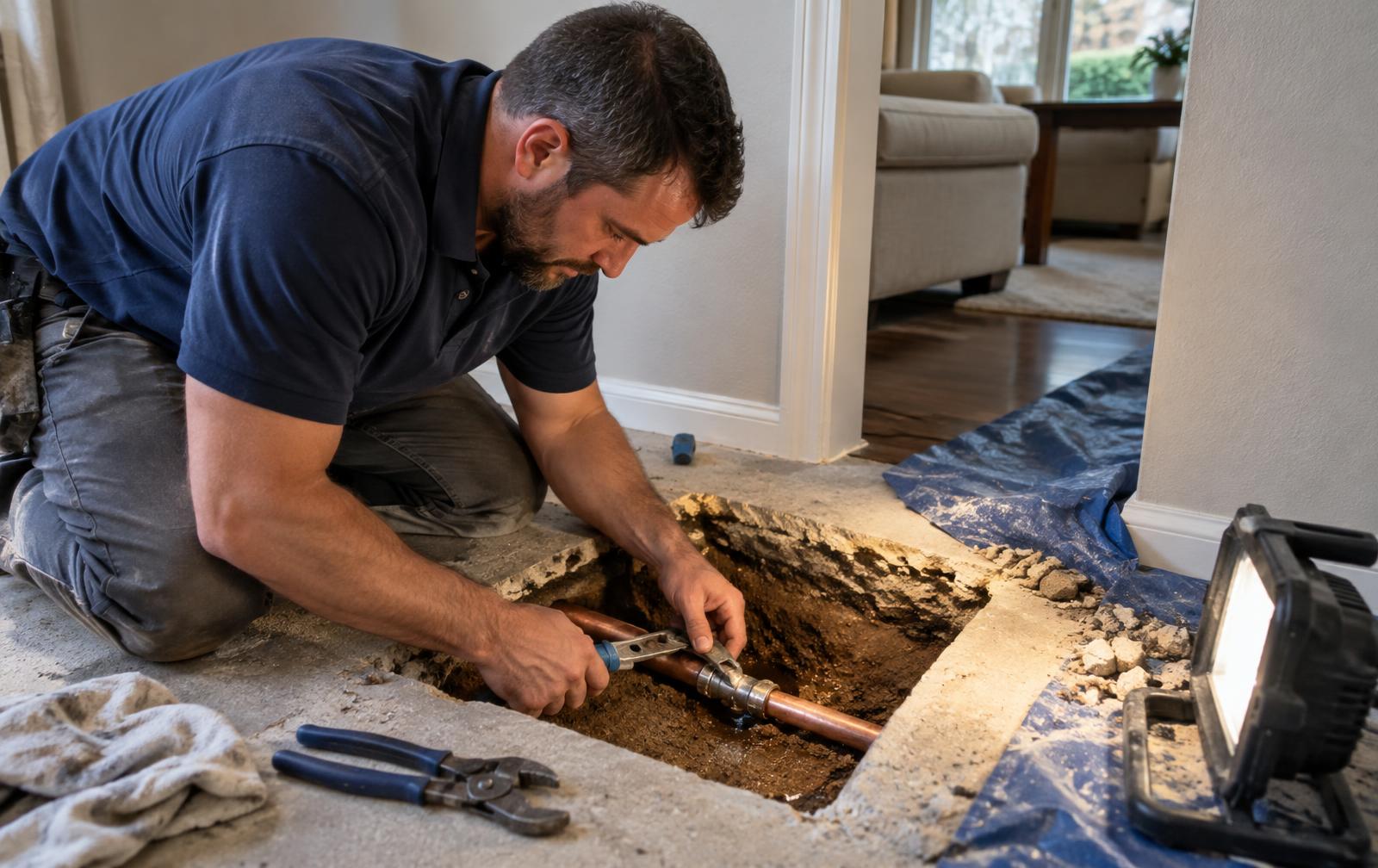
Electronic detection under McKinney slabs — reroute options that save your finished floors when possible.
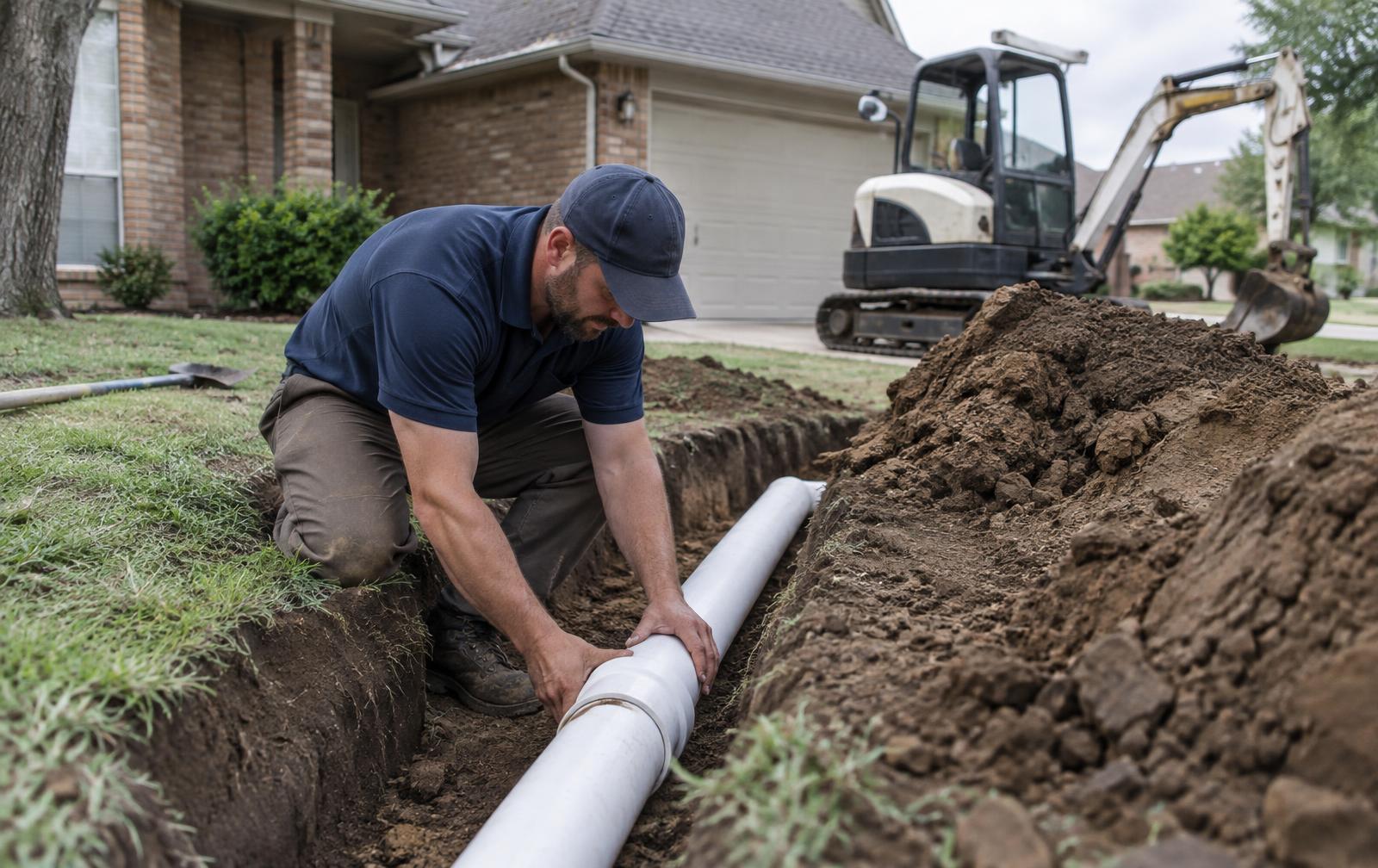
Trenchless replacement for the aging laterals across McKinney's older runs — camera first, quote in writing, minimal yard damage.
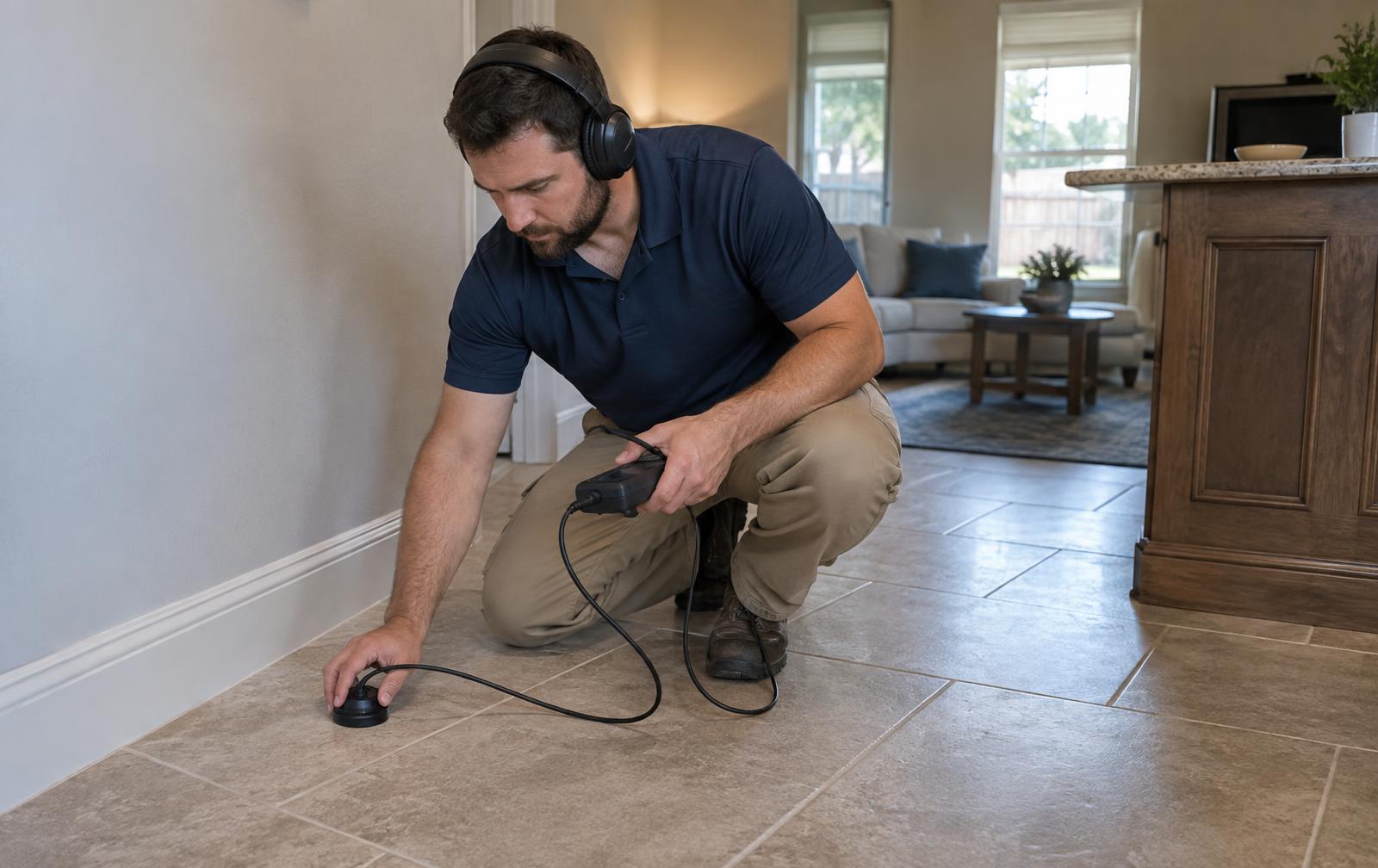
Acoustic, thermal, and pressure testing to pinpoint hidden leaks in McKinney slab and wall lines without tearing into finishes.
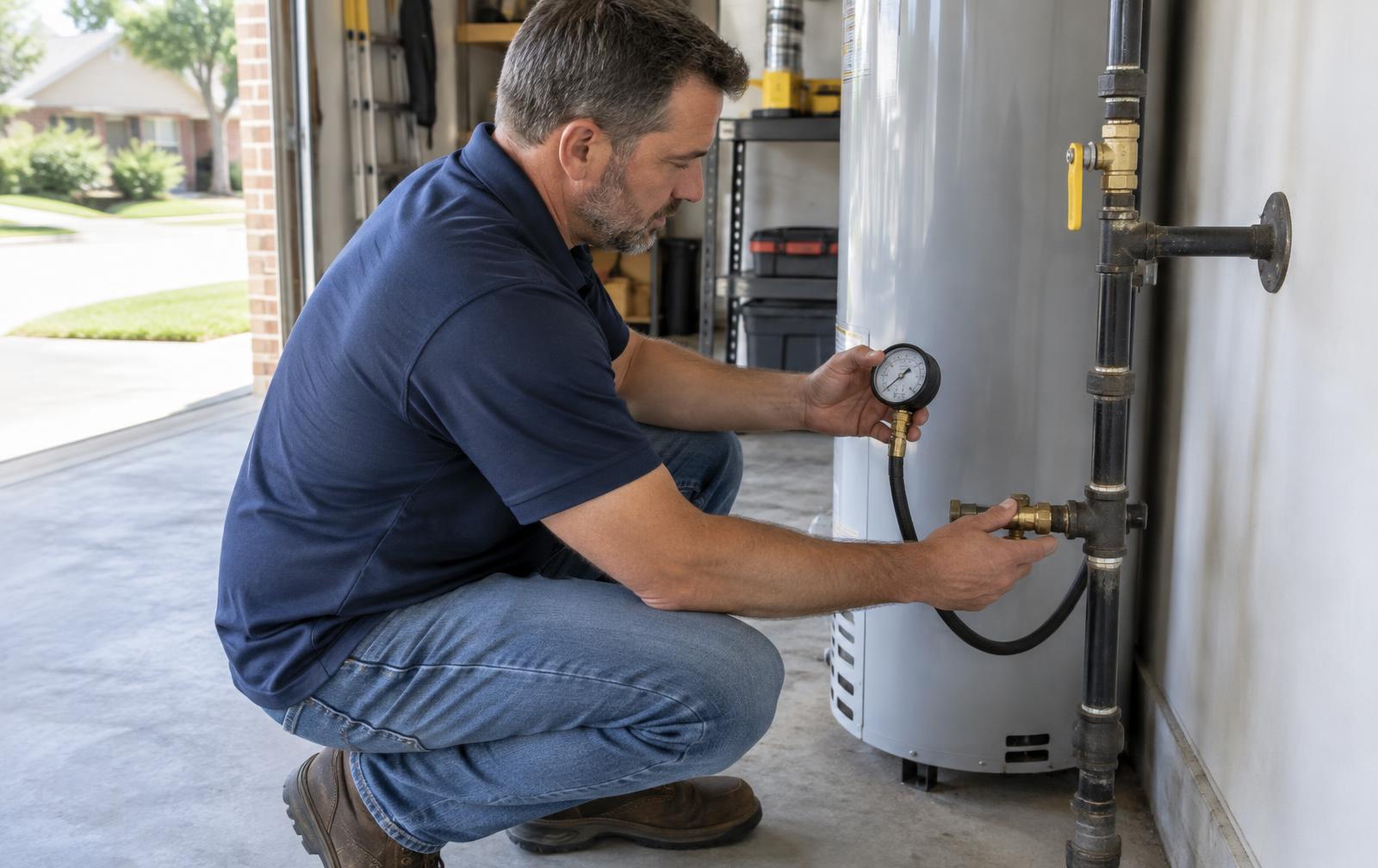
Licensed install, repair, and pressure-testing for McKinney homes — every line signed off to Texas code and Atmos requirements.
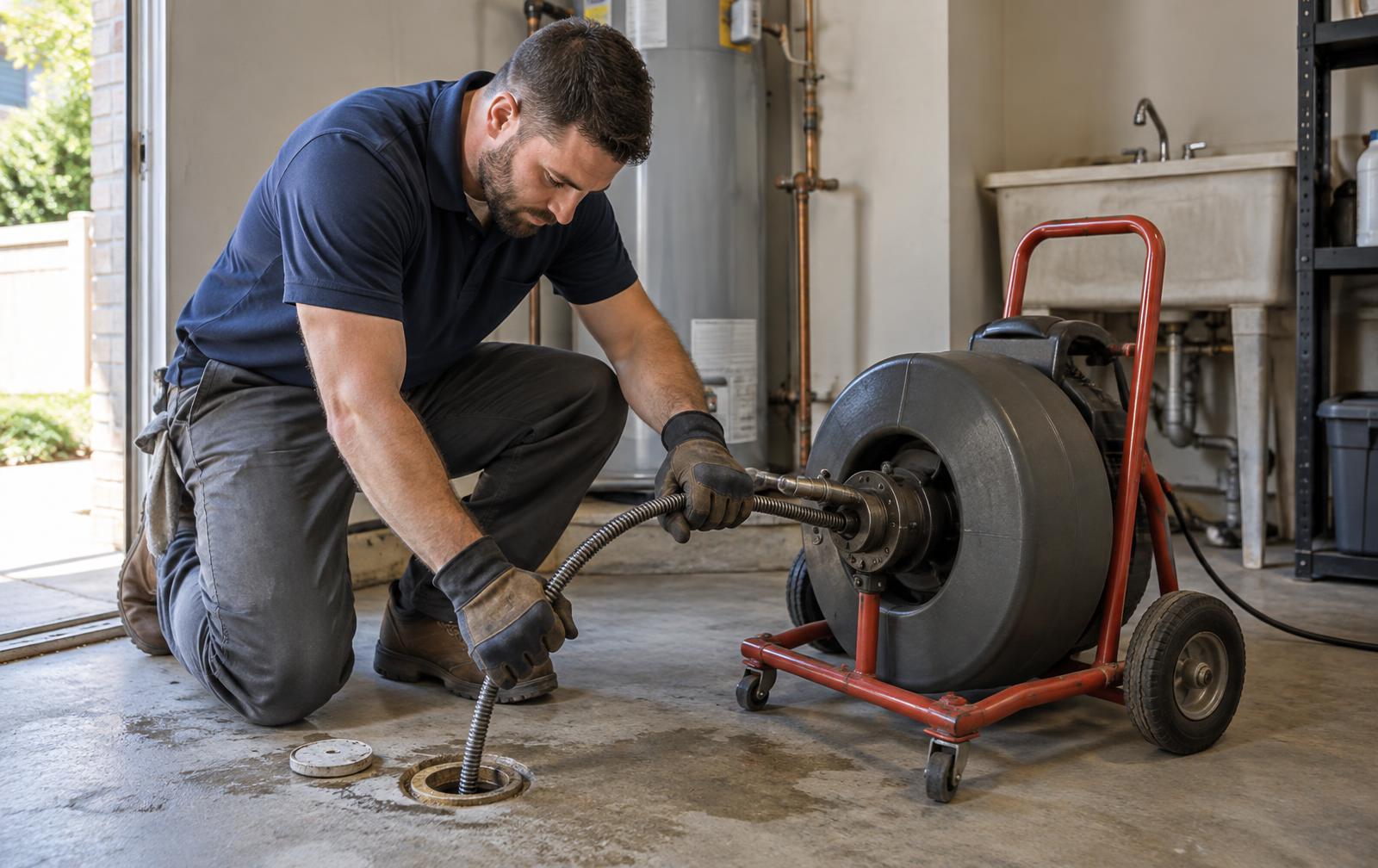
Full-clear service and camera confirmation for the drains under McKinney's neighborhoods.
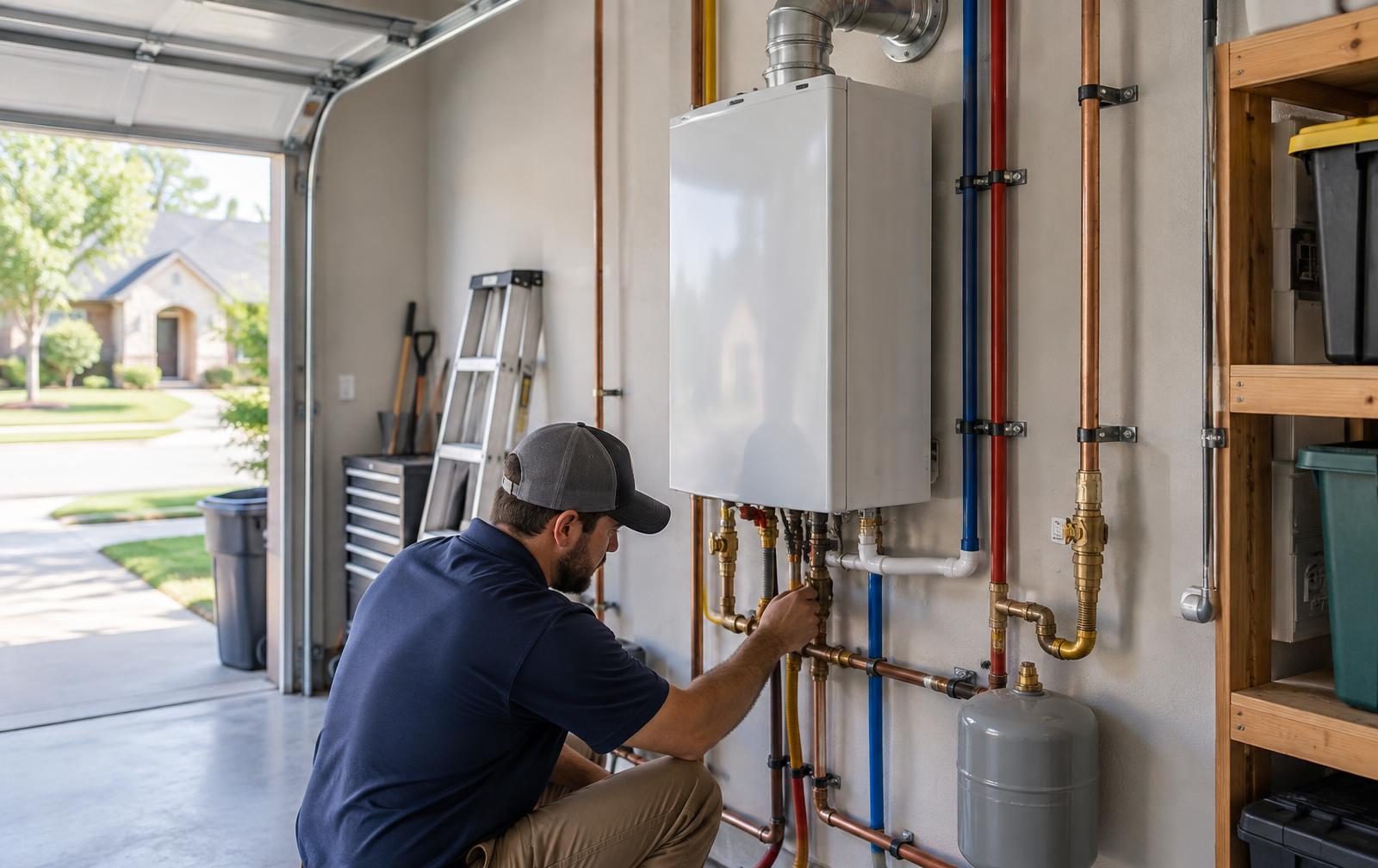
Install, service, and annual descaling — McKinney's hard tap water eats tankless heat exchangers without it.
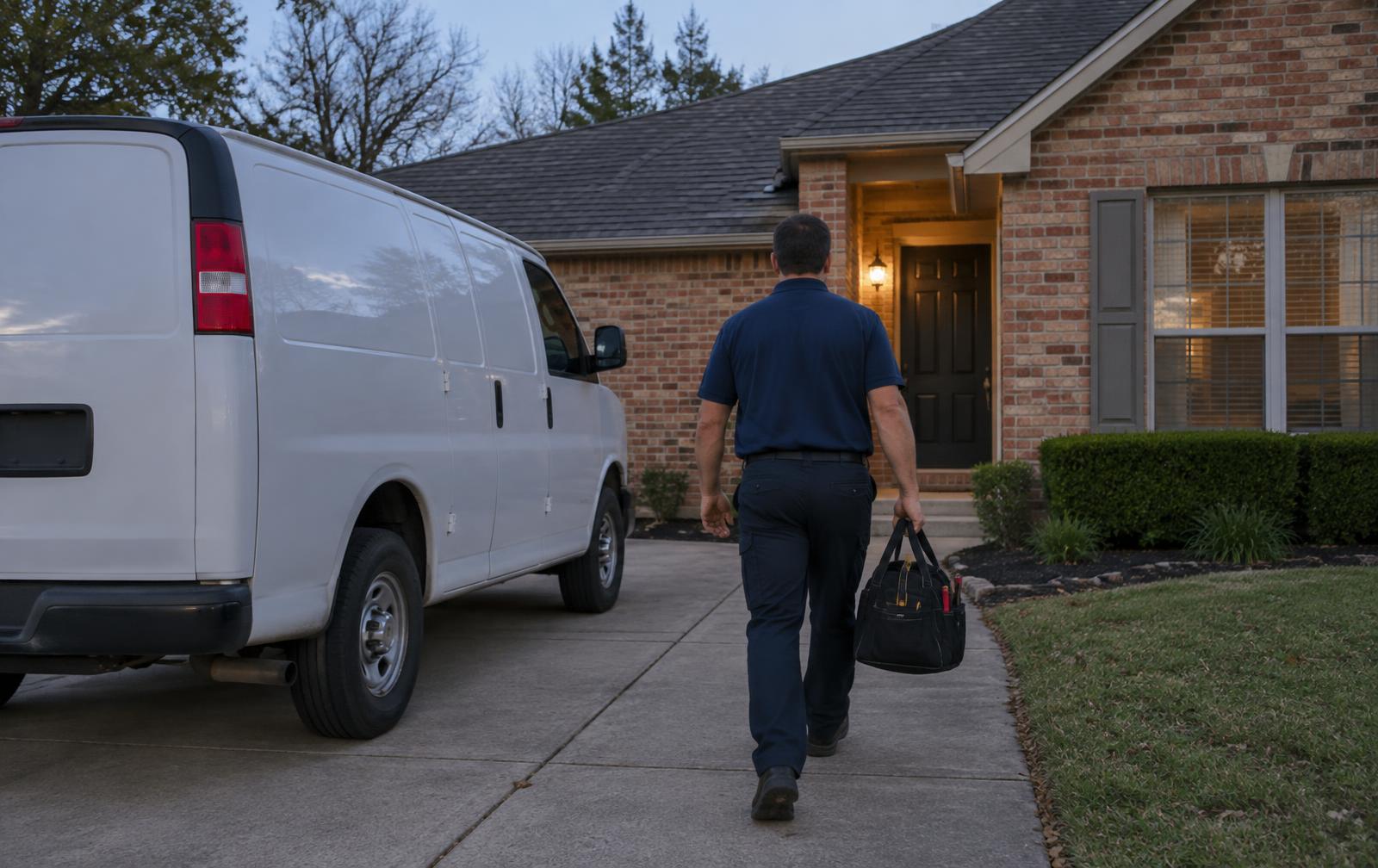
same-day, 7 days a week response across McKinney for burst pipes, heater failures, and main-line backups.
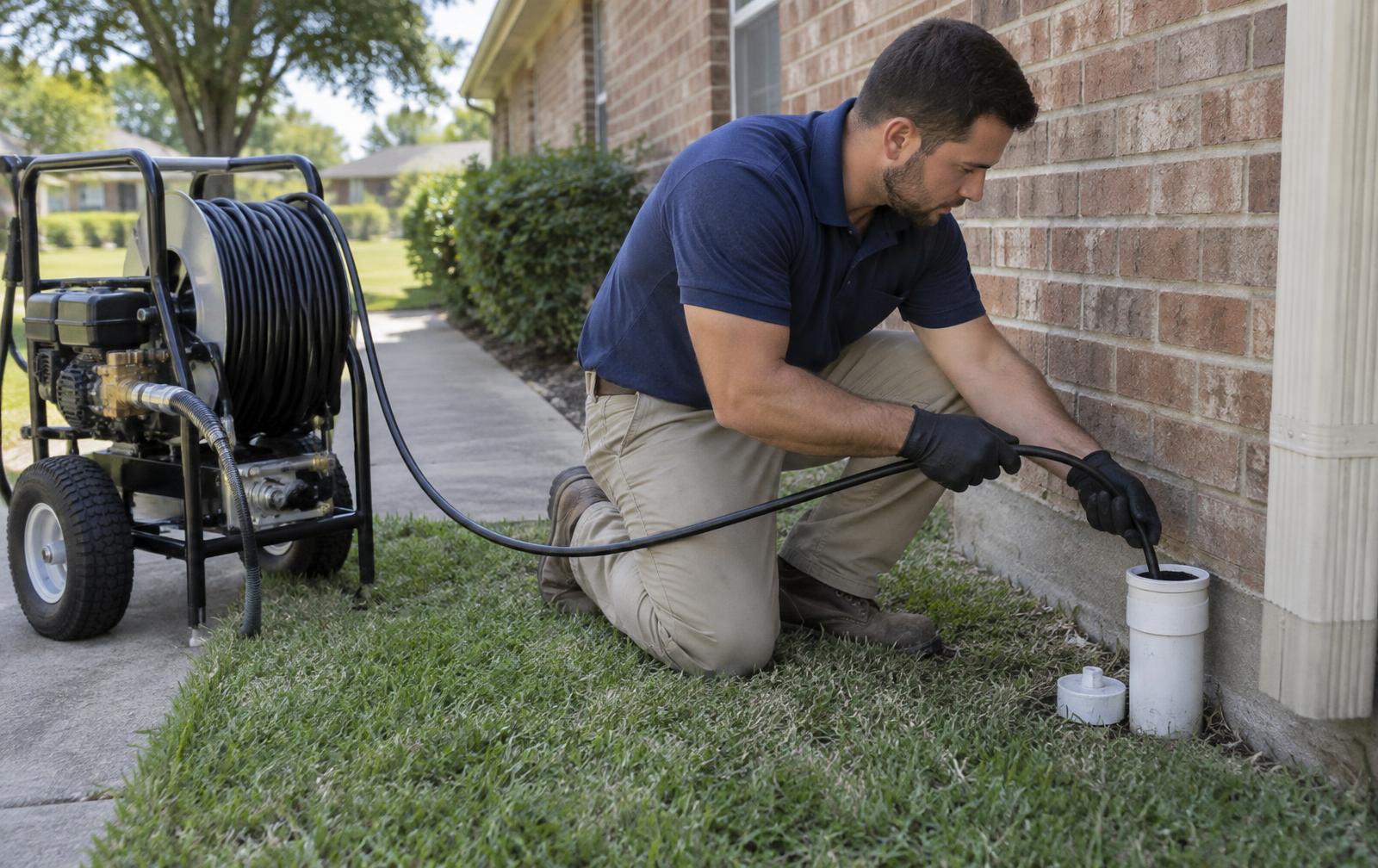
High-pressure cleaning that clears scale, grease, and roots from McKinney's lateral runs — full-diameter, lasting clean.
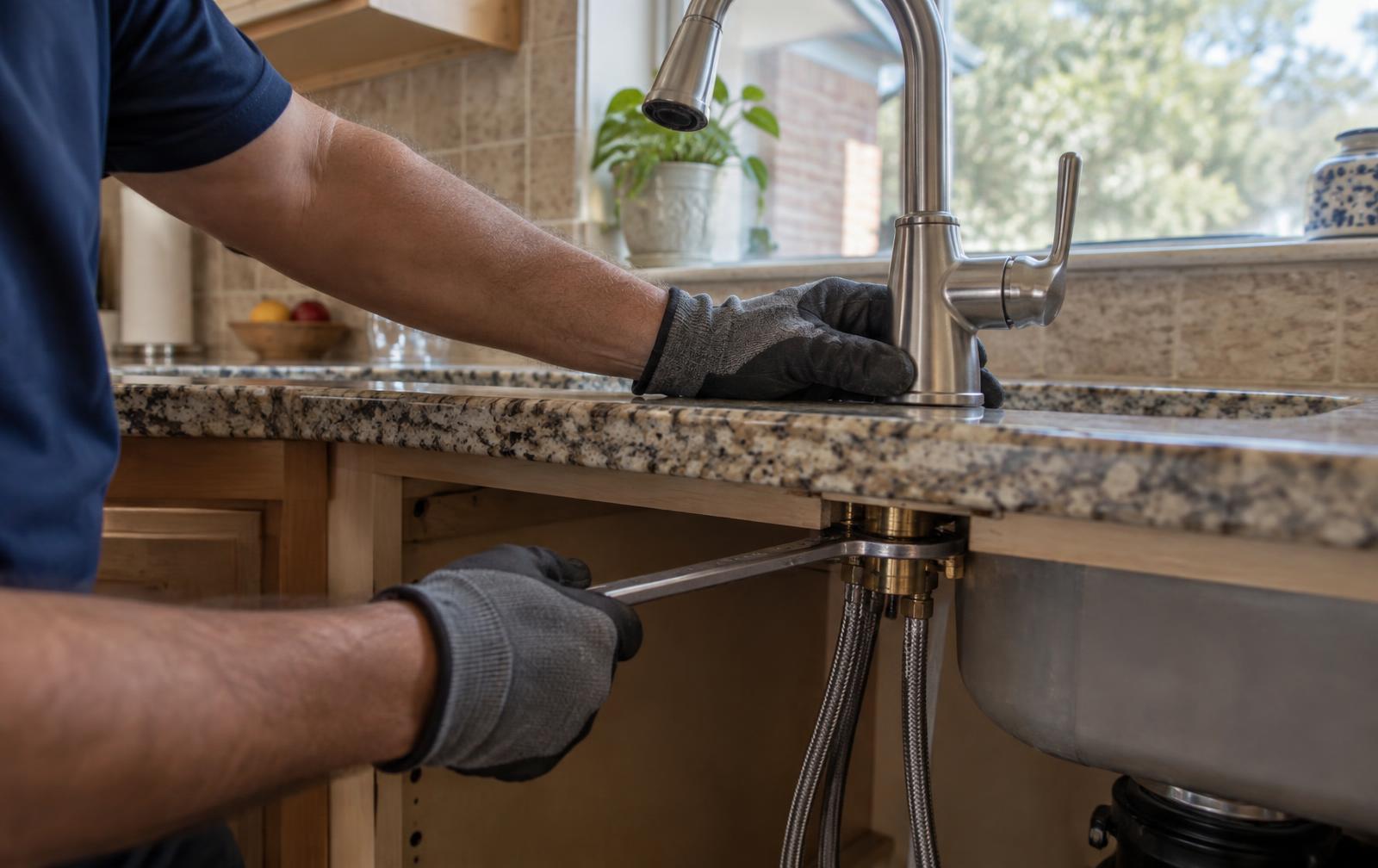
Cartridge, stem, and full-fixture replacement for McKinney kitchens and bathrooms — hard-water-ready parts stocked on the truck.
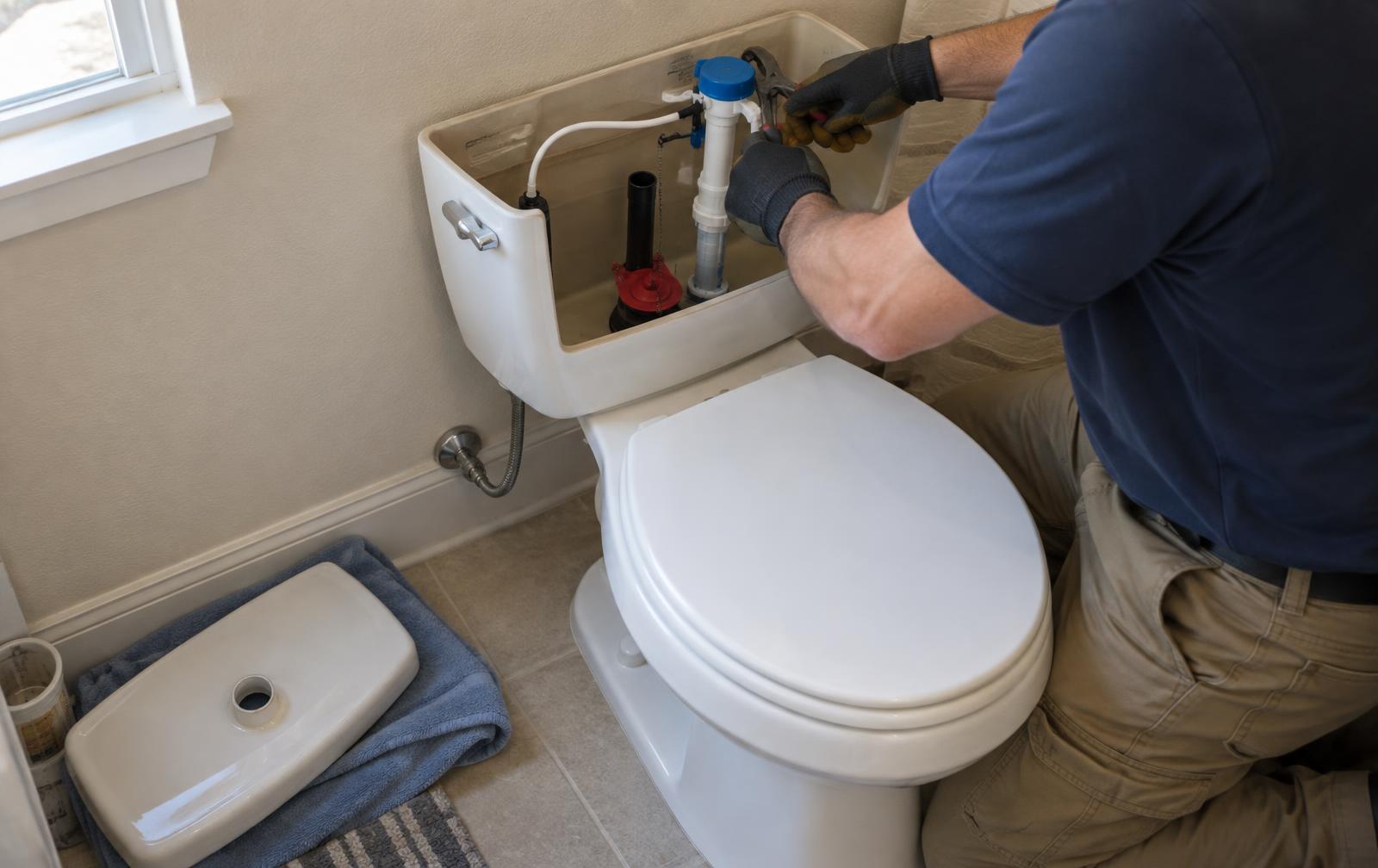
Rebuilds, wax-ring resets, flange repairs, and full replacements — the running toilets and rocking bowls in McKinney homes.
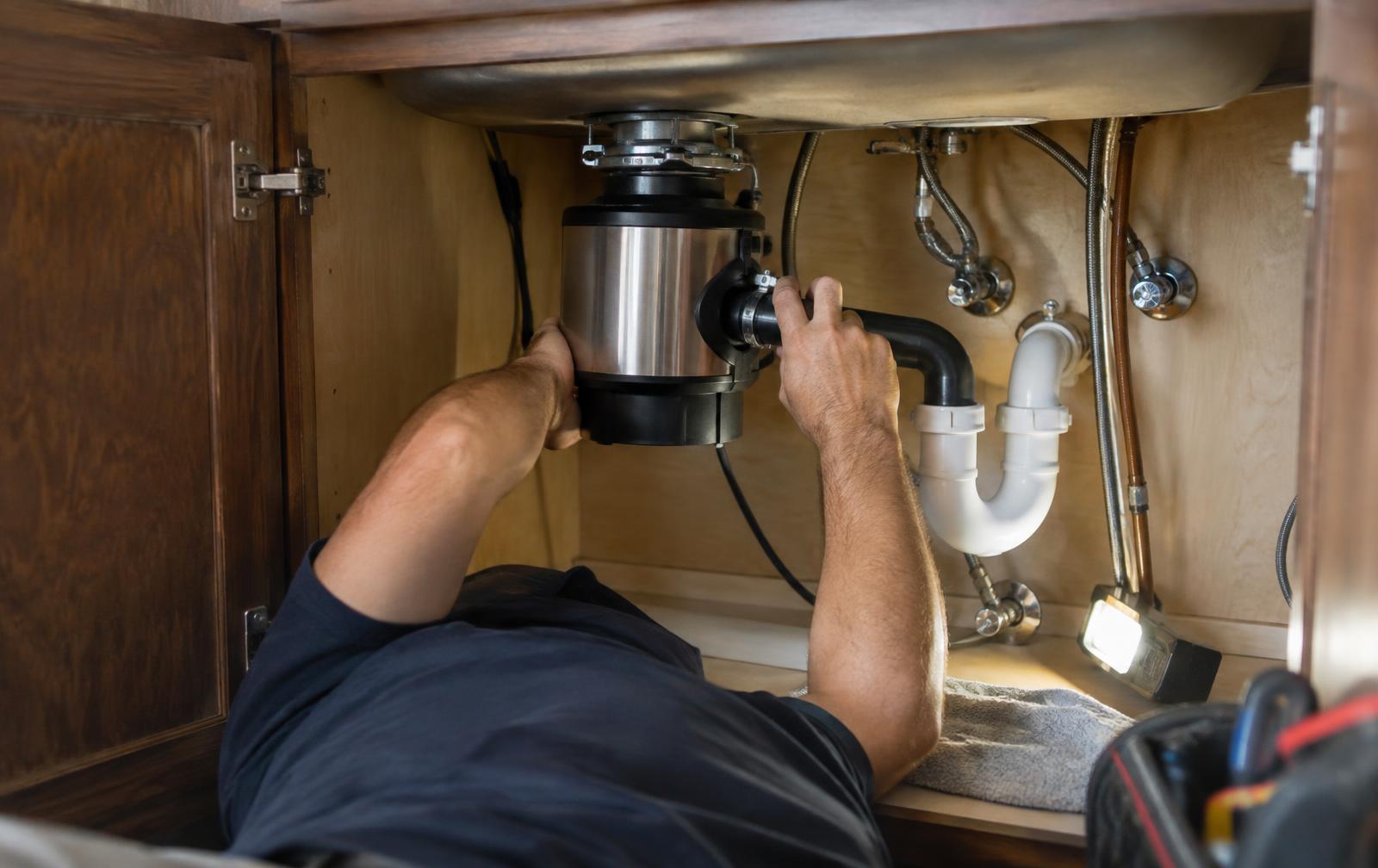
Jam clearing, leaking-unit swaps, and quiet 3/4 HP upgrades for McKinney kitchens — same-visit install.
Water Heater Trouble at Your McKinney Home?
An honest diagnosis, a code-correct replacement when that's the better move, and same-day turnaround on total failures. We're out seven days a week.