
Slab Leak Repair in McKinney, TX
Puddled water on tile that no one spilled. A patch of bedroom carpet warmer than everything around it. A utility bill that climbed for no reason anybody can point to. We track slab leaks under McKinney homes before demolition starts, and give you an honest comparison of patching the slab versus rerouting around it.
Patch It or Bypass It — That's the Real Decision
Collin County's own soil survey calls out the area's clay as deep, alkaline, and among the more expansive soils in the region, meaning it swells and shrinks noticeably with the seasons. A slab poured on top of ground like that keeps flexing for as long as the house stands, and the copper riding through it flexes right along with the concrete, year after year.
How old the plumbing itself is changes the math further. A good number of McKinney's houses were framed before post-tensioned slabs were the norm, so their supply lines have had decades to accumulate stress fractures under that movement. Newer townhomes and condos in some of the city's more recent developments run PEX instead, and while that material handles ground movement better, tight shared walls and finished concrete floors there make tear-out expensive no matter what's leaking.
In both cases, reaching for a jackhammer first is the wrong order of operations. Acoustic listening gear and a thermal camera can put a mark on the slab within a few inches of the actual break, and only then does it make sense to talk through whether opening that one spot or running a new line overhead is the smarter move for your particular house.

Signs of a Slab Leak in a McKinney House
Left alone, a slab leak can run for weeks unnoticed. Catch it early and the repair stays small; miss it and you're looking at ruined flooring and mold cleanup.
Hot water escaping under a slab heats the concrete right above the break. Walk the house barefoot before the AC or heater kick on for the day — an unexplained warm patch on tile or wood is almost always a hot-side line underneath.
A pinhole in a slab-run line can waste a steady stream of water day and night without a single drop showing indoors. If nothing new was plugged in, planted, or filled, and your bill still jumped, a slab leak belongs at the top of the suspect list.
A hot-side leak under the slab forces the heater to keep reheating water that's draining into the ground instead of reaching a faucet. A closet that runs warmer than it should, or a burner firing more often than usual, both point the same direction.
Moisture sitting under a slab for a long stretch eventually breaks grout lines and lifts hardwood at the seams. Both are late indicators — by the time either shows, the leak has typically been running for months already.
Turn off every fixture, kneel near the floor or an interior wall, and listen closely. A soft hiss or trickle under those conditions almost always means water moving where it shouldn't be.
A slab leak on the hot line saps shower pressure and shortens how long hot water lasts. When cold runs fine but hot is clearly weaker, look under the slab before anywhere else.
Find It, Then Decide Together How to Fix It
Nothing gets cut until we've confirmed exactly where the leak sits and whether opening concrete is even necessary.
- 1Test hot and cold separately
Pressure-testing both sides at the water heater tells us right away which line is losing pressure. That single check shapes everything after it, including whether a reroute, if one's needed, covers one line or two.
- 2Narrow it down with sound and heat
A ground microphone across the floor, a thermal reading on the slab and nearby walls, and, when needed, a tracer gas pass on the isolated line together usually bring the search area down to roughly a foot across.
- 3Explain both options before touching anything
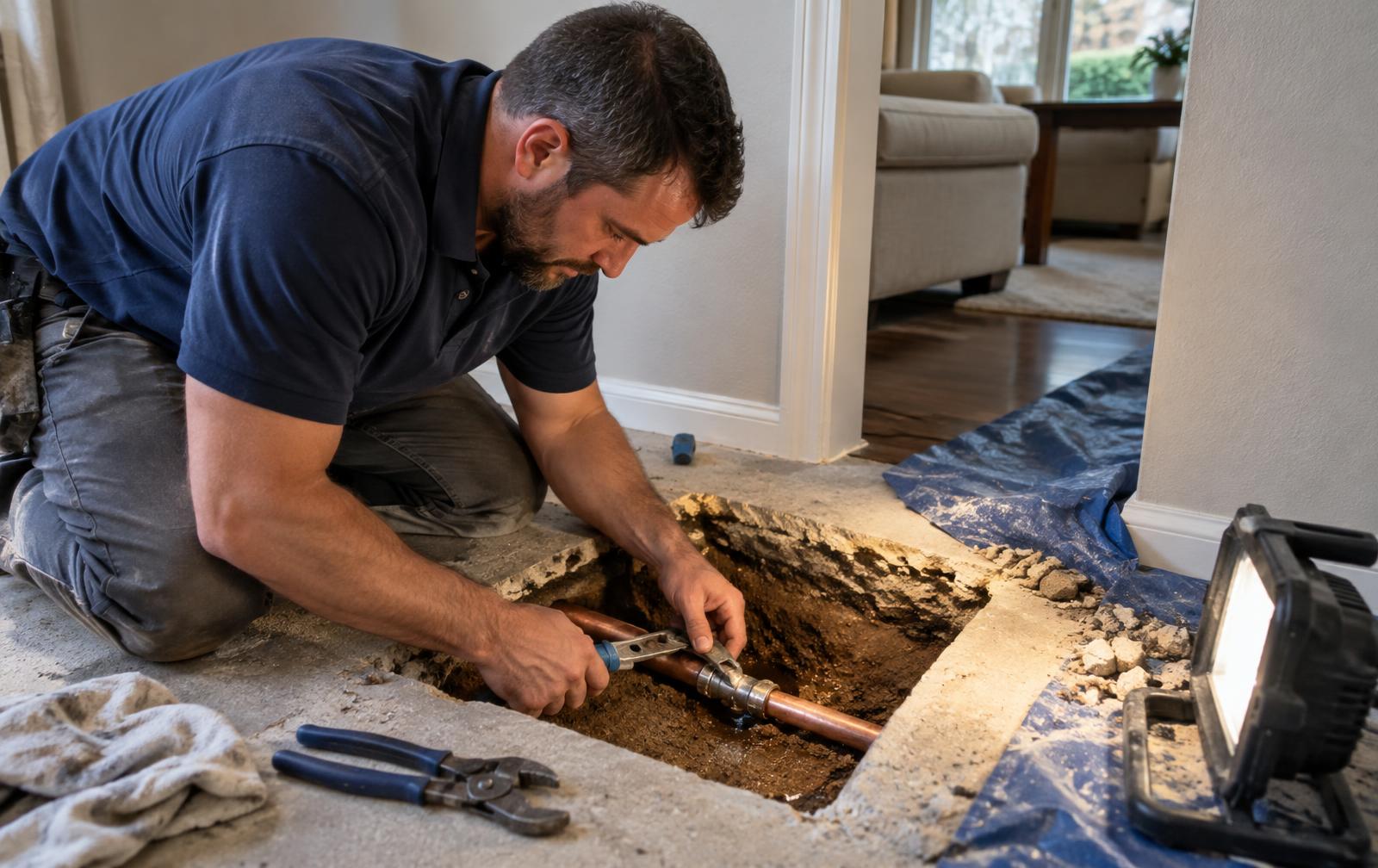
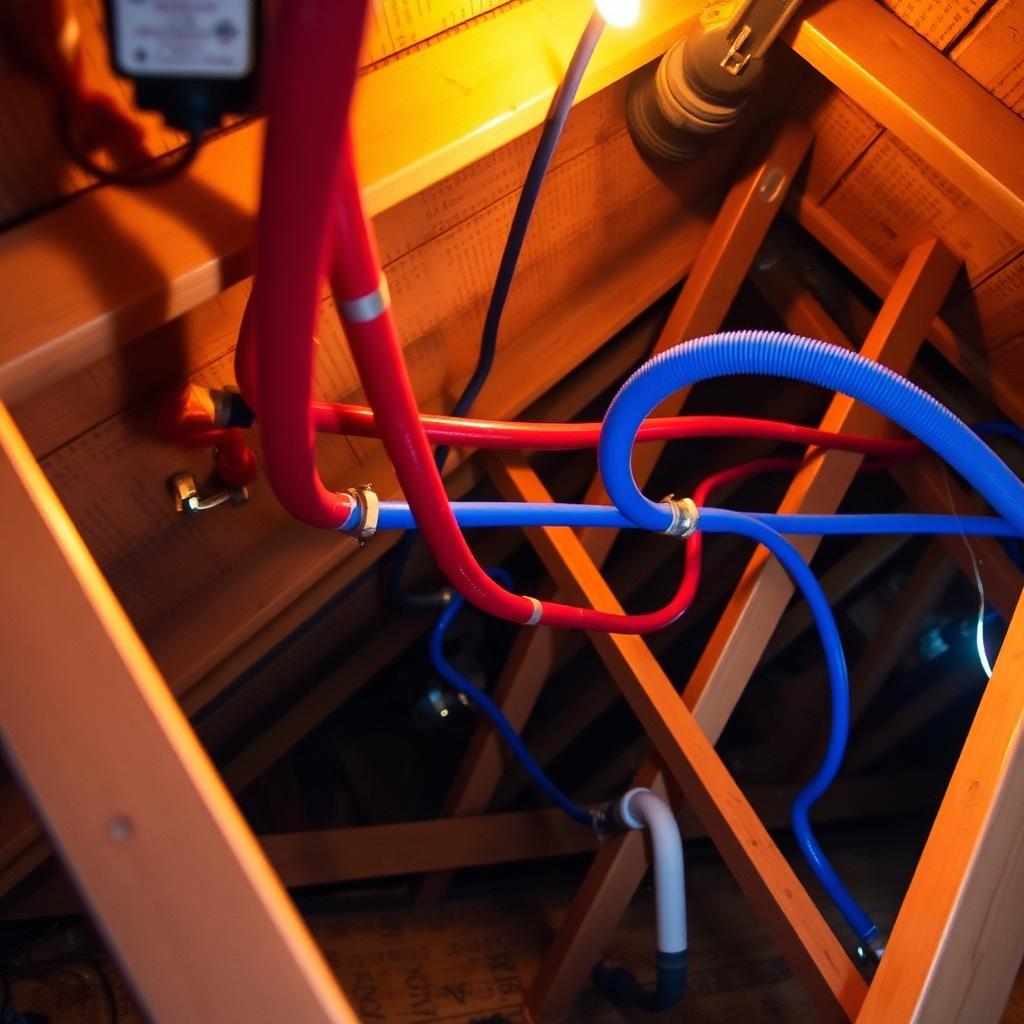
One path is a contained slab cut: open a small section of concrete, splice the break, and patch it — the lighter job when the rest of the line still has life in it. The other is an overhead reroute: run new PEX through the attic and leave the old slab section capped for good — the better call when the rest of the copper is the same age and probably not far behind.
- 4Carry out whichever one you choose
On a spot repair, we cut the concrete cleanly, expose the break, join it with a compression fitting or a soldered splice, and patch the opening. On a reroute, we run PEX-A overhead, tie in above the fixtures, and permanently cap what's left under the slab.
- 5Pressure-test it and hand you proof
We hold the finished line at test pressure for a full fifteen minutes while you watch the gauge yourself, then send you photos from the locate, the repair, and the pressure test so there's a record of what the visit actually covered.
Slab Cut or Overhead Reroute — We'll Quote Either One
Neither option is automatically right. It comes down to how old your copper is, how many bathrooms tie into that same line, and how much finished floor sits above it.
A small section of concrete comes up, the break gets spliced, and the opening is patched back. This suits an isolated failure on a line that's otherwise in decent shape.
- Smallest disturbance for a one-off failure
- Keeps the plumbing routed exactly as it was
- Concrete patching and flooring repair fall to your restoration crew
- Less appealing if the surrounding copper is the same vintage as the break
The failed slab section gets abandoned in place, and a new PEX-A line runs overhead through the attic, tying in above the fixtures it feeds. Makes more sense when this failure looks like the first of several still to come.
- No more concrete work on that line, period
- Sidesteps aging copper you can no longer inspect once it's buried
- Homes without attic access can usually route through soffits instead
- Higher cost up front, generally cheaper across the next several years
How Different Parts of McKinney Tend to Fail
Build era changes which fix makes sense more than almost anything else.
This stretch of the city, closest to the original courthouse square, holds the oldest housing stock McKinney has. A slab leak in a home from that era is less a fluke and more a sign the rest of the original line is aging out too, which tends to tilt the conversation toward a reroute.
The earliest phases of this community broke ground in the mid-1980s, so copper under those particular sections has had roughly four decades to fatigue under seasonal ground movement — a real difference from the community's later, more recently built pockets.
Homes here went up mostly in the 2000s on PEX manifold systems rather than branch copper, so a genuine slab leak is less common; when one does turn up, it's usually a rough-in connection rather than pitted pipe.
Construction started in the early 2010s and is ongoing, which makes this some of McKinney's newest plumbing. A leak surfacing here is more likely a fitting that wasn't seated quite right during install than corrosion catching up with the pipe.
This corridor passes several of the newer subdivisions in town, Trinity Falls among them, so the lines beneath homes fronting it skew young — issues tend to trace to a connection point rather than pipe wall failure.
Homes bordering the greenbelt sit on the same expansive clay documented across the county, and that soil's wet-season swelling is a real, ongoing stressor on slab-run lines no matter how recently the house was built.
What McKinney Homeowners Say
Fixed Once, With the Paperwork to Prove It
Our slab leak repairs carry warrantied labor — if our own workmanship is what fails, we come back and make it right at no cost to you. And if a second leak opens somewhere else along the same aging copper down the road, that's the exact risk we pointed out at quote time, which is usually the reason a reroute was on the table in the first place.
We're licensed by the Texas State Board of Plumbing Examiners, insured, and family-owned, and every truck we run dispatches from our shop in The Colony. We keep hours to same-day service, seven days a week, 8 AM to 6 PM.
Direct Answers, No Runaround
Our Other Plumbing Services in McKinney, TX
A slab leak often signals that the rest of a home's supply lines are getting up in years. We also cover sewer repairs, water heater service, and full repiping from the same local shop that serves McKinney.
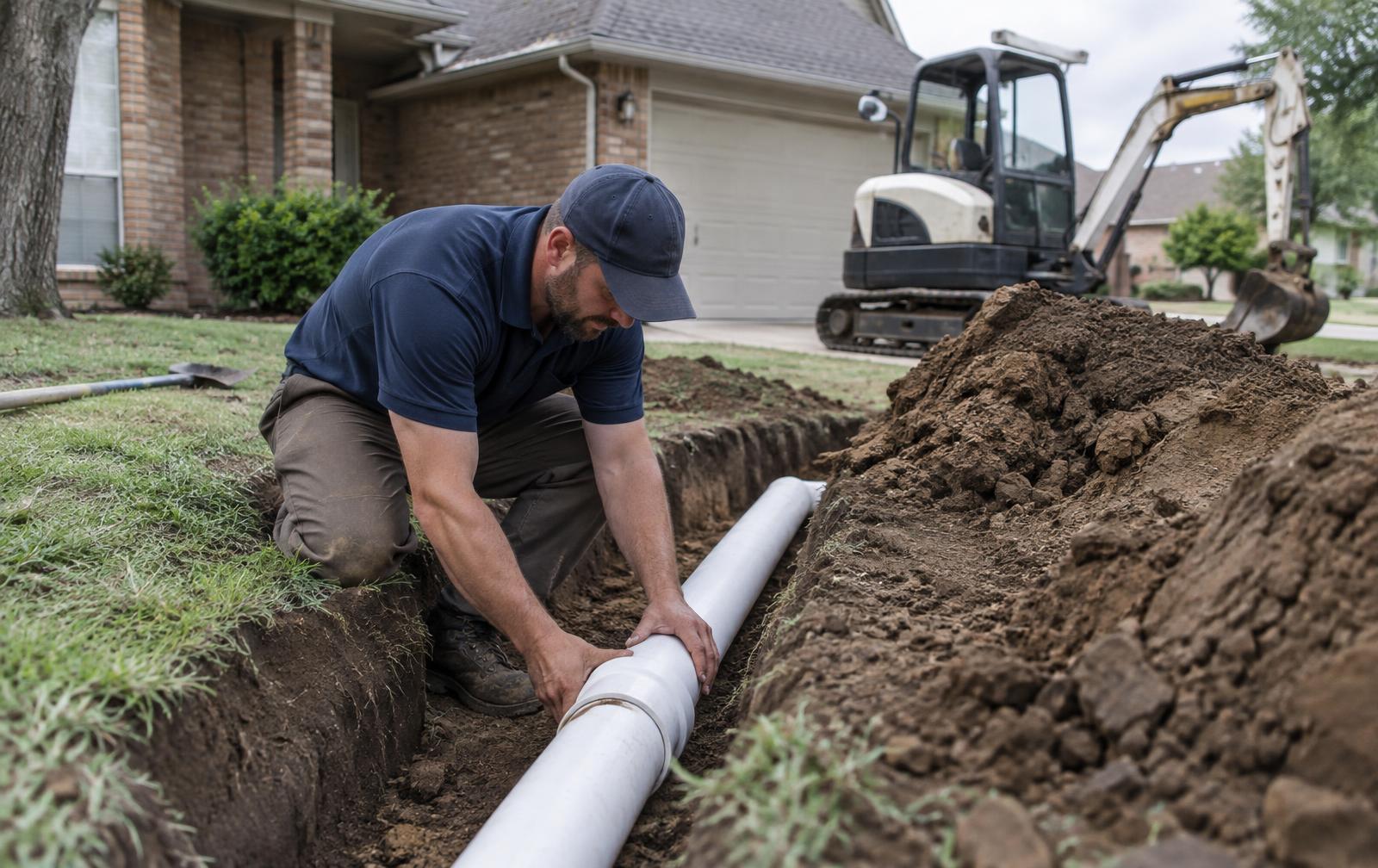
Trenchless replacement for the aging laterals across McKinney's older runs — camera first, quote in writing, minimal yard damage.
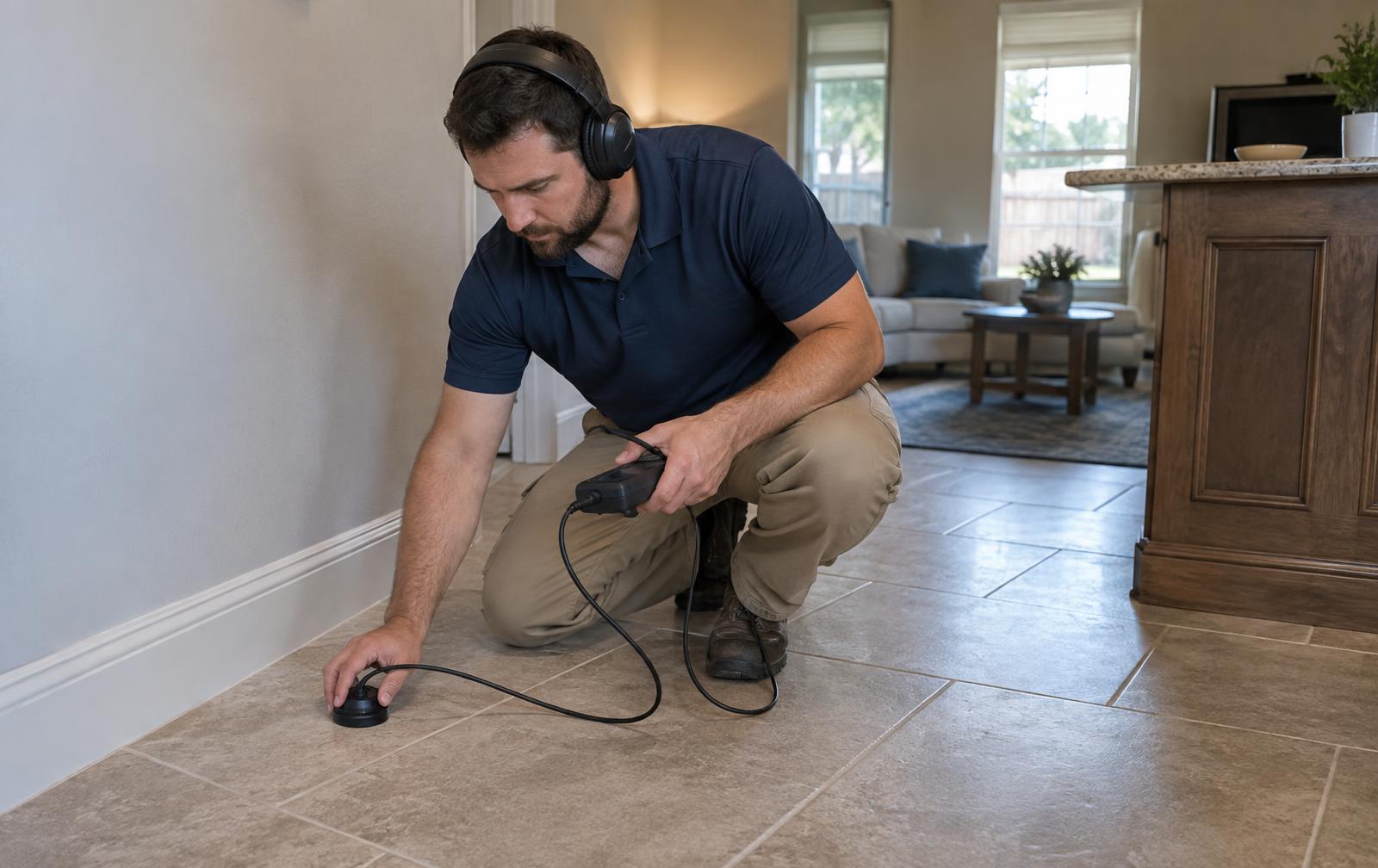
Acoustic, thermal, and pressure testing to pinpoint hidden leaks in McKinney slab and wall lines without tearing into finishes.
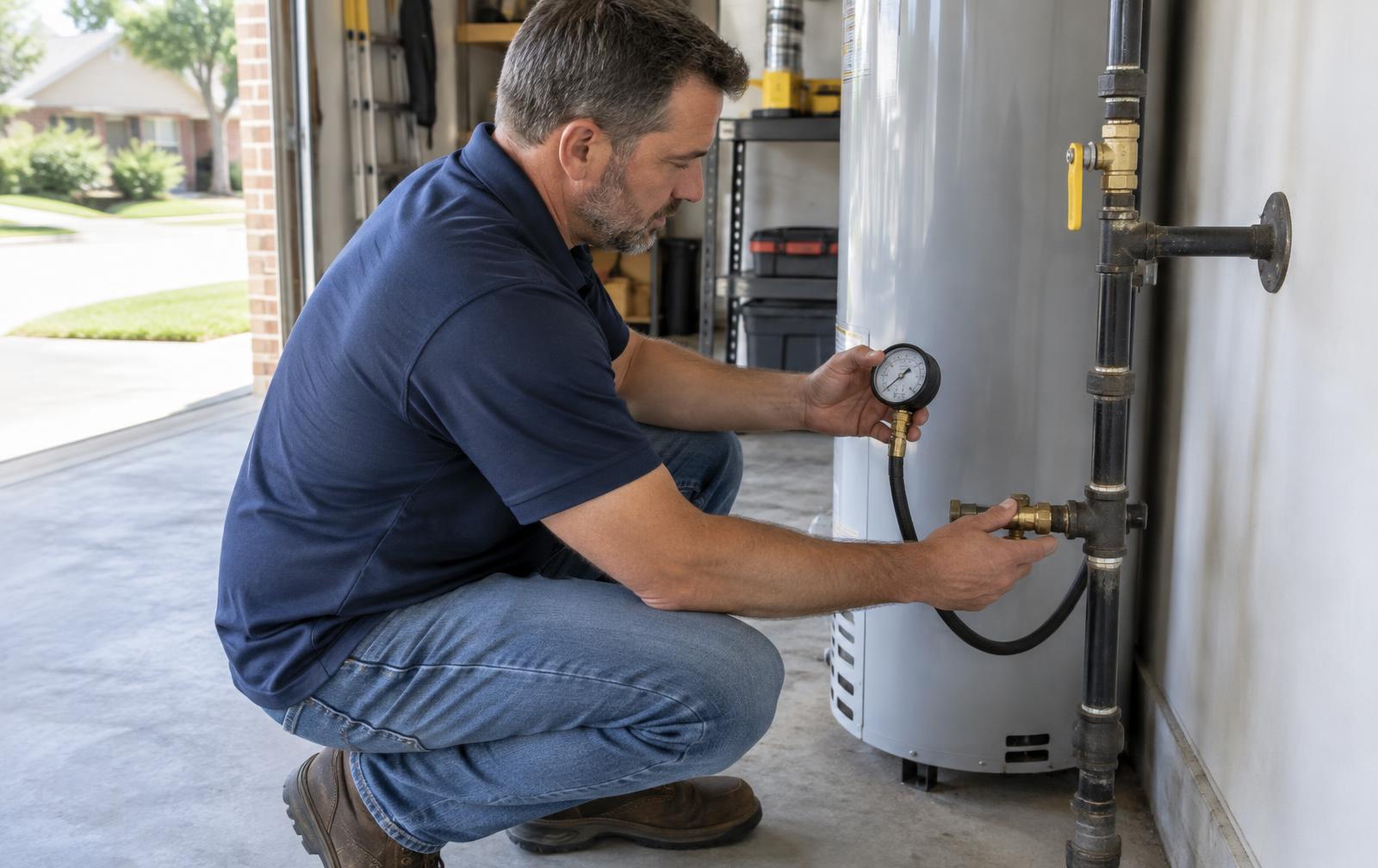
Licensed install, repair, and pressure-testing for McKinney homes — every line signed off to Texas code and Atmos requirements.
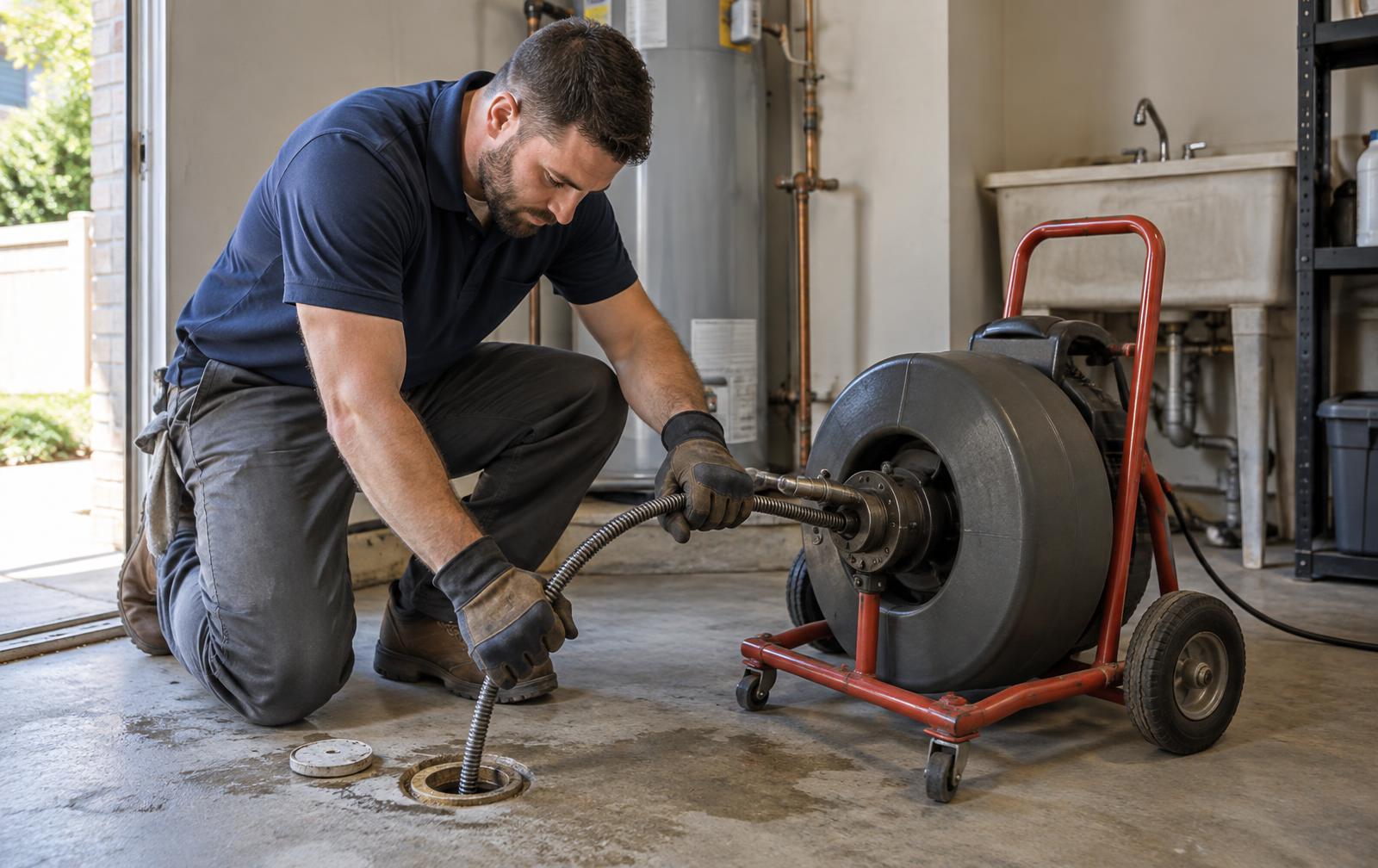
Full-clear service and camera confirmation for the drains under McKinney's neighborhoods.
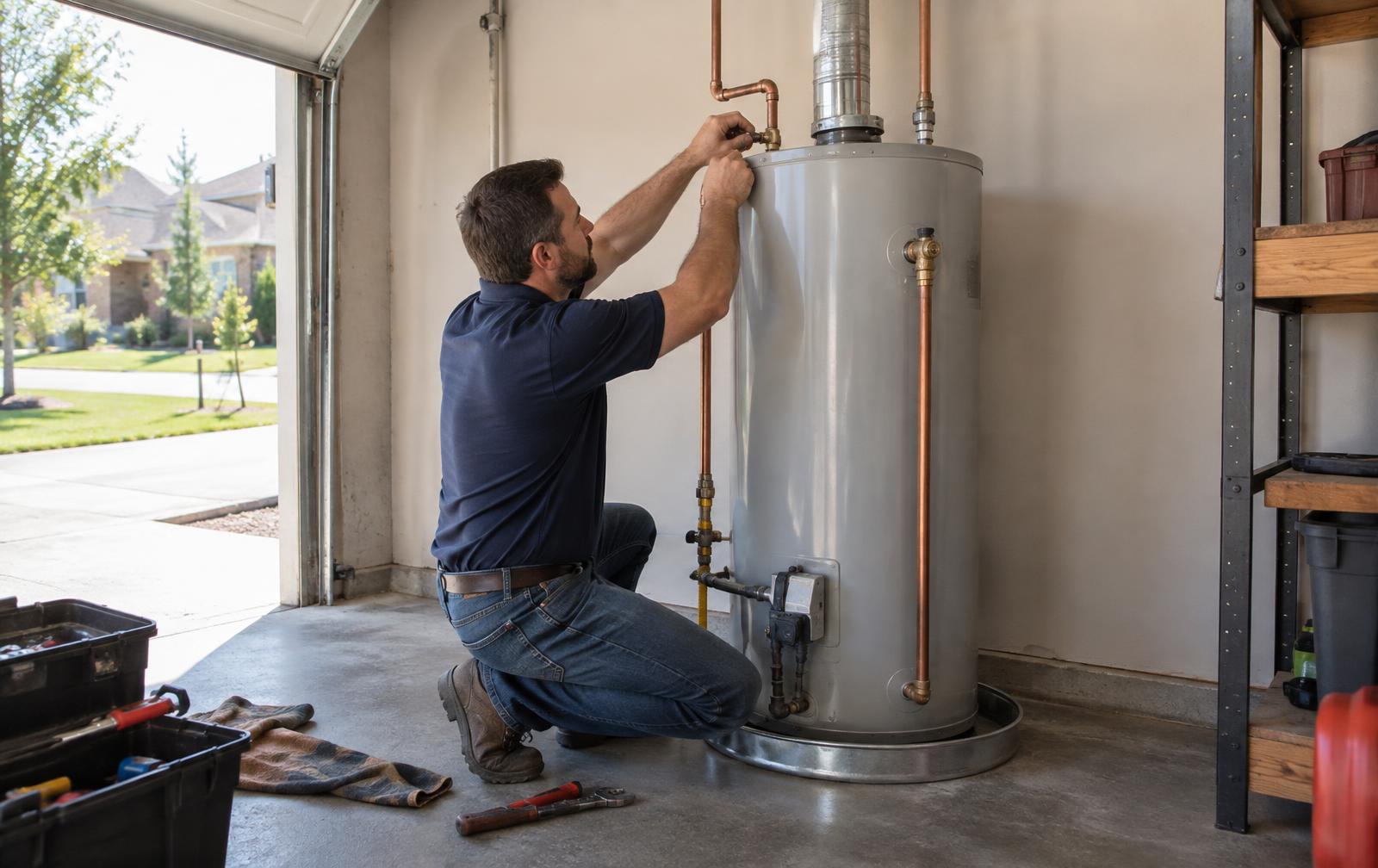
Repair, flush, and replacement of tank units — including attic and garage heaters common to McKinney homes.
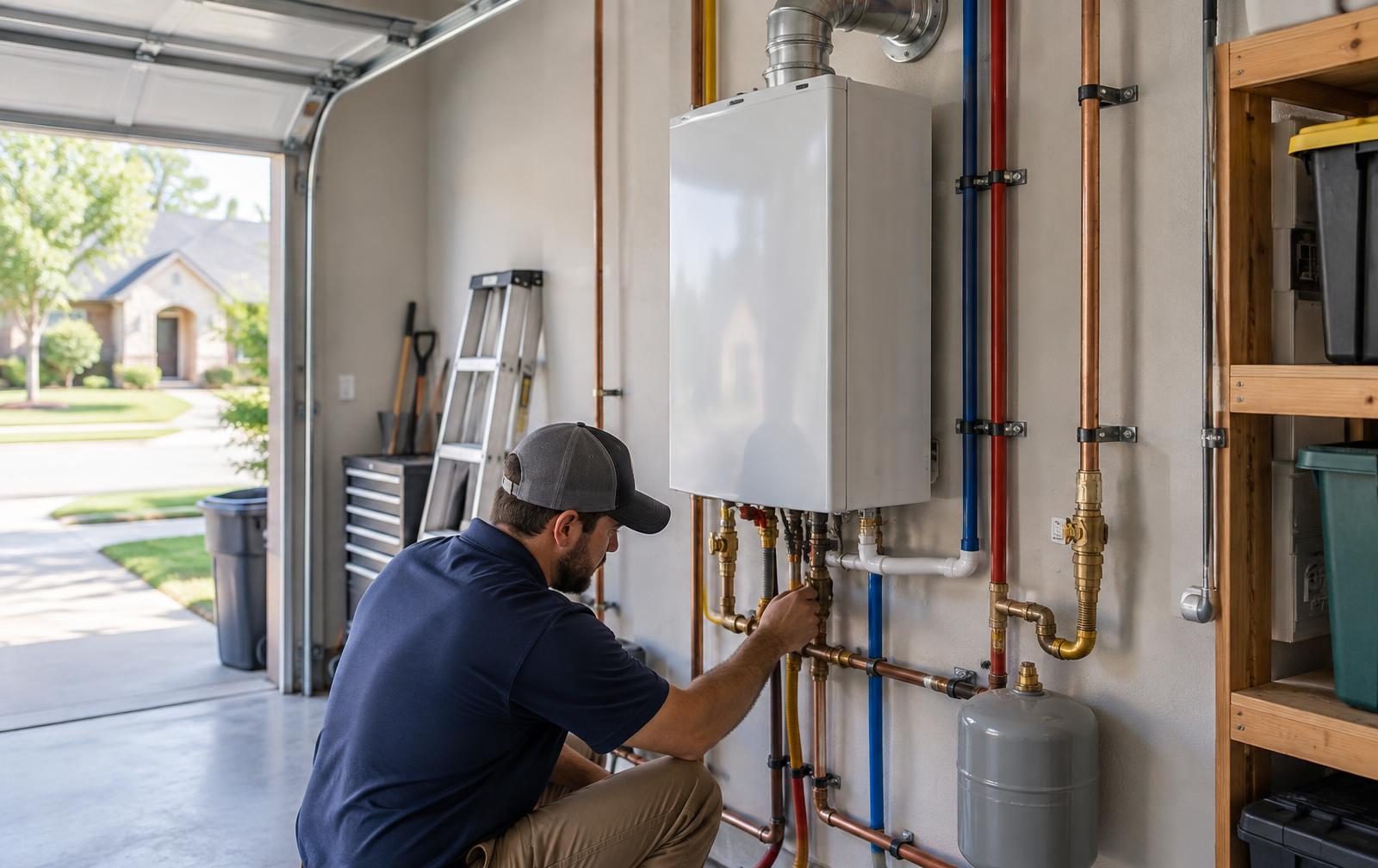
Install, service, and annual descaling — McKinney's hard tap water eats tankless heat exchangers without it.
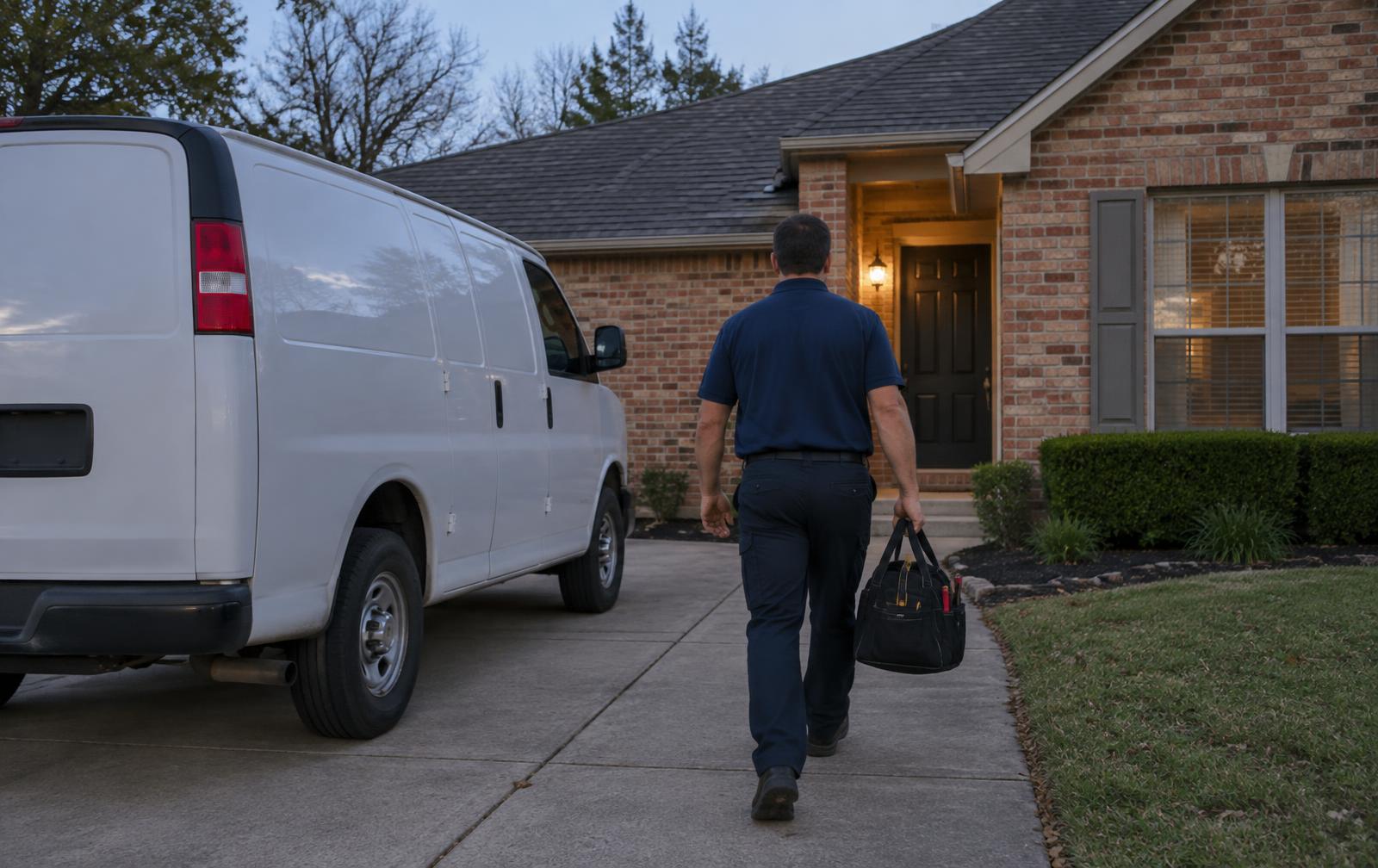
same-day, 7 days a week response across McKinney for burst pipes, heater failures, and main-line backups.
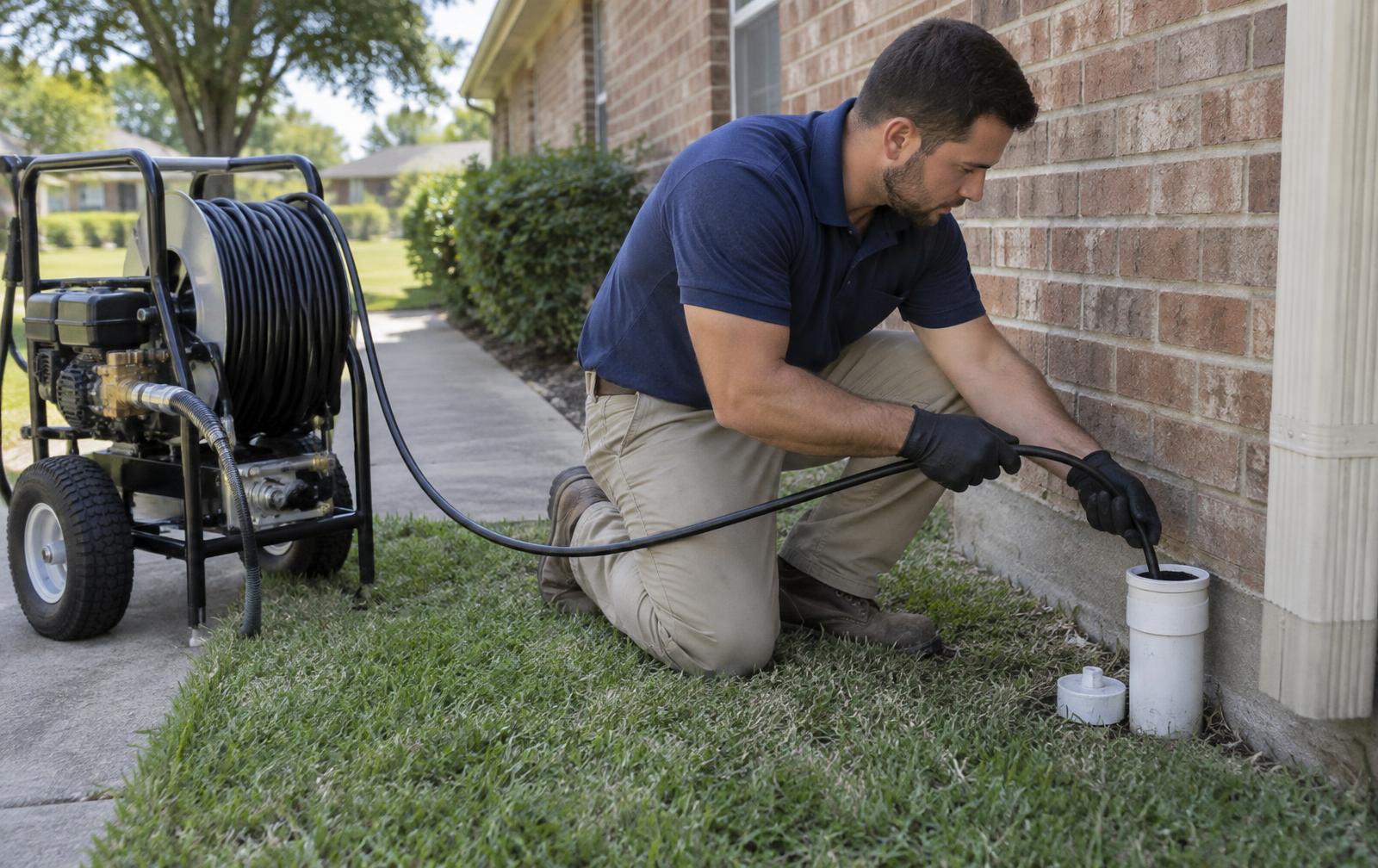
High-pressure cleaning that clears scale, grease, and roots from McKinney's lateral runs — full-diameter, lasting clean.
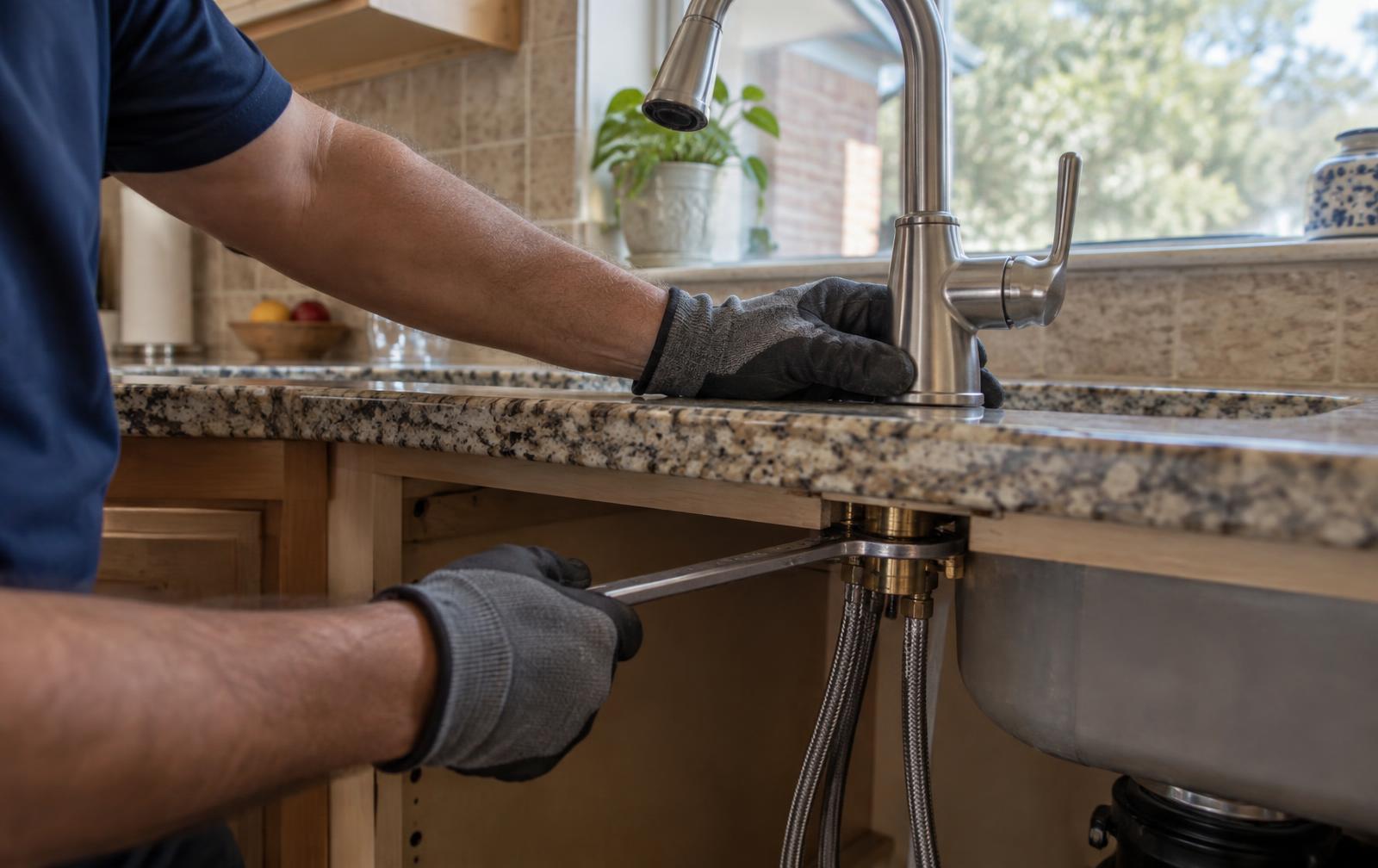
Cartridge, stem, and full-fixture replacement for McKinney kitchens and bathrooms — hard-water-ready parts stocked on the truck.
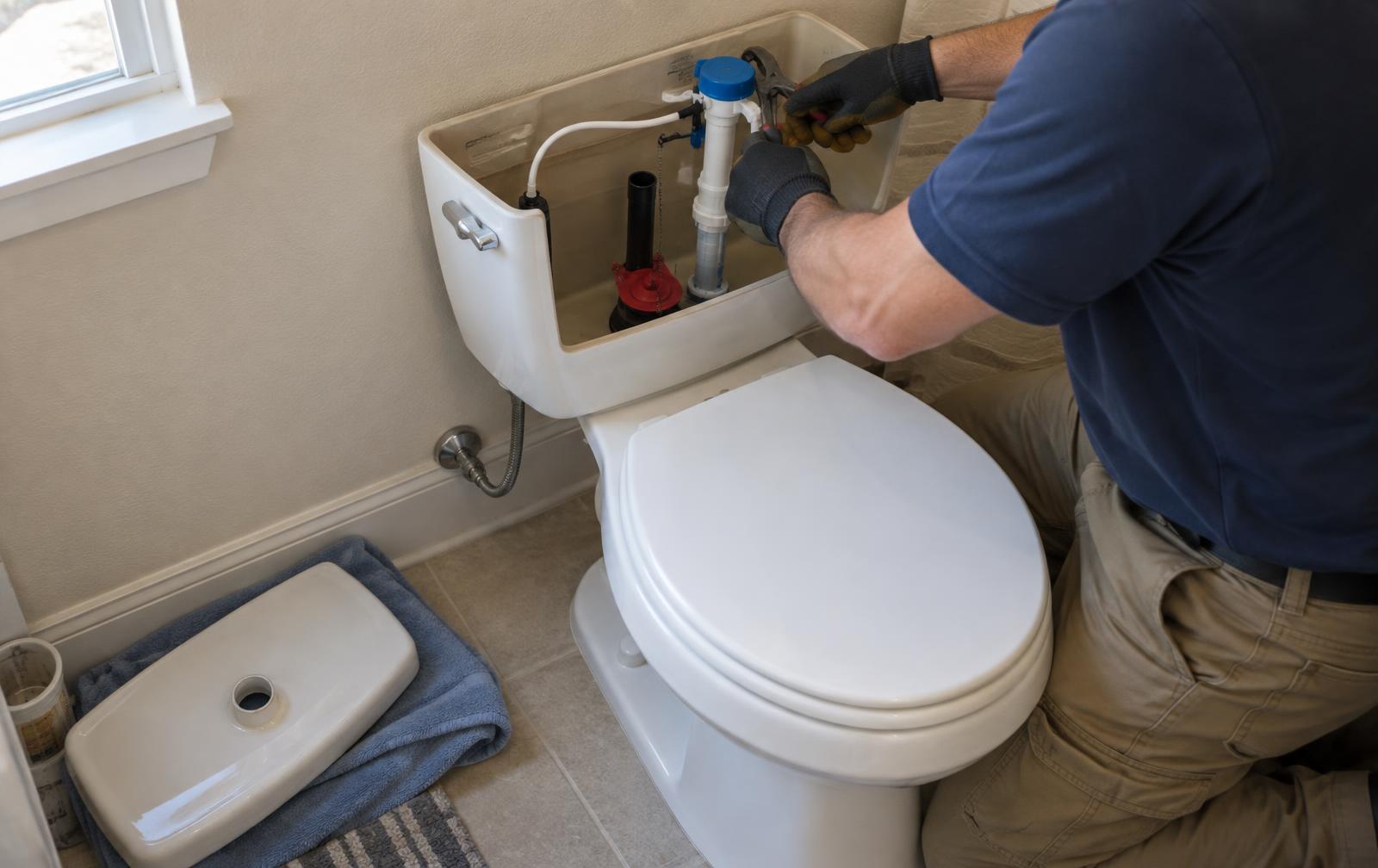
Rebuilds, wax-ring resets, flange repairs, and full replacements — the running toilets and rocking bowls in McKinney homes.
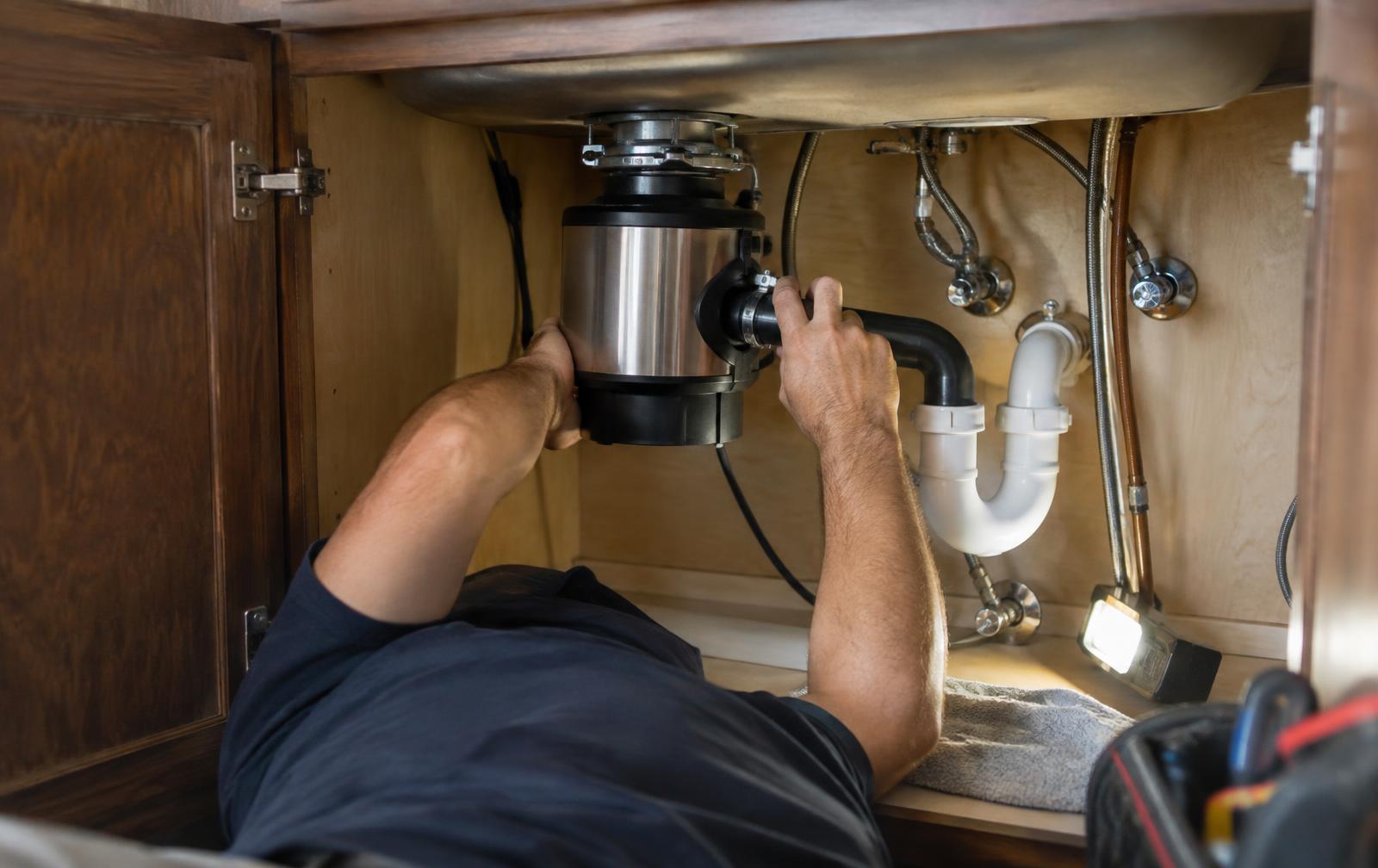
Jam clearing, leaking-unit swaps, and quiet 3/4 HP upgrades for McKinney kitchens — same-visit install.
Think You Have a Slab Leak in McKinney?
Electronic locating, an honest comparison between patching and rerouting, and zero concrete cutting until we've confirmed exactly where the break is. We run same-day service, seven days a week.