
Gas Line Services in McKinney, TX
An odor you can smell but can't source. A new cooktop or outdoor grill waiting on a line. A meter your provider won't turn back on until someone licensed signs off. We take every part of a residential gas job — the locate, the repair or new run, the test, and the paperwork behind it — and finish it to code.
Two Utilities, One Permit Office, One Set Of Rules
Nobody but a plumber licensed by the Texas State Board of Plumbing Examiners is legally allowed to touch gas piping inside or under a McKinney house, and neither local utility will reconnect a meter without documented proof that a licensed test passed. That second part trips people up here specifically, because McKinney doesn't have a single gas provider — Atmos Energy holds the citywide franchise, but CoServ Gas also serves stretches of the city, so the company that shows up can genuinely depend on which street you live on.
Before we touch anything, the city's Building Inspections Department has to issue a permit for new lines and for gas or meter inspection work, filed through its Citizen Self-Service system. We handle that filing ourselves as part of scheduling the job, so it isn't one more thing sitting on your plate.
What's actually inside the wall tends to track the decade the house was framed. Original black-iron piping shows up often in some of the oldest homes clustered near the courthouse square, and joints that old can work loose as the foundation shifts underneath them over the years. Newer construction further out, in places like Trinity Falls, more commonly runs flexible corrugated tubing instead — a fine material as long as it was grounded correctly the day it went in.

What A Gas Problem Looks Like At A McKinney House
Any of these means killing the gas at the meter and calling us — not investigating with a flashlight or a lighter.
Gas itself carries no odor — what you're smelling is added on purpose so leaks get noticed. If it's present indoors or by the meter, get everyone out, call from a safe distance, and don't touch a switch or start an engine near the house.
A hiss at a range connection, a furnace inlet, or a water heater's flex line usually means gas is actively escaping there. Close that appliance's own valve first, and shut the main meter if the sound keeps up.
An underground leak burns gas quietly with no visible sign at any fixture. A sudden bill jump with no change in how the house is used is reason enough for a pressure test.
A buried line leaking below grade can kill the grass directly above it in a narrow strip or oval shape. This turns up most often along runs feeding a grill, pool heater, or generator.
Dropping supply pressure from an upstream leak can starve pilot lights and burners. When it's happening at more than one appliance simultaneously, the pilot itself usually isn't the actual problem.
If service was shut off and tagged, leave it exactly as it is. The system needs a licensed pressure test and any necessary repair before anyone can legally restore service.
Locate, Repair, Pressure Test, Document
Nothing we install or repair gets called finished until it's tested and the paperwork is in hand.
- 1Track down the leak, or plan the new route
On a leak call, we shut the system down, bring it up to test pressure with air, then walk every joint with an electronic sniffer and soap solution until every leak point is found. For a new install, we map the shortest legal route and size the pipe against the appliance's actual demand.
- 2File the permit before work starts
New lines and gas or meter inspection work both require a city permit here. We submit that through McKinney's self-service portal as a routine part of scheduling, well before anyone's on site.
- 3Build it out of code-approved materials
Interior runs go in black iron or corrugated tubing that's properly bonded to ground; anything buried outside uses polyethylene with a compliant riser to steel at the surface. Each appliance connection gets its own sediment trap and correctly rated sealant.
- 4Hold pressure before anyone trusts it
The completed system has to hold air pressure for the full duration code requires, and you're welcome to stand there and watch the gauge yourself. If it drops at all, we find and fix that joint before the job is considered done.
- 5Book the inspection and handle the reconnect
We schedule the city inspector, meet them on site, and if the meter had been shut off, arrange with the utility to get it turned back on. You keep the signed inspection record along with the pressure test results.
What The House's Age Usually Tells Us
Construction era predicts the piping style more reliably than almost anything else.
A large share of the homes ringing the courthouse square are among the city's oldest and still carry original black-iron gas piping, where joints can work loose as decades of ground movement shift the foundation beneath them.
The community's oldest streets go back to its mid-1980s launch, old enough that a full inspection of the original gas piping is worth folding into any other work being done there.
Built mostly from 2002 through 2007, homes here typically already run bonded corrugated tubing rather than black iron, so calls lean toward new appliance hookups over repair.
Construction began in 2013 and is ongoing, so gas piping here is mostly recent corrugated tubing — the detail worth confirming is that it was grounded correctly when it went in.
This growth corridor shares Trinity Falls' newer housing stock, where gas calls typically involve adding a line for a new appliance rather than repairing something aged.
Running along the historic core's edge, homes near here range from original black-iron systems to newer bonded tubing, so we confirm which one we're dealing with before quoting anything.
What McKinney Homeowners Say

You Get The Paper Trail, Not Just A Working Line
Every gas job leaves you holding the pulled permit, the pressure test results, and the city's inspection sign-off. If Atmos or CoServ had your meter locked out, we coordinate the reconnect ourselves before we leave, so the paperwork is ready if you ever need it for insurance, a sale, or a future service call.
We hold a Texas State Board of Plumbing Examiners license, carry insurance, and operate as a family-run business, dispatching every McKinney gas call from our shop in The Colony with same-day appointments available all seven days, 8 AM to 6 PM.
Common Questions Before You Book
Our Other Plumbing Services in McKinney, TX
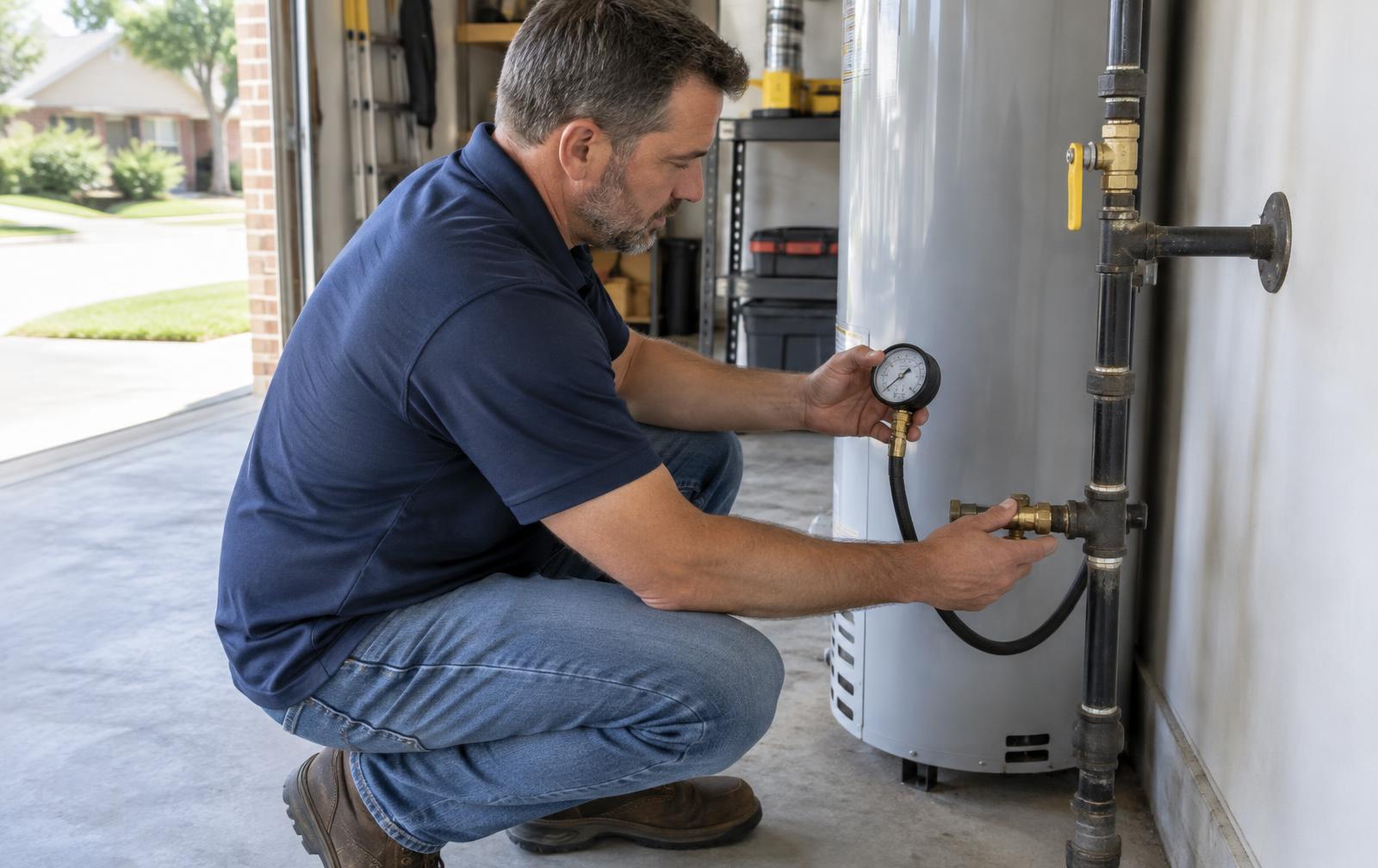
Gas line jobs often overlap with a water heater swap or a switch to tankless. We can take care of both while we're already on site, in one McKinney visit.
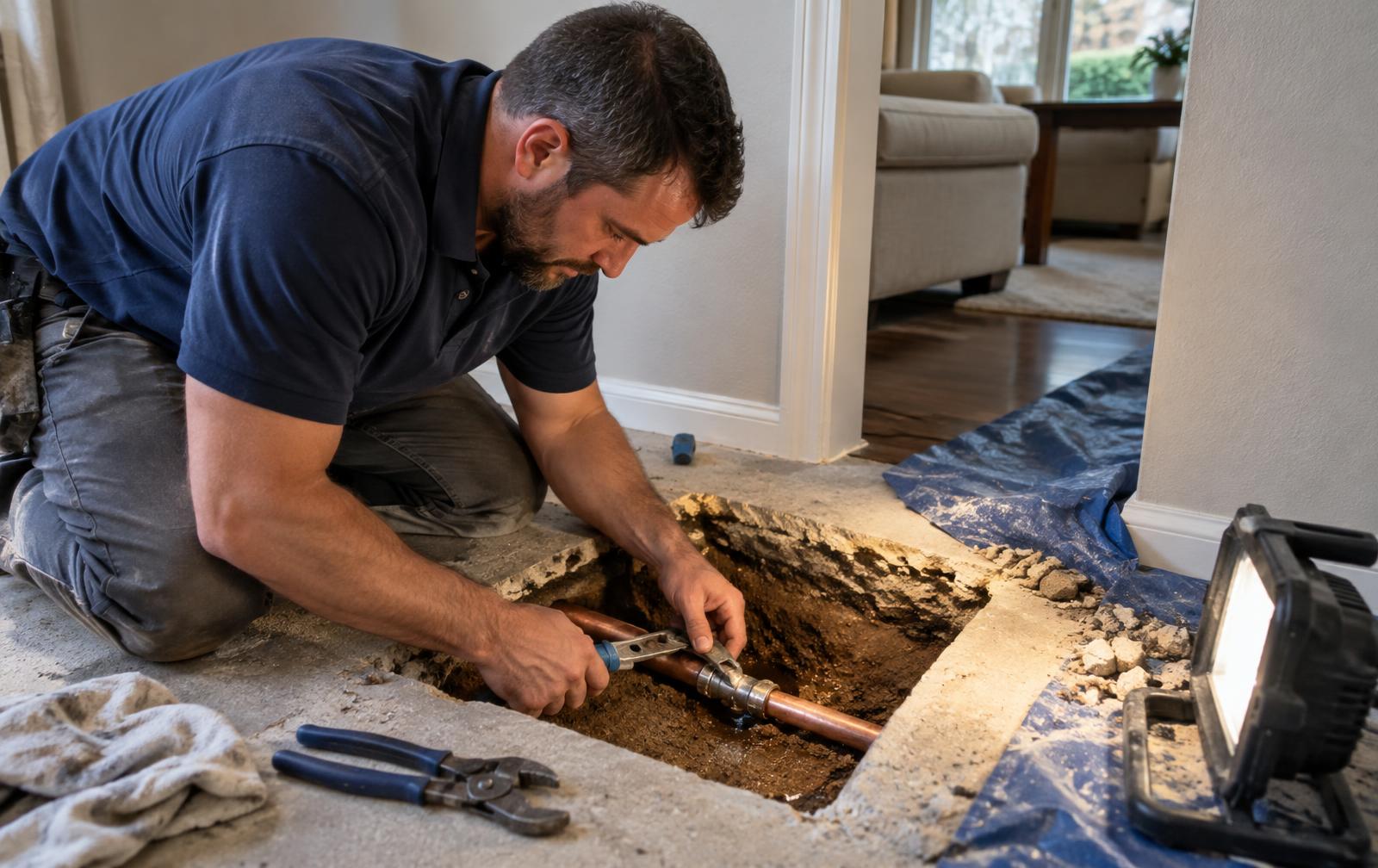
Electronic detection under McKinney slabs — reroute options that save your finished floors when possible.
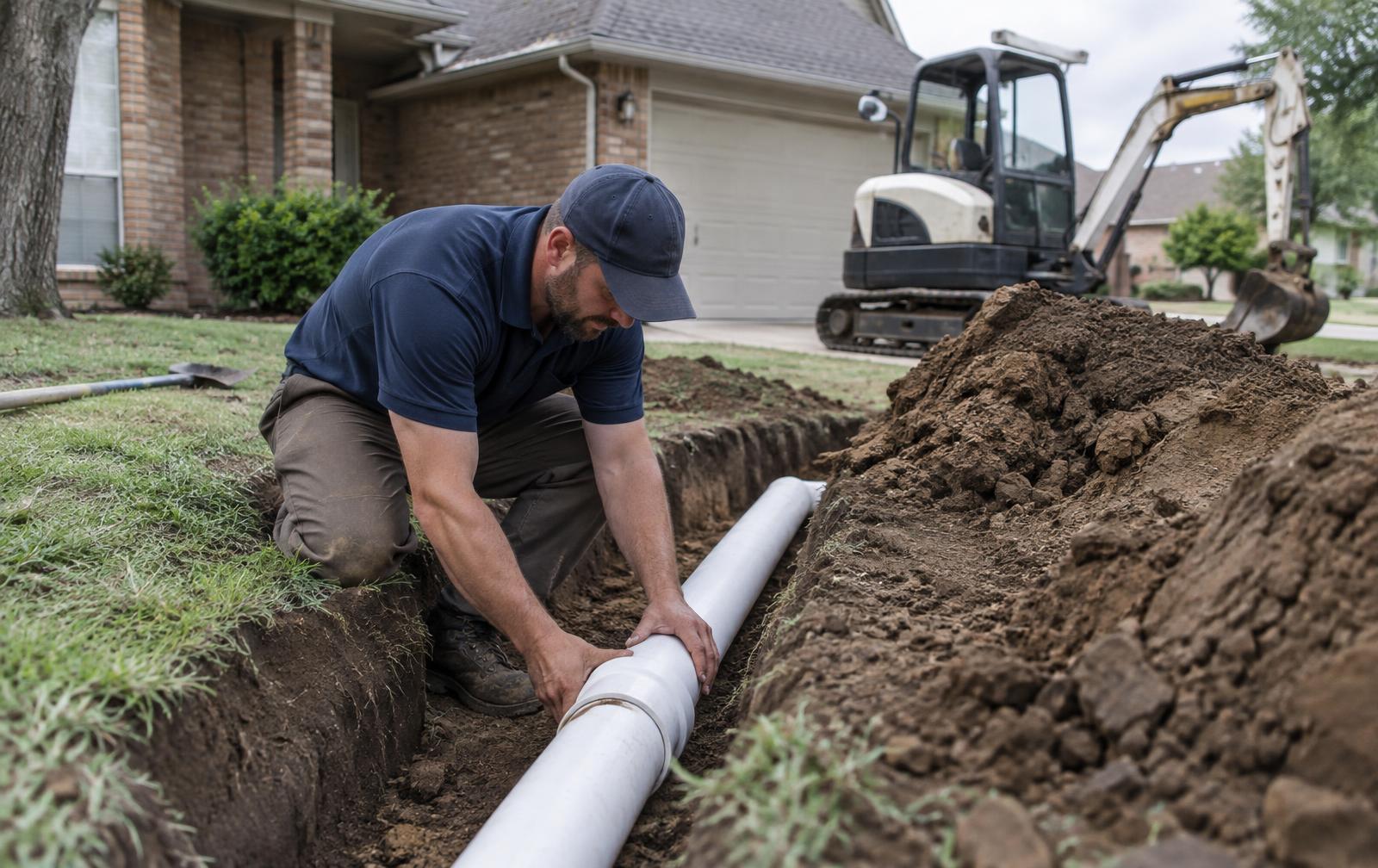
Trenchless replacement for the aging laterals across McKinney's older runs — camera first, quote in writing, minimal yard damage.
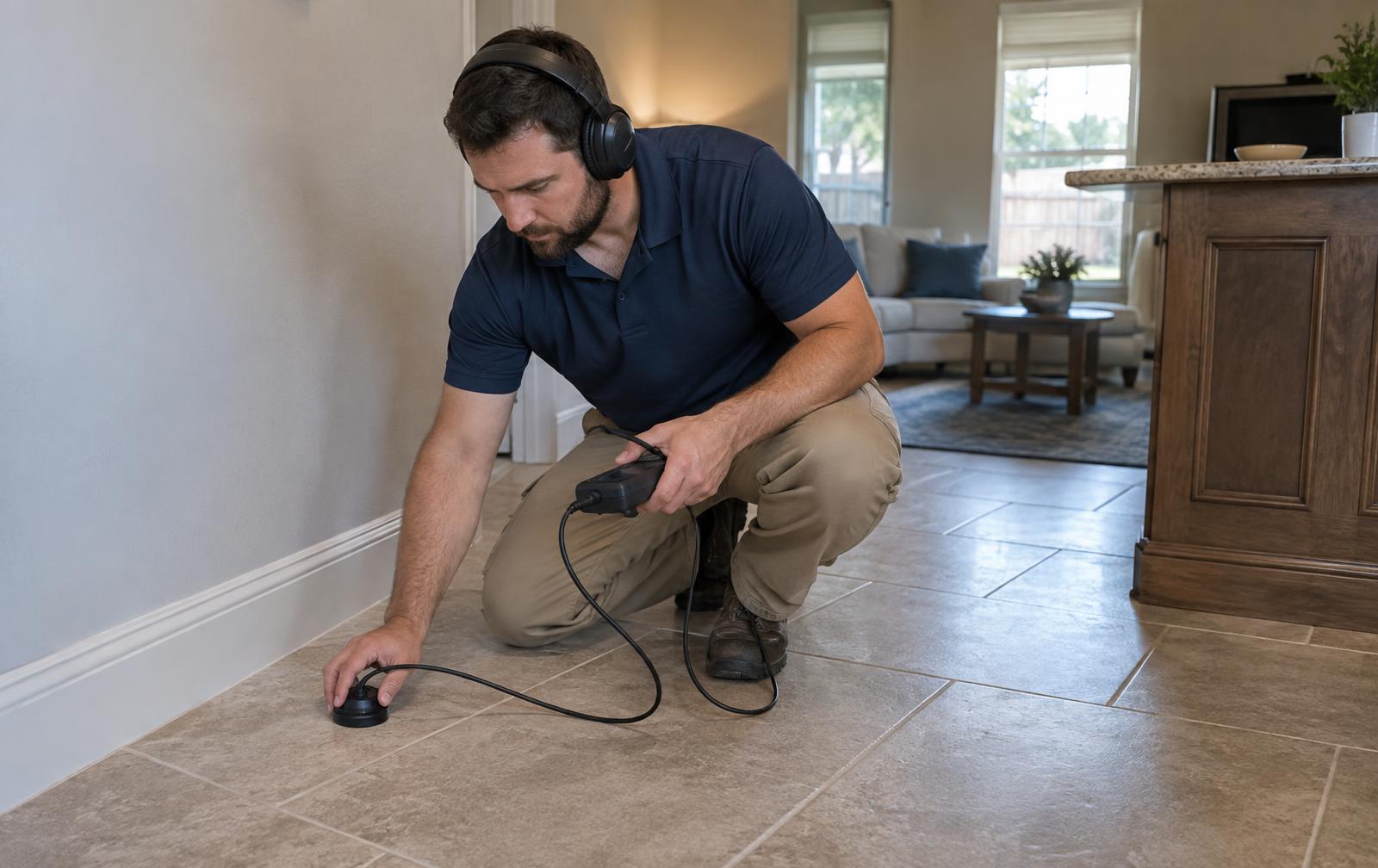
Acoustic, thermal, and pressure testing to pinpoint hidden leaks in McKinney slab and wall lines without tearing into finishes.
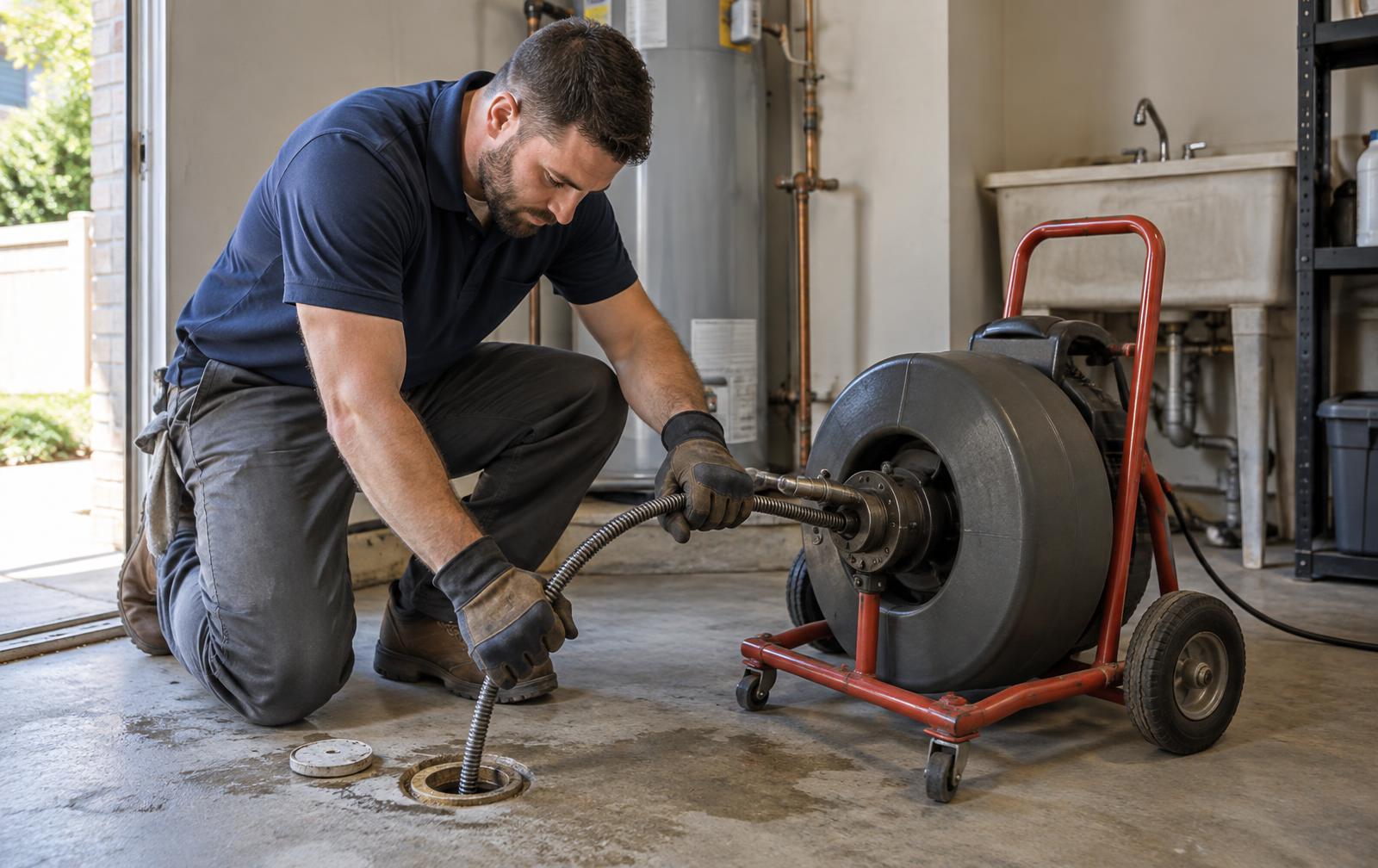
Full-clear service and camera confirmation for the drains under McKinney's neighborhoods.
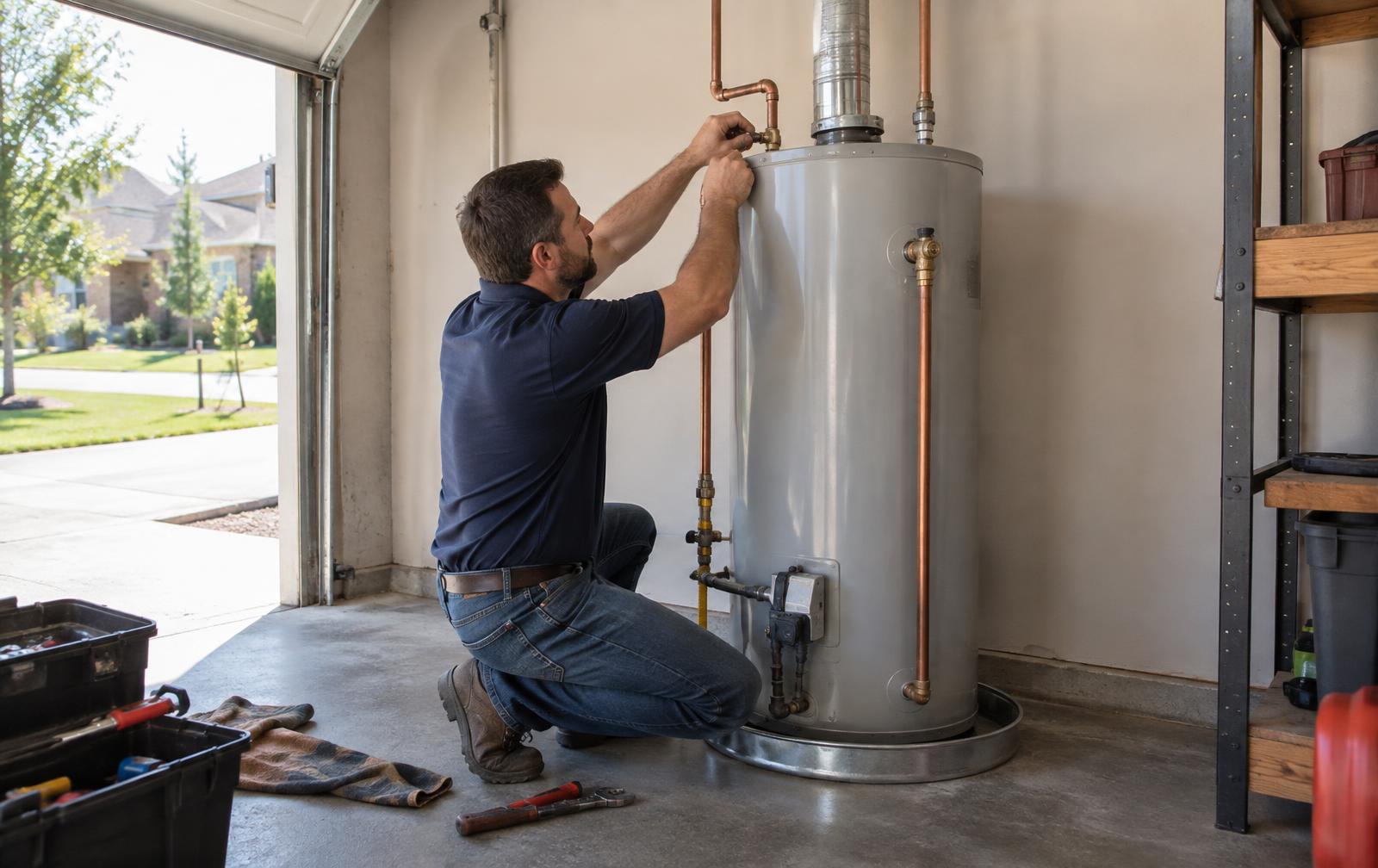
Repair, flush, and replacement of tank units — including attic and garage heaters common to McKinney homes.
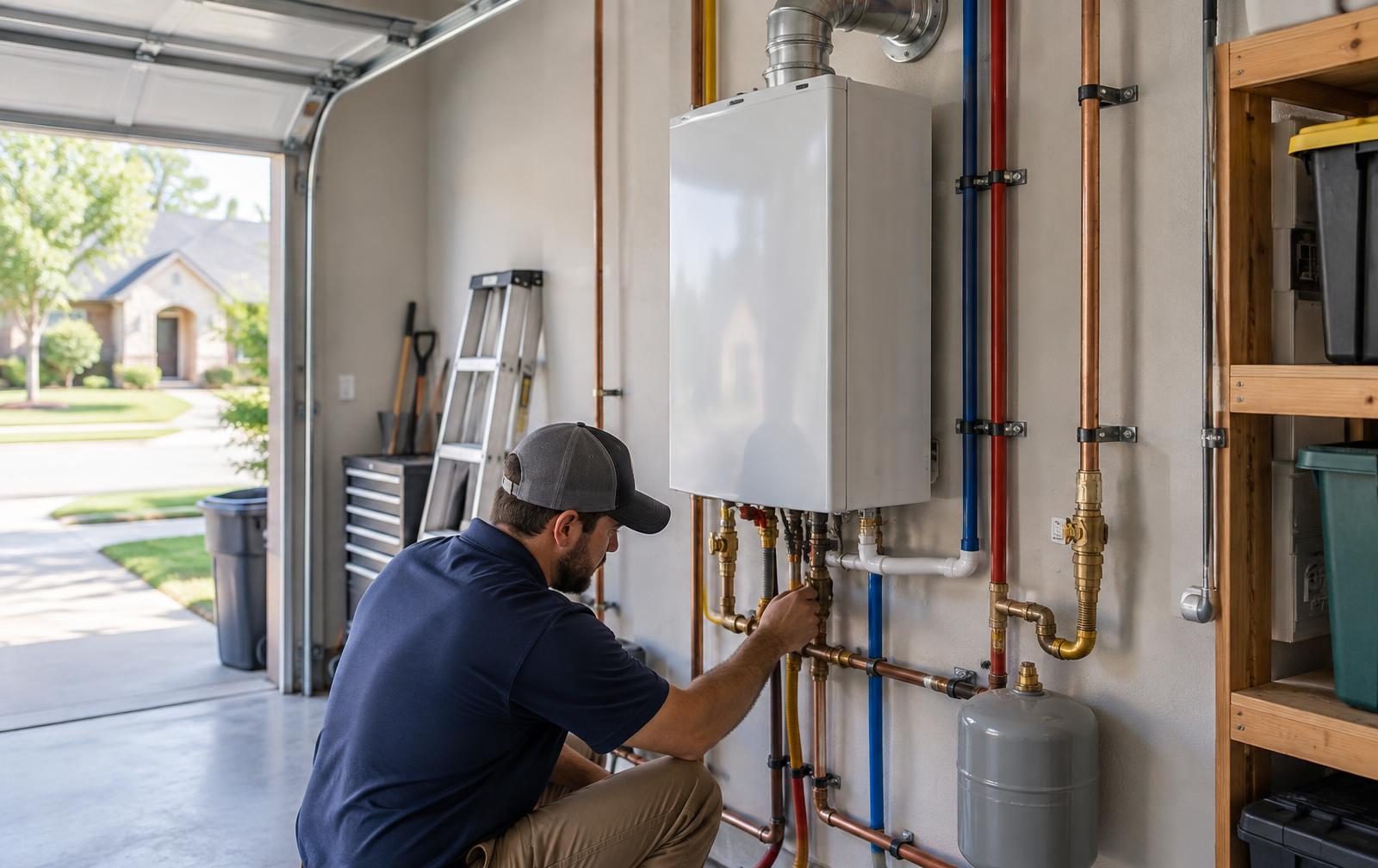
Install, service, and annual descaling — McKinney's hard tap water eats tankless heat exchangers without it.
same-day, 7 days a week response across McKinney for burst pipes, heater failures, and main-line backups.
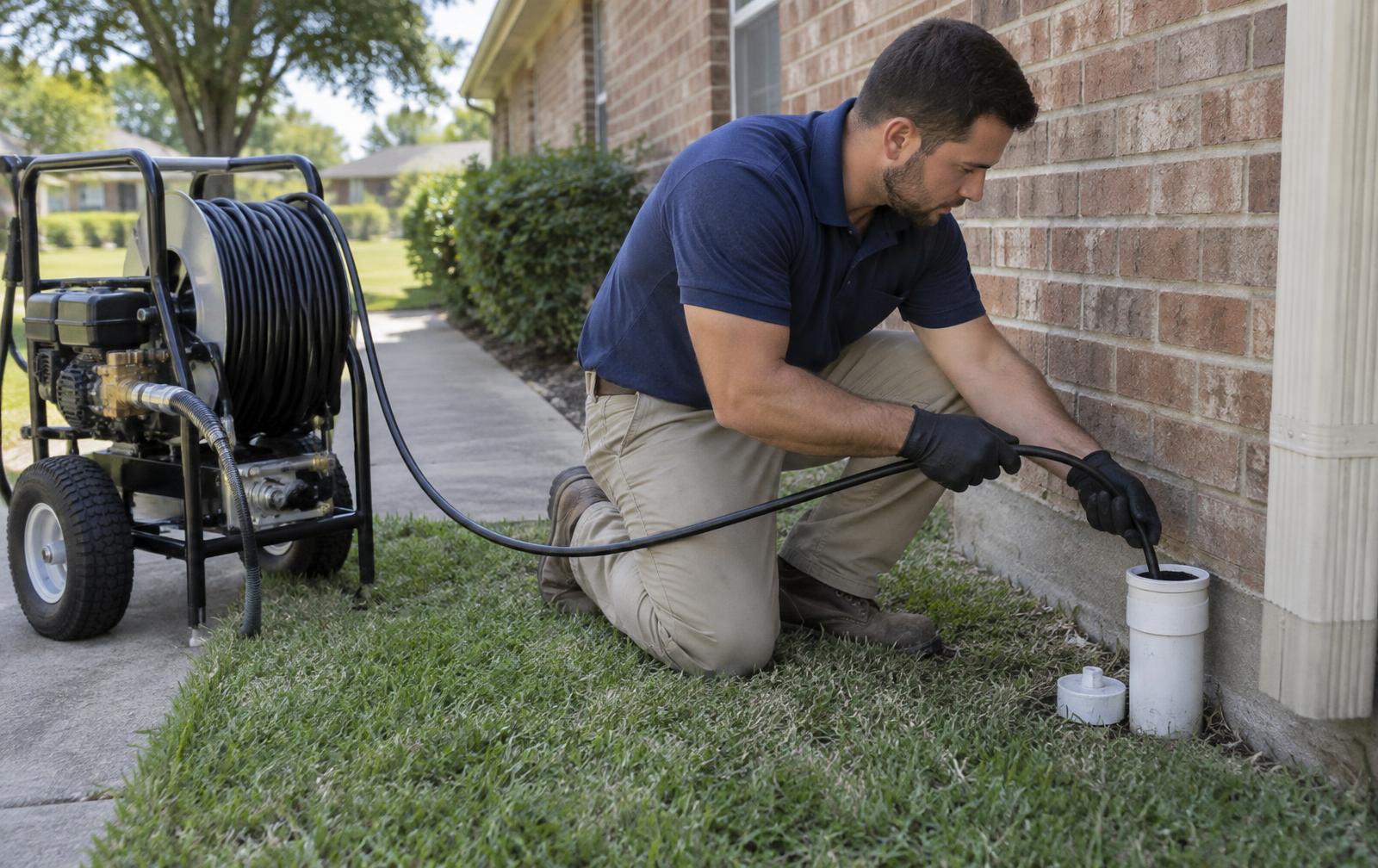
High-pressure cleaning that clears scale, grease, and roots from McKinney's lateral runs — full-diameter, lasting clean.
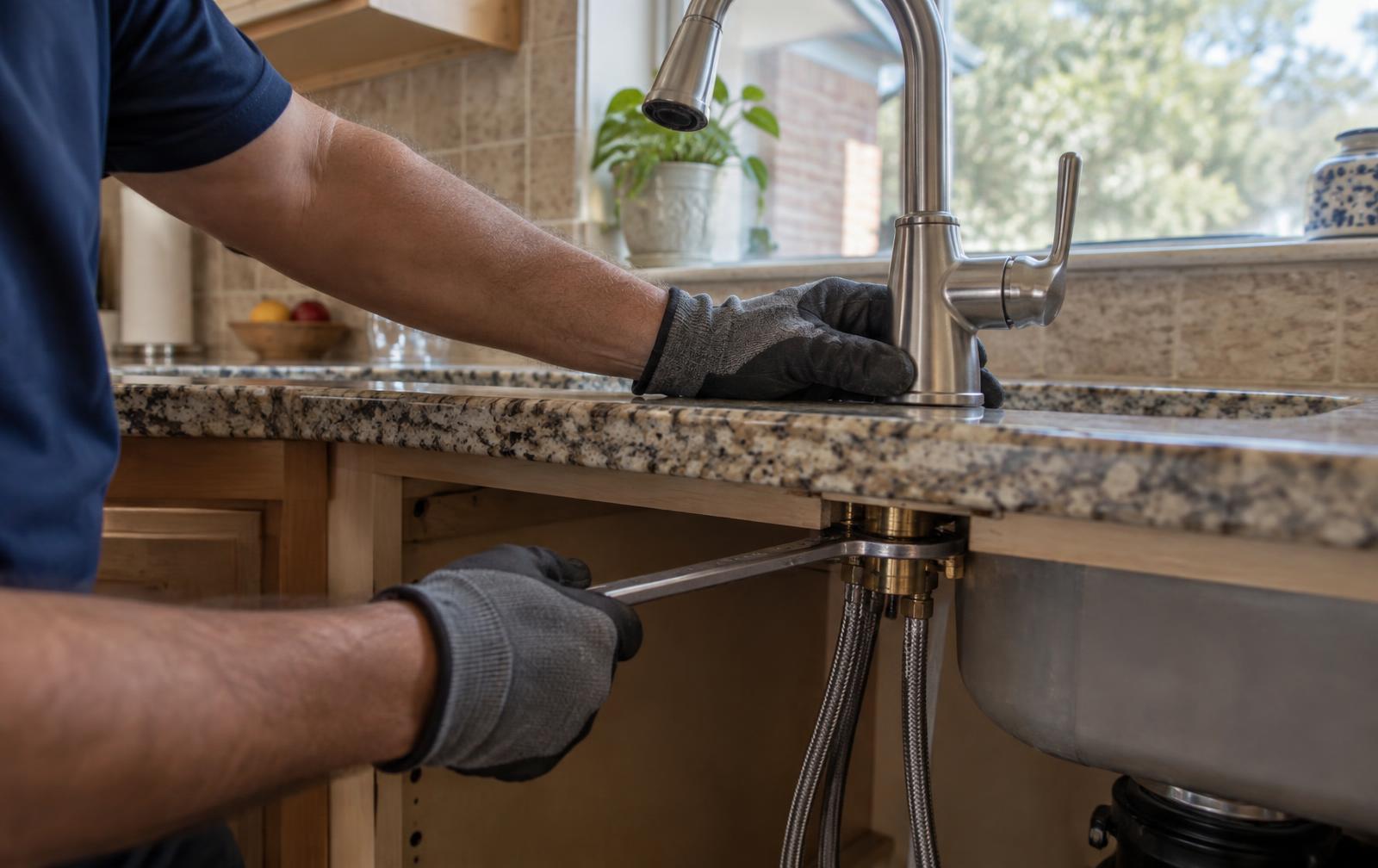
Cartridge, stem, and full-fixture replacement for McKinney kitchens and bathrooms — hard-water-ready parts stocked on the truck.
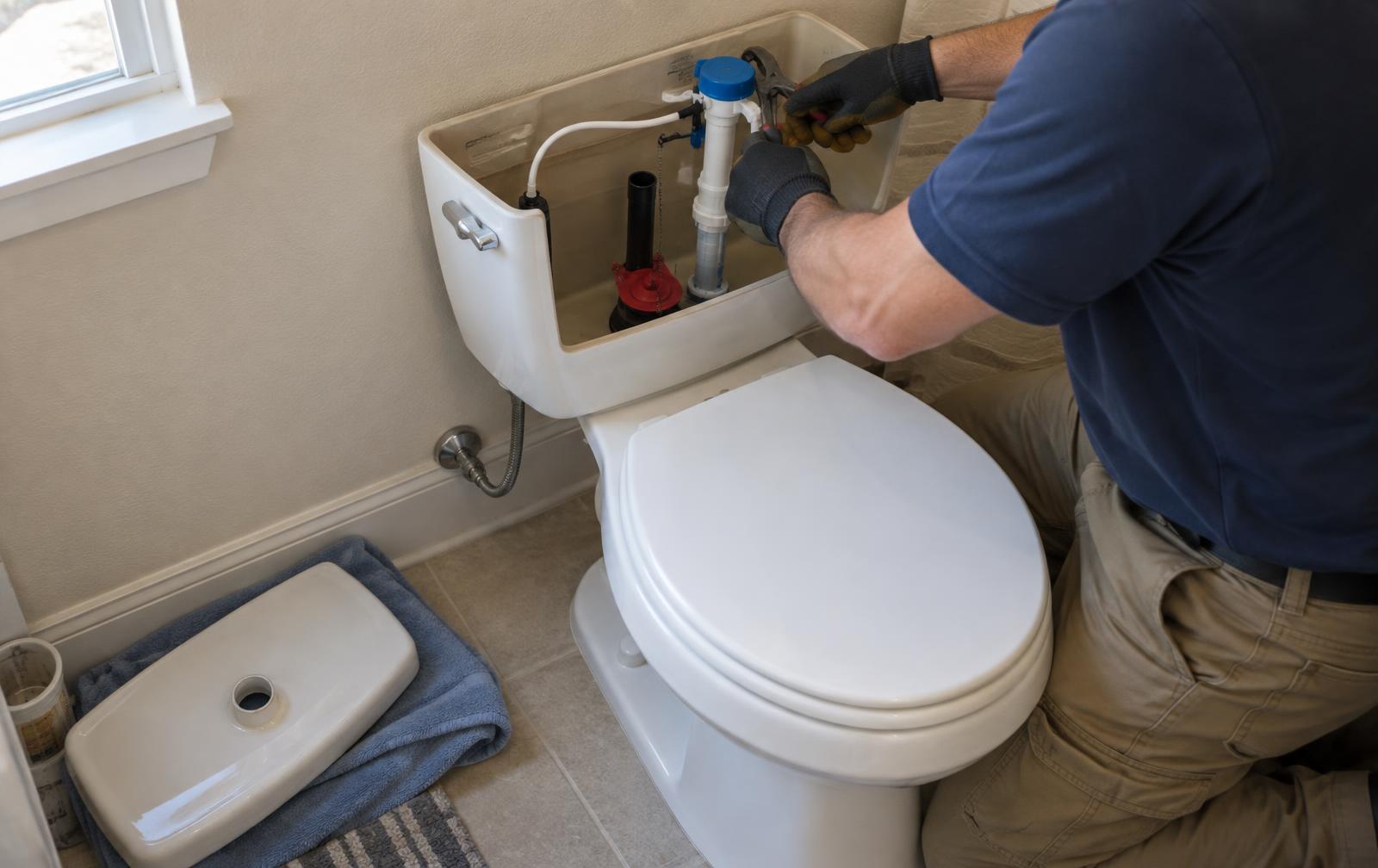
Rebuilds, wax-ring resets, flange repairs, and full replacements — the running toilets and rocking bowls in McKinney homes.
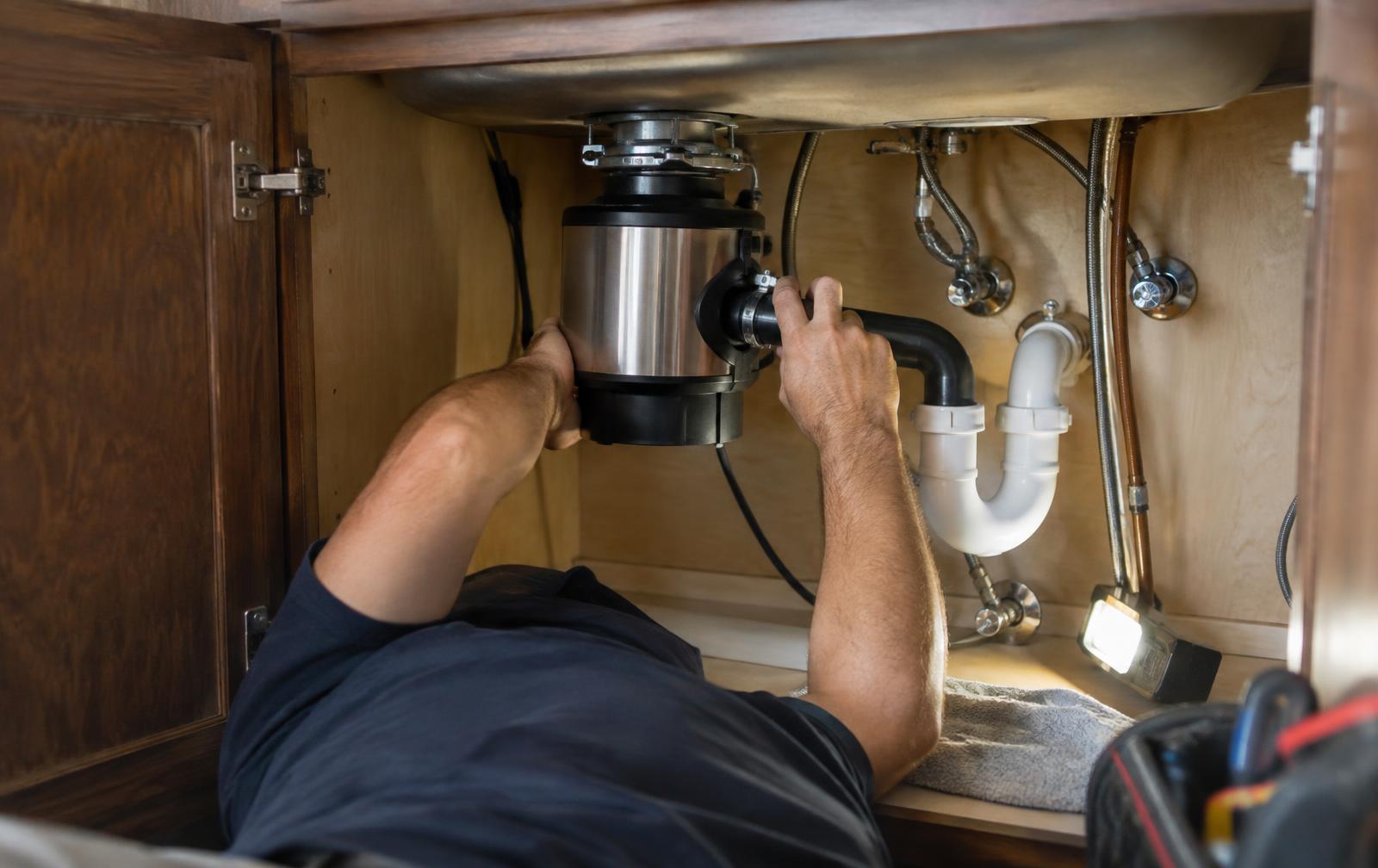
Jam clearing, leaking-unit swaps, and quiet 3/4 HP upgrades for McKinney kitchens — same-visit install.
Need Gas Line Work In McKinney?
Licensed, permitted, pressure-tested, signed off. Book a leak locate or get a quote on a new run.