
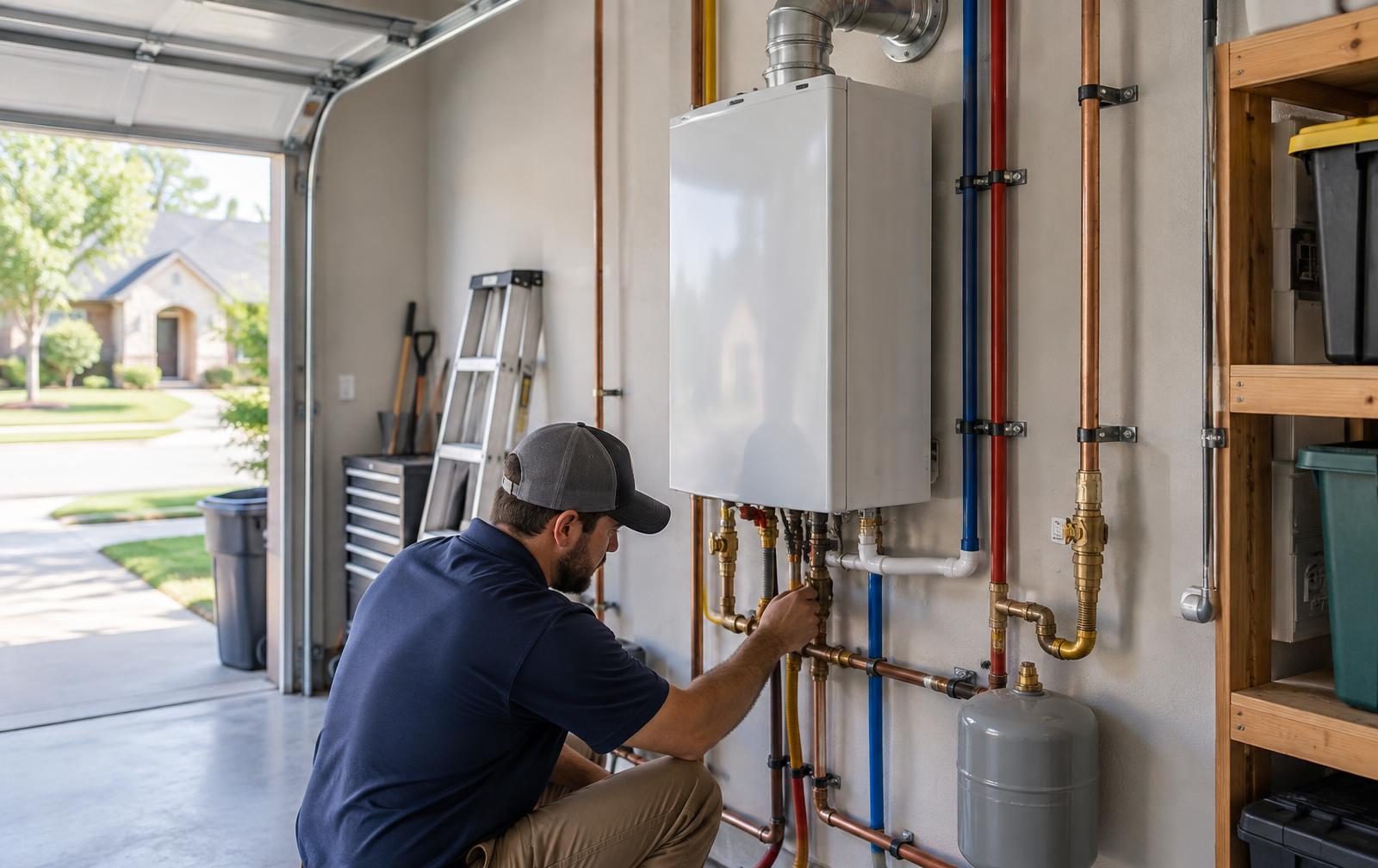
Tankless Water Heater Services in McKinney, TX
Whether you're putting in your first tankless unit, chasing down a warranty claim, or overdue for the yearly cleanout that hard water makes non-negotiable here, we handle it with the right vent, the right gas sizing, and nothing skipped that would cost you the warranty later.
A Good Fit for McKinney, As Long As Nobody Cuts a Corner
Homeowners switch to tankless for the obvious reasons — hot water that doesn't run out, a unit that takes up a fraction of a closet, and a run of years longer than a typical tank if it's looked after. What trips people up in this particular city is water quality: McKinney's own reporting puts its supply in the moderately hard range, and mineral deposits build up inside a heat exchanger considerably faster in that kind of water than homeowners expect. It's routine for us to open up a unit that's barely three years old and find scale thick enough to have already jeopardized the warranty, purely because nobody ran a cleaning cycle on schedule.
Beyond water quality, the mechanical side of the install has its own rules. Manufacturers like Rinnai and Navien spell out specific venting materials, minimum gas pipe sizes tied to how many BTUs the unit fires, a neutralizer for the condensate on high-efficiency models, and shutoff valves positioned for easy future service. A good number of older McKinney houses were built with gas piping too narrow to feed a large modern unit at full output, so upsizing that run is often part of putting one in.
Gas service in McKinney comes from two different providers depending on which part of the city you're in — Atmos Energy covers most of it, CoServ Gas serves other sections — but the sizing calculations and city permitting are identical regardless of who's on the meter. Every job we do gets built to the manufacturer's full specification: venting, gas supply, valve placement, and condensate management, all recorded, with a yearly visit afterward so the unit actually reaches the lifespan it's rated for.

What Tells You a Tankless Unit Needs Service
These units almost always signal trouble before they quit outright — ignoring the signal is usually what costs homeowners the warranty.
Every manufacturer ties its codes to a specific cause — combustion trouble, restricted flow, a temperature sensor issue, scale. We pull the exact meaning for your model before we tell you what it'll take to fix.
Scale narrowing the passageways inside the heat exchanger is the usual reason flow drops off gradually. Noticeably slower fill times are often the first thing homeowners actually notice.
That momentary cold spell can come from a flow sensor partly blocked by scale, a recirculation loop that's too small for the house, or how the unit modulates flow internally — three different causes needing three different fixes.
Either the unit was undersized for the household's real usage, or the gas supply can't keep up with peak demand. We check pipe diameter first, since undersized gas lines are common in McKinney's older construction.
Given McKinney's water quality, that gap isn't a minor thing to put off — most manufacturers tie warranty coverage directly to proof of yearly descaling.
That's the sound of steam breaking through mineral buildup on the exchanger surface. Left alone long enough, it stops being just noise and starts causing damage that can't be undone.
Right-Sized, Properly Vented, Cleaned On Schedule
Get the install right and the first stretch of years takes care of itself. Keep the yearly service up and the unit earns out the rest of its rated life.
- 1Work out real household demand first
We tally the fixtures likely to run together and figure the flow rate needed against your incoming groundwater temperature — colder here than most sizing calculators assume, which pushes the needed output higher than people expect. The gas line gets sized to match whatever unit that math points to.
- 2Match the vent to the manufacturer's rulebook
Depending on the model, that's PVC, CPVC, or stainless, run at the right pitch with proper clearance from windows and doors. Tight mechanical closets often call for a concentric vent kit. Getting the material or the sizing wrong is the single fastest way to void coverage and risk exhaust drifting back inside.
- 3Put in valves and condensate handling that make service easy later
Full-port shutoffs on both supply lines mean a future cleaning is a quick connect-and-flush rather than a teardown. On condensing models, a neutralizer keeps the mildly acidic runoff from slowly damaging your drain piping.
- 4Perform the full yearly service
We isolate the unit, run a citric-acid based solution through the exchanger for roughly three-quarters of an hour, flush it thoroughly, and bring it back online. While it's apart we also look over the burner assembly, flame sensor, flow sensor, and condensate trap, then log everything for your records.
- 5Repair using the actual manufacturer's parts
Igniters, flame rods, gas valves, flow sensors, control boards — all stocked or sourced quickly. We service Rinnai, Navien, Rheem, Bosch, Noritz, and AO Smith units throughout McKinney.
How Location Shapes a Tankless Job in McKinney
Age of the house changes what the install actually involves more than the brand of unit does.
Houses closest to the original courthouse square predate today's higher-demand gas appliances entirely, so a tankless conversion out here regularly includes widening the gas piping right along with putting up new venting.
The sections of this community that broke ground in the mid-1980s often still carry their original tank heaters, well beyond a typical service life — exactly the kind of household where a tankless swap at replacement time makes long-run sense.
Built mainly in the 2000s, homes here usually already have gas service sized generously enough that swapping to tankless is a clean unit-for-unit change with no piping work attached.
Since this area has been under construction since the early 2010s, a fair share of these houses were built with tankless in mind from the start, so most of our visits here are scheduled yearly cleanings rather than new conversions.
This stretch runs past several of the city's newer subdivisions, Trinity Falls included, so gas sizing along the corridor tends to already meet modern standards, keeping tankless jobs focused on the unit itself.
Houses bordering the greenbelt cover a wide range of build decades like the rest of McKinney, so we still check gas capacity and venting path property by property rather than assuming based on the area alone.
What McKinney Homeowners Say

Coverage That Holds Up Because the Records Do
Every install we complete gets its details on file — model, serial number, gas setup, vent routing, and where the isolation valves sit. Every yearly cleaning gets logged with a date behind it too. That paper trail is what keeps a manufacturer's warranty intact instead of quietly expiring the first time a claim comes up.
We hold a license through the Texas State Board of Plumbing Examiners, carry insurance, and are a family-owned operation, with trucks dispatching out of our shop in The Colony. Hours run same-day service, seven days a week, 8 AM to 6 PM — same-day when a unit has stopped heating, scheduled ahead for annual upkeep.
Direct Answers, No Runaround
Our Other Plumbing Services in McKinney, TX
Putting in tankless often means touching the gas line too. We fold both into one visit and one written number for McKinney homes.
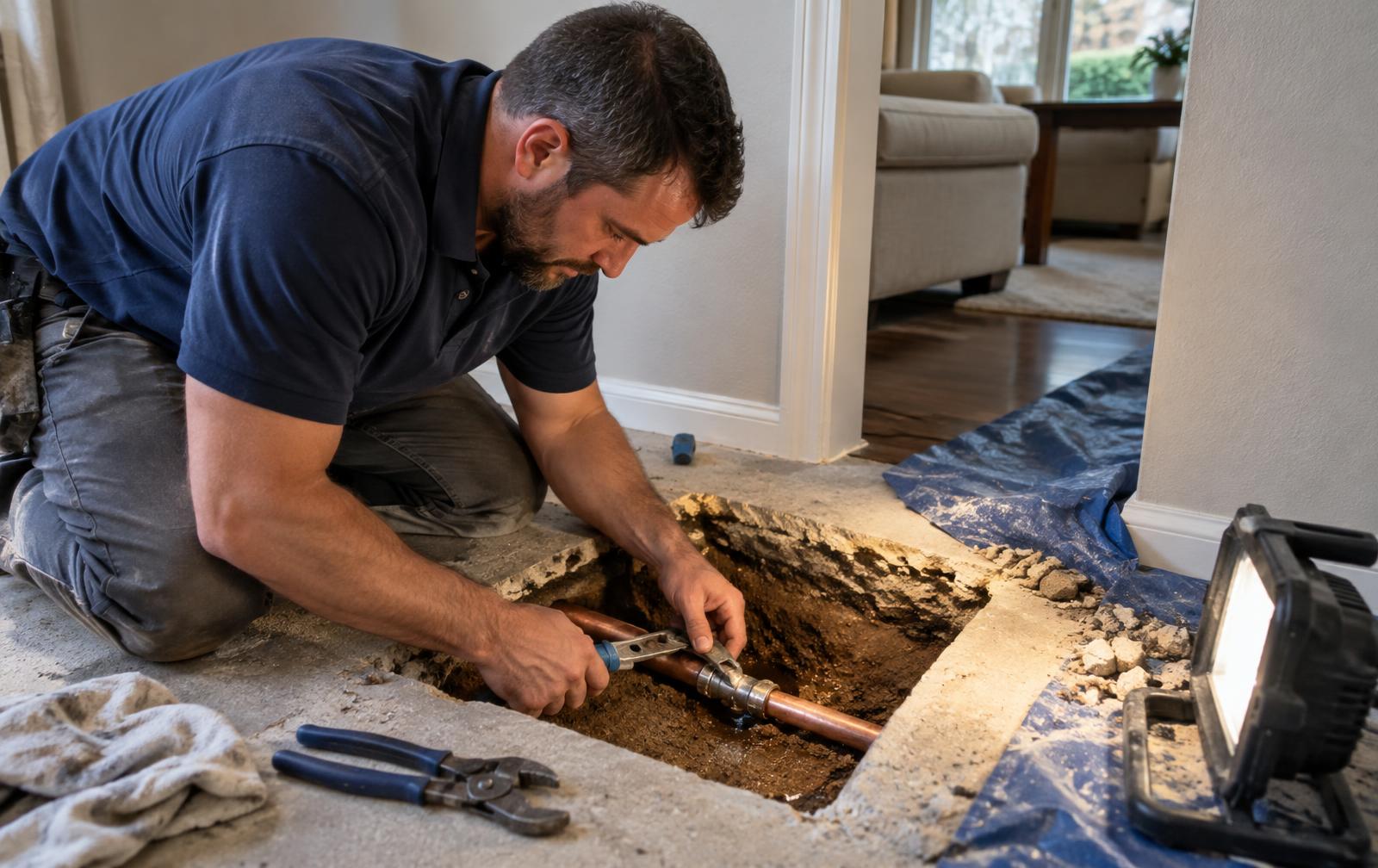
Electronic detection under McKinney slabs — reroute options that save your finished floors when possible.
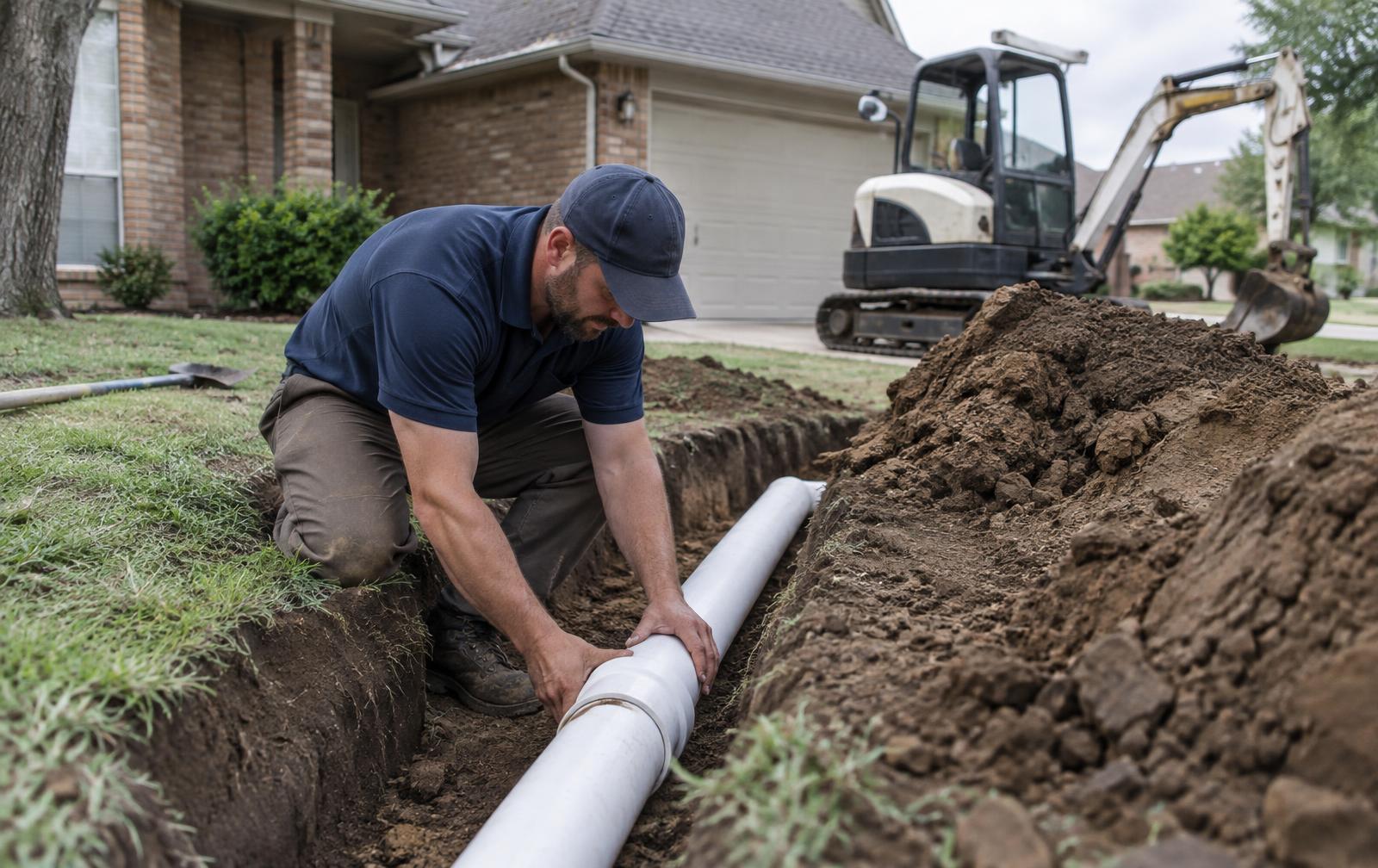
Trenchless replacement for the aging laterals across McKinney's older runs — camera first, quote in writing, minimal yard damage.
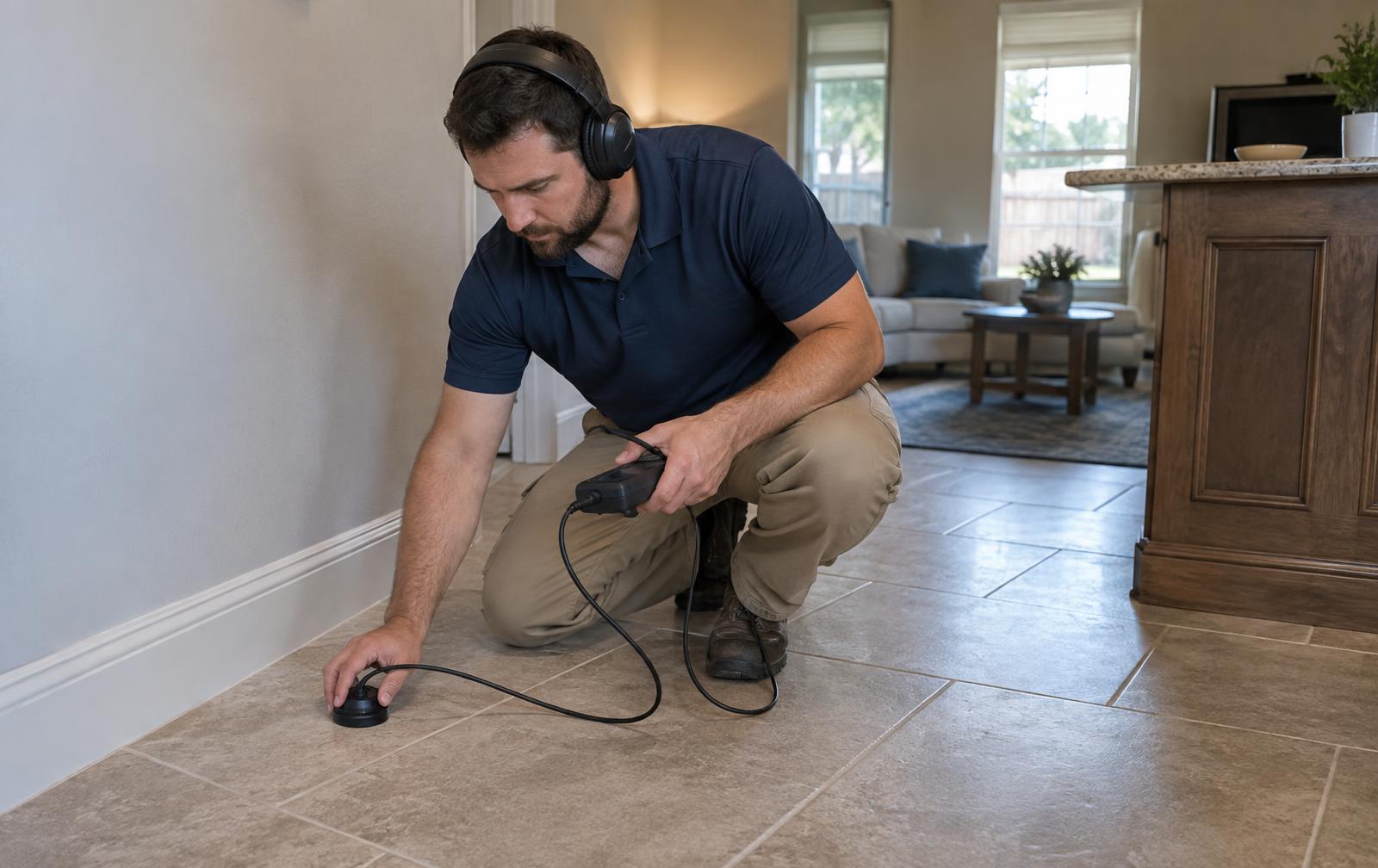
Acoustic, thermal, and pressure testing to pinpoint hidden leaks in McKinney slab and wall lines without tearing into finishes.
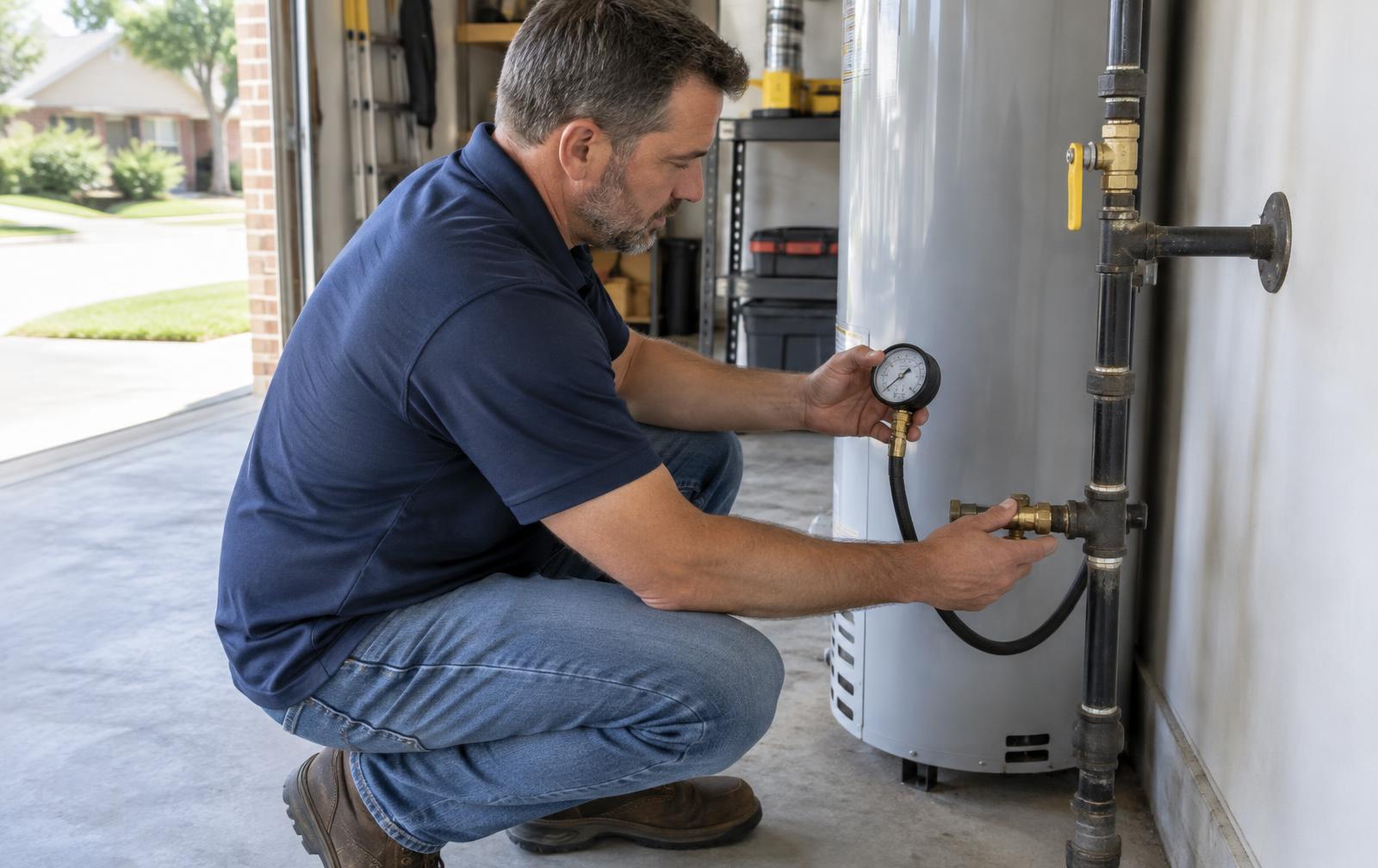
Licensed install, repair, and pressure-testing for McKinney homes — every line signed off to Texas code and Atmos requirements.
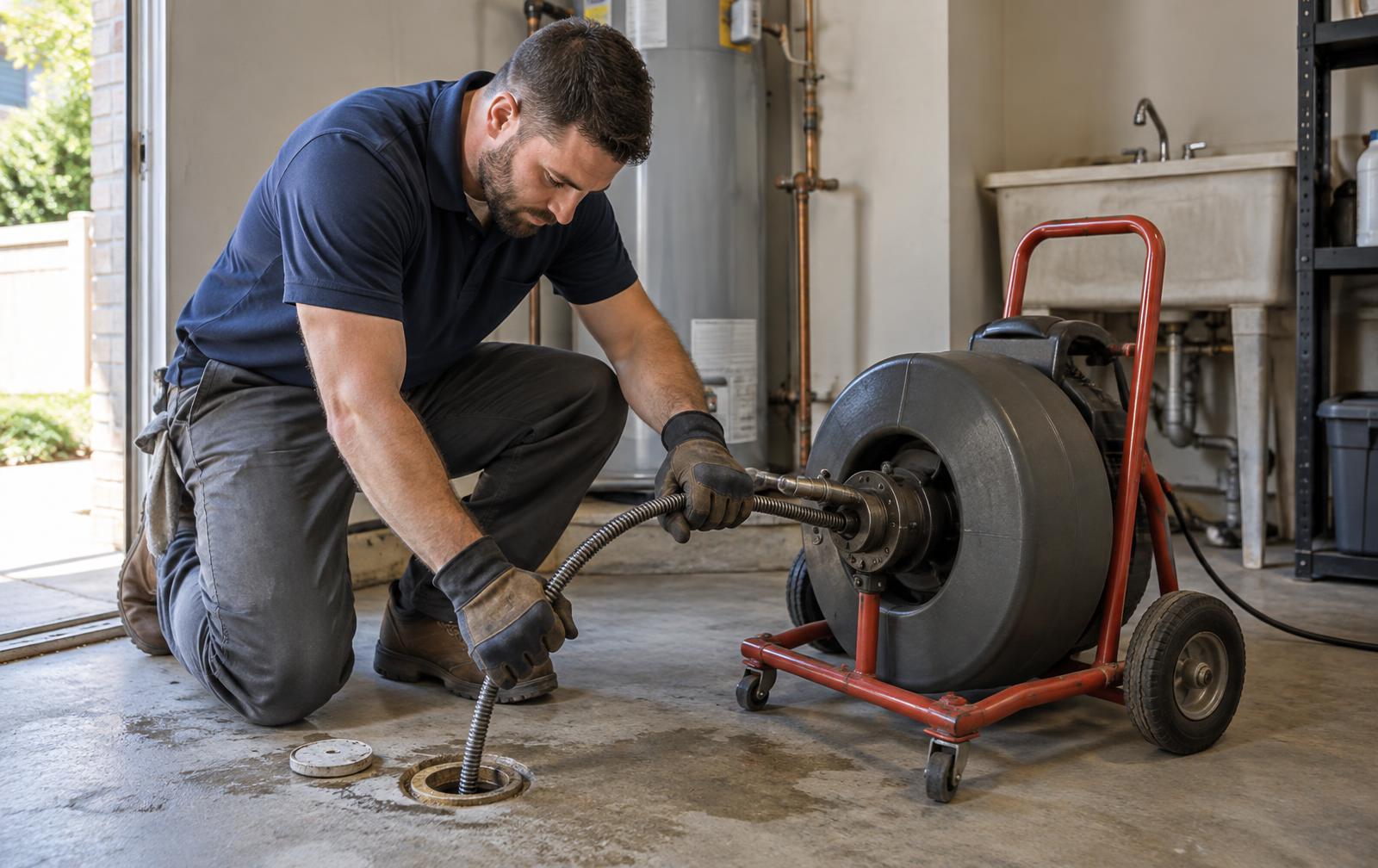
Full-clear service and camera confirmation for the drains under McKinney's neighborhoods.
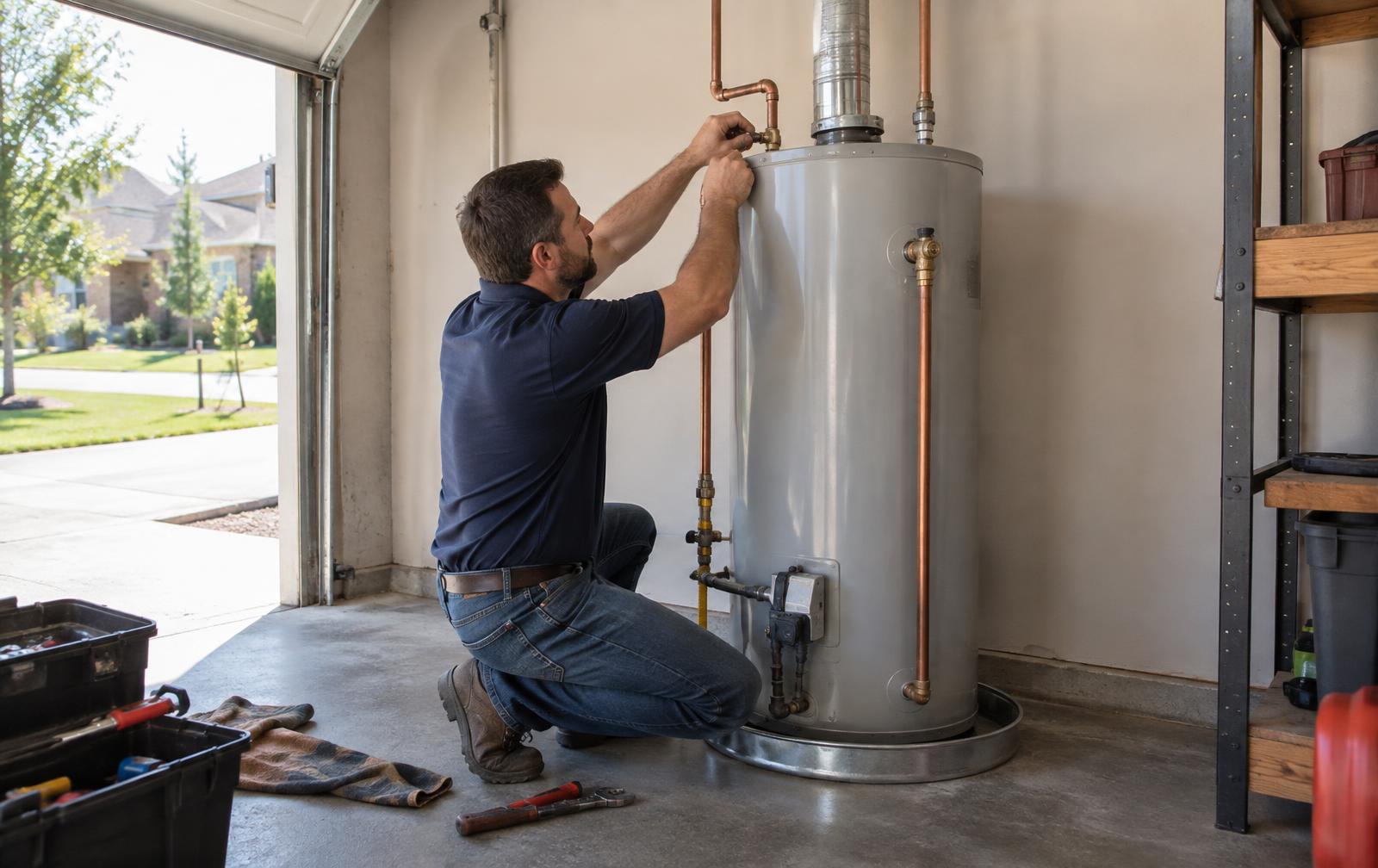
Repair, flush, and replacement of tank units — including attic and garage heaters common to McKinney homes.
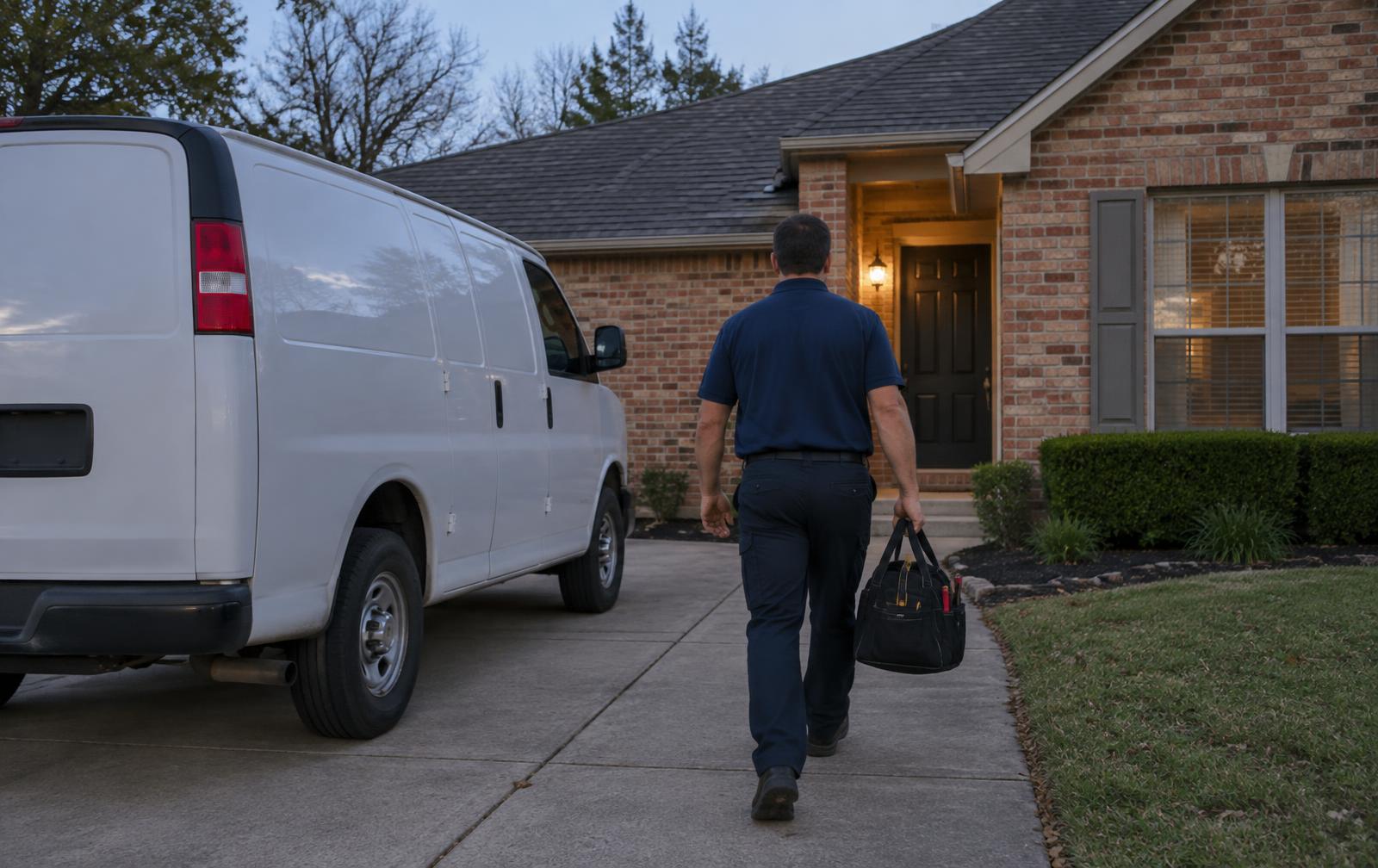
same-day, 7 days a week response across McKinney for burst pipes, heater failures, and main-line backups.
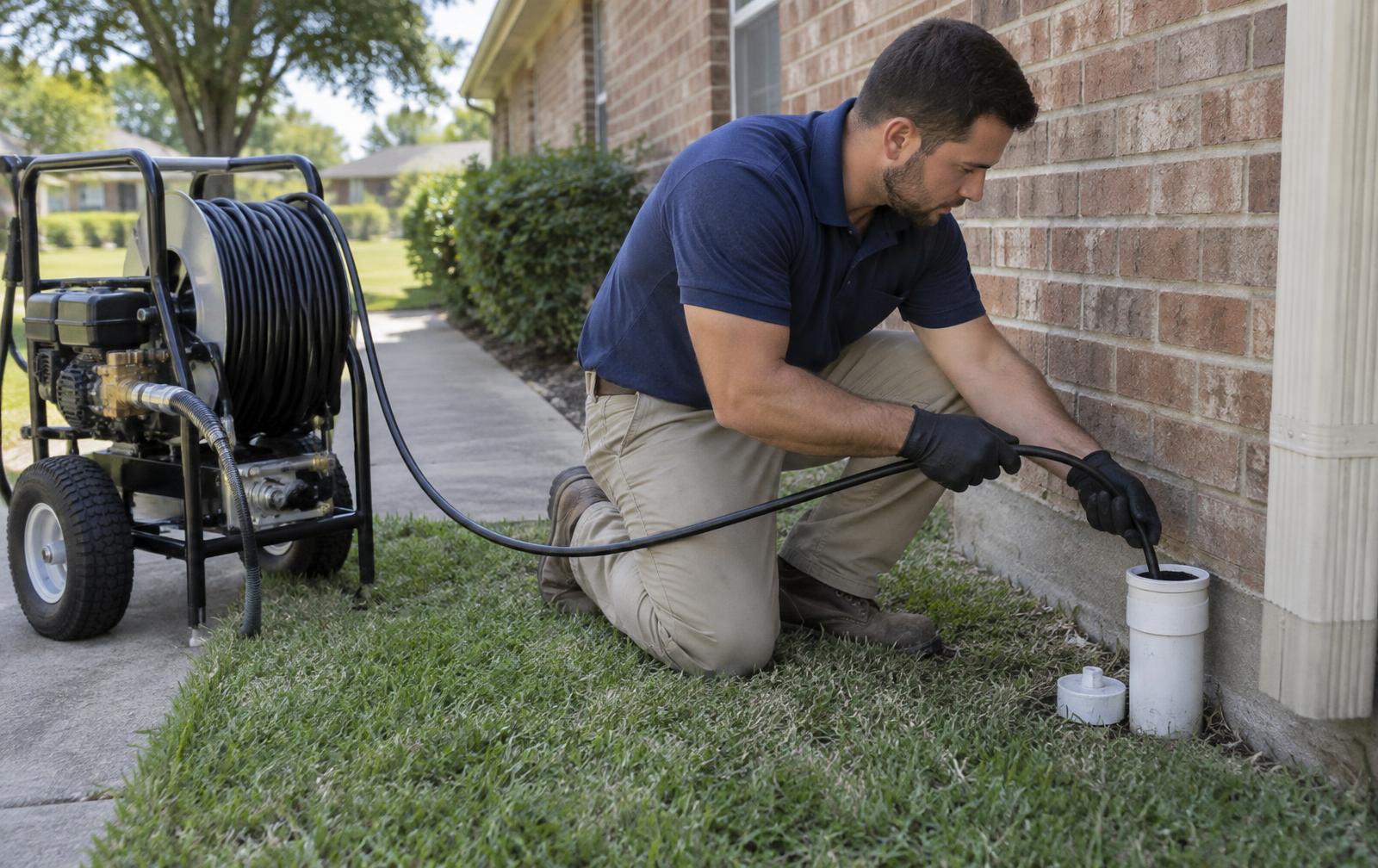
High-pressure cleaning that clears scale, grease, and roots from McKinney's lateral runs — full-diameter, lasting clean.
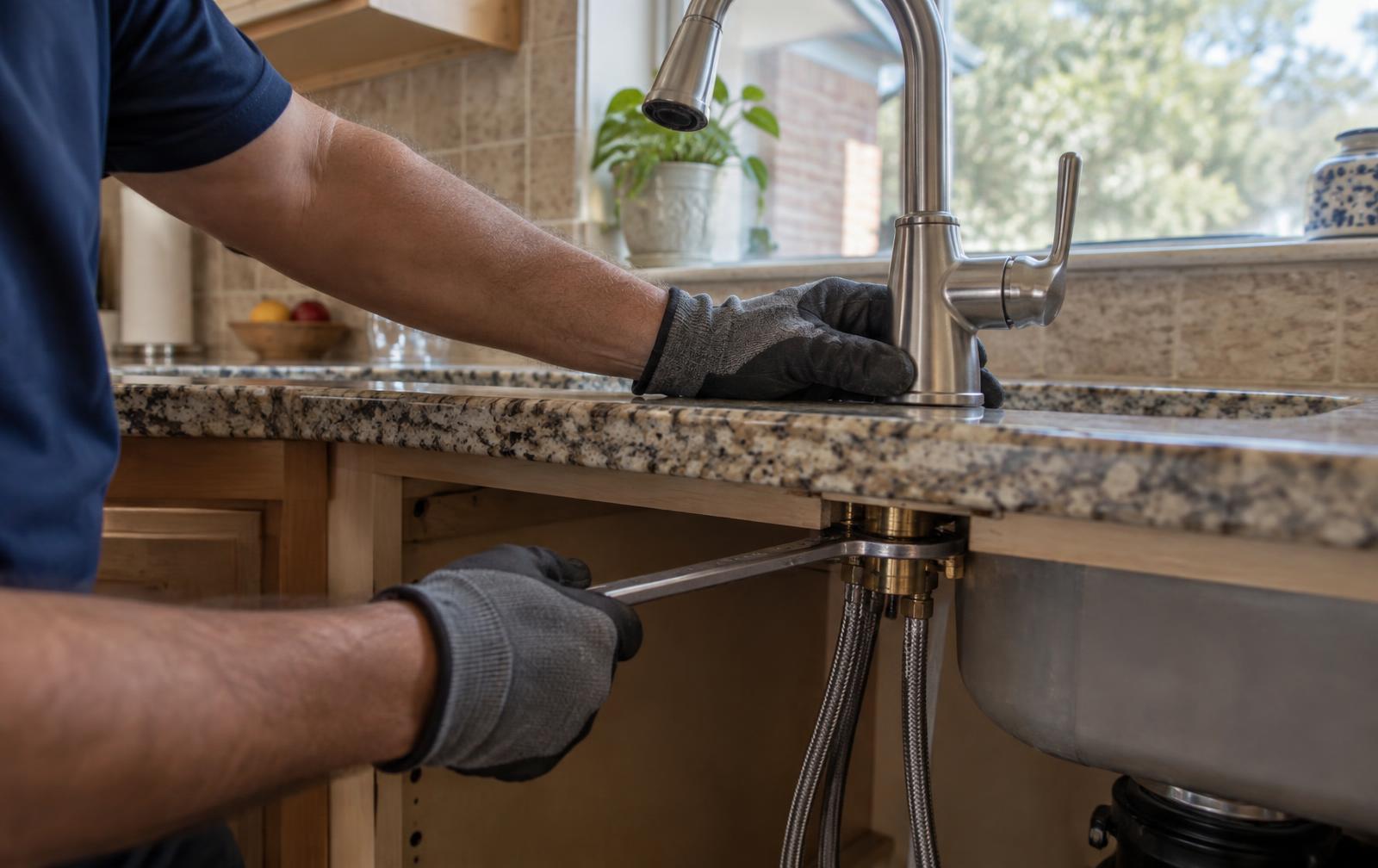
Cartridge, stem, and full-fixture replacement for McKinney kitchens and bathrooms — hard-water-ready parts stocked on the truck.
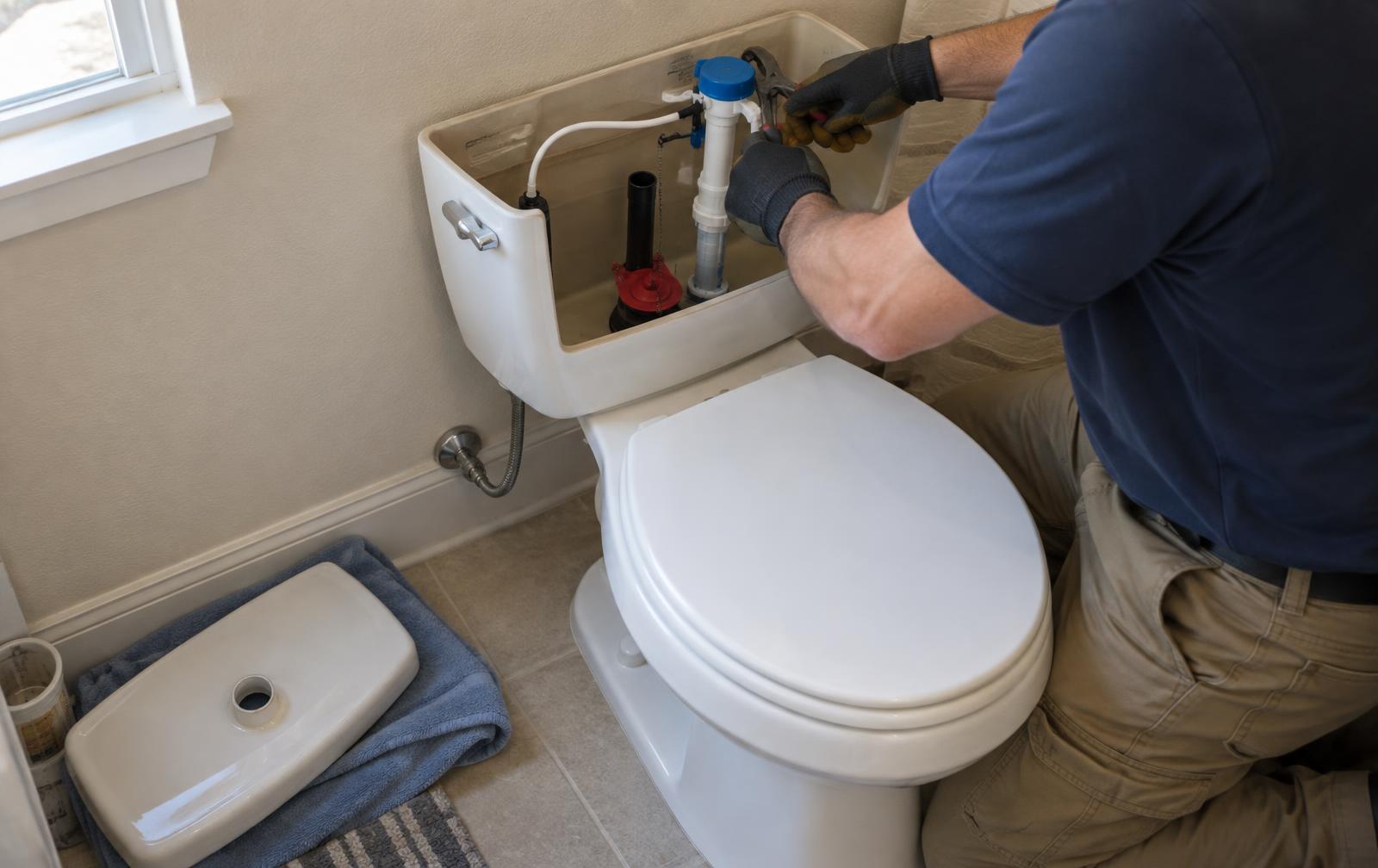
Rebuilds, wax-ring resets, flange repairs, and full replacements — the running toilets and rocking bowls in McKinney homes.
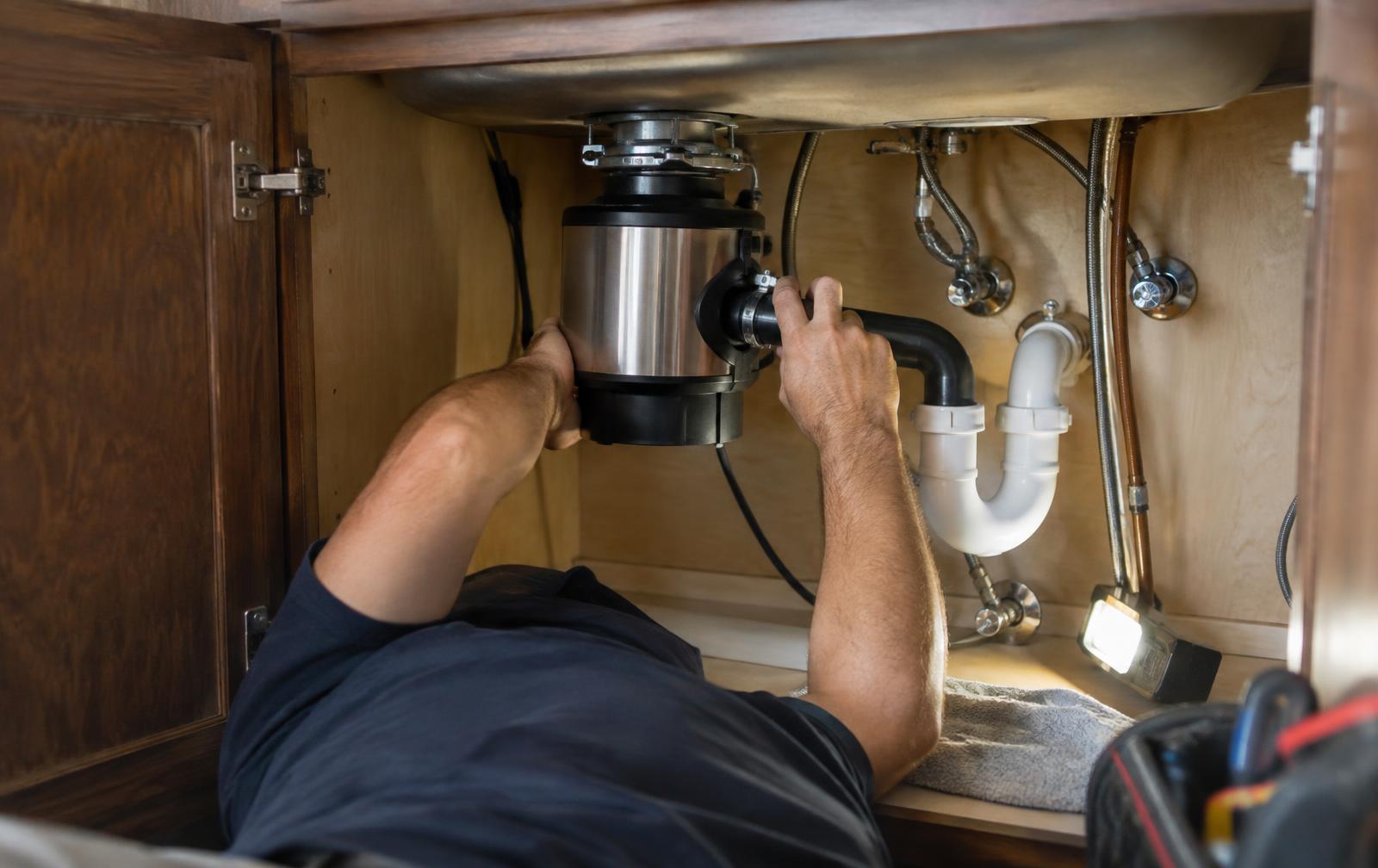
Jam clearing, leaking-unit swaps, and quiet 3/4 HP upgrades for McKinney kitchens — same-visit install.
Ready for Tankless Install or Service in McKinney?
Built to manufacturer spec, serviced on a documented yearly schedule, warranty protected because the paperwork is kept current. We run same-day service, seven days a week.