
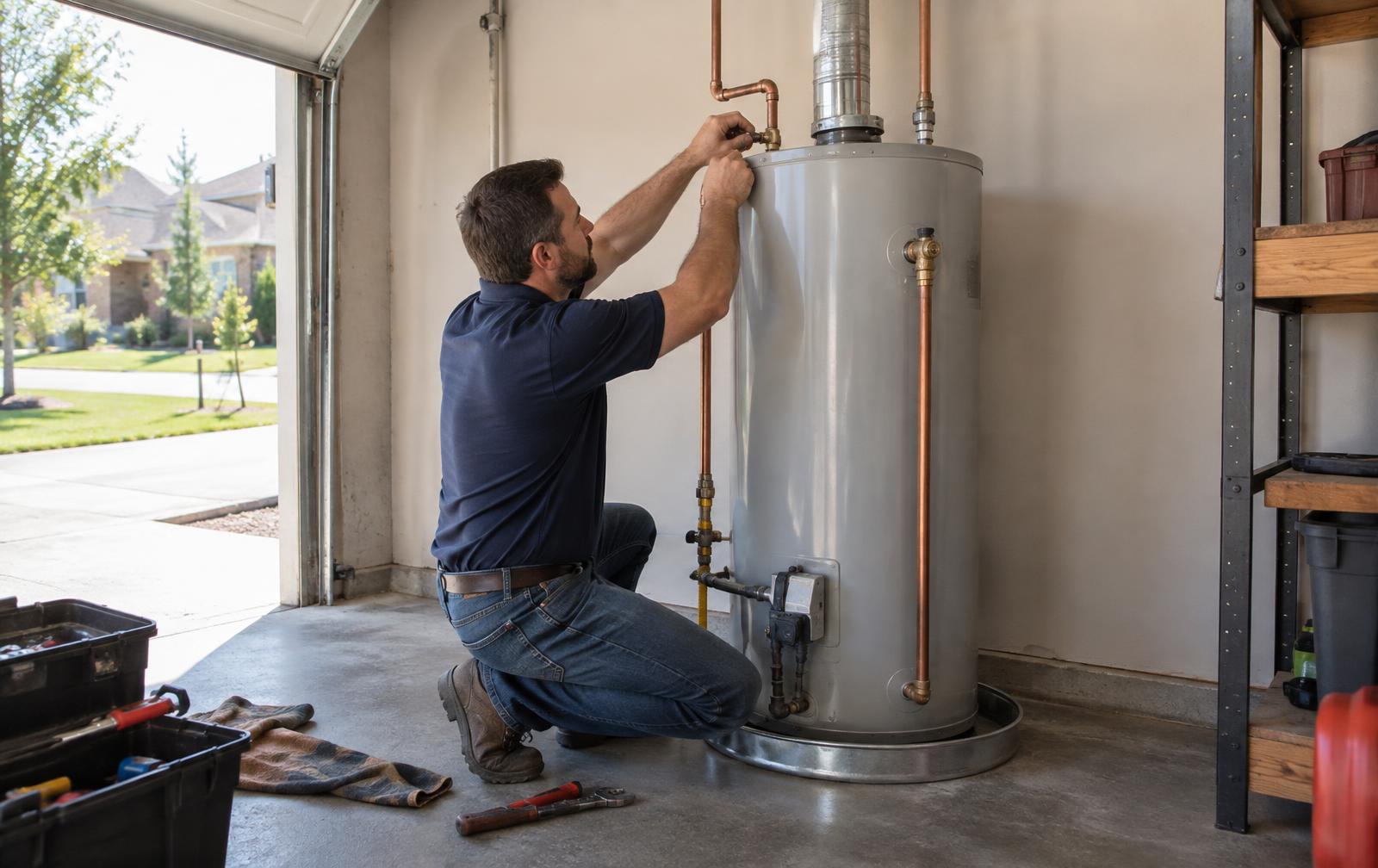
Water Heater Services in Addison, TX
A shower that turns cold without warning. Water at the tap with a rusty tinge. A wet ring spreading around the tank's base. A closet that suddenly sounds louder than it used to. Whether your unit needs a tune-up or a full swap, we work on tank water heaters across Addison houses and condos.
Where The Tank Sits Changes How We Approach The Job
A house near Addison Place gives us a garage or interior closet to work in without much fuss. A unit at Addison Circle is often crammed into a narrow mechanical chase that rules out anything but a specific tank profile. Layer Addison's own water on top of that — moderately hard to hard by most measurements — and anode rods here wear out on a faster clock than in softer-water parts of the country, so tanks routinely fail years before the number stamped on their warranty card would suggest.
The part that's tempting to skip, and expensive to have skipped, is bringing the install up to current code. That means a correctly sized expansion tank on a closed system, a drain pan wherever the unit sits in a closet or above living space, and the pressure-relief valve piped to discharge somewhere sensible. Swap the tank and reuse the old fittings without any of that, and the job looks cheaper right up until an insurance adjuster asks about it after a leak.
Plenty of tanks are worth saving rather than replacing — a stuck thermocouple, a bad gas valve, a dead heating element, a worn-out anode, or just years of sediment needing a flush. When the tank itself has failed, replacement is the honest answer, and we say so plainly instead of pushing whichever job pays more.
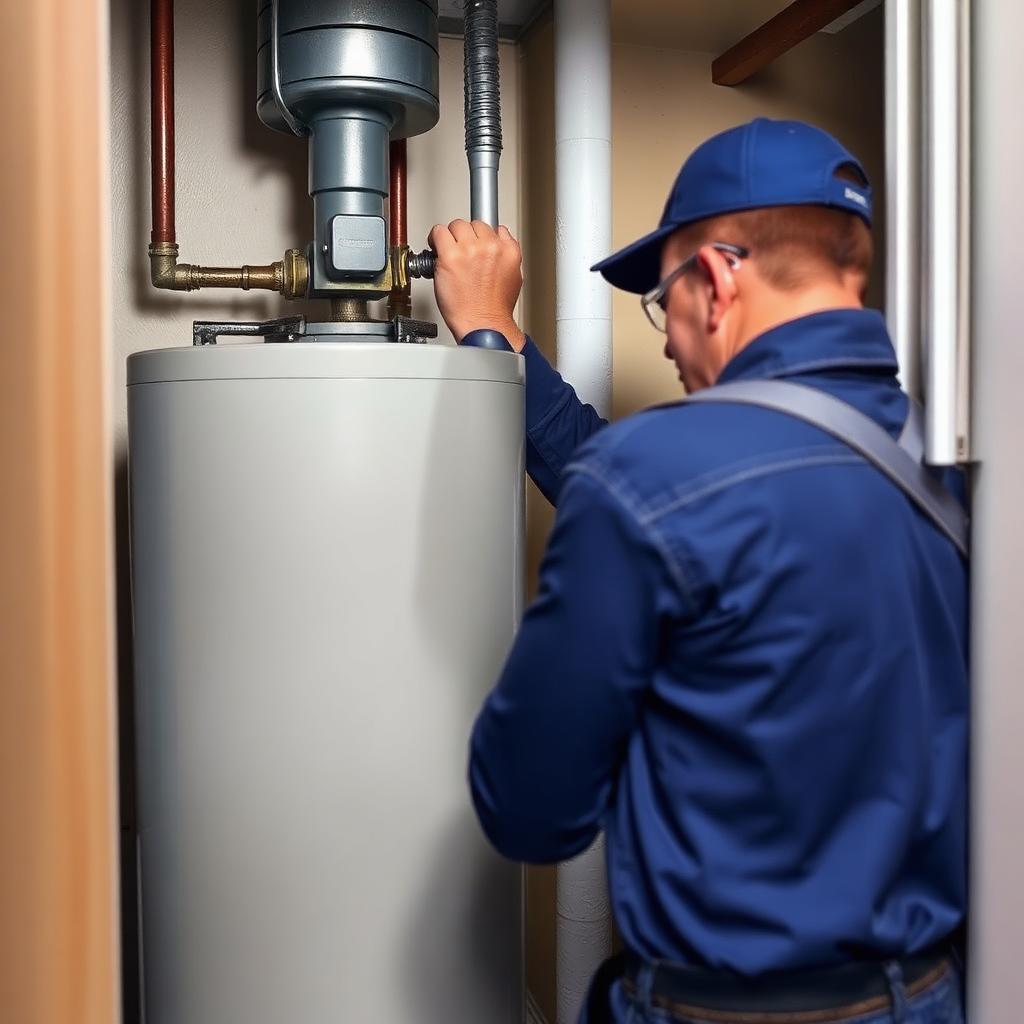
Signs Your Addison Water Heater Needs Attention
A few of these call for a repair. A few call for replacement. Either way, worth a look before it gets worse.
A second shower going cold early, or a tub that never quite fills hot, can point to a broken dip tube, a unit that was undersized to begin with, or sediment eating away at how much water the tank can actually hold hot.
That sound is steam breaking through a layer of sediment that's settled on the tank floor. A flush often quiets it down; if the noise keeps getting louder anyway, the tank may be nearing the end regardless.
Rust-tinted water usually means the anode rod protecting the tank has been used up and the steel underneath has started to corrode. Catching it with a fresh anode can buy real time; heavily discolored water usually means that window has closed.
There's no patching a cracked tank shell. Cut the gas or power and the water feed to the unit right away and treat it as a replacement, not a repair.
A tank fighting through sediment buildup or a weak burner has to run longer for the same result. A noticeable increase in gas or electric use, without anything else changing at home, is worth having checked.
That valve opens because internal pressure or temperature has climbed higher than it should, or because the valve itself is worn out. Left alone long enough, the eventual failure mode is a tank that ruptures.
An Honest Diagnosis, Then A Code-Correct Install
We fix what can be fixed. What can't gets replaced properly, not just swapped.
- 1Start with a real diagnostic
Age from the serial number, how much sediment has built up, anode wear, relief-valve condition, thermocouple or element behavior, and combustion quality on gas units — we check all of it before saying a word about price, then give you an honest read on repair versus replacement.
- 2Fix the actual failed component
A new thermocouple, a gas valve, an element or thermostat on an electric unit, a dip tube, a fresh anode rod, or a complete flush to clear sediment — the parts for most common models are already on the truck.
- 3Set the replacement to full code, not just to fit
That means sizing for what the household actually uses, an expansion tank where the system requires one, a drain pan with proper discharge routing on a closet or above-floor install, correct relief-valve piping, dielectric fittings at the connections, and a seismic strap if the location calls for it.
- 4Take the old tank out the clean way
The failed unit goes with us for recycling rather than getting hauled, still heavy with sediment, through someone's finished hallway. We clean up the closet floor before the new tank goes in.
- 5Confirm it works and explain what we did
Combustion gets checked on gas models, we verify how quickly the tank recovers, set the thermostat to a sensible default unless told otherwise, and walk through the shutoffs and when the next flush should happen.
How The Job Differs Around Addison
Where the tank sits usually decides how it eventually gives out.
Tight mechanical chases in these condos, dating to the late 1990s and later, restrict which replacement tank will physically fit — a short-body model or a switch to tankless is often the more practical route than a like-for-like swap.
Because this area was built through the 2010s, venting and drain-pan provisions here generally already meet current expectations, which makes a straight tank replacement simpler than in older buildings nearby.
This small pocket of detached homes near the airport typically has a conventional garage or closet install, giving straightforward access whether the job is a repair or a full swap.
Some of these larger custom homes from around 1990 are still running their original units well past a normal service window, and getting ahead of a failure before it floods a finished space is usually the better call here.
Homes and duplexes from the early 1980s in this stretch often have venting that predates current code requirements, so bringing that up to standard is a routine part of any replacement we do in this area.
A number of the 1970s and 80s buildings still standing outside the Vitruvian Park footprint have units sharing one water heater between neighbors — switching to individual tankless service is a common way to put an end to that arrangement.
What Addison Homeowners Say
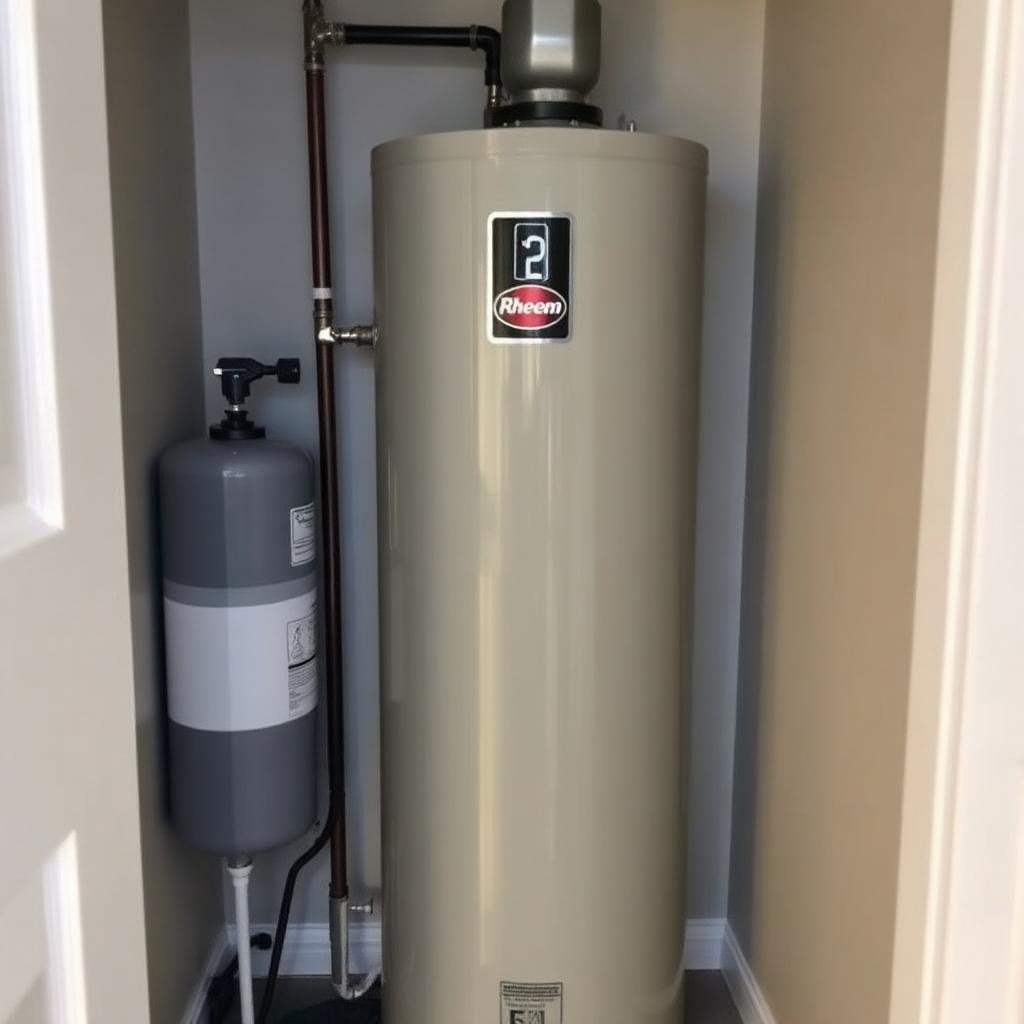
We Repair What's Worth Repairing
Tank replacements come with the manufacturer's own warranty on the tank plus warrantied labor from us. Repairs carry warrantied parts and labor too. A recommendation to replace comes from what the diagnostic actually shows, not from whichever job happens to pay better that day.
We're licensed through the Texas State Board of Plumbing Examiners, insured, and family-owned, running out of our shop in The Colony. A total failure in Addison gets same-day attention, dispatched the same day it's reported.
Quick Answers, No Runaround
Our Other Plumbing Services in Addison, TX
A failing water heater often sits next to plumbing of the same age. While we're already at an Addison property, we'll take a look at supply lines, drains, and gas connections too.
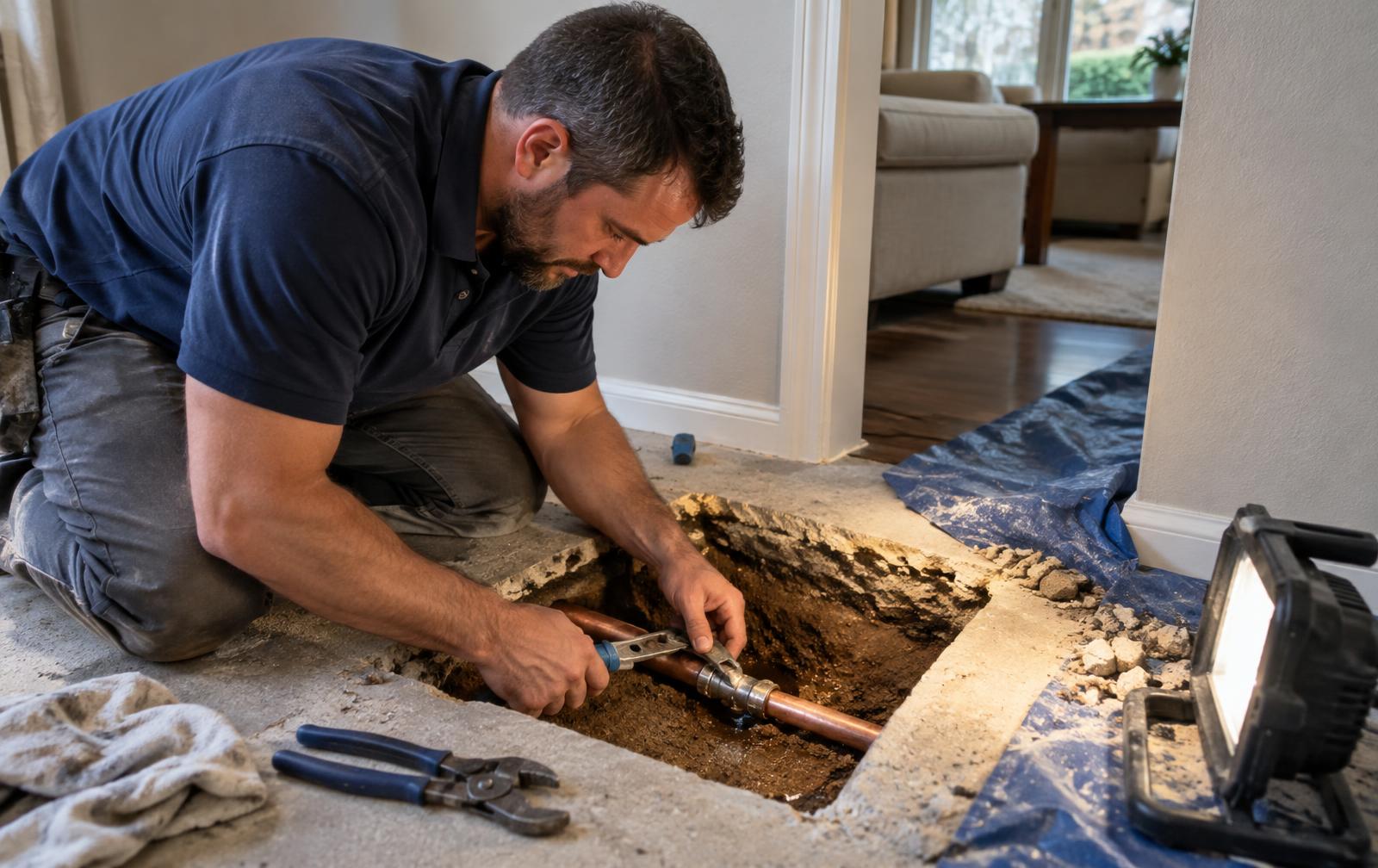
Electronic detection under condo and townhome slabs — reroute options that save your finished floors when possible.
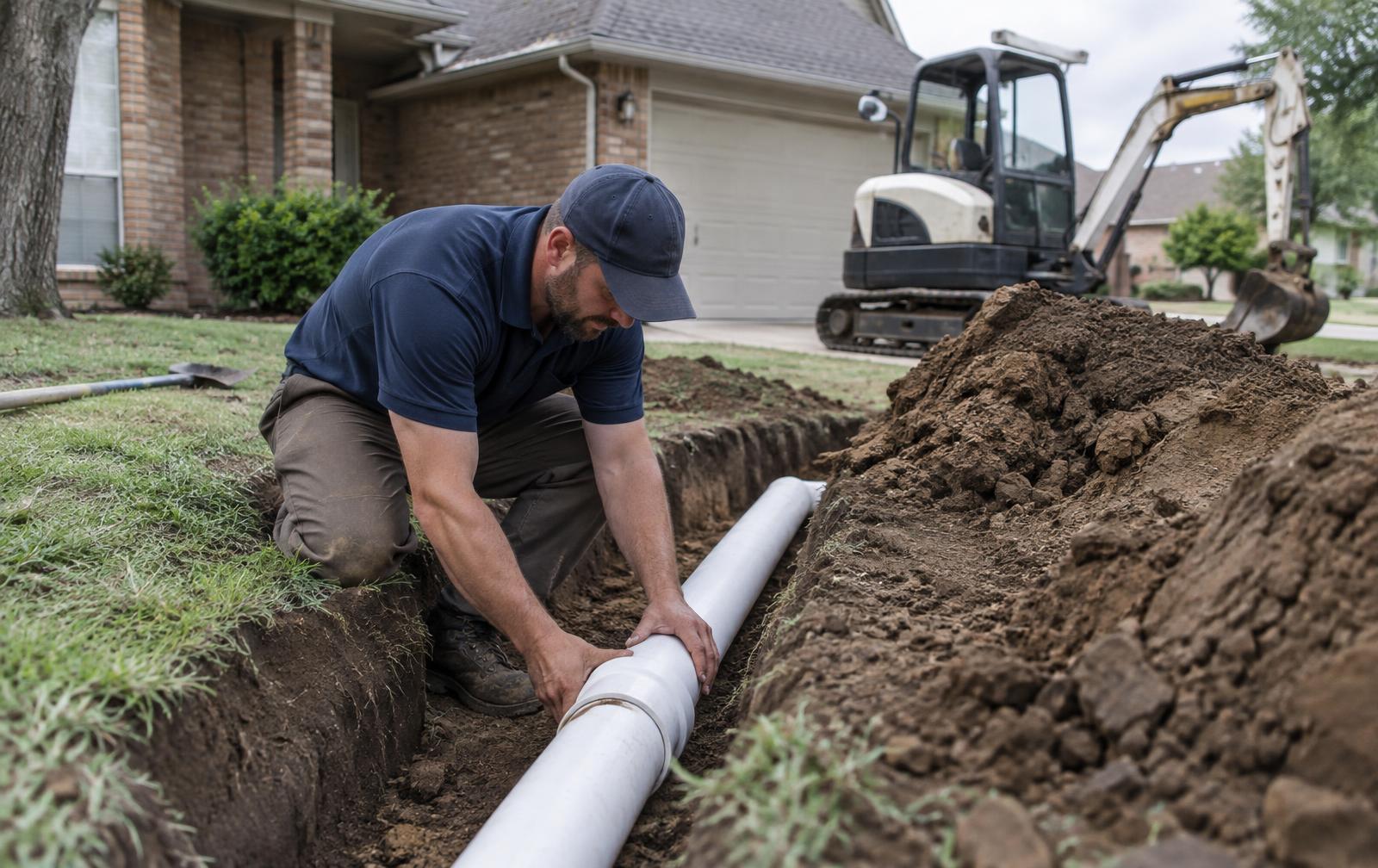
Trenchless replacement for the cast iron laterals under Addison's 1970s and 80s builds — camera first, quote in writing, minimal yard damage.
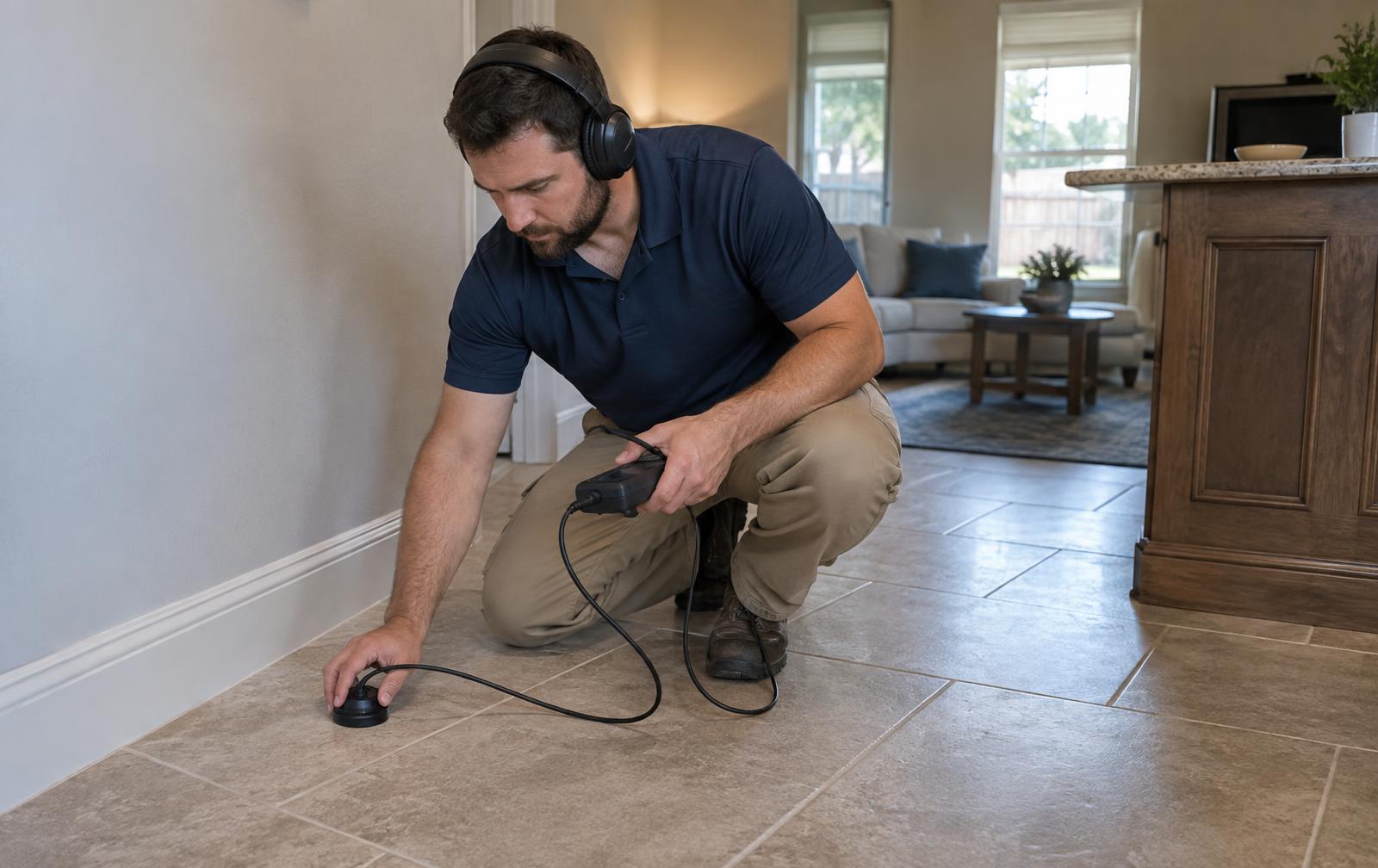
Acoustic, thermal, and pressure testing to pinpoint hidden leaks in Addison slab, wall, and shared-stack lines without tearing into finishes.
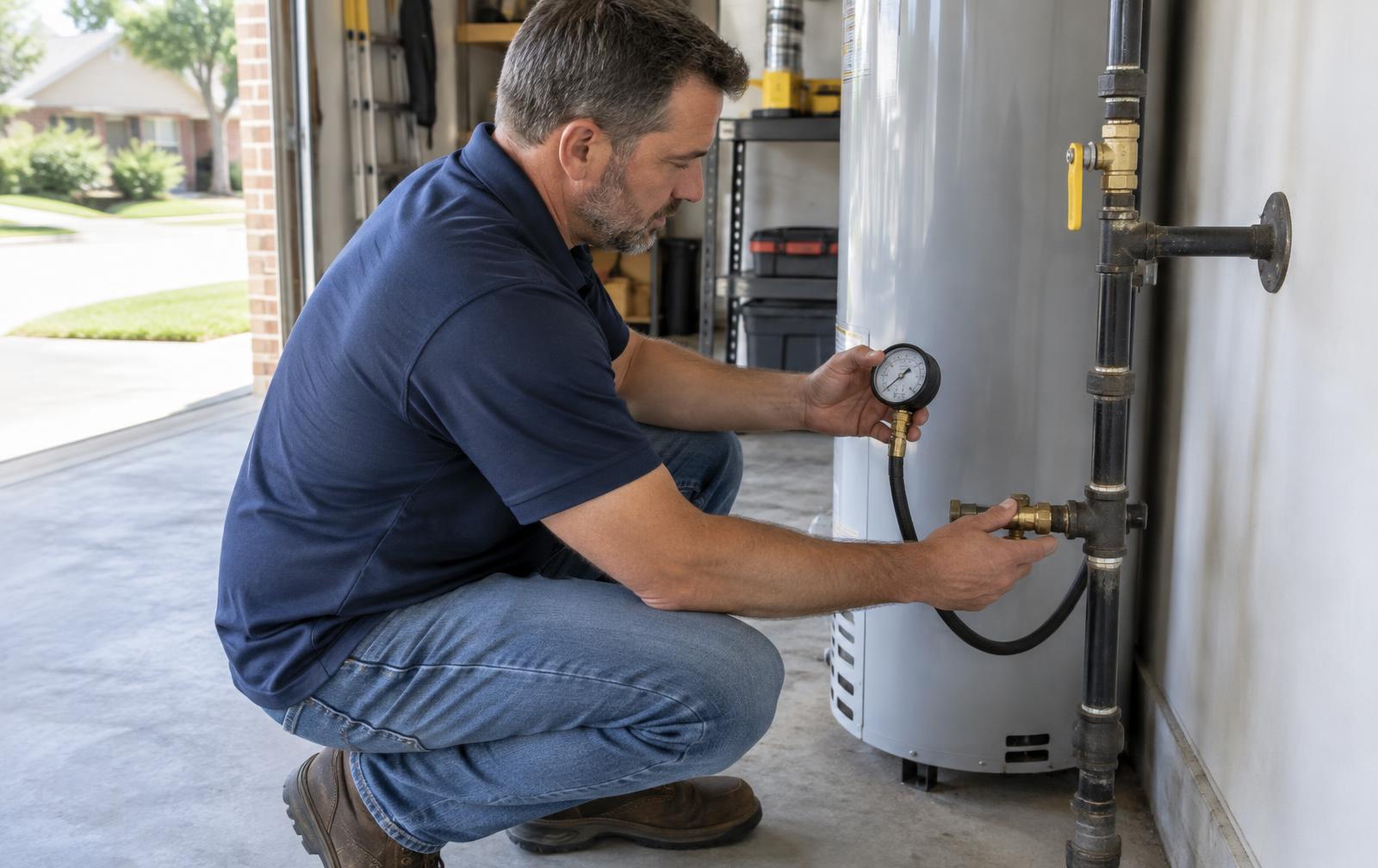
Licensed install, repair, and pressure-testing for Addison homes and townhomes — every line signed off to Texas code and Atmos requirements.
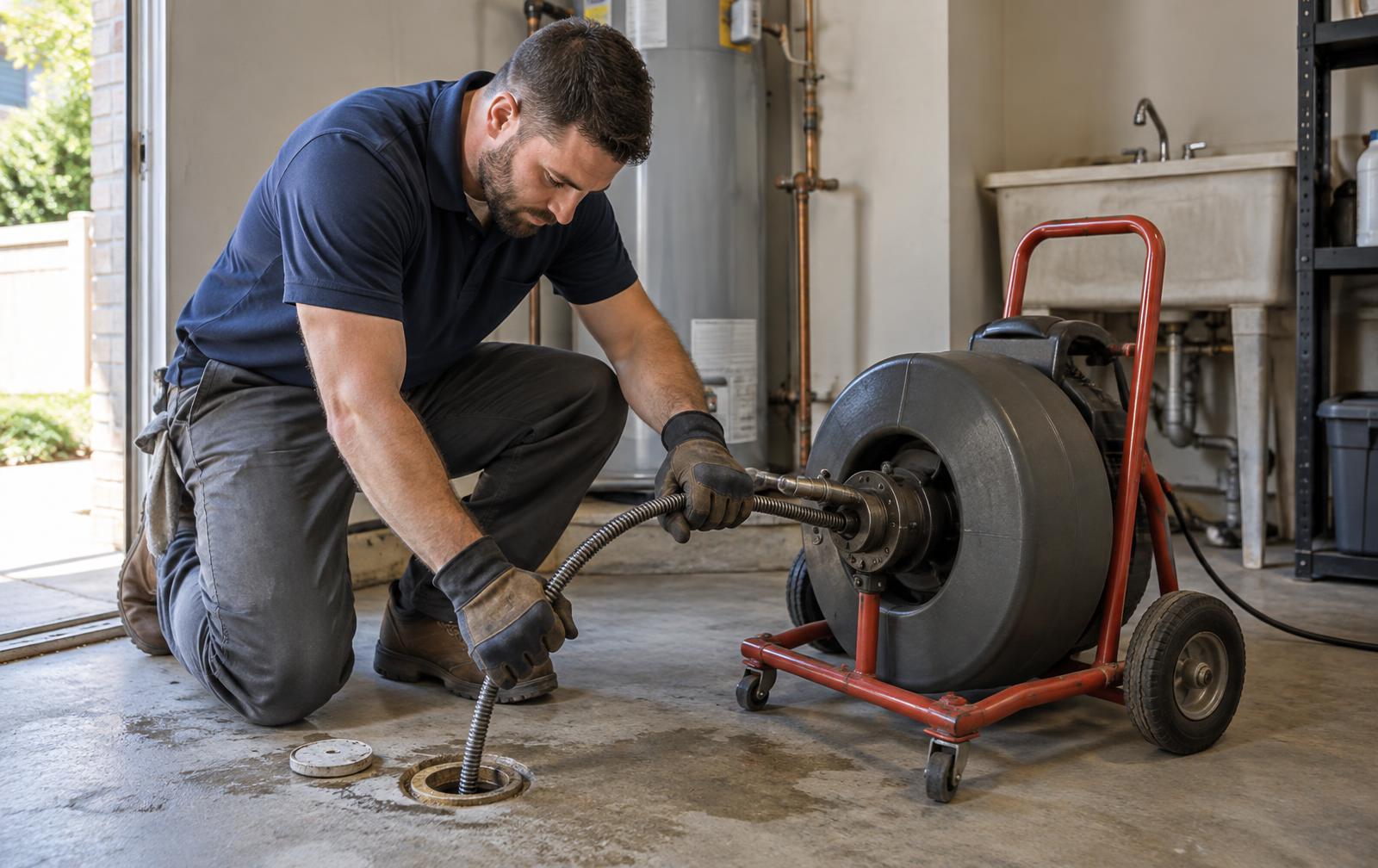
Full-clear service and camera confirmation for the aging cast iron drains under Addison's mid-century ranches and condo blocks.
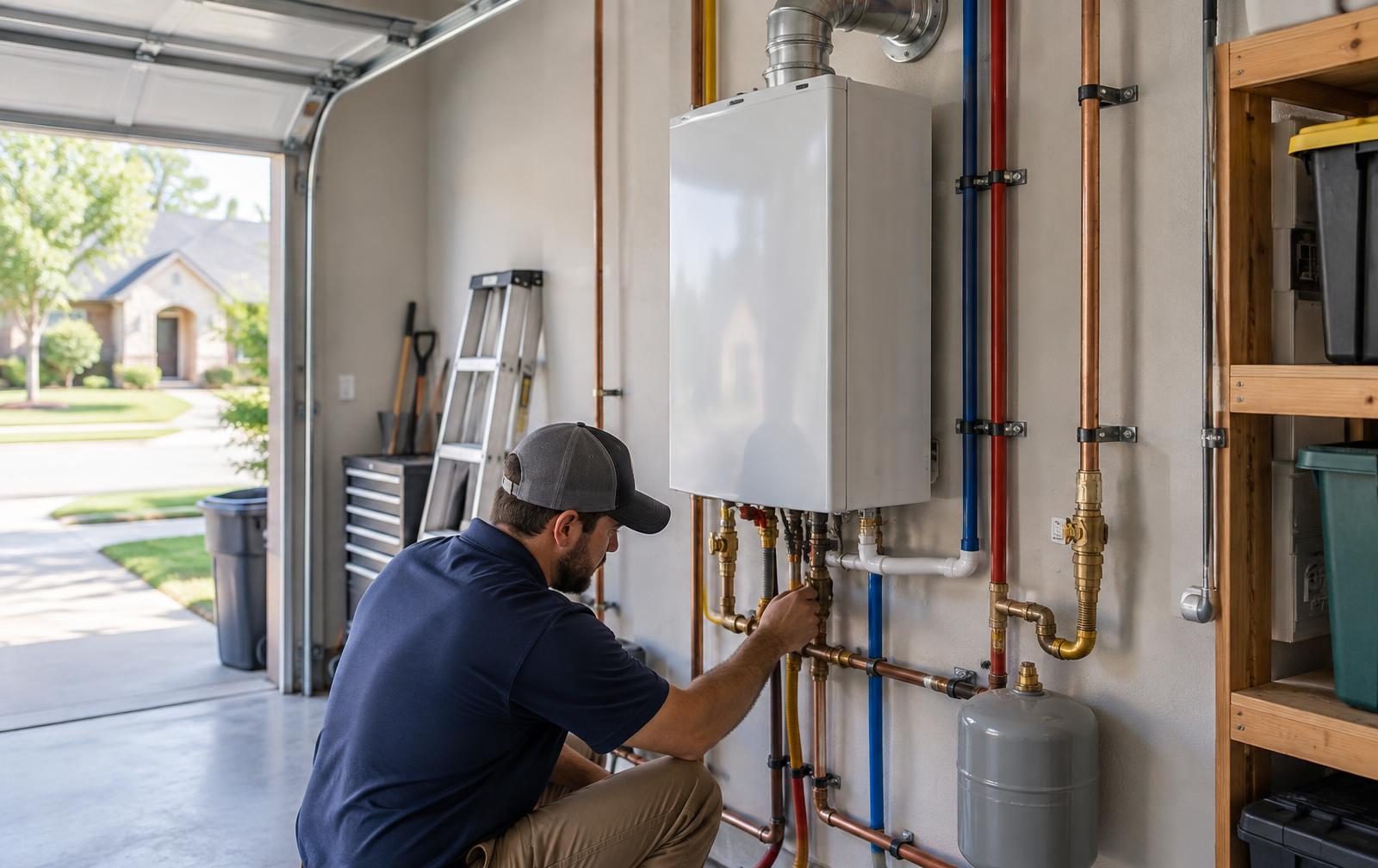
Install, service, and annual descaling — Addison's hard tap water eats tankless heat exchangers without it.
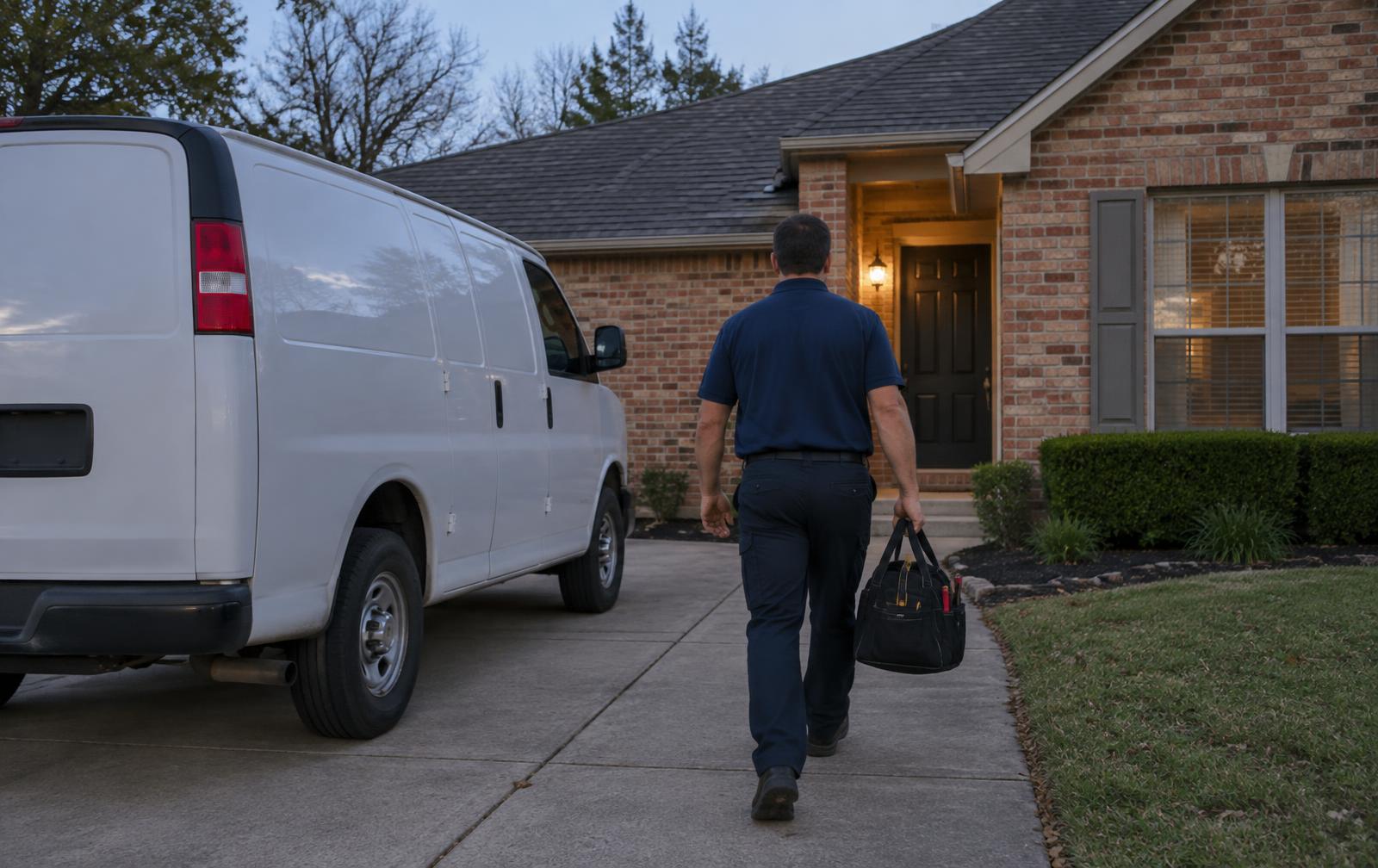
same-day, 7 days a week response across Addison for burst pipes, condo stack backups, and failed heaters.
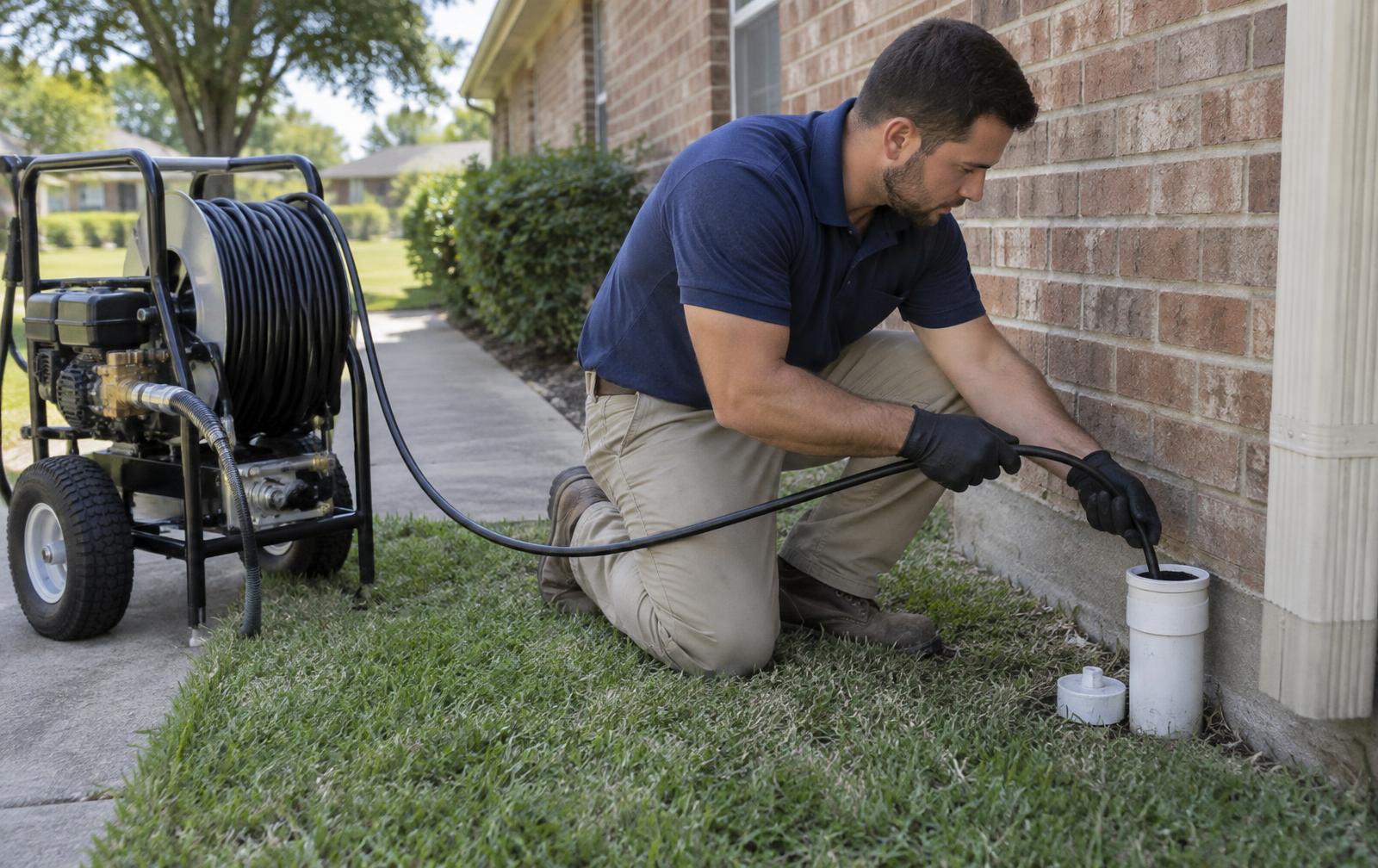
High-pressure cleaning that clears scale, grease, and roots from the cast iron mains under Addison's older stock — full-diameter, lasting clean.
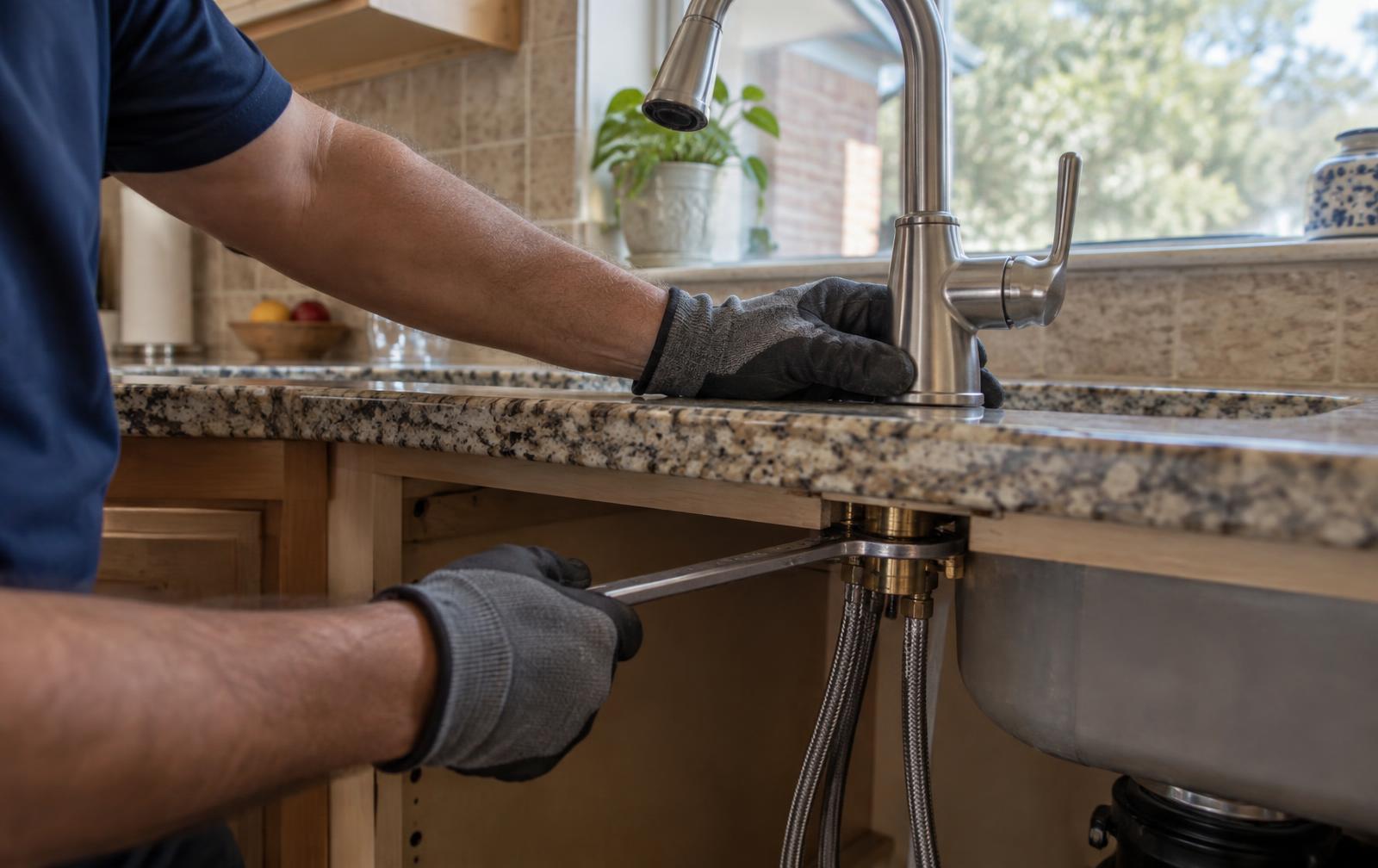
Cartridge, stem, and full-fixture replacement for Addison kitchens and bathrooms — hard-water-ready parts stocked on the truck.
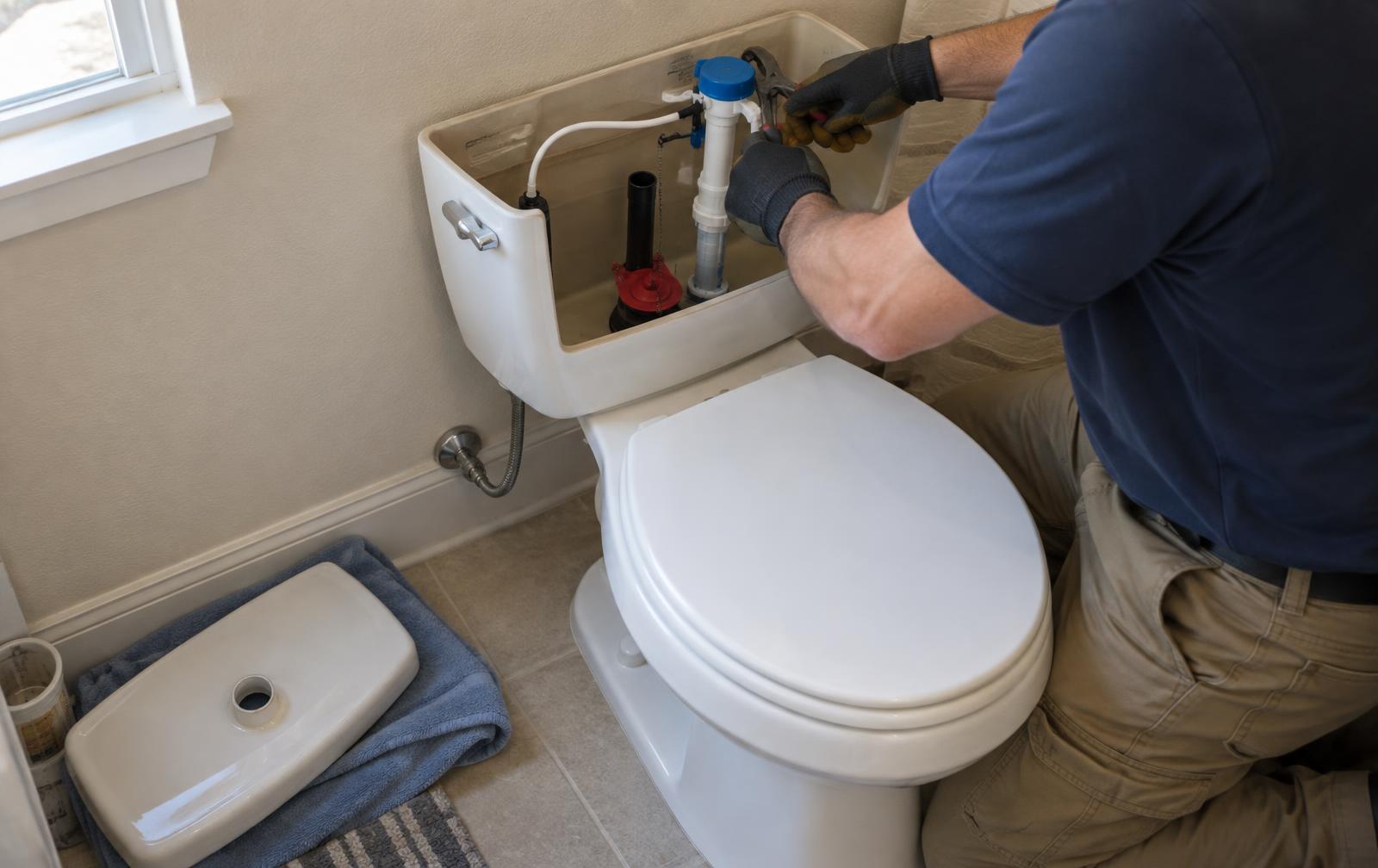
Rebuilds, wax-ring resets, flange repairs, and full replacements — the running toilets and rocking bowls in Addison homes.
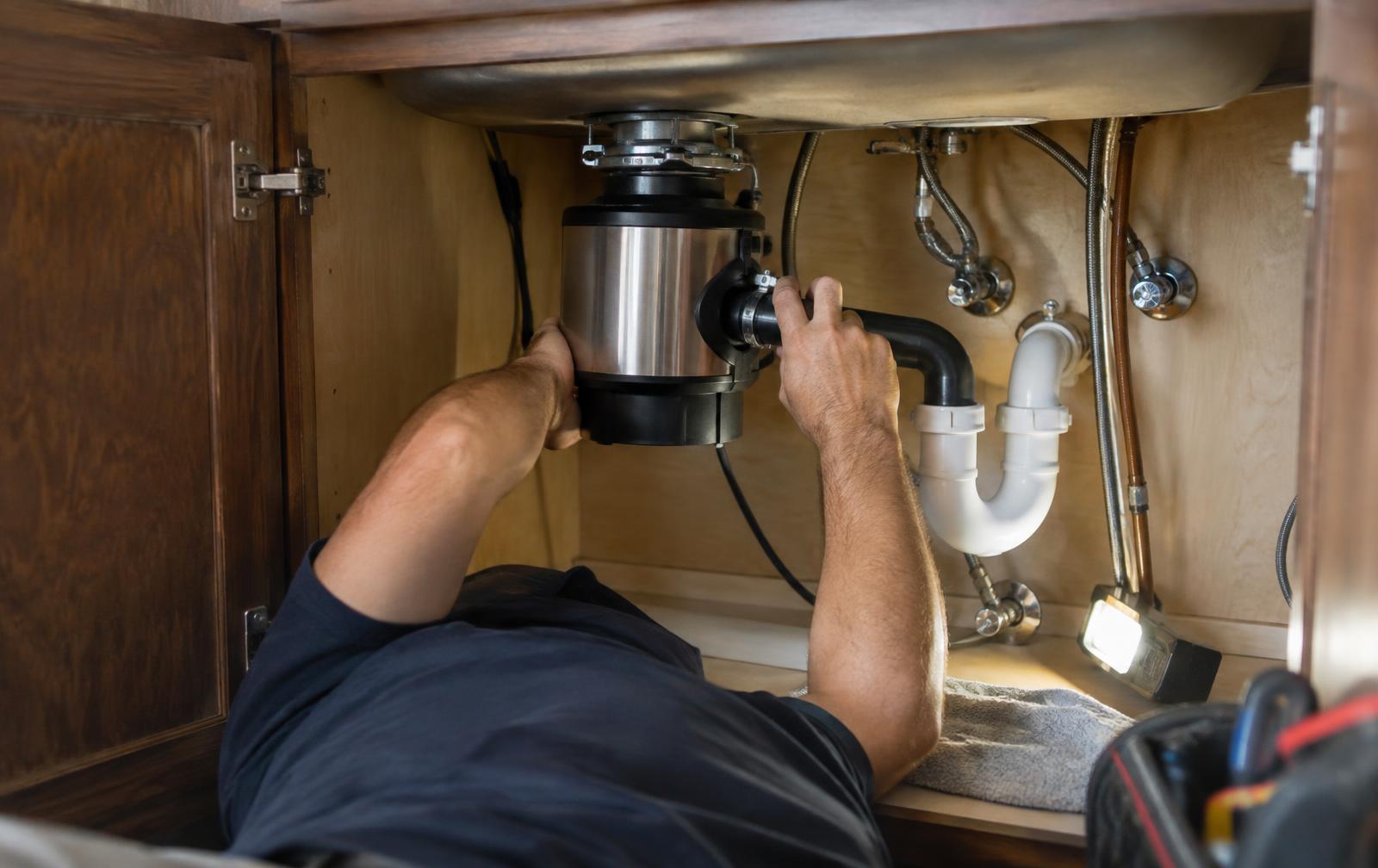
Jam clearing, leaking-unit swaps, and quiet 3/4 HP upgrades for Addison kitchens — same-visit install.
Water Heater Acting Up At Your Addison Home?
Straight diagnosis, a code-correct install, and same-day help when a unit fails completely.