
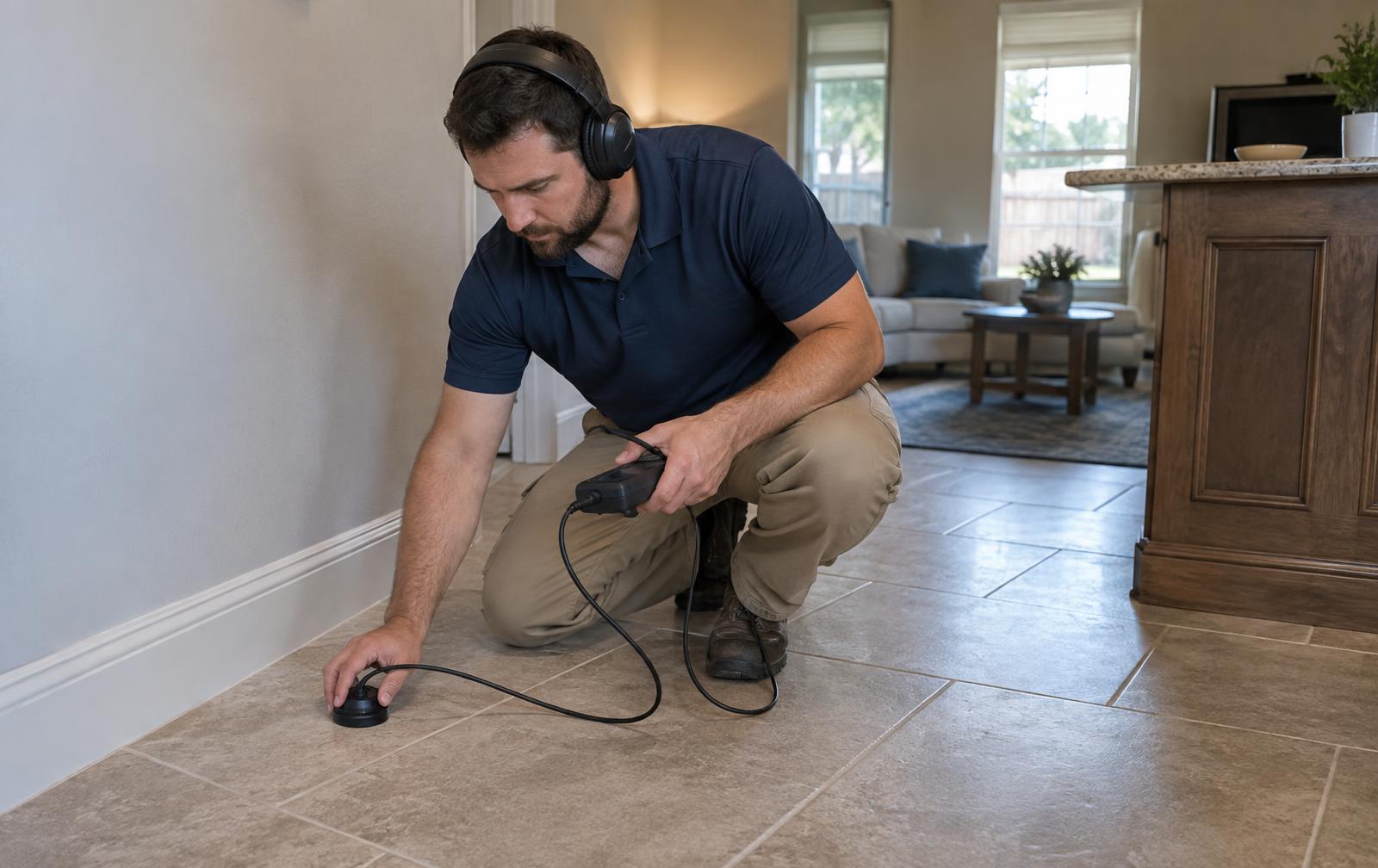
Leak Detection in Addison, TX
An unexplained spike on the water bill. A ceiling ring that wasn't there last inspection. A meter that keeps turning with every tap closed. Before we touch a wall or a slab in your Addison home or unit, we find exactly where the water is going.
Locate Before You Demo
Addison packs an unusual amount of density into 4.4 square miles, and close to three-quarters of what's here is rented — apartments and condos stacked over shared plumbing risers rather than freestanding houses on their own lots. That reshapes what a typical leak call looks like: often it isn't about finding a pinhole under one family's slab, it's about proving whether the water staining a ceiling at Addison Circle came from the unit above or the wall it shares with a neighbor.
Left alone, a leak inside a cavity or under concrete keeps running for a stretch before anyone notices, because the framing or the slab soaks up the first weeks of it. Once a stain finally shows, the leak has usually been active far longer than the visible damage suggests. Our first move on any call is narrowing that down to a location we can defend, not a general area somebody would have to open up and guess at.
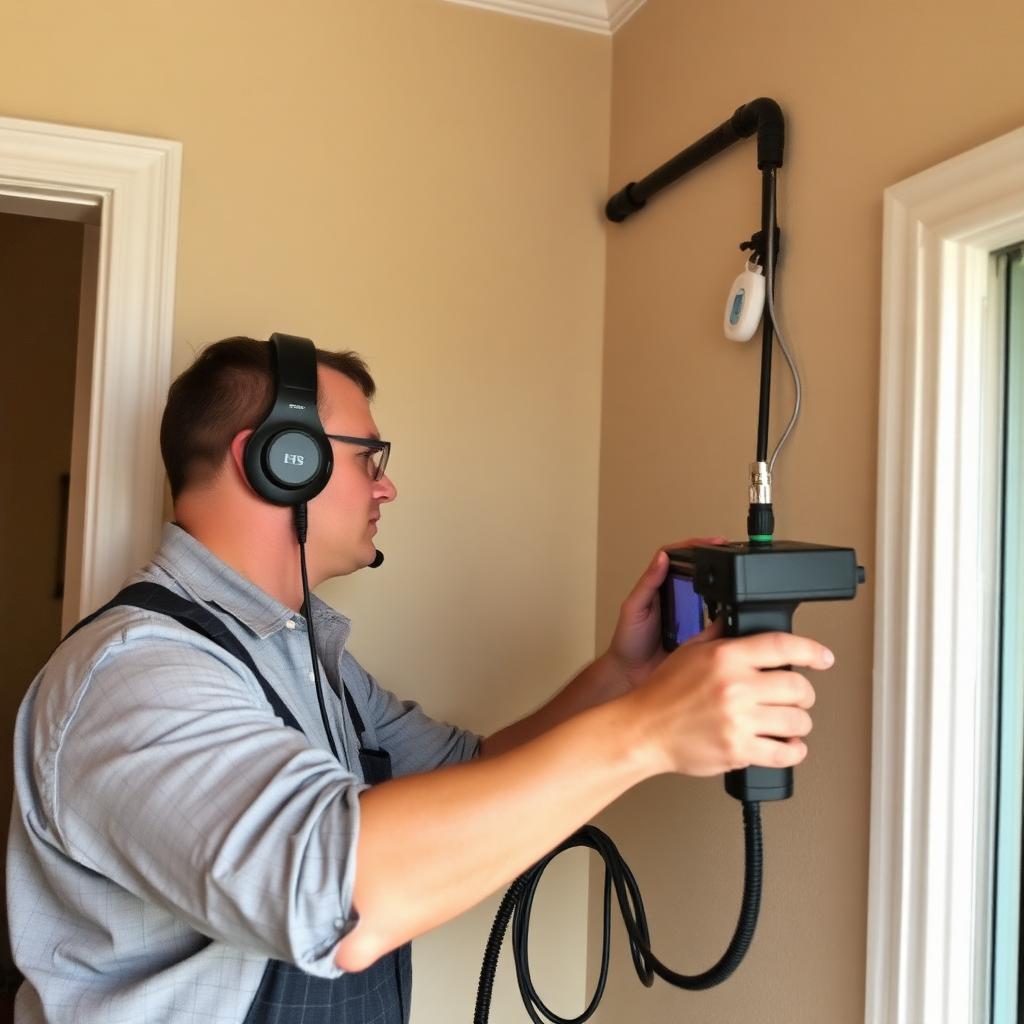
Which tools we bring depends heavily on the building. A detached home in Bellbrook Estates or near Surveyor Boulevard gets ground microphones and a thermal pass on wall-run copper. A condo unit gets the same listening gear plus a pressure test isolated at that unit's shut-off, because the drip showing on your ceiling might not originate in your own plumbing at all.
Signs Of A Hidden Leak In Your Addison Home
Any pair of these together justifies scheduling a locate visit.
A hidden supply-side leak can burn through well over a hundred gallons a day and never show a single visible drop. An unexplained jump on your Addison bill, with no new fixtures or irrigation added, points straight at a hidden line.
Close every valve in the house or unit, wait roughly fifteen minutes, and check the meter's leak indicator. Any movement at all with nothing open means water is escaping somewhere upstream of your fixtures.
Damage from an old, already-fixed leak stops growing. A stain that's noticeably bigger than the last time you looked means the source is still feeding it, usually well away from where the mark itself appears.
Moisture behind a wall produces an odor before mold is visible. A smell isolated to a single room, rather than the whole home, tells us roughly where to start listening.
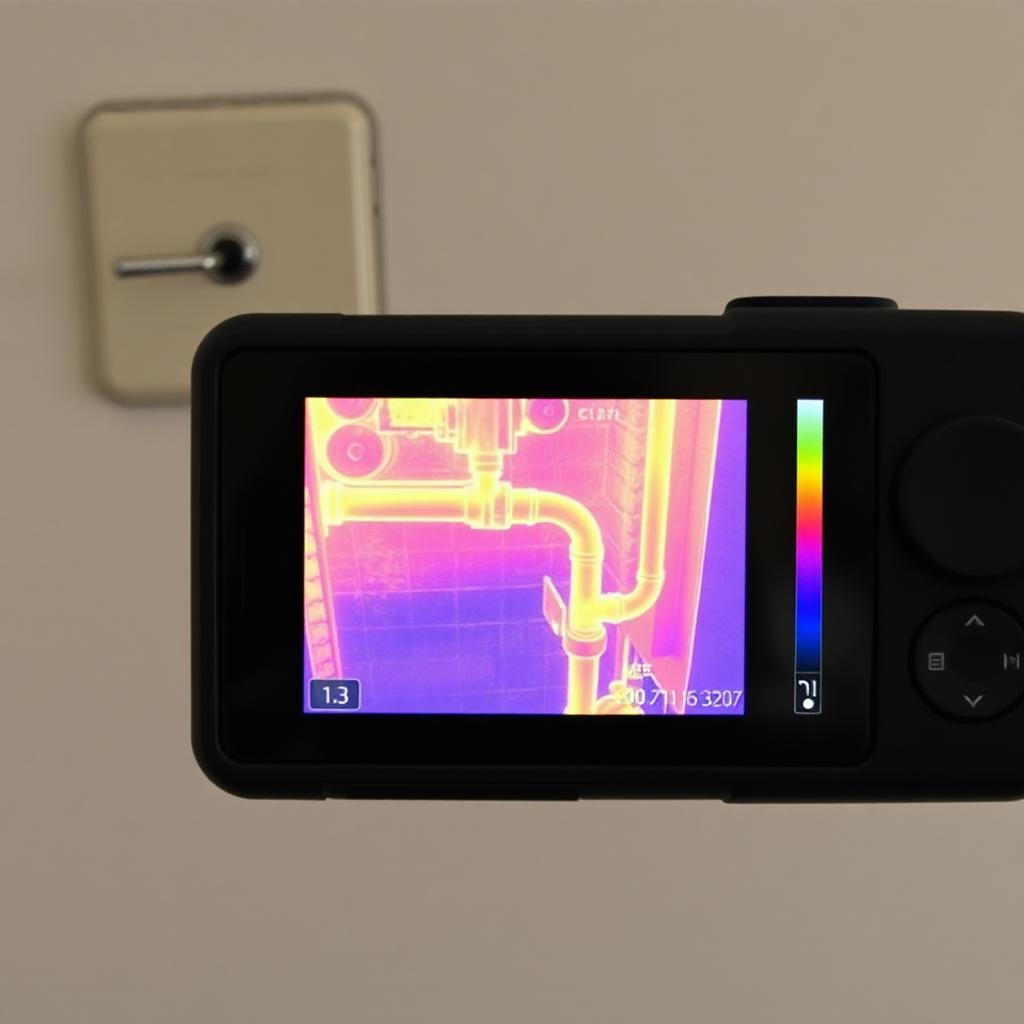
A leak on a hot-water line heats whatever surrounds it. Once we confirm the leak sits on the hot side, thermal imaging can trace that warmth to its source in a couple of minutes.
A leak large enough to notice will drag down household pressure or cut a shower short. Paired with any of the signs above, it usually narrows things down to one specific run.
Listen, Then Look, Then Confirm
Nothing gets marked as a leak location until we can back it up.
- 1Rule out the easy answer first
We close valves in sequence while reading the meter to separate a true supply leak from a drain issue or a bad fixture seal. A good number of calls end here, with no acoustic equipment required at all.
- 2Charge the line and listen for it
On a confirmed pressurized leak, we bring the line up to test pressure and walk ground microphones and contact probes along the suspected run. A pinhole produces a sharp, high-pitched sound that gets us within a few inches.
- 3Trace heat through the wall or floor
Thermal imaging reads the temperature difference a hot-side leak leaves in drywall, tile, or slab. If the leak is on the cold side instead, we run the hot water longer beforehand to build a contrast we can actually see.
- 4Reach for tracer gas on the tough ones
If the meter proves there's a leak but acoustic and thermal both come back unclear, we isolate the line, push an inert tracer gas through it, and sniff along the route. The gas escapes exactly at the failure point.
- 5Give you a photo and a written number
You walk away with an annotated photo showing where and roughly how deep the leak sits, plus a written repair estimate — whether we do the fix, another contractor does, or you want a day to think about it.
Where Leaks Tend To Show Up Around Addison
Building type and age drive where we start looking.
This mixed-use core went up starting in the late 1990s over shared vertical risers, so a ring on your ceiling can just as easily belong to the unit above as to your own plumbing. We isolate at your unit's shut-off before assuming fault either way.
Built out through the 2010s on ground that used to hold older apartment blocks, these newer mid-rise buildings tend to leak at fitting connections rather than along a long copper run, which acoustic gear picks up quickly.
One of the town's few pockets of detached single-family homes, sitting near the airport. Slab-run supply lines here are the more familiar case we handle across North Texas, and thermal imaging works cleanly on a one-story floor plan.
These larger custom homes from around 1990 sit on a third to two-thirds of an acre, meaning more linear footage of supply line to walk with ground microphones before we narrow in on a spot.
A mix of single-family houses and duplexes typical of the early 1980s. On the duplex side, a shared supply tap can put the leak in a party wall neither owner can access solo, so we set up access with both sides first.
Garden-style buildings from the 1970s and 1980s that predate the Vitruvian Park redevelopment. Aging shared-wall plumbing in this stock means we're often coordinating the visit with a property manager rather than one resident.
What Addison Homeowners Say
You See Proof Before Anything Gets Cut
Every locate ends with the same package: an annotated photo, a plain-language explanation of the leak type, and a written estimate for the repair.
We hold a Texas State Board of Plumbing Examiners license, carry insurance, and run this as a family business dispatching out of The Colony — figure about 20 to 30 minutes to reach a typical Addison address under normal traffic.
Straight Answers, No Sales Pitch
Our Other Plumbing Services in Addison, TX
A hidden leak is frequently the opening sign of a supply system that's due for more work. We also handle slab repair, water heater service, and full re-pipes in Addison, all from the same shop.
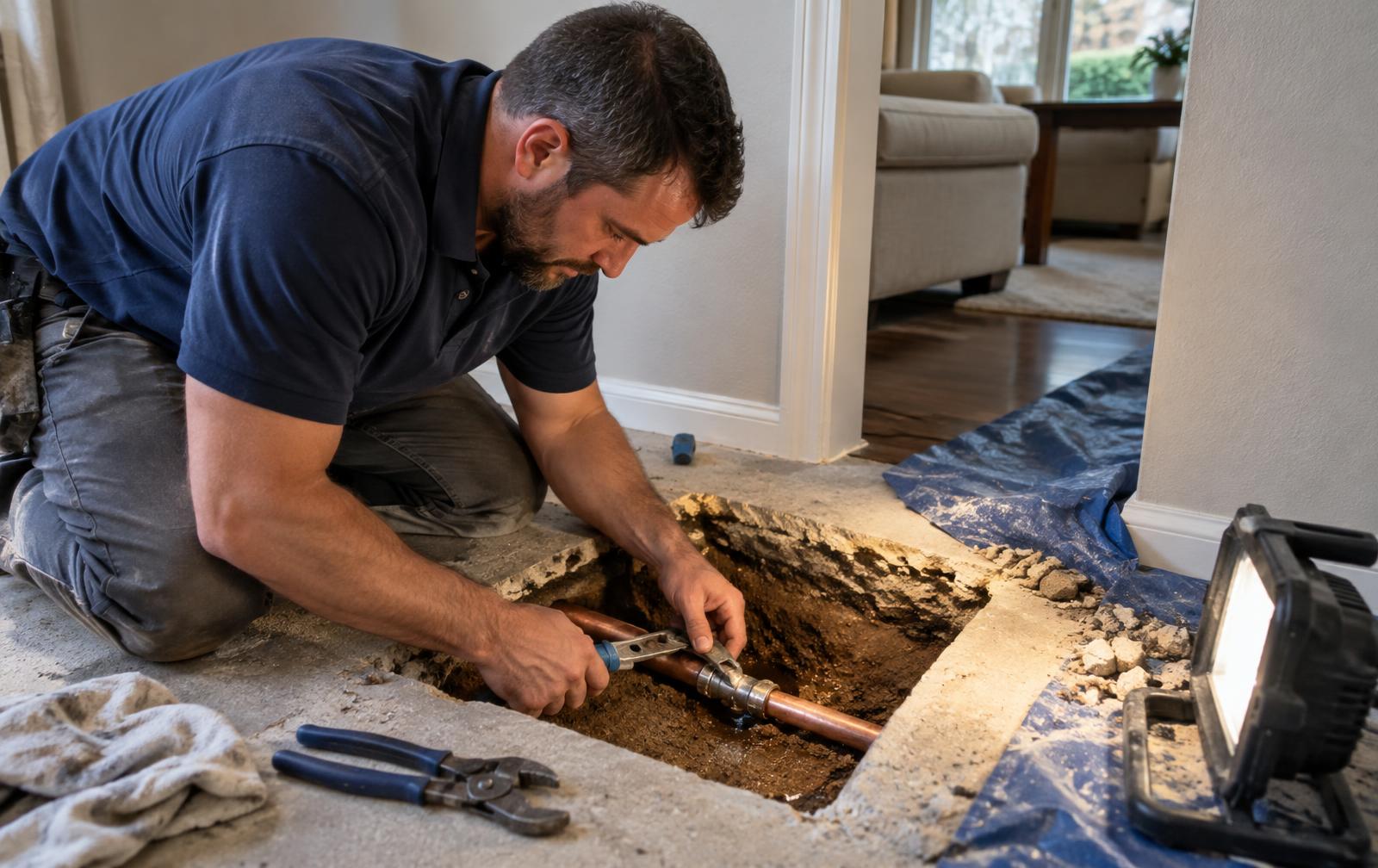
Electronic detection under condo and townhome slabs — reroute options that save your finished floors when possible.
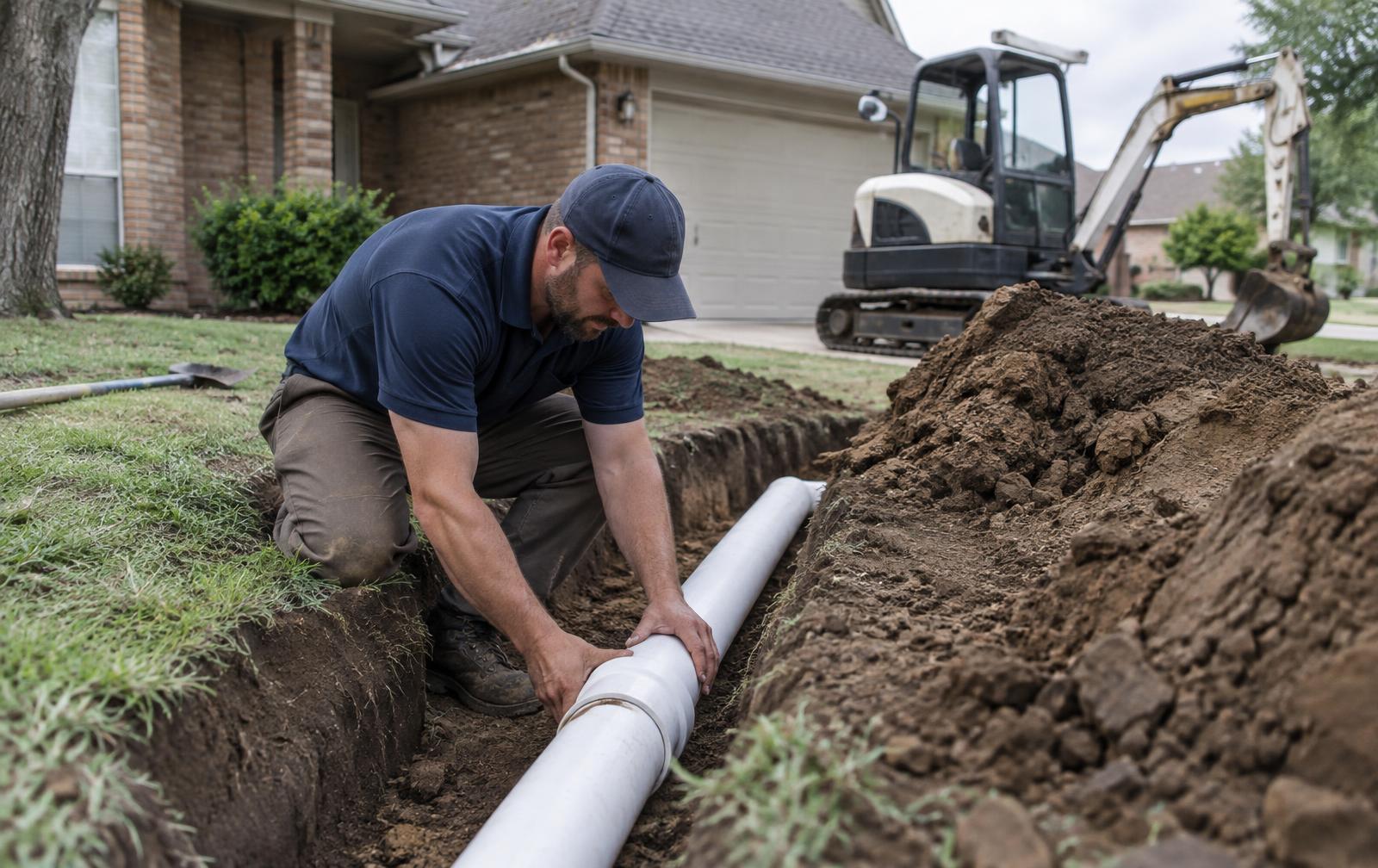
Trenchless replacement for the cast iron laterals under Addison's 1970s and 80s builds — camera first, quote in writing, minimal yard damage.
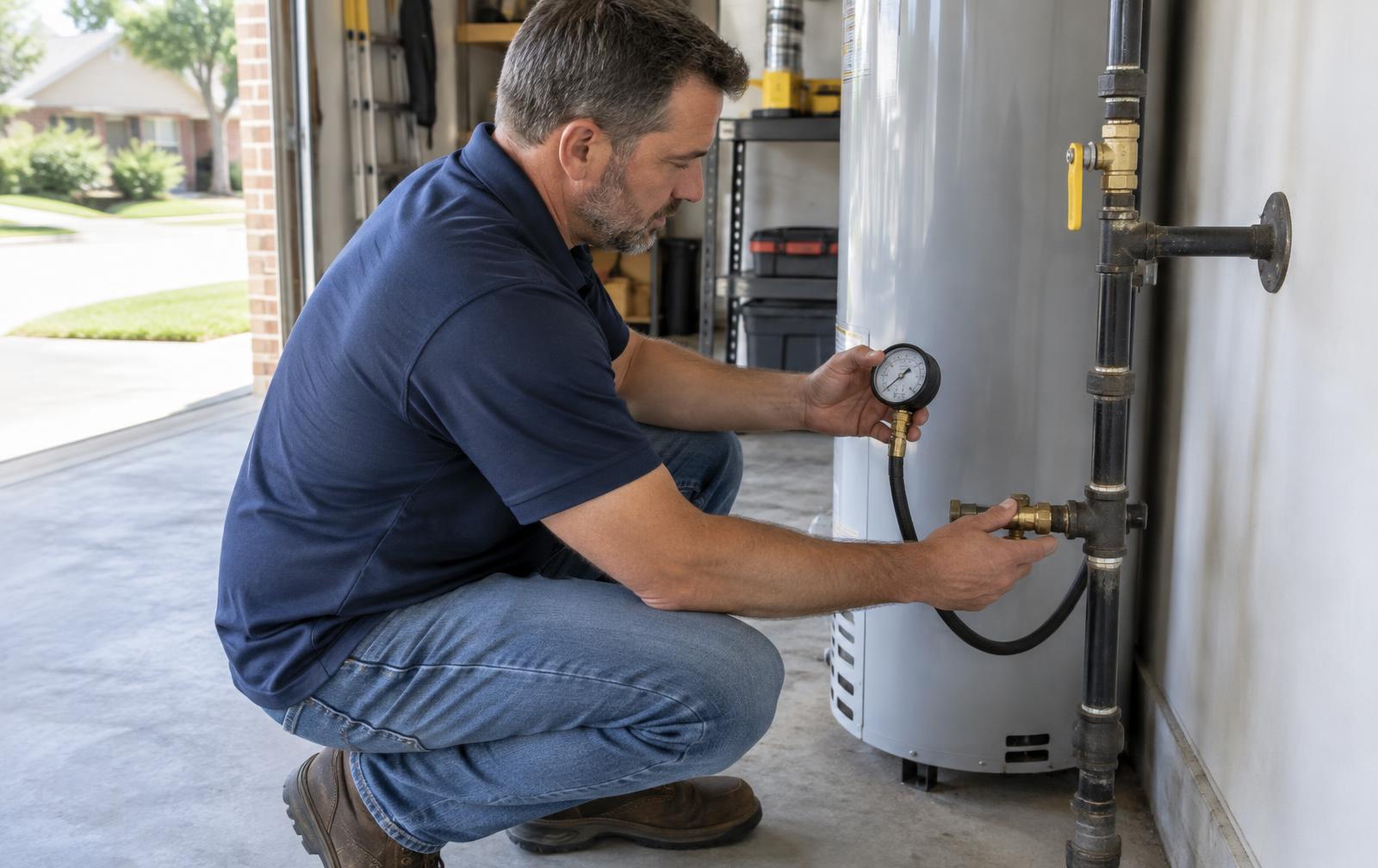
Licensed install, repair, and pressure-testing for Addison homes and townhomes — every line signed off to Texas code and Atmos requirements.

Full-clear service and camera confirmation for the aging cast iron drains under Addison's mid-century ranches and condo blocks.
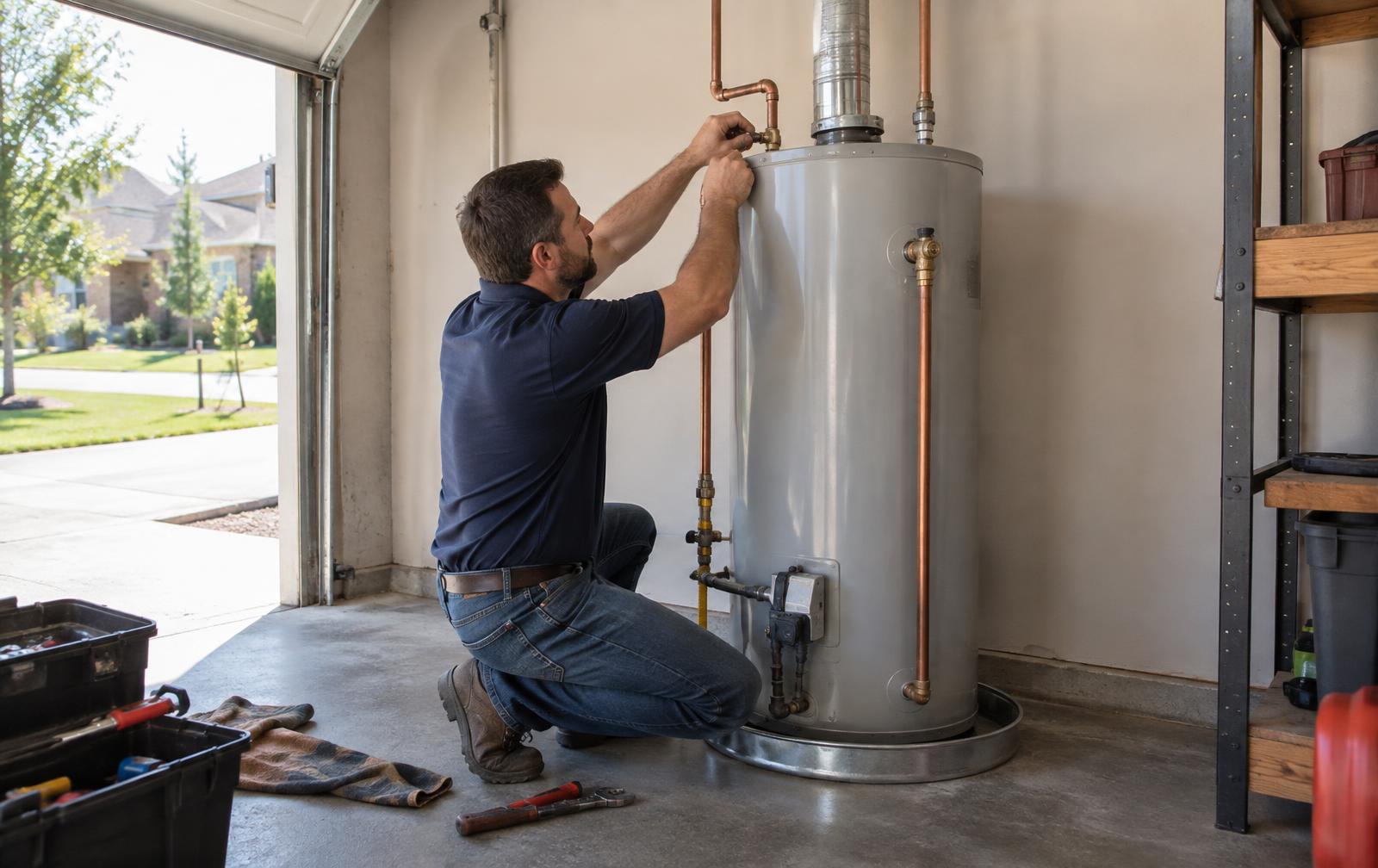
Repair, flush, and replacement of tank units — including the closet-tucked heaters common to Addison townhomes and Circle-area condos.
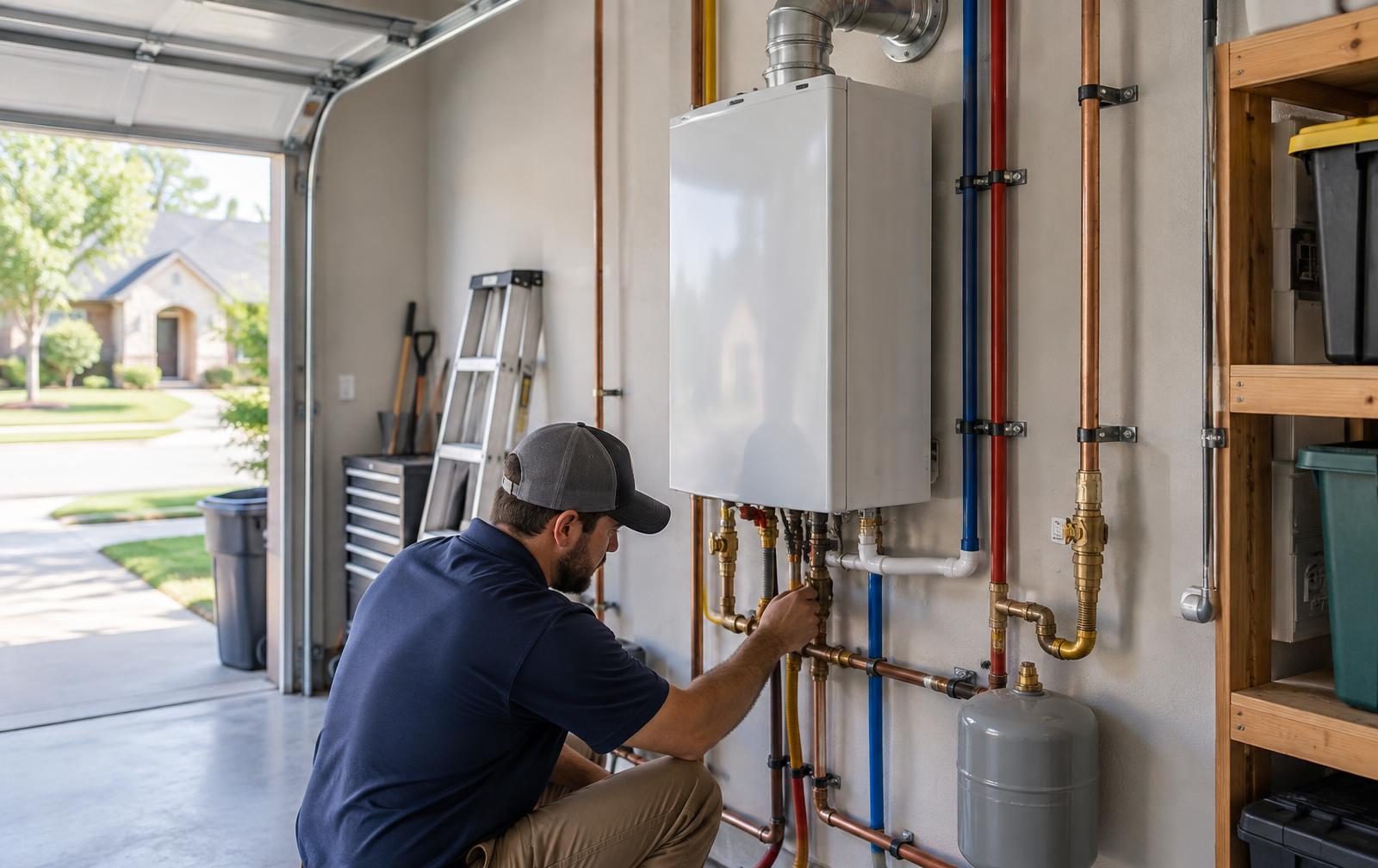
Install, service, and annual descaling — Addison's hard tap water eats tankless heat exchangers without it.
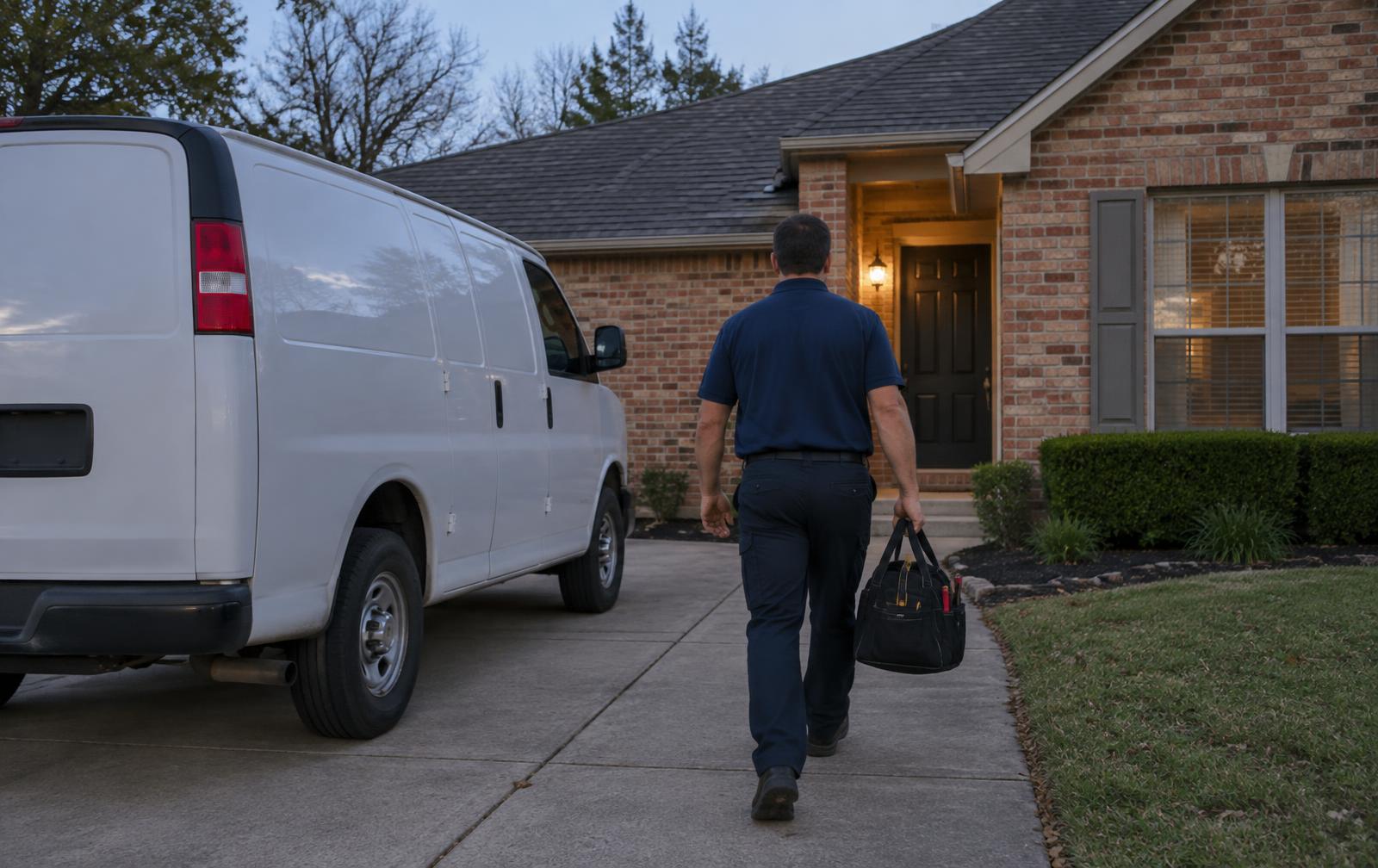
same-day, 7 days a week response across Addison for burst pipes, condo stack backups, and failed heaters.
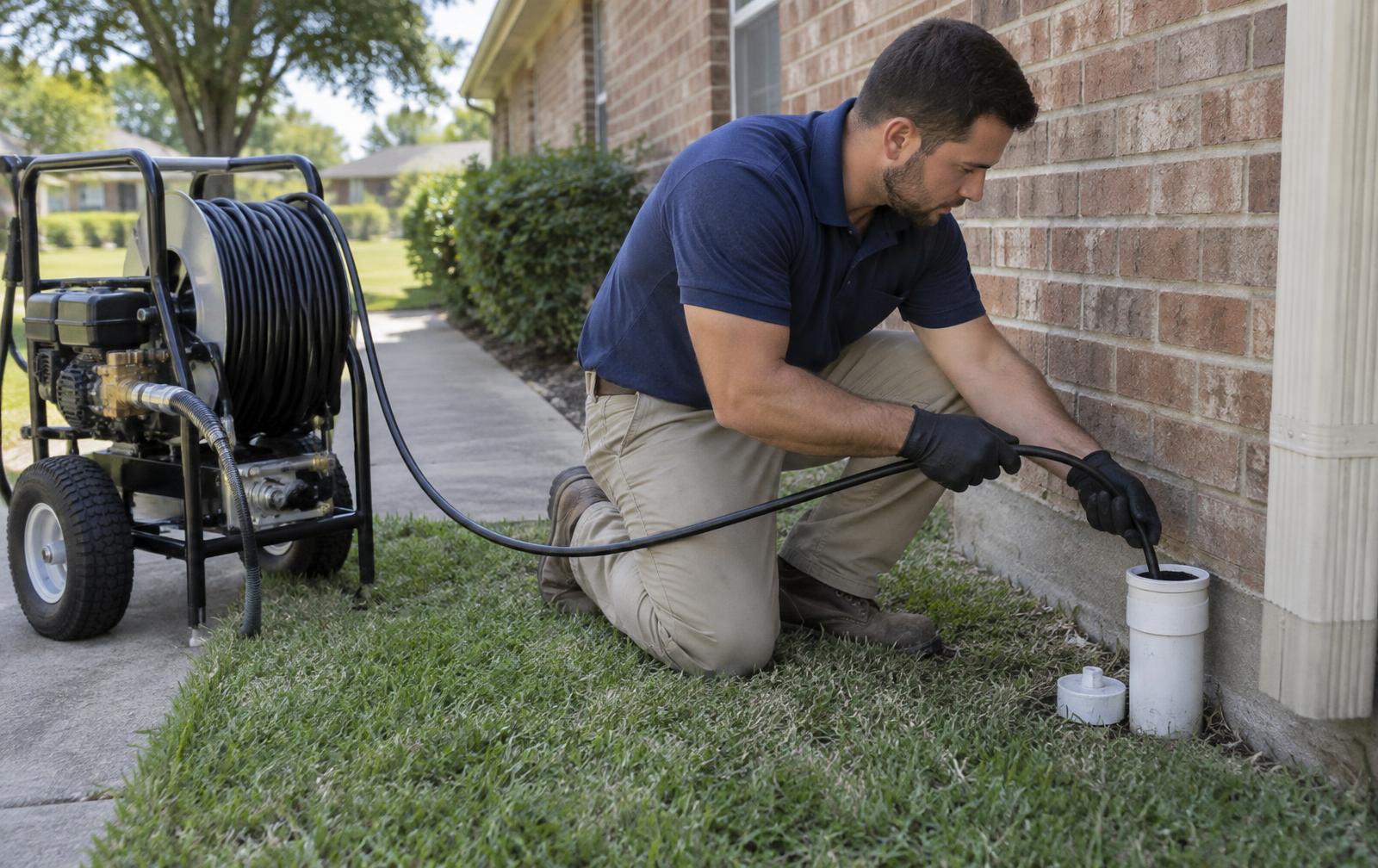
High-pressure cleaning that clears scale, grease, and roots from the cast iron mains under Addison's older stock — full-diameter, lasting clean.
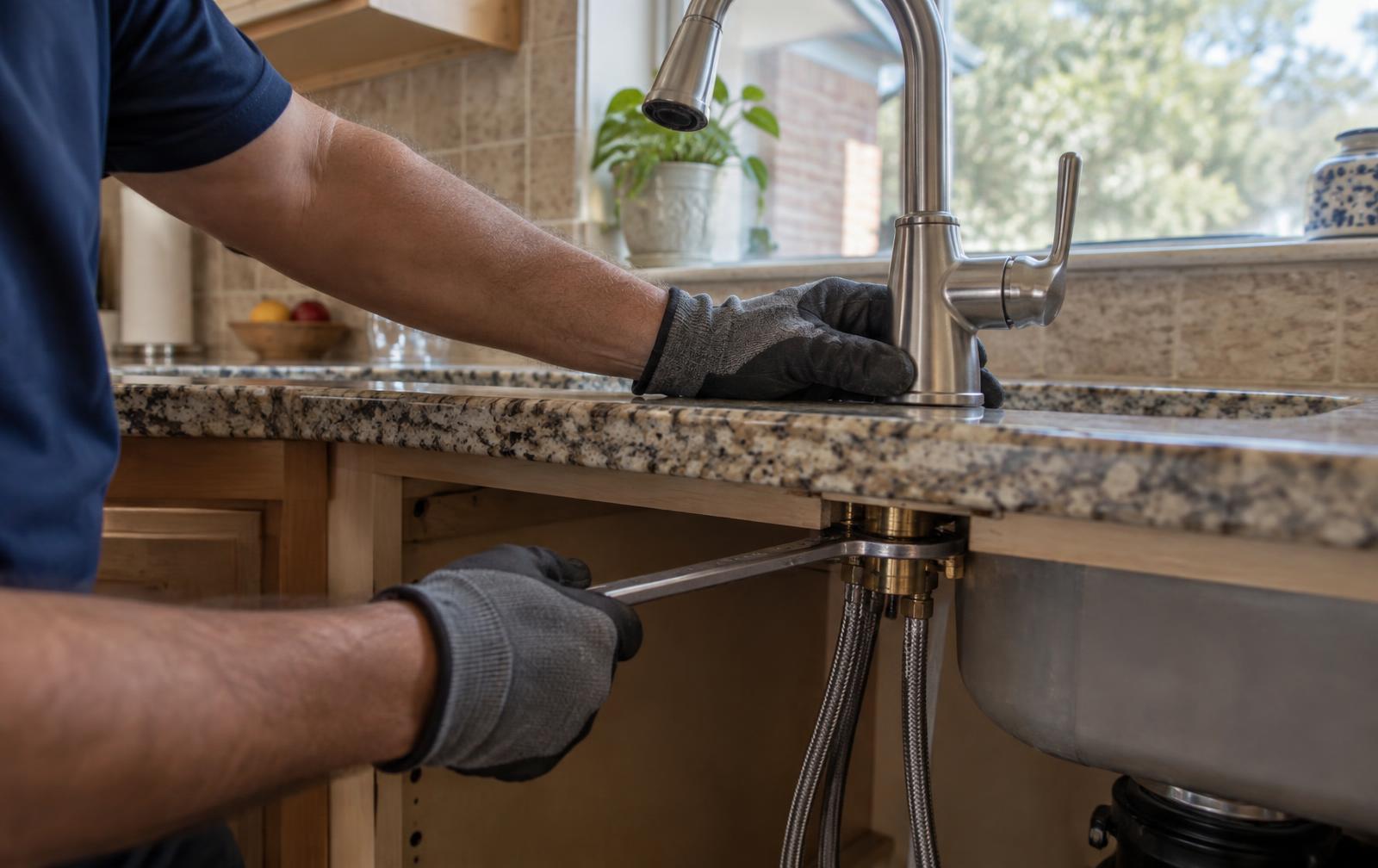
Cartridge, stem, and full-fixture replacement for Addison kitchens and bathrooms — hard-water-ready parts stocked on the truck.
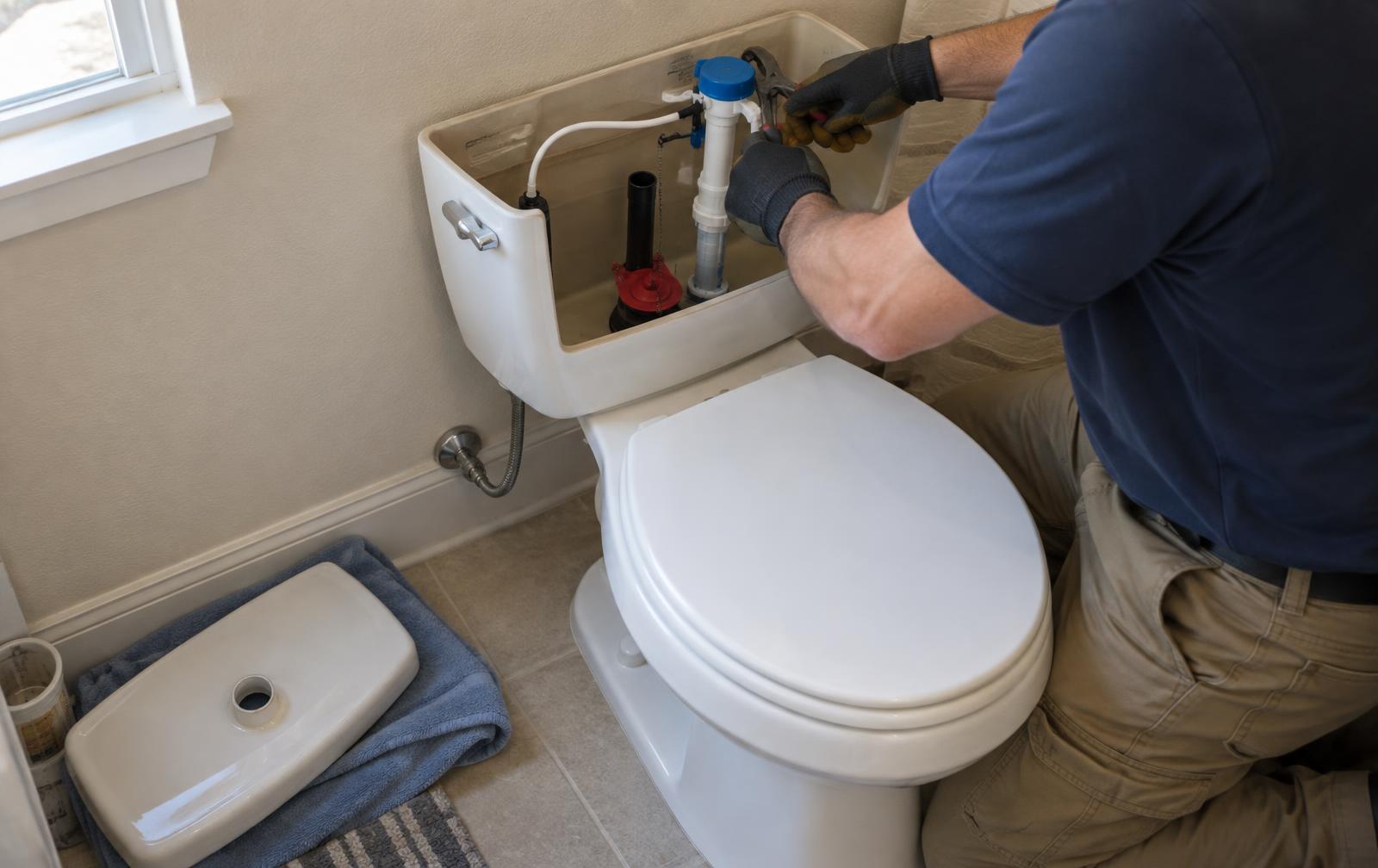
Rebuilds, wax-ring resets, flange repairs, and full replacements — the running toilets and rocking bowls in Addison homes.
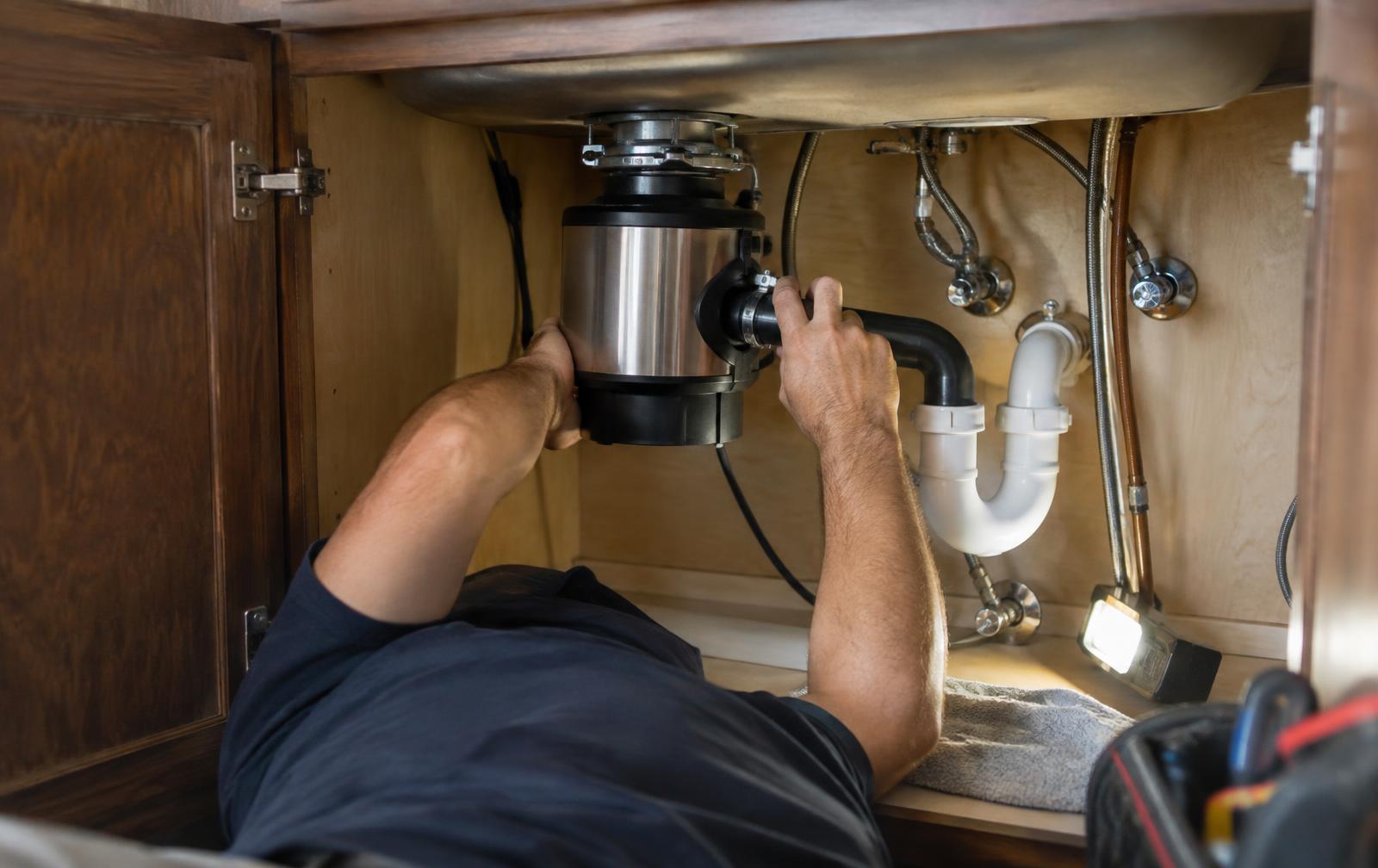
Jam clearing, leaking-unit swaps, and quiet 3/4 HP upgrades for Addison kitchens — same-visit install.
Suspect A Hidden Leak In Your Addison Home?
Non-invasive locate, a photo you can trust, and an honest repair estimate. Call for a same-day visit.