
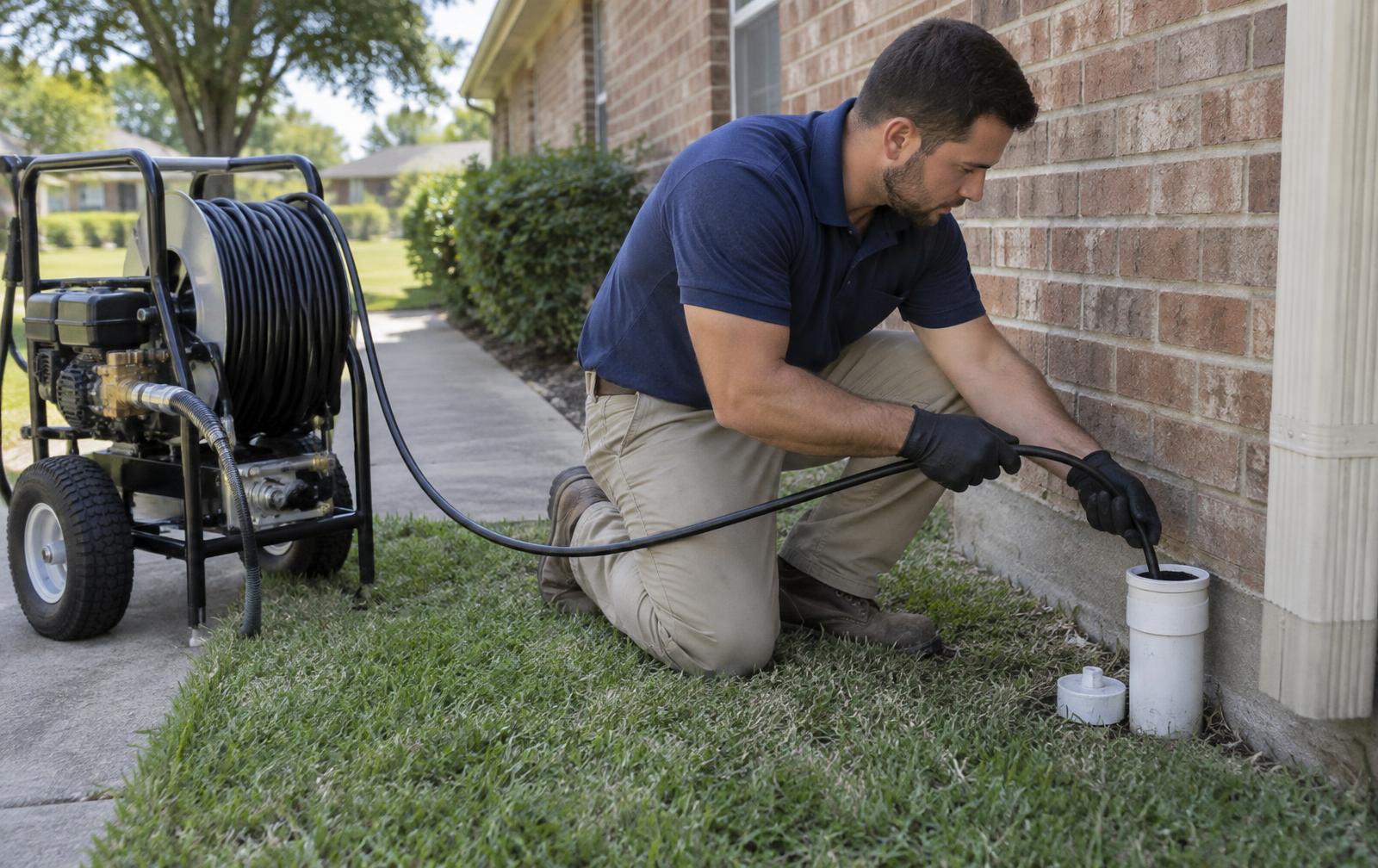
Hydro Jetting in Addison, TX
Cabling that used to work but stopped holding. A drain that slows back down within weeks of being cleared. A camera scope that shows buildup coating the pipe wall instead of bare pipe. Jetting scours that wall clean and gives the line its real diameter back — the fix that lasts on Addison's older sewers.
A Cable Bores a Hole. A Jet Cleans the Whole Pipe.
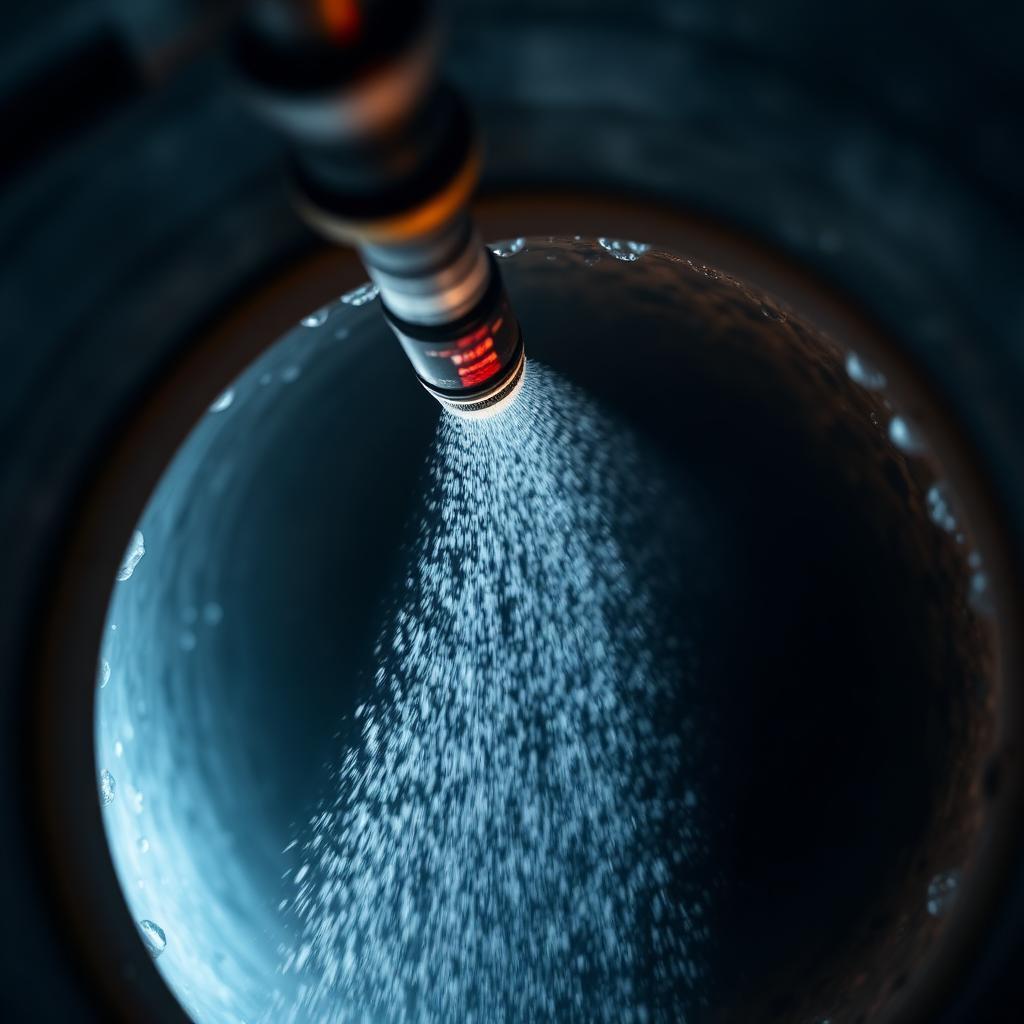
Cabling a drain does one thing well: it punches a channel through whatever is blocking the flow and gets water moving again fast. What it does not do is touch the coating left behind on the rest of the pipe wall — the grease film, the mineral scale, the root hair growing in through a joint. That coating stays put, narrows the channel further, and within a matter of weeks the same call comes back in. A jetting unit works differently, pushing water through a rear-firing nozzle at several thousand pounds of pressure to scour the entire inside surface of the pipe clean and carry the debris back out to the cleanout.
This distinction carries more weight in Addison than in a newer suburb, because so much of the town's sewer stock predates PVC entirely. Cast iron pipe scales up on the inside surface over the decades — a line installed at a nominal four inches can effectively shrink to something closer to half that once enough scale has built up. A cable simply reopens a channel through that narrowed space. Jetting removes the scale itself and gets the pipe back to something close to its original bore.
We jet aging cast iron mains under Addison's older detached homes, shared building trunks in the town's mid-rise apartment stock where recurring grease has been an issue for years, and lateral runs with root intrusion advanced enough that a cutter alone risks damaging the pipe rather than clearing it. A camera pass before and after means you see exactly what changed, not just take our word for it.
When a Cable Job Isn't Going to Cut It in Addison
Cabling handles plenty of ordinary clogs. These situations call for the full-diameter clean instead.
If a line has been cabled more than once this year and keeps closing back up, the wall itself is coated with something a cutter head cannot remove. Jetting is what actually gets rid of it.
A healthy pipe wall looks smooth on camera. A rough, scaled texture running the length of the line is exactly what jetting is built to strip back to bare pipe.
A cutter chops a root mass into pieces but leaves the finer hair roots behind to fill back in within months. Jetting flushes that debris out and pushes the regrowth timeline out considerably further.
If the line technically drains but never really picks up speed, and cabling has not changed that, the pipe's effective width has been reduced by buildup on the wall — which is what jetting corrects.
Consistent daily cooking builds a grease coating faster than most lines can handle on their own. Jetting on a set schedule costs far less than dealing with a backup after the fact.
A cast iron main old enough to have scaled internally benefits from a periodic jetting pass even with no active complaint — it restores flow and pushes off the eventual need to replace the line.
Scope First, Match the Tooling, Scope Again
Pressure and nozzle choice both have to match the pipe material and whatever is actually built up inside it.
- 1Scope the line before doing anything
A camera pass up front tells us whether we are dealing with scale, grease, roots, or some mix of the three — and rules out jetting altogether if the pipe turns out to be cracked, since pressure would just push debris out through the break.
- 2Pick the nozzle and pressure for the job
Different nozzle heads handle scale, root mass, and grease differently, and the pressure setting itself gets scaled to the pipe material — cast iron tolerates the highest settings, while older or more brittle pipe gets backed off to avoid disturbing the joints.
- 3Work the hose from the far end back toward the cleanout
The nozzle is fed past the blockage first, then fired on the way back out, so it is always cutting toward the access point rather than pushing debris further downstream where it could get stuck.
- 4Run it again if the first pass isn't enough
Heavy scale or a dense root mass sometimes needs a second or third pass with a larger nozzle. That is built into the job — it does not turn into a surprise add-on charge.
- 5Confirm the result on camera
A second camera pass after jetting shows the wall is actually clean, side by side with the before footage. If that same footage reveals a structural failure under the scale we just removed, we quote the repair honestly — jetting alone cannot fix a pipe that has physically failed.
What's Actually Inside the Pipe, by Part of Addison
The right jetting approach depends on what has been building up in your specific line, which tracks closely with when the building went up.
These mid-rise buildings from the late 1990s and early 2000s share vertical PVC stacks across multiple units. A preventive jetting pass on the building's main line clears accumulation at the branch tie-ins before any single unit backs up, and we coordinate the visit with the HOA or property manager.
This small enclave of detached homes near the airport runs mostly straightforward laterals. Jetting here is usually a targeted response to a specific recurring clog rather than a building-wide preventive job.
These larger custom homes from around 1990 sit on bigger lots, which means a longer buried lateral to the street tap. That extra length gives root systems more pipe to intrude into over the decades, and jetting clears the debris more thoroughly than a cutter can on its own.
Homes and duplexes typical of the early 1980s in this stretch of town are old enough that original cast iron drain lines have had decades to scale up internally. This is where a before-and-after camera comparison tends to show the most dramatic change in effective pipe diameter.
Several garden-style apartment buildings along this corridor mix older shared trunks with plumbing added during later renovation work. Jetting the shared main clears both generations of buildup in a single visit rather than treating each section separately.
A pocket of 1970s and 80s vintage garden apartments that predates the Vitruvian Park redevelopment is still standing, and its original cast iron building drains are exactly the vintage where jetting shows the clearest before-and-after improvement on camera.
What Addison Homeowners Say
You Watch the Before and the After, Side by Side
Every jetting job comes with camera footage from before and after so you can see the actual result, not just take our description of it. If the pre-jet scope shows the pipe itself has failed structurally, we stop and tell you rather than jetting it anyway — pushing high-pressure water through a broken section just forces debris out through the crack. Every job is priced in writing before the equipment goes in.
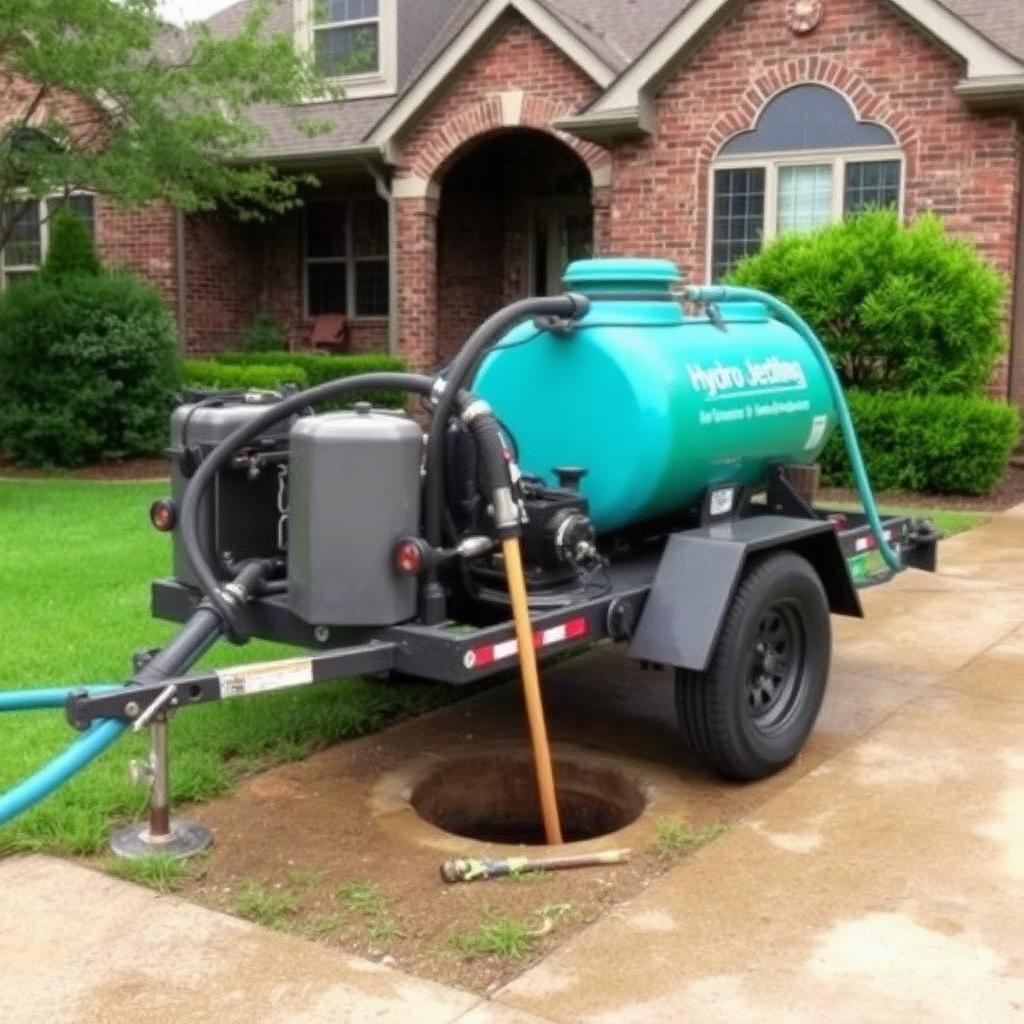
We are licensed by the Texas State Board of Plumbing Examiners, insured, and family-owned, dispatching from The Colony with a full trailer-mounted jetting unit that a lot of residential competitors serving Addison do not carry. Same-day response for a backup that has already been through a failed cable attempt.
What Homeowners Want to Know First
Our Other Plumbing Services in Addison, TX
Jetting often sits between a simple cable cleaning and a full pipe replacement. If a camera scope shows the line itself is failing, we handle that replacement locally too.
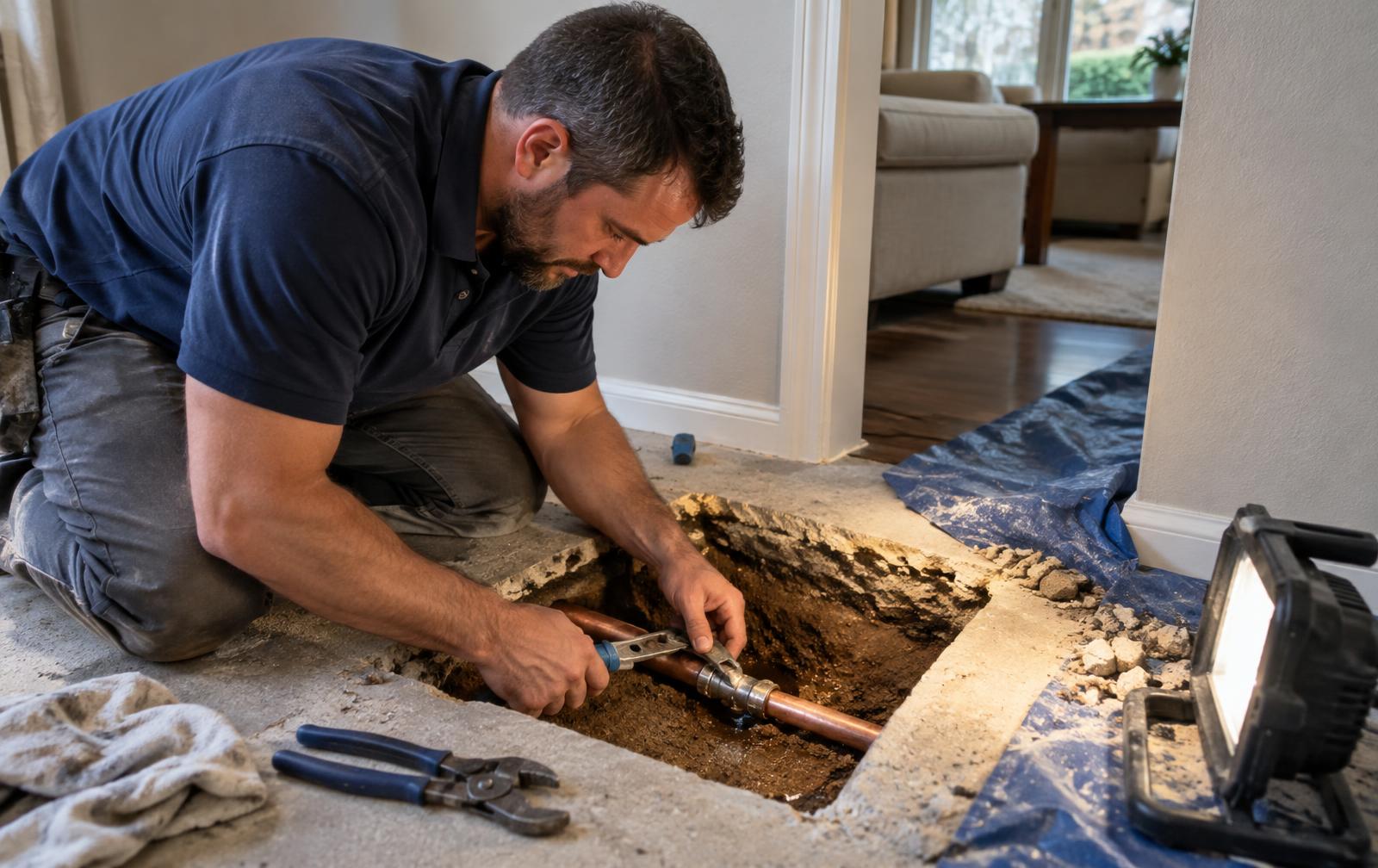
Electronic detection under condo and townhome slabs — reroute options that save your finished floors when possible.
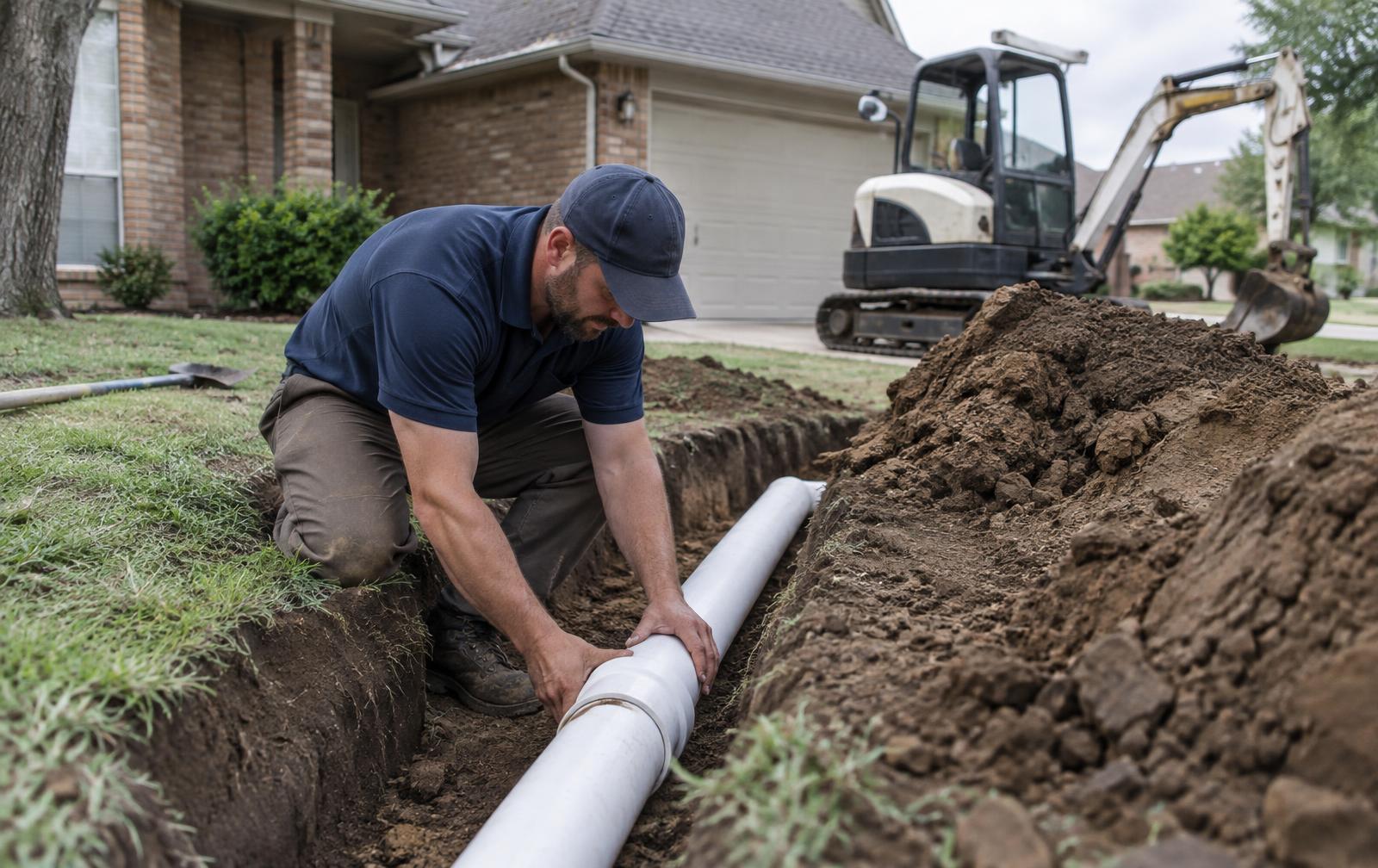
Trenchless replacement for the cast iron laterals under Addison's 1970s and 80s builds — camera first, quote in writing, minimal yard damage.
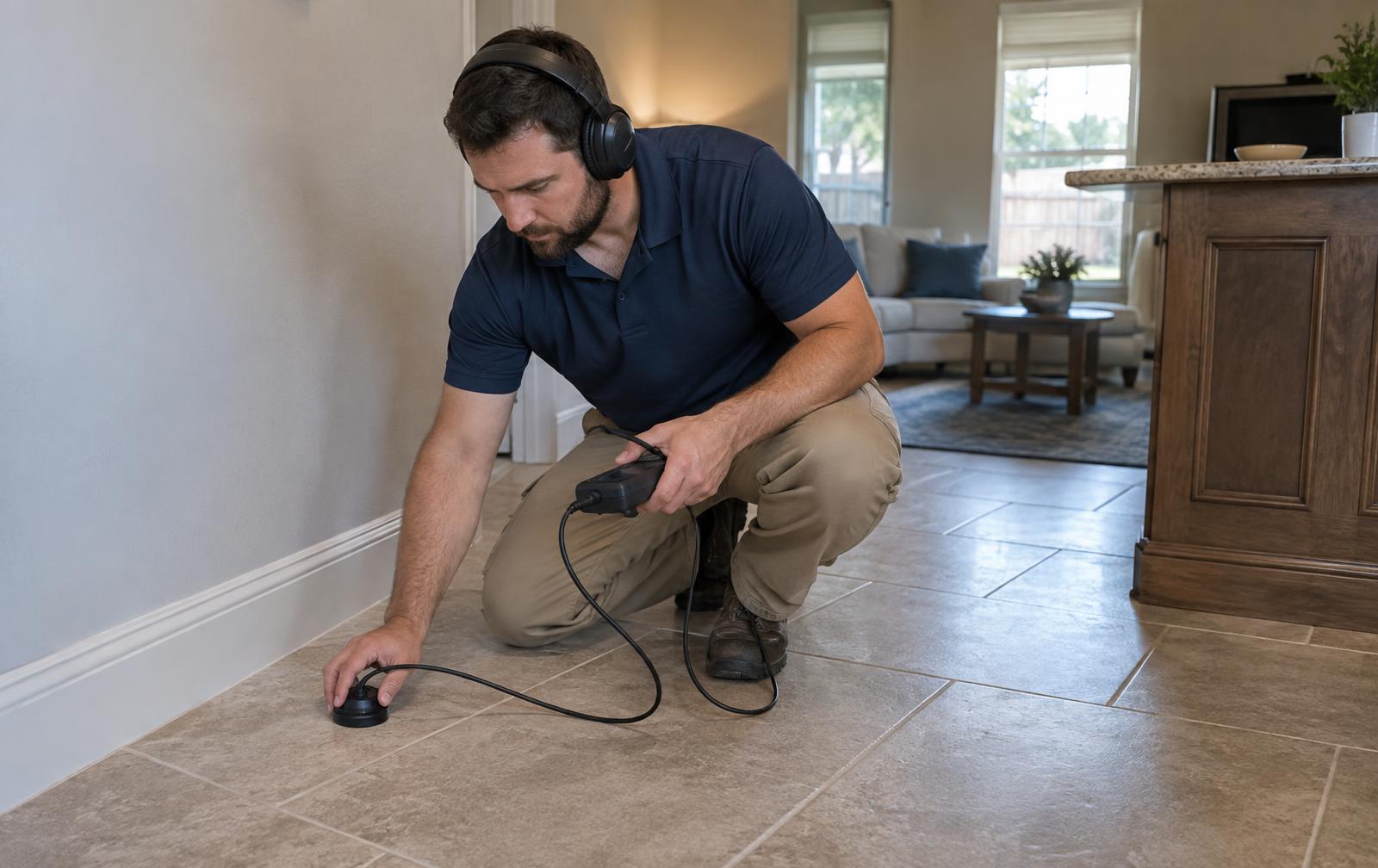
Acoustic, thermal, and pressure testing to pinpoint hidden leaks in Addison slab, wall, and shared-stack lines without tearing into finishes.
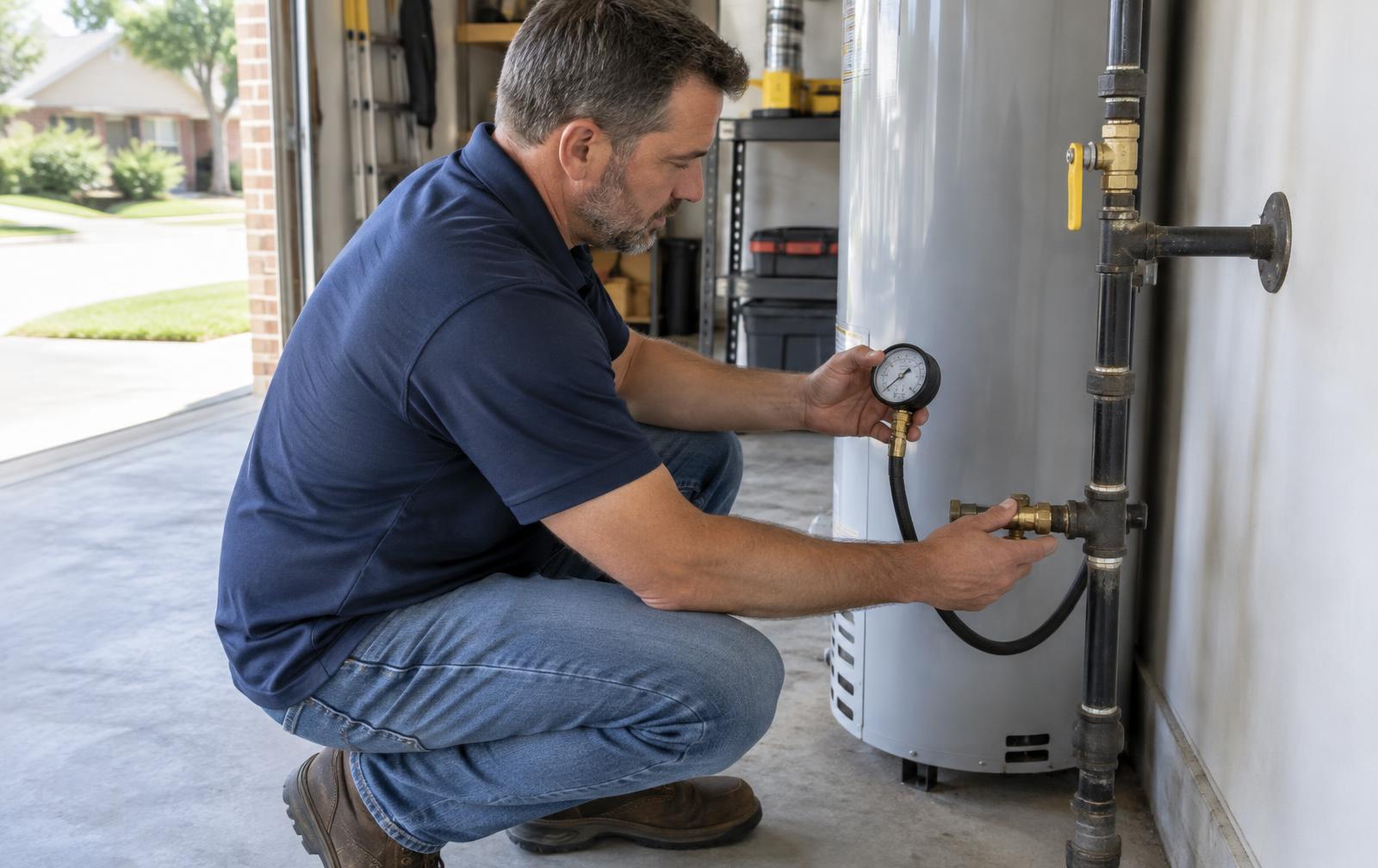
Licensed install, repair, and pressure-testing for Addison homes and townhomes — every line signed off to Texas code and Atmos requirements.
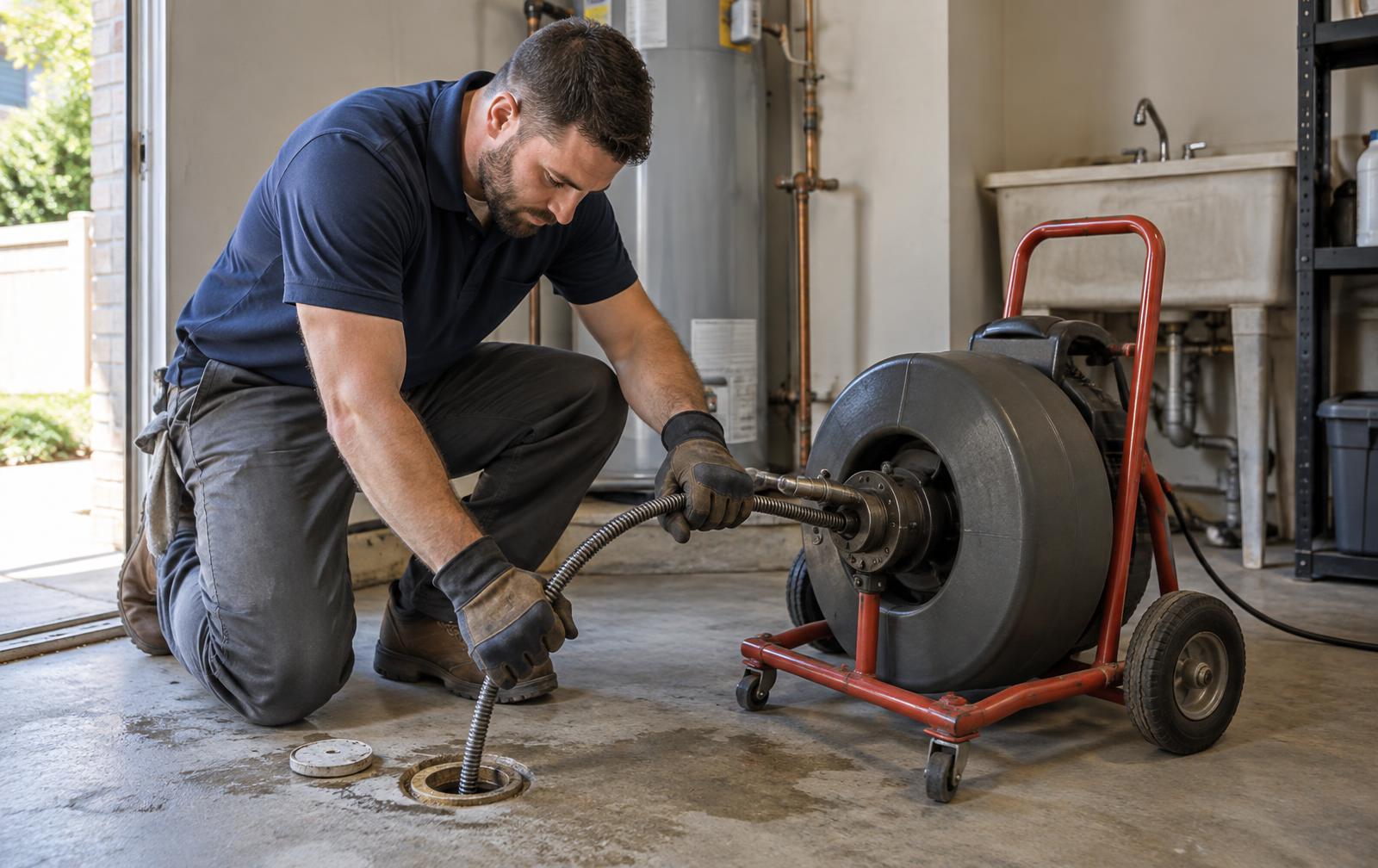
Full-clear service and camera confirmation for the aging cast iron drains under Addison's mid-century ranches and condo blocks.
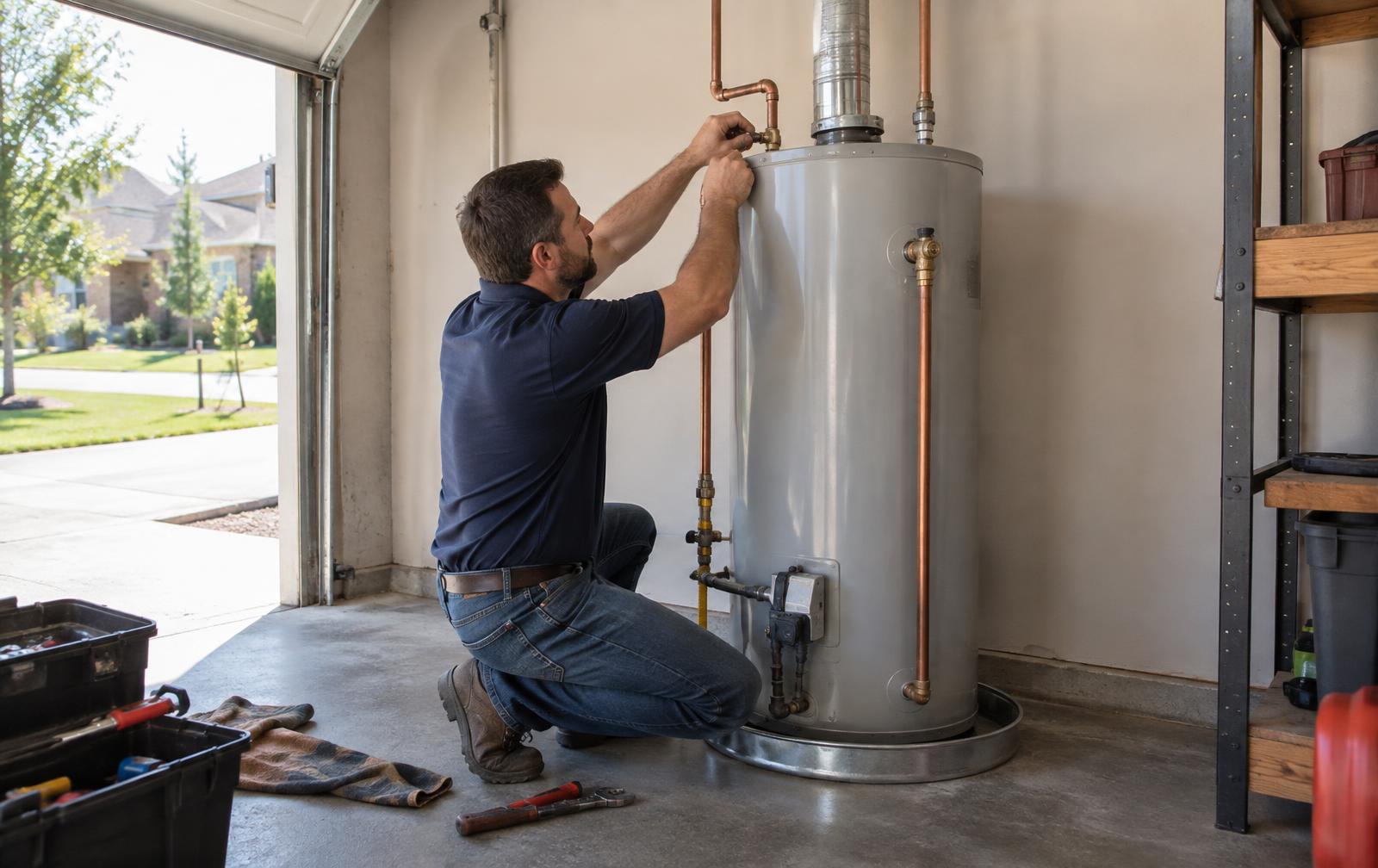
Repair, flush, and replacement of tank units — including the closet-tucked heaters common to Addison townhomes and Circle-area condos.
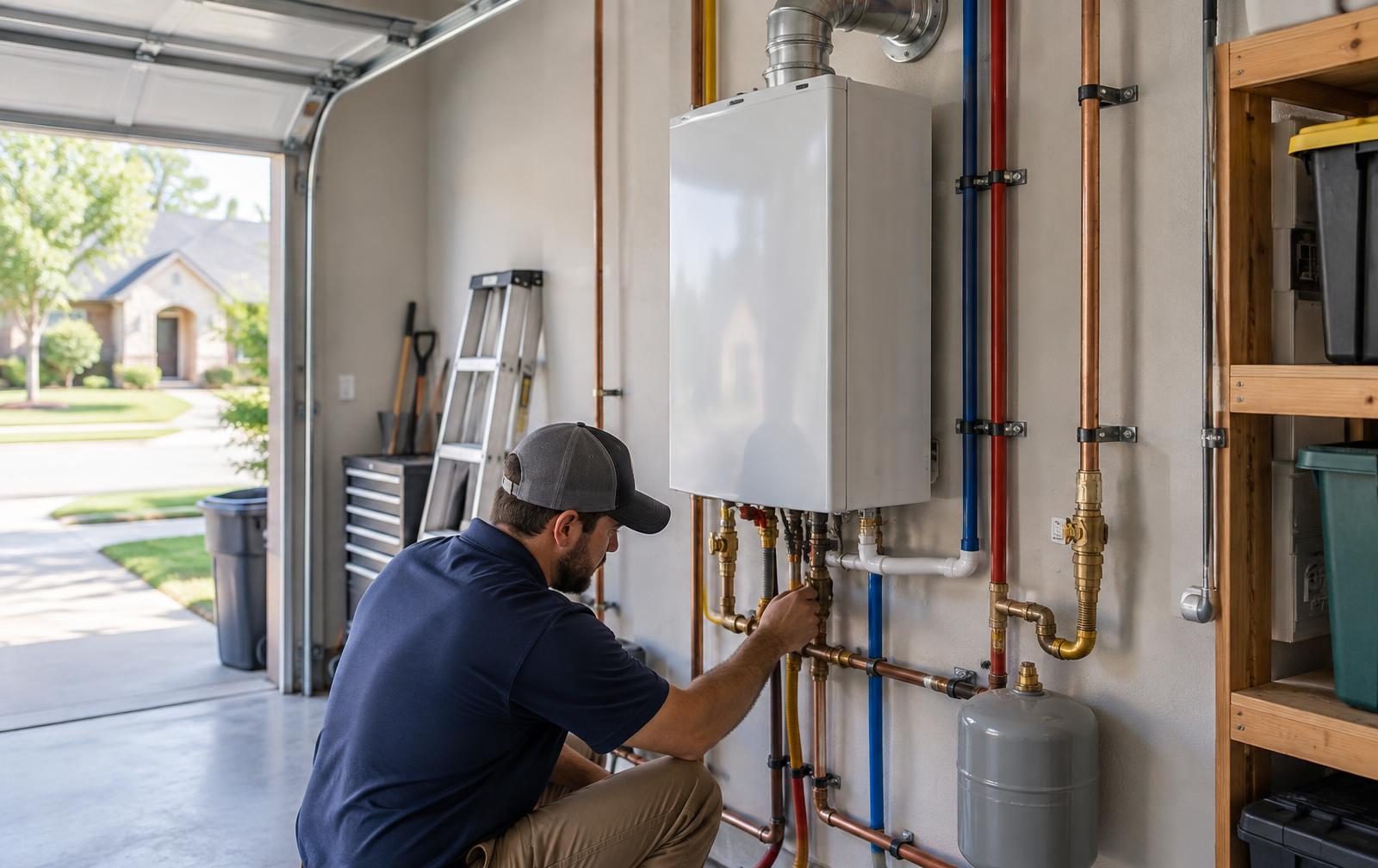
Install, service, and annual descaling — Addison's hard tap water eats tankless heat exchangers without it.
same-day, 7 days a week response across Addison for burst pipes, condo stack backups, and failed heaters.
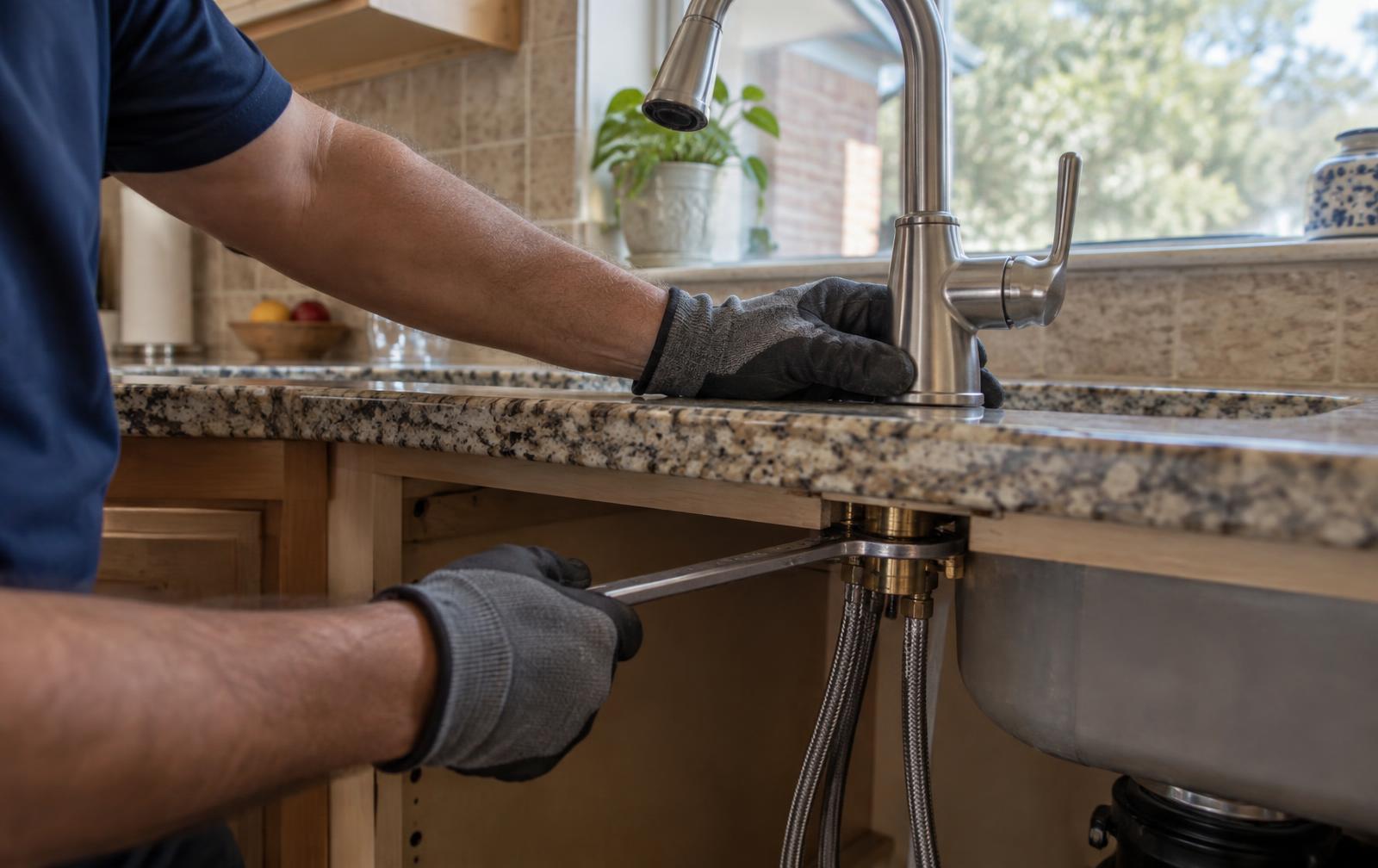
Cartridge, stem, and full-fixture replacement for Addison kitchens and bathrooms — hard-water-ready parts stocked on the truck.
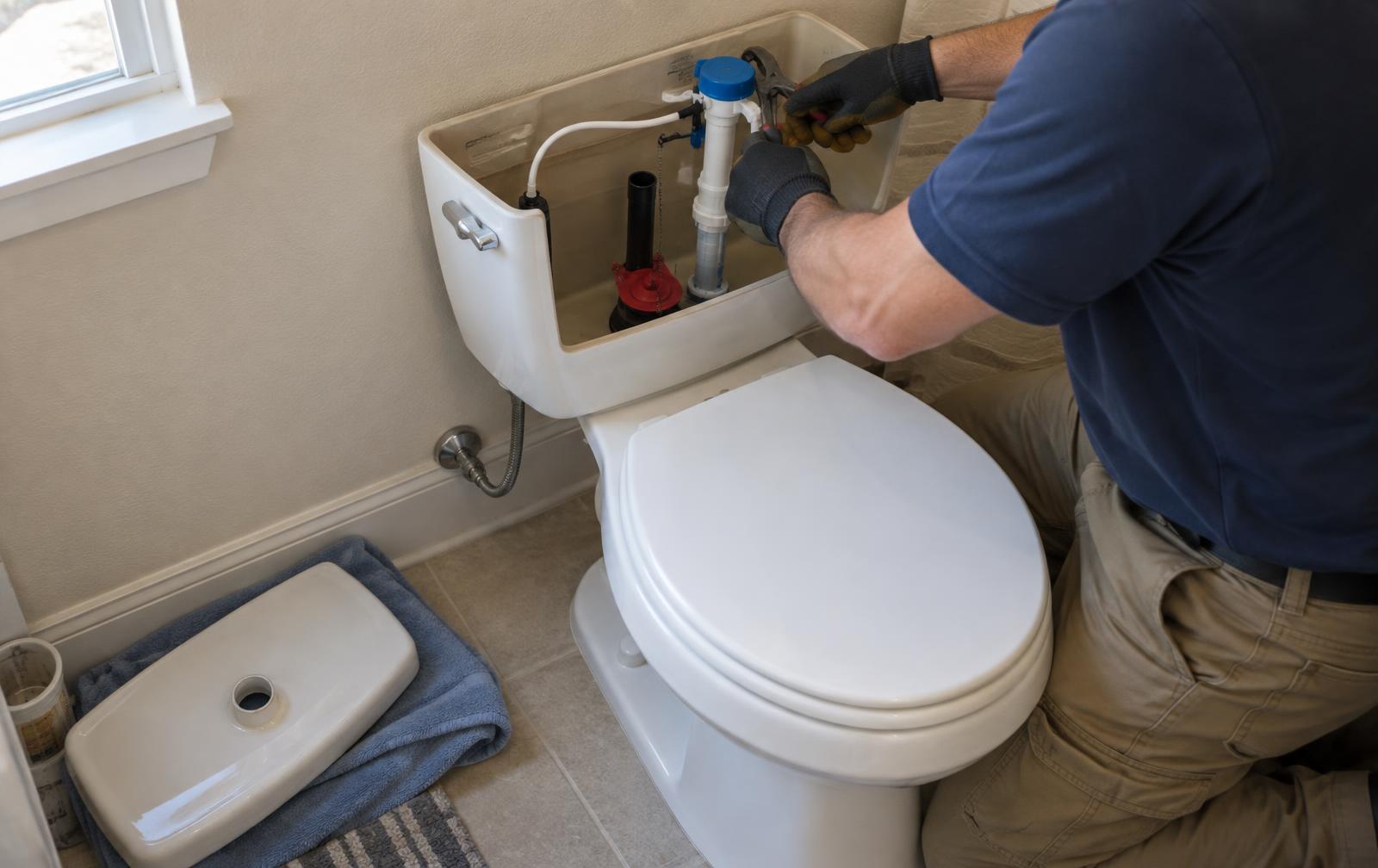
Rebuilds, wax-ring resets, flange repairs, and full replacements — the running toilets and rocking bowls in Addison homes.
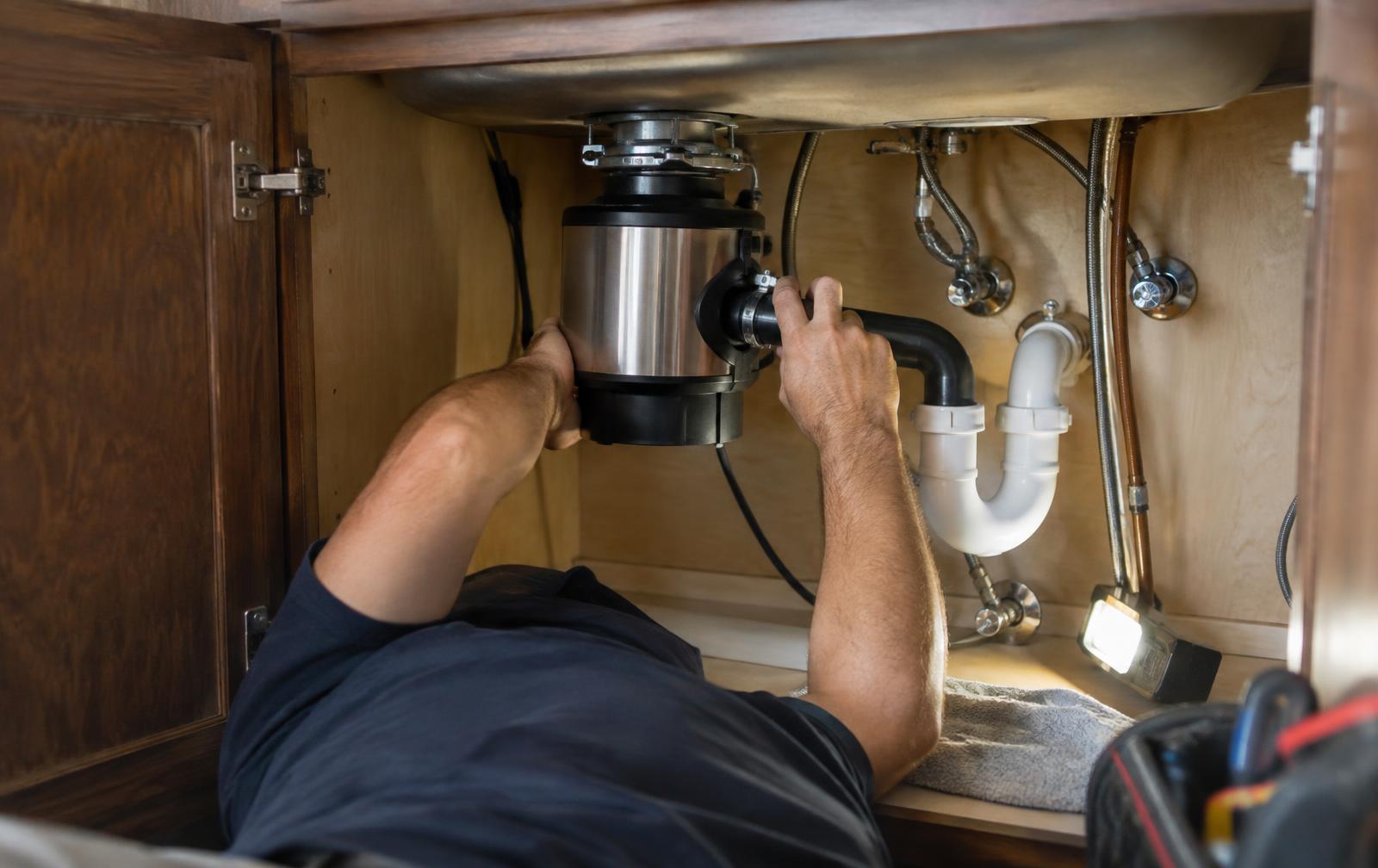
Jam clearing, leaking-unit swaps, and quiet 3/4 HP upgrades for Addison kitchens — same-visit install.
Drain Keeps Clogging in Your Addison Home?
Full-diameter jetting with camera footage before and after, backed by warrantied labor. Get in touch.