
Drain Cleaning in Addison, TX
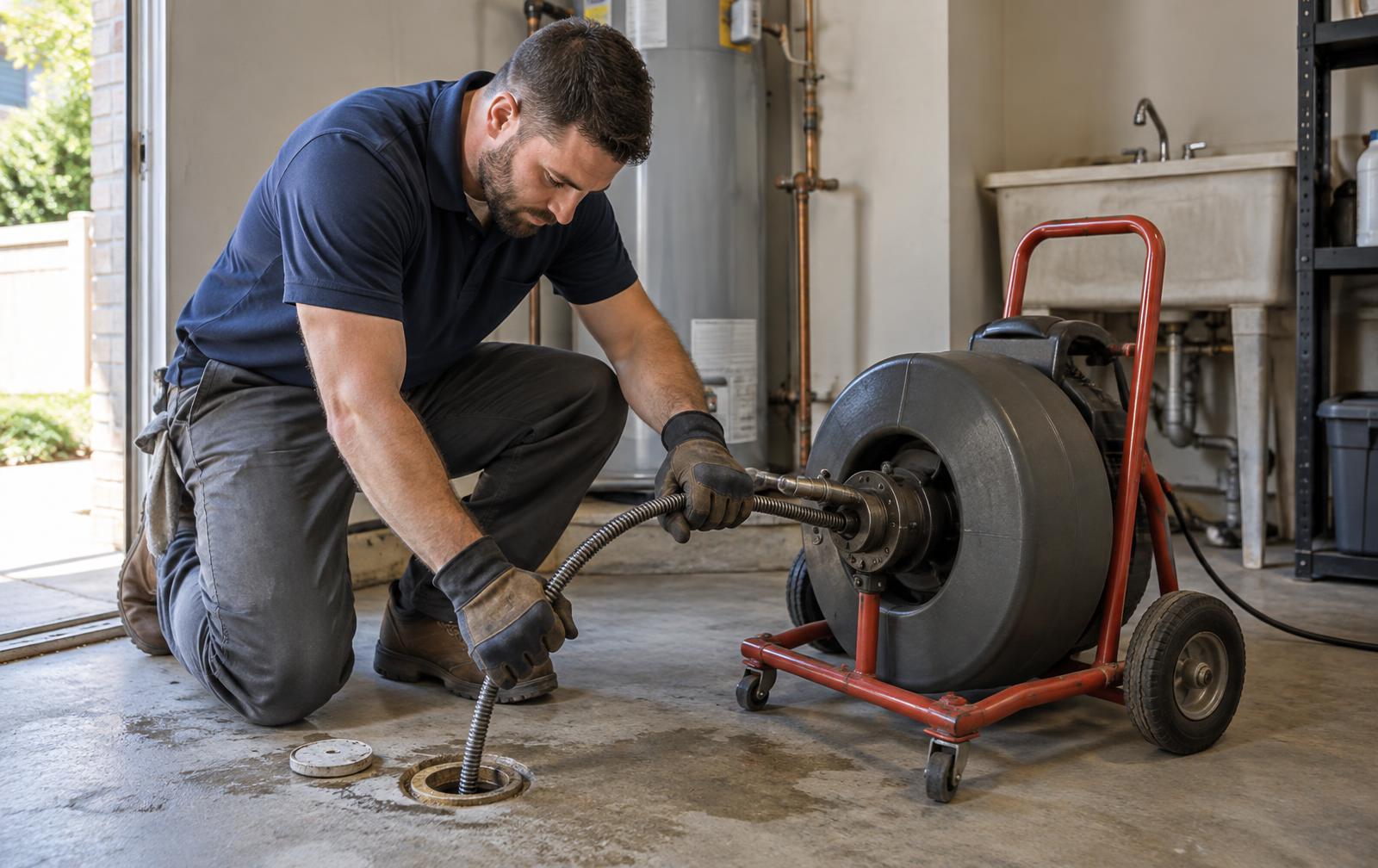
A bathtub that gurgles when the toilet flushes. A kitchen sink that will not clear. Water rising at the lowest drain in the unit. We open the line fully and confirm it on camera instead of stopping the moment water starts moving again.
Getting Water Moving Is Not the Same as Getting the Pipe Clear
Addison is a small, fully built-out town, and most of what we clear sits behind either a shared apartment stack or a single-family cleanout out front — there is not much in between. A cable that just punches a channel through a clog will get water flowing again, but if the pipe wall is still coated, that channel closes back up. We size the cable and cutter to what is actually inside the pipe, then run a camera from the cleanout to the tap so you can see the line is open, not just moving.
In the mid-rise buildings around Addison Circle and Vitruvian Park, most calls are a shared vertical stack backing up at a horizontal branch tie-in — usually something that should never have gone down a toilet in the first place. In the smaller stock of detached homes at Addison Place, Bellbrook Estates, and along Surveyor Boulevard, the failure mode is different: older drain material losing effective diameter over the decades.
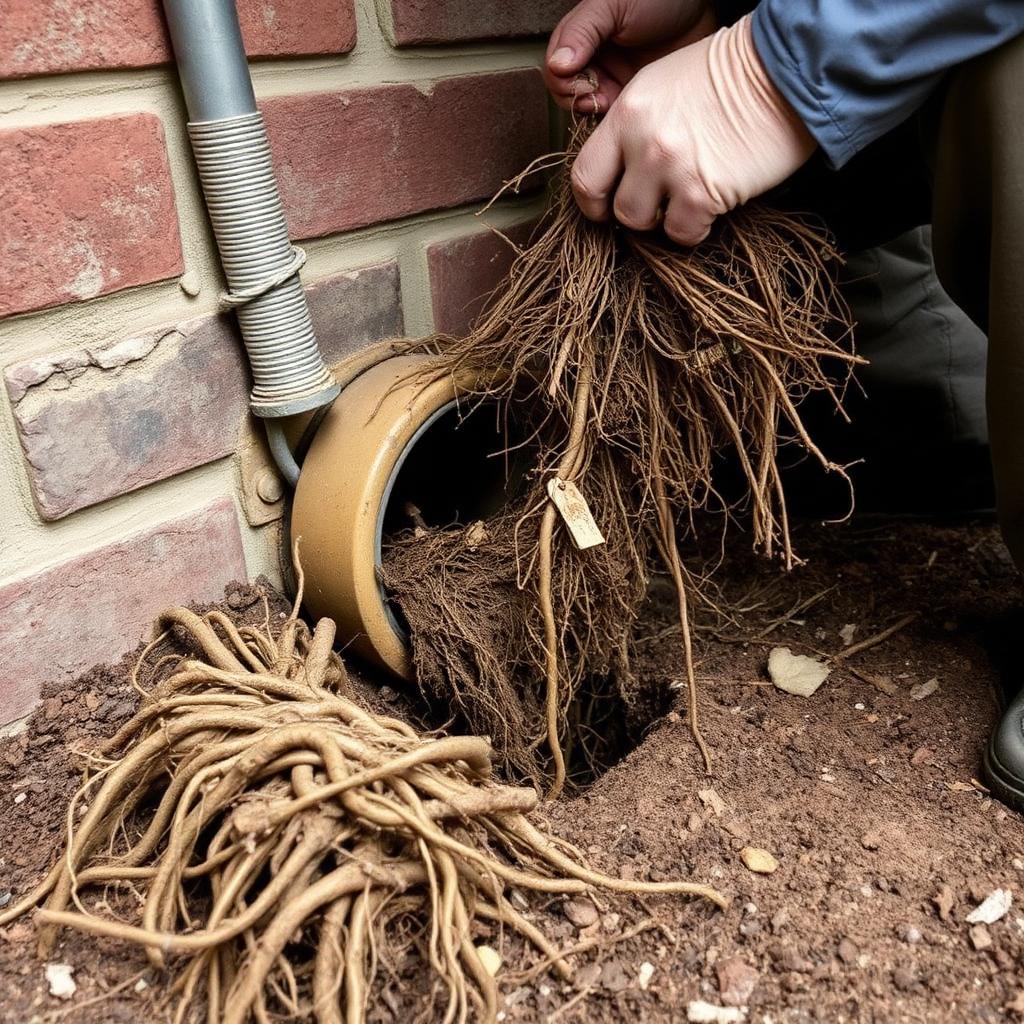
If a camera pass shows a cracked joint, an offset, or root intrusion instead of just buildup, we say so on the spot. Recabling a broken pipe every few months does not solve anything — at that point you need a spot repair, and we walk you through what that looks like before you spend money clearing a line that is going to clog again regardless.
What an Addison Drain Tells You Before It Fails
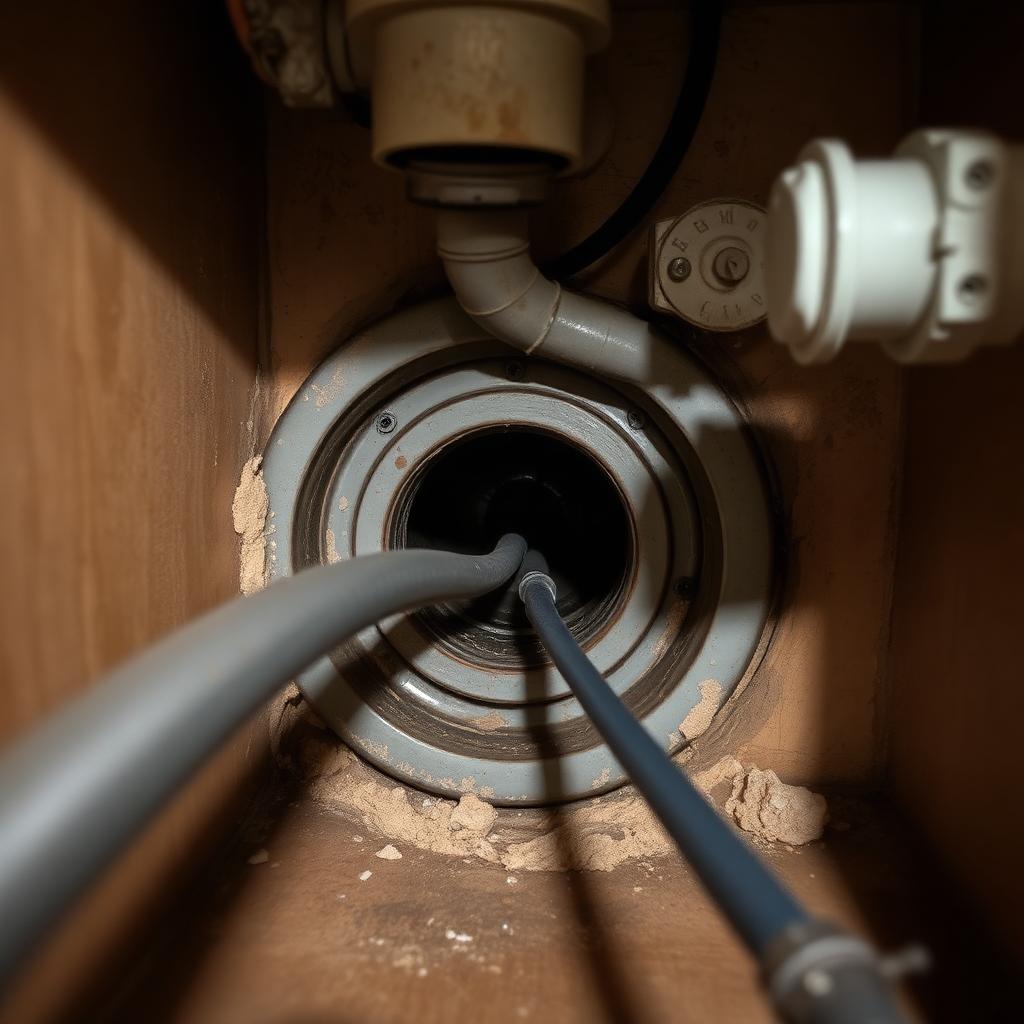
A drain rarely fails without warning. Respond to these early and it is a short visit. Ignore them and it is standing water on the floor.
A single slow sink points to that branch only. Two or more fixtures slowing down together means the shared line downstream is the actual problem, and it needs attention sooner.
Run the washing machine and hear the tub bubble, or flush and hear the shower gurgle back. Air is finding a path through a partially blocked shared line instead of venting normally.
A rotten-egg odor near a bathroom drain is often a dry or broken trap seal, usually caused by a partial blockage pulling the water out of the trap through siphoning.
A shower filling when the toilet flushes, or a floor drain bubbling during a load of laundry, means the blockage is downstream and backing up to whatever sits lowest.
A gradual, house-wide slowdown usually means buildup coating the inside of the pipe rather than a single clog. Cabling clears a channel; a full jetting pass restores the diameter.
A recurring wet or overly lush spot in the yard along the sewer run points to a leaking line, not a clog. No amount of cabling fixes a pipe that is actually broken underground.
Confirm the Line, Not Just the Flow
A cleaning is not finished until we have looked at the pipe wall to wall, not just heard water start moving.
- 1Narrow down which line is affected
A single slow fixture, several slow fixtures, and a full backup point to three different lines. A short walkthrough of which drains are affected tells us which cleanout to open before any equipment comes off the truck.
- 2Open the correct cleanout
We work through a proper cleanout, never a toilet flange or a shower drain, to keep debris out of the living space. Detached Addison homes usually have a ground-level cleanout out front; apartment and condo buildings usually route through a utility closet.
- 3Match the cutter to the blockage
A knife blade for grease, a chain flail for roots, a wire brush or jetting nozzle for scale. Using the wrong cutter for what is actually inside either damages the pipe or leaves the real blockage in place.
- 4Work the full diameter, not just a channel
We do not stop as soon as water starts draining. The cable runs the entire width of the pipe from cleanout to fixture, and we pull back slowly so nothing is left hanging on the wall to catch the next thing that goes down the drain.
- 5Camera pass to confirm the result
Every main-line visit ends with a camera run so you can see the pipe is actually open. If it shows a crack, an offset joint, or roots we could not fully remove, we tell you plainly and quote the repair rather than cleaning the same pipe again next season.
Drain Patterns Across Addison's Housing Stock
Addison is mostly multifamily, with a small pocket of detached homes — the two building types clog in different ways.
These mid-rise condo and apartment buildings went up in the New Urbanist wave around the turn of the millennium, with shared vertical PVC stacks serving several units. Blockages here are almost always at the horizontal branch where a unit ties into that shared stack, not a failure of the pipe itself.
This is Addison's newest sizable residential stock, built out over the 2010s. The drain lines themselves rarely need anything beyond cabling — a new PVC system does not scale up or crack the way older material does, so a clog here is nearly always something that should not have gone down the line.
One of Addison's few dedicated single-family enclaves, tucked in near the airport. Detached homes here have their own ground-level cleanout, which makes a full main-line clear and camera pass a straightforward, self-contained job.
Custom homes built around 1990 on larger lots mean a longer run from the house to the street tap. On Addison's Blackland Prairie clay, that extra length of buried pipe has more joints exposed to seasonal ground movement, which is worth checking on a camera pass even when the immediate clog clears easily.
Homes and duplexes built around the early 1980s in this part of Addison commonly carry original cast iron drain lines. Decades of mineral scale narrow the effective diameter from the inside, which is why a cable clears the clog but the same slowdown returns a few months later.
Some of the 1970s and 80s garden-style apartment buildings that predate the Vitruvian Park redevelopment are still standing. Their original cast iron building drains carry the same age-related scale issue as the single-family stock, just distributed across more units feeding one shared main.
What Addison Homeowners Say
We Show You the Pipe, Not Just a Receipt
If the same line backs up again soon after a main-line clearing, we come back and reclear it as part of that visit's warrantied labor. If the camera showed the pipe itself was compromised, we told you at the first visit instead of quietly recabling it and hoping it holds.
We are licensed by the Texas State Board of Plumbing Examiners, insured, and family-owned, dispatching every truck out of The Colony. Most Addison addresses see us the same day for an active backup, and we pull the town's sanitary sewer relay permit whenever a job actually calls for one rather than just a cleaning.
Questions We Get Before the Truck Arrives
Our Other Plumbing Services in Addison, TX
A slow drain is often the visible symptom of a larger issue further down the line. We handle the rest of it too, in one visit, for homes and buildings across Addison.
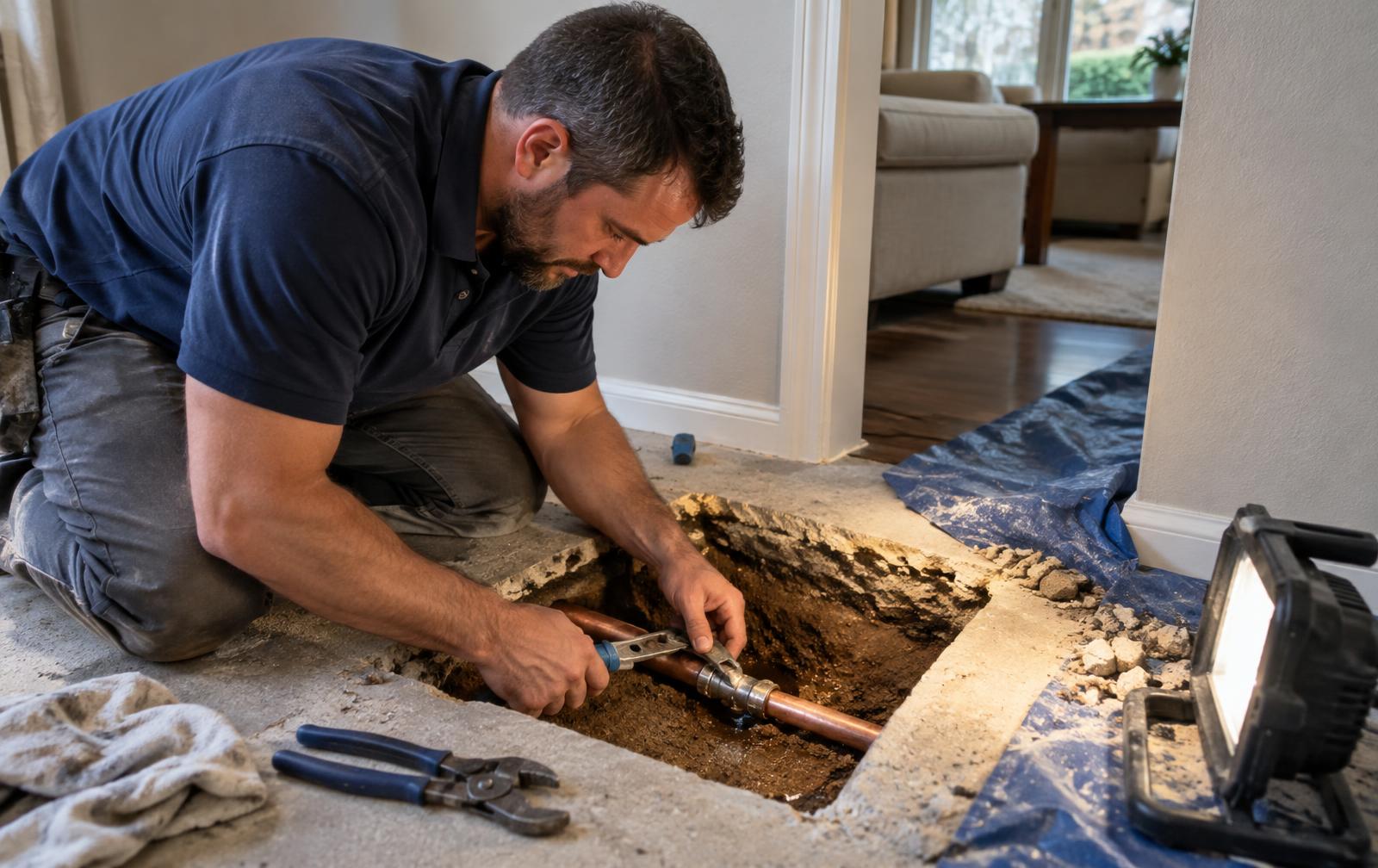
Electronic detection under condo and townhome slabs — reroute options that save your finished floors when possible.
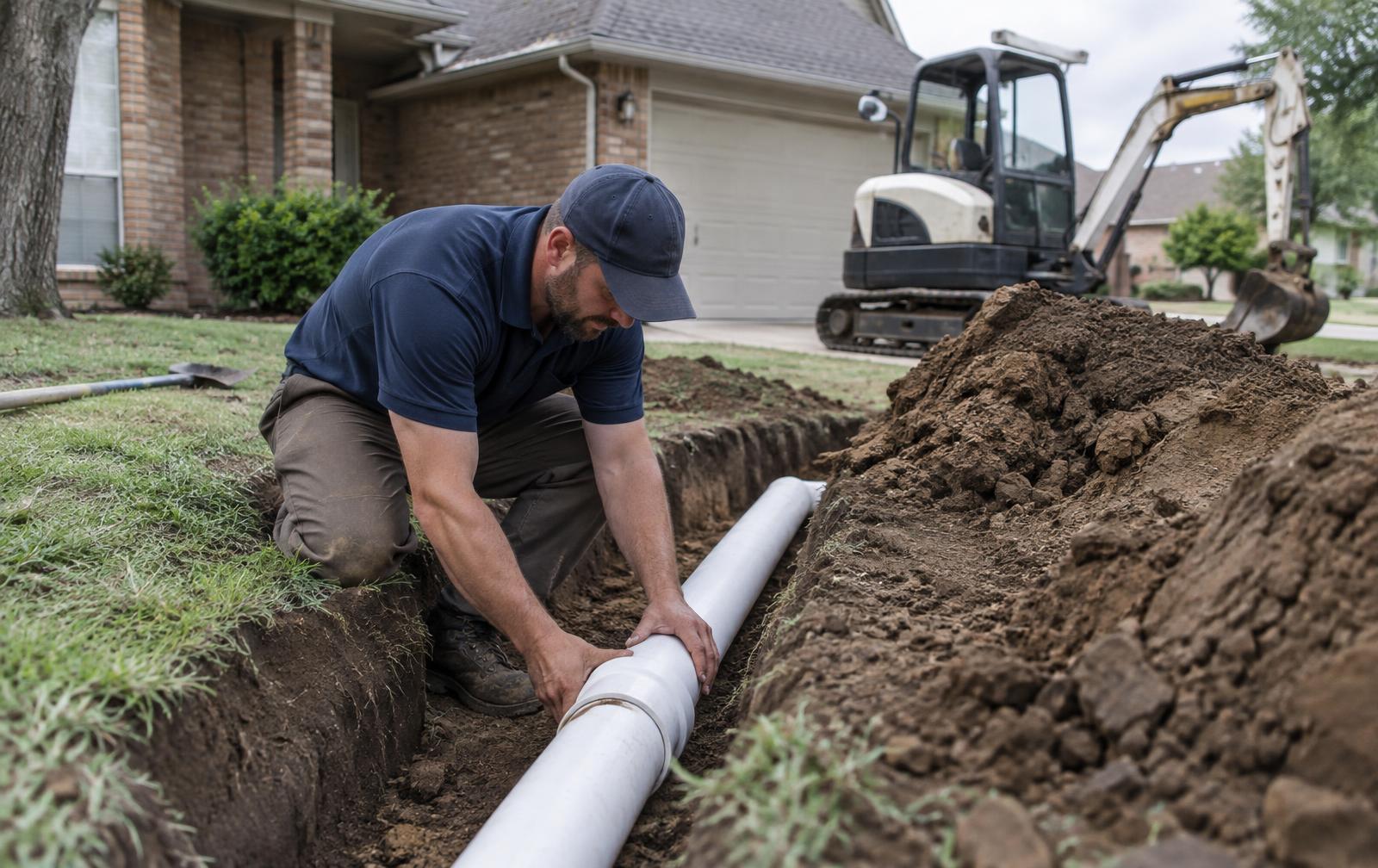
Trenchless replacement for the cast iron laterals under Addison's 1970s and 80s builds — camera first, quote in writing, minimal yard damage.
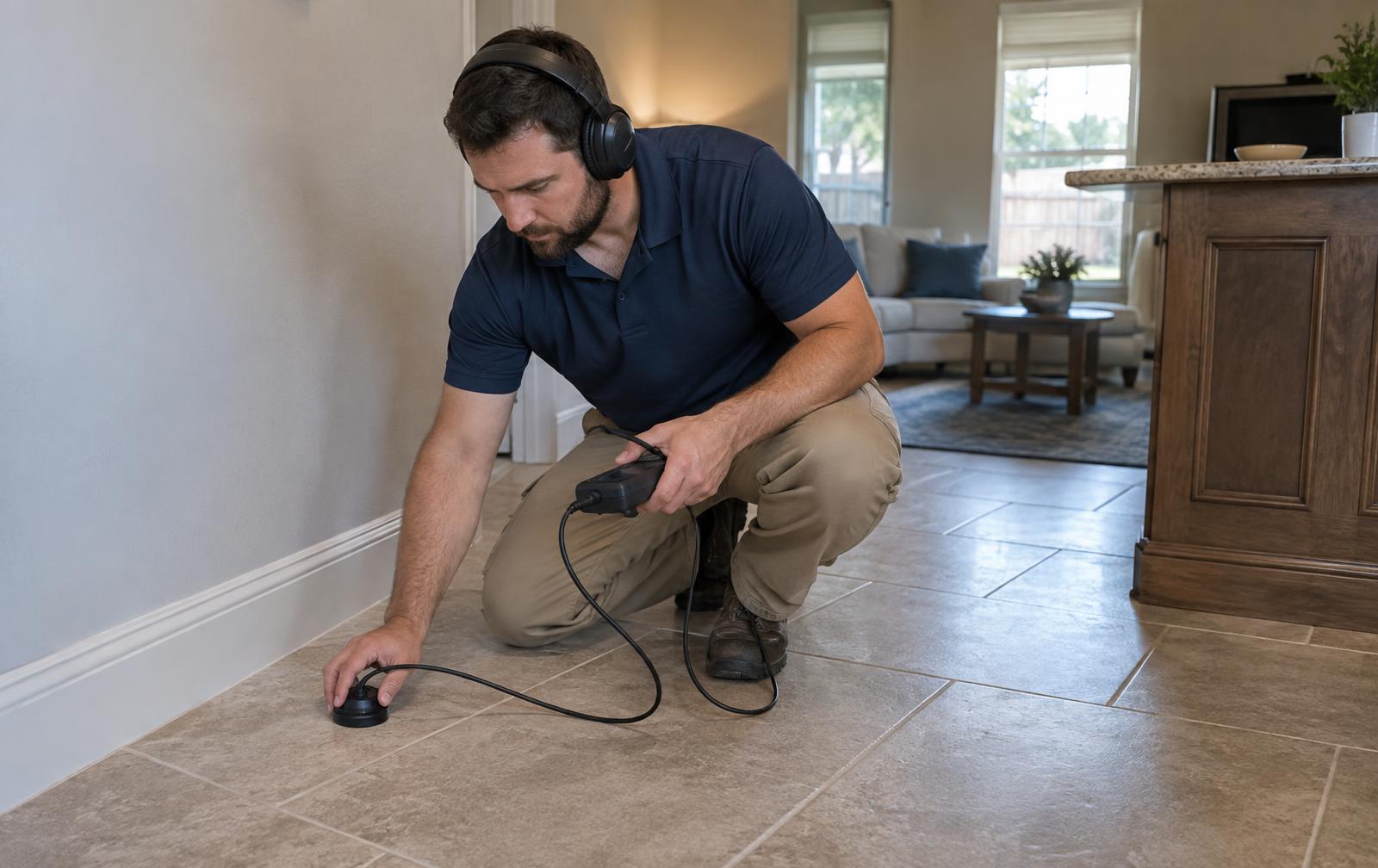
Acoustic, thermal, and pressure testing to pinpoint hidden leaks in Addison slab, wall, and shared-stack lines without tearing into finishes.
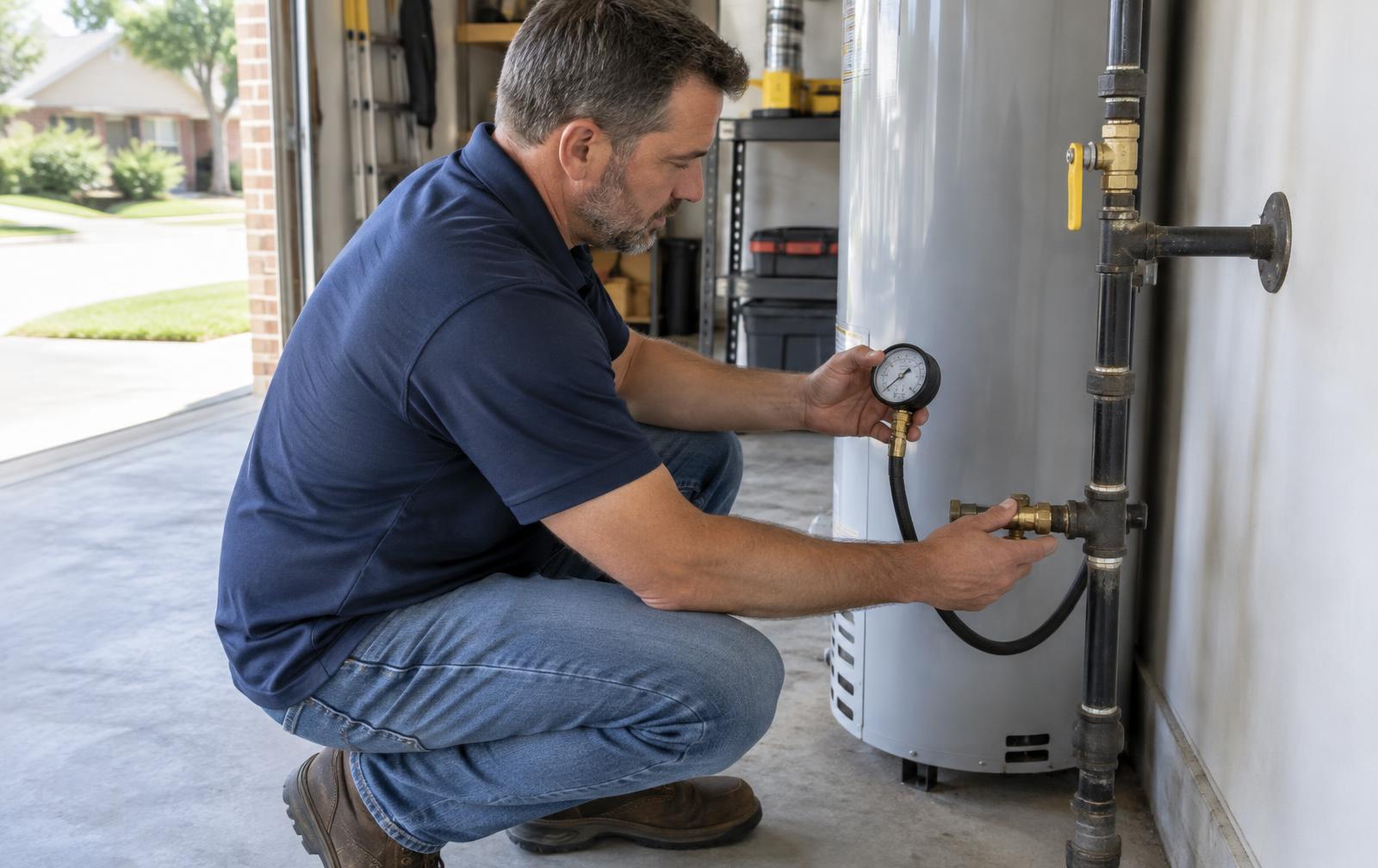
Licensed install, repair, and pressure-testing for Addison homes and townhomes — every line signed off to Texas code and Atmos requirements.
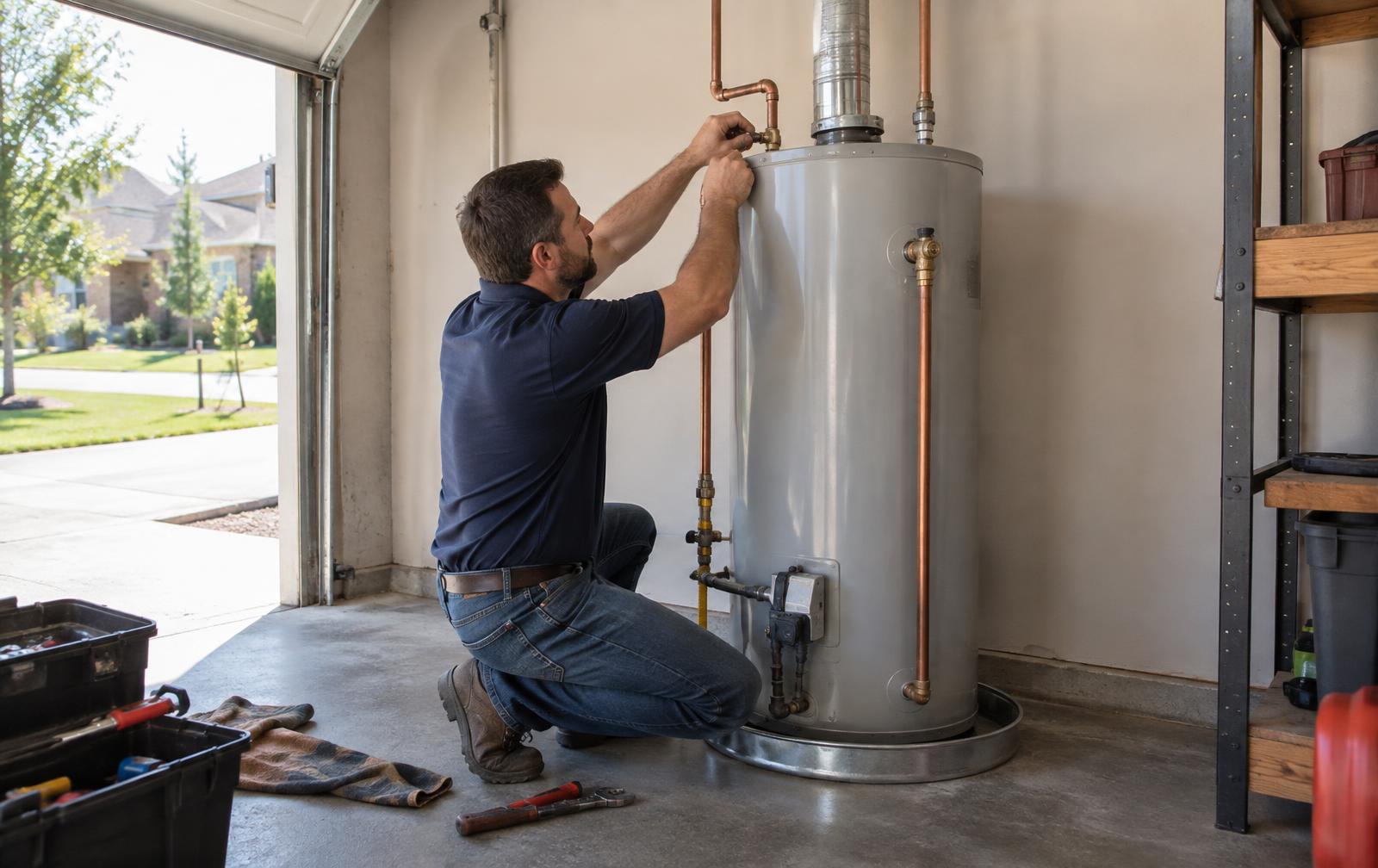
Repair, flush, and replacement of tank units — including the closet-tucked heaters common to Addison townhomes and Circle-area condos.
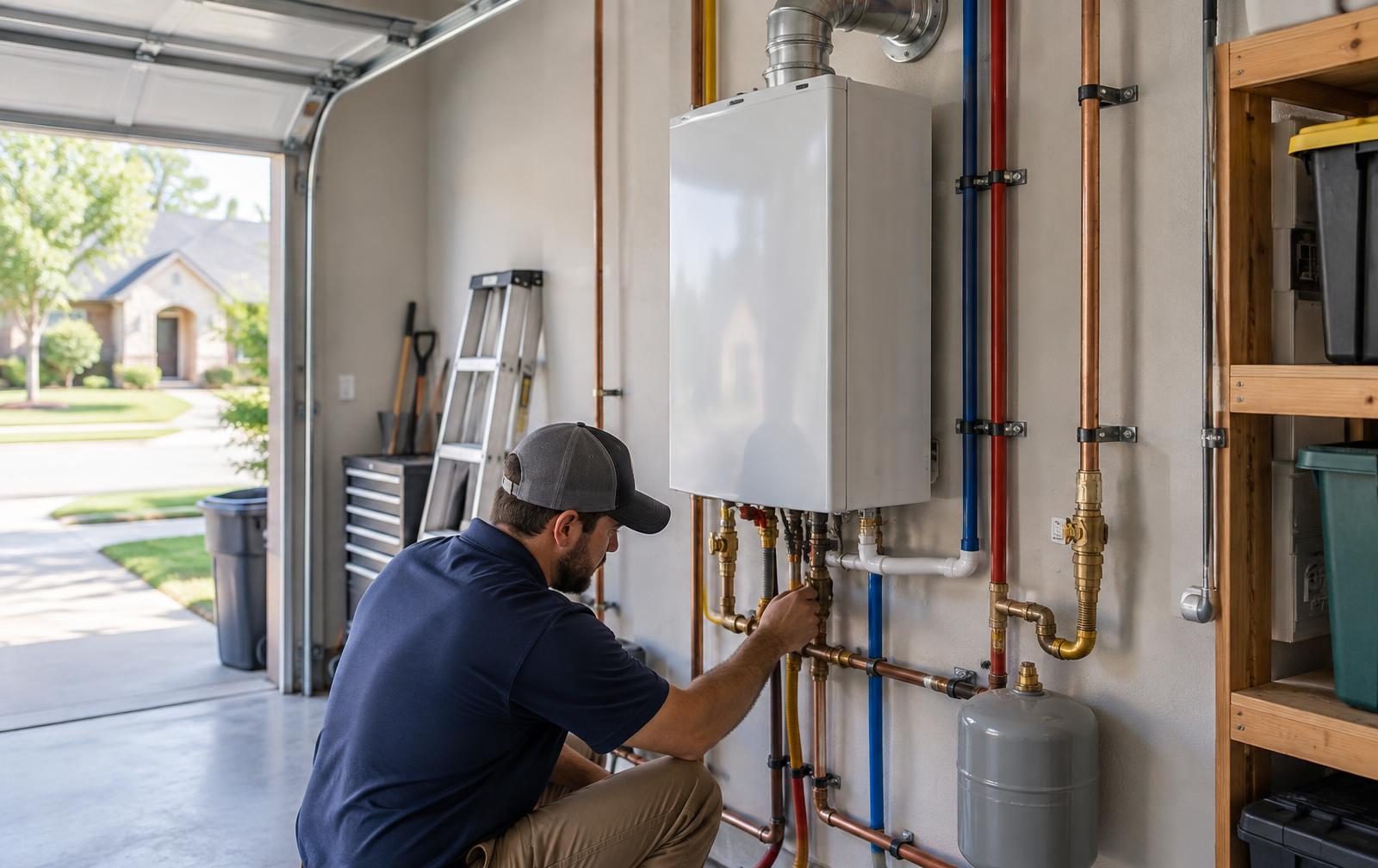
Install, service, and annual descaling — Addison's hard tap water eats tankless heat exchangers without it.
same-day, 7 days a week response across Addison for burst pipes, condo stack backups, and failed heaters.
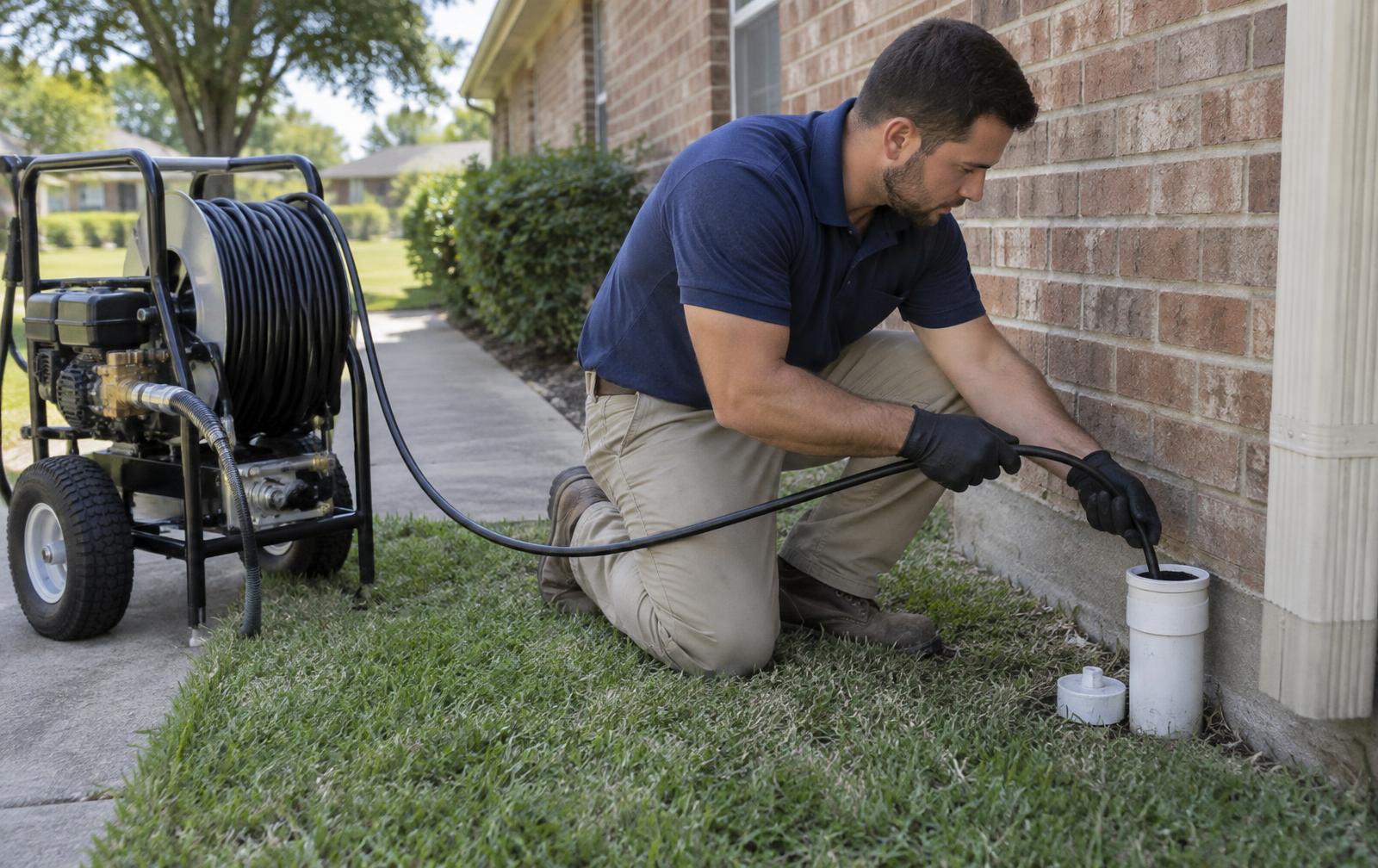
High-pressure cleaning that clears scale, grease, and roots from the cast iron mains under Addison's older stock — full-diameter, lasting clean.
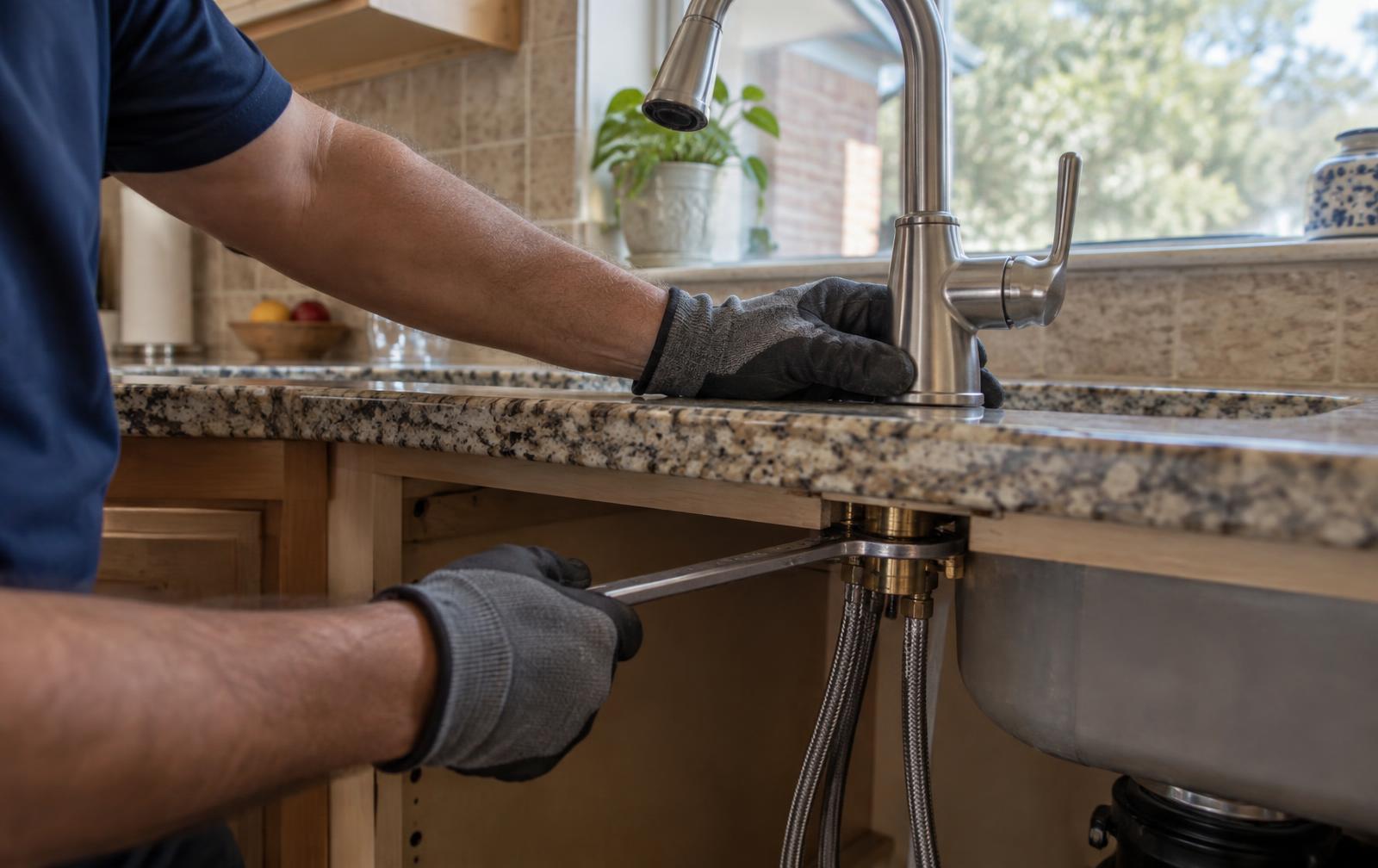
Cartridge, stem, and full-fixture replacement for Addison kitchens and bathrooms — hard-water-ready parts stocked on the truck.
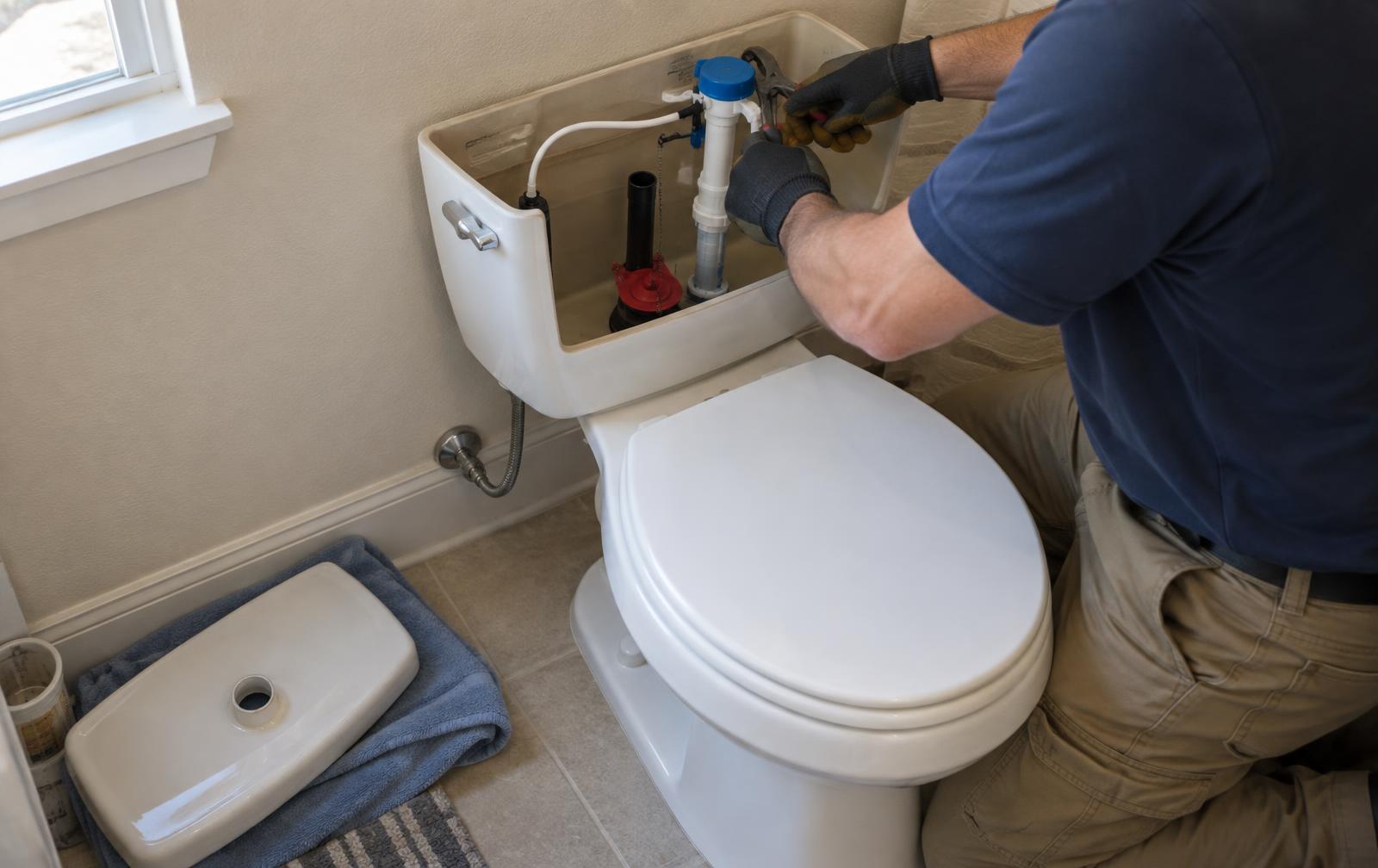
Rebuilds, wax-ring resets, flange repairs, and full replacements — the running toilets and rocking bowls in Addison homes.
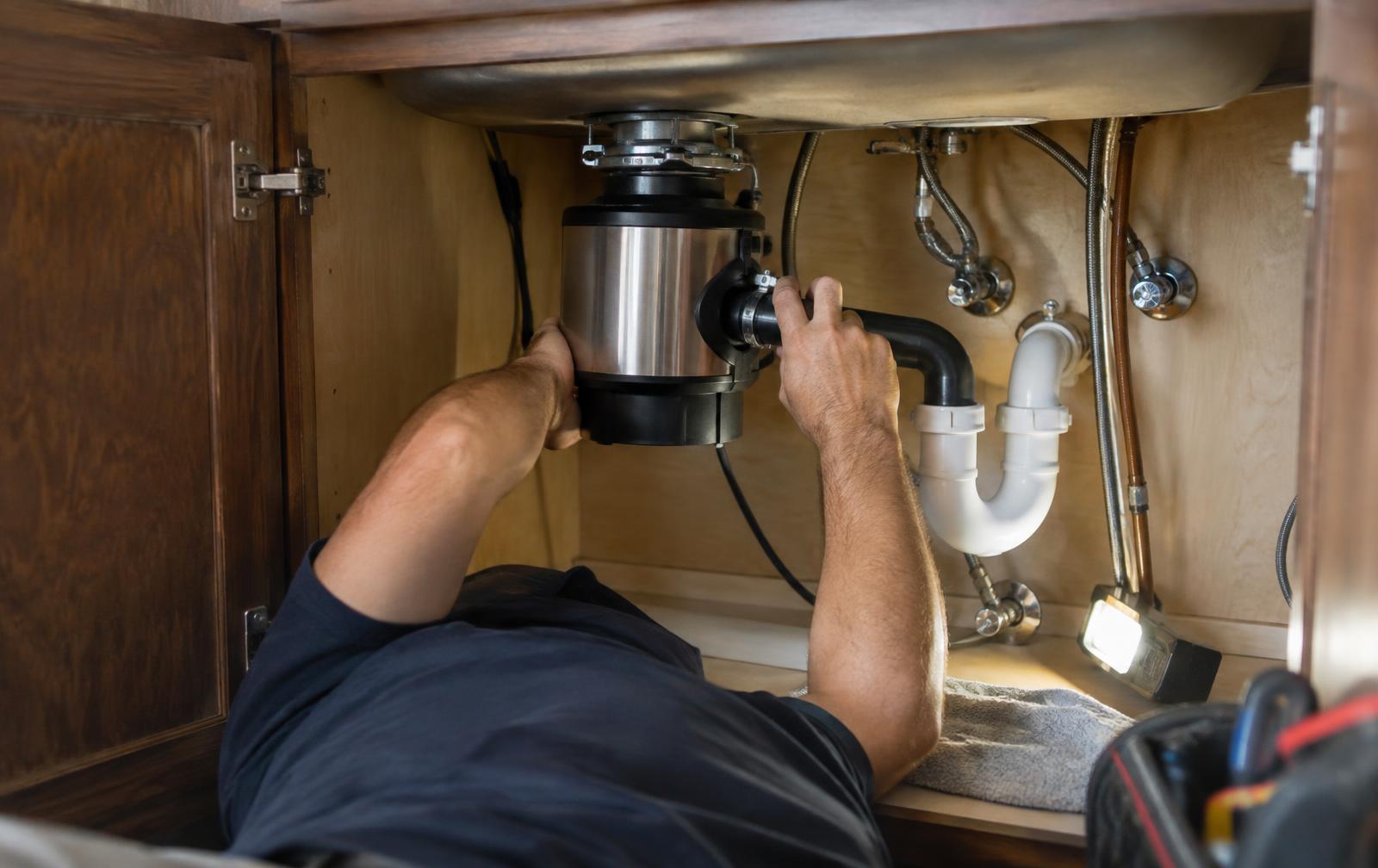
Jam clearing, leaking-unit swaps, and quiet 3/4 HP upgrades for Addison kitchens — same-visit install.
Drain Backing Up in Your Addison Home or Unit?
Same-day response, a camera pass to confirm the fix, and warrantied labor behind it. Call and we will walk you through it.