
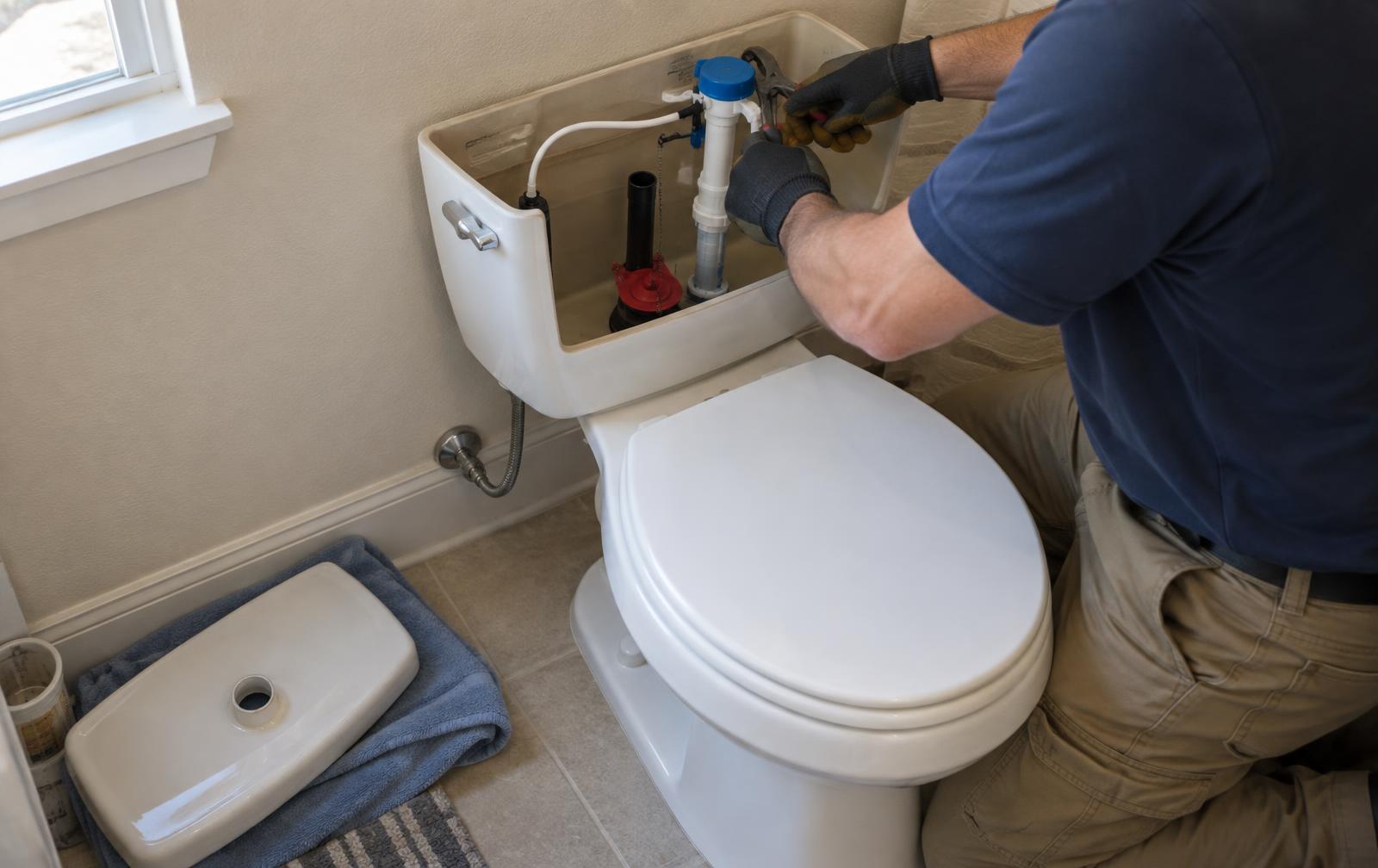
Toilet Repair & Installation in Farmers Branch, TX
It flushes on its own at random hours. It wobbles just slightly whenever anyone sits down. A little puddle appears at the floor after use. It takes a second pull to actually clear the bowl. Whatever the symptom, our crew shows up ready to handle it — quick internal-parts swaps through full comfort-height replacements — with the common parts already loaded on the truck.
Why So Many Farmers Branch Bathrooms Need the Same Two Fixes
Most running-toilet calls turn into a short visit — swap the flapper, replace the fill valve, or rebuild the whole tank assembly, none of which eats up much of an afternoon. Left alone, that steady drip adds up to real wasted water, and it's common to find one quietly running in a Farmers Branch bathroom nobody had noticed yet.
A wobbly bowl is the other recurring complaint, and the ground under the city explains part of why. Farmers Branch sits on Blackland Prairie clay, soil that swells and contracts with the seasons across most of Dallas County, putting ongoing stress on the closet flange and the seal beneath it. That's especially true in houses from the Valwood-era 1950s and 60s buildout, where the flange itself may still be original cast iron. Our fix is to pull the fixture, inspect the flange for corrosion or cracking, install a new seal, and set the bowl level again. Where a prior tile job left the flange sitting too low, a stainless repair ring or a fresh PVC flange goes in during the same appointment.
For a full swap, we carry comfort-height, water-efficient models that satisfy current code, and we're just as happy to install a toilet you've purchased elsewhere — our labor is warrantied regardless of where the fixture came from. Any permit the city requires for that work, we take care of.
What Usually Means Your Farmers Branch Toilet Needs a Visit
A toilet that keeps running on its own burns through real water over the weeks. Most of these fixes are quick once we're on-site.
Most often the flapper has stopped sealing and needs swapping — a quick, inexpensive part. If the whole tank assembly is showing its age, we'll rebuild the entire kit in one go instead.
Usually traced back to a worn-out wax seal, a small crack in the bowl, or a loose supply connection. We pull the fixture, check the flange underneath, and reset everything properly — ignoring it long enough eventually damages the subfloor.
Typically a flange that's cracked or come loose, occasionally just an uneven floor. Given the clay soil across most of Farmers Branch, ground movement is a frequent contributor here, and the real fix is a proper releveling, not simply tightening the existing bolts harder.
Could be a trap that's partly clogged, mineral scale inside the rim holes, or a fill valve set to fill too little. On-site, we can usually narrow that down within a few minutes.
Often a corroded lever arm or a broken flapper chain — a small, cheap fix that people tend to live with far longer than necessary.
Possible causes include a dried-out trap, a failed wax seal, or trouble with the vent stack. If this started right after we or someone else reset the wax ring, the seal probably didn't seat right, and we'll go back to fix that.
Diagnose, Quote, Then Touch the Water Supply
You'll know exactly what's wrong and what it costs before any valve gets turned.
- 1Figure out the actual problem first
A toilet that runs, one that leaks at the floor, a weak flush, and a wobbly bowl are four distinct issues with four distinct fixes, so we check each rather than jump to conclusions.
- 2Give you real choices, not just one answer
On an aging toilet especially, we'll often walk through the rebuild-versus-reset-versus-replace question together, so the decision matches how much longer you want to keep that fixture around.
- 3Pull from stock already on the van
Fill valves, flappers, wax and wax-free seals, closet bolts, supply lines, and stainless repair rings for damaged flanges all ride along on every call, since that covers most of what a Farmers Branch toilet job needs.
- 4Set it level and tighten it the right way
A wax seal only compresses evenly across a level bowl with the mounting bolts snugged down in the correct pattern — overtightening cracks porcelain, and we make sure that never happens.
- 5Run it through several flushes and inspect
We flush it repeatedly at full tank, check around and beneath the base for seepage, verify the bowl is still level, and tidy up before we go. Replacements mean the old fixture rides away with us.
What Comes Up in Farmers Branch Bathrooms, Area by Area
House age and the flange material underneath usually tell us what we're walking into.
This stretch dates to the broader 1950s-60s Valwood growth period, and original cast-iron flanges show up often enough that we generally plan for a stainless repair ring rather than assume a simple wax swap alone will hold.
Part of the city's mid-century-through-1970s residential growth, homes in this area tend to still carry older supply and drain fittings, so checking the angle stop is a routine add-on during a toilet visit here.
These mid-century houses near the city parks commonly show original wax seals failing after decades of ground movement, which is why a full flange check is just standard procedure on every call in this part of town.
Built during the same mid-century wave, this subdivision sits on the same shifting clay found across the city's older sections, so a bowl that has started to wobble after years of that movement is an ordinary repair, not an unusual one.
Homes here date to 1955 through 1962 and often still carry their original fixtures, which makes older high-volume toilets in this area good candidates for a water-saving swap rather than another round of rebuilds.
New construction along this corridor means current fixtures and flanges throughout, so calls here tend to involve straightforward warranty work or fresh installs rather than the flange repairs typical of the city's older streets.
What Farmers Branch Homeowners Say
We Fix the Cause, Not Just the Symptom
Every toilet visit includes an inspection of the closet flange and a level check once the bowl is reset. If a stainless repair ring or a full flange swap turns out to be necessary, that gets written into the quote before we proceed, so nothing unexpected lands on the invoice.
Labor on every rebuild and reset carries our warranty. We're insured, family-owned, and licensed through the Texas State Board of Plumbing Examiners, running trucks out of our shop in The Colony to cover Farmers Branch, roughly 20 to 30 minutes away under normal traffic. A toilet that's actively leaking or won't stop cycling gets same-day scheduling.
Straight Answers, No Sales Pitch
Our Other Plumbing Services in Farmers Branch, TX
Toilet resets sometimes turn up a cracked closet flange or a sluggish drain line underneath. We handle both in the same appointment — no separate trip, no second quote.
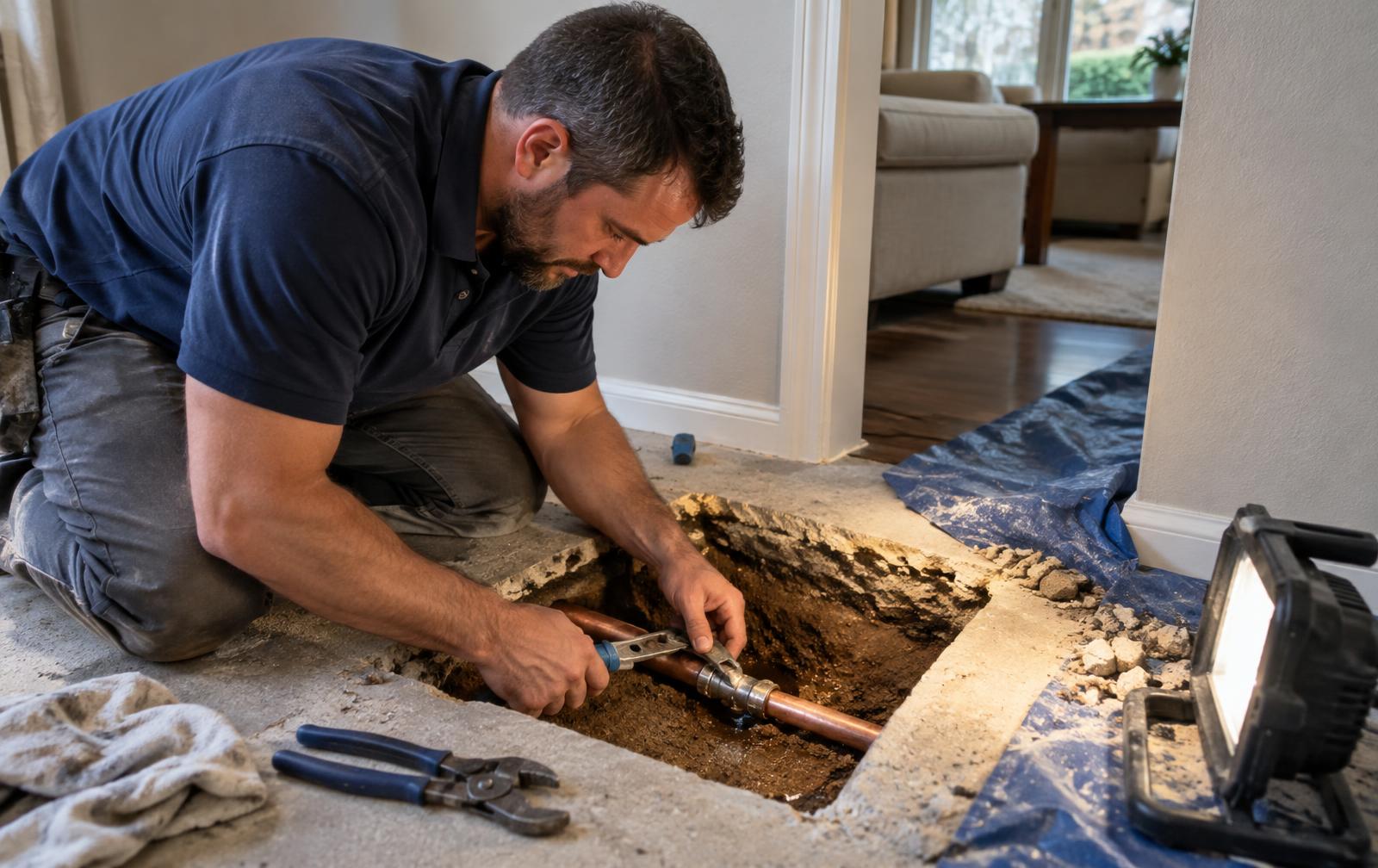
Electronic detection under Farmers Branch slabs — reroute options that save your finished floors when possible.
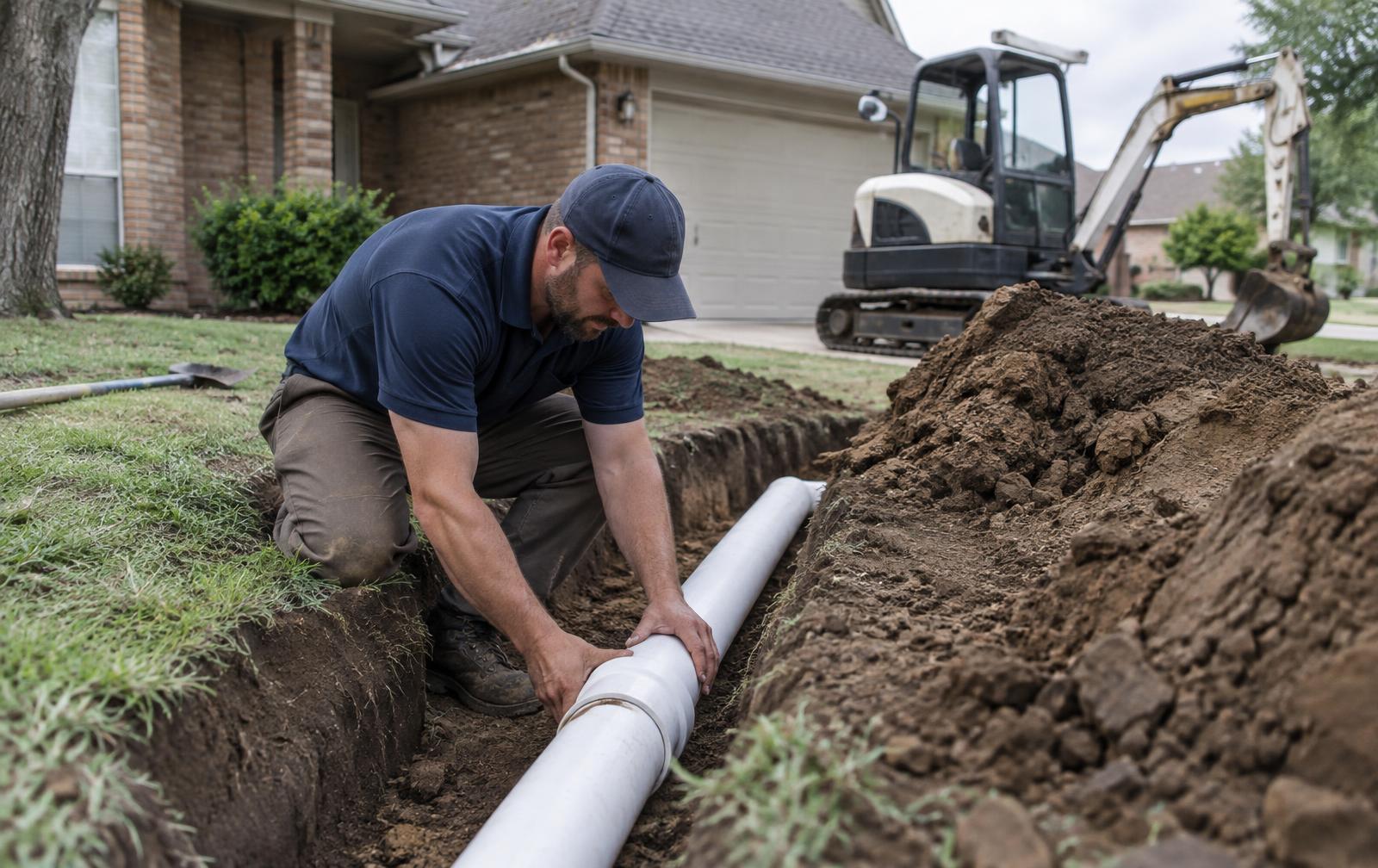
Trenchless replacement for the aging laterals across Farmers Branch's older runs — camera first, quote in writing, minimal yard damage.
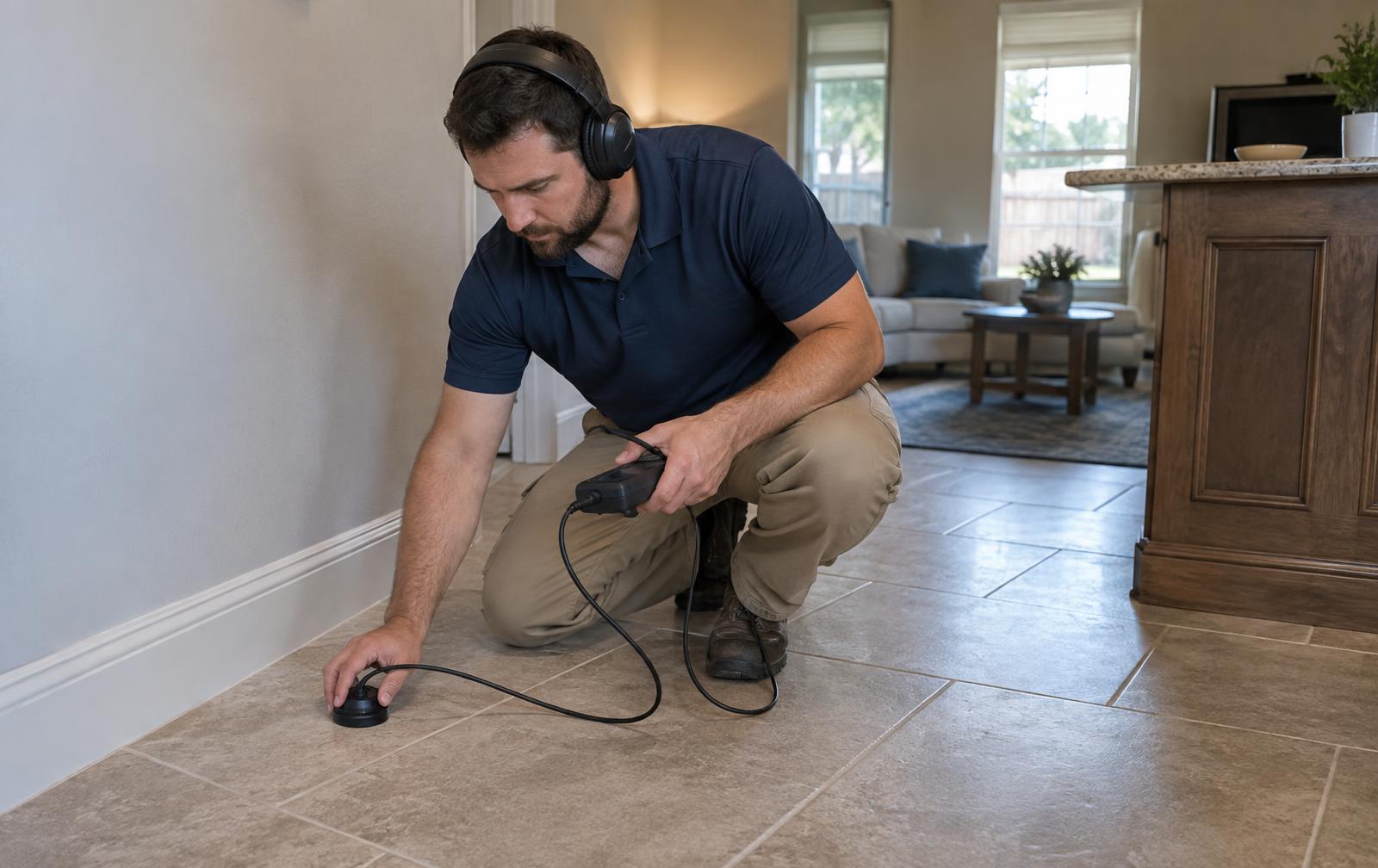
Acoustic, thermal, and pressure testing to pinpoint hidden leaks in Farmers Branch slab and wall lines without tearing into finishes.
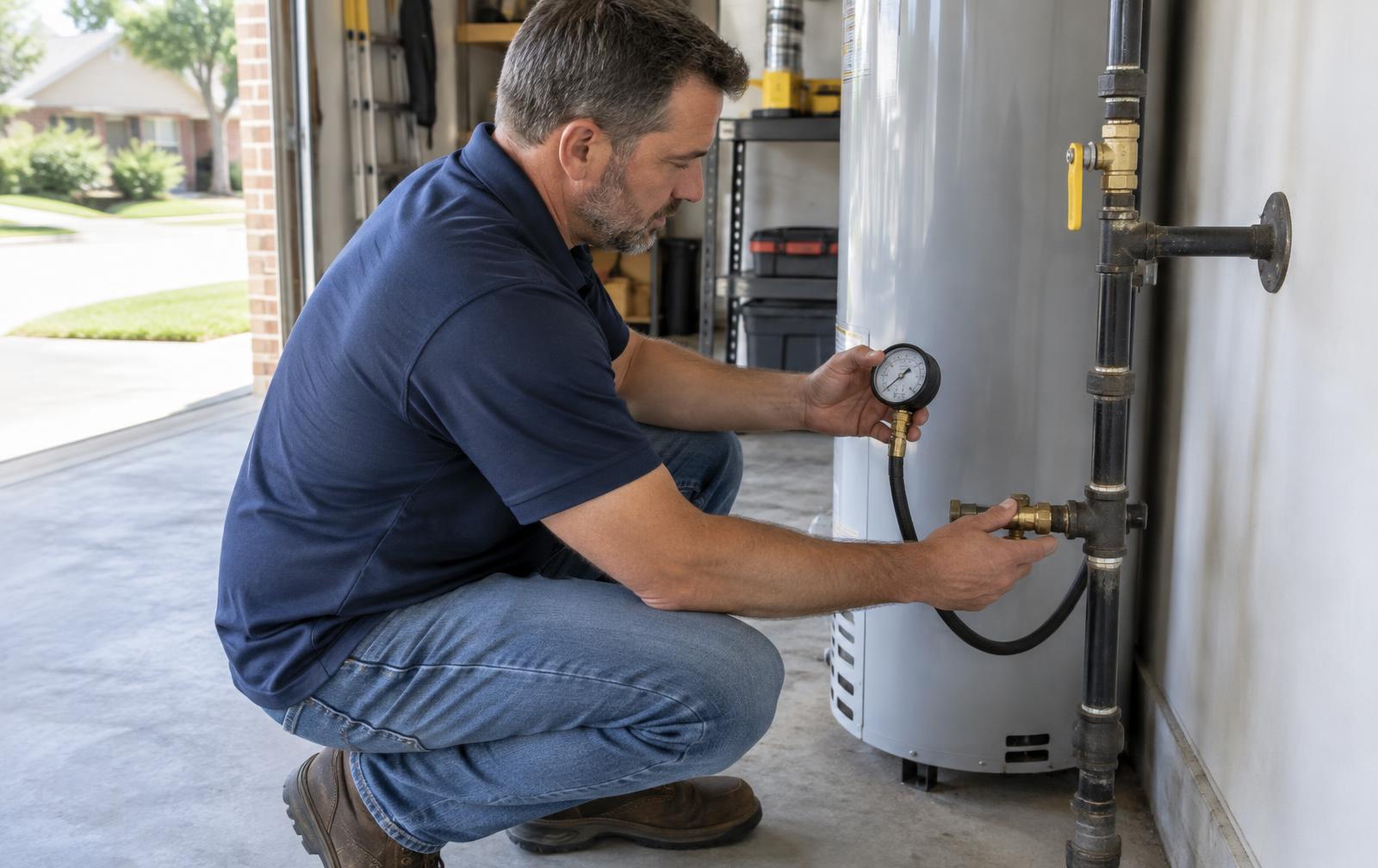
Licensed install, repair, and pressure-testing for Farmers Branch homes — every line signed off to Texas code and Atmos requirements.
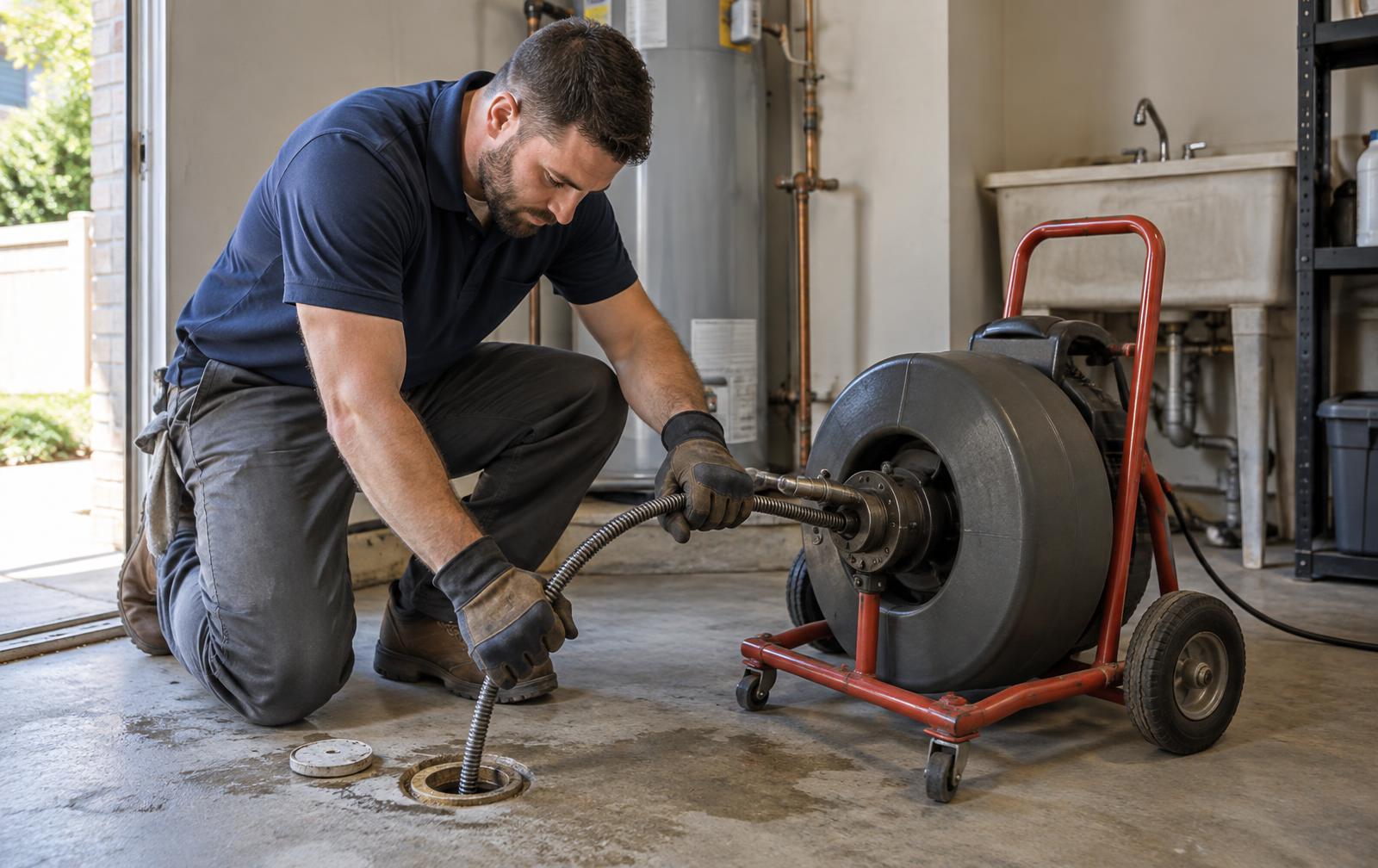
Full-clear service and camera confirmation for the drains under Farmers Branch's neighborhoods.
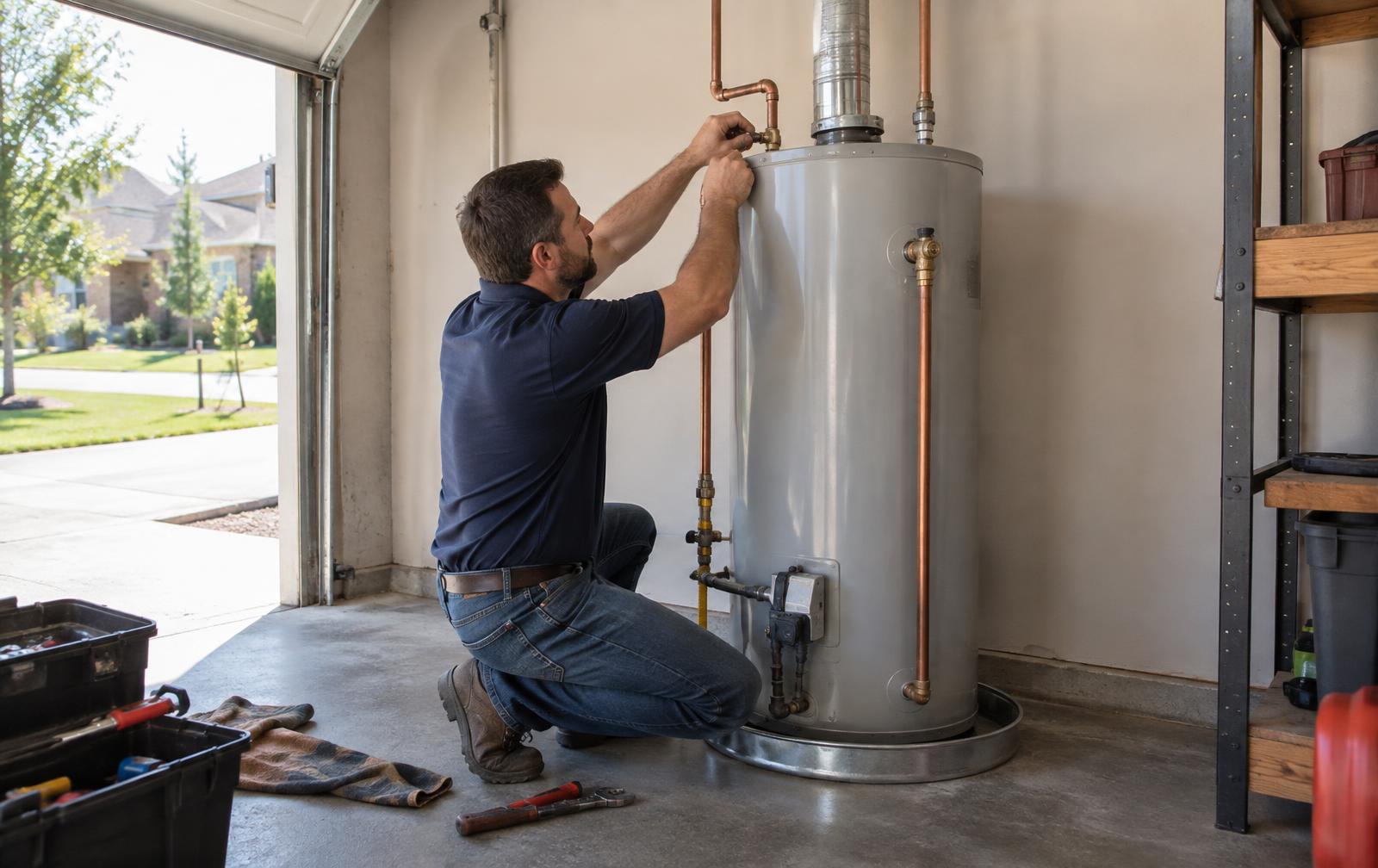
Repair, flush, and replacement of tank units — including attic and garage heaters common to Farmers Branch homes.
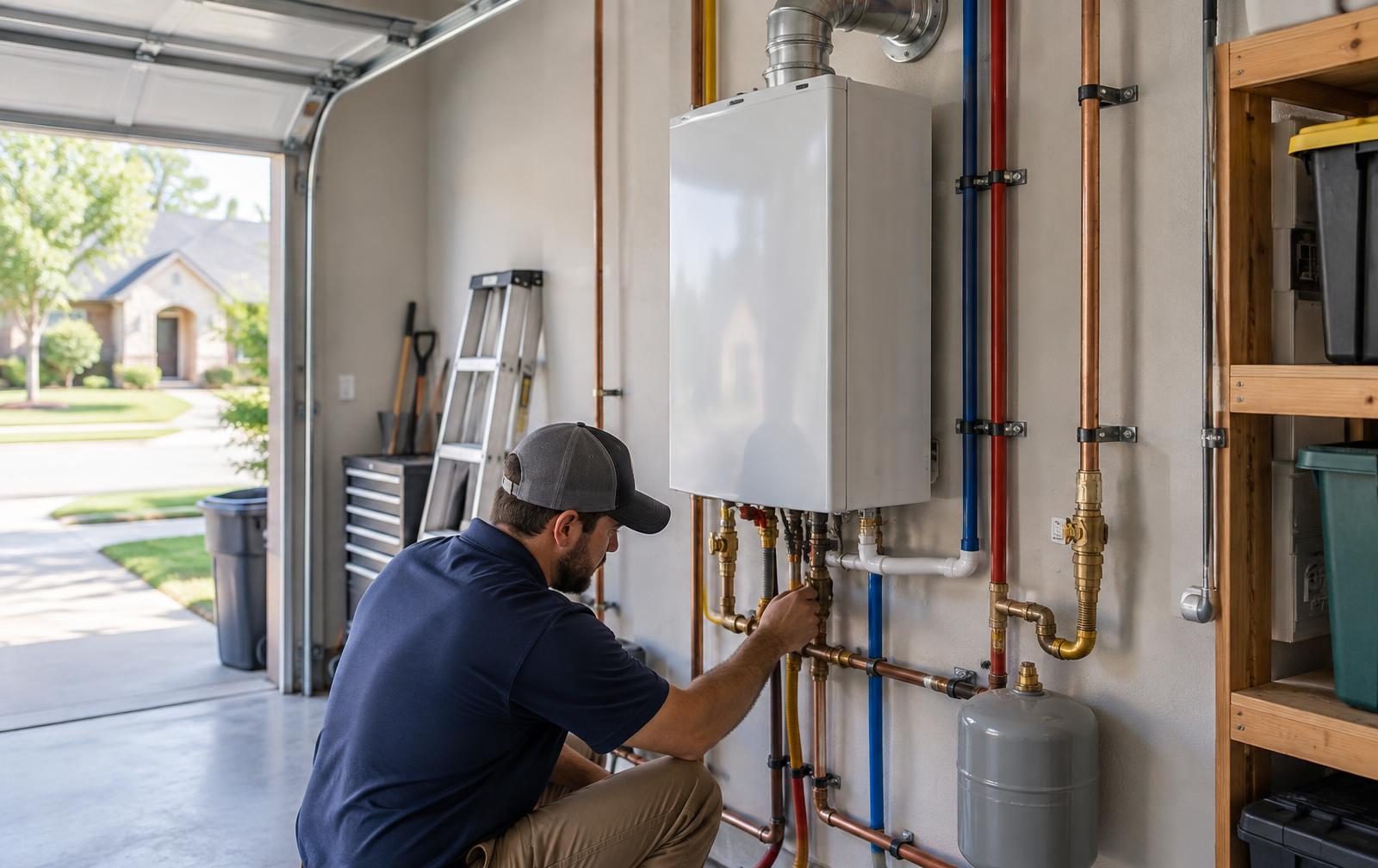
Install, service, and annual descaling — Farmers Branch's hard tap water eats tankless heat exchangers without it.
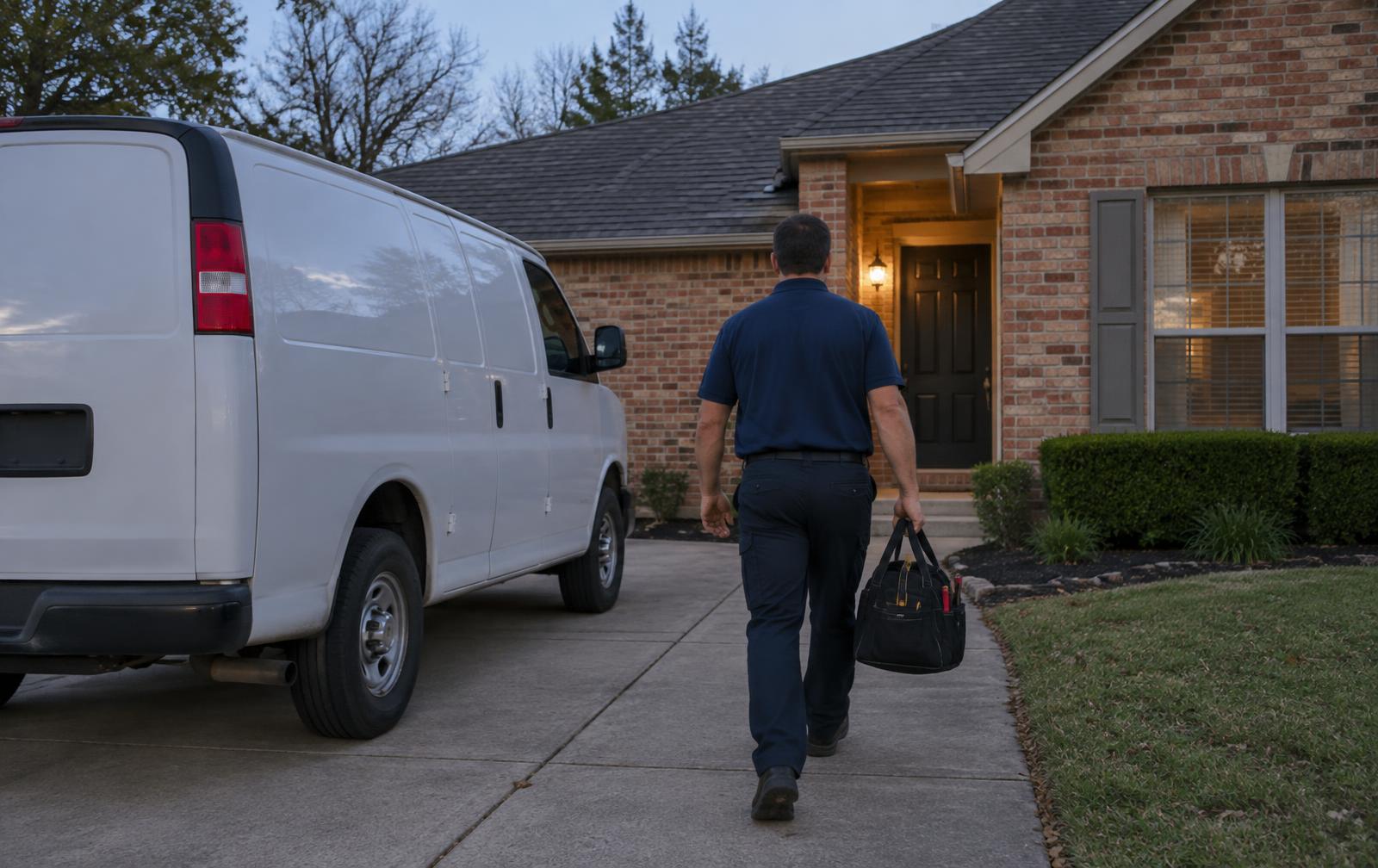
same-day, 7 days a week response across Farmers Branch for burst pipes, heater failures, and main-line backups.
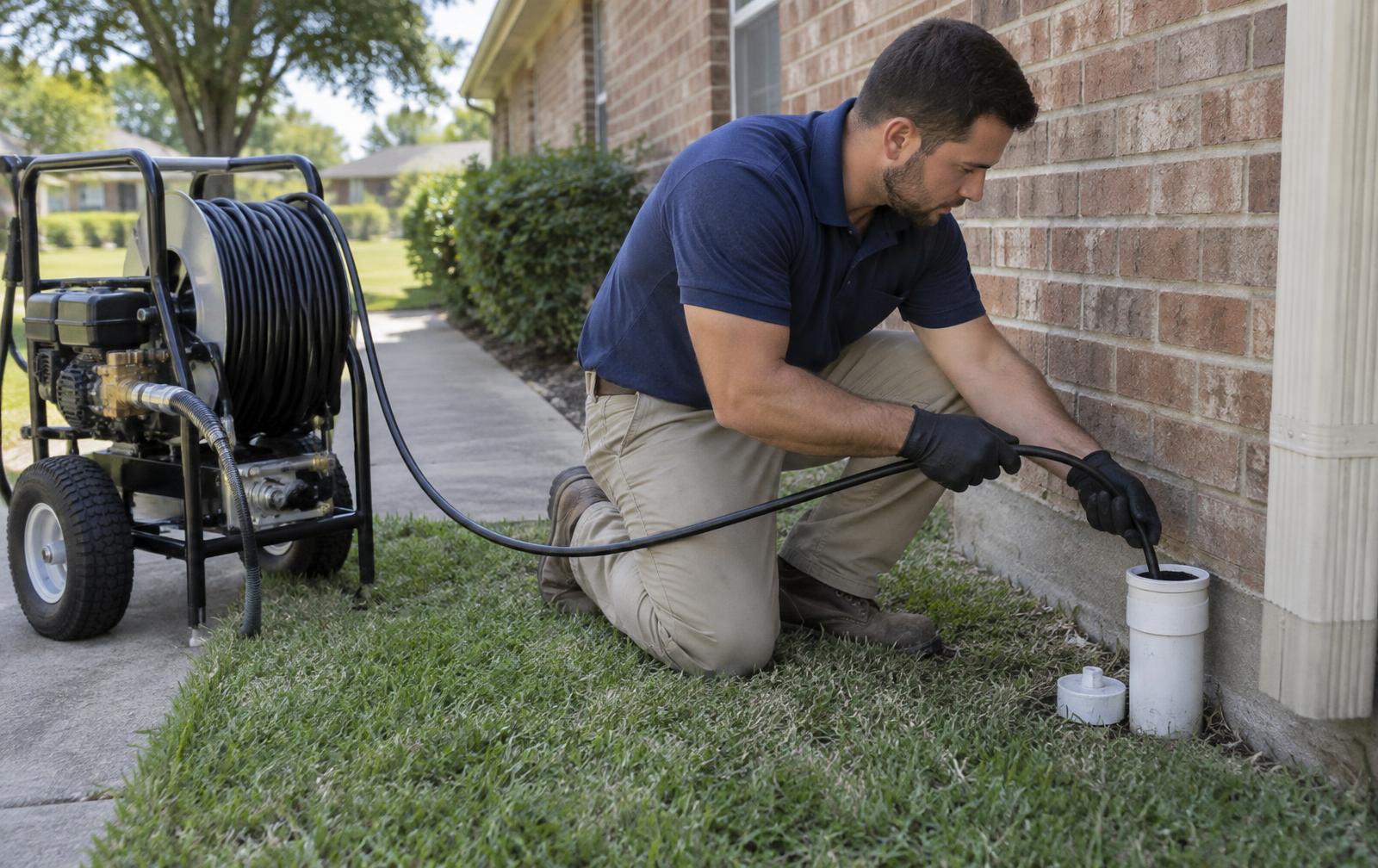
High-pressure cleaning that clears scale, grease, and roots from Farmers Branch's lateral runs — full-diameter, lasting clean.
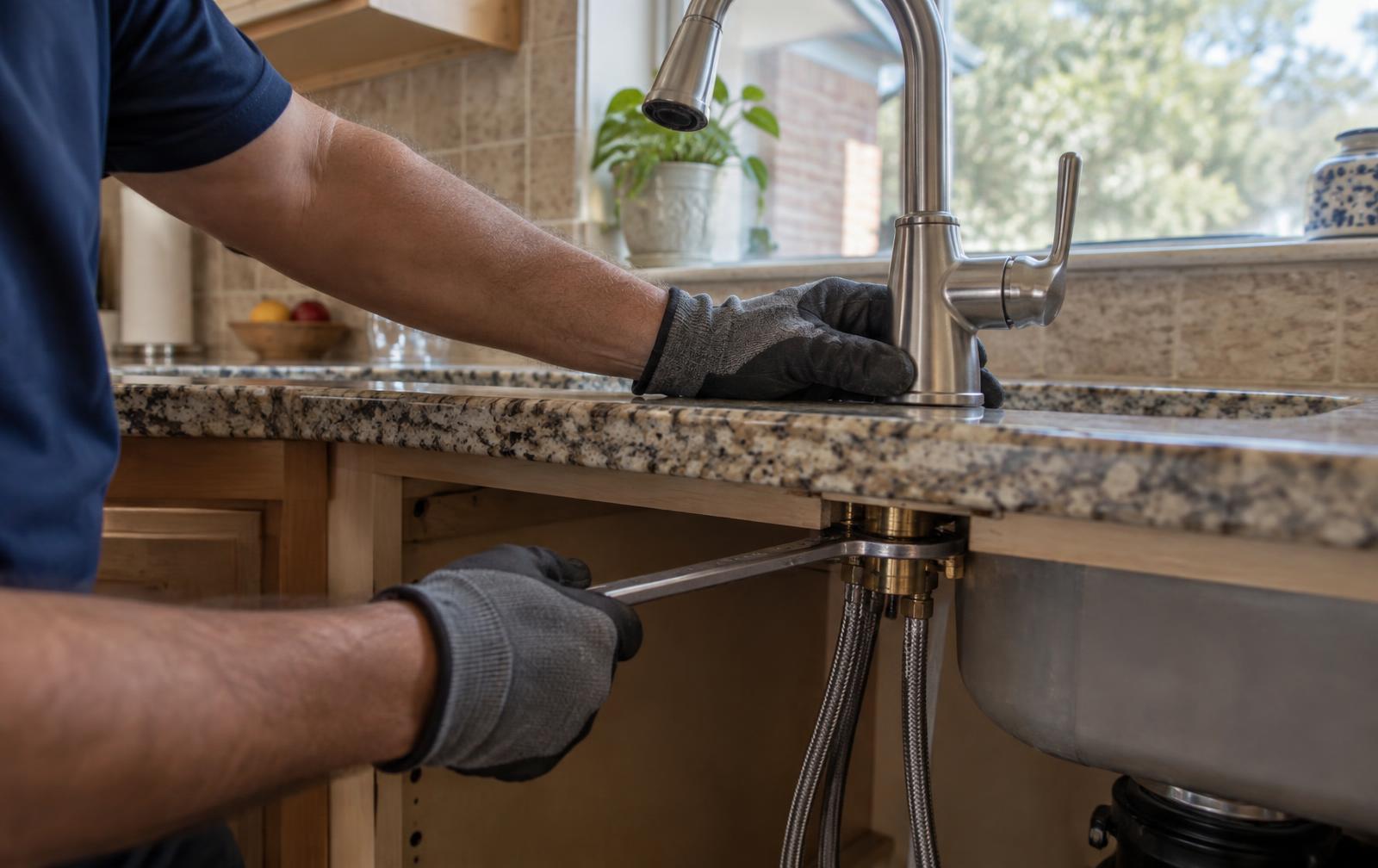
Cartridge, stem, and full-fixture replacement for Farmers Branch kitchens and bathrooms — hard-water-ready parts stocked on the truck.
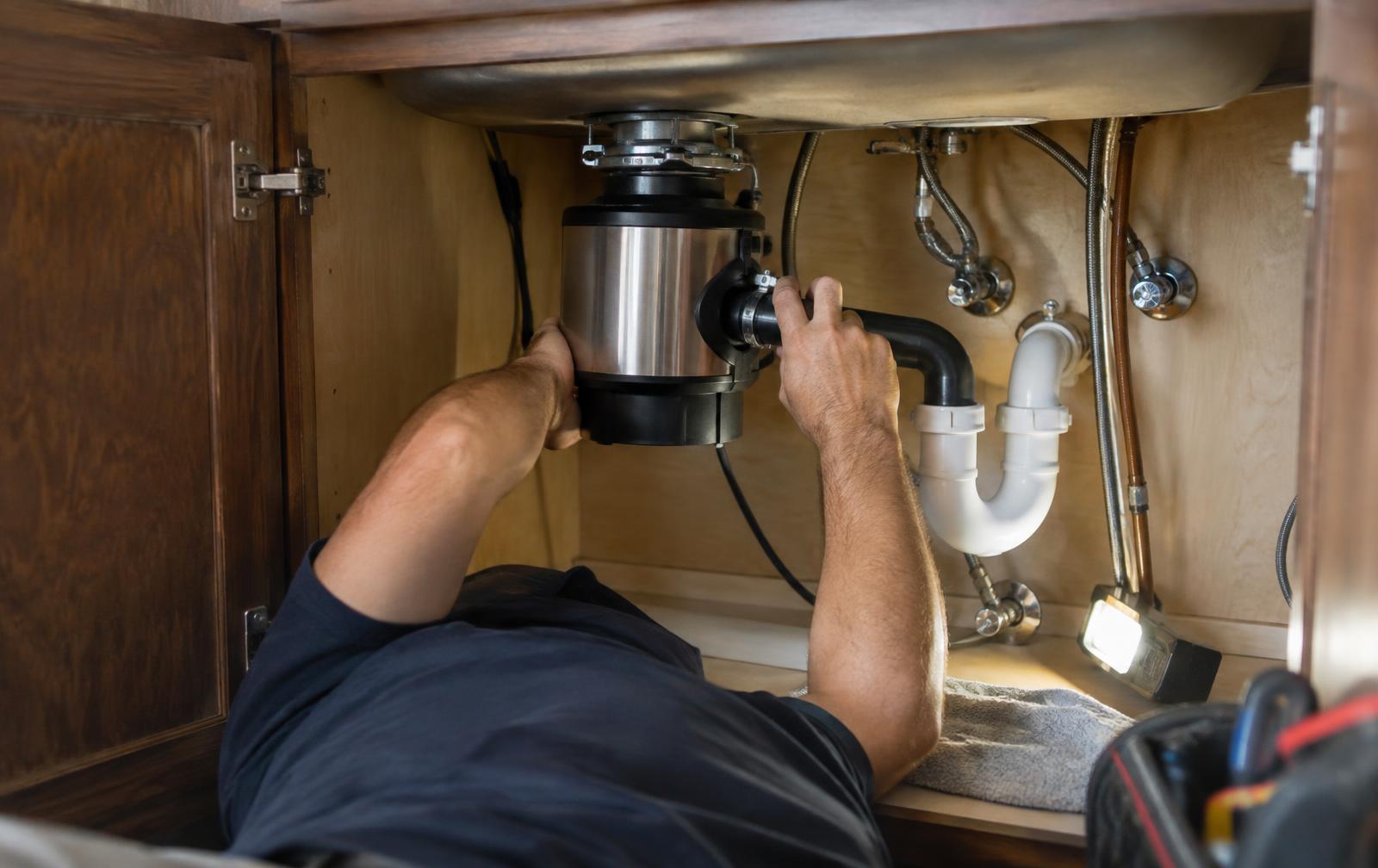
Jam clearing, leaking-unit swaps, and quiet 3/4 HP upgrades for Farmers Branch kitchens — same-visit install.
Need Toilet Work Done in Farmers Branch?
Rebuild, reset, or replace — priced in writing, warrantied, same-day for anything actively leaking.