
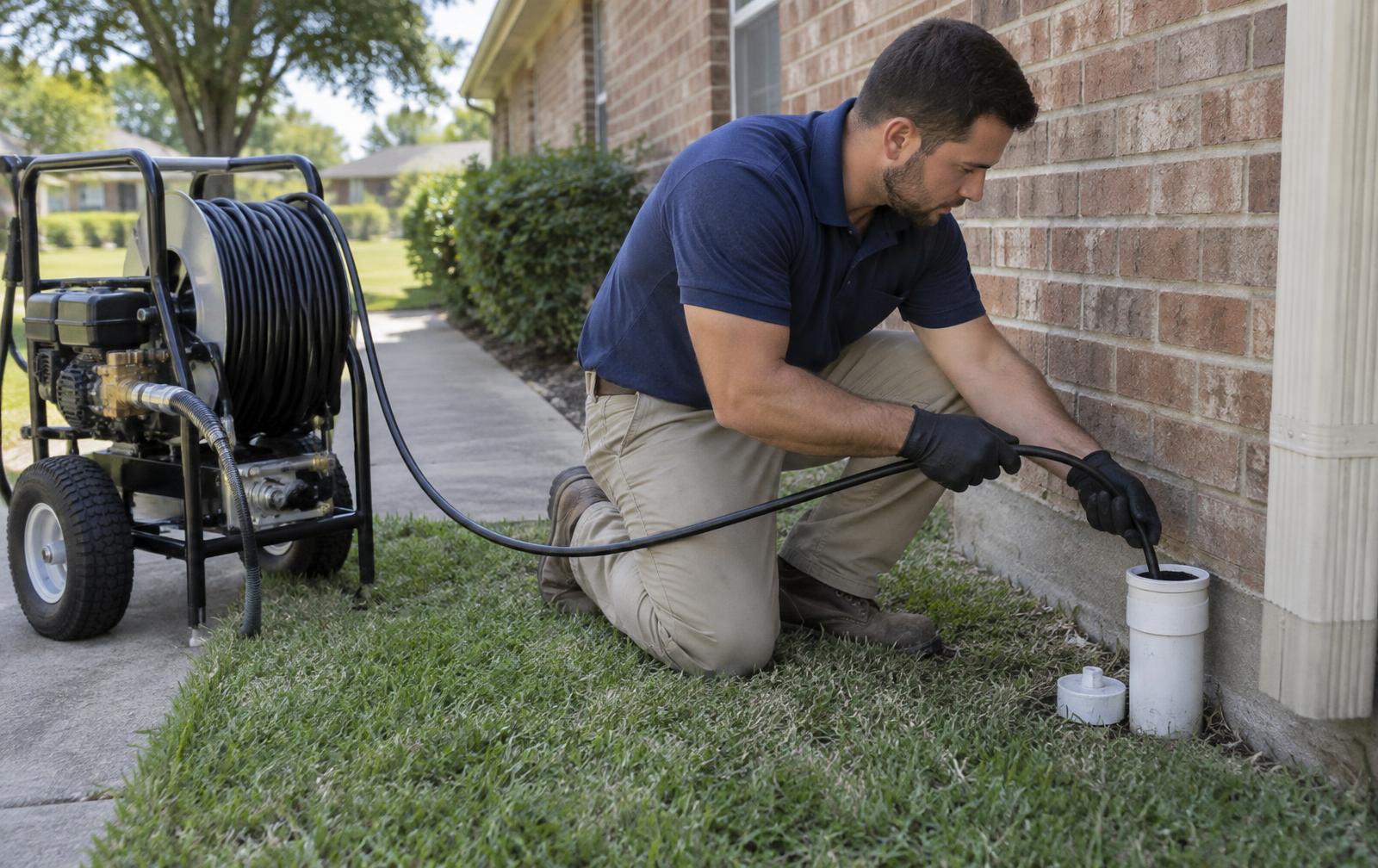
Hydro Jetting in Farmers Branch, TX
The same spot keeps clogging no matter how many times it's cabled. The camera shows a coating on the pipe wall that a cutter head can't touch. That's when hydro jetting is the answer — a high-pressure water stream that scours the line clean and gets the pipe back to its real diameter, not just a channel through the buildup.
Clay Soil Moves. Old Pipe Scales Up. Jetting Handles Both
Farmers Branch sits on Blackland Prairie clay — the same shrink-swell soil that runs under most of Dallas County — and that ground moves with the seasons in ways that stress buried pipe joints over the decades. Combine that with a housing stock where a good share of the sewer laterals date to the late 1950s and early 1960s Valwood build-out, and you get a lot of cast iron that's not just old, it's scaled down on the inside from years of mineral and grease buildup riding along the pipe wall.
A cable cuts a channel through whatever's blocking the line and gets water moving again, but it doesn't touch that coating. Within weeks, the same spot backs up again because the restriction was never actually removed. A hydro jetter runs water at 3,500 to 4,000 PSI through a nozzle that fires backward as it's pulled through the pipe, stripping the buildup off the wall from side to side instead of just punching through the middle of it.
We run the jetter on the cast iron mains near the Original Town core, the long lateral runs out toward Valley View where root intrusion is common at older joints, and the shared trunk lines under the Valwood-era townhomes where grease has built up over multiple decades of use. Camera before, camera after, so the improvement isn't something you have to take our word for.

When Jetting Beats Cabling in Farmers Branch
Cabling clears a lot of clogs fine. These situations need the pipe wall itself cleaned, not just punched through.
If a line's been cabled multiple times this year and it keeps backing up in the same place, the wall itself is coated with something a cutter can't remove. Jetting is what actually clears it for good.
A healthy pipe interior should look smooth. A rough, textured coating along the wall is exactly what jetting is built to strip away.
Cutting a root ball apart with a blade breaks the big chunks loose but leaves fine hairline roots clinging to the wall, ready to grow back before long. A jetter blasts those hairline remnants clear and pushes the regrowth timeline out significantly.
When a line drains slowly despite having just been cabled, the pipe's working diameter has narrowed from material coating the inside — the fix is scouring that material off, not another pass with a cutter.
Households that cook often send more fat and oil down the drain than a typical line can shed on its own. A jetting visit on a one- to two-year cadence keeps that coating from ever reaching backup levels.
Farmers Branch's older cast iron lines, some now approaching 70 years old, benefit from periodic jetting even without an active complaint — it restores flow capacity and pushes off the eventual replacement.
Camera First, Match the Nozzle, Camera Again to Prove It
The pressure and nozzle choice depend on what's actually inside the pipe, not a one-size-fits-all setting.
- 1Scope the line before touching it
We run a camera through first to see what we're dealing with — scale, grease, roots, or some mix — and to rule out a pipe that's already cracked, since jetting a broken section can push debris straight out through the break.
- 2Pick the nozzle and pressure for the job
Different nozzles for different problems: a chisel-style tip for mineral scale, a flail chain for root mats, a piercing head for solidified grease, and a broad scouring nozzle built for cast iron. We back the pressure down on older or more delicate pipe so we're not risking the joints themselves.
- 3Work the line from the far end back
We feed the hose past the blockage first, then jet on the way out. The rear-firing spray drives the nozzle forward through debris and scrubs the wall clean on the return pass, so nothing gets pushed further downstream and lodged there.
- 4Run it more than once if needed
A pipe with years of buildup or a substantial root problem sometimes calls for a second or third run, stepping up nozzle size each time. That's built into what we quoted at the start — we don't tack on extra charges if a line turns out to need more attention than we first estimated.
- 5Confirm the result on camera
A second camera pass after jetting shows the pipe clean from wall to wall, and we'll put the before-and-after side by side so you can see it. If the cleaning uncovers a structurally failed section underneath the scale, we tell you and quote the repair honestly — jetting alone can't fix a broken pipe.
What's in the Pipe Depends on Where You're Standing
The right jetting approach depends on the age and material of your specific line.
This is the oldest ground in the city, and its cast iron mains typically show the most dramatic before-and-after camera footage once decades of interior scale finally come off the wall.
Homes built between 1955 and 1962 commonly run cast iron drains where grease and mineral buildup has been accumulating for close to seventy years — jetting is usually what finally restores real flow here.
This newer development, built starting in 2017, runs PVC drain lines that rarely need jetting on their own merits, though we'll still scope and clean a shared trunk if debris accumulates over time.
Longer lateral runs out to the street tap in this mid-century subdivision are where root intrusion at aging joints shows up most, and a root-cutting nozzle followed by a full jet clears it thoroughly.
Built out gradually across the 1950s through the 1970s, this area has drain material that varies block by block, so we camera first here before committing to a jetting plan.
This 2022 mixed-use build runs modern piping with minimal buildup so far, and any jetting here tends to be a first-time preventive clean rather than a response to a recurring backup.
What Farmers Branch Homeowners Say

You Watch the Before, You Watch the After
You keep footage from both camera passes — before the jetter runs and after — for your own file. If the initial scope turns up a section that's actually cracked or collapsed, we stop right there and let you know, because forcing high-pressure water through a broken section only forces debris out into the surrounding soil and worsens the failure. The number you sign off on is set before the trailer even starts running.
We're licensed by the Texas State Board of Plumbing Examiners, insured, and family-owned, dispatching from our shop in The Colony with a full trailer-mounted jetting rig that a lot of residential-focused competitors in this area simply don't carry. Same-day for a backup that's already been cabled without success.
What Homeowners Ask Before Booking
Our Other Plumbing Services in Farmers Branch, TX
Jetting often sits between cable cleaning and a full pipe replacement. If the camera shows the line is actually failing structurally, we handle that repair locally too.
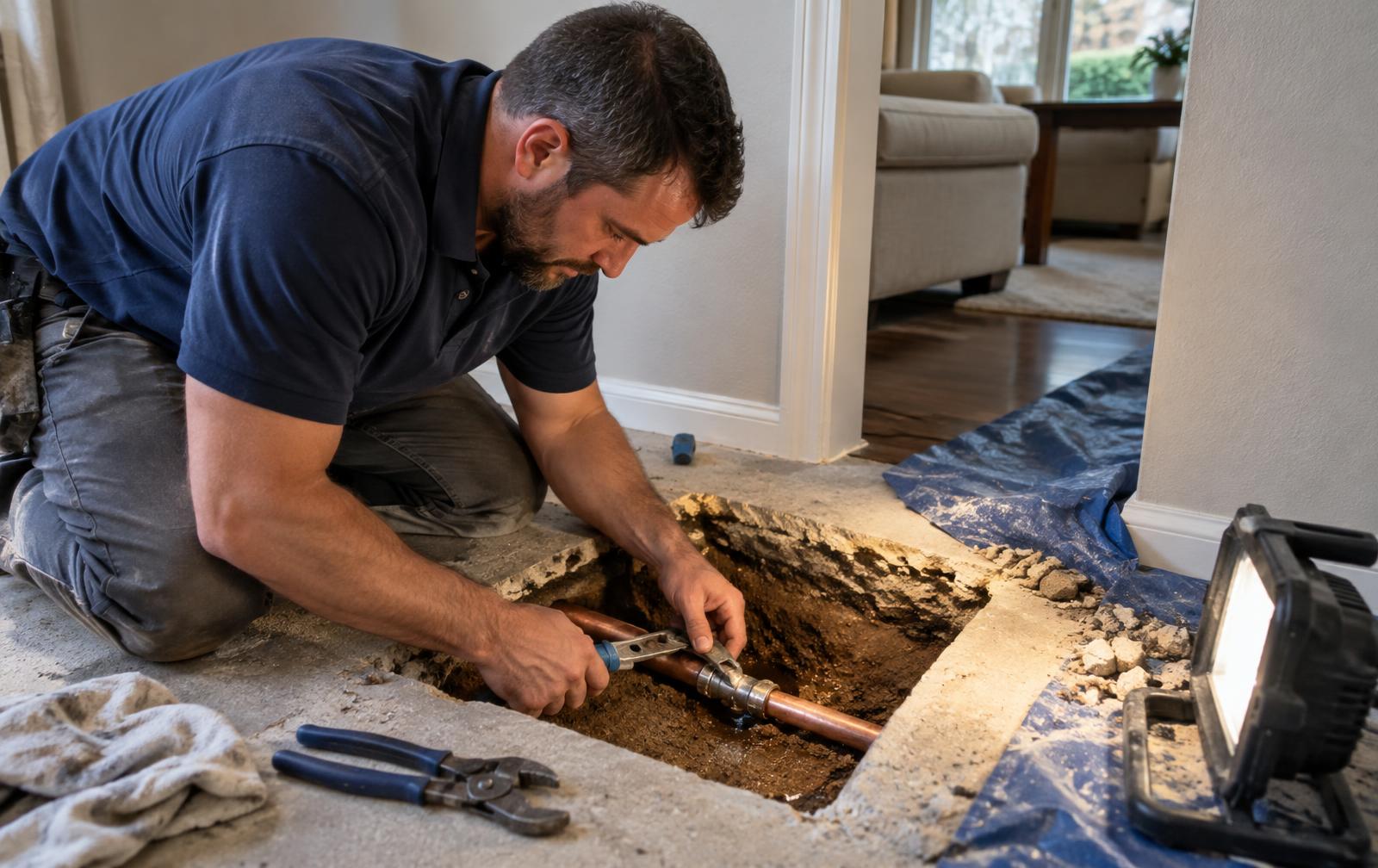
Electronic detection under Farmers Branch slabs — reroute options that save your finished floors when possible.
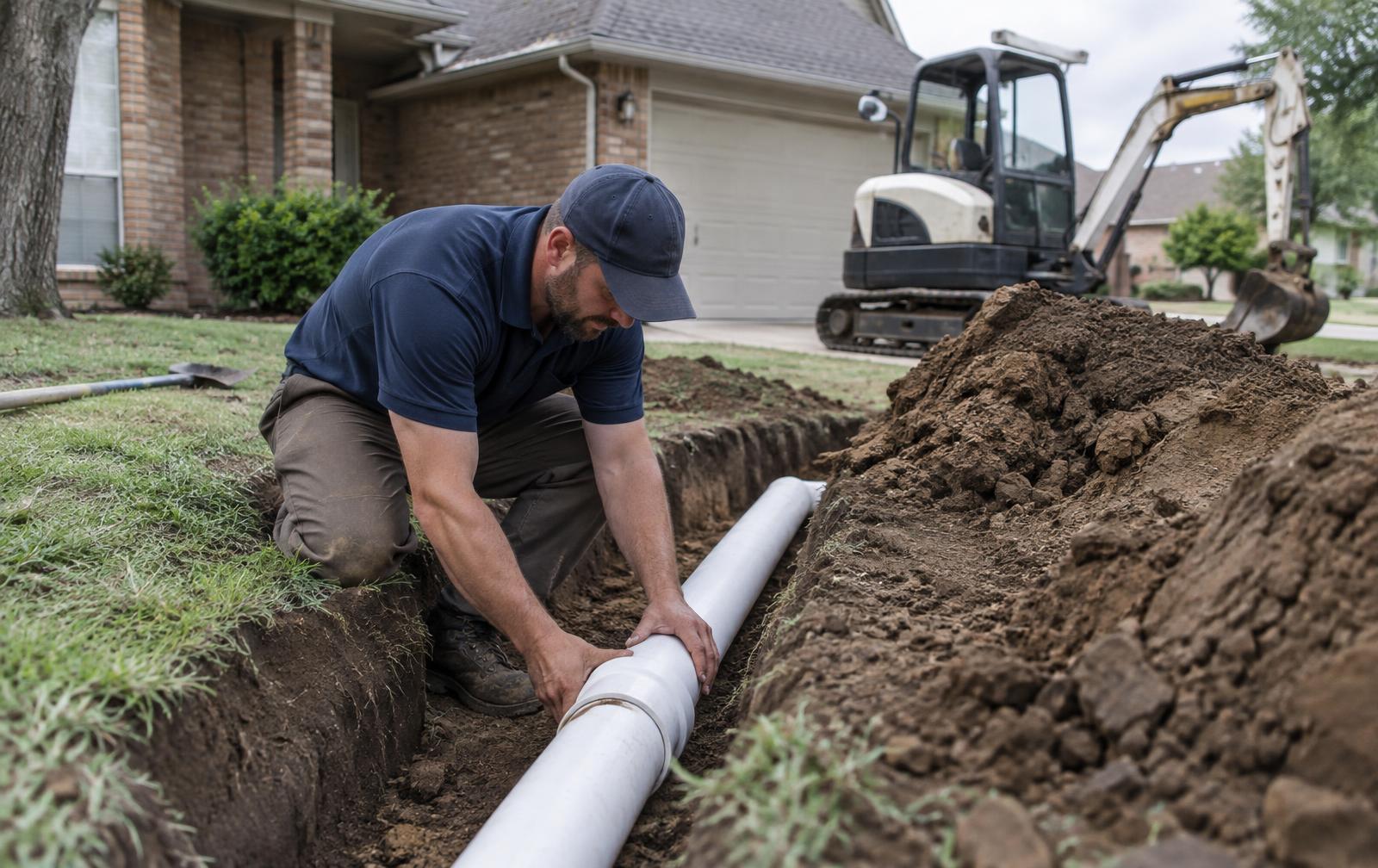
Trenchless replacement for the aging laterals across Farmers Branch's older runs — camera first, quote in writing, minimal yard damage.
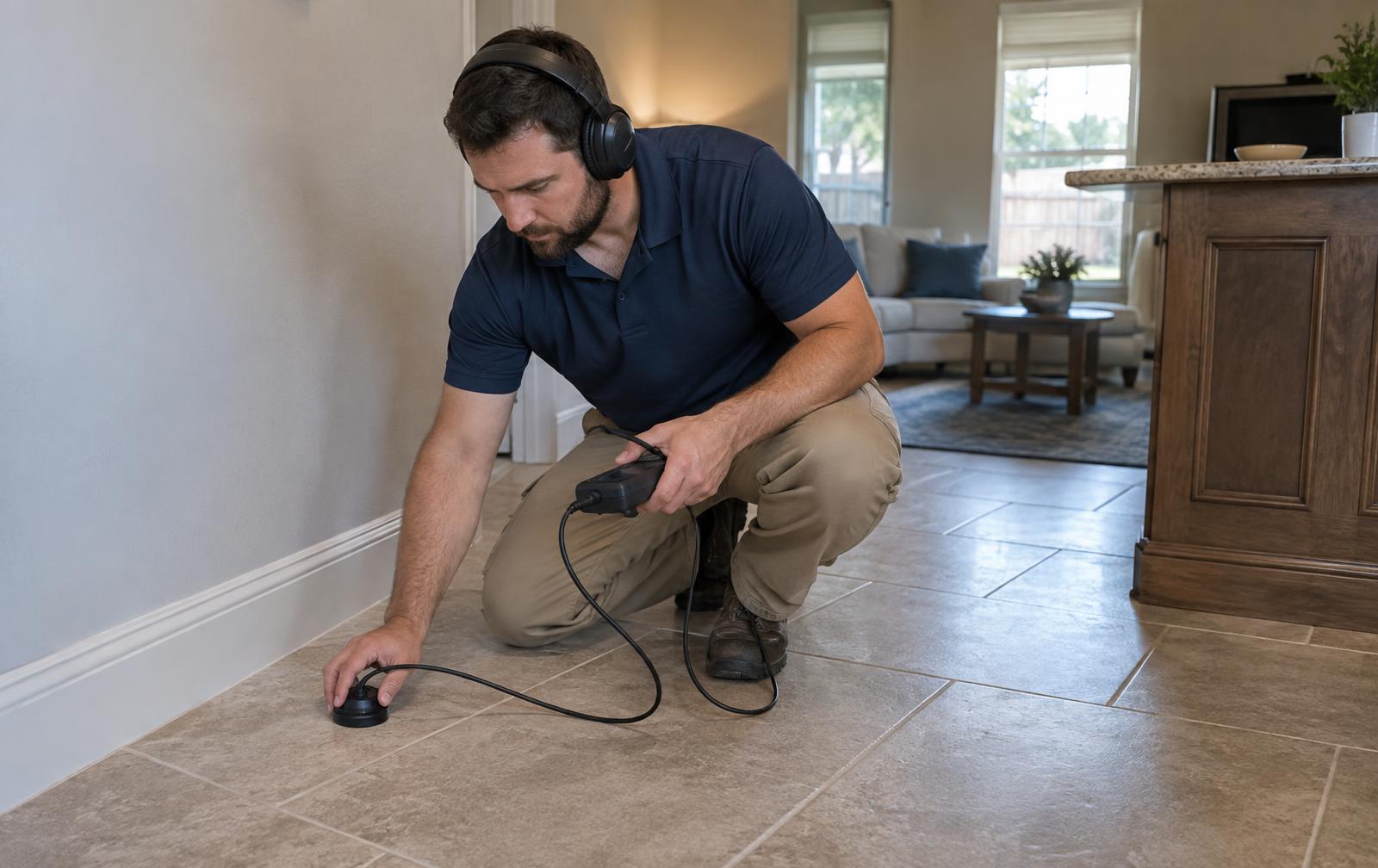
Acoustic, thermal, and pressure testing to pinpoint hidden leaks in Farmers Branch slab and wall lines without tearing into finishes.
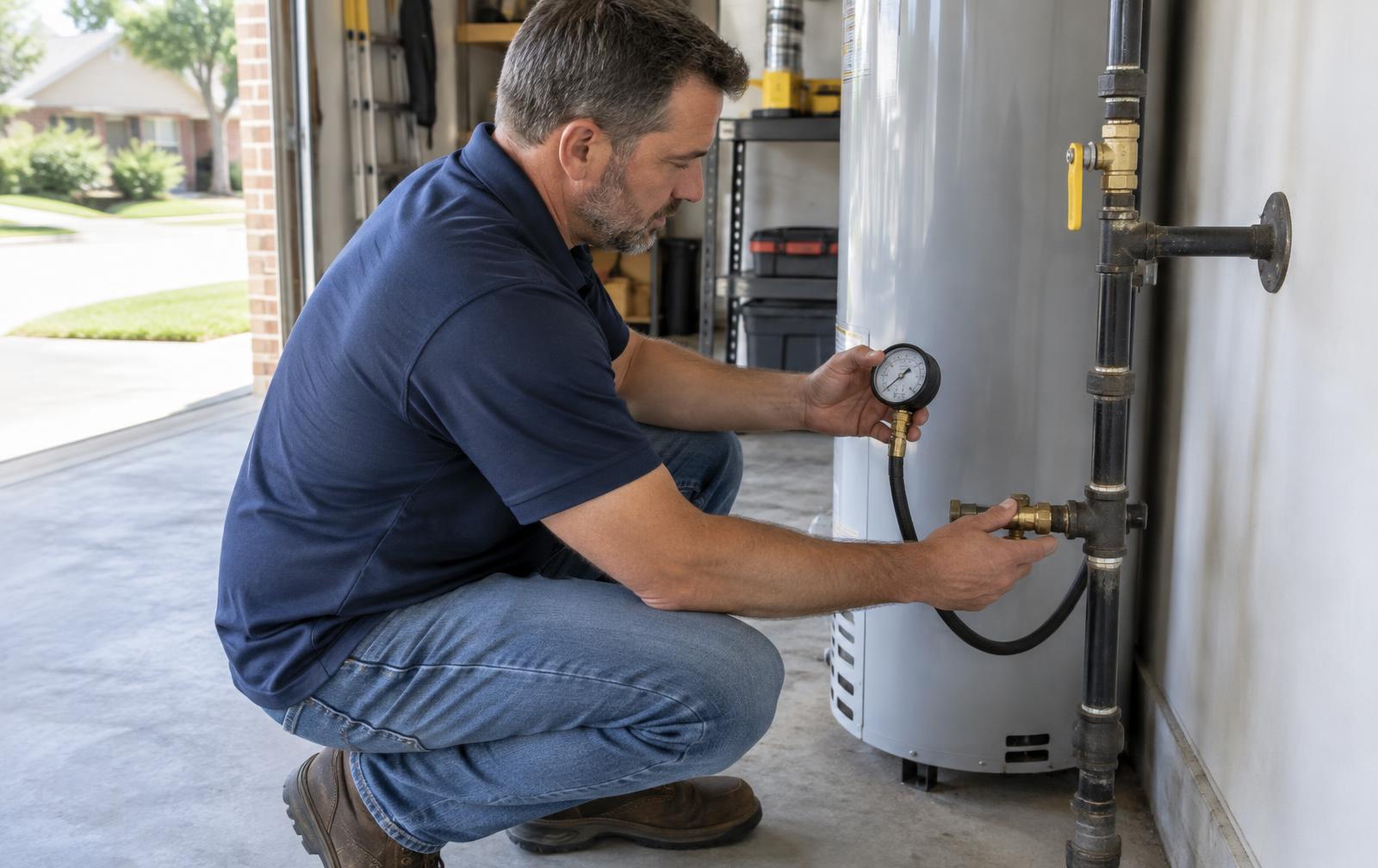
Licensed install, repair, and pressure-testing for Farmers Branch homes — every line signed off to Texas code and Atmos requirements.
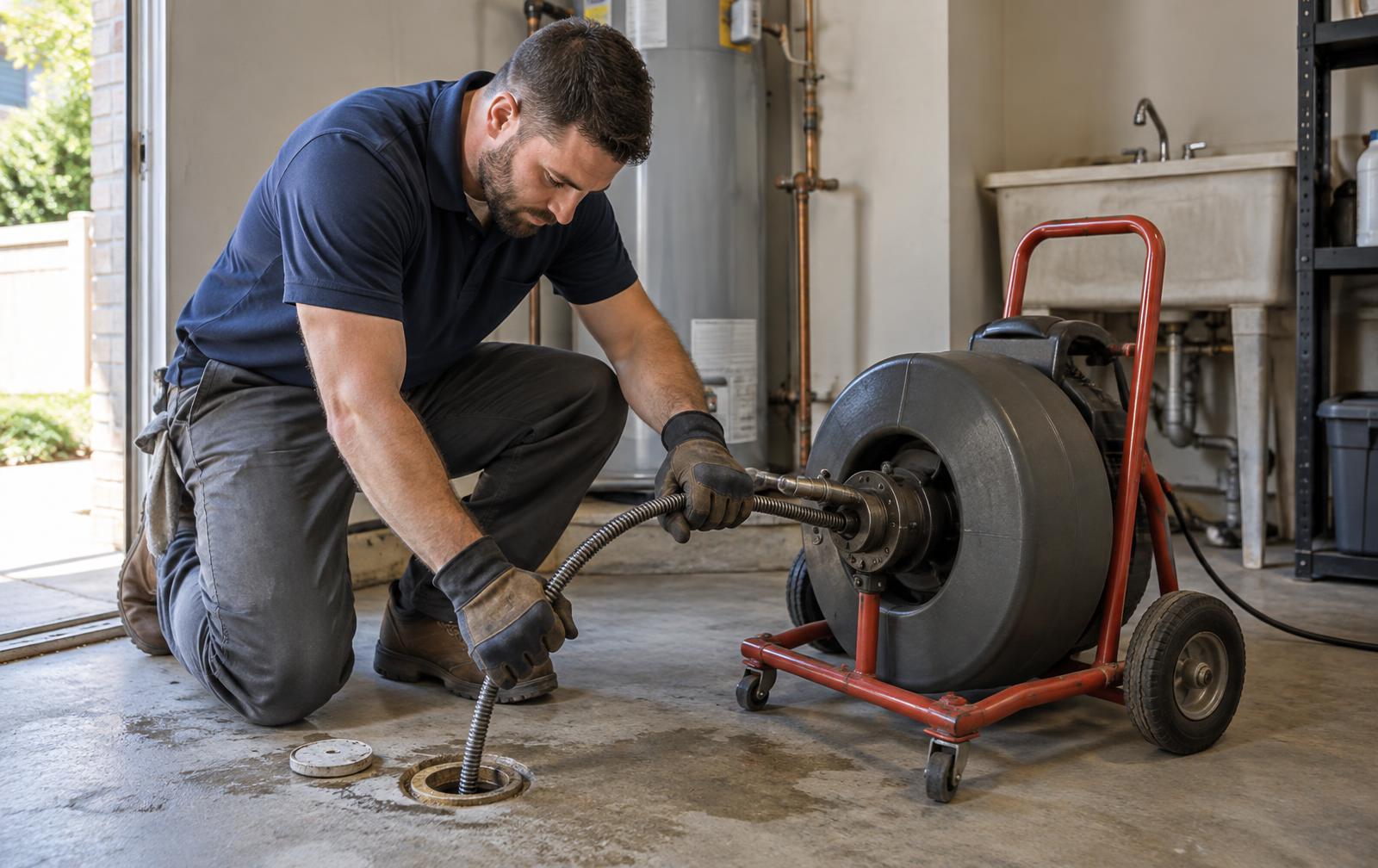
Full-clear service and camera confirmation for the drains under Farmers Branch's neighborhoods.
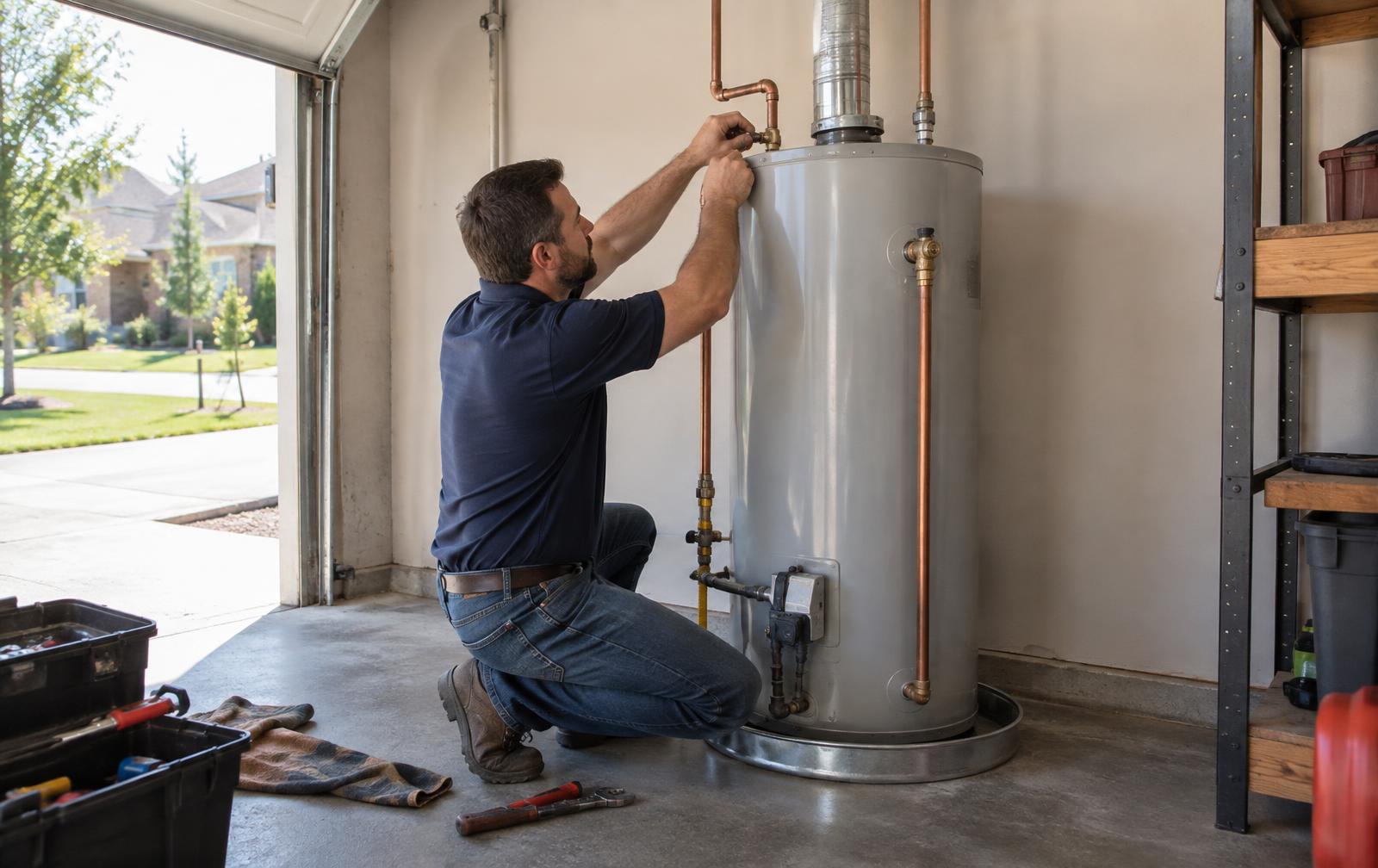
Repair, flush, and replacement of tank units — including attic and garage heaters common to Farmers Branch homes.
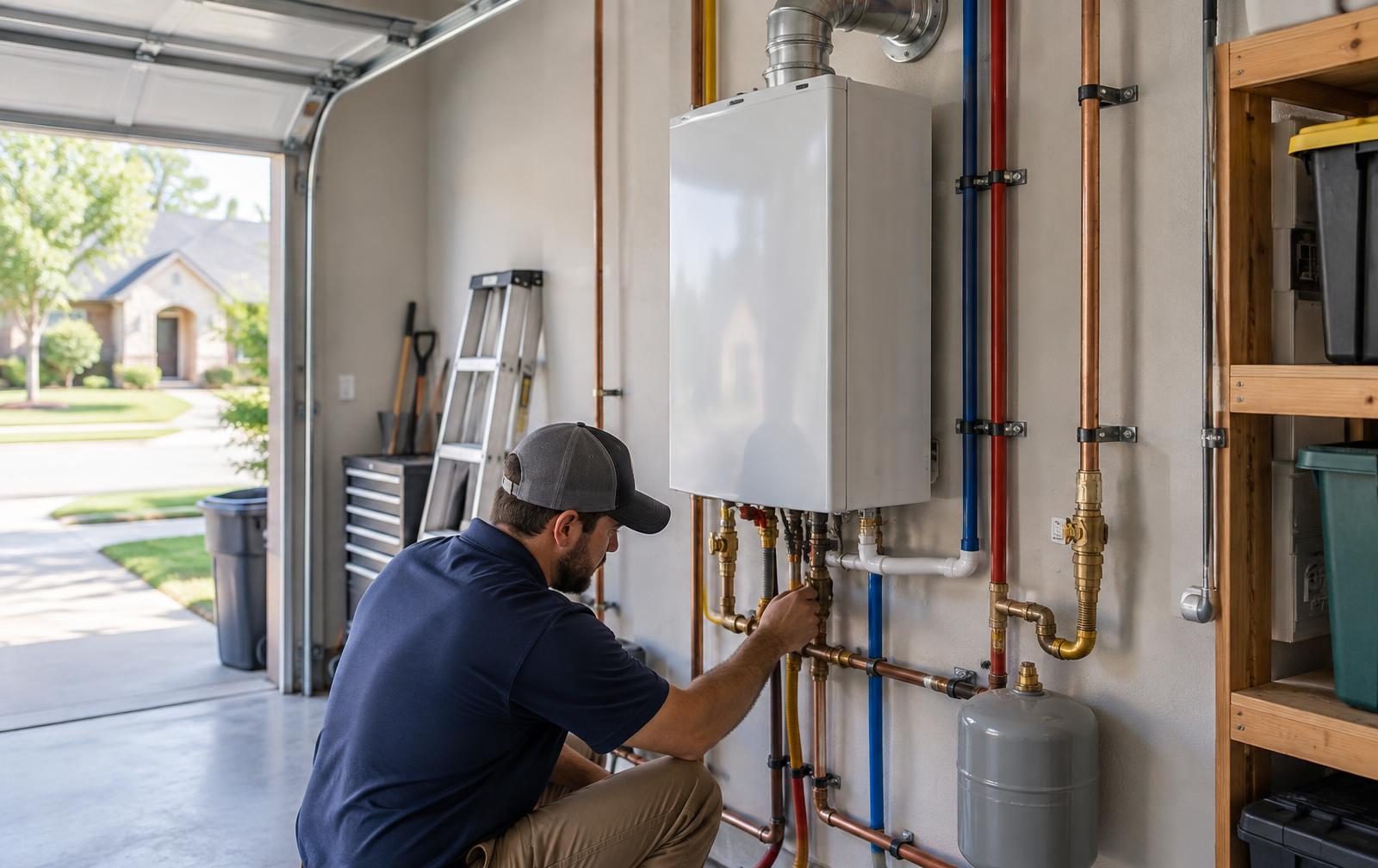
Install, service, and annual descaling — Farmers Branch's hard tap water eats tankless heat exchangers without it.
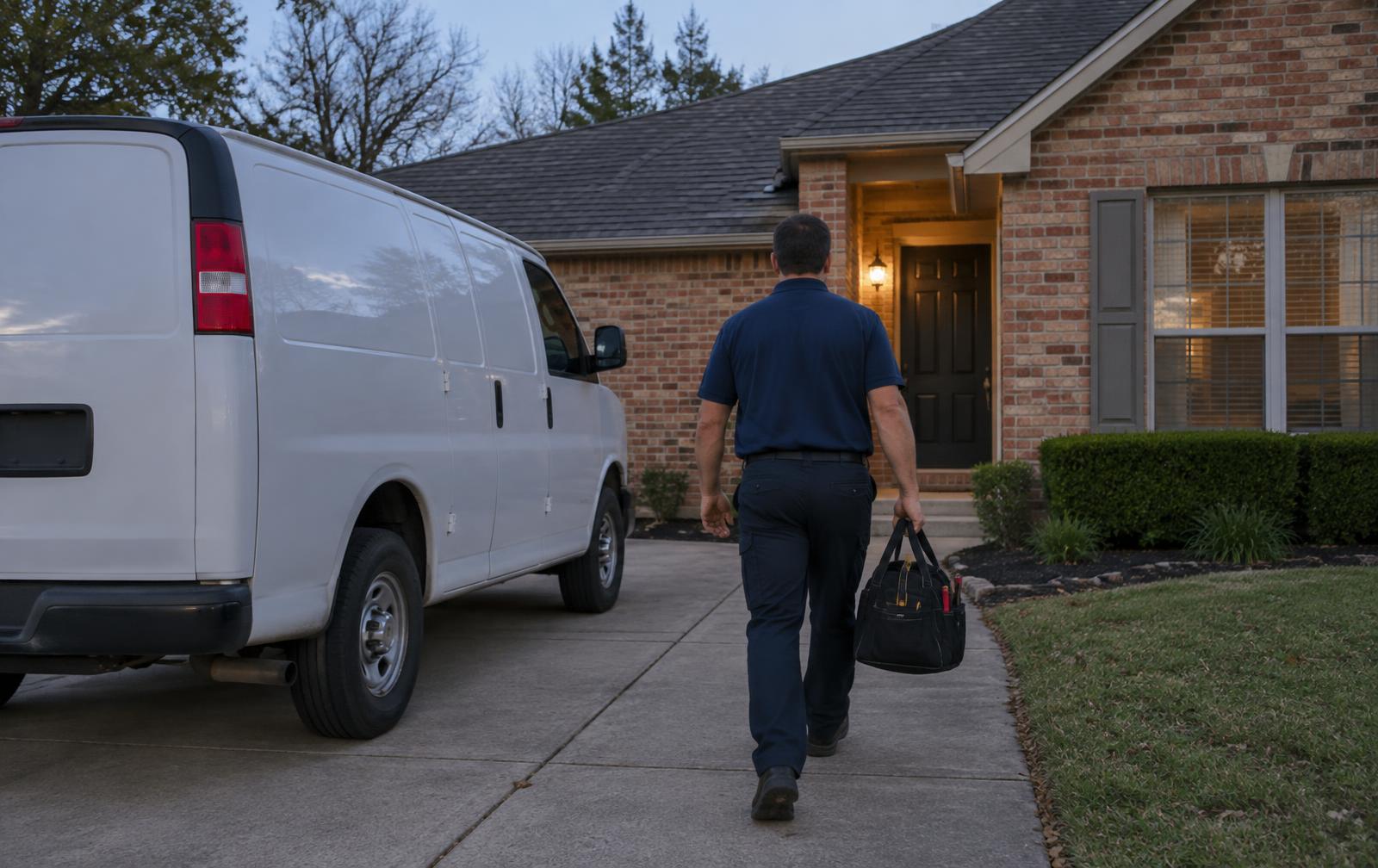
same-day, 7 days a week response across Farmers Branch for burst pipes, heater failures, and main-line backups.
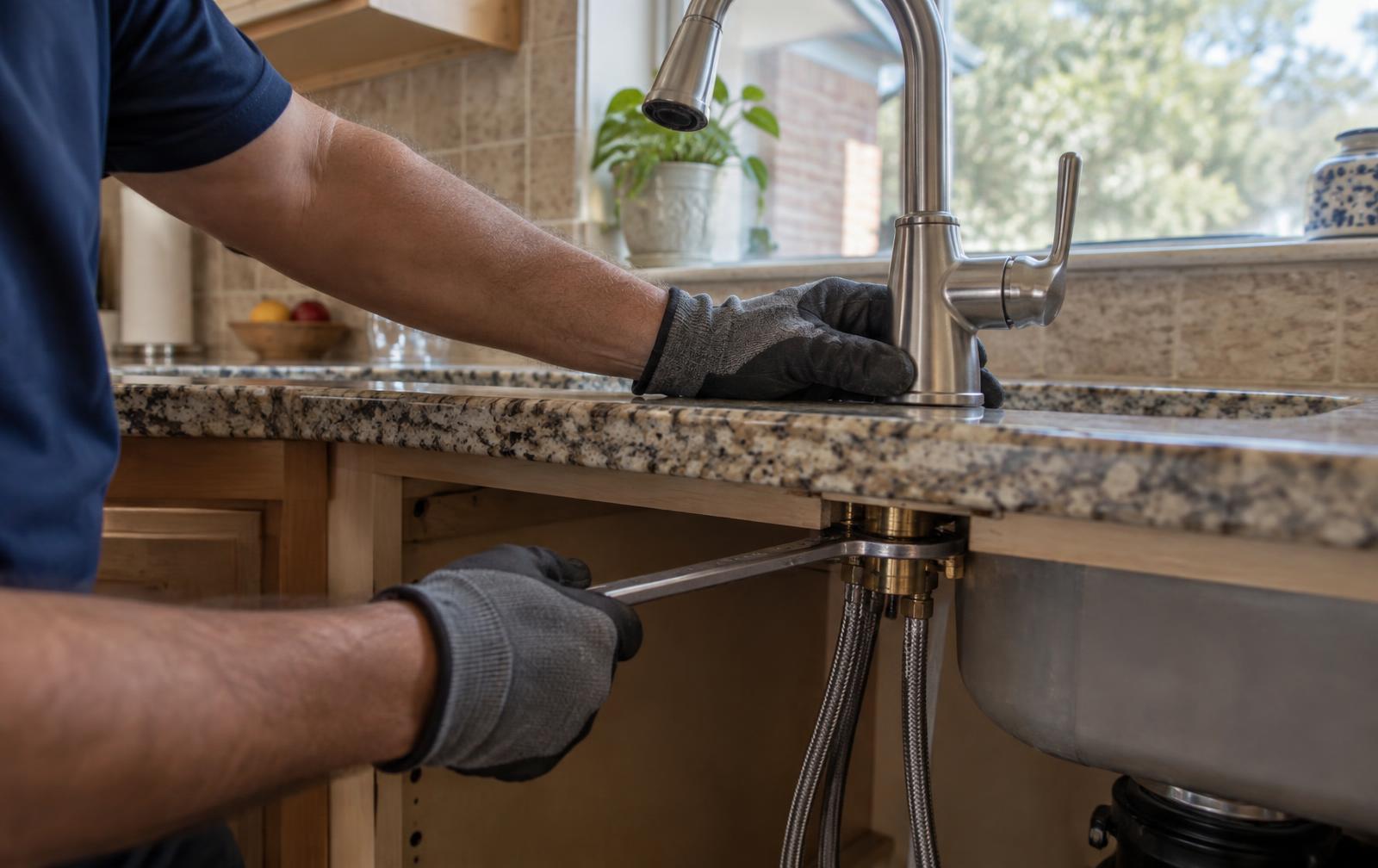
Cartridge, stem, and full-fixture replacement for Farmers Branch kitchens and bathrooms — hard-water-ready parts stocked on the truck.
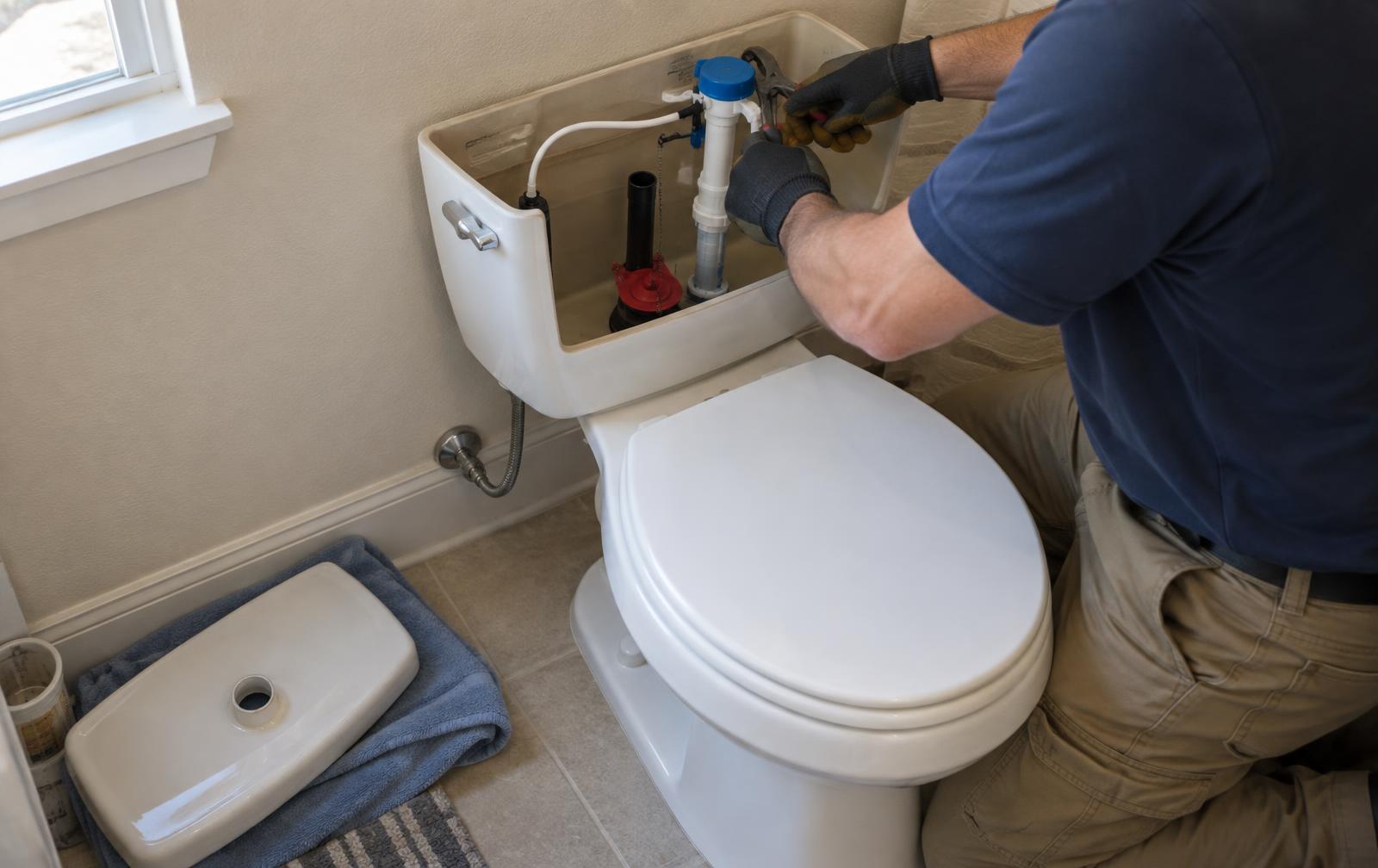
Rebuilds, wax-ring resets, flange repairs, and full replacements — the running toilets and rocking bowls in Farmers Branch homes.
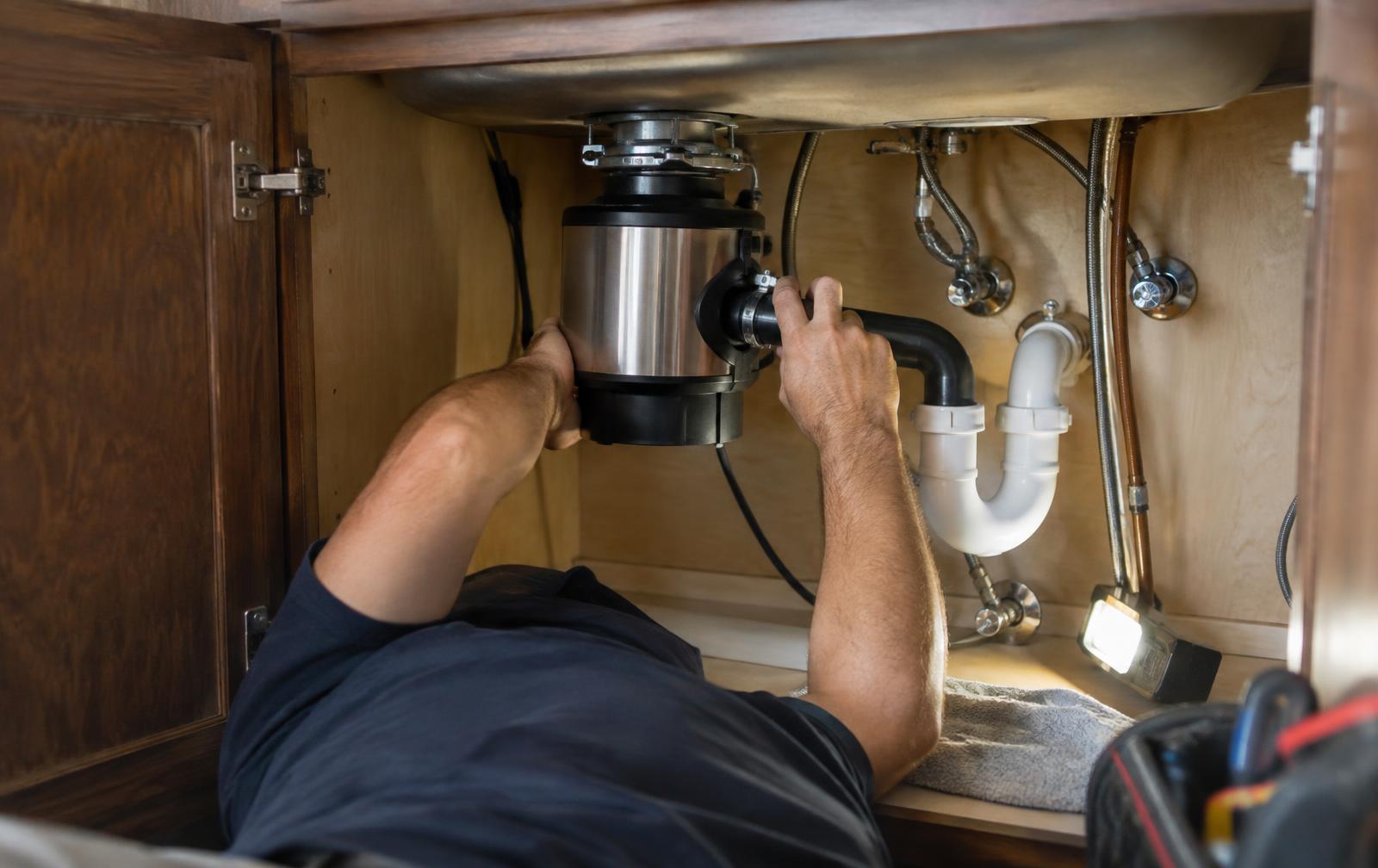
Jam clearing, leaking-unit swaps, and quiet 3/4 HP upgrades for Farmers Branch kitchens — same-visit install.
Same Drain Keeps Backing Up in Farmers Branch?
Full-diameter jetting with camera proof before and after. Call and we'll get you scheduled.